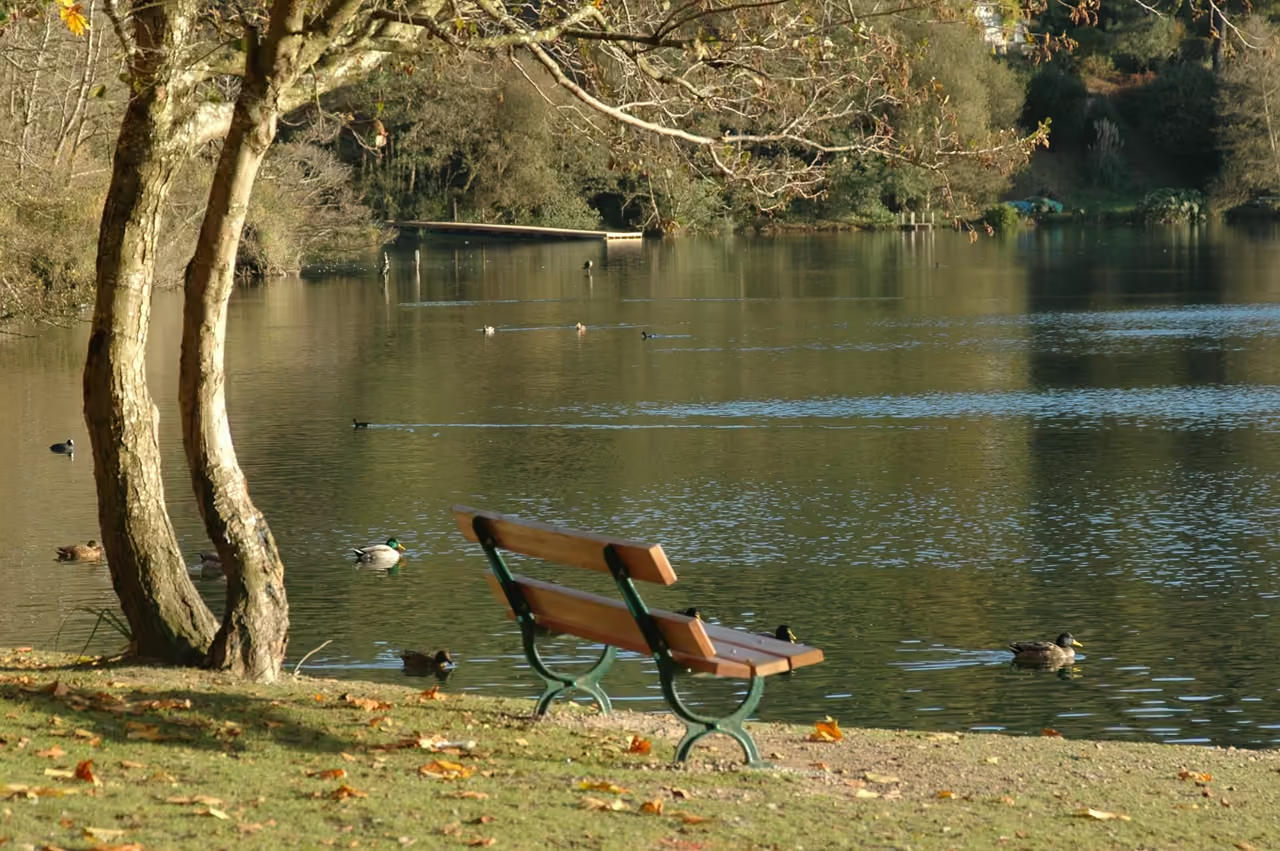
Lake Mouriscot
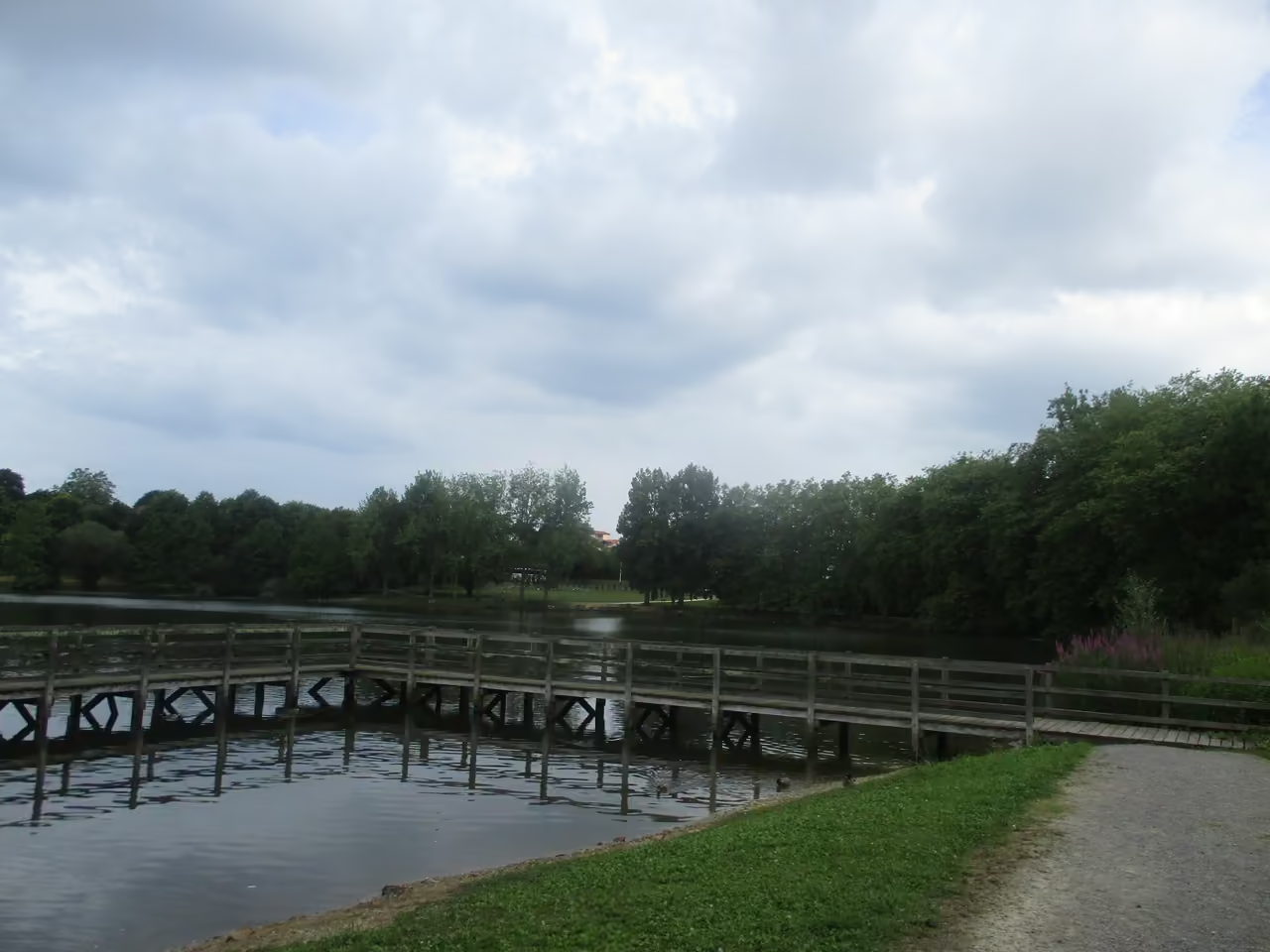
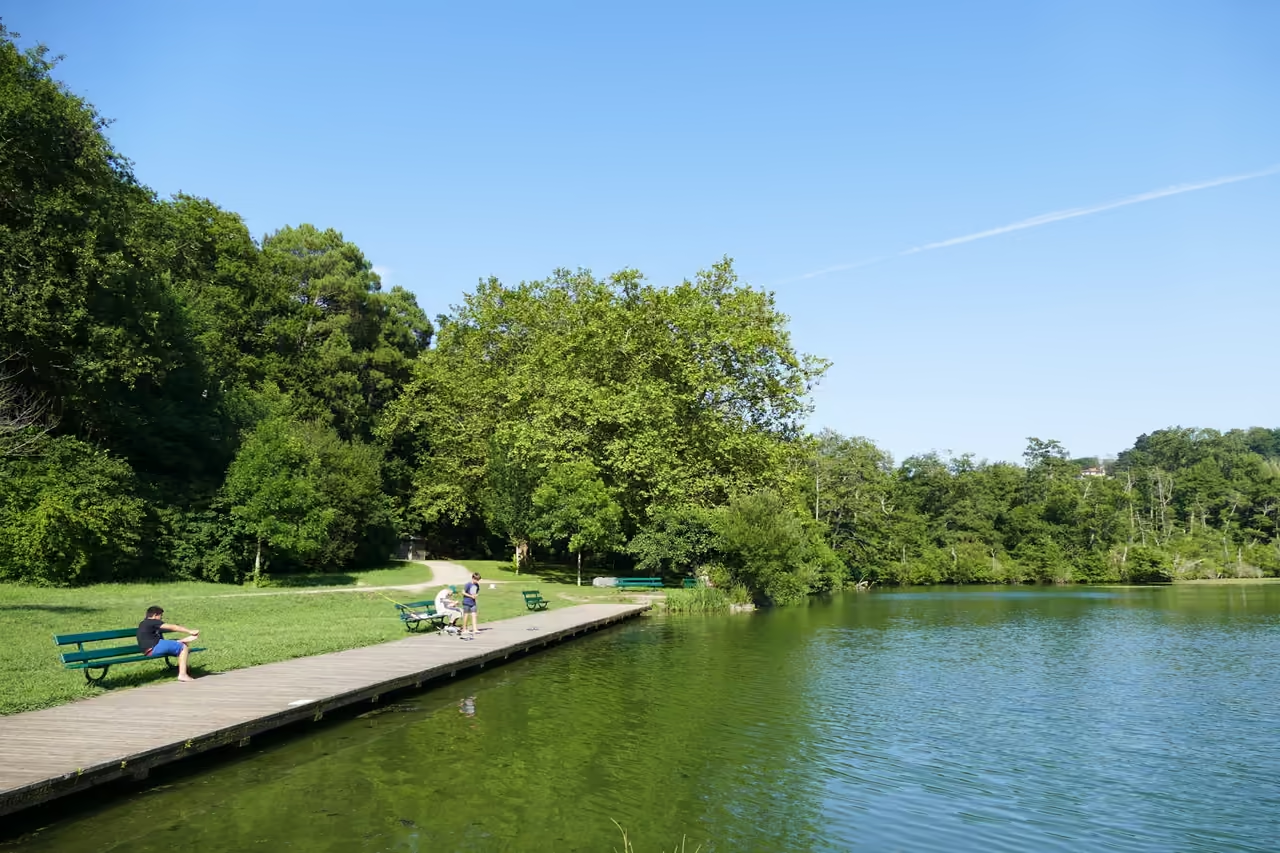
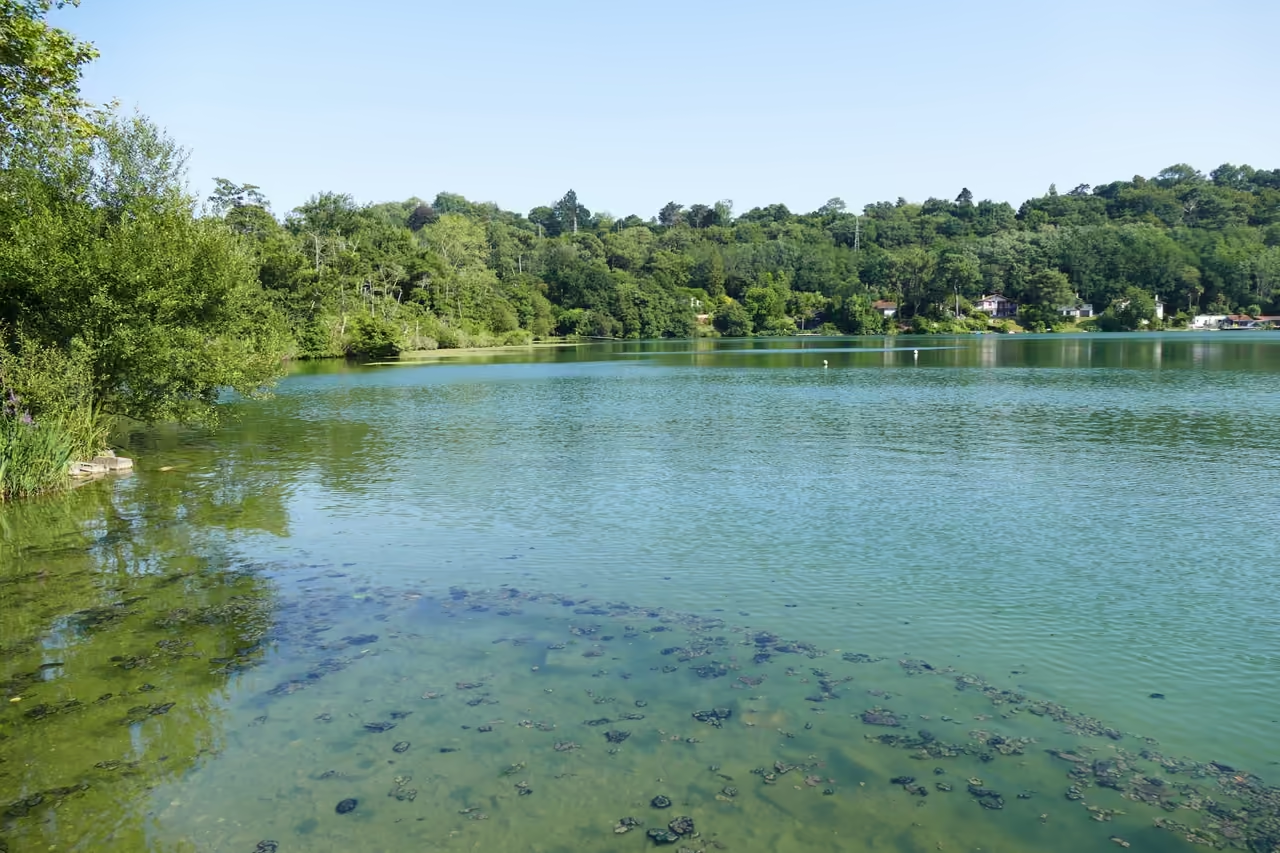
Oak, beech and pine crowd down steep slopes to a lake the colour of bottle glass, and for long stretches of the loop path the town seems to have vanished. The Conservatoire du littoral looks after about 24 hectares here, a patchwork of reedbed, peat bog, alder wood and heath that comes as close to wilderness as anything in Biarritz. Most of the circuit is shaded, and it starts conveniently from the car park beside the Cité de l'Océan. Coots and great crested grebes patrol the open water, grey herons stand sentry along the margins, and after a storm the odd sea bird drops in to shelter on the calm surface. Expect mud on the lower paths after rain.
Videos
History of Lake Mouriscot
Nobody is sure where the name Mouriscot comes from, and the favourite explanation sounds like a legend. Around 1611 Spain expelled its Moriscos, the descendants of converted Muslims, and local tradition holds that some settled beside this lake and turned its good clay into pottery. A notary's record of 1685 describes a farm called Mouriscot with the lake of Herausta on its southern edge, which led the researcher Hector Iglesias to think the water itself once went by that name, an echo of Harausta, the old name of the quarter around La Négresse. Michel Fabre reads the word as a diminutive of a term for marshy ground, while Iglesias points out that Mourisco is a common place name across the French Basque Country and declines to pick a side. Along the way the lake has also been called the Blue Lake, the lake of Hondarrague and the lake of the Bois de Boulogne. For most of the nineteenth century this was a working water. Fishermen cast nets and raised trout, perch and carp, and botanists were already making trips to study the plants around the margins. From about 1880 the mood changed. Wealthy families bought land and built estates on the slopes, among them Françon, put up for the shipowner John Pennington Mellor and now a listed monument, and the villas Mouriscot, Barbarenia and Woodhed. The Conservatoire du littoral notes that visitors still get the faint impression of walking through somebody's private grounds. The twentieth century brought noise. By 1910 the lake was being used as a base for seaplanes, and in 1912 the Biarritz tourist board allowed the Compagnie générale transaérienne to build a hangar on the shore with a ramp for launching the aircraft. Military planes came down on the water during the First World War, and a nautical base kept going into the 1960s. In 1956 water skiing arrived, and the town regulated it quickly after fishermen and neighbours complained about the racket. Protection came at the end of the century. In 1997 the Conservatoire du littoral took over the parcels owned by the town, which kept the day to day management, and in 2006 the lake and its surroundings were designated a Natura 2000 special area of conservation. Since 2022 a cycle route has linked the railway station at La Négresse to the coast by way of the lake, so the water that once hosted seaplanes now has a greenway beside it. On a still morning the only wake on the surface is a coot's.
11 events spanning 411 years
Fun Facts
10- 01
A plant protected nationally, the spreading gromwell, grows on the dry heath, although it is common across the French Basque Country.
- 02
Barely half of the protected zone is water. Official figures give 50 per cent for the lake itself, 25 per cent for deciduous woodland, 13 per cent for marsh and 12 per cent for heath and scrub.
- 03
Birds seen here include the great crested grebe, coot, shoveler duck, cormorant and grey heron. Storms occasionally push sea birds inland to sit out the weather on the lake.
- 04
Cork oaks and strawberry trees grow in the understorey beneath the pedunculate oaks and maritime pines. It is a very Atlantic mix, and one that surprises many visitors in a Basque coastal town.
- 05
Insect-eating plants grow in a Biarritz suburb. Two protected species of sundew, the intermediate and the round-leaved, trap insects on sticky, dew-tipped leaves in the boggy ground, alongside royal fern, bog myrtle and great fen sedge.
- 06
Seven different habitats fit into a lake of around 15 hectares. A guided outing for World Wetlands Day in February 2012 listed the natural lake, a marsh of great fen sedge, peat bog, alluvial forest, an old pine wood, Atlantic heath with ciliated heather and purple moor grass, and drier heath with grey heather and sage leaved cistus.
- 07
The fish list includes pike, carp, roach, perch, tench and the pumpkinseed, a colourful North American sunfish known locally as the calicoba.
- 08
The lake drains to the sea by a small coastal stream, La Moulie, also written Lamouligne, Lamoulaygue or Lamouley. It runs for about 1,500 metres to emerge on the sand at Ilbarritz, in neighbouring Bidart.
- 09
Two very rare animals are named in the lake's Natura 2000 protection: the European mink and the European pond turtle. Neither is likely to show itself to a passing walker, but the designation is a reminder of how much this small wetland is meant to safeguard.
- 10
Water levels in the lake and marshes rise and fall with the seasons, and the Conservatoire du littoral credits this variation for much of the site's ecological richness.
Lake Mouriscot Map & Neighborhood Explorer
This interactive map is centered on Lake Mouriscot. Zoom in and move the map around to automatically discover Wikipedia photos and summaries of other nearby sights, monuments, and historical points of interest and stories in real-time!
Lake Mouriscot FAQ
Yes. A popular route starting at the Cité de l'Océan car park is listed at a little under 6 km as a return trip and is described as easy and largely shaded. Part of the circuit runs along residential streets, and some of the lower sections turn muddy after rain.
Walkers commonly start from the car park beside the Cité de l'Océan, at the end of Avenue de la Plage on the Biarritz coast. From there the lake is reached on foot along a short link path.
Dogs are welcome but need to be kept on a lead for almost the whole route. The lake is a protected nature area, so keeping dogs close also protects nesting and wintering birds.
Yes. It is partly a Natura 2000 site, number FR7200777, designated in 2006, and about 24 hectares are protected by the Conservatoire du littoral, which has owned the town's parcels since 1997. The public can walk around it, but the sensitive wet areas are best admired from the paths.
Yes. A cycle route opened in 2022 links the railway station at La Négresse with the Cité de l'Océan on the coast, passing the lake. It mixes dedicated greenway with shared roads and includes several steep sections, as it drops to the water and climbs again.
Yes. The two lakes are a short walk or ride apart, and the municipality has published a loop that passes Milady beach, Lake Marion and Lake Mouriscot before returning by the Cité de l'Océan. Lake Marion is a fenced garden, while Mouriscot is the wilder of the two.
Local tourism information has described bank fishing as allowed without a licence, with one rod per angler. Rules can change, so confirm the current regulations with the Biarritz tourist office before packing a rod.
The closest place to visit near Lake Mouriscot is Francon Castle, around 981 m away. Other things to do near Lake Mouriscot include Lake Marion (1.7 km), Station Quarter and Atabal Concert Hall (1.7 km) and Milady Beach (1.7 km). All of these are within roughly 1.7 km of Lake Mouriscot.
While we strive to keep this information accurate and up to date, we recommend verifying any details independently before making decisions based on them.
Places near Lake Mouriscot
Make the most of your trip. Check out these top-rated spots located nearby.
 981m
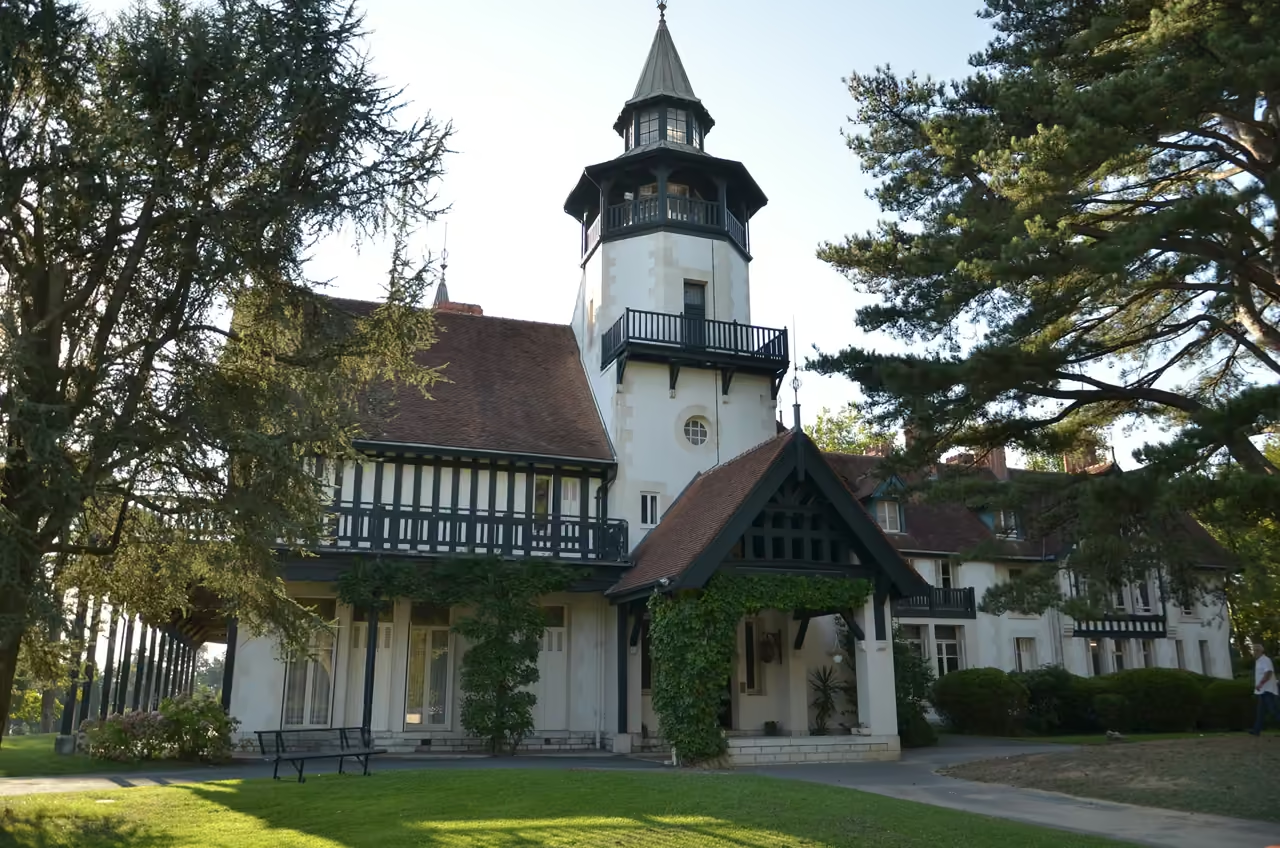
Francon Castle
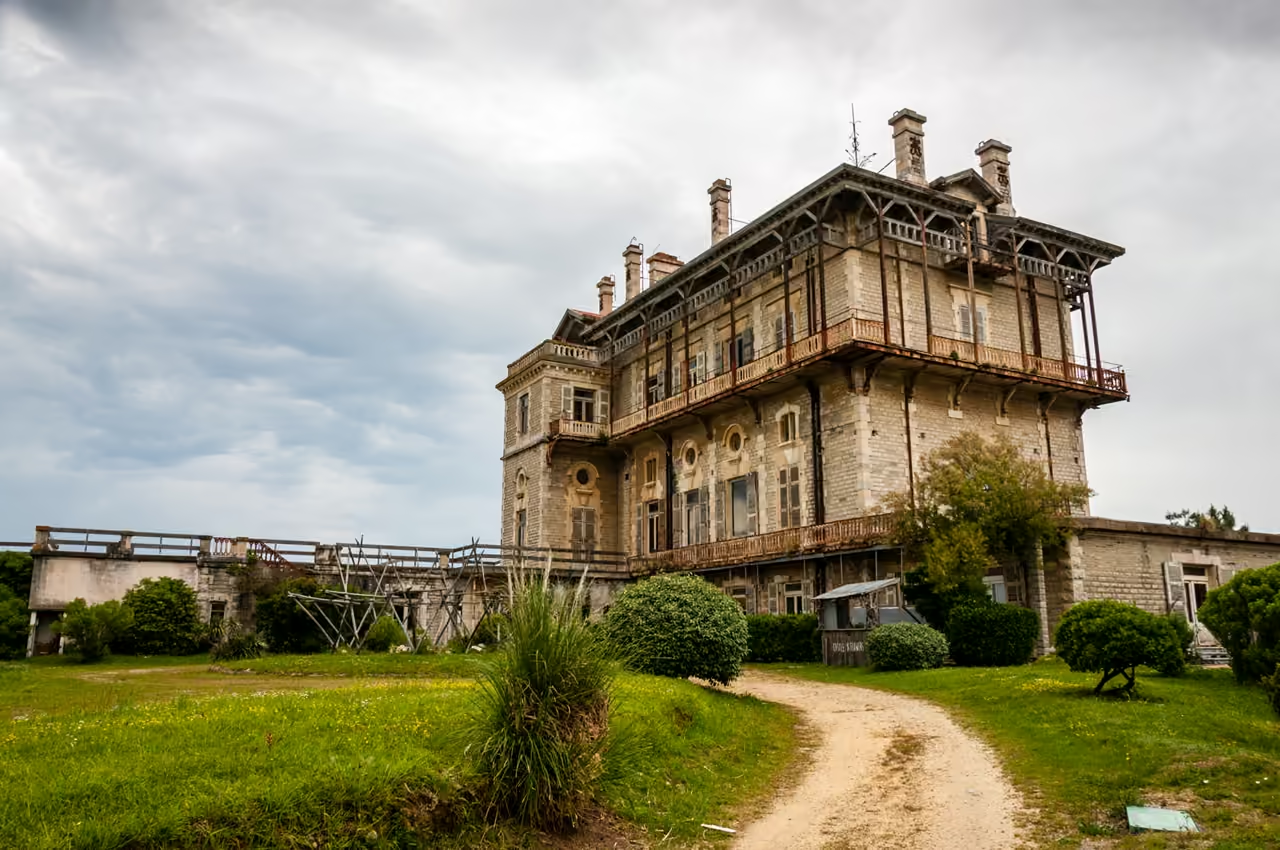
An unexpected, sprawling English country house dropped directly into a French coastal pine forest. The Pennington-Mellor family commissioned the massive Anglo-Norman estate in 1882, demanding a piece of British architecture for their holidays. The building features steep, complex gables, tall brick chimneys, and heavy timber detailing pulled straight from the Tudor playbook. The original estate included a private lake, stables, and extensive sporting grounds. It highlights the massive cultural influence the British upper class exerted over the town's development.
architecture view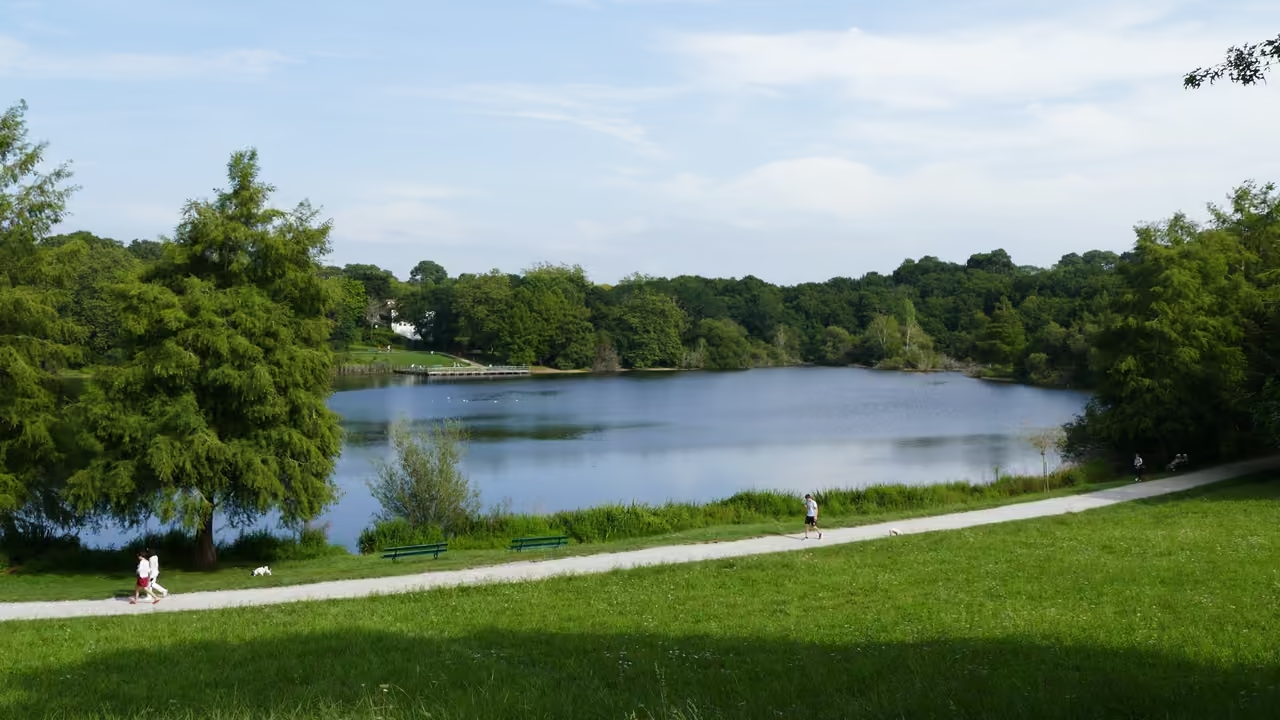 1679m
Lake Marion
Lake Marion is the tidy and civilised lake of Biarritz: a fenced garden of about 17 hectares with five hectares of water in the middle, laid out in the English manner with broad lawns, scattered groves and a loop path of roughly 1.2 kilometres. One corner of rushes, willows and reeds is deliberately closed to walkers so nesting birds can be left alone, which explains why the coots and ducks look so unbothered by the pushchairs. A U shaped fishing jetty reaches out over the water, four orientation tables explain the site, and a small stone gazebo in a clearing is all that remains of an eccentric nineteenth century tower. The ocean is only two kilometres away, yet the lake is fed by an artesian well. The gates close in the evening, so check the signs at the entrance before planning a late stroll.
park & nature view- 1707m
Station Quarter and Atabal Concert Hall
The railway station quarter, on both sides of the old Route Nationale 10, is mostly residential, but its light-industrial zone hosts the Atabal. This cultural centre is dedicated to contemporary music and puts on live gigs that draw a young, local crowd. It is the best bet in town for catching a band rather than a cocktail.
nightlife view 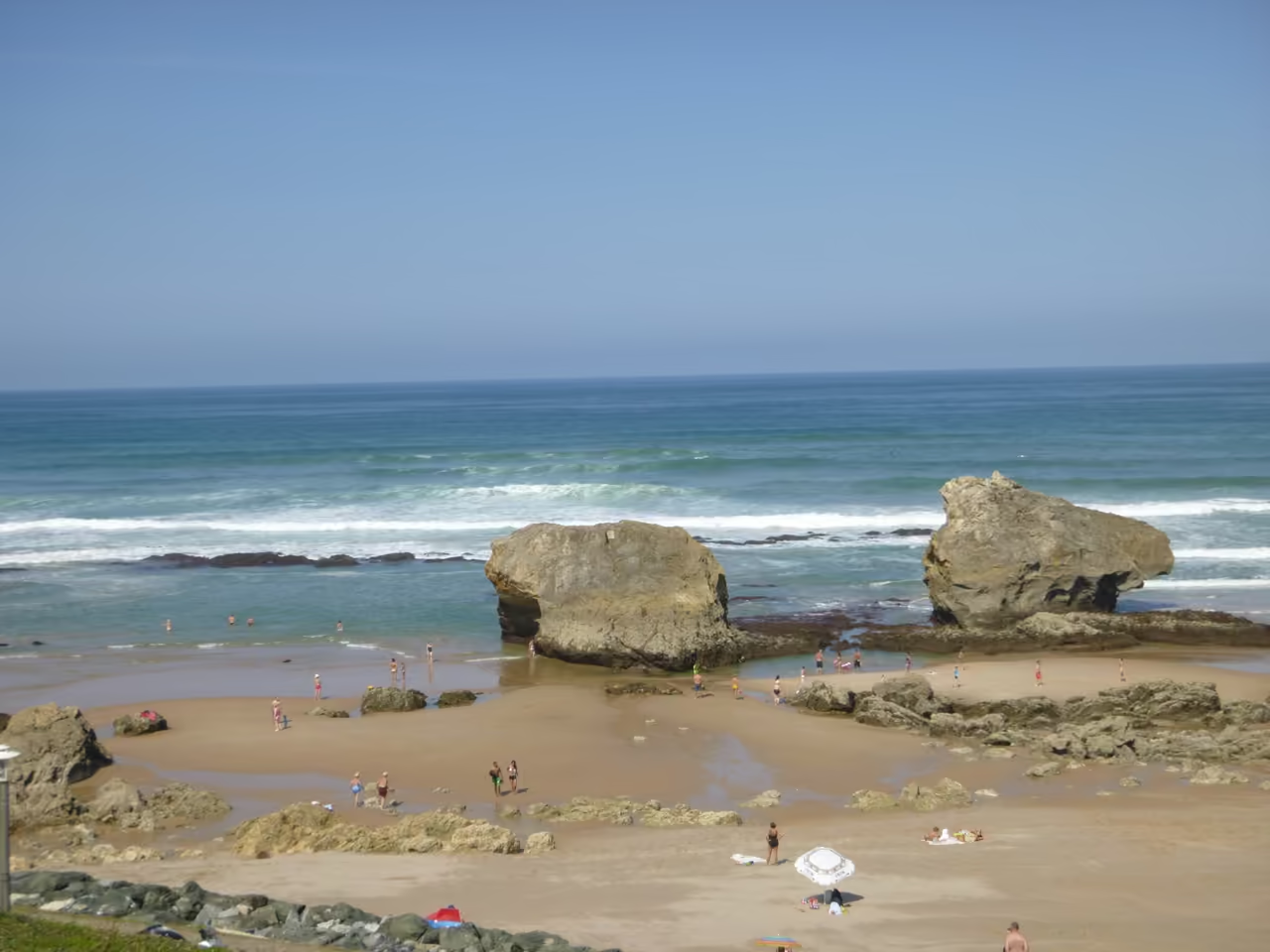 1711m
Milady Beach
Located at the extreme southern edge of the town, this wide expanse of sand caters heavily to locals wanting to escape the manicured centre. The beach gets its unusual name from Lady Mary Caroline Bruce, an eccentric English noblewoman and friend of Napoleon III who built a Moorish villa nearby. The waves here dump heavily onto a steep sandy bank, making entering the water an intense, chaotic experience. A long wooden promenade lines the back of the beach, providing an easy, flat walk with unbroken ocean views. Large free parking lots make it highly accessible for families carrying heavy beach gear.
highlight view
Explore Similar Places in This Collection
Featured on These Itineraries and Routes
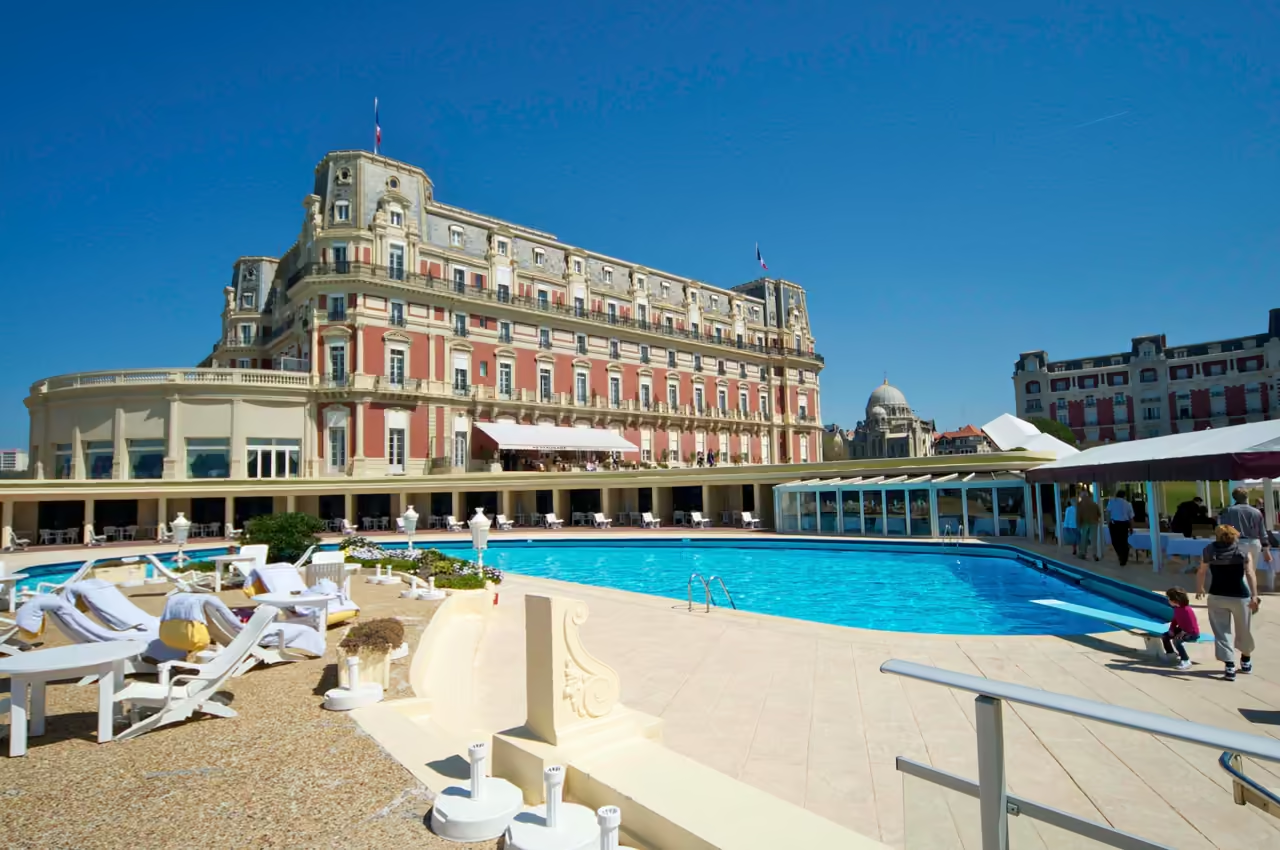
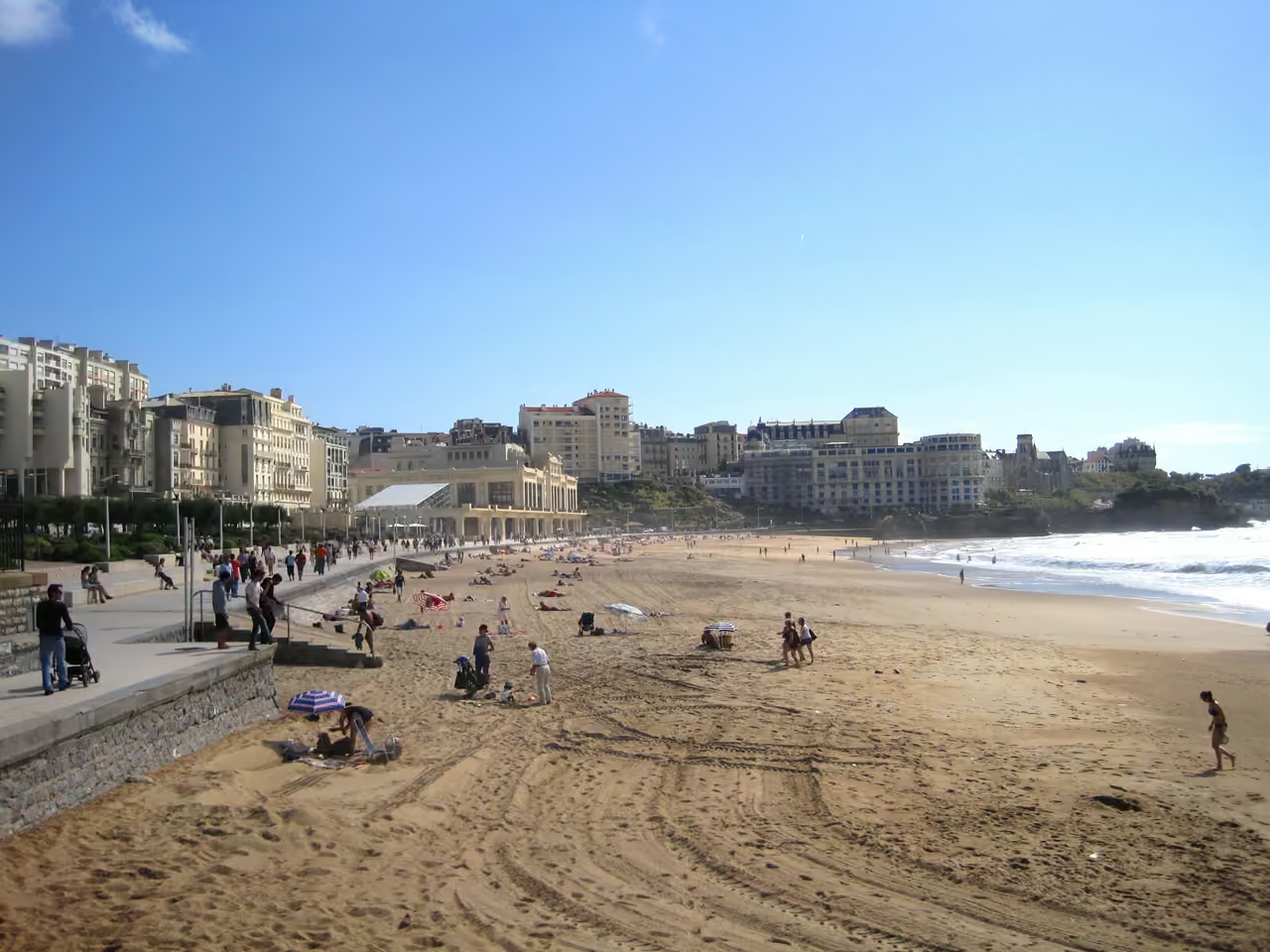
3 Days in Biarritz: Empire, Surf and Lakes
Three days give time for the imperial landmarks, a surf and swim day, and a slower day among the lakes and old village. The pace is relaxed, with room for long lunches and a spa session.
view itinerary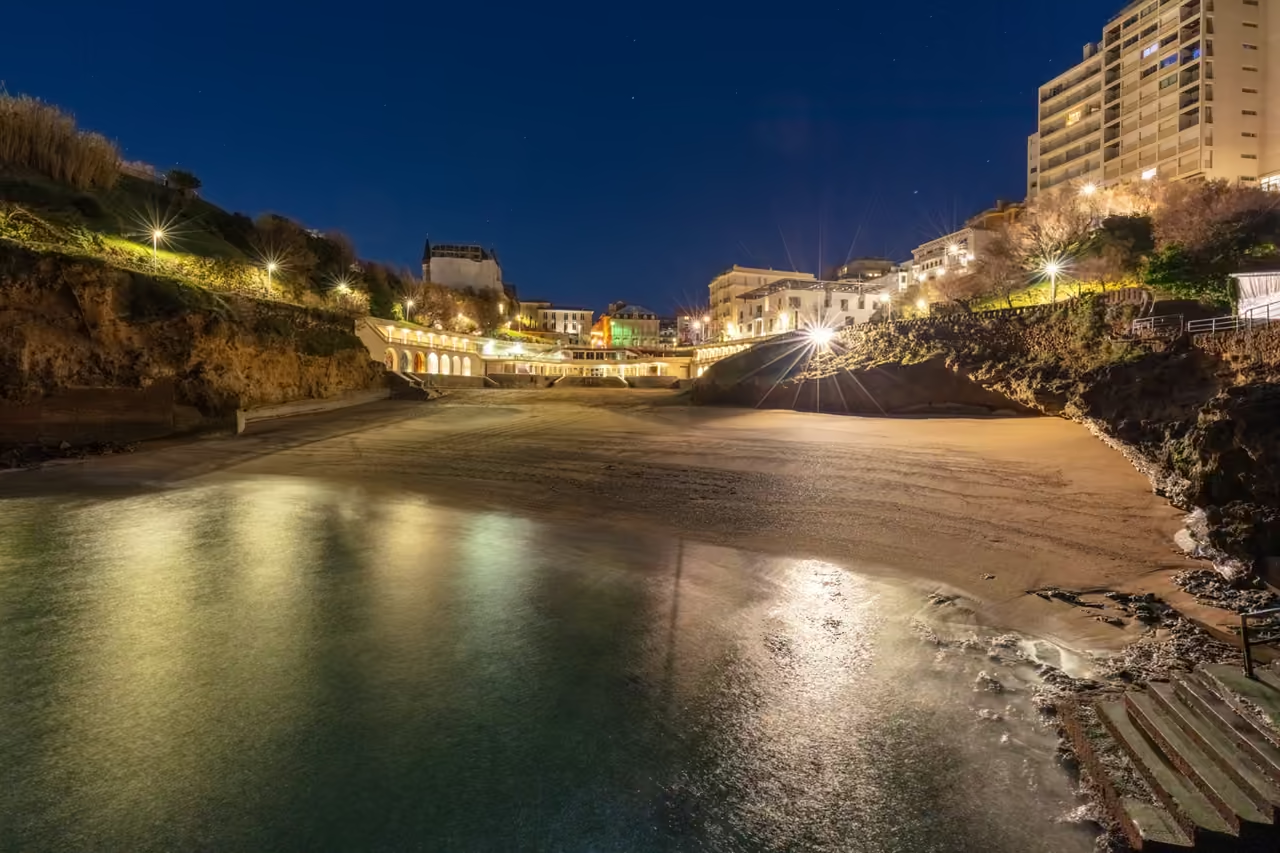
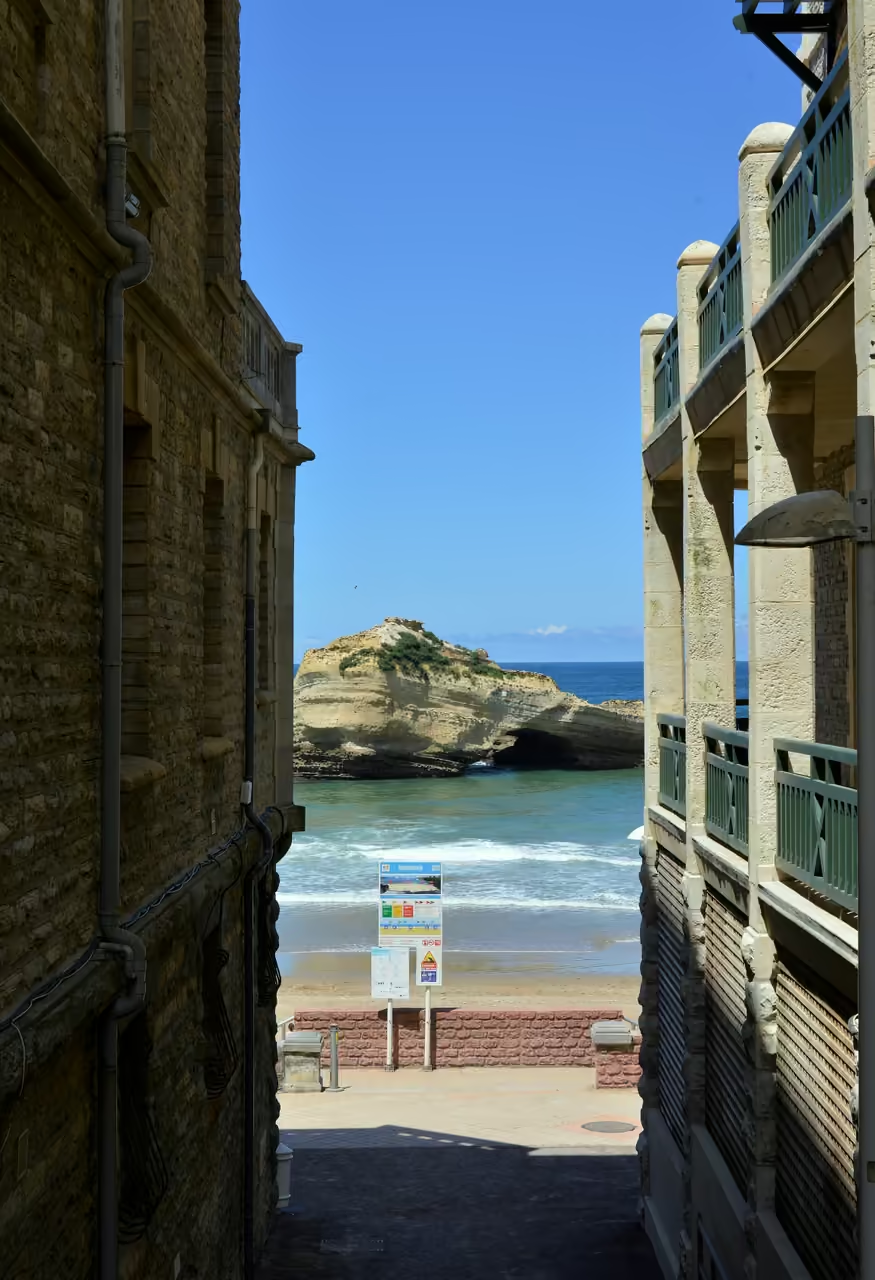
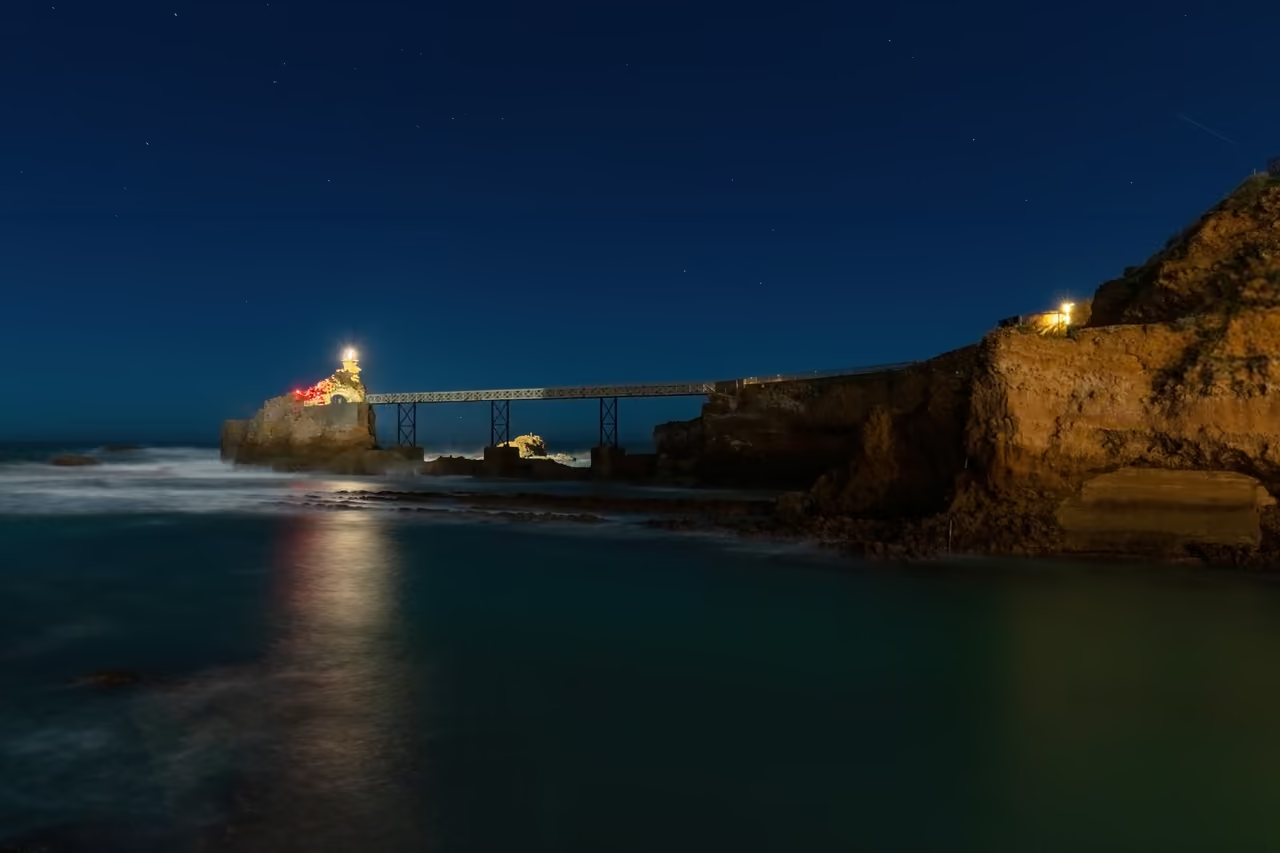
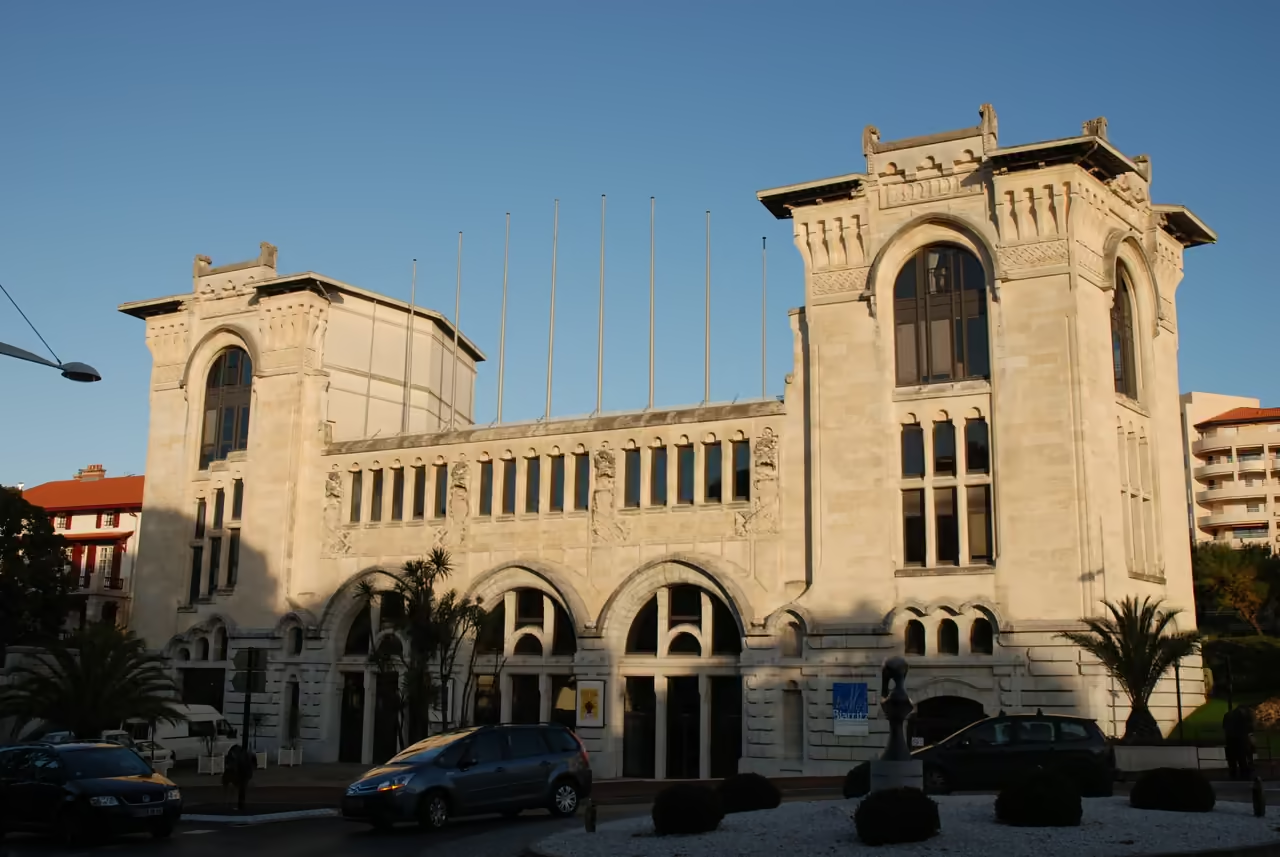
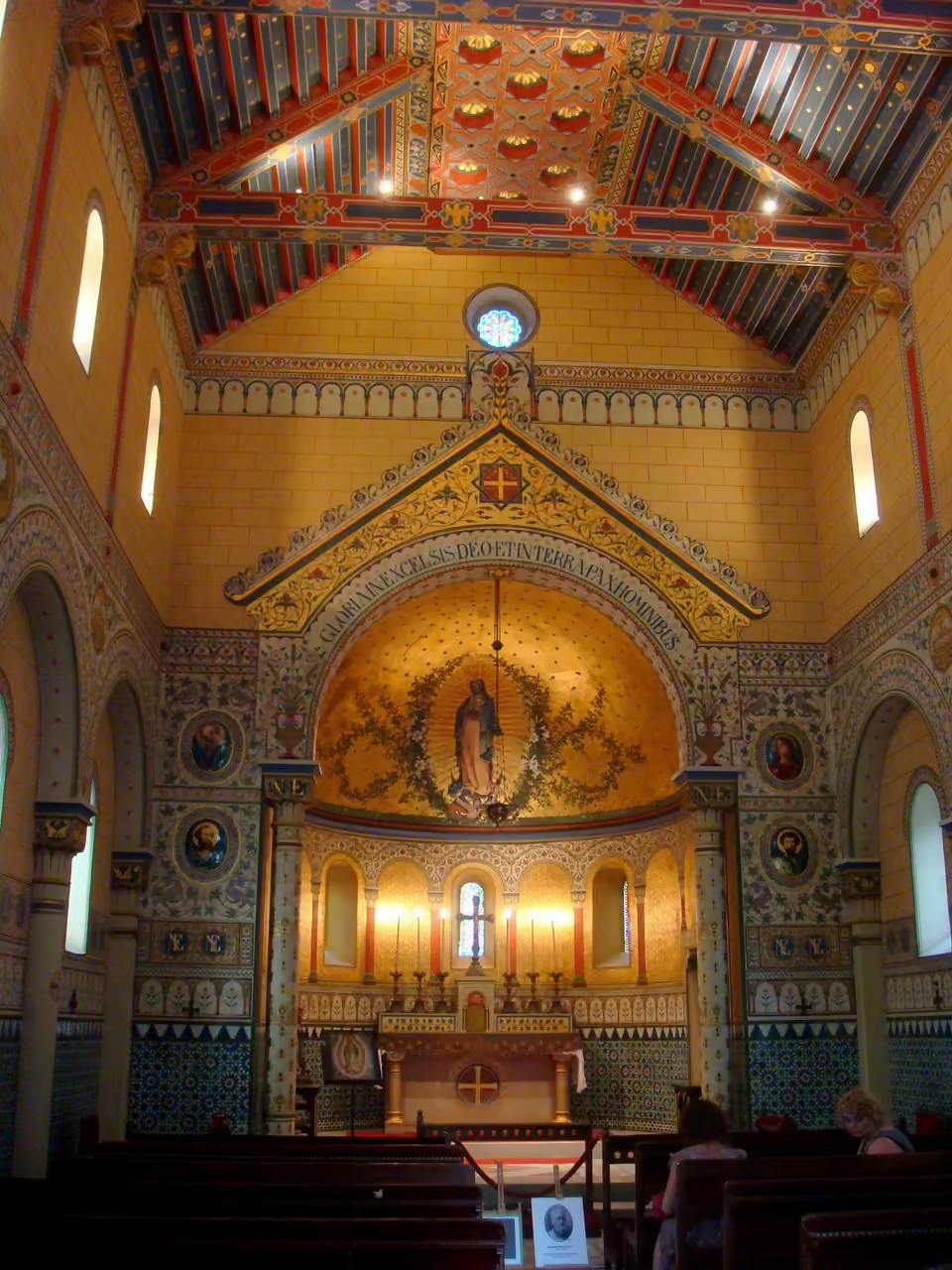
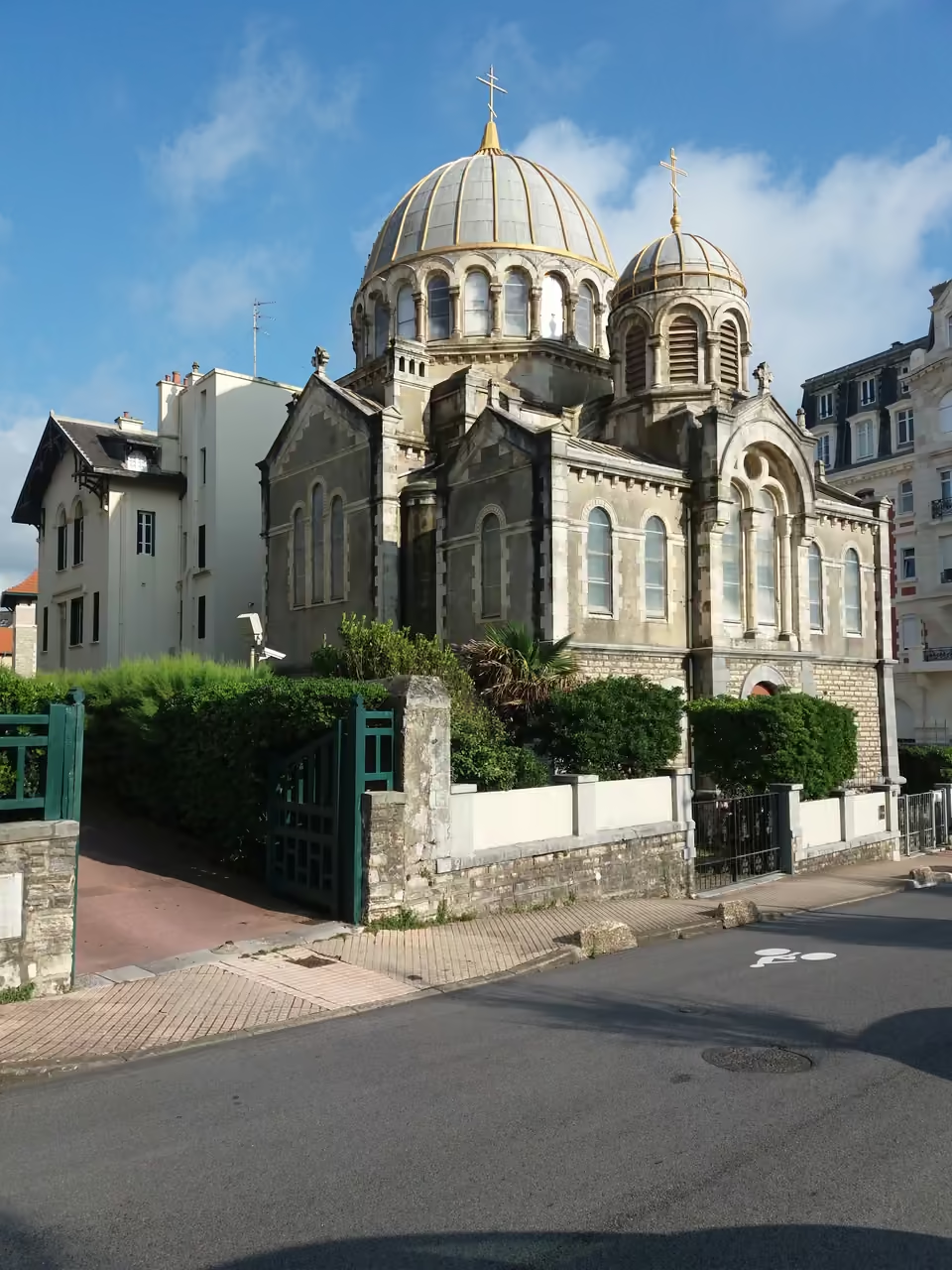
5 Days in Biarritz: The Full Basque Coast Experience
Five days allow the palace and promenade, a full surf day, a day of faiths and facades, a day of lakes, sport and music, and a final day among the headland's hidden corners. It is a leisurely plan that leaves space for the sea.
view itinerary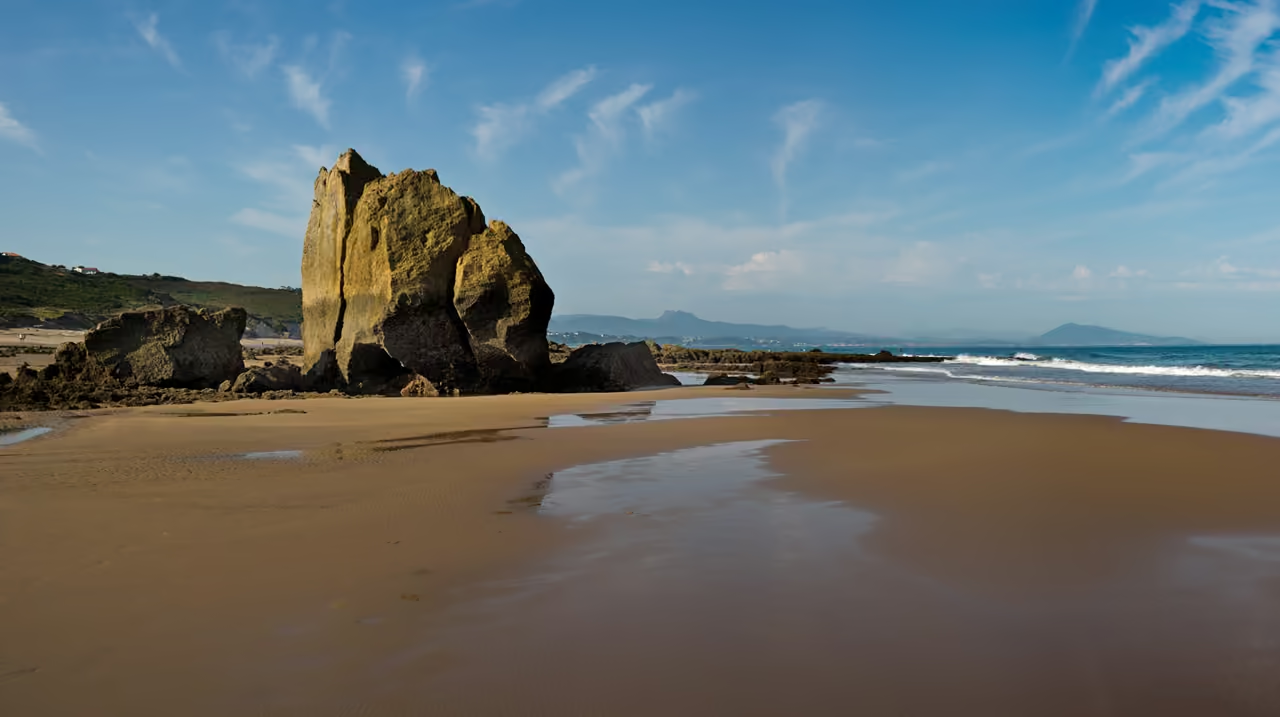
Lakes Ride from Lake Marion to Ilbarritz Beach
Inland Biarritz is greener than most visitors expect. This route links the town's two protected lakes and follows the stream that carries Lake Mouriscot's water to the ocean at Ilbarritz in neighbouring Bidart. Quiet lanes and parkland make it a gentle contrast to the busy seafront.
view cycling route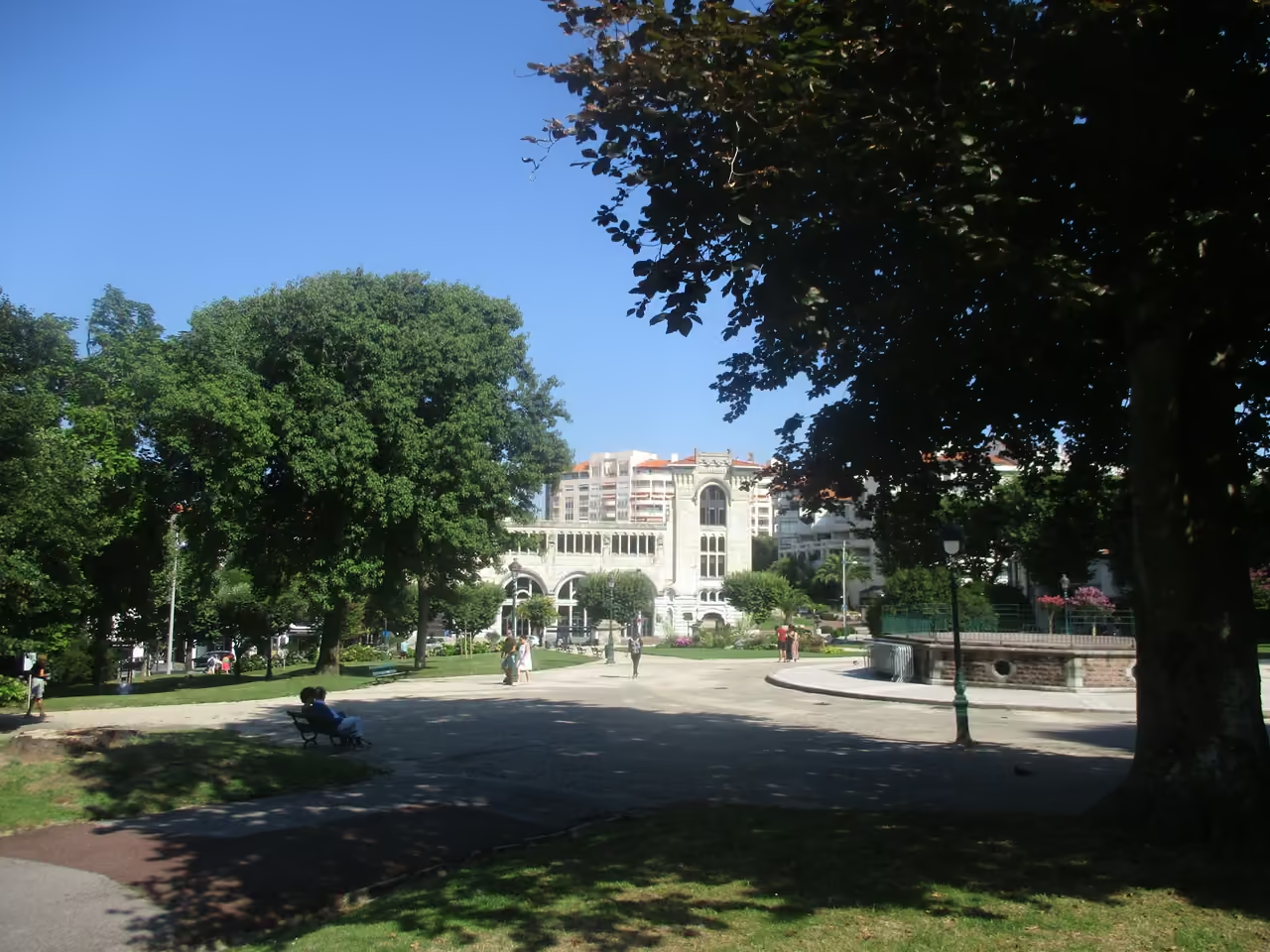
Lakeside Nature Walk from the Public Garden to Lake Mouriscot
Away from the sea, Biarritz has gardens, lawns and two protected lakes. This route links the old railway station, the Public Garden and the two lakes in a quiet green sweep. Birdsong replaces the surf, and the pace slows right down.
view walking route
See all parks & nature in Biarritz
Including Public Garden, Lake Marion