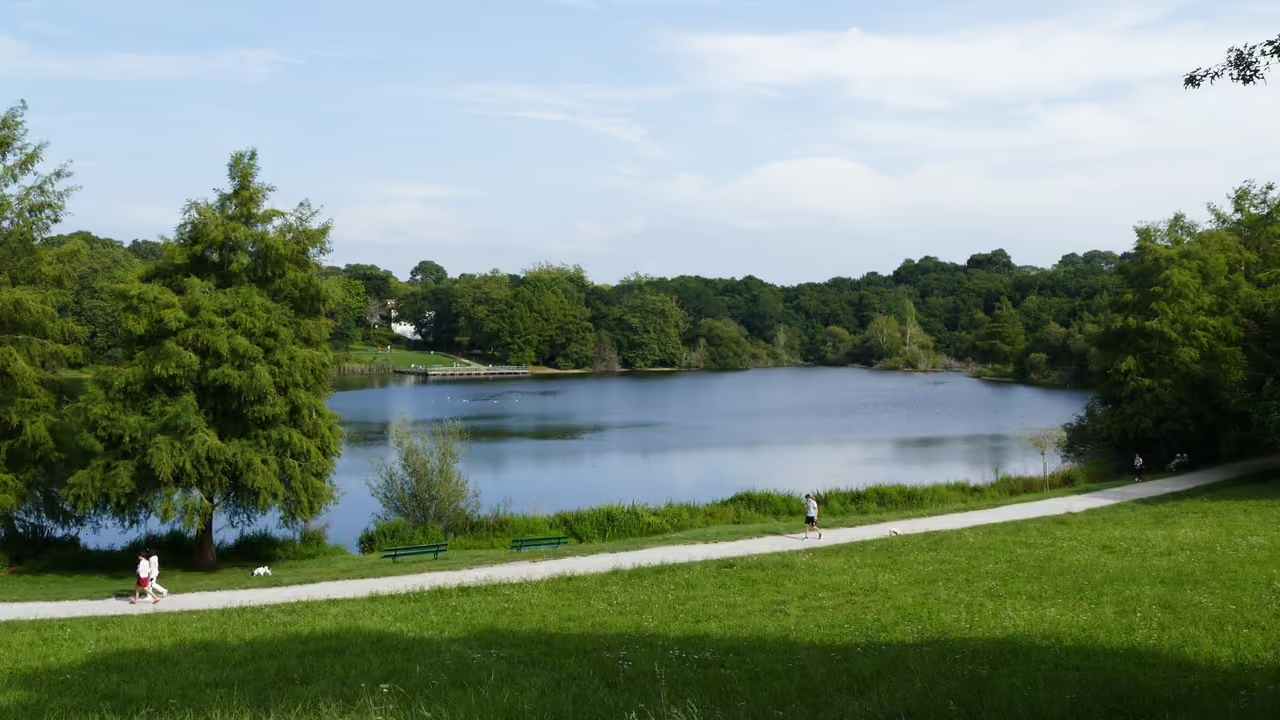
Lake Marion
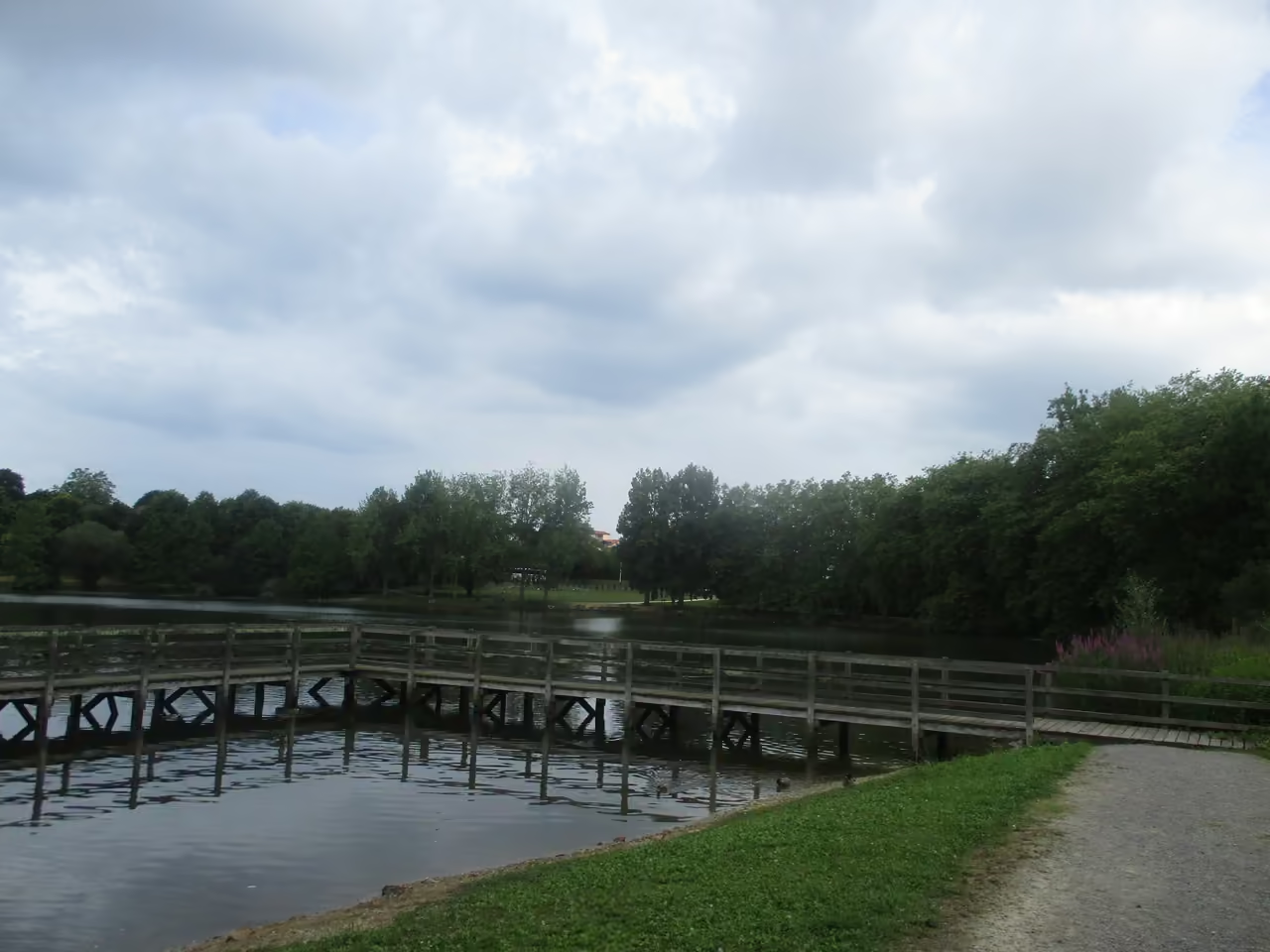
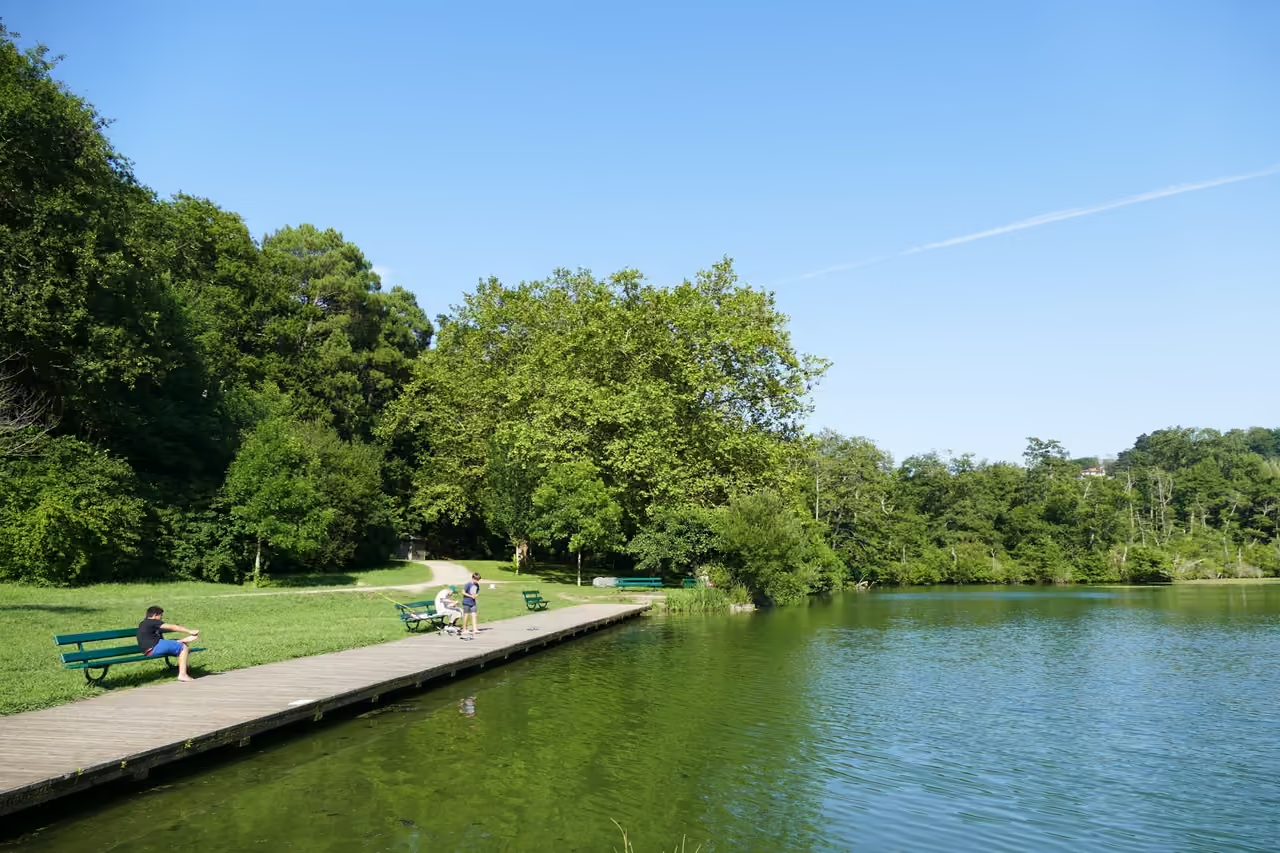
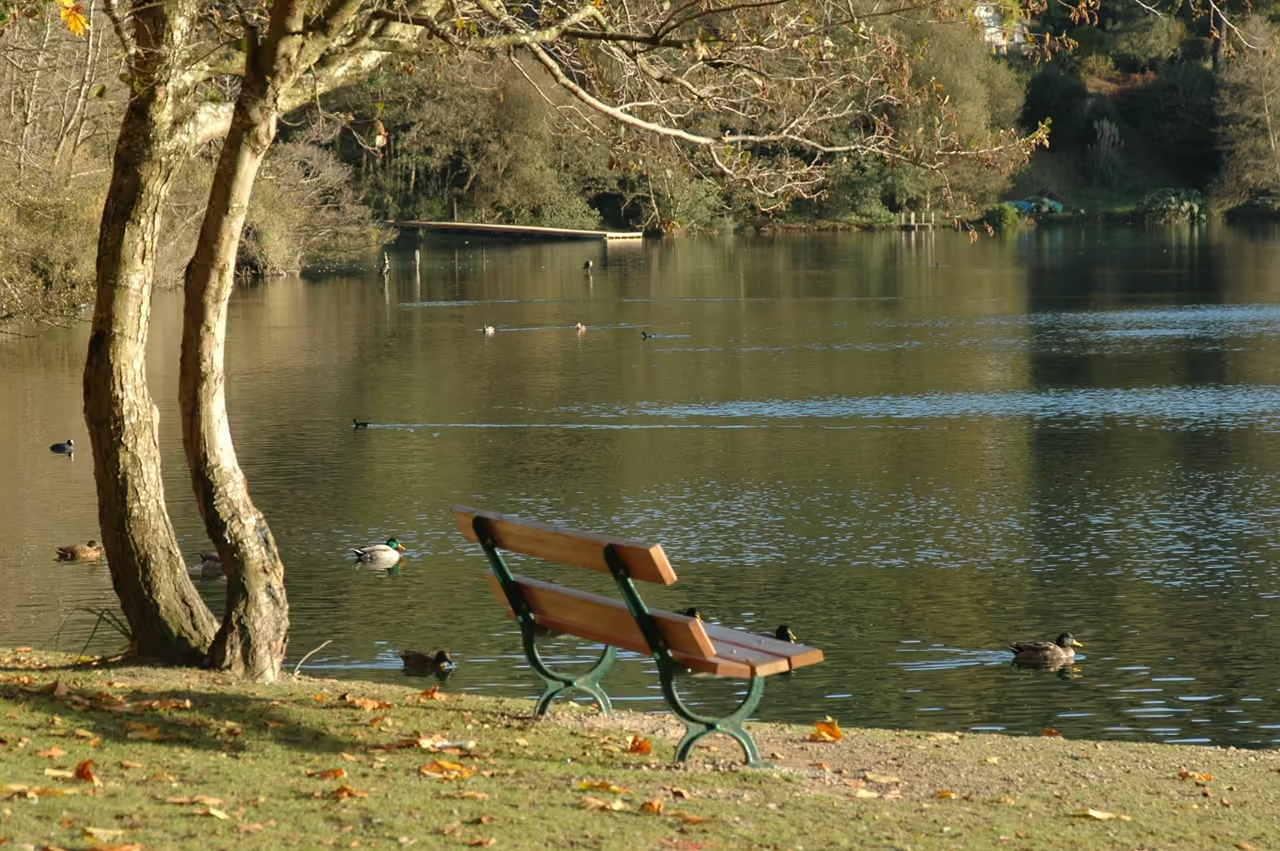
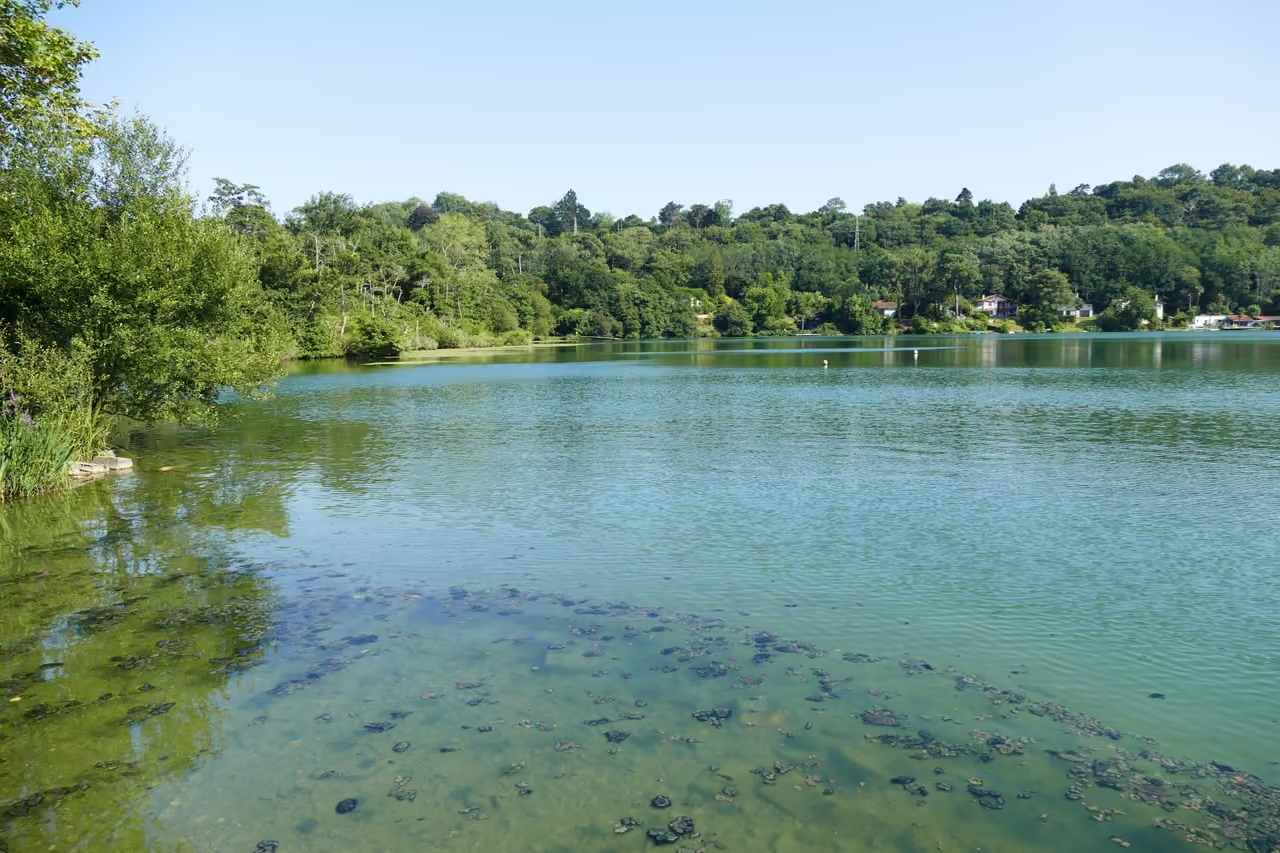
Lake Marion is the tidy and civilised lake of Biarritz: a fenced garden of about 17 hectares with five hectares of water in the middle, laid out in the English manner with broad lawns, scattered groves and a loop path of roughly 1.2 kilometres. One corner of rushes, willows and reeds is deliberately closed to walkers so nesting birds can be left alone, which explains why the coots and ducks look so unbothered by the pushchairs. A U shaped fishing jetty reaches out over the water, four orientation tables explain the site, and a small stone gazebo in a clearing is all that remains of an eccentric nineteenth century tower. The ocean is only two kilometres away, yet the lake is fed by an artesian well. The gates close in the evening, so check the signs at the entrance before planning a late stroll.
Videos
History of Lake Marion
The lake took its name from a farm. According to a local radio history, the farmstead stood close by and was worked by cultivators in the eighteenth century, long before anyone thought of lawns and benches. The water itself comes from an artesian well, meaning it rises from underground under its own pressure, a quiet source for a lake that has never needed a river. Late in the 1870s an engineer named Auguste Génin, who ran gasworks around France and had a hand in lighting Biarritz by gas, started building a house in the shape of a castle keep. Local heritage accounts say it took until 1886 to finish, with metre thick walls of stone from the Dauphiné, a four storey crenellated tower and a lead dome, and that it was modelled on the Tour Guinette at Étampes. It stood in the north of the town and was counted among the maddest villas the resort ever produced. Génin died in January 1889, with little time to enjoy it. Today a small stone gazebo in a wooded clearing beside the lake is remembered as the last trace of the whole fantasy. A railway also left its mark. Trains reached Biarritz in 1862, but the station was out at La Négresse, a few kilometres from the sea. A branch to a terminus in the centre only came in February 1911, running through a 495 metre tunnel beside Lake Marion, and it closed when the last shuttle between the two stations ran on 14 September 1980. Six hundred metres of the abandoned trackbed now form the flat, smooth start of the lakeside walk, and the mouth of the tunnel can still be seen. The park as it looks now is a product of the 1990s, when the site became a public garden in the English style. Before that, part of the land had spent years as a tree nursery, and the Conservatoire du littoral points out that most of the trees are exotic species planted for effect rather than local woodland. It is an odd candidate for a coastal protection body, a manicured garden two kilometres from the sea, yet the Conservatoire values it as a green pocket in a densely built town and keeps the reedy corners off limits to people. In winter, sea birds blown inland share the water with the resident coots and ducks.
8 events spanning 290 years
Fun Facts
7- 01
A 2024 event map of the park marks an orchard beside the gazebo and the children's garden, and shows entrances on the north, east and south sides as well as the Pelletier and Notary gates.
- 02
A corner of wet ground is deliberately closed to walkers. Rushes, willows and reedbeds along the shore are left to nesting birds, and the coots and ducks have made the most of it.
- 03
A manicured garden is on a coastal protection list. The Conservatoire du littoral protects 16.94 hectares at Lake Marion even though the site lies two kilometres from the sea, valuing it as a green enclave under heavy urban pressure.
- 04
Four orientation tables stand around the lake, combining a map with panels on the park's history and fauna. A larger information board near the end of an avenue gives an overview from a viewpoint above the water.
- 05
One municipal walk links three of Biarritz's quieter spaces in a loop: Milady beach, Lake Marion and Lake Mouriscot, returning by the Cité de l'Océan.
- 06
The 1.2 kilometre circuit gains about 15 metres of height and is classed as very easy. It is promoted as suitable for pushchairs, small bikes and wheelchairs.
- 07
The fishing jetty is U shaped and fully secured, a sensible design near a park built for families and small children.
Lake Marion Map & Neighborhood Explorer
This interactive map is centered on Lake Marion. Zoom in and move the map around to automatically discover Wikipedia photos and summaries of other nearby sights, monuments, and historical points of interest and stories in real-time!
Lake Marion FAQ
Yes, the park is public and there is no entry fee. It is a fenced garden with set opening and closing times, so plan your visit around the gates.
They vary by season. One regional listing gives roughly 7.30am to 9.30pm from mid April to mid September, 8am to 8pm in spring and autumn, and 8am to 6pm in winter. Check the signs at the entrance, as times can change.
No. Swimming, boating, camping and picking flowers are all prohibited. Dogs must be kept on a lead, and cyclists may use the paths at a gentle pace.
Yes. The 1.2 kilometre loop is rated very easy and is promoted for pushchairs, small bikes and wheelchairs. The first part follows a flat former railway line.
Yes. A children's play area sits beside the lake, and children under 12 need to be accompanied by an adult.
It is a small gazebo, known as the gloriette Génin, in a wooded clearing beside the lake. It is remembered as the last trace of a fantastical tower built in the 1880s by the engineer Auguste Génin in the north of Biarritz.
The park lies about two kilometres from the ocean, with its main address on Avenue du Lac Marion and a gate on Rue Pelletier. The old railway tunnel path links it to the La Négresse area, and the park can be combined with Lake Mouriscot in a longer walk.
The closest place to visit near Lake Marion is Station Quarter and Atabal Concert Hall, around 918 m away. Other things to do near Lake Marion include Saint Martin Church (1.1 km), Francon Castle (1.1 km) and Castle of Gramont (1.2 km). All of these are within roughly 1.2 km of Lake Marion.
While we strive to keep this information accurate and up to date, we recommend verifying any details independently before making decisions based on them.
Places near Lake Marion
Make the most of your trip. Check out these top-rated spots located nearby.
- 918m
Station Quarter and Atabal Concert Hall
The railway station quarter, on both sides of the old Route Nationale 10, is mostly residential, but its light-industrial zone hosts the Atabal. This cultural centre is dedicated to contemporary music and puts on live gigs that draw a young, local crowd. It is the best bet in town for catching a band rather than a cocktail.
nightlife view 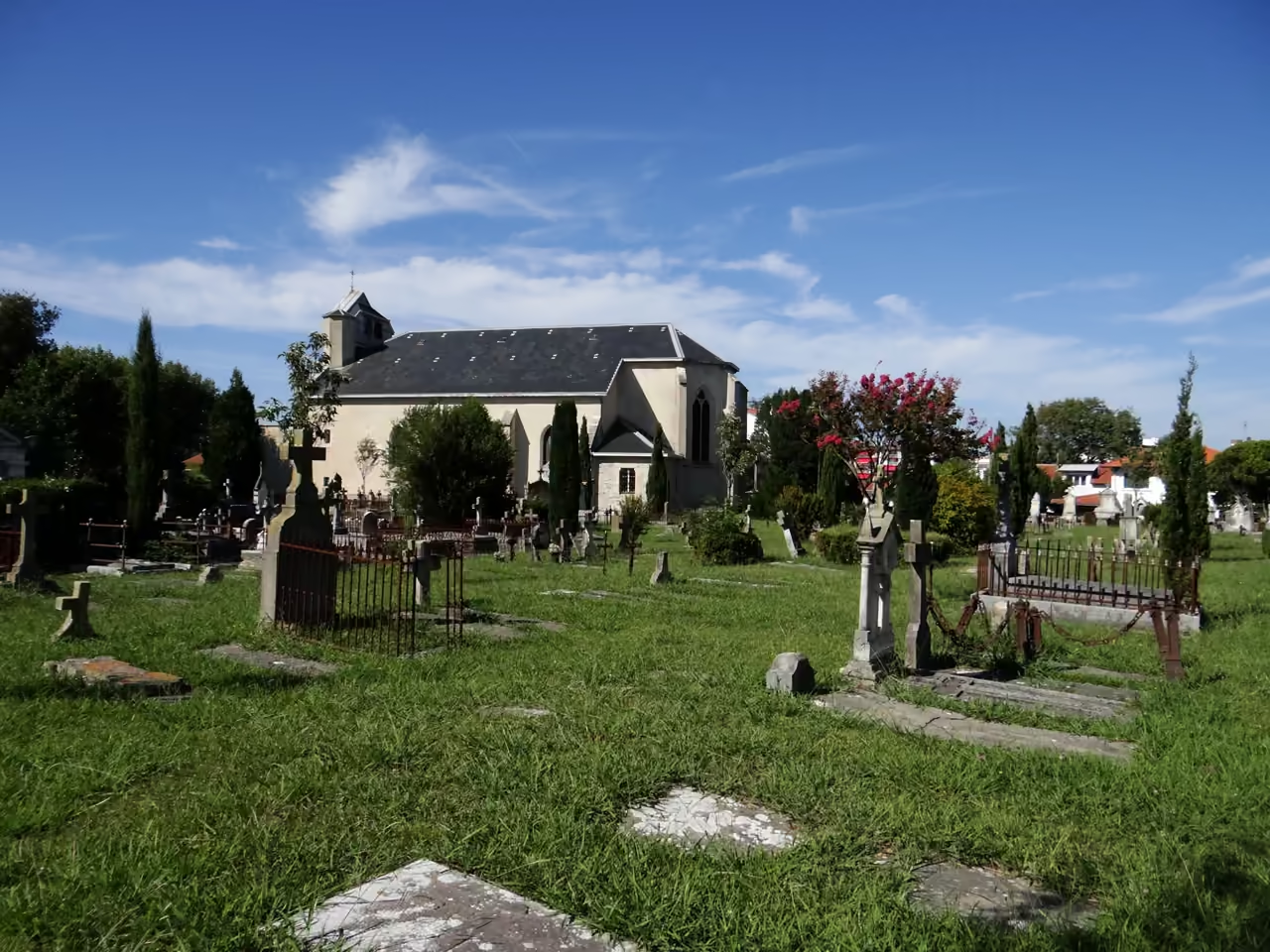 1139m
Saint Martin Church
Hidden inland away from the coastal glitz, this is the oldest standing structure in the town. Built before 1450 and restored in 1541, it represents the original, deeply religious, agricultural heart of the settlement. The stark, heavy Gothic architecture contrasts wildly with the fussy, imported styles of the later royal buildings. Look closely at the bell tower; it used to be whitewashed every single year to serve as a vital navigation marker for fishermen out at sea. Step inside to see the incredible, historically listed wooden stalls.
hidden gem view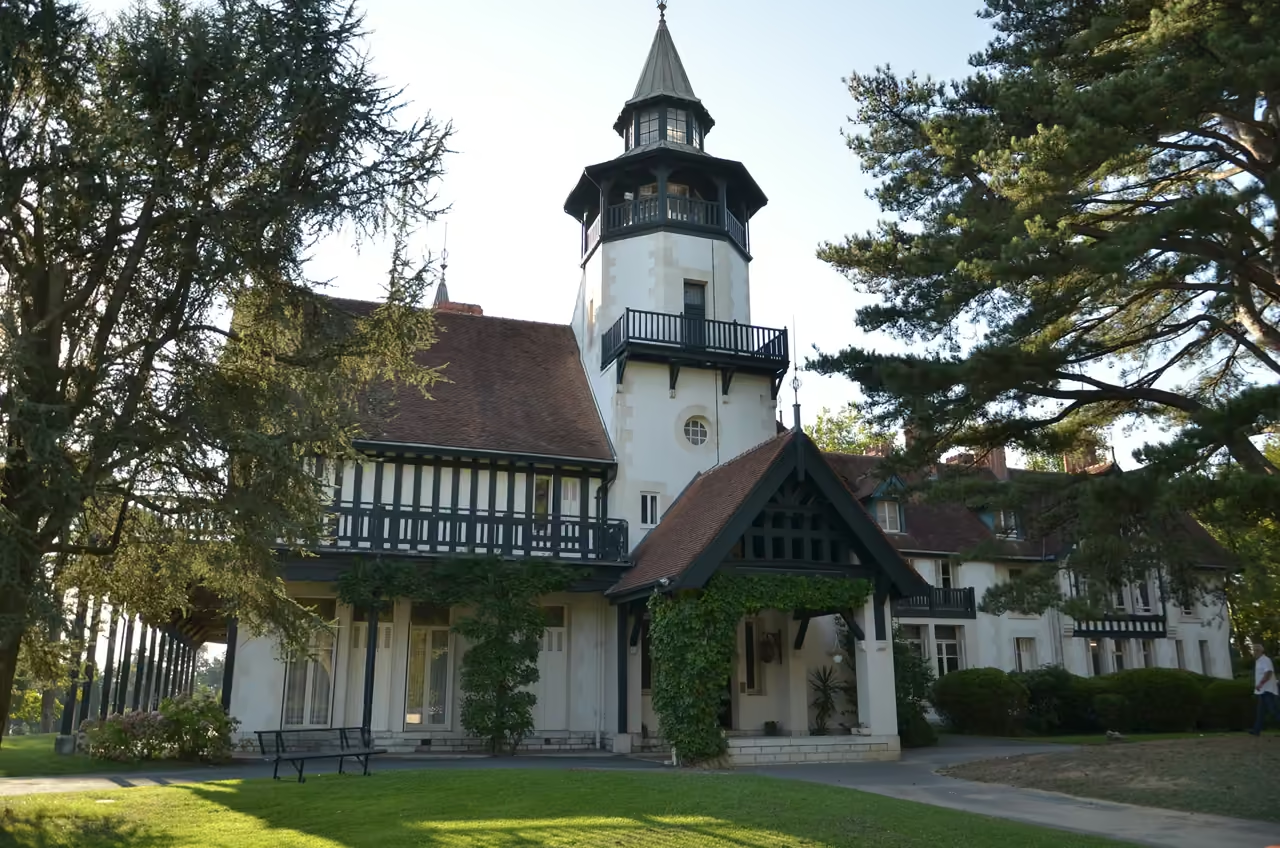 1147m
Francon Castle
An unexpected, sprawling English country house dropped directly into a French coastal pine forest. The Pennington-Mellor family commissioned the massive Anglo-Norman estate in 1882, demanding a piece of British architecture for their holidays. The building features steep, complex gables, tall brick chimneys, and heavy timber detailing pulled straight from the Tudor playbook. The original estate included a private lake, stables, and extensive sporting grounds. It highlights the massive cultural influence the British upper class exerted over the town's development.
architecture view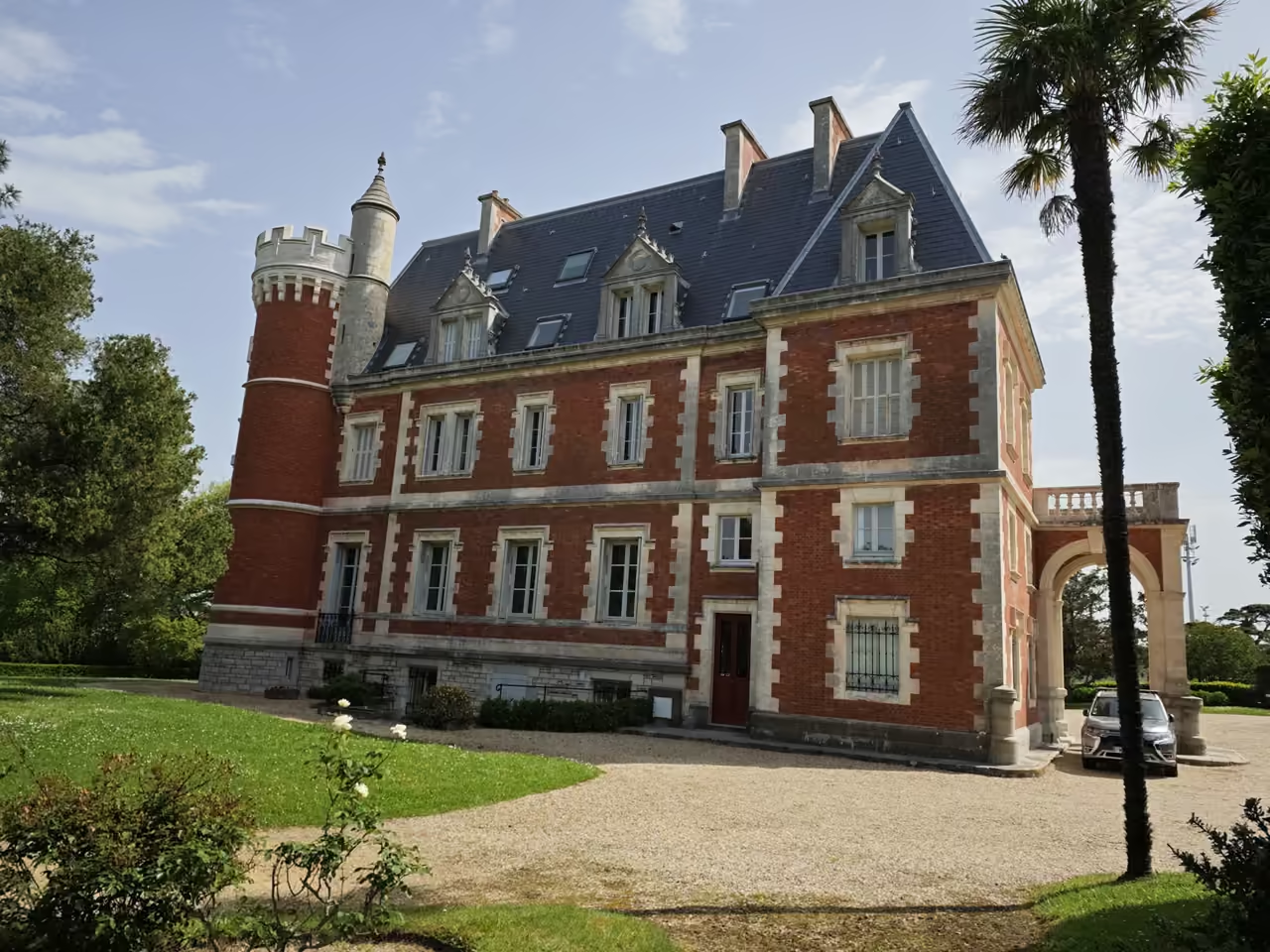 1246m
Castle of Gramont
Near the church of Saint-Martin, this château was built in 1866 on an estate once owned by a friend of Napoleon I. General Hope used the earlier house as his headquarters in 1814, and Napoleon III stayed for 42 days while the imperial villa was being built. The present building has a Louis XIII style.
architecture view
Explore Similar Places in This Collection
Featured on These Itineraries and Routes
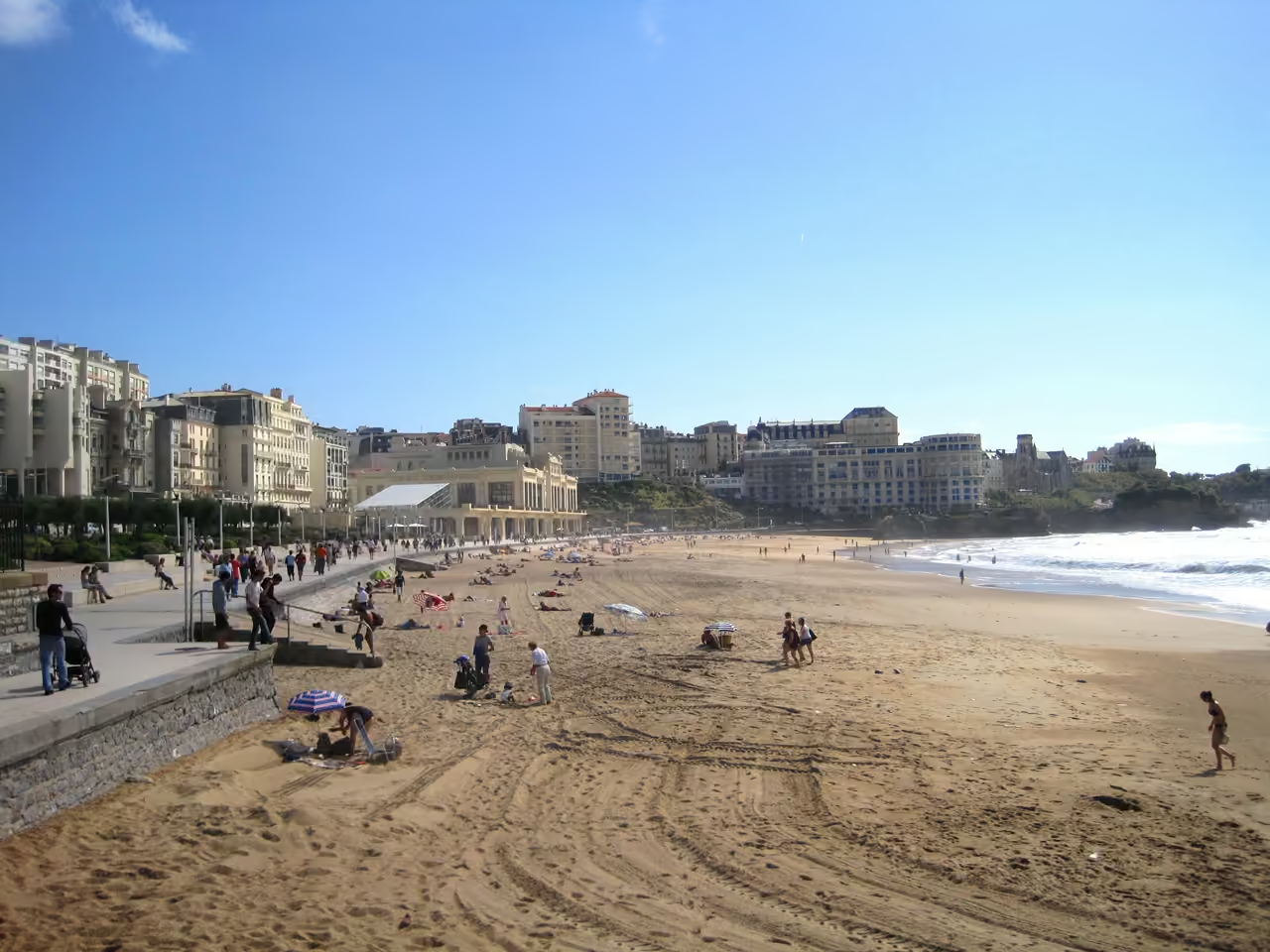
3 Days in Biarritz: Empire, Surf and Lakes
Three days give time for the imperial landmarks, a surf and swim day, and a slower day among the lakes and old village. The pace is relaxed, with room for long lunches and a spa session.
view itinerary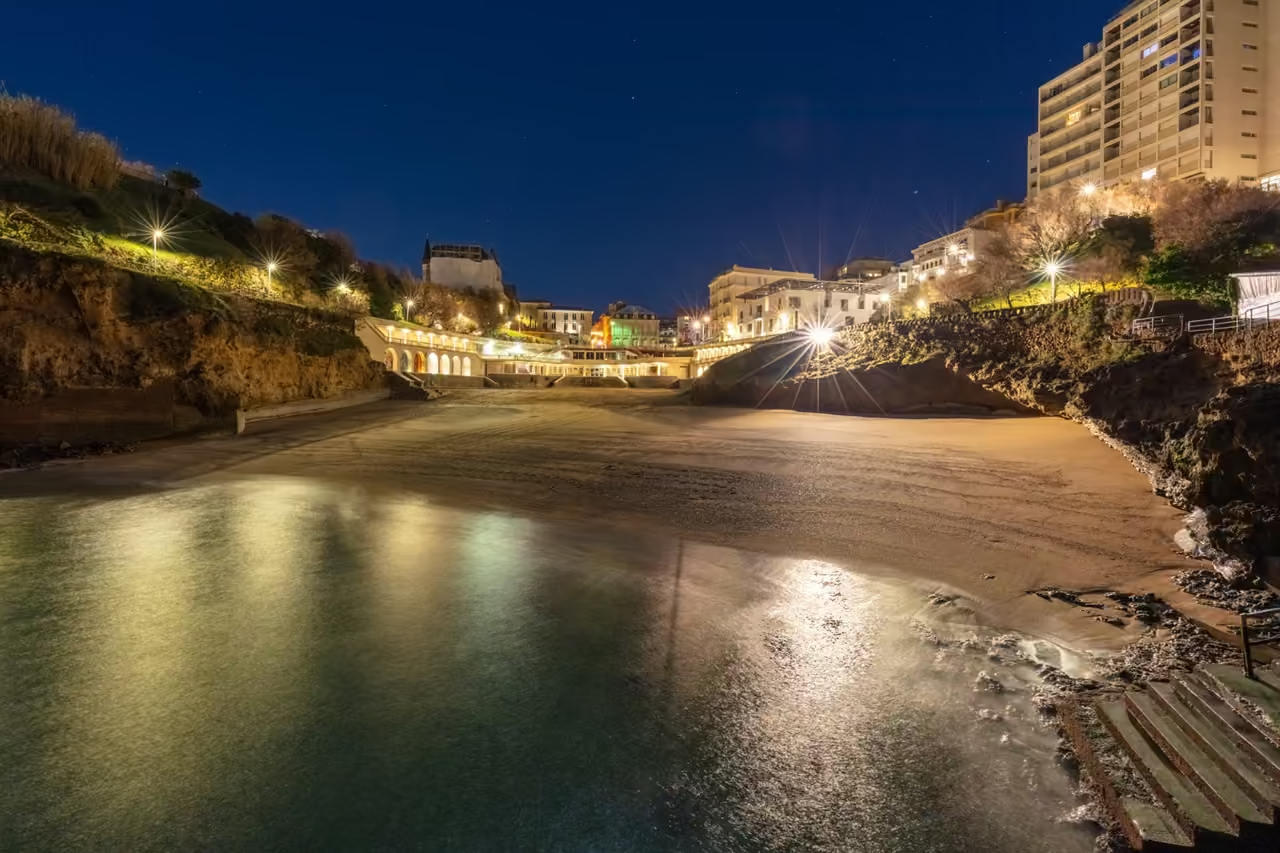
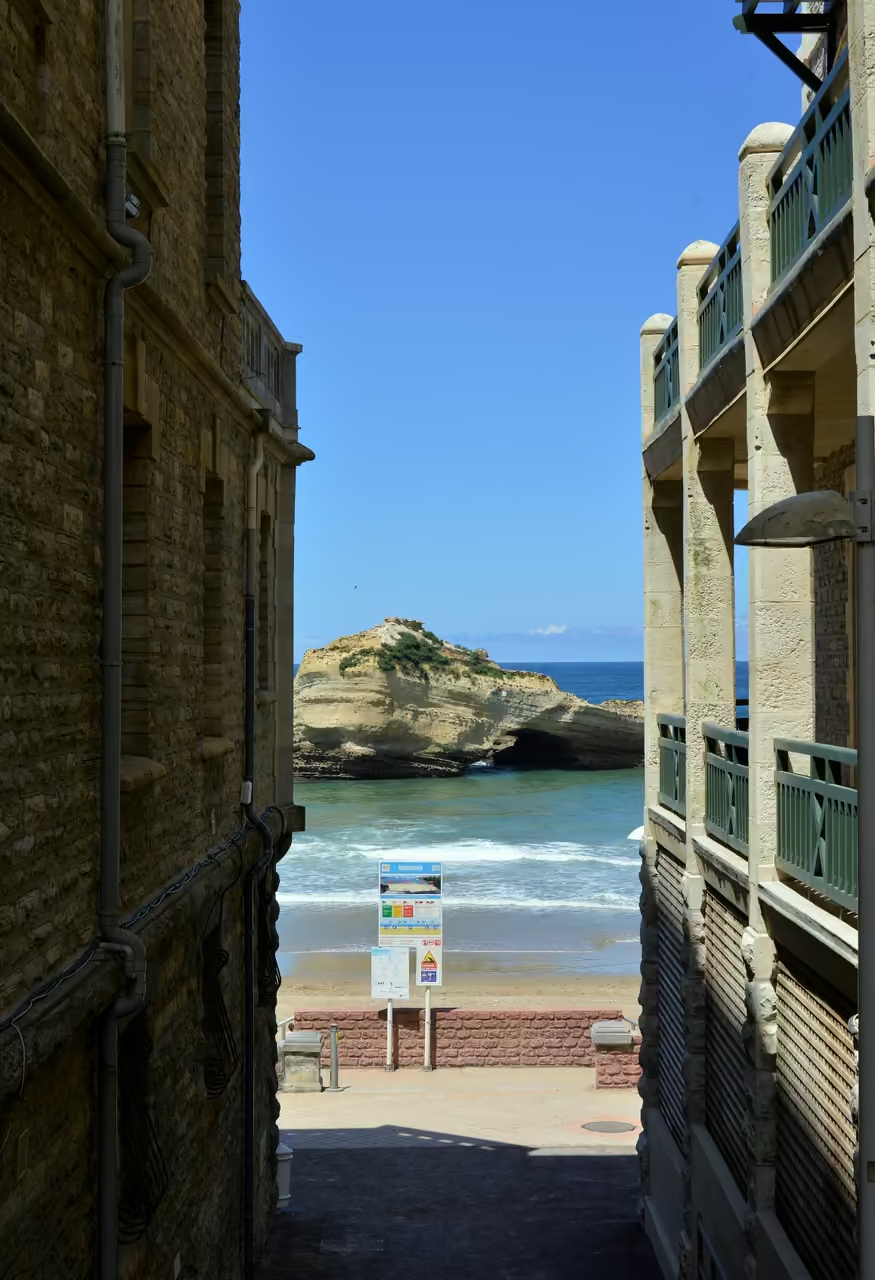
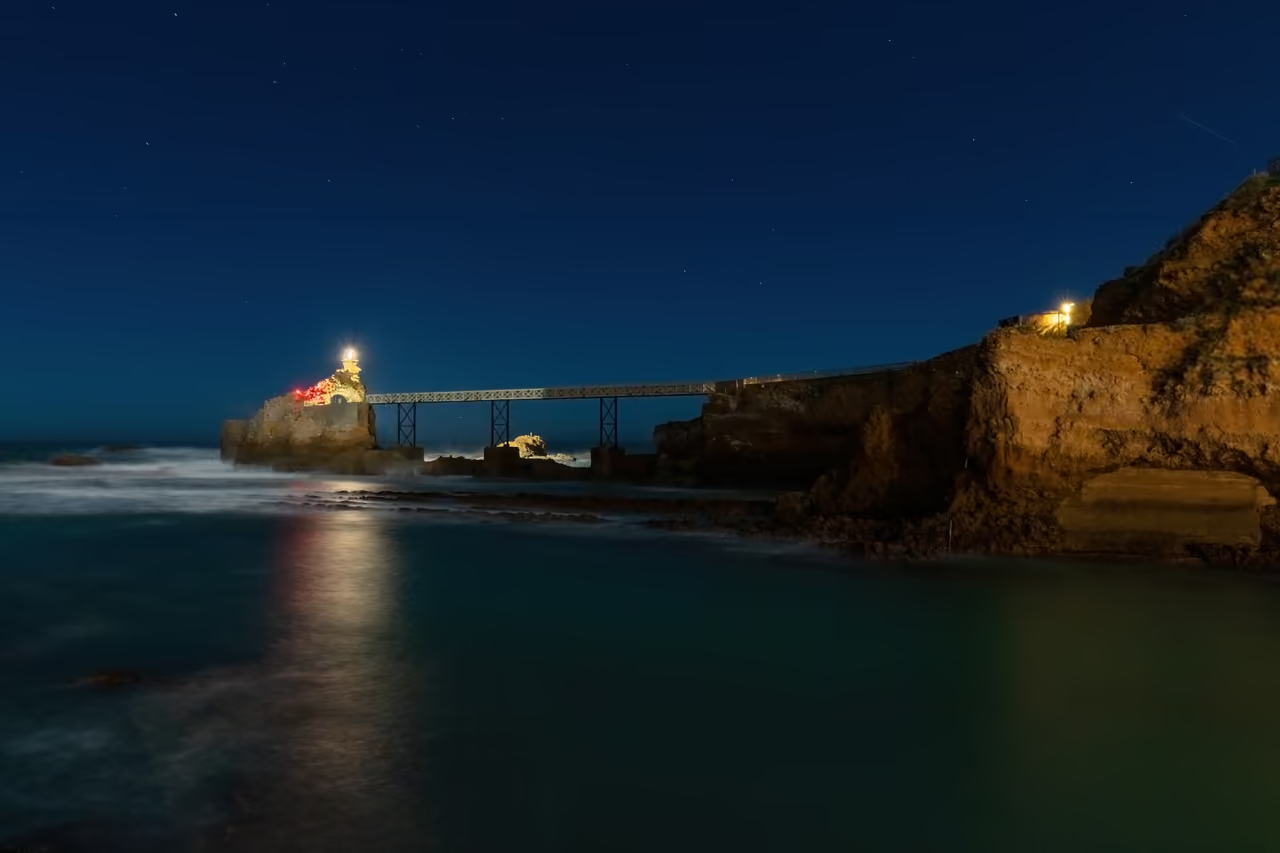
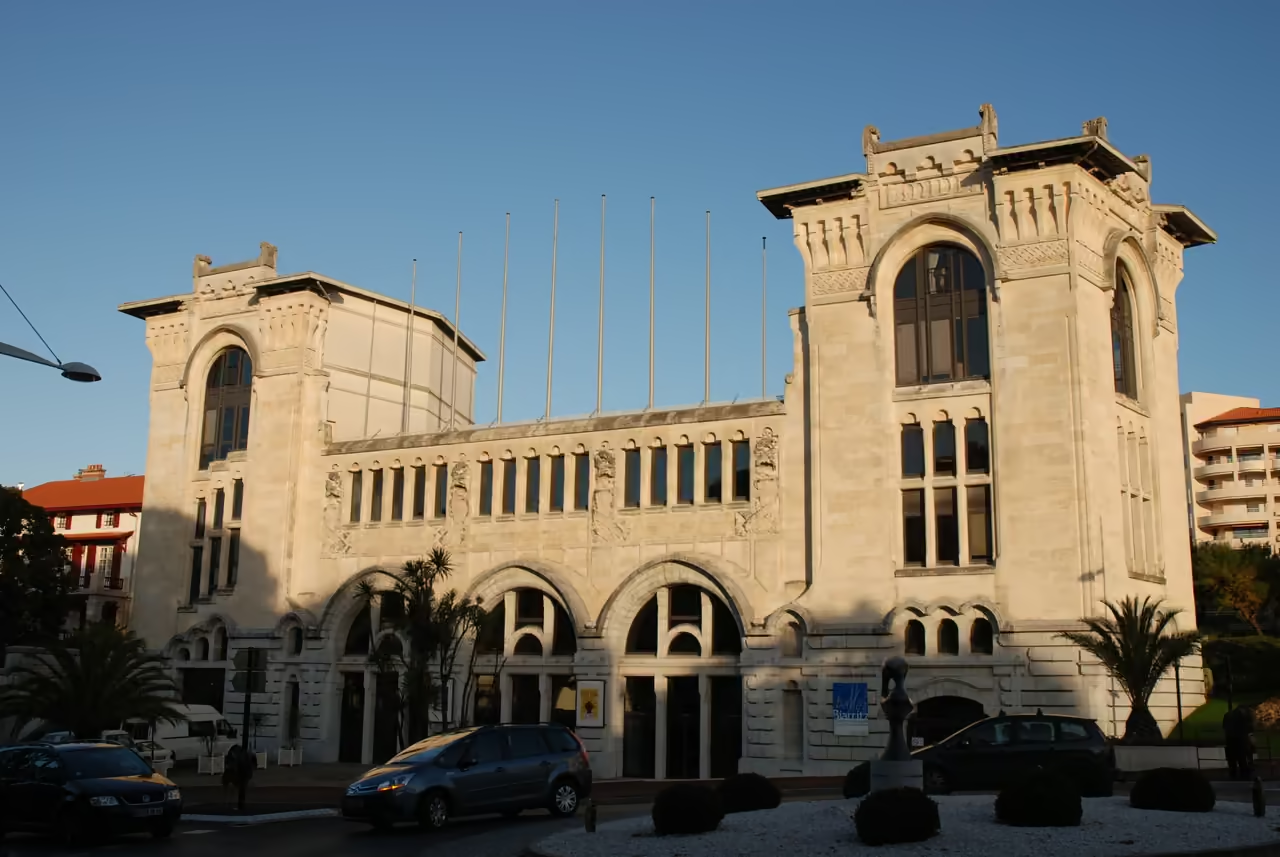
5 Days in Biarritz: The Full Basque Coast Experience
Five days allow the palace and promenade, a full surf day, a day of faiths and facades, a day of lakes, sport and music, and a final day among the headland's hidden corners. It is a leisurely plan that leaves space for the sea.
view itinerary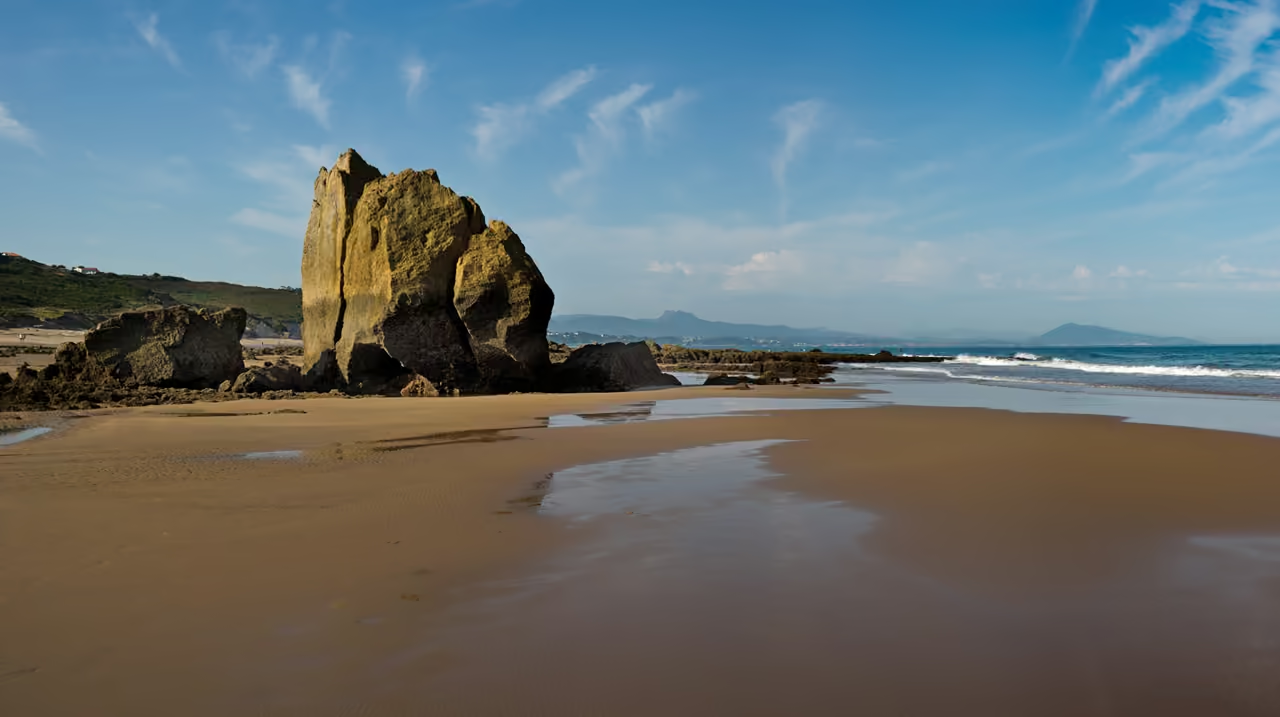
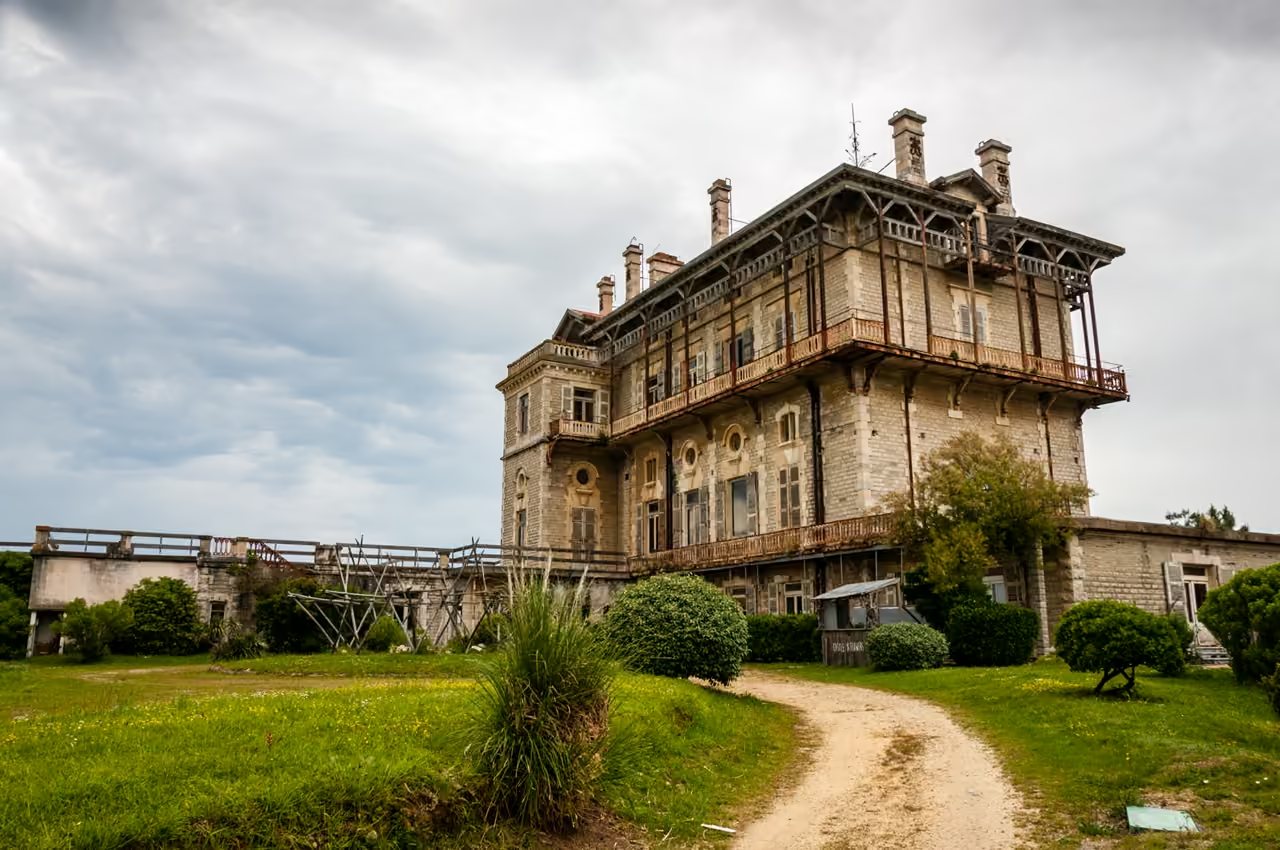
Lakes Ride from Lake Marion to Ilbarritz Beach
Inland Biarritz is greener than most visitors expect. This route links the town's two protected lakes and follows the stream that carries Lake Mouriscot's water to the ocean at Ilbarritz in neighbouring Bidart. Quiet lanes and parkland make it a gentle contrast to the busy seafront.
view cycling route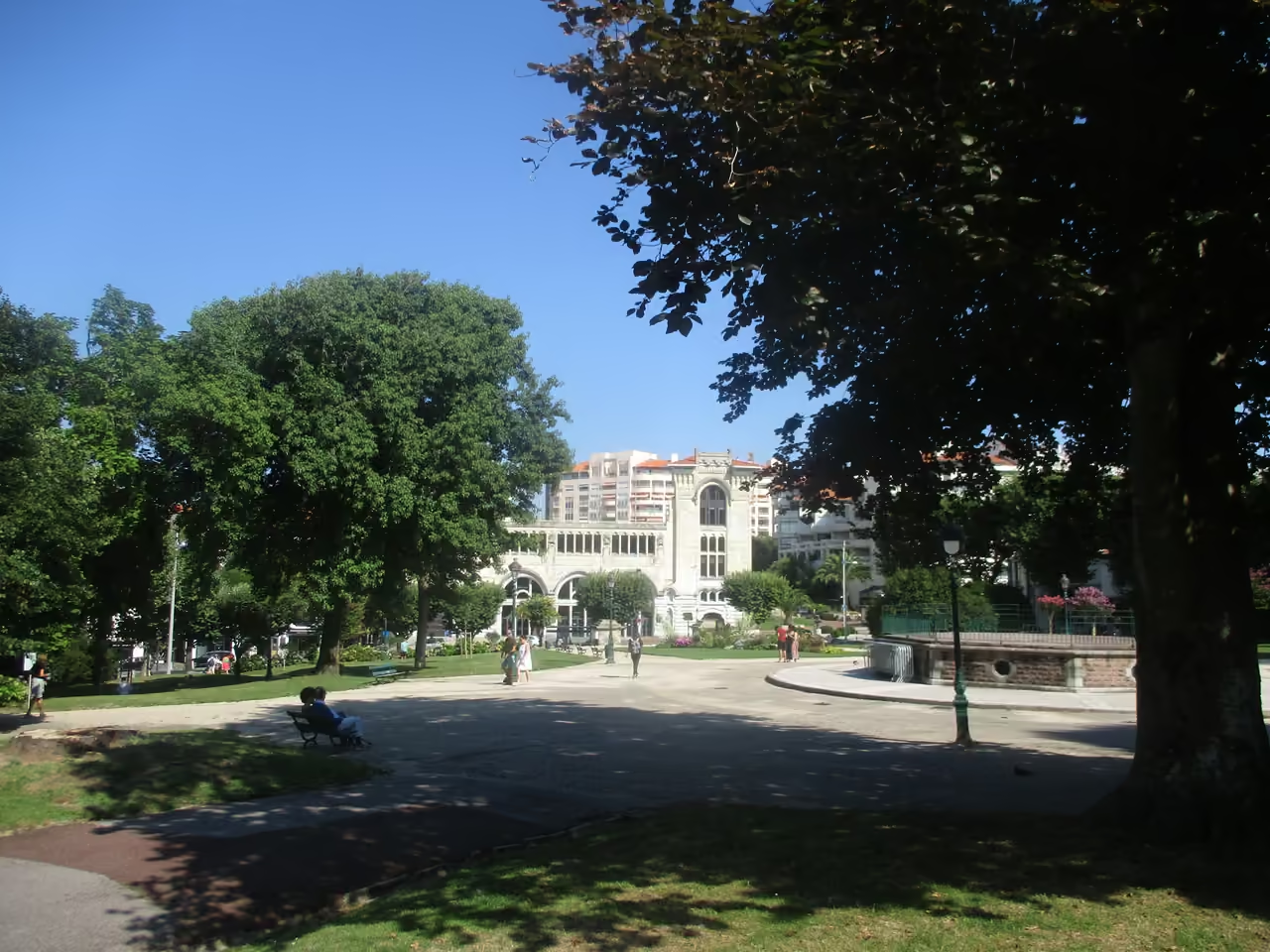
Lakeside Nature Walk from the Public Garden to Lake Mouriscot
Away from the sea, Biarritz has gardens, lawns and two protected lakes. This route links the old railway station, the Public Garden and the two lakes in a quiet green sweep. Birdsong replaces the surf, and the pace slows right down.
view walking route
See all parks & nature in Biarritz
Including Lake Mouriscot, Public Garden