Russian Orthodox Church
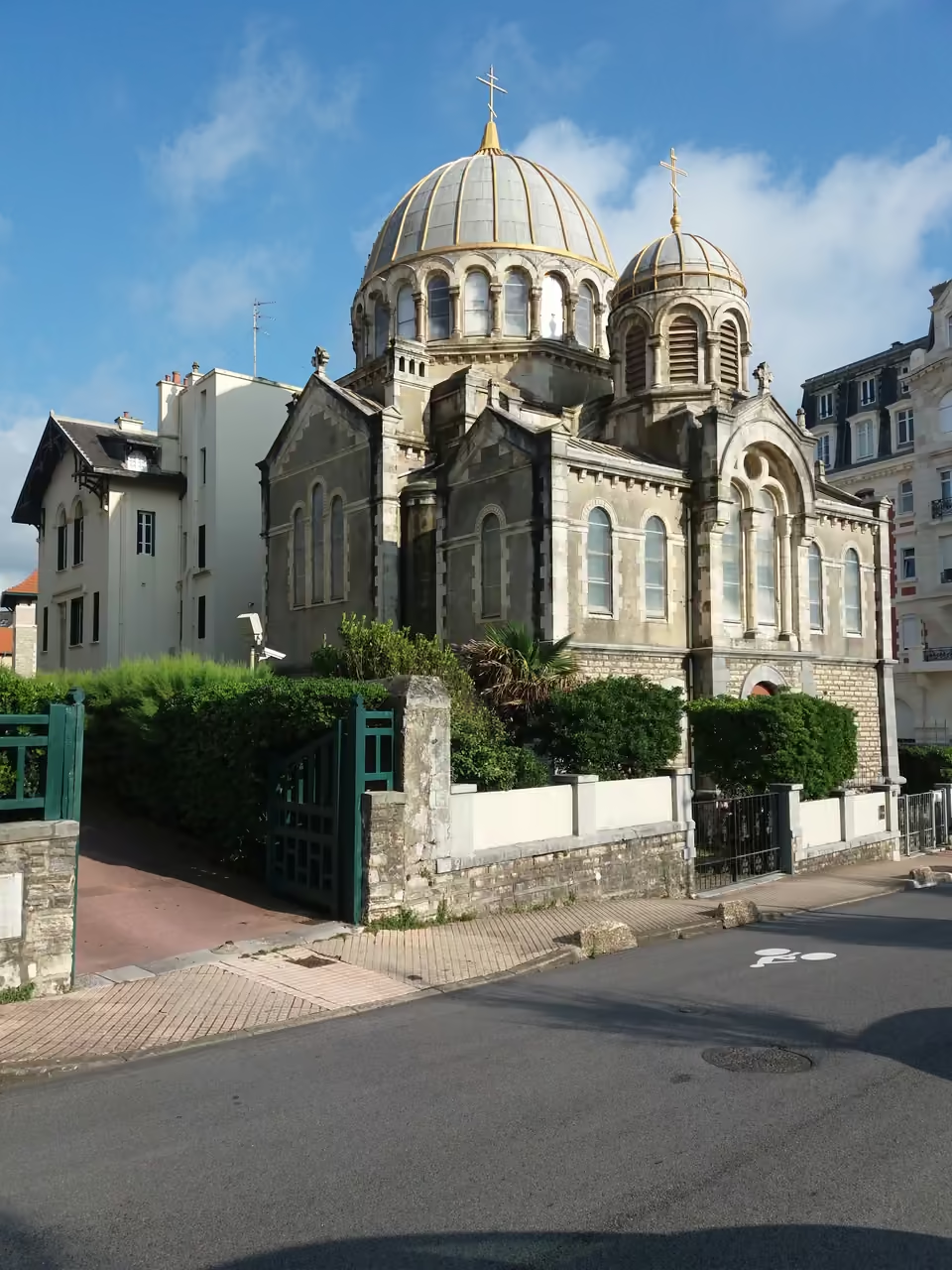
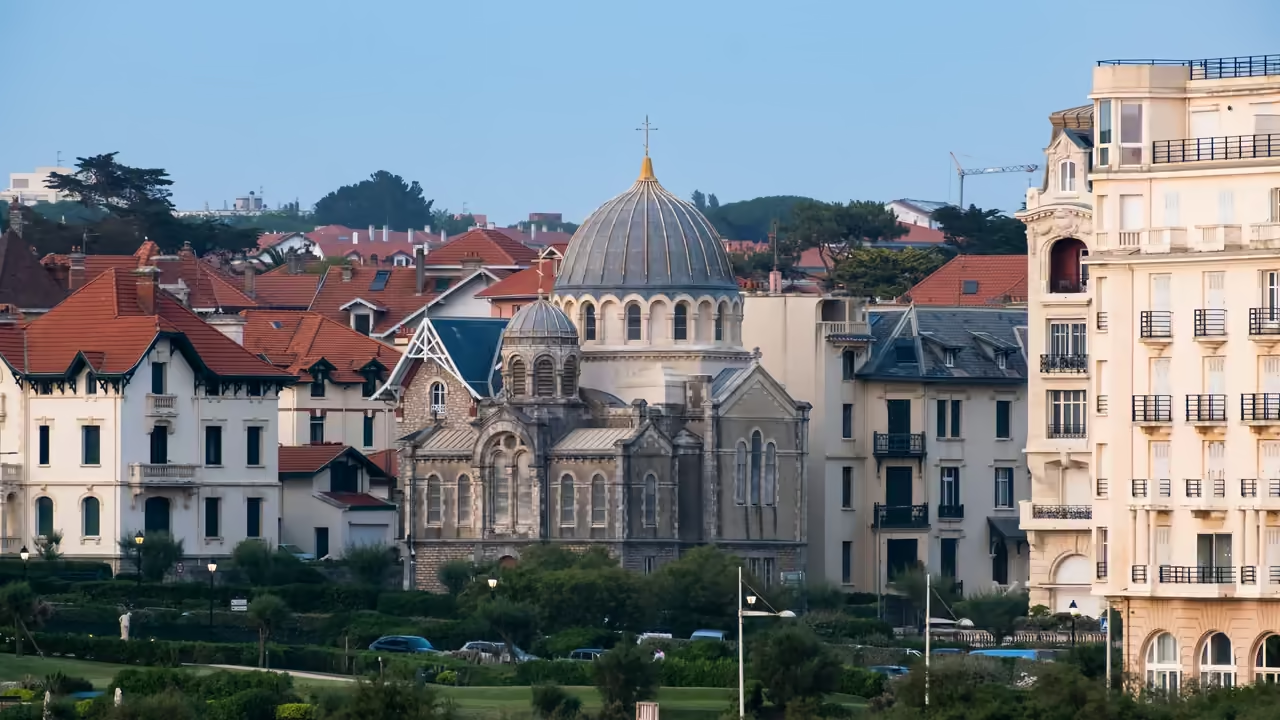
Walking down the Avenue de l'Impératrice, the salty Atlantic wind hits your face just as a cluster of bright blue, gold painted domes comes into view. This unexpected slice of Saint Petersburg on the Basque coast was built to serve the Romanovs and their entourage who followed the fashion of European royals taking coastal holidays in the 1800s. The scent of beeswax candles and heavy incense greets visitors at the wooden doors, a sharp visual and sensory departure from the surrounding surf town atmosphere. I often find myself stepping aside for a local parishioner rushing in for a Sunday service, as this remains a highly active place of worship. Inside, walls gleam with intricately painted icons of Saint Alexander Nevsky looking down on polished floors. Catching the afternoon light filtering through the high narrow windows reveals swirling dust motes dancing around the golden iconostasis.
History of Russian Orthodox Church
The story of a Russian church on the edge of the Atlantic Ocean begins entirely with the whims of European royalty. When Emperor Napoleon III and Empress Eugénie transformed Biarritz into their personal summer playground in the middle of the nineteenth century, the Russian aristocracy quickly followed suit. Grand dukes, princes, and eventually Empress Maria Feodorovna herself began taking the ocean air along the Basque coast. For years, this elite Orthodox community held their Divine Liturgy in a makeshift chapel tucked inside a salon of the Villa Eugénie, the French Empress's own summer palace. By 1889, the Villa Eugénie had been converted into a commercial hotel, forcing the Russian elites to seek a dedicated space for their worship. They commissioned Nikolaï Nikititch Nikonov, a prominent architect from Saint Petersburg, to design a proper sanctuary. Working alongside local architect Oscar Tisnès, Nikonov conjured a towering structure that looked as though it had been airlifted directly from the Russian Empire. The rapid construction culminated in a grand consecration in September 1892, attended by the Russian ambassador to France and the Duke of Leuchtenberg, cementing the coastal town's status as a premier Russian enclave. Long after the fall of the Tsars, the church endured as a spiritual anchor for a much different demographic: impoverished emigres fleeing the 1917 revolution. These exiled families settled in the area, replacing the wealthy vacationers of the previous century. Decades later, the building itself became the centre of a bitter legal and spiritual power struggle. In December 2004, a local priest attempted to transfer the parish's allegiance directly to the Patriarchate of Moscow. The congregation fought back in the French courts, ultimately securing their right to remain under the jurisdiction of Constantinople and preserving their independent heritage through a landmark ruling by the Court of Appeal in Pau in 2006.
events spanning 127 years
Fun Facts
8- 01
Dedicated to Saint Alexander Nevsky, the building features distinctive blue domes topped with golden crosses that had to be specially reinforced to withstand the corrosive saltwater winds blowing off the Atlantic.
- 02
During the early 1920s, the congregation shifted drastically from wealthy Romanov vacationers to displaced exiles fleeing the Russian Revolution who sought affordable refuge in southern France.
- 03
Following a broader schism in the Orthodox world, the Biarritz parish held a democratic vote among its members to decisively reject alignment with Moscow, choosing instead to join the Greek Orthodox Metropolis of France.
- 04
In December 2004, the parish became the focal point of an international religious scandal when a local priest secretly tried to hand control of the property over to the Patriarchate of Moscow.
- 05
The building was masterminded by Saint Petersburg architect Nikolaï Nikititch Nikonov without him ever needing to manage the daily French construction site, relying entirely on local architect Oscar Tisnès to execute his vision.
- 06
The consecration ceremony in 1892 was considered such a major diplomatic event that it required the presence of the Duke of Leuchtenberg, a direct relative of the Russian Emperor.
- 07
The resulting legal feud over ownership went all the way to the French Court of Appeal, which ruled that the congregation had the fundamental right to remain loyal to their existing hierarchy.
- 08
The sanctuary was originally born out of necessity when the former French imperial palace, the Villa Eugénie, was converted into a hotel, abruptly evicting the Russian royals from their makeshift salon chapel.
FULL PLACE DETAILS
Updated
FULL PLACE DETAILS
UpdatedOVERVIEW & STATS
- Established
- In 1890, making it 136 years old
ARCHITECTURE & HERITAGE
- Heritage Status
- Classified Historical MonumentMonument Selected By The Mission D'identification Du Patrimoine Immobilier En Péril (2019)
- Architectural Styles
- Byzantine Revival
WEB & AMENITIES
Russian Orthodox Church Map & Neighborhood Explorer
This interactive map is centered on Russian Orthodox Church. Zoom in and move the map around to automatically discover Wikipedia photos and summaries of other nearby sights, monuments, and historical points of interest and stories in real-time!
Russian Orthodox Church FAQ
Yes, visitors of all backgrounds are welcome to step inside and view the icons, provided they dress modestly and respect the sacred atmosphere, especially during active prayer services.
In the late 1800s, Biarritz was a highly fashionable summer destination for European royalty, drawing an enormous entourage of Russian aristocrats who required a permanent and grand place of worship.
The parish remains fully active, holding regular Divine Liturgies for a dedicated local community under the jurisdiction of the Greek Orthodox Metropolis of France.
Entrance is entirely free, though visitors often choose to buy a small beeswax candle near the door to light in front of an icon as a traditional sign of respect.
A typical visit takes about 1 hour. We recommend planning your schedule accordingly to make the most of your time there.
The closest place to visit near Russian Orthodox Church is Hôtel du Palais, around 36 m away. Other things to do near Russian Orthodox Church include Imperial Chapel (142 m), Round Rock (203 m) and Synagogue of Biarritz (205 m). All of these are within roughly 205 m of Russian Orthodox Church, close enough to walk.
Russian Orthodox Church holds the following heritage designations: Classified Historical Monument and Monument Selected By The Mission D'identification Du Patrimoine Immobilier En Péril (2019).
It dates back to 1890, making it 136 years old.
Russian Orthodox Church was built in the Byzantine Revival style.
While we strive to keep this information accurate and up to date, we recommend verifying any details independently before making decisions based on them.
Places near Russian Orthodox Church
Make the most of your trip. Check out these top-rated spots located nearby.
 36m
Hôtel du Palais
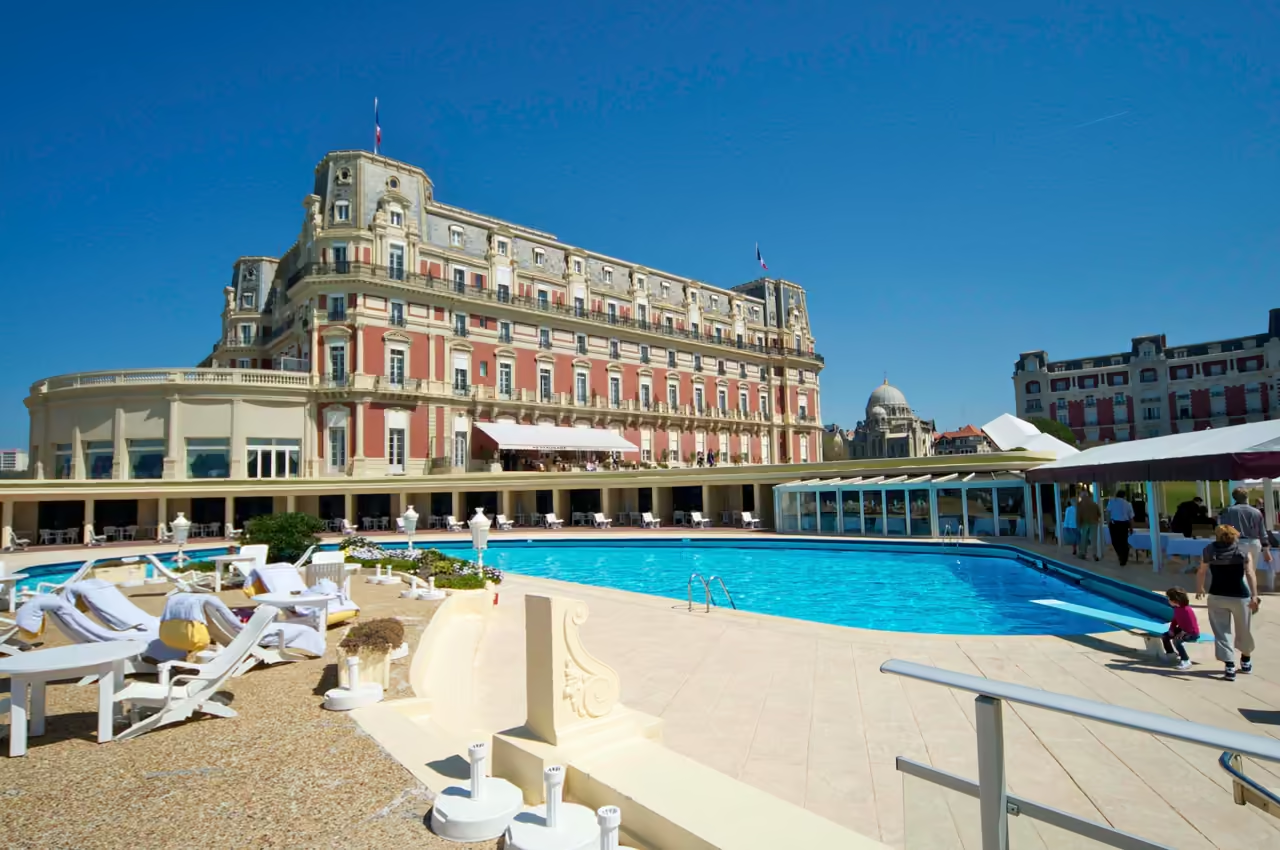
Built in the shape of the letter E as a grand romantic gesture for Empress Eugénie, this striking seaside estate dominates the Biarritz coastline. You can almost hear the clinking glasses of the nineteenth century European elite who once treated this spot as their personal summer playground. Today, it stands as the only property on the French Atlantic coast to hold the elite Palace distinction. Step inside the Rotonde restaurant, a curved dining room overlooking the waves that chef Alain Ducasse famously declared the most beautiful in the world. Frank Sinatra used to lounge by the Californian seawater pool in cabana number one. Treat yourself to a cocktail at the Bar Impérial and watch the surfers tackle the Bay of Biscay from the very windows where royalty once peered.
attraction view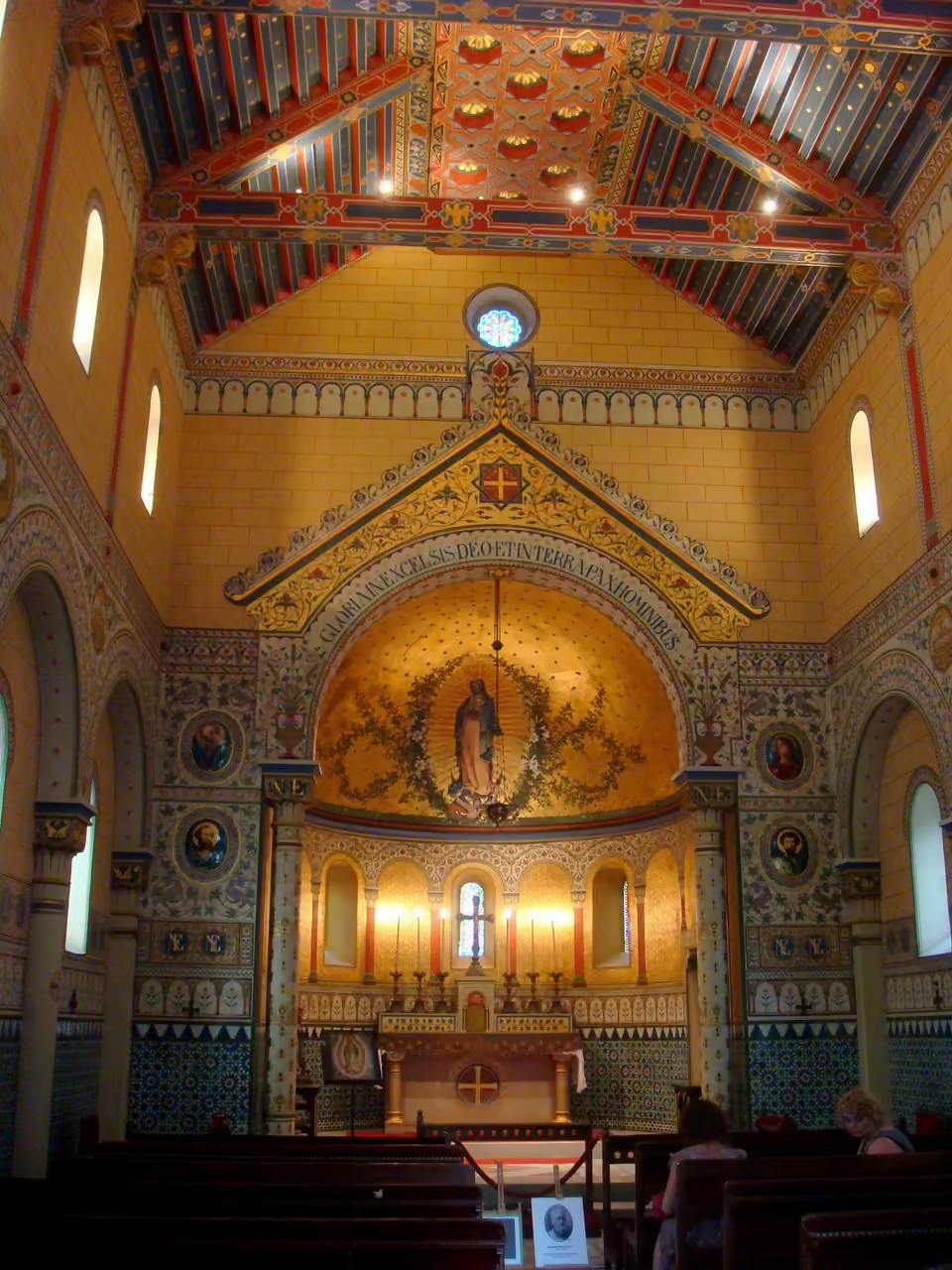 142m
Imperial Chapel
Commissioned in 1863 as Empress Eugénie's vow to celebrate French victories in Mexico, the chapel is dedicated to Our Lady of Guadalupe. Émile Boeswillwald, a pupil of Viollet-le-Duc, designed it in a Romano-Byzantine spirit. Inside are a Hispano-Moorish coffered ceiling and azulejo tiles made at Sèvres.
architecture view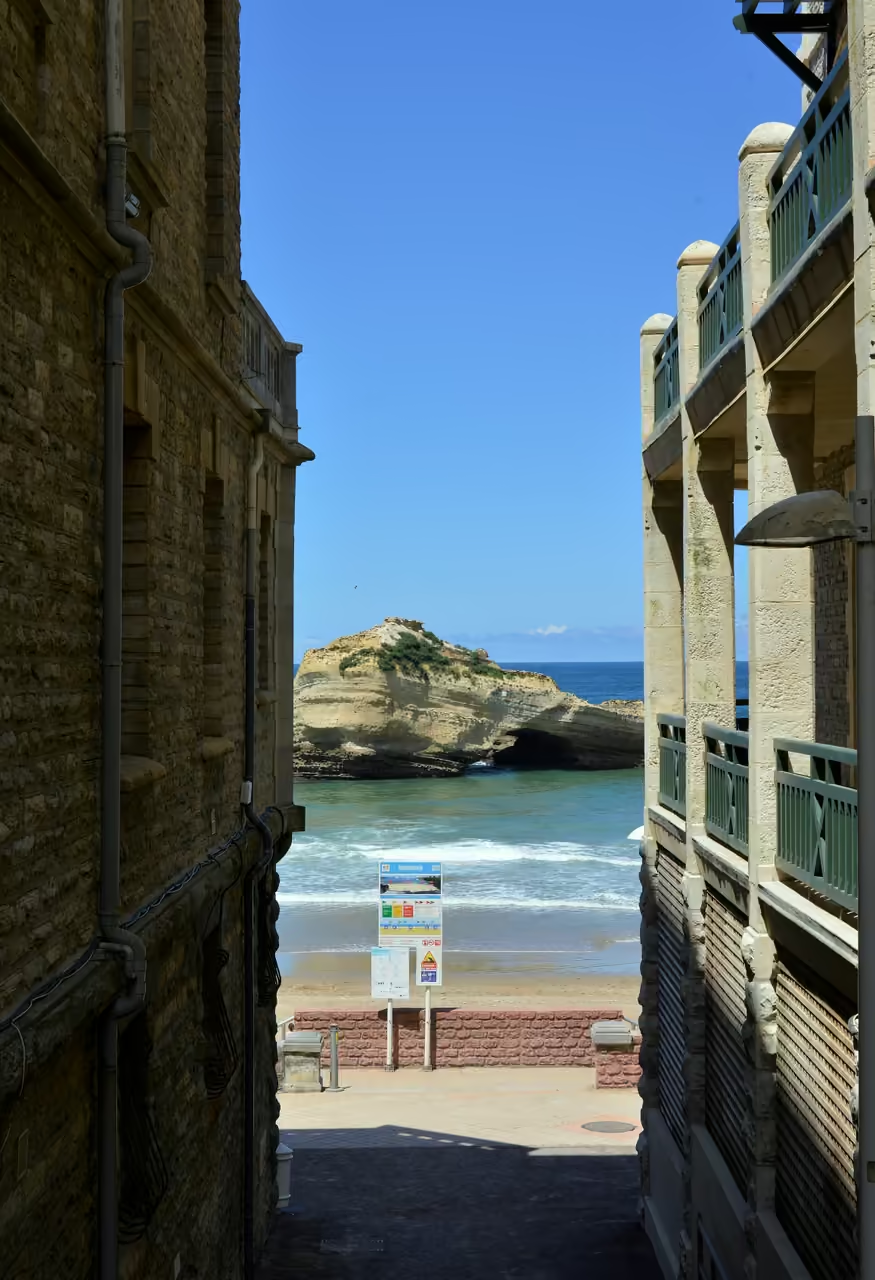 203m
Round Rock
A massive, perforated stone pillar erupting from the ocean just offshore from the Miramar beach. The constant, brutal action of the Atlantic waves has bored a large hole directly through the centre of the rock. It functions as a heavily protected Natura 2000 sanctuary, acting as a crucial nesting ground for European storm petrels and yellow-legged gulls. You cannot walk out to it, but you can stand on the sand and watch the birds dive aggressively into the water. When a heavy winter swell rolls in, the waves explode through the central hole like a geyser.
hidden gem view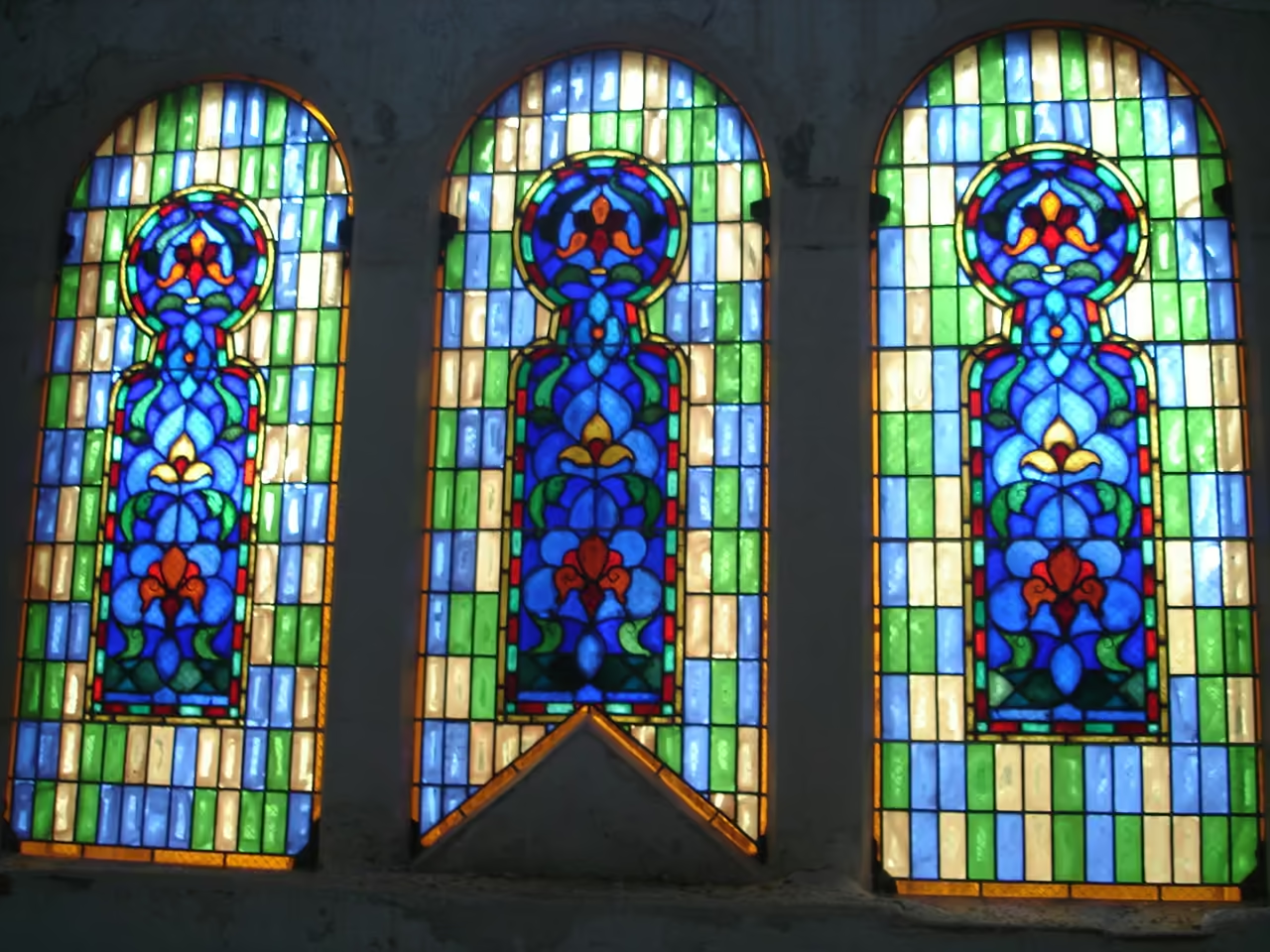 205m
Synagogue of Biarritz
Built in 1904 on former imperial land, the synagogue stands on Rue Pellot, a short walk from the town centre. It tells the story of the Jewish families who joined the Belle Époque crowds and of the older community of nearby Bayonne. Services are held in July and August, when the summer congregation returns.
hidden gem view
Explore Similar Places in This Collection
Featured on These Itineraries and Routes
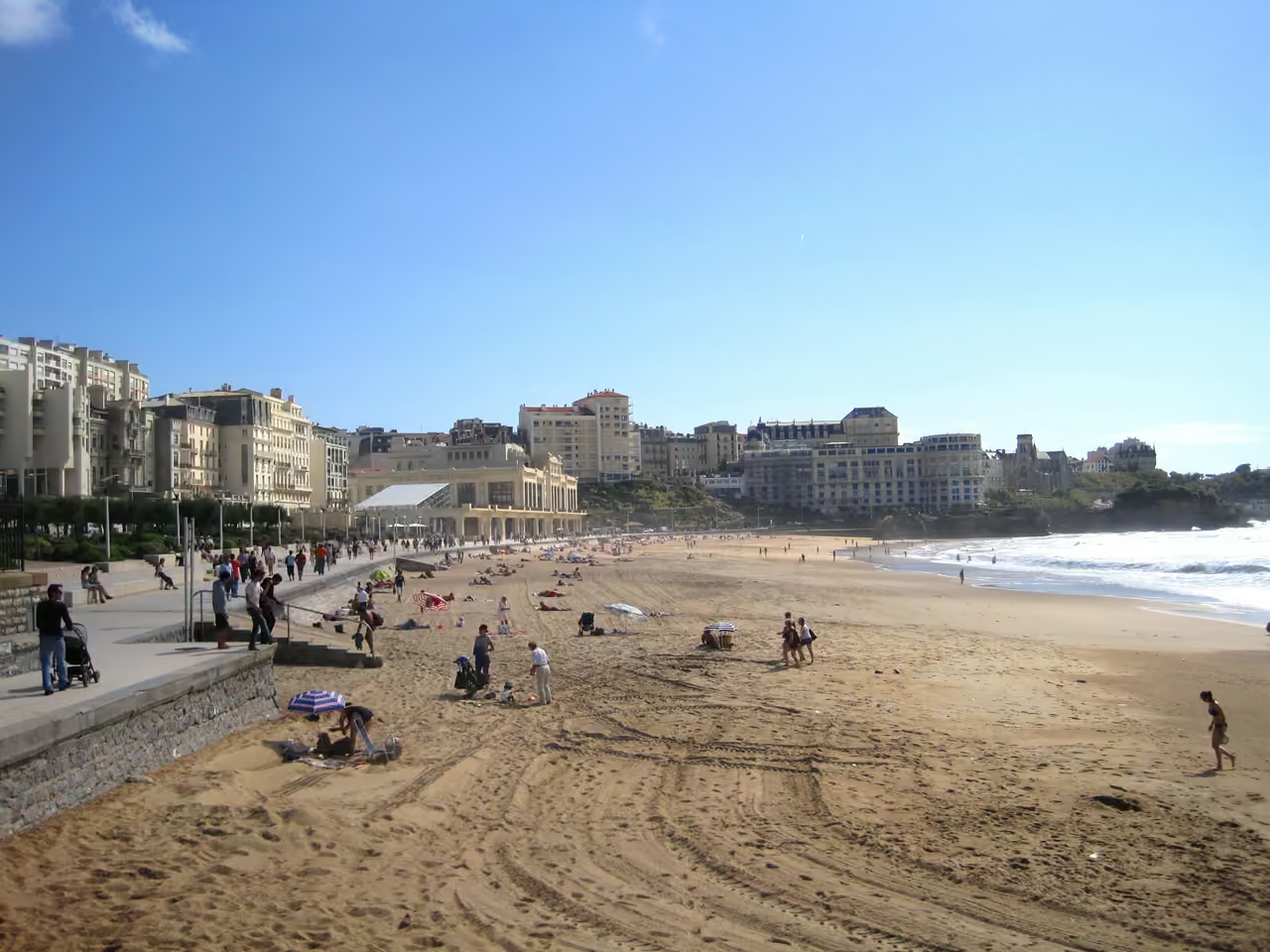
3 Days in Biarritz: Empire, Surf and Lakes
Three days give time for the imperial landmarks, a surf and swim day, and a slower day among the lakes and old village. The pace is relaxed, with room for long lunches and a spa session.
view itinerary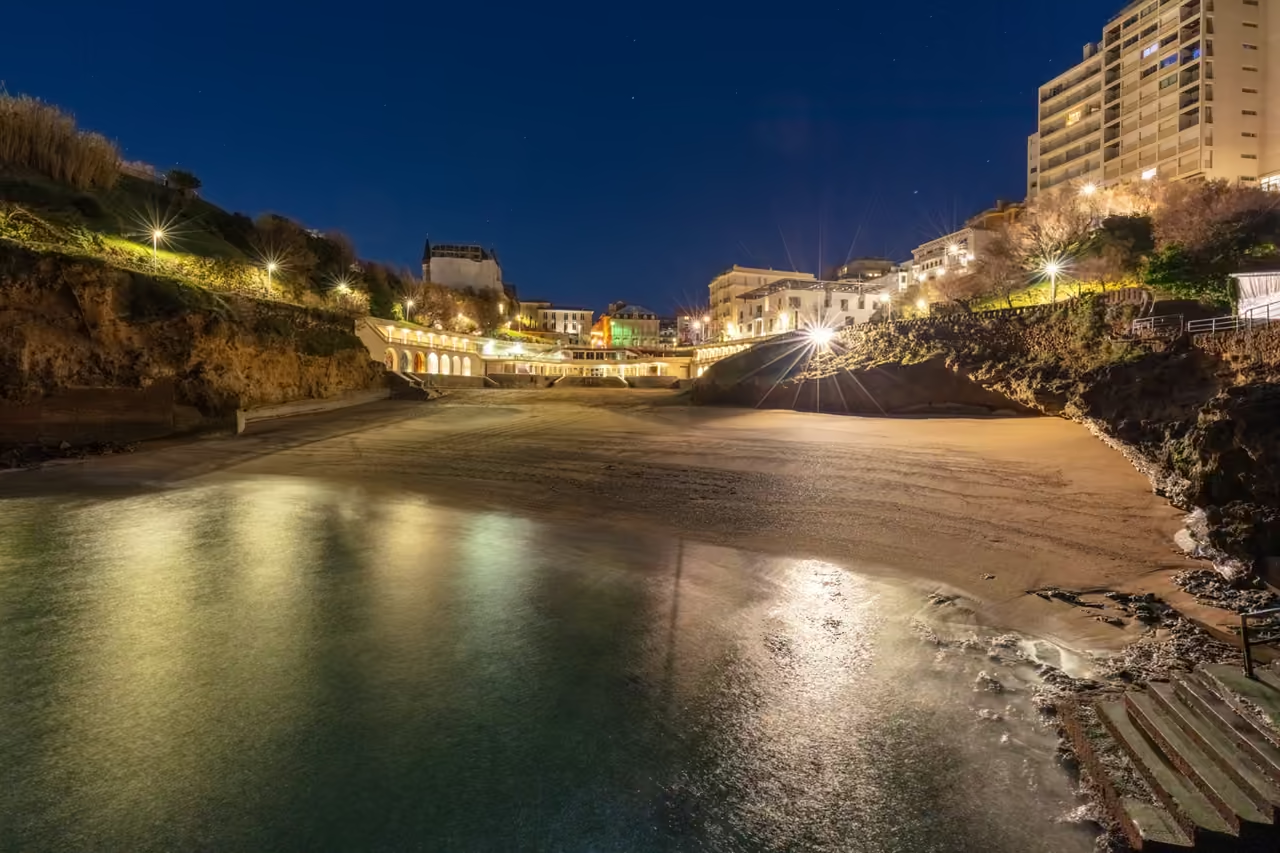
5 Days in Biarritz: The Full Basque Coast Experience
Five days allow the palace and promenade, a full surf day, a day of faiths and facades, a day of lakes, sport and music, and a final day among the headland's hidden corners. It is a leisurely plan that leaves space for the sea.
view itinerary
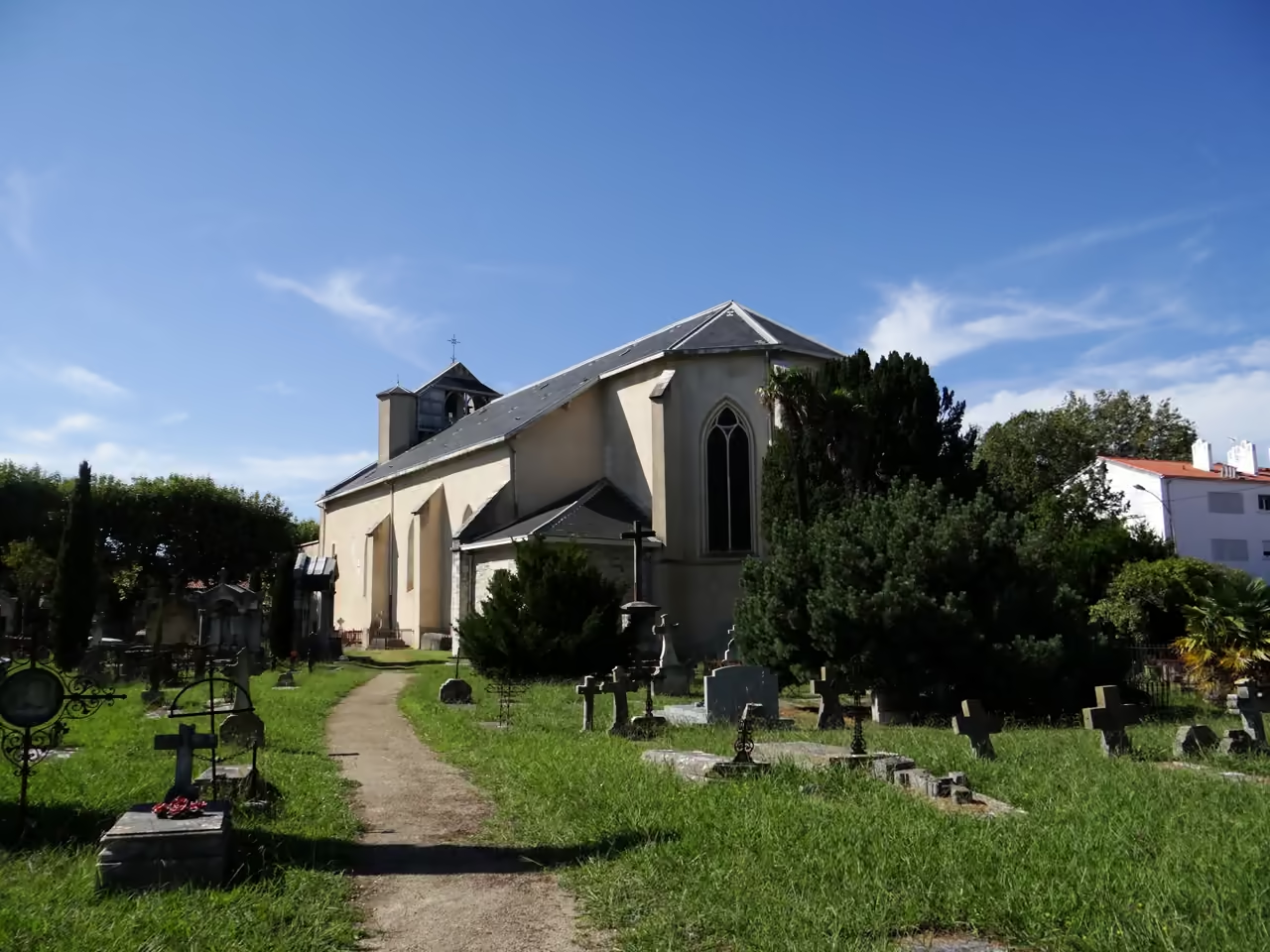
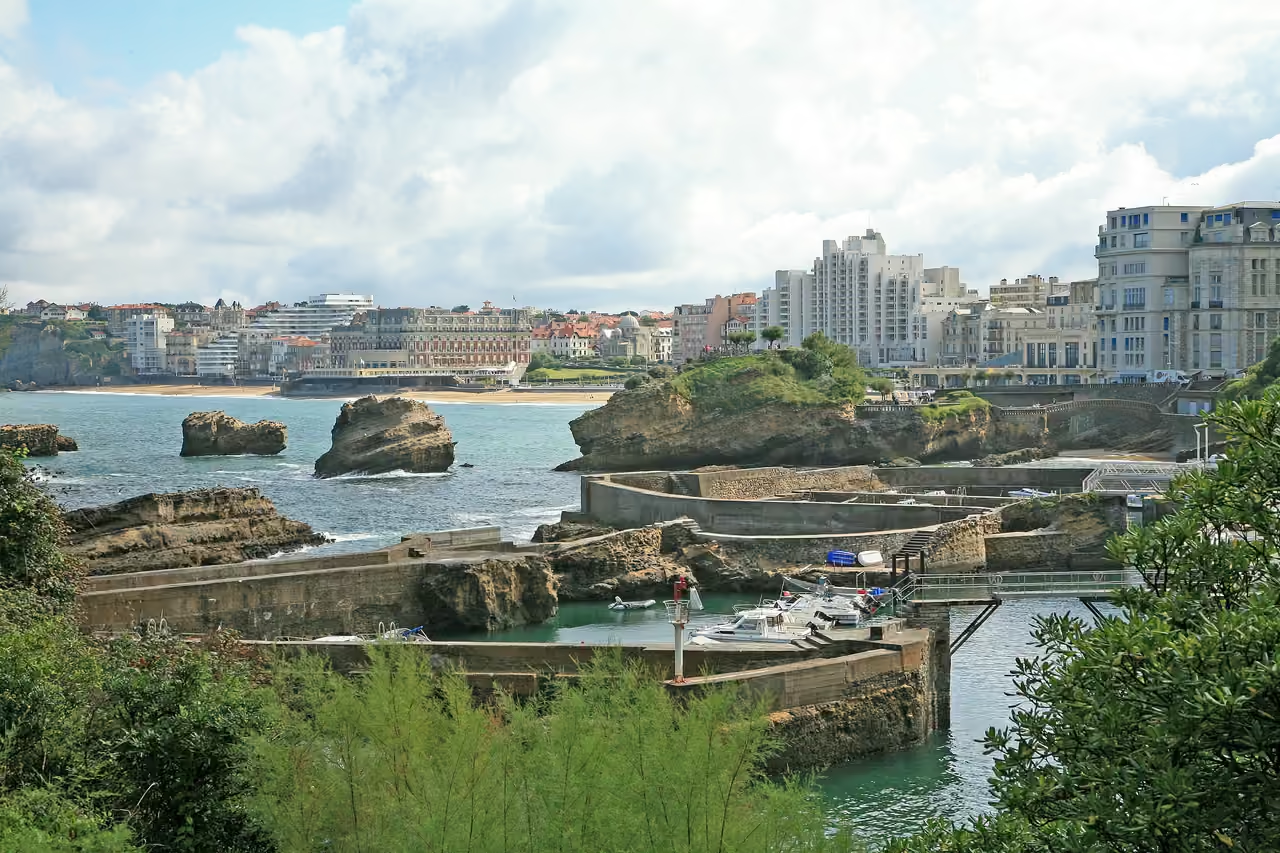
Imperial Heritage Bike Ride through Napoleon III's Biarritz
The Second Empire shaped the layout of the town, and this ride links the places that carry its stamp, from the palace hotel to the old village church. The route is short, but the hills and one-way streets need a steady pace. It suits anyone who wants to understand how a fishing village became a resort.
view cycling route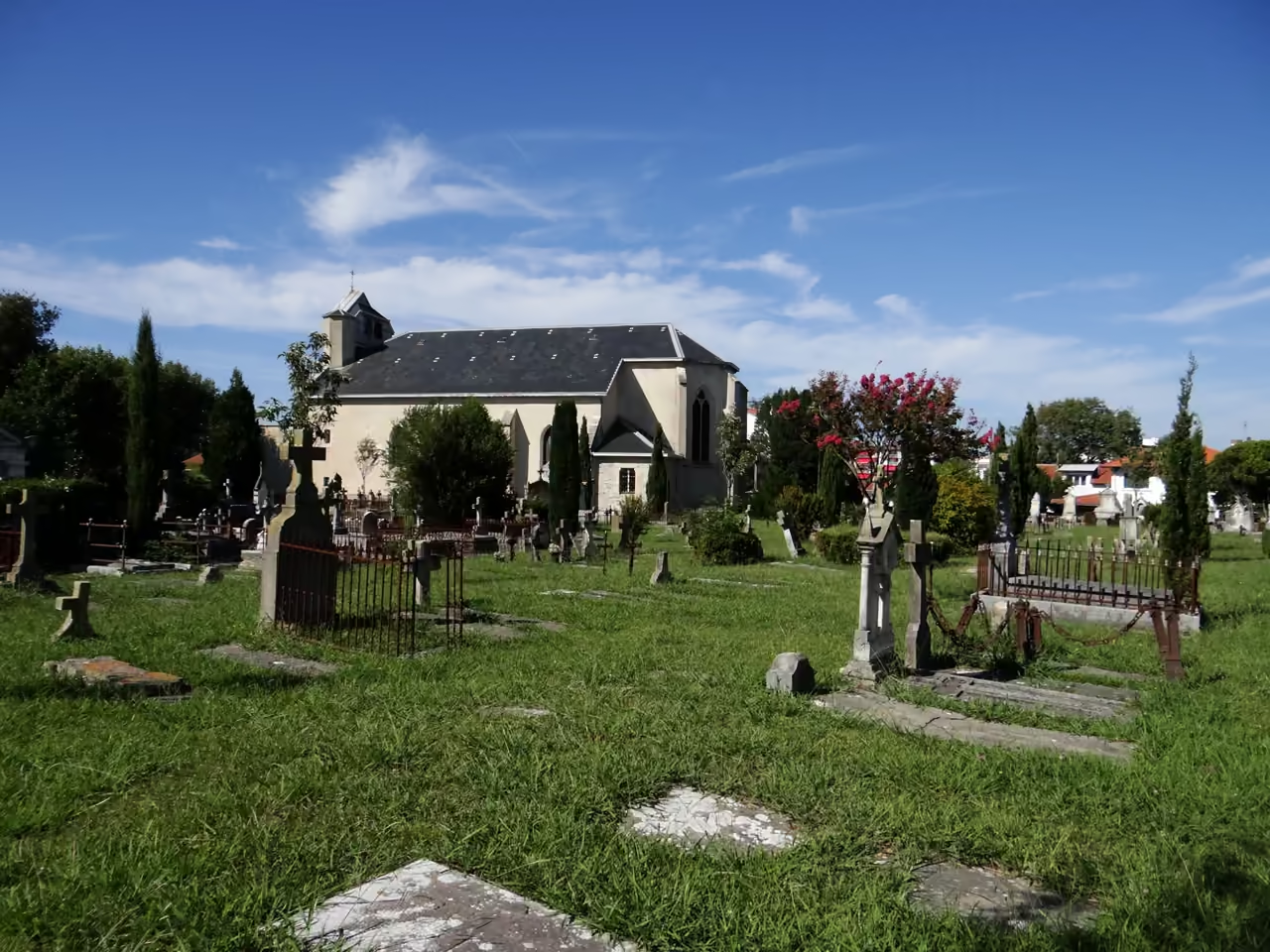
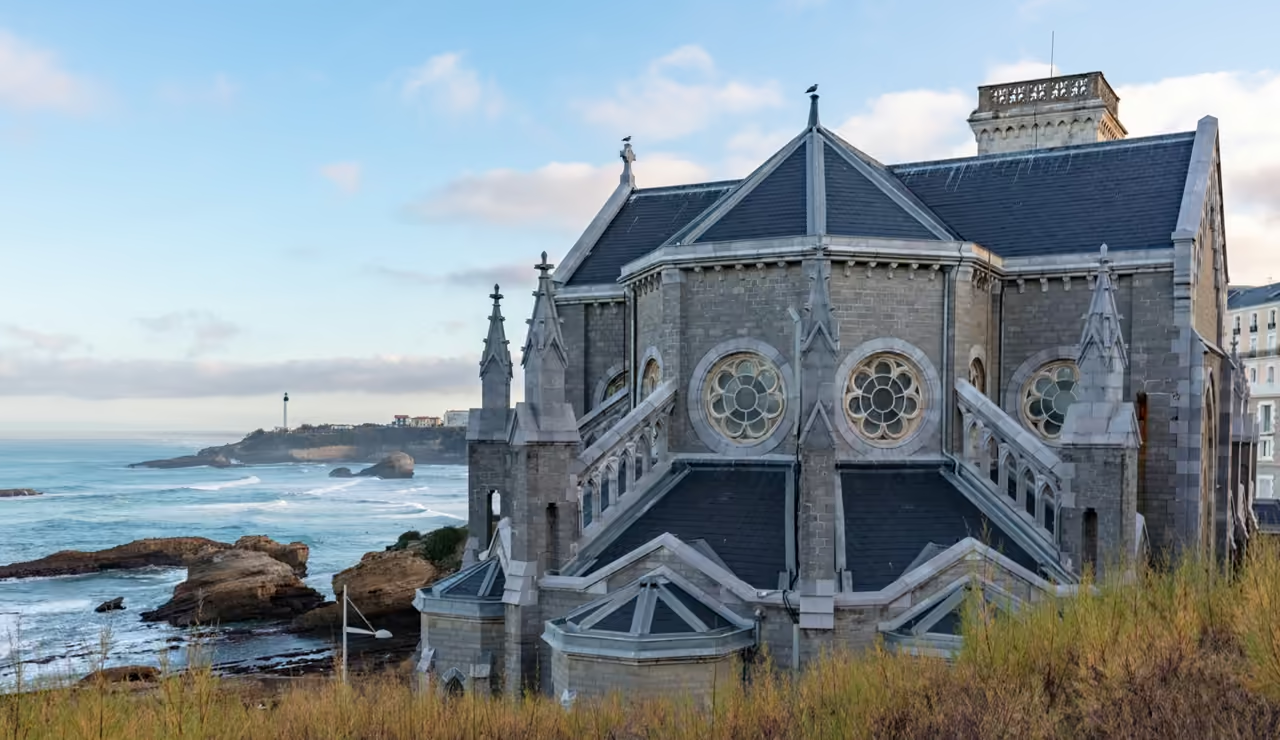
Faiths of Biarritz Trail: Churches, Chapels and a Synagogue
The Belle Époque resort drew visitors of many faiths, and each left a place of worship that still stands. This trail links a Russian Orthodox church, an imperial chapel, a synagogue and two Catholic churches of very different ages. It is a compact lesson in how a seaside resort became cosmopolitan.
view self-guided tour
See all attractions in Biarritz
Including Hôtel du Palais, Rock of the Virgin, Biarritz Aquarium, and more