Pharaonic Village
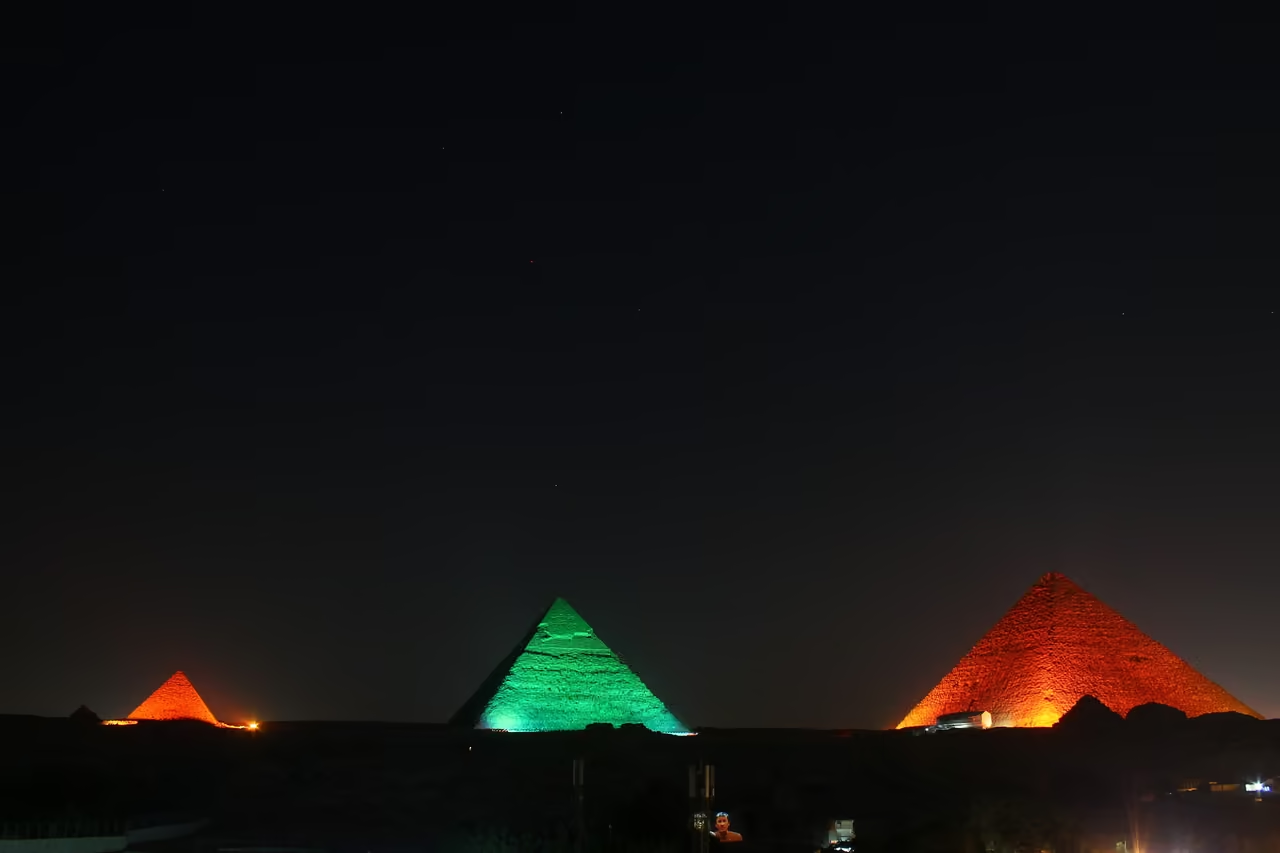
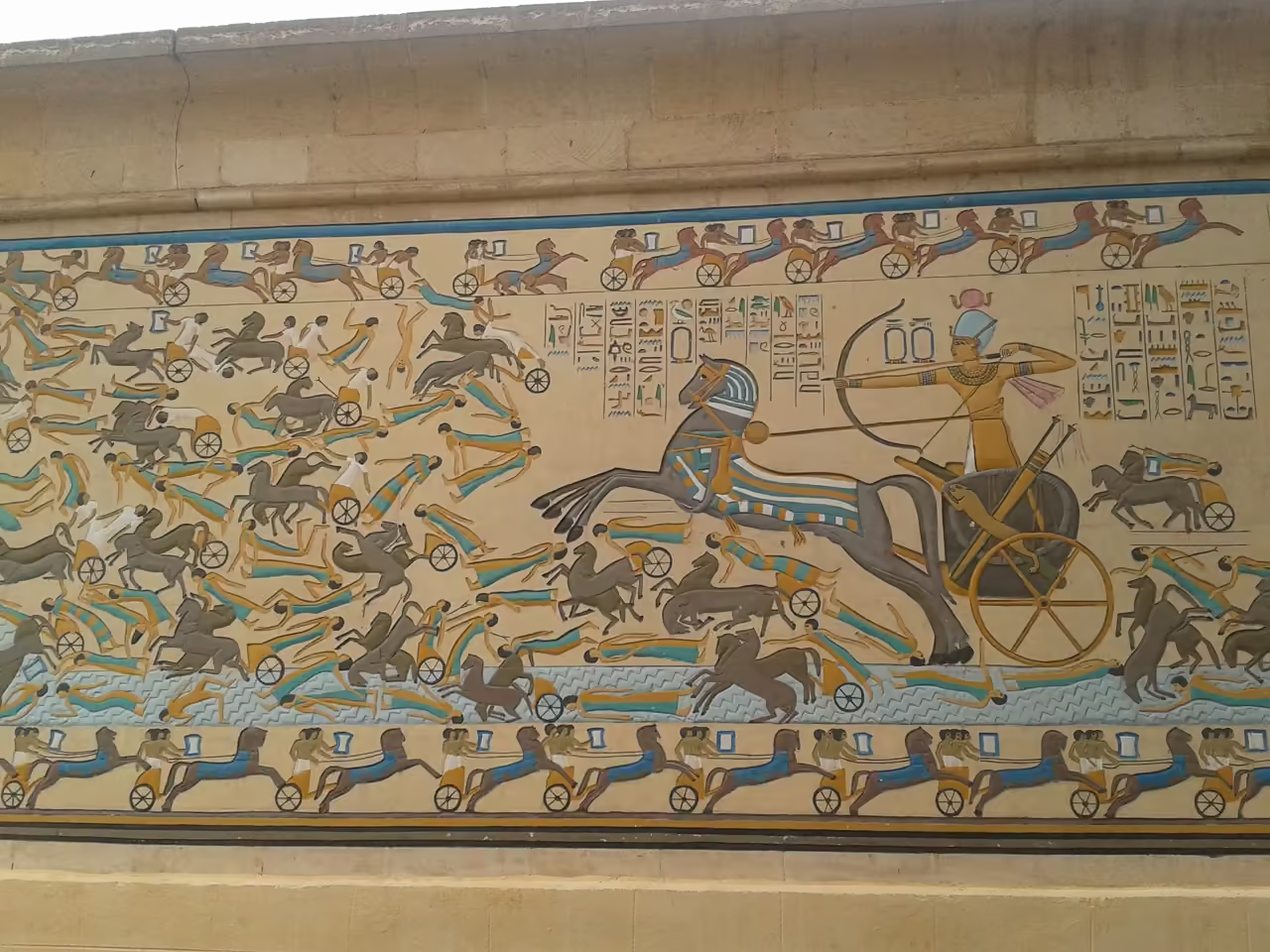
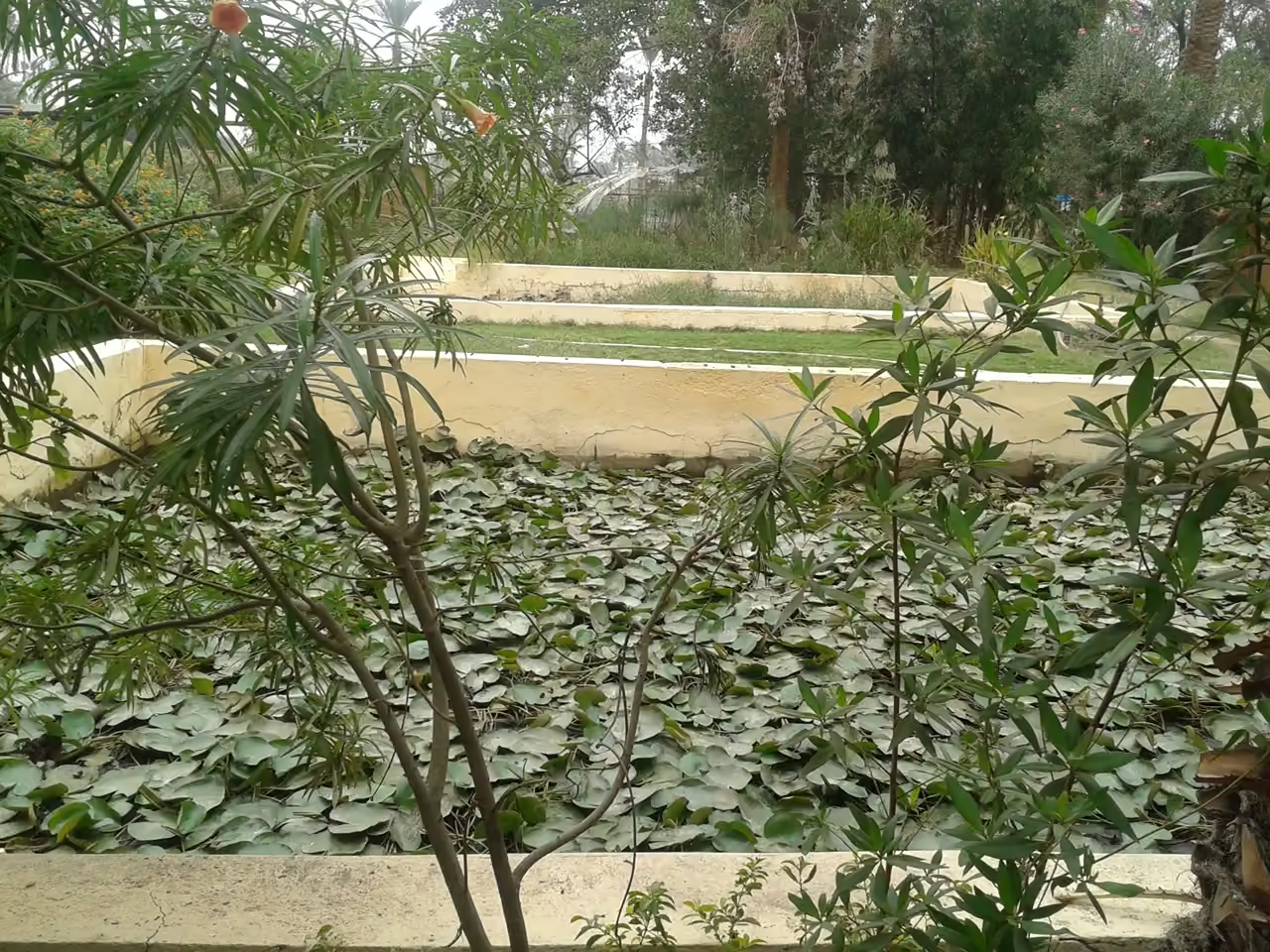
Step off Al Bahr Al Aazam in Giza onto Jacob's Island, and modern Cairo suddenly vanishes behind a dense wall of trees. This is living history staged right on the Nile. Visits begin inside a floating reception hall, where the upstairs Cleopatra Museum untangles her tense alliance with Julius Caesar before guides lead everyone down to flat canal barges. As the boat glides along narrow waterways, costumed performers harvest wheat, shape pottery, press papyrus, and even act out baby Moses drifting among the reeds. Back on dry ground, shaded lanes wind past a nobleman's irrigated garden and open craft workshops beneath a monumental white limestone temple, ending at a bazaar stocked with sand art, copperware, and perfumed oils. Keep your own camera tucked away once you enter the bazaar and themed portrait studio, though, because personal photos stay off limits until you step back out onto the wooden river pier.
Videos
History of Pharaonic Village
The origins of Giza's Pharaonic Village lie thousands of miles from the Nile, inside 1950s Beijing. Serving as Egypt's ambassador to China during the late 1950s, former army engineer Hassan Ragab noticed the immense national pride Chinese officials took in having given the world paper. That observation bothered him. Egypt had supplied the ancient Mediterranean with papyrus for millennia, yet the craft had died out completely along the lower Nile centuries earlier, leaving visitors to buy crude imitations instead. Determined to restore his country's lost invention, Ragab returned home and spent years tracking down surviving stalks of the reed and testing cryptic clues in classical texts until he mastered the forgotten technique of laminating damp strips together using only the plant's natural sap. Reviving a single sheet of writing material soon felt far too modest. Ragab began imagining an entire outdoor world where ancient Egyptian agriculture, boatbuilding, stone carving, and worship could operate in full sight rather than behind dusty museum glass. In 1974 he selected Jacob's Island, a quiet stretch of river land in Giza, as the canvas for the ambitious experiment. Workers carved winding irrigation canals across the grounds, laid out roads and harvest fields, built a nobleman's residence, and raised a massive white limestone sanctuary at the island's centre. Turning those muddy riverbanks into an operational pharaonic settlement demanded ten years of work and more than six million Egyptian pounds before the gates officially opened in 1984. The project might easily have frozen there as a quirky nostalgia park, had family leadership not intervened five years later. In 1989 Hassan Ragab's son Abdel Salam joined the management team with a clear insistence that the island had to keep evolving. Under that renewed drive, the site outgrew its original focus on ancient village reenactments, welcoming a detailed replica of King Tutankhamun's tomb and building an entire campus of indoor historical galleries. That steady reinvention explains why Jacob's Island today feels noticeably different from a typical heritage park. What began as one retired diplomat's crusade to rescue a forgotten river plant grew into a multigenerational cultural compound where ancient crafts sit beside galleries dedicated to Coptic, Islamic, and modern Egyptian presidents. Rather than separating distant pharaohs from modern Cairo, the village keeps Egypt's long, tangled timeline breathing together on one river island.
events spanning 45 years
Fun Facts
10- 01
Alongside historic photographs from the Camp David Accords, the island's Anwar Sadat Museum displays remarkably personal items donated by his widow Jehan Sadat, including his famous walking cane, grooming tools, bottles of his perfume, and the naval uniform he wore at the Suez Canal reopening.
- 02
Because no ancient Egyptian papyrus workshop manual survived, Ragab spent years testing clues written by the Roman scholar Pliny the Elder in the first century AD until he proved that soaking and crisscrossing sliced pith under heavy pressure releases natural sugars that bind the sheet permanently.
- 03
Before builders raised the ancient style village, Hassan Ragab ordered 5,000 willow, sycamore, and date palm trees planted around the edge of Jacob's Island solely to hide the surrounding towers and traffic of modern Giza from view.
- 04
Built to the precise dimensions of Tomb KV62 in the Valley of the Kings, the village's replica of King Tutankhamun's burial chambers arranges every reproduction chariot, golden shrine, and funerary statue in the exact spot Howard Carter discovered it in 1922.
- 05
Despite its ancient branding, the complex houses more than a dozen specialised indoor museums covering almost every chapter of Egypt's past, including galleries dedicated to Coptic heritage, Islamic history, ancient Egyptian boats, Napoleon's expedition, and Egypt's first president, Mohamed Naguib.
- 06
Inside the Anwar Sadat Museum sits a detailed scale model recreating the towering sand barrier and defensive fortifications of the Bar Lev Line, illustrating the immense engineering challenge Egyptian forces overcame during the October War of 1973.
- 07
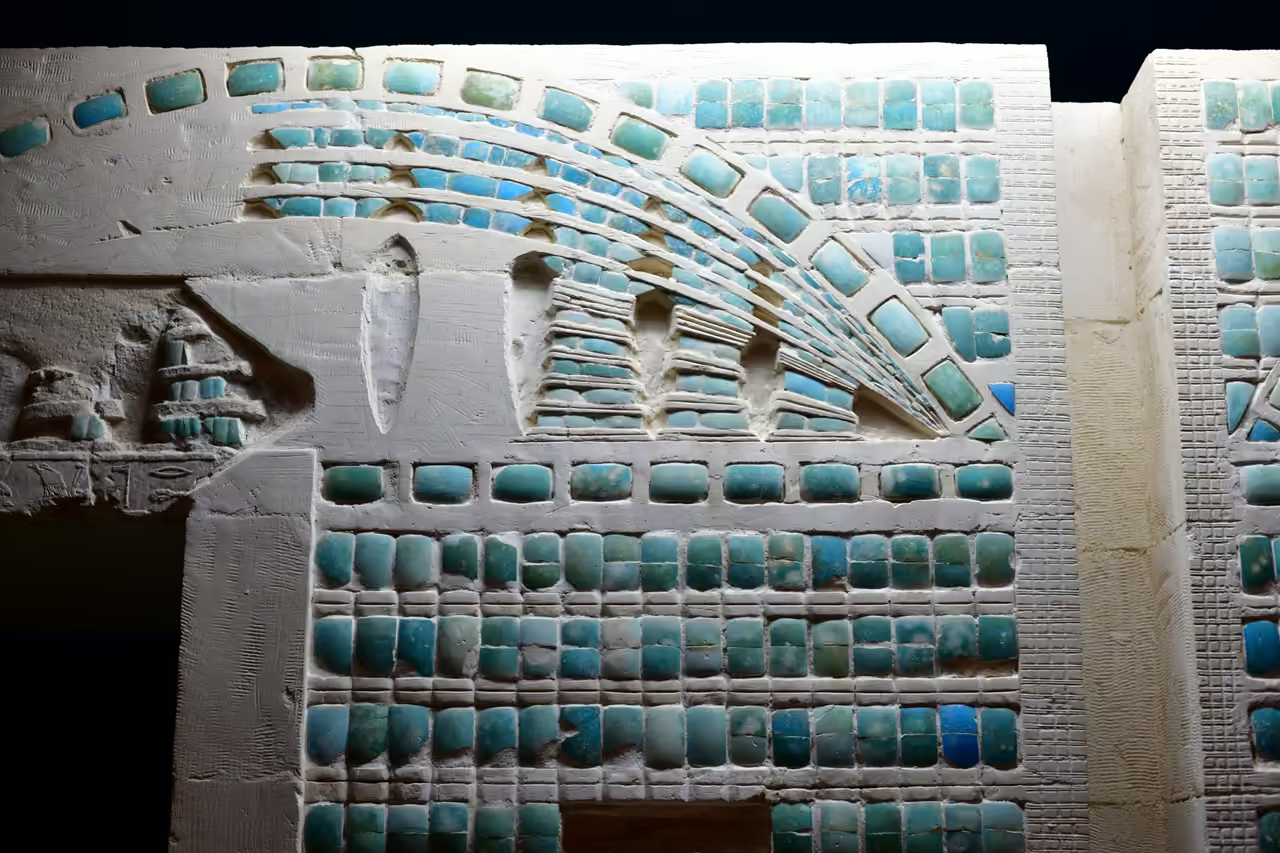
Rising over the middle of the island, the monumental temple of white stone built during the park's original construction proved so defining to the site's identity that its silhouette was adopted as the official emblem of the Pharaonic Village.
- 08
Tucked along the island's riverbank, the Gamal Abdel Nasser Museum preserves more than 170 rare photographs alongside handwritten letters the future president penned in 1941 and 1942, commemorative coins, and the official July 1956 decree nationalising the Suez Canal.
- 09
Two specialised museums on the grounds unpack Egypt's famous funerary traditions from opposite angles, pairing models of embalming techniques and protective deities in the Mummification Museum with the levers, tools, and stoneworking methods displayed in the Pyramids Museum.
- 10
When Ragab began experimenting in the 1960s, the Cyperus papyrus plant had largely vanished from the Egyptian stretch of the Nile for centuries, forcing him to source surviving specimens from botanical gardens and Sudan to replant the reeds along Giza's waterways.
FULL PLACE DETAILS
Updated
FULL PLACE DETAILS
UpdatedWEB & AMENITIES
Pharaonic Village Map & Neighborhood Explorer
This interactive map is centered on Pharaonic Village. Zoom in and move the map around to automatically discover Wikipedia photos and summaries of other nearby sights, monuments, and historical points of interest and stories in real-time!
Pharaonic Village FAQ
Visits typically begin inside the floating reception building with a guided introduction inside the upstairs Cleopatra Museum. Afterwards, groups board flat, shaded motor boats that cruise gently along the island's waterways past live reenactments of ancient farming, pottery, papyrus making, and daily crafts. Once back on shore, guests can walk through the nobleman's garden, the central temple, the replica royal tomb, and the indoor museums.
Yes, it is one of the easiest heritage sites in Giza for younger travellers to enjoy because history happens in motion rather than solely behind glass. Children can watch costumed performers harvest crops, sculpt stone, and stage the biblical scene of baby Moses in the reeds from the shade of a slow river barge, then browse crafts or try themed portraits on land.
Alongside ancient Egyptian themes such as mummification, pyramid engineering, ancient boats, religious beliefs, and Tutankhamun's tomb, the island houses more than a dozen specialised galleries covering Coptic and Islamic heritage, Napoleon's Egyptian expedition, and Egypt's first three presidents, Mohamed Naguib, Gamal Abdel Nasser, and Anwar Sadat.
Outdoor photography during the canal boat tour, beside the central temple, and along the garden pathways is warmly encouraged. However, taking personal photographs is restricted inside the souvenir bazaar and the themed portrait studio.
The site sits on Jacob's Island on the Nile along Al Bahr Al Aazam in Giza, just south of central Cairo. Thanks to a dense screen of willows, sycamores, and date palms planted around the island, the noise and skyline of the city stay hidden, giving the canal walkways a calm, shaded atmosphere.
A typical visit takes about 3 hours. We recommend planning your schedule accordingly to make the most of your time there.
The closest place to visit near Pharaonic Village is Sham El-Nessim Spring Festival, around 342 m away. Other things to do near Pharaonic Village include Qorsaya Island Painted Skiffs and Reed Bank (462 m), El-Moneeb Morning Market (1.8 km) and Dahab Island (1.8 km). All of these are within roughly 1.8 km of Pharaonic Village.
Pharaonic Village features the following: arena, arts center, café, exhibition, history, museum, park, petting zoo, restaurant, shopping, studio, tomb of Tutankhamun and yacht.
While we strive to keep this information accurate and up to date, we recommend verifying any details independently before making decisions based on them.
Places near Pharaonic Village
Make the most of your trip. Check out these top-rated spots located nearby.
 342m
Sham El-Nessim Spring Festival
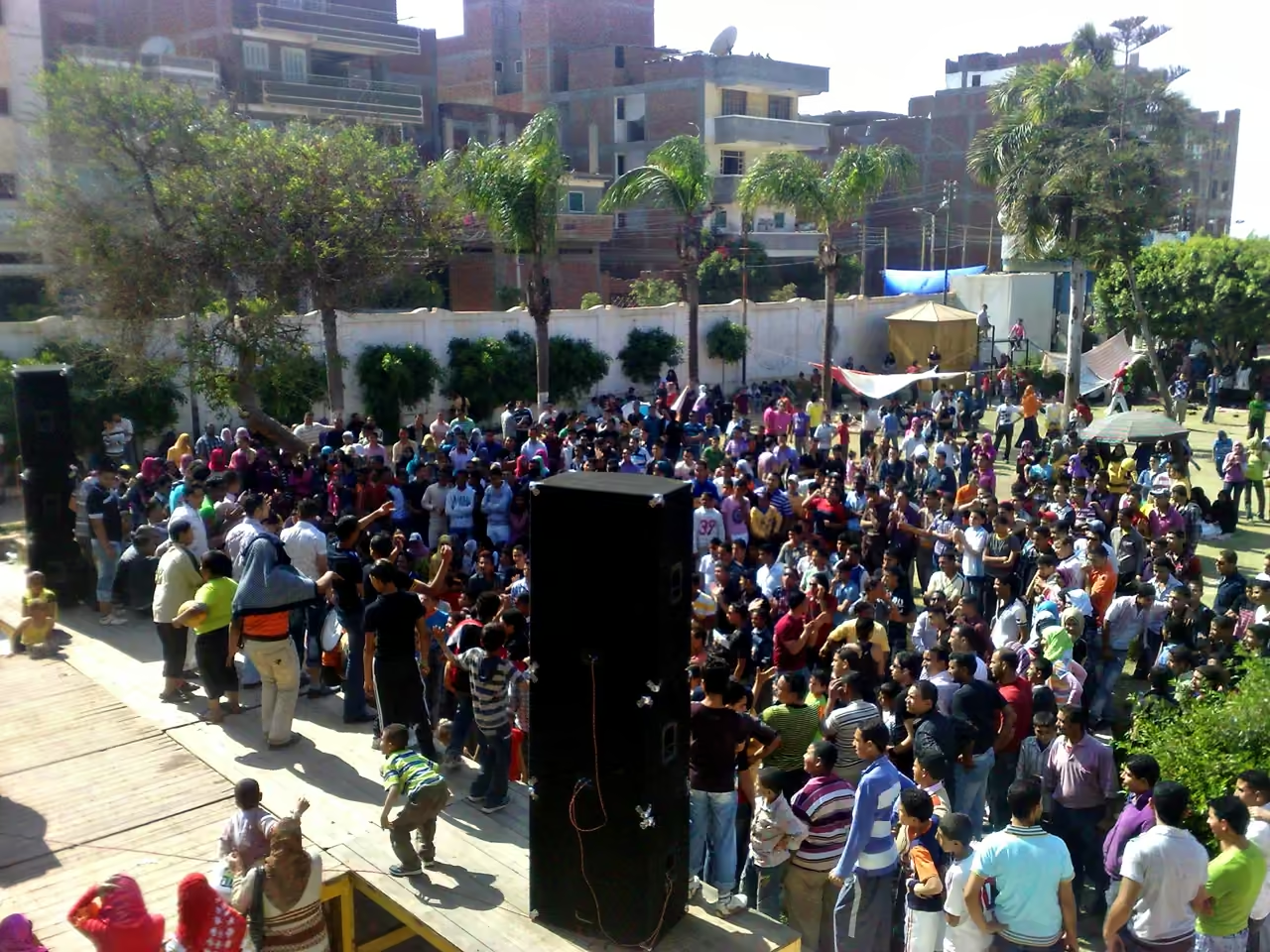
Celebrated on the Monday following Coptic Easter, this ancient Egyptian spring holiday brings families onto Giza's riverbanks and rural Nile islands from early morning. Groups unroll woven mats along Al-Bahr Al-Aazam Corniche or cross by ferry to Dahab Island carrying picnics of salted fesikh fish, crisp scallions, lupini beans, and dyed boiled eggs. Felucca boats crowd the Agouza channel until dusk with singing teenagers and picnic baskets.
festival view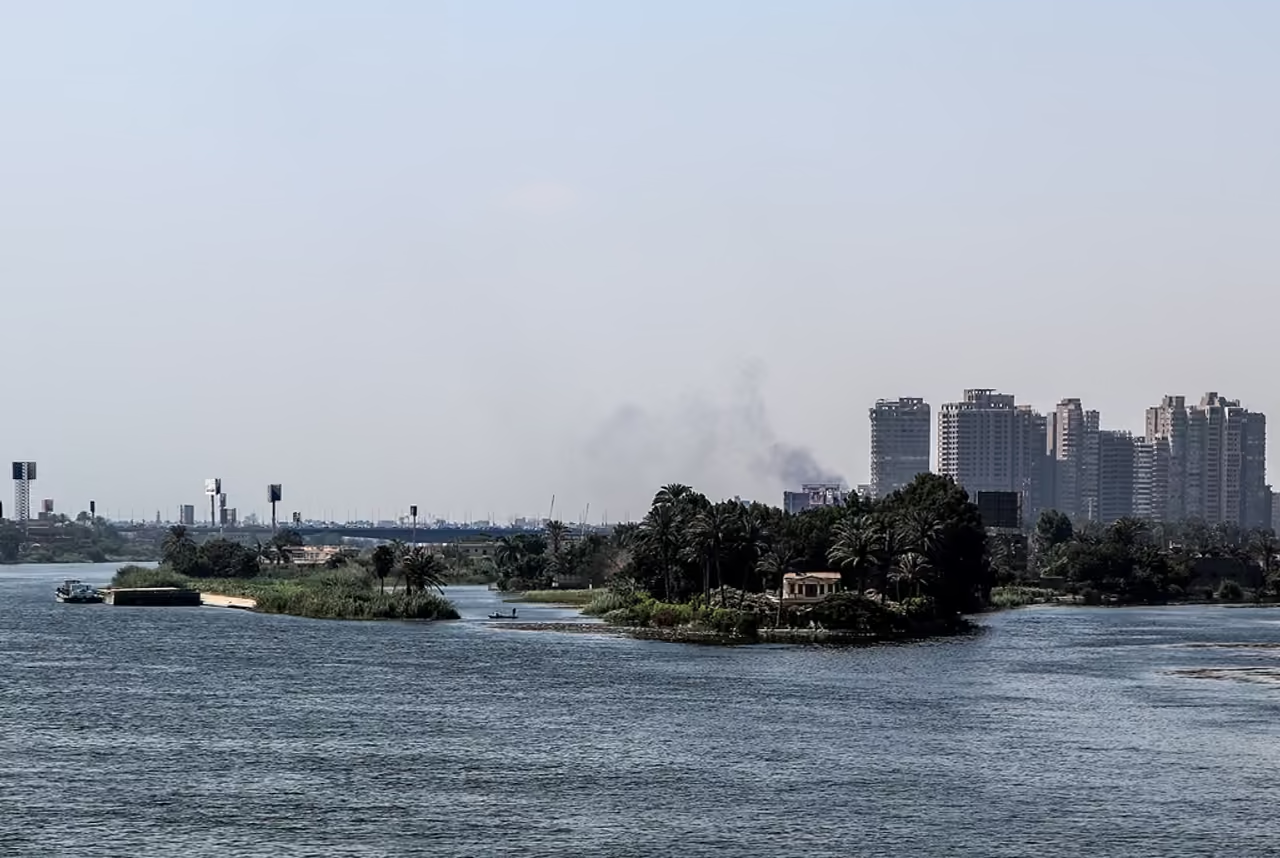 462m
Qorsaya Island Painted Skiffs and Reed Bank
Along the quiet western reed bank of Qorsaya Island in South Giza, turquoise and ochre wooden fishing boats rest in shallow ripples against high-rise apartments rising across the river channel. Morning light right after dawn softens water reflections and highlights weathered boat paint cleanly.
photo spot view- 1782m
El-Moneeb Morning Market
Crammed beside the South Giza Metro terminus and the wooden ferry landing for Dahab Island, El-Moneeb's morning market pulses with fresh produce hauled off river skiffs and Delta trucks. Stacks of sweet green guavas, crimson hibiscus blooms, fresh molokhia greens, and earthen jars of aged cheese spill beneath bright cloth awnings. Few tourists venture this far south, keeping prices grounded in local daily trade.
market view 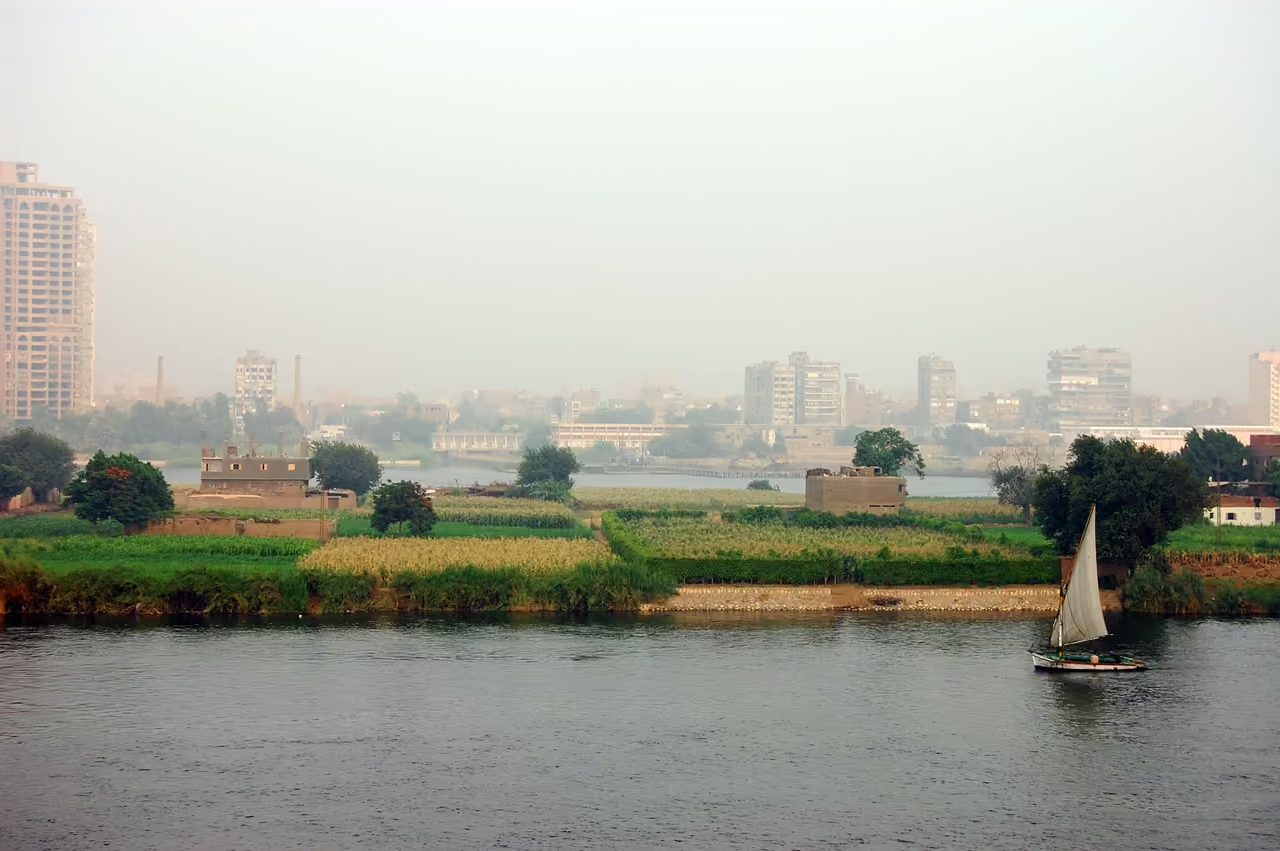 1798m
Dahab Island
Floating right in the middle of the Nile in South Giza, this verdant farming island can only be reached by wooden commuter ferry from El-Moneeb or Maadi landings. Zero tarmac roads or cars exist on its soil; instead, quiet footpaths wind between banana clusters, guava groves, and emerald alfalfa fields beneath six-lane concrete Ring Road piers. Spend an afternoon walking dirt lanes to hear birdsong and water pumps inside Greater Cairo.
hidden gem view
Featured on These Itineraries and Routes
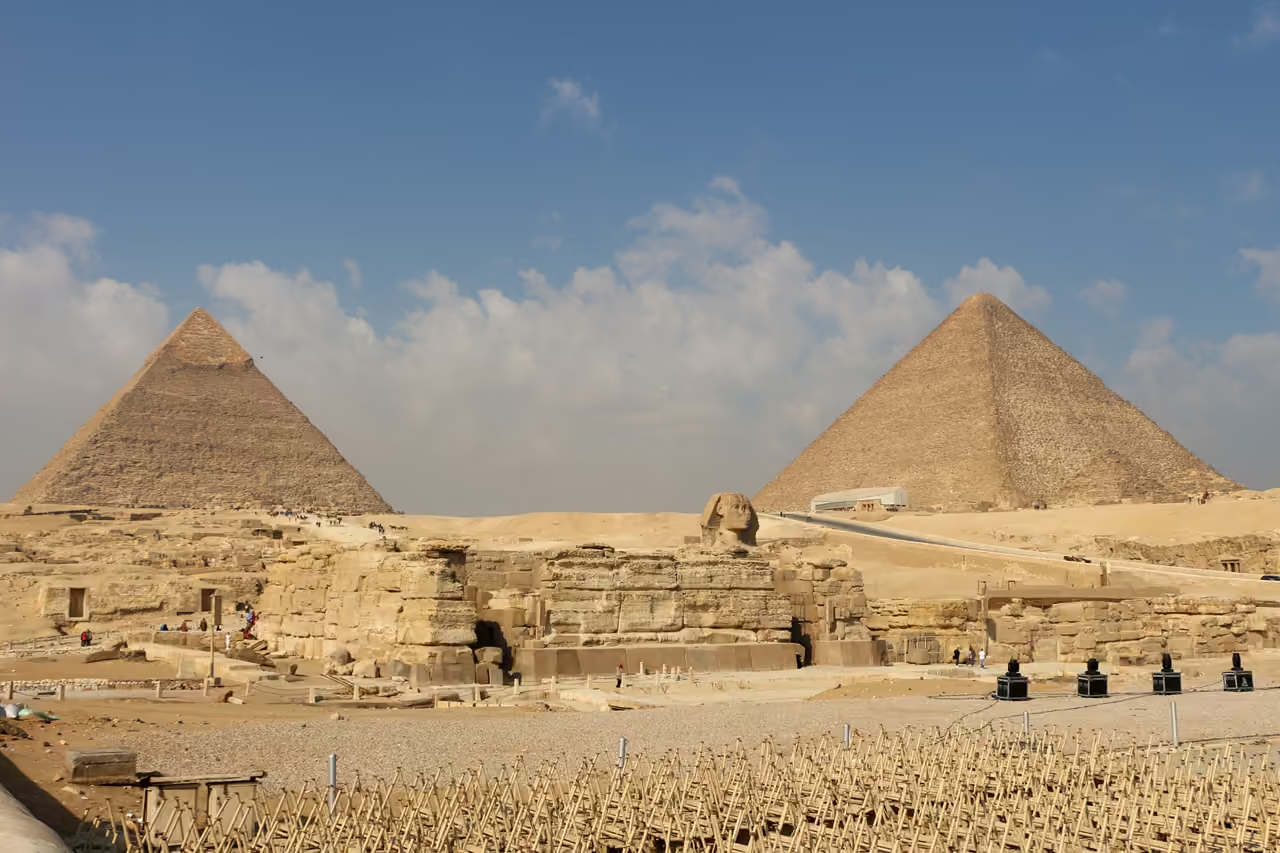
3 Days in Giza: Royal Stone, Artisans, and Nile Nights
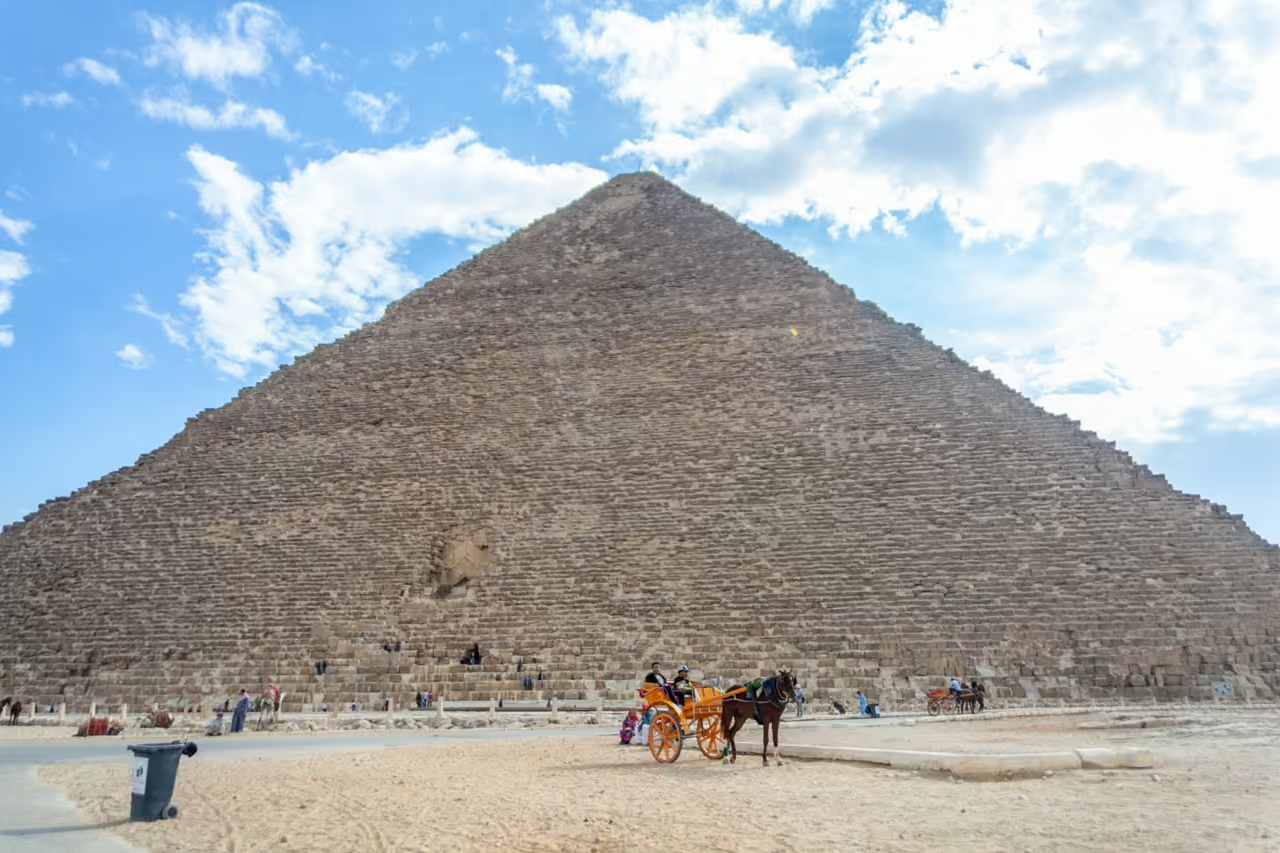
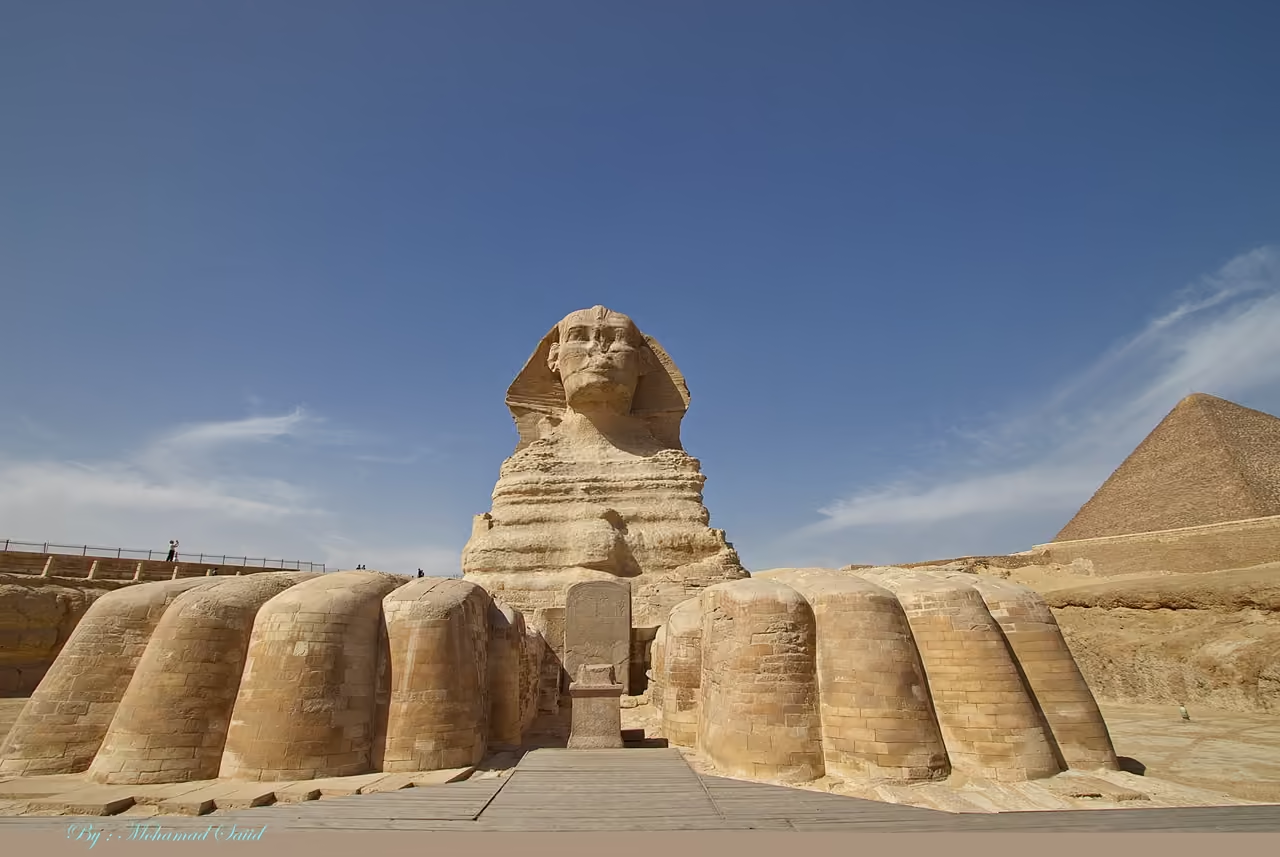
Three balanced days let you uncover Giza well past its headline postcard. Dedicate your first morning to deep pyramid exploration and sunset frames, devote day two to the Grand Egyptian Museum, Sahara horseback trails, and Harrania tapestry studios, and spend day three savouring Dokki gardens, Impressionist art palaces, car-free Dahab Island farms, and Agouza riverfront nights.
view itinerary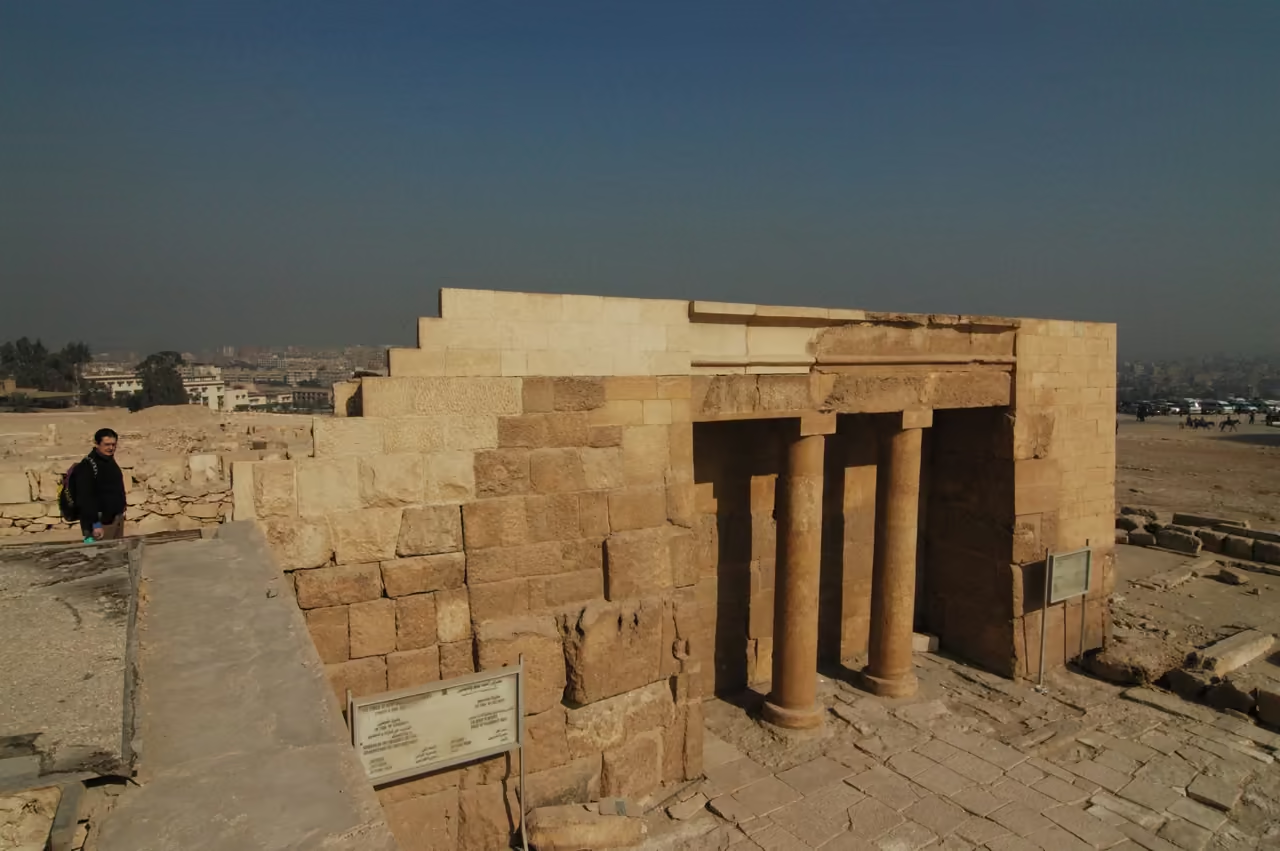
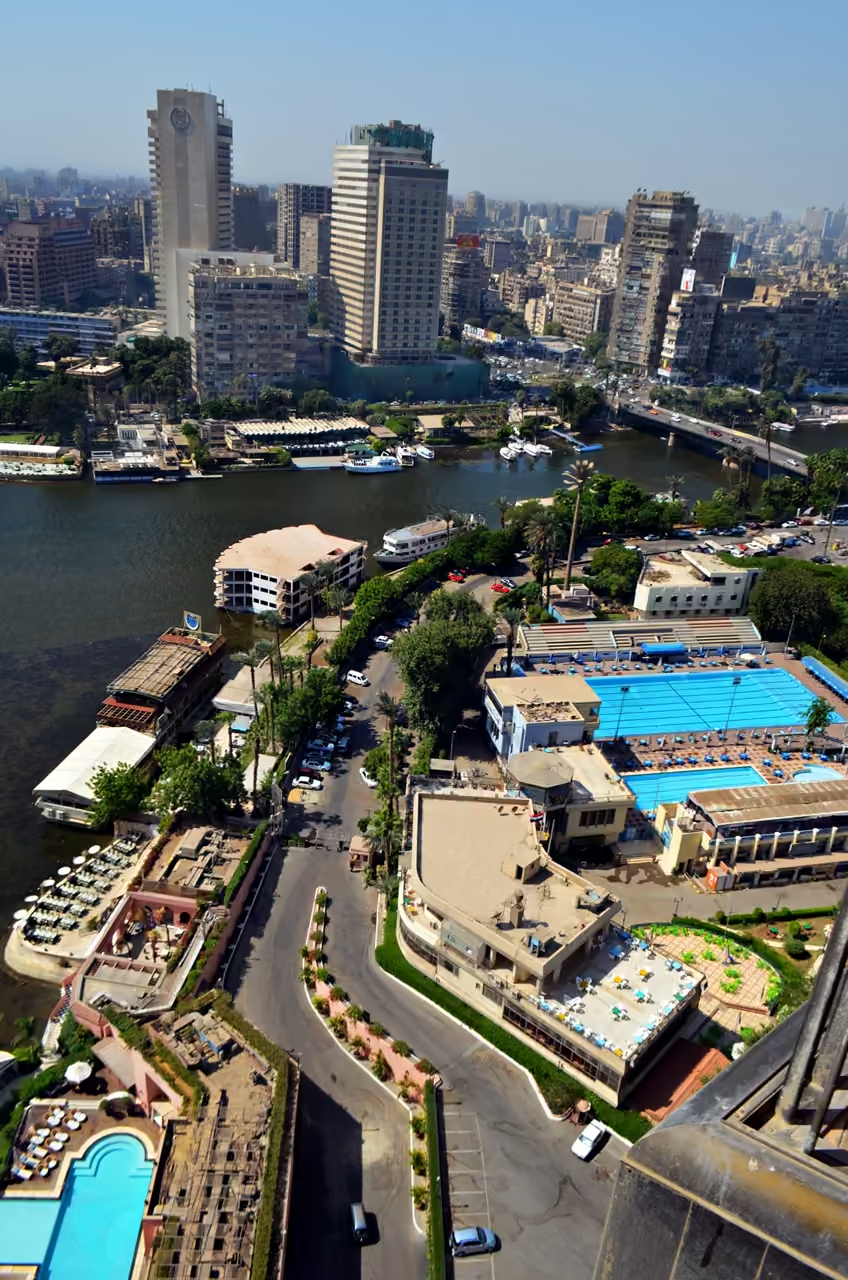
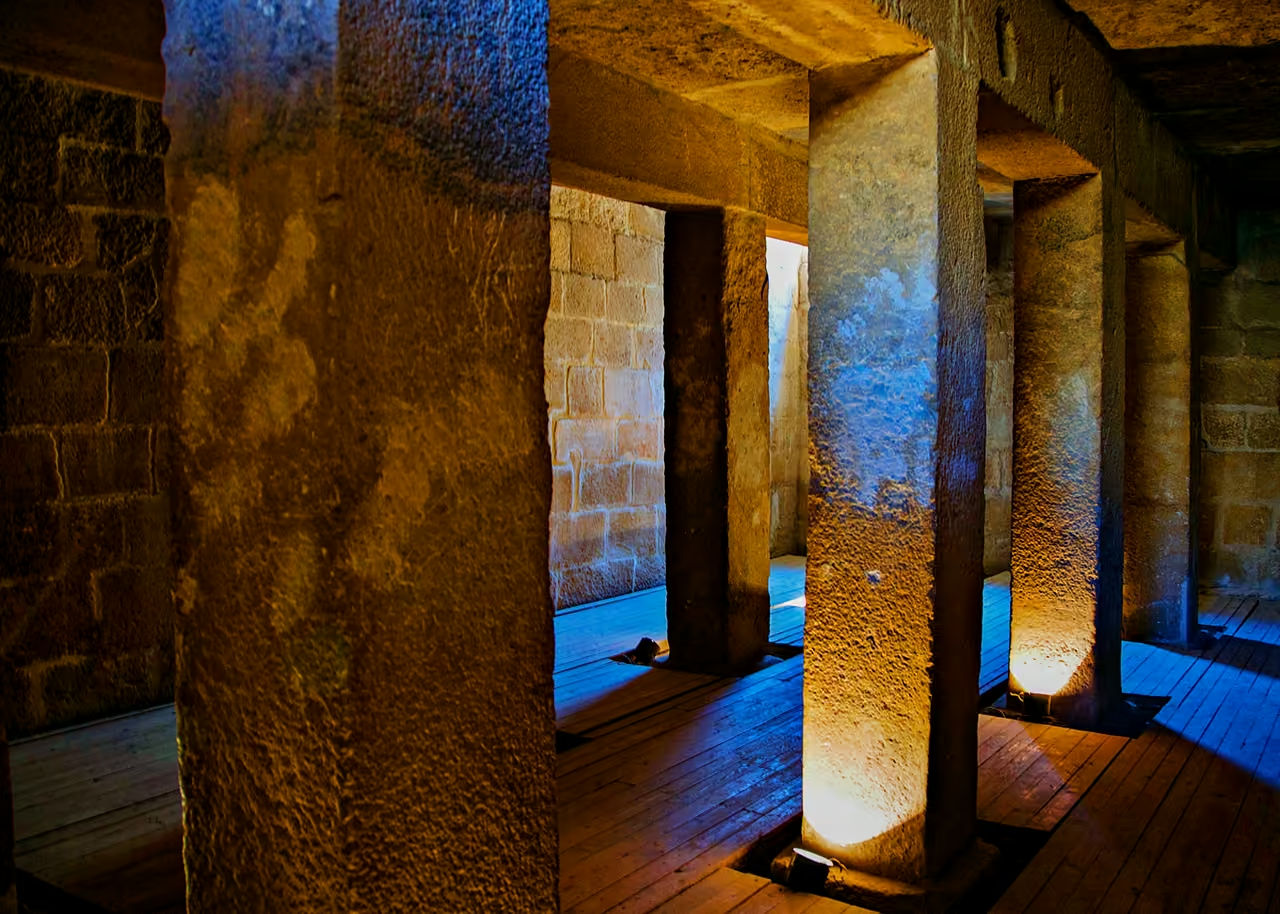
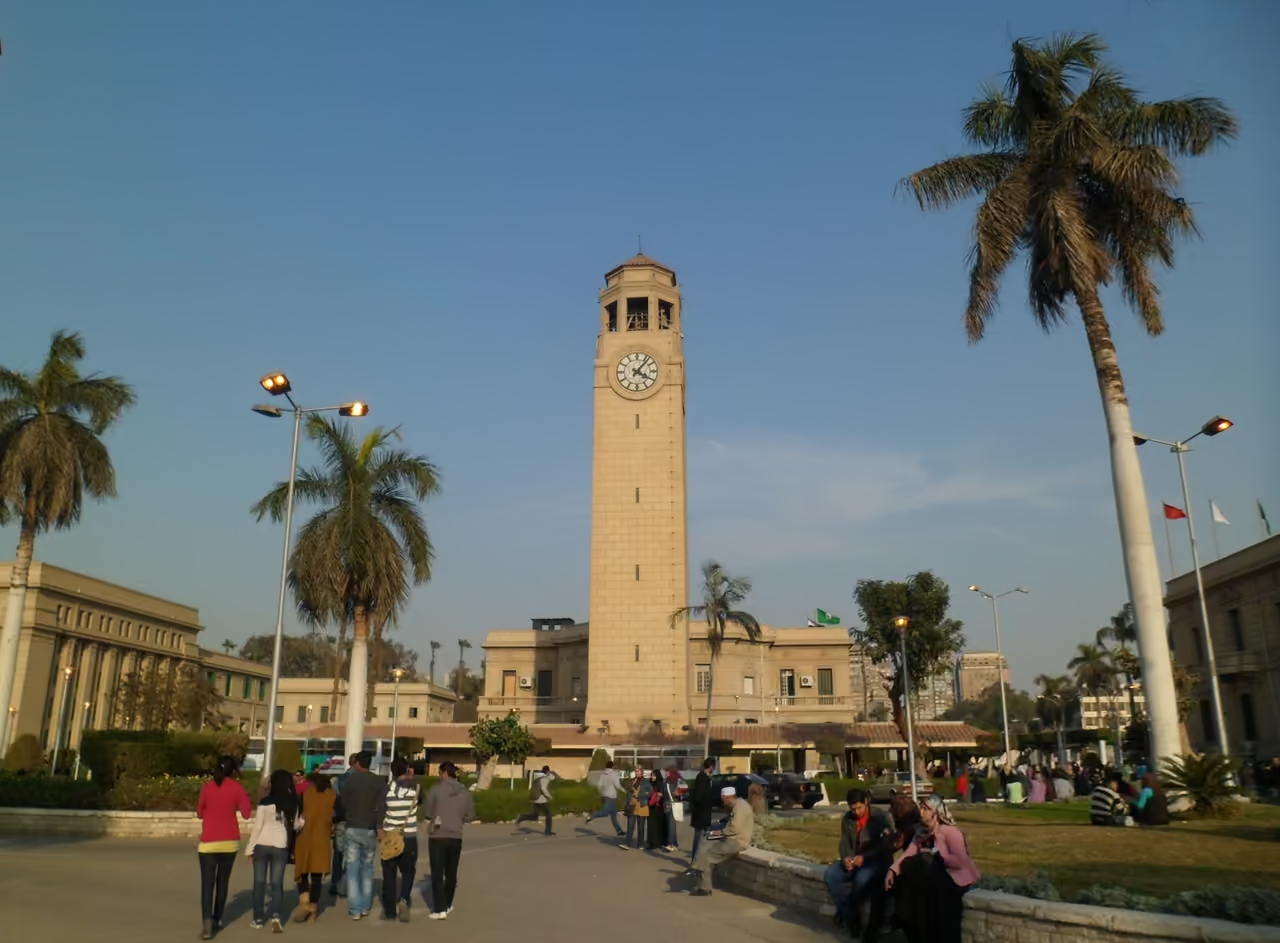
5 Days in Giza: Tombs, Cinema, Modern Art, and Local Life
Designed for unhurried travellers who want every chapter of Giza's 4,500-year story, this five-day plan blends painted plateau rock tombs and Tutankhamun galleries with literary villa museums, golden-age cinema studios, morning produce markets, and late-night football neighbourhood cafés. Spacing desert excursions across mornings leaves afternoons cool inside gardens and galleries.
view itinerary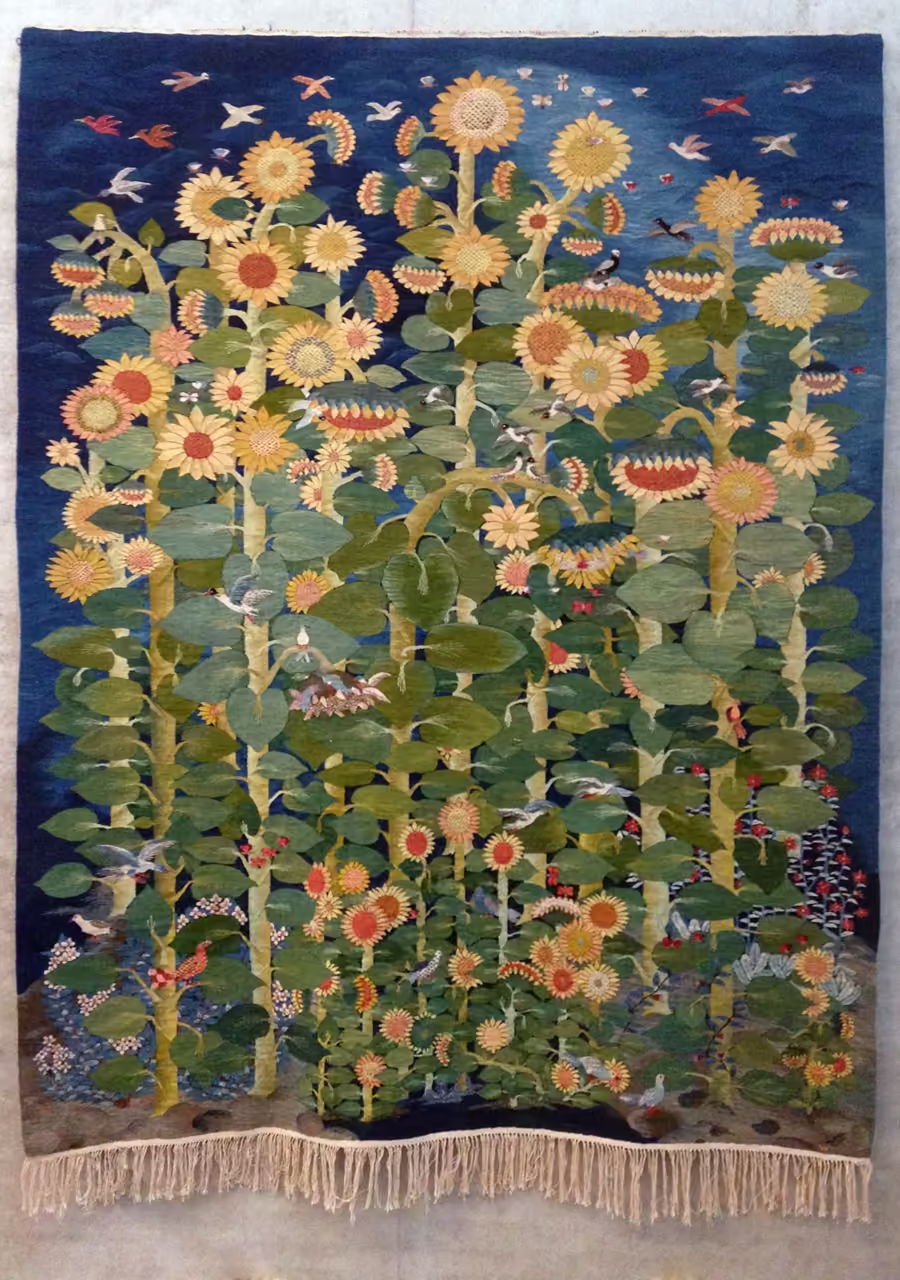
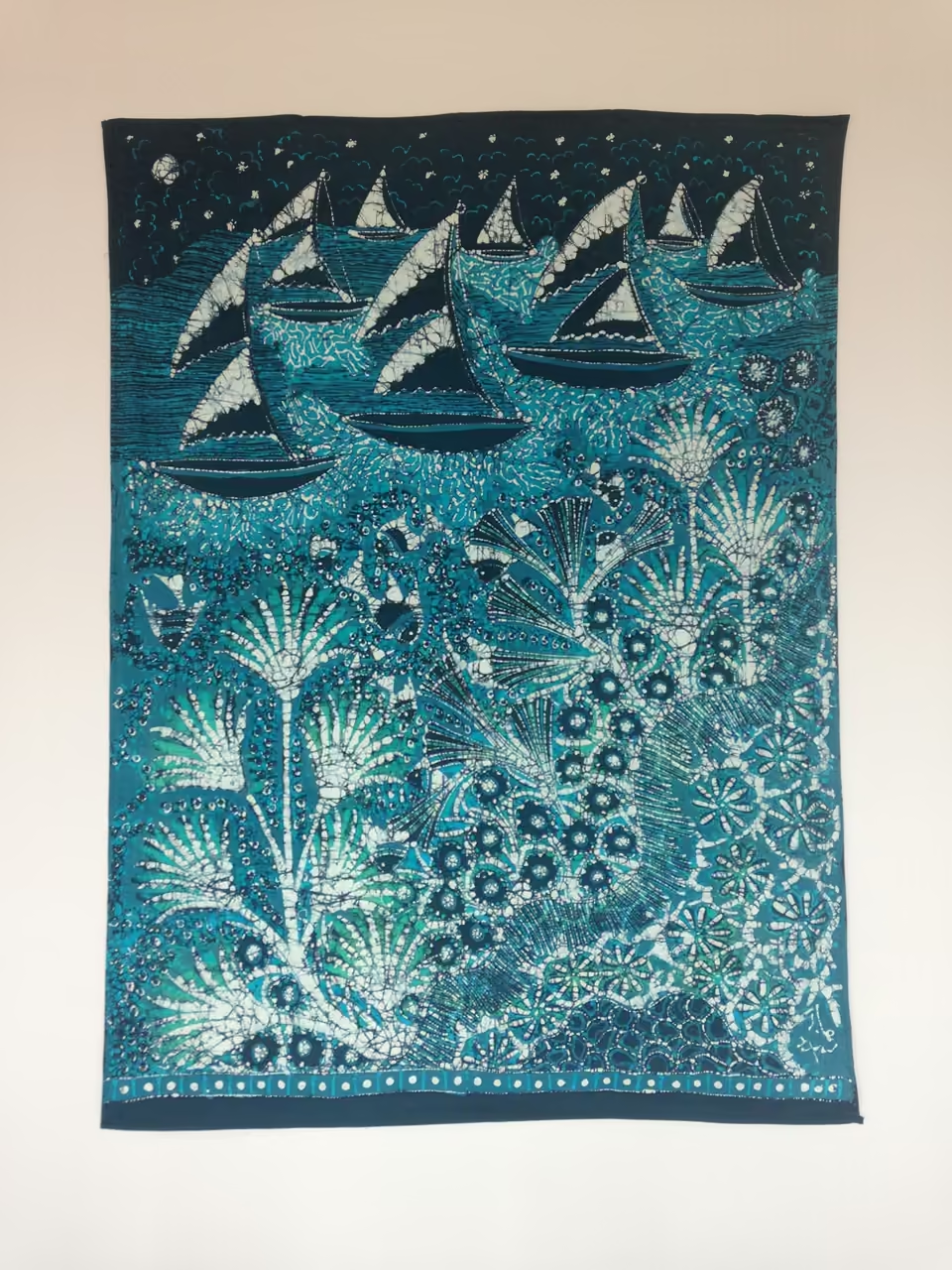
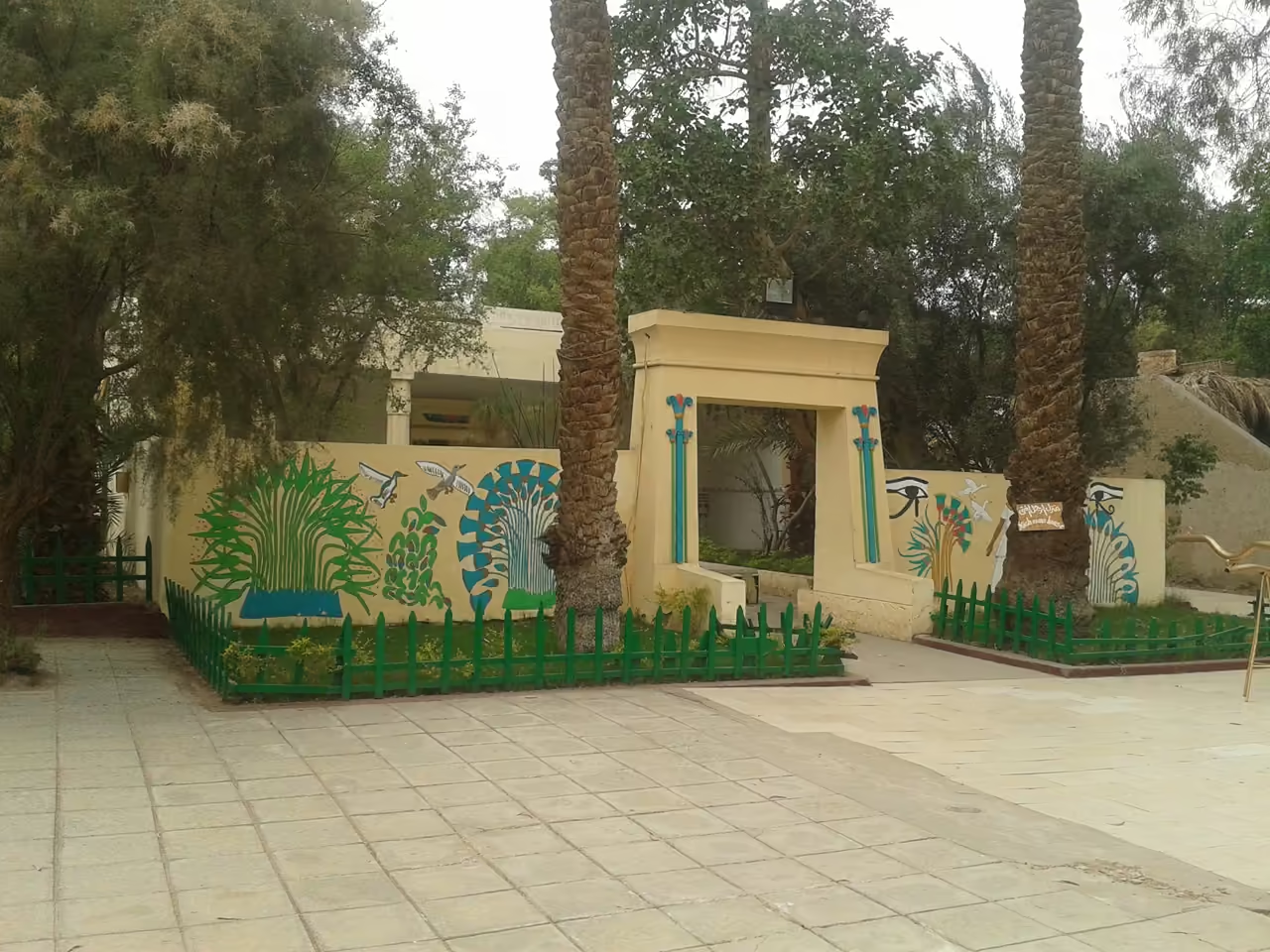
Giza Cinema, Living Crafts, and Cultural Heritage Route
Follow the creative spirit that placed Giza on UNESCO's Creative Cities list by linking historic film soundstages with rural canal-side craft workshops. Heading south from Al-Omraneyah to Harrania reveals how studio set builders, actors, and village tapestry weavers transformed Giza during the twentieth century. Canal boat rides and mud-brick weaving sheds illuminate Egyptian craftsmanship up close.
view self-guided tour
See all attractions in Giza
Including Grand Egyptian Museum, Great Pyramid of Giza, Great Sphinx of Giza, and more