Royal Jewelry Museum
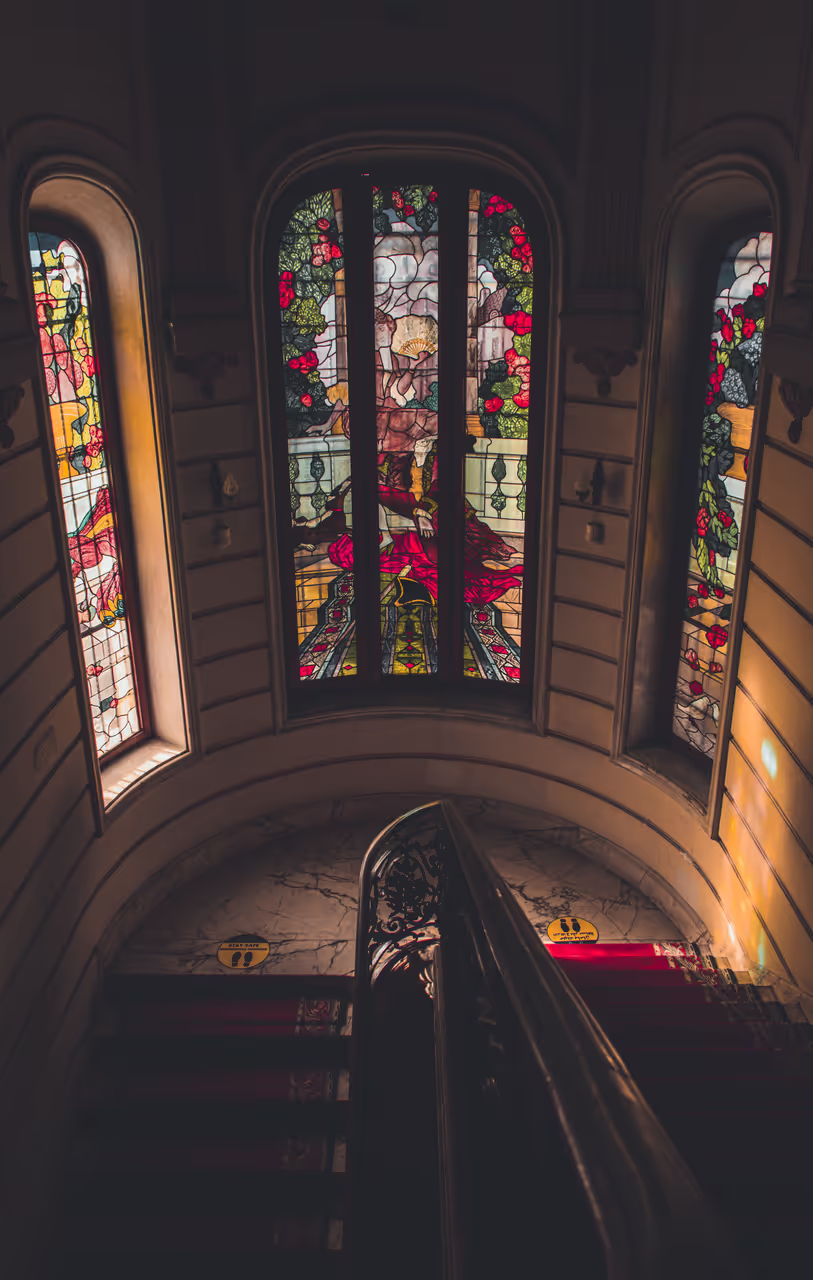
Tucked away in the charming Zizenia neighbourhood of Alexandria, the Royal Jewelry Museum offers a rare glimpse into the opulent life of Egypt’s Muhammad Ali Dynasty. Set within the breathtaking former palace of Princess Fatma Al-Zahra, this architectural marvel captivates visitors with its stunning stained glass, intricate oil paintings, and an almost unimaginable collection of precious gems. Walking through these halls feels like stepping back into a world of royal grandeur, where every room tells a story of refined taste and historical significance. It is an essential stop for anyone wanting to appreciate the exquisite craftsmanship that once graced the Egyptian court. You will find yourself mesmerised by the sheer artistry preserved within these walls.
Videos
History of Royal Jewelry Museum
The story of the Royal Jewelry Museum begins with a vision of European elegance planted on the Mediterranean coast. Built in 1919, the palace was designed as a summer residence for the Muhammad Ali dynasty, an influential family that steered Egypt through a century and a half of transformative change. Princess Fatma Al-Zahra, a central figure in the building's history, took a personal interest in its development, ensuring that the western and eastern wings were connected by a grand corridor to create a harmonious retreat. The architecture reflects a period when global influences were woven into the fabric of Egyptian society, resulting in a residence that was both a home and a work of art. The year 1952 brought a seismic shift to the nation with the Egyptian Revolution, a time that saw the end of the monarchy and the confiscation of royal estates. While the political landscape was transformed, the palace remained a poignant link to the past. Princess Fatma Al-Zahra was permitted to continue living in her home long after the revolution, holding onto the space until 1964. Her eventual departure for Cairo marked the closing of a private chapter, yet the palace survived, standing as a silent witness to the changing tides of history. It was not until 1986 that the palace found its new purpose as a guardian of the royal legacy. By presidential decree, the doors were opened to the public, offering a rare look into the lives of a dynasty that had shaped the modern nation. Following a comprehensive restoration in 2010, the museum has flourished, inviting visitors to experience the unparalleled artistry of the crown jewels and personal treasures once kept behind closed doors. Today, the museum serves as a bridge between the past and the present, preserving the exquisite craftsmanship of an era that continues to fascinate all who visit.
Events spanning 91 years
Fun Facts
- • A massive restoration project costing millions of Egyptian pounds was completed in 2010 to ensure the delicate jewellery and building interiors were preserved for future generations.
- • Many of the displayed items are artistic masterpieces that showcase the fusion of Islamic and Western aesthetics popular in the early twentieth century.
- • Princess Fatma Al-Zahra famously continued to live in the palace for years even after it was officially confiscated by the government following the 1952 revolution.
- • Princess Fatma Al-Zahra was personally responsible for adding the eastern wing, which created a stunning symmetry with the west.
- • The collection includes thousands of individual pieces of jewellery, ranging from intricate necklaces to ornate crowns worn during official ceremonies.
- • The interior space spans over four thousand square metres, providing a generous setting for the extensive collection.
- • The palace is an architectural gem of the European style, featuring lead inlaid glass windows that depict historic European scenes.
- • The palace was originally built in 1919 to serve as a summer residence for the Muhammad Ali dynasty, a family that shaped modern Egypt.
- • The transition of this building from a private home to a public museum was mandated by a presidential decree in 1986.
- • Unlike many museums, the exhibition space retains the original ceiling paintings and decorative arts, allowing visitors to see exactly how the royals lived.
Royal Jewelry Museum FAQ
While we strive to keep this information accurate and up to date, we recommend verifying any details independently before making decisions based on them.
Royal Jewelry Museum Map & Neighborhood Explorer
This interactive map is centered on Royal Jewelry Museum. Zoom in and move the map around to automatically discover Wikipedia photos and summaries of other nearby sights, monuments, and historical points of interest and stories in real-time!
Places near Royal Jewelry Museum
Make the most of your trip. Check out these top-rated spots located nearby.
 640m
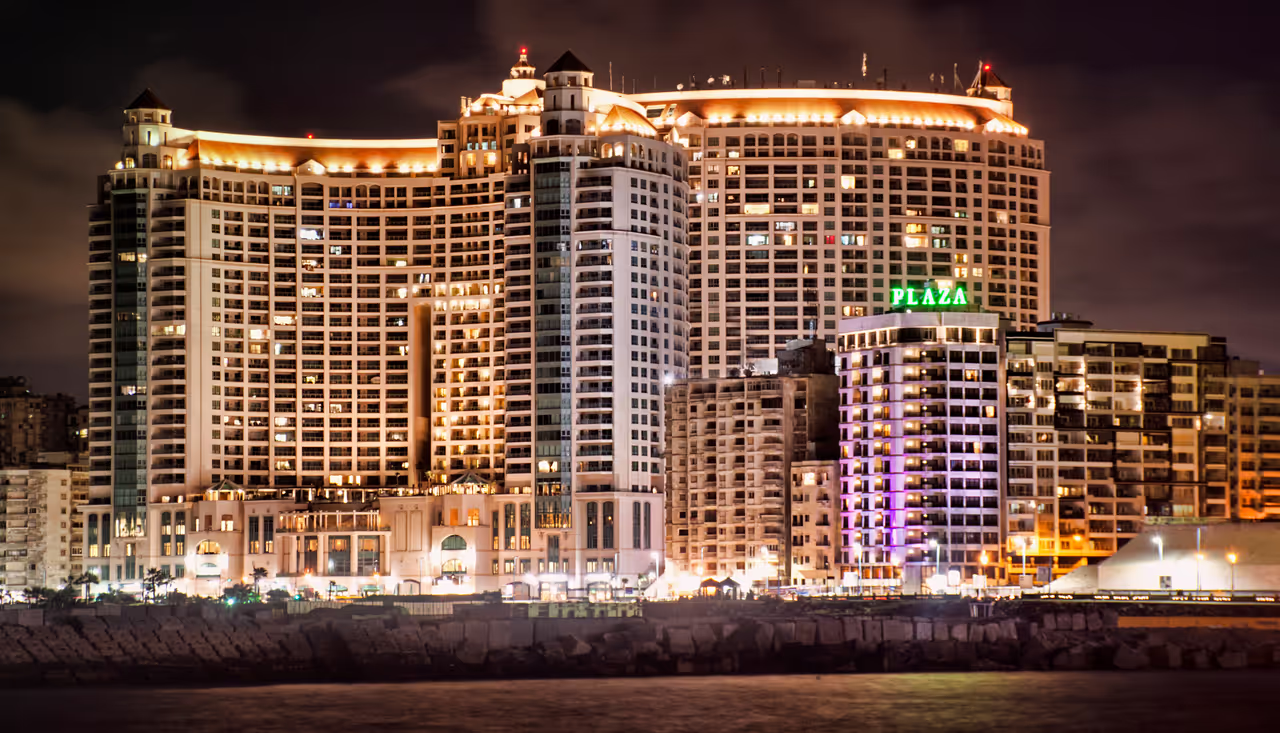
640mSan Stefano Grand Plaza
A colossal, ultra-modern luxury complex that has drastically redefined the city's eastern skyline since its completion. The twin crescent-shaped towers curve gracefully, designed to maximise sweeping views of the Mediterranean. It integrates a massive shopping mall, luxury apartments, and a high-end hotel within its sleek glass and steel structure. It represents the bold, ambitious face of contemporary waterfront development.
architecture view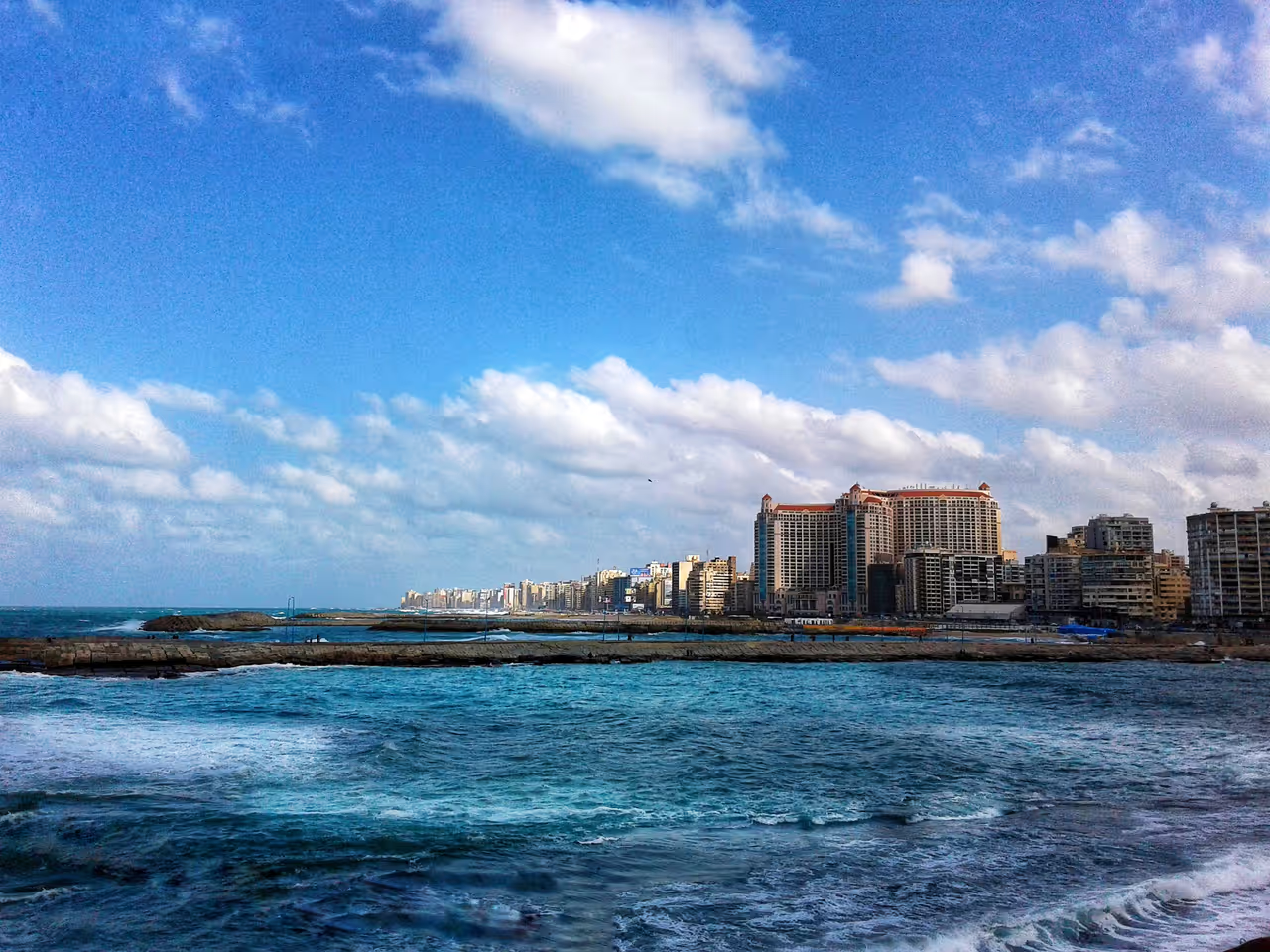 914m
914mSan Stefano District
The area around the grand San Stefano complex offers a more upscale, modern evening experience. The massive mall houses a multiplex cinema, high-end shopping, and an expansive food court. Nearby, luxury hotel lounges provide polished environments for a quiet drink or cocktail. It attracts a wealthier crowd looking for a refined, comfortable night out.
nightlife view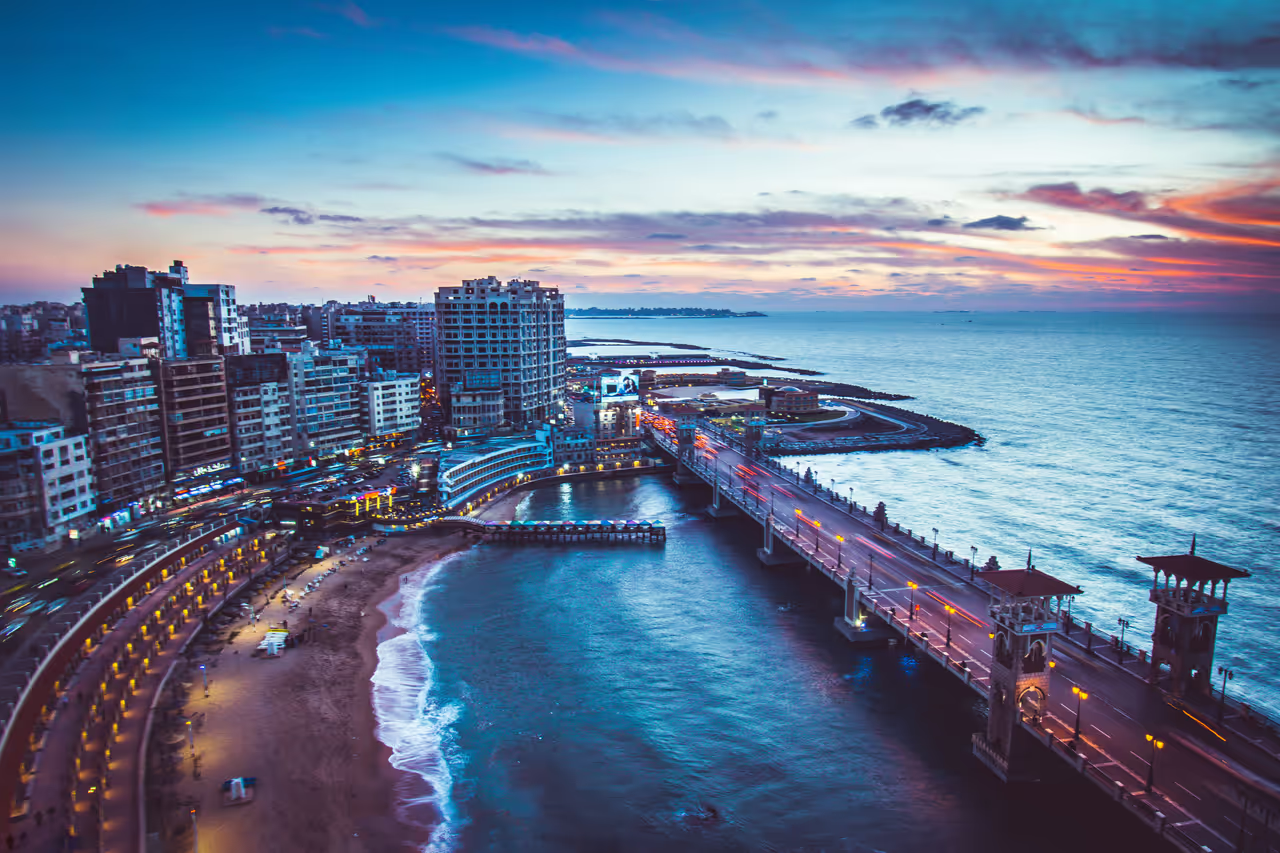 1491m
1491mStanley Bridge
An architectural jewel spanning the Stanley Bay, this bridge is a beloved modern landmark of the city. Featuring grand, Islamic-style towers that light up beautifully at night, it offers a secure, elevated walkway over the crashing Mediterranean waves. It is highly popular with locals who come to enjoy the sea breeze, take photographs, and watch the sunset. The elegant structure perfectly complements the coastal curve, making it a highly photogenic spot.
highlight view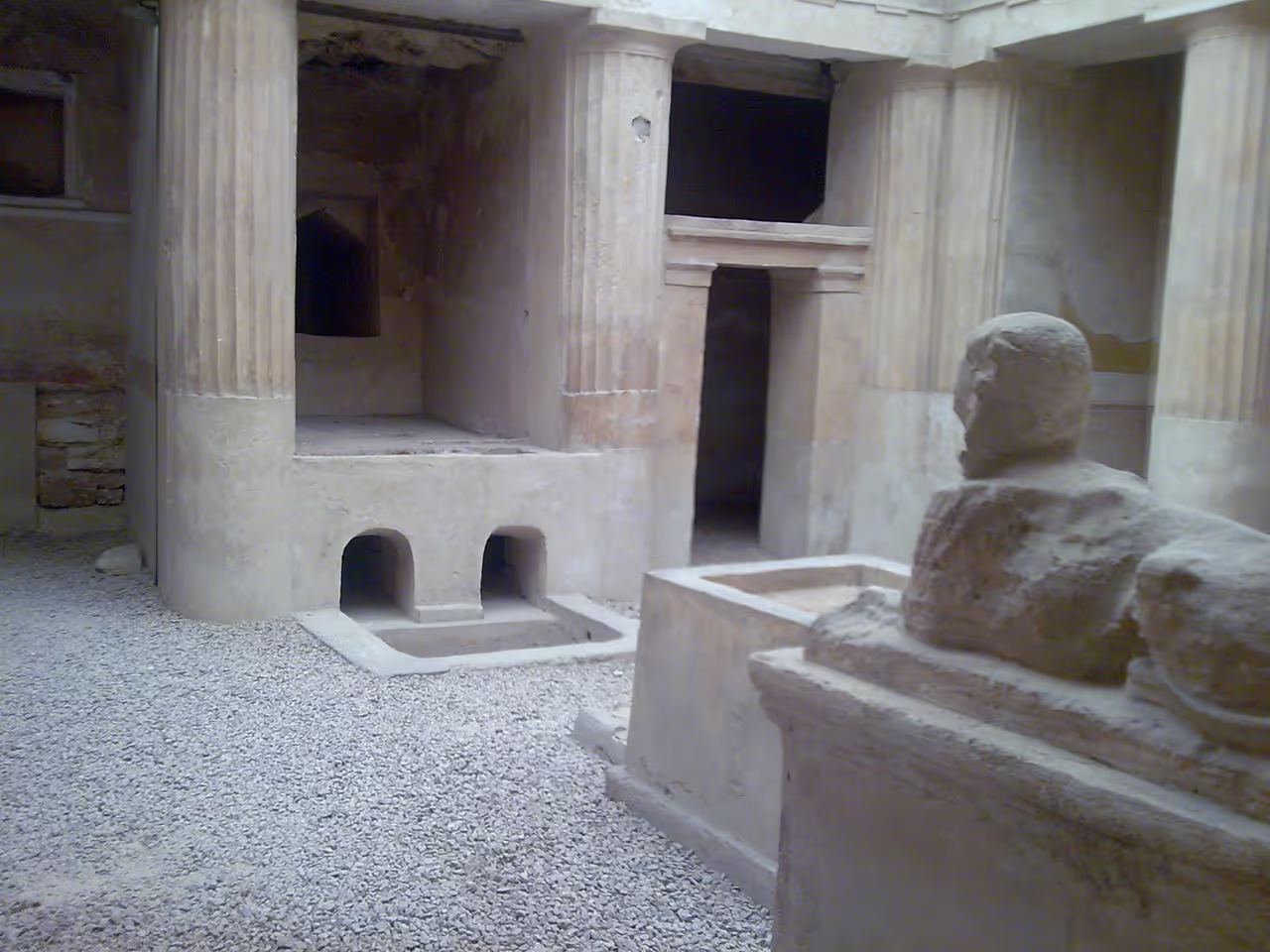 1877m
1877mMostafa Kamel Necropolis
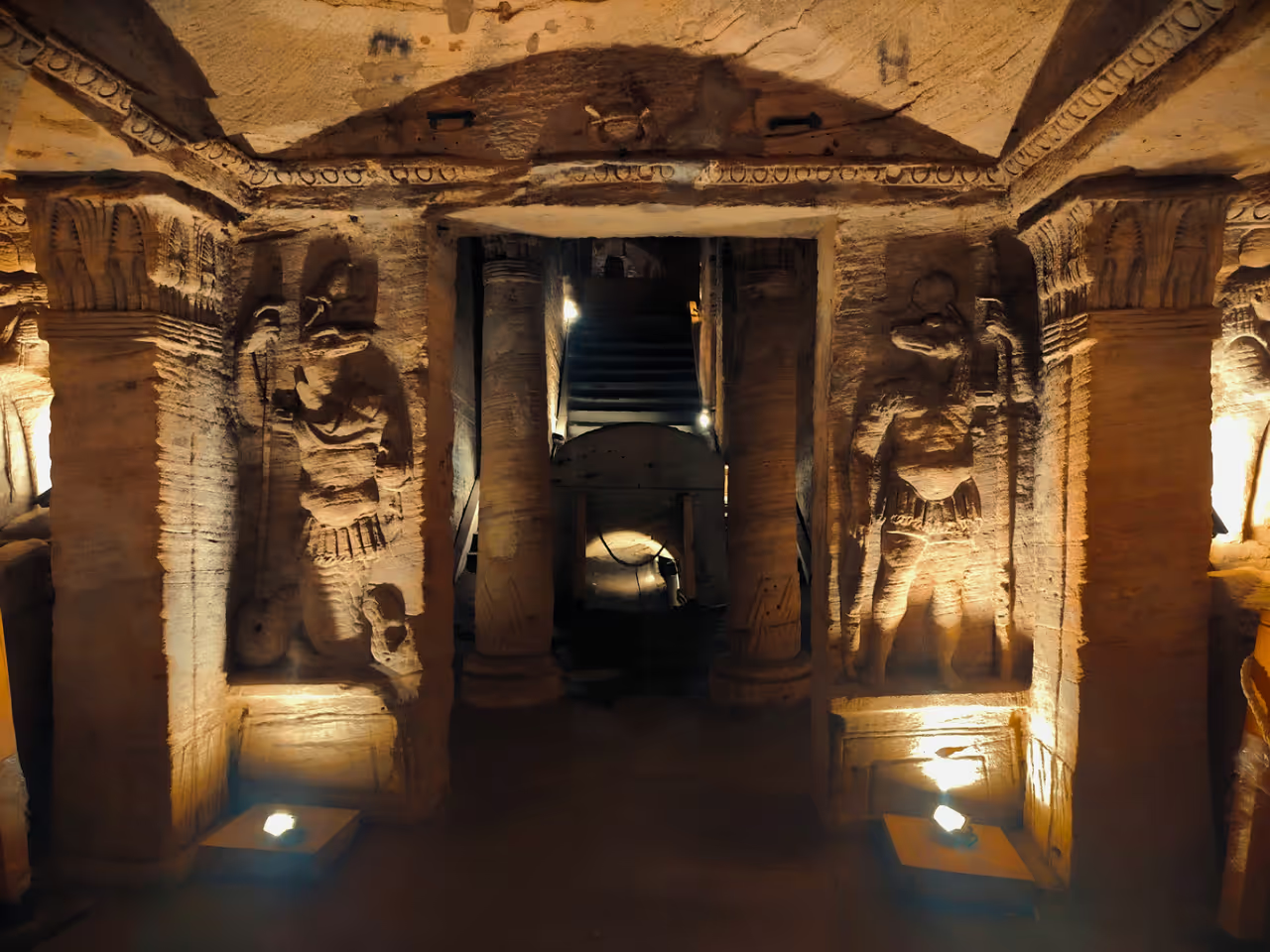
A fascinating underground cemetery complex dating back to the 2nd century BC. It features four distinct tombs that are remarkably well-preserved, showcasing excellent examples of ancient funerary architecture. The vibrant, surviving decorations provide deep insights into Ptolemaic burial practices. It is a quieter, less crowded alternative to the main catacombs, offering a deeply atmospheric historical exploration.
highlight view
Explore Similar Places in These Collections

Featured on These Itineraries
3 Days in Alexandria: Ancient Ruins & Cosmopolitan Elegance Itinerary
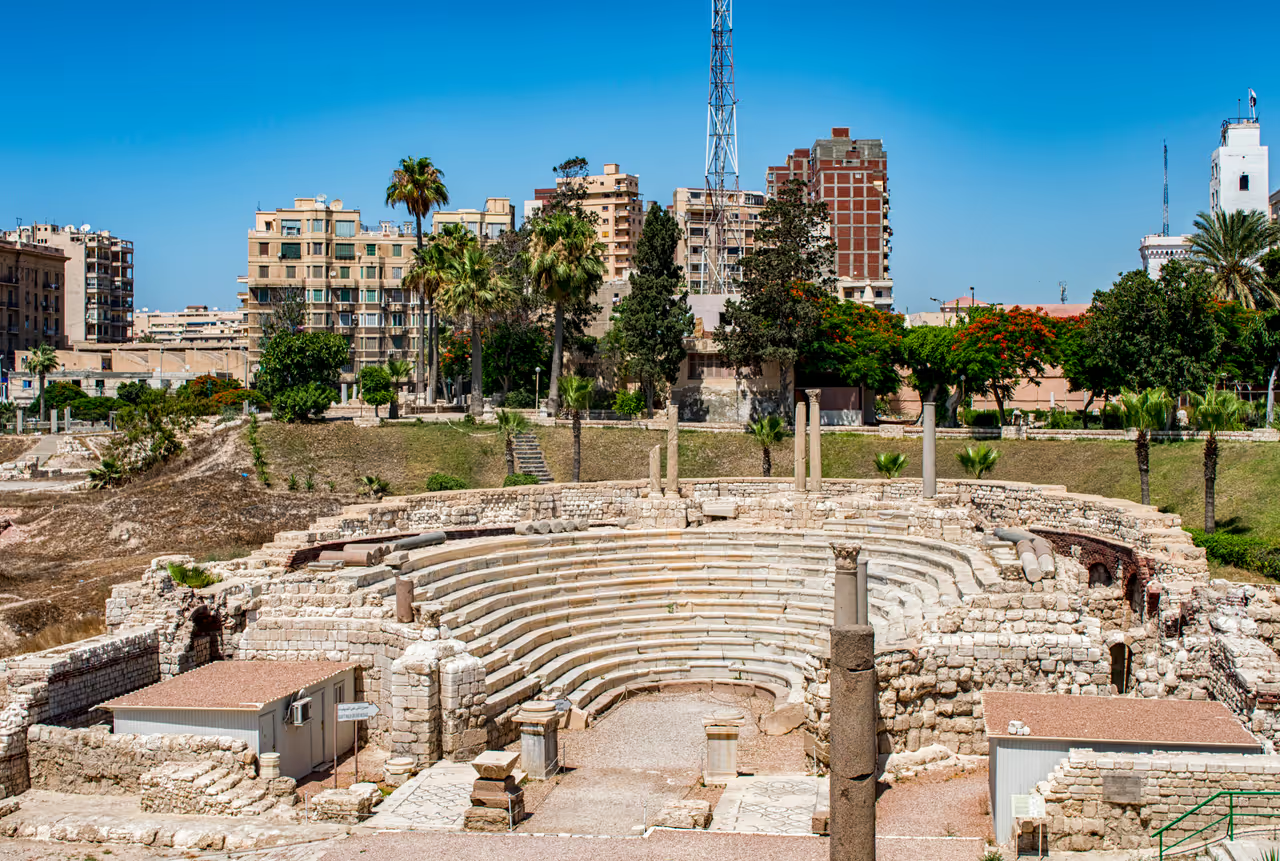
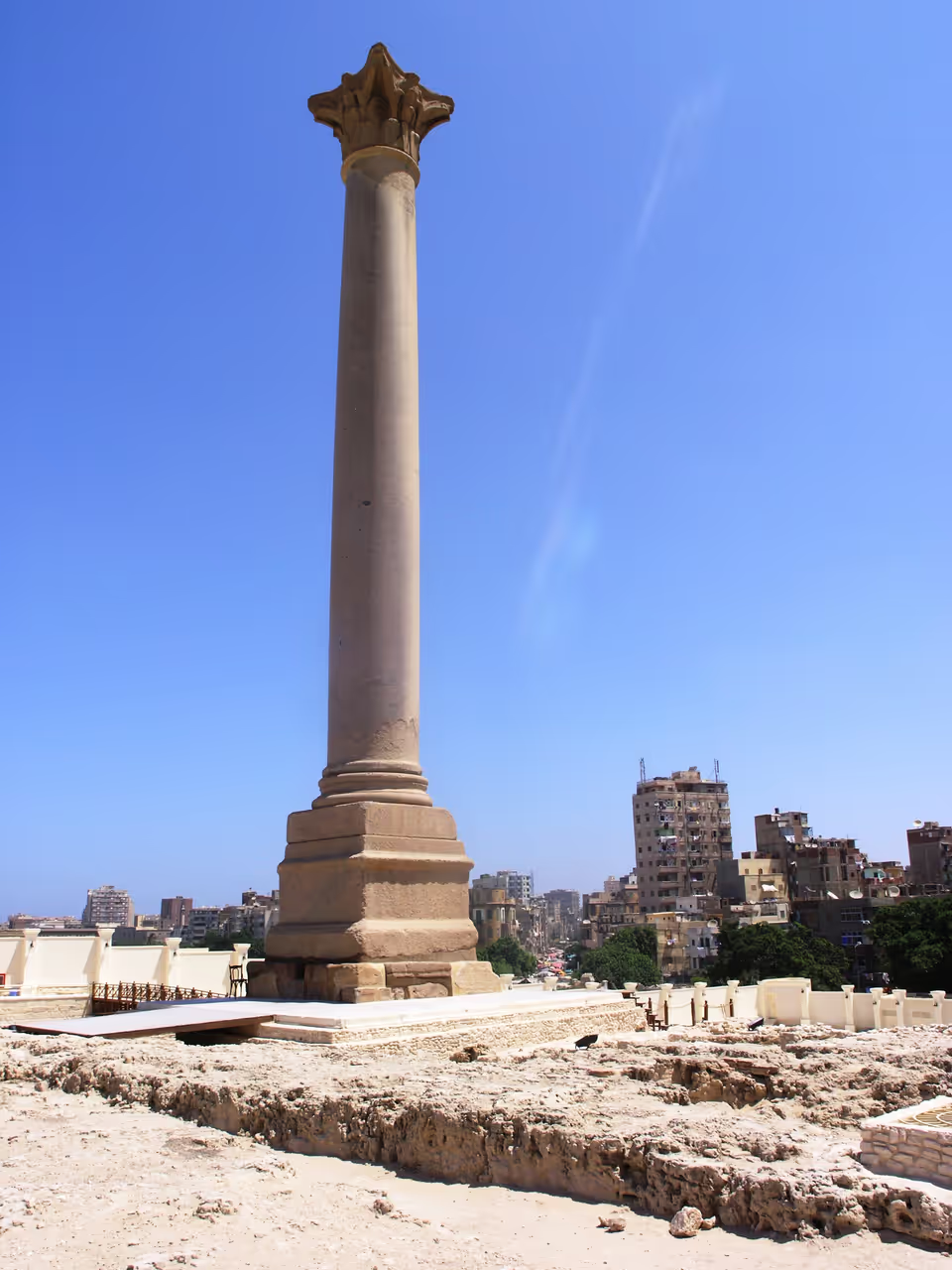
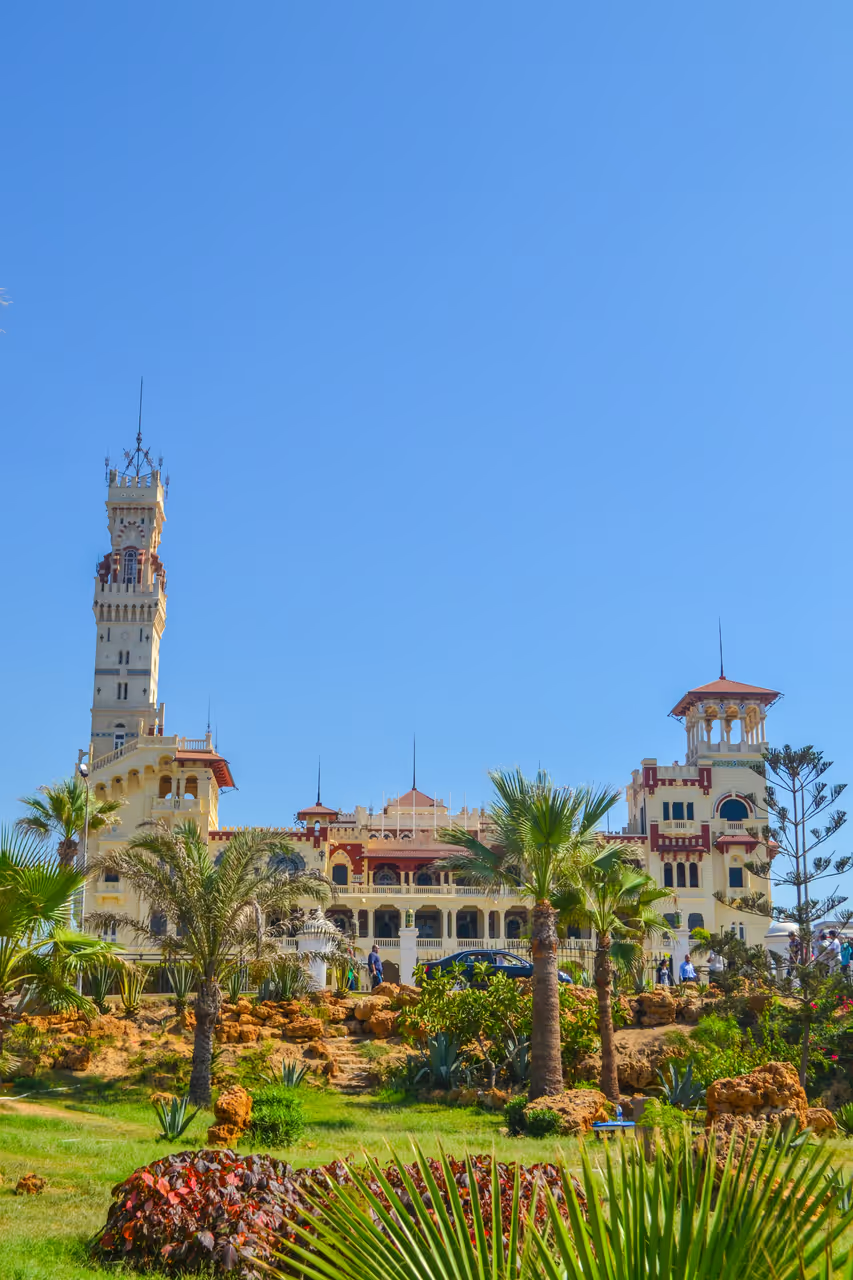
This balanced itinerary allows you to dive deep into the city's rich, layered history. You will spend time exploring the subterranean Roman tombs, marvelling at the modern library, and wandering through the grand Belle Époque commercial districts. It strikes the perfect pace between historical exploration and relaxing coastal strolls.
view itinerary
5 Days in Alexandria: Mediterranean Experience Itinerary
The ultimate deep dive into the region, perfect for history buffs and slow travellers. This itinerary covers all major city sights, adds extensive museum visits, and includes fascinating day trips to the desert fringes for unique archaeological and UNESCO heritage sites. It ensures you leave with a comprehensive understanding of the city's incredible historical weight.
view itinerary
See all attractions in Alexandria
Bibliotheca Alexandrina, Catacombs of Kom El Shoqafa, Colossal Pompey's Pillar, Graeco-Roman Museum, Kom El Deka, Alexandria National Museum, Citadel of Qaitbay, Montaza Palace and Royal Gardens...