Citadel of Qaitbay
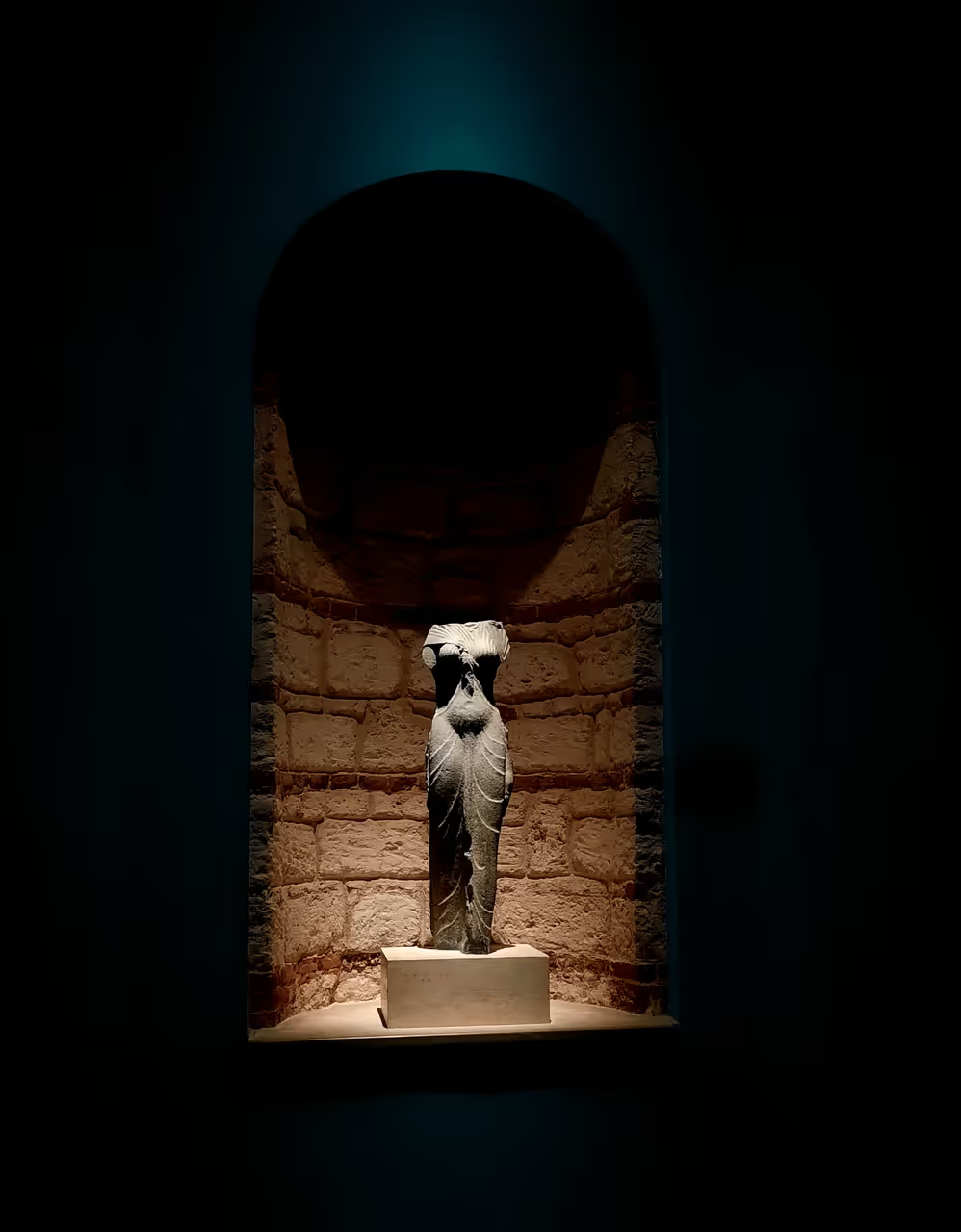
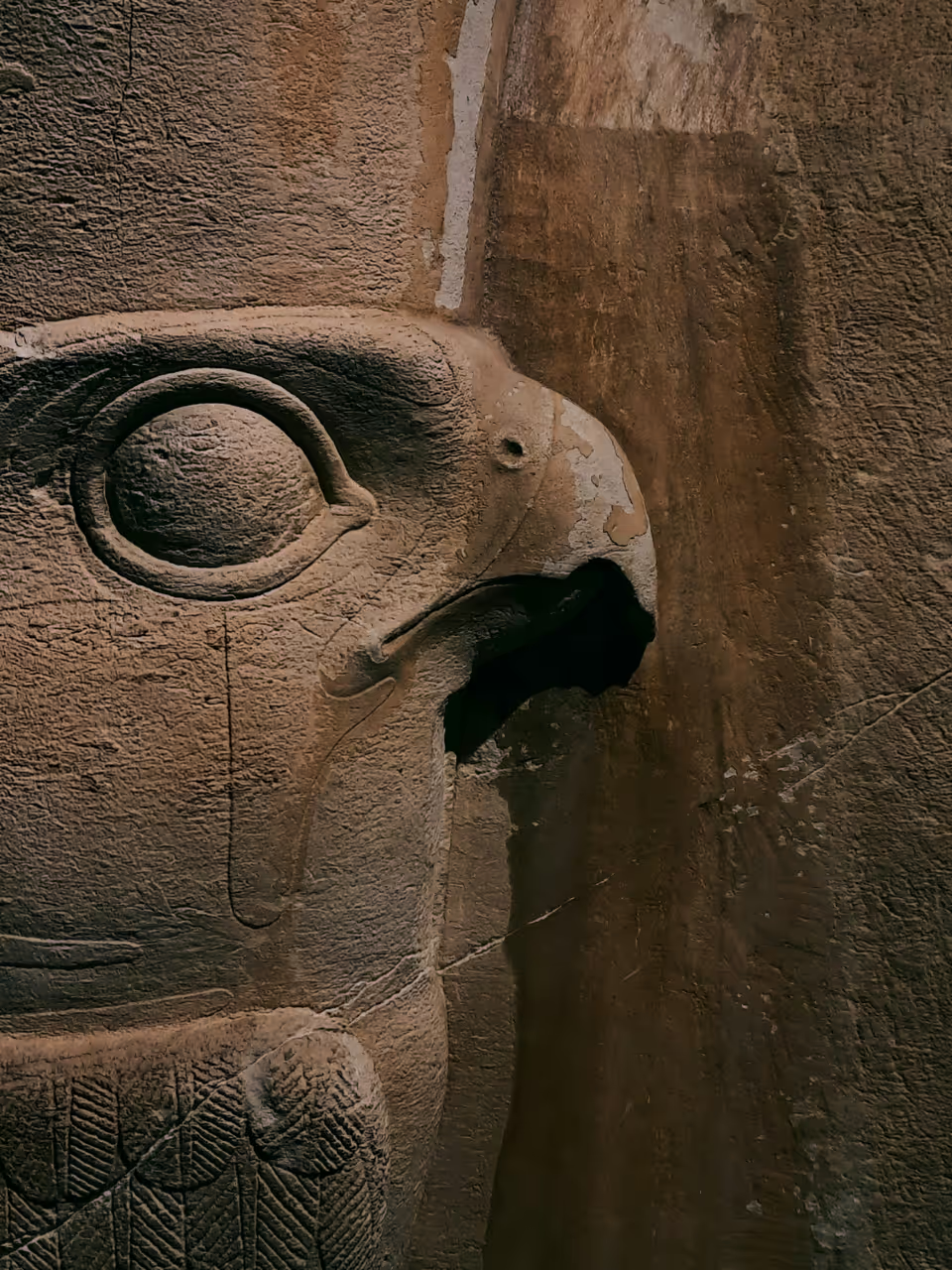
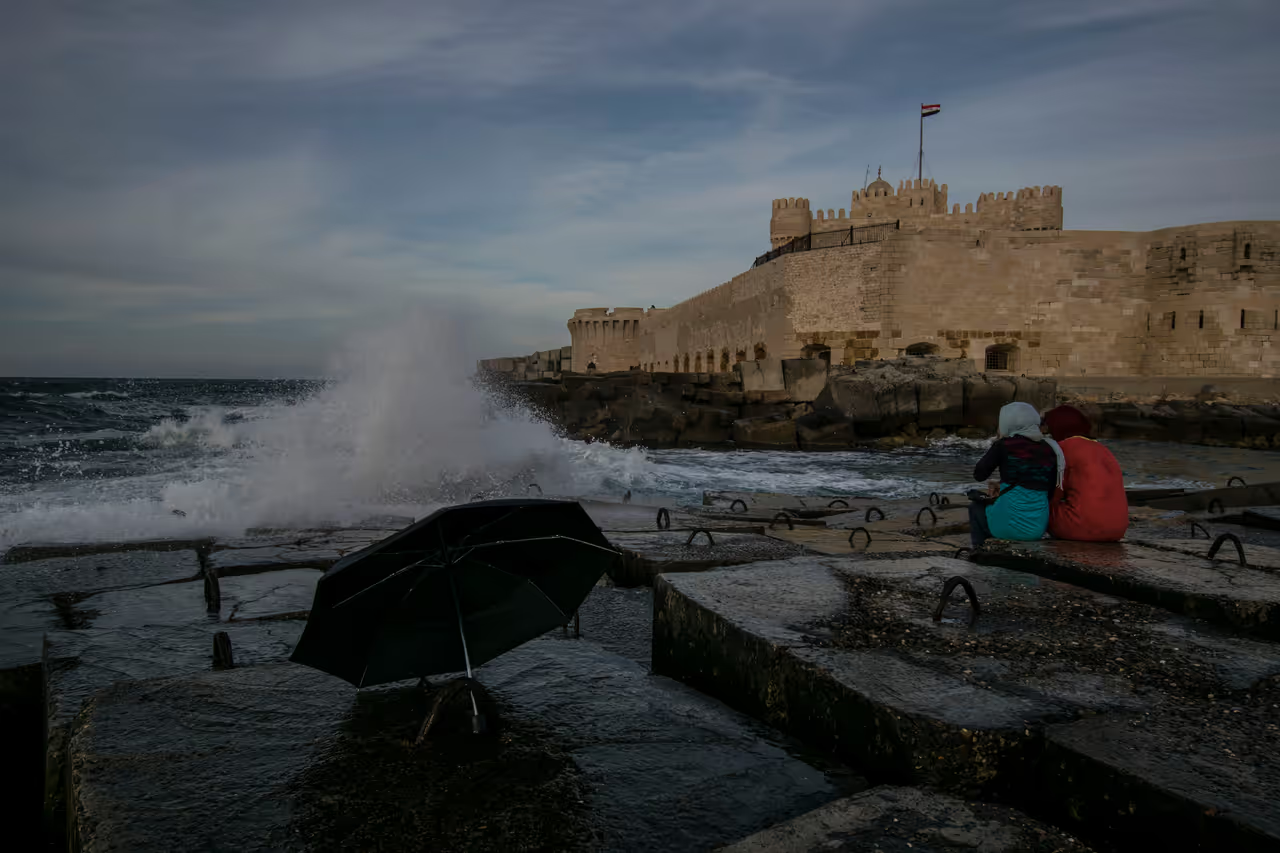
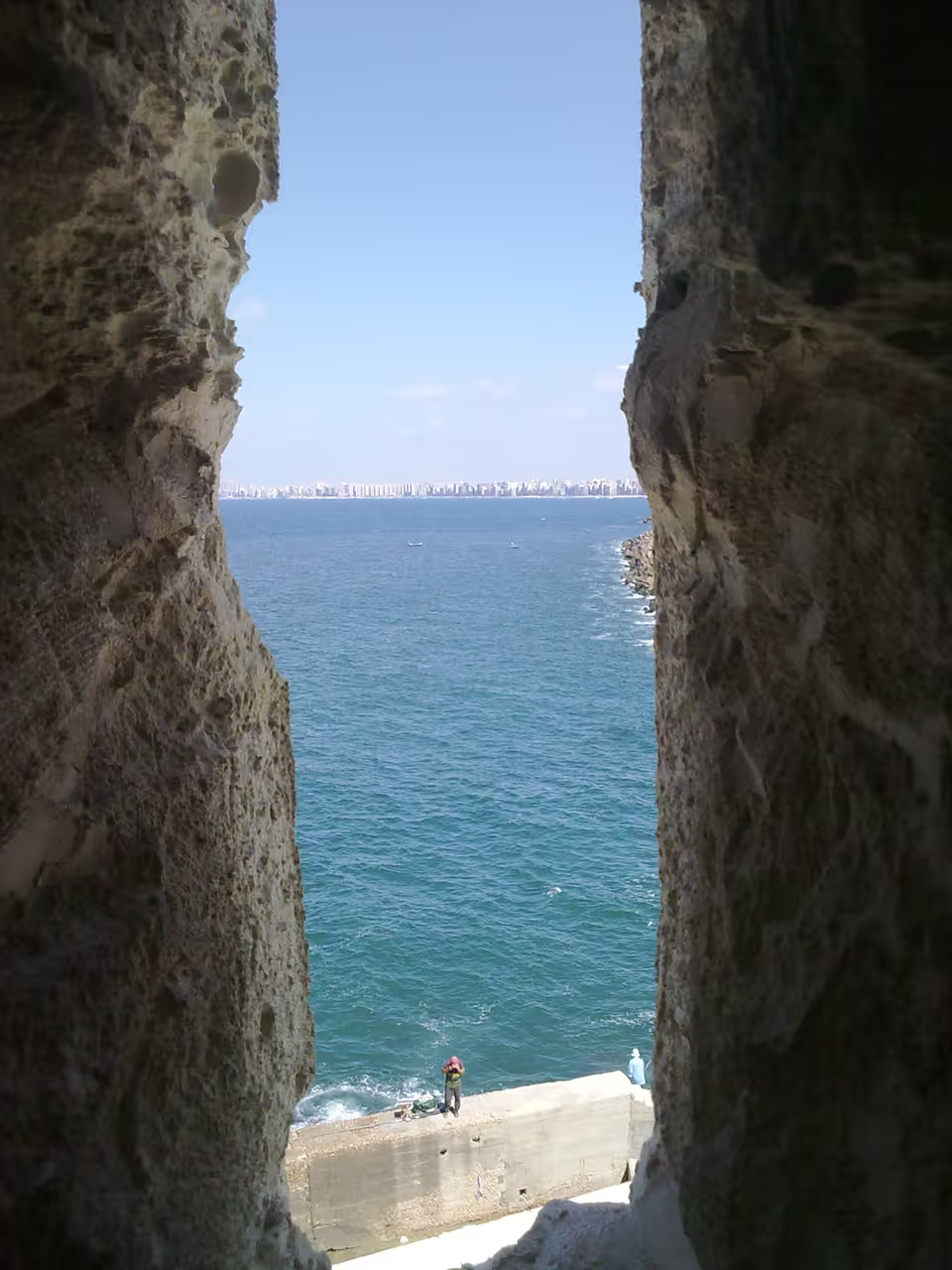
Perched on the very tip of the Mediterranean, the Citadel of Qaitbay is a stunning fortress that guards the entrance to the Alexandria harbour with dramatic flair. Built upon the legendary foundations of the ancient Pharos Lighthouse, one of the Seven Wonders of the Ancient World, this 15th century stronghold offers a tangible connection to the Mamluk past of Egypt. Walking through its stone corridors and climbing its ramparts provides a breathtaking panorama of the deep blue sea, making it the perfect spot for history enthusiasts and photographers alike. The atmosphere is thick with tales of sultans and defensive strategies, yet the cool sea breeze keeps the experience refreshing and pleasant. It serves as a beautiful monument to architectural ingenuity and a serene escape from the lively city streets just a few kilometres away.
Videos
History of Citadel of Qaitbay
The Citadel of Qaitbay stands as a powerful testament to the Mamluk vision for coastal security. When Sultan Qaitbay commissioned the structure in the late 15th century, his intent was clear. He sought to create a formidable barrier that would deter the growing influence of the Ottoman Empire. He chose the site of the ancient Pharos Lighthouse, which had fallen into ruin after centuries of earthquakes. By repurposing these ancient stones, Qaitbay effectively bridged the gap between the classical wonders of the past and the defensive requirements of his own time, creating a legacy that turned physical remnants of history into a new shield for the nation. Over the following centuries, the fortress became a central player in the shifting political landscape. It served as a military barracks, a prison for rebellious princes, and a staging ground for naval training. The site witnessed the arrival of the French expeditionary forces, the modernization efforts under Muhammad Ali Pasha, and the destructive power of the British naval bombardment in 1882. Each era left its mark upon the limestone walls, turning the building into a layered historical archive. It survived periods of neglect and military action, emerging as a symbol of the resilience of Alexandria. Today, the Citadel operates as a maritime museum, housing relics that whisper stories of the sailors and soldiers who once occupied its halls. It remains a place where one can stand at the intersection of history and the open sea. Visitors who climb the ramparts are treated to a view that has captivated travellers for generations, offering a quiet perspective on the Mediterranean horizon. The structure invites everyone to reflect on how a strategic fortification can evolve into a cultural treasure, preserving the memory of the sultans and the ancient city it was built to protect.
Events spanning 507 years
Fun Facts
- • A marble decree once hung at the entrance, threatening the death penalty for any soldier caught stealing weapons or gunpowder from the garrison stores.
- • During the French expedition to Egypt in 1798, troops occupying the fort discovered weapons dating back to the 13th century Crusades.
- • It stands at the entrance of the Eastern Harbour, occupying the exact location that served as the primary maritime beacon for the city for many centuries.
- • Sultan Qaitbay personally visited the site to oversee the foundation laying, commissioning the project to bolster Egypt's northern defences against rising Ottoman power.
- • The 1882 British bombardment caused extensive damage to the western facade, leaving structural scars that remain visible to this day as a testament to the turbulent 19th century.
- • The architect Qagmas Al Eshaqy oversaw the construction and later became the governor of Damascus, showcasing the interconnected nature of Mamluk leadership.
- • The citadel design includes a mosque, a large water reservoir, and even a former prison used to hold unruly nobility during the Mamluk era.
- • The fortress was constructed using limestone blocks recovered from the ruins of the legendary Lighthouse of Alexandria, which had been previously destroyed by earthquakes.
RESOURCES
Official WebsiteCitadel of Qaitbay FAQ
While we strive to keep this information accurate and up to date, we recommend verifying any details independently before making decisions based on them.
Citadel of Qaitbay Map & Neighborhood Explorer
This interactive map is centered on Citadel of Qaitbay. Zoom in and move the map around to automatically discover Wikipedia photos and summaries of other nearby sights, monuments, and historical points of interest and stories in real-time!
Places near Citadel of Qaitbay
Make the most of your trip. Check out these top-rated spots located nearby.
 466m
466mWalking the Corniche
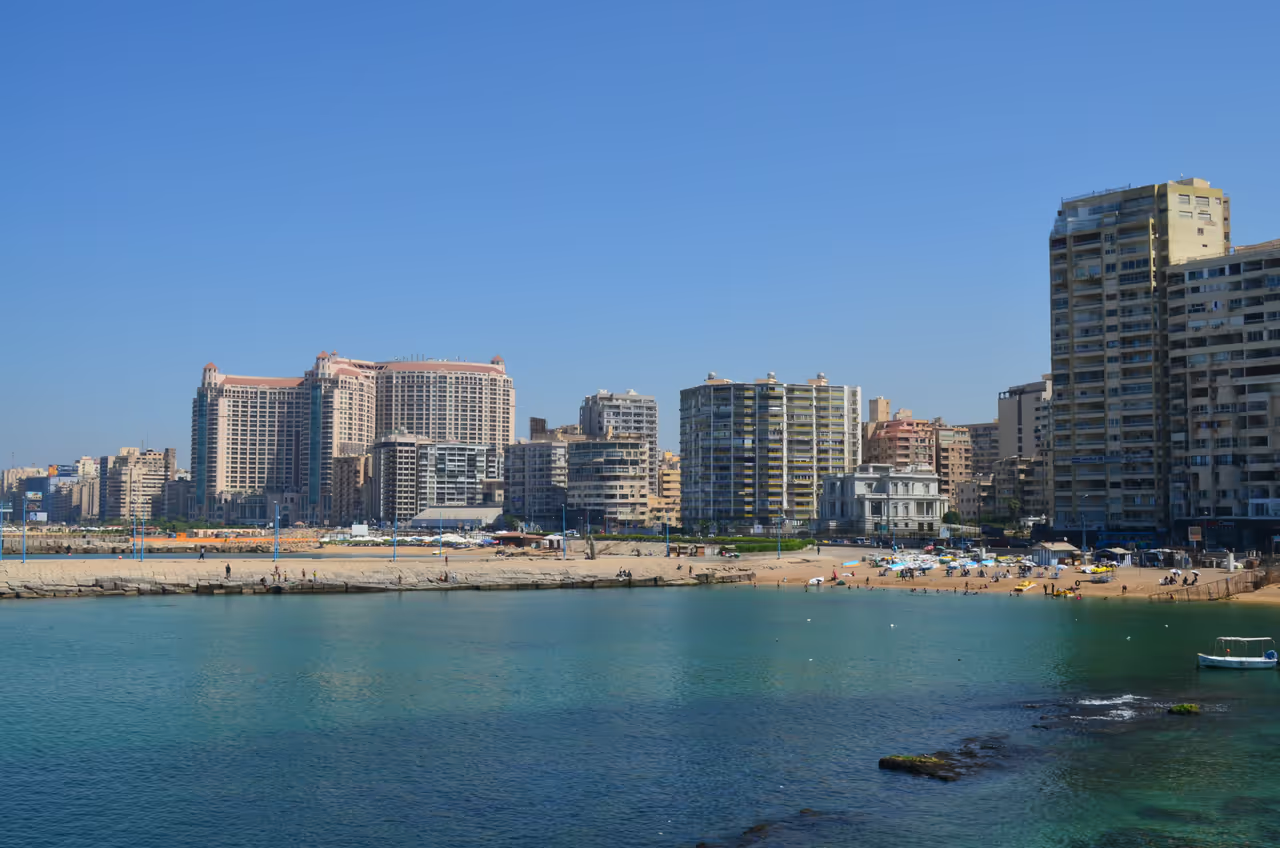
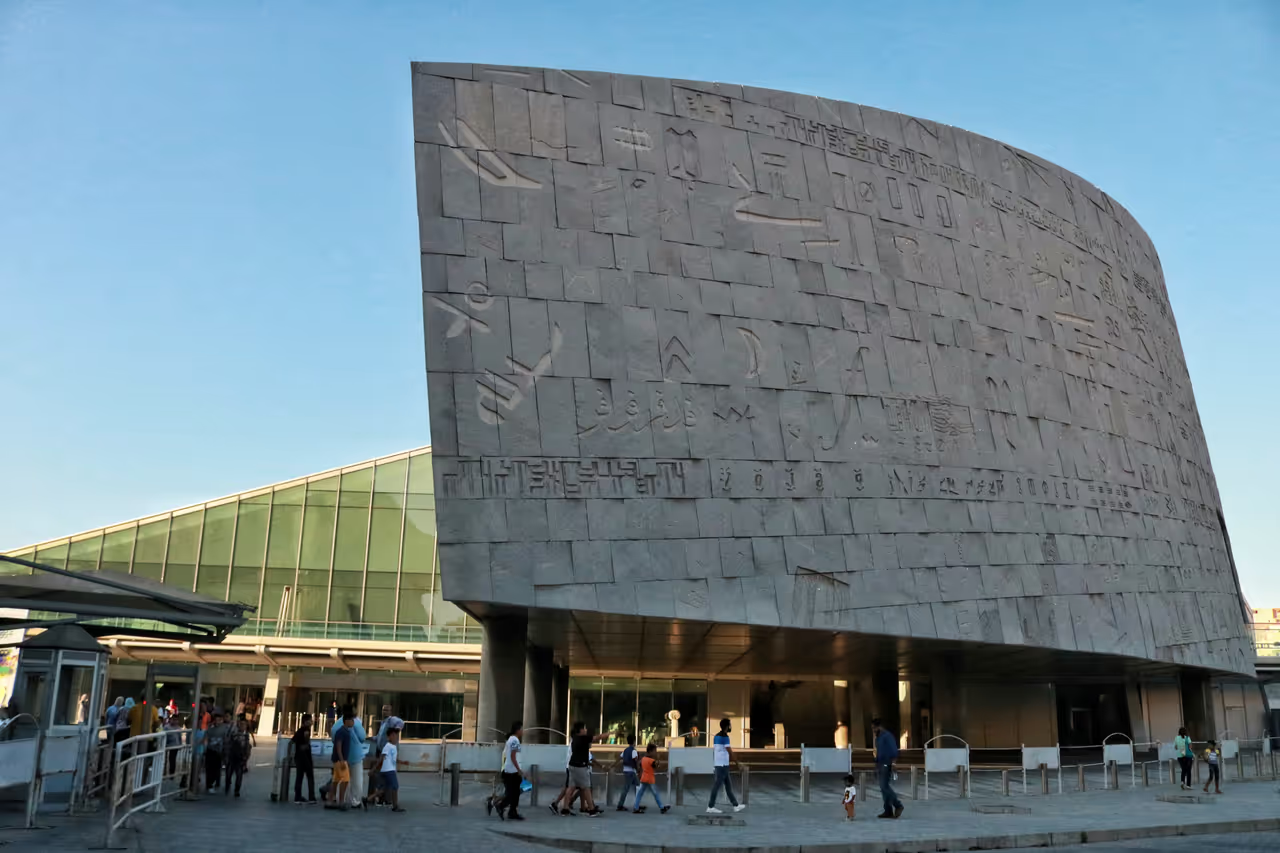
The defining experience of the city costs absolutely nothing. Strolling along the sweeping 15-kilometre waterfront promenade offers endless people-watching, crashing waves, and spectacular sunset views. It is where the city comes to socialise, exercise, and relax. Simply walking from the modern library down toward the old harbour provides an incredible visual summary of the city's character.
free thing to do view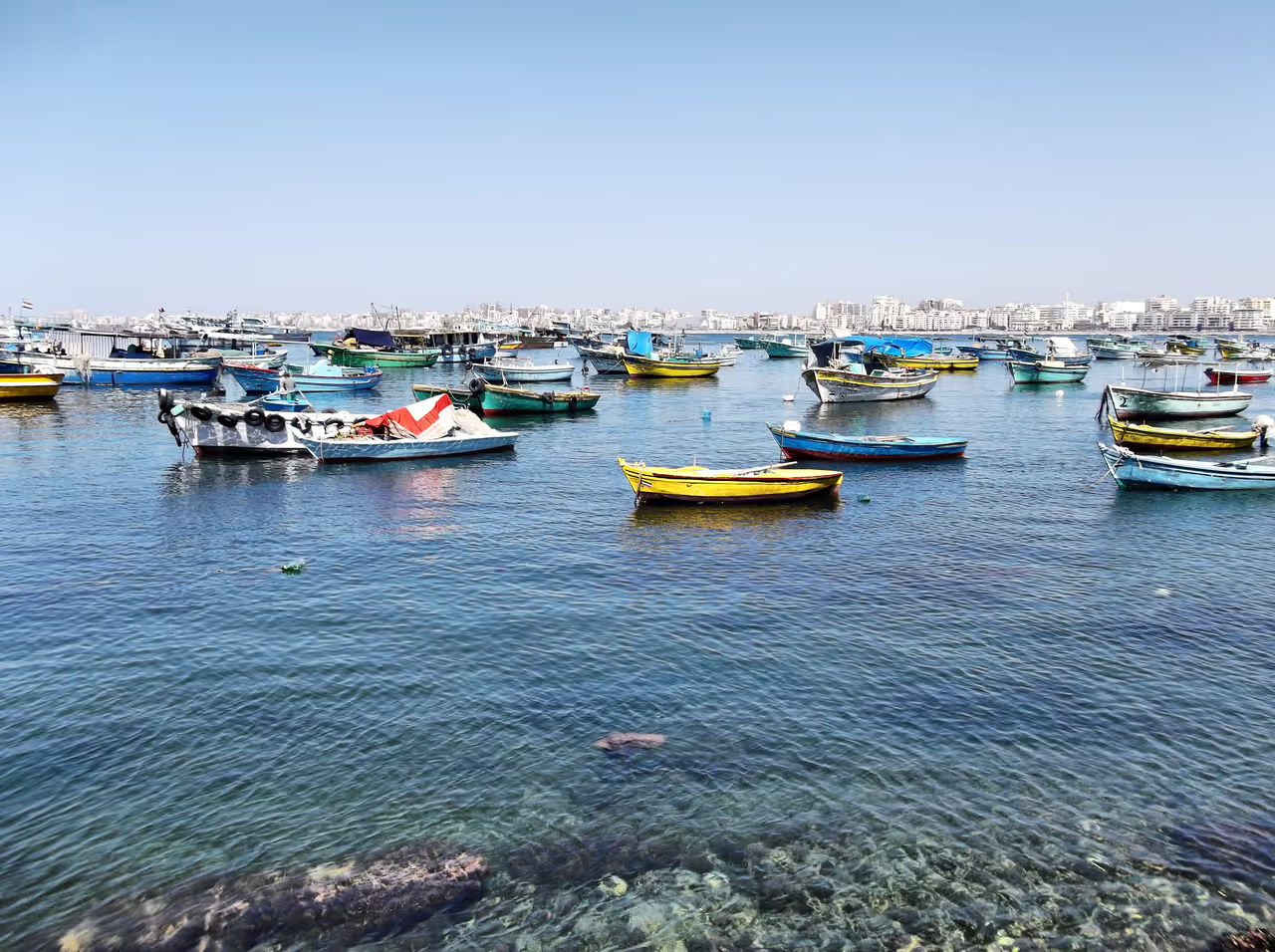 709m
709mColourful Fishing Boats of Anfushi
The western edge of the Eastern Harbour is packed with dozens of small, brightly painted traditional wooden fishing boats. The chaotic, vibrant cluster of boats bobbing on the water provides a fantastic contrast to the solid, historical mass of the Qaitbay Citadel in the background. It is an excellent spot to capture the raw, authentic working life of this ancient port city.
photo spot view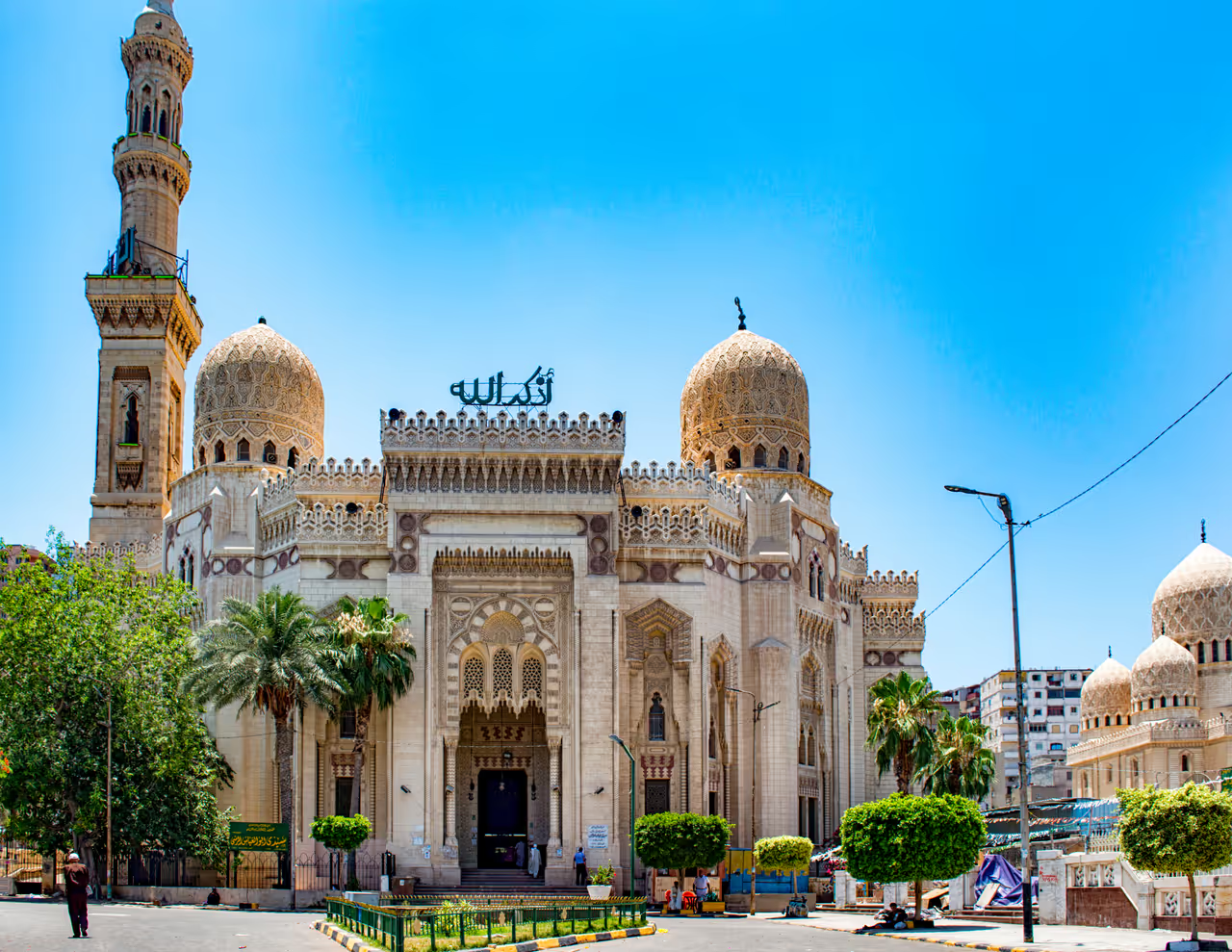 826m
826mAbu al-Abbas al-Mursi Mosque
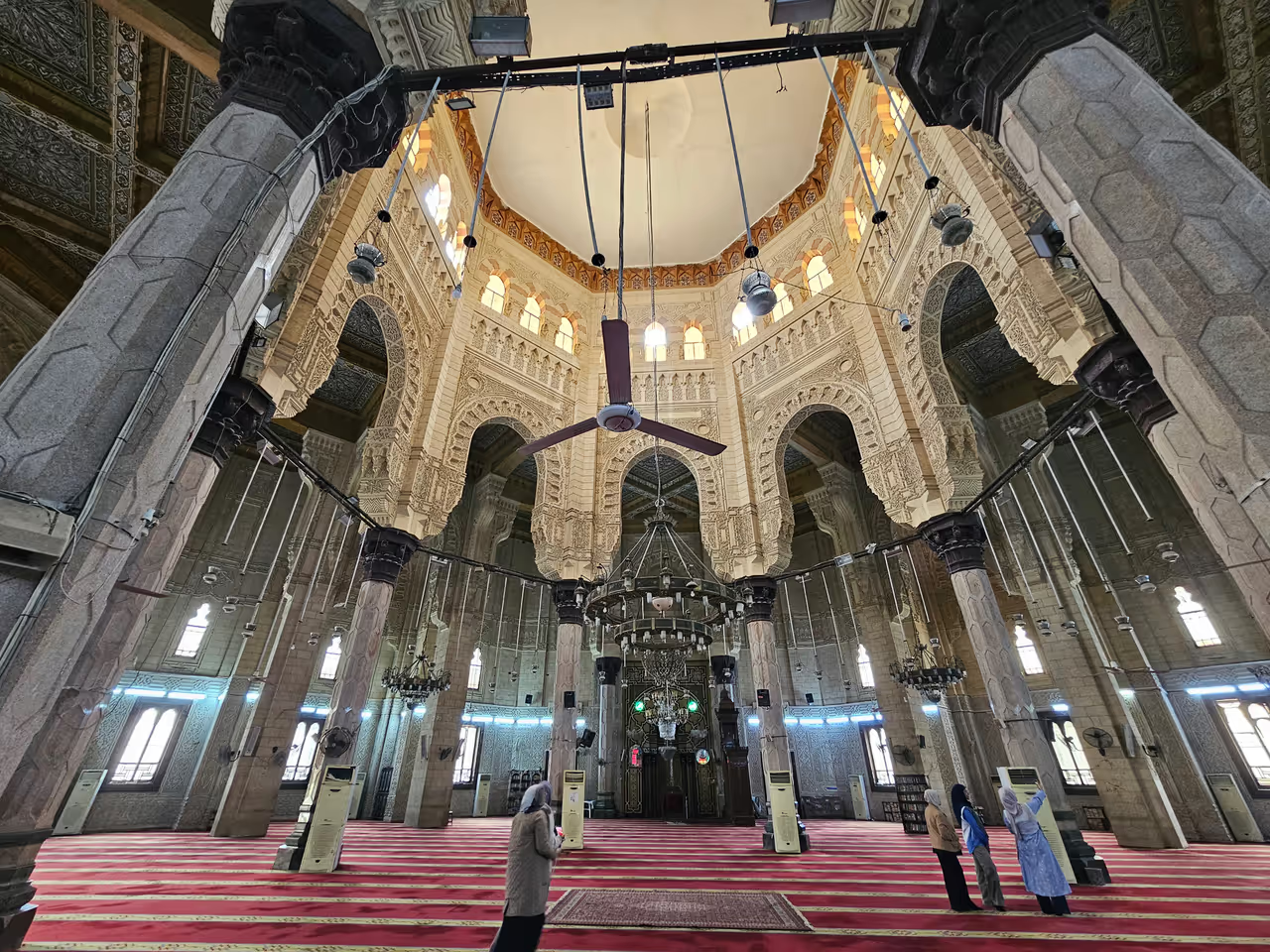
Standing proudly in the Anfushi district, this is the city's largest and most famous mosque. It was originally built over the tomb of a revered 13th-century Andalusian Sufi saint. The current structure, redesigned in the 20th century by an Italian architect, is a breathtaking masterpiece of intricate stone carving, soaring minarets, and beautiful domes. The serene interior offers a quiet, spiritual respite from the busy streets outside.
highlight view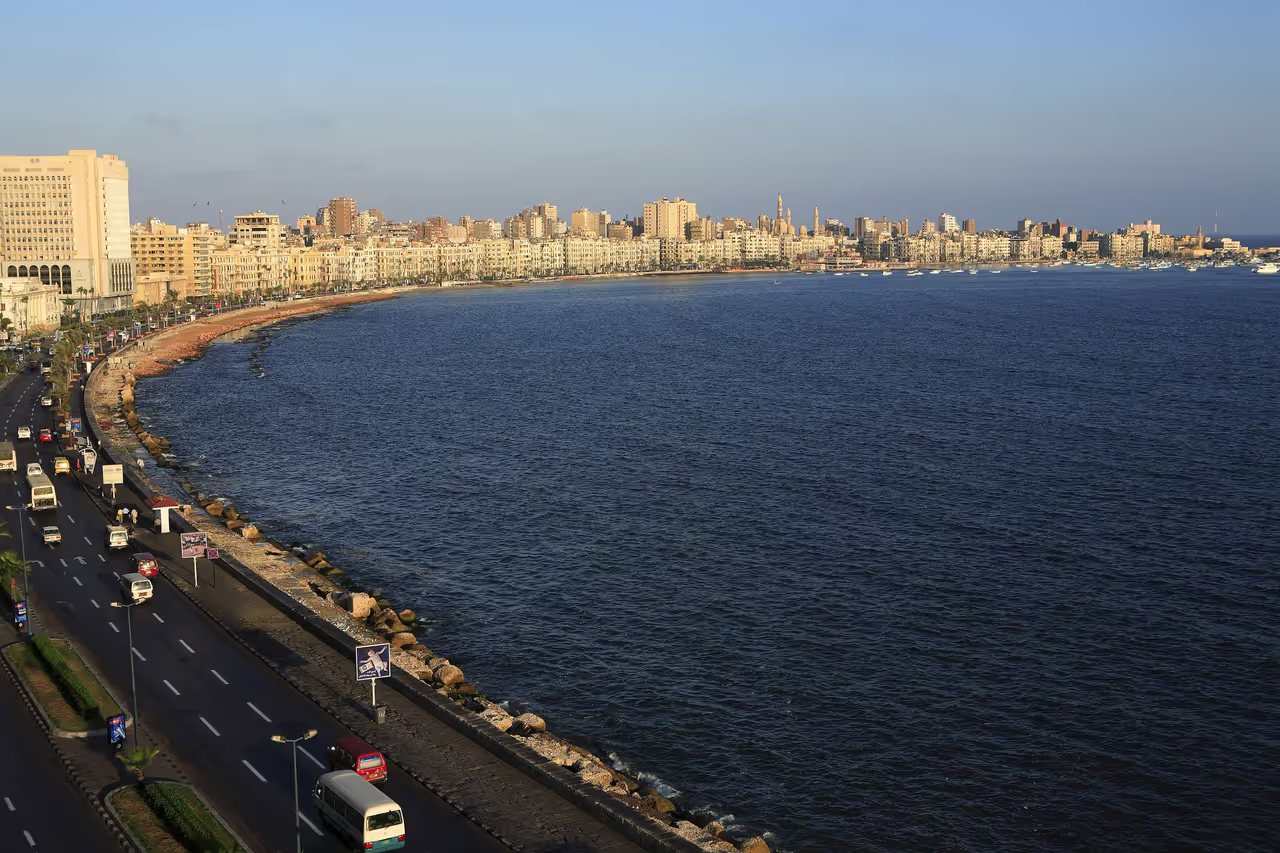 845m
845mFish Market Restaurant View
Located on the upper floors of the Scout Club complex near the western harbour, this popular restaurant boasts magnificent floor-to-ceiling windows. As you dine on incredibly fresh seafood, you are treated to an elevated, sweeping view of the fishing boats bobbing in the water. The sight of the Qaitbay Citadel standing proudly in the distance makes the meal feel distinctly special. It is a perfect marriage of excellent local cuisine and top-tier scenery.
viewpoint view
Explore Similar Places in This Collection
Featured on These Itineraries and Routes
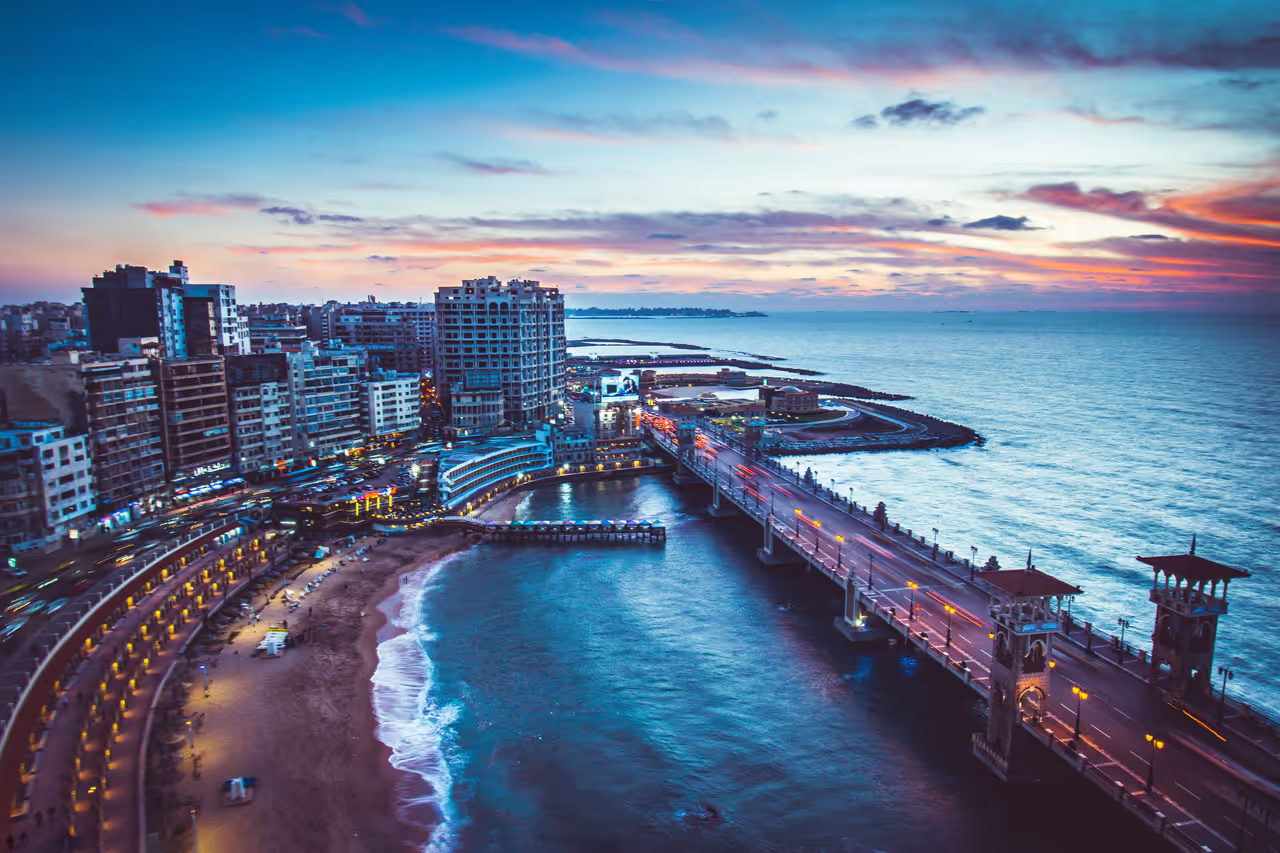
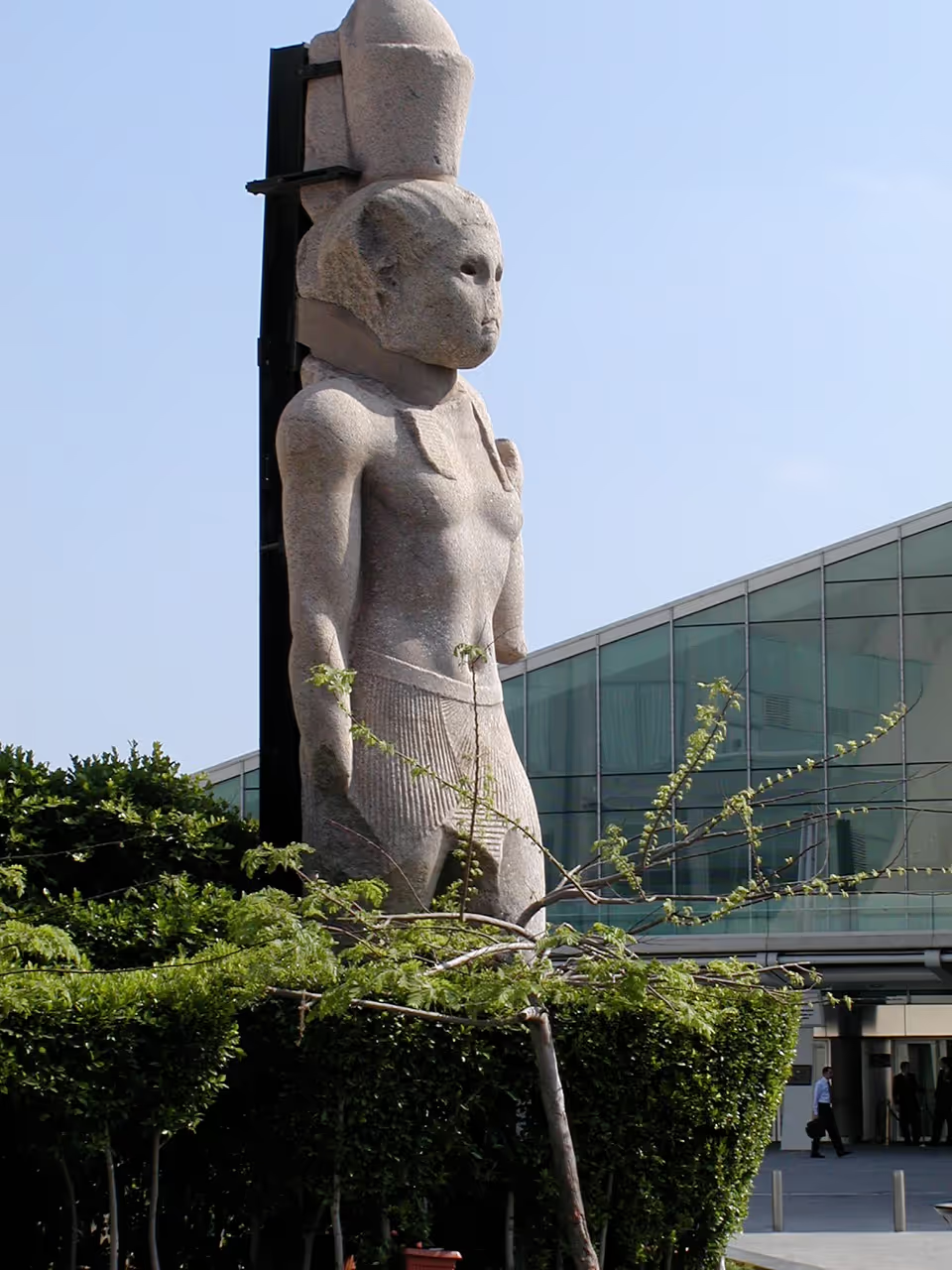
1 Day in Alexandria: The Essential Coast Itinerary
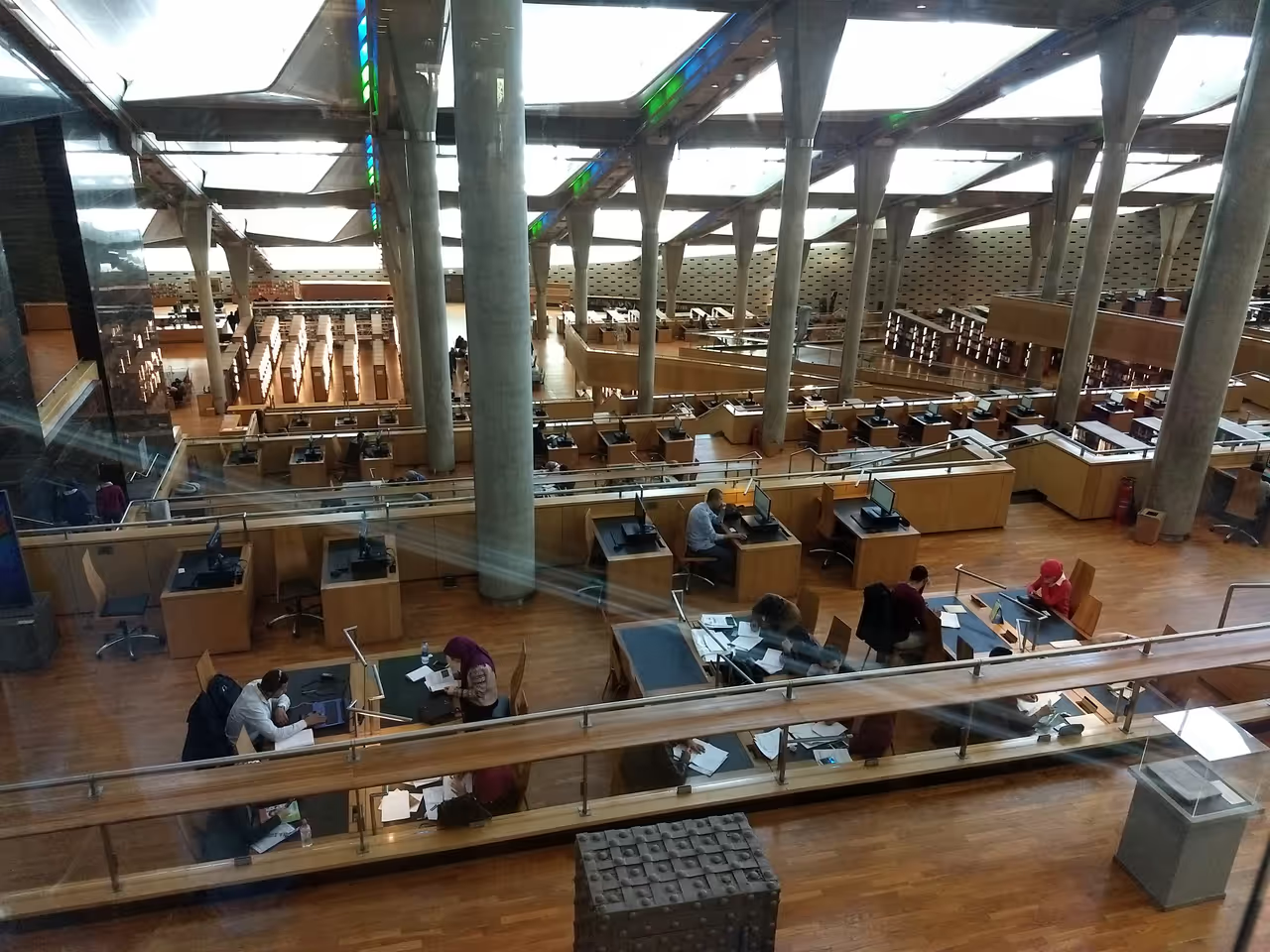
A whirlwind tour designed to capture the absolute best of the city's ancient and modern maritime identity. This packed itinerary moves from mediaeval coastal defences to the cutting-edge marvel of the new library, ensuring you see the most iconic landmarks. It provides a highly satisfying taste of the city for those on a tight schedule.
view itinerary
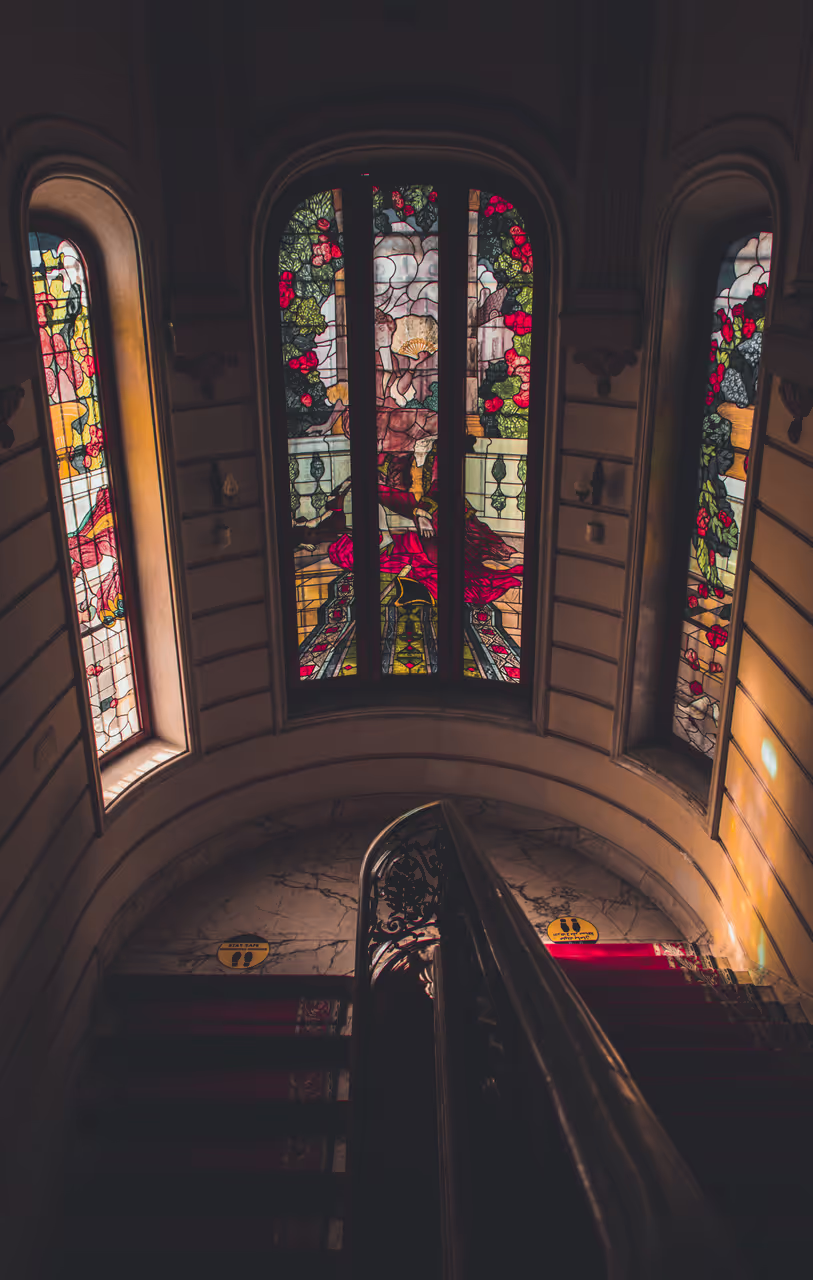
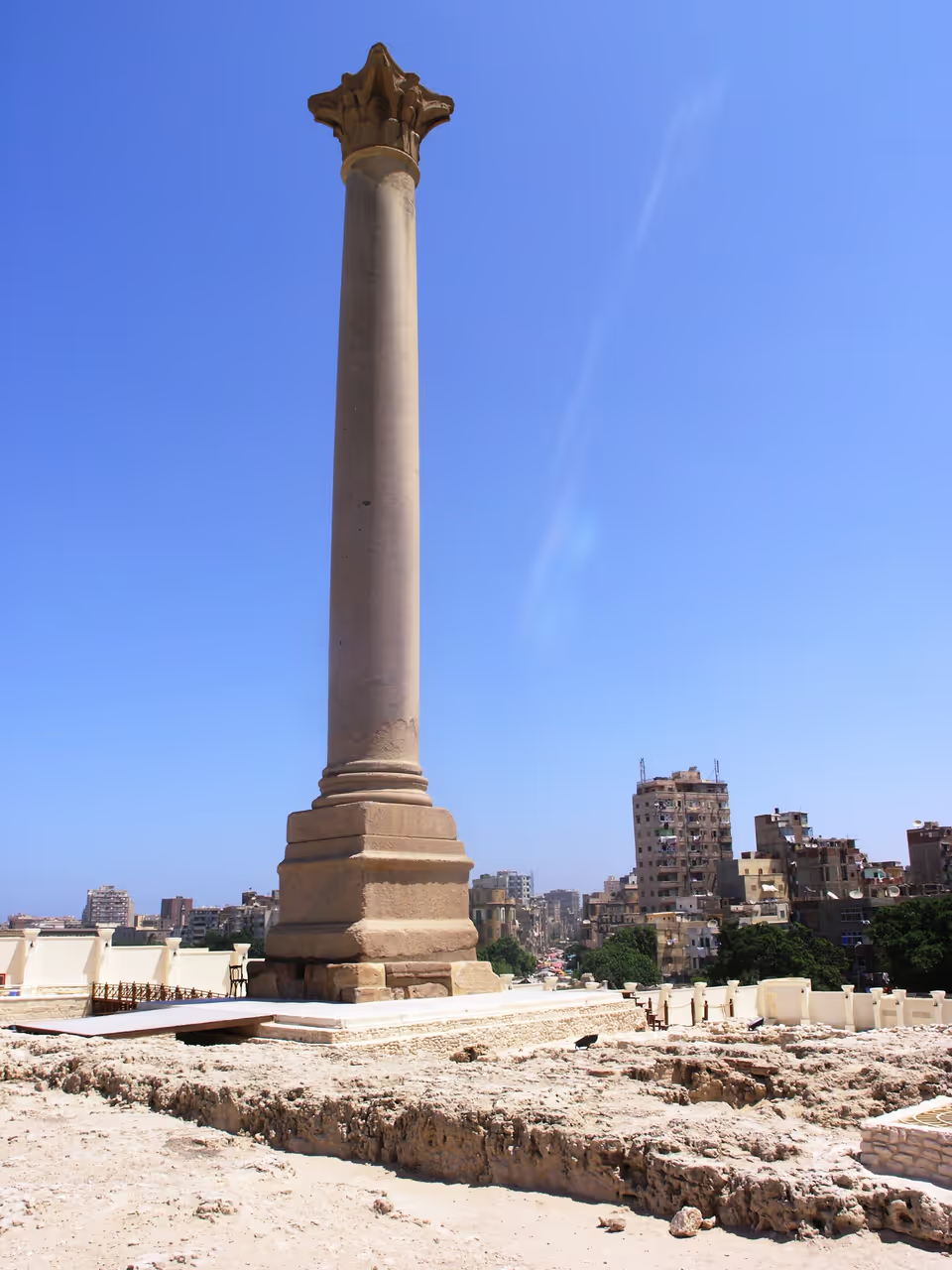
3 Days in Alexandria: Ancient Ruins & Cosmopolitan Elegance Itinerary
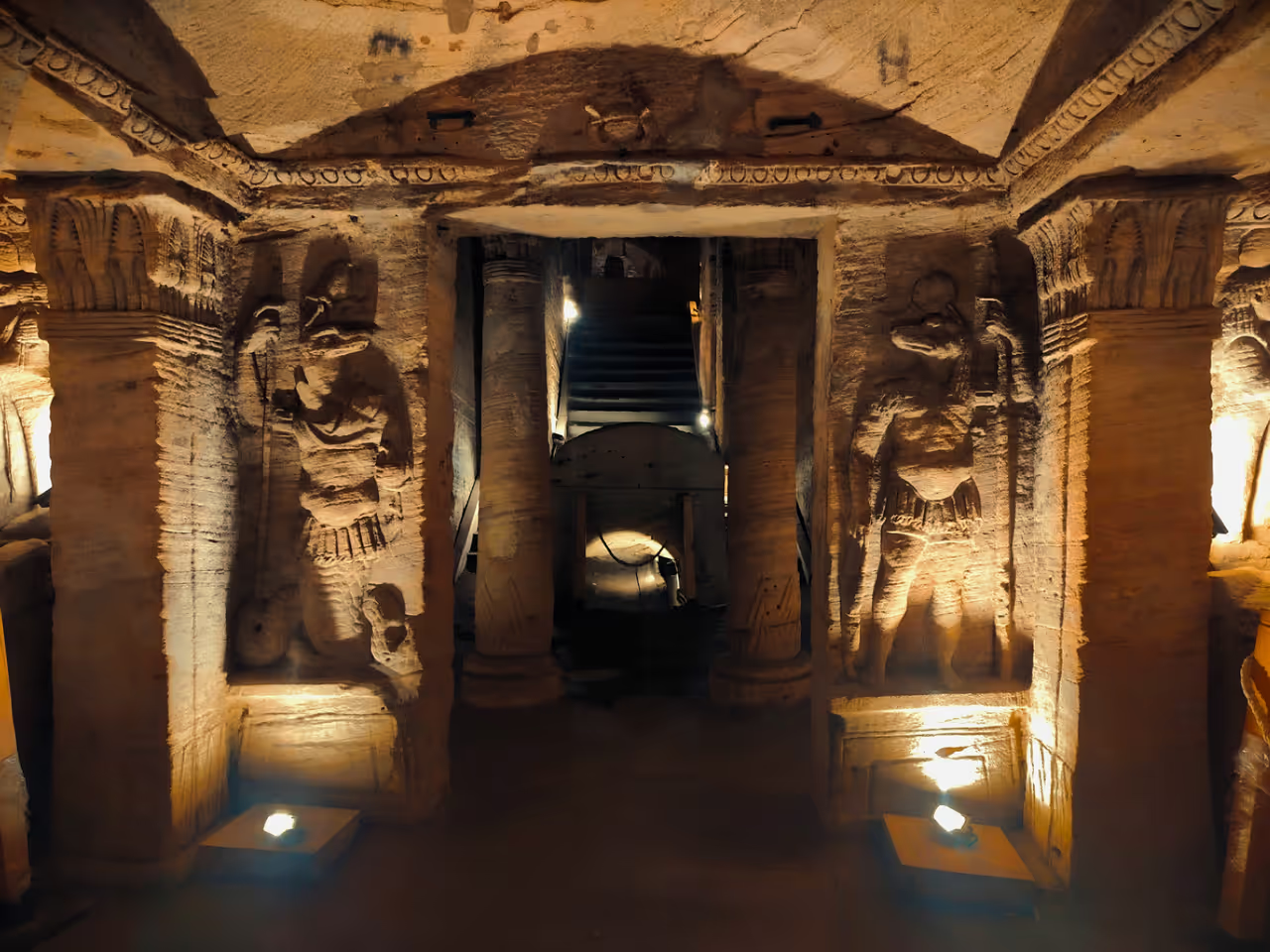
This balanced itinerary allows you to dive deep into the city's rich, layered history. You will spend time exploring the subterranean Roman tombs, marvelling at the modern library, and wandering through the grand Belle Époque commercial districts. It strikes the perfect pace between historical exploration and relaxing coastal strolls.
view itinerary
5 Days in Alexandria: Mediterranean Experience Itinerary
The ultimate deep dive into the region, perfect for history buffs and slow travellers. This itinerary covers all major city sights, adds extensive museum visits, and includes fascinating day trips to the desert fringes for unique archaeological and UNESCO heritage sites. It ensures you leave with a comprehensive understanding of the city's incredible historical weight.
view itinerary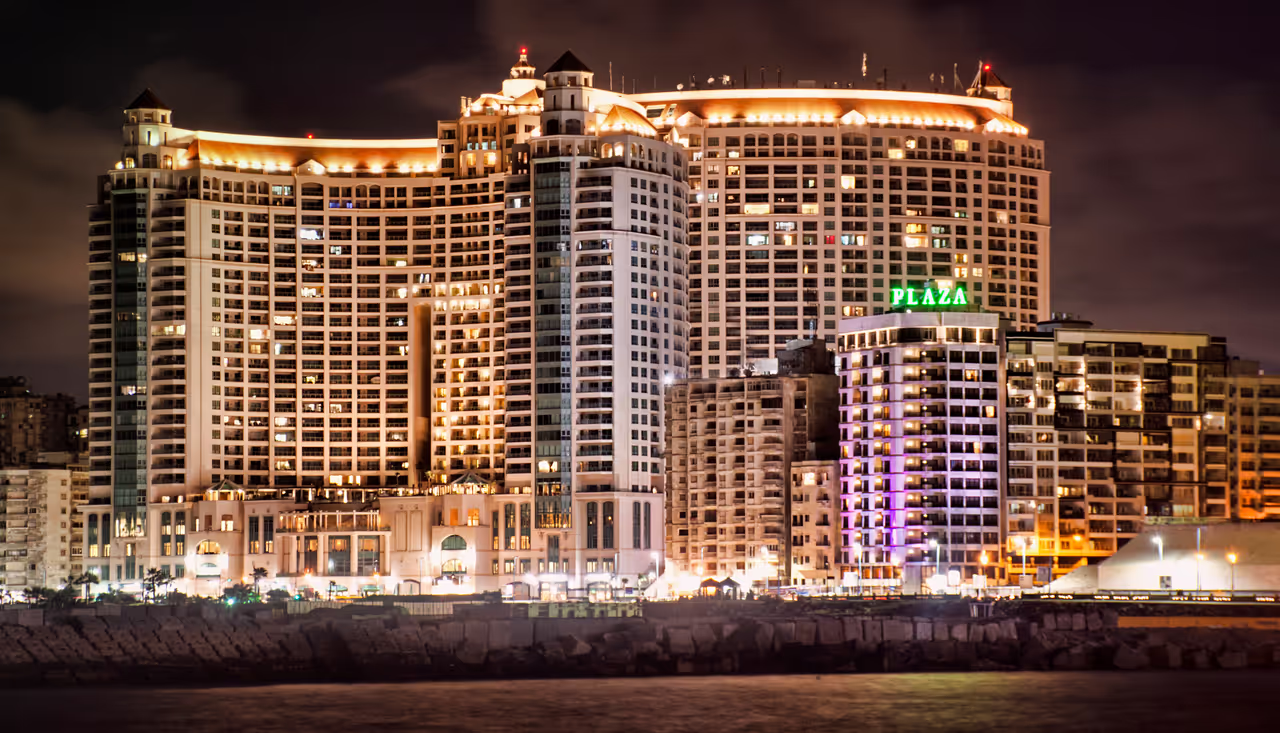
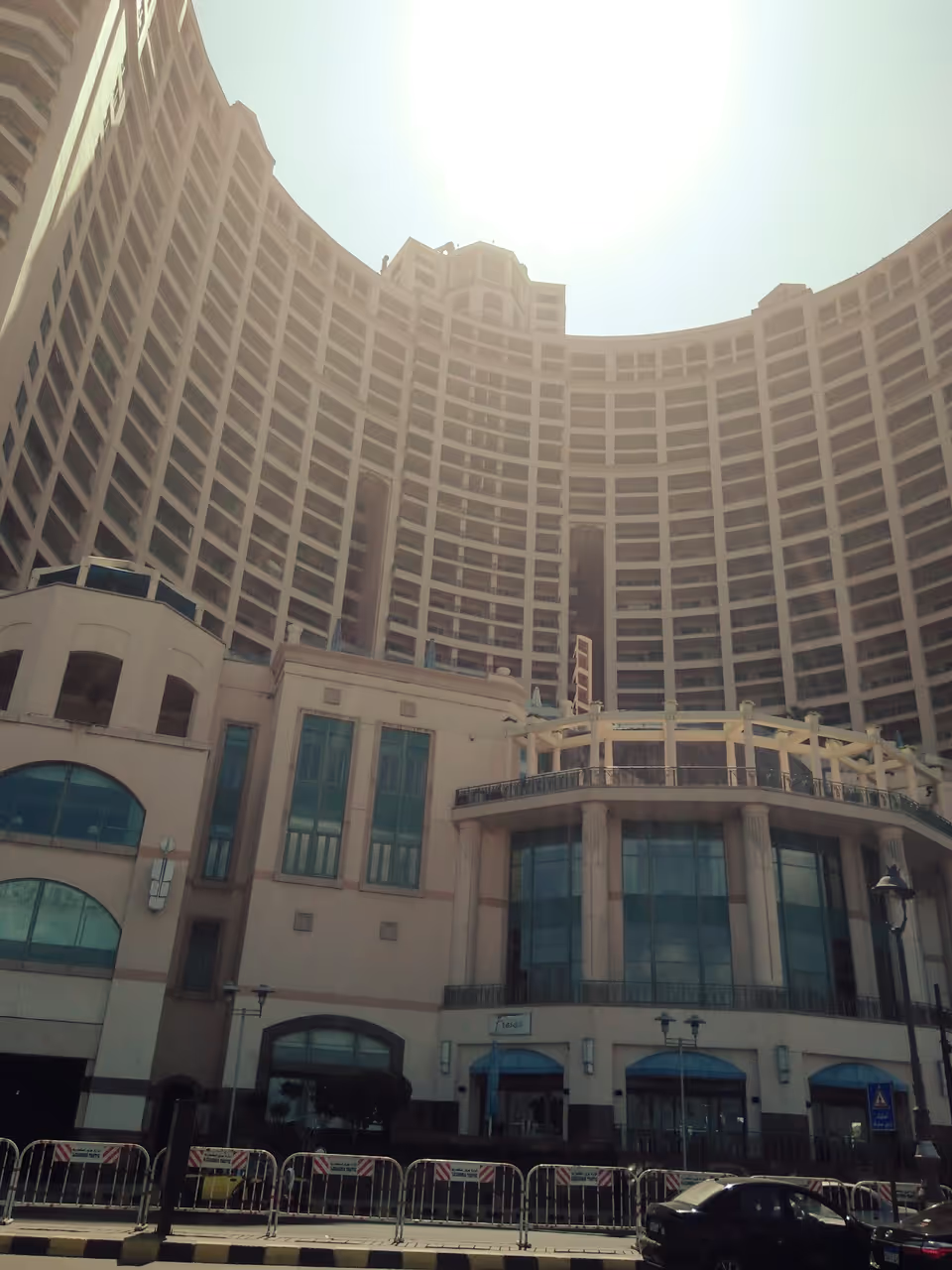
Great Corniche Ride
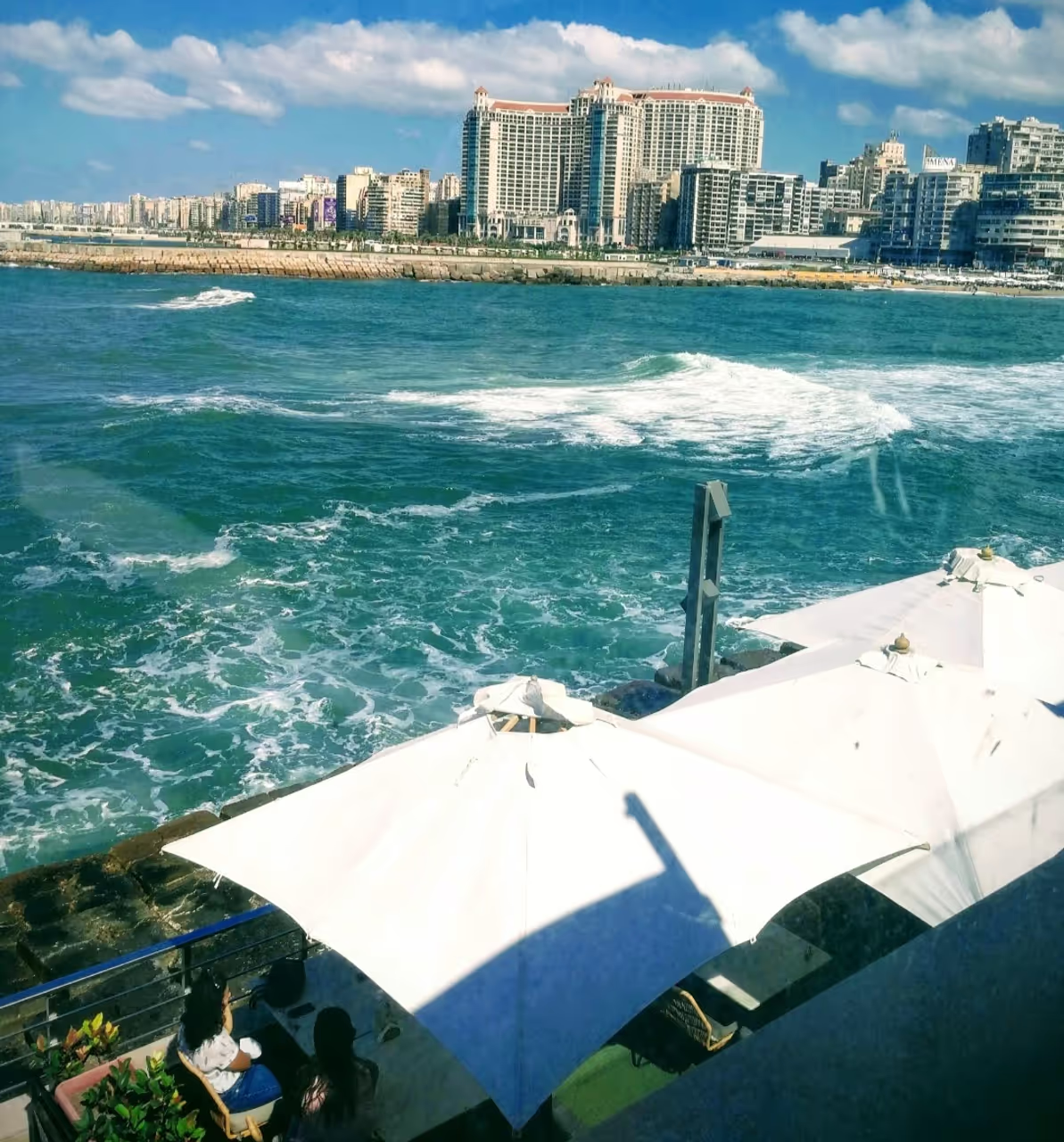
A stunning, straightforward ride hugging the coastline, allowing cyclists to take in the vastness of the Mediterranean Sea. The sea breeze keeps the journey cool, while the route showcases the striking contrast between historical monuments and modern high-rises. It provides an excellent, sweeping overview of the city's waterfront layout.
view cycling route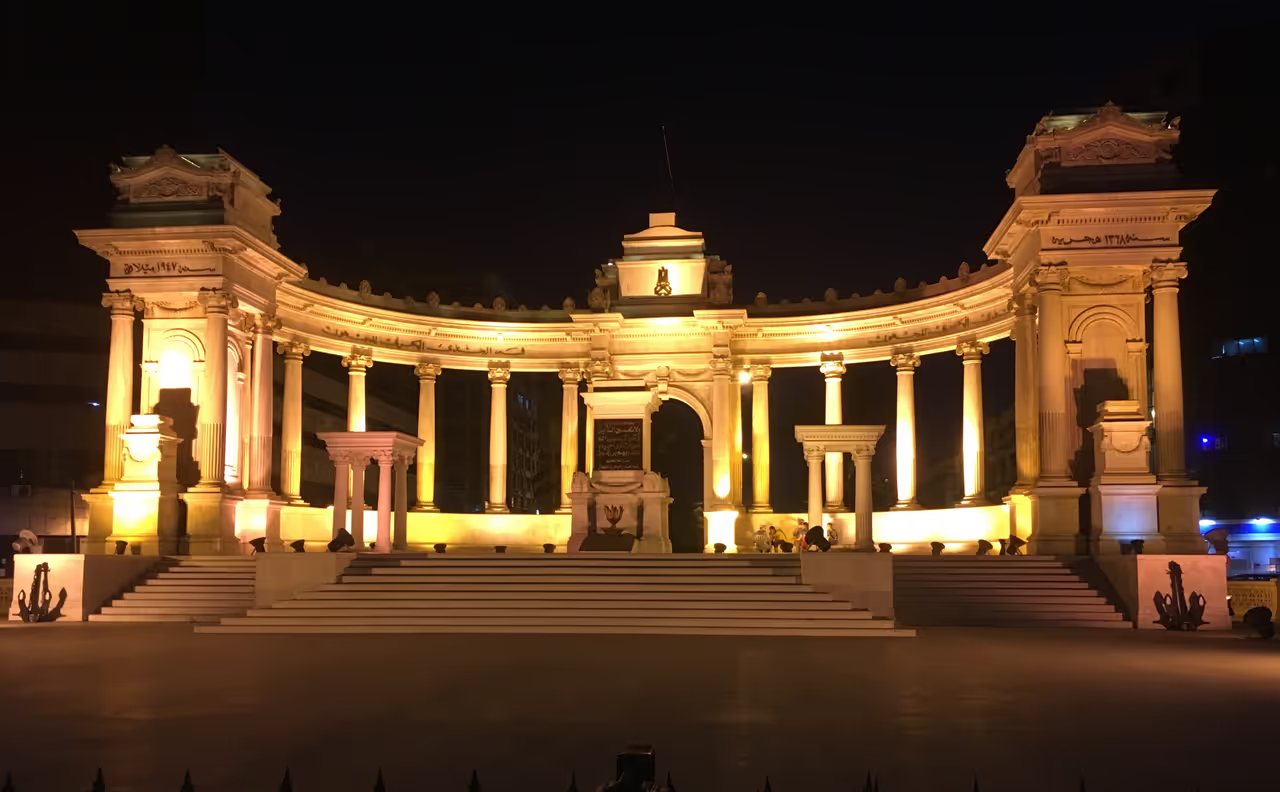
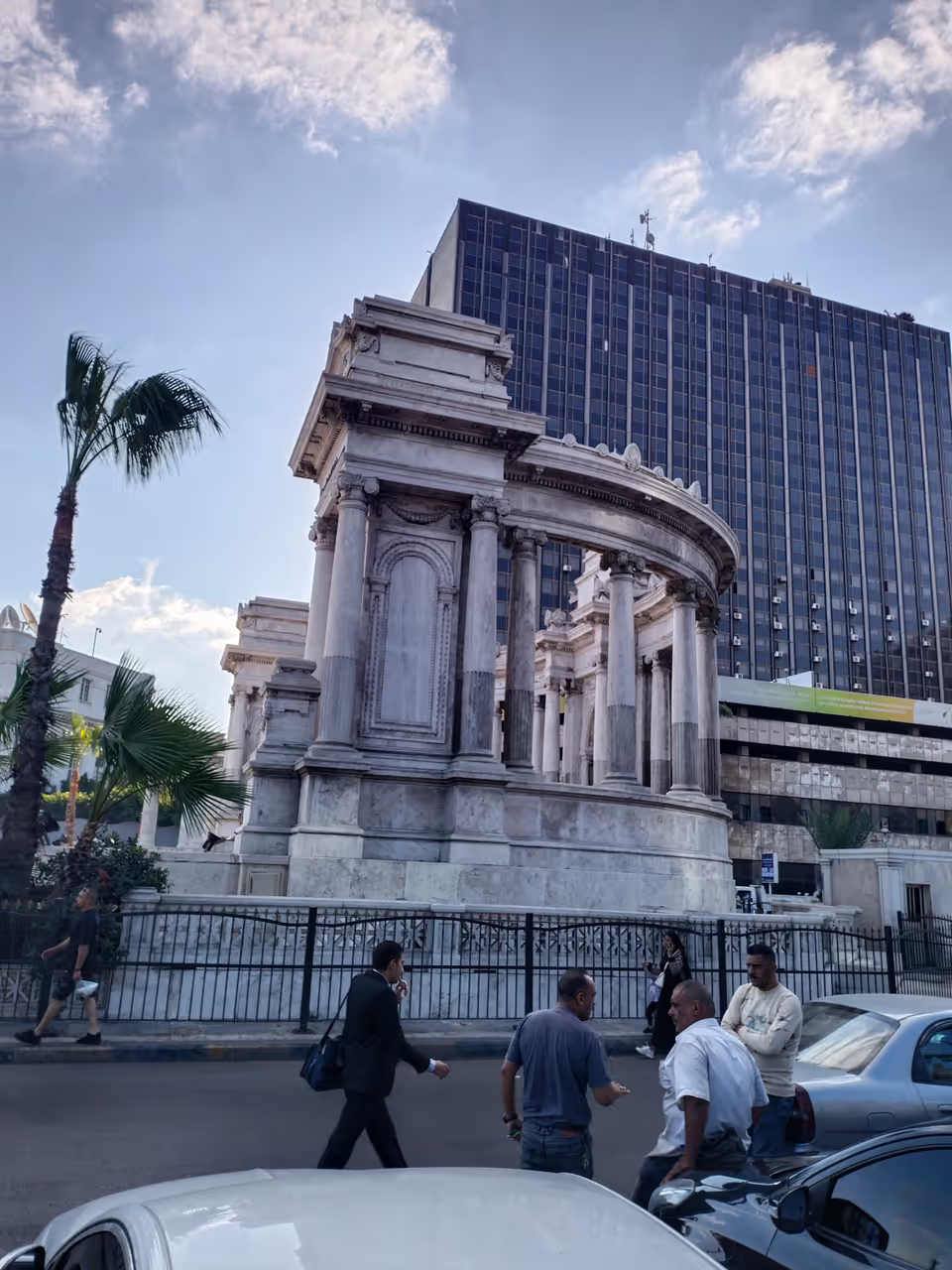
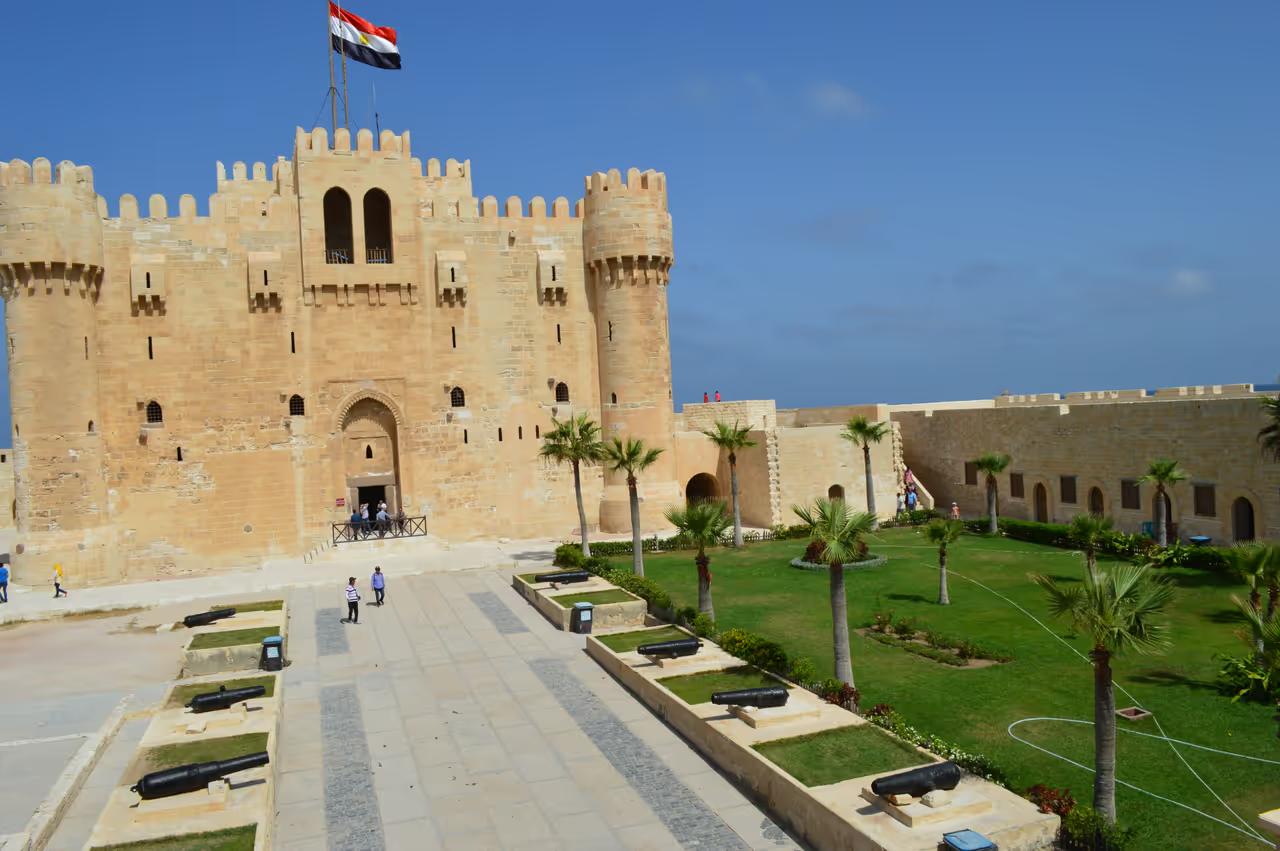
Eastern Harbour Walk
A quintessential Alexandrian stroll that wraps around the deeply historic bay, offering stunning views at every turn. The path curves gently, revealing layers of the city's past, from ancient underwater ruins to imposing Mamluk fortresses. It is deeply evocative, salty, and visually spectacular.
view walking route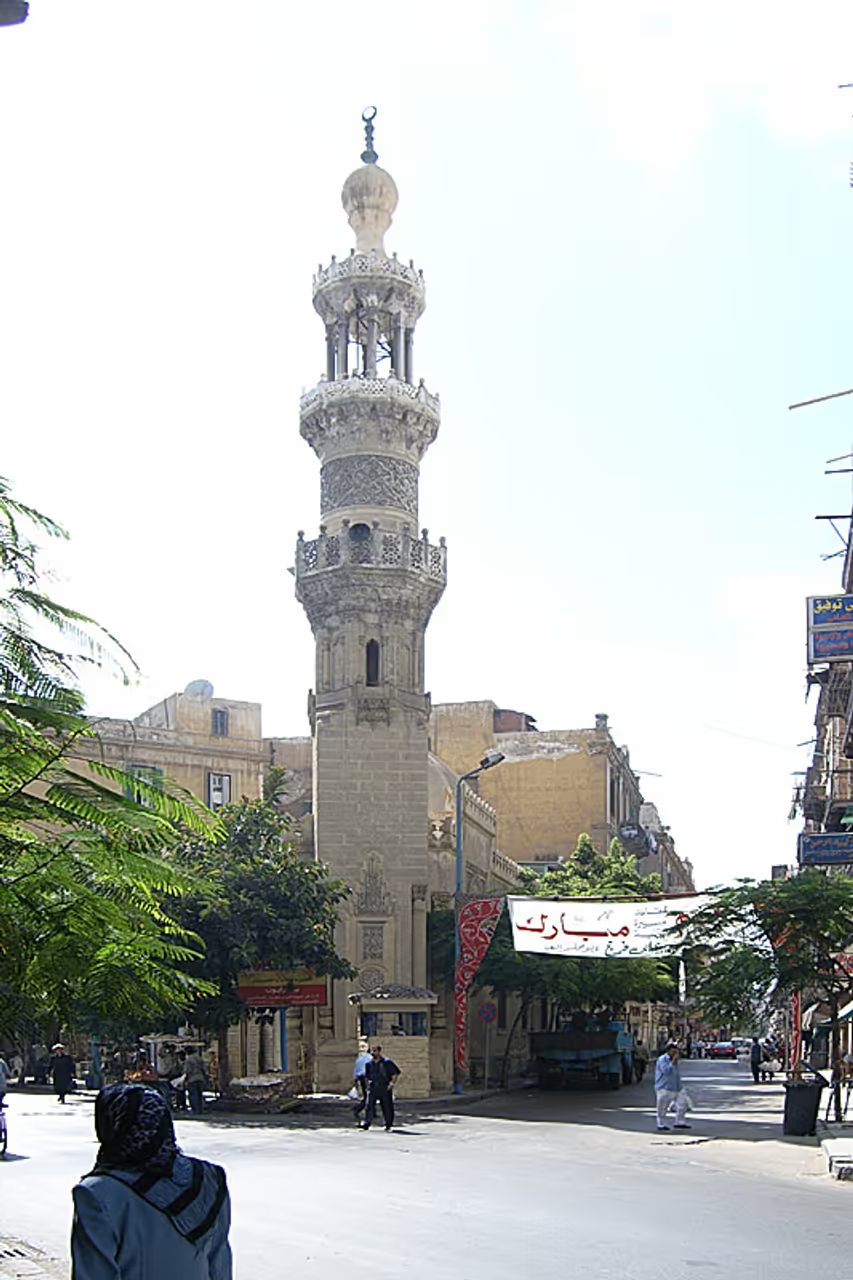
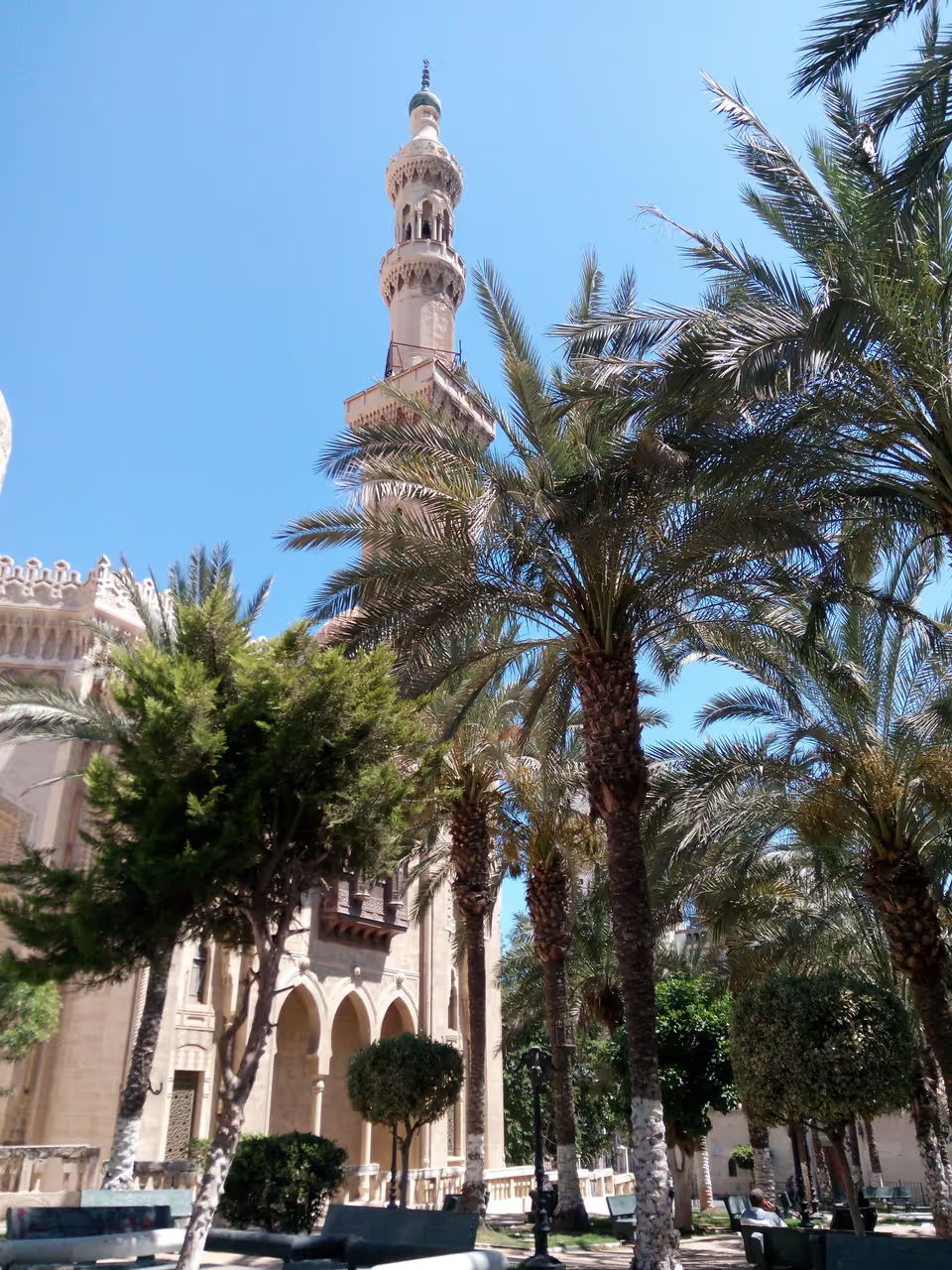
Islamic Heritage
Explore the profound architectural and spiritual legacy left by centuries of Islamic rule, from the Mamluks to the Ottomans. The route features awe-inspiring defensive citadels and soaring, intricately decorated mosques. It reveals how the city reinvented itself as a formidable Muslim stronghold and spiritual centre.
view self-guided tour
See all attractions in Alexandria
Bibliotheca Alexandrina, Catacombs of Kom El Shoqafa, Colossal Pompey's Pillar, Graeco-Roman Museum, Kom El Deka, Alexandria National Museum, Montaza Palace and Royal Gardens, Royal Jewelry Museum...