Barranquilla
Full City Guide, Map & 115 Things To Do
1,326,588 people live here.
That's 2.69% of the entire population of Colombia.
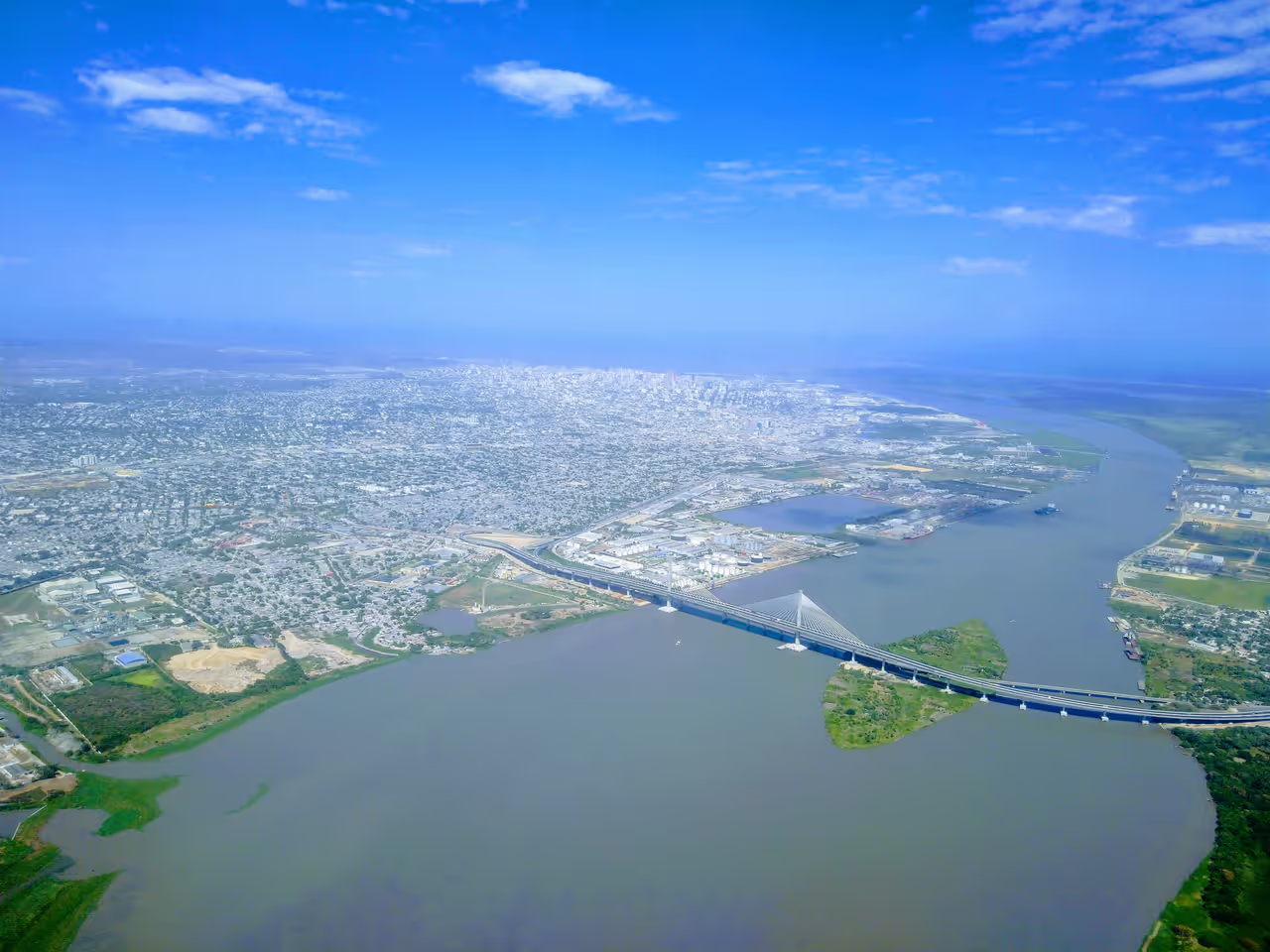
Barranquilla is a vibrant and energetic port city located where the Magdalena River meets the Caribbean Sea. Known affectionately as the Golden Gate of Colombia, it holds a unique cosmopolitan charm forged by centuries of immigration and trade. The city is famous globally for its massive Carnival, a masterpiece of cultural heritage that takes over the streets with music, dance, and colourful costumes. Beyond the celebrations, visitors will find striking Art Deco architecture, excellent seafood, and a lively riverfront promenade that brings the community together. The atmosphere here is unapologetically joyous, driven by the warm and welcoming nature of the locals.
Barranquilla DNA
History of Barranquilla
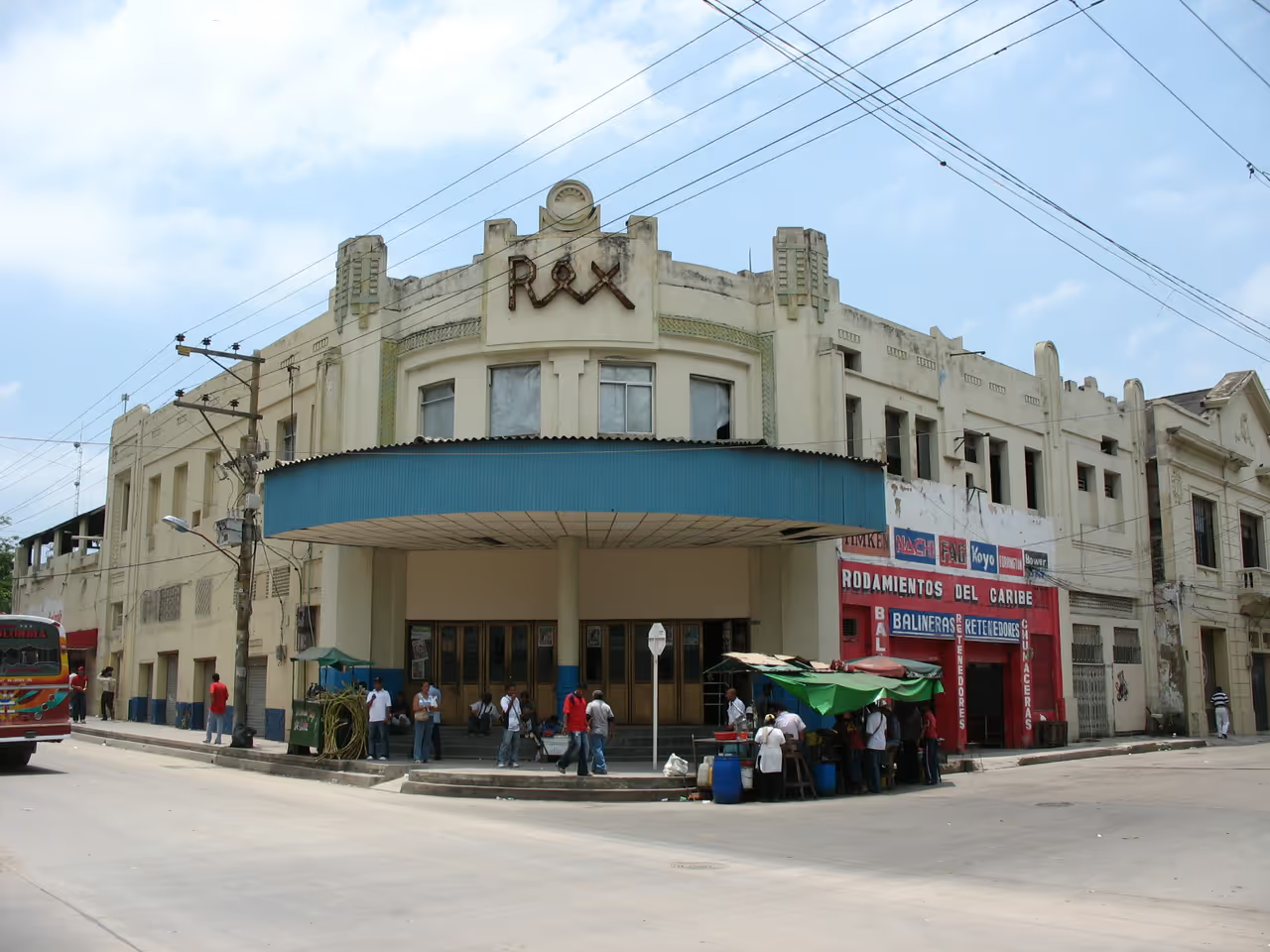
In 1533, Spanish explorer Pedro de Heredia noted a lively trade of dried shrimp taking place in canoes along the banks of the Magdalena River. This site, populated by the indigenous Camash people, never received a formal, pompous Spanish founding ceremony. It grew organically. By the 1630s, Nicolás de Barros established the San Nicolás de Tolentino hacienda on the same land. He allowed free labourers, the elderly, and displaced indigenous people from nearby Galapa to build their homes within his property lines. The settlement expanded without royal edicts, taking shape around the riverways and earning a rebellious, independent streak that defined its early years. When the winds of revolution swept through South America, the locals immediately sided with the republican cause. They financed their own battalions to defend independent Cartagena against royalist forces stationed in Santa Marta. This fierce loyalty earned Barranquilla the title of villa in 1813, but that status came at a high cost. Two years later, Spanish troops commanded by Valentín Capmany stormed the town. They overpowered the local resistance and decimated a privately funded battalion raised by a wealthy merchant named Joaquín Vallejo. Geography eventually worked in the city's favour. In 1823, Simón Bolívar granted a German entrepreneur named Juan Bernardo Elbers the exclusive right to operate steamboats on the Magdalena River. Barranquilla quickly transformed into the principal export hub for Colombian coffee. The shallow coastal waters soon demanded further engineering, prompting the construction of the country's first railway in 1871, which linked the town to the nearby port of Sabanilla. Locomotives hauled goods to the coast, and from there, riverboats carried them deep into the Andean interior. A wave of technological firsts washed over the expanding streets. The American expatriate William Ladd installed Colombia's first private telephone network here in 1885. Syrian, Lebanese, German, and Jewish immigrants arrived by the thousands, setting up businesses and funding new architectural projects. In 1919, a group of visionaries founded SCADTA, the first successful commercial airline in the Americas. Aviation was a perilous frontier, underscored by a tragic 1924 accident when a Junkers aircraft piloted by Hellmuth von Krohn crashed while dropping promotional leaflets over the city. All six people on board perished, including airline president Ernesto Cortissoz. Radio broadcasting in Colombia also found its voice in this exact location. Elías Pellet Buitrago launched the nation's first commercial station, La Voz de Barranquilla, in December 1929. The influx of international wealth funded a landscape of Art Deco and Streamline Moderne architecture, visible today in the curved concrete lines of the Romelio Martínez stadium and the Rex theatre. After a period of industrial stagnation in the late twentieth century, civic focus returned to the water. The recent construction of the Gran Malecón has redirected daily life back toward the Magdalena River, where residents now gather at dusk to watch cargo ships navigate the same currents that once carried canoes full of dried shrimp.
13 Events spanning 470 years
Map of Barranquilla
Interactive Destination & Itinerary Map
This map blends our curated city guides—featuring best photo spots, scenic walks, viewpoints, hidden gems and much more—with a live Wikipedia explorer. Click on our numbered pins to plan your routes, or zoom in on the surrounding neighborhoods to discover verified local landmarks, museums, and stories with dynamic Wikipedia summaries and photos!
Fun Facts
- • Gabriel Garcia Marquez wrote his very first novel, La Hojarasca, on a typewriter that is now proudly displayed in the city's Romantic Museum.
- • The city lacks a traditional foundation date because it grew organically as a river port rather than being formally established by Spanish conquistadors.
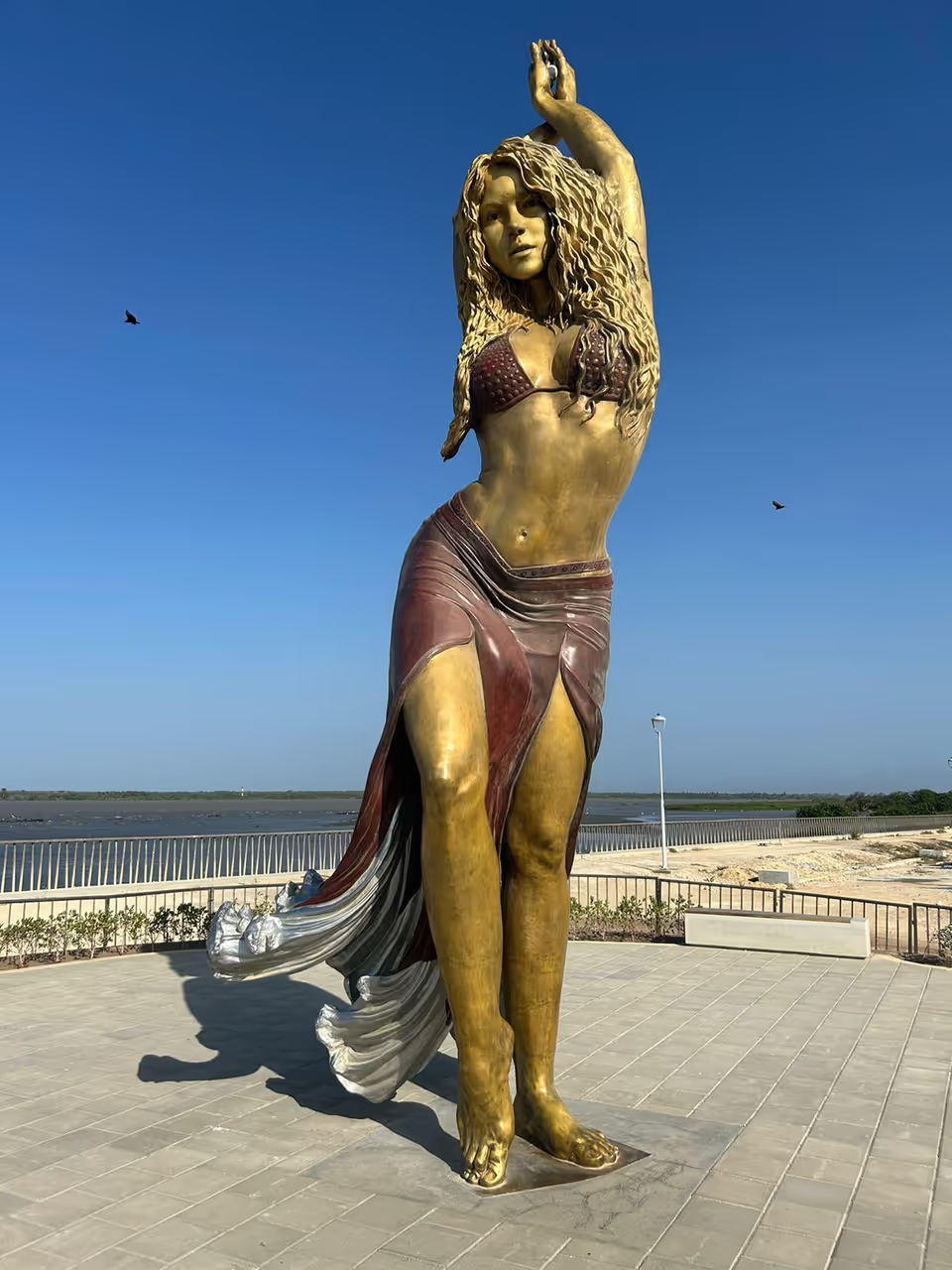
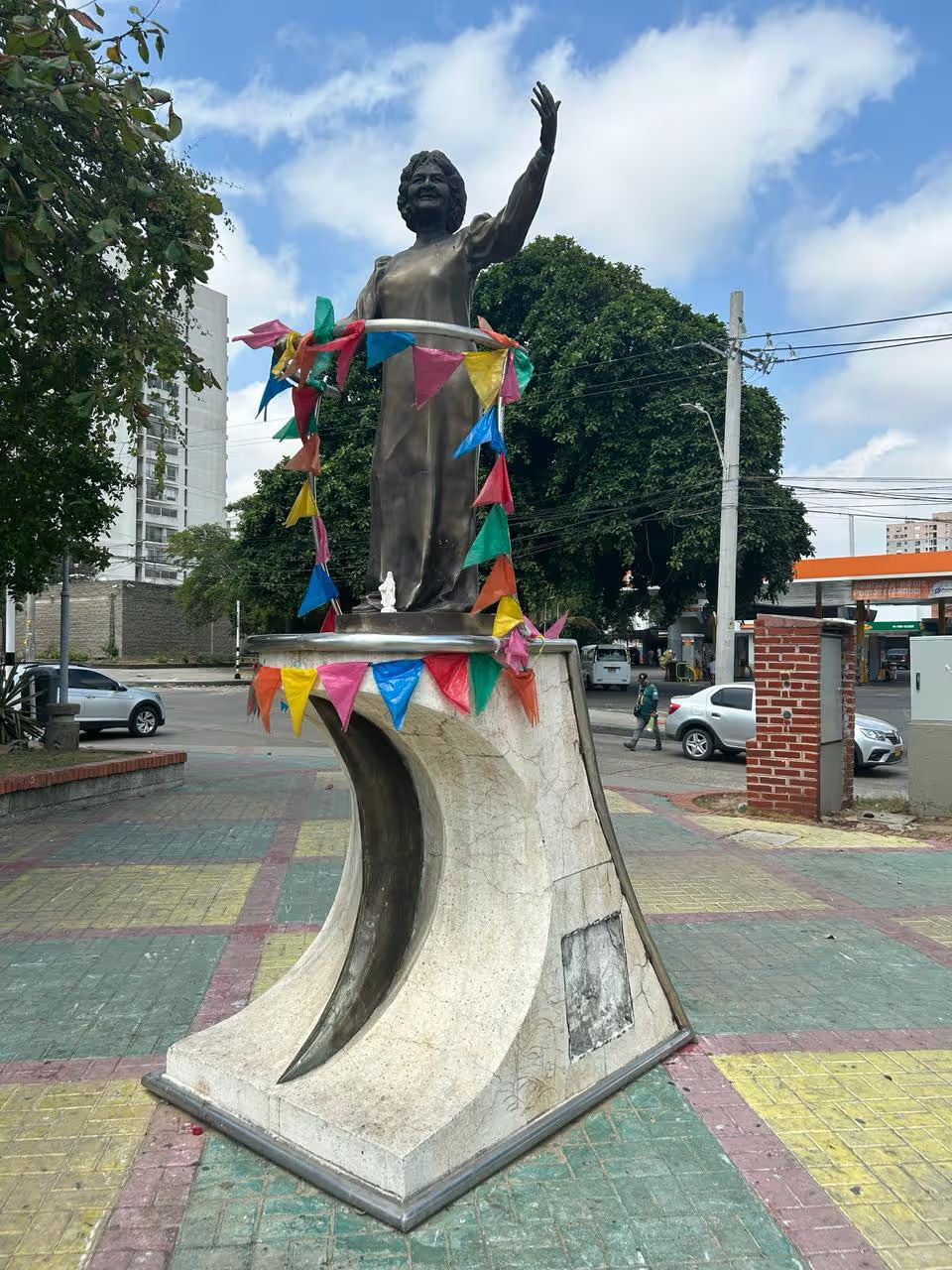
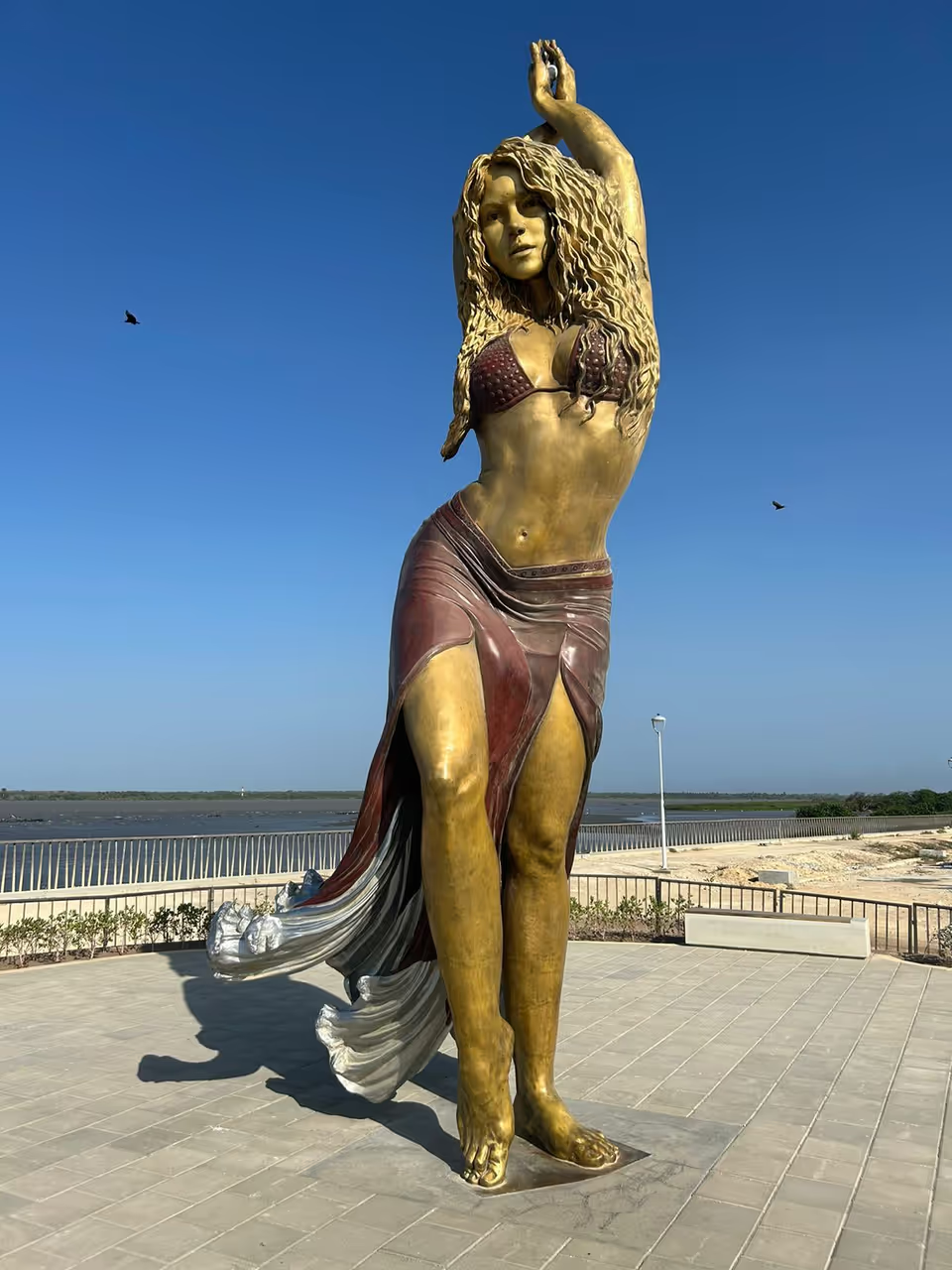
- • Global pop icon Shakira was born here, and the city recently honoured her with a massive bronze statue overlooking the Magdalena River.
- • The local nickname for the city is 'Curramba', a playful word manipulation that translates roughly to a massive, ongoing party.
- • Its moniker as The Golden Gate of Colombia was coined by a former president to honour its role in welcoming thousands of immigrants and introducing new technologies to the country.
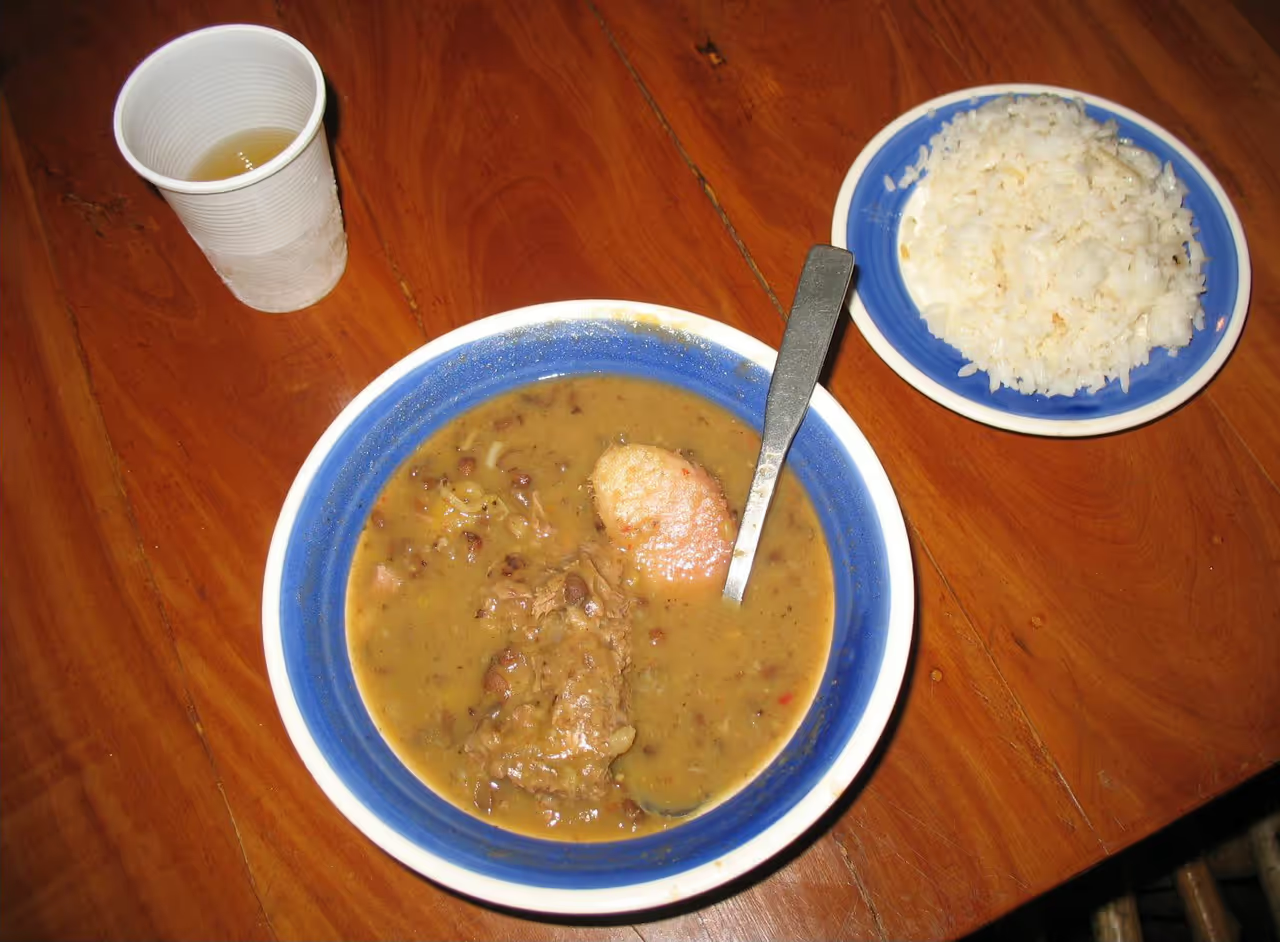
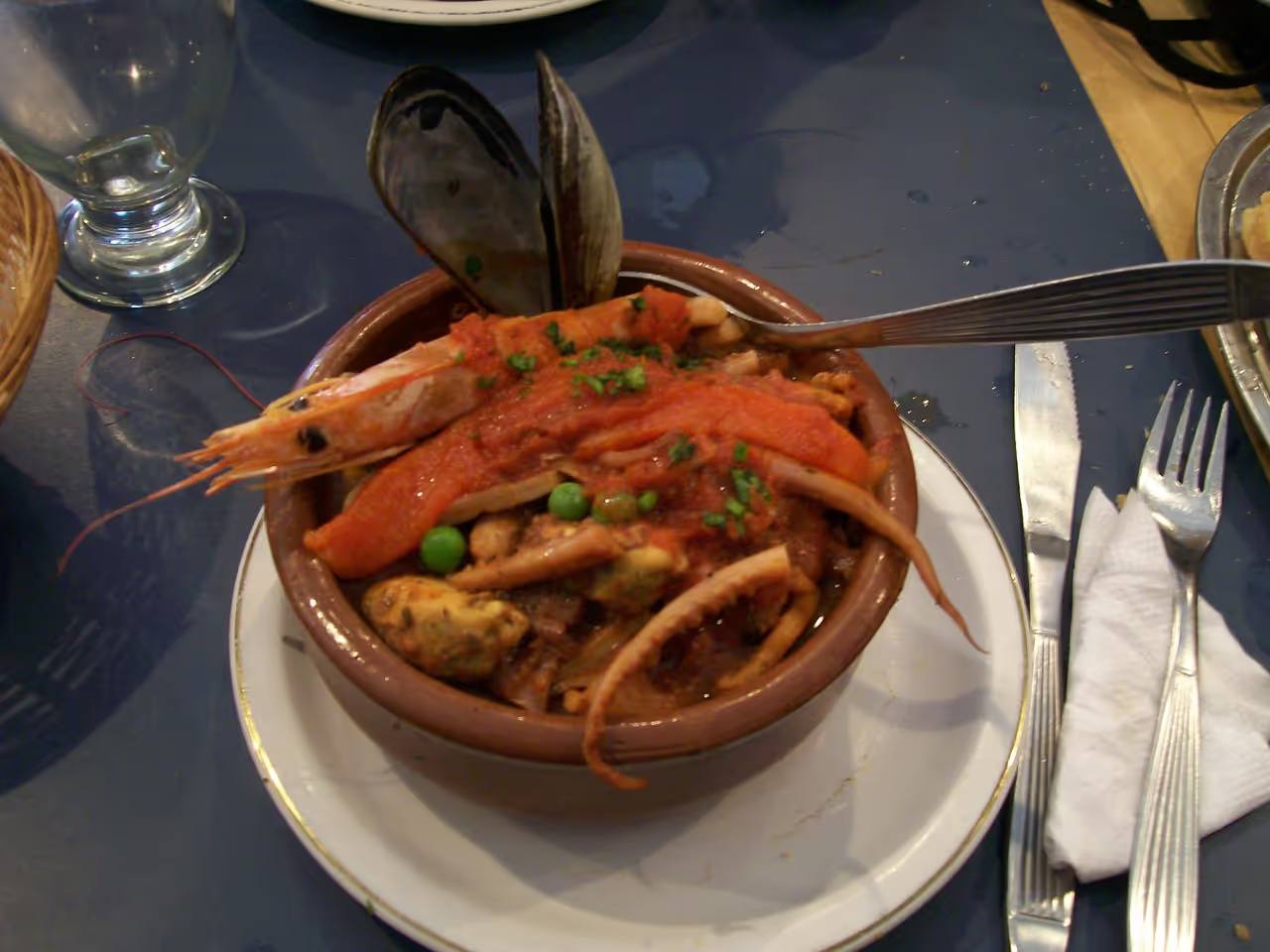
- • People here affectionately refer to a local pigeon pea and meat stew, Sancocho de Guandul, as the ultimate hangover cure after days of intense Carnival celebrations.
Did You Know?
- • The local Ernesto Cortissoz International Airport was the very first airport constructed on the entire South American continent in 1919.
- • The city served as the primary gateway for Middle Eastern and European immigrants entering Colombia during the late nineteenth and early twentieth centuries, profoundly shaping its cosmopolitan culture.
- • It hosts the second largest carnival in the world, an extraordinary event that preserves ancient Indigenous, African, and European traditions in a single massive celebration.
- • Its strategic geographical location on the delta of the Magdalena River makes it the most crucial commercial maritime and river port in the nation.
- • The city's pioneering urban planners developed the El Prado neighbourhood in the 1920s as the first modern planned urban development in Colombia.
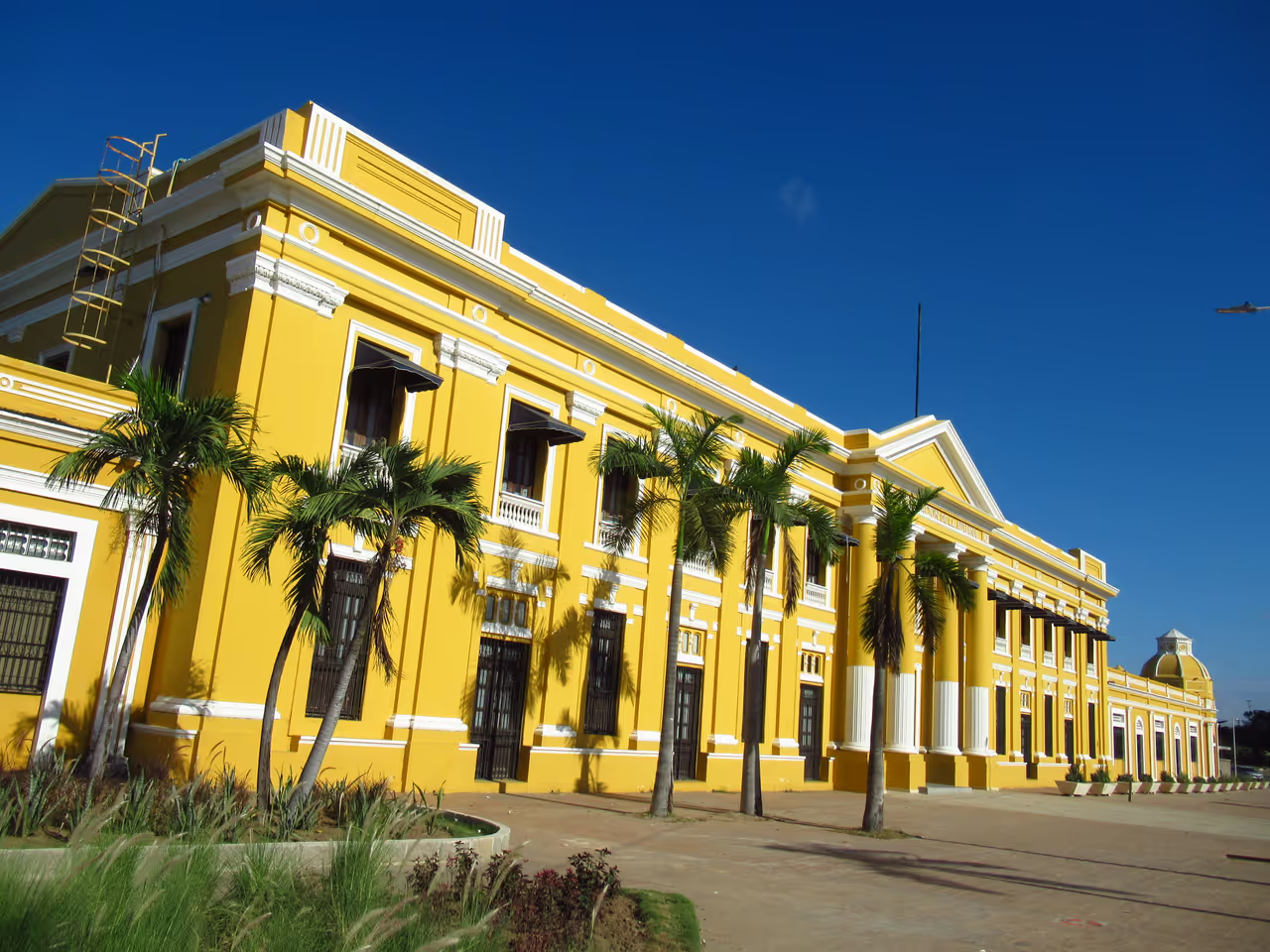
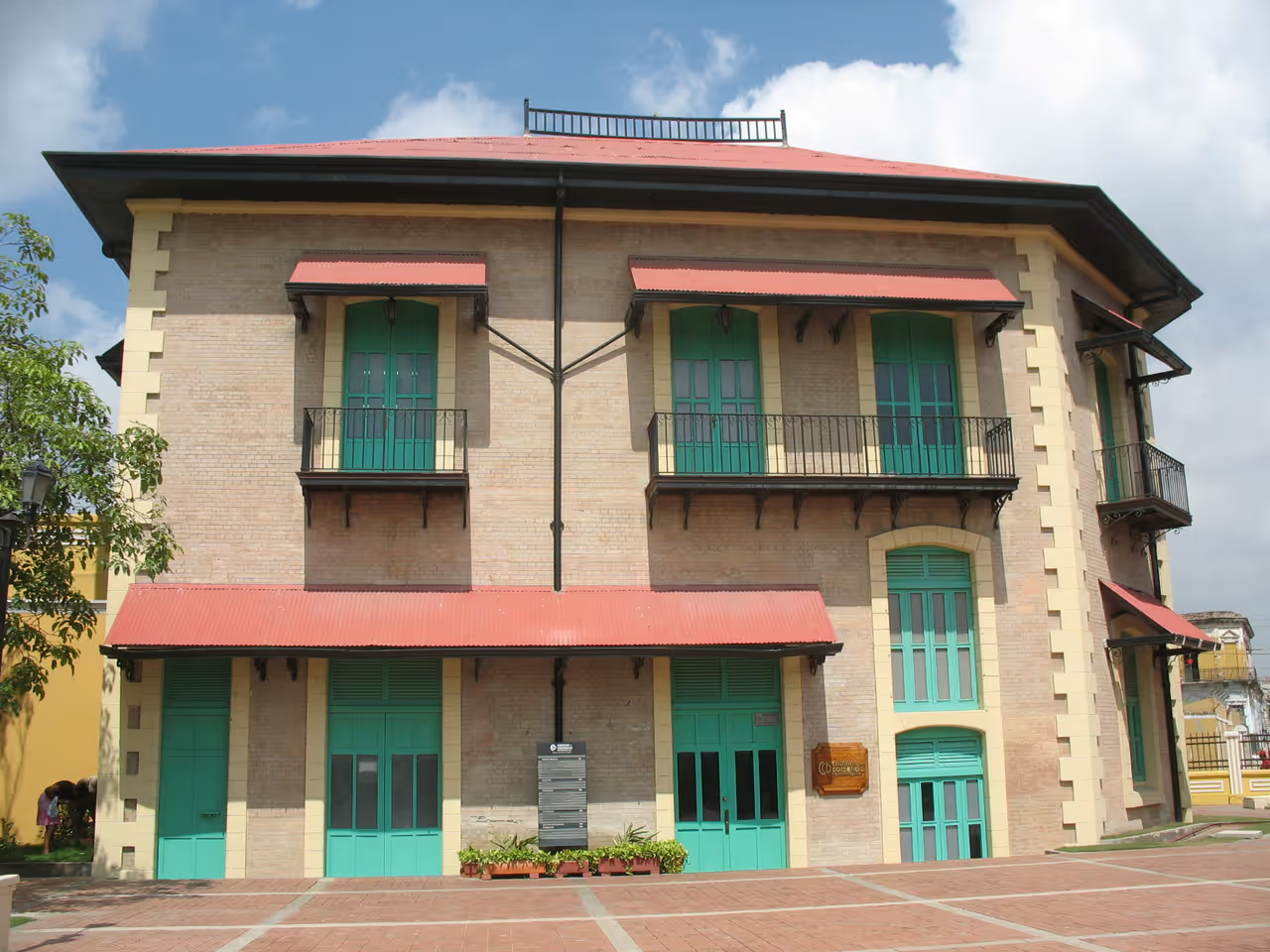
- • The Complejo Cultural de la Antigua Aduana is a masterpiece of Republican architecture that successfully spearheaded the modern restoration of the historic downtown district.
RESOURCES
Official WebsiteVideos of Barranquilla
Seasons
Spring
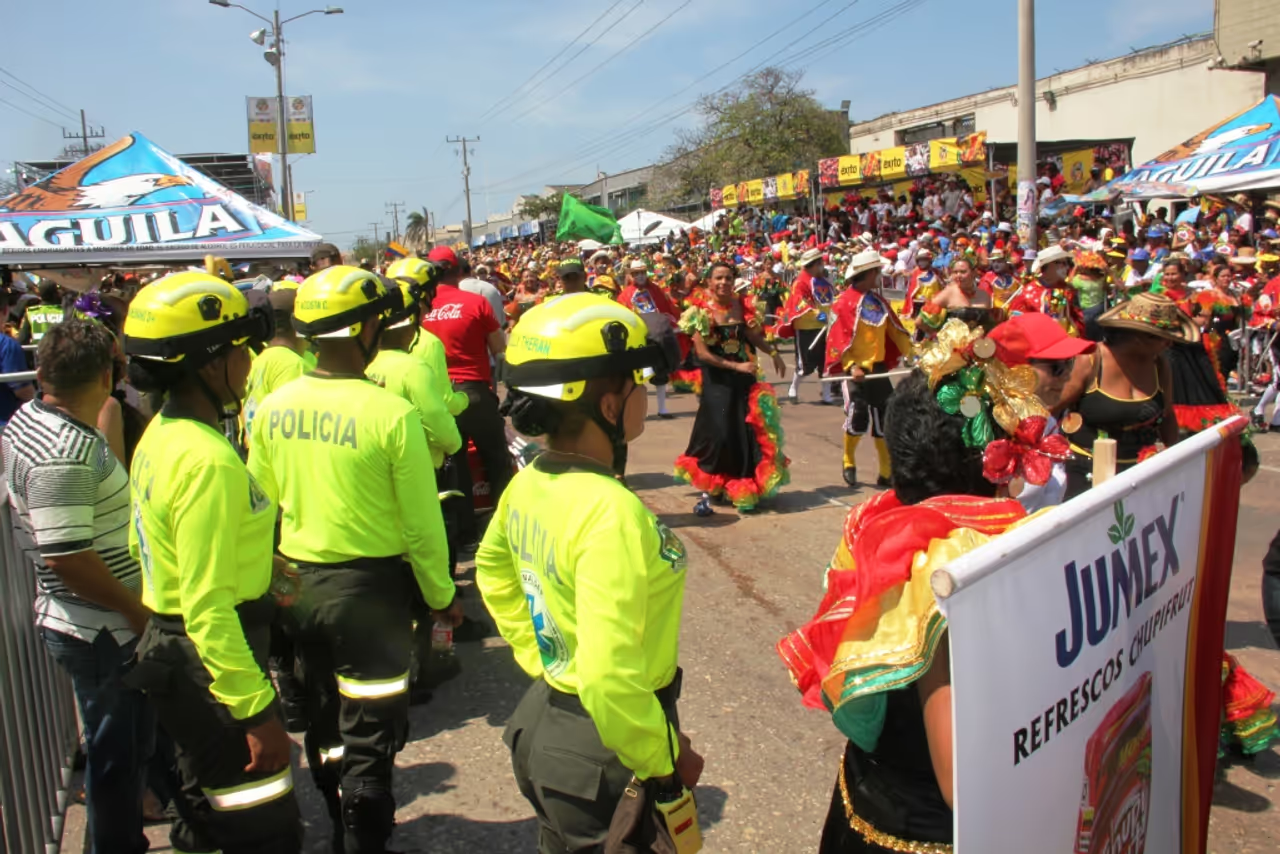
During the spring months, the intense heat is occasionally tempered by lingering trade winds. The city's many parks...
Summer
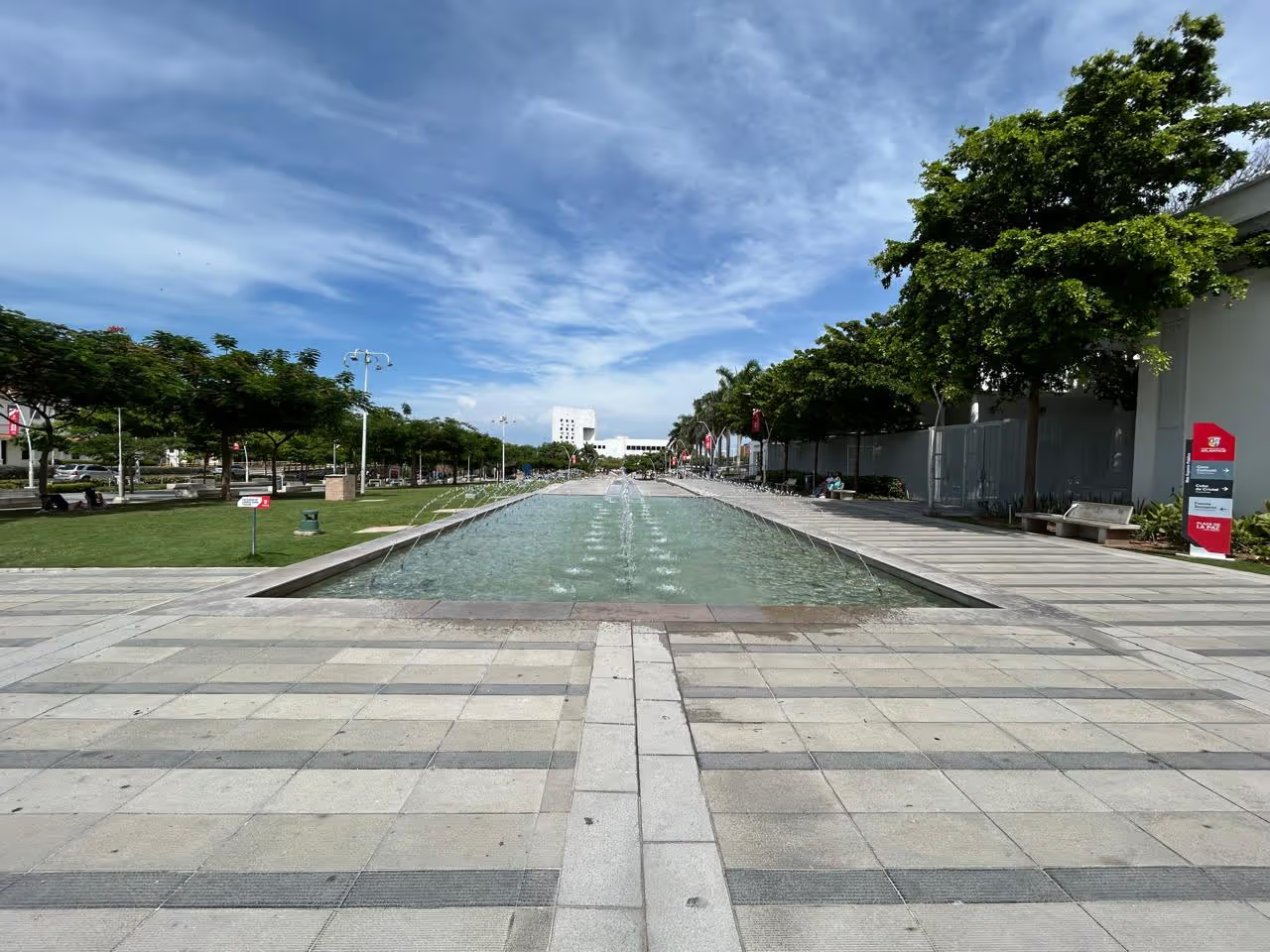
The summer brings the onset of the rainy season, characterized by intense, short tropical downpours that cool the hot asphalt...
Autumn
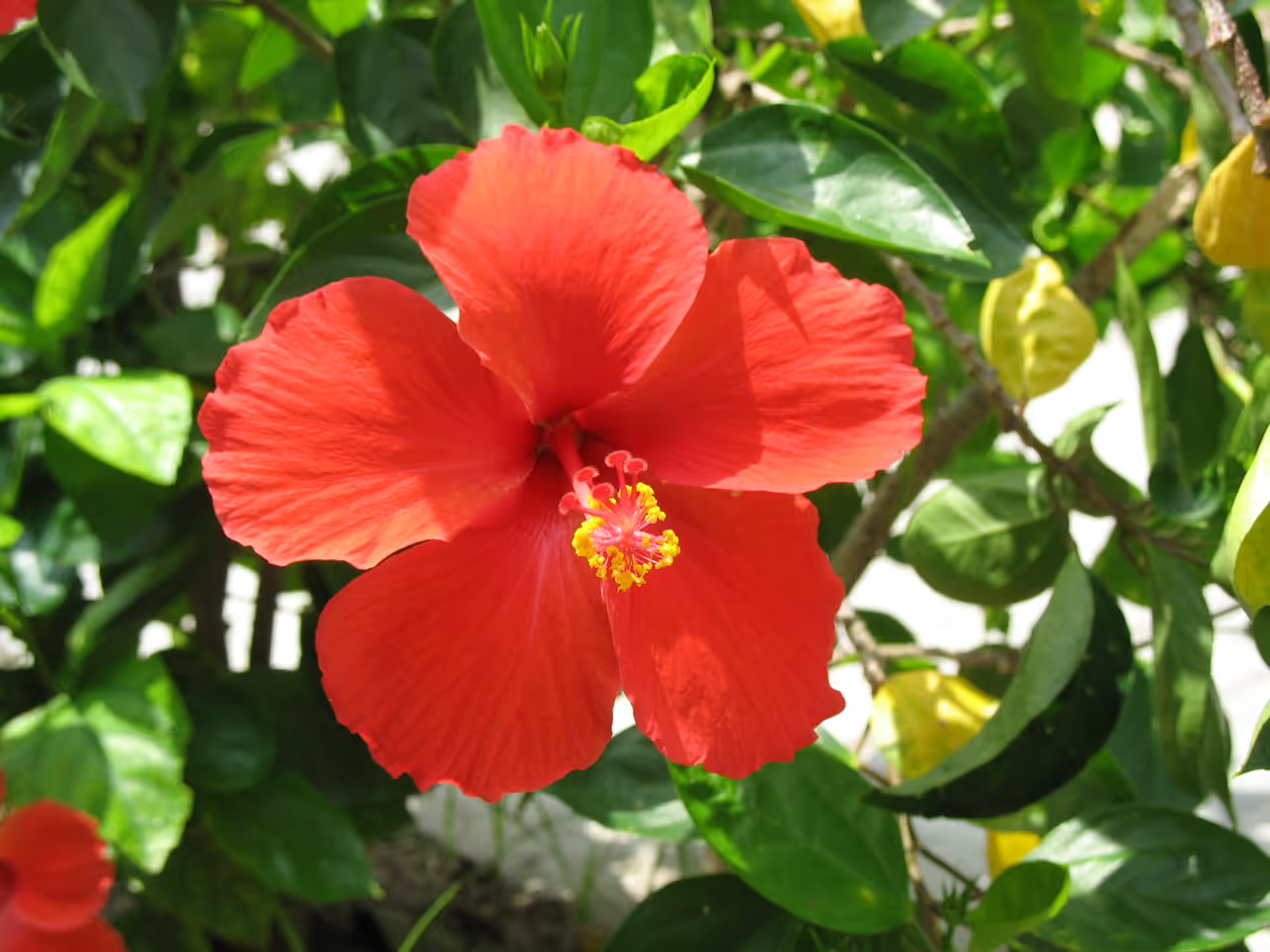
Autumn sees the continuation of the rainy season, but the cultural calendar heats up significantly. The city hosts its...
Winter
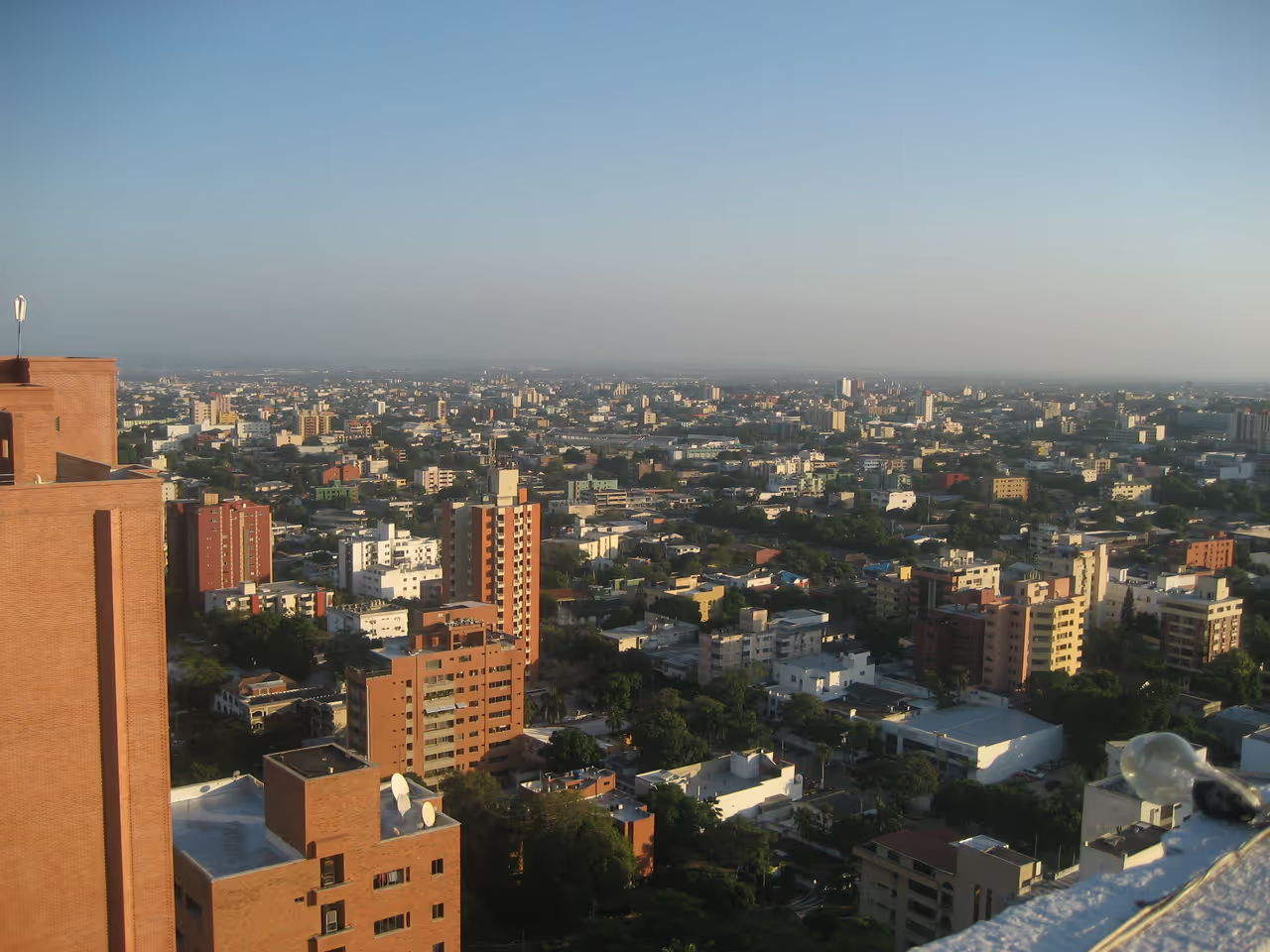
Winter is arguably the most exciting time to visit, as the heavy rains cease and strong, refreshing trade winds sweep through...
Top Attractions in Barranquilla
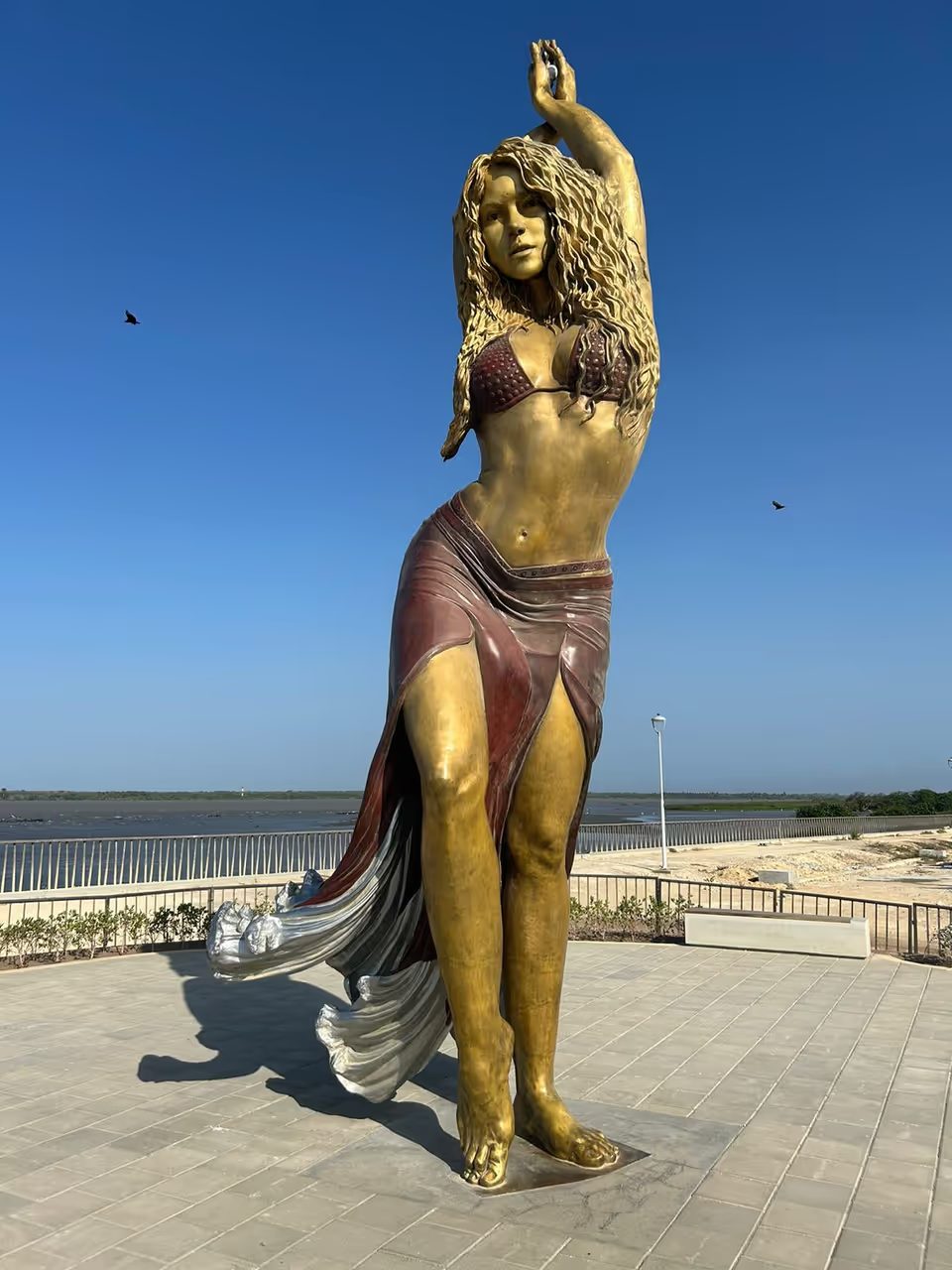
Gran Malecón
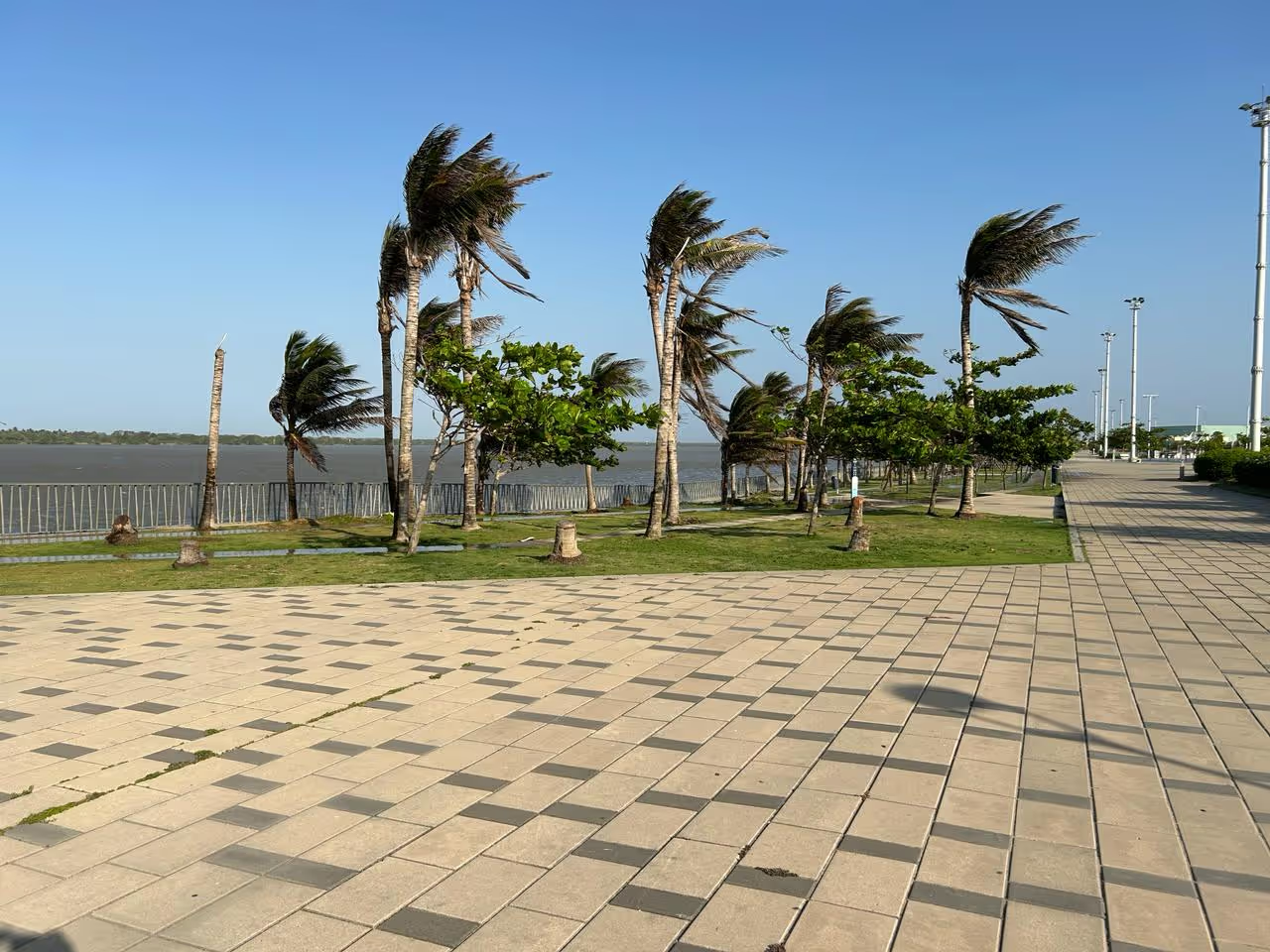
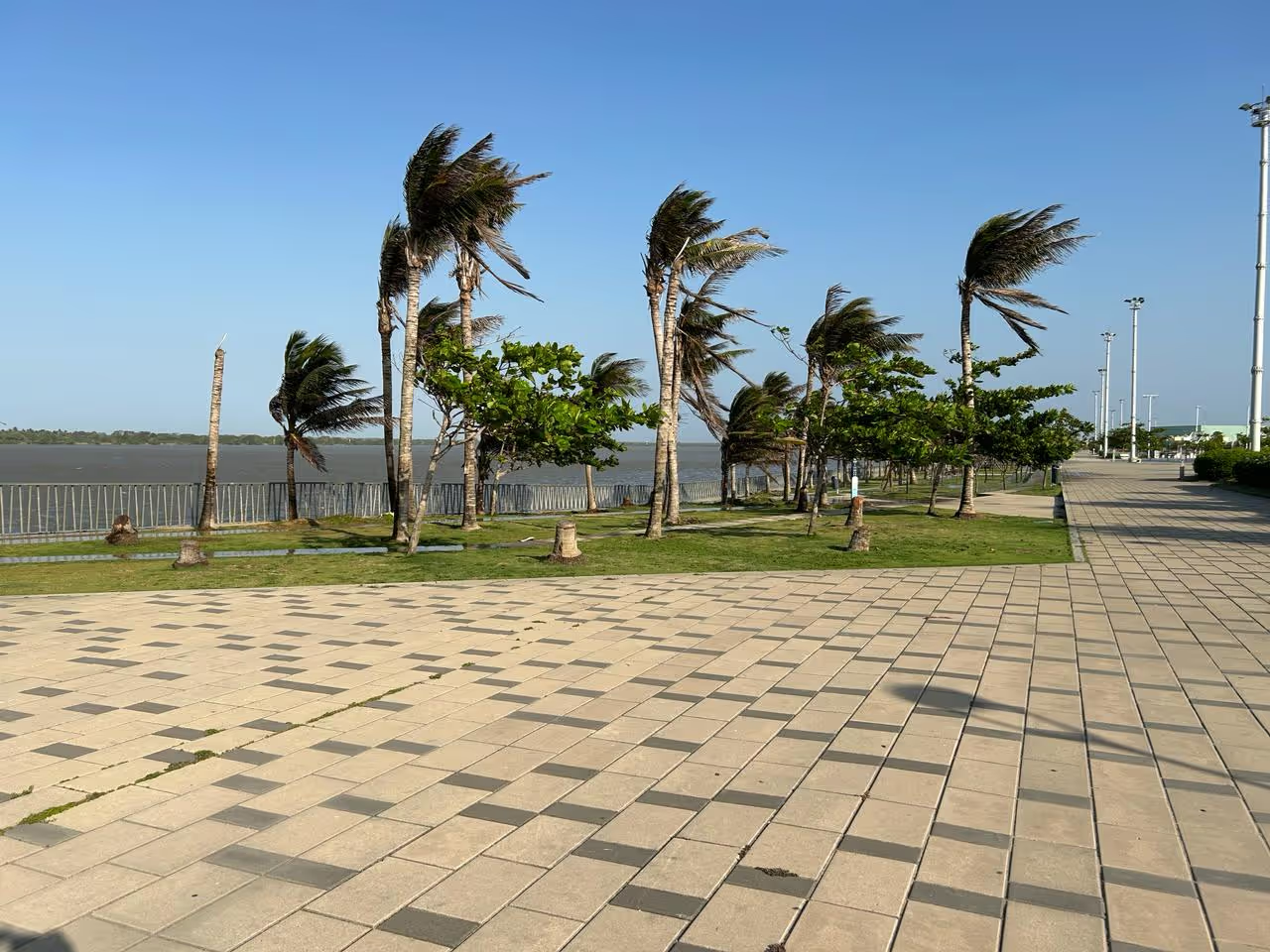
Stretching five kilometres along the western bank of the Magdalena River, the Gran Malecón has completely transformed the...
view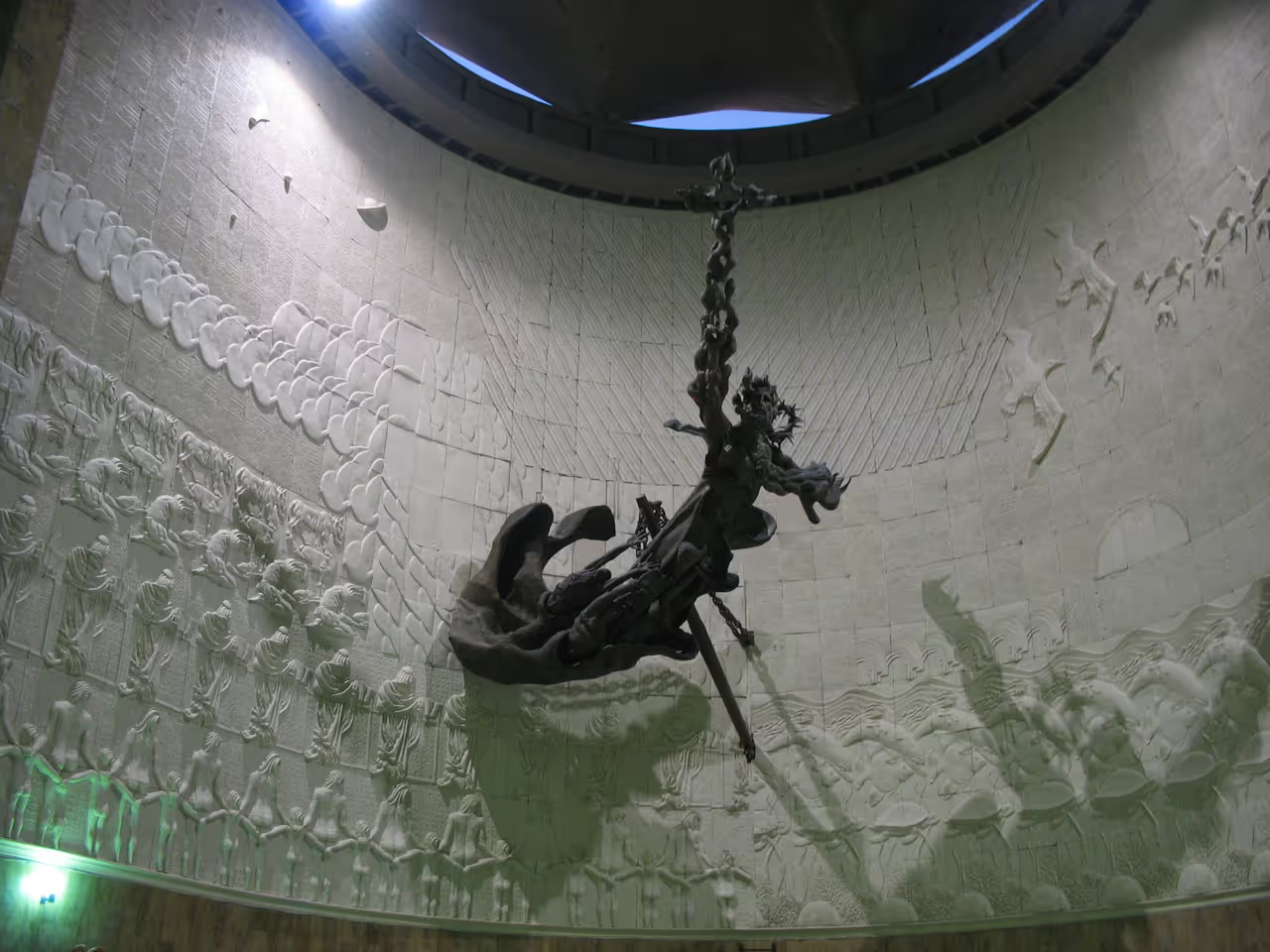
Metropolitan Cathedral of Mary Queen
Rising prominently beside the Plaza de la Paz, the Metropolitan Cathedral of Mary Queen and Help of Christians is a striking...
view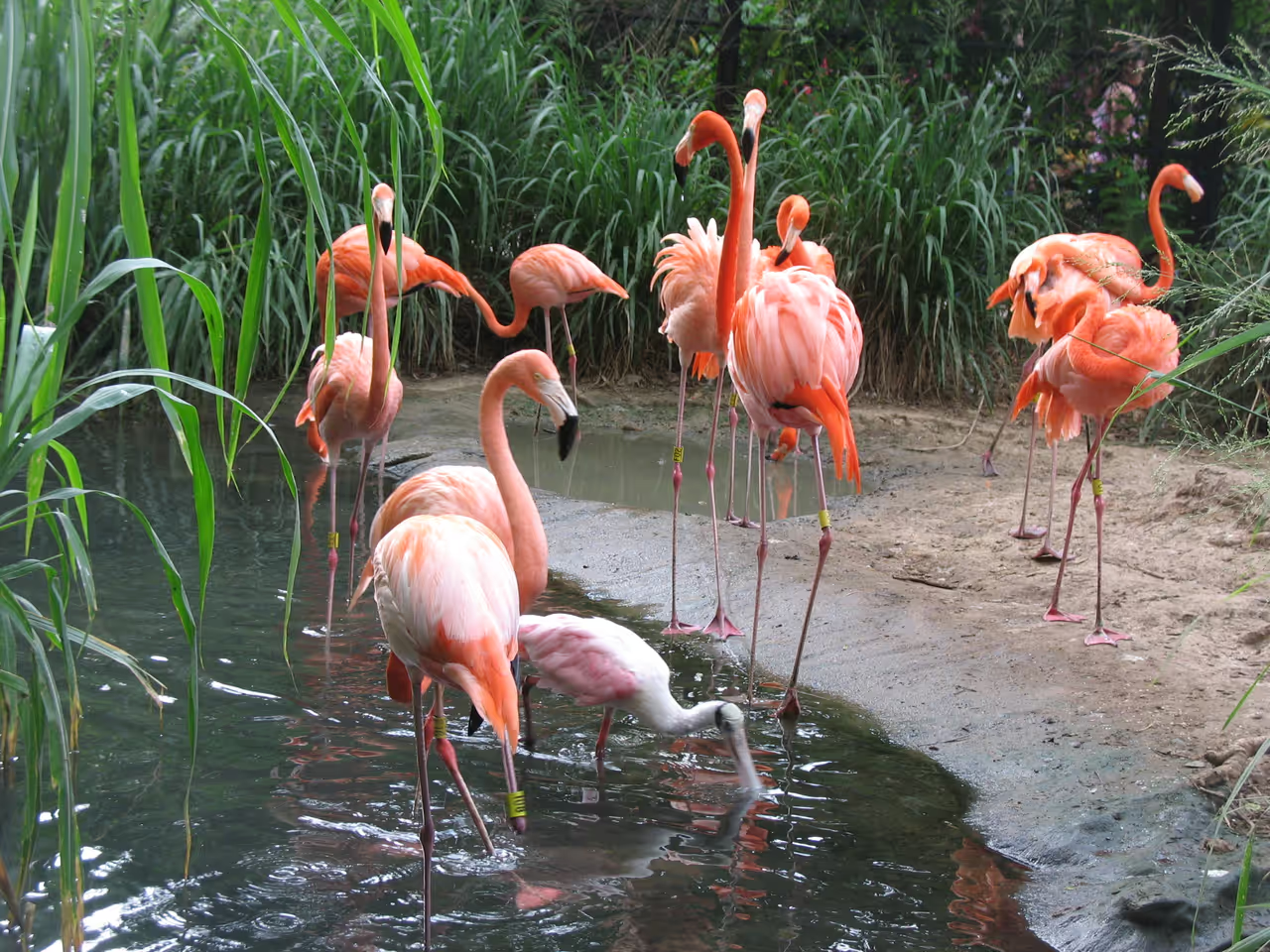
Barranquilla Zoo
The Barranquilla Zoo is a vibrant sanctuary where nature and education meet in the heart of the city. Home to over 700 animals...
view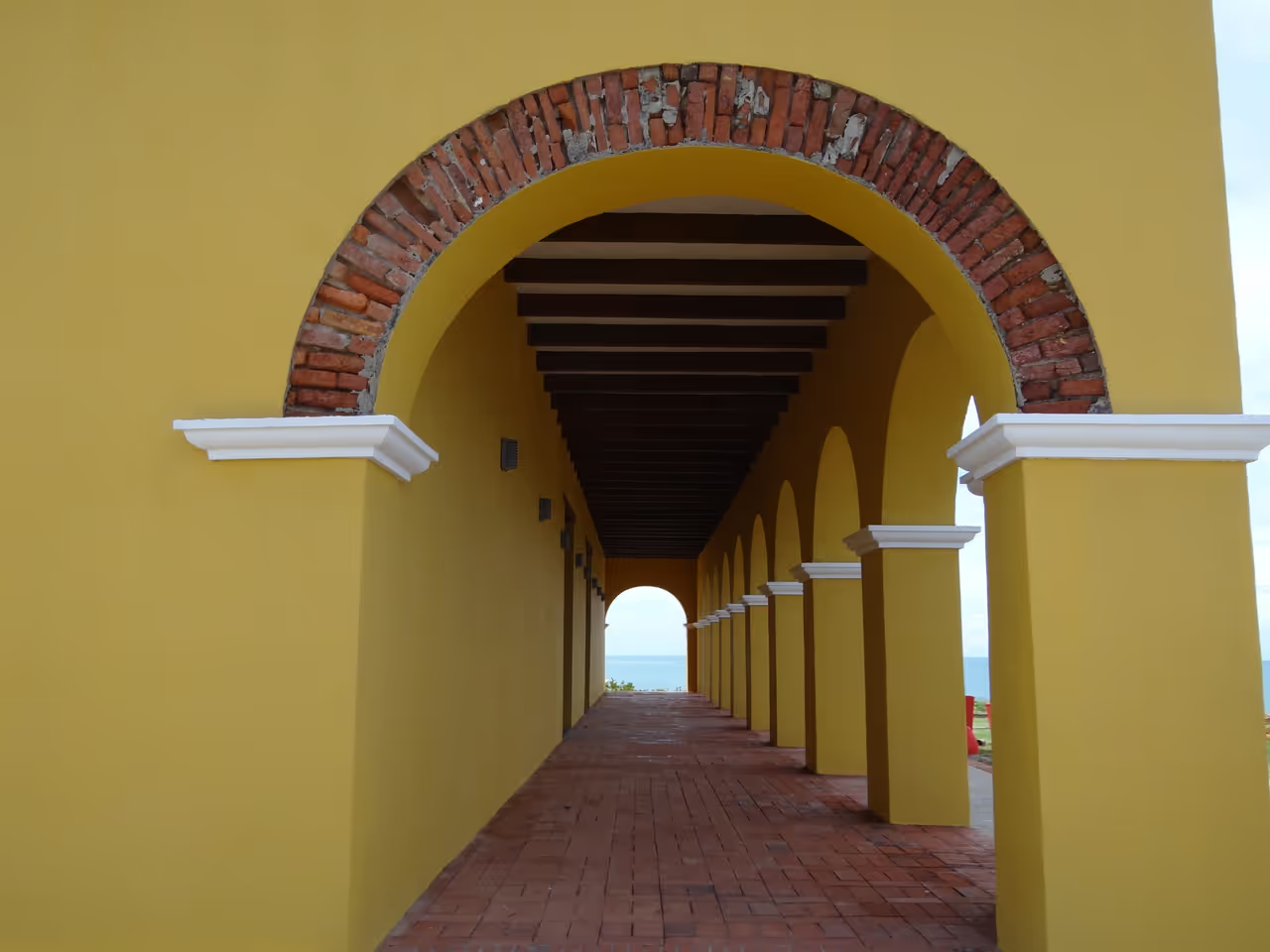
Castillo de San Antonio de Salgar
Perched on a dramatic cliff overlooking the Caribbean Sea, the Castillo de San Antonio de Salgar is a fascinating piece of...
view
Best Views
Barranquilla Itineraries
TRIP PLANNER
3 Days Recommended
Three days allows enough time to explore the historic centre, relax by the riverfront promenade, and sample the diverse local cuisine. It provides a balanced pace to see the key museums and architectural highlights without feeling rushed, while leaving evenings free to experience the lively nightlife.
1 Day in Barranquilla Itinerary
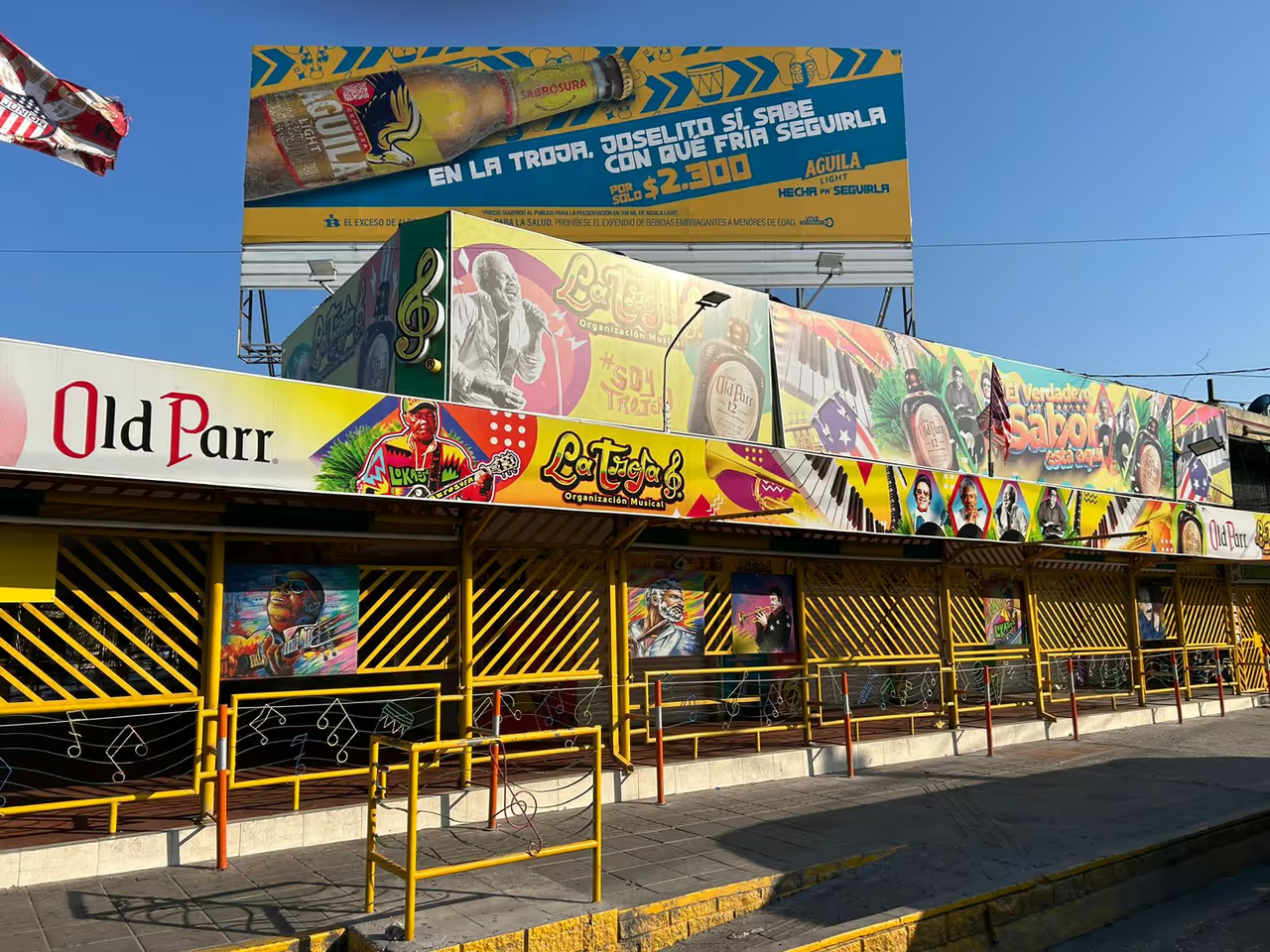
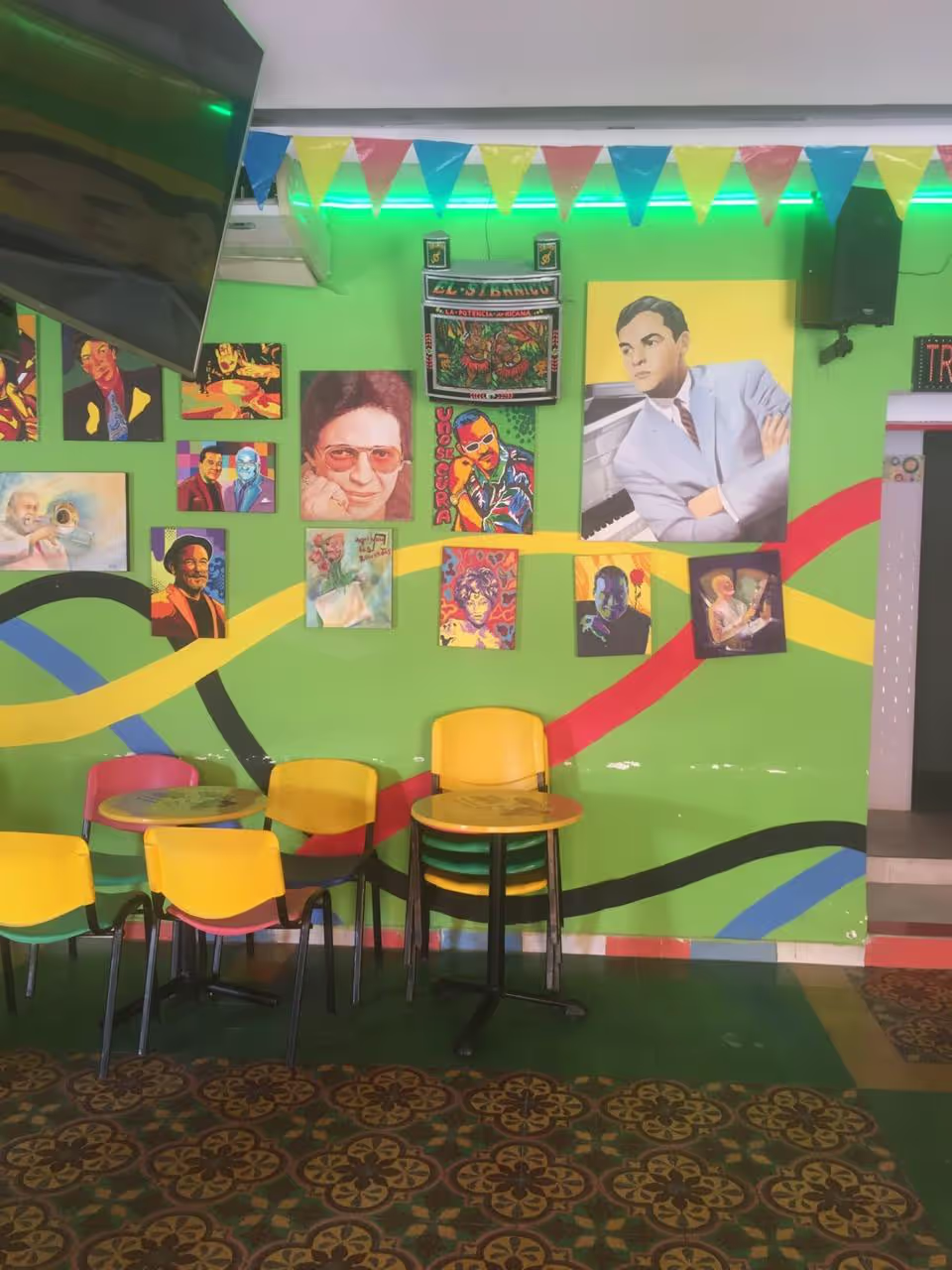
This highly condensed itinerary is perfect for visitors on a tight schedule who want to experience the absolute essence of the city. It focuses on the most iconic cultural museum, the stunning new riverfront development, and finishes with a taste of the legendary local nightlife. It ensures you understand the historical roots of the region before celebrating its vibrant modern spirit. It is a fast paced but incredibly rewarding introduction to the Golden Gate of Colombia.
view itinerary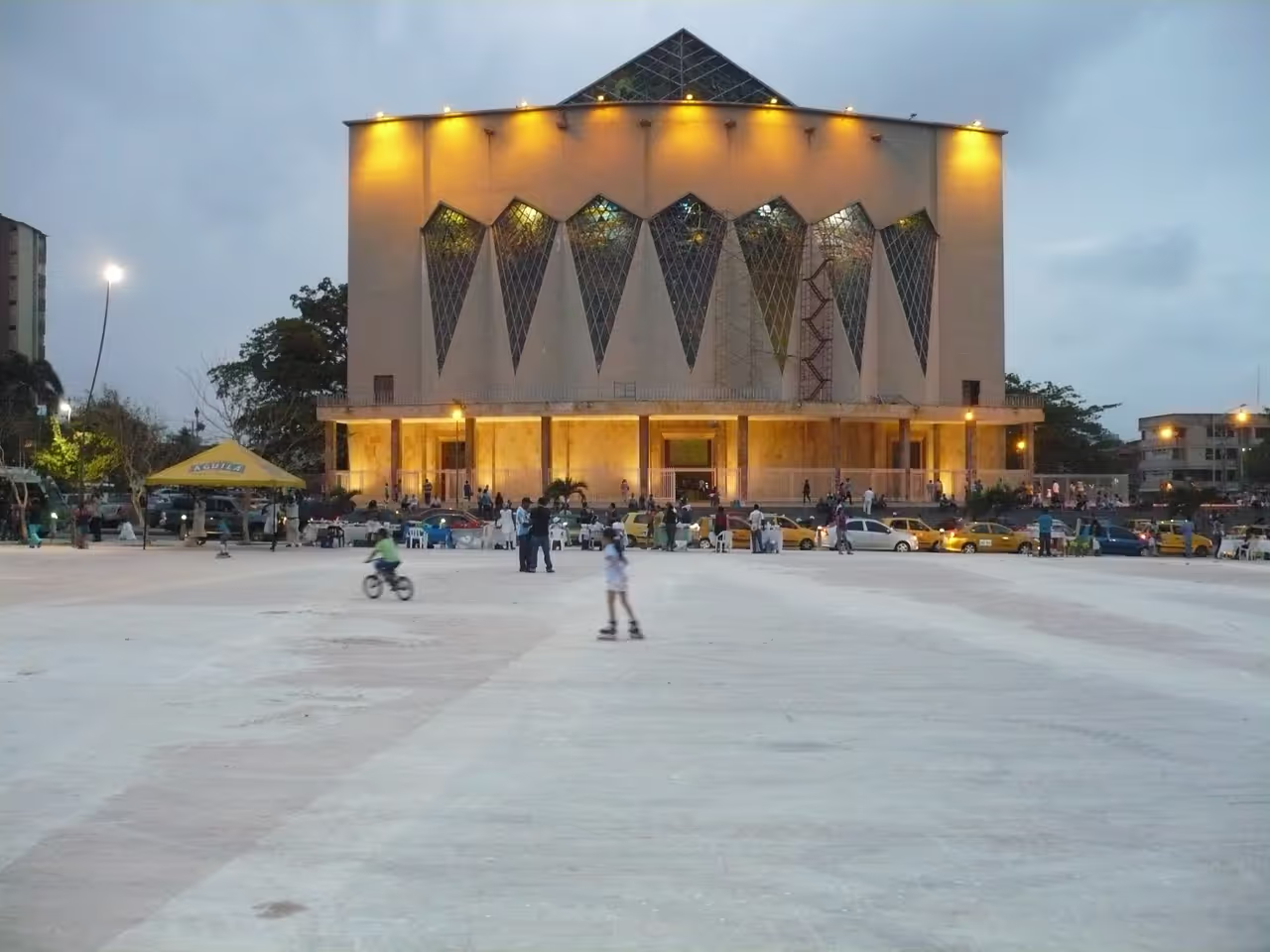
3 Days in Barranquilla: Culture and Architecture Itinerary
This balanced three day plan allows for a deeper dive into the architectural contrasts and cultural heart of the city. You will explore the chaotic but beautiful historic downtown, wander through the opulent mansions of the early elite, and witness the raw power of the Magdalena River. It provides enough time to enjoy long, leisurely coastal lunches and experience the different flavours of the city's nightlife. It is the ideal duration to truly understand the cosmopolitan charm of the port.
view itinerary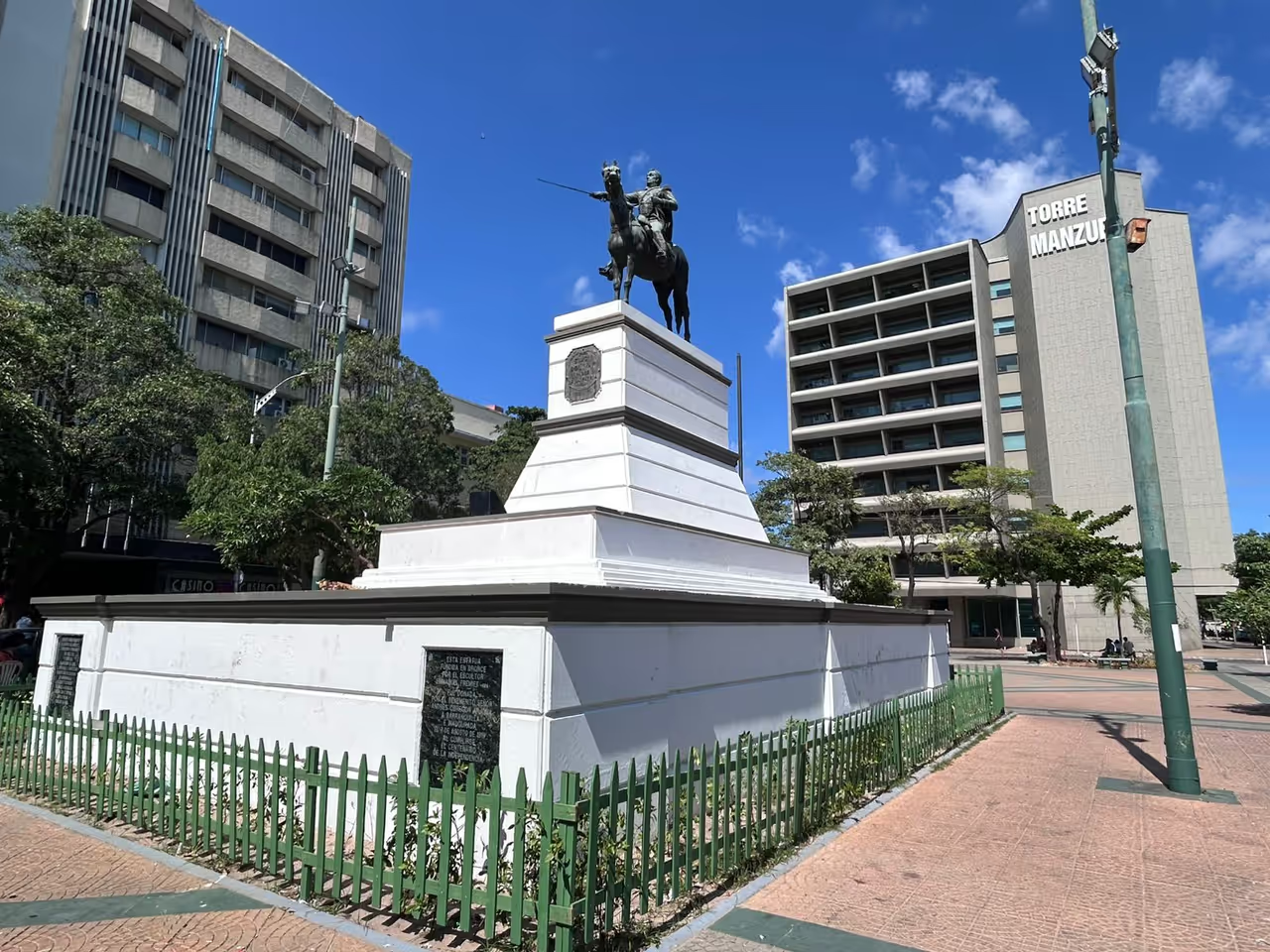
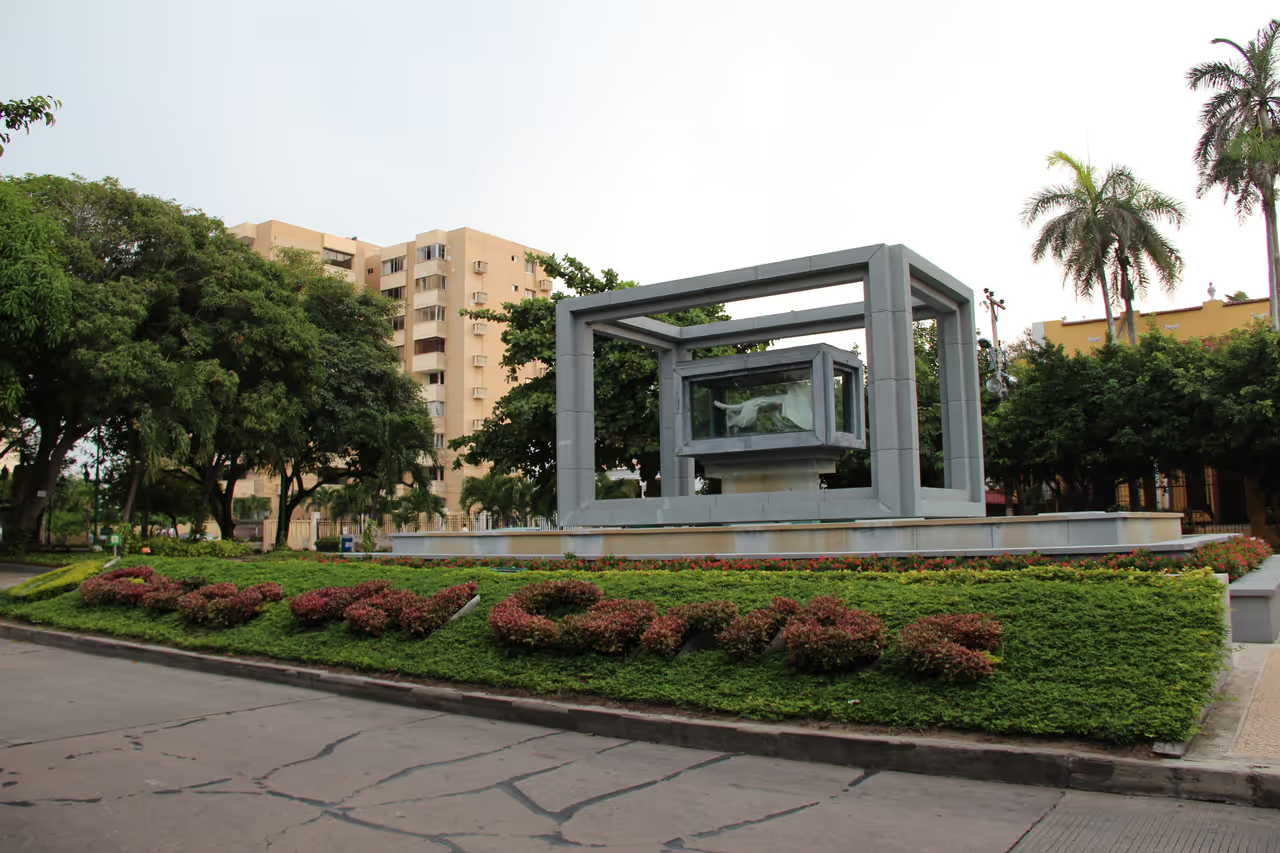
5 Days in Barranquilla: Coastal Immersion Itinerary
For those with the luxury of time, this comprehensive itinerary uncovers both the famous highlights and the deepest hidden gems. It expands beyond the city limits to explore historic coastal castles and tranquil artisan villages. You will trace the footsteps of literary giants, admire brilliant Art Deco structures, and fully engage with the relaxed Caribbean lifestyle. It is a slow, deeply enriching journey through the history, art, and nature of the region.
view itinerary
Food in Barranquilla
Free Things to do in Barranquilla
Parks & Nature
Founders of Aviation Park
Tucked away in the historic El Prado neighbourhood, this park serves as a serene tribute to the daring pioneers who launched...
view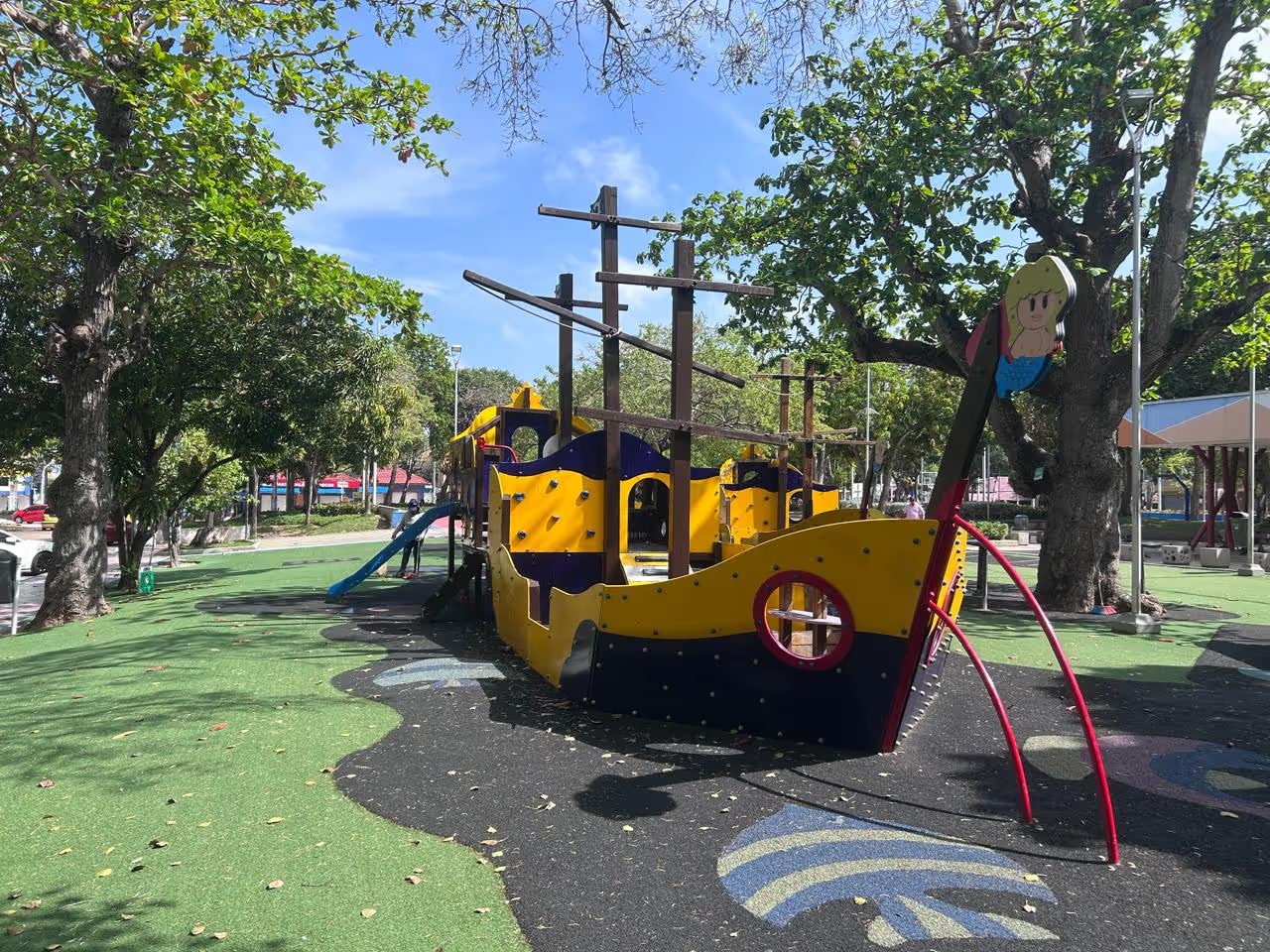
Tomás Surí Salcedo Park
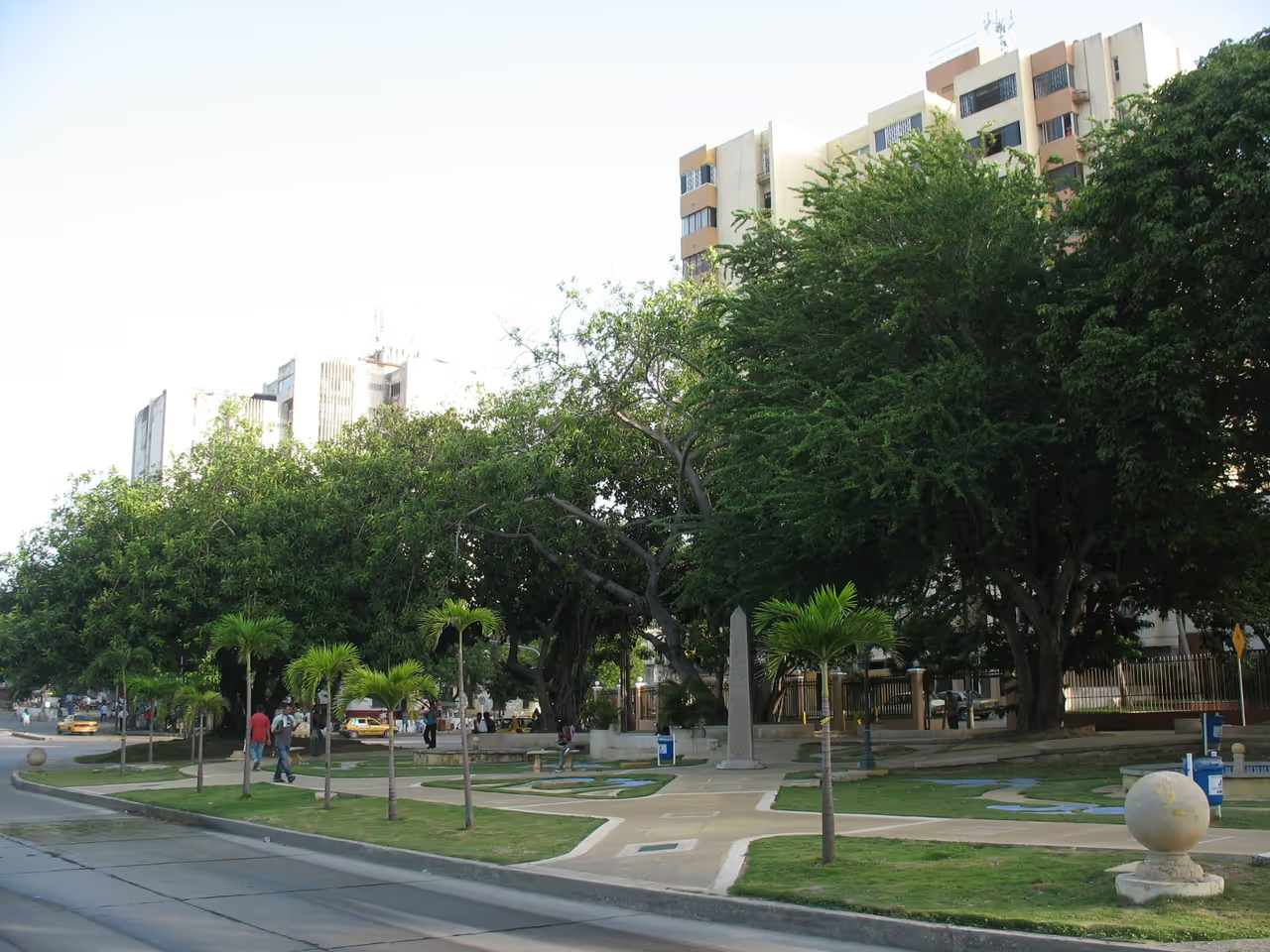
Nestled in the heart of Barranquilla, this vibrant public space serves as a beloved green lung for the city. It seamlessly...
view
Highlights & Must-Sees
Old Customs House Cultural Complex
This breathtaking complex of meticulously restored Republican buildings represents the golden age of the city's maritime wealth...
view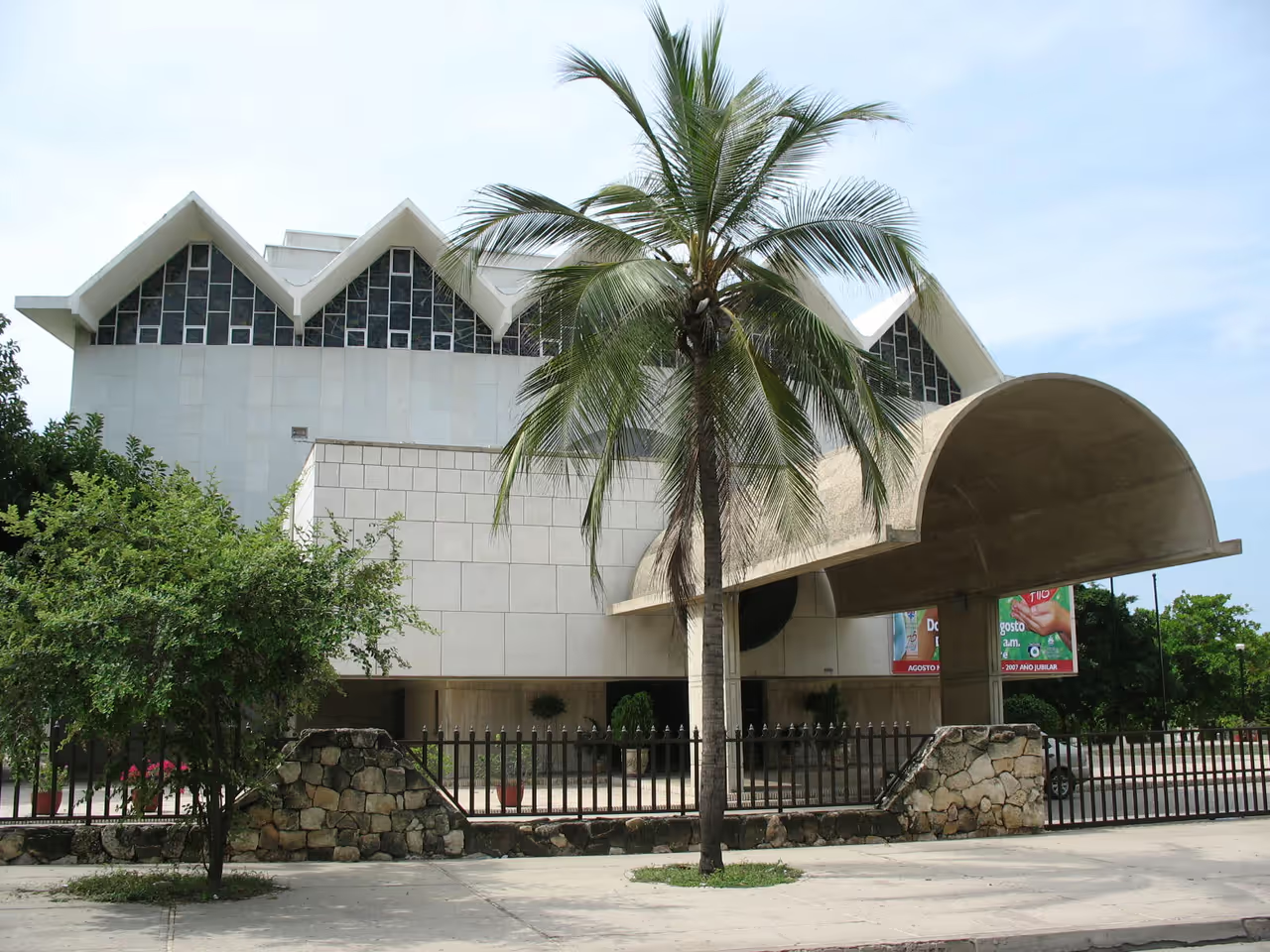
Amira de la Rosa Theatre
Strategically located at the confluence of several traditional neighbourhoods, this theatre is the undisputed cultural epicentre...
viewBolivar Promenade
This is the most important avenue in the city and the exact location from which the urban centre expanded. Historically known as...
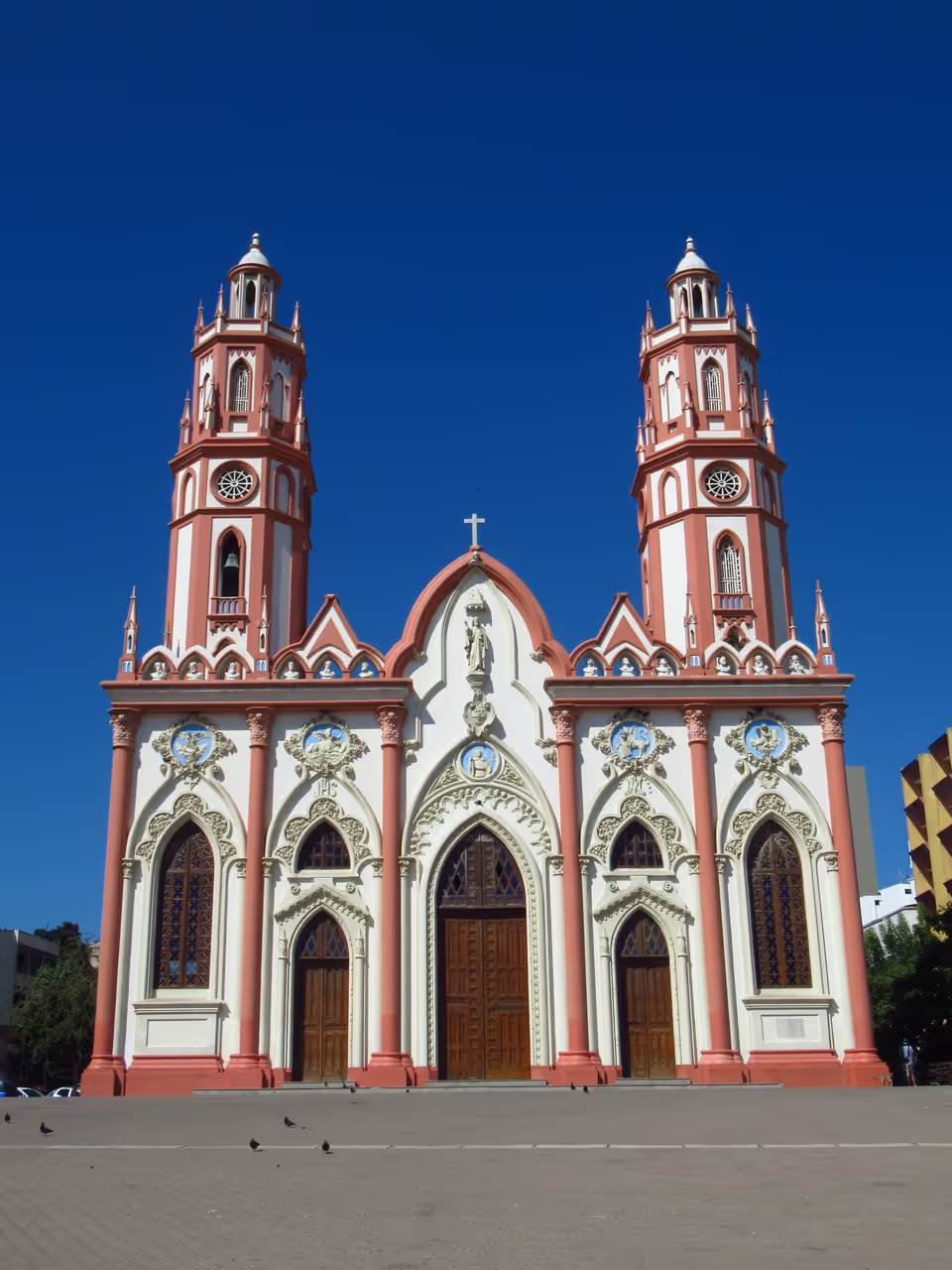
viewChurch of Saint Nicholas of Tolentino
A striking Neo Gothic church that once served as the absolute centre of cultural, commercial, and religious life in the early...
view
Best Walks in Barranquilla
 HIGHLY RECOMMENDED
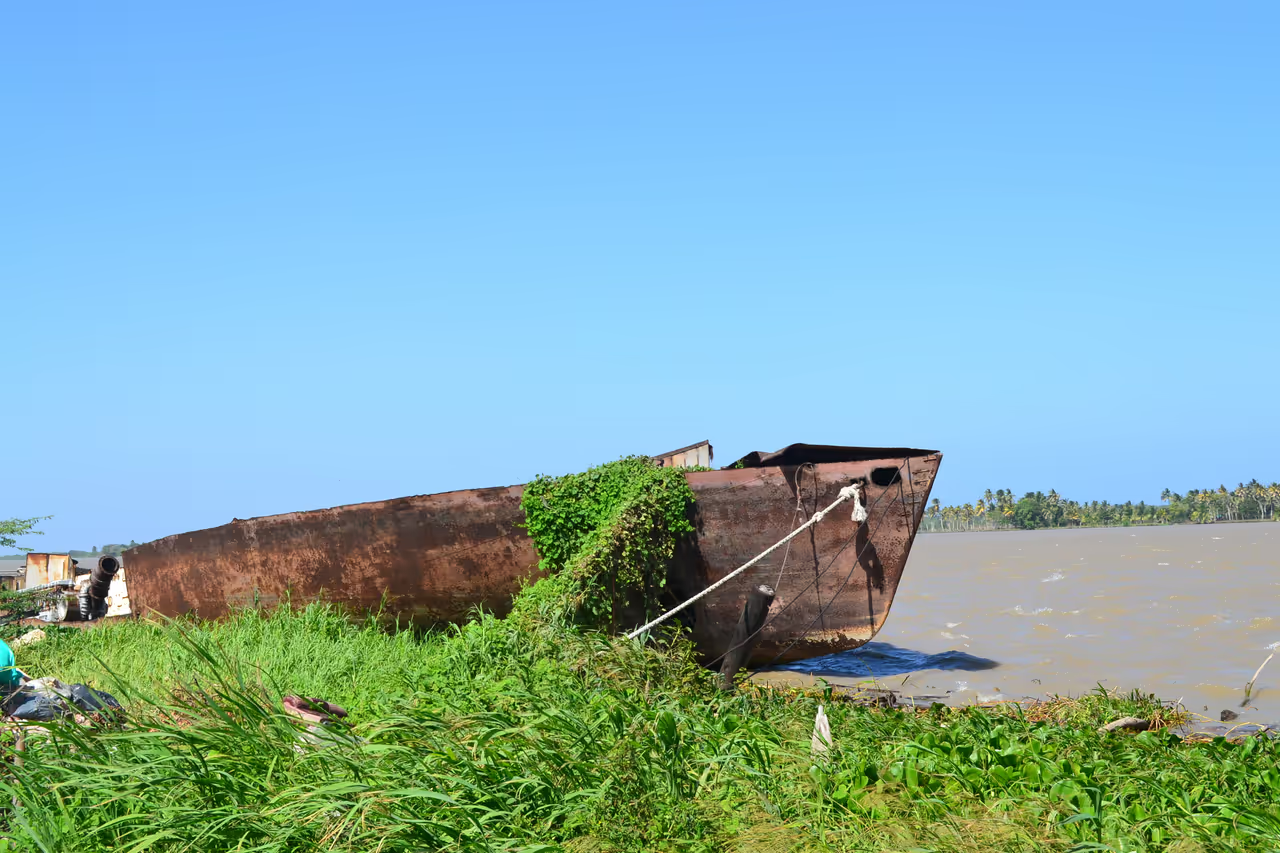
Magdalena River Promenade
This relaxed walking route follows the meticulously landscaped riverfront park, offering miles of uninterrupted pedestrian paths. It is incredibly popular with families, couples, and fitness enthusiasts, creating a highly communal and safe atmosphere. The massive scale of the river provides a mesmerising backdrop, with ships constantly moving through the channel. The path is dotted with artistic monuments, food stalls, and playgrounds, ensuring there is always something interesting to see.
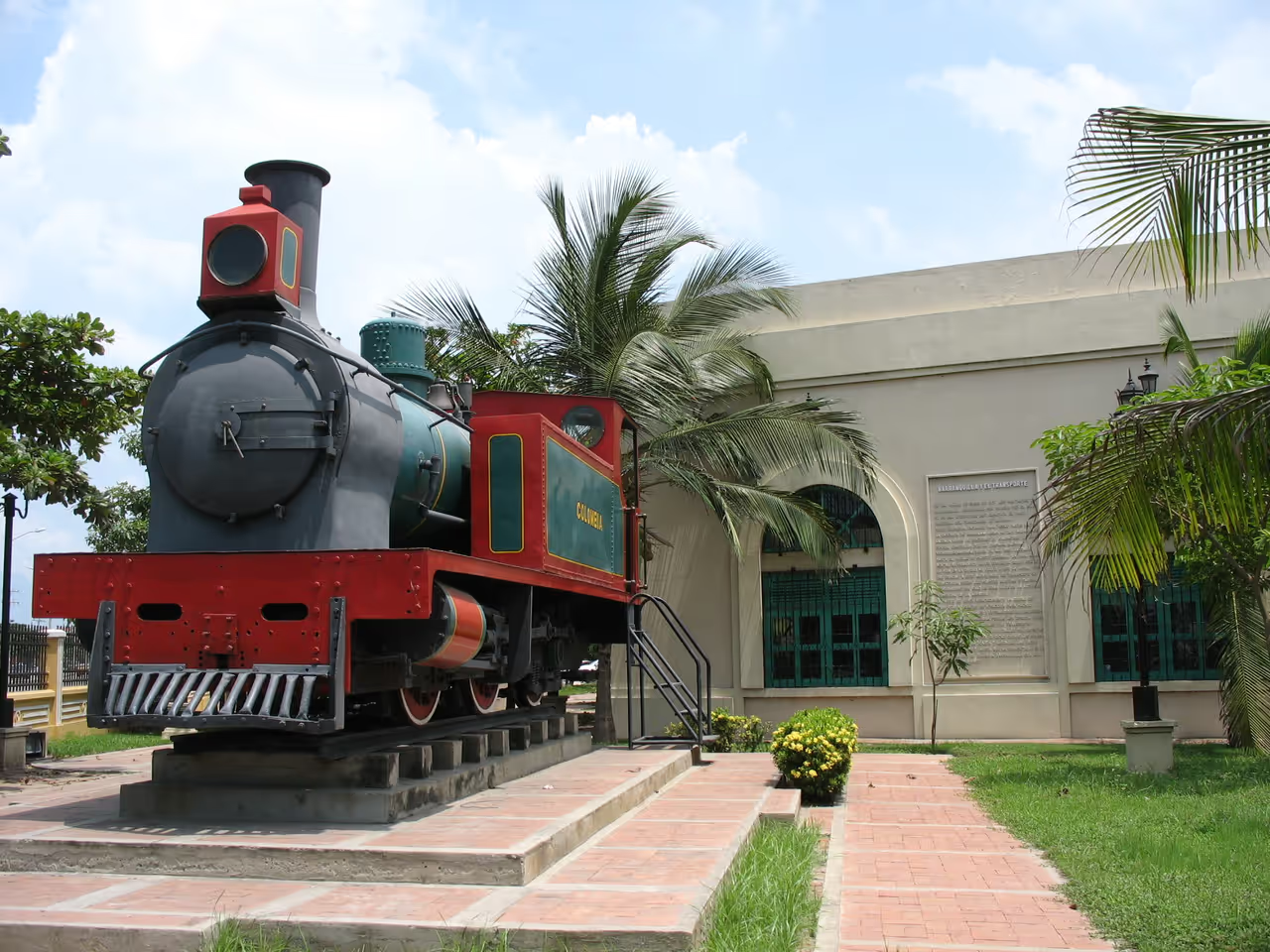
Downtown Heritage Walk
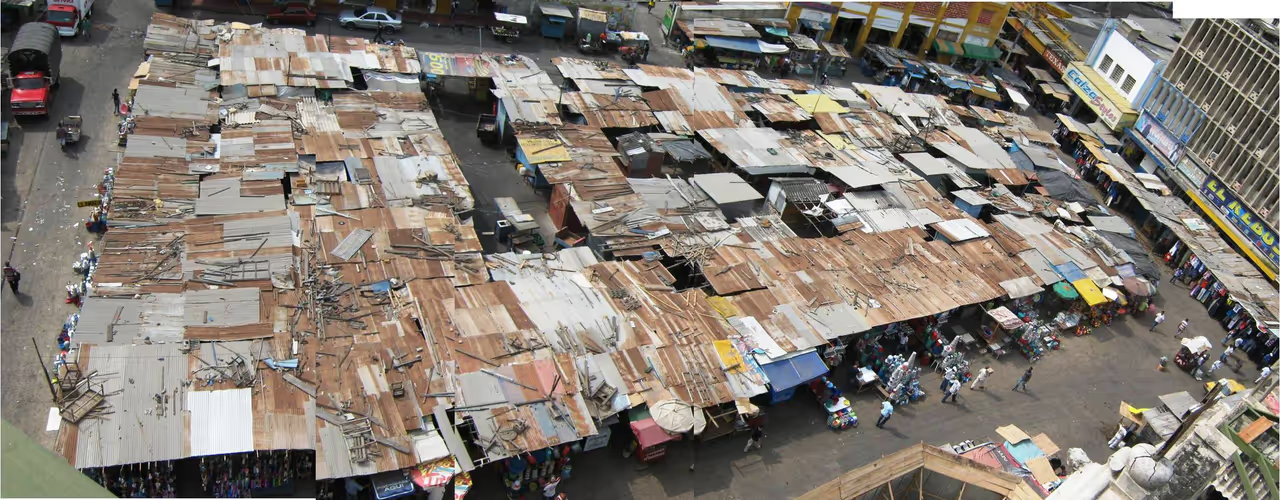
This stroll dives into the chaotic, vibrant, and historically rich heart of the city. It navigates through heavily commercial streets that are packed with vendors, sounds, and intense aromas, offering an unfiltered look at daily life. Amidst the chaos lie stunning examples of Republican architecture and grand plazas that speak to the city's wealthy past. It is an adventurous and deeply rewarding walk for those who love authentic urban exploration.
Parks and Shade Stroll
This peaceful walk connects several of the city's best maintained green spaces in the northern residential districts. The abundance of massive, old growth trees provides a near continuous canopy of shade, making it comfortable even at midday. The environment is highly tranquil, filled with the sounds of local birds and families enjoying the playgrounds. It offers a relaxing, leafy retreat from the concrete and traffic of the main avenues.
Architecture & Landmarks
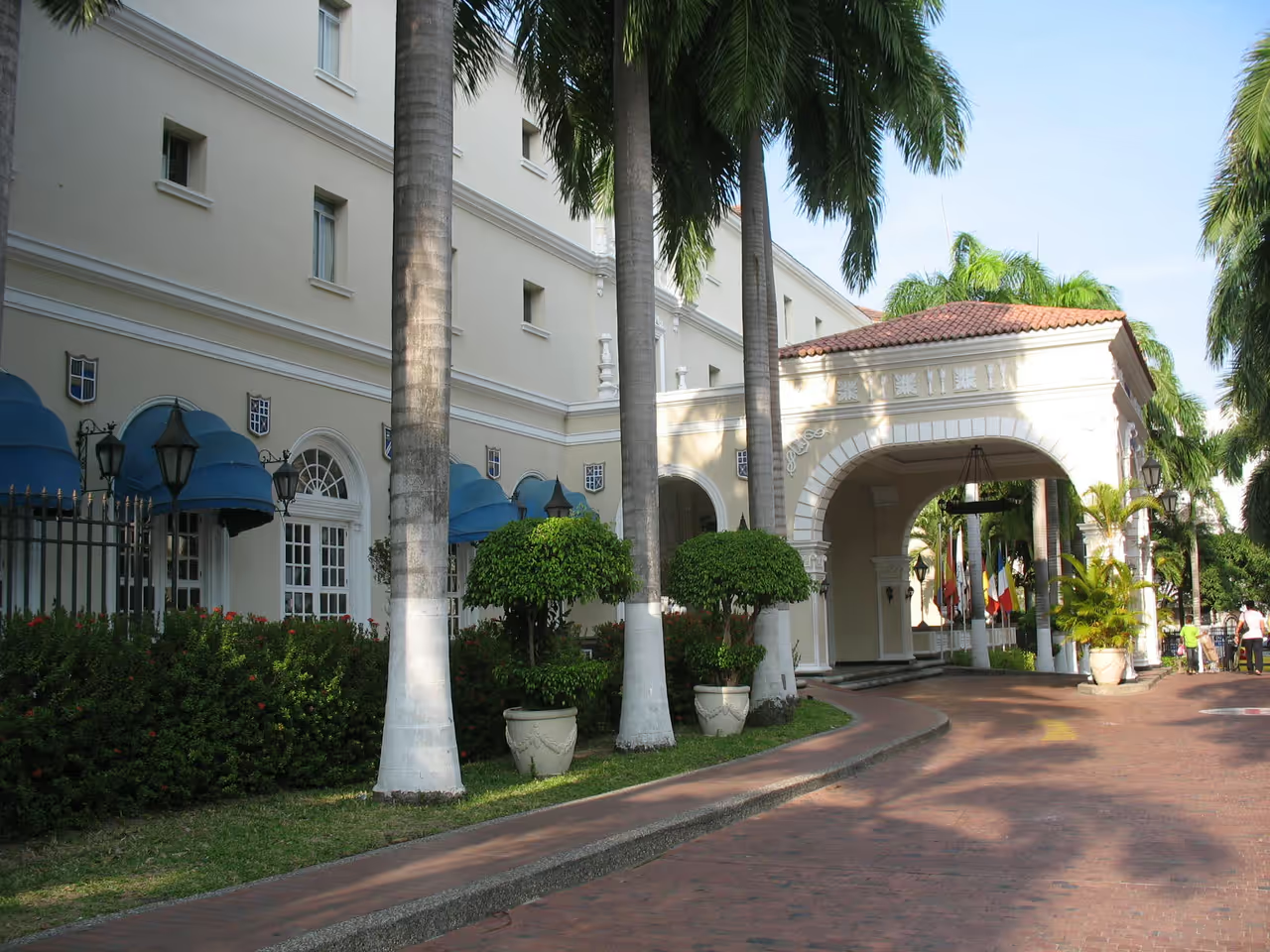
El Prado Hotel
Built during the height of the city's economic boom, this expansive hotel is a masterful example of Spanish late Baroque and Neo...
view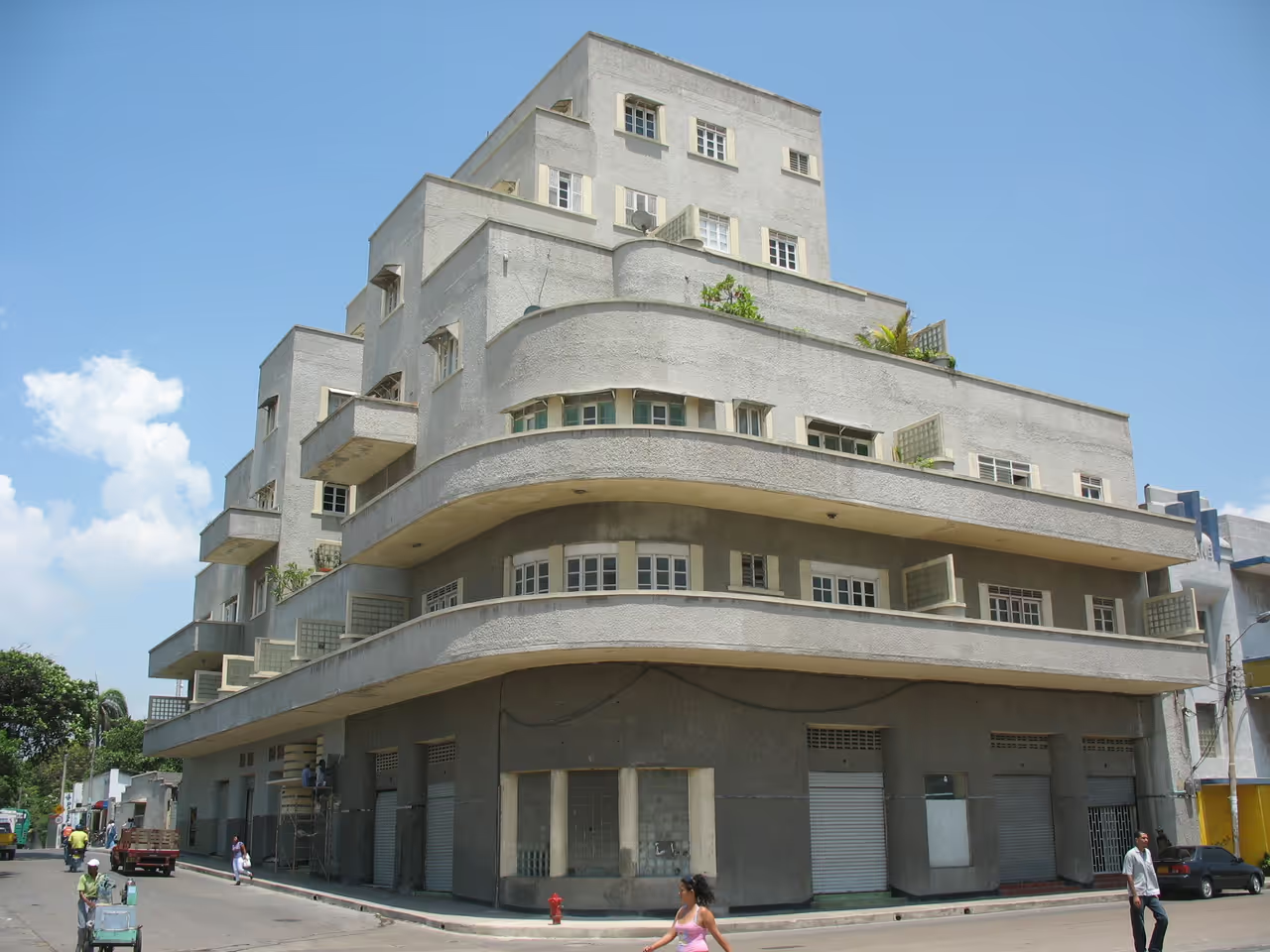
Garcia Building
Constructed in 1938, this residential building is widely celebrated as one of the finest examples of Art Deco architecture in...
viewNational Building
Designed by the influential German architect Leopoldo Rother in 1945, this imposing structure was a radical departure from the...
view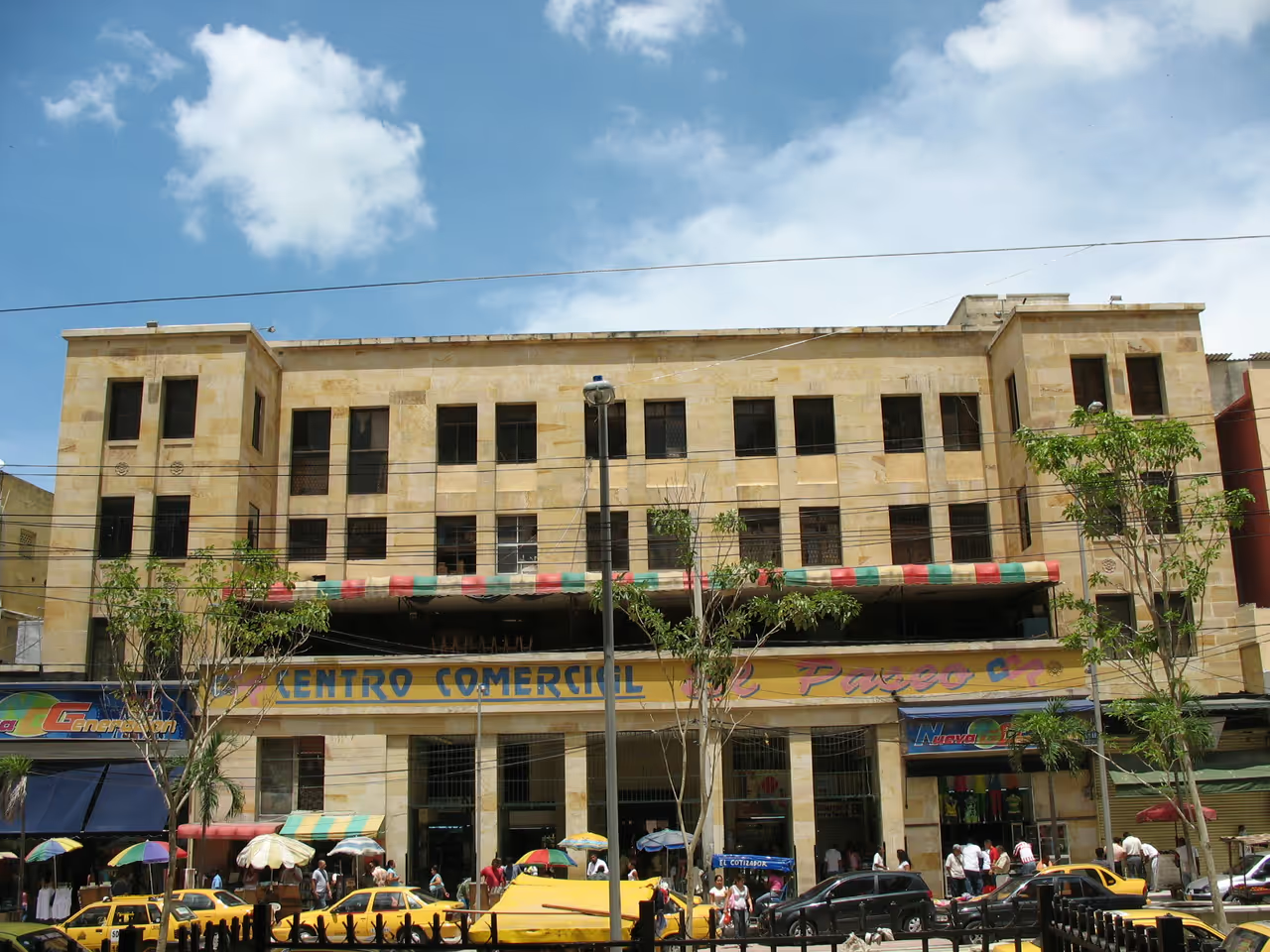
Old Commercial Bank
A magnificent Neo Classical edifice located in the historic centre that visually asserts the immense financial power of the...
view
Markets & Shopping
Barranquilla Nightlife
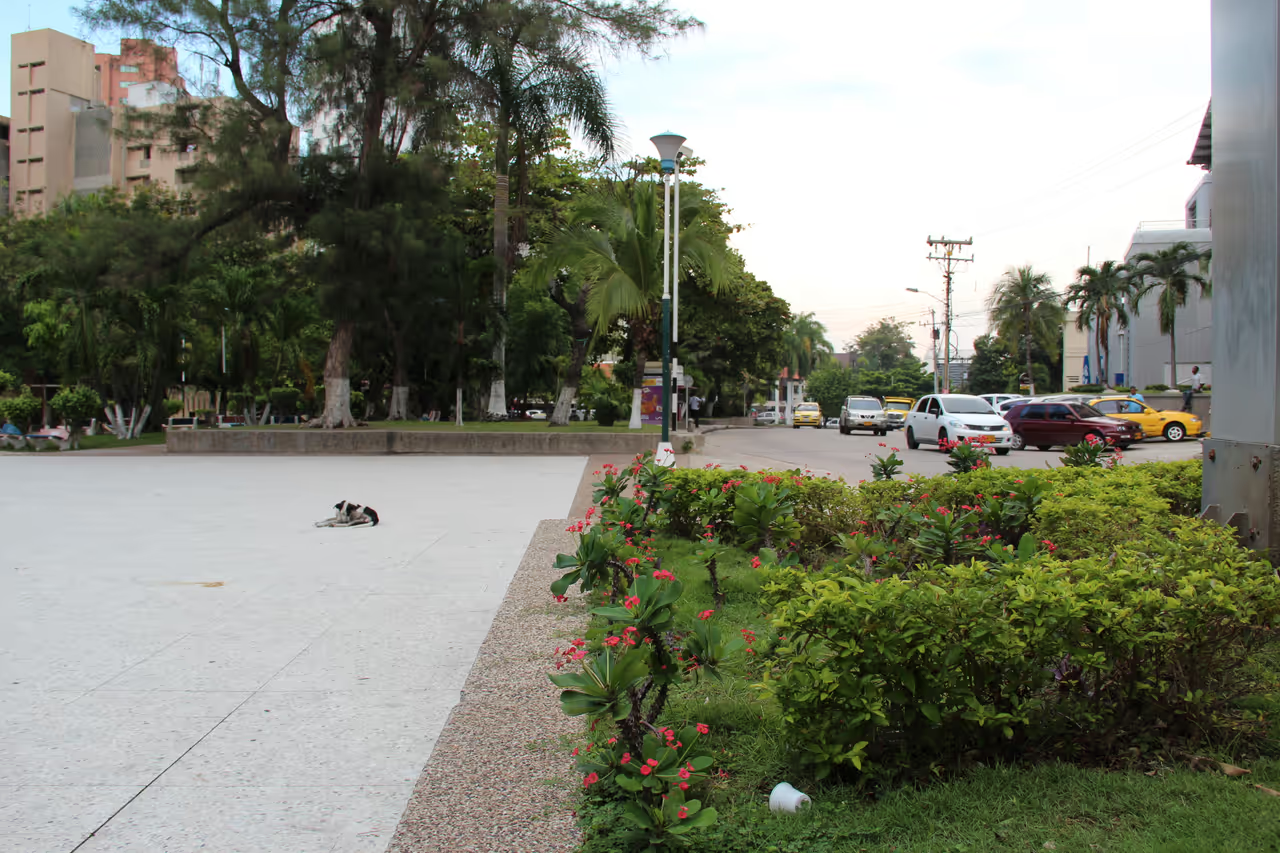
Photo Spots
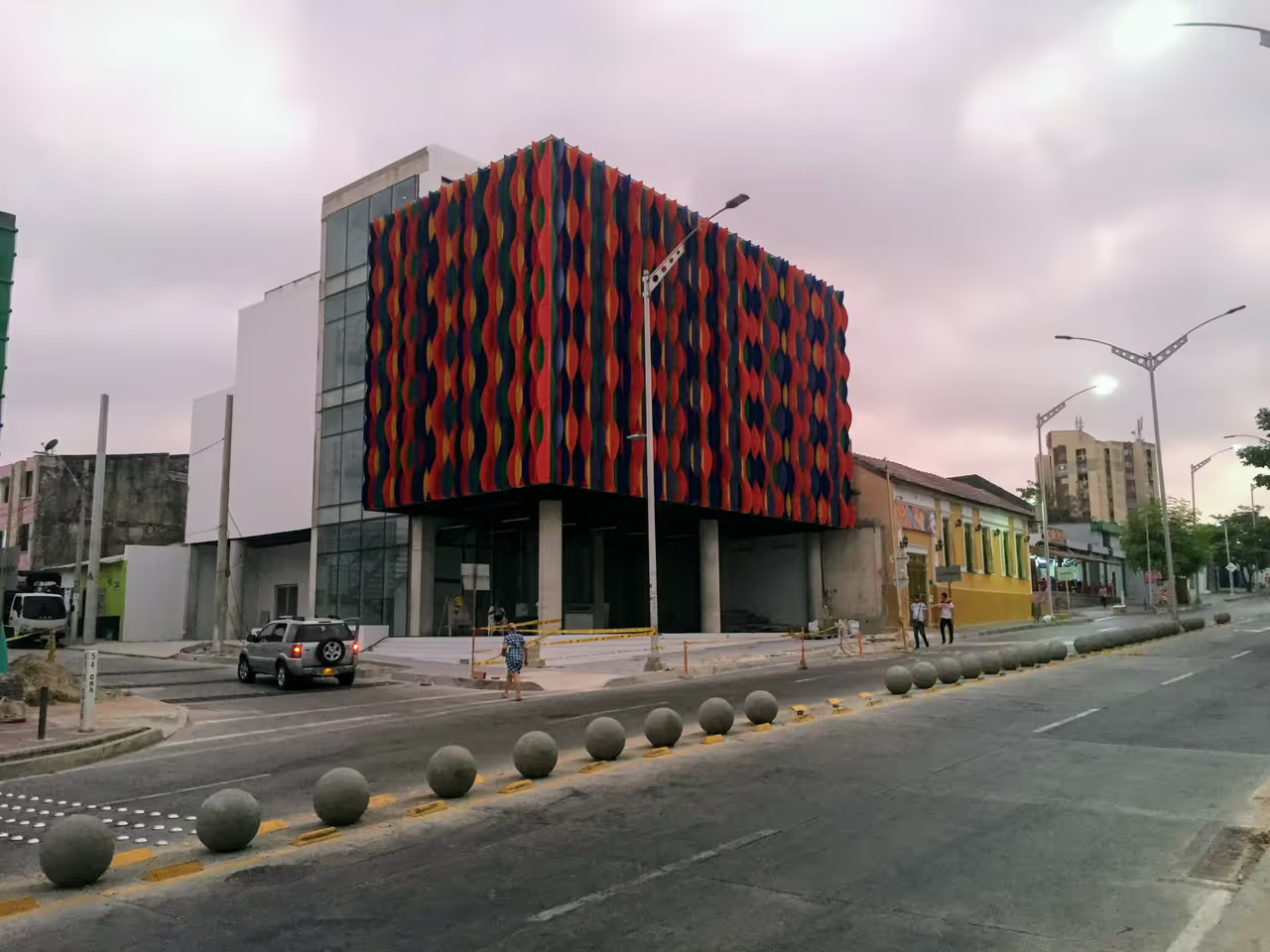
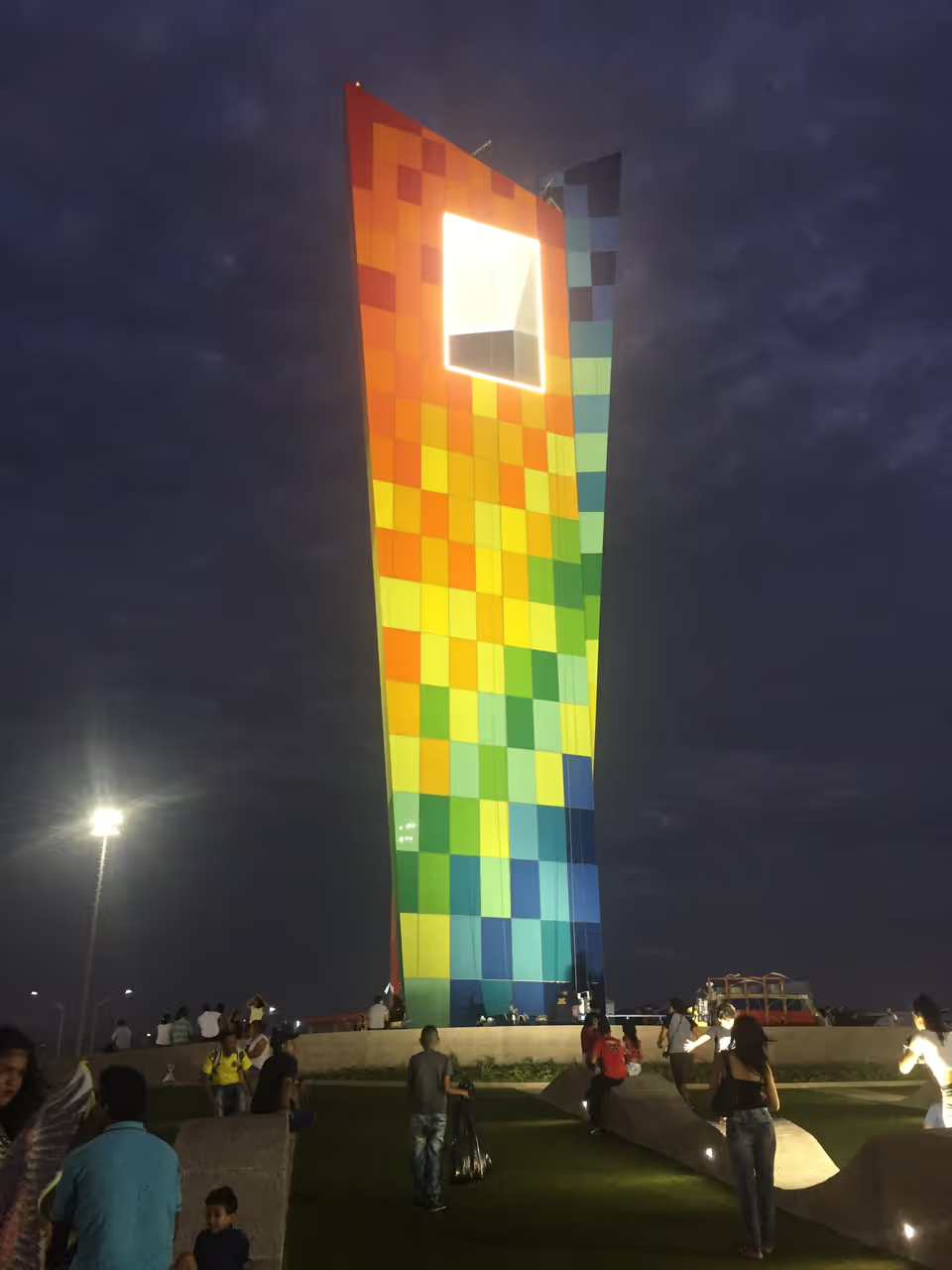
Activities & Experiences
Cycling Routes
 HIGHLY RECOMMENDED
Gran Malecon River Ride
This incredibly scenic and fully paved route follows the edge of the mighty Magdalena River, offering the best dedicated cycling infrastructure in the city. It is entirely car free, making it exceptionally safe and relaxing for cyclists of all levels. The ride showcases the impressive modern development of the city against the backdrop of its historical waterway. It is particularly beautiful just before sunset when the temperatures drop and the sky turns brilliant shades of orange.
El Prado Historic Loop
This route navigates the wide, tree lined boulevards of the city's most prestigious and historic neighbourhood. The shade provided by the massive old trees makes cycling here incredibly pleasant, even during the hotter parts of the day. The area is a living museum of early twentieth century architecture, featuring stunning mansions, manicured gardens, and grand plazas. It offers a quiet, aristocratic contrast to the intense commercial energy of the downtown districts.
Puerto Colombia Coastal Route
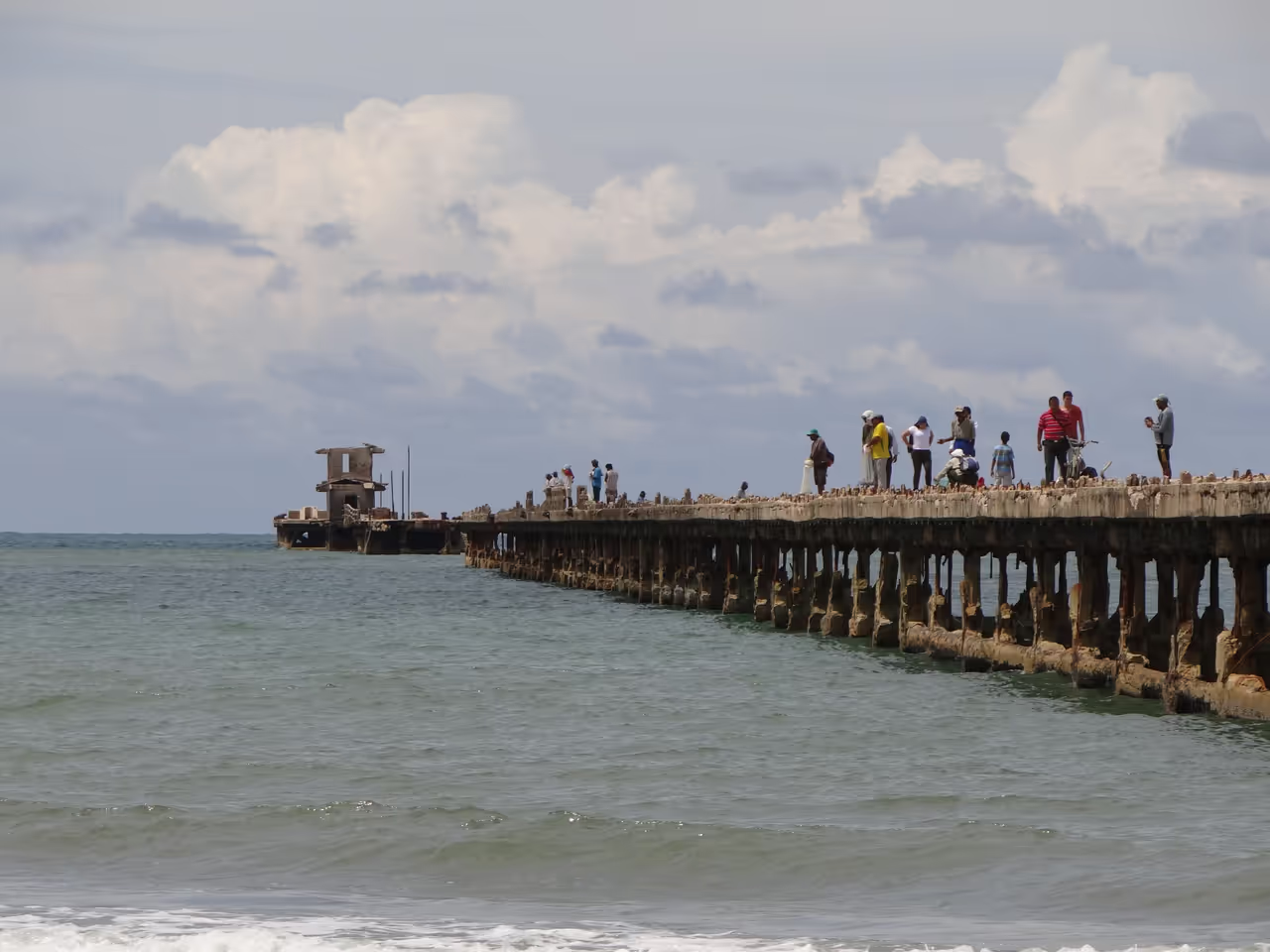
This route ventures just outside the main city limits, following the coastline towards a neighbouring historic port town. It offers expansive views of the Caribbean Sea and passes by several dramatic cliffside structures and beaches. While there is a notable hill to climb, the overall journey is highly rewarding due to the fresh oceanic breeze and scenic landscapes. It perfectly connects the urban environment of the city to its maritime heritage.
Self-Guided Tours
Art Deco and Republican Masterpieces
This architectural journey highlights the incredible building boom that occurred during the city's golden age of commerce. It contrasts the ornate, classical lines of Republican era mansions with the sleek, geometric innovations of the Art Deco movement. The route reveals how wealthy immigrants and progressive urban planners imported cutting edge European and American styles to the Colombian coast. It is a visual feast for anyone interested in the history of design and urban development.
Footsteps of Gabriel Garcia Marquez
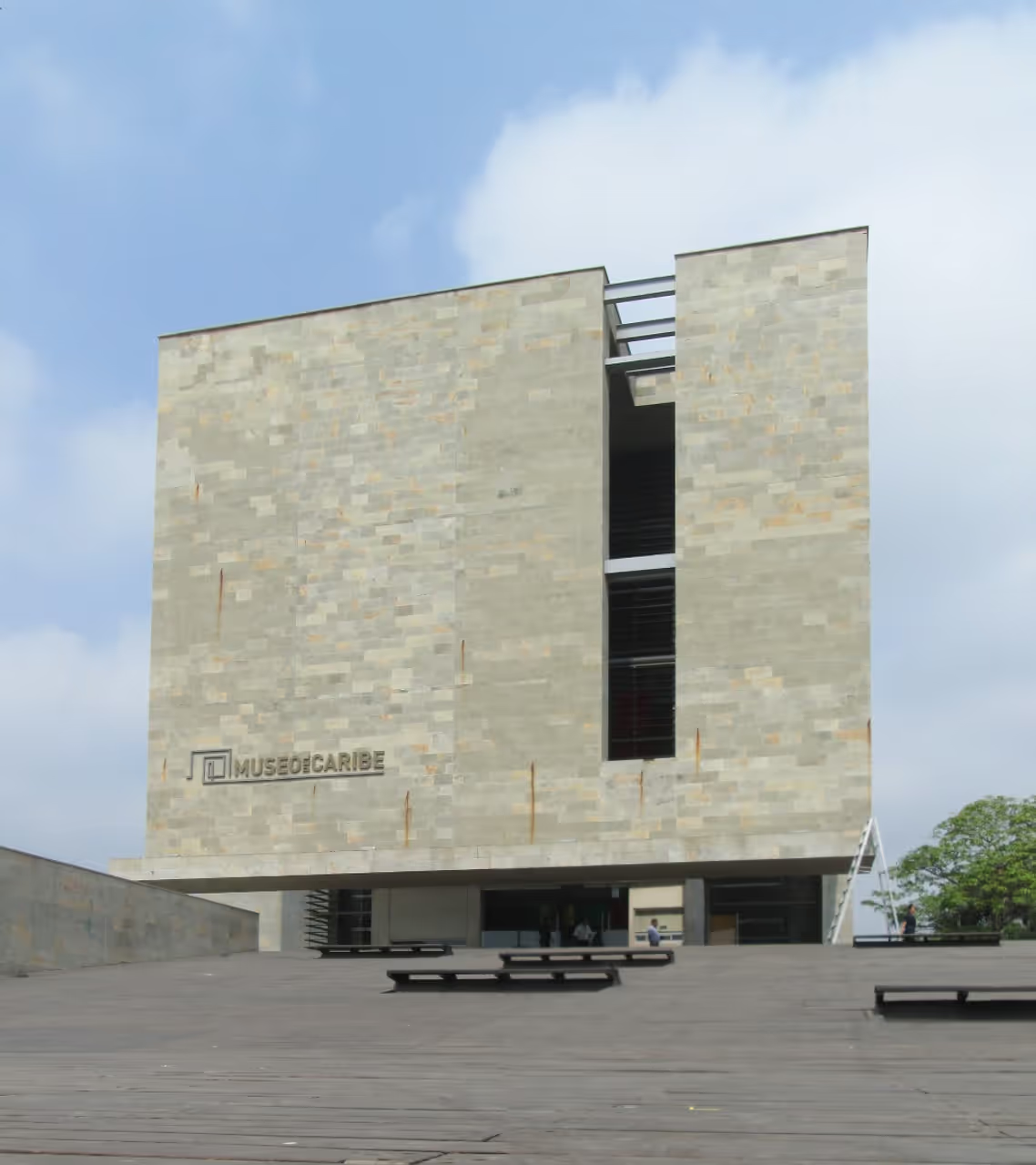
This literary tour explores the places that shaped the early career of Colombia's most famous Nobel laureate. While he was born elsewhere, it was in this city that he worked as a journalist, drank with the legendary Barranquilla Group, and refined his magical realist style. The route visits the intellectual hangouts, cultural institutions, and vibrant neighbourhoods that provided endless inspiration for his stories. It offers a profound connection to the cultural soul of the Caribbean coast.
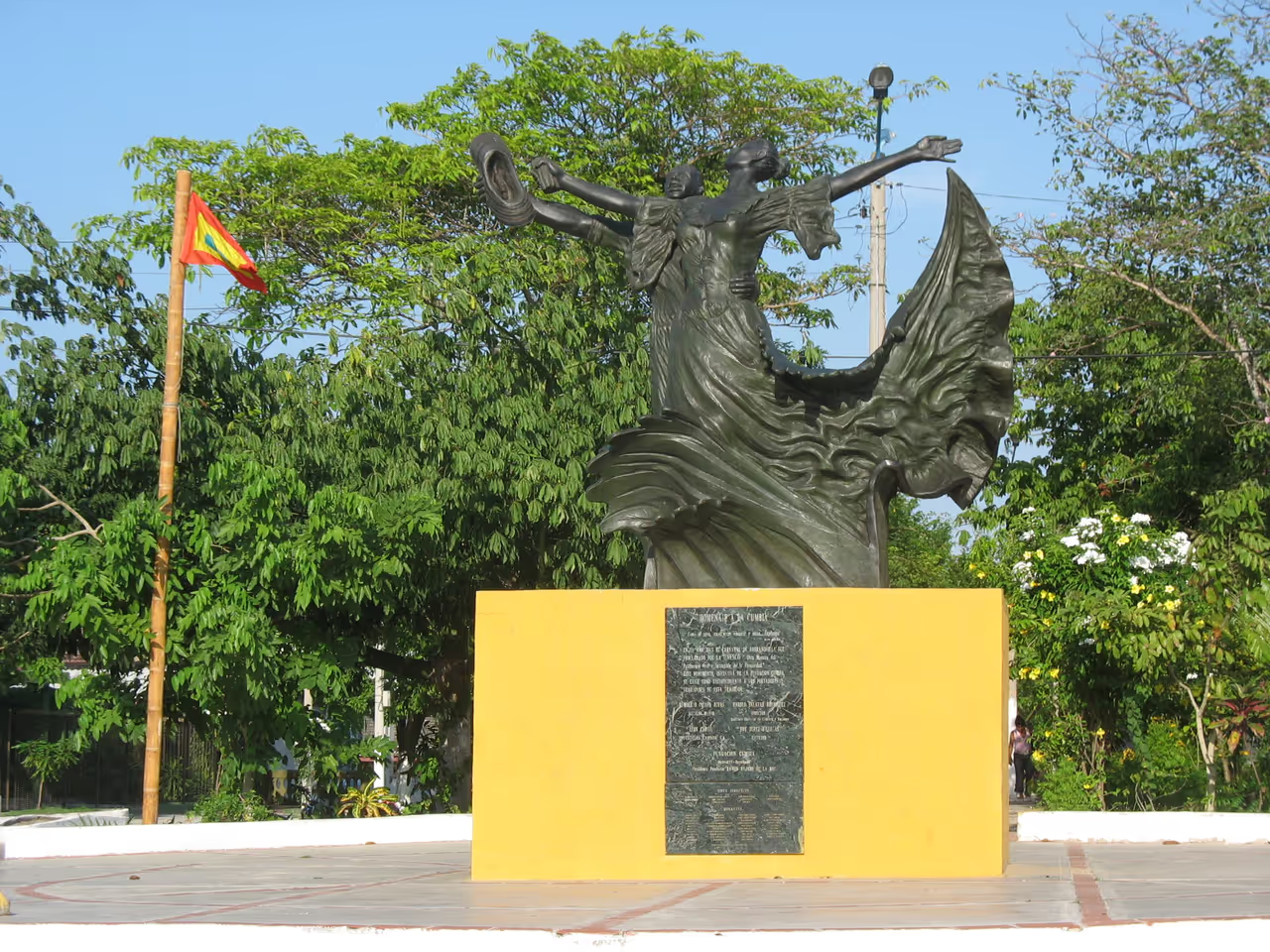
Spiritual and Monumental Sites
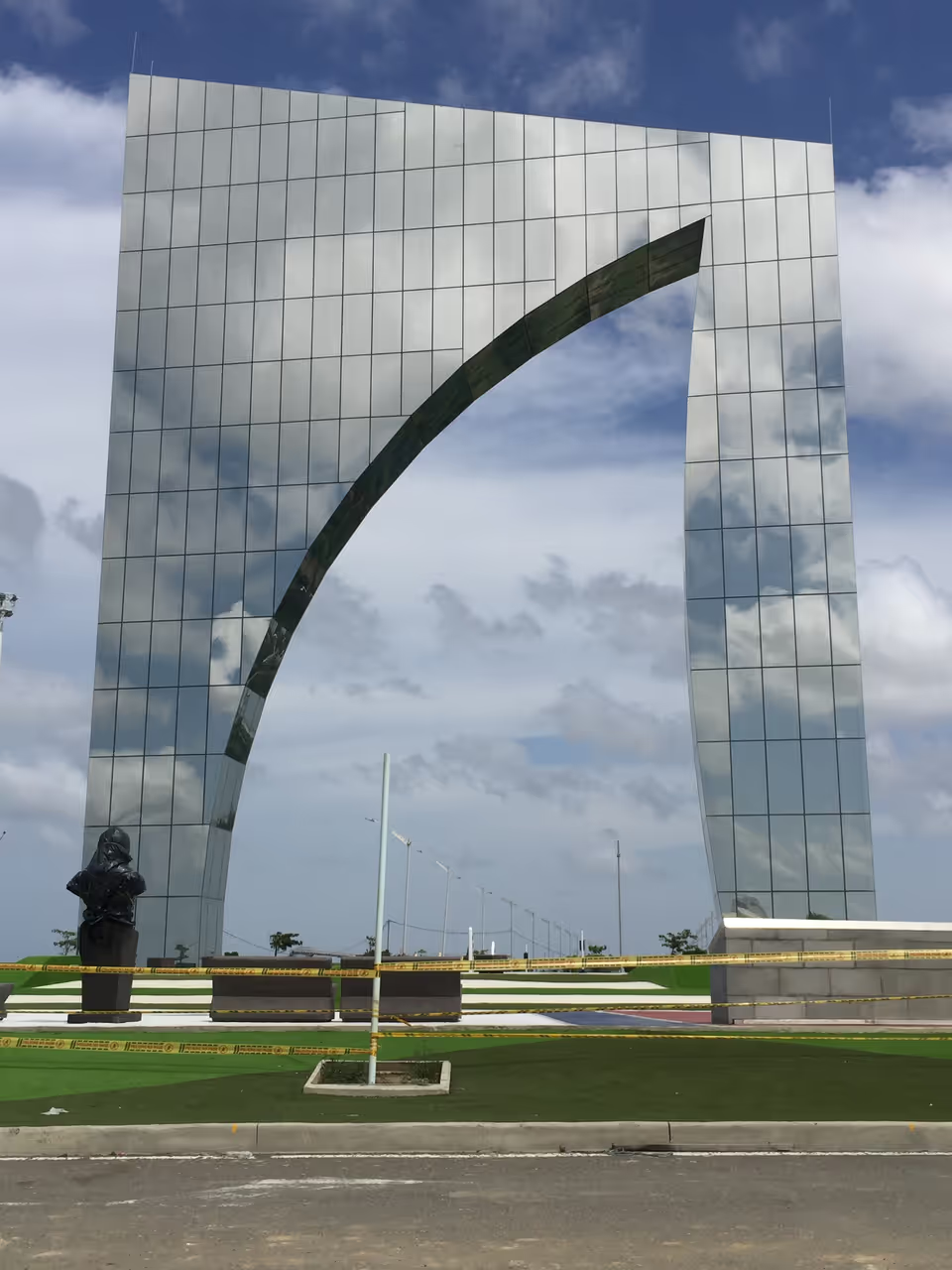
This tour focuses on the grand civic and religious landmarks that anchor the city's spiritual and public life. It features massive plazas designed for public gathering and stunning religious architecture ranging from the Neo Gothic to the intensely modern. The route showcases how the city expresses its faith, its civic pride, and its cultural identity through massive public works. It is a visually impressive walk that captures the sheer scale of the city's ambitions.
Annual Festivals & Events
 HIGHLY RECOMMENDED
Carnival of Barranquilla
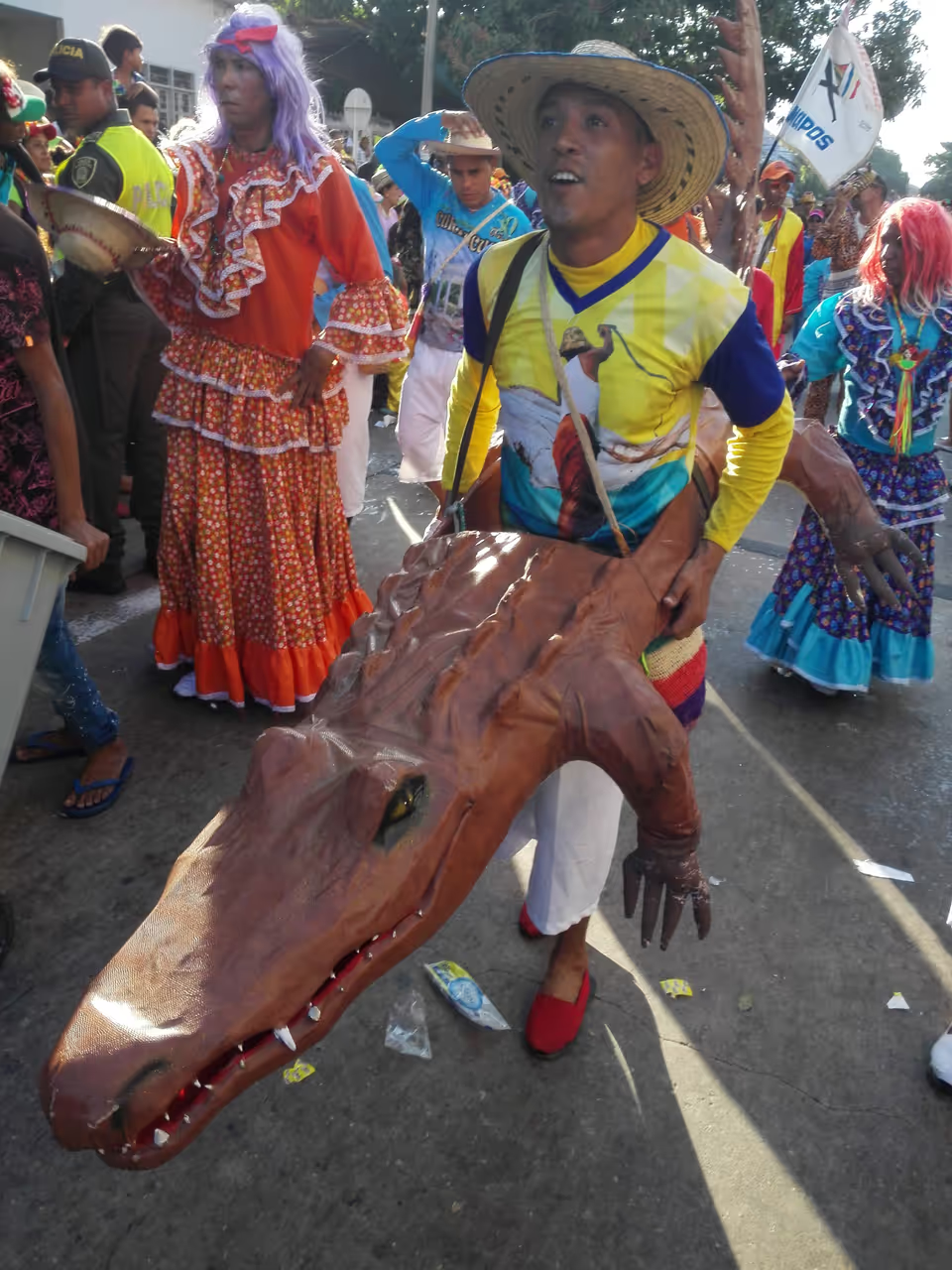
Considered one of the most festive and colourful carnivals in the world, this monumental celebration brings the entire city to a joyous halt. It features massive parades, incredible traditional dances like the Cumbia and Mapale, and elaborate costumes that reflect centuries of cultural blending. The energy is absolutely contagious, with street parties and music echoing from every corner. It is a true masterpiece of human heritage that offers a deeply authentic look into the soul of the Caribbean coast.
Barranquijazz Festival
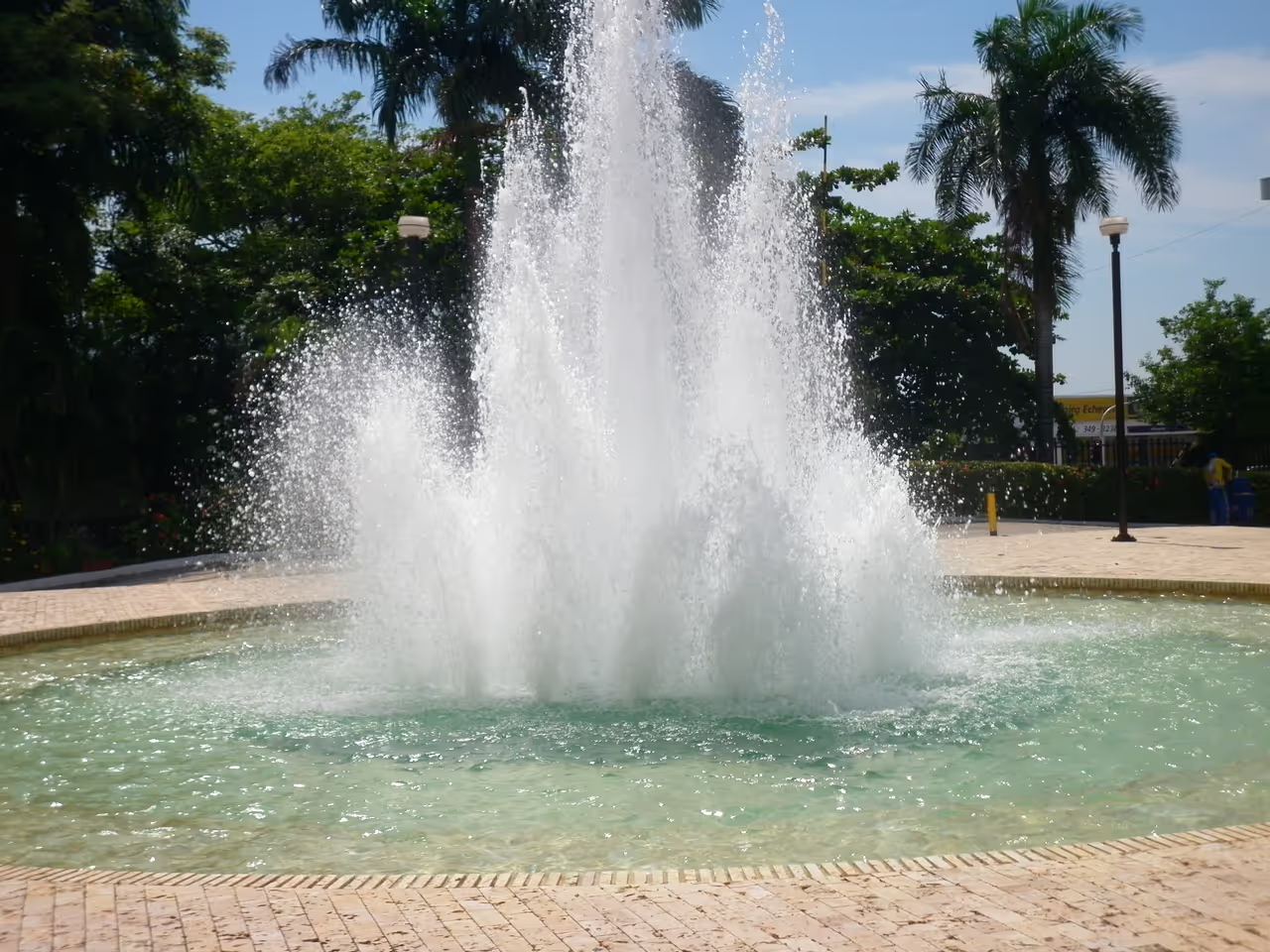
This is the most important international jazz and Latin jazz festival in Colombia and the wider Caribbean region. It gathers major international figures and talented local musicians for several days of incredible performances. The atmosphere is sophisticated yet relaxed, taking place in historic theatres and open air plazas across the city. It is a fantastic opportunity to enjoy world class music while mingling with a diverse crowd of music enthusiasts.
Carnival of the Arts
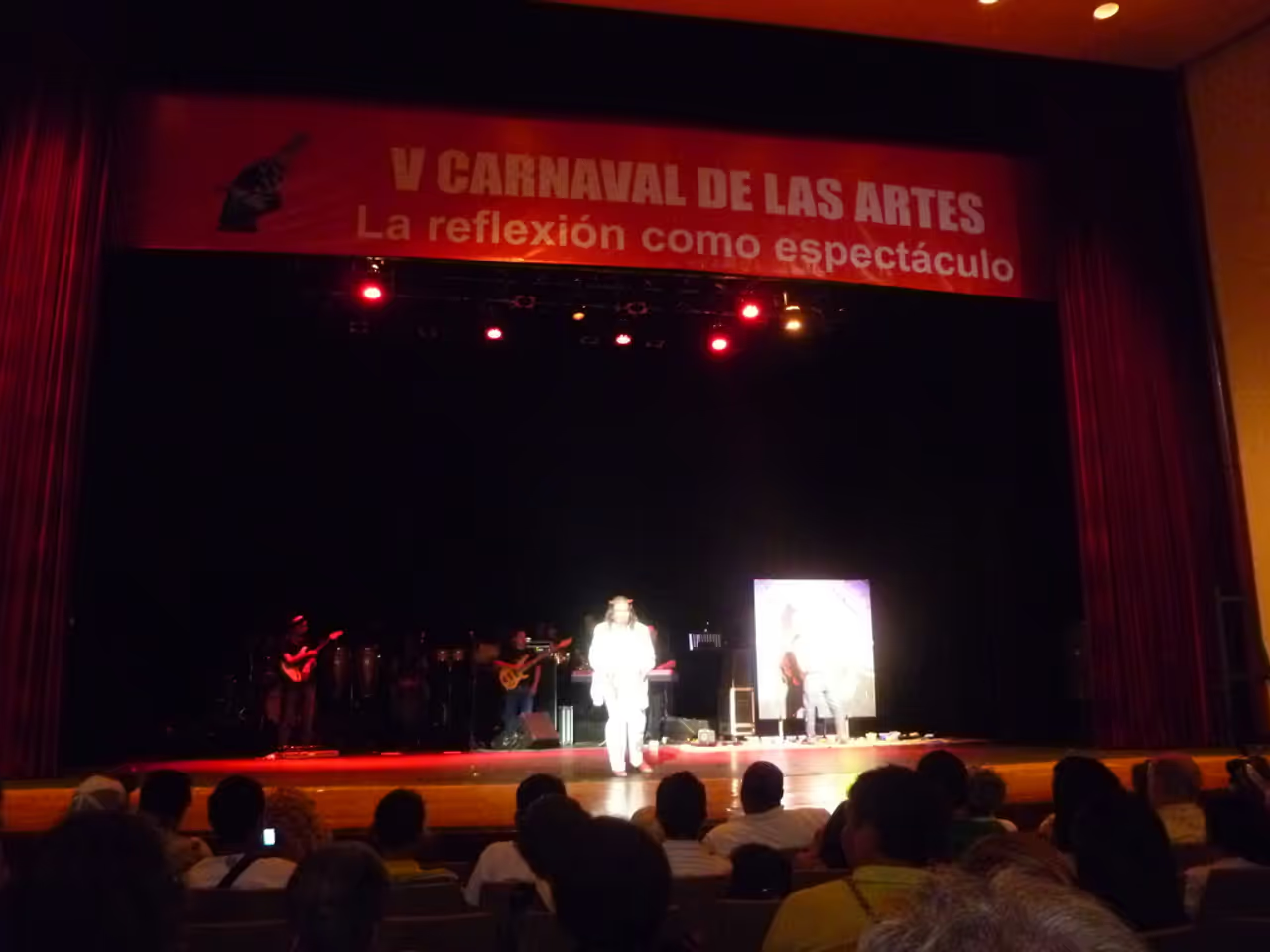
A unique cultural event that unites intellectuals, writers, filmmakers, musicians, and artists of national and international reputation. It serves as a thoughtful prelude to the main Carnival, offering discussions, film screenings, and intimate performances. The goal is to explore the creative processes behind the festive traditions and pay tribute to great creators of the arts. It provides a fascinating, deeper context to the city's famous celebratory spirit.
Insider Tips
Taxis do not have meters, so you must negotiate and agree on the fare with the driver before getting inside.
Carry small bills and coins for purchasing snacks and water from the ubiquitous street vendors.
The local buses start moving before you have fully boarded or seated, so hold onto the handrails immediately.
Only sit in the front seat if using a ride sharing application to avoid drawing unwanted attention from local authorities.
Dress in lightweight breathable clothing as the tropical heat and humidity remain intense throughout the entire year.
Try to learn a few local slang words like 'chevere' or 'bacano' to instantly win over the friendly locals.
PERFECT FOR
This vibrant port appeals to culture lovers, food enthusiasts, and adventurous travellers seeking an authentic Colombian experience free from massive tourist crowds. It is perfect for those who want to immerse themselves in deep rooted musical traditions, explore historic architectural districts, and witness the raw energy of one of the world's greatest carnivals.
VIBE
It feels like an eternal celebration where the warm Caribbean breeze mixes with the sound of salsa and cumbia playing from corner stores. The energy is infectious, driven by friendly locals who embrace a relaxed yet passionate approach to daily life. There is a palpable sense of movement and industry, balanced perfectly with coastal joy and community spirit.
Frequently Asked Questions about Barranquilla
While we strive to keep this information accurate and up to date, we recommend verifying any details independently before making decisions based on them.