Castillo de San Antonio de Salgar
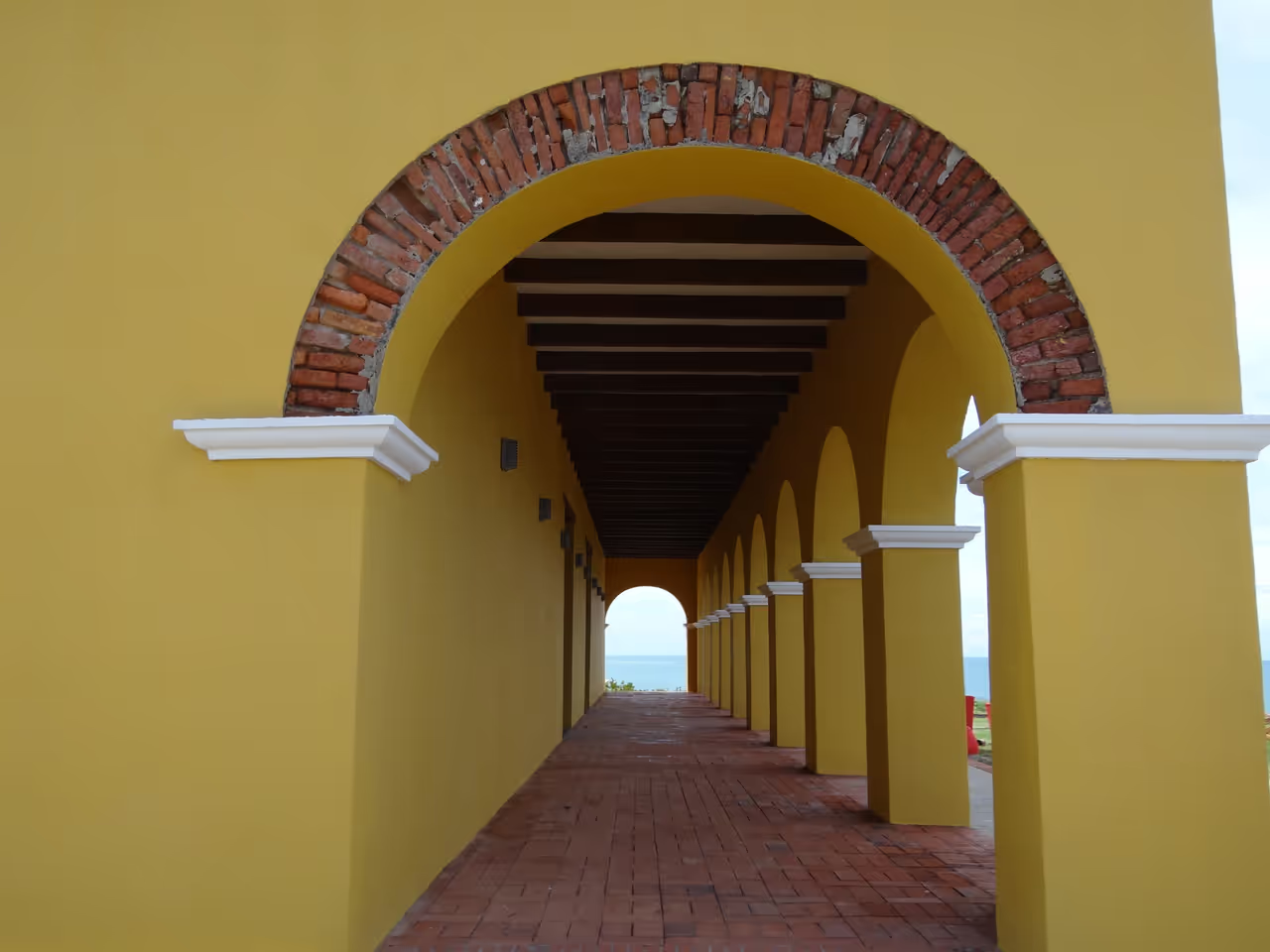
Perched on a dramatic cliff overlooking the Caribbean Sea, the Castillo de San Antonio de Salgar is a fascinating piece of Colombian colonial history. Once a strategic fortress built to deter smugglers and pirates in the 19th century, it has evolved through the years to serve as a prison, an academic setting, and now a premier cultural hub. Today, visitors are greeted by refreshing sea breezes and an atmosphere that beautifully blends military heritage with modern leisure. You can wander through its restored corridors, explore the sweeping terraces, or enjoy a meal at the on-site restaurant while soaking in the coastal views. It is an ideal spot to understand the region's past while enjoying a relaxed afternoon away from the urban noise.
Videos
History of Castillo de San Antonio de Salgar
The story of the Castillo de San Antonio de Salgar is a narrative of resilience and transformation, mirroring the evolution of the Atlantic coast itself. Built in 1848, the fortress was not just a military installation, but a desperate attempt by colonial authorities to curb the rampant smuggling that plagued the Magdalena River trade. Before the construction of modern ports, this stretch of coastline was a wild frontier where foreign goods entered the country unchecked. The fort stood as a silent sentinel on the hill, watching for suspicious sails and ensuring that the crown's interests were protected. It was a place of high stakes, where the quiet of the sea was often interrupted by the tension of enforcement. Over the next century, the castle shed its purely military skin, embracing a variety of unexpected roles. It transitioned from a fortification to a prison, then to an academic setting for students of fine arts, and even hosted social institutions. This strange evolution is precisely what makes the structure so compelling. It reflects the changing face of the region, moving from colonial control to republican development. The abandonment it faced in the late 20th century only added a layer of mystery, making its eventual restoration feel like a reclamation of a lost icon. Today, fully restored and recognised as a national cultural asset, the castle has been reborn as a vibrant space for leisure and culture. It serves as a reminder of the coastal architecture that once dominated this landscape. Whether you are coming to dine on local cuisine or simply to wander the stone pathways, the site offers a unique connection to the history of Puerto Colombia. It is a testament to the resilience of heritage, proving that even a building designed for exclusion and defense can find new life as a welcoming gathering place for the community.
Events spanning 142 years
Fun Facts
- • During the early Republican era, General Tomás Cipriano de Mosquera invested significant resources into the site to fortify it as a customs control station.
- • For a short period, the building was utilised by the Colombian Family Welfare Institute as a rehabilitation centre for minors.
- • For over 60 years, the structure sat in near total abandonment, left to the mercy of the elements before its eventual restoration.
- • It stands as a testament to the history of the Barranquilla railroad, as it was once linked to the broader infrastructure that opened the region to international trade.
- • The architectural design features thick, sturdy walls and elevated terraces intended to give guards a 360-degree view of the approaching ships.
- • The castle famously served as the filming location for the music video of the song 'Esa noche es nuestra' by Colombian artists Joe Arroyo and Naty Botero.
- • The castle was built upon the ruins of a much older fort, continuing a long tradition of military presence at this strategic coastal vantage point.
- • The property is currently managed by a compensation fund, which has ensured it remains a venue for social, academic, and cultural events.
- • The site served as a temporary campus for the Fine Arts faculty of the Universidad del Atlántico, bringing a creative spirit to the formerly military grounds.
Castillo de San Antonio de Salgar FAQ
While we strive to keep this information accurate and up to date, we recommend verifying any details independently before making decisions based on them.
Castillo de San Antonio de Salgar Map & Neighborhood Explorer
This interactive map is centered on Castillo de San Antonio de Salgar. Zoom in and move the map around to automatically discover Wikipedia photos and summaries of other nearby sights, monuments, and historical points of interest and stories in real-time!
Places near Castillo de San Antonio de Salgar
Make the most of your trip. Check out these top-rated spots located nearby.
- 1036m
Cupino Hill
A prominent hill located near the neighbouring town of Puerto Colombia that is highly favoured by paragliders. Hiking to the top rewards visitors with a stunning, elevated panorama of the coastline, the ocean, and the distant urban sprawl. It is one of the very few high elevation natural viewpoints available in an otherwise very flat region. The dramatic views of the sea meeting the land make the effort completely worthwhile.
viewpoint view 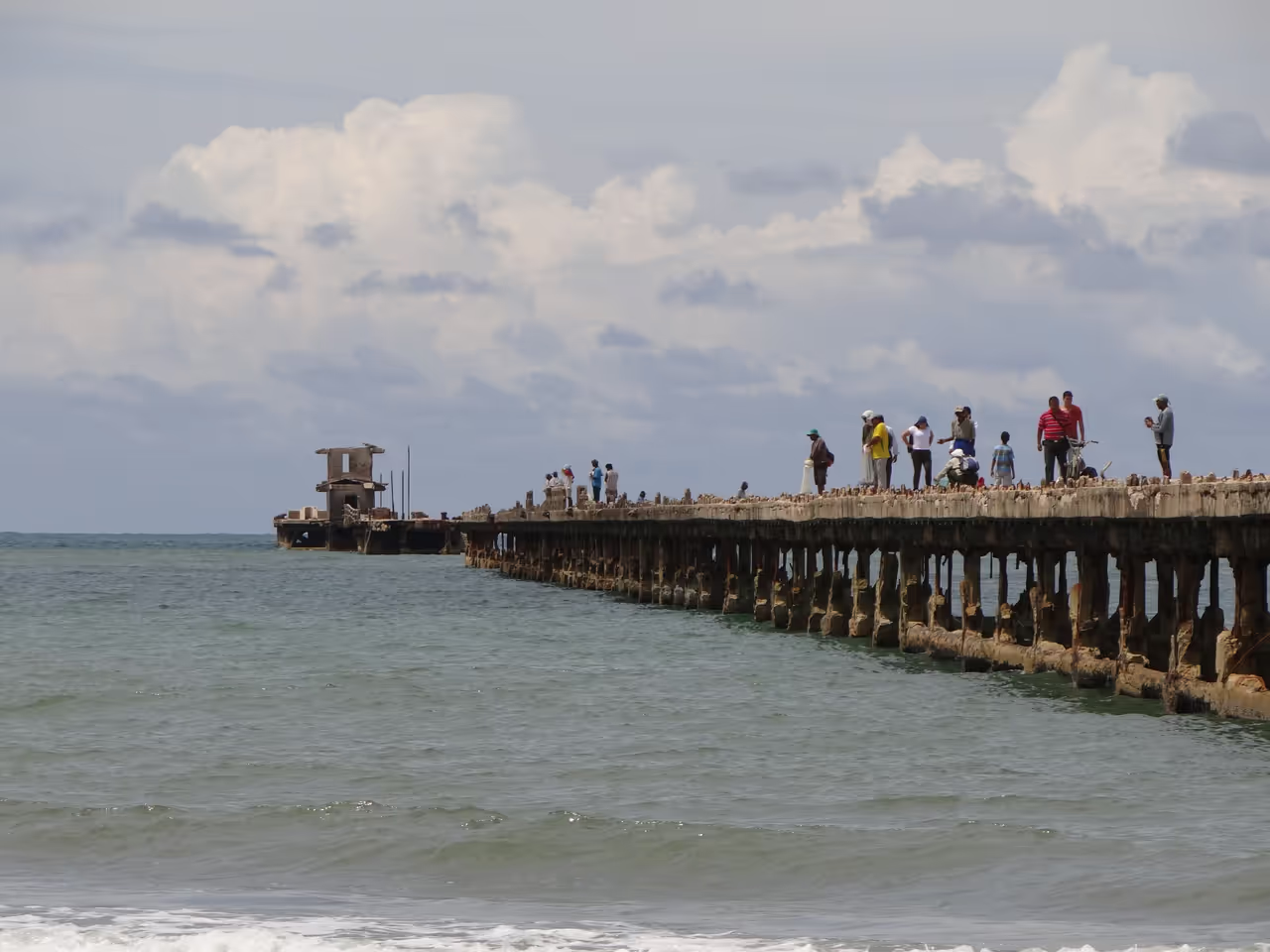 3854m
3854mPuerto Colombia Pier
Walking out onto the newly restored sections of this historic pier allows you to look back at the dramatic coastal cliffs and the ocean. It provides a phenomenal, unobstructed view of the Caribbean sunset, completely free from urban skyscrapers. The perspective from over the water gives a true sense of the maritime history that shaped the region. It is a deeply atmospheric spot, especially when the evening breezes pick up.
viewpoint view- 5256m
Cisne Lake Edge
This tranquil body of water located on the outskirts of the city offers a peaceful, reflective viewpoint of local nature. Standing at the water's edge, you can watch native birds and enjoy a sweeping view of the calm lake surrounded by lush vegetation. It provides a highly relaxing visual break from the concrete and intense activity of the main urban areas. It is particularly beautiful during the golden hours of the early morning.
viewpoint view 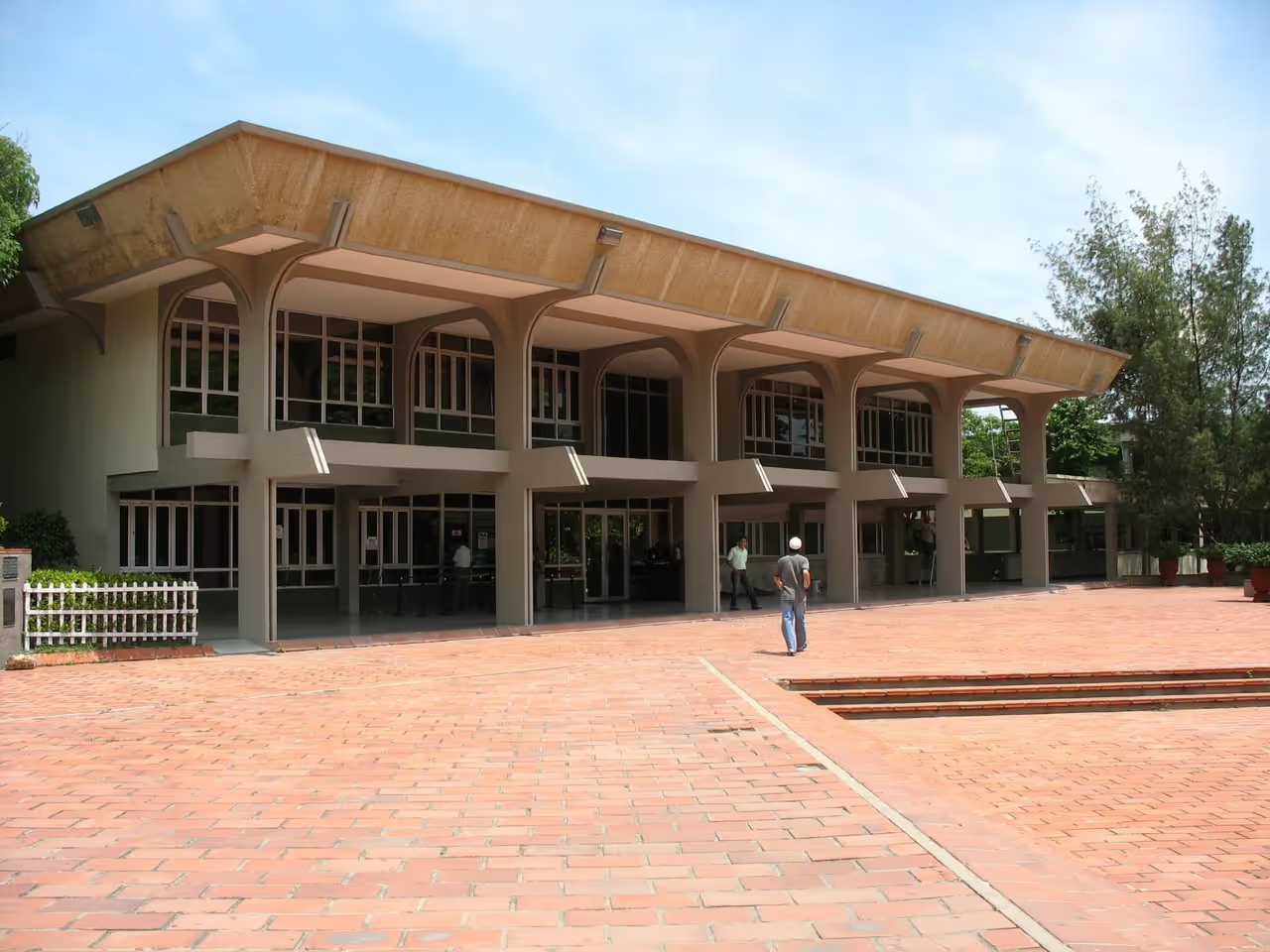 9926m
9926mPlatform K Fashion Week
A premier creative business and fashion event that highlights the design talent of the region. It includes high energy runway shows, pop up stores, and business conferences that draw industry professionals and fashion enthusiasts alike. The event showcases everything from elegant resort wear to cutting edge urban fashion, reflecting the city's cosmopolitan nature. It provides a glamorous and stylish perspective on the local creative economy.
festival view
Featured on These Itineraries and Routes
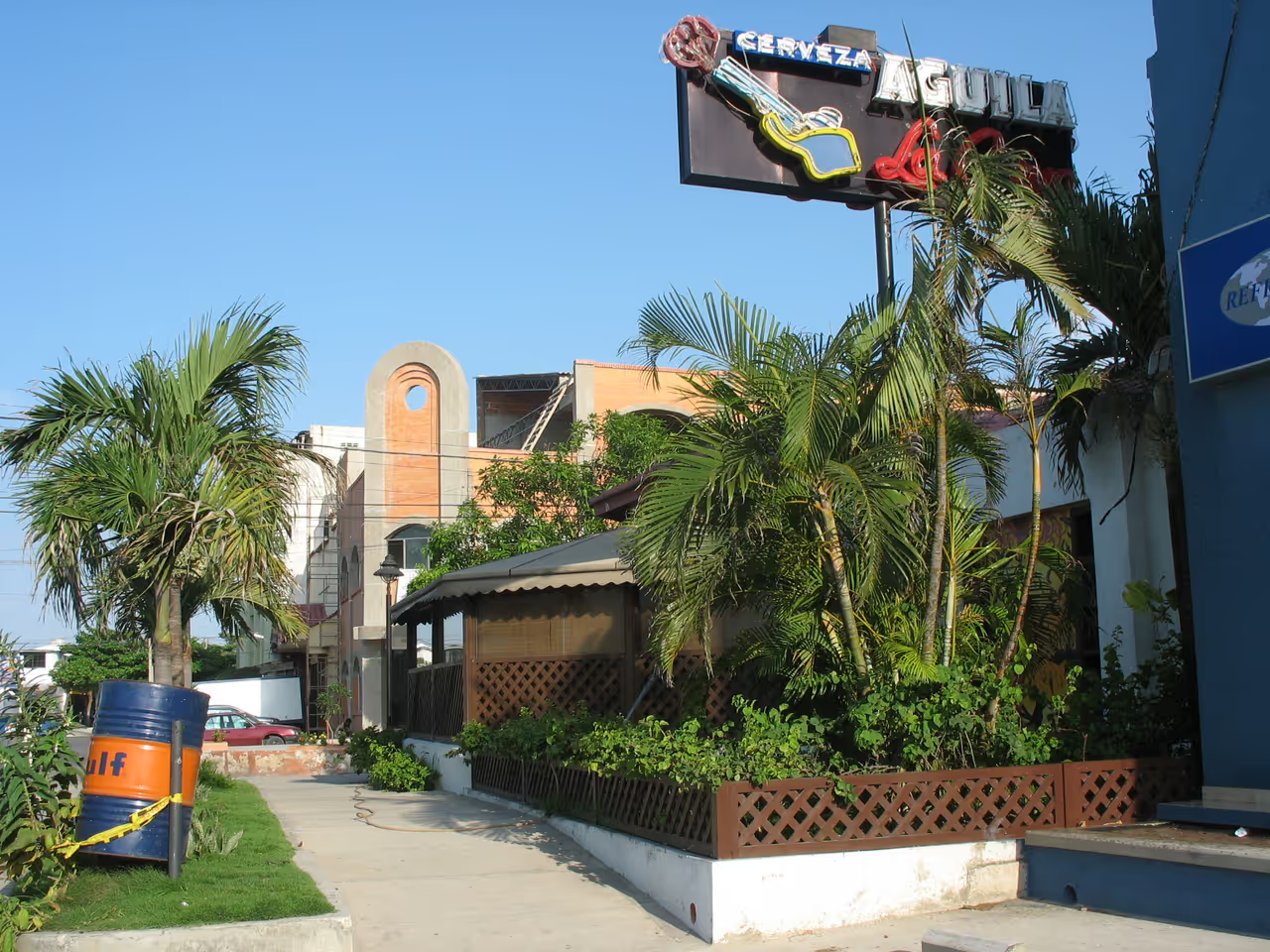
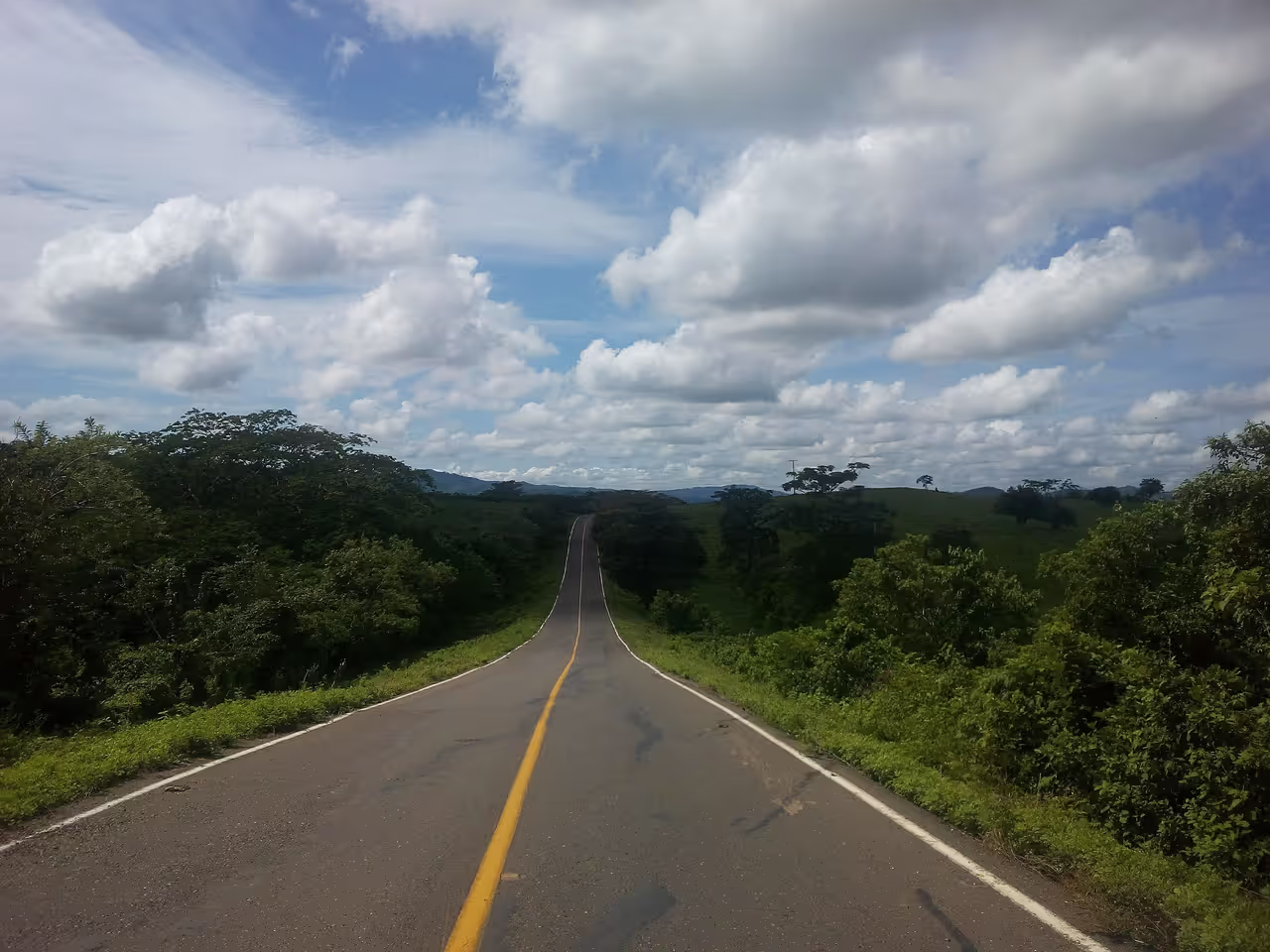
5 Days in Barranquilla: Coastal Immersion Itinerary
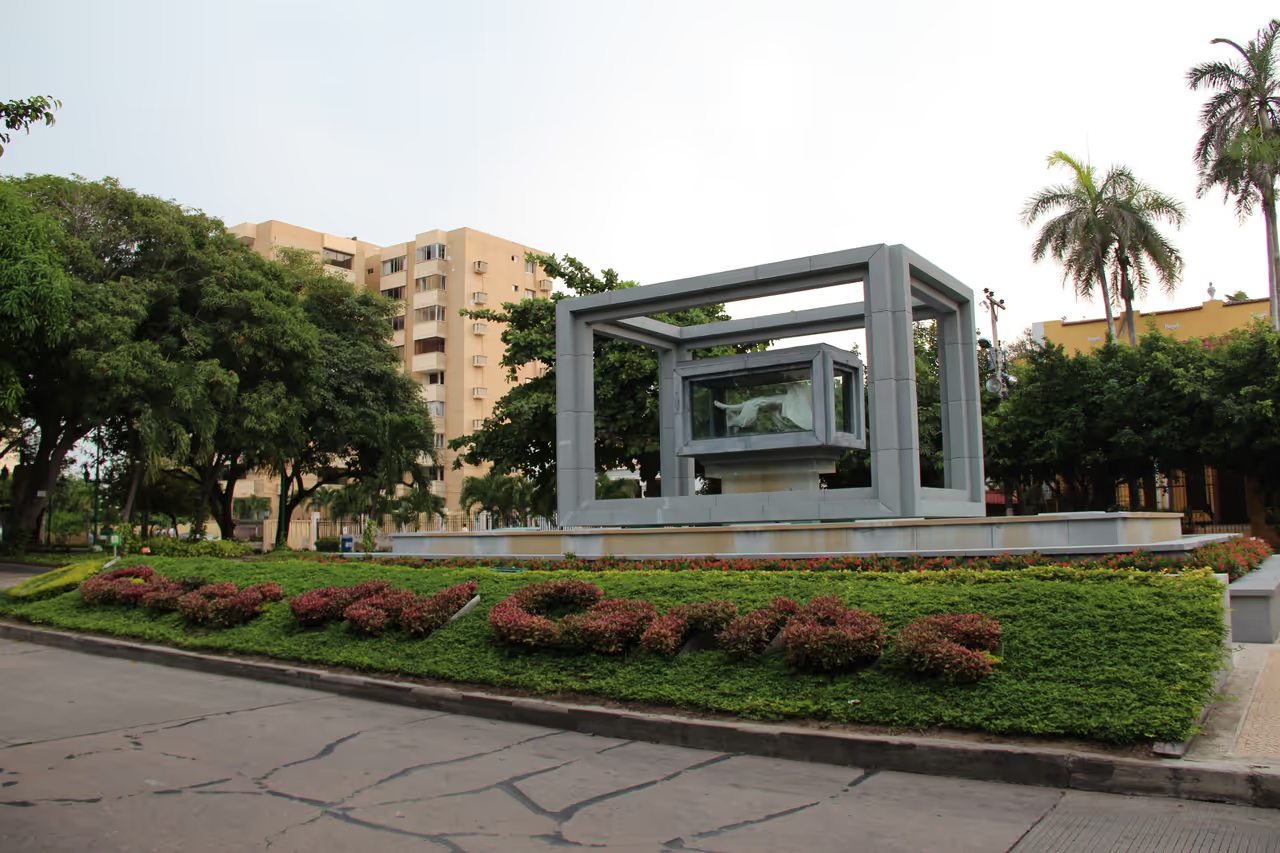
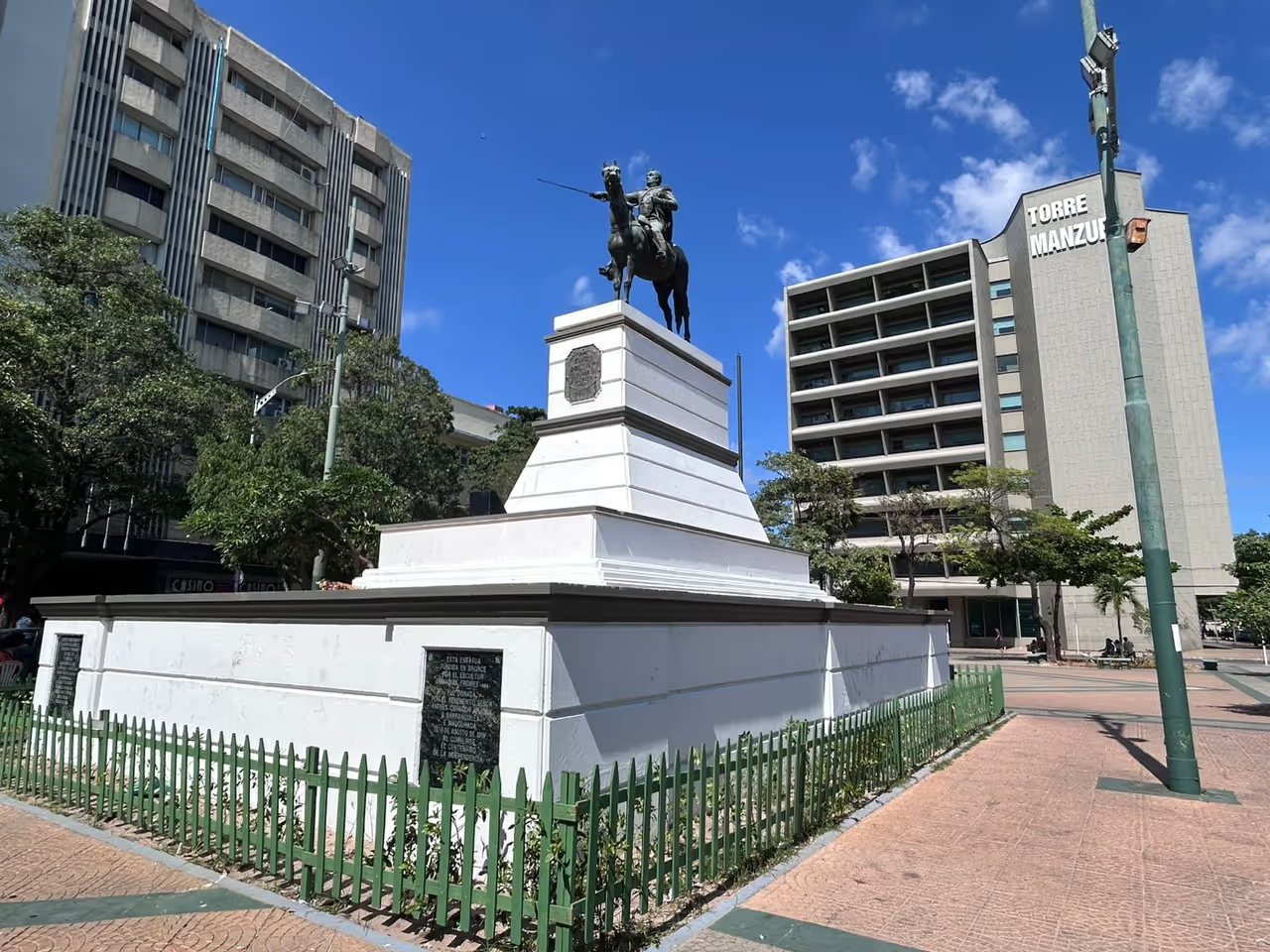
For those with the luxury of time, this comprehensive itinerary uncovers both the famous highlights and the deepest hidden gems. It expands beyond the city limits to explore historic coastal castles and tranquil artisan villages. You will trace the footsteps of literary giants, admire brilliant Art Deco structures, and fully engage with the relaxed Caribbean lifestyle. It is a slow, deeply enriching journey through the history, art, and nature of the region.
view itinerary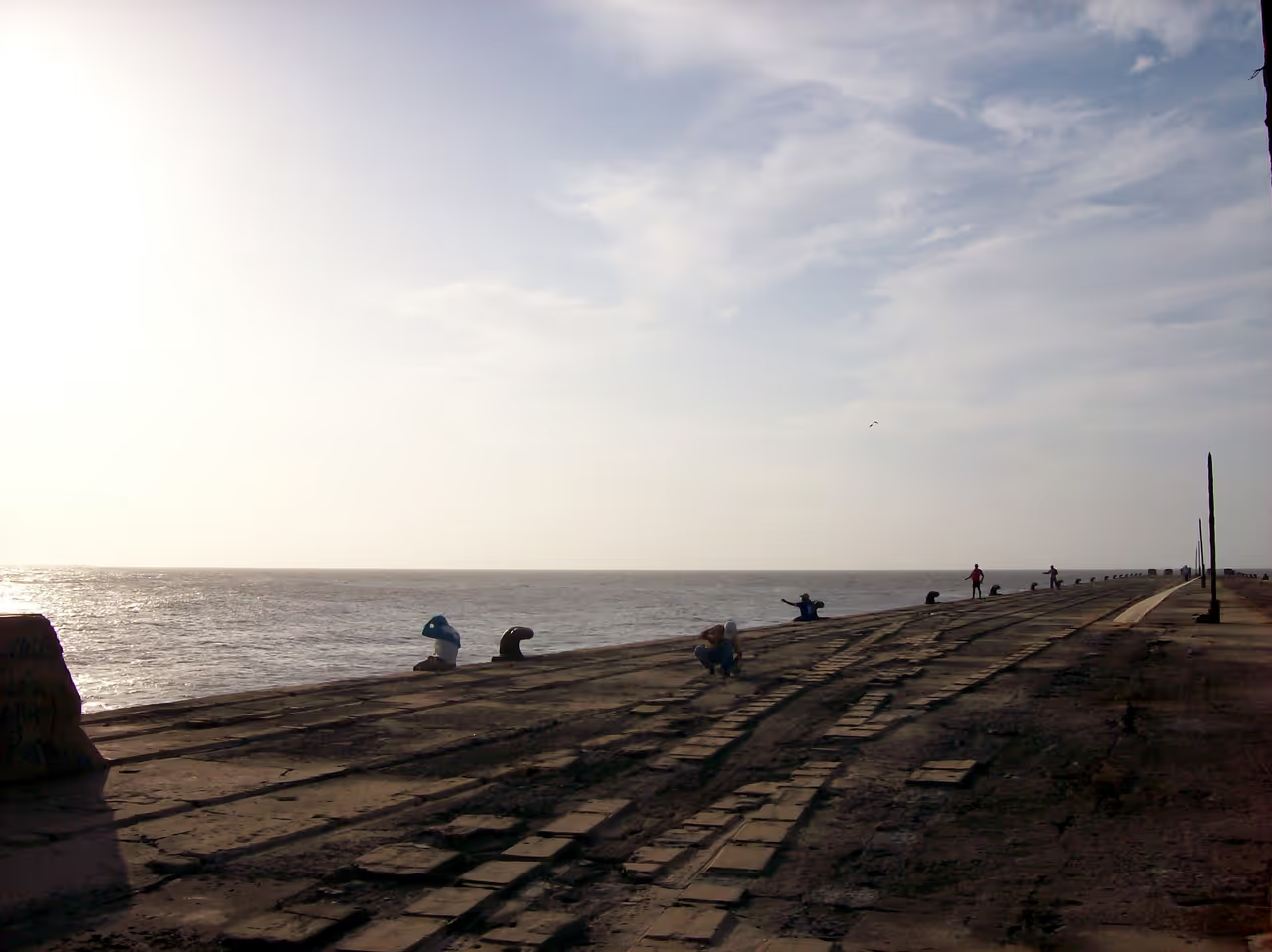
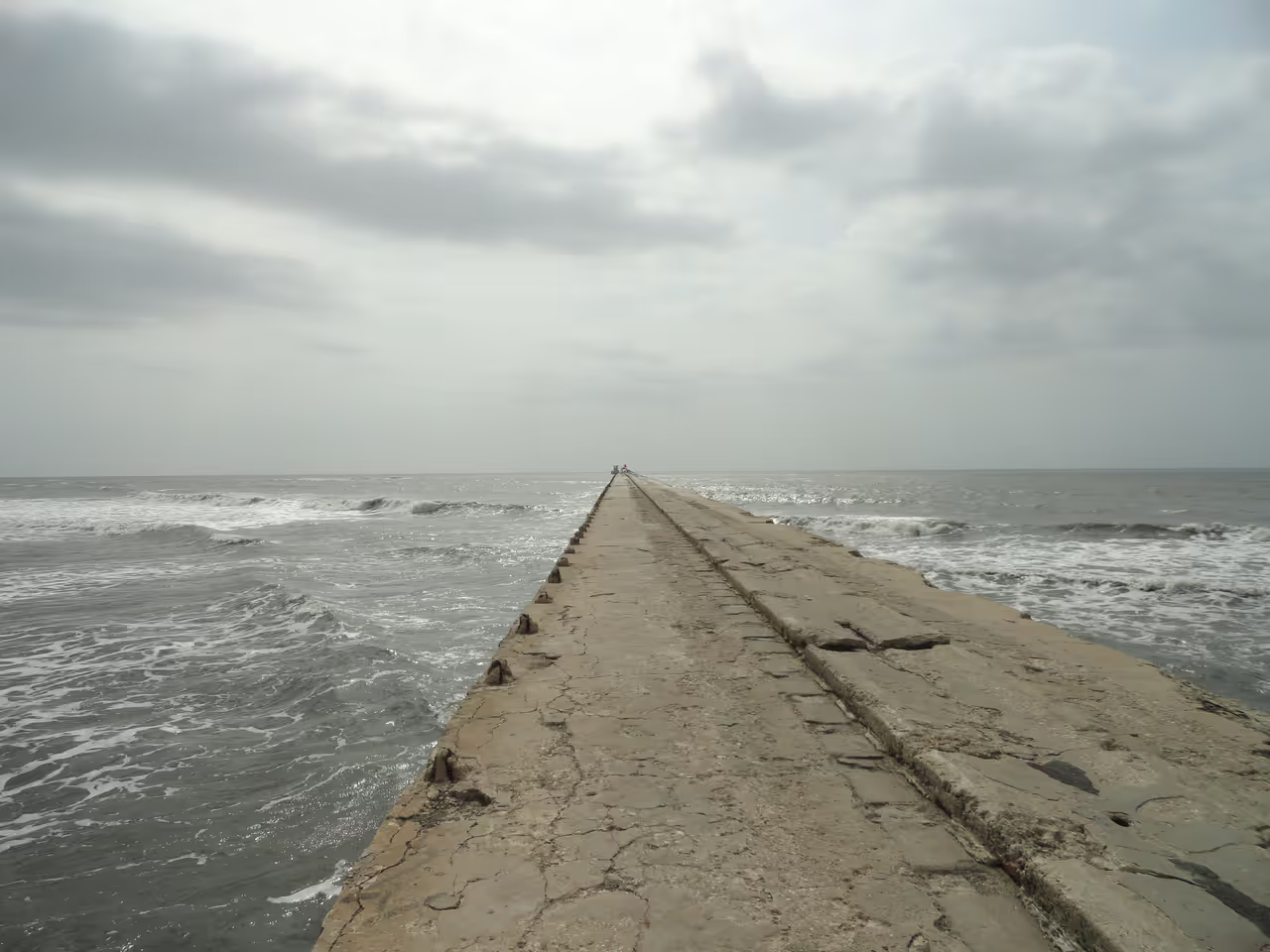
Puerto Colombia Coastal Route
This route ventures just outside the main city limits, following the coastline towards a neighbouring historic port town. It offers expansive views of the Caribbean Sea and passes by several dramatic cliffside structures and beaches. While there is a notable hill to climb, the overall journey is highly rewarding due to the fresh oceanic breeze and scenic landscapes. It perfectly connects the urban environment of the city to its maritime heritage.
view cycling route
See all attractions in Barranquilla
Gran Malecón, Metropolitan Cathedral of Mary Queen, Barranquilla Zoo...