Shamian Island
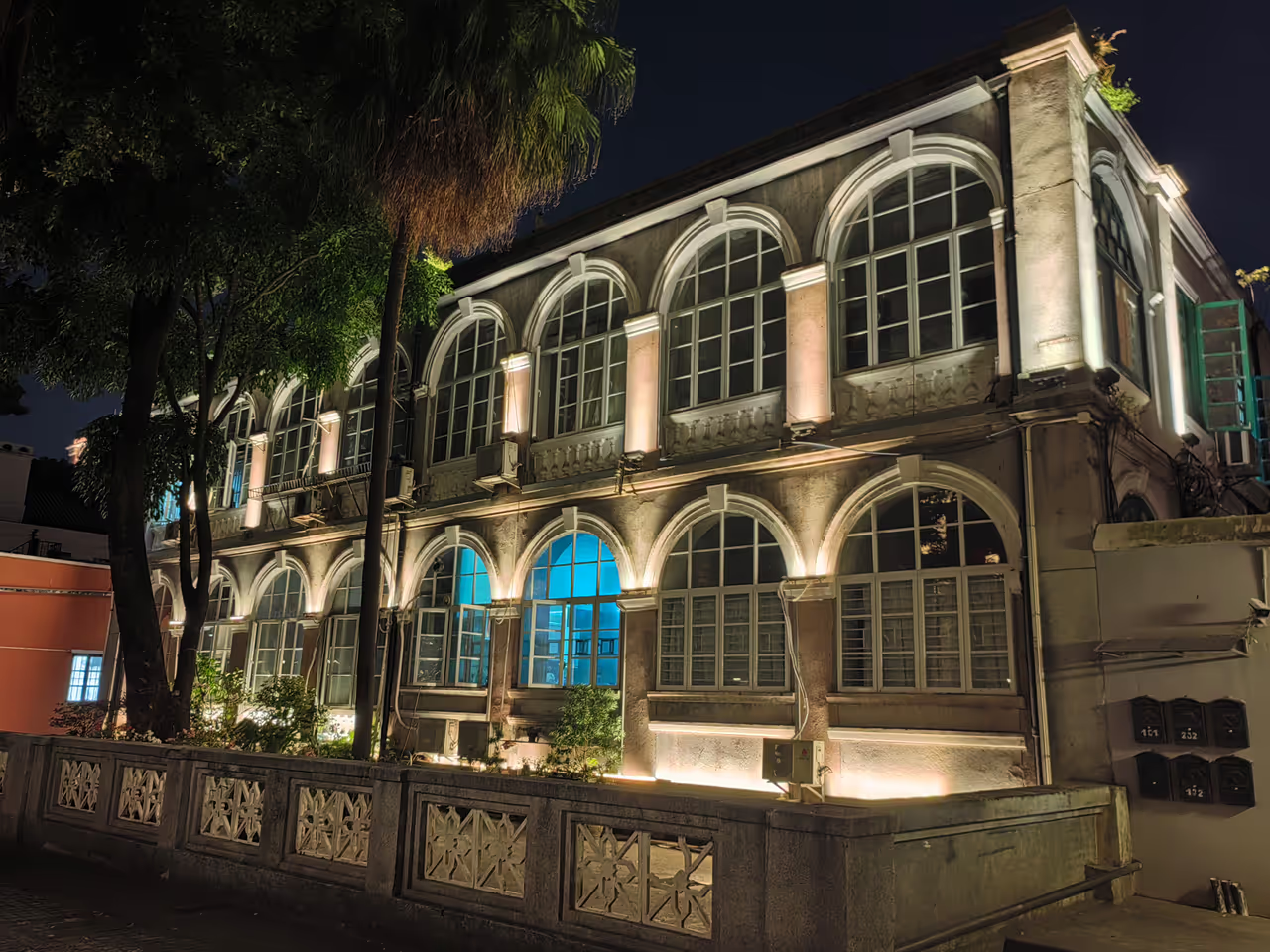
Step onto Shamian Island and you are immediately transported to another era. This small, tranquil sandbank offers a refreshing escape from the rapid pace of modern Guangzhou, with its quiet, tree-lined avenues and well-preserved colonial architecture. Once a designated foreign concession, the island is now a peaceful historical district where you can wander past beautiful stone mansions, charming churches, and quaint garden spaces. It feels less like a city centre and more like a quiet European village hidden in the heart of China. Whether you are an architecture enthusiast, a history lover, or simply looking for a relaxing afternoon stroll, the island provides a unique glimpse into the city's complex international past.
Videos
History of Shamian Island
Shamian Island, which translates to sandy surface, possesses a past as layered as its architecture. Before the colonial era, this stretch of land served as an important port for foreign trade, welcoming merchants from the Song dynasty onwards. However, its true transformation began in the mid 19th century when the British and French governments secured the land, turning it into a dedicated concession. They constructed an artificial river to isolate the area, creating a secure, self contained enclave for foreign trading companies to conduct business away from the local population. During the late 19th and early 20th centuries, the island thrived as a diplomatic and commercial hub. Nations from across the globe built grand stone mansions that featured expansive verandahs, high ceilings, and designs adapted to the humid southern climate. It became a miniature world of foreign consulates, churches, and social clubs, all separated from the mainland by guarded bridges. The island witnessed significant historical turbulence, including the tensions during the Opium Wars and the events of the 1925 June 23 incident, which marked a major shift in the political landscape. Today, the legacy of this era lives on through the island's unique atmosphere. After the decline of the concession era, the buildings were repurposed, and the island eventually evolved into a protected historical zone. Modern visitors walk where diplomats once debated and merchants negotiated, finding calm amidst the shade of ancient banyan trees. It stands as a testament to Guangzhou's role as a gateway to the world, offering a poignant look at how different cultures met, clashed, and ultimately left their mark on the landscape of this vibrant city.
Events spanning 141 years
Fun Facts
- • At its height, the island functioned as a diplomatic fortress, hosting consulates for countries as diverse as Poland, the United States, Japan, and the former Soviet Union.
- • Bronze statues are scattered throughout the park areas, providing a creative look at the changing fashion and social life of local residents throughout the 20th century.
- • Christ Church Shameen, a beautiful piece of British Protestant architecture, has stood on the island since 1865.
- • During the 1990s and early 2000s, the island became a central hub for international families, particularly those from the United States, who stayed in nearby hotels while completing the adoption process for children from China.
- • In 1859, the British and French authorities ordered the excavation of an artificial canal to isolate the land, effectively creating an island for their exclusive use.
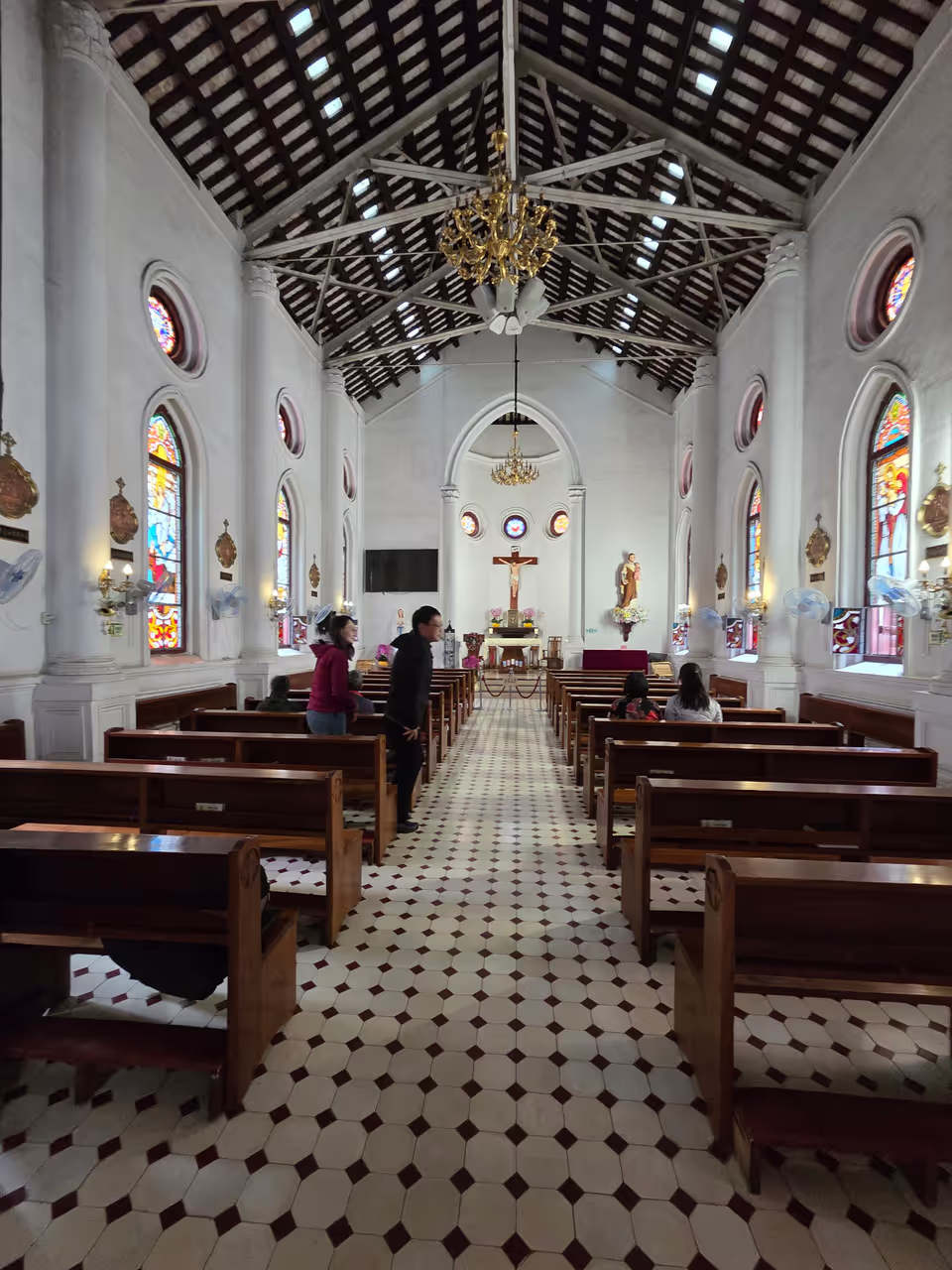
- • Our Lady of Lourdes Chapel, a striking French Catholic landmark, was completed in 1892 and remains a focal point for visitors today.
- • The architecture on the island is distinct, featuring European style mansions with large, airy verandahs designed specifically to cope with the humid subtropical climate of Southern China.
- • The island is completely pedestrianised, meaning you can explore the quiet streets without the noise or stress of modern traffic.
- • The island served as a significant site during the First and Second Opium Wars, with various forts used for the city's defence.
- • The name Shamian translates to 'sandy surface', a nod to the island's origins as a humble sandbank in the Pearl River.
- • While most former consulates have since relocated to newer districts, the Consulate General of Poland maintains a historic presence on the island.
Shamian Island FAQ
While we strive to keep this information accurate and up to date, we recommend verifying any details independently before making decisions based on them.
Shamian Island Map & Neighborhood Explorer
This interactive map is centered on Shamian Island. Zoom in and move the map around to automatically discover Wikipedia photos and summaries of other nearby sights, monuments, and historical points of interest and stories in real-time!
Places near Shamian Island
Make the most of your trip. Check out these top-rated spots located nearby.
 217m
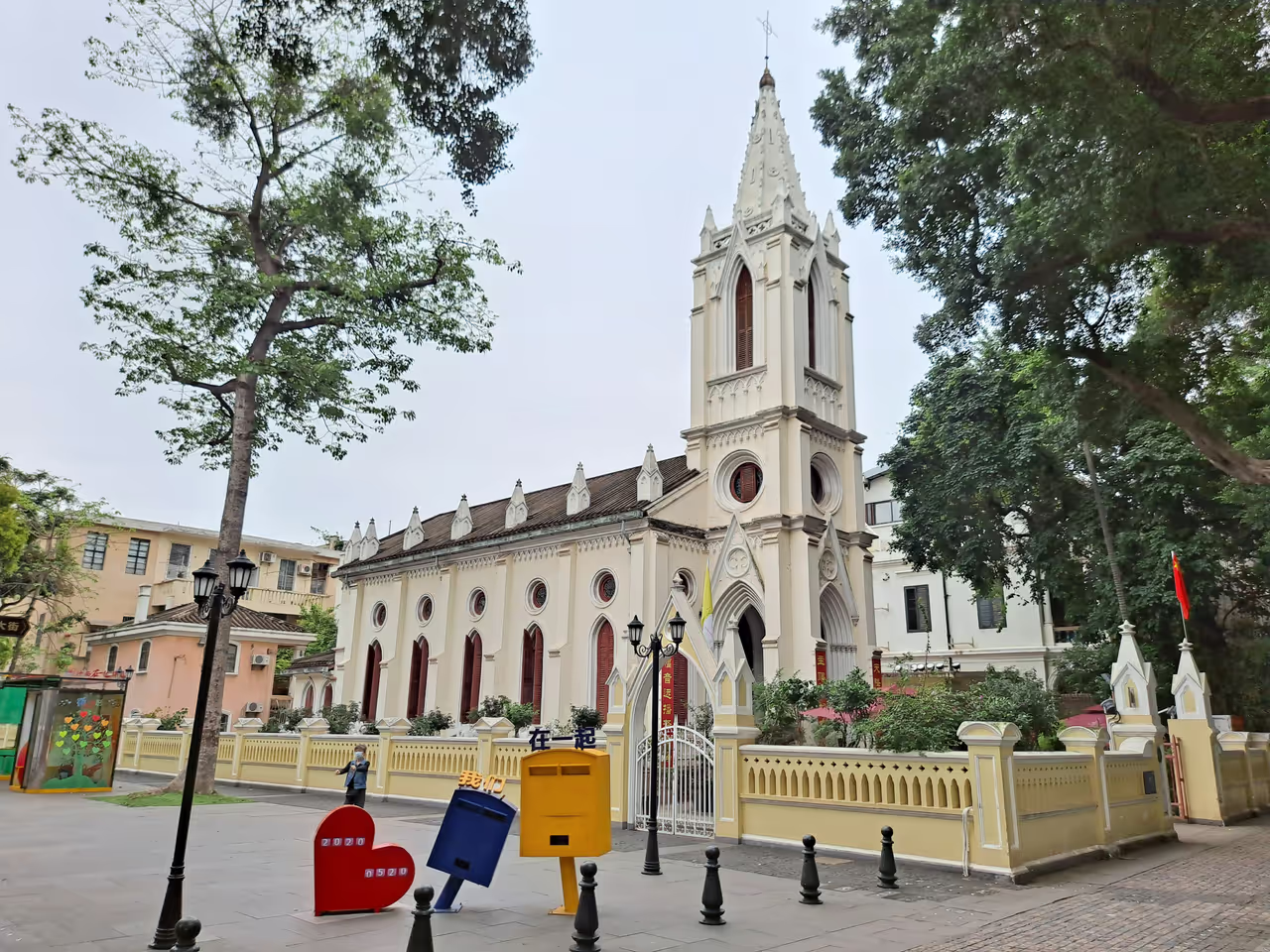
217mOur Lady of Lourdes Chapel
Tucked away on a peaceful, tree lined island, this diminutive chapel is a beautiful relic of the French colonial concession. Its charming yellow and white facade and classic pointed arches evoke a strong sense of European history. Surrounded by quiet gardens, it feels entirely removed from the chaotic energy of the surrounding metropolis. It is meticulously maintained and remains an active place of worship today. The quiet interior offers a highly serene space for reflection.
architecture view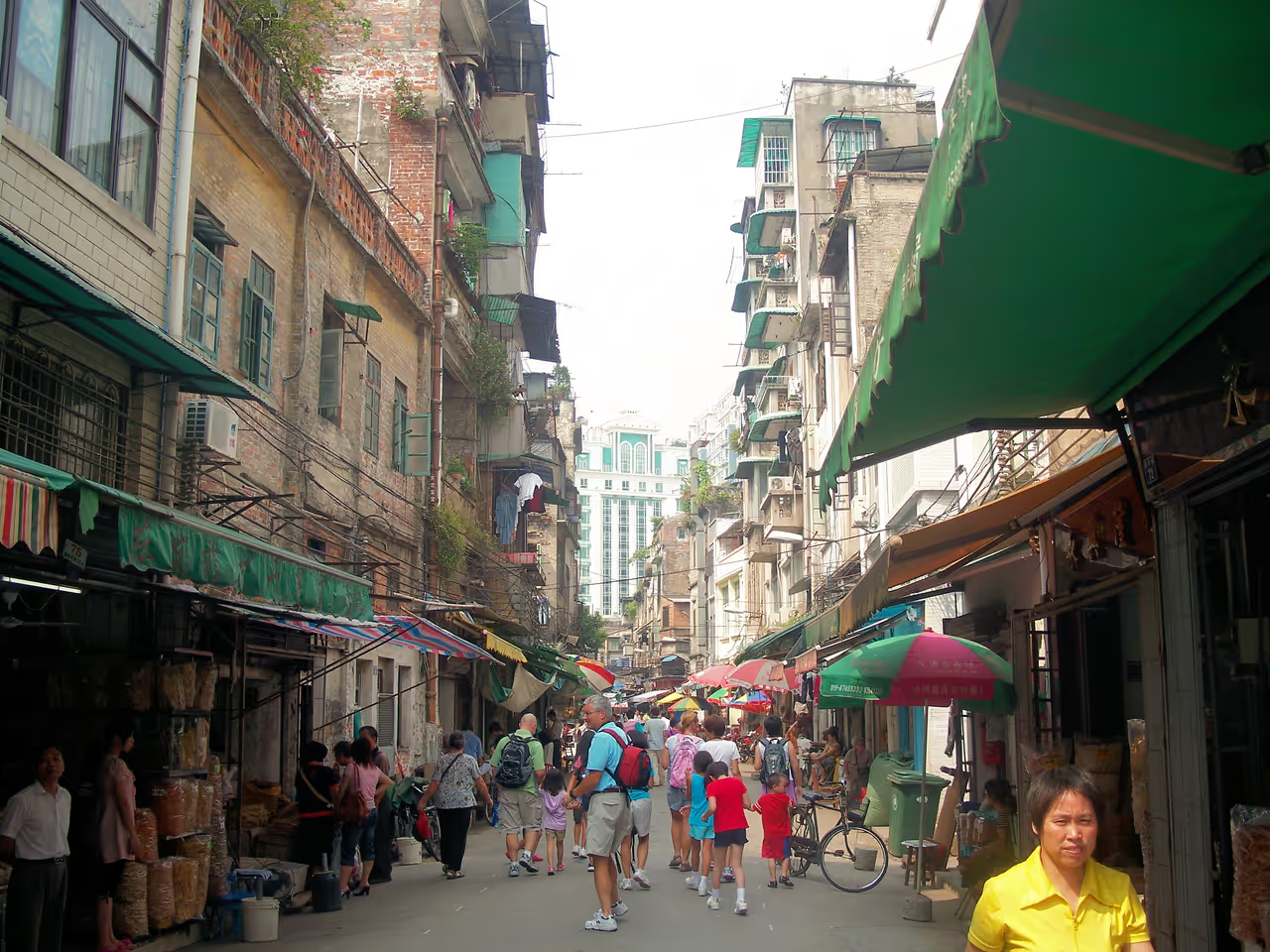 359m
359mQingping Market
This legendary market is an intense, sensory overload that showcases the immense variety of ingredients used in local cuisine and traditional medicine. Narrow alleyways are packed tightly with stalls selling everything from dried herbs and seahorses to obscure animal parts. While it has become tamer in recent years, it remains a fascinating glimpse into historical trading practices. The air is heavy with the scent of medicinal roots and dried seafood. It is an unmissable experience for anyone curious about traditional healing and exotic cooking.
market view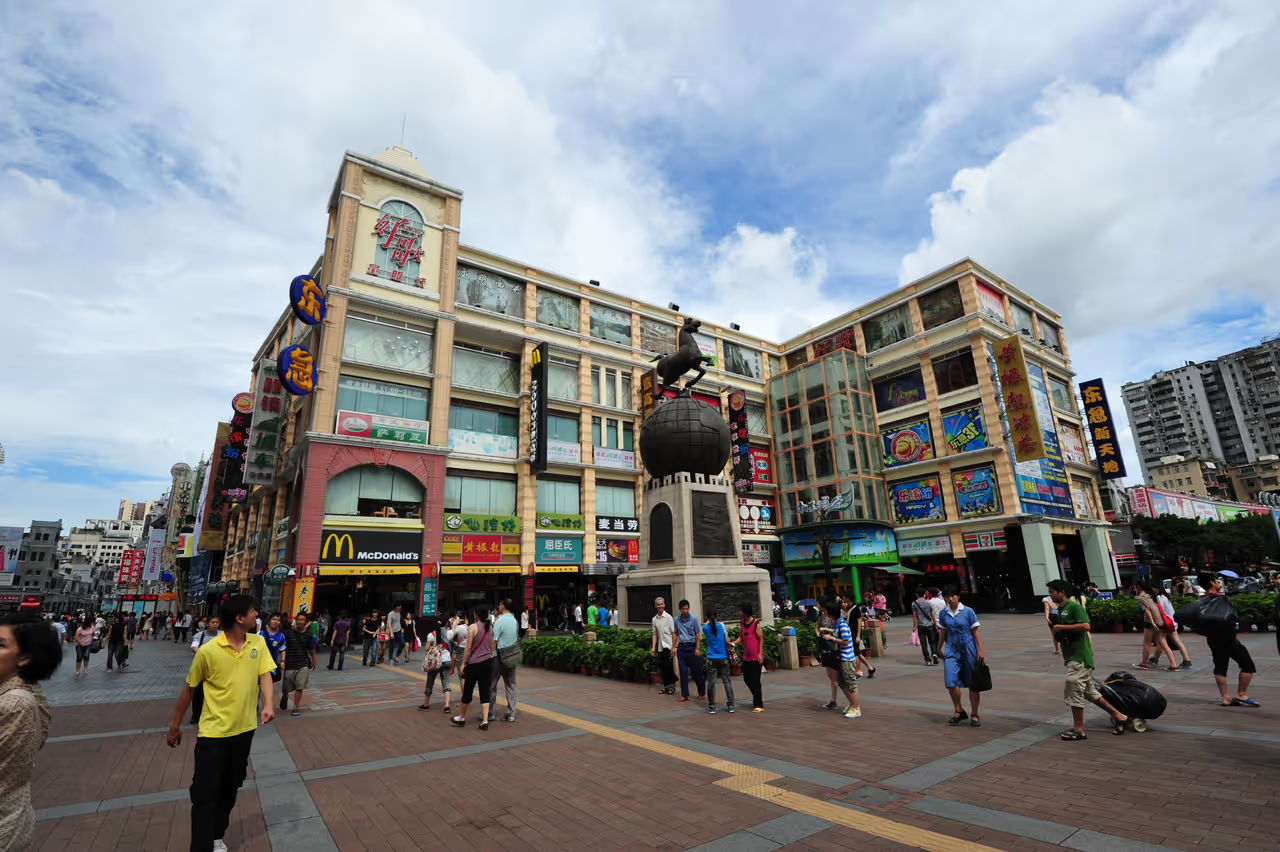 962m
962mShangxiajiu Pedestrian Street
Famous for its beautifully preserved arcade style architecture, this avenue offers a highly nostalgic shopping experience. It feels slightly more traditional and budget friendly compared to other major retail areas in the city. The street is heavily populated by historic bakeries selling traditional pastries and mooncakes. The illuminated facades create a wonderful, cinematic atmosphere once the sun goes down. Bargaining is common here, adding a fun element to browsing the local shops.
highlight view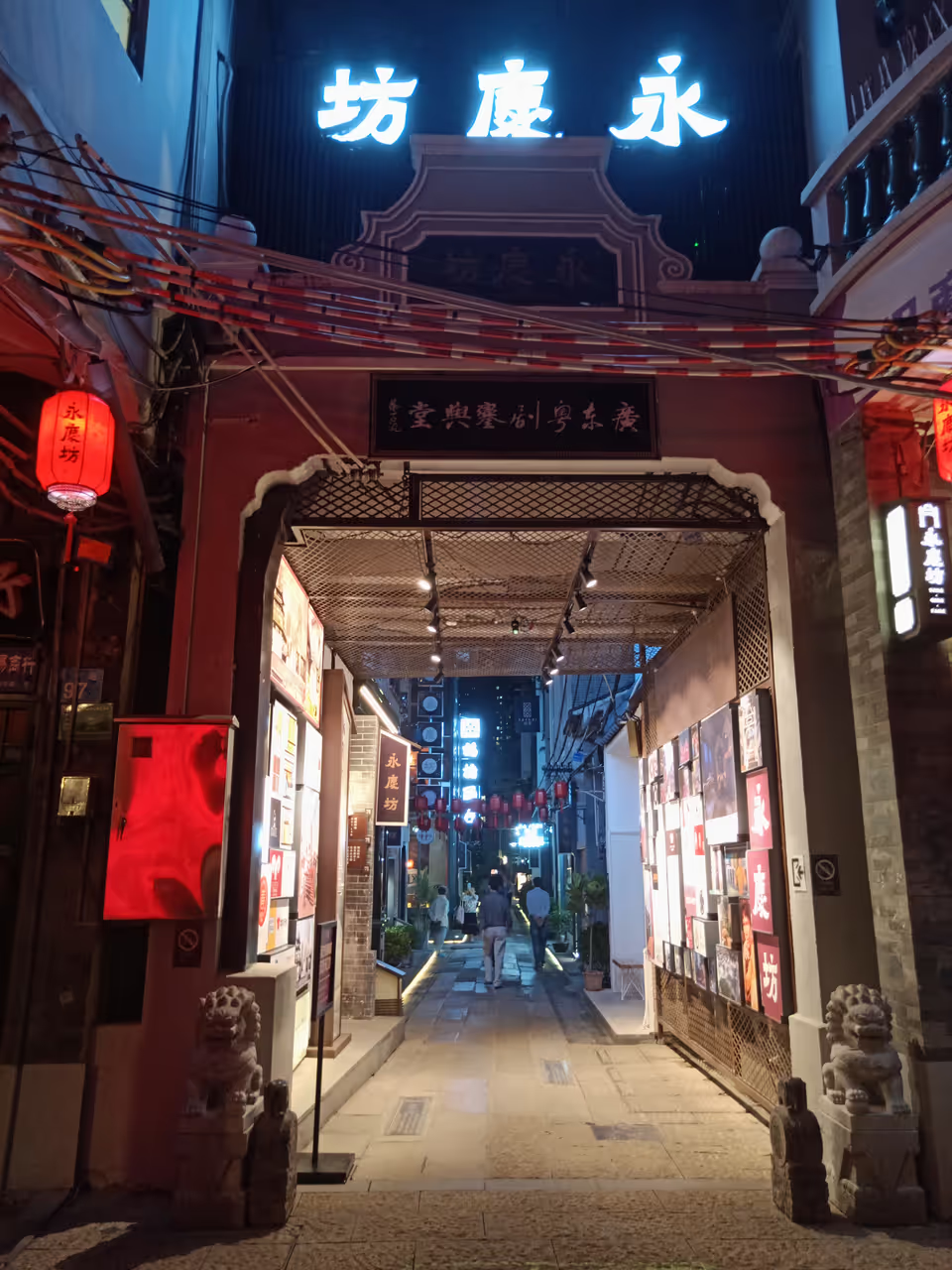 1213m
1213mYongqing Fang
This beautifully revitalised historical alleyway is a masterclass in urban regeneration. Traditional brick houses have been restored to house boutique tea shops, independent bookstores, and cultural exhibits, including the ancestral home of Bruce Lee. Walking through here gives a highly polished, aesthetic view of the old western suburbs. It is particularly enchanting during traditional festivals when fish lanterns illuminate the cobblestones. It is a fantastic spot for picking up high quality, artisan souvenirs.
hidden gem view
Explore Similar Places in This Collection
Featured on These Itineraries and Routes
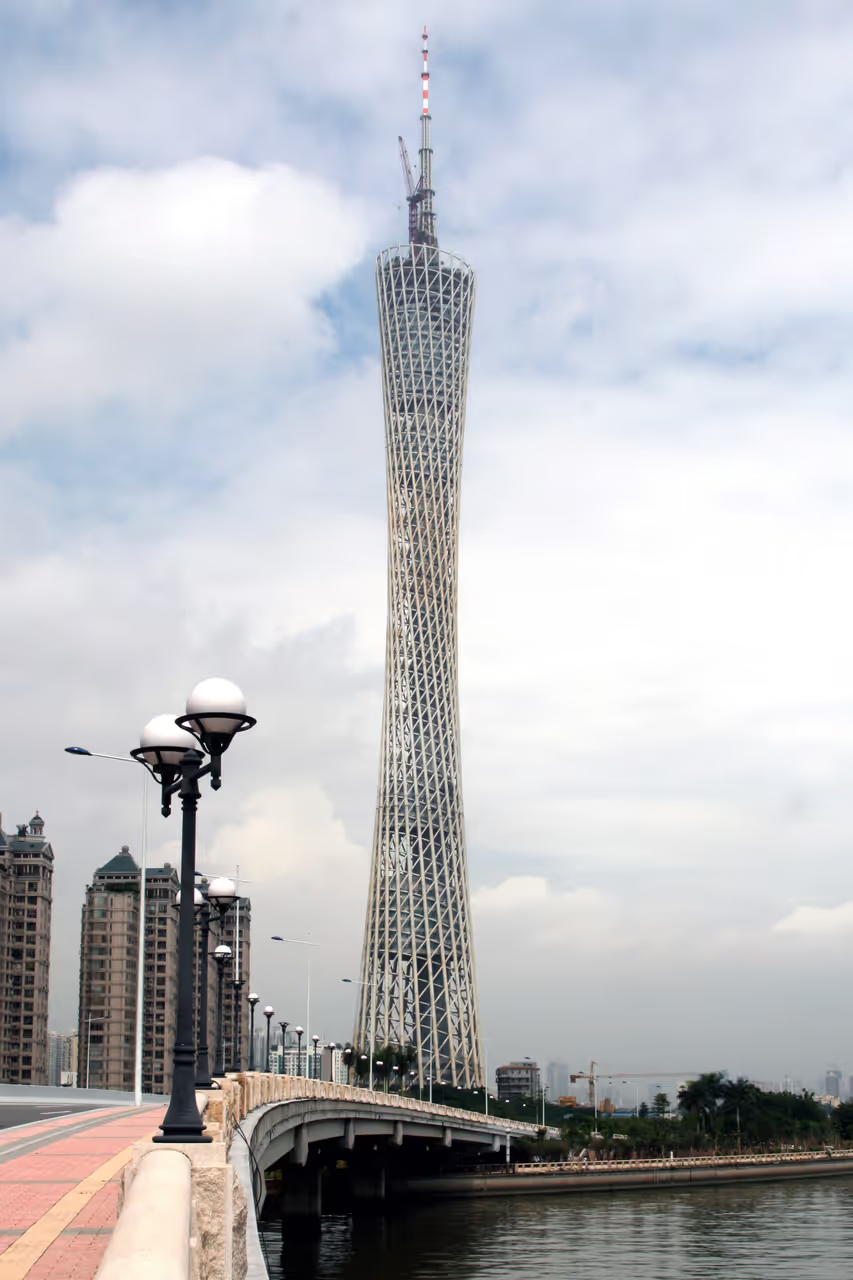
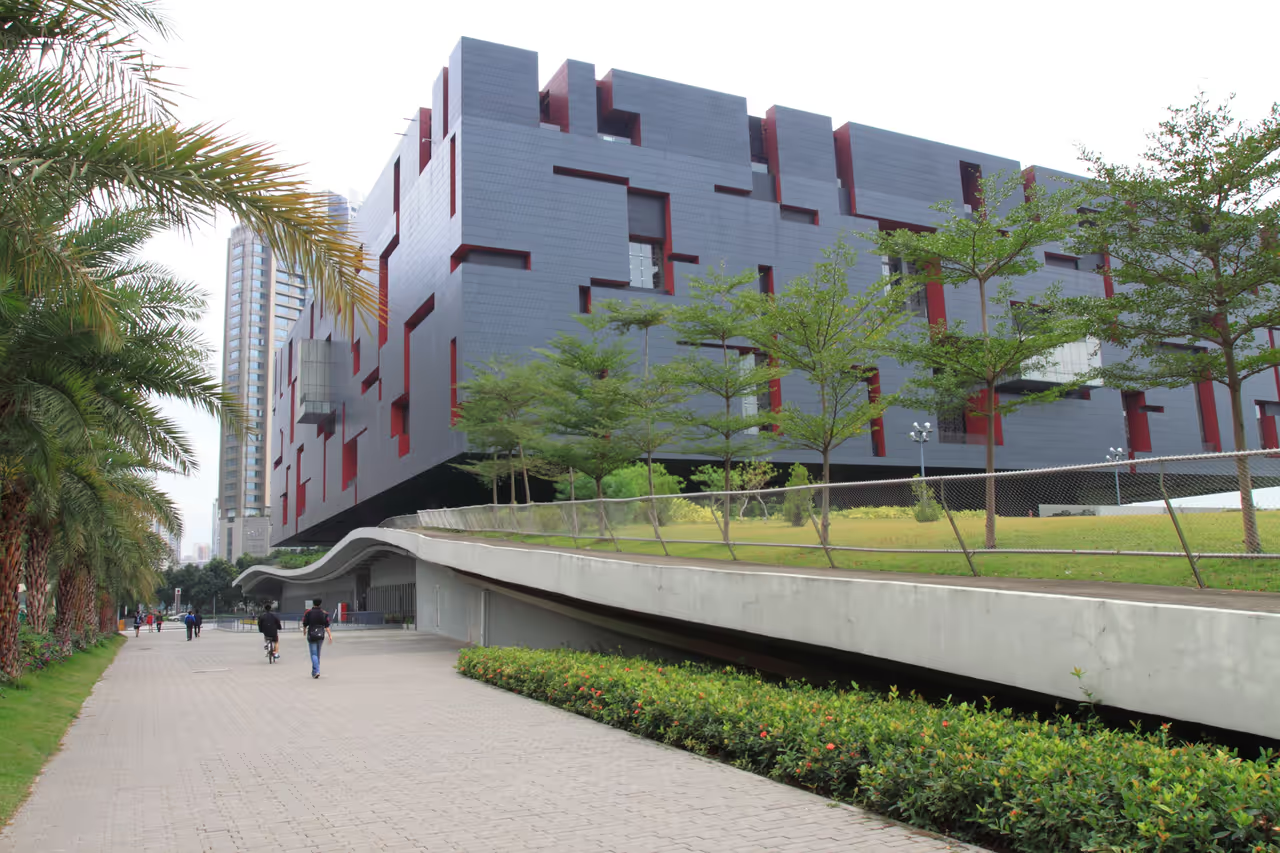
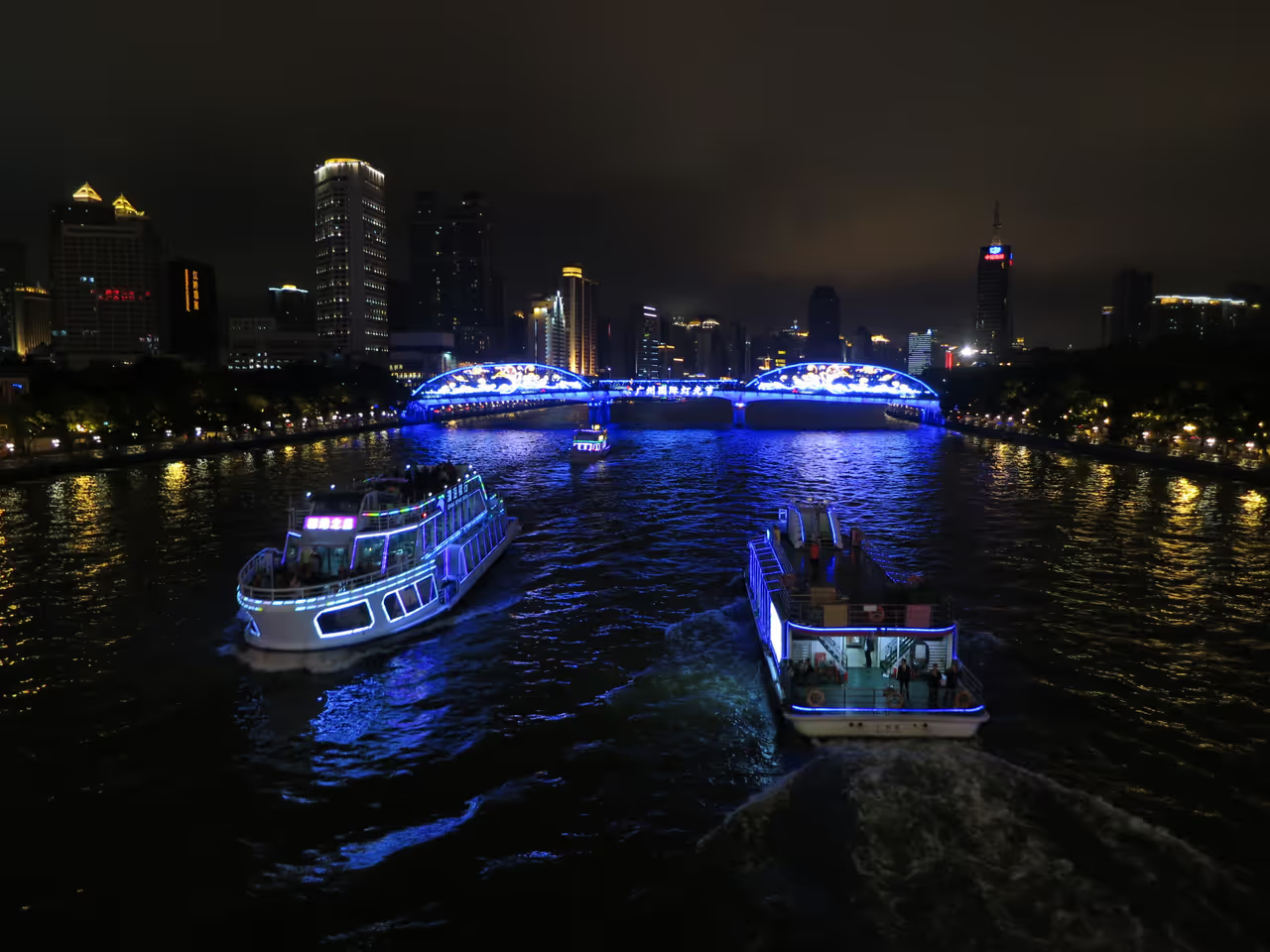
1 Day in Guangzhou: Essential Highlights Itinerary
If you only have twenty four hours, this highly efficient route captures the extreme contrasts that define the city. You will experience the pinnacle of modern architecture, delve into colonial history, and witness the dazzling skyline from the water. The pace is rapid but incredibly rewarding, ensuring you do not miss the most iconic sights. It provides a perfect snapshot of a metropolis caught between the past and the future. Make sure to keep your camera ready throughout the entire journey.
view itinerary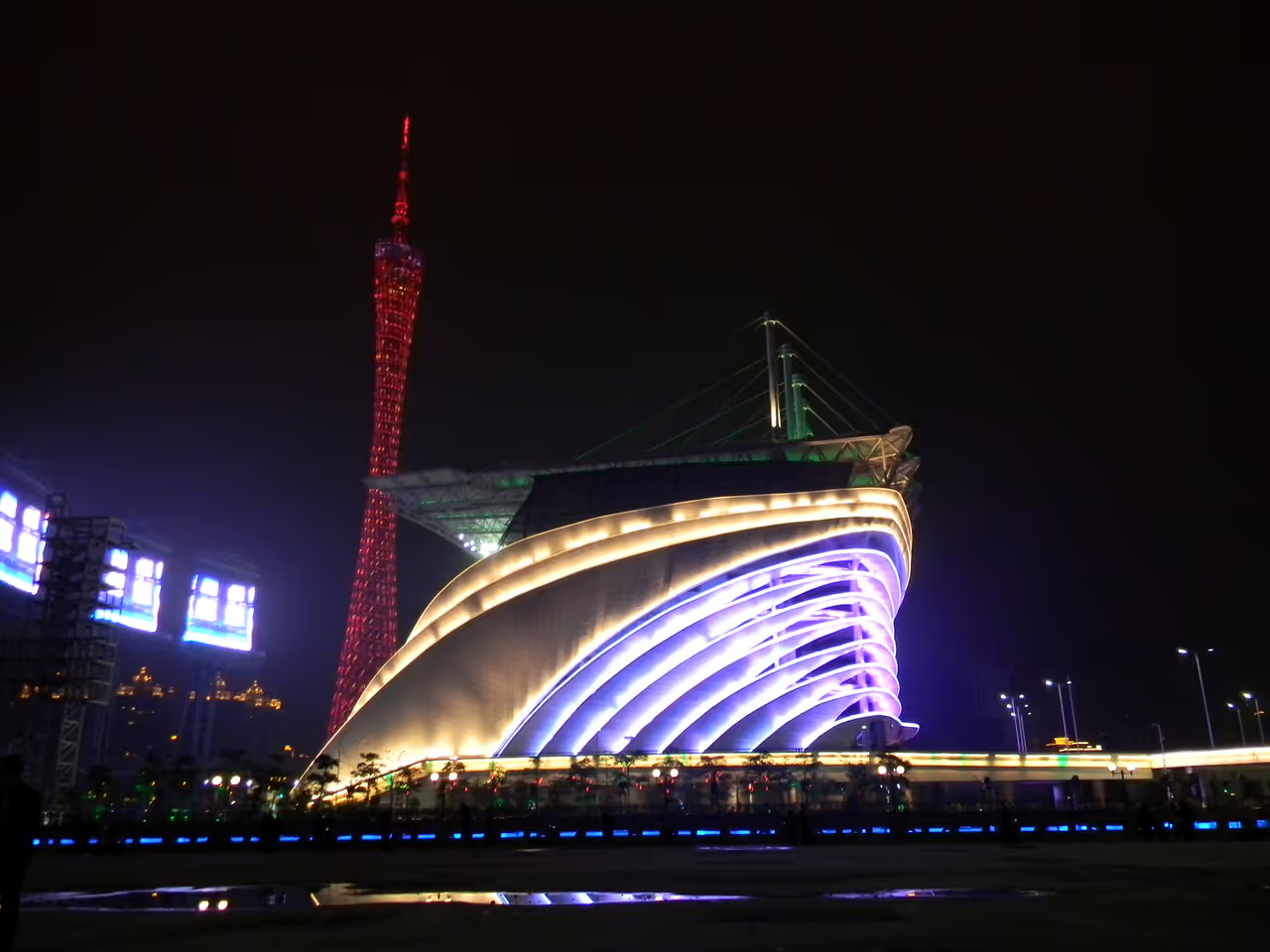
3 Days in Guangzhou: Cultural Immersion Itinerary
This balanced journey allows you to deeply explore the various distinct personalities of the city. One day is dedicated entirely to the cutting edge modern district, showcasing extreme engineering and wealth. Another day delves into the highly traditional western suburbs, focusing on ancient temples and historic shopping streets. The final day uncovers royal history and massive green parks. It is the ideal timeframe for a comprehensive, highly satisfying metropolitan adventure.
view itinerary
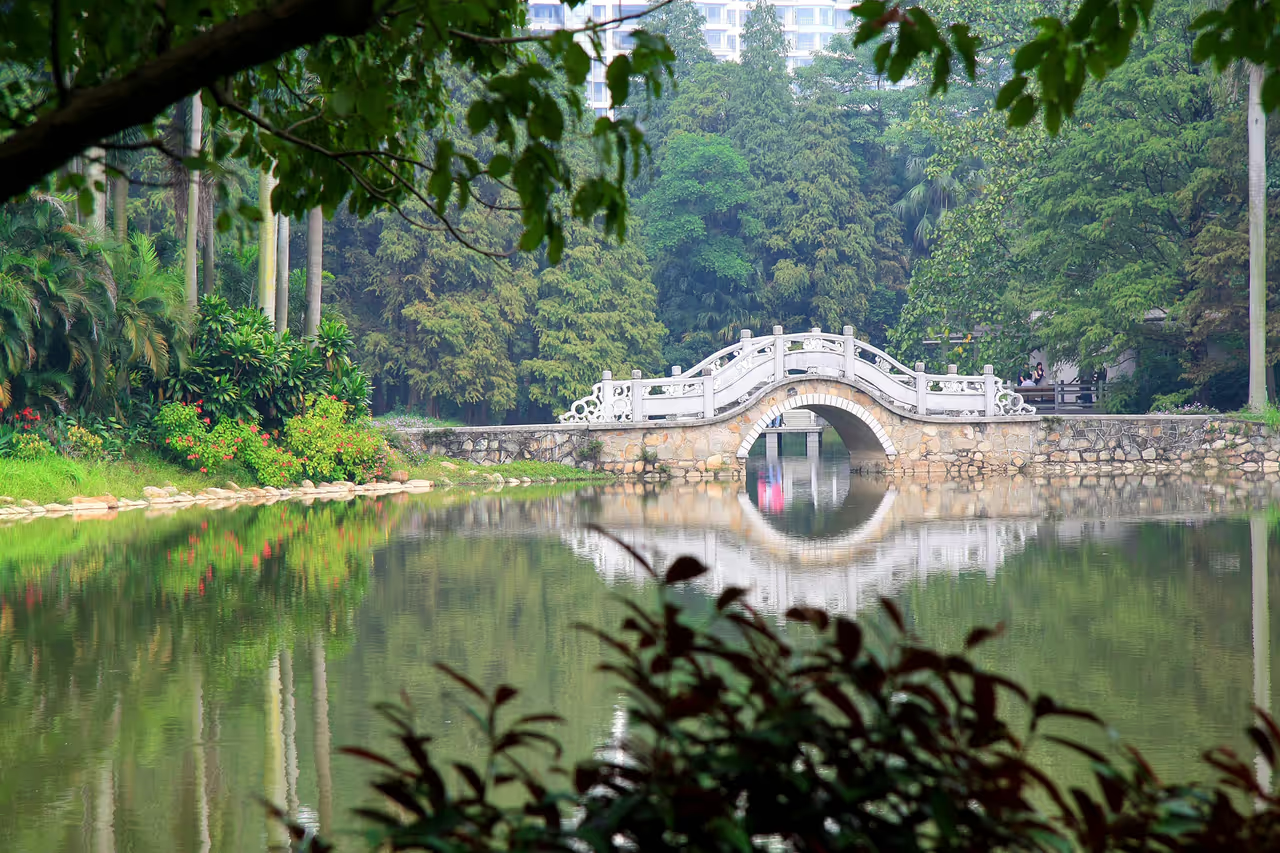
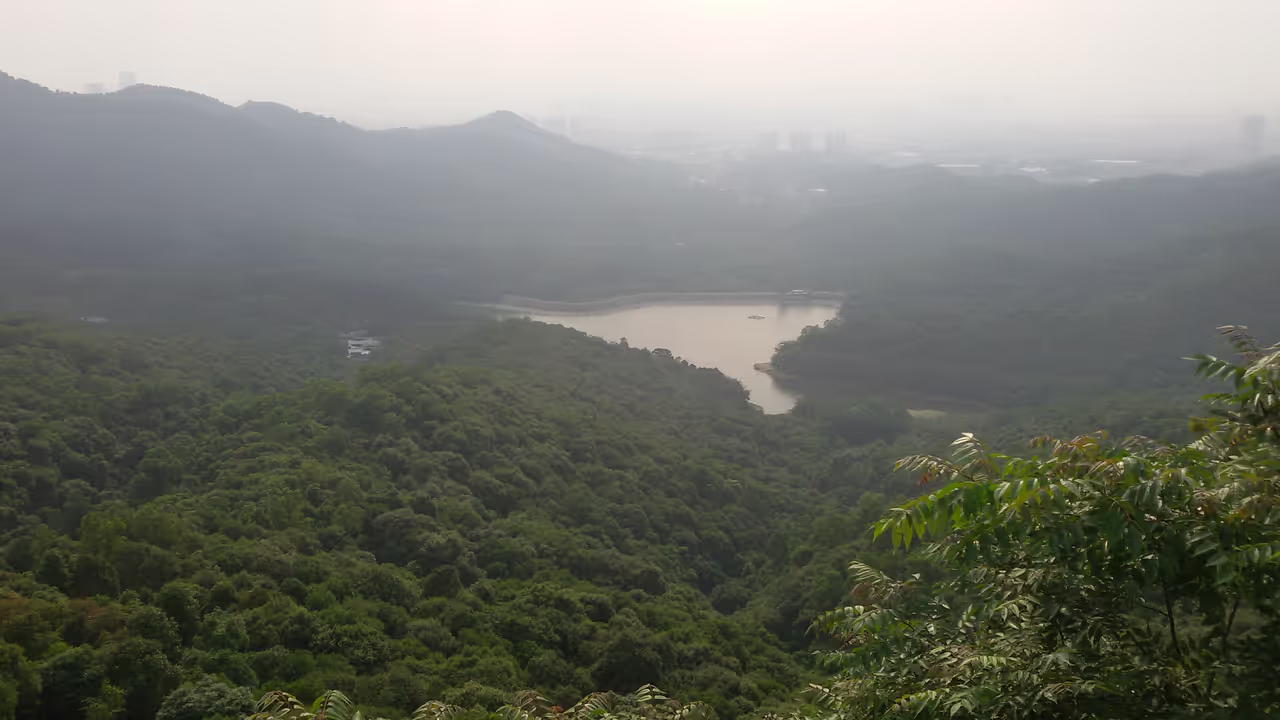
5 Days in Guangzhou: Comprehensive Exploration Itinerary
With five days, you can transition from the frantic urban core to the highly peaceful natural and historical suburbs. This itinerary covers all the monumental sights but also allows time for mountain hiking and botanical discovery. You will venture into historic river ports where the global tea trade once thrived. It offers a highly nuanced, expansive view of the entire region. This is the ultimate way to truly understand the depth of southern Chinese culture.
view itinerary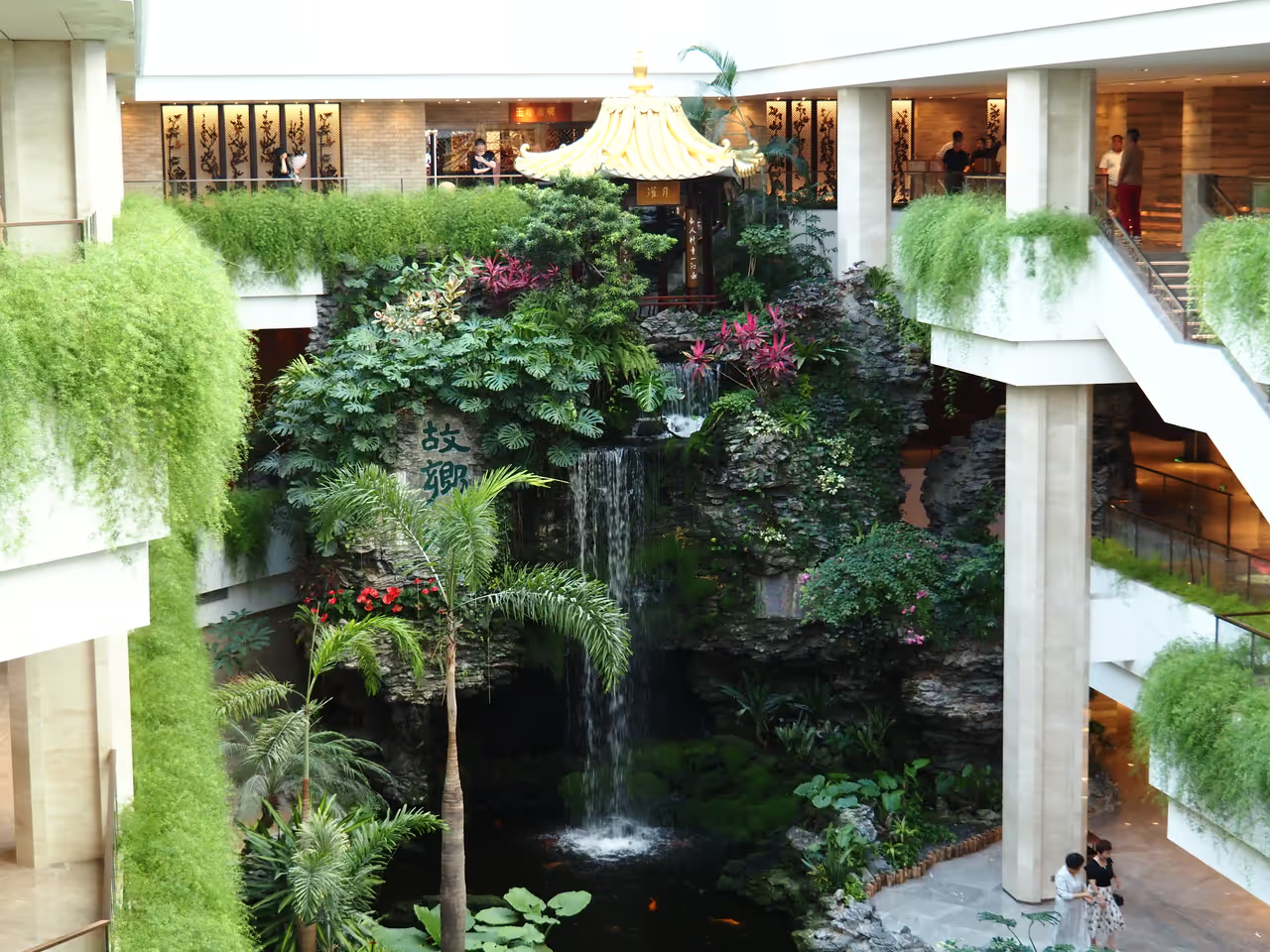
Shamian Island Colonial Walk
This tranquil stroll transports you back to the nineteenth century, far away from the modern urban rush. The pedestrianised avenues are shaded by ancient, massive banyan trees that drape over beautifully restored European mansions. Every corner reveals bronze statues depicting historical scenes of trade and daily life. It is highly peaceful, with locals gathering to play instruments or practice slow martial arts in the gardens. The intricate facades make it a paradise for leisurely photography.
view walking route
See all attractions in Guangzhou
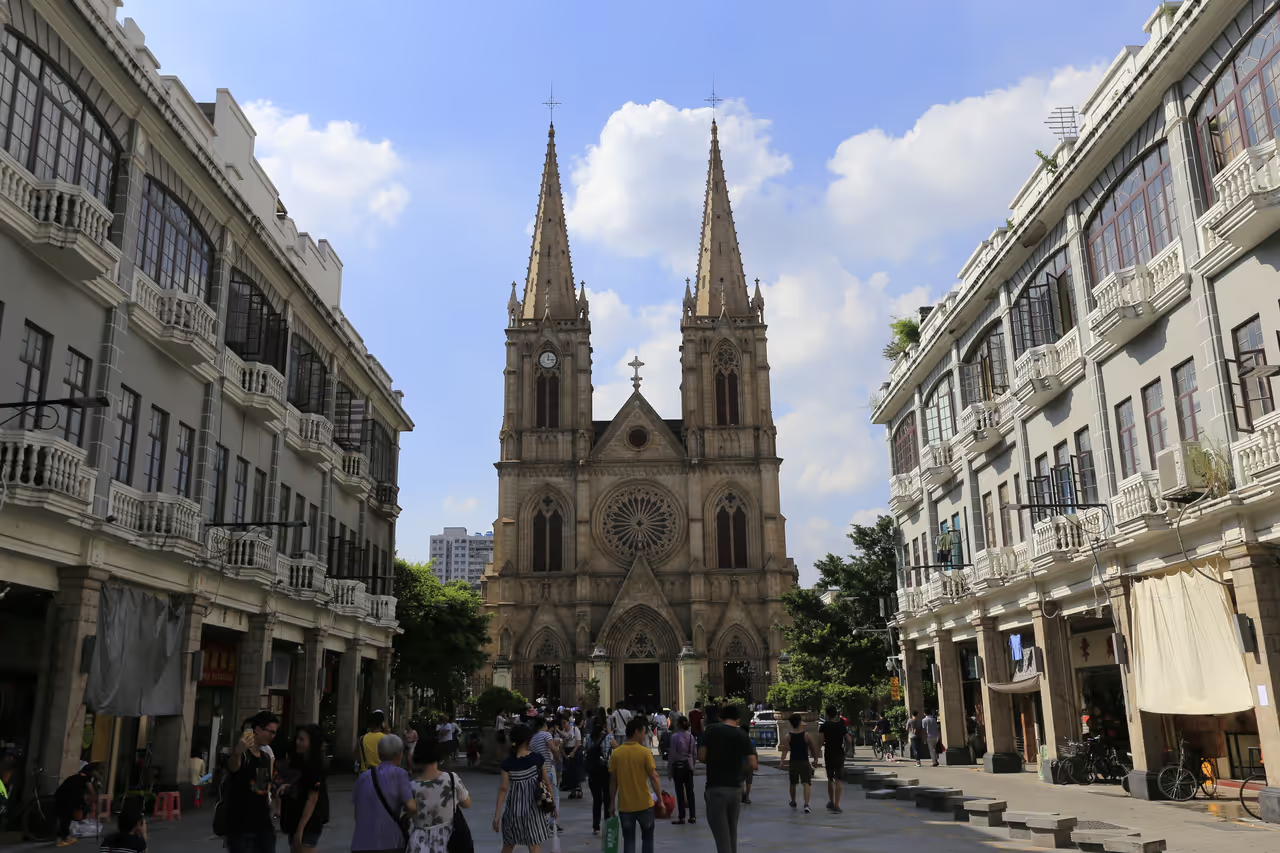
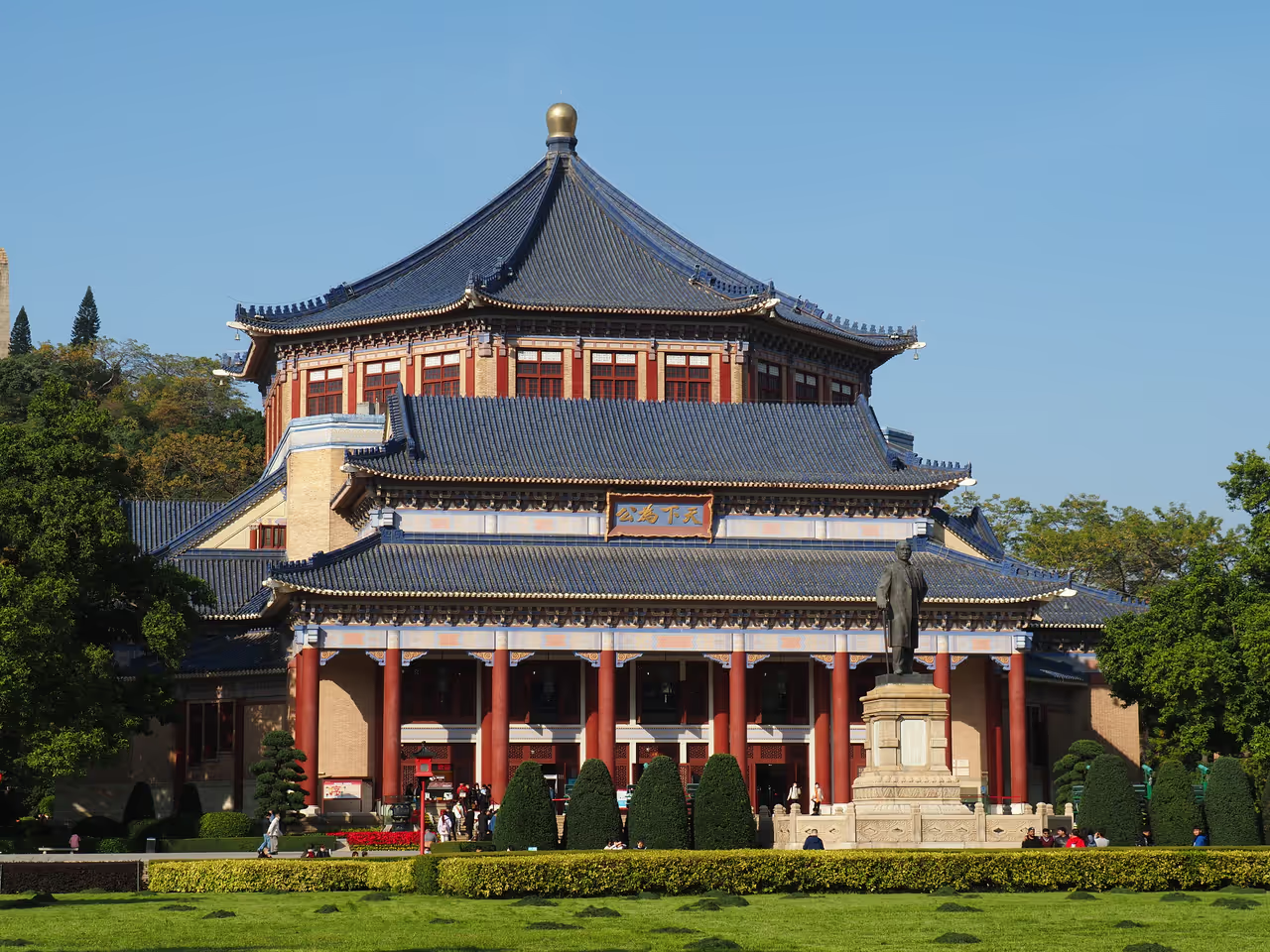
Canton Tower, Chen Clan Ancestral Hall, Guangdong Museum, Sacred Heart Cathedral, Mausoleum Of The Nanyue King, Sun Yat-sen Memorial Hall, Temple of the Six Banyan Trees...