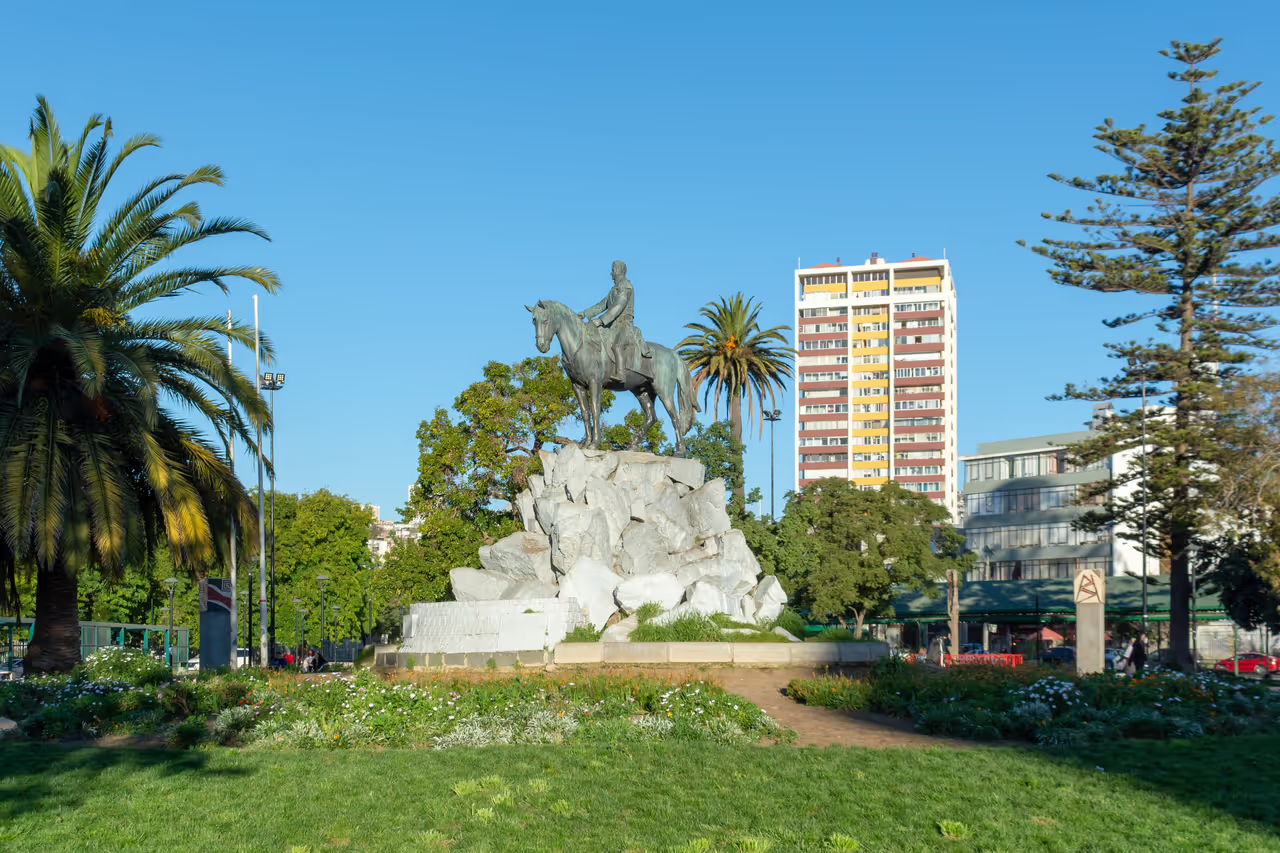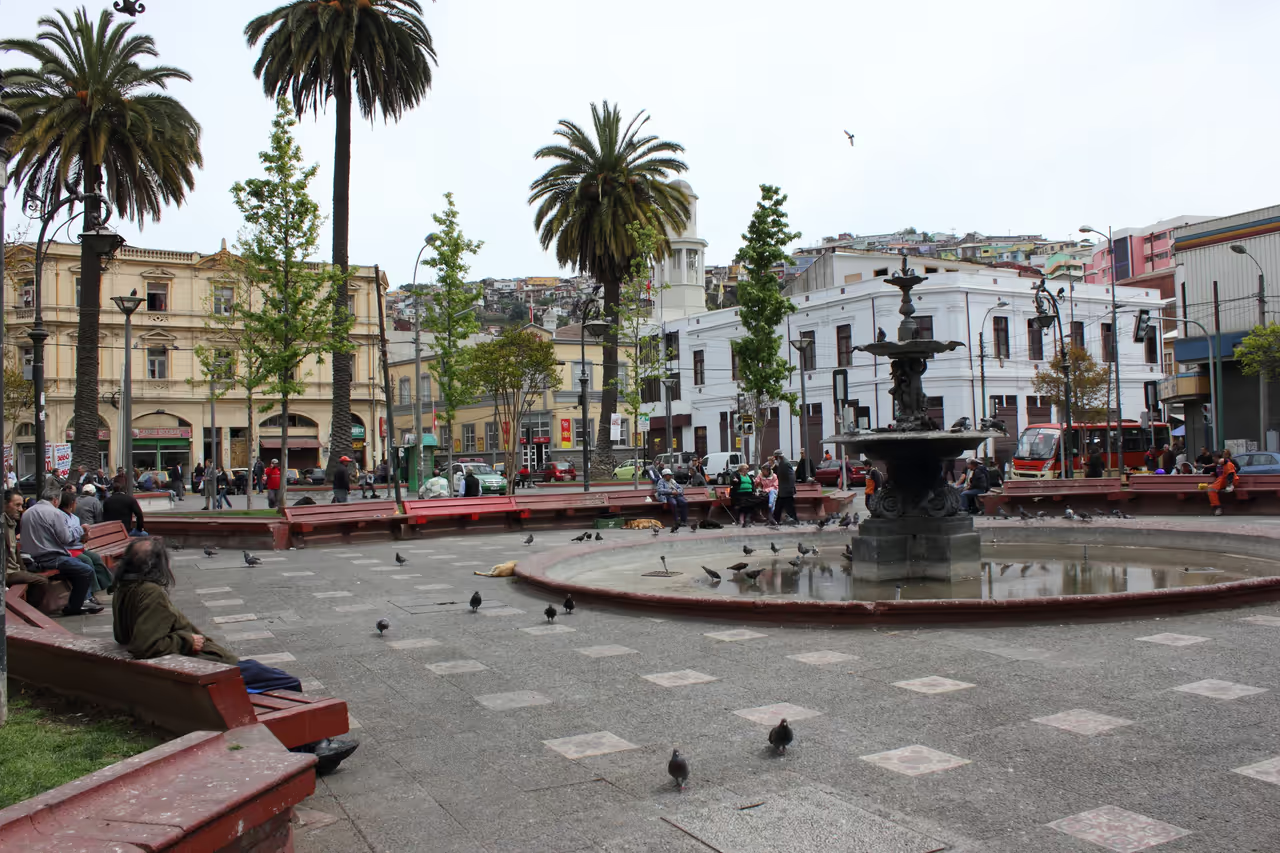
Plaza Echaurren
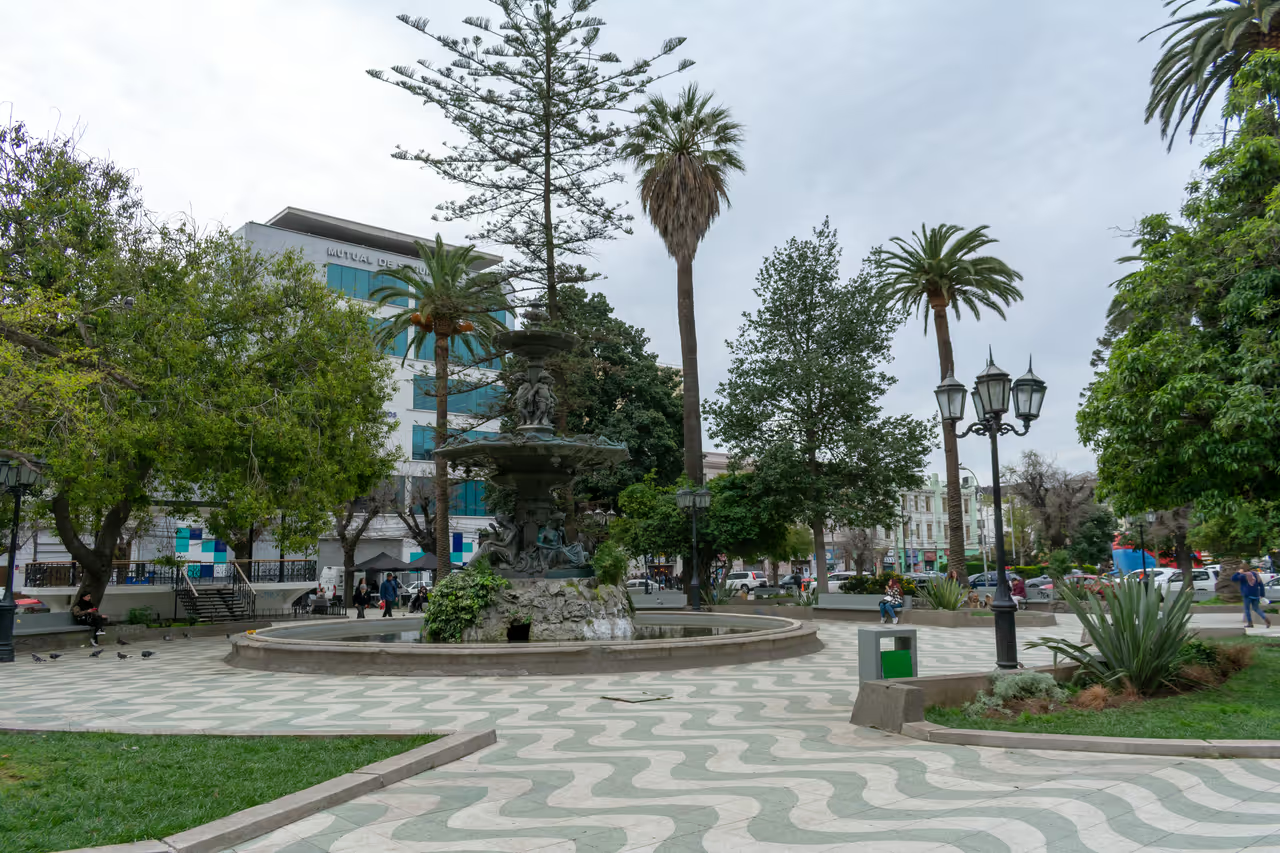
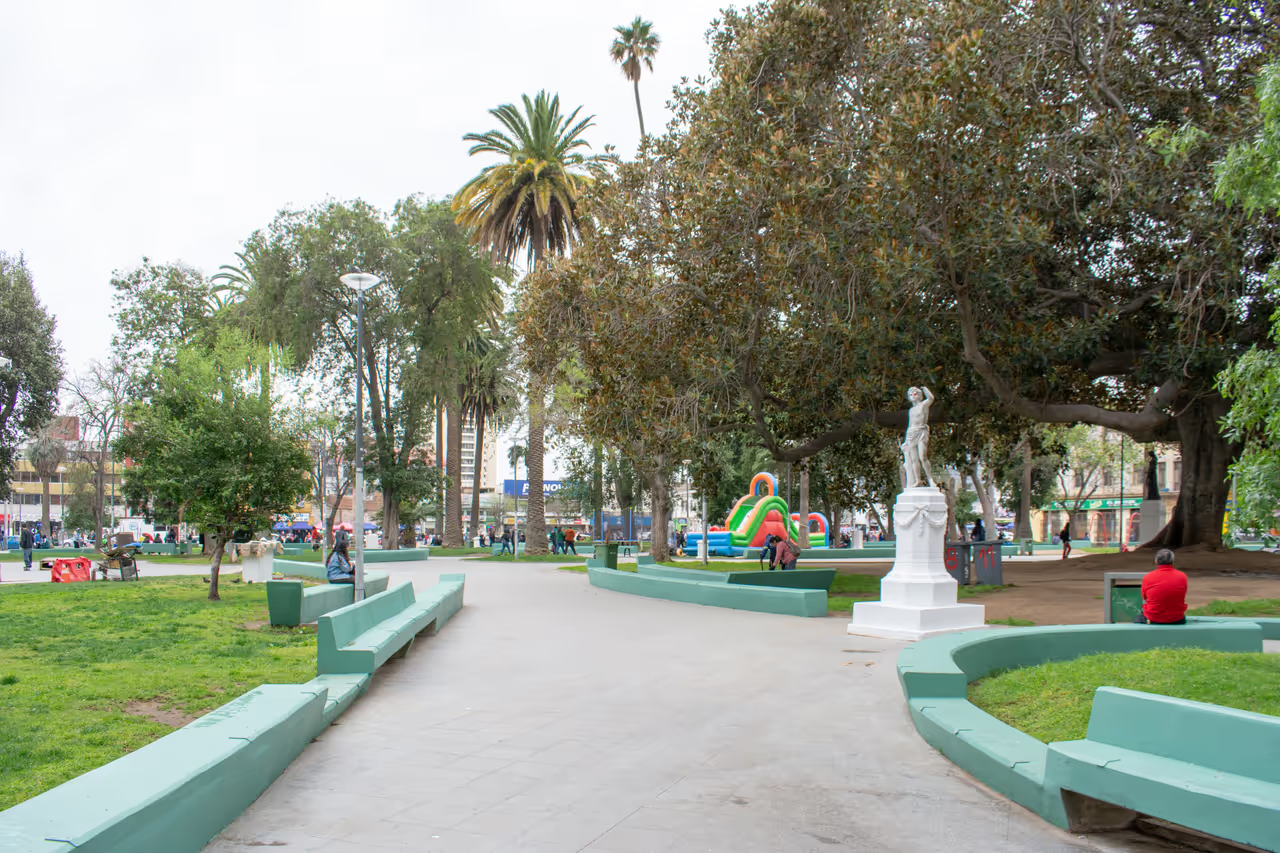
Plaza Echaurren, Valparaíso's very first square, invites visitors to step back in time in the historic Barrio Puerto. This resilient public space has witnessed centuries of the city's evolution, transforming from a colonial embarcadero and market into a charming, landscaped garden with European flair. Today, it remains a vibrant heart of local life, surrounded by beautifully preserved historic buildings and contributing to the city's bohemian spirit. Here, you can soak in the authentic atmosphere, admire the architectural heritage, and discover the statue dedicated to local legend Jorge "Negro" Farías, celebrating Valparaíso's rich cultural tapestry. Its significance as a designated Zona Típica underscores its irreplaceable role in the city's patrimonial landscape.
Videos
History of Plaza Echaurren
Plaza Echaurren's narrative begins long before it bore its current name, rooted in the pre-Hispanic Quintil valley, a coastal expanse where the Pacific met the land. This strategic location soon became the informal landing point for Spanish conquistadors, notably Juan de Saavedra in 1536, seeking vital supplies. As Santiago's natural port, Valparaíso began to organically form around this nascent public square, which evolved into the city's first Plaza de Armas. In these foundational centuries, the plaza was not merely a civic space but a literal extension of the sea, serving as an embarcadero where ships unloaded directly onto its shores, laying the groundwork for Valparaíso's maritime identity. The plaza's identity shifted with the city's growth and burgeoning commercial activity. By the 1820s, with Chile's independence, it embraced the name Plaza del Abasto, reflecting the sprawling street market that made it Valparaíso's economic heart. This era also marked a pivotal historical moment when the Liberating Expedition of Peru, a cornerstone of South American independence, set sail from its very edge. Yet, its prominence was not without peril. The 1866 Spanish bombardment of Valparaíso devastated the plaza and its surrounding commercial district, irrevocably altering the city's economic centre and forcing a southward migration of its main trade activities. In the late 19th century, amidst Valparaíso's cosmopolitan boom, the plaza experienced a significant renaissance, culminating in its renaming to Plaza Echaurren in 1876. A grand remodelling in 1889 transformed it from a stark, dry square into an elegant, European-style garden, complete with a fountain, lush trees, and gas lanterns, becoming a cherished promenade for the city's inhabitants. However, the catastrophic 1906 earthquake once again brought widespread destruction, leading to a radical redesign completed by 1941 that saw its iron fences replaced by sturdy balustrades. Today, Plaza Echaurren stands as a resilient symbol, continuing its legacy as a vibrant social and cultural epicentre within the bohemian Barrio Puerto, proudly hosting the statue of legendary singer Jorge "Negro" Farías, a testament to its enduring spirit and rich heritage.
10 Events spanning 485 years
Fun Facts
- • A new bronze statue honouring Jorge "Negro" Farías, the legendary local singer who popularised the vals "La Joya del Pacífico," was unveiled in the plaza in 2021, celebrating the city's profound musical heritage.
- • Despite its central role, until the late 19th century, the plaza was a "dry" square, completely devoid of trees or gardens, primarily serving as a rugged exchange point for merchandise carried by carts.
- • During the 1820s, it became known as Plaza del Abasto due to a sprawling street market, signifying its vital economic role as a hub for goods arriving from the interior.
- • In 1820, the historic Liberating Expedition of Peru, crucial for South American independence, impressively set sail from this very embarcadero, underscoring the plaza's strategic maritime importance.
- • Its transformation into an elegant, landscaped garden in 1889, featuring orange trees, palms, a decorative fountain with metal herons, and gas streetlights, dramatically introduced a European aesthetic to the public space.
- • Juan de Saavedra, part of Diego de Almagro's conquest, arrived here in 1536 to receive supplies from the caravel Santiaguillo, marking an early European presence in the region.
- • Known as the "Plaza de Armas," it served as Valparaíso's first public square and uniquely functioned as an embarcadero because the sea reached up to what is now Calle Serrano, the plaza's edge.
- • The area where Plaza Echaurren stands was originally the Pacific coastline, known as Quintil Valley to the Changos indigenous people, before any European settlement.
- • The devastating 1906 Valparaíso earthquake left the city, including the plaza, in ruins. Its subsequent restoration by 1941 resulted in a radically different, more modern design, replacing iron fences with cement balustrades and introducing prominent cactus arrangements.
- • The historic Edificio Lynch-Lizardi, home to the legendary Liberty bar established in 1897, stands directly opposite the plaza, cementing its status as a long-standing epicentre of Valparaíso's famed bohemian nightlife.
- • The plaza and surrounding commercial area suffered severe damage during the 1866 Spanish bombardment of Valparaíso, prompting a significant shift in the city's main commercial activity southwards.
- • The sector of Plaza Echaurren and Calle Serrano holds the distinction of being declared a Zona Típica (Typical Zone) by Chile's National Monuments Council, recognising its unique patrimonial value as an extension of the historic La Matriz Church area.
Plaza Echaurren FAQ
While we strive to keep this information accurate and up to date, we recommend verifying any details independently before making decisions based on them.
Plaza Echaurren Map & Neighborhood Explorer
This interactive map is centered on Plaza Echaurren. Zoom in and move the map around to automatically discover Wikipedia photos and summaries of other nearby sights, monuments, and historical points of interest and stories in real-time!
Places near Plaza Echaurren
Make the most of your trip. Check out these top-rated spots located nearby.
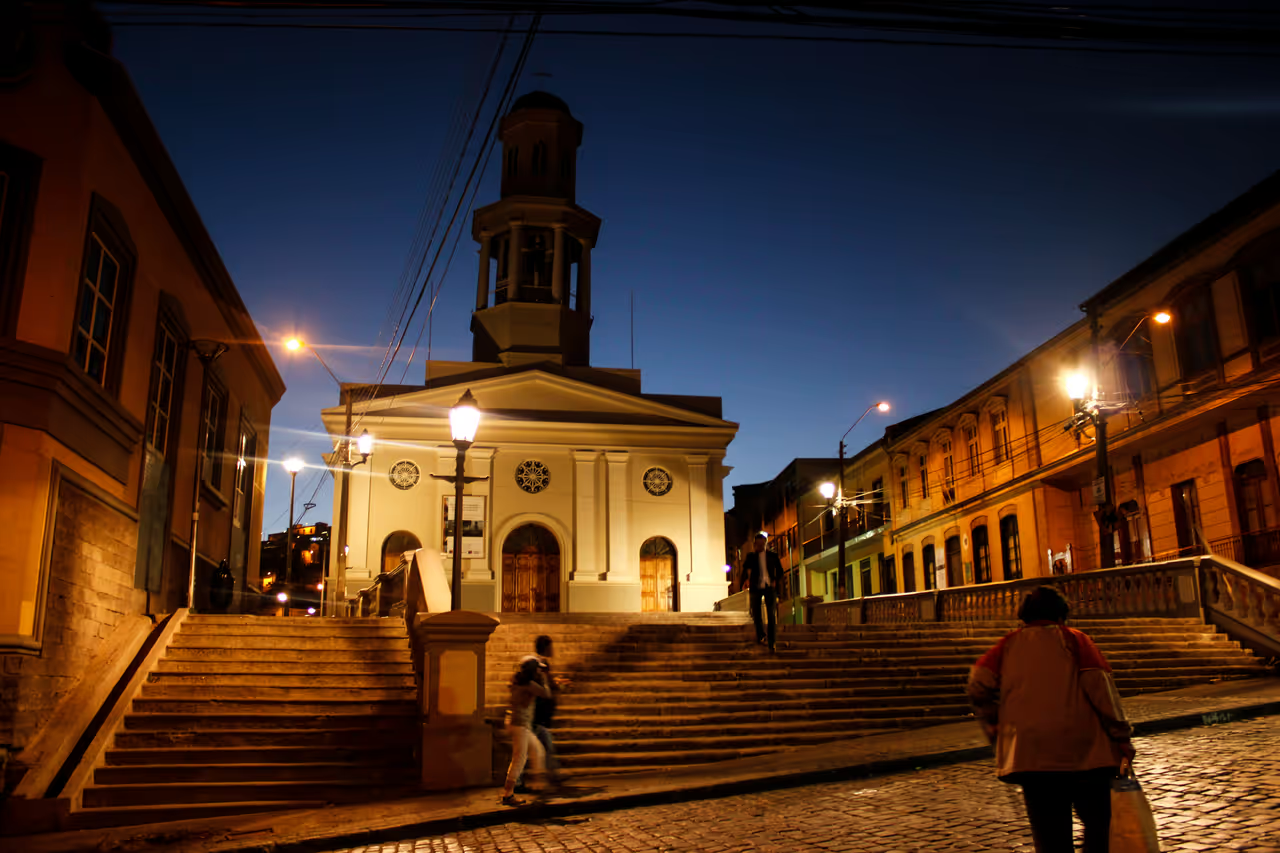 54m
54mIglesia de La Matriz
Tucked away in the historic heart of Valparaíso, the Iglesia de La Matriz is far more than a simple place of worship. As a protected National Monument, it stands as a resilient survivor in the iconic Barrio Puerto district, having weathered centuries of pirate raids and devastating earthquakes. The current structure, completed in 1842, beautifully blends classicist architecture with traditional Creole adobe elements. Visitors are welcomed by its charming facade and serene atmosphere, offering a quiet escape from the spirited energy of the surrounding cobblestone streets. It is a fundamental piece of the city's story, representing the endurance and spirit of the people who built Valparaíso.
attraction view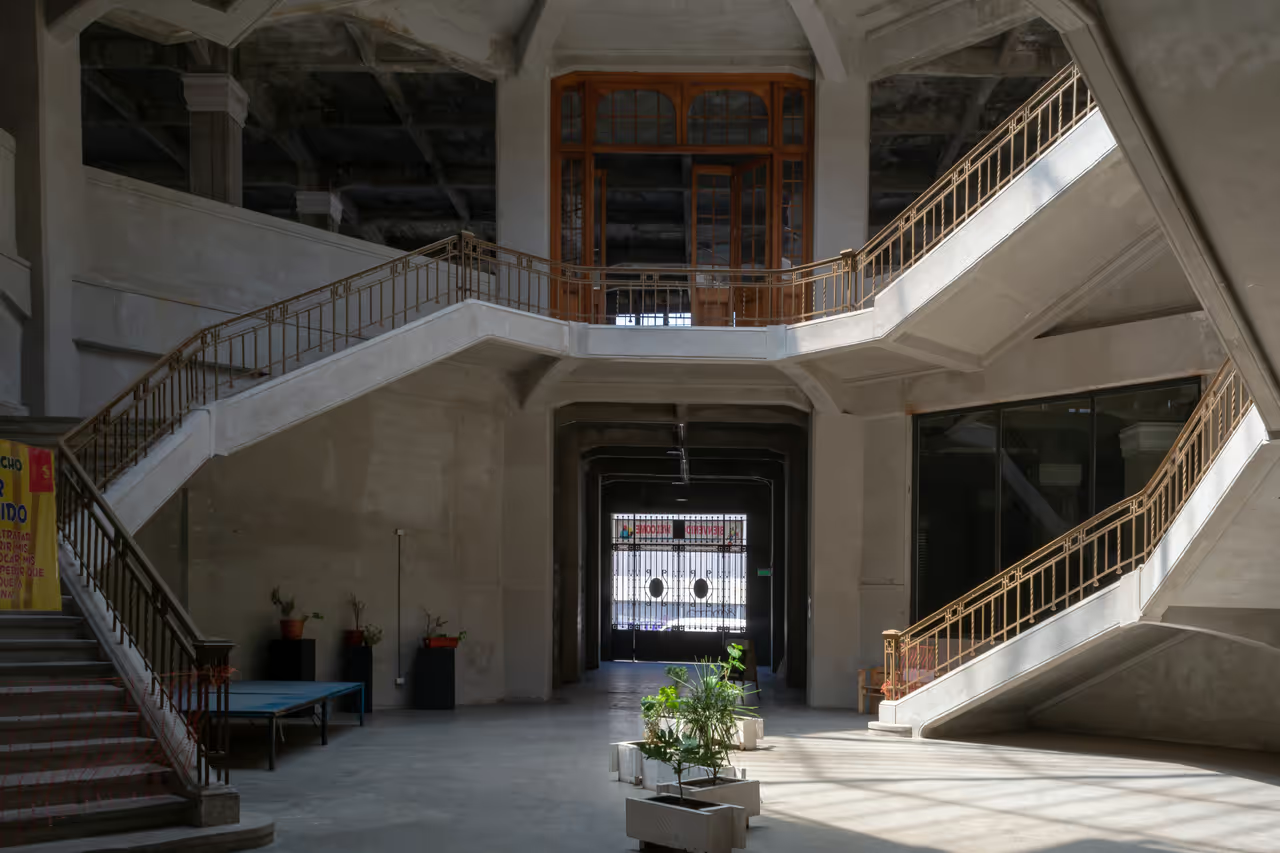 245m
245mPort Market
Located near the last metro station, this market area is a haven for those seeking the freshest catch from the Pacific Ocean. The surrounding small restaurants specialise in traditional seafood dishes prepared just steps from where the boats dock. Look for the places crowded with locals to ensure you are getting the best quality. It is a fantastic spot to savour authentic maritime flavours.
market view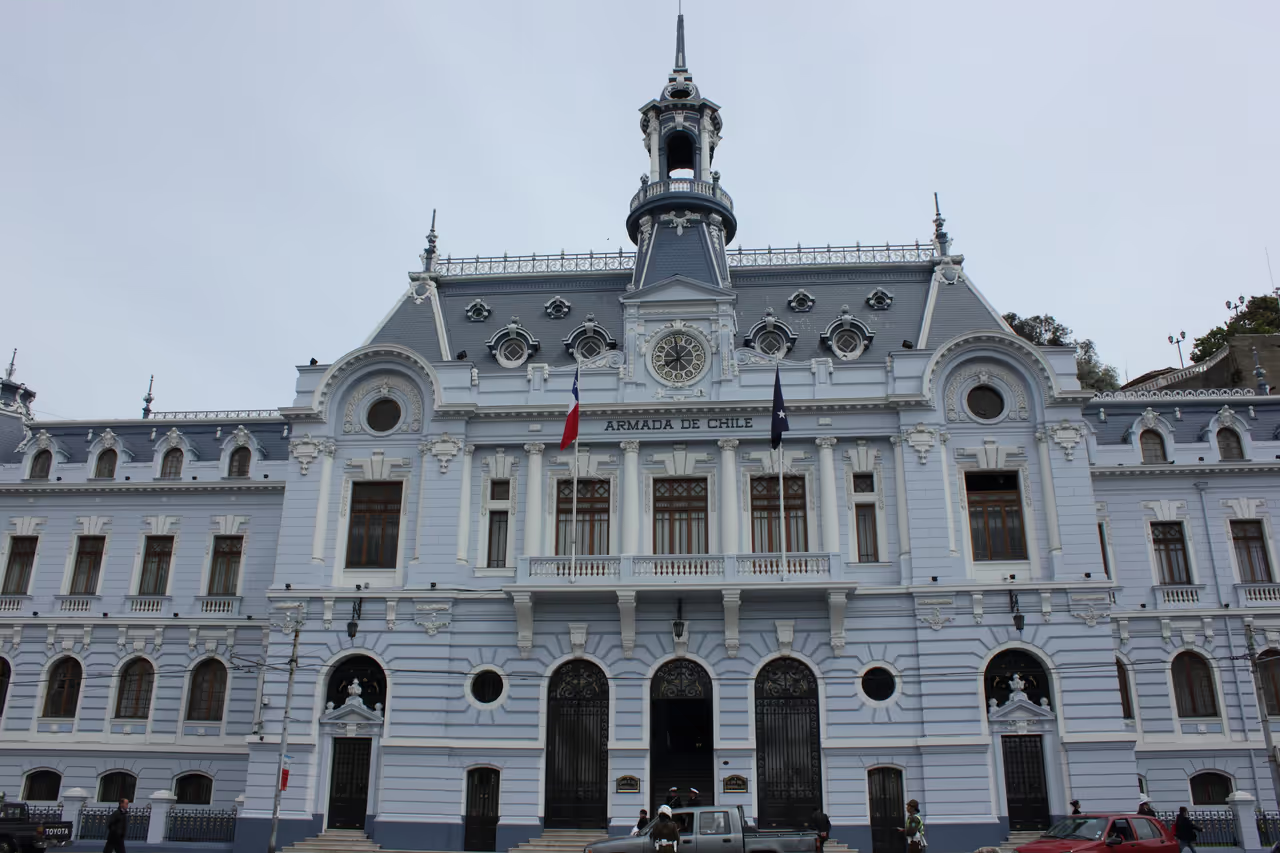 366m
366mChilean Navy Building
Dominating Plaza Sotomayor, this majestic blue and white palace is a striking symbol of the city's naval importance. Originally built in the early 20th century, its imposing facade features grand columns, classical proportions, and a beautifully detailed central dome. It serves as the active headquarters for the Chilean Navy. The building commands respect and provides a pristine, orderly contrast to the chaotic, colourful hills rising directly behind it.
architecture view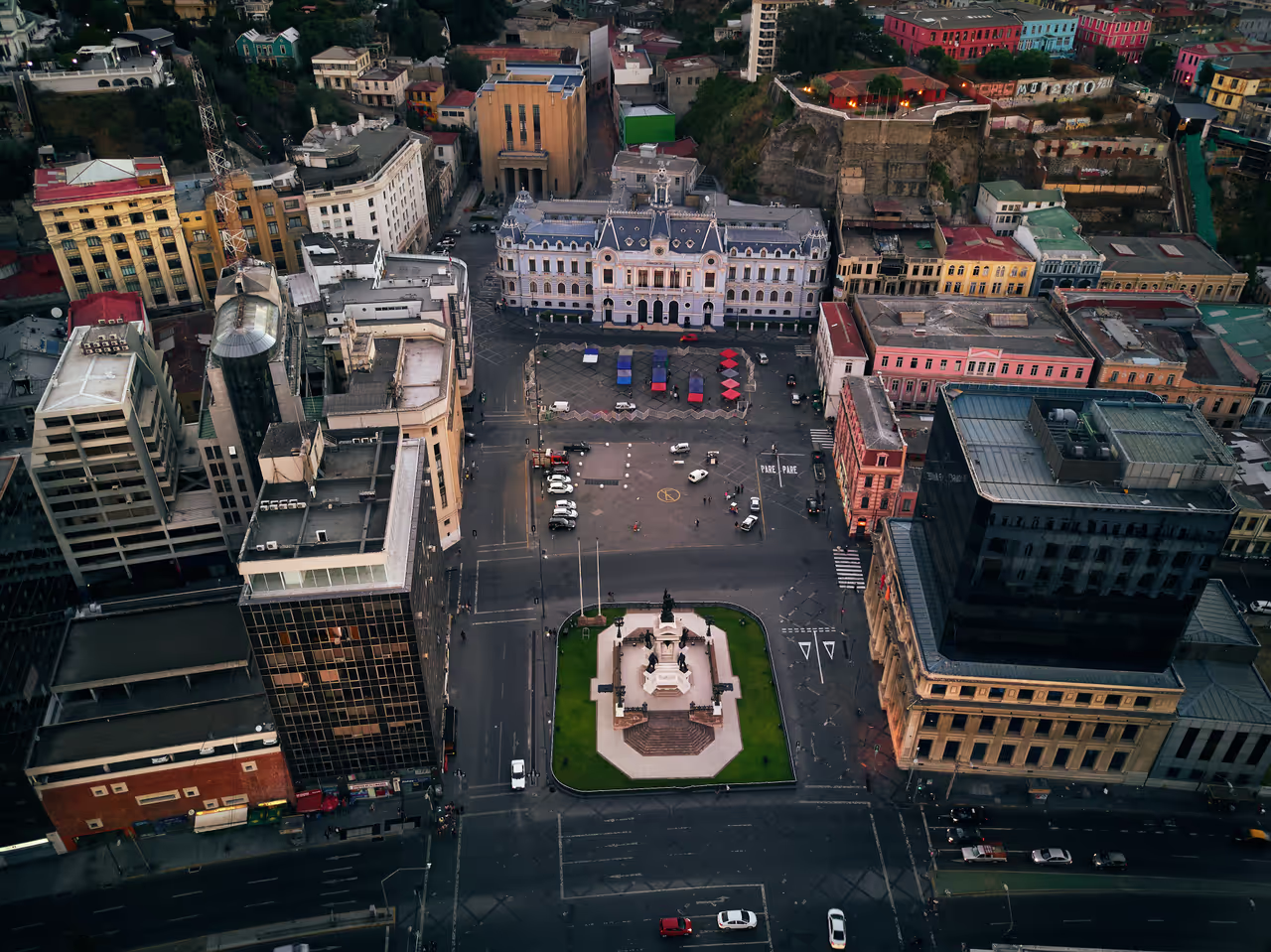 372m
372mPlaza Sotomayor
Plaza Sotomayor serves as the beating heart of Valparaíso where the city maritime history meets its modern and vibrant identity. Framed by majestic neoclassical architecture and historic government buildings this grand square offers a dramatic gateway between the city streets and the shimmering Pacific Ocean. Visitors often pause here to admire the Monument to the Heroes of Iquique which anchors the plaza with deep national pride. You can wander towards the adjacent Muelle Prat to catch a boat tour offering a refreshing perspective of the colourful hills surrounding the bay. Whether you are marvelling at the elegant twin towers or simply soaking in the salty sea breeze this square remains an unmissable stop for anyone wanting to grasp the soul of Chile primary port.
attraction view
See all nature & parks in Valparaíso
Historic Heart of Plaza Victoria, Lago Peñuelas National Reserve, Parque Italia, Plaza Aníbal Pinto, Plaza O'Higgins, Valparaíso Cultural Park...