Fortaleza
Full City Guide, Map & 100 Things To Do
2,578,483 people live here.
That's 1.18% of the entire population of Brazil.
Fortaleza is a vibrant coastal metropolis and the capital of Ceará state in Northeastern Brazil. The city is famous for its extensive urban beaches, lively forró music scene, and deeply ingrained culture of humour and folklore. Visitors are treated to a brilliant mix of modern city life alongside charming colonial architecture and traditional fishing rafts bobbing in the Atlantic Ocean. The local culinary scene revolves around incredibly fresh seafood and unique regional fruits that cannot be found elsewhere. With warm sunshine gracing the city almost all year round, it serves as a perfect gateway to explore the spectacular dunes and lagoons of the surrounding coastline.
Fortaleza DNA
History of Fortaleza
Commander Matias Beck chose a small sandy hill beside the Pajeú creek to construct Forte Schoonenborch in 1649. The Dutch had finally managed to establish a foothold on this harsh stretch of coast. Previous Portuguese attempts to settle the area had dissolved into failure thanks to severe droughts and fierce resistance from the indigenous Potiguara people. The Dutch grip lasted only five years. Portuguese forces returned in 1654, took the wooden fort, and renamed it Forte de Nossa Senhora da Assunção. For a long time, the settlement surrounding this military outpost remained a dusty frontier town. Cattle ranchers drove herds across the arid interior and hauled salted jerky to the coastal markets. White cotton altered the physical shape of the city. European textile mills demanded raw materials during the Industrial Revolution, and the resulting export wealth funded a rapid urban transformation. Engineer António José da Silva Paulet mapped out a strict grid of streets in 1812 to replace the chaotic colonial alleys. Decades later, Adolfo Herbster layered Parisian boulevard concepts over the coastal terrain. The wealth brought elegant buildings and a desire for high society, yet political unrest regularly fractured the polite surface. Revolutionaries of the 1824 Confederation of the Equator faced the firing squad among the ancient baobab and oiticica trees of the Passeio Público. A maritime strike forced the early end of slavery in the region. The city harbour lacked deep water. Fishermen had to ferry goods and people between the shore and large offshore ships using small rafts. In January 1881, a mariner named Francisco José do Nascimento refused to transport enslaved people onto the outbound vessels. His fellow sailors parked their traditional wooden jangadas and locked down the waterfront. The blockade crippled the trade completely. Ceará abolished slavery in 1884, and Nascimento earned the local title Dragão do Mar for keeping the slaver ships empty. Oligarchs learned the hard way that the local population possessed a breaking point. Governor Antônio Pinto Nogueira Accioly controlled the state with an iron grip until a fateful day in January 1912. A peaceful children's march against his rule met with severe police violence. Citizens raided local stores for firearms and fought a street war that forced the governor to resign within days. World War Two brought a different kind of disruption when the United States established military bases in the city to guard the Atlantic. American soldiers filled the coastal neighbourhoods and permanently altered local habits. Today, traditional jangada rafts with triangular sails still slice through the green water off Mucuripe beach beside towering glass hotels.
15 Events spanning 411 years
Map of Fortaleza
Interactive Destination & Itinerary Map
This map blends our curated city guides—featuring best photo spots, scenic walks, viewpoints, hidden gems and much more—with a live Wikipedia explorer. Click on our numbered pins to plan your routes, or zoom in on the surrounding neighborhoods to discover verified local landmarks, museums, and stories with dynamic Wikipedia summaries and photos!
Fun Facts
- • Bode Ioiô was a famously eccentric goat that roamed the city streets in the 1920s, drank sugarcane liquor, and even received votes for city council.
- • The city holds a massive lying contest every April Fools Day under the Cajueiro da Mentira tree.
- • This progressive region abolished slavery four full years before the rest of Brazil, spearheaded by a brave local raft maker known as Dragão do Mar who refused to transport enslaved people.
- • A local literary movement called the Spiritual Bakery gathered in cafes during the late nineteenth century to pioneer modern ideas in Brazilian literature.
- • The city is widely recognised as the humour capital of Brazil and exports some of the nation's most famous comedians.
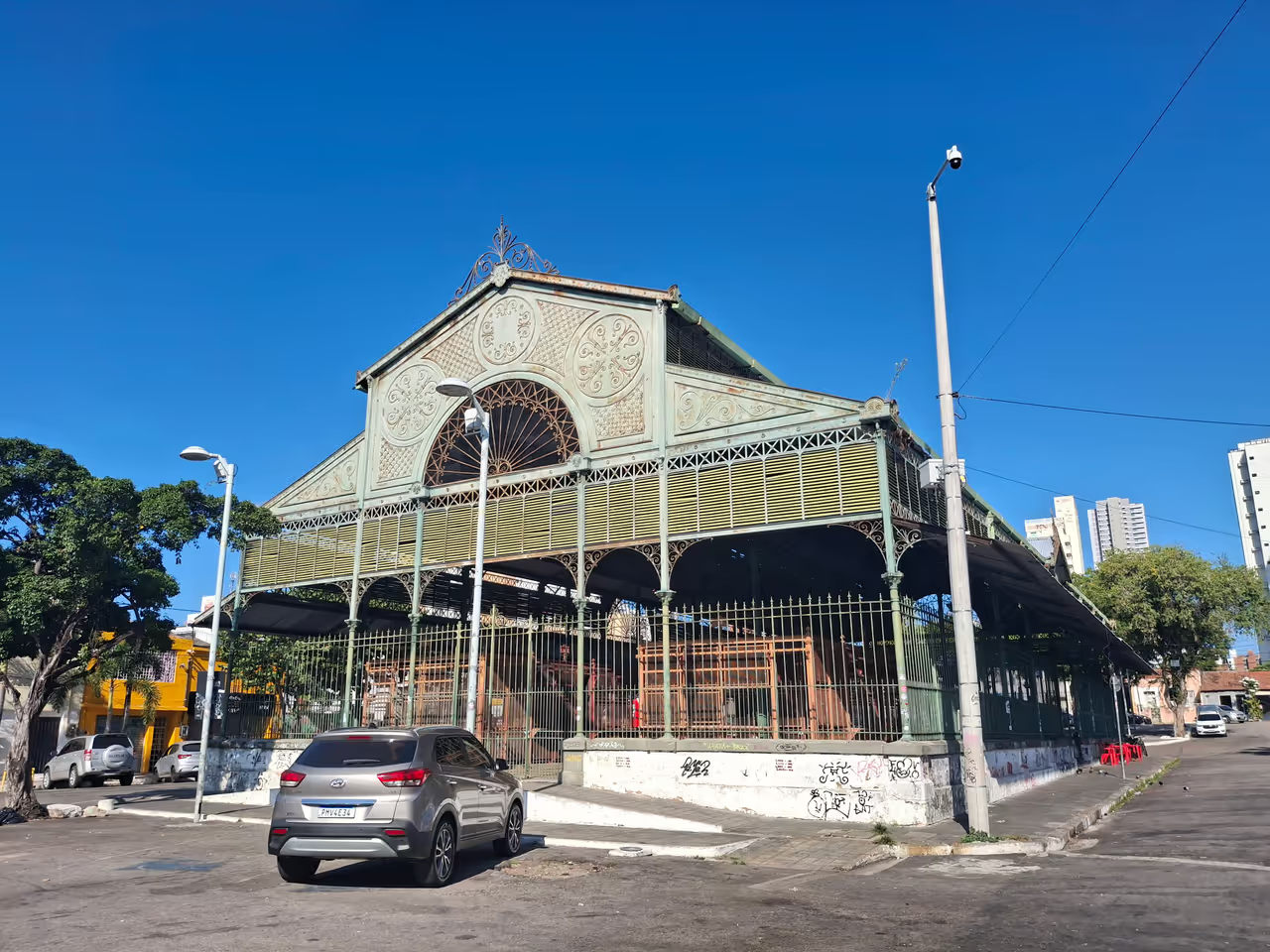
- • The local architectural heritage features a beautiful iron meat market that was imported piece by piece directly from Europe in 1897.
Did You Know?
- • The city officially became the fourth largest in Brazil following the 2024 national census.
- • It generates the largest Gross Domestic Product in the entire Northeast Region of the country.
- • Due to its strategic geographical position, the nearby port offers the shortest maritime transit time between Brazil and mainland Europe.
- • The local Alberto Nepomuceno Conservatory is named after the man widely considered the founder of Brazilian classical music.
- • The city's public transport system includes over one hundred kilometres of exclusive bus lanes and a rapidly expanding metropolitan railway network.
- • Just off the coast lies a protected marine state park created specifically to preserve the rich biodiversity of the local reef systems.
RESOURCES
Official WebsiteVideos of Fortaleza
Seasons
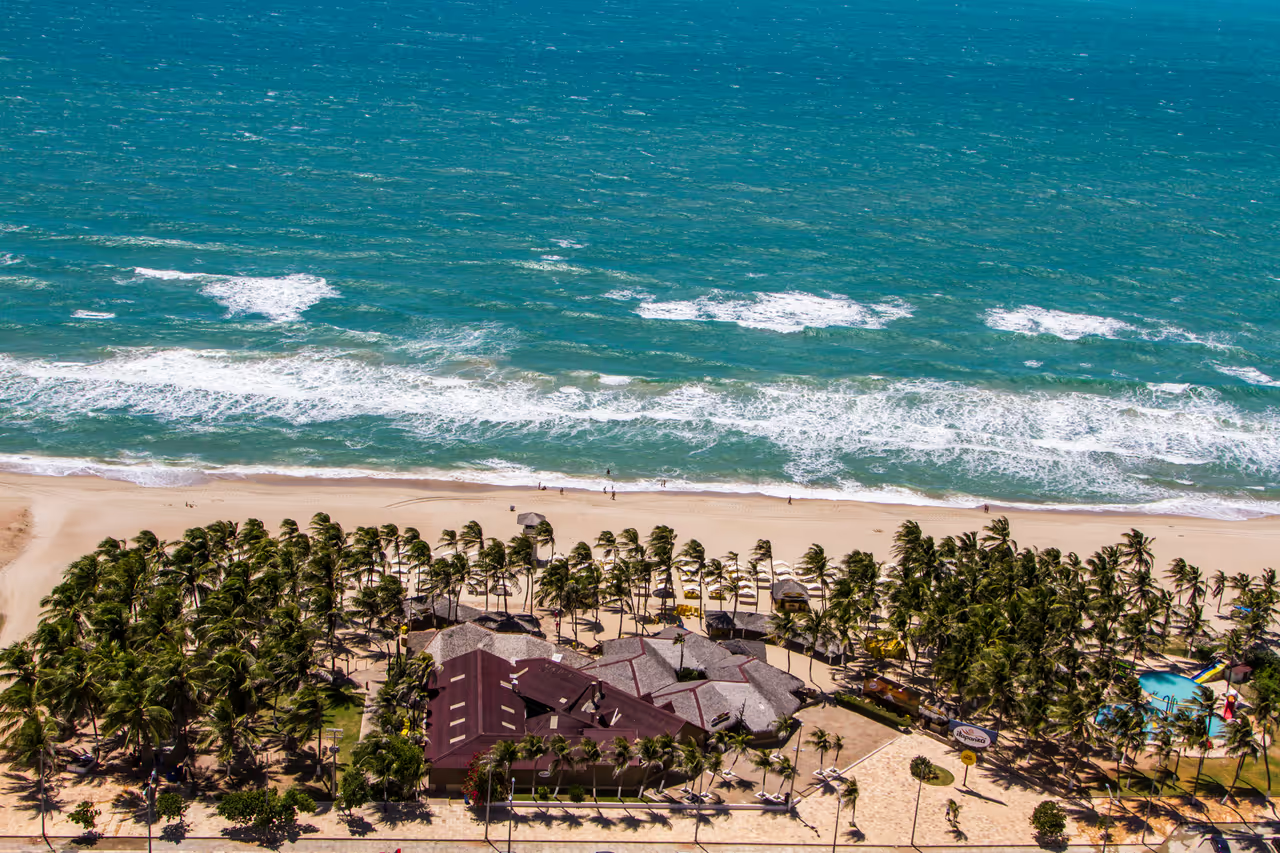
Spring
The weather remains incredibly consistent, featuring bright, sunny days and a very comfortable average temperature. The strong...
Summer
This is peak season, bringing large crowds of domestic tourists and an incredibly vibrant, festive atmosphere to the city...
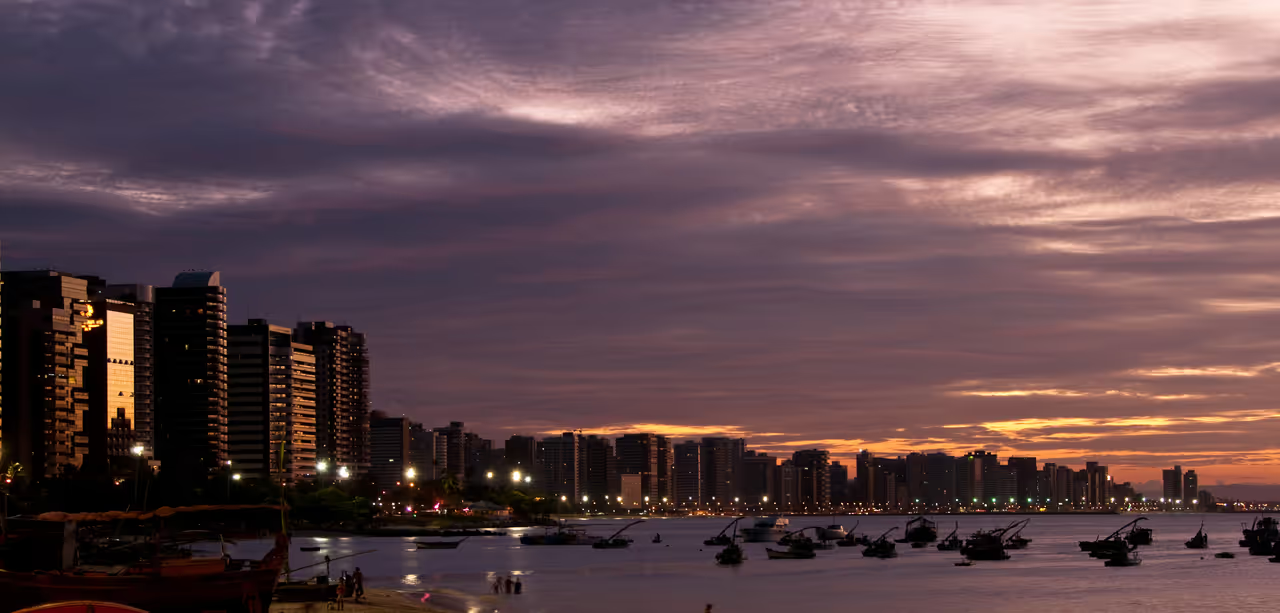
Autumn
This period marks the region's rainy season, bringing heavy but often short lived tropical downpours that turn the surrounding...
Winter
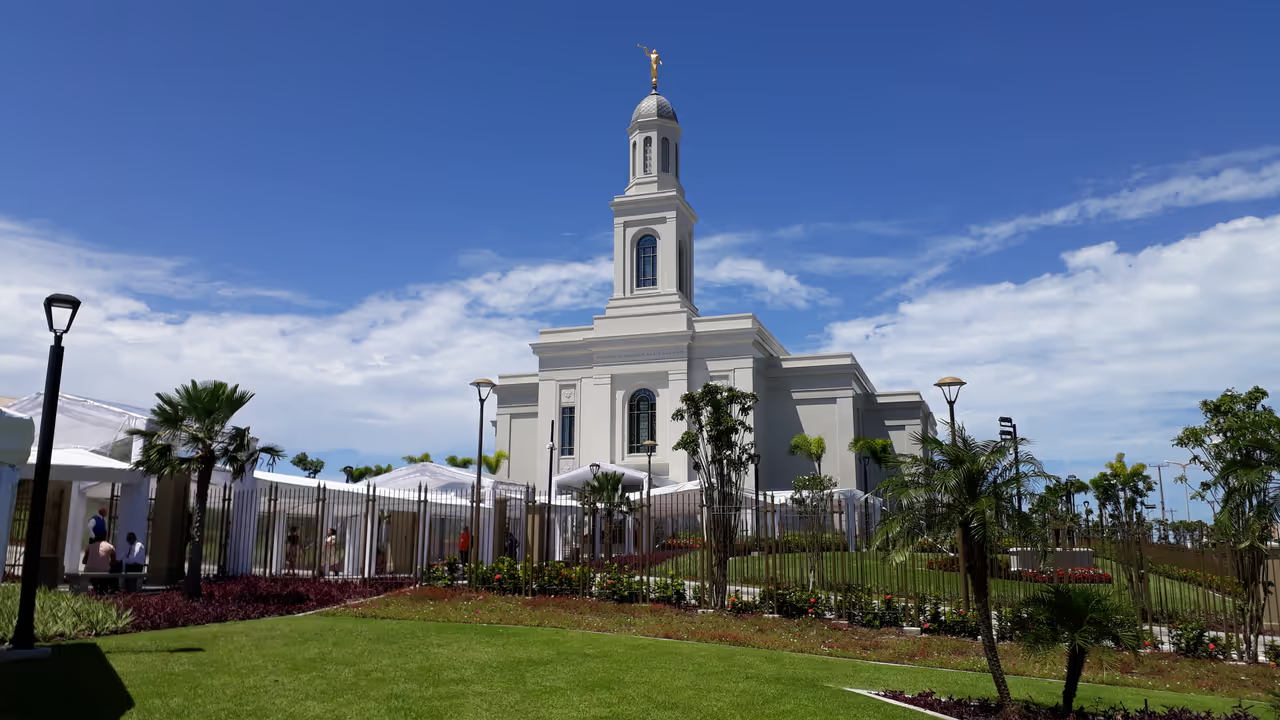
The rains begin to taper off significantly, ushering in the start of the dry season with beautifully clear, blue skies. The...
Top Attractions in Fortaleza
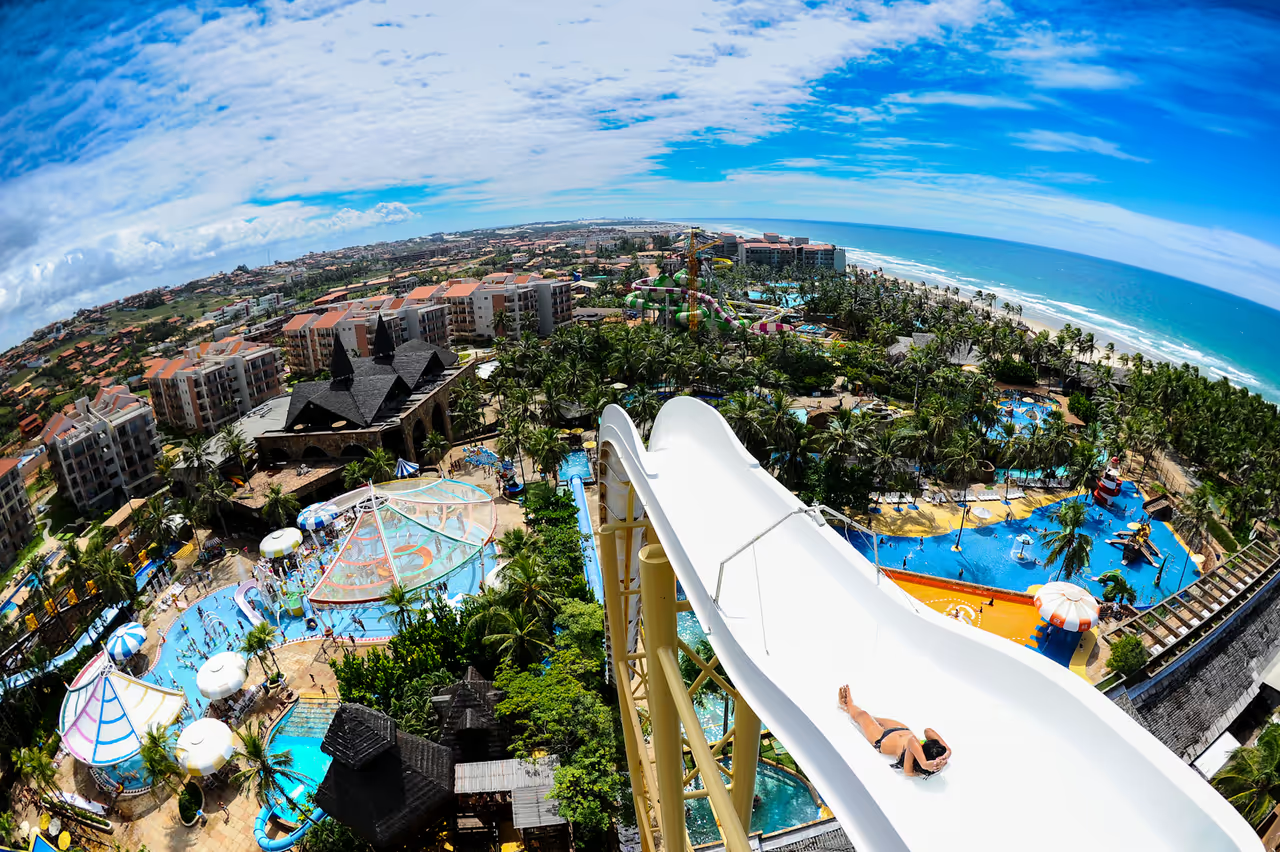
Beach Park
Imagine a place where the sun of the Brazilian Northeast kisses the turquoise waters of the Atlantic, creating the ultimate...
view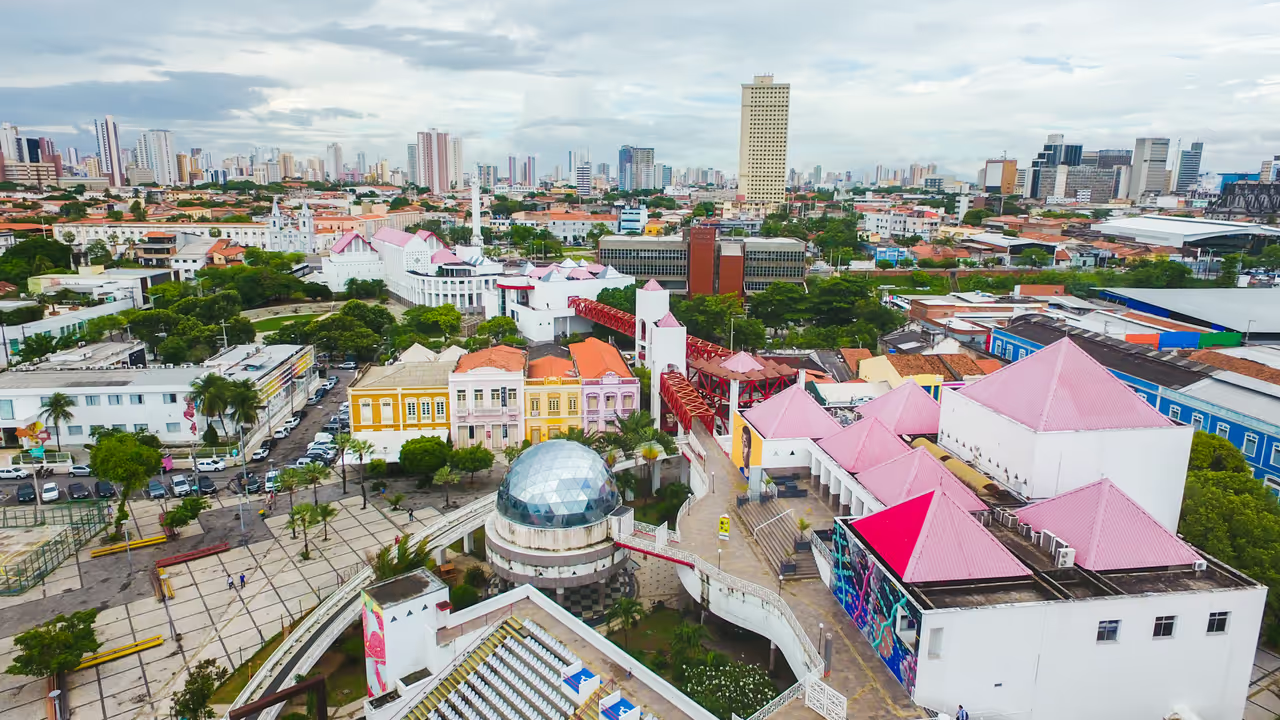
Dragão do Mar Center of Art and Culture
This iconic cultural hub serves as the beating heart of Fortaleza, blending history, science, and the arts within a striking...
view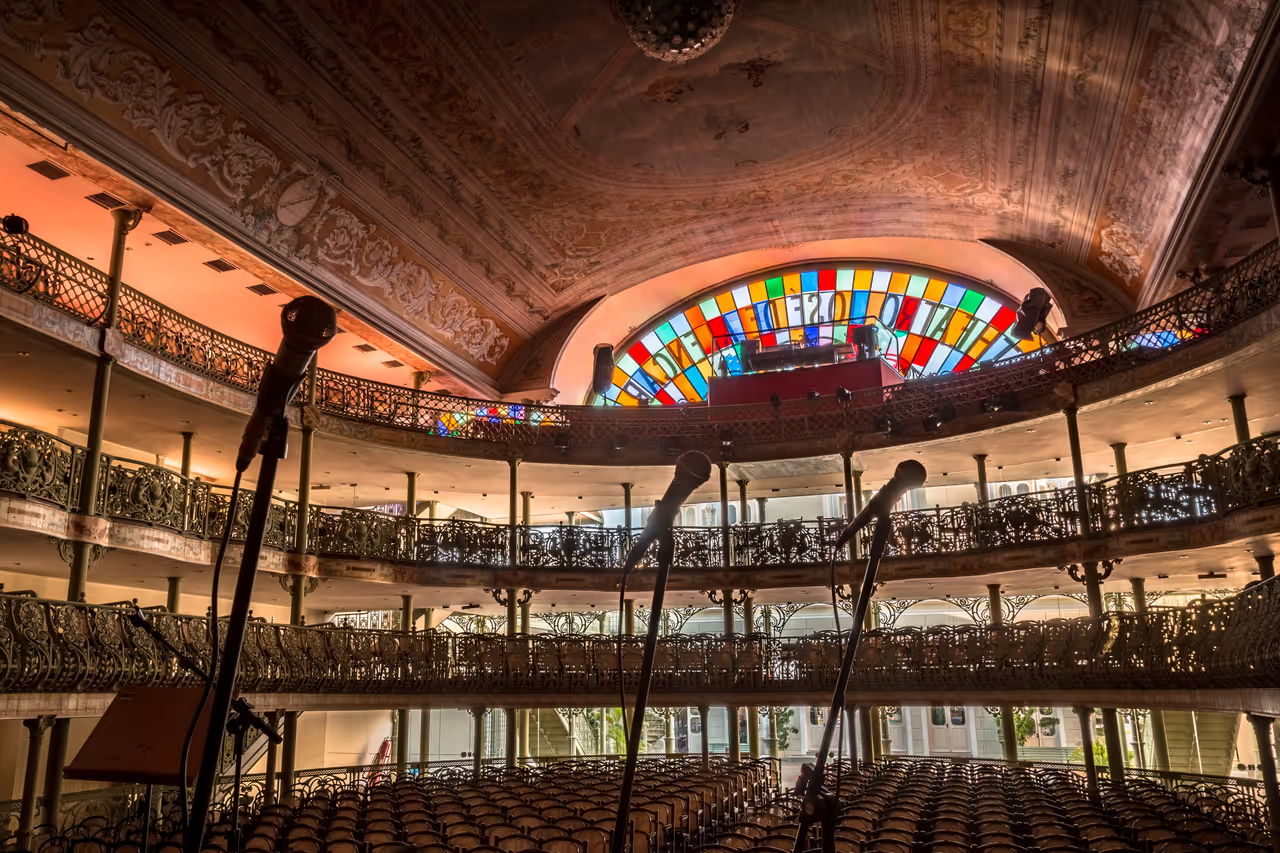
Theatro José de Alencar
Visit the stunning Theatro José de Alencar, an architectural jewel in Fortaleza that transports you to a bygone era of elegance...
view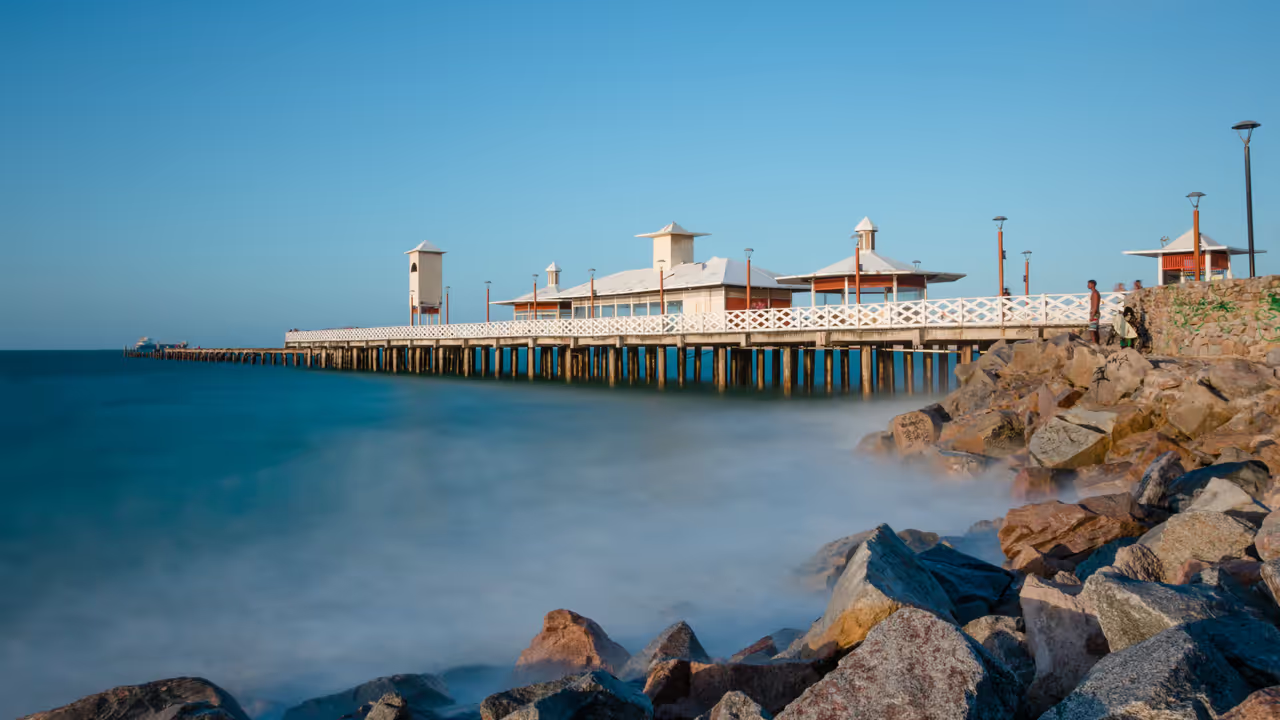
English Bridge
The English Bridge, locally known as the Ponte Metálica, stands as a picturesque landmark extending into the Atlantic waters of...
view
Best Views
Fortaleza Itineraries
TRIP PLANNER
4 Days Recommended
Four days provides a comfortable window to explore the historic centre, relax on the urban beaches, and sample the diverse local cuisine. It allows enough time to take a day trip to the surrounding dunes or a water park without feeling rushed. You will also have ample evenings to experience the famous nightlife and traditional music venues.
1 Day in Fortaleza Itinerary
If you only have one day in the city, this itinerary focuses on the absolute essentials, blending historic sights with the famous coastal lifestyle. You will explore the architectural grandeur of the downtown area before spending the afternoon enjoying the vibrant beach culture. The day concludes with an unforgettable sunset view and a taste of the legendary local seafood.
view itinerary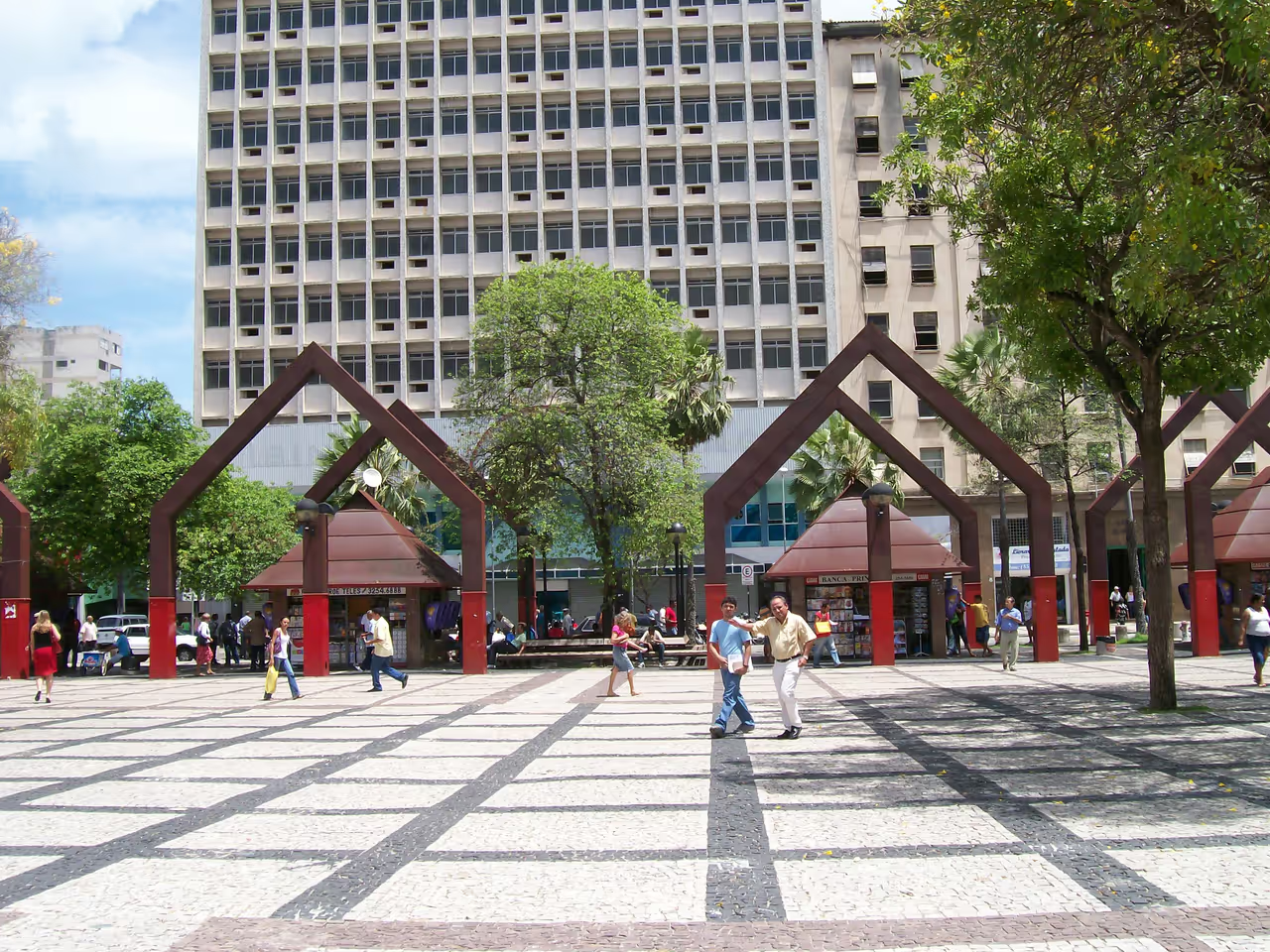
3 Days in Fortaleza Itinerary
Three days allows for a much more balanced exploration, combining the busy urban centre with relaxing beach time and deep cultural immersion. You will have time to discover hidden architectural gems, explore the sprawling ecological park, and experience the famous mega tents on the sand. This route perfectly balances active sightseeing with the laid back, tropical lifestyle the city is famous for.
view itinerary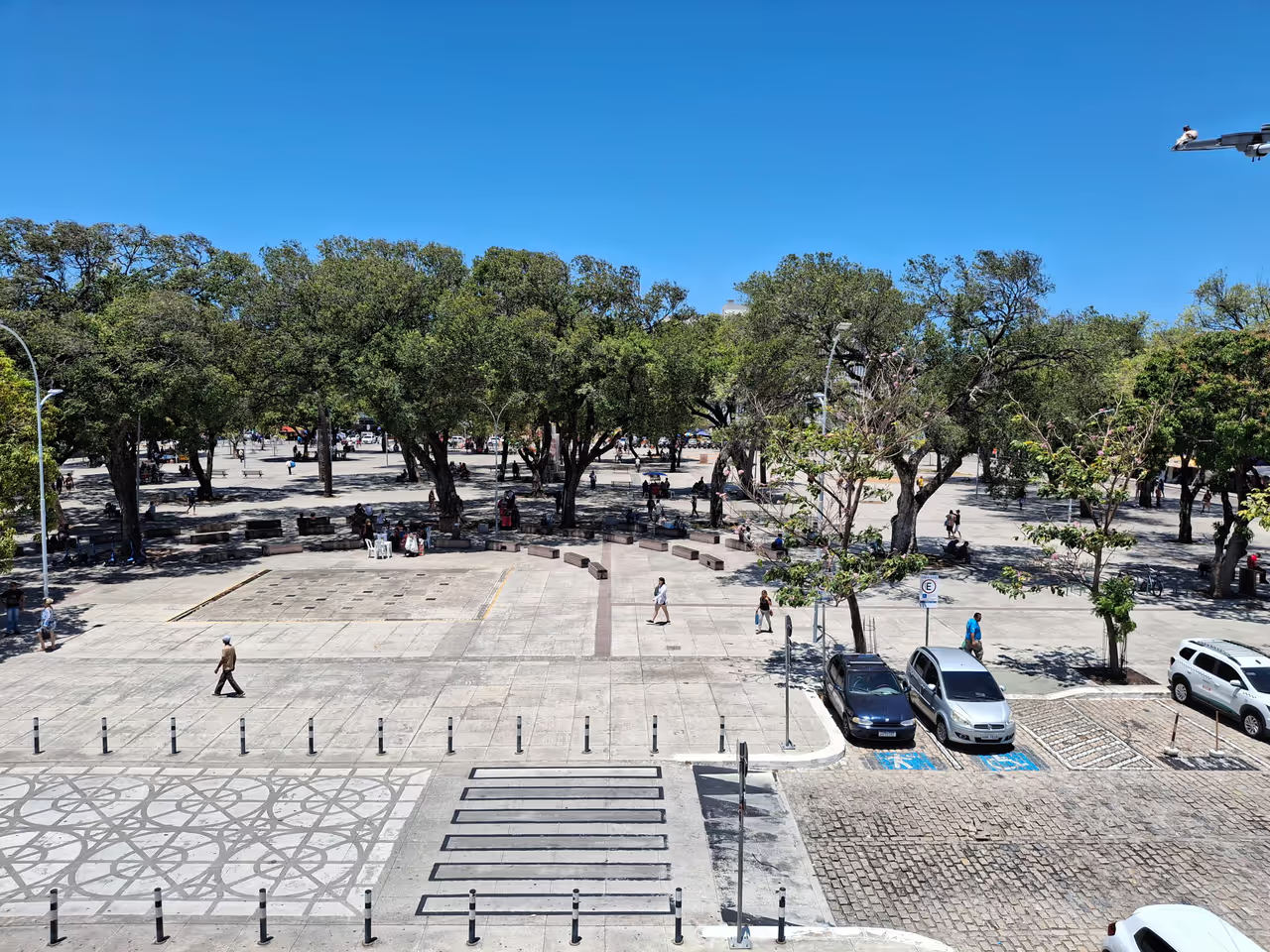
5 Days in Fortaleza Itinerary
A comprehensive five day journey allows you to fully absorb the city's complex identity, from its historic roots to its thrilling outdoor adventures. This expanded itinerary includes time for an exhilarating water park visit and a deeper exploration of the city's niche museums and local markets. You will experience the full spectrum of the local gastronomy and enjoy the legendary nightlife at a comfortable, unhurried pace.
view itinerary
Food in Fortaleza

Free Things to do in Fortaleza
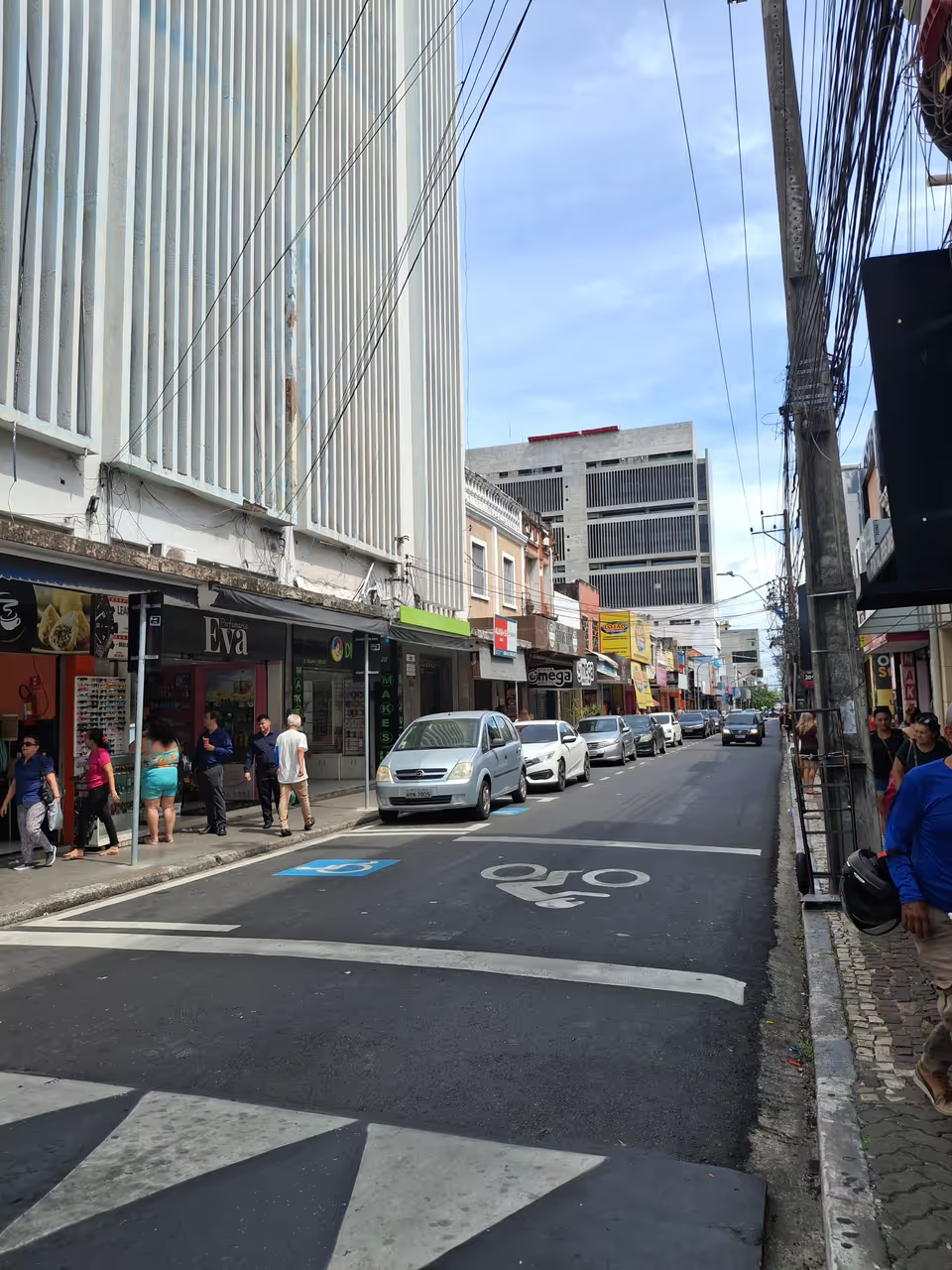
Parks & Nature
Cocó State Park
Escape the urban heat and discover the lush heart of Fortaleza at Cocó State Park, the fourth largest urban park in Latin...
view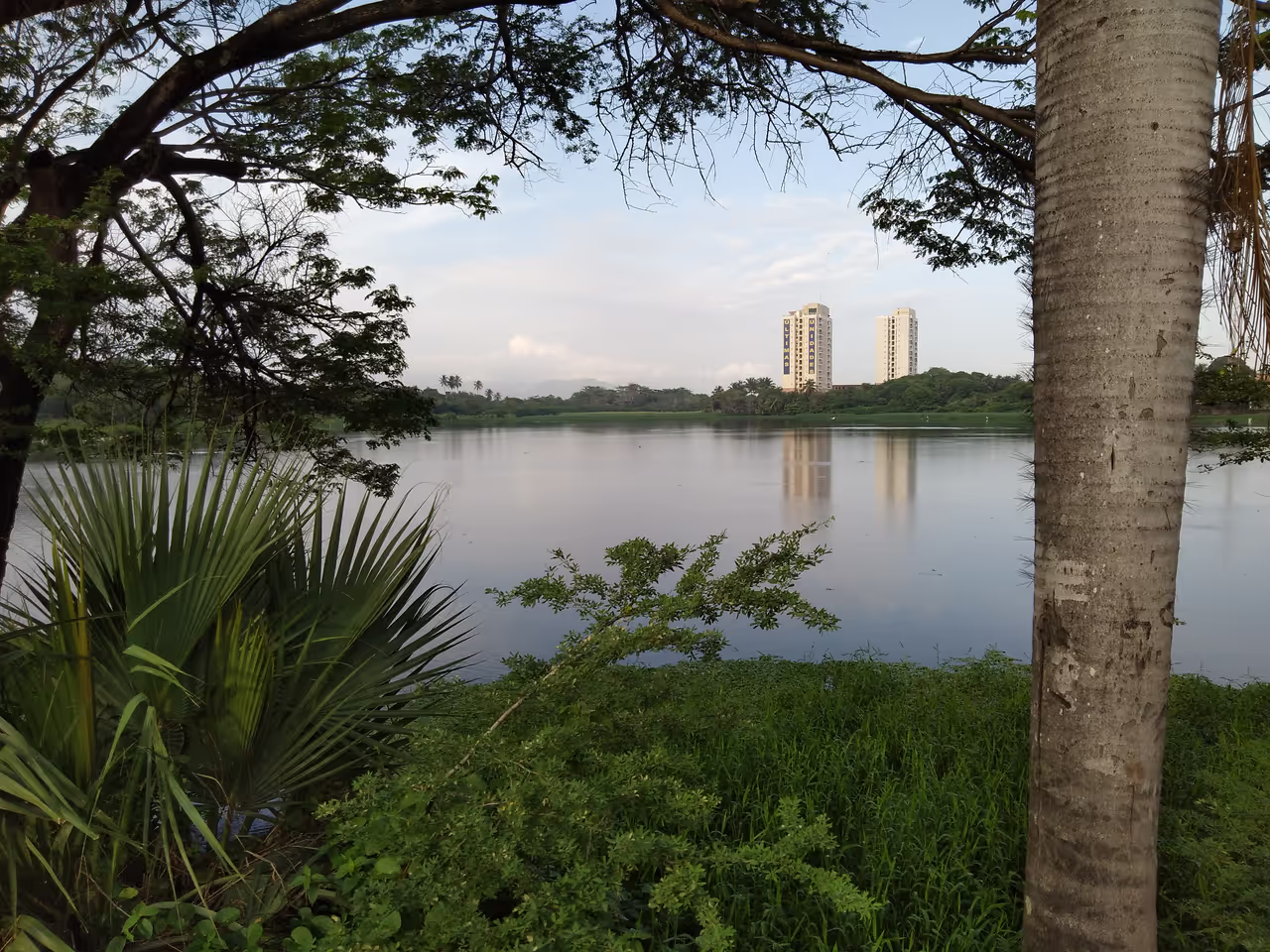
Maraponga Lagoon Ecological Park
The Maraponga Lagoon Ecological Park offers a serene escape within the urban landscape of Fortaleza, acting as a vital green...
view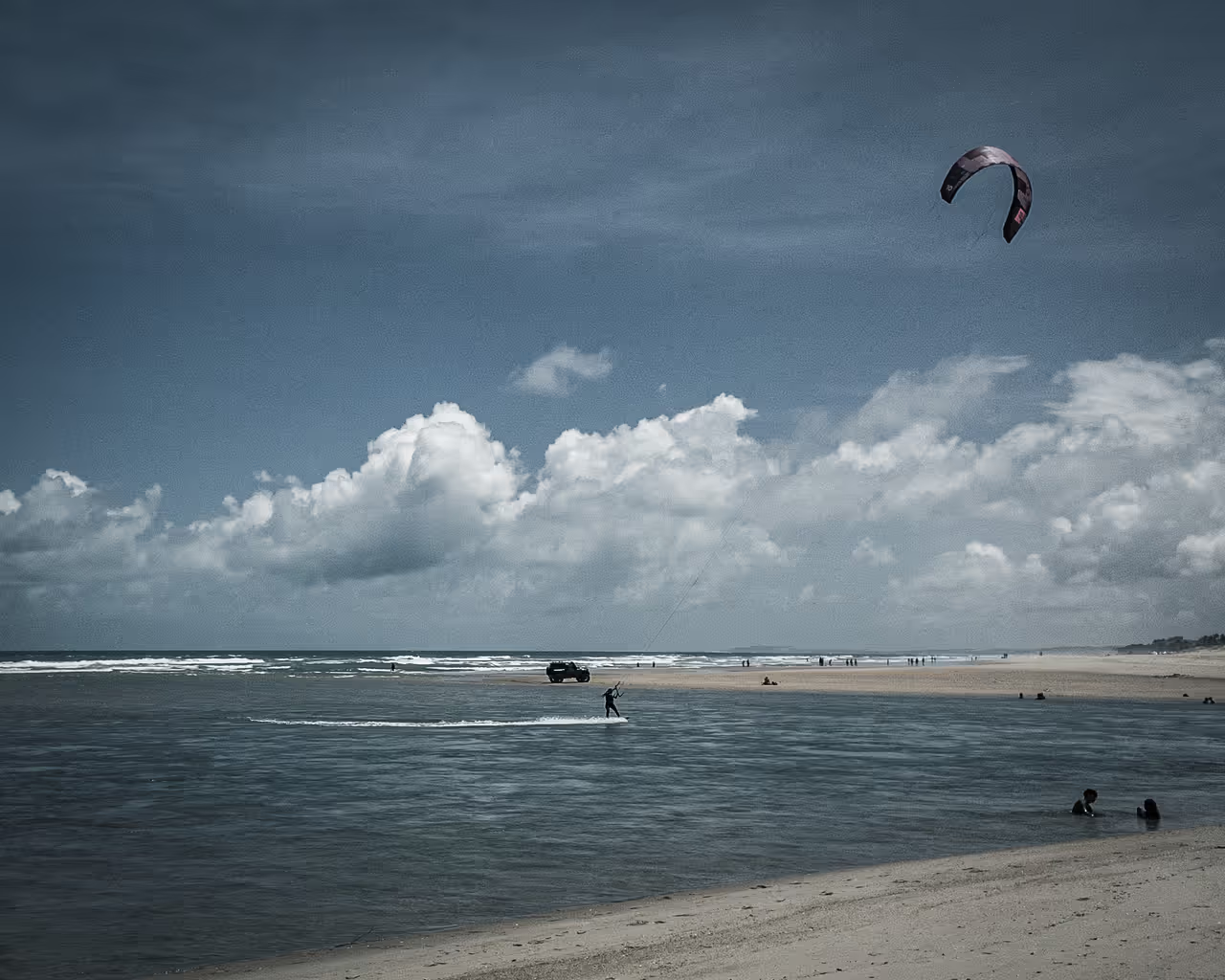
Pacoti River
Flowing from the verdant heights of the Serra de Baturité down to the sparkling Atlantic, the Pacoti River is a vital lifeline...
view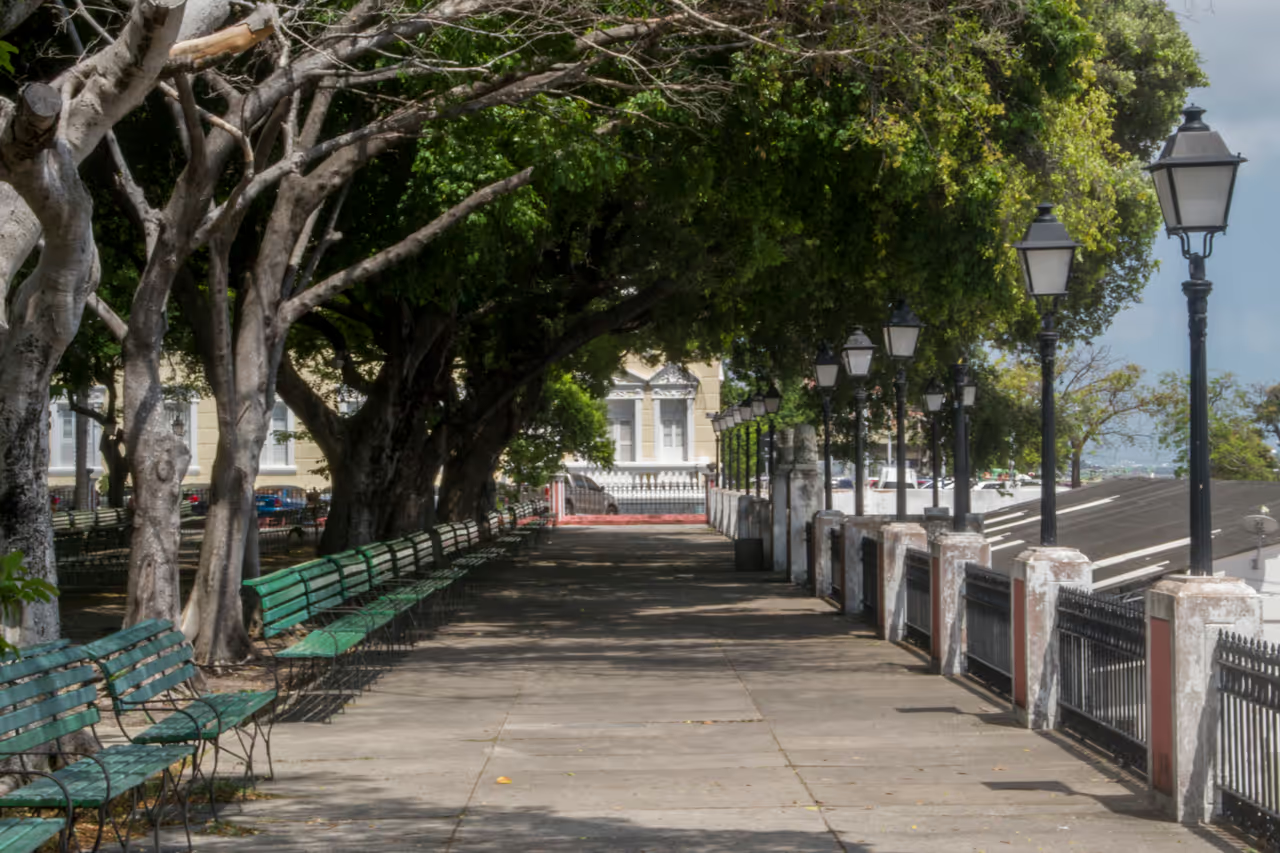
Passeio Público
Discover the oldest square in Fortaleza which serves as a cherished green sanctuary that perfectly blends natural beauty with...
view
Highlights & Must-Sees
Central Market
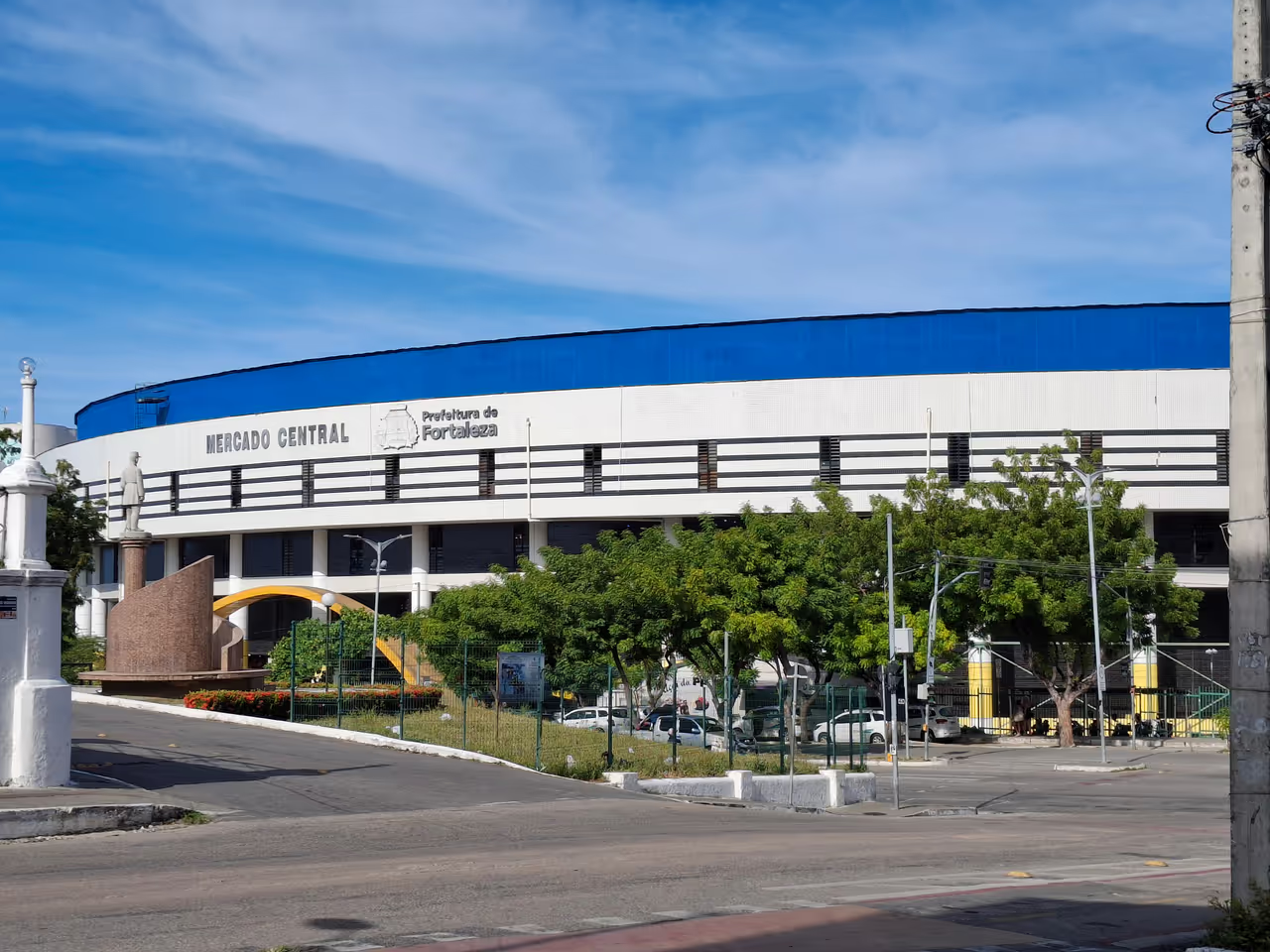
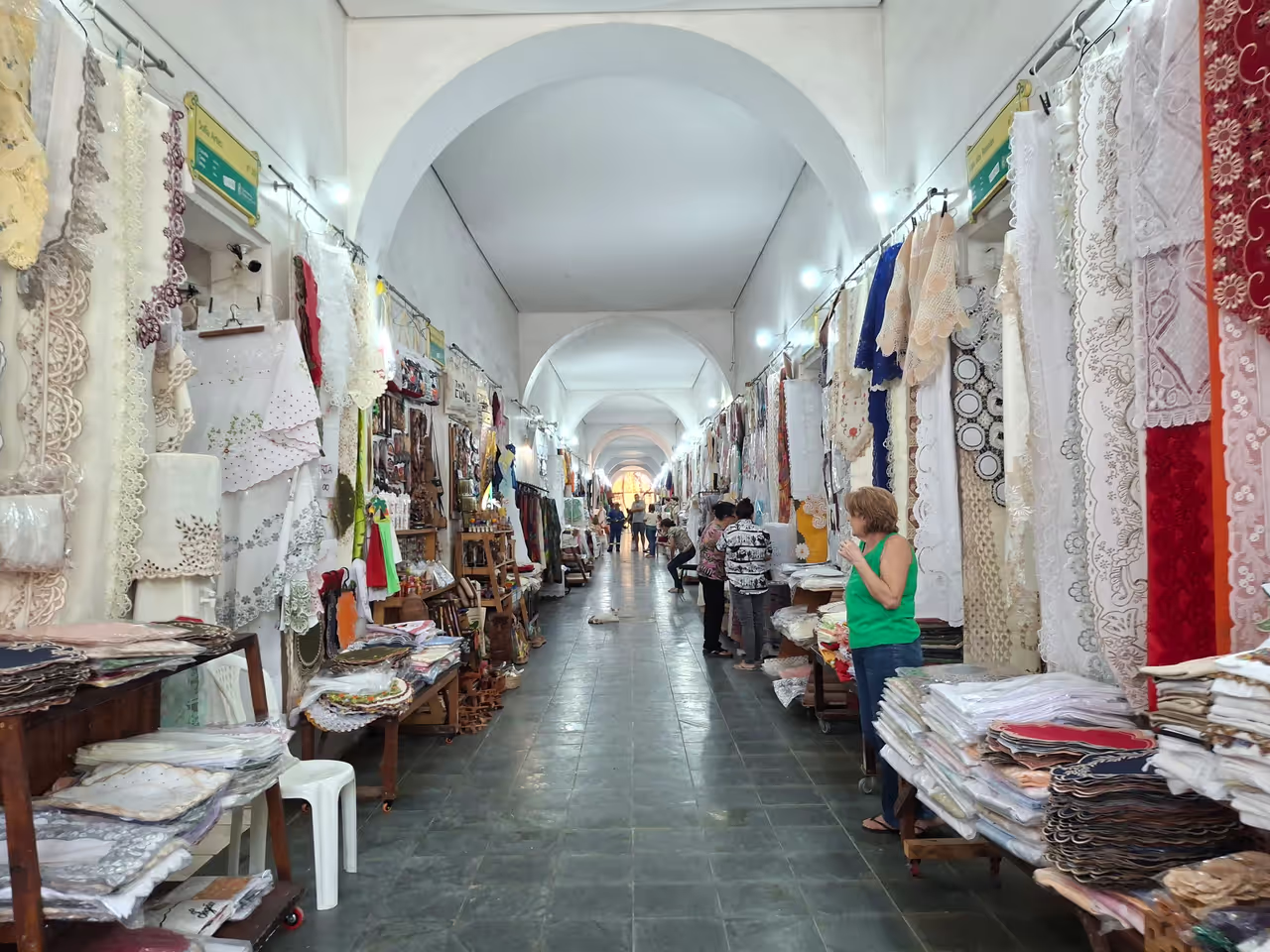
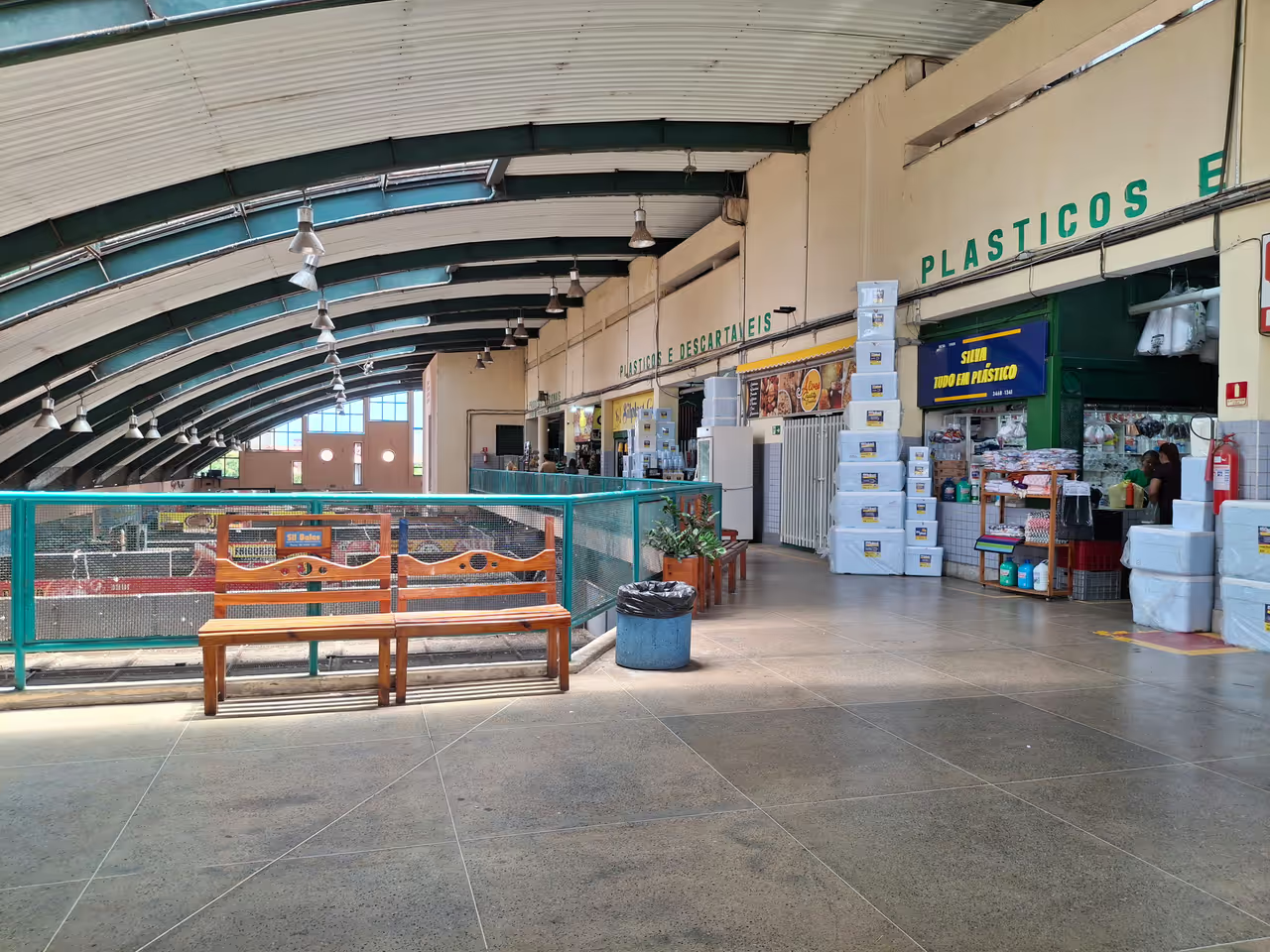
Explore the massive, multi level covered market that stands as the ultimate destination for authentic regional crafts, intricate...
viewFerreira Square
Often referred to as the heart of the city, this bustling central square is surrounded by historic buildings, shops, and cafes...
view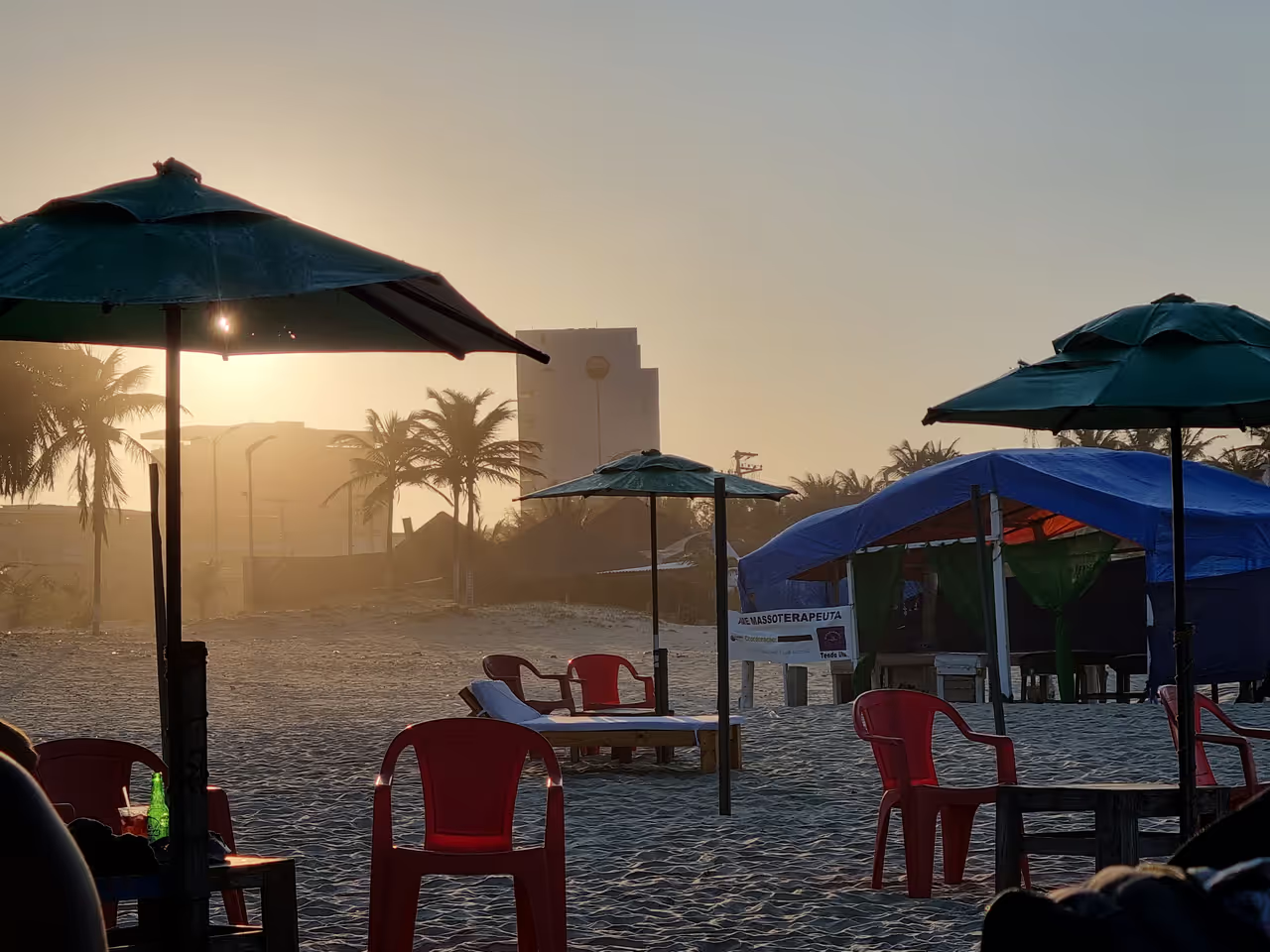
Futuro Beach
Located several kilometres east of the main downtown area, this is widely considered the best beach for swimming and lounging in...
viewMeireles Beach
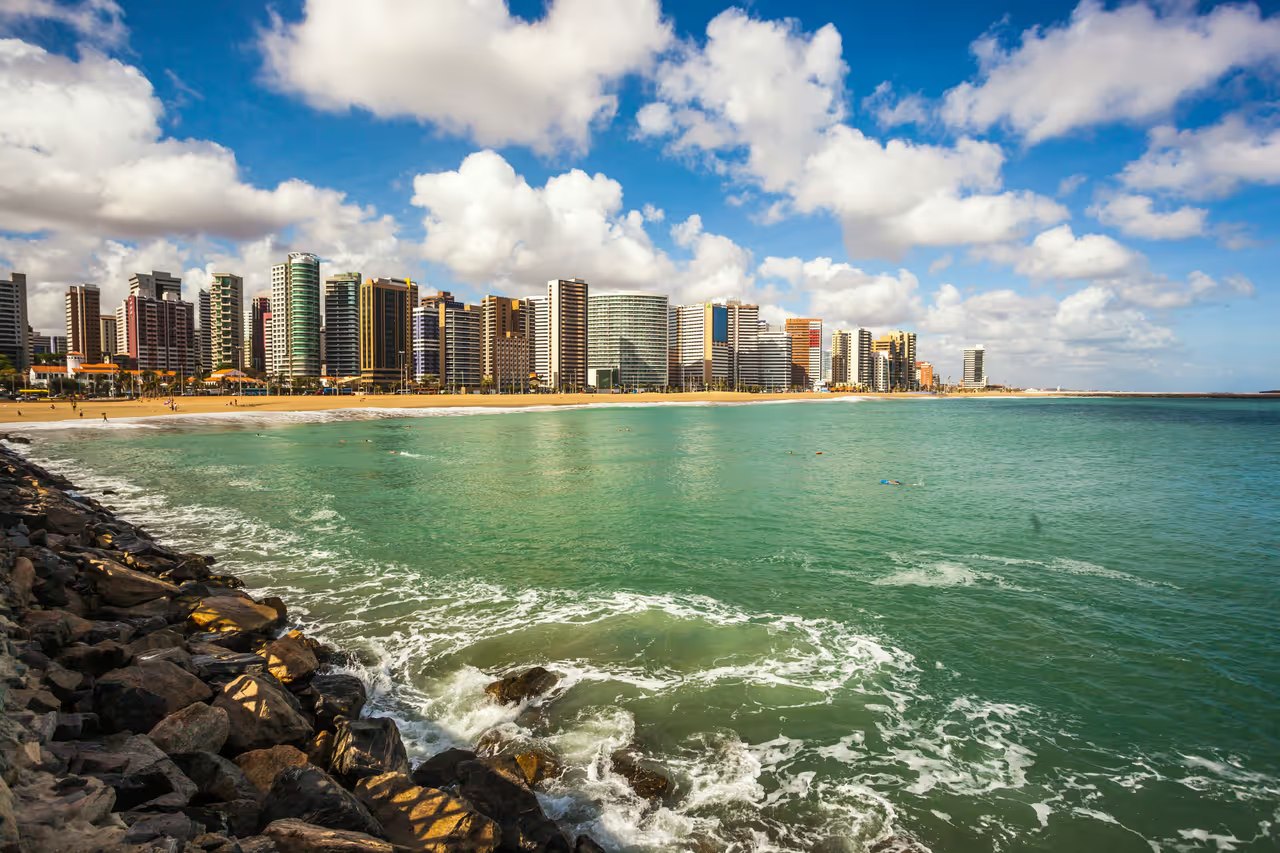
This is one of the most attractive and popular urban beaches in the city, flanked by a wide, bustling promenade. The area is...
view
Best Walks in Fortaleza
 HIGHLY RECOMMENDED
Beira Mar Boardwalk
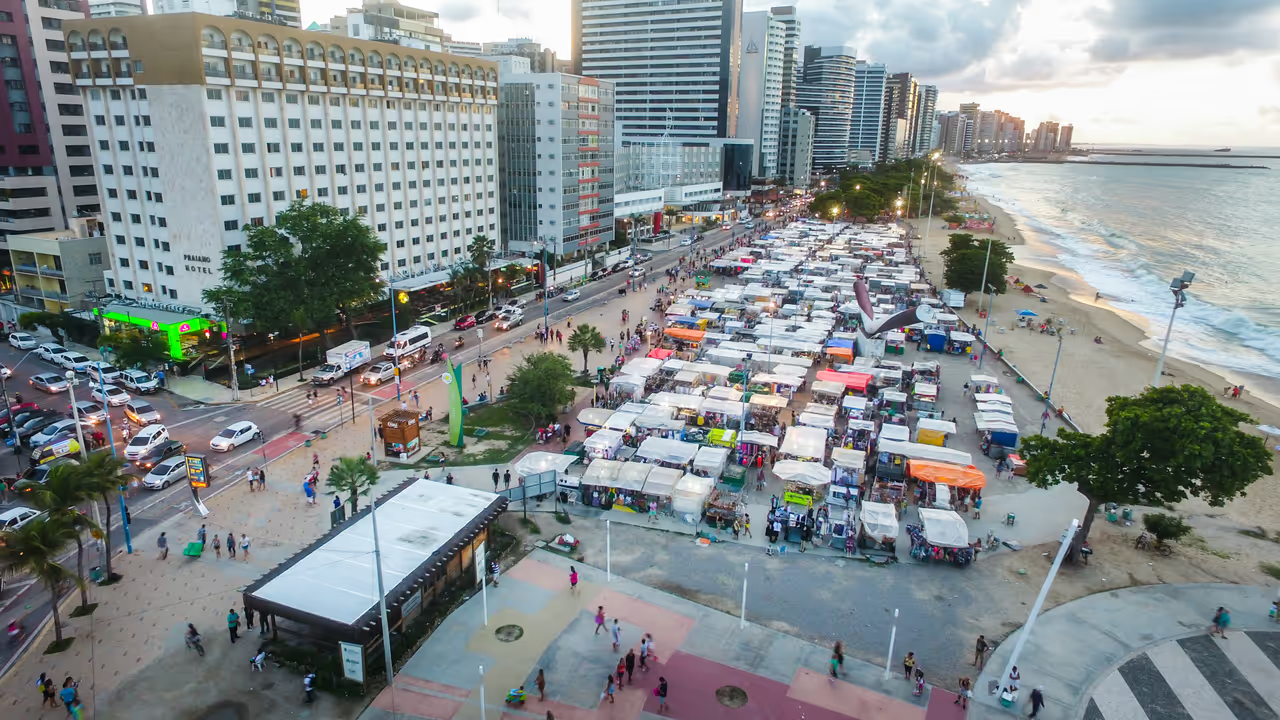
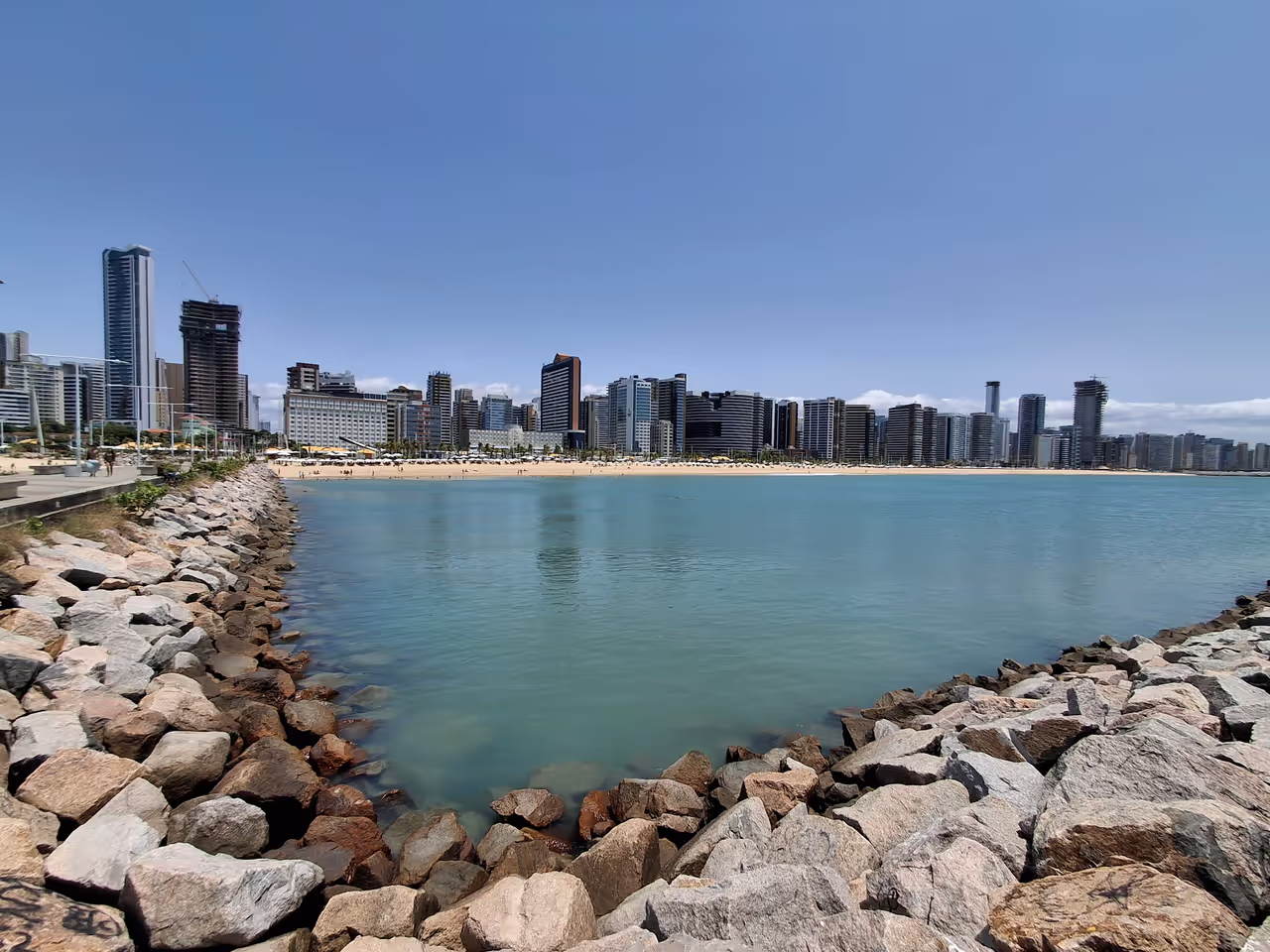
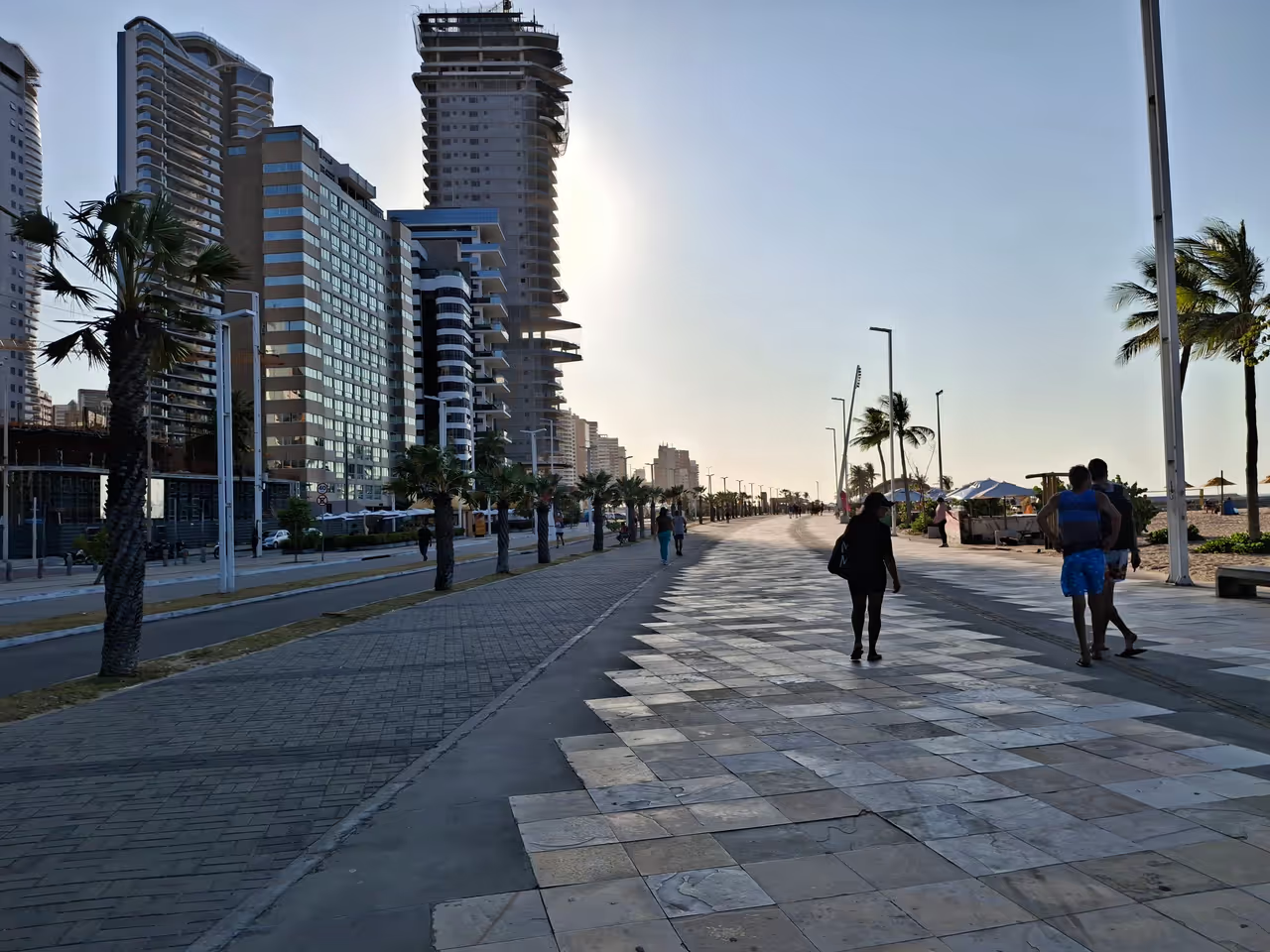
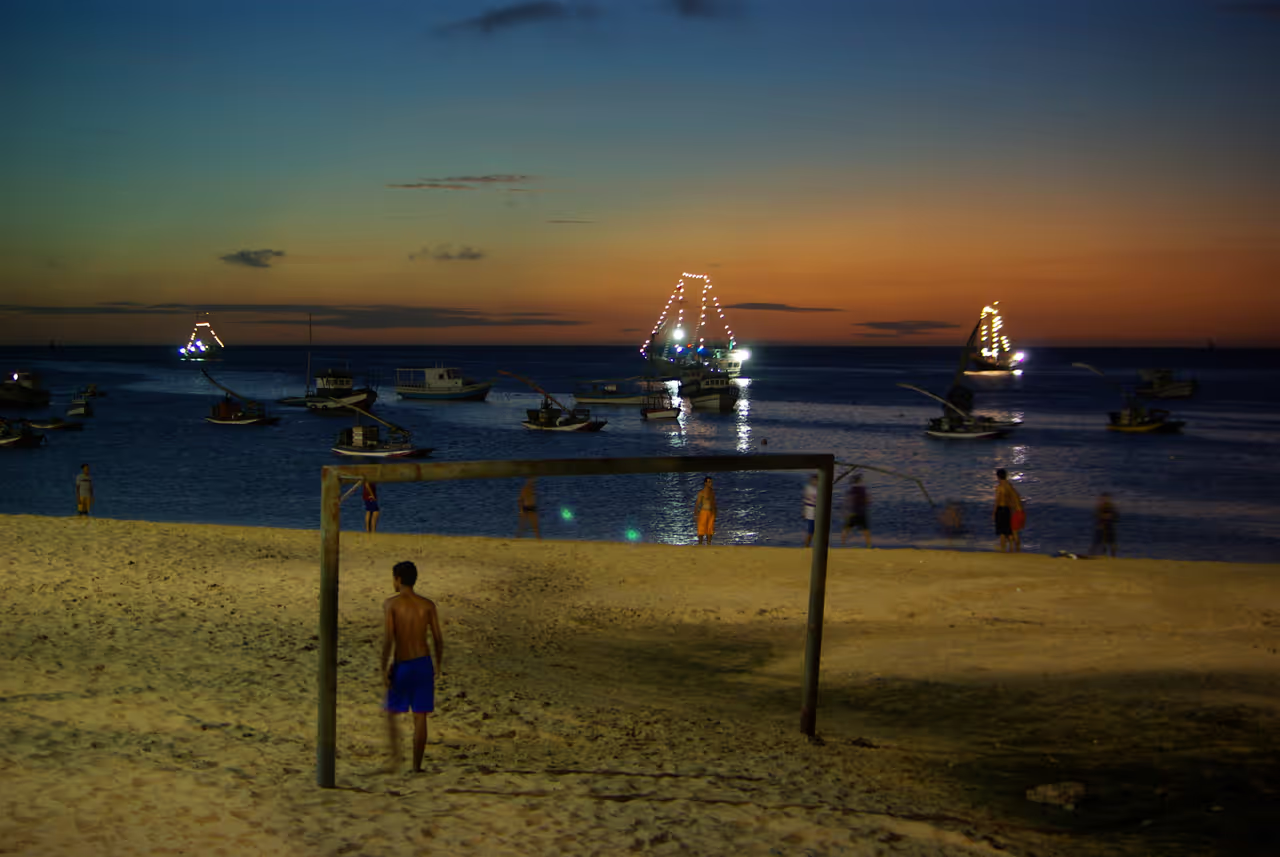
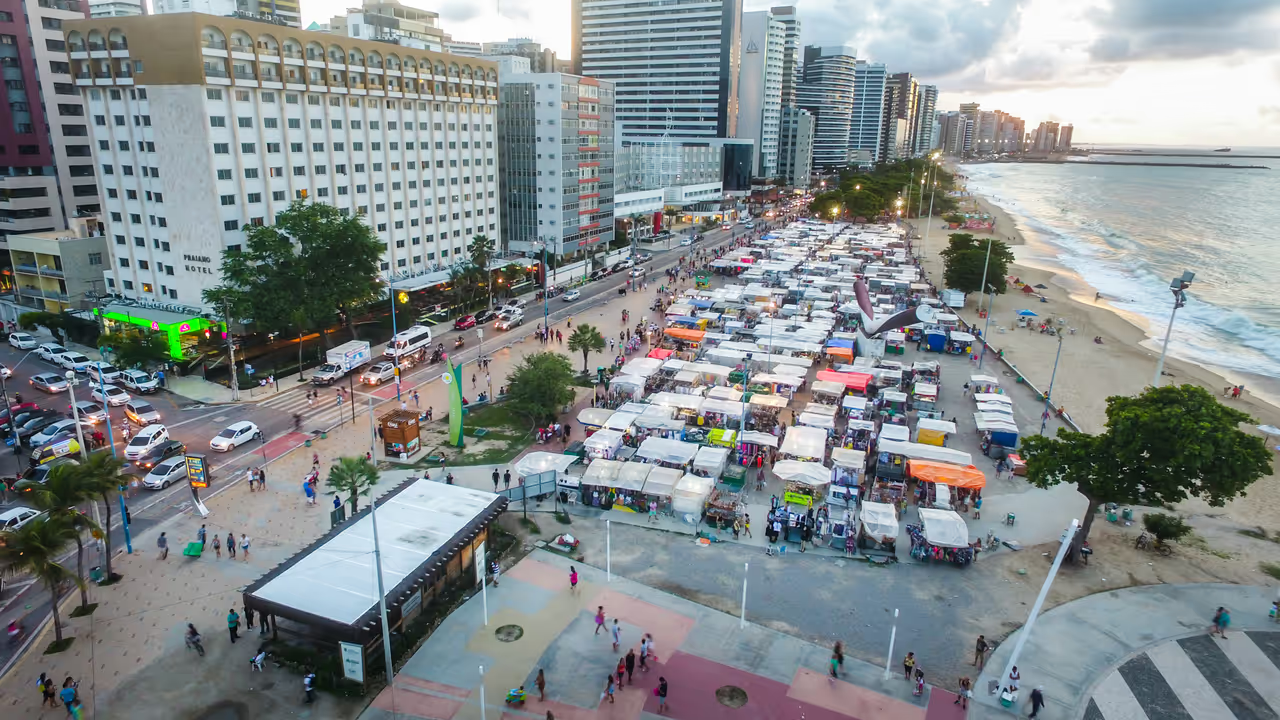
This wide, beautifully paved promenade is the undisputed social heart of the city's coastline. Shaded by swaying palm trees, the walkway passes by high end hotels, bustling beach kiosks, and impressive sand sculptures. It is completely flat and accessible, making it perfect for a leisurely amble while watching the ocean. The atmosphere is vibrant, filled with families, joggers, and street performers.
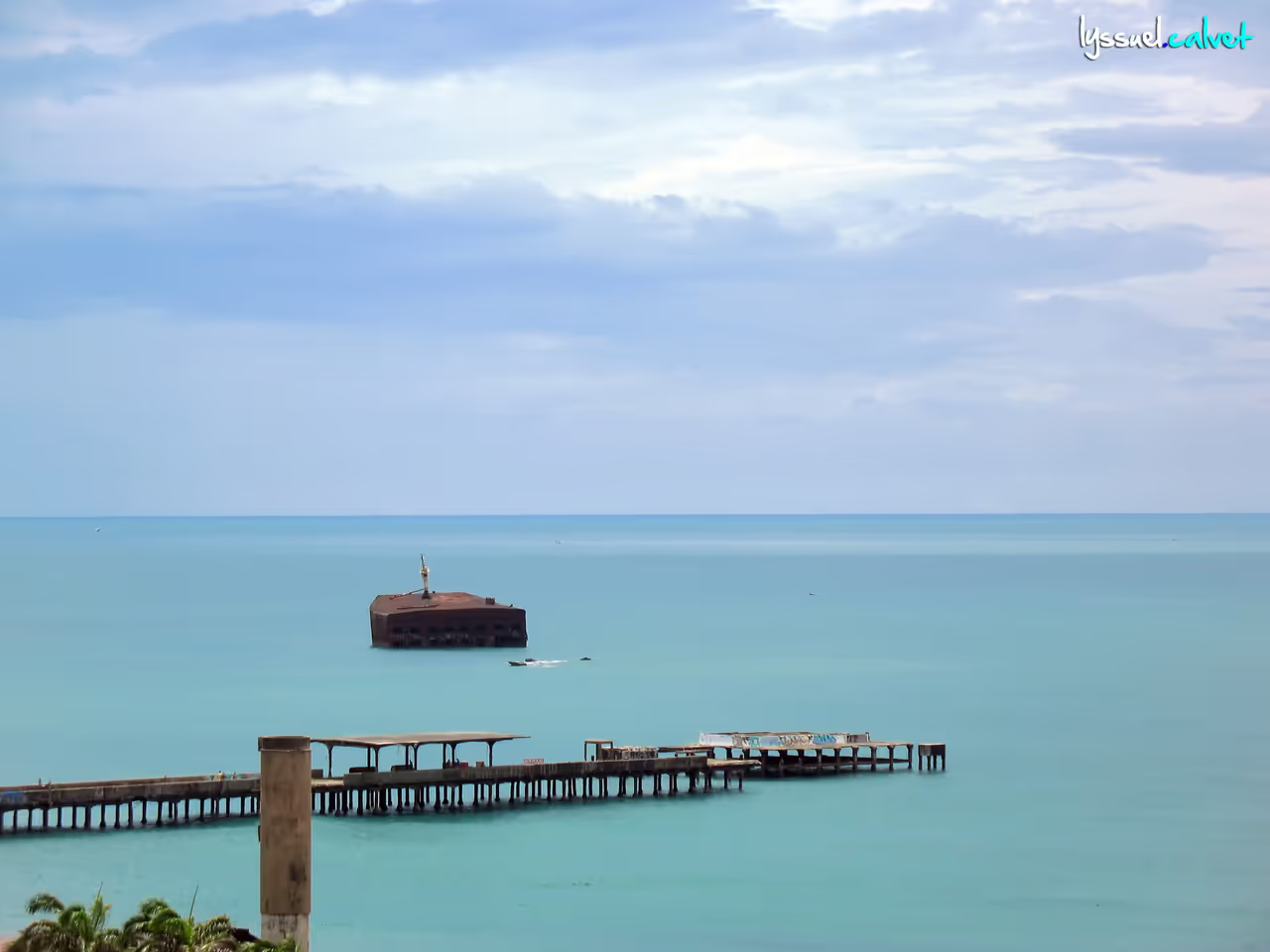
Old Pier Walk
This shorter stroll focuses on the historic and bohemian section of the coastline. The walk features interesting breakwaters, refurbished colonial facades, and a more relaxed, artistic vibe compared to the main hotel strip. It leads directly out onto a historic metal pier that stretches far over the crashing waves. It is an incredibly romantic and visually dramatic area, especially favoured by photographers.
Architecture & Landmarks
José de Alencar Theatre
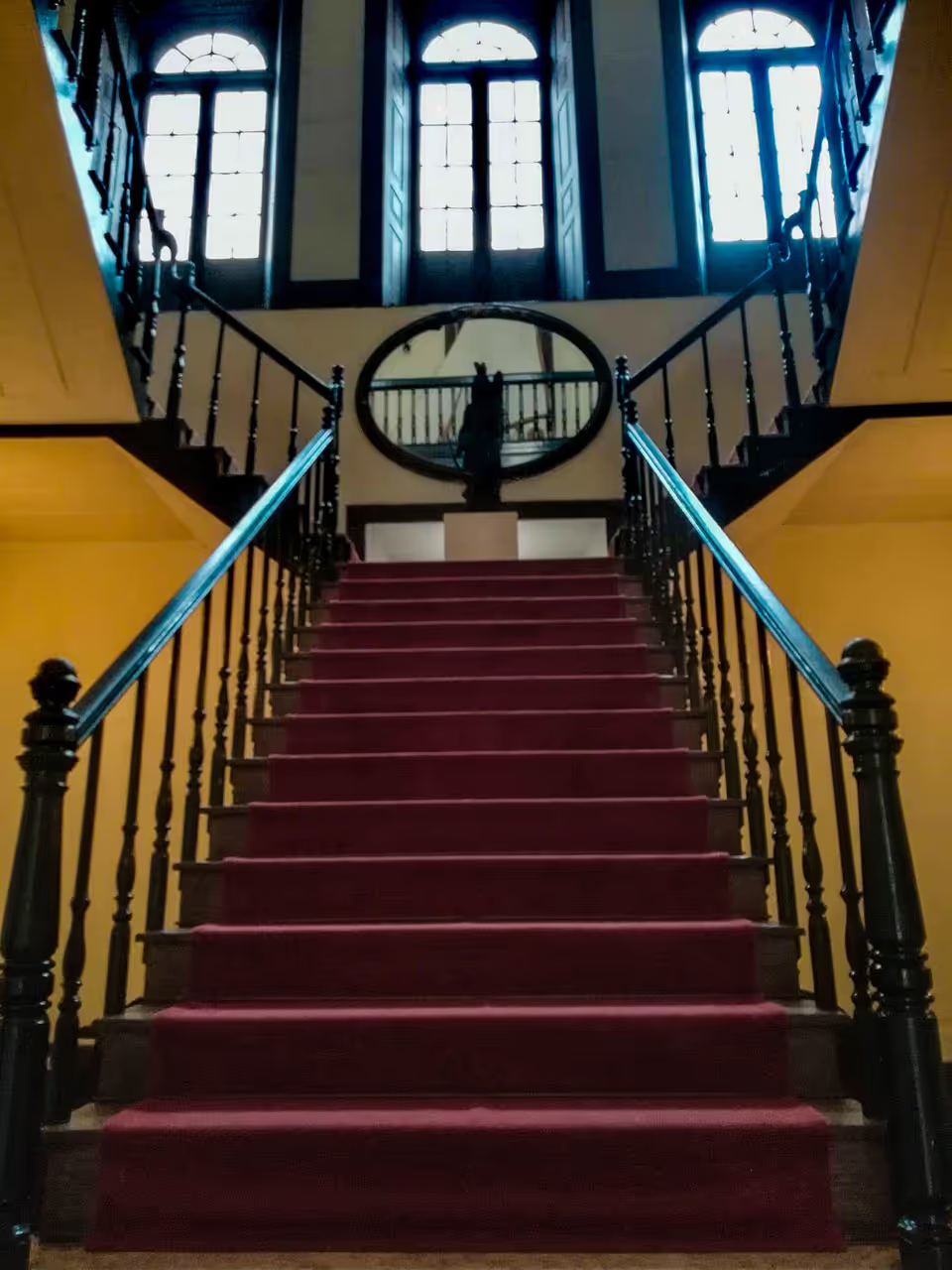
This magnificent building is the undisputed architectural landmark of the city. While the neoclassical exterior is beautifully...
viewFormer State Government Seat
This elegant late nineteenth century building originally served as the seat of the state government and now houses the primary...
view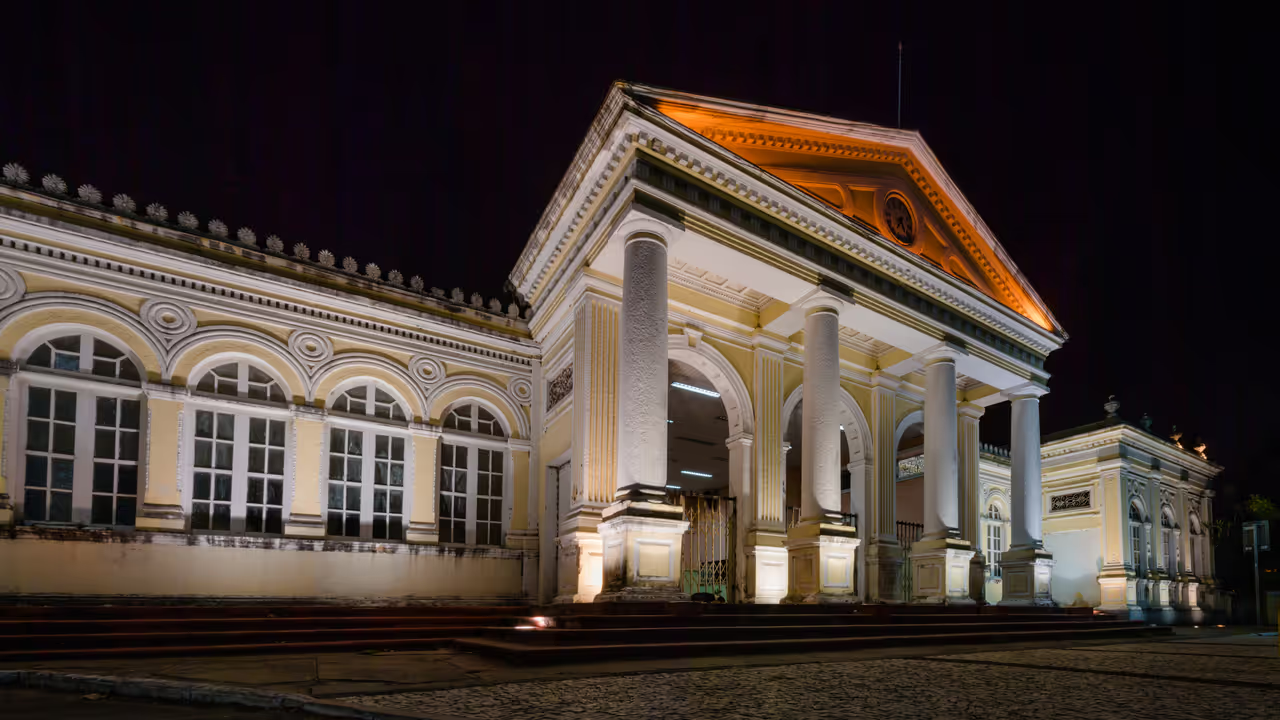
João Felipe Railway Station
A grand, neoclassical former railway terminal that highlights the historical importance of rail transport to the region's...
viewMetropolitan Cathedral
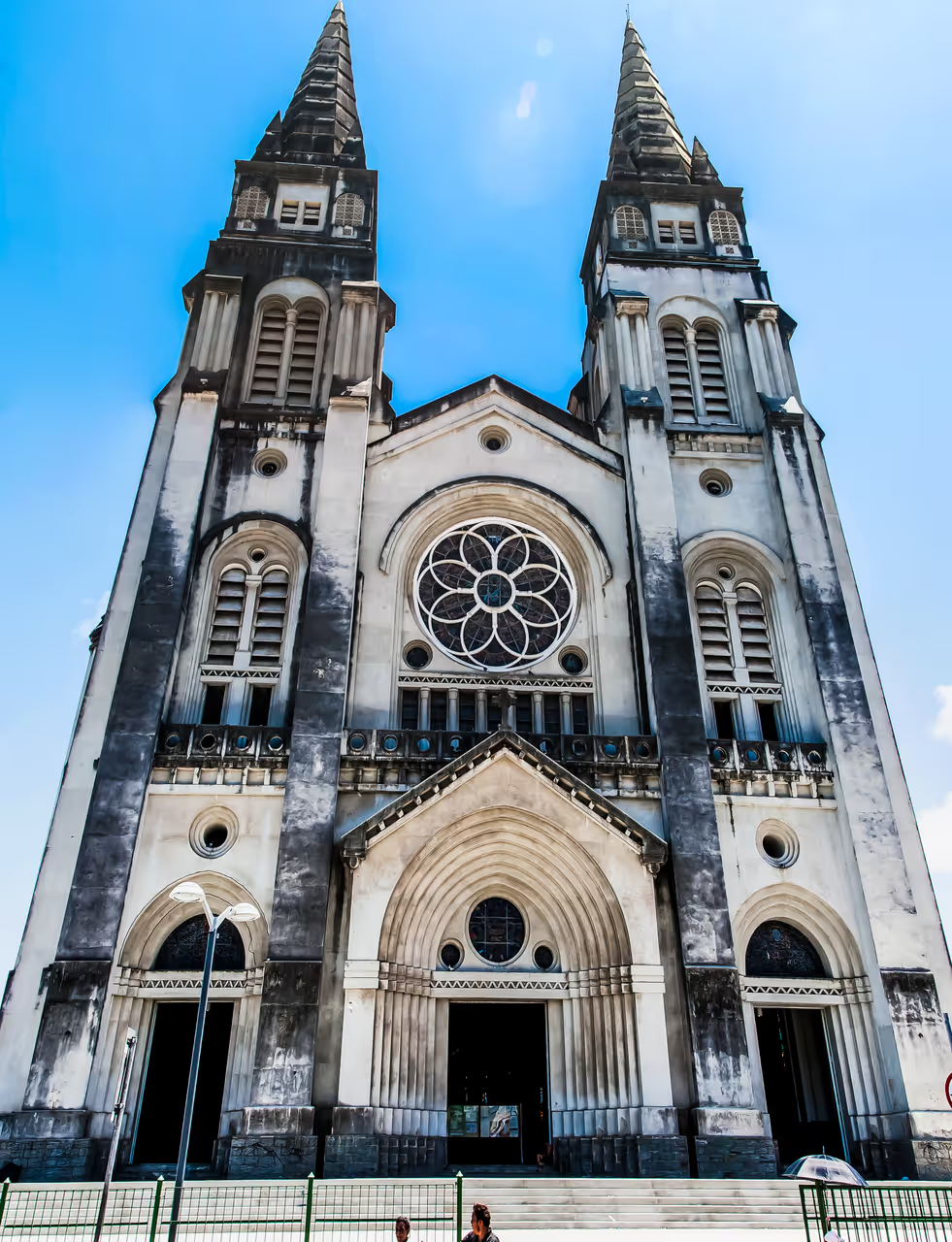
An imposing and monumental structure that dominates the downtown skyline with its massive, seventy five metre high towers...
view
Markets & Shopping
Fortaleza Nightlife
Photo Spots
Activities & Experiences
Cycling Routes
- HIGHLY RECOMMENDED
Coastal Promenade Ride
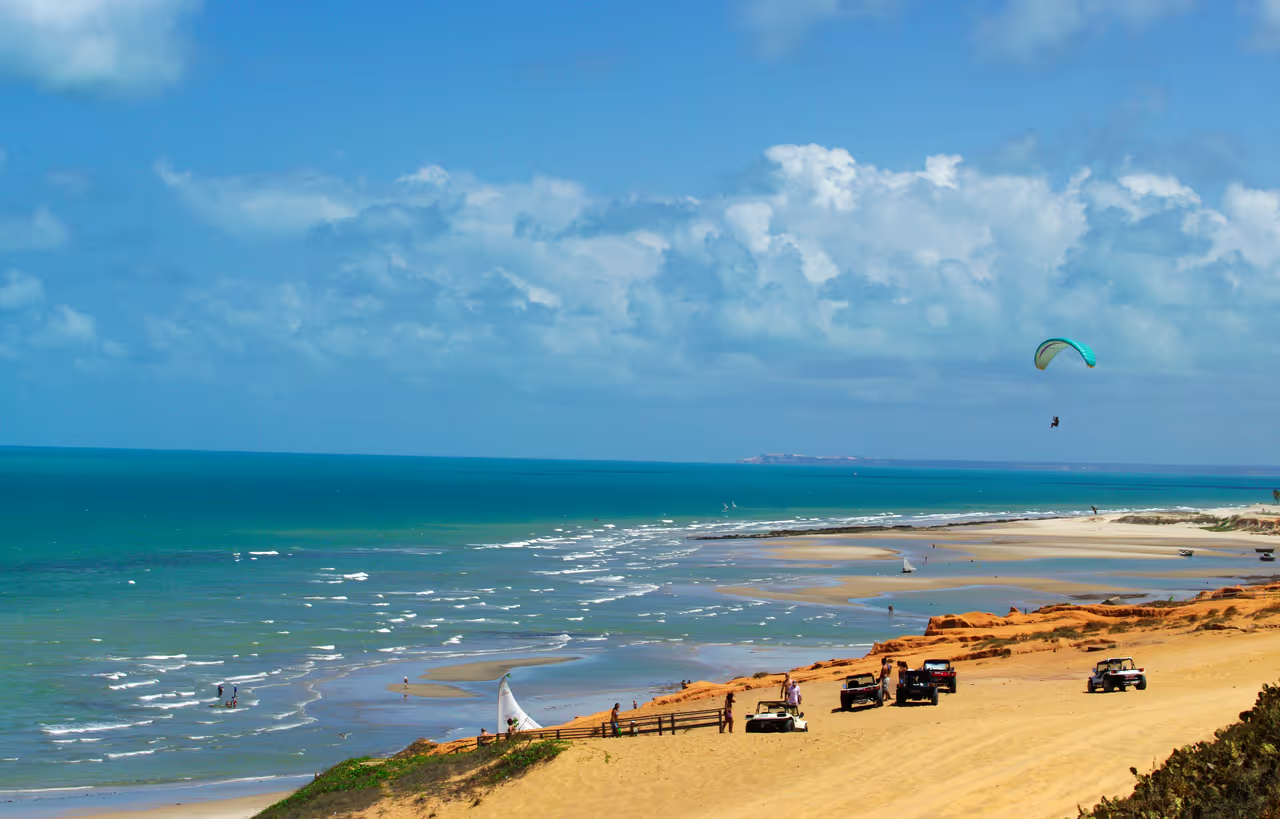
This dedicated cycle path stretches alongside the main urban beaches, offering a smooth and incredibly scenic ride. Cyclists can enjoy uninterrupted views of the ocean, pass by traditional fishing rafts, and feel the refreshing sea breeze. The route is entirely flat and separated from vehicle traffic, making it exceptionally safe and relaxing. It is a brilliant way to take in the bustling atmosphere of the shoreline while covering a good distance.
Ecological Park Trails
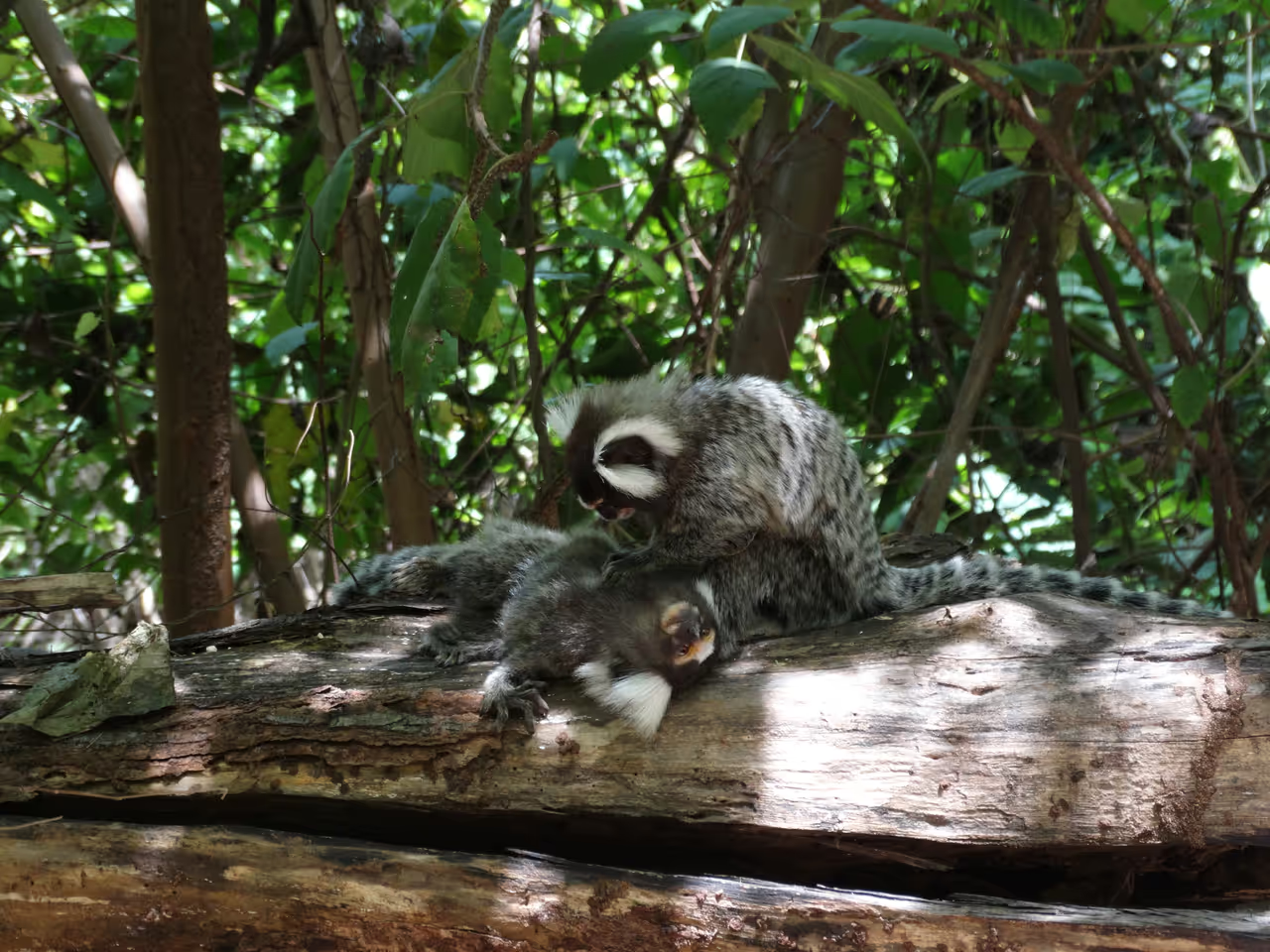
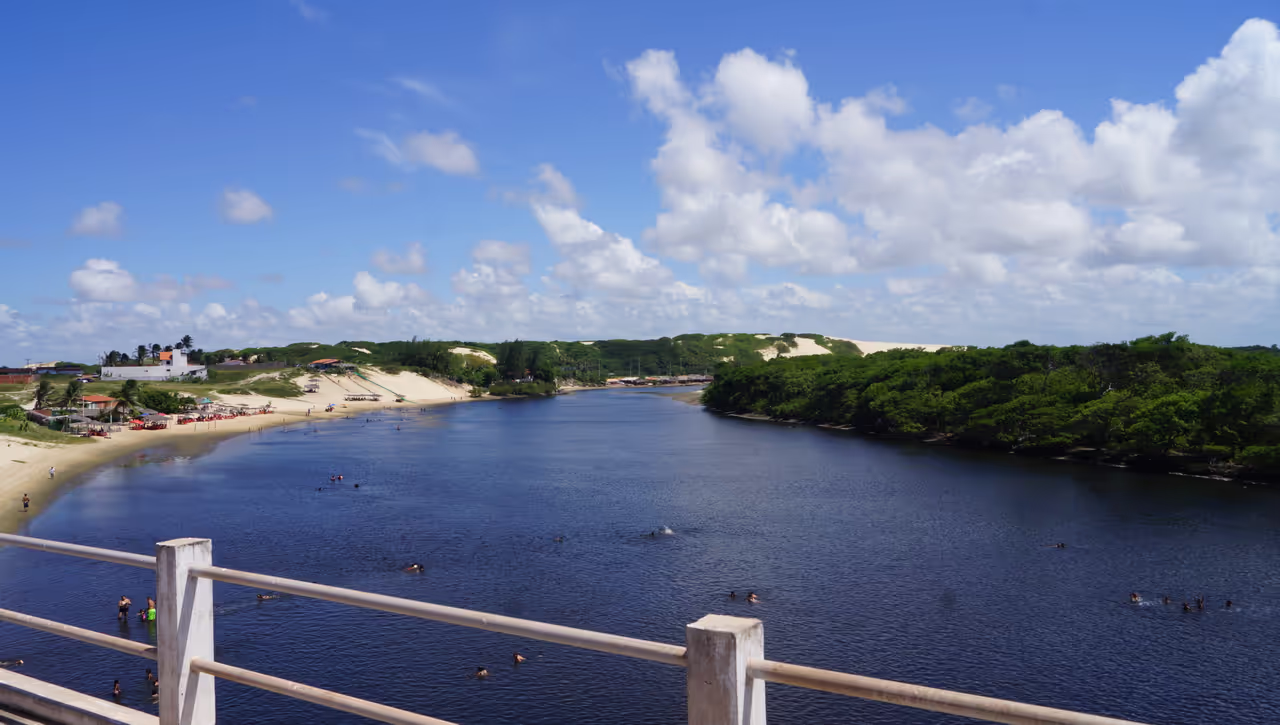
Escape the urban environment and cycle through the lush, shaded paths of one of South America's largest urban parks. The routes wind through dense mangrove forests and native vegetation, providing a tranquil and cooling environment. It is a fantastic opportunity to spot local wildlife and appreciate the area's rich ecological heritage. The paths are generally well maintained and offer a peaceful retreat from the sun and noise of the city streets.
Historic Centre Circuit
Navigate through the older districts of the city to discover beautifully restored colonial architecture and vibrant public squares. While cycling requires more attention to traffic here, the area features numerous historical landmarks packed closely together. The route provides a fascinating glimpse into the city's past, from its early fortifications to its grand nineteenth century theatres. It is a journey through time that highlights the architectural diversity of the capital.
Self-Guided Tours
Historic Centre & Architecture
Discover the architectural evolution of the city by tracing a path through its oldest and most significant buildings. This route highlights the grand structures that defined the city's economic boom during the nineteenth and early twentieth centuries. You will encounter beautifully preserved neoclassical facades, towering religious monuments, and ornate public squares. It is a deep dive into the civic pride and aesthetic history that shaped the modern capital.
- HIGHLY RECOMMENDED
Arts, Crafts & Culture
This journey connects the most important cultural hubs, museums, and artisanal markets in the city. It focuses on the vibrant local artistry, traditional crafts, and the preservation of regional heritage. You will explore spaces dedicated to contemporary art, folk history, and massive markets filled with handmade goods. It is an essential route for anyone wanting to understand the creative soul of the local people.
Squares, Statues & Stories
Follow the narrative threads of the city's most famous authors and characters through its public spaces and monuments. This tour highlights the deep connection between the city's identity and its literary heritage, particularly the works of José de Alencar. You will visit the leafy squares where historical literary movements were born and see monuments dedicated to fictional icons. It is a gentle, story driven walk through the heart of the city.
Annual Festivals & Events
- HIGHLY RECOMMENDED
Fortal Festival
This is one of the largest out of season carnival celebrations in Brazil, drawing massive crowds to a purpose built arena. The festival features incredible live performances from some of the country's biggest music stars playing high energy axé and forró. Attendees follow massive sound trucks in a joyous, dancing procession that lasts from dusk until dawn. It is an electrifying experience that showcases the unparalleled party spirit of the region.
- HIGHLY RECOMMENDED
Pre Carnival Parties
While the official Carnival in the city is relatively subdued, the warm up parties held in the weeks leading up to it are legendary. The streets around the Dragão do Mar cultural centre fill with massive crowds dancing to marching bands and traditional rhythms. These street blocks offer an incredibly authentic and highly spirited local party experience. It is the perfect way to experience the joyous Brazilian festival culture without the overwhelming crowds of larger cities.

Ceará Music Festival
A massive three day music festival that brings together fans of Brazilian rock, pop, and electronic dance music. The event typically takes place near the Marina Park hotel, providing a stunning coastal backdrop for the concerts. It attracts major national acts and features multiple stages catering to different musical tastes. The energy is intense, drawing a young and passionate crowd from all over the country.
Insider Tips
Avoid buying items from wandering beach vendors as their goods are often overpriced; instead, head to the established beach shacks or local markets for better deals.
Take the Centro Iguatemi bus for a cheap, comfortable, and air conditioned way to travel between the city centre and the major shopping districts.
Learn a few colourful local phrases to share a laugh with the famously humorous residents, who greatly appreciate visitors engaging with their unique dialect.
Do not walk through the desolate areas near the port or the far ends of Praia do Futuro at night, always rely on a taxi or ride hailing app after sunset.
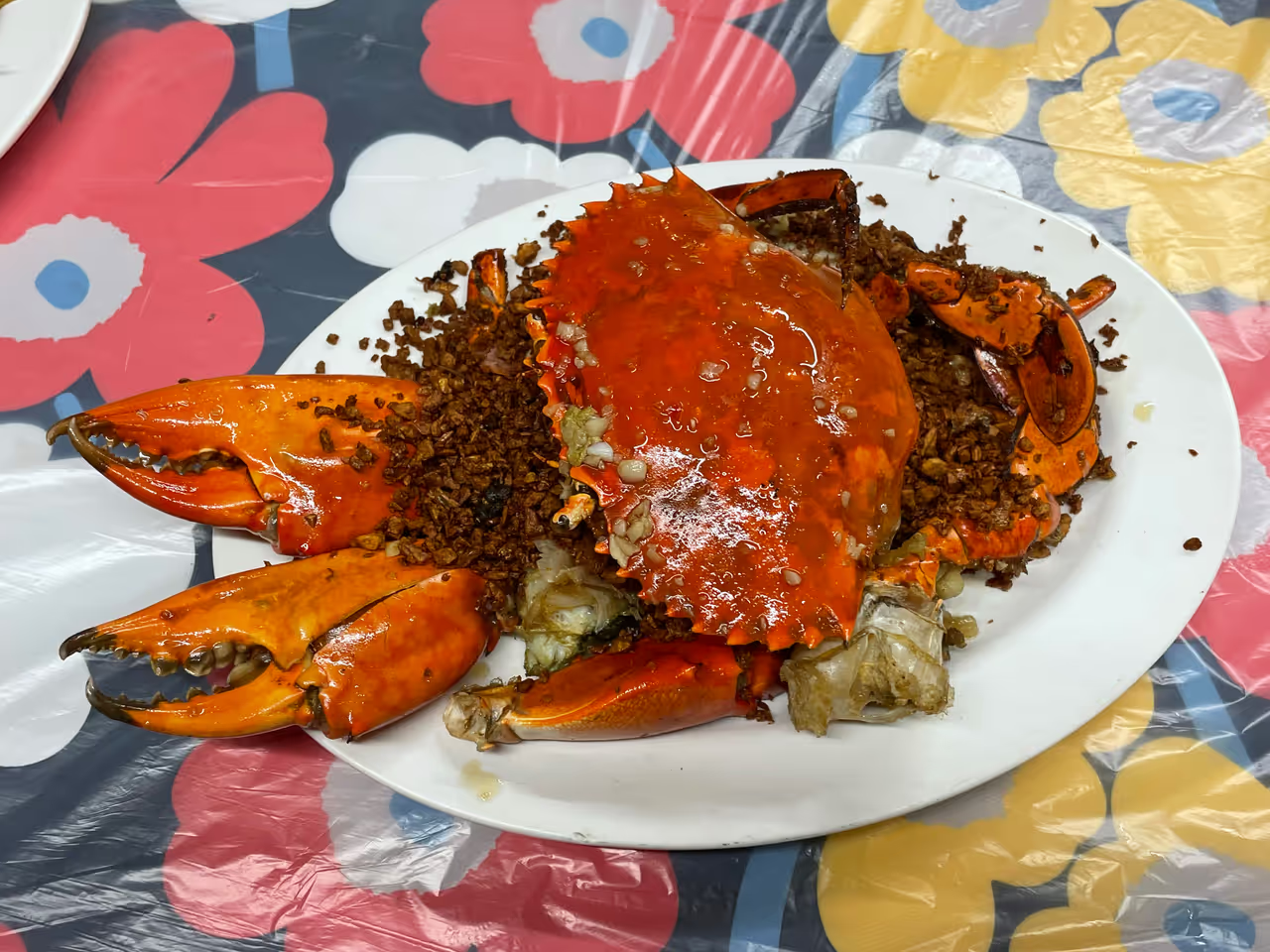
Thursday nights are strictly dedicated to eating crab; join the locals at the beach tents for the traditional 'caranguejada' feast.
When hailing a regular taxi off the street, ensure the driver turns on the meter immediately, or negotiate a clear fixed fare before getting inside.
PERFECT FOR
This destination is perfect for sun seekers and watersport enthusiasts eager to take advantage of the consistent coastal winds. It holds massive appeal for night owls looking to dance to traditional rhythms until dawn. Culture lovers will also find immense value in the rich local folklore, historic architecture, and incredible regional cuisine.
VIBE
The city radiates a sunny, energetic atmosphere that perfectly blends tropical relaxation with vibrant cultural expression. The air is often filled with the lively rhythms of forró music and the constant, refreshing ocean breeze. Locals are famously outgoing and quick with a joke, making the streets feel welcoming and full of life.
Frequently Asked Questions about Fortaleza
While we strive to keep this information accurate and up to date, we recommend verifying any details independently before making decisions based on them.