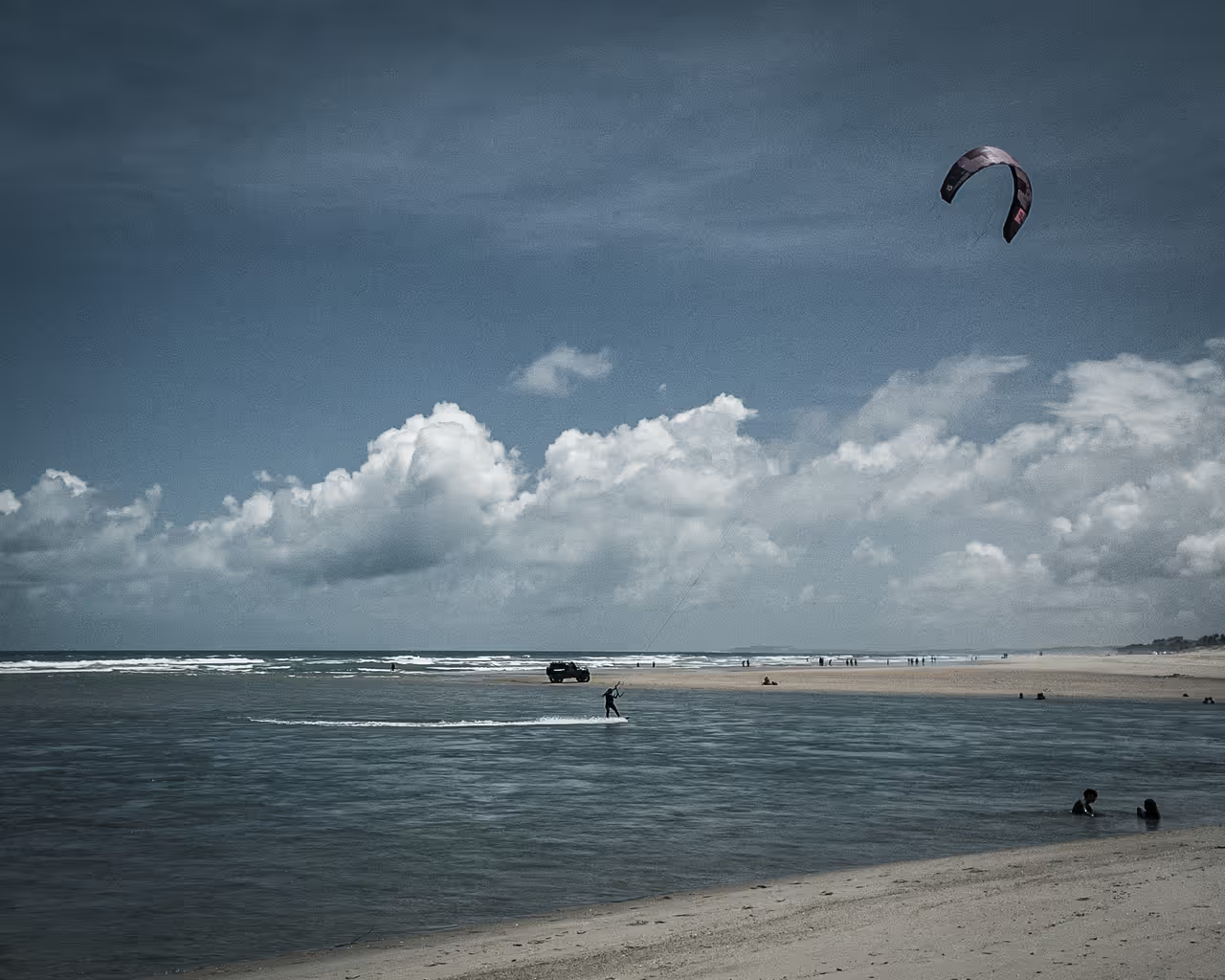
Pacoti River
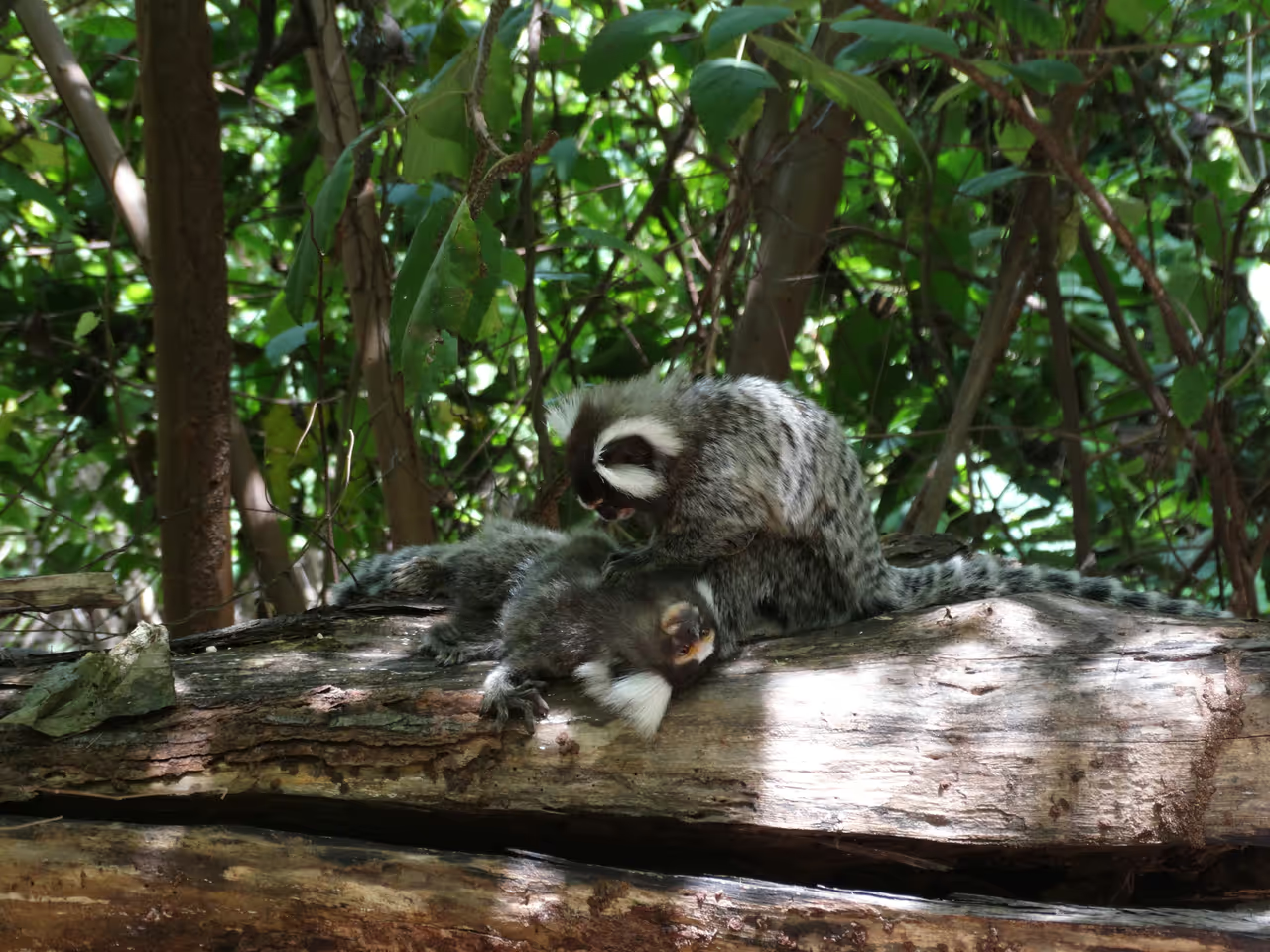
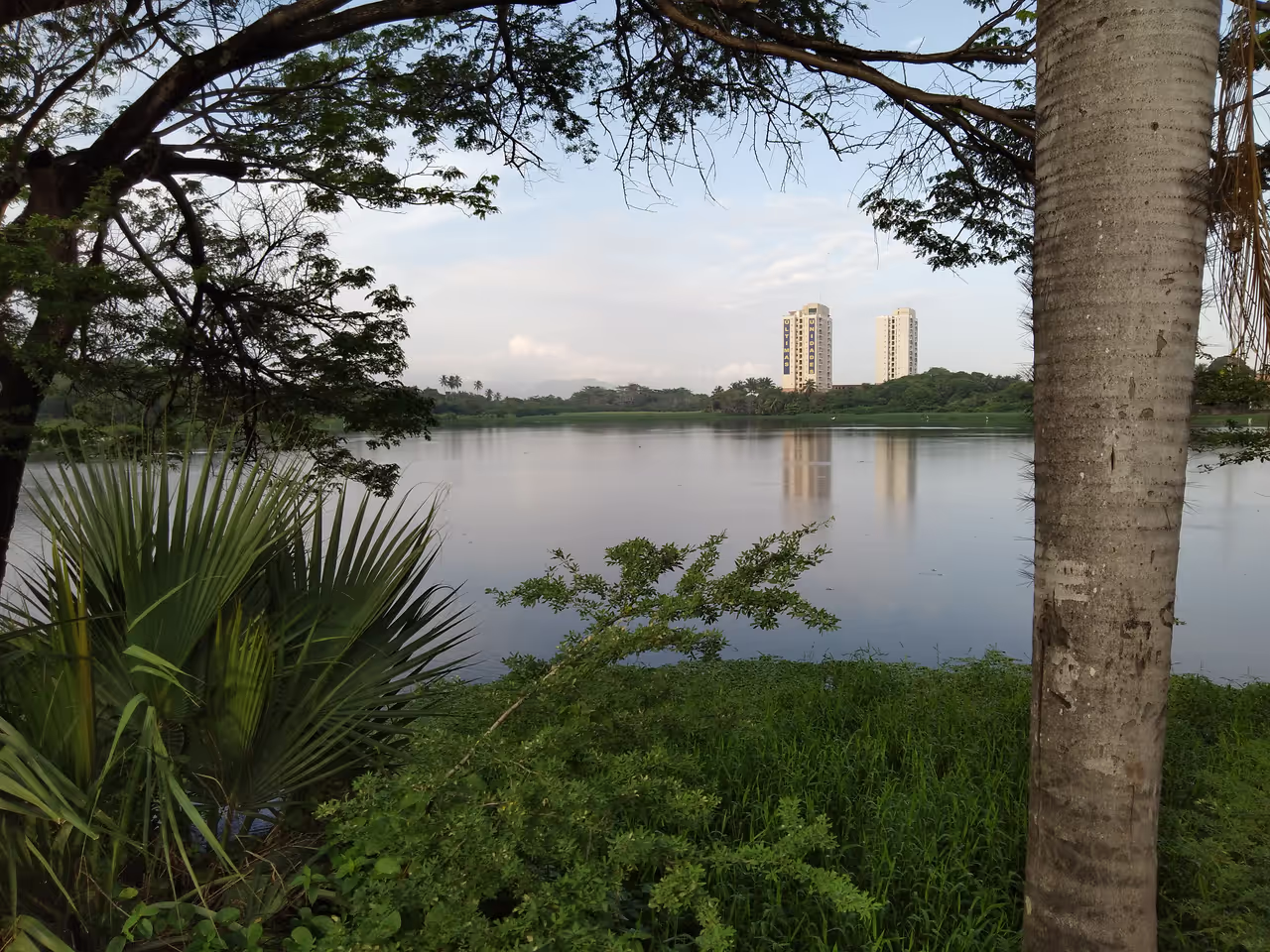
Flowing from the verdant heights of the Serra de Baturité down to the sparkling Atlantic, the Pacoti River is a vital lifeline for Ceará. This meandering waterway serves as both a lush sanctuary for biodiversity and a favourite playground for nature lovers seeking a tranquil escape from the urban energy of nearby Fortaleza. Its sprawling mangrove forests are not only visually stunning but crucial to the health of the local coastal ecosystem. Whether you are gliding along the calm waters in a kayak or exploring the riverbanks where historical remnants of the colonial era lie hidden, the river offers a deep connection to the natural spirit of the region. Visiting here provides a rare glimpse into the delicate balance between the mountains and the sea, making it an essential experience for those who appreciate serene landscapes and pristine wilderness.
Videos
History of Pacoti River
The story of the Pacoti River is the story of Ceará itself, tracing a path from the misty, mountainous interior to the sun-drenched coast. For centuries, the river served as the backbone of local agriculture, providing the water needed to power the mills that transformed the valley into a centre for sugar production. The river was the lifeblood for those early settlers who carved their living out of the Brazilian wilderness, and its presence dictated where villages were built and how the regional economy flourished. As the nearby metropolitan areas expanded, the Pacoti River faced the pressures of development and environmental degradation. However, the unique biodiversity surrounding its estuary sparked a shift in local priorities. The transition from an industrial lifeline to a protected sanctuary highlights a growing regional consciousness regarding conservation. Today, the river stands as a successful example of how urban and natural spaces can coexist, with strict protections ensuring that the mangroves, which were once threatened, continue to thrive. Modern life along the river is far removed from the intensive labour of the colonial era. Instead of grinding sugar cane, the river is now defined by the rhythmic paddle strokes of kayakers and the quiet observation of nature enthusiasts. It remains a place where the history of the region is written into the silt and roots of the mangrove forest, offering a serene contrast to the rapid pace of the cities it flows past. To spend time on the Pacoti is to witness a landscape that has moved from exploitation to preservation, maintaining its dignity as a sacred natural space.
Events spanning 300 years
Fun Facts
- • During the rainy season, the river swells significantly, transforming the landscape and demonstrating the raw power of the water that shaped this valley.
- • Historical remnants of the sugar cane industry are occasionally discovered along the riverbanks, serving as silent witnesses to the region's colonial past.
- • It is a popular destination for eco-tourism, with many visitors opting to kayak through the winding channels to observe local birdlife in silence.
- • Its estuary near the coast of Aquiraz contains one of the most significant and preserved mangrove ecosystems in the state of Ceará.
- • The area provides a critical migratory path for various bird species, making it a hotspot for wildlife photography and ornithology enthusiasts.
- • The mangrove forests here function as a vital nursery for marine life, supporting the local artisanal fishing industry that has existed for generations.
- • The name Pacoti originates from the Tupi language, believed to mean river of the pacus, referring to the freshwater fish species common to its waters.
- • The river basin is home to a diverse array of crustaceans, including several species of crab that are staples of the local culinary culture.
- • The river serves as a natural boundary defining the borders between several municipalities, including Aquiraz, Itaitinga, and Eusébio.
- • The river spans approximately 150 kilometres from its source in the Baturité mountains to the point where it meets the Atlantic Ocean.
Pacoti River FAQ
While we strive to keep this information accurate and up to date, we recommend verifying any details independently before making decisions based on them.
Pacoti River Map & Neighborhood Explorer
This interactive map is centered on Pacoti River. Zoom in and move the map around to automatically discover Wikipedia photos and summaries of other nearby sights, monuments, and historical points of interest and stories in real-time!
Places near Pacoti River
Make the most of your trip. Check out these top-rated spots located nearby.
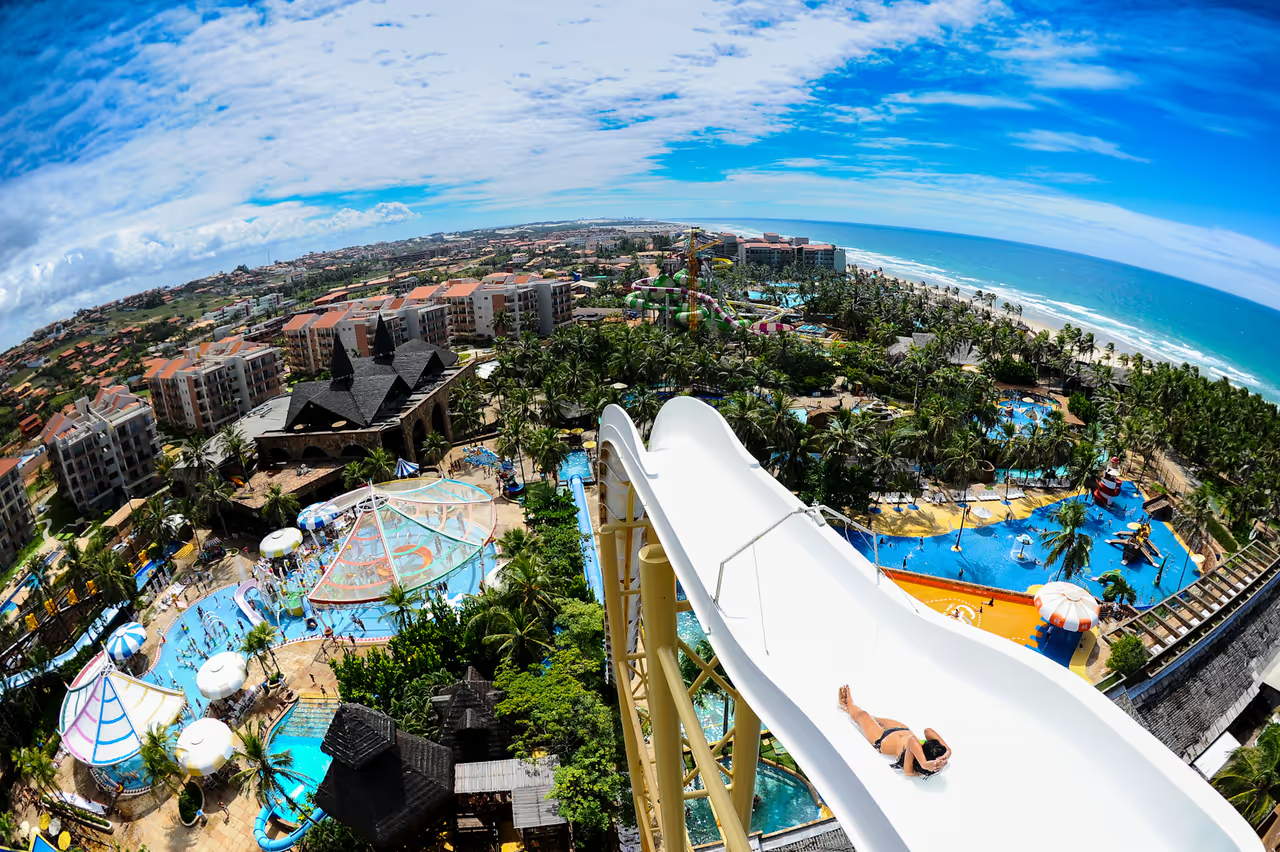 1526m
1526mBeach Park
Imagine a place where the sun of the Brazilian Northeast kisses the turquoise waters of the Atlantic, creating the ultimate tropical playground. Beach Park is far more than a water park; it is a sprawling resort complex that invites you to lose track of time while splashing through some of the most thrilling aquatic rides on the planet. Whether you are seeking the adrenaline rush of freefalling down legendary slides or simply wishing to unwind by the ocean with a cocktail in hand, this destination caters to every whim. The atmosphere is vibrant and soaked in sunshine, making it a perfect getaway for families, thrill seekers, and sun worshippers alike. From its internationally renowned attractions to its comfortable seaside resorts, a visit here leaves you feeling refreshed and already planning your return trip.
attraction view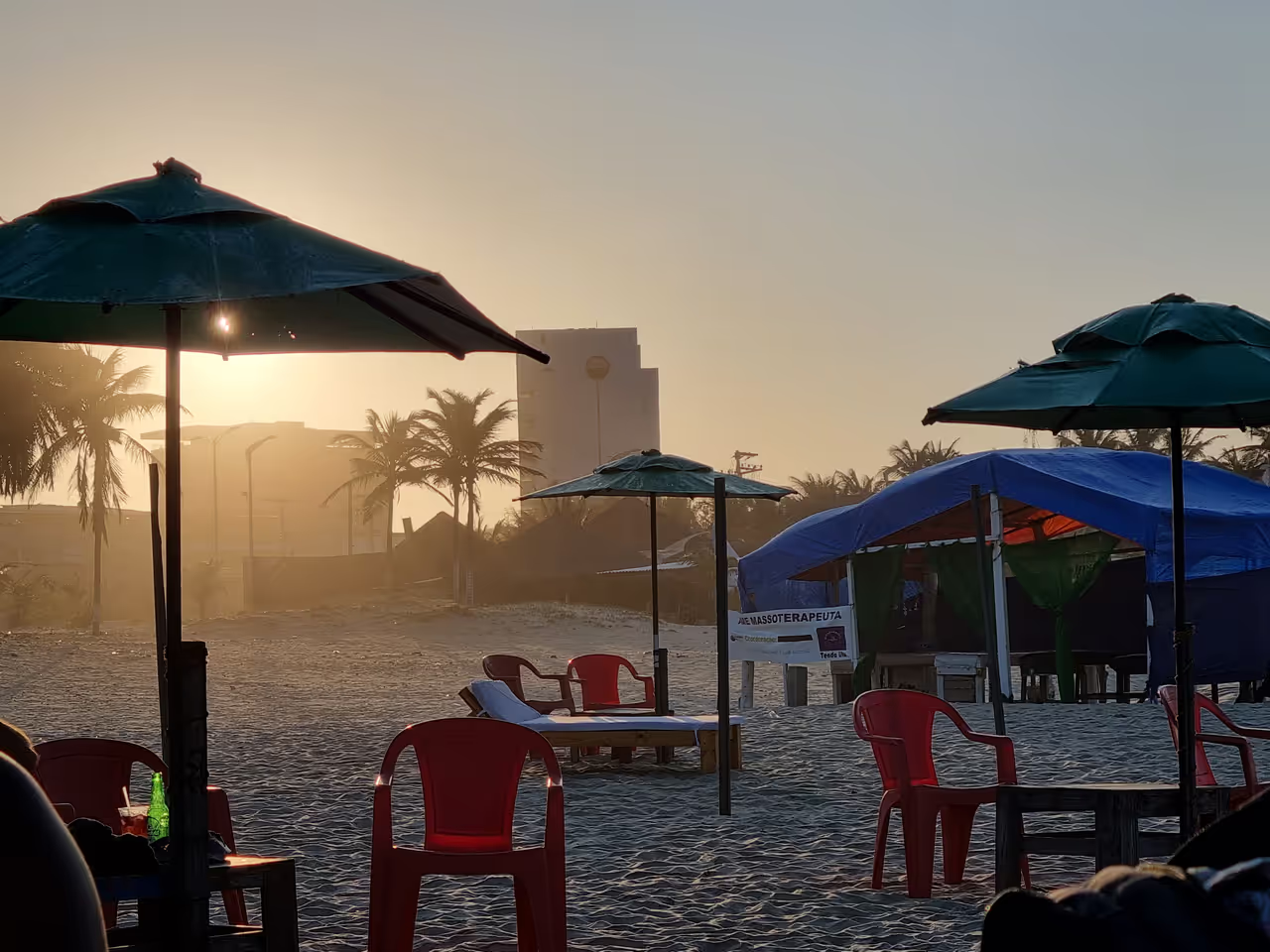 10443m
Futuro Beach Tents
While primarily known as a daytime destination, the massive beach mega tents here host incredible parties on specific nights of the week. Thursdays are particularly famous for the traditional crab feasts, which seamlessly turn into massive music events. On weekends, many tents transition into full blown nightclubs featuring live bands and electronic DJs right on the sand. It offers a unique opportunity to party in a massive, resort like structure directly facing the Atlantic Ocean.
nightlife view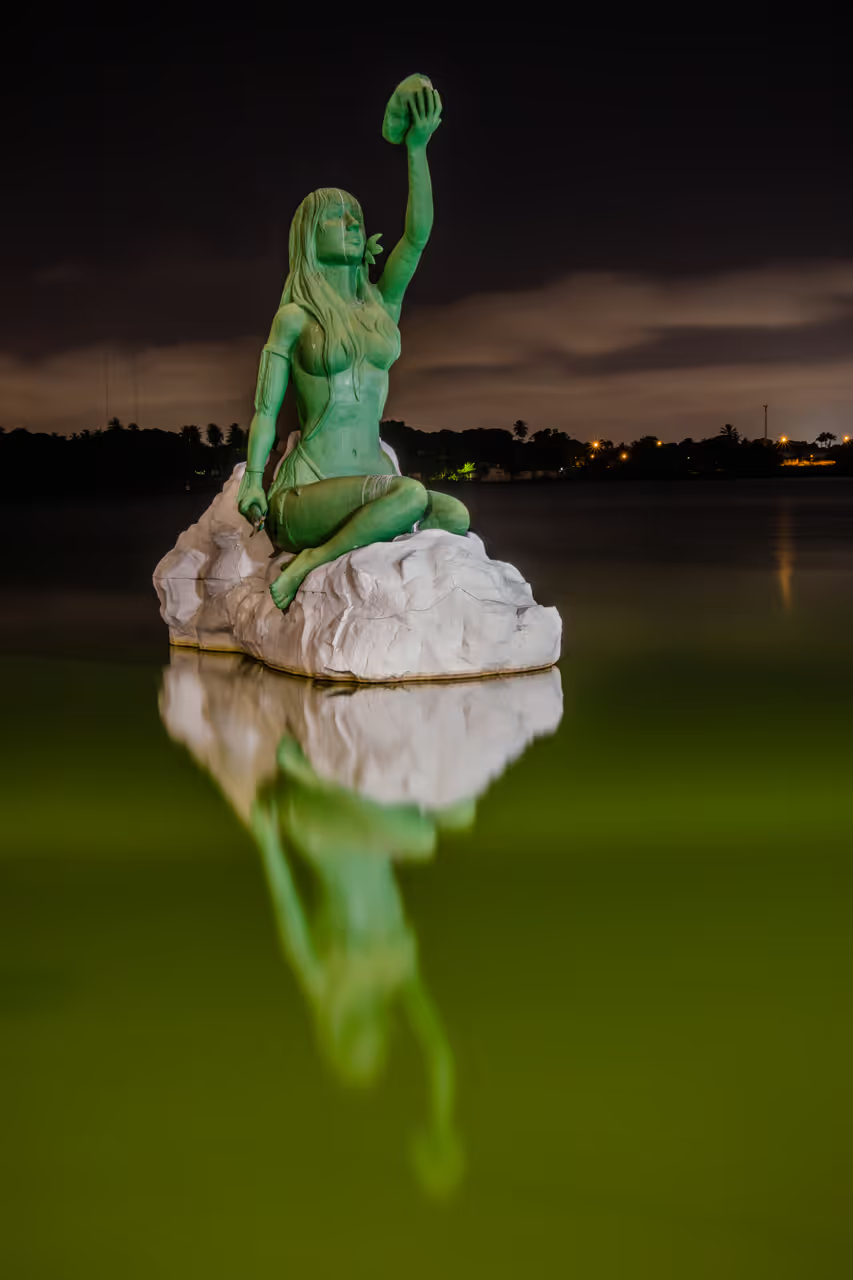 10618m
Messejana Lake Statue
This monumental statue rises dramatically from the waters of a tranquil lake in the southern part of the city. It depicts the famous literary indigenous heroine emerging from the water, creating a powerful and highly evocative reflection on the surface. The surrounding greenery and the calm waters provide a serene, almost mythical backdrop that is vastly different from the bustling oceanfront monuments. It is a fantastic spot for capturing large scale, dramatic silhouette shots at dusk.
photo spot view- 10853m
Fortal Festival
This is one of the largest out of season carnival celebrations in Brazil, drawing massive crowds to a purpose built arena. The festival features incredible live performances from some of the country's biggest music stars playing high energy axé and forró. Attendees follow massive sound trucks in a joyous, dancing procession that lasts from dusk until dawn. It is an electrifying experience that showcases the unparalleled party spirit of the region.
festival view
Explore Similar Places in This Collection
See all nature & parks in Fortaleza
Cocó State Park, Maraponga Lagoon Ecological Park, Passeio Público, Pedra da Risca do Meio Marine State Park...