Hidden Gems & Local Secrets in Fortaleza

Step off the tourist trail and experience the authentic side of the city. We've bypassed the crowded landmarks to uncover the best-kept local secrets—from quiet neighborhood courtyards to underground art scenes. Dive into the forgotten histories and unique stories that make these spots truly special.

  • Estoril Mansion

    EDIFÍCIO ESTORIL
    45 M

    Tucked away near the bustling beachfront, this eccentric 1920s mansion stands out with its highly peculiar, romantic architecture. Originally built as an opulent private residence known as Vila Morena, it has lived many lives, including a stint as a glamorous casino and a politically charged bohemian bar. The building was virtually rebuilt in the 1990s and now serves as a public space for cultural events and exhibitions. It is a fantastic, photogenic slice of the city's quirky history that many visitors walk right past without noticing.

    HISTORY & HIGHLIGHTS

    Constructed in 1925, the eccentric mansion originally known as Vila Morena was built to reflect the opulent tastes of the city's wealthy elite. Its peculiar architecture, blending various romantic and colonial styles, immediately made it a standout landmark on the developing coastline. During its early years, it hosted lavish parties and even operated as a high stakes casino, drawing high society figures from across the region. Following the nationwide ban on gambling, the mansion underwent a significant transformation. It was rebranded as 'Estoril' and became a famous restaurant and bar that served as a crucial meeting point for intellectuals, artists, and political dissidents. During turbulent political times, its walls absorbed the passionate debates and bohemian energy of the city's creative class, cementing its status as a cultural icon. By the late twentieth century, the building had suffered significant structural decay due to the harsh coastal environment. In the 1990s, a major initiative essentially rebuilt the mansion, preserving its iconic facade while updating the interior. Today, it stands proudly as a public cultural space, continuing its long legacy of hosting the city's artistic and social events.

    Events spanning 65 years

    YEAR 1925

    Construction of Vila Morena

    The eccentric, romantic mansion is constructed as an opulent private residence for the city's elite.

    YEAR 1946

    The Casino Era Ends

    Following a nationwide ban on casinos, the building transitions into a famous bohemian restaurant and bar named Estoril.

    YEAR 1990

    Major Reconstruction

    Suffering from severe coastal decay, the historic mansion is virtually rebuilt to preserve its architectural legacy.

    LOCATION

    Loading map...

    FULL PLACE DETAILS

    ARCHITECTURE & HERITAGE

    Heritage Status
    Comphic Good Class
  • Pine Nut Market

    MERCADO DOS PINHÕES
    1 H

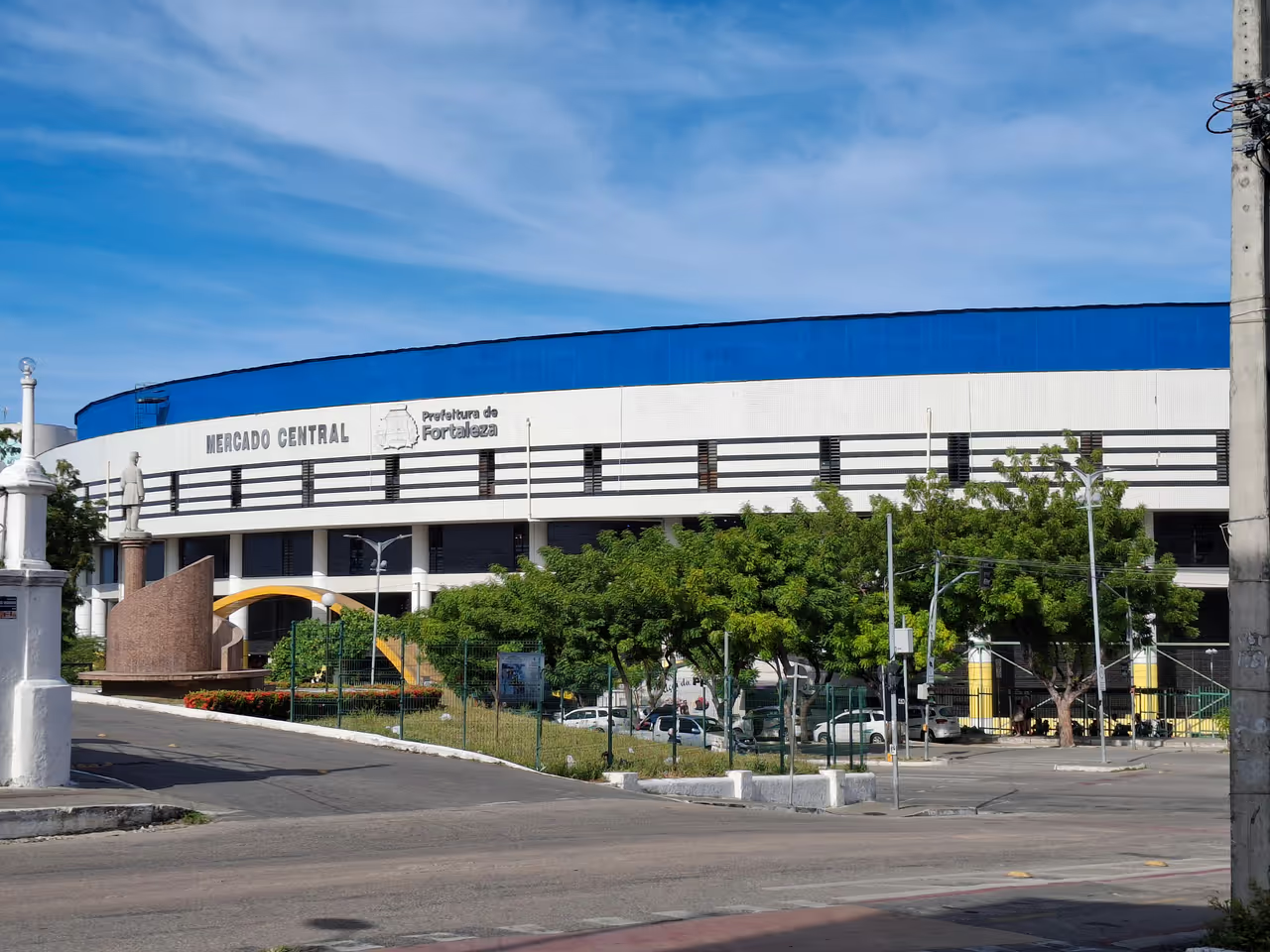
    This stunning iron structure is a piece of European architectural history hidden entirely within a quiet local square. Originally functioning as a meat market, it was imported piece by piece from Europe and reassembled here in 1897. Today, it has been brilliantly repurposed into a vibrant cultural space that hosts intimate handicraft fairs, contemporary dance performances, and lively local music events. It is a favourite gathering spot for locals who come to enjoy the authentic, community driven atmosphere away from the main tourist strips.

    HISTORY & HIGHLIGHTS

    The story of this structure begins in the late nineteenth century during a period of immense wealth generated by the regional cotton boom. The civic leaders, eager to modernise the growing city with European flair, ordered this intricate iron framework directly from France. It was painstakingly shipped across the Atlantic and assembled in 1897 to serve as a sanitary, modern meat market for the expanding population. For decades, it functioned as a bustling hub of daily commerce, witnessing the rapid transformation of the surrounding neighbourhoods. However, as modern supermarkets emerged in the mid twentieth century, the old iron market slowly fell into disuse and disrepair. It sat quietly for years, a forgotten relic of the city's golden age of infrastructure. In the late 1990s, the city recognised the immense heritage value of the structure and initiated a thorough restoration project. Instead of returning it to a commercial market, it was reborn as a dynamic cultural venue. Today, the beautifully restored iron arches echo with the sounds of live forró music and the chatter of local artisans, proving that historic preservation can breathe vital new life into a community.

    Events spanning 101 years

    YEAR 1897

    Import and Assembly

    The intricate iron framework is imported from Europe and assembled in the city to serve as a modern meat market.

    YEAR 1960

    Period of Decline

    As modern grocery stores become prevalent, the historic market gradually loses its commercial function and falls into disrepair.

    YEAR 1998

    Cultural Rebirth

    The structure is fully restored and transformed into a vibrant cultural centre, hosting arts, crafts, and music events.

    LOCATION

    Loading map...

    FULL PLACE DETAILS

    ARCHITECTURE & HERITAGE

    Heritage Status
    Comphic Good Class
    Architectural Styles
    Art Nouveau
  • Automobile Museum

    MUSEU DO AUTOMÓVEL
    1 H

    Tucked away from the main tourist areas, this impressive museum is a paradise for classic car enthusiasts. The collection features around sixty meticulously restored vintage vehicles, predominantly American models ranging from 1917 up to 1995. Highlights include incredibly rare pieces, such as two pristine funeral cars from the 1930s. It is a labour of love maintained by a local club, offering a nostalgic and visually stunning journey through automotive history.

    HISTORY & HIGHLIGHTS

    The origins of this remarkable collection lie with a small, dedicated group of local automotive enthusiasts who began restoring classic cars in the 1970s. These hobbyists spent countless hours hunting down rusting chassis and importing rare parts to bring vintage American automobiles back to their former glory. As their individual collections grew, they realised the need for a shared space to showcase their mechanical triumphs and formed the local Veteran Car Club. For many years, the club's incredible collection was only visible during occasional parades or private showings. The desire to share this automotive heritage with the broader public led to a long campaign to establish a permanent museum. After years of planning and fundraising, the members successfully secured a facility capable of housing dozens of pristine vehicles under one roof. When the museum officially opened, it instantly became a beloved, albeit niche, attraction in the city. Today, it stands as a testament to the dedication of local preservationists, offering visitors a polished, chrome filled trip back in time that highlights the global reach of classic automobile design.

    Events spanning 30 years

    YEAR 1975

    Restoration Efforts Begin

    Local automotive enthusiasts begin rescuing and meticulously restoring vintage American cars.

    YEAR 1985

    Veteran Car Club Formed

    The collectors organise officially, forming a club dedicated to the preservation of classic automobiles.

    YEAR 2005

    Museum Opens to Public

    The impressive, consolidated collection is finally opened to the public in a dedicated museum facility.

    LOCATION

    Loading map...

    FULL PLACE DETAILS

    OVERVIEW & STATS

    Established
    In 1981, making it 45 years old
  • Museum of Writing

    MUSEU DA ESCRITA
    45 M

    This highly specific and fascinating museum is dedicated entirely to the history and evolution of written communication. Visitors can marvel at a vast, curated collection of vintage typewriters, antique pens, ink cartridges, and rare books, including a notable collection of Bibles. It is a quiet, contemplative space that celebrates the mechanical beauty and historical importance of writing instruments. It is a true hidden gem for history buffs, writers, and anyone fascinated by antique machinery.

    HISTORY & HIGHLIGHTS

    The Museum of Writing began as the obsessive, lifelong passion of a single local collector who was fascinated by the mechanics of communication. For decades, this individual scoured antique markets, estate sales, and international auctions to acquire rare typewriters and antique writing instruments. What started as a modest private collection eventually grew into an overwhelming archive that chronicled the entire technological evolution of the written word. Recognising the educational value of the collection, the founder decided to open the archive to the public. The museum was initially established in a small, unassuming building, attracting a niche audience of writers, historians, and typography enthusiasts. However, the sheer quality and breadth of the collection soon garnered wider attention, leading to a major reorganisation of the exhibits. In 2012, the museum was officially reopened in a dedicated space, allowing for a much more comprehensive display of its treasures. Today, it stands as a unique cultural institution in the city, offering a quiet, deeply historical experience that starkly contrasts with the loud, vibrant beach culture just a few miles away.

    Events spanning 32 years

    YEAR 1980

    Beginning of the Collection

    A local enthusiast begins a lifelong journey of collecting rare typewriters and antique writing instruments.

    YEAR 2005

    Initial Public Display

    The private collection is cautiously opened to the public in a modest, informal setting.

    YEAR 2012

    Official Reopening

    The museum is completely reorganised and officially reopens in a dedicated space to showcase the vast archive.

    LOCATION

    Loading map...

    FULL PLACE DETAILS

    OVERVIEW & STATS

    Established
    In 2012, making it 14 years old

    WEB & AMENITIES

KEEP EXPLORING

More to see in Fortaleza