St David's Park
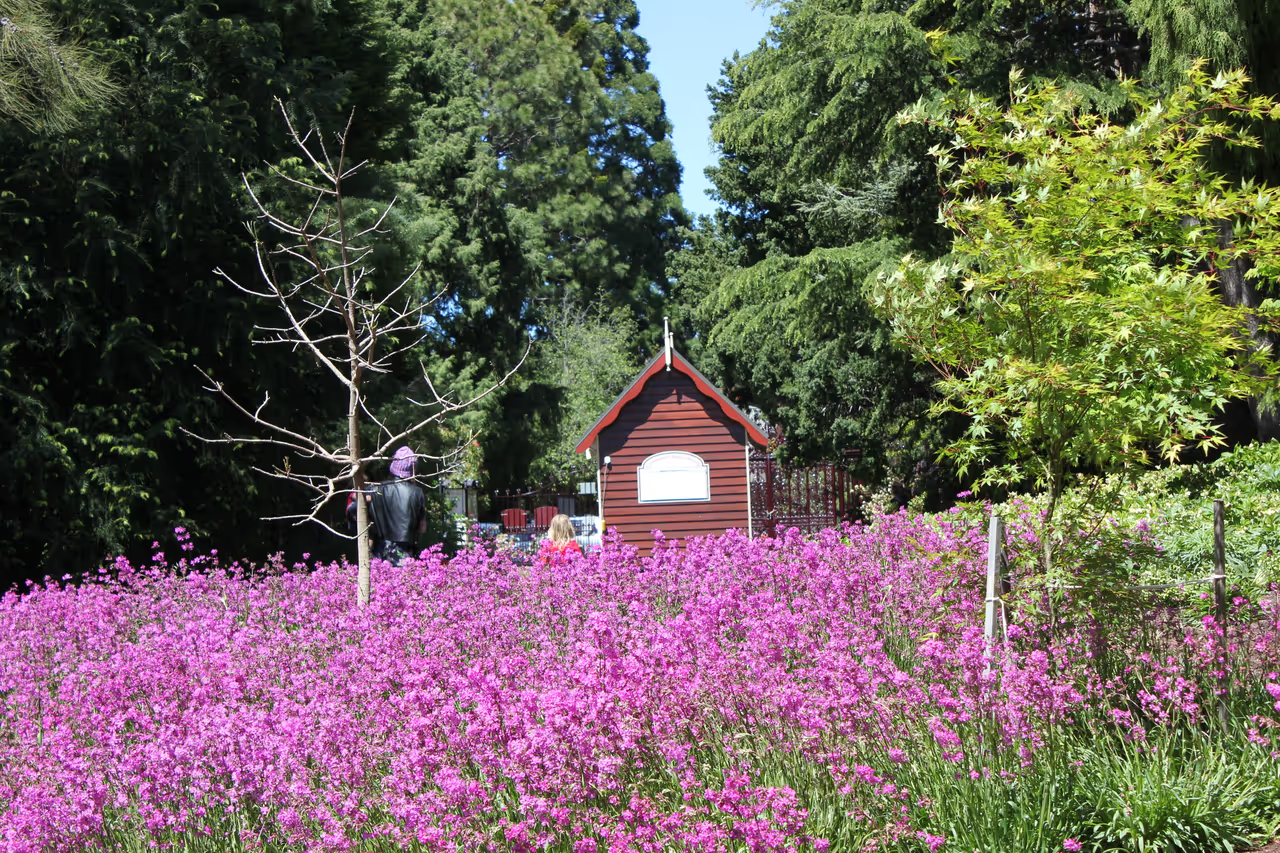
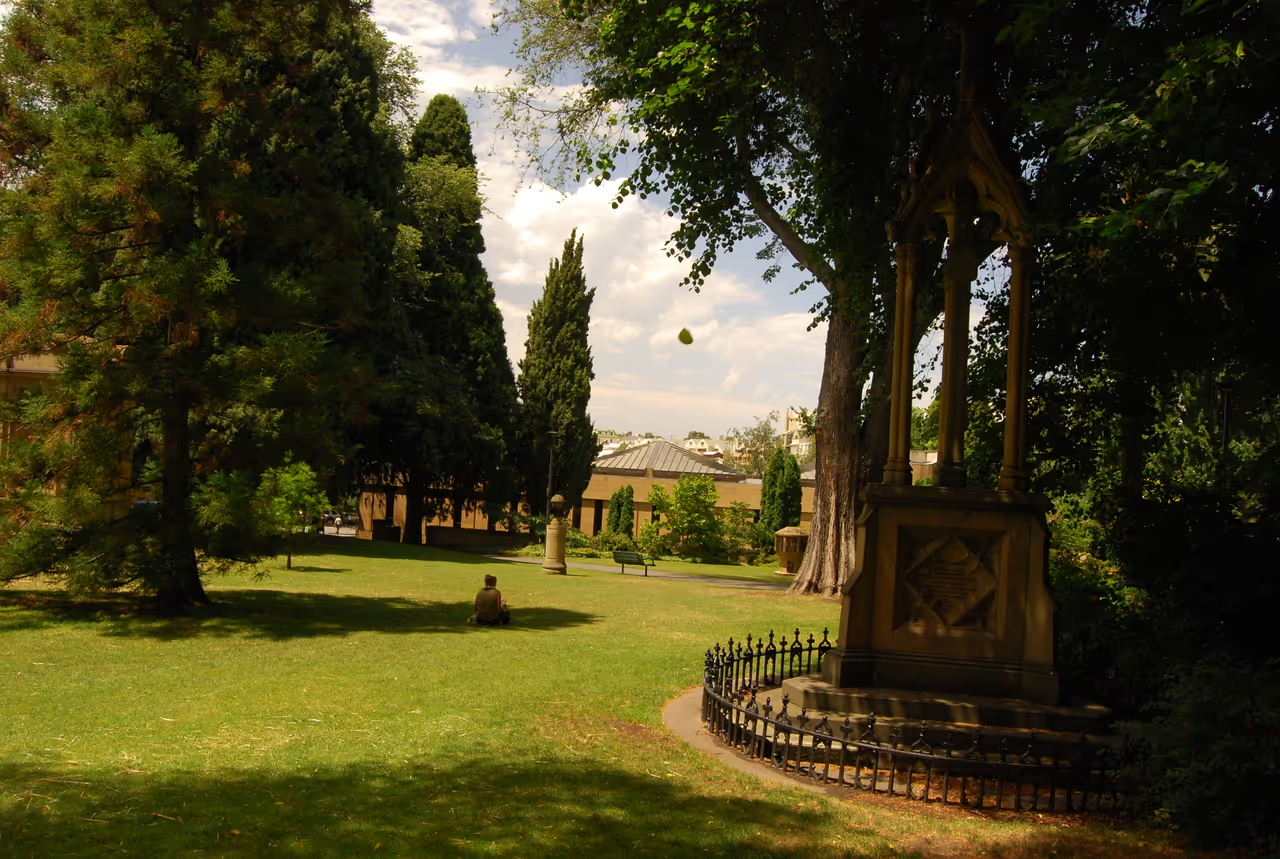
Once Hobart’s primary burial ground, St David’s Park has transformed into a peaceful, Victorian style green sanctuary right in the heart of the city. Walking through its gates feels like stepping back in time, where carefully preserved gravestones embedded in the boundary walls tell the stories of Tasmania’s earliest colonial residents. It is a place of quiet reflection where the contrast of historic monuments and lush gardens creates a unique atmosphere for a leisurely stroll. You can admire the ornate lion gate posts, relax by the rotunda, or simply enjoy a moment of calm just steps away from the vibrant Salamanca Place. This heritage site serves as a beautiful bridge between Hobart’s convict past and its contemporary, relaxed lifestyle.
Videos
History of St David's Park
The site began its journey in 1804 as Hobart’s primary burial ground, a solemn resting place for the first colonial arrivals including Lieutenant Governor David Collins. Over the decades, the cemetery fell into disrepair, becoming a source of public frustration by the mid 19th century. A Victorian publication famously described it as naked and unkind, highlighting the overgrown state of the graves. This period of neglect eventually sparked a movement for renewal, leading to its closure for burials in 1872. By 1920, the local council gained authority to transform the space, carefully relocating remains and preserving headstones to create the respectful memorial walls visible today. The modern park officially opened in 1926, masterfully redesigned with Victorian landscaping to serve as a green lung for the city. It now stands as a quiet reminder of Hobart’s beginnings, blending colonial history with a peaceful contemporary atmosphere. The addition of the historic lion statues in 1988 provided a final touch of civic grandeur, linking the park to other remnants of Tasmania's architectural heritage.
events spanning 184 years
Fun Facts
9- 01
It served as the primary burial ground for the city during the entire early colonial era.
- 02
James Bicheno, who served as public secretary and is the namesake of the famous east coast town of Bicheno, rests here.
- 03
James Kelly, the famous mariner and Australian explorer, is buried within these grounds.
- 04
Many of the original headstones were repurposed into memorial walls that now enclose parts of the park perimeter.
- 05
Poet Vivian Smith immortalised the park in verse, describing the unique interaction between its somber history and present day nature.
- 06
The impressive lion gate posts were sculpted in 1884 and previously guarded the Bank of Van Diemen's Land.
- 07
The park holds the grave of David Collins, the first Lieutenant Governor of Van Diemen's Land and the founder of Hobart.
- 08
The park serves as a verdant oasis immediately adjacent to the popular Salamanca Place market area.
- 09
The site features a central rotunda that frequently hosts community events and small musical performances.
FULL PLACE DETAILS
OVERVIEW & STATS
- Elevation
- 31 m
ARCHITECTURE & HERITAGE
- Heritage Status
- Listed On The Tasmanian Heritage Register
St David's Park Map & Neighborhood Explorer
This interactive map is centered on St David's Park. Zoom in and move the map around to automatically discover Wikipedia photos and summaries of other nearby sights, monuments, and historical points of interest and stories in real-time!
St David's Park FAQ
The park is open 24 hours a day, allowing visitors to walk through its grounds at any time of day or night.
While the site has a rich and somewhat somber history as a former cemetery, it is widely considered a peaceful and beautiful public garden today.
It is located centrally in Hobart, bounded by Davey Street, Salamanca Place, and Sandy Bay Road, right next to the Supreme Court of Tasmania.
Many of the original gravestones were preserved and embedded into the park's perimeter walls, which serve as a memorial to the early settlers.
The closest place to visit near St David's Park is Parliament House, around 129 m away. Other things to do near St David's Park include Salamanca Place (256 m), Battery Point Sculpture Trail (281 m) and Dark Mofo (335 m). All of these are within roughly 335 m of St David's Park, close enough to walk.
St David's Park holds the following heritage designation: Listed On The Tasmanian Heritage Register.
While we strive to keep this information accurate and up to date, we recommend verifying any details independently before making decisions based on them.
Places near St David's Park
Make the most of your trip. Check out these top-rated spots located nearby.
 129m
Parliament House
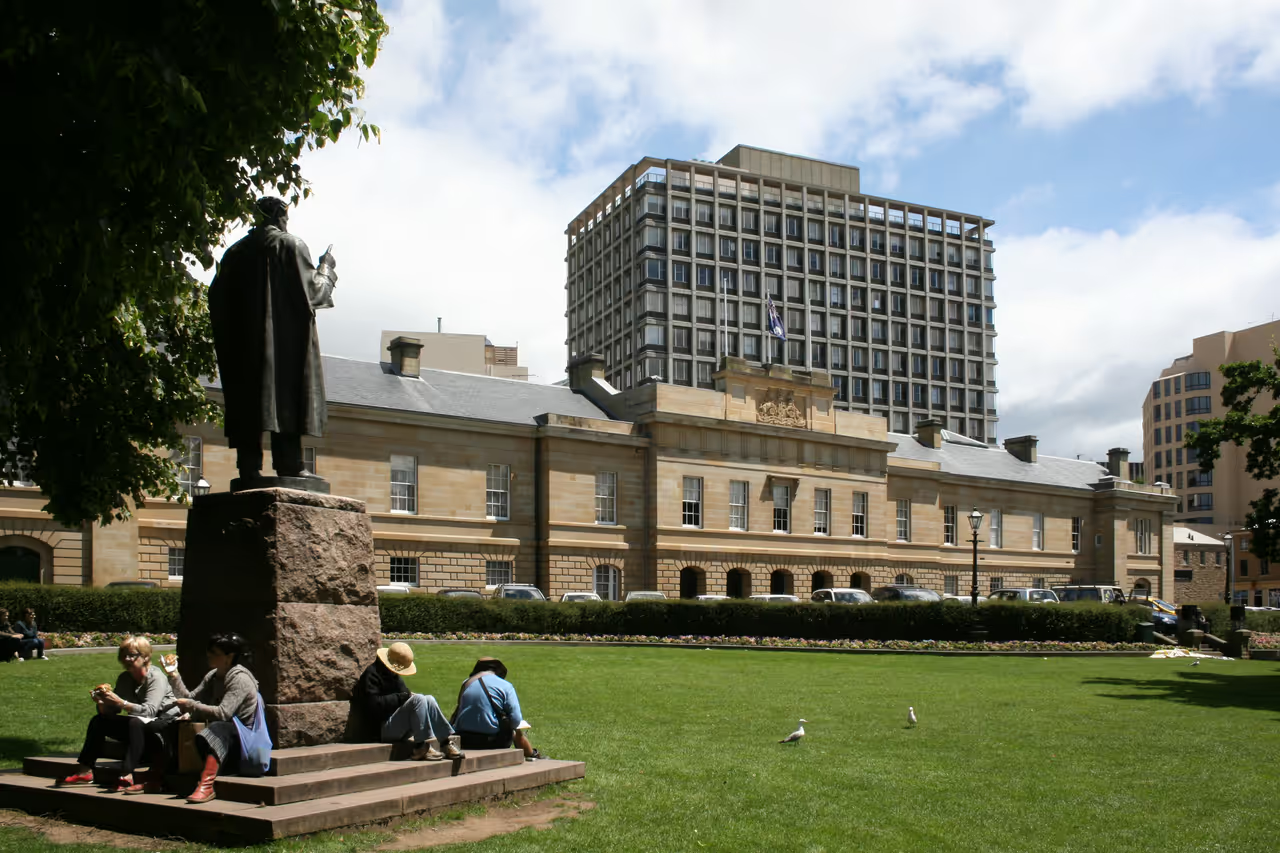
Designed by colonial architect John Lee Archer, this stately building originally opened as a customs house right on the water edge in 1840. The heavy sandstone facade projects an image of enduring authority and bureaucratic control over the early colony. It eventually transitioned to exclusively house the state parliament, witnessing decades of intense political debate. The pristine lawns out front are a popular place for locals to relax during their lunch break. It stands as one of the finest examples of colonial civic architecture.
architecture view 256m
Salamanca Place
Stepping into Salamanca Place feels like walking through a living postcard of Hobart's maritime past. This historic precinct is defined by its iconic row of golden sandstone warehouses, which once stored goods from around the world but now house a vibrant mix of boutique galleries, artisan shops, and some of the city's finest dining spots. It serves as the cultural heartbeat of the waterfront, where the legacy of nineteenth century whaling meets modern creativity. Whether you are hunting for local crafts at the world famous weekend market or enjoying a quiet evening drink beneath the shade of leafy trees, the area offers a warm and inviting atmosphere. It is a place that celebrates local talent and history, making every visit feel like a discovery of Tasmania's unique soul.
attraction view 281m
Battery Point Sculpture Trail
A beautifully curated art walk that places large, striking numerical sculptures directly into the coastal environment. Photographing these crisp, modern, white artworks against the chaotic native scrub and blue water is visually striking. Each number holds a specific historic significance, adding depth to the images you capture. The trail winds along the shoreline, offering numerous creative angles and framing opportunities. It perfectly blends contemporary outdoor art with stunning natural scenery.
photo spot view 335m
Dark Mofo
This midwinter festival celebrates the winter solstice with a mixture of ancient pagan rituals and contemporary art. The city is bathed in red light while large scale public art works and musical performances take over the streets. Highlights include the massive Winter Feast and the infamous nude solstice swim in the freezing river. It has grown into a highly anticipated cultural phenomenon that completely transforms the local atmosphere. Visitors from across the globe arrive to experience the confronting and spectacular installations.
festival view
See all nature & parks in Hobart
Including Wellington Park, Franklin Square, Queens Domain, and more