National Arboretum
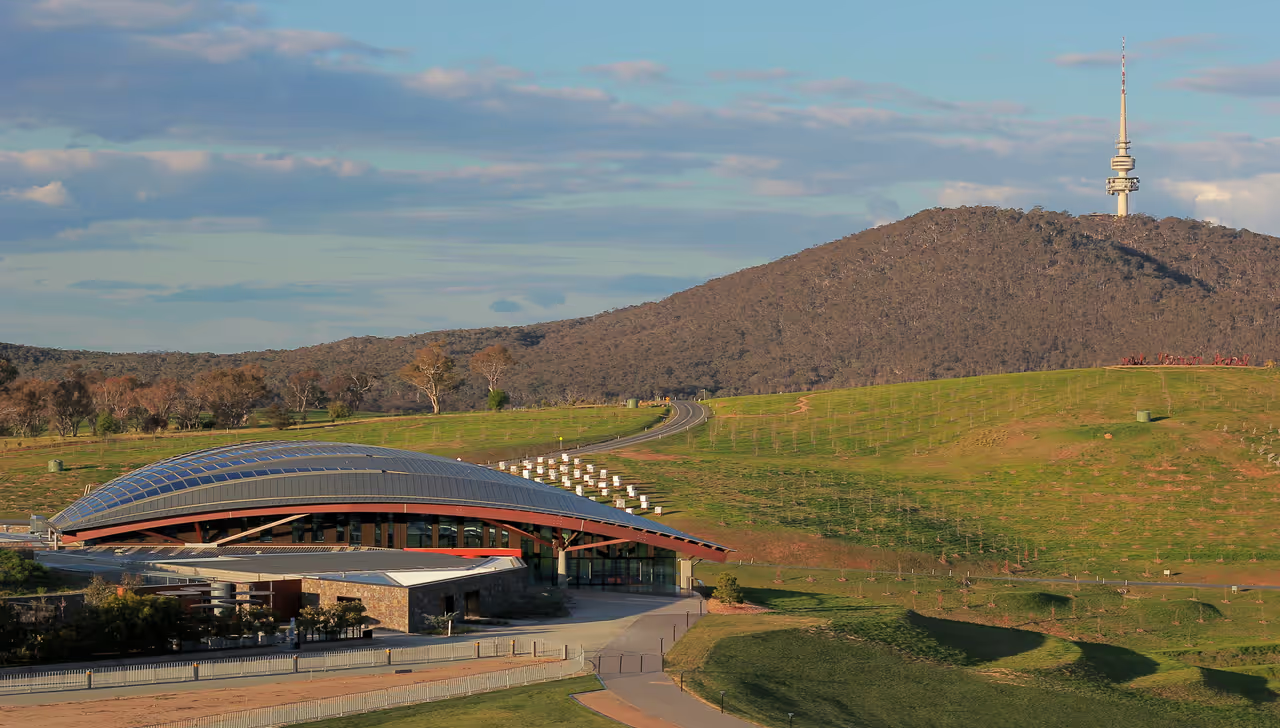
Perched on a hill overlooking the national capital, the National Arboretum Canberra is a breathtaking sanctuary dedicated to preserving rare and symbolic trees from across the globe. This sprawling 250-hectare landscape rose from the ashes of devastating bushfires, transforming a scarred site into a vibrant symbol of resilience and renewal. Visitors can wander through vast forests of unique species, from the majestic Himalayan cedar to the ancient Wollemi pine. Beyond the greenery, the site offers an innovative Village Centre with incredible views, art installations, and the serene National Bonsai and Penjing Collection. Whether you are seeking a peaceful morning stroll, a family picnic with a panorama, or a moment of reflection, this living museum provides an unmatched connection to nature. It is a place where history, art, and botany converge to create an experience that feels both grand and deeply intimate.
Videos
History of National Arboretum
The story of the National Arboretum Canberra begins with profound loss. In the wake of the catastrophic 2003 bushfires that scorched the landscape, the Government of the Australian Capital Territory saw an opportunity to turn tragedy into a legacy. What was once a commercial pine plantation and a scene of devastation became the canvas for a daring vision. Landscape architects and designers were challenged to reimagine this hilly terrain, ultimately conceiving a grand design that would feature 100 forests and 100 gardens, each dedicated to rare and threatened species from every corner of the planet. Since its official opening in 2013, the arboretum has flourished into a living testament to environmental resilience. The master plan honoured the original vision of Canberra planner Walter Burley Griffin, by integrating existing groves of Himalayan cedars and cork oaks with new, ambitious plantings. It serves as an open-air museum where the collection of trees is not merely a botanical study, but a symbolic gathering of global life, including sacred trees planted by international dignitaries to mark their visits to the capital. Today, the site does more than display trees; it weaves together the cultural and ecological threads of the nation. From the poignant Forest of Remembrance and the Lone Pine tributes to the meticulously curated National Bonsai and Penjing Collection, every corner invites a different kind of discovery. The architecture of the Village Centre, with its innovative timber design and locally sourced stonework, perfectly complements the expansive horizon. It remains a place of quiet triumph, where visitors can walk through the history of the land and witness the ongoing process of renewal.
Events spanning 10 years
Fun Facts
- • A dedicated forest of Turkish Pine, native to the Gallipoli Peninsula, was planted as a living memorial to Australian service personnel.
- • Dairy Farmers Hill features a unique sculpture of an eagle in its nest, providing an iconic photo opportunity for visitors.
- • In 2010, the site became the centre of an unusual crime when thieves stole 12 rare Dragon trees, though authorities managed to recover some of them.
- • The "wide brown land" art installation features a quote from Dorothea McKellar's famous poem My Country, written in her own handwriting and spanning 35 metres.
- • The National Bonsai and Penjing Collection, which houses exquisite miniature trees, was moved to the arboretum from its previous home in Commonwealth Park.
- • The Village Centre structure features stonework sourced from the town of Wee Jasper, a locality situated on the outskirts of the capital.
- • The arboretum serves as a diplomatic garden, with visiting heads of government and ambassadors frequently invited to plant ceremonial trees.
- • The arboretum was established on the site of a commercial pine plantation that was completely destroyed during the 2003 Canberra bushfires.
- • The collection includes the Wollemi pine, an ancient species that was thought to be extinct until its remarkable discovery in 1994.
- • The site is home to over 100 forests and 100 gardens, each focused on rare, endangered, and symbolic trees from around the world.
National Arboretum FAQ
While we strive to keep this information accurate and up to date, we recommend verifying any details independently before making decisions based on them.
National Arboretum Map & Neighborhood Explorer
This interactive map is centered on National Arboretum. Zoom in and move the map around to automatically discover Wikipedia photos and summaries of other nearby sights, monuments, and historical points of interest and stories in real-time!
Places near National Arboretum
Make the most of your trip. Check out these top-rated spots located nearby.
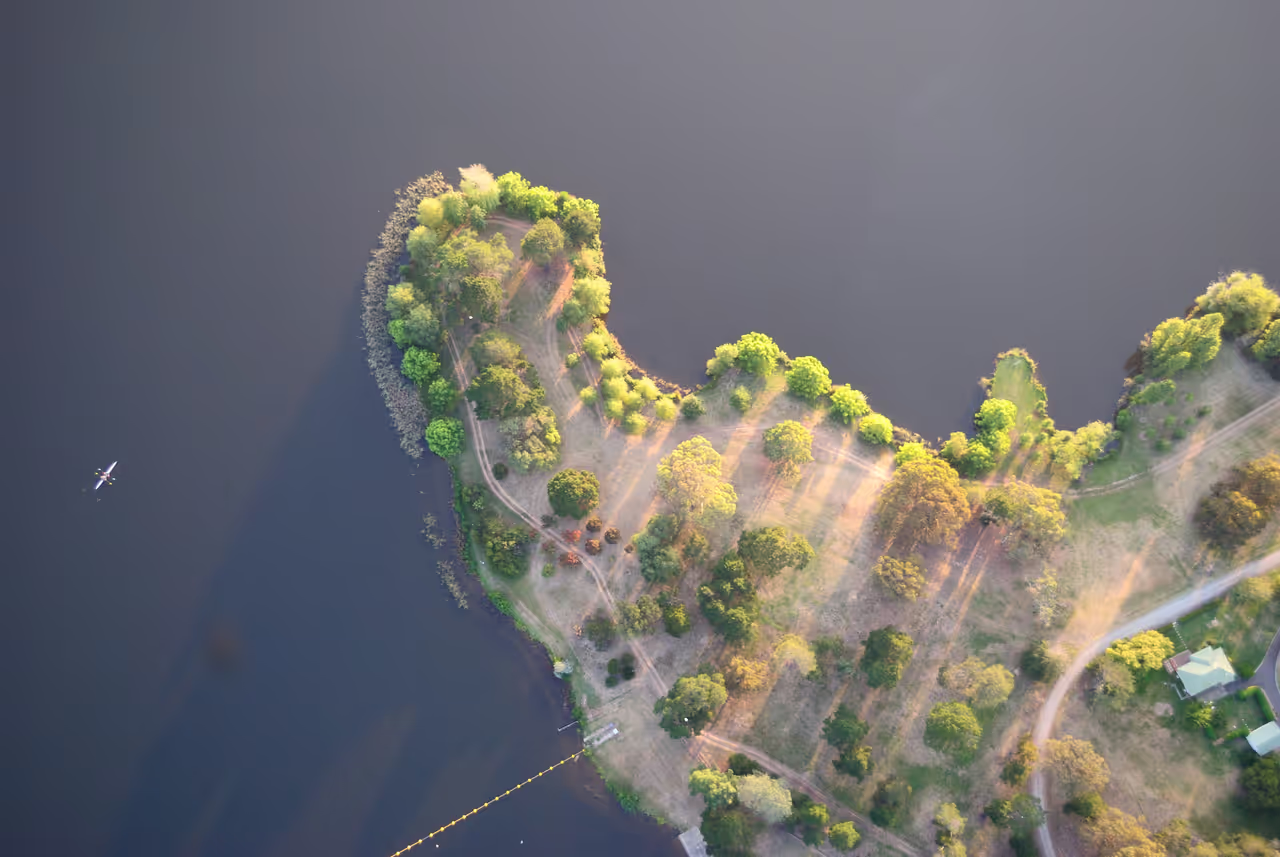 2630m
2630mWeston Park
Weston Park is a gorgeous peninsula jutting into Lake Burley Griffin, offering visitors a peaceful retreat within the heart of the capital. It serves as a living tribute to Charles Weston, the legendary horticulturalist who transformed Canberra into a green oasis. Families love the extensive picnic grounds and barbecue facilities, while the miniature railway adds a charming touch for younger explorers. Whether you want to enjoy a quiet morning walk along the shoreline or watch the sun set over the water, this park provides an ideal escape. Its unique position on the peninsula means water views surround you, creating an atmosphere of calm and natural beauty that feels worlds away from the city centre.
park & nature view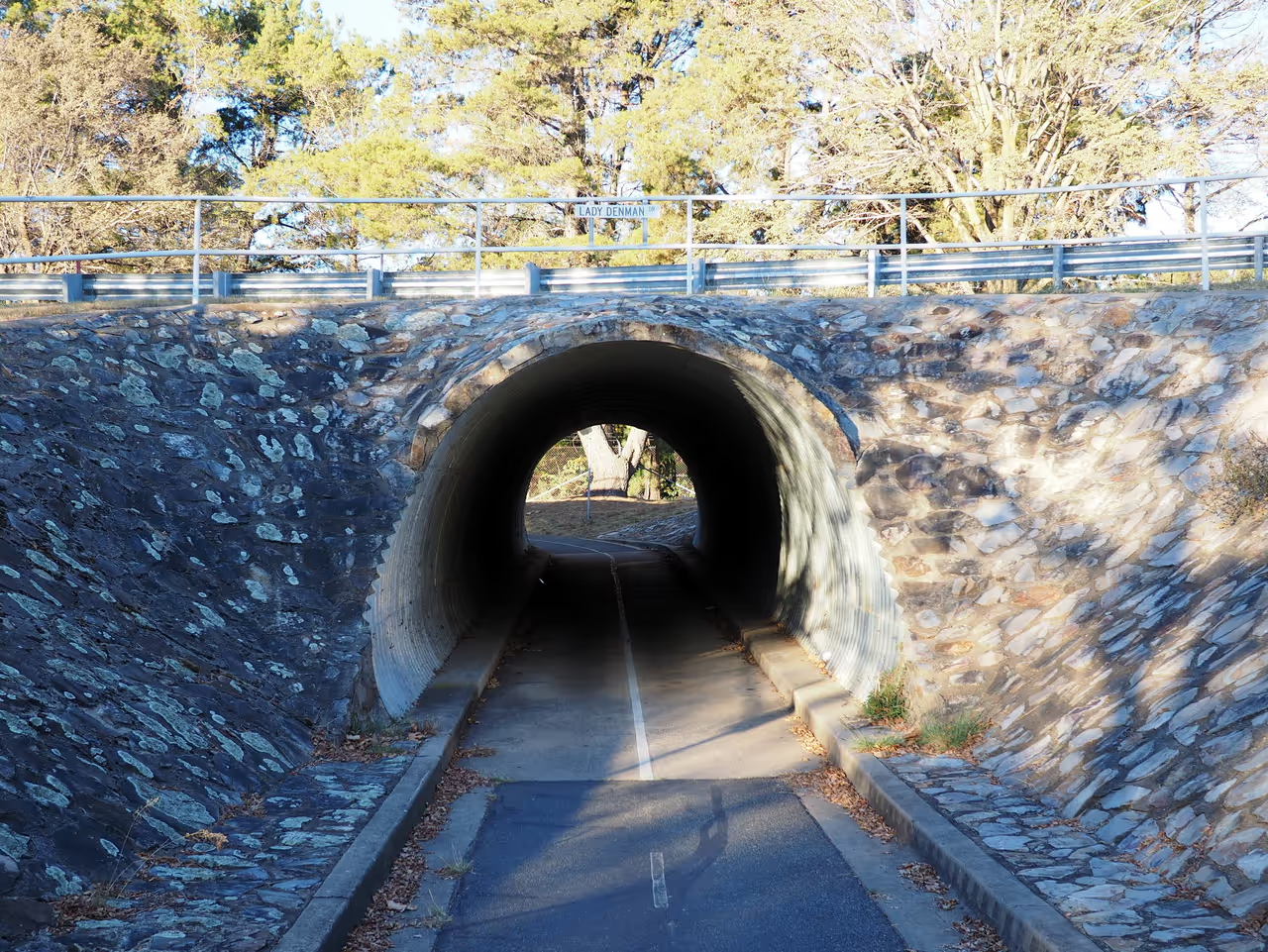 3252m
3252mEmbassy Drive
Driving or cycling through the leafy suburb of Yarralumla costs absolutely nothing and provides a bizarrely wonderful architectural experience. You can spot the traditional design elements incorporated into the various international diplomatic missions. It is like taking a rapid, visual trip around the world on a single suburban street. It is a highly unique activity that highlights the city's role in global politics.
free thing to do view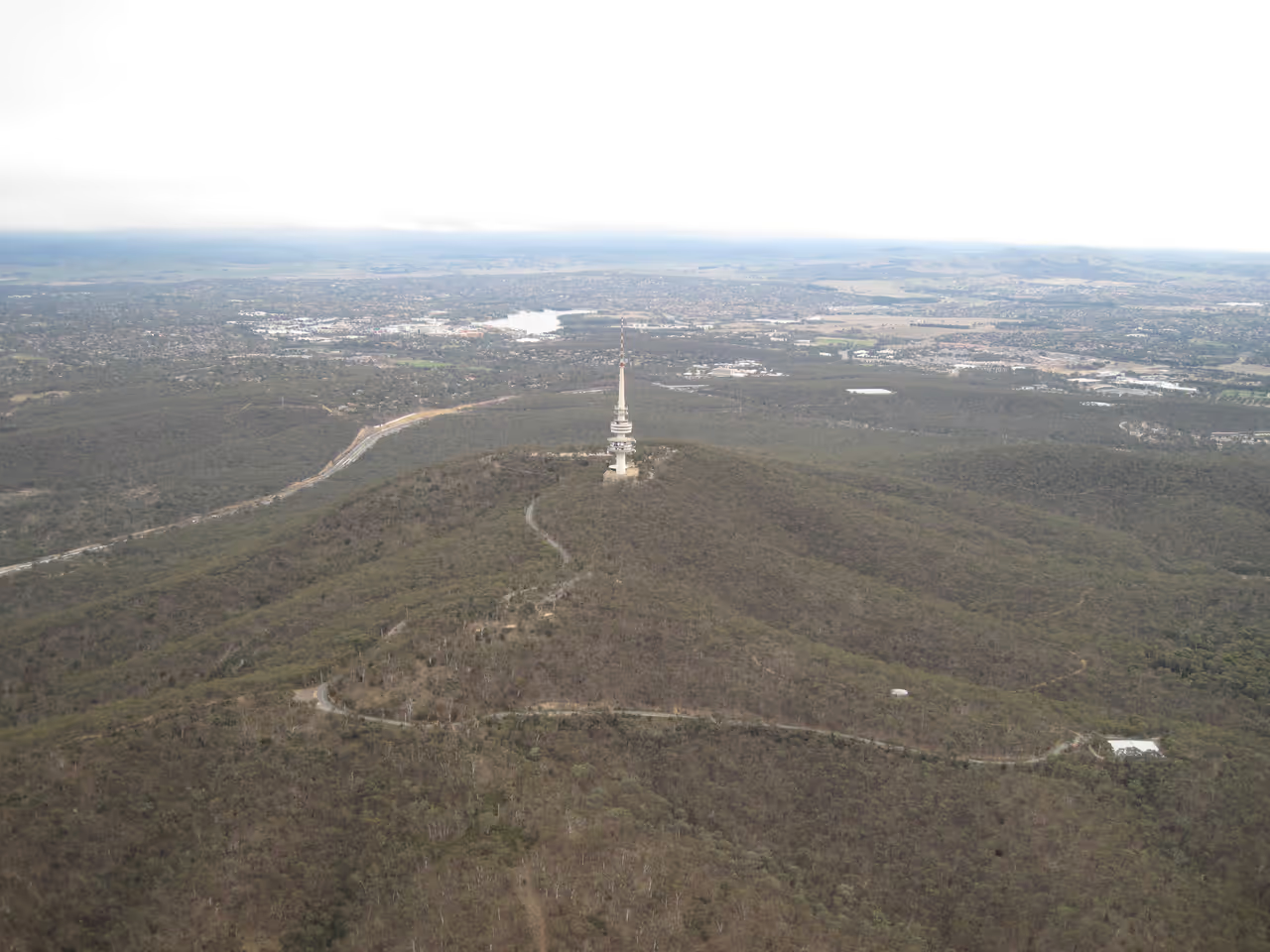 3539m
3539mBlack Mountain Tower
Rising almost two hundred metres above the peak of Black Mountain, this massive telecommunications tower dominates the city skyline. It provides completely unobstructed 360 degree views stretching from the urban centre all the way to the distant Brindabella mountain ranges. The enclosed and open air viewing decks allow you to experience the vast scale of the surrounding bushland. It is a highly recognizable brutalist landmark.
viewpoint view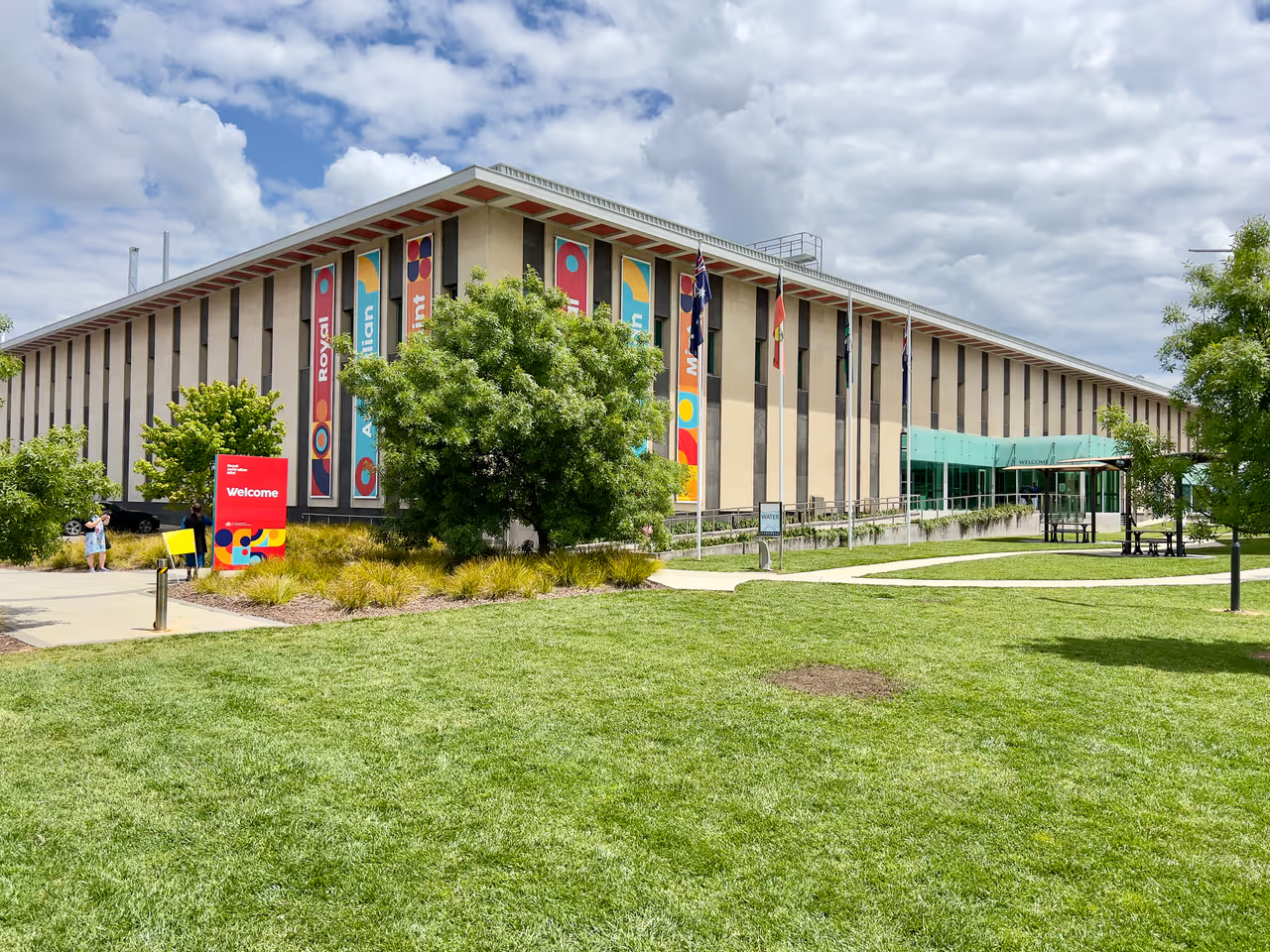 3845m
3845mRoyal Australian Mint
This highly functional building is where every single circulating coin in the country is manufactured. The architecture is distinctly utilitarian and modernist, perfectly suited to its role as a heavy industrial facility. Inside, visitors can view the massive robotic arms and heavy machinery operating on the factory floor from elevated walkways. It provides a fascinating, transparent look at the industrial mechanics of the nation's economy.
architecture view
Featured on These Itineraries

3 Days in Canberra Itinerary
This balanced itinerary allows you to absorb the grand national institutions while also engaging with the beautiful outdoor landscape. You will split your time between exploring deep military history, cycling around the serene lakes, and discovering the quirky local attractions. It reveals the distinct contrast between the formal political architecture and the deeply relaxed, nature focused lifestyle of the residents.
view itinerary
5 Days in Canberra: Deep Dive Itinerary
An exhaustive, highly rewarding exploration of everything the territory has to offer. Beyond the standard political monuments, you will venture into the rugged national parks, discover incredible hidden scientific facilities, and experience the local artisan markets. This extended stay allows you to truly understand the complex, multi layered identity of the bush capital at a thoroughly relaxed pace.
view itinerary
See all nature & parks in Canberra
Lake Burley Griffin, Namadgi National Park, Australian National Botanic Gardens, Commonwealth Park, Tidbinbilla Nature Reserve, Weston Park...