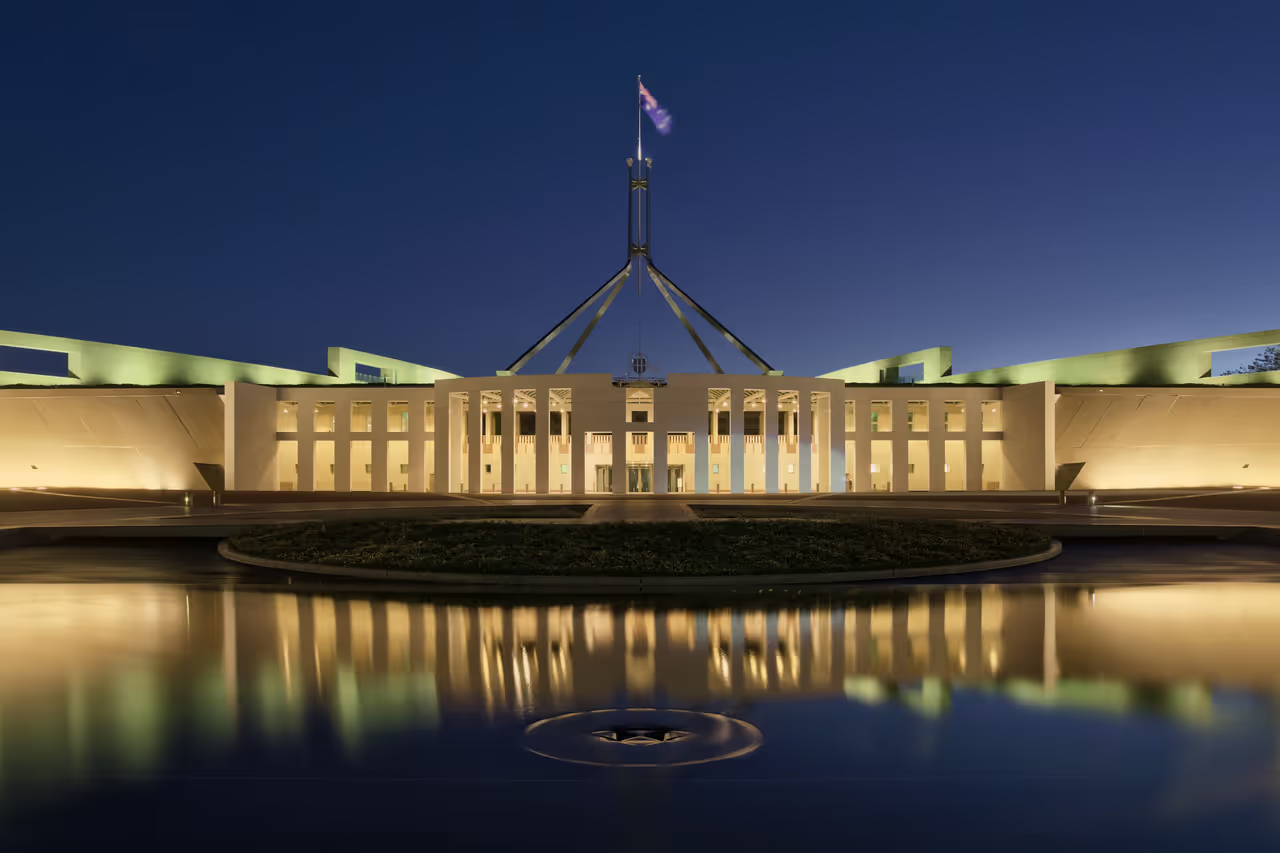
Parliament House
Standing proudly atop Capital Hill, Parliament House is an architectural marvel that defines the Canberra skyline. Unlike imposing government buildings elsewhere, this structure is ingeniously built into the hillside, allowing visitors to walk across its grass covered roof, symbolising that the power belongs to the people. Inside, you will discover a collection of world class art, expansive marble foyers, and the chambers where Australia’s laws are crafted. It is a place where deep history meets modern governance, offering a rare opportunity to witness the beating heart of the nation’s political life. Whether you are marvelling at the massive tapestry in the Great Hall or watching democracy in action, a visit here provides a profound connection to the story of Australia.
Videos
History of Parliament House
The story of Parliament House began long before the first shovel hit the dirt. When the Australian colonies united in 1901, the fierce rivalry between Sydney and Melbourne prevented either from becoming the national capital. As a compromise, a new territory was carved out in the bush, and a competition was held to design a capital city. While the parliament met in a modest provisional building for over sixty years, the desire for a permanent, grand seat of government grew. It was not until the late 20th century that the decision was finally made to build on top of Capital Hill, the most prominent feature of the city landscape. Selecting the winning design was a monumental task, with hundreds of entries submitted from across the globe. The chosen vision by architect Romaldo Giurgola was revolutionary. Instead of creating a soaring monolith that dominated the environment, the design buried most of the structure into the hill itself. This approach was deeply symbolic. By capping the building with a vast lawn that the public could traverse, the architects created a physical metaphor where the people of Australia always stood above the politicians working inside. Construction was an immense undertaking, requiring the excavation of millions of cubic metres of rock and the sourcing of Australian granite from across the nation. When Queen Elizabeth II officially opened the building in 1988, it became more than just a place of lawmaking; it became a national icon. Inside, the design blended ancient concepts of democracy with the Australian landscape, using materials and colours that reflected the bush and the outback. While some critics argue that the modern layout prevents the informal corridor conversations that defined the old parliament, the building remains a powerful centre of national identity. Today, it stands as a testament to the nation's democratic journey, inviting visitors from all over the world to walk across its roof and explore the chambers where the future of the country is decided.
Events spanning 110 years
Fun Facts
- • Architects designed the structure to be buried in the hill, symbolising that the public walks above their elected representatives.
- • In the polished black and white marble floor of the main foyer, visitors can spot a fossilised ancient prawn embedded in the stone.
- • The Great Hall features a massive tapestry based on an Arthur Boyd painting, which is one of the largest tapestries in the world.
- • The House of Representatives chamber uses a muted green colour scheme inspired by eucalyptus leaves and the Australian bush.
- • The Senate chamber uses a deep red colour scheme reminiscent of the Australian outback and ochre earth.
- • The building cost over 1.1 billion dollars to construct, making it one of the most expensive projects in Australian history at the time.
- • The building features over 4,500 rooms, including offices for ministers and vast committee chambers.
- • The building was designed to last for a lifespan of 200 years, with structural engineering focused on extreme durability.
- • The forecourt mosaic, titled Possum and Wallaby Dreaming by Michael Nelson Jagamarra, is made of 90,000 granite pieces and represents an enduring Aboriginal connection to the land.
- • The massive flagpole towering above the building weighs 250 tonnes and flies a flag roughly the size of a double decker bus.
- • While the original design included a bomb shelter in the basement, it was ultimately deemed unnecessary and never constructed.
RESOURCES
Official WebsiteParliament House FAQ
While we strive to keep this information accurate and up to date, we recommend verifying any details independently before making decisions based on them.
Parliament House Map & Neighborhood Explorer
This interactive map is centered on Parliament House. Zoom in and move the map around to automatically discover Wikipedia photos and summaries of other nearby sights, monuments, and historical points of interest and stories in real-time!
Places near Parliament House
Make the most of your trip. Check out these top-rated spots located nearby.
 815m
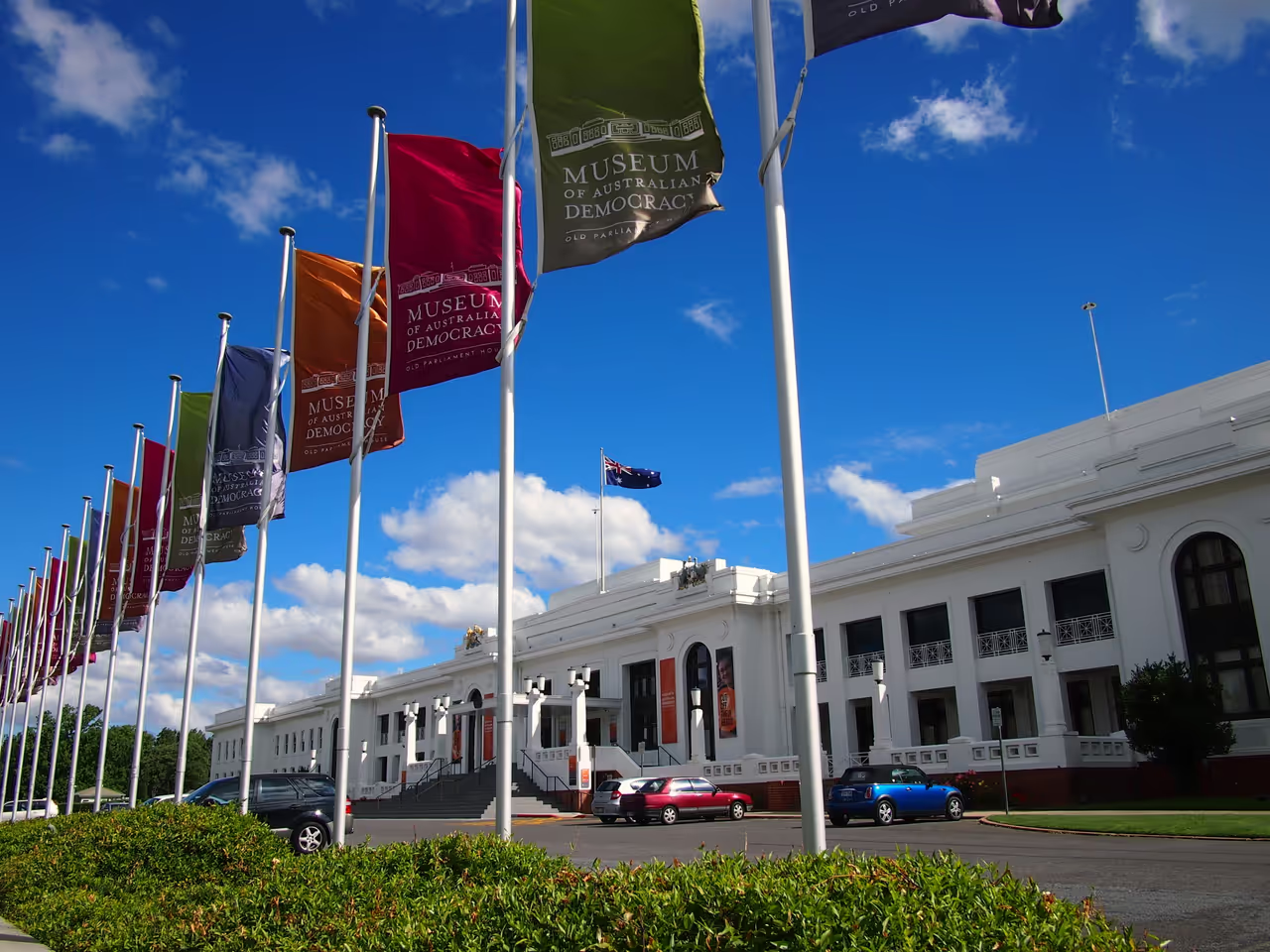
815mMuseum of Australian Democracy at Old Parliament House
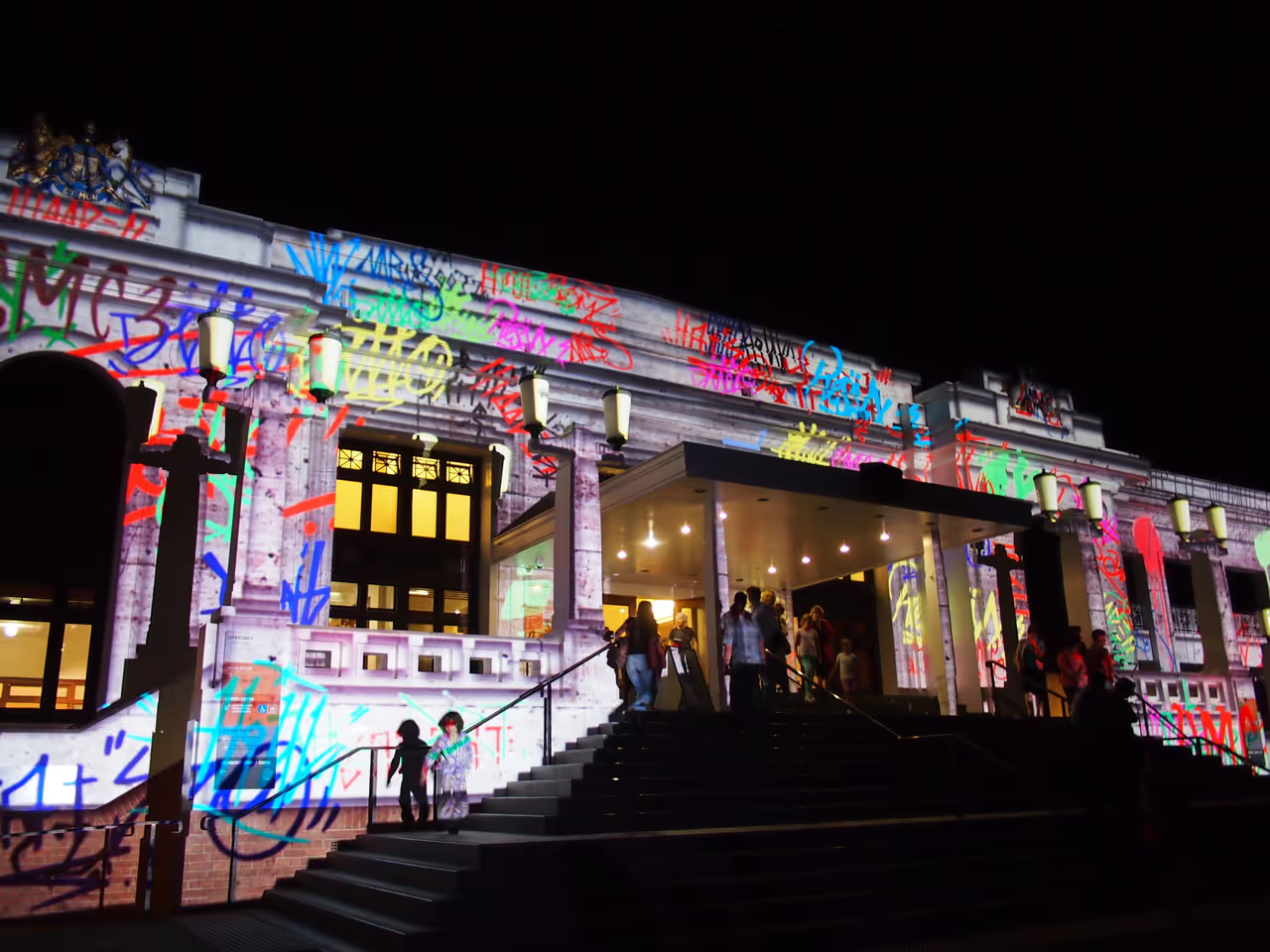
Stepping into Old Parliament House feels like walking directly into the heart of Australian history, where the corridors still echo with the debates that shaped a nation. This stunning Simplified Classical building served as the seat of government for over sixty years, witnessing some of the most dramatic moments in the country's political life. Today, it houses the Museum of Australian Democracy, offering an interactive experience that brings the concepts of freedom and representation to life. You can wander through the preserved chambers of the Senate and House of Representatives or even peek into the former Prime Minister’s office. The atmosphere is one of dignified nostalgia, perfectly complemented by the beautiful heritage rose gardens surrounding the site. It is a place where every room tells a unique story of triumph, struggle, and the evolving Australian identity.
attraction view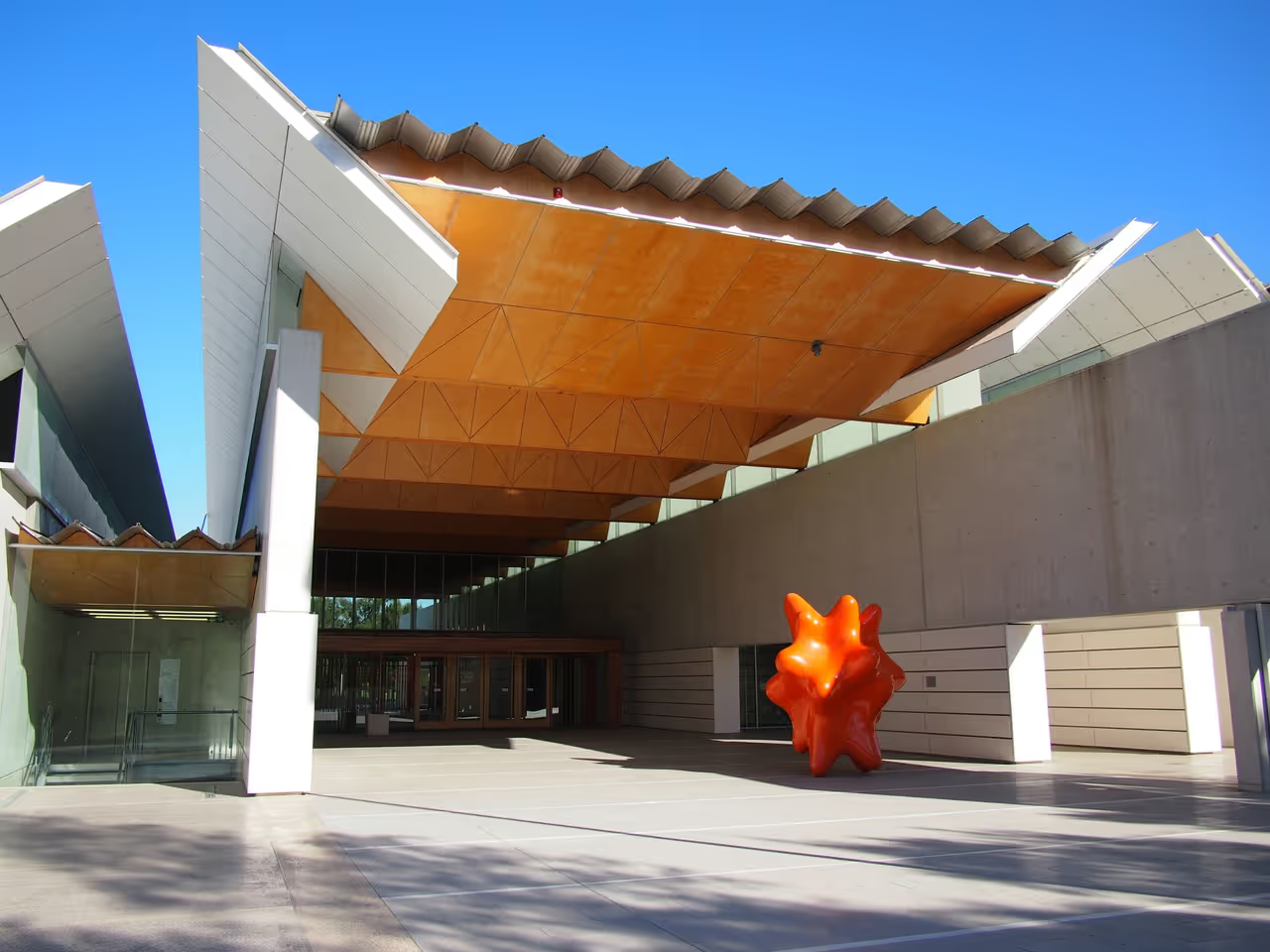 1191m
1191mNational Portrait Gallery
One of the newest major additions to the parliamentary zone, this building is a masterclass in contemporary Australian architecture. It uses raw concrete, rich native timbers, and vast angled skylights to perfectly illuminate the artworks within. The structure is designed to draw visitors naturally through its interconnected, intimately scaled rooms. It feels incredibly modern, sharp, and highly integrated with the surrounding environment.
architecture view 1287m
1287mQuestacon
Questacon transforms the often daunting world of physics and chemistry into an exhilarating playground of discovery. Whether you are launching a rocket, feeling the rumble of a simulated earthquake, or taking the plunge on the iconic six metre vertical freefall slide, this centre makes science feel tangible and thrilling. It is a space where curiosity is celebrated with over two hundred interactive exhibits spread across vibrant galleries, catering to everyone from wide eyed toddlers in MiniQ to adults testing their wits in the lab. The energy here is infectious, turning complex scientific concepts into moments of pure joy and understanding. It stands as a testament to human ingenuity, making it an essential, high energy stop for any visitor to the capital.
attraction view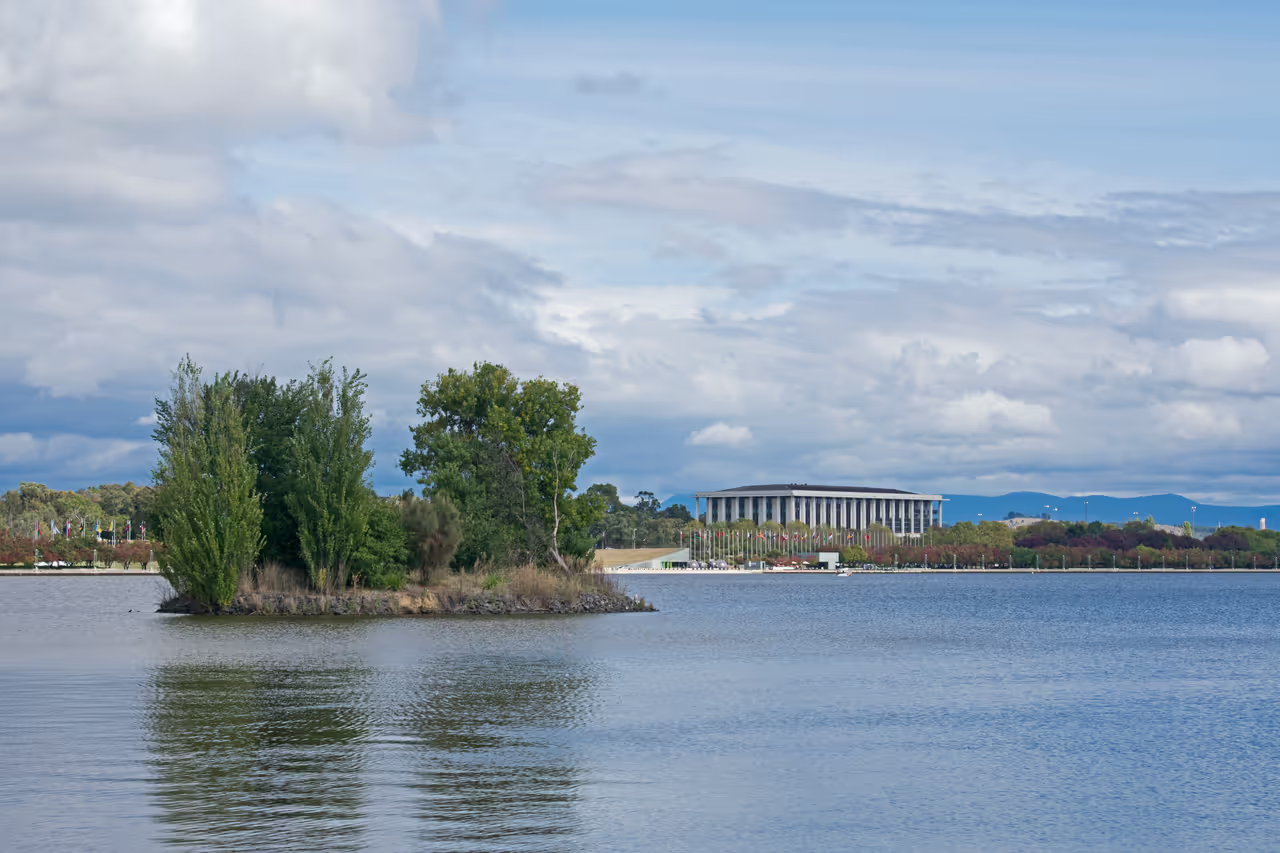 1352m
1352mNational Library of Australia
Designed with a clear nod to classical Greek temples, this building brings immense elegance to the parliamentary zone. It is wrapped in tall, slender marble columns and features brilliant copper detailing on its roof. The large stained glass windows by artist Leonard French add beautiful bursts of colour to the stark white facade. It projects an atmosphere of quiet, dignified intelligence.
architecture view
Explore Similar Places in This Collection
Featured on These Itineraries and Routes
1 Day in Canberra Itinerary
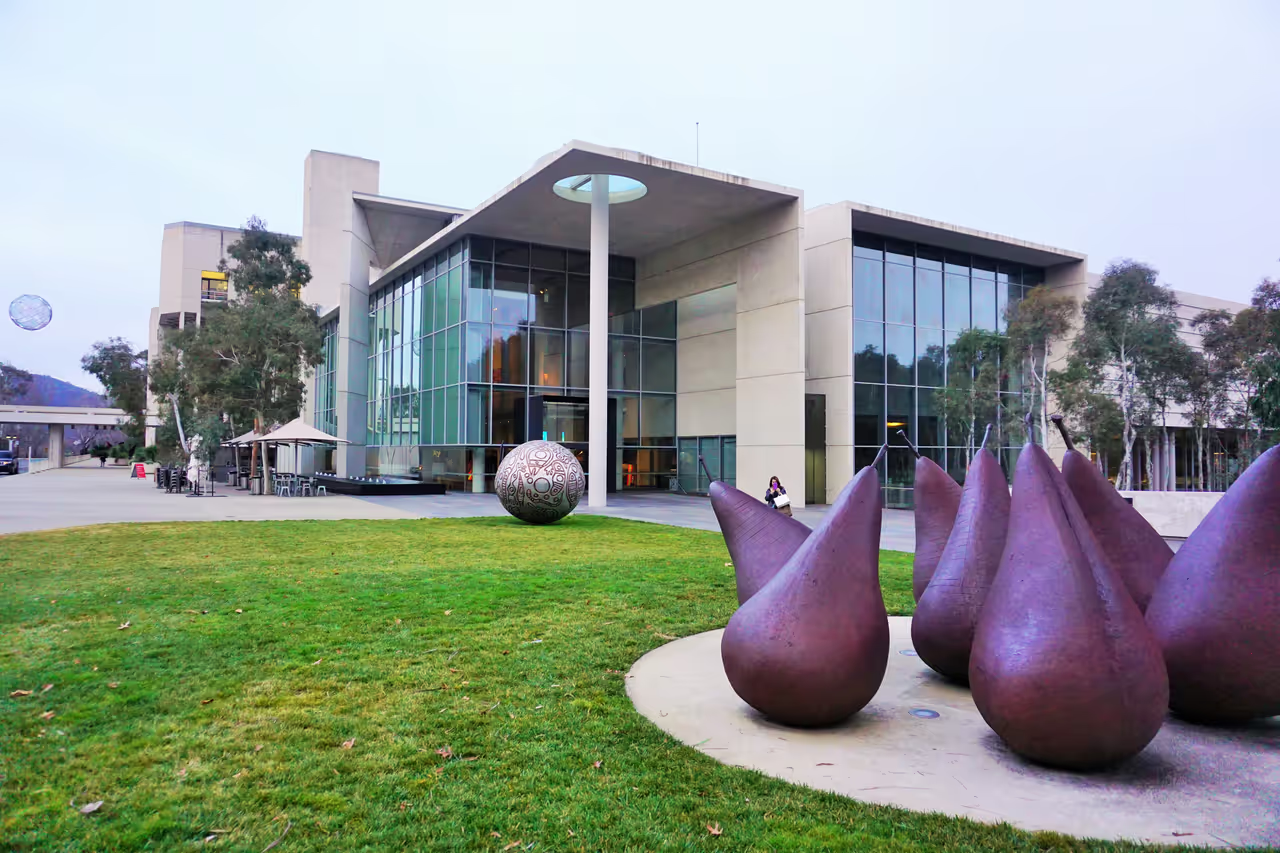
A highly concentrated tour of the absolute most essential national monuments and political landmarks. This fast paced itinerary focuses entirely on the central parliamentary zone and the magnificent views from the surrounding peaks. You will experience the pinnacle of Australian history, art, and democratic architecture. It provides a perfect, high level overview for those with severely limited time.
view itinerary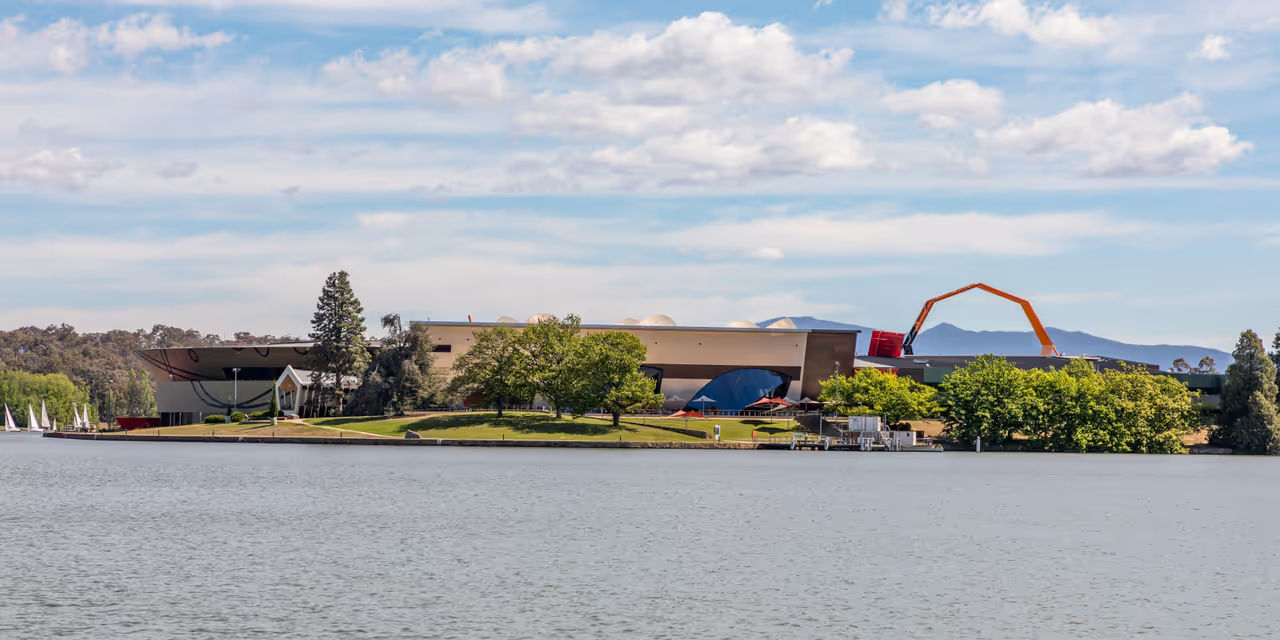

3 Days in Canberra Itinerary
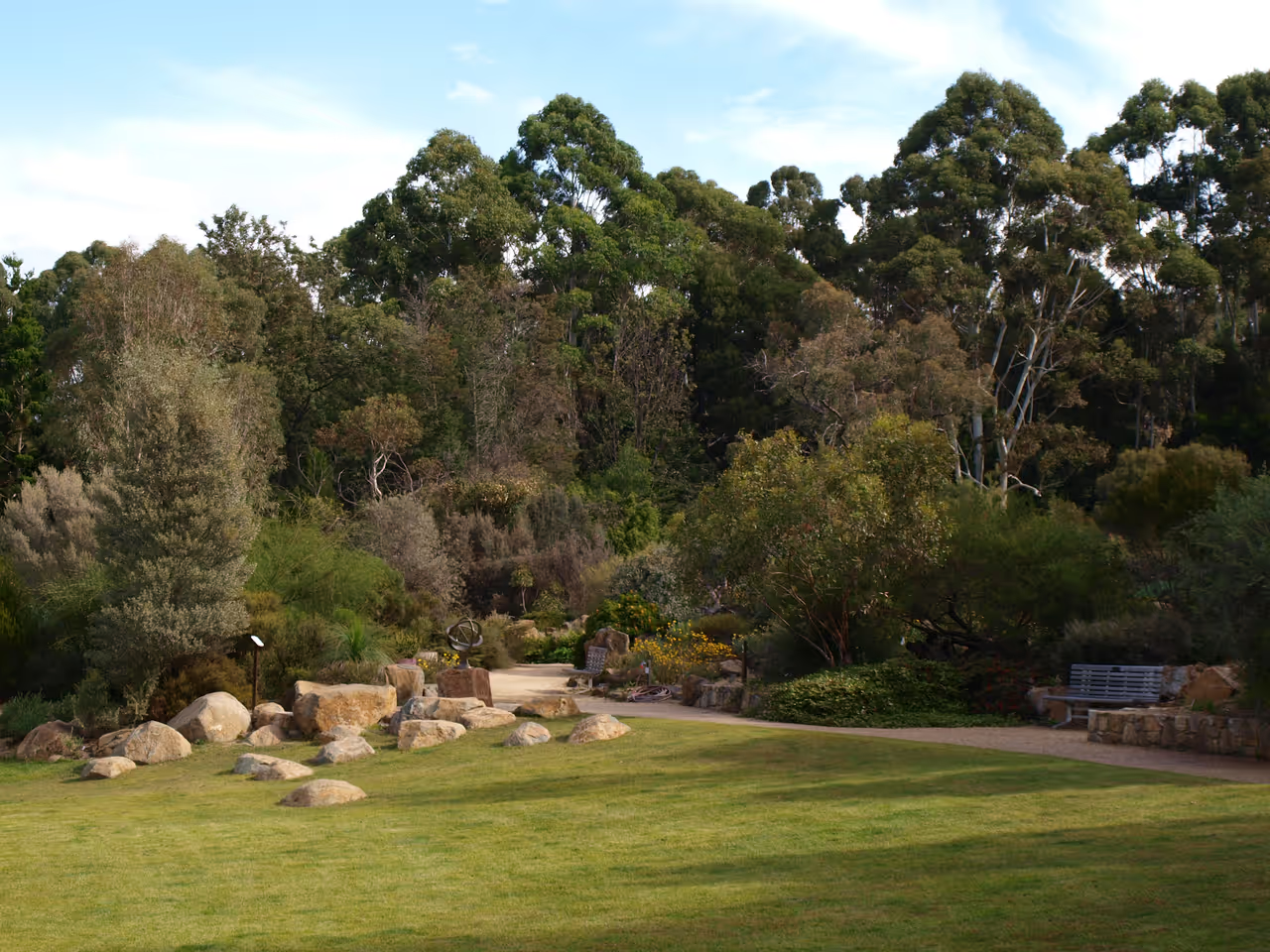
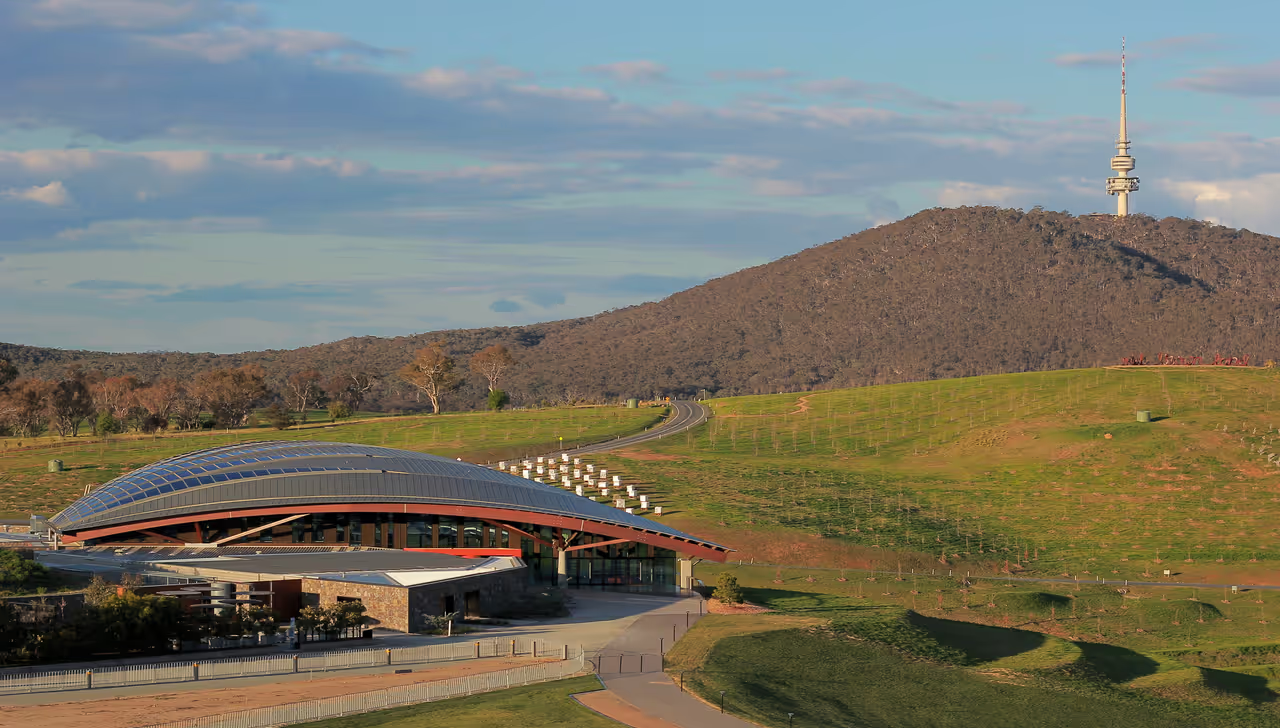
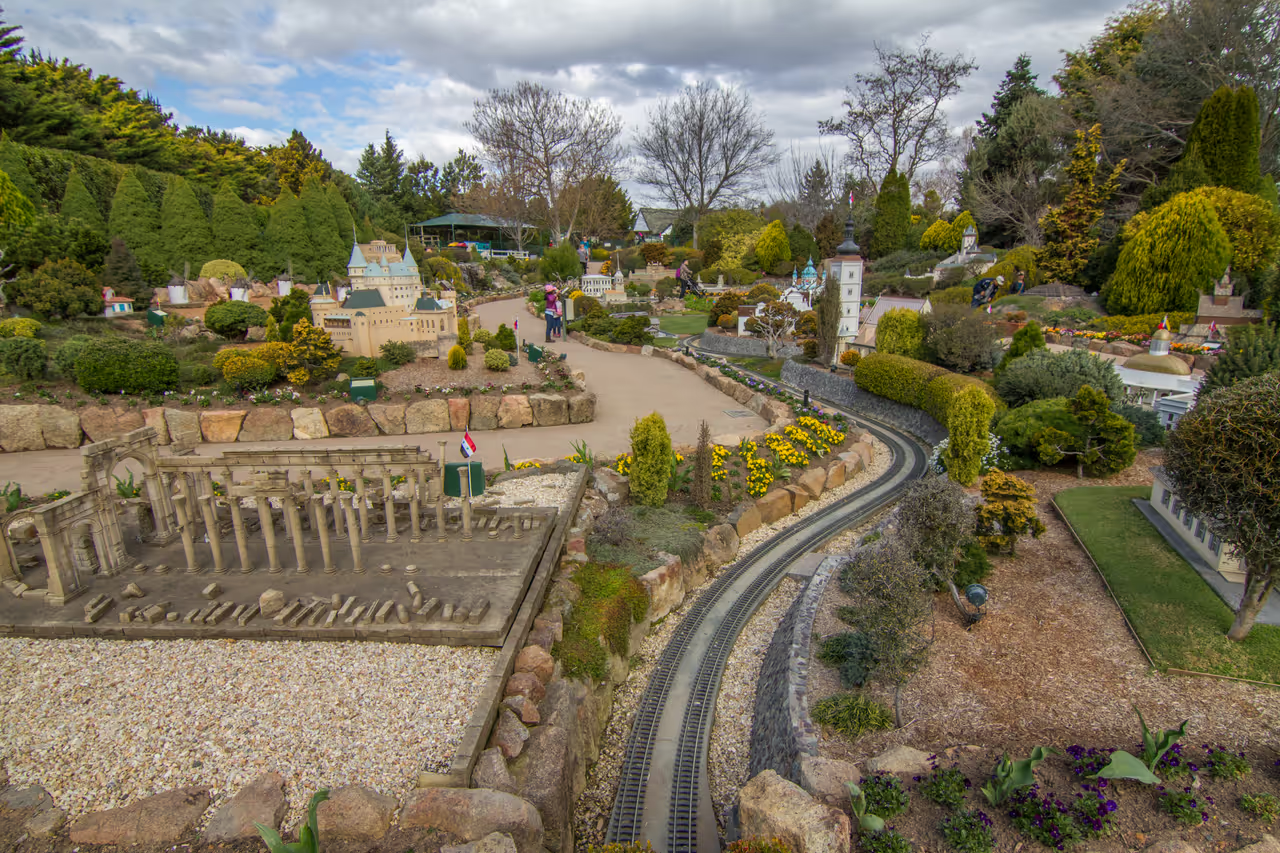
This balanced itinerary allows you to absorb the grand national institutions while also engaging with the beautiful outdoor landscape. You will split your time between exploring deep military history, cycling around the serene lakes, and discovering the quirky local attractions. It reveals the distinct contrast between the formal political architecture and the deeply relaxed, nature focused lifestyle of the residents.
view itinerary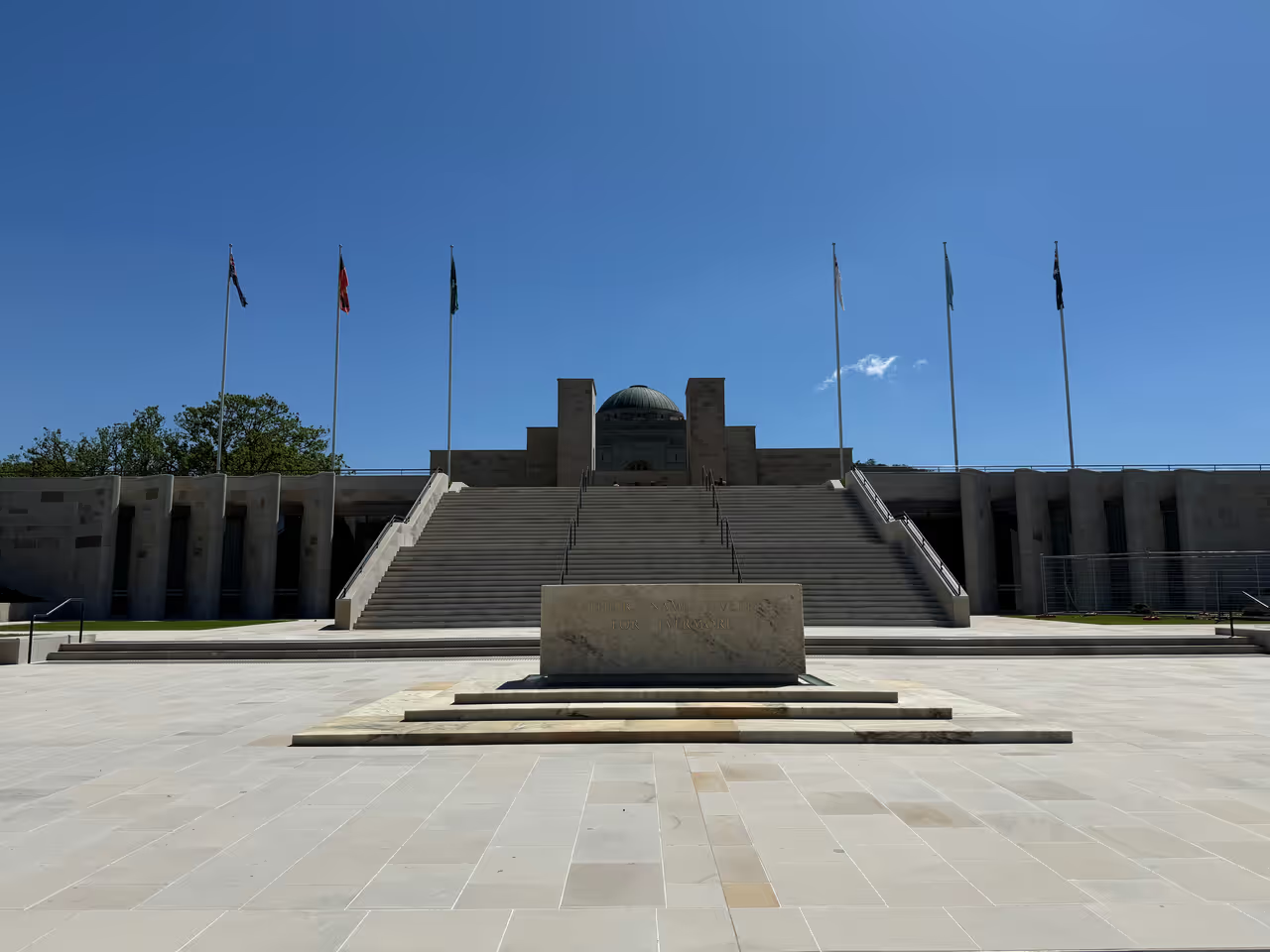

5 Days in Canberra: Deep Dive Itinerary
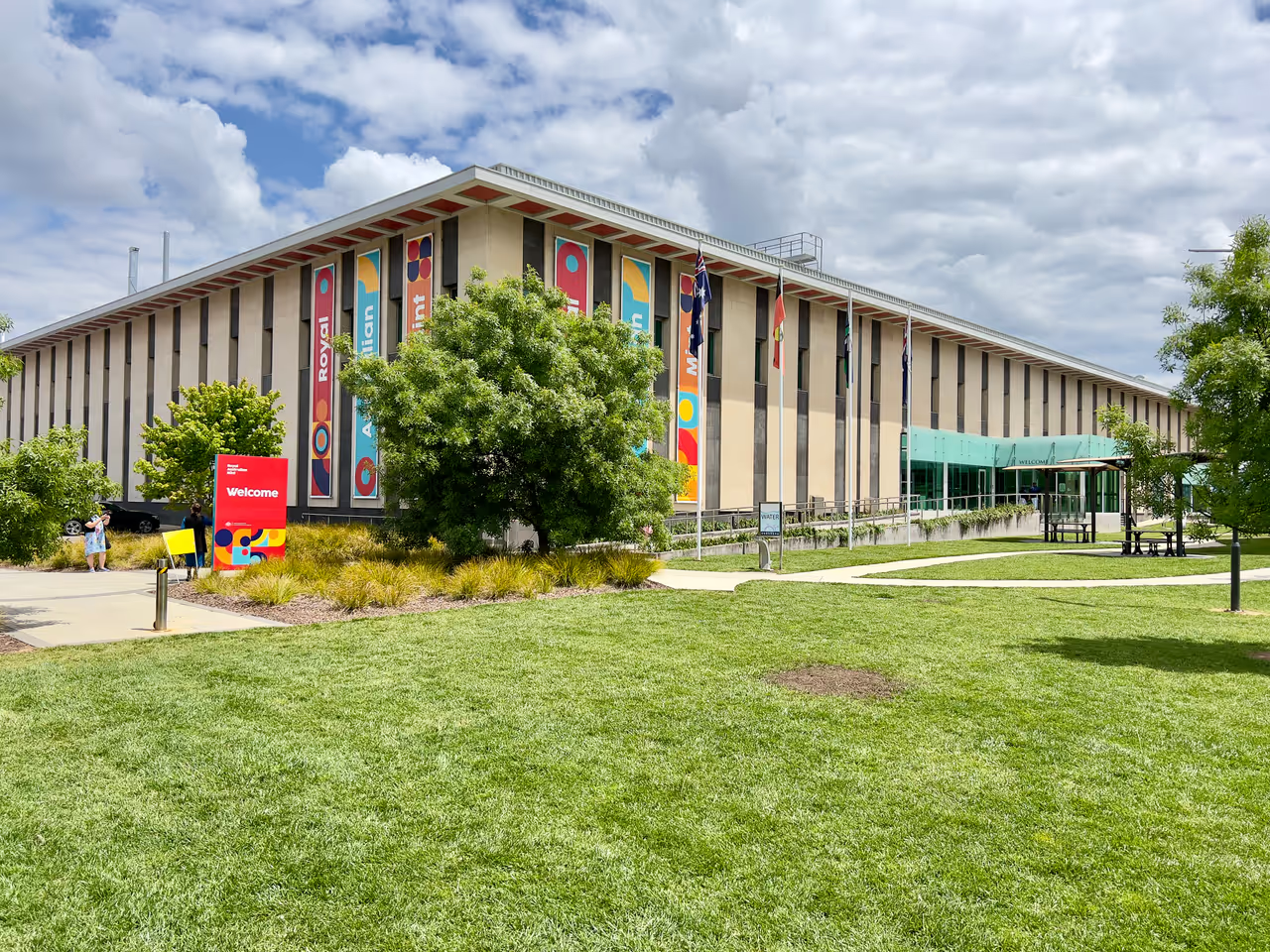
An exhaustive, highly rewarding exploration of everything the territory has to offer. Beyond the standard political monuments, you will venture into the rugged national parks, discover incredible hidden scientific facilities, and experience the local artisan markets. This extended stay allows you to truly understand the complex, multi layered identity of the bush capital at a thoroughly relaxed pace.
view itinerary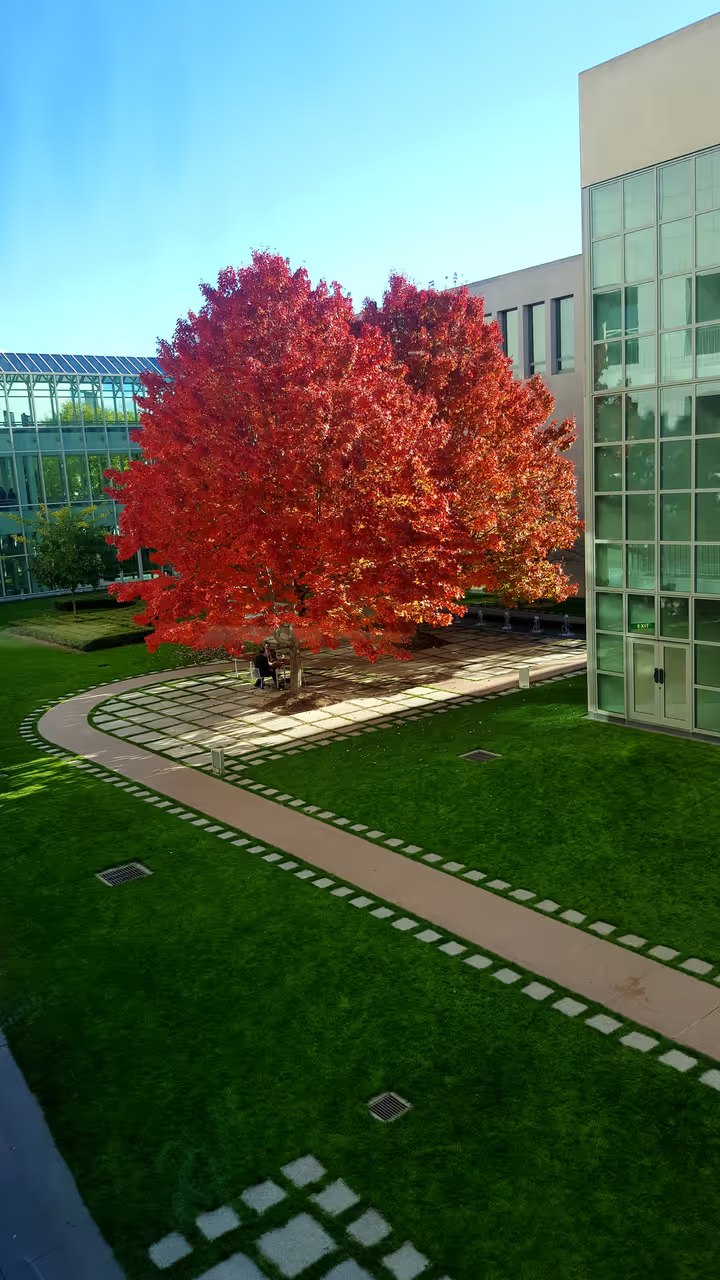
Parliamentary Triangle Ride
A majestic ride through the very core of Australian democracy, utilizing wide, sweeping avenues. The route takes you past immense government buildings, manicured rose gardens, and grand lawns. It offers a tangible sense of the scale and ambition of the city's architectural design. The pathways are broad and incredibly well suited for leisurely cycling.
view cycling route
See all attractions in Canberra
Australian War Memorial, Museum of Australian Democracy at Old Parliament House, National Gallery of Australia, National Museum of Australia, Questacon...