Plaza San Martín
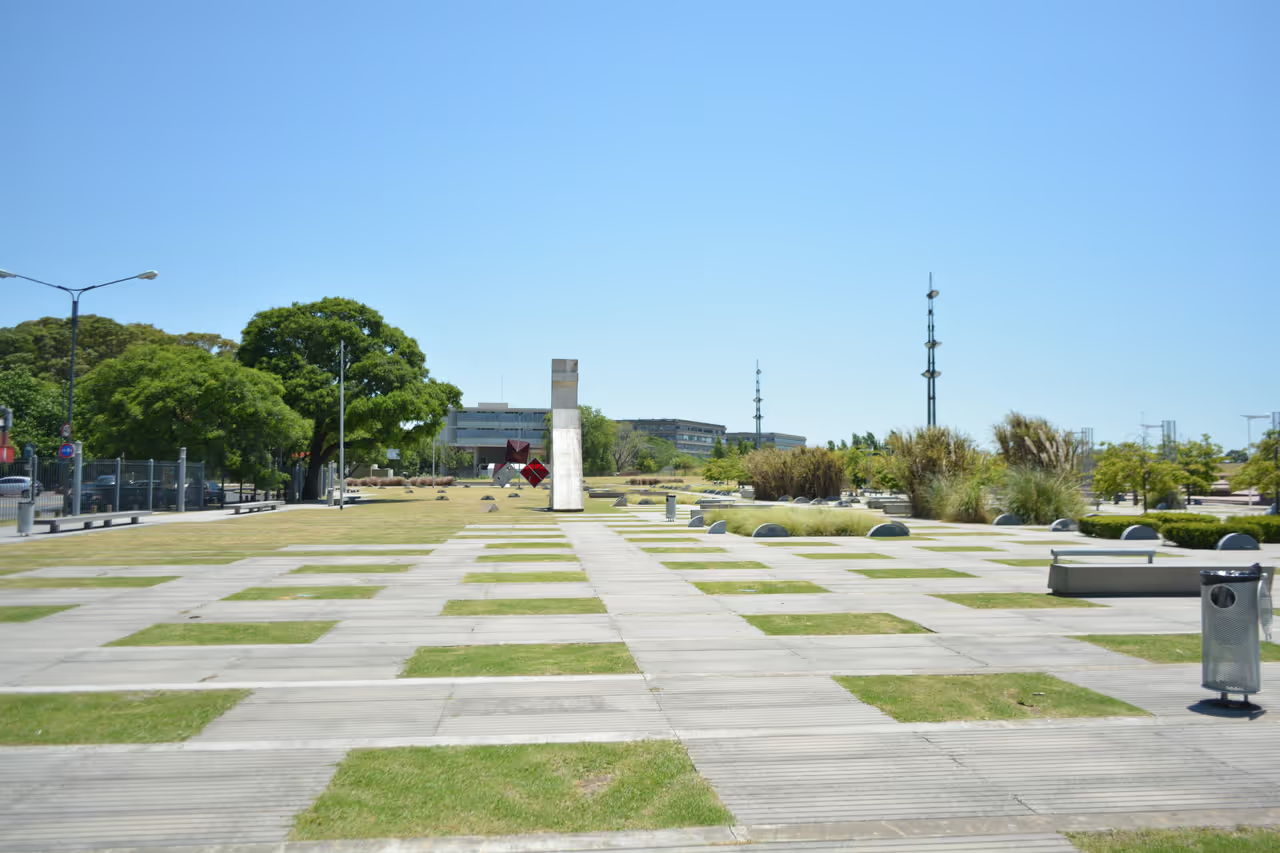
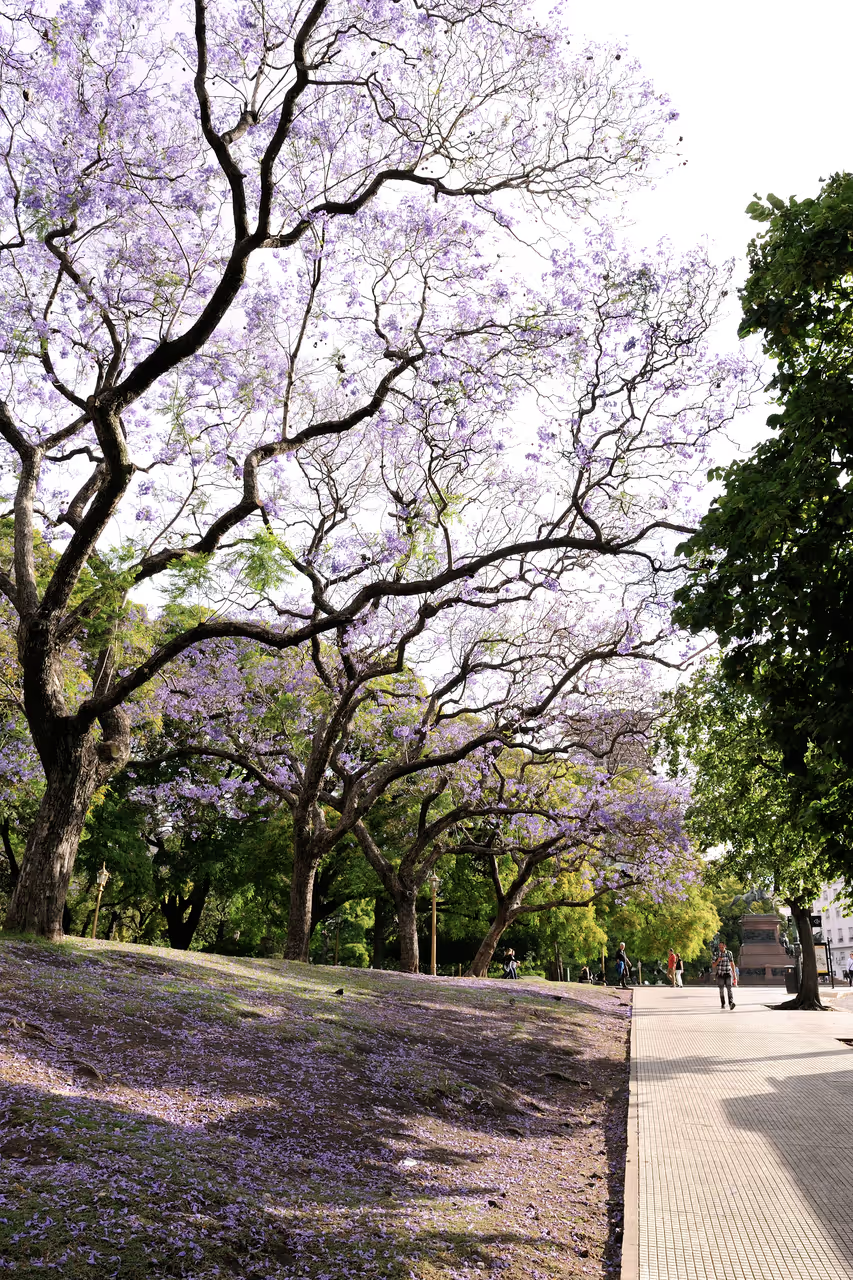
Plaza San Martín serves as a beautiful green sanctuary within the heart of Retiro, marking the end of the vibrant Florida Street pedestrian thoroughfare. It is a place where history resonates through its ancient trees and grand surroundings, offering a peaceful escape from city life. You will find impressive statues and magnificent architecture framing the park, creating a regal atmosphere that feels worlds away from the city centre. The plaza honours José de San Martín, the hero of Argentine independence, whose monument stands proudly in the middle. Whether you are admiring the nearby palaces or resting under the shade of a century old Ombú tree, the park offers a unique blend of historical gravitas and natural beauty. It remains a timeless testament to the evolution of Buenos Aires.
Videos
History of Plaza San Martín
The story of Plaza San Martín is a tale of profound transformation, shifting from a dark chapter of colonial history to a symbol of national pride. In the 18th century, this ground was under the control of the British South Sea Company, which unfortunately used the location for the slave trade. Later, the area earned the title Field of Glory following the repulsion of British forces in 1807. This victory paved the way for a new era, eventually becoming the site where General José de San Martín established his military barracks to train the regiment that would secure Argentine independence. As the 20th century dawned, the plaza evolved into the preferred address for the wealthiest families of Argentina. Architectural gems like the Paz Palace and the San Martín Palace rose to line the edges of the park, creating an ensemble of European influence that continues to impress visitors today. The landscape design, largely the work of the renowned French urbanist Charles Thays, transformed the space into a garden of sweeping lawns and exotic trees. This period marked the transition from a forgotten colonial outpost to an elite cultural destination. Even in the modern age, the park continues to be a site of resilience and community spirit. When plans in the 1970s threatened the integrity of the plaza by separating its sections for traffic, local residents campaigned tirelessly for years to restore the park to its original form. Their success in 2004 stands as a reminder of how deeply the people of Buenos Aires value their green spaces. Today, visitors can walk through the same paths where history was made, admiring the blend of historic mansions and the striking Kavanagh Building, which dominates the skyline and serves as an enduring icon of Art Deco design.
Events spanning 291 years
Fun Facts
- • French urbanist Charles Thays designed the layout of the park, introducing diverse tree species like the native Ombú.
- • General José de San Martín used the area as a base for his Mounted Grenadiers to train for the independence wars.
- • The Kavanagh Building, which stands nearby, was the tallest reinforced concrete building in the world when it was completed in 1936.
- • The monument to the soldiers who fell in the Malvinas War is located within the park, serving as a solemn site of remembrance.
- • The park was famously known as the Field of Glory after the successful local defence against the British invasion of 1807.
- • The plaza previously housed a glass and steel pavilion that served as the National Museum of Fine Arts after being imported from the 1889 Paris World Fair.
- • The square features a mix of architectural styles including Beaux Arts and Neogothic mansions that once belonged to the city elite.
- • Three major historic palaces, including the San Martín Palace, face the park and remain some of the finest examples of European style architecture in the city.
Plaza San Martín FAQ
While we strive to keep this information accurate and up to date, we recommend verifying any details independently before making decisions based on them.
Plaza San Martín Map & Neighborhood Explorer
This interactive map is centered on Plaza San Martín. Zoom in and move the map around to automatically discover Wikipedia photos and summaries of other nearby sights, monuments, and historical points of interest and stories in real-time!
Places near Plaza San Martín
Make the most of your trip. Check out these top-rated spots located nearby.
 153m
153mKavanagh Building
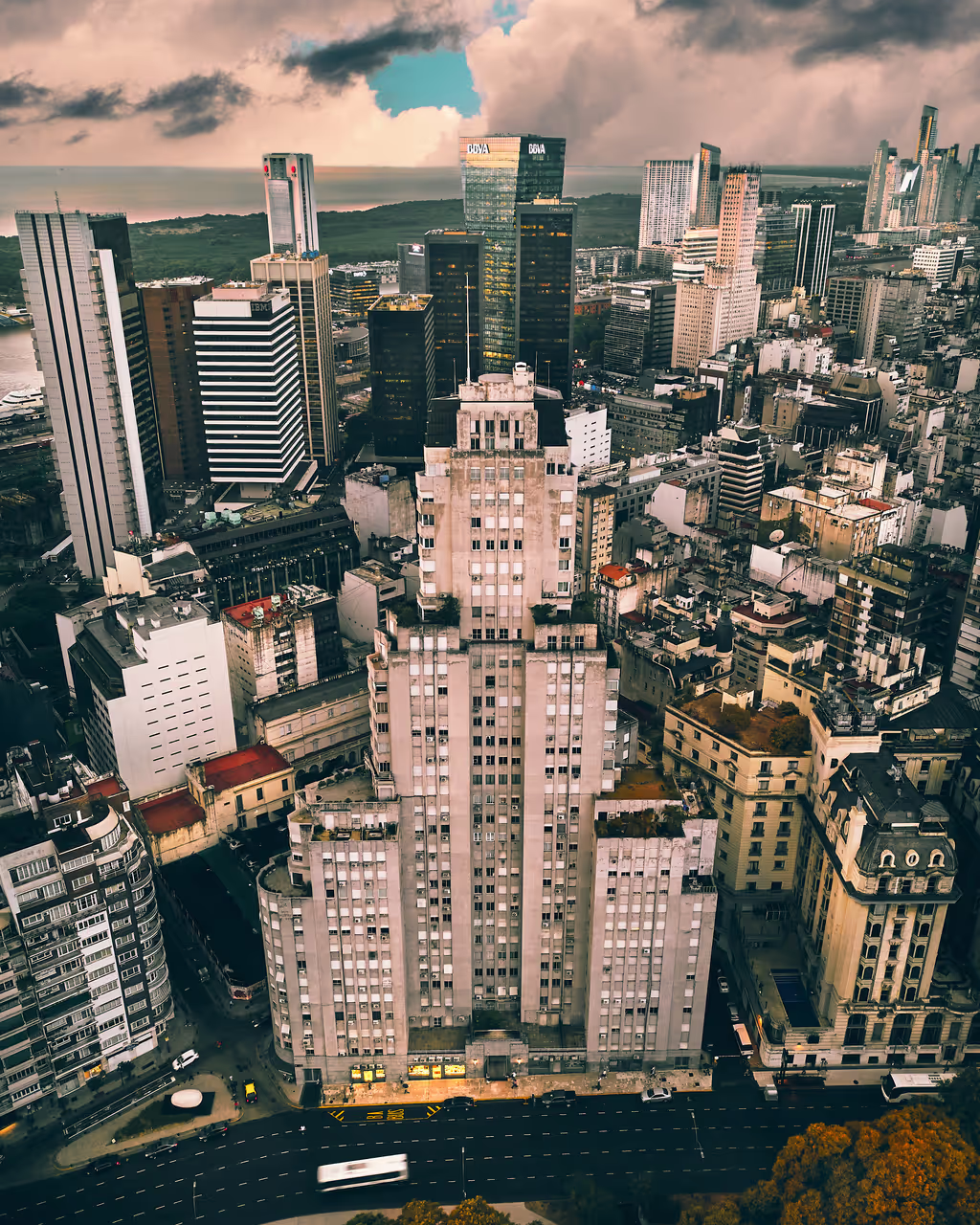
A towering masterpiece of rationalist and Art Deco design, this structure dramatically dominates the skyline above Plaza San Martín. Built in the 1930s by a wealthy heiress supposedly as an act of revenge against an aristocratic family, its staggered, concrete form resembles the bow of a massive ship. It was the first building in the world to feature a centralised air conditioning system, highlighting its incredible modernity at the time. Its sleek, stepped profile remains one of the most elegant and imposing silhouettes in the entire city. It is a stunning reminder of the city's twentieth century architectural ambition.
architecture view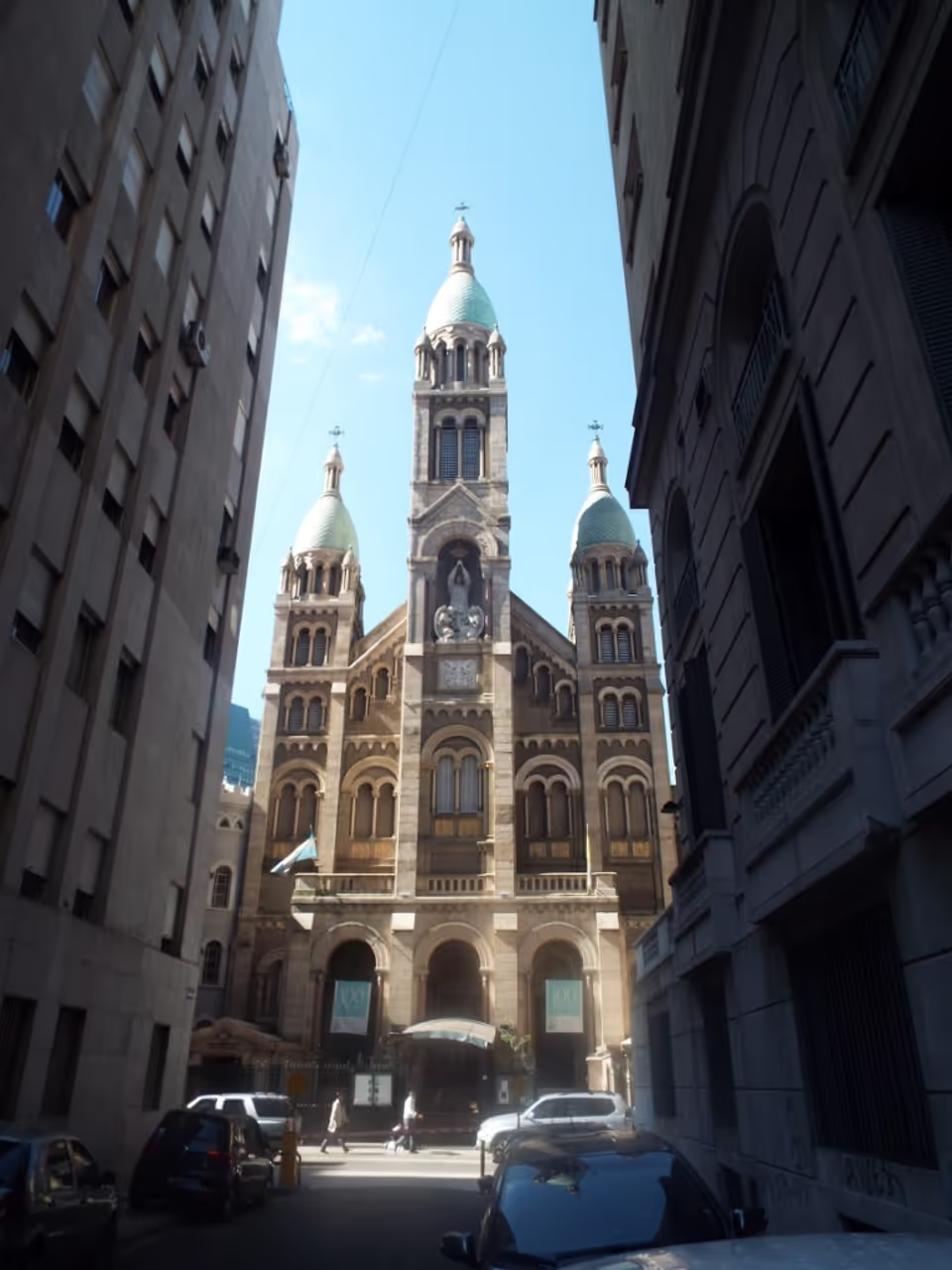 210m
210mBasilica of the Holy Sacrament
Tucked away discreetly behind a modern office tower, this incredibly ornate basilica is a hidden jewel of French neoclassicism. Funded entirely by a wealthy aristocratic philanthropist, the interior is overwhelmingly lavish, featuring the largest marble altar ever built in South America at the time. A magnificent French pipe organ presides over the intricately decorated nave, creating an atmosphere of profound serenity and immense wealth. The contrast between its quiet, spiritual grandeur and the surrounding commercial hub is striking. It is considered one of the most luxurious and beautiful places of worship in the city.
architecture view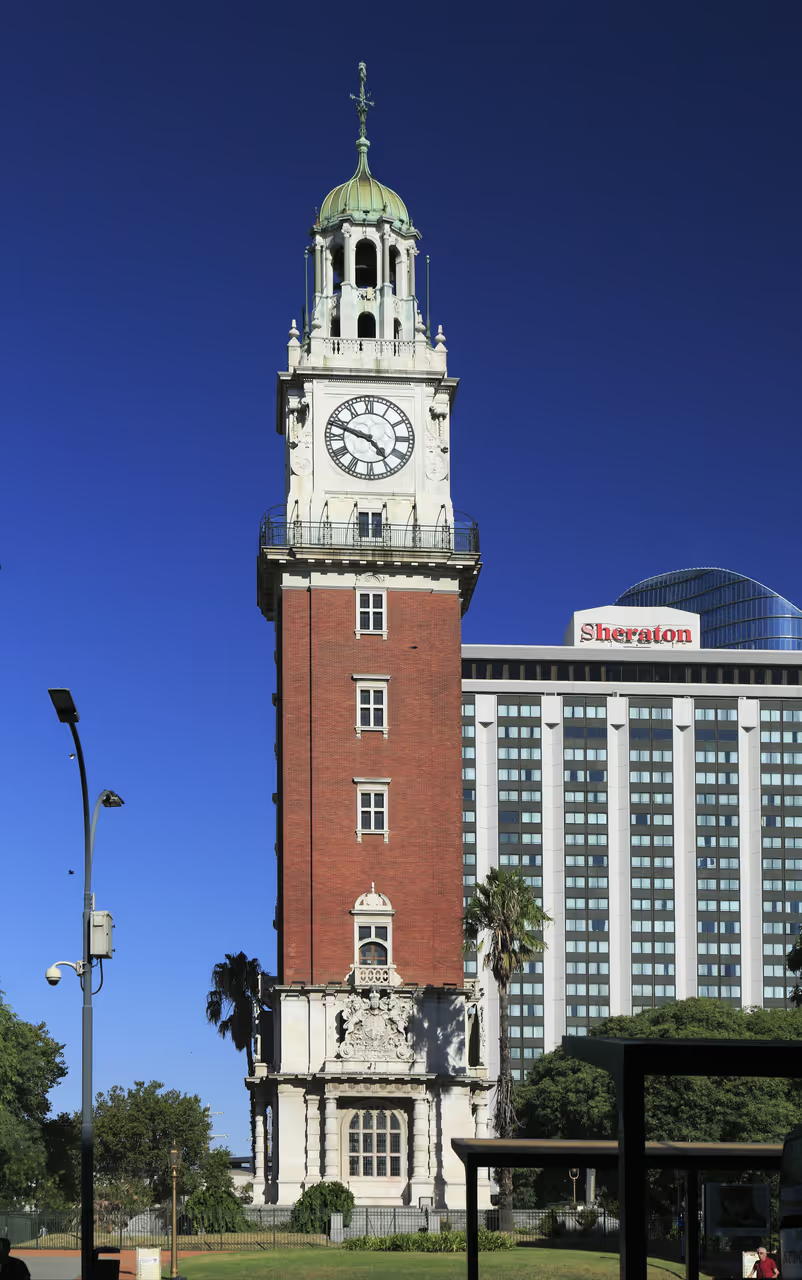 246m
246mMonumental Tower
Formerly known as the English Tower, this grand clock tower stands proudly opposite the main railway station in Retiro. Taking the small lift to the upper viewing gallery provides a brilliant perspective over the bustling transportation hub and the adjacent port. You can look down upon the elegant French style rooftops of the affluent northern neighbourhoods stretching away in one direction. The red brick and white stone architecture of the tower itself frames the views beautifully through its high arches. It is a highly photogenic spot that captures the frantic, commuting energy of the capital.
viewpoint view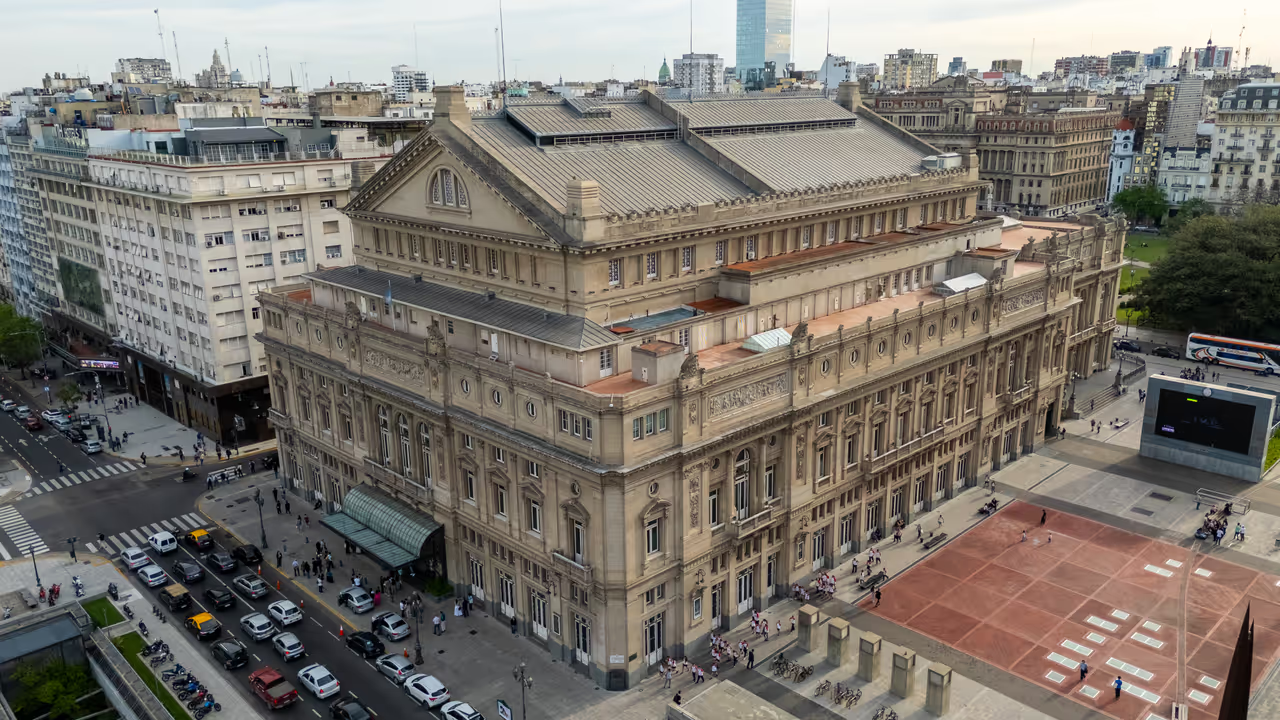 1044m
1044mTeatro Colón
Stepping into the Teatro Colón feels like entering a golden age of elegance, where the air is thick with the history of the world's finest performers. This architectural masterpiece is consistently ranked among the top ten opera houses globally, boasting acoustics so precise they are considered the gold standard for orchestral and operatic performance. The horseshoe shaped auditorium, wrapped in rich scarlet and gold, creates an intimate atmosphere that transforms every evening into a special occasion. Visitors can wander through the ornate halls or attend a performance to experience firsthand why legends like Luciano Pavarotti held this venue in such high regard. It is the beating heart of Buenos Aires cultural life and a sanctuary for the arts. Whether you are a classical music fan or someone who appreciates breathtaking design, witnessing the grandeur of this house is an unforgettable experience.
attraction view
See all nature & parks in Buenos Aires
Bosques de Palermo, Buenos Aires Botanical Garden, Buenos Aires Ecological Reserve, Buenos Aires Japanese Gardens, Remembrance Park...