House of Leaves
Step inside a labyrinth of words where the architecture of the page itself becomes as menacing as the story it tells. House of Leaves is far more than a typical novel, as it invites readers into an eerie, layered narrative about a family who discovers their home is larger on the inside than the outside. You will navigate footnotes, twisting typography, and mind bending layouts that demand your full attention and even require you to rotate the book to follow the descent into madness. This cult classic blends horror with academic satire, creating an atmosphere that feels truly tangible and deeply claustrophobic. It is a legendary work that has inspired countless filmmakers, gamers, and writers, making it a required experience for any literary explorer seeking a challenge.
Videos
History of House of Leaves
The origins of this behemoth lie in a deeply personal place, born from a decade of meticulous craft and raw emotion. Mark Z. Danielewski began the project in 1990, writing feverishly on a bus trip following the news of his father’s impending death. What started as a cathartic release evolved into a decade long endeavour where the author worked as a plumber and tutor to sustain himself while perfecting his vision. The book arrived in 2000, quickly defying conventional publishing standards. Danielewski insisted on typesetting the book himself in QuarkXPress to ensure that the visual design, which mirrors the growing chaos of the story, remained intact. The narrative structure, a story within a story within a story, features Johnny Truant, a tattoo artist who uncovers the manuscript of a blind critic named Zampanò. This document details the Navidson Record, a documentary film about a house that defies the laws of physics, expanding internally into a dark, shifting maze that threatens to consume anyone who steps inside. The impact of this work has rippled far beyond the page. It challenged the limits of what a printed book could be, demanding that the reader engage with the physical object in ways previously unimagined. Over time, it gathered a devoted cult following that dissected its every footnote and hidden code, cementing its status as a cornerstone of modern ergodic literature. Today, it stands as a testament to the power of experimental storytelling, proving that a book can be as immersive and labyrinthine as any physical location.
Events spanning 33 years
Fun Facts
- • Critics have compared the book to Moby Dick due to its sheer scale, complexity, and the obsessive nature of the protagonists described within its pages.
- • In all printed editions, the word house is consistently coloured blue, serving as a subtle visual anchor throughout the sprawling text.
- • It is widely considered the defining text of ergodic literature, a genre where the reader must exert significant effort to traverse the text.
- • Many academic works cited within the book are entirely fictional, created by the author to add layers of depth and mystery to the supposed analysis of the Navidson film.
- • The author, Mark Z. Danielewski, personally typeset the entire book in QuarkXPress to ensure the complex, chaotic typographical layouts were rendered exactly as he envisioned.
- • The book features four distinct typefaces to help readers distinguish between the various narrators and perspectives involved in the complex epistolary structure.
- • The book has had a profound impact on horror media, influencing everything from the found footage genre in film to viral internet phenomena like the Backrooms and the SCP Foundation.
- • The book is famous for its ergodic requirements, meaning the reader must physically interact with the volume, rotating it to read text that climbs the walls of the page.
- • The companion album Haunted, released by the author's sister, the musician Poe, was created in tandem with the book, with the two works referencing each other extensively.
- • The story is structured as a series of footnotes within footnotes, creating a nested, dizzying experience that mimics the shifting hallways of the Navidson house.
- • The word minotaur is printed in red, a deliberate nod to the labyrinthine nature of the central house and the mythical beast trapped within such a structure.
RESOURCES
Official WebsiteHouse of Leaves FAQ
While we strive to keep this information accurate and up to date, we recommend verifying any details independently before making decisions based on them.
House of Leaves Map & Neighborhood Explorer
This interactive map is centered on House of Leaves. Zoom in and move the map around to automatically discover Wikipedia photos and summaries of other nearby sights, monuments, and historical points of interest and stories in real-time!
Places near House of Leaves
Make the most of your trip. Check out these top-rated spots located nearby.
 87m
87mResurrection of Christ Cathedral
This massive, gleaming modern cathedral completely redefines the concept of traditional Orthodox church architecture. Instead of historic stonework, it features a highly striking, circular design topped with an enormous 23 metre high dome. The brilliant white exterior and contemporary bell tower create a stunning visual contrast against the older, fascist era buildings nearby. Inside, you are greeted by an incredibly rich and colourful array of traditional iconography adorning the modern curved walls. It serves as a powerful symbol of religious revival in a country that once banned all faiths.
architecture view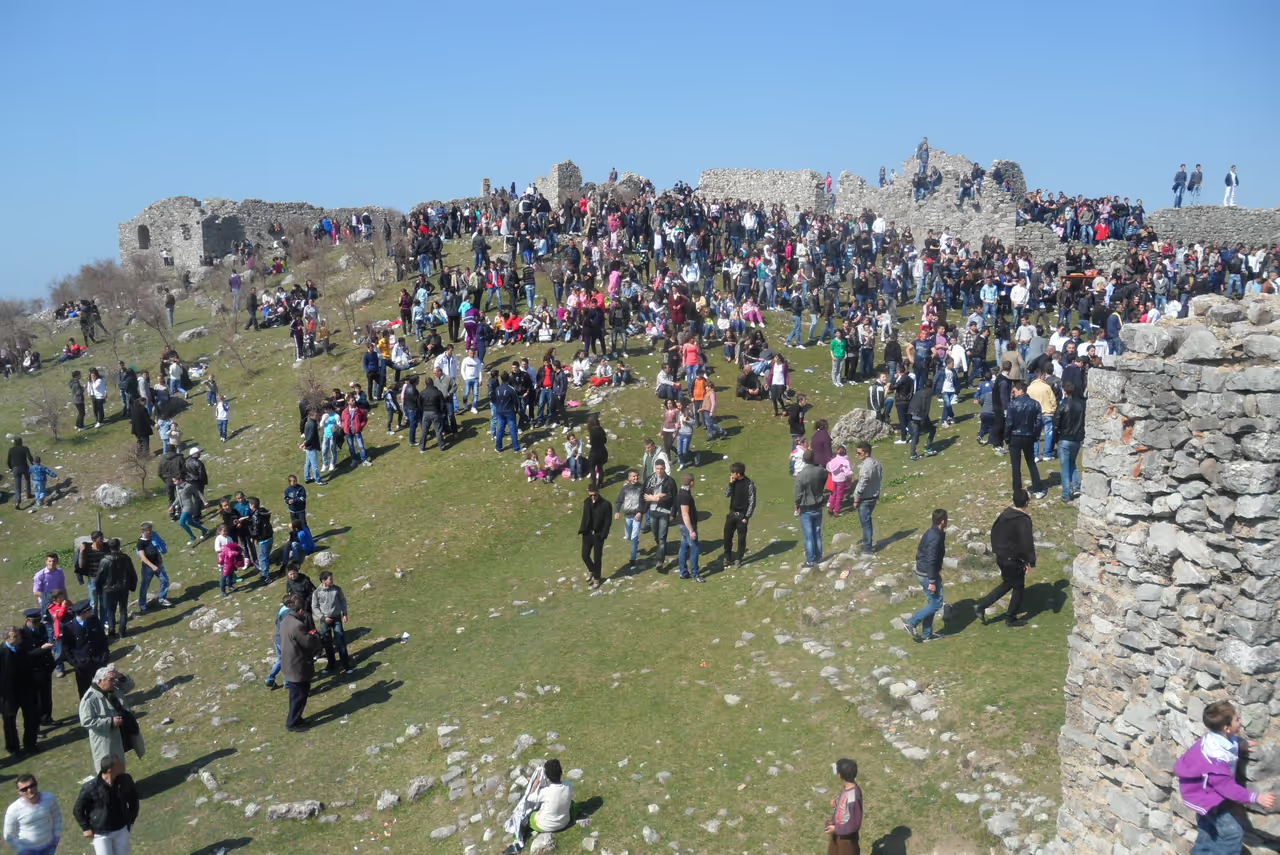 243m
243mSummer Day
This joyous pagan festival celebrates the end of winter and the rebirth of nature. The entire city comes alive with outdoor concerts, street food stalls, and family friendly activities filling the parks and boulevards. Locals wear traditional red and white bracelets called 'verore' to bring good luck. You will find a wonderfully festive atmosphere that truly captures the local spirit. It is the perfect time to try traditional sweets and enjoy the blooming green spaces.
festival view- 243m
Travel Fest Albania
A vibrant celebration of travel, nature, and adventure captured through film and photography. This festival screens breathtaking documentaries and hosts stunning photographic exhibitions that inspire wanderlust. It draws outdoor enthusiasts and environmentalists who share a deep passion for exploring the globe. You will find engaging panel discussions and interactive sessions with the creators behind the lenses. It is a fantastic event for those looking to discover new destinations through visual storytelling.
festival view 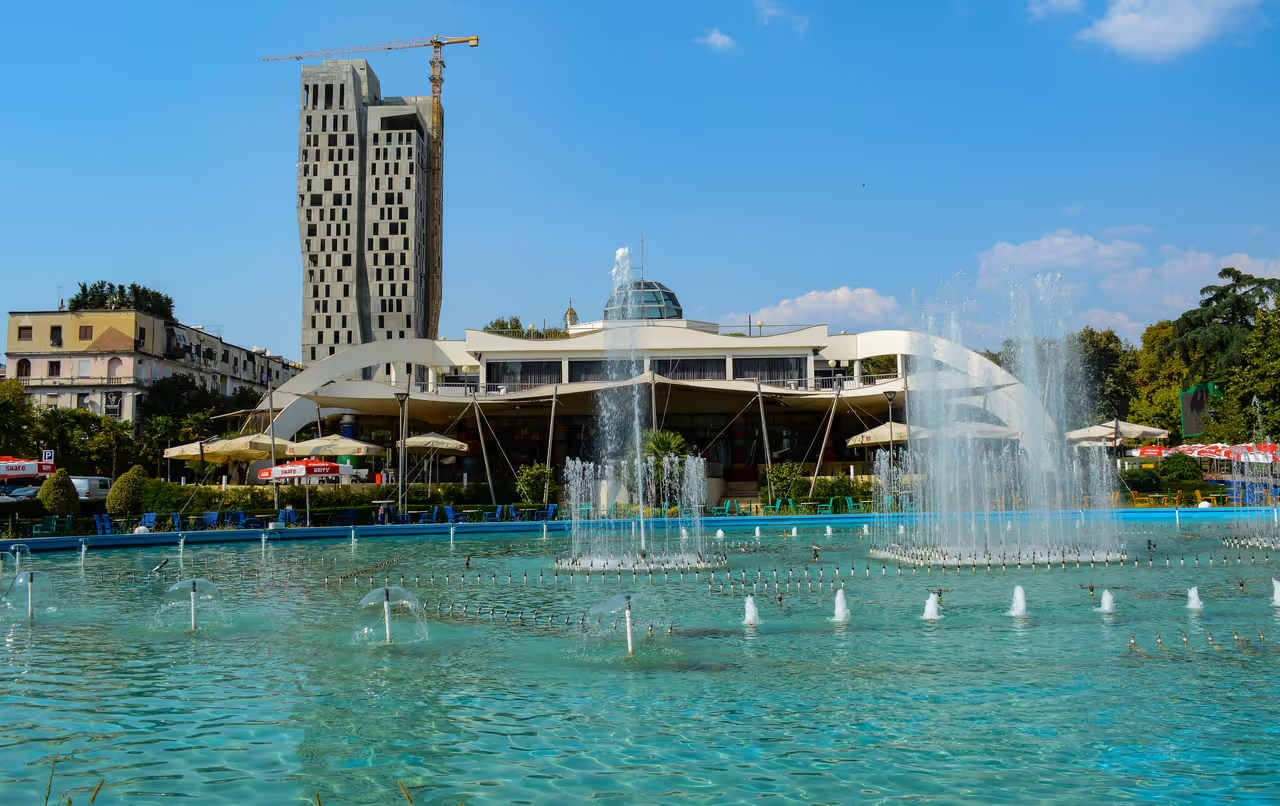 245m
245mRinia Park
Rinia Park stands as the beating heart of Tirana's social life, offering a lush escape right in the middle of the city. Originally established in 1950, this space has evolved from a quiet family retreat into a lively hub of activity that captures the dynamic spirit of modern Albania. Whether you are looking to enjoy a casual coffee by the water fountains or simply people-watch as the city moves around you, this park provides the perfect backdrop. It is home to the iconic Taivani complex, a striking architectural landmark that serves as a popular meeting point for locals and visitors alike. With its central location near Skanderbeg Square, Rinia Park is an essential stop to feel the true pulse of Tirana.
park & nature view
Explore Similar Places in This Collection

Featured on These Itineraries and Routes
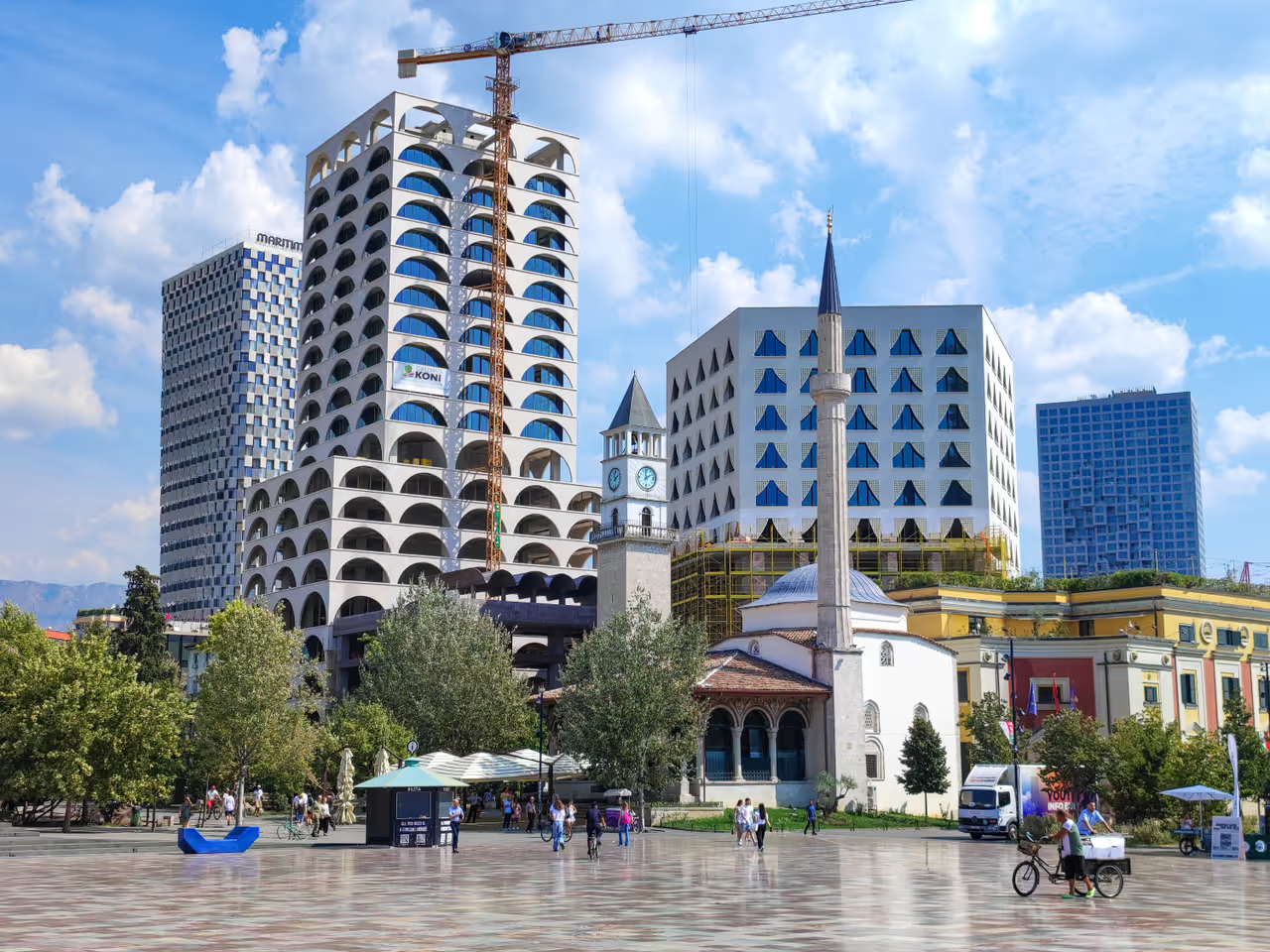
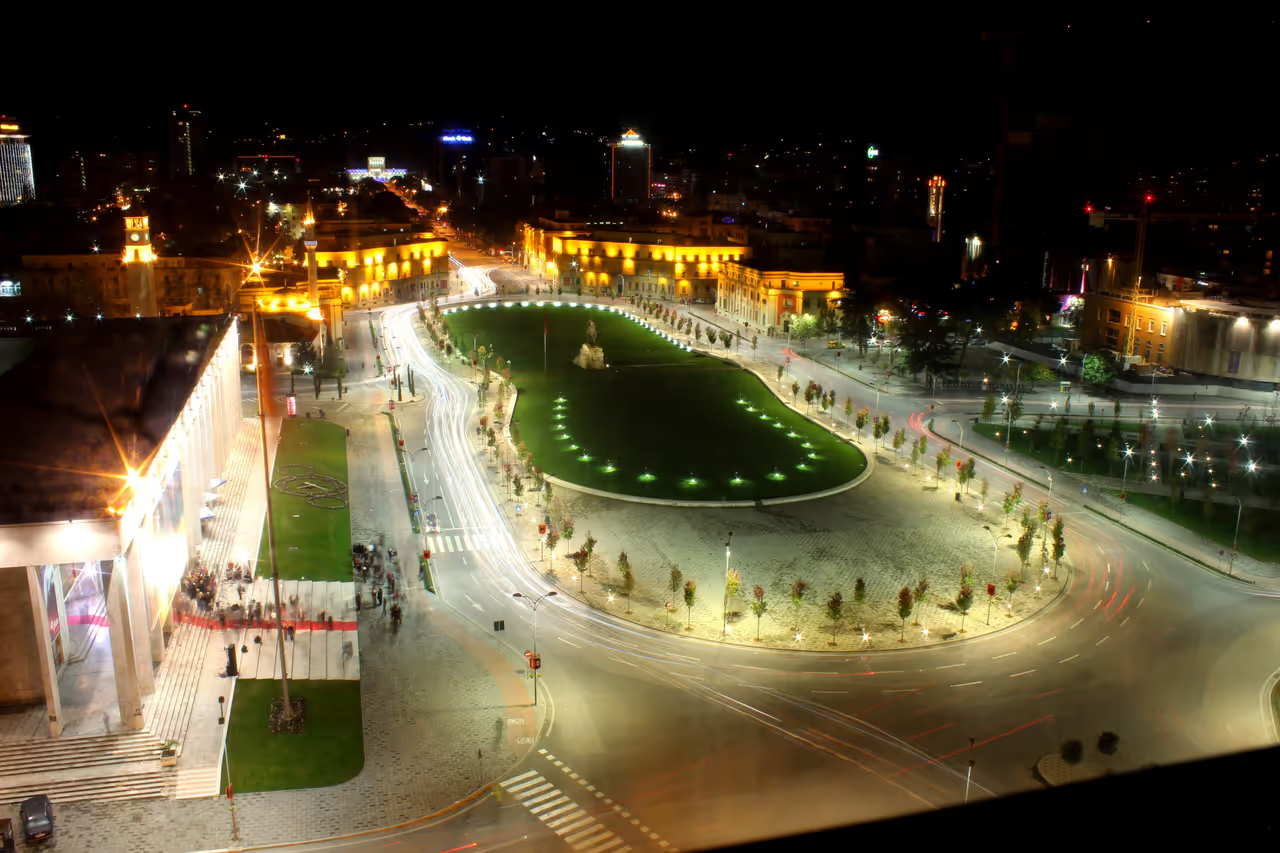
3 Days in Tirana: History, Heights & Horizons Itinerary
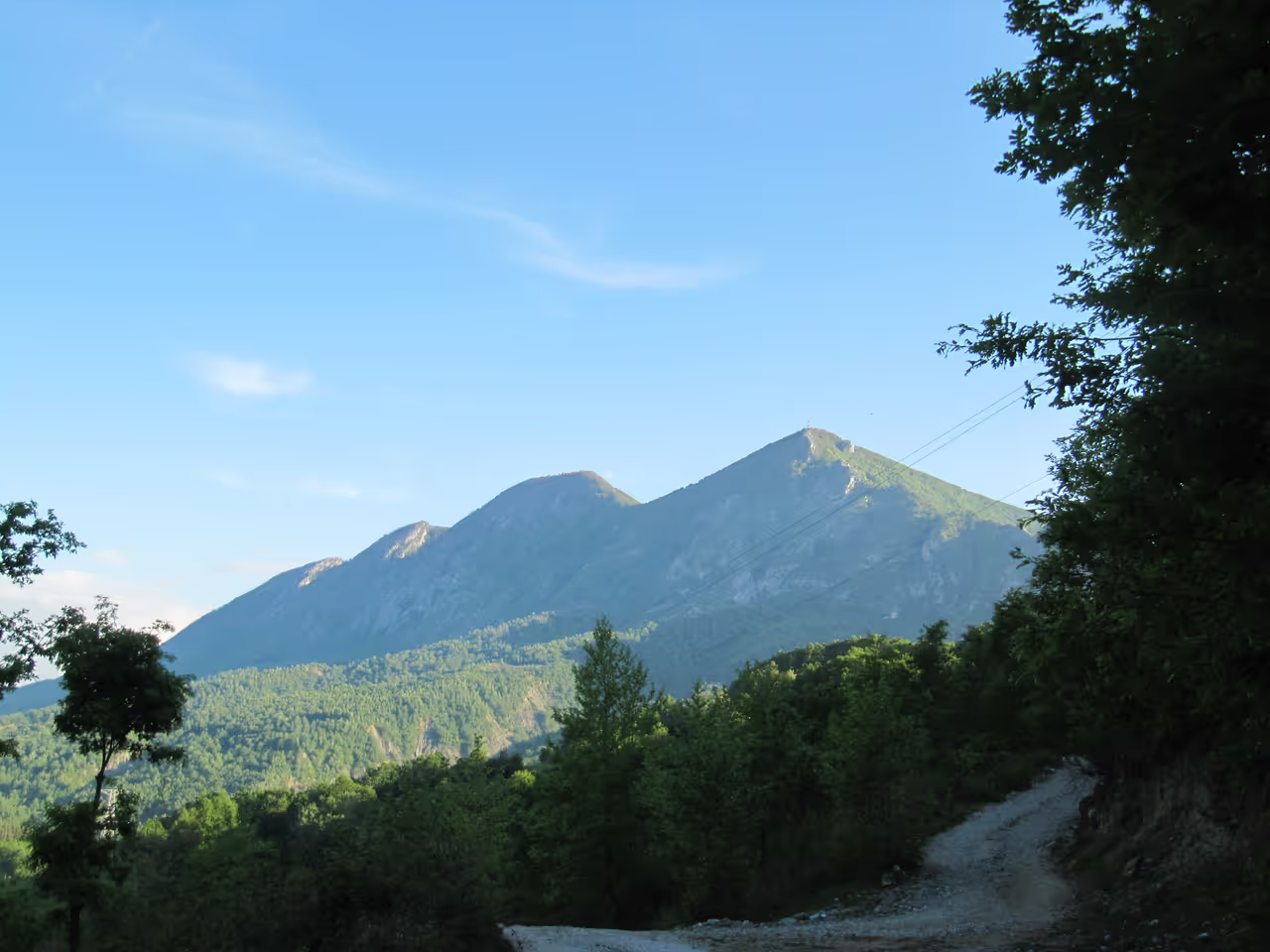
This balanced itinerary allows you to thoroughly explore the heavy history of the city centre while dedicating a full day to the spectacular surrounding nature. You will uncover the secrets of the communist surveillance state, scale the brutalist Pyramid, and take a thrilling cable car ride up the mountains. It perfectly mixes intense museum visits with highly relaxing outdoor activities and cafe lounging. You will have ample time to sample the fresh produce at the local bazaars and enjoy the bustling evening entertainment complexes. It offers a complete, highly satisfying picture of the modern capital.
view itinerary
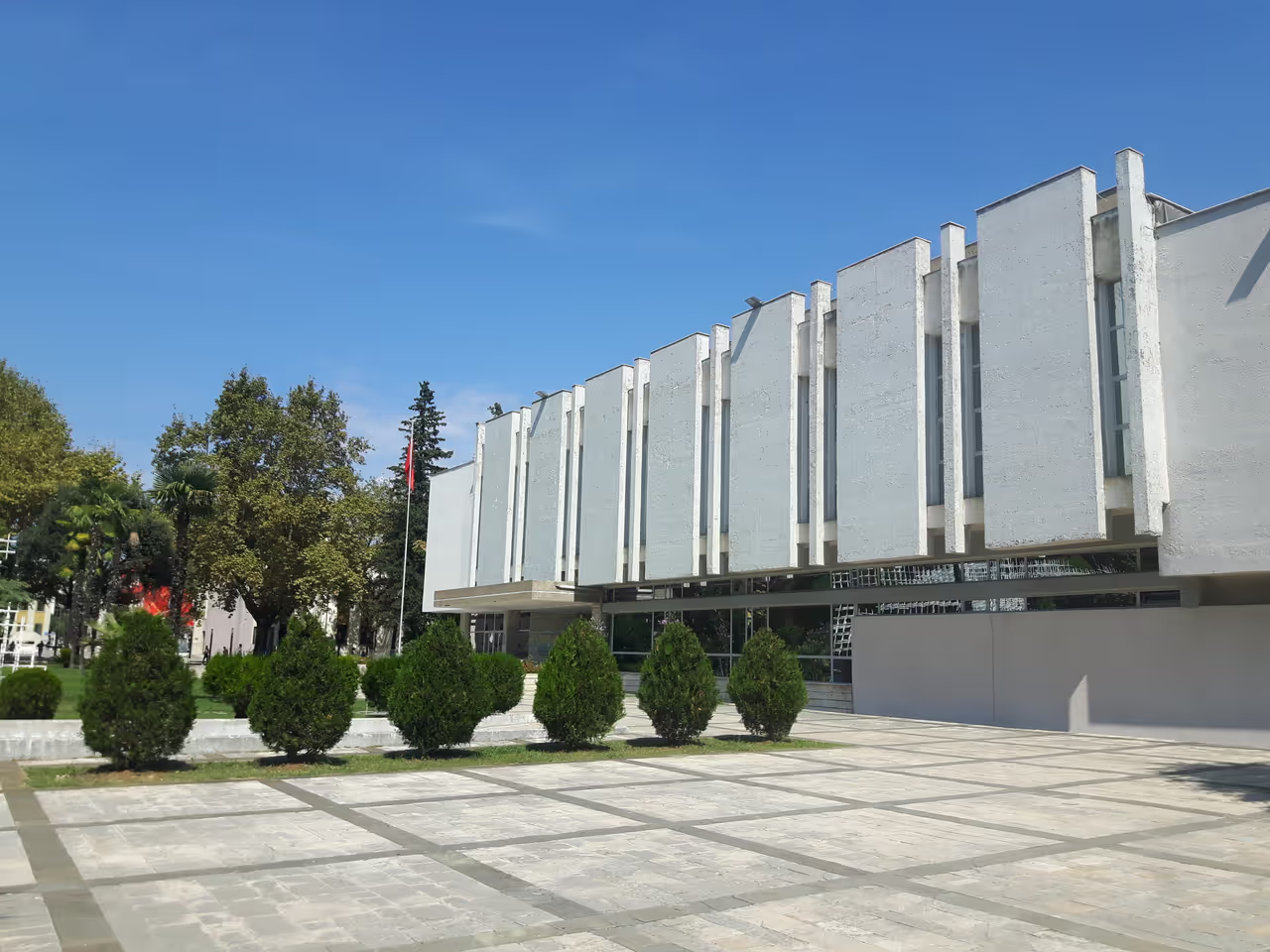
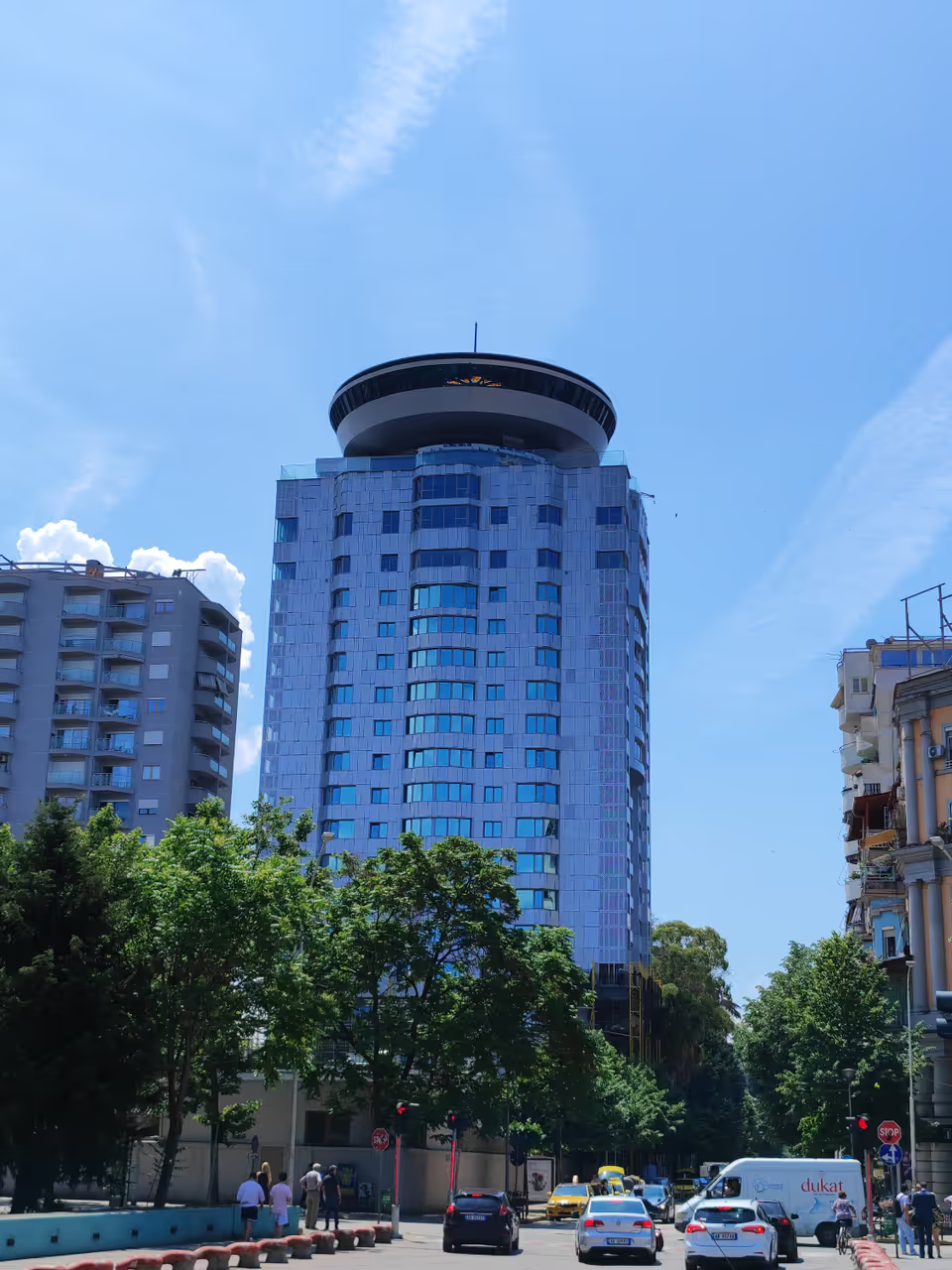
5 Days in Tirana: The Complete Explorer Itinerary
This extensive plan goes far beyond the typical tourist checklist, allowing you to discover the deeply hidden gems and tranquil suburbs of the capital. You will uncover ancient stone bridges, visit the private homes of celebrated artists, and explore quiet, rural lakes hidden just outside the city. It allows for a beautifully slow pace, meaning you can fully embrace the local cafe culture and spend hours enjoying the spectacular viewpoints. The extra days provide a highly immersive dive into the city's complex architecture, religious harmony, and surrounding natural beauty. You will leave feeling like you have truly uncovered the authentic soul of the city.
view itinerary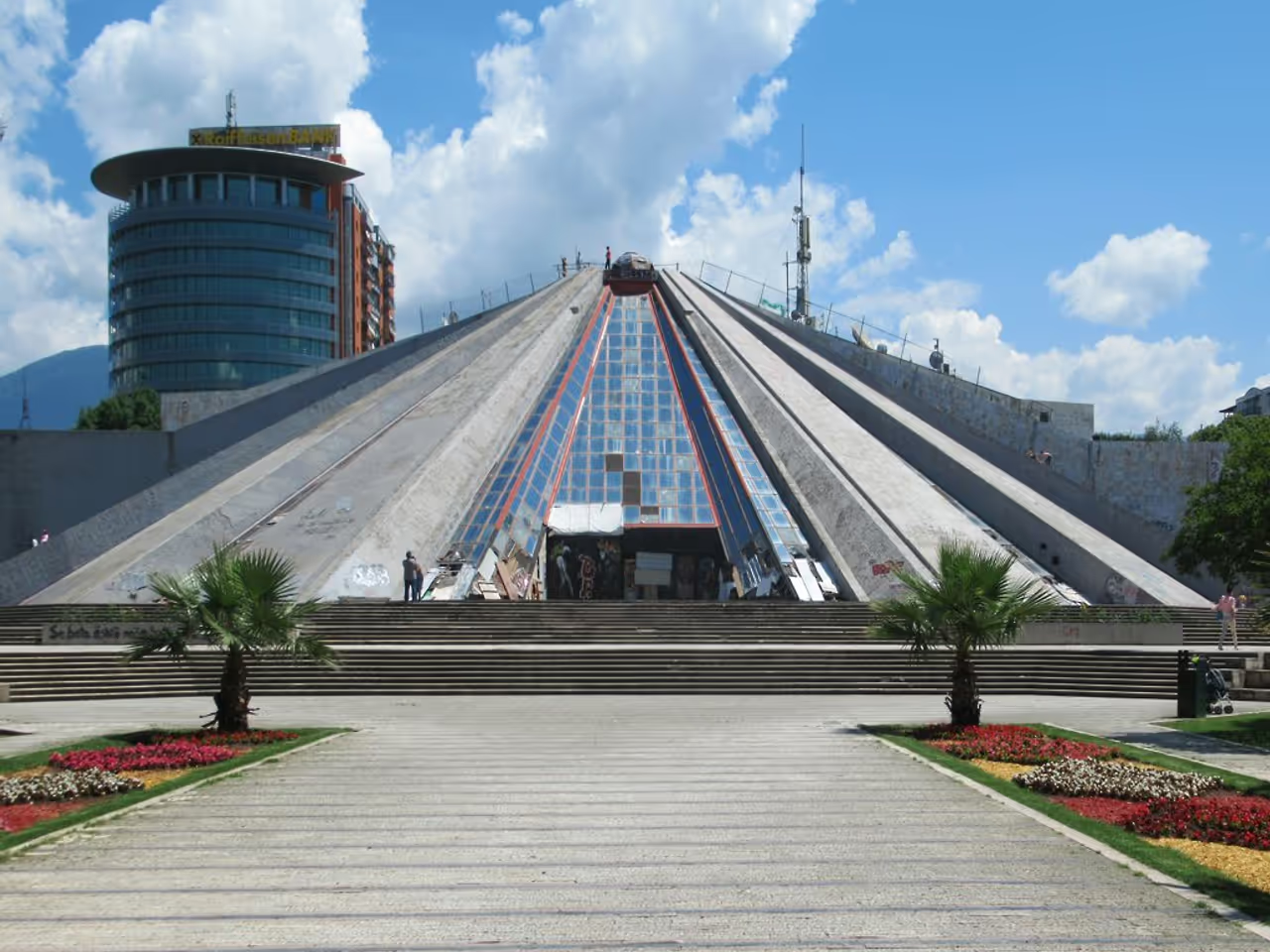
Communist History Tour
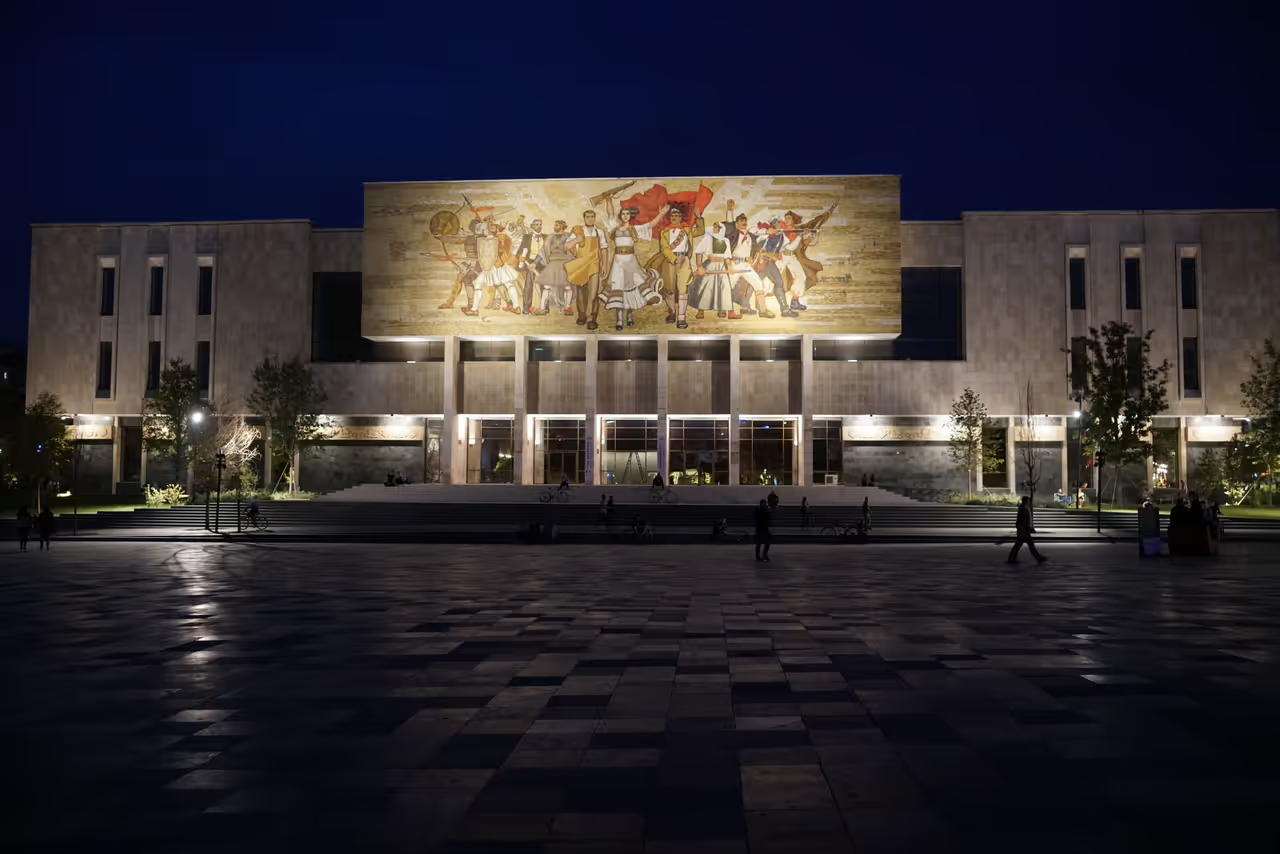
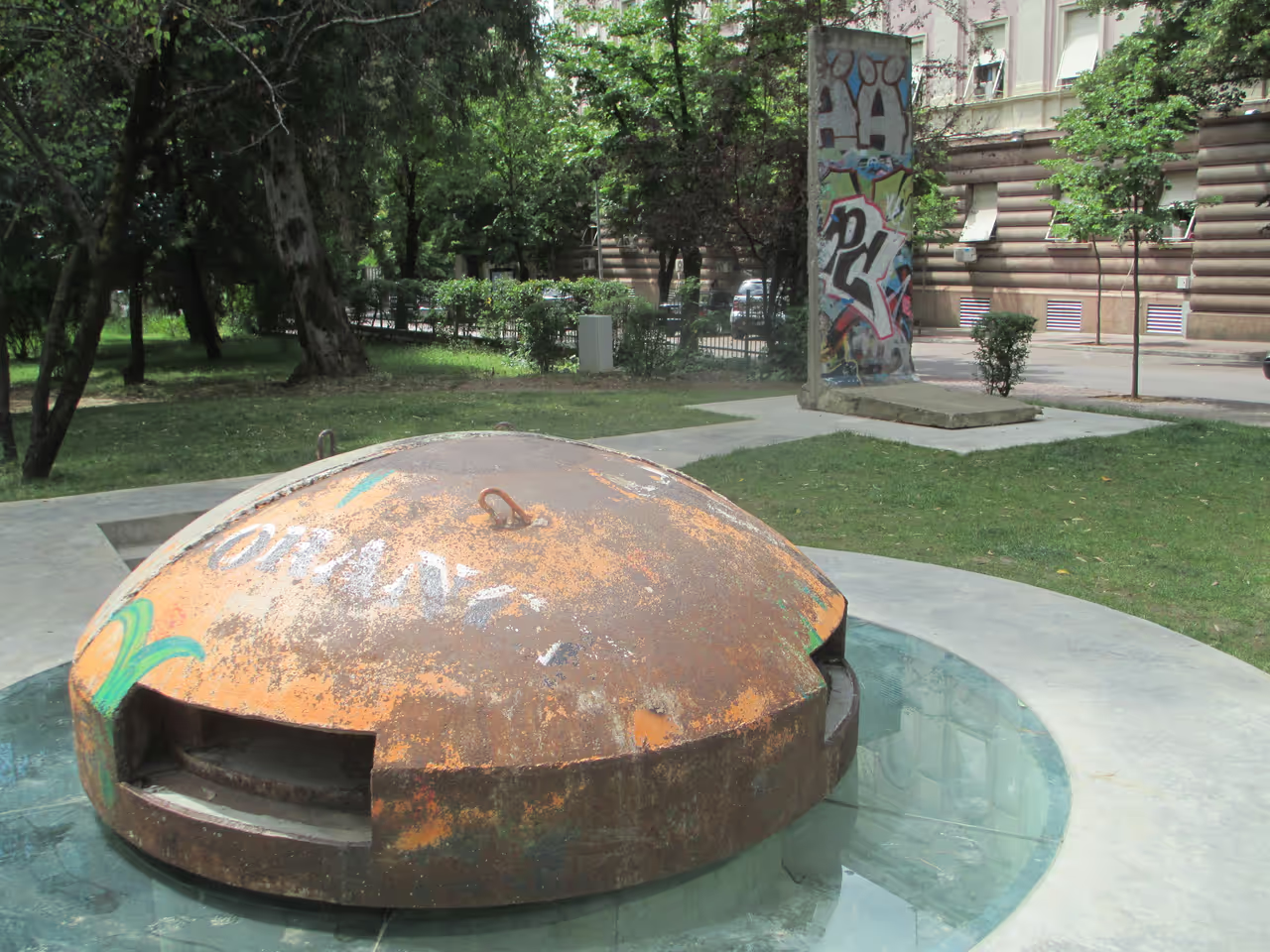
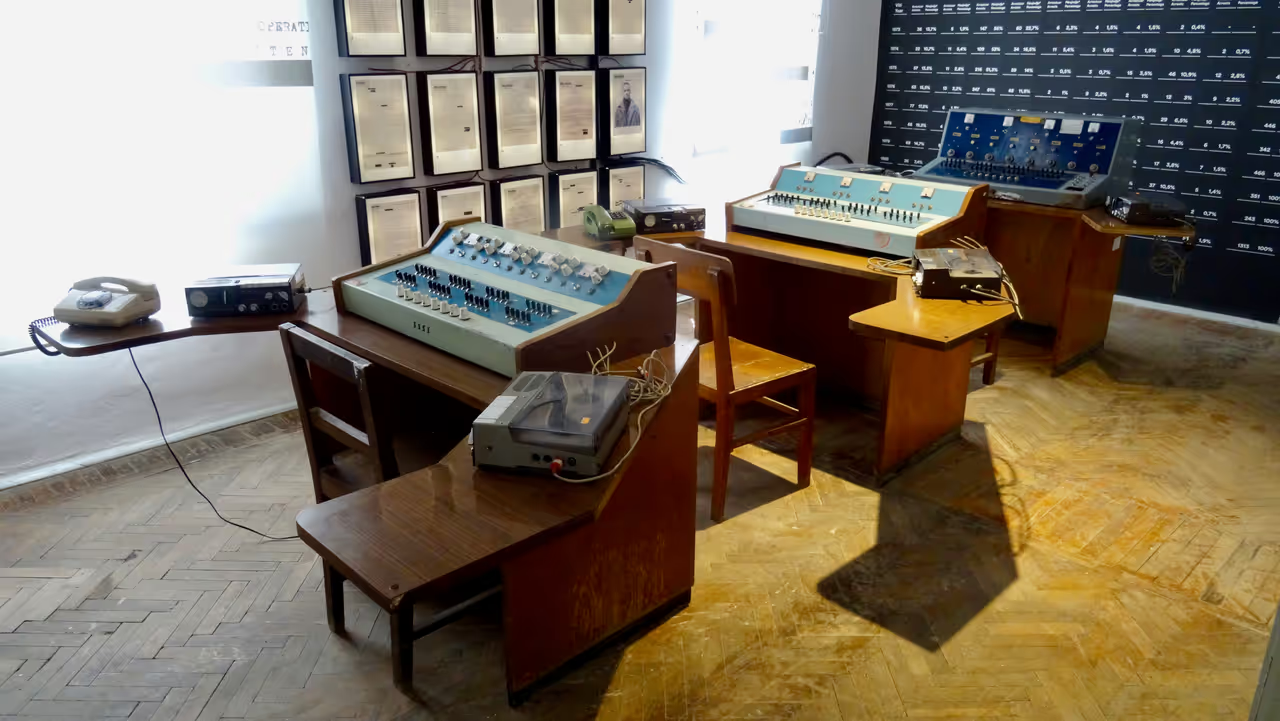
This intense journey dives deep into the dark, paranoid decades when the city was entirely cut off from the rest of the world. You will explore chilling former secret police headquarters and descend into massive, highly classified nuclear bunkers. The route connects the most prominent and imposing architectural relics left behind by Enver Hoxha's totalitarian regime. It provides a sobering, educational, and utterly fascinating look at the harsh realities of mid 20th century life here. The transformation of these sites into modern museums is a powerful testament to the city's resilience.
view self-guided tour
See all attractions in Tirana
Et'hem Bey Mosque, National History Museum, Pyramid of Tirana, Skanderbeg Square...