Papago Park
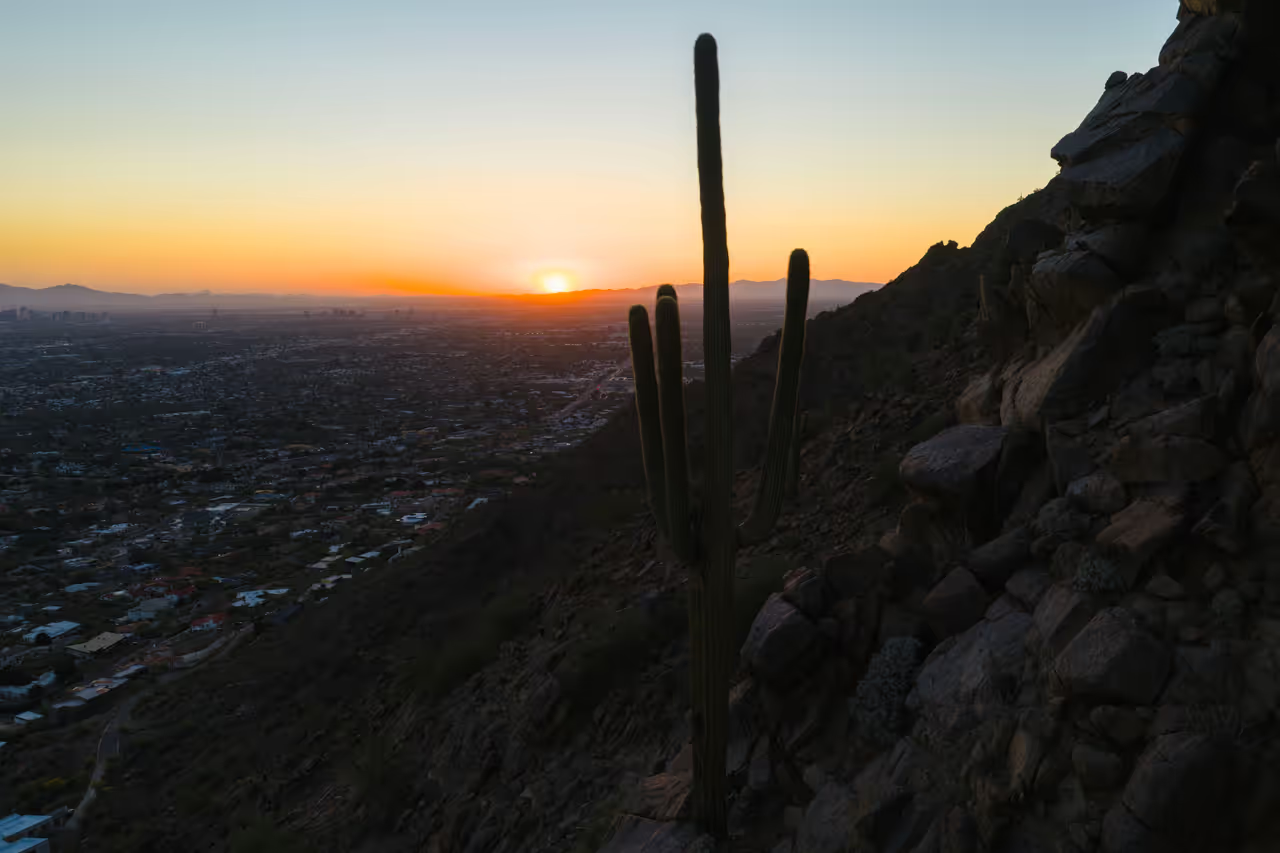
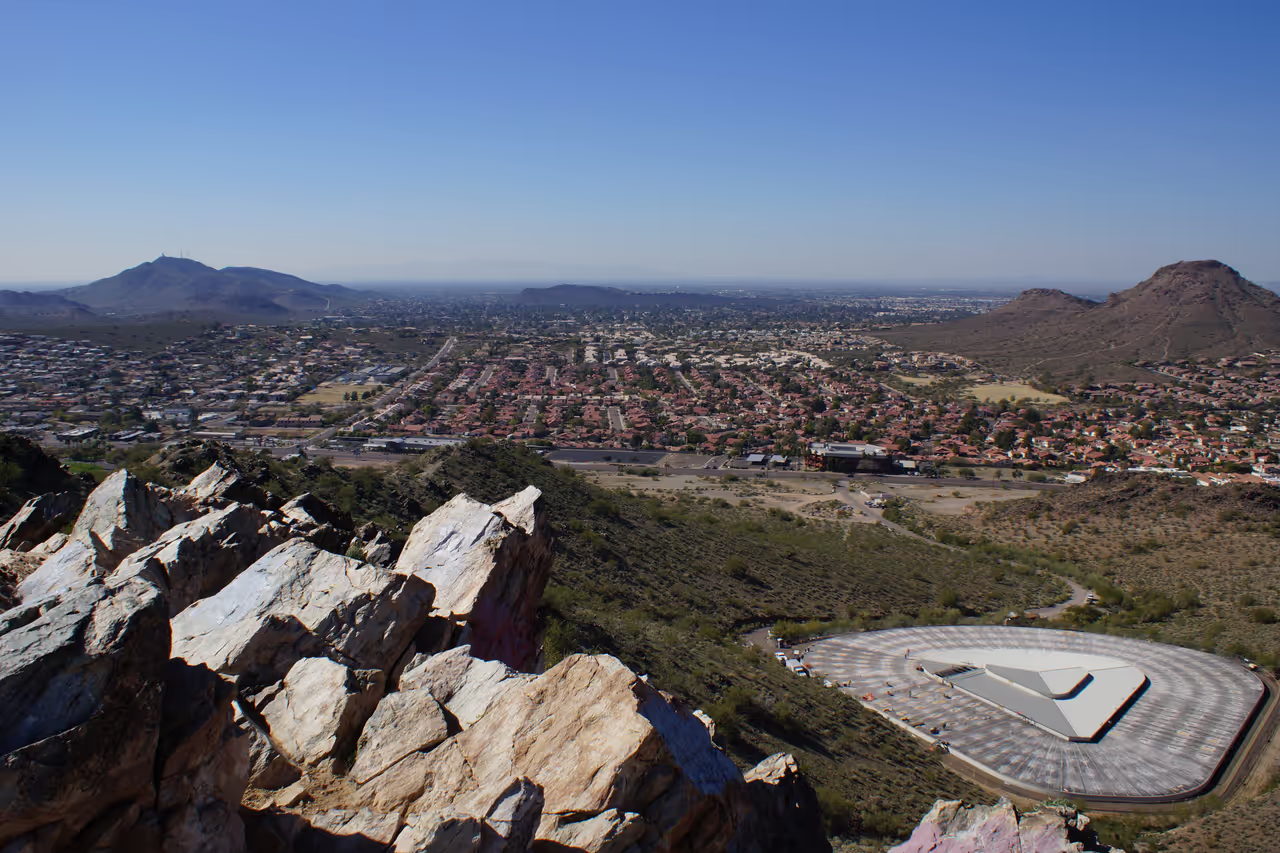
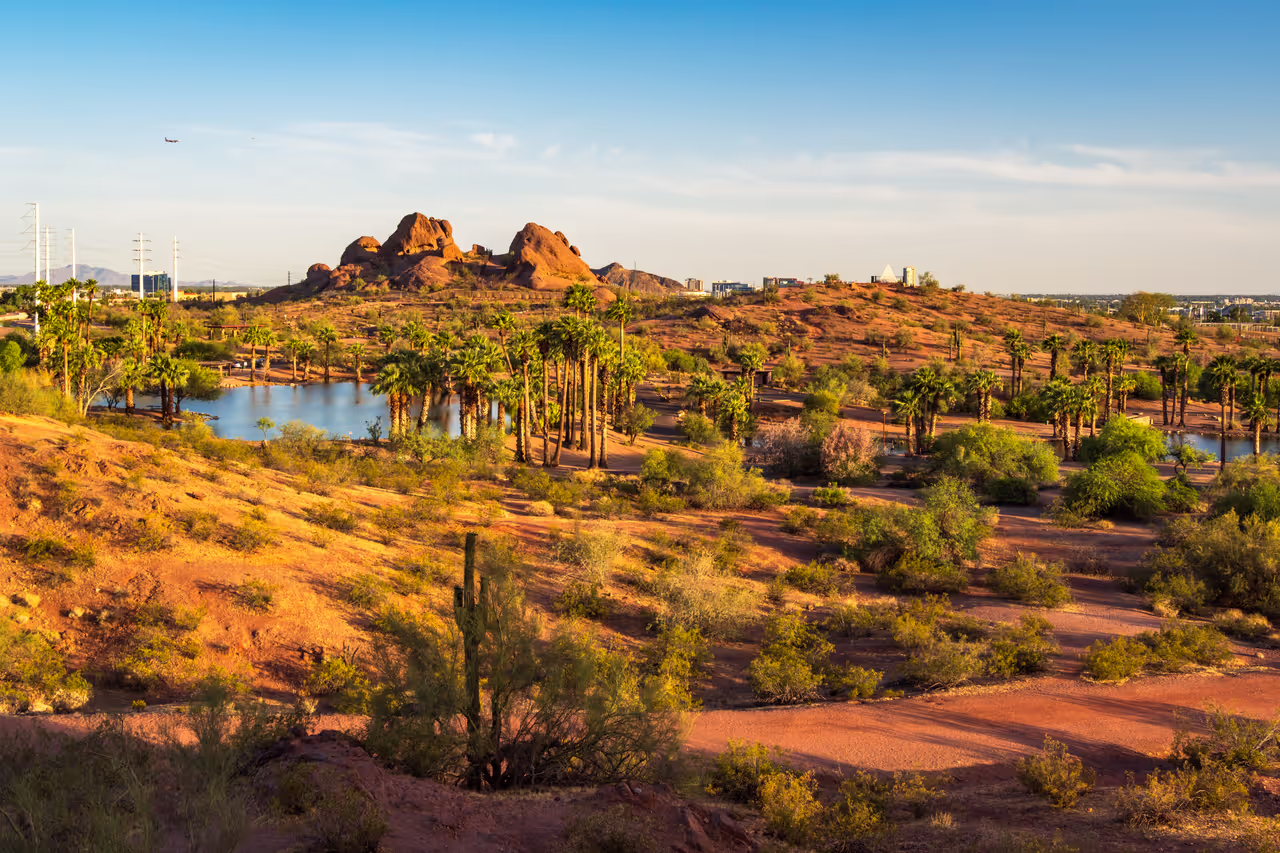
Papago Park is a desert sanctuary straddling the cities of Phoenix and Tempe, where dramatic red sandstone buttes rise against the horizon to create one of the most iconic landscapes in the Southwest. This expansive municipal park serves as a playground for nature lovers and history enthusiasts, housing world-class attractions like the Desert Botanical Garden and the Phoenix Zoo. Visitors can wander through rugged hiking trails that wind around the famous Hole-in-the-Rock, a geological formation once used by ancient peoples to track the solstice. Beyond the scenery, the park holds a complex past, ranging from its time as a prisoner-of-war camp during the Second World War to the final resting place of Arizona's first governor. It provides a unique balance of outdoor recreation, ecological wonders, and tangible history. Whether you are seeking a peaceful sunset hike or a deep dive into Arizona's heritage, this park offers a quintessential desert experience.
Videos
History of Papago Park
The story of Papago Park is etched into its red sandstone bones, which formed millions of years ago, long before the city of Phoenix sprawled into existence. These striking buttes provided a natural calendar for the Hohokam people, who ingeniously used the rock formations to mark the sun's position during the solstice. This ancient connection to the landscape set a precedent for the area as a place of profound significance, though its identity would shift dramatically in the coming centuries. In the twentieth century, the park took on a role far removed from its serene origins. During the Second World War, the quiet desert scrub became the site of a prisoner-of-war camp for German soldiers. This facility became the stage for the Great Papago Escape, a daring 1944 operation where dozens of prisoners tunnelled their way toward freedom. While the harsh reality of the desert climate ultimately led to their recapture, the event cemented the park's place in international wartime lore as the site of the largest prison break in the United States during the conflict. Post-war development transformed the land into the multifaceted treasure it is today. When the federal government dissolved its interests, the grounds found new life as a cultural and recreational anchor for the valley. The conversion of the Depression-era fish hatchery into the world-class Phoenix Zoo and the preservation of historic sites like Governor Hunt's Tomb turned the area into a living museum. Today, Papago Park stands as a testament to the region's ability to repurpose its history, blending ancient geology with the modern spirit of the American Southwest.
Events spanning 124 years
Fun Facts
- • Ancient Hohokam people utilised the natural apertures in the sandstone as a solar calendar to accurately track the solstices.
- • Before the Phoenix Zoo took over the grounds, the area housed a fish hatchery established during the Great Depression by the Works Progress Administration.
- • During the Second World War, the park housed a major prisoner-of-war camp, holding thousands of German soldiers, including high-ranking U-boat commanders.
- • George W.P. Hunt, Arizona's first governor, is interred in a white pyramidal tomb atop a hill within the park, which he commissioned in 1931.
- • Jürgen Wattenberg, the German U-boat commander, led the escape and successfully evaded capture for over a month in the harsh desert terrain.
- • Sandra Day O'Connor, the first woman appointed to the US Supreme Court, had a home in Paradise Valley that was relocated to the park.
- • The Great Papago Escape stands as the largest mass prison break from a US camp during the Second World War, involving a 178-foot secret tunnel.
- • The iconic red sandstone formations, including the famous Hole-in-the-Rock, were carved by erosion between 6 and 15 million years ago.
- • The park briefly held the status of a National Monument before the United States Congress revoked the designation in 1930, deeming it unsuitable.
- • The park encompasses a mixture of ecosystems, including rare mesquite bosques and various man-made lakes stocked with fish.
Papago Park FAQ
While we strive to keep this information accurate and up to date, we recommend verifying any details independently before making decisions based on them.
Papago Park Map & Neighborhood Explorer
This interactive map is centered on Papago Park. Zoom in and move the map around to automatically discover Wikipedia photos and summaries of other nearby sights, monuments, and historical points of interest and stories in real-time!
Places near Papago Park
Make the most of your trip. Check out these top-rated spots located nearby.
 398m
398mPhoenix Zoo
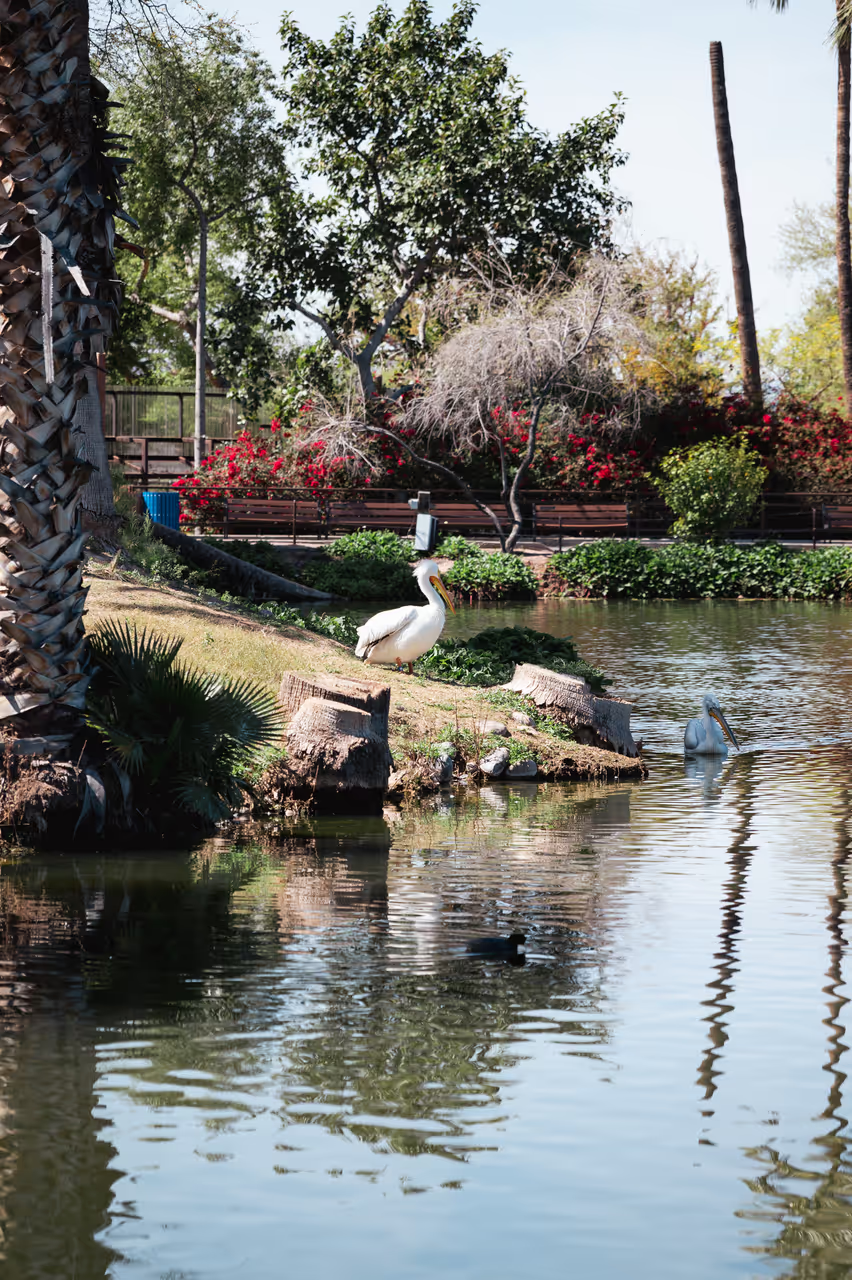
Nestled within the rugged landscape of Papago Park, the Phoenix Zoo offers an immersive journey through diverse habitats, from the parched Sonoran Desert to lush rainforests. As the largest privately owned non-profit zoo in the United States, it serves as a sanctuary where wildlife conservation takes centre stage, most notably through its pioneering work with the Arabian oryx. Families and nature enthusiasts will delight in the four distinct trails that bring visitors face to face with everything from majestic big cats to inquisitive primates. Beyond the exhibits, the zoo provides a serene retreat where you can explore history at the charming Hunt Bass Hatchery House or enjoy the magical evening glow of the annual ZooLights festival. This site remains a vital contributor to species survival and a beloved community landmark that promises a memorable experience for everyone.
attraction view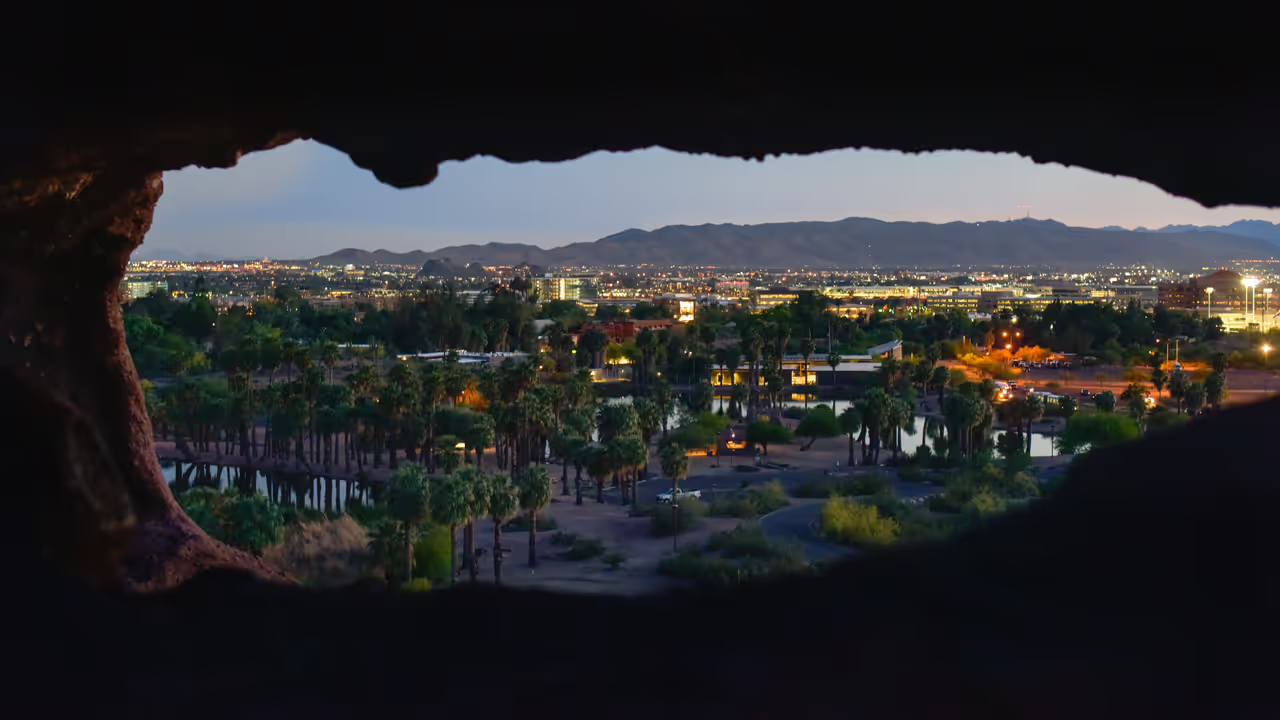 706m
706mHole-in-the-Rock
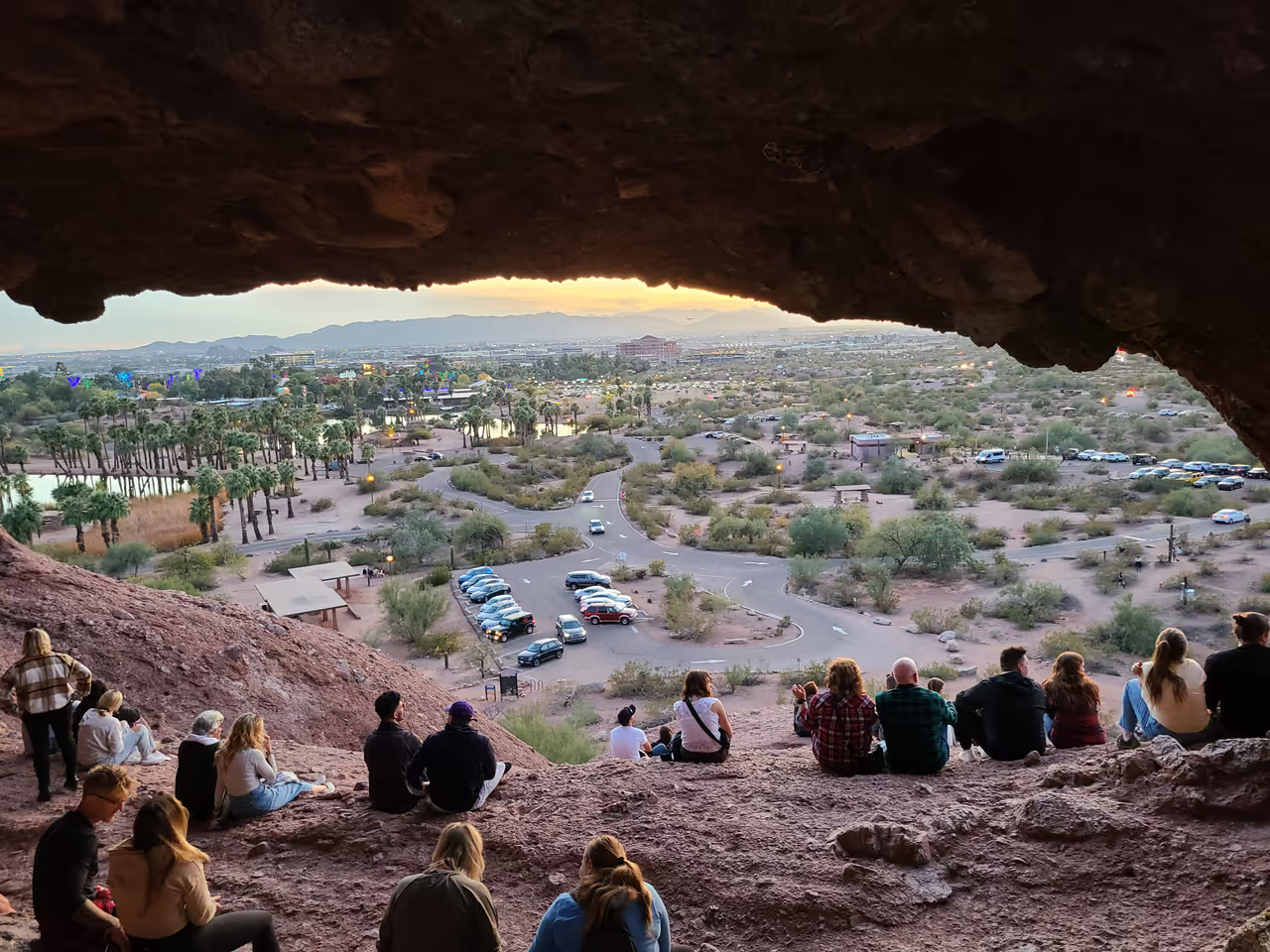
This massive geological formation features a naturally eroded chamber that provides a fantastic framing window over the landscape. A short, highly manageable hike leads visitors directly inside the cool, shadowed archway. The view looks out over peaceful park lagoons and the striking modern skyline in the distance. It serves as a phenomenal spot for photography, especially as the evening light paints the city. The unique red sandstone setting makes the view incredibly memorable.
viewpoint view 953m
953mHall of Flame Museum of Firefighting
Step into a world where the history of firefighting comes alive through an incredible collection of vintage apparatus and equipment. As the world's largest museum dedicated to the fire service, the Hall of Flame houses over a century of ingenuity and bravery under one roof. Visitors can explore five expansive galleries that trace the evolution of firefighting technology, from hand drawn pumps of the 18th century to powerful motorized engines of the modern era. Beyond the machinery, the museum pays a touching tribute to those who served with the National Firefighting Hall of Heroes. It is a fantastic destination for families, offering a dedicated play area for children and the chance to see historic rigs that still occasionally venture out to local parades. This place captures the spirit of community protection and offers an educational experience that is truly unique in the heart of Phoenix.
attraction view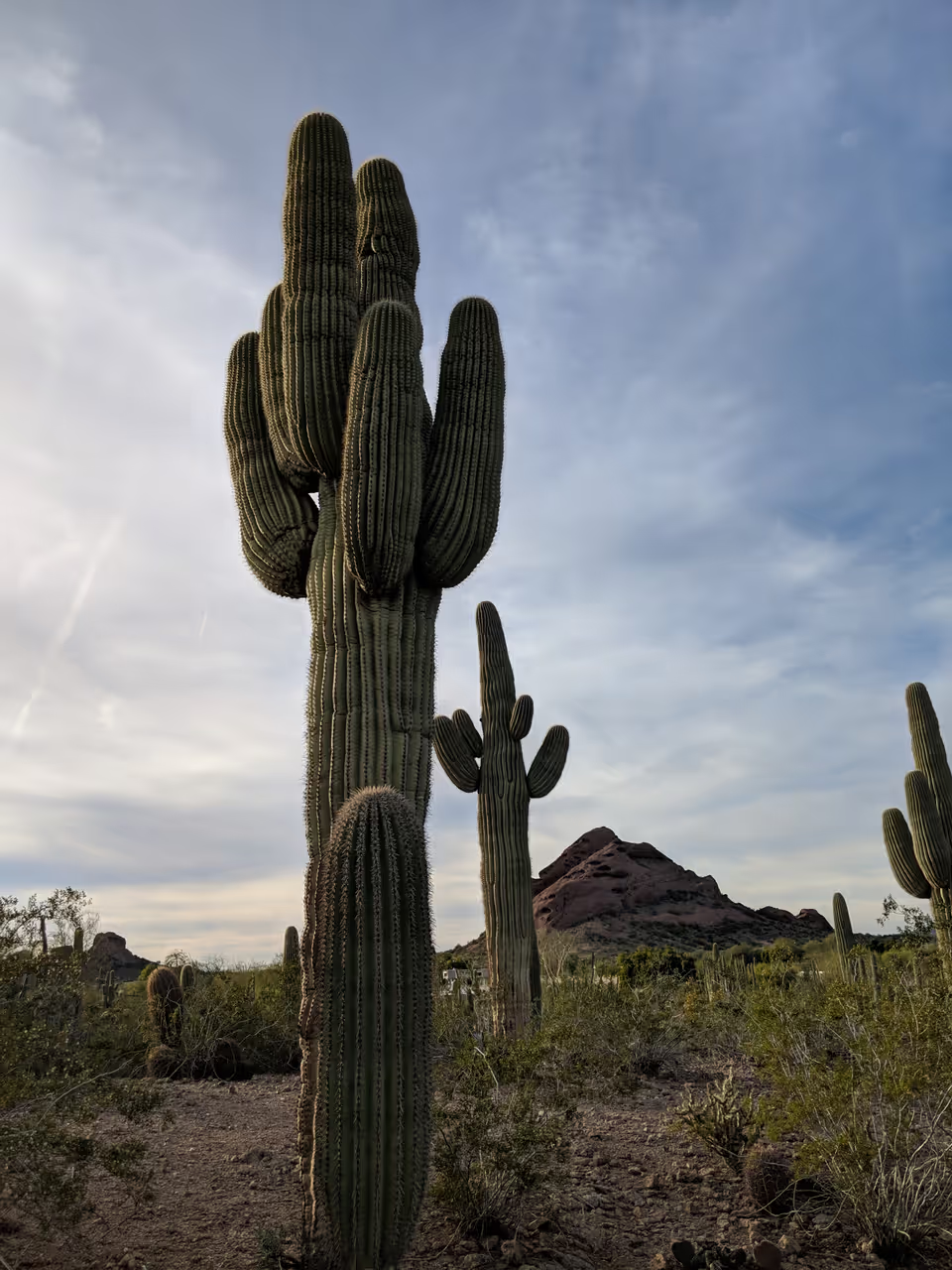 1100m
1100mDesert Botanical Garden
The Desert Botanical Garden is a vibrant sanctuary where the harsh beauty of the Sonoran Desert is masterfully curated into a living gallery. Spanning 140 acres, it offers a tranquil escape from the urban landscape, allowing visitors to walk among over 50,000 plants, including rare cacti and succulents from around the globe. Whether you are wandering through the butterfly pavilion or admiring the sculptural forms of giant saguaros, the atmosphere is one of serene wonder. It is a place that celebrates the resilience of desert life and provides an educational window into one of the world's most misunderstood ecosystems. Visiting here is an essential experience for anyone wanting to truly connect with the unique spirit of Arizona.
attraction view
Explore Similar Places in This Collection
Featured on These Itineraries and Routes

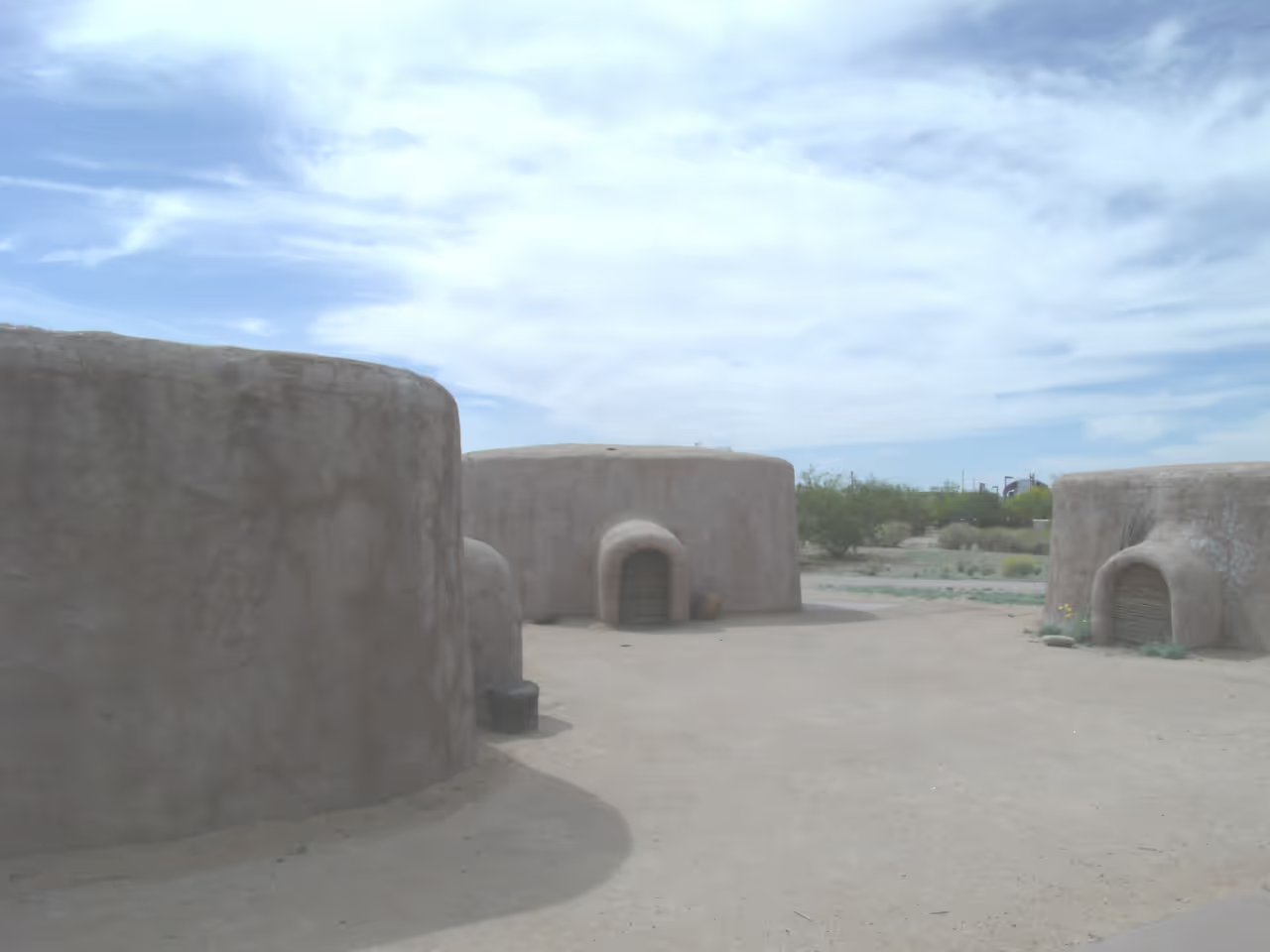


3 Days in Phoenix Itinerary
This excellent three day journey allows visitors to deeply explore the contrasting elements of the city. It dedicates ample time to discovering the historic civic centre, climbing the dramatic mountain peaks, and uncovering quirky local legends. The pace is incredibly well balanced, mixing energetic outdoor mornings with relaxed, culturally enriching afternoons. It provides a highly comprehensive view of what makes the desert metropolis so profoundly unique.
view itinerary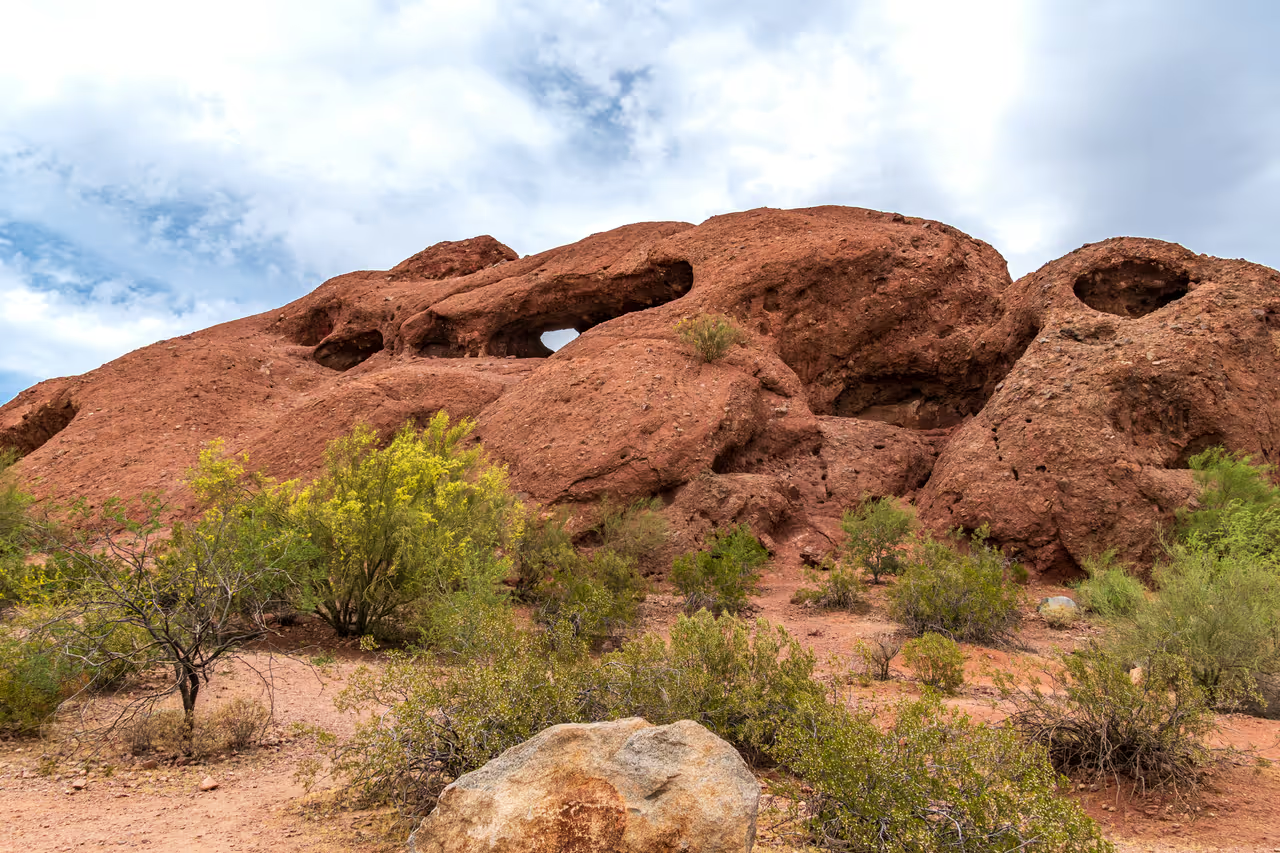

Papago Park Loop
This magnificent route winds through the striking red sandstone buttes that define the eastern edge of the city. The paved paths provide a smooth surface, making it highly accessible for casual cyclists and families. Riders pass directly alongside major cultural attractions set within the desert landscape. The distinctive geological formations create a highly dramatic and memorable backdrop for a morning ride. It offers a wonderful blend of natural beauty and easy riding.
view cycling route


Tempe Town Lake Loop
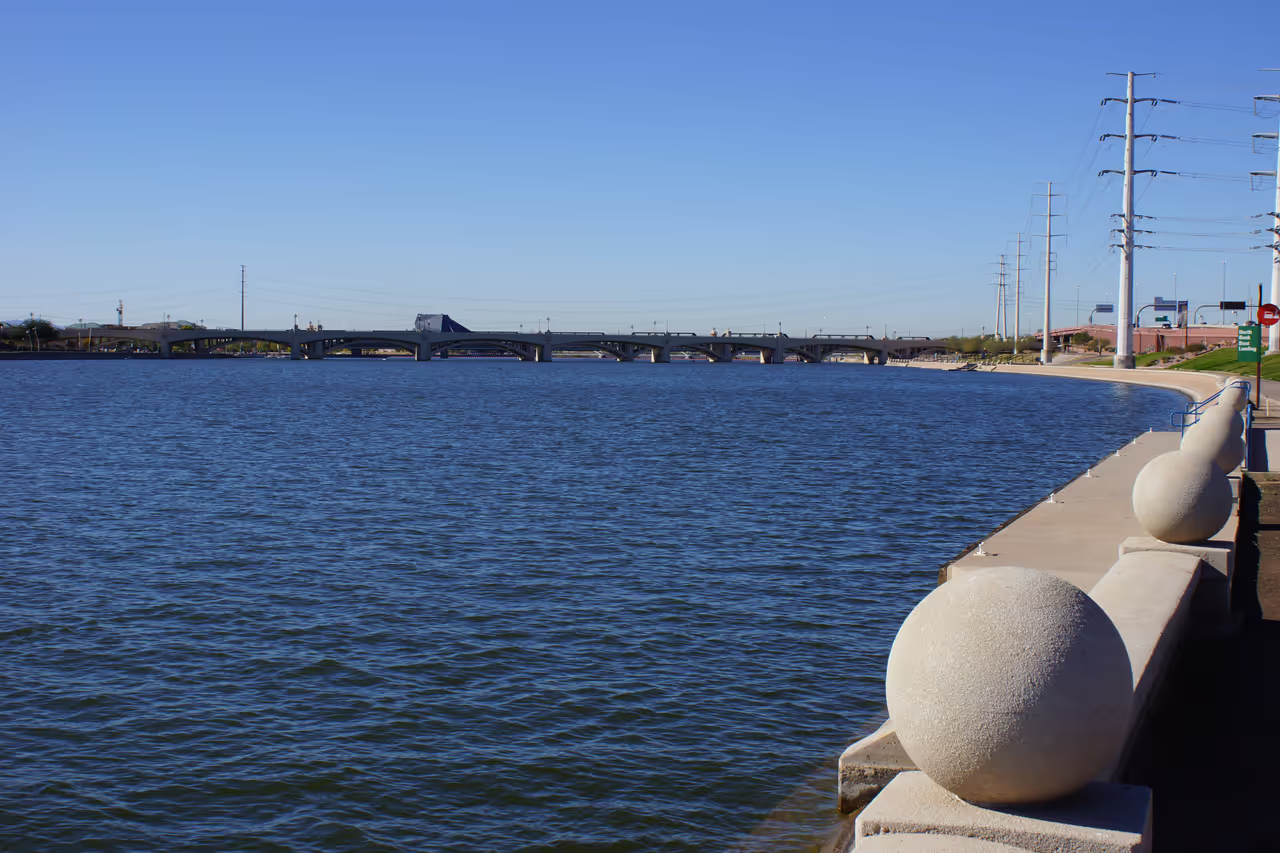
This highly popular route circles a stunning urban reservoir located just on the border of Phoenix. The wide, impeccably maintained paved paths are designed specifically for recreation and leisurely rides. Cyclists enjoy sweeping views of the water reflecting the striking modern architecture of the surrounding developments. The area buzzes with energetic activity from rowers, joggers, and local students. It delivers an incredibly refreshing waterside experience in the middle of the desert.
view cycling routeDesert Botanical Garden Walk
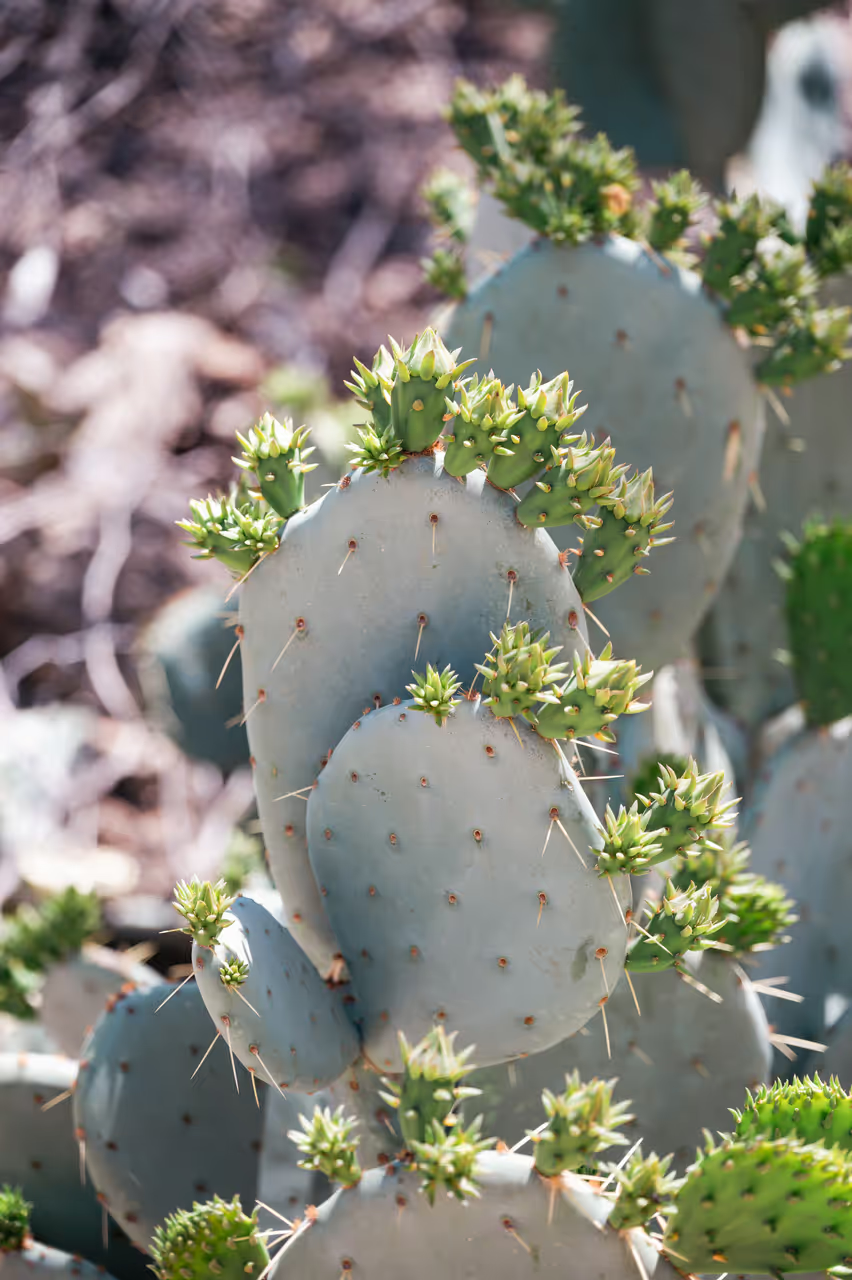
This tranquil stroll meanders through one of the most spectacular collections of arid plants in the world. The carefully curated paths showcase the incredible diversity and brilliant colours of desert flora. Walkers are surrounded by towering saguaros, delicate succulents, and vibrant seasonal wildflowers. The meticulously maintained trails provide an immersive educational experience in a deeply peaceful setting. It offers a wonderful opportunity to appreciate the subtle beauty of the desert ecosystem.
view walking route
See all nature & parks in Phoenix
Camelback Mountain, Phoenix Mountains Preserve, South Mountain Park, Encanto Park, Margaret T. Hance Park, Piestewa Peak...