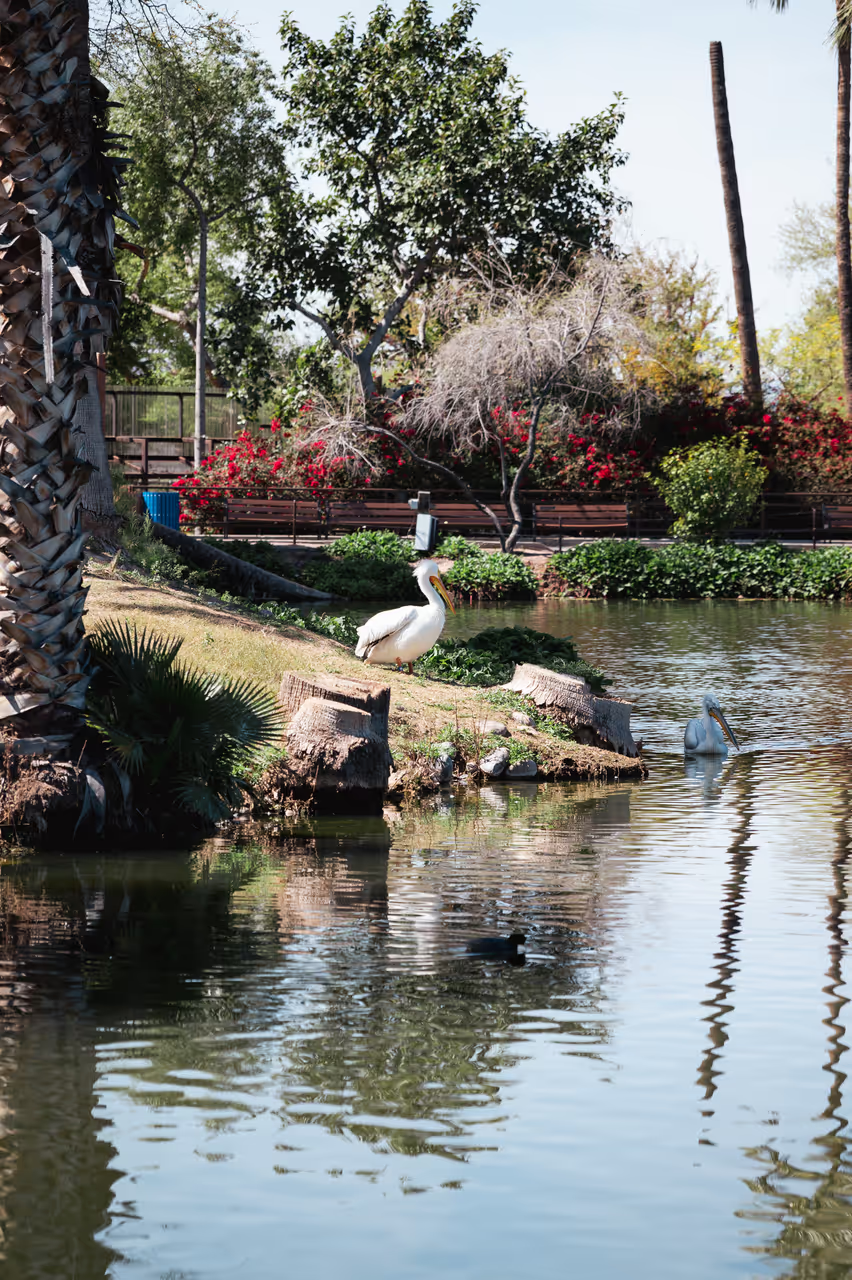
Phoenix Zoo
Nestled within the rugged landscape of Papago Park, the Phoenix Zoo offers an immersive journey through diverse habitats, from the parched Sonoran Desert to lush rainforests. As the largest privately owned non-profit zoo in the United States, it serves as a sanctuary where wildlife conservation takes centre stage, most notably through its pioneering work with the Arabian oryx. Families and nature enthusiasts will delight in the four distinct trails that bring visitors face to face with everything from majestic big cats to inquisitive primates. Beyond the exhibits, the zoo provides a serene retreat where you can explore history at the charming Hunt Bass Hatchery House or enjoy the magical evening glow of the annual ZooLights festival. This site remains a vital contributor to species survival and a beloved community landmark that promises a memorable experience for everyone.
Videos
History of Phoenix Zoo
The story of the Phoenix Zoo began with an ambitious dream in the early 1960s. Robert Maytag, eager to create a haven for animals, established the Arizona Zoological Society. Even though he passed away just before the gates opened, his vision survived, blossoming into what is now the largest privately owned, non-profit zoo in the United States. The site itself carries a unique history, having previously served as a fish hatchery during the Great Depression. That legacy lives on today through the preserved caretaker's cottage on the grounds, a reminder of the site's humble origins before it became a premier destination for wildlife lovers. Perhaps the most compelling chapter in the zoo's history is its heroic effort to save the Arabian oryx. In the mid-sixties, the species was on the brink of vanishing forever. The zoo stepped in to lead a daring captive breeding programme. Thanks to their dedicated care and scientific expertise, the herd grew, and eventually, the species was reintroduced into the wild. Today, the success of this project is recognised internationally, with many oryx roaming their ancestral desert lands thanks to the survival and breeding efforts that took place in Phoenix. This achievement solidified the institution's reputation as a leader in global conservation. In the decades since, the zoo has continued to evolve into a sanctuary focused on education and recovery. It has welcomed legendary residents, like the painting elephant Ruby, whose art helped fundraise thousands of dollars for zoo improvements. Modern trails like the Tropics and Africa sections demonstrate a commitment to creating naturalistic environments where animals can thrive. The zoo remains a place where the community gathers to celebrate nature, learn about biodiversity, and protect some of the most vulnerable species on the planet.
Events spanning 44 years
Fun Facts
- • During the holiday season, the zoo transforms into a glittering wonderland during the annual ZooLights event, which has become a staple of the Phoenix festive calendar.
- • It sits on land formerly occupied by a 1930s Works Progress Administration fish hatchery, with the historic caretaker's house still standing on-site.
- • Most of the Arabian oryx currently roaming the wild in the Middle East share ancestry with the original herd bred at this location.
- • Ruby, an Asian elephant who lived at the zoo, became a global celebrity for her talent as a painter, with her artwork raising over two hundred thousand dollars for the institution.
- • The zoo is home to the Hunt Bass Hatchery House, which is listed on the National Register of Historic Places and now serves as a popular event space known as Ruby's House.
- • The zoo is world-renowned for Operation Oryx, a captive breeding programme that saved the Arabian oryx from extinction and allowed for successful reintroduction into the wild.
- • The zoo serves as a vital rescue and rehabilitation centre for California condors, a critically endangered species often treated there for environmental lead poisoning.
- • The zoo was originally founded as a personal project by Robert Maytag, a member of the famous appliance-manufacturing family.
- • Visitors can walk through Monkey Village, an immersive exhibit that allows for close, direct interaction with various primate species in a naturalistic setting.
- • With over three thousand animals, the zoo actively participates in Species Survival Plans for twenty-nine different species to help combat population decline.
Phoenix Zoo FAQ
While we strive to keep this information accurate and up to date, we recommend verifying any details independently before making decisions based on them.
Phoenix Zoo Map & Neighborhood Explorer
This interactive map is centered on Phoenix Zoo. Zoom in and move the map around to automatically discover Wikipedia photos and summaries of other nearby sights, monuments, and historical points of interest and stories in real-time!
Places near Phoenix Zoo
Make the most of your trip. Check out these top-rated spots located nearby.
 398m
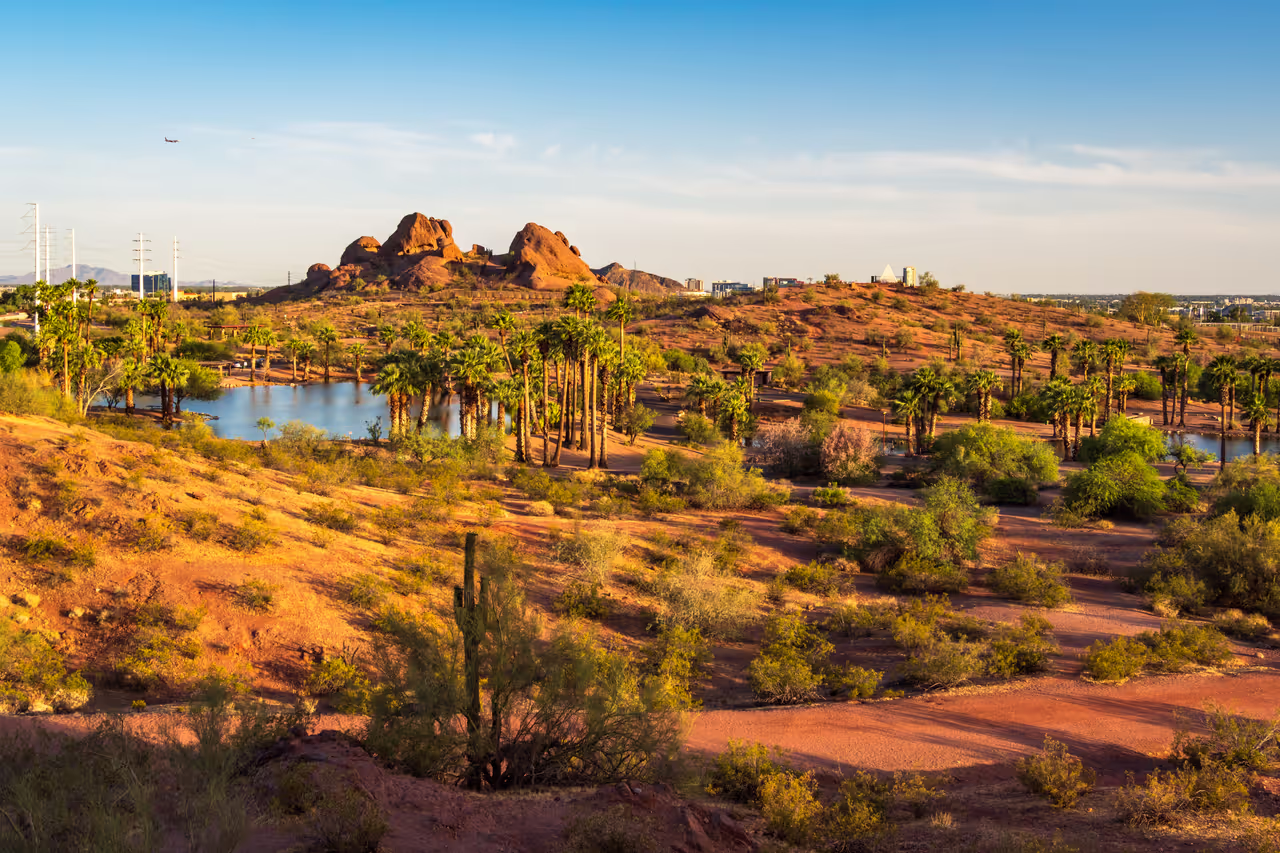
398mPapago Park
Papago Park is a desert sanctuary straddling the cities of Phoenix and Tempe, where dramatic red sandstone buttes rise against the horizon to create one of the most iconic landscapes in the Southwest. This expansive municipal park serves as a playground for nature lovers and history enthusiasts, housing world-class attractions like the Desert Botanical Garden and the Phoenix Zoo. Visitors can wander through rugged hiking trails that wind around the famous Hole-in-the-Rock, a geological formation once used by ancient peoples to track the solstice. Beyond the scenery, the park holds a complex past, ranging from its time as a prisoner-of-war camp during the Second World War to the final resting place of Arizona's first governor. It provides a unique balance of outdoor recreation, ecological wonders, and tangible history. Whether you are seeking a peaceful sunset hike or a deep dive into Arizona's heritage, this park offers a quintessential desert experience.
park & nature view 643m
643mHall of Flame Museum of Firefighting
Step into a world where the history of firefighting comes alive through an incredible collection of vintage apparatus and equipment. As the world's largest museum dedicated to the fire service, the Hall of Flame houses over a century of ingenuity and bravery under one roof. Visitors can explore five expansive galleries that trace the evolution of firefighting technology, from hand drawn pumps of the 18th century to powerful motorized engines of the modern era. Beyond the machinery, the museum pays a touching tribute to those who served with the National Firefighting Hall of Heroes. It is a fantastic destination for families, offering a dedicated play area for children and the chance to see historic rigs that still occasionally venture out to local parades. This place captures the spirit of community protection and offers an educational experience that is truly unique in the heart of Phoenix.
attraction view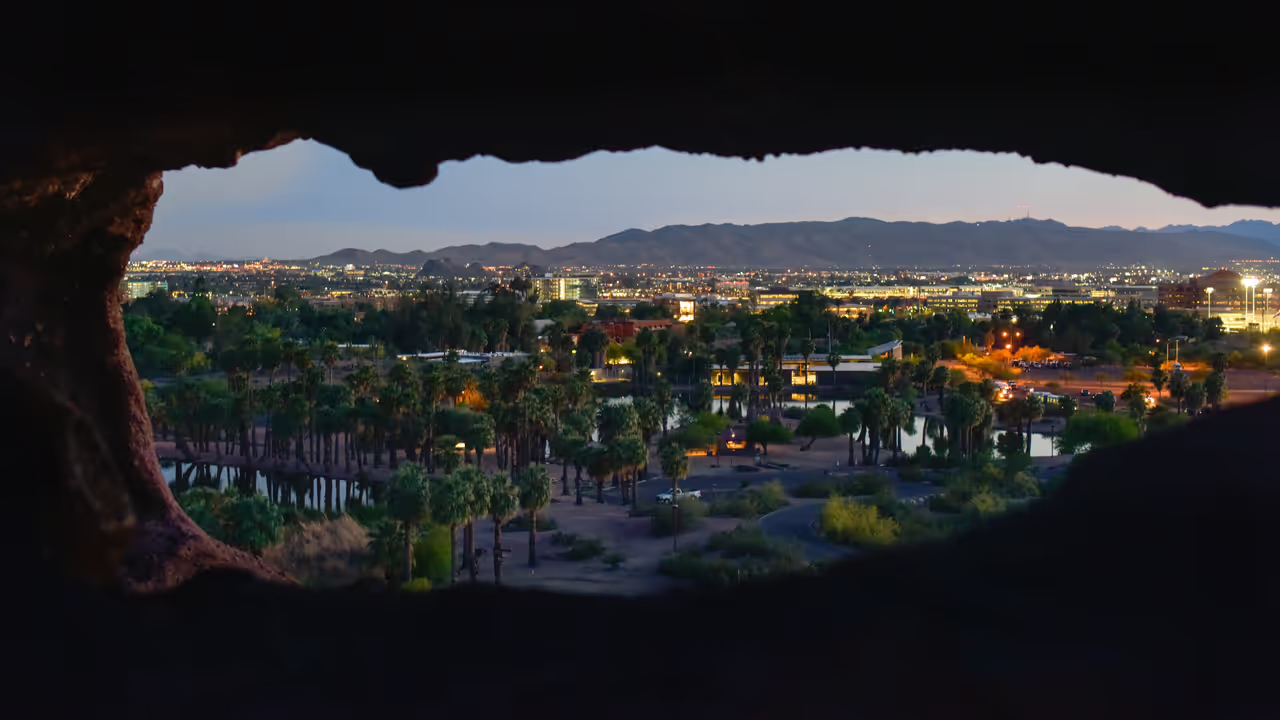 836m
836mHole-in-the-Rock
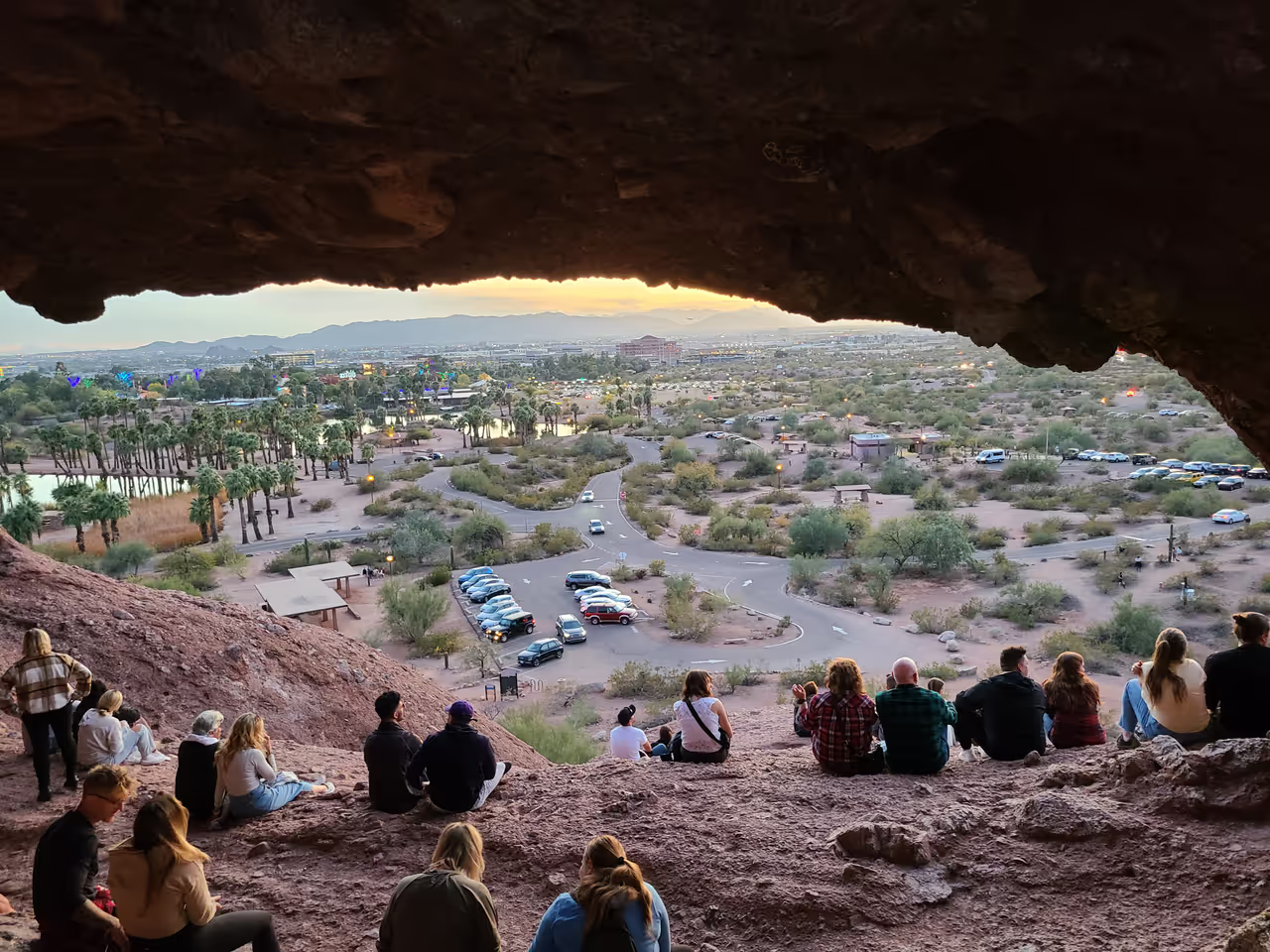
This massive geological formation features a naturally eroded chamber that provides a fantastic framing window over the landscape. A short, highly manageable hike leads visitors directly inside the cool, shadowed archway. The view looks out over peaceful park lagoons and the striking modern skyline in the distance. It serves as a phenomenal spot for photography, especially as the evening light paints the city. The unique red sandstone setting makes the view incredibly memorable.
viewpoint view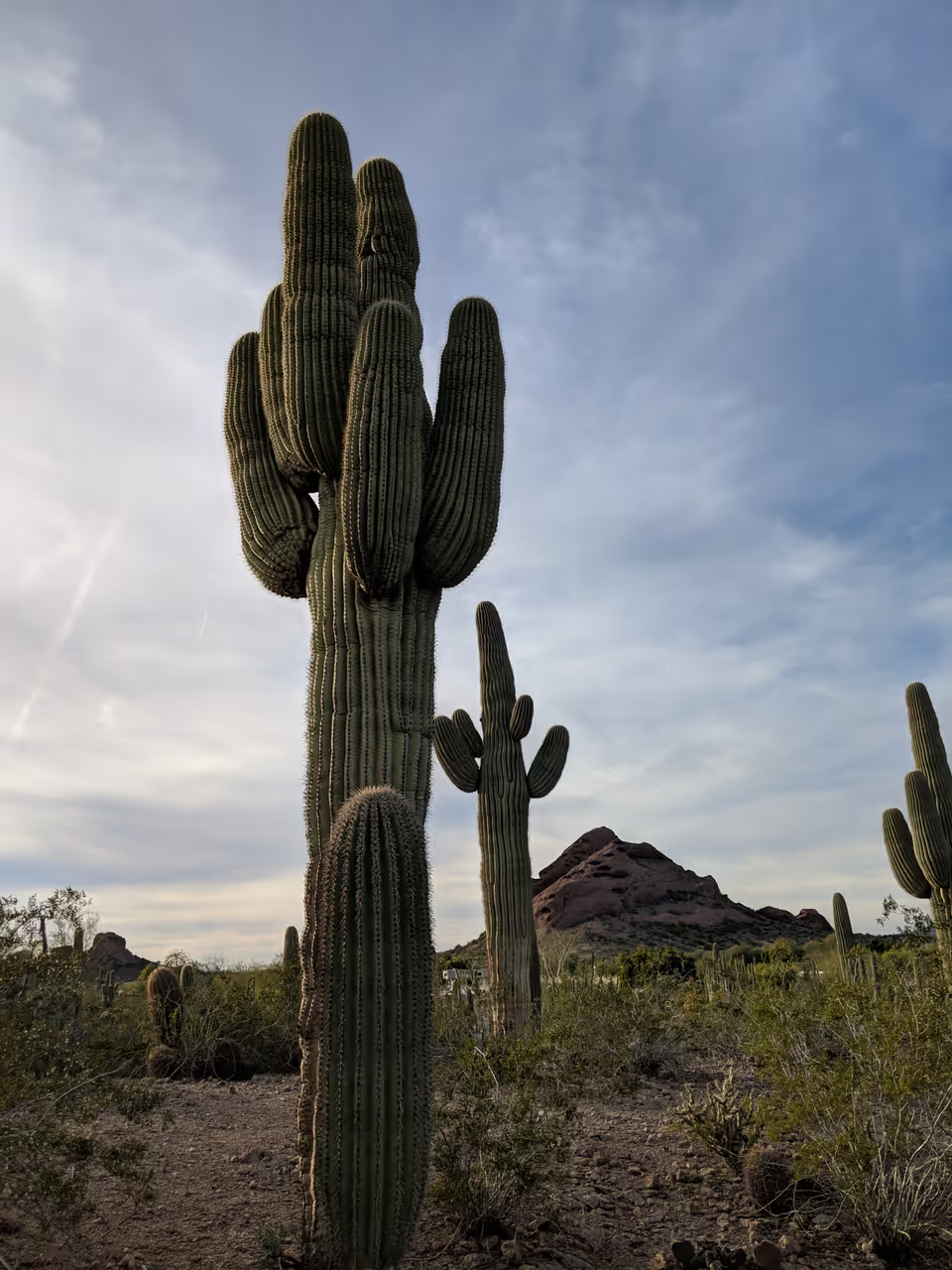 1149m
1149mDesert Botanical Garden
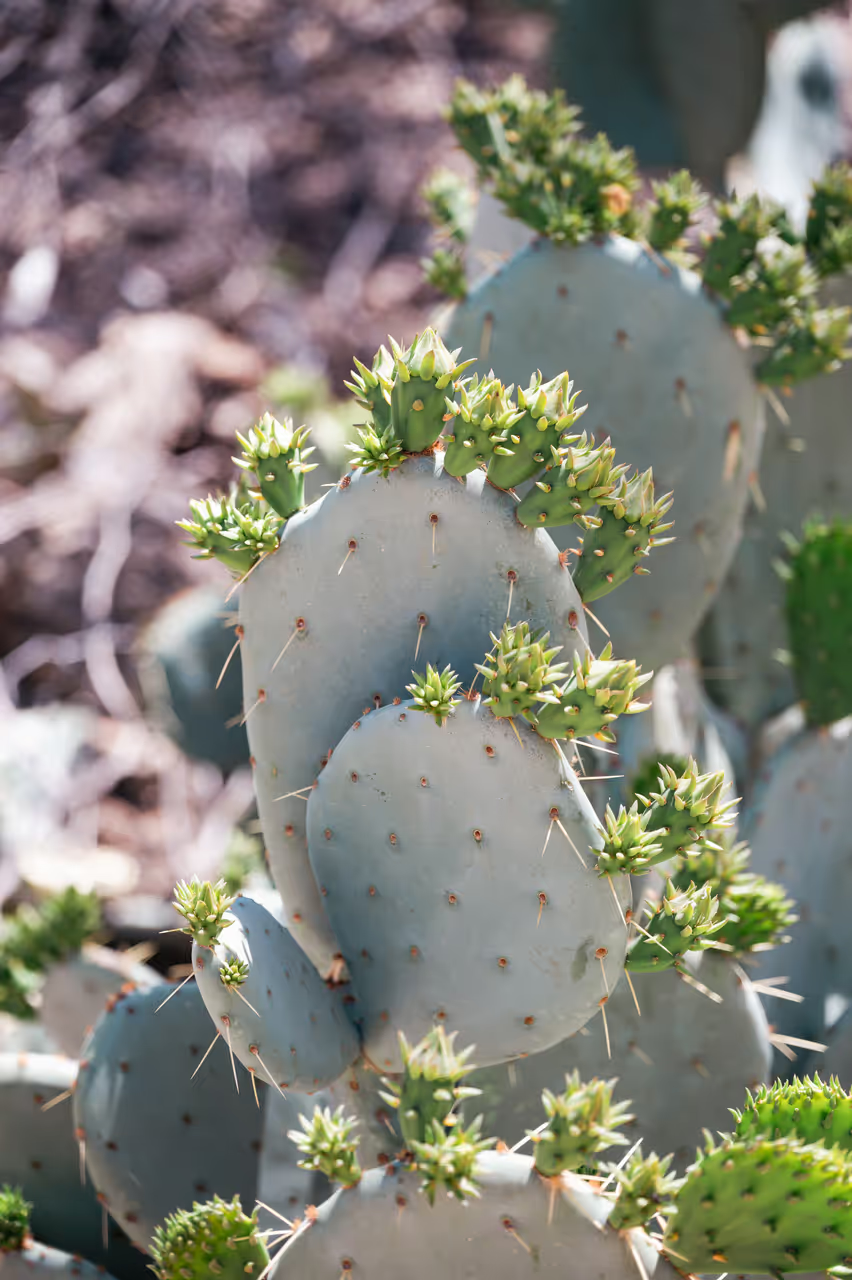
The Desert Botanical Garden is a vibrant sanctuary where the harsh beauty of the Sonoran Desert is masterfully curated into a living gallery. Spanning 140 acres, it offers a tranquil escape from the urban landscape, allowing visitors to walk among over 50,000 plants, including rare cacti and succulents from around the globe. Whether you are wandering through the butterfly pavilion or admiring the sculptural forms of giant saguaros, the atmosphere is one of serene wonder. It is a place that celebrates the resilience of desert life and provides an educational window into one of the world's most misunderstood ecosystems. Visiting here is an essential experience for anyone wanting to truly connect with the unique spirit of Arizona.
attraction view
Explore Similar Places in This Collection



Featured on These Itineraries and Routes



5 Days in Phoenix Itinerary
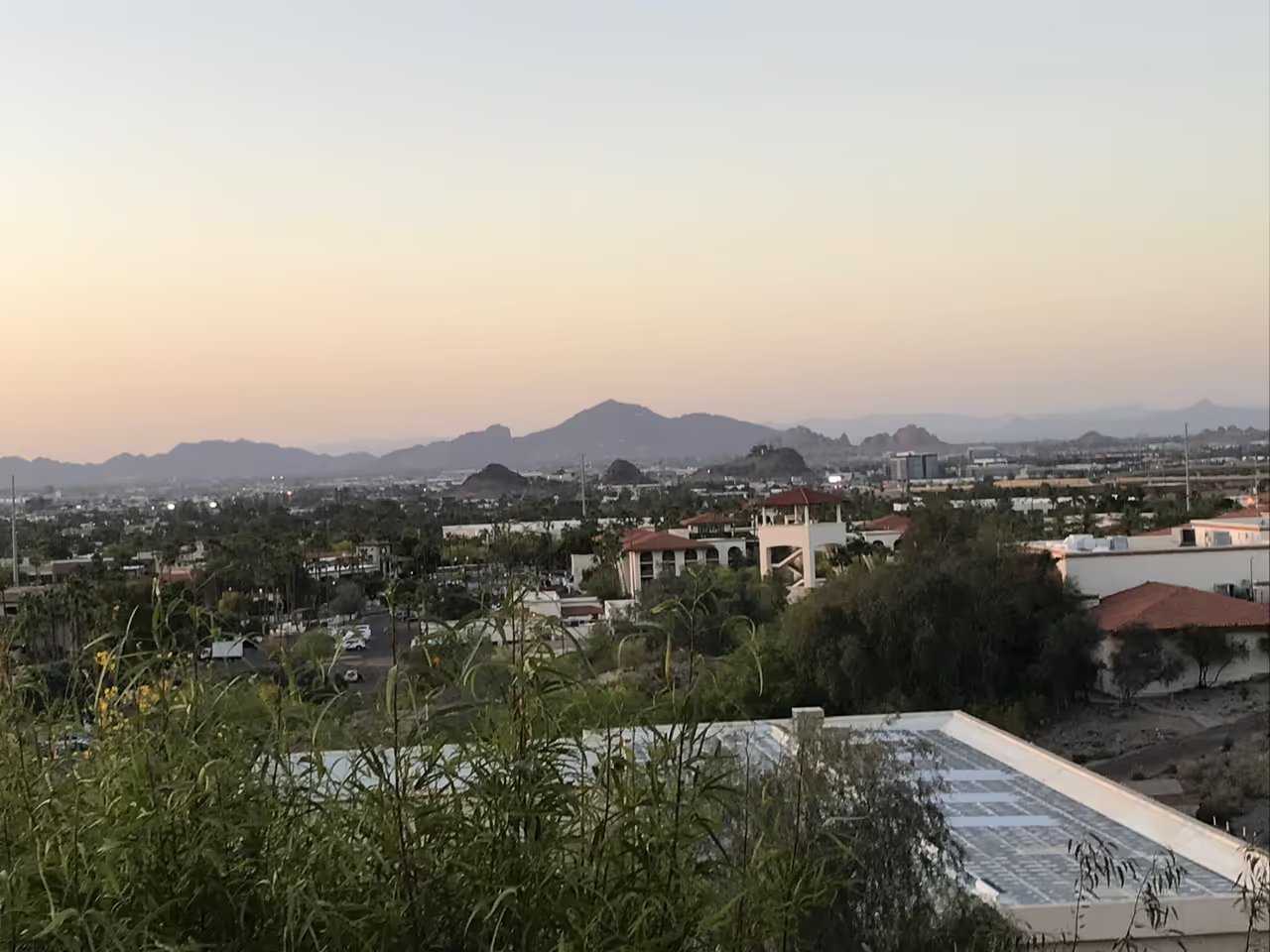
This extensive five day plan ensures visitors experience absolutely everything the magnificent valley has to offer. It dives heavily into specific architectural tours, profound scientific exploration, and deeply authentic local culinary traditions. The extended timeframe allows for incredibly immersive outdoor adventures without ever feeling rushed. It serves as the ultimate, highly rewarding guide for a complete Southwestern holiday.
view itinerary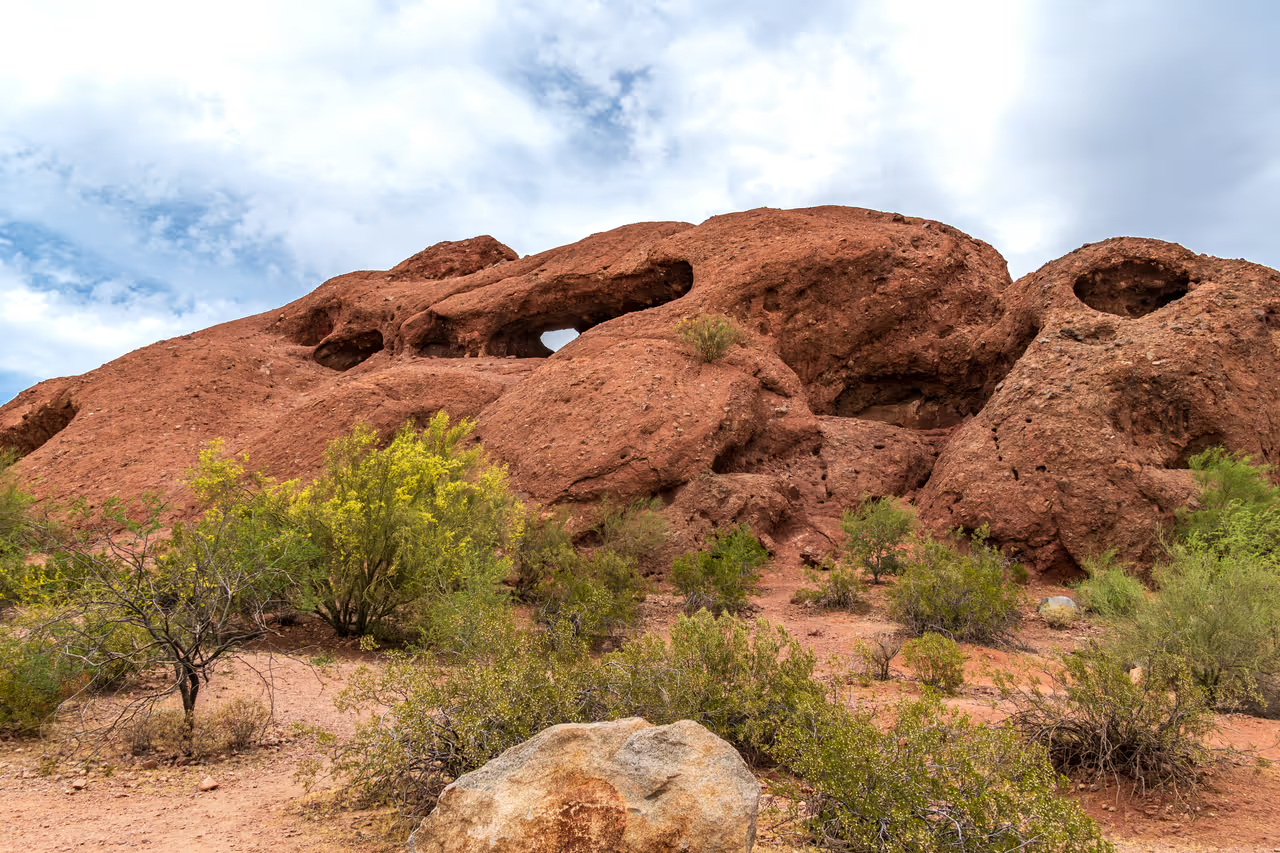
Papago Park Loop
This magnificent route winds through the striking red sandstone buttes that define the eastern edge of the city. The paved paths provide a smooth surface, making it highly accessible for casual cyclists and families. Riders pass directly alongside major cultural attractions set within the desert landscape. The distinctive geological formations create a highly dramatic and memorable backdrop for a morning ride. It offers a wonderful blend of natural beauty and easy riding.
view cycling routeDesert Botanical Garden Walk
This tranquil stroll meanders through one of the most spectacular collections of arid plants in the world. The carefully curated paths showcase the incredible diversity and brilliant colours of desert flora. Walkers are surrounded by towering saguaros, delicate succulents, and vibrant seasonal wildflowers. The meticulously maintained trails provide an immersive educational experience in a deeply peaceful setting. It offers a wonderful opportunity to appreciate the subtle beauty of the desert ecosystem.
view walking route
See all attractions in Phoenix
Desert Botanical Garden, Musical Instruments Museum, Arizona Science Center, Chase Field, Hall of Flame Museum of Firefighting, Heard Museum, Phoenix Art Museum...