Inokashira Park
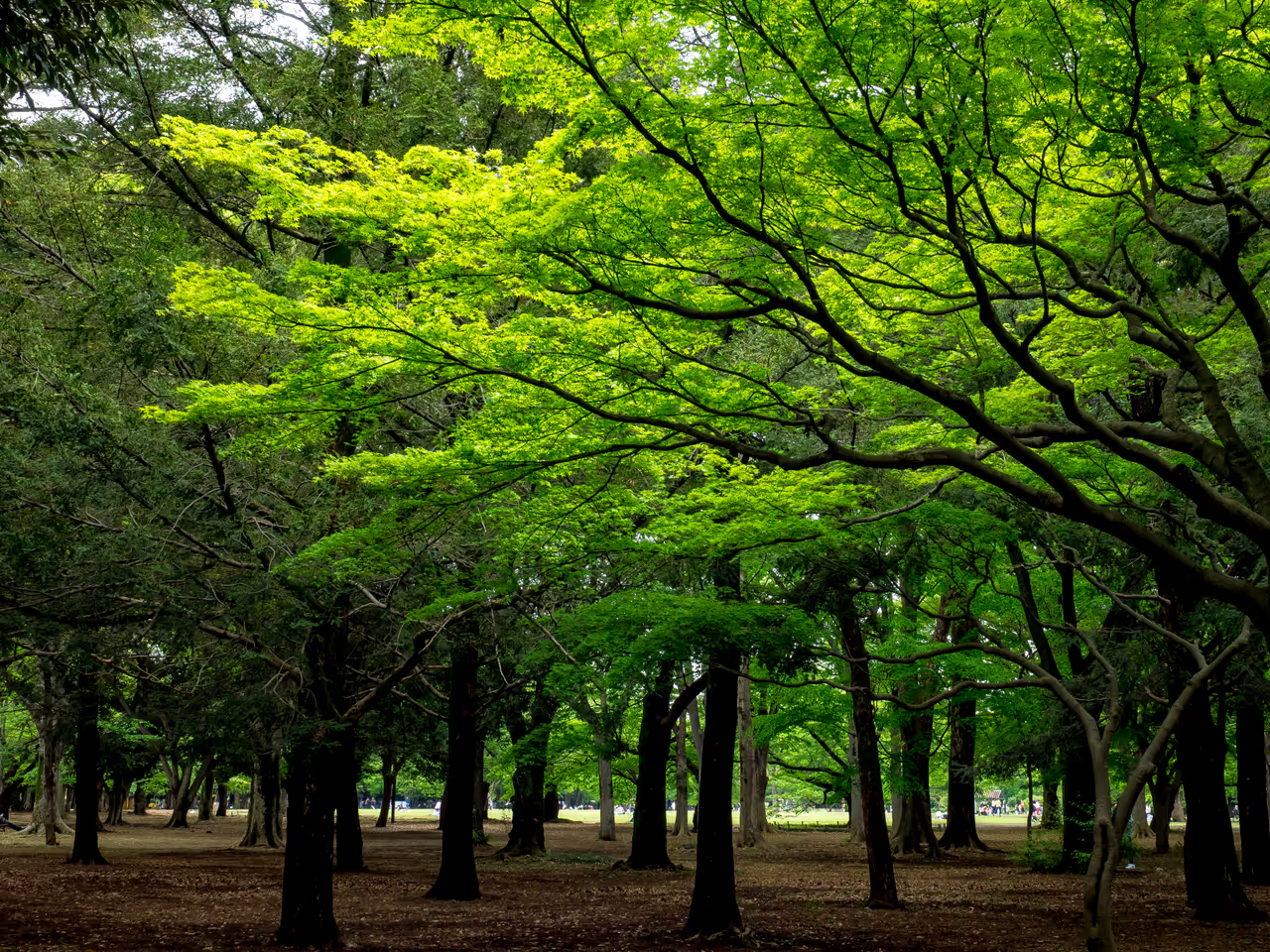
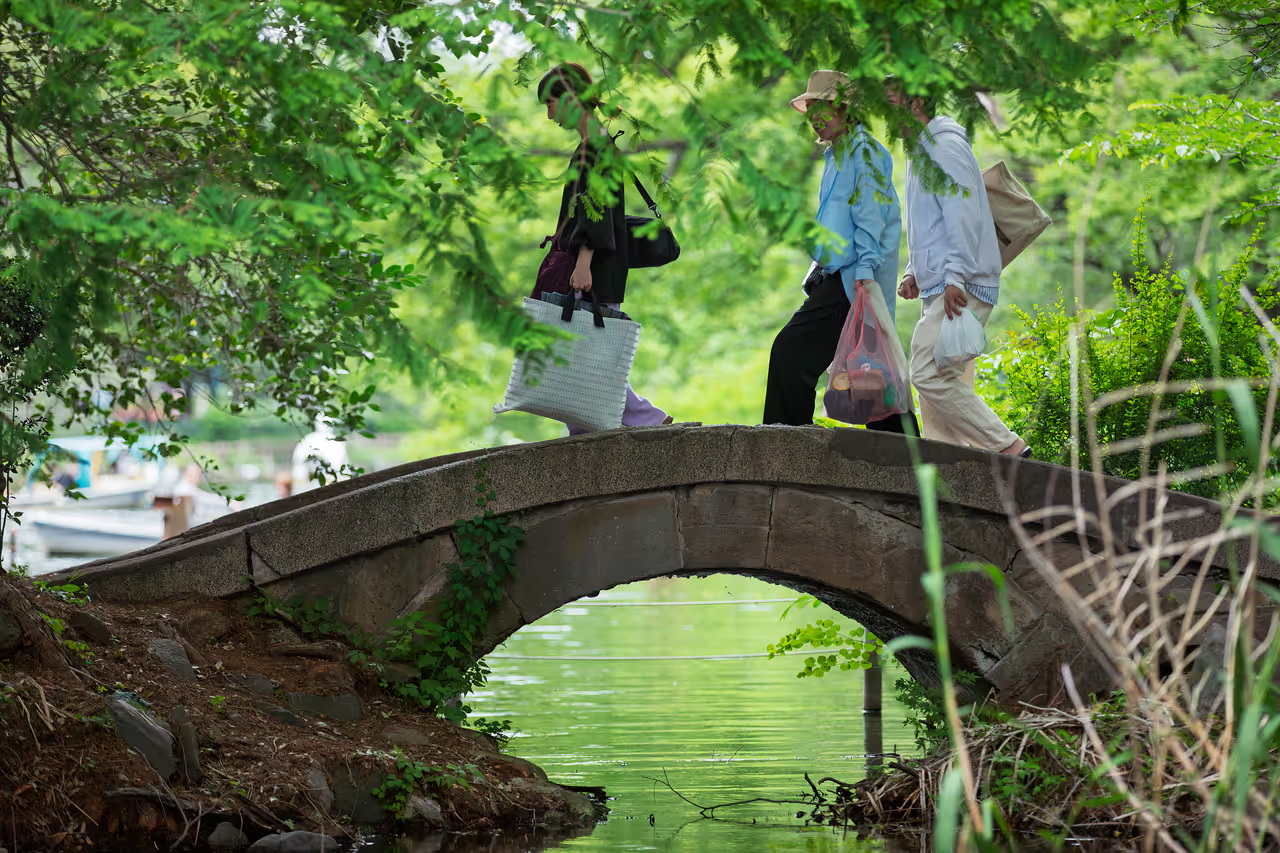
Step into Inokashira Park and discover a serene sanctuary that defines the character of Western Tokyo. This beloved urban oasis offers a tranquil escape where visitors can drift on swan boats across the iconic central pond or wander beneath the canopy of trees that paint the landscape with seasonal colours. As the first suburban park in Japan, it holds a special place in the heart of the city, blending historical shrines with modern leisure and vibrant creative energy. Whether you are strolling through the cherry blossoms in spring or enjoying the crisp air of autumn, the park provides an intimate glimpse into local life. It is a living, breathing cultural landmark where nature and community thrive in harmony.
Videos
History of Inokashira Park
Inokashira Park occupies a central role in the narrative of Tokyo, rooted deeply in the history of the Tokugawa Shogunate. Legend suggests that Shogun Tokugawa Iemitsu, impressed by the purity of the water, named the site Inokashira, or the head of the well, and carved the name into a tree himself. This area served as a crucial source for the Kanda River, providing water for the city during the Edo period. The Benzaiten Shrine, which stands on the island in the pond, became a significant spiritual anchor, attracting pilgrims and visitors who sought peace at the water's edge. Throughout the centuries, the site evolved from a sacred imperial hunting ground and water source into a public recreational space. In 1917, the park opened its gates as the first suburban park in Japan, marking a progressive step towards creating public leisure spaces for the urban population. This transformation cemented the park as a vital green lung for the expanding city, offering a necessary respite from the density of urban life. Over the decades, it grew to include amenities like the zoo and various cultural facilities, becoming a beloved destination for residents of all ages. Today, the park is defined by a unique spirit of environmental stewardship and community engagement. Following decades of pollution, a massive grassroots movement known as the Kaibori project involved locals draining the pond to restore its ecosystem, successfully reviving native species and water quality. This dedication to conservation reflects the deep connection between the residents and their park. From hosting the Ghibli Museum to nurturing local artists at the weekend markets, the park serves as a hub of creativity, ensuring that its historical legacy continues to inspire future generations.
Events spanning 99 years
Fun Facts
- • A local urban legend suggests that couples who ride the swan boats on the pond together are destined to break up, though this has never stopped thousands of pairs from enjoying the water.
- • During the Edo period, the surrounding forest was strictly protected by the shogunate as an imperial hunting ground, preserving the natural beauty that visitors enjoy today.
- • Inokashira Park is home to a portion of the West Park area, which houses the world famous Ghibli Museum, a site dedicated to the beloved animation studio.
- • Shogun Tokugawa Iemitsu is said to have visited the area and been so impressed by the water quality that he named it Inokashira, which translates to the head of the well, and carved the name into a tree.
- • The Kaibori project is a unique environmental initiative where volunteers drain the pond periodically to remove invasive species and clean the water, an effort that successfully revived native aquatic life.
- • The park contains the Kitamura Seibo Sculpture Hall, housing the original plaster mold of the famous Peace Statue located in Nagasaki.
- • The park features the Inokashira Benzaiten Shrine, an ancient religious site with deep roots in local history that was later rebuilt by the Tokugawa Shogunate.
- • The park has appeared in countless novels, television dramas, and films, cementing its status as a cultural icon for the residents of Tokyo.
- • The park is officially recognised as one of the 100 Best Cherry Blossom Spots in Japan, drawing massive crowds during the spring season.
- • The pond serves as the primary source of the Kanda River, which flows through the heart of Tokyo.
RESOURCES
Official WebsiteInokashira Park FAQ
While we strive to keep this information accurate and up to date, we recommend verifying any details independently before making decisions based on them.
Inokashira Park Map & Neighborhood Explorer
This interactive map is centered on Inokashira Park. Zoom in and move the map around to automatically discover Wikipedia photos and summaries of other nearby sights, monuments, and historical points of interest and stories in real-time!
Places near Inokashira Park
Make the most of your trip. Check out these top-rated spots located nearby.
 8680m
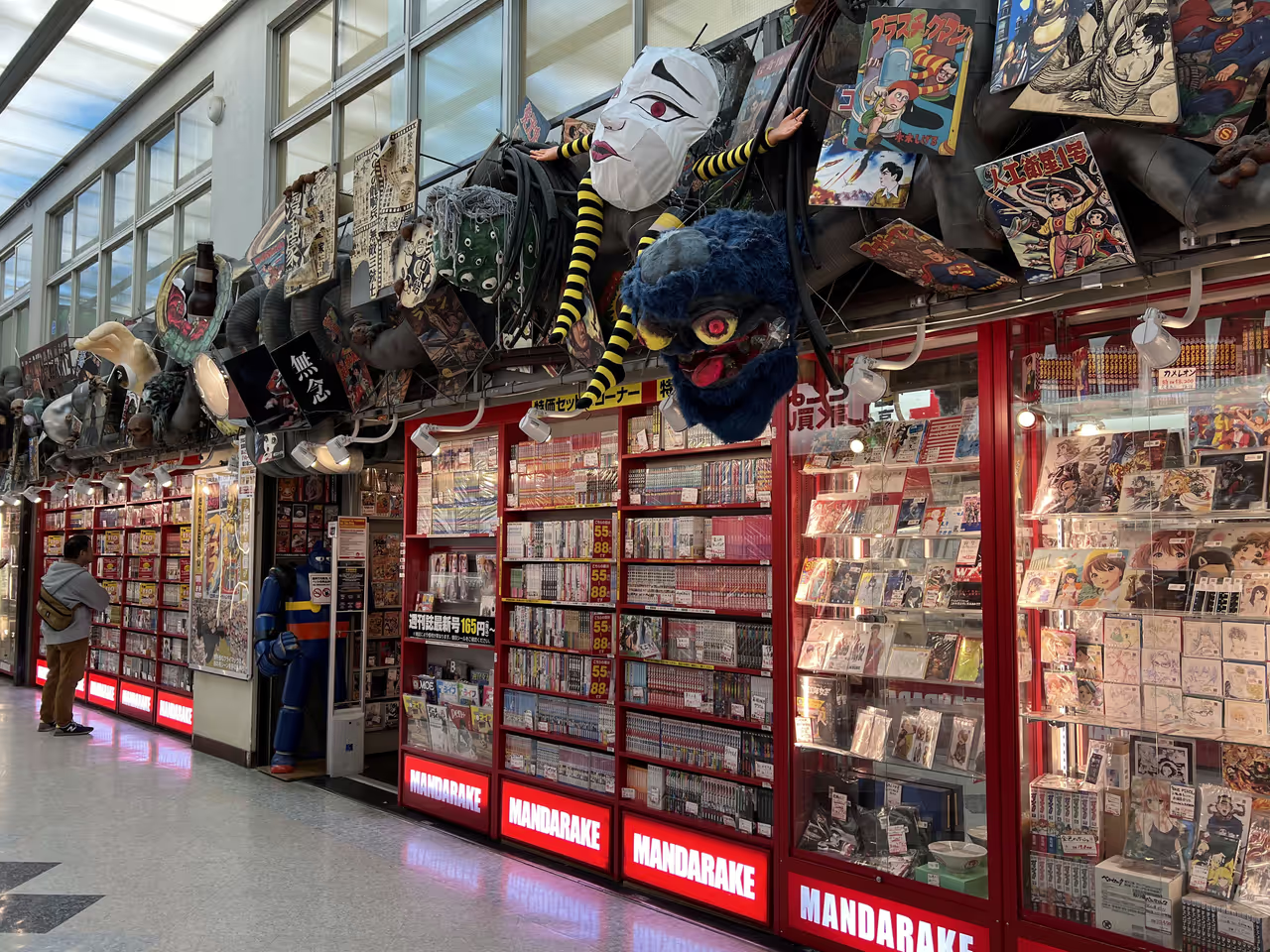
8680mNakano Broadway
An intricate multi level shopping arcade revered as a sanctuary for collectors of rare anime, manga, and vintage toys. The maze like corridors are filled with highly specialised shops catering to deep niche interests from vintage watches to animation cels. It offers a slightly more authentic and less tourist heavy alternative to the gleaming towers of Akihabara. The complex feels wonderfully retro retaining much of its original Showa era architectural charm. It is an absolute treasure hunt for anyone passionate about Japanese pop culture history.
highlight view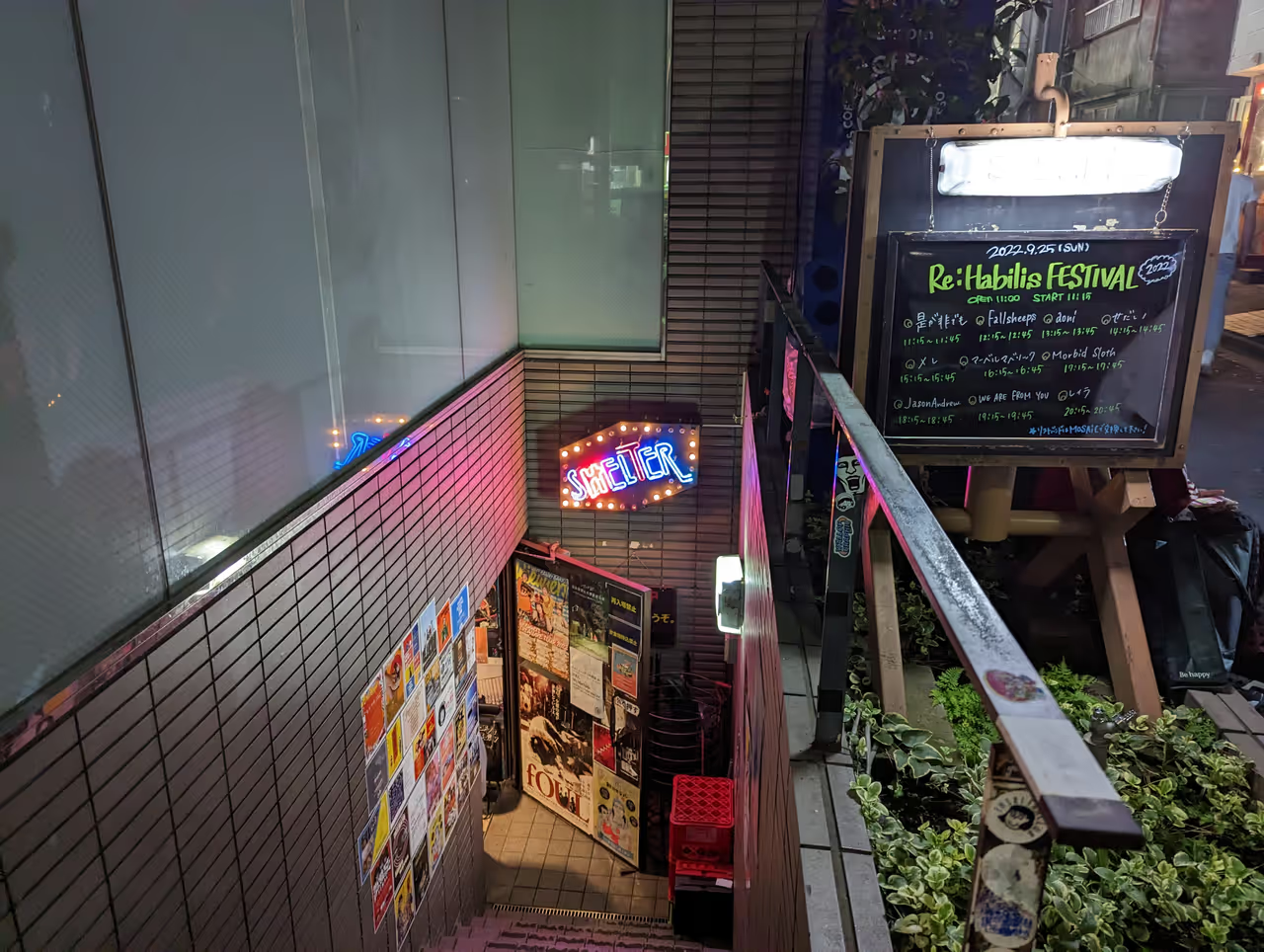 9629m
9629mShimokitazawa Nightlife
A bohemian enclave defined by its indie music scene, vintage aesthetic, and relaxed creative spirit. The narrow car free streets are lined with quirky dive bars, tiny live music houses, and unconventional cafes. It serves as the launching ground for many local bands providing an authentic underground music experience. The crowds here are artistic and unpretentious enjoying a highly communal and laid back drinking culture. It provides a refreshing contrast to the polished commercialism found in the central business districts.
nightlife view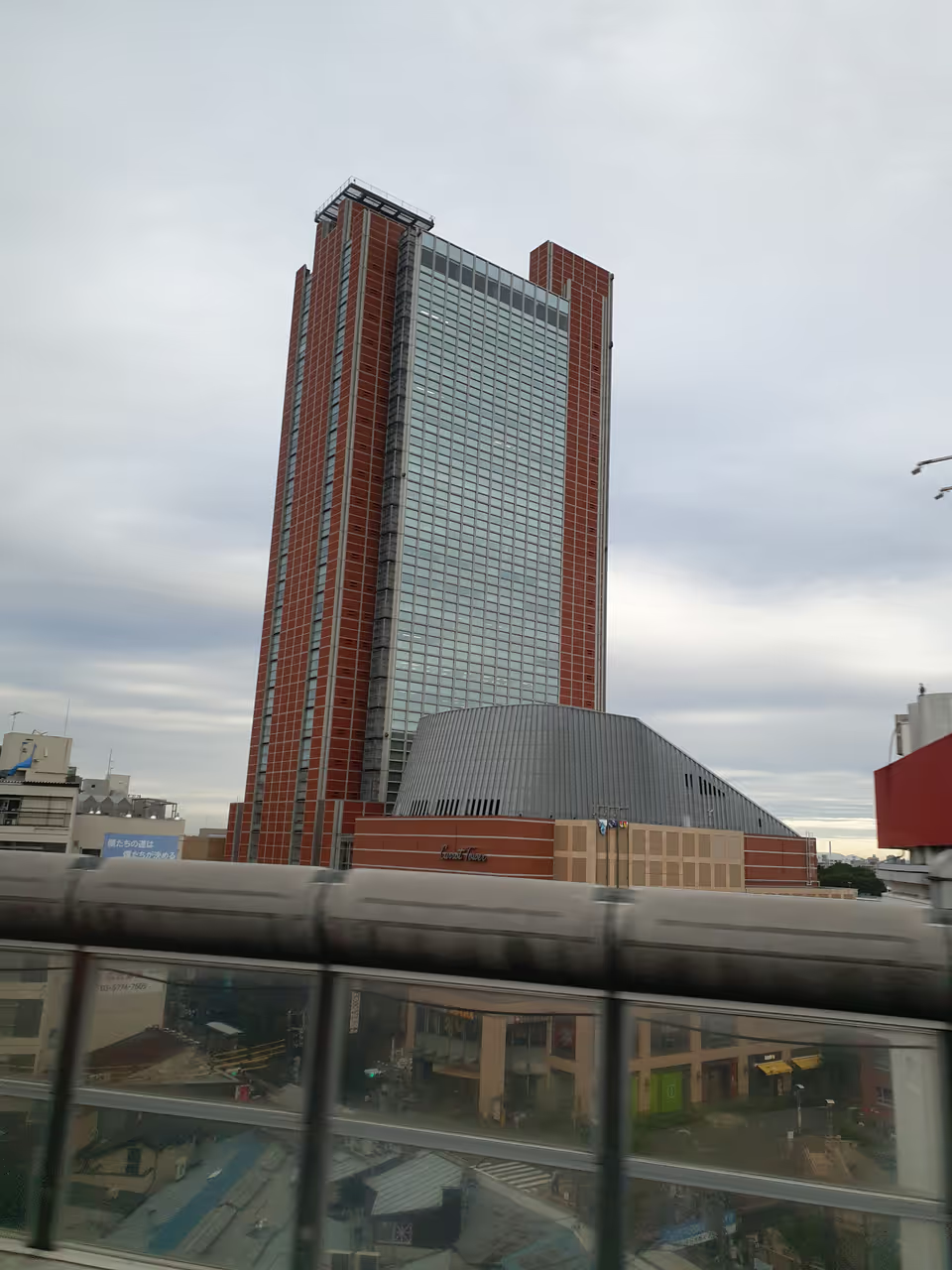 10815m
Carrot Tower Observation Deck
Situated in a relaxed suburban ward this orange brick tower offers a very different perspective of the capital. The viewing area faces outwards towards the endless residential sprawl stretching towards Yokohama providing a profound sense of the true size of the urban area. The atmosphere is extremely peaceful largely frequented by locals enjoying a quiet afternoon. A comfortable restaurant shares the floor allowing visitors to relax with a drink while enjoying the scenery. It is a wonderful detour for those exploring the charming western neighbourhoods.
viewpoint view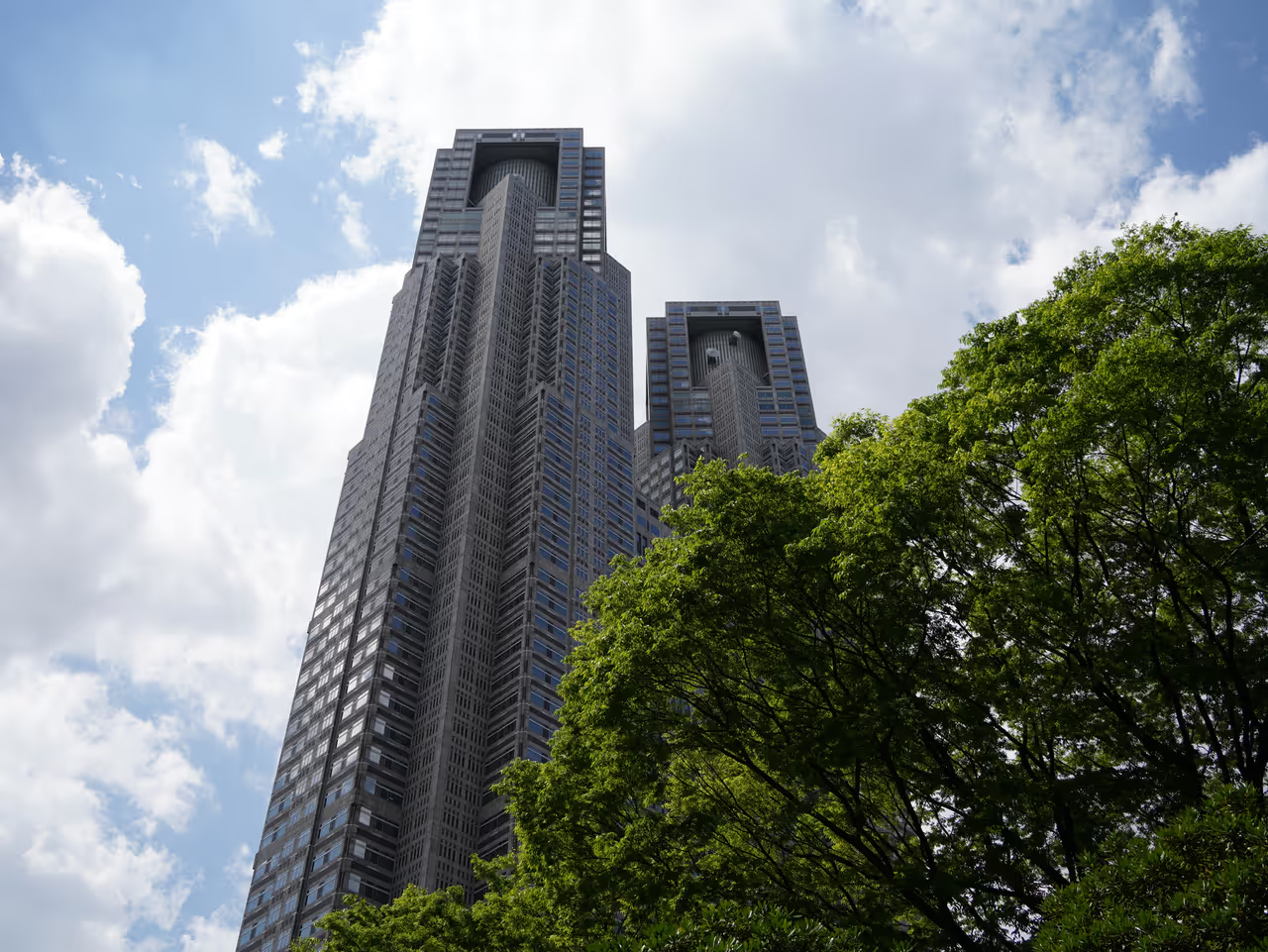 11009m
Tokyo Metropolitan Government Building
A monumental twin towered complex that dominates the western skyline standing as a striking symbol of civic authority. The design heavily references the aesthetic of computer microchips and traditional Gothic cathedrals simultaneously. It was designed by the legendary architect Kenzo Tange and remains one of the tallest municipal buildings globally. The imposing granite and glass structure perfectly captures the ambitious economic boom era of the late twentieth century. It is a breathtaking example of structural engineering operating seamlessly on a massive scale.
architecture view
See all nature & parks in Tokyo
Koishikawa Korakuen, Rikugien Gardens, Shinjuku Gyoen National Garden, Ueno Park, Yoyogi Park, Hama-rikyu Gardens...