Verona Cathedral
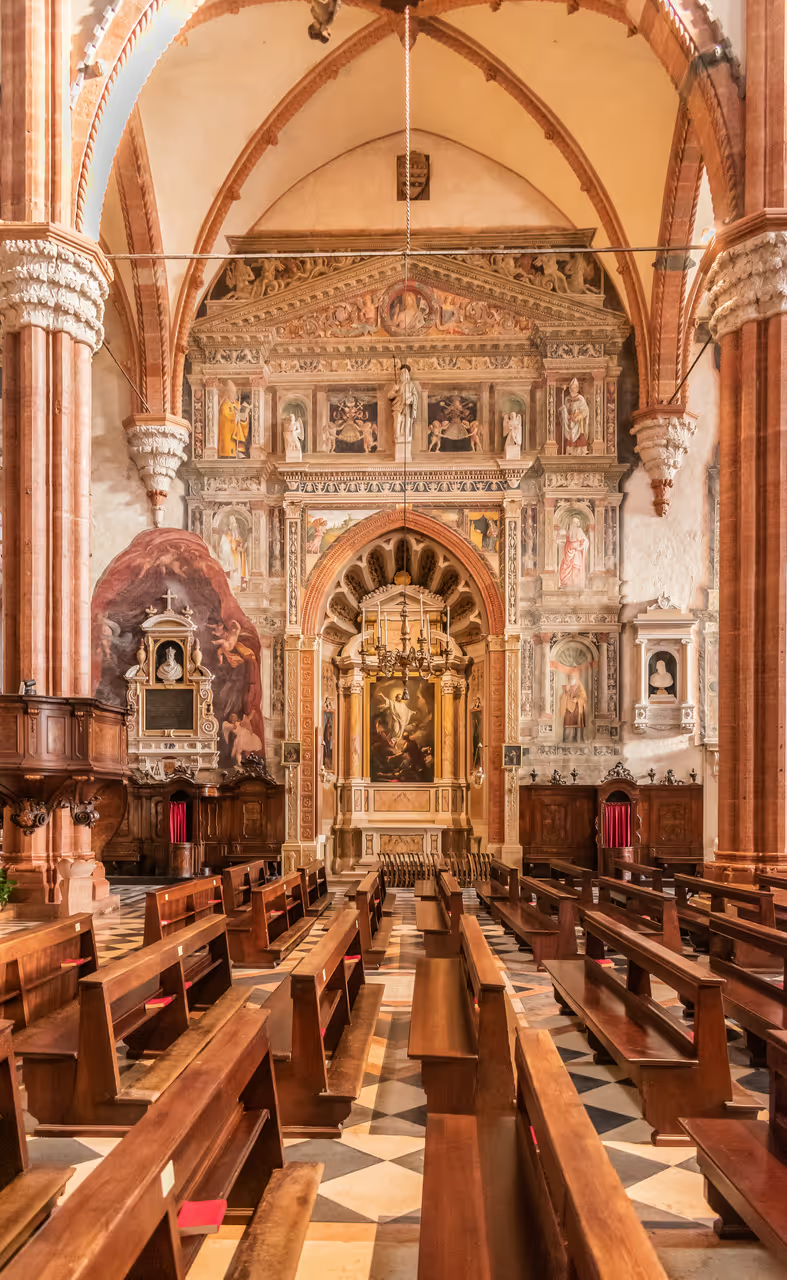
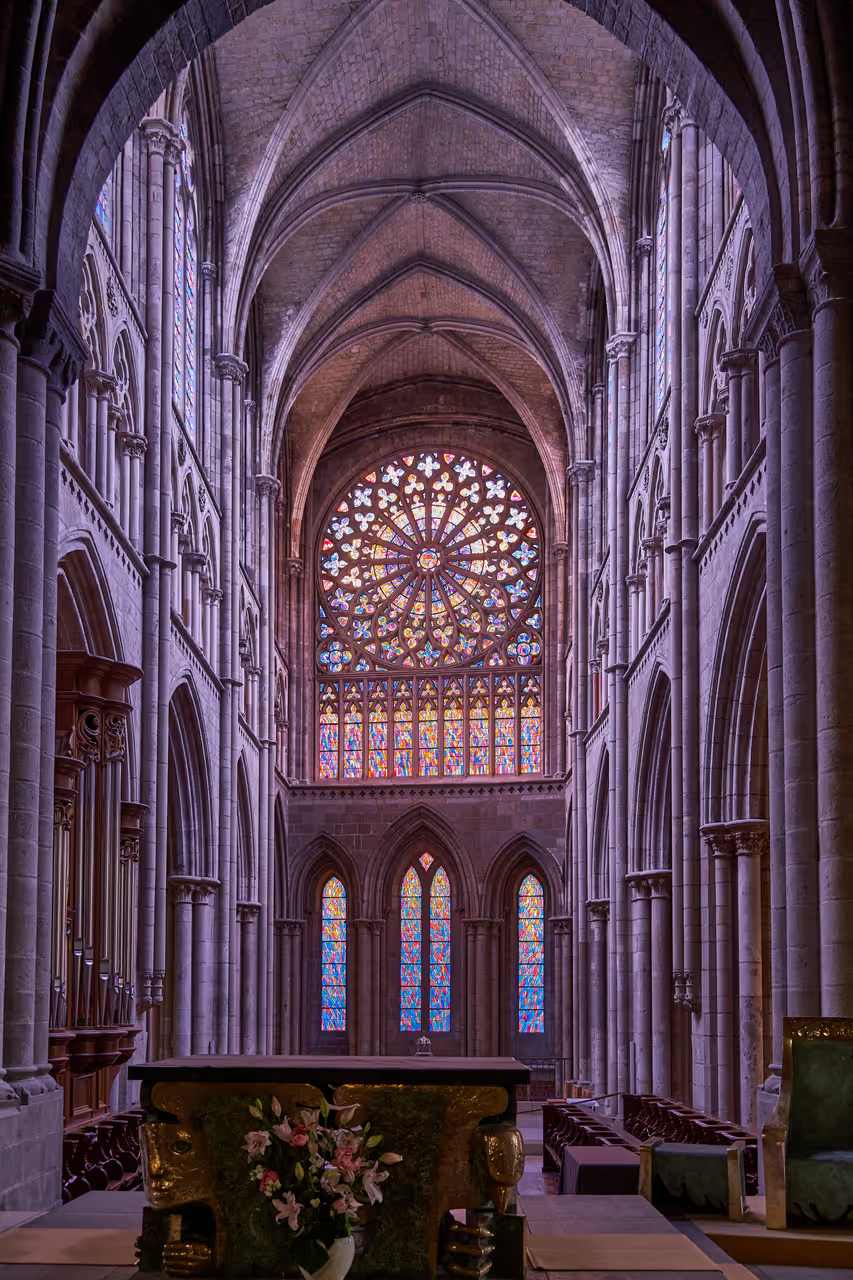
Nestled within the heart of Verona, the Cattedrale di Santa Maria Assunta is a breathtaking tapestry of architectural history. It serves as a living timeline, tracing its roots back to the fourth century. As you step inside, the soaring Gothic pillars draw your eyes upward, contrasting beautifully with the solid Romanesque exterior and the elegant Renaissance interior. The space is a sanctuary of art, featuring masterpieces like Titian's Assumption of the Virgin and intricate works by Michele Sanmicheli. Visitors are invited to explore a sprawling complex that includes an ancient baptistery and hidden courtyards, offering a peaceful retreat from the busy city streets. It is an essential stop for anyone wanting to feel the true pulse of Verona's long and storied past.
Videos
History of Verona Cathedral
The story of Verona Cathedral is a tale of resilience and artistic evolution. Long before the current structure graced the skyline, the site was home to a complex of paleochristian basilicas as far back as the fourth century. These early churches were eventually ravaged by a massive earthquake in 1117, an event that reshaped the city's architectural identity. From the ruins, the Romanesque cathedral rose, establishing a sturdy and enduring presence that serves as the foundation for the building we admire today. Generations of architects and artists continued to refine the space, layering Gothic and Renaissance styles atop the original Romanesque core. The cathedral became a canvas for the greatest masters of the era, attracting visionaries like Michele Sanmicheli, who reimagined the choir area, and Francesco Torbido, whose frescoes brought biblical scenes to vibrant life. The interior became a showcase of the city's growing wealth and cultural sophistication, with every pillar and altar telling a story of local patronage. This site is more than just a church; it is a repository of European history. From the return of stolen masterpieces like Titian's paintings after the Napoleonic campaigns to the enduring legacy of the local canons who kept the library and archives, the cathedral remains the spiritual and cultural anchor of Verona. Every stone and painting here narrates a chapter of the city's journey through the centuries, inviting you to connect with the generations of Veronese people who have walked through these doors.
Events spanning 1517 years
Fun Facts
- • Architect Michele Sanmicheli designed the elegant choir screen, which remains a prime example of Renaissance craftsmanship and refinement.
- • Beneath the nearby Church of Saint Elena, you can find the ruins of a fourth century mosaic floor, proving that this site has been a place of devotion for over sixteen hundred years.
- • Master sculptor Niccolò signed his name on the entrance portal in 1139, leaving a personal legacy that visitors still admire almost a thousand years later.
- • The cathedral archives are among the oldest in Europe, housing precious manuscripts that have survived wars and natural disasters since the early Middle Ages.
- • The cathedral is home to the stunning Assumption of the Virgin, an oil painting by Titian that was famously seized by French forces before being triumphantly returned to Verona.
- • The cathedral was originally part of a double cathedral complex, a unique architectural arrangement where two churches stood side by side to serve the religious community.
- • The complex is seamlessly connected to the Baptistery of San Giovanni in Fonte, where a massive baptismal font carved from a single block of marble still stands.
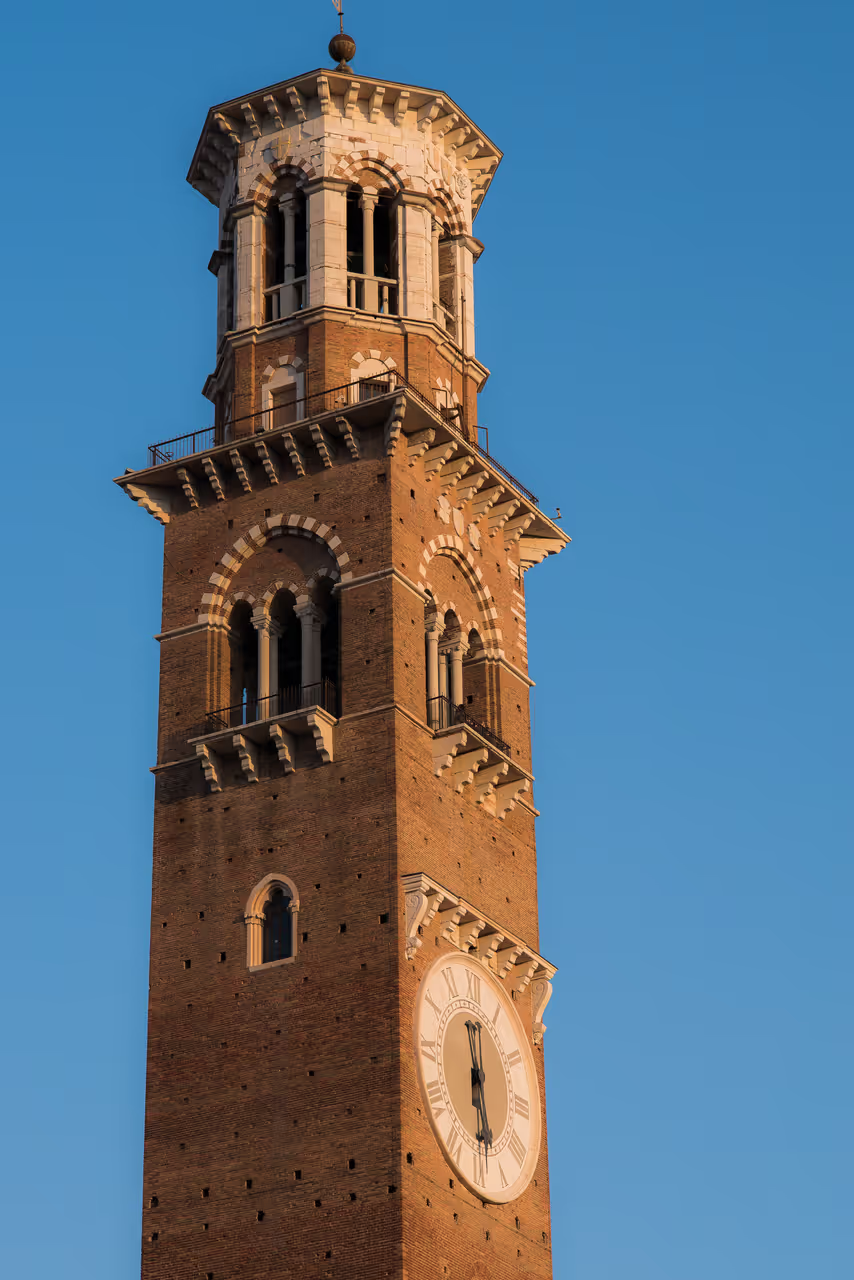
- • The majestic bell tower stretches seventy five metres into the sky, yet it remains incomplete because the planned decorative spire was never finished due to a lack of funds.
- • The organ in the cathedral has been a point of immense pride for centuries, with modern builders using original seventeenth century materials to restore its glorious sound.
- • The walls of the cathedral are constructed with alternating courses of local tuff stone and brick, a signature technique of the Romanesque style in the Veneto region.
RESOURCES
Official WebsiteVerona Cathedral FAQ
While we strive to keep this information accurate and up to date, we recommend verifying any details independently before making decisions based on them.
Verona Cathedral Map & Neighborhood Explorer
This interactive map is centered on Verona Cathedral. Zoom in and move the map around to automatically discover Wikipedia photos and summaries of other nearby sights, monuments, and historical points of interest and stories in real-time!
Places near Verona Cathedral
Make the most of your trip. Check out these top-rated spots located nearby.
 53m
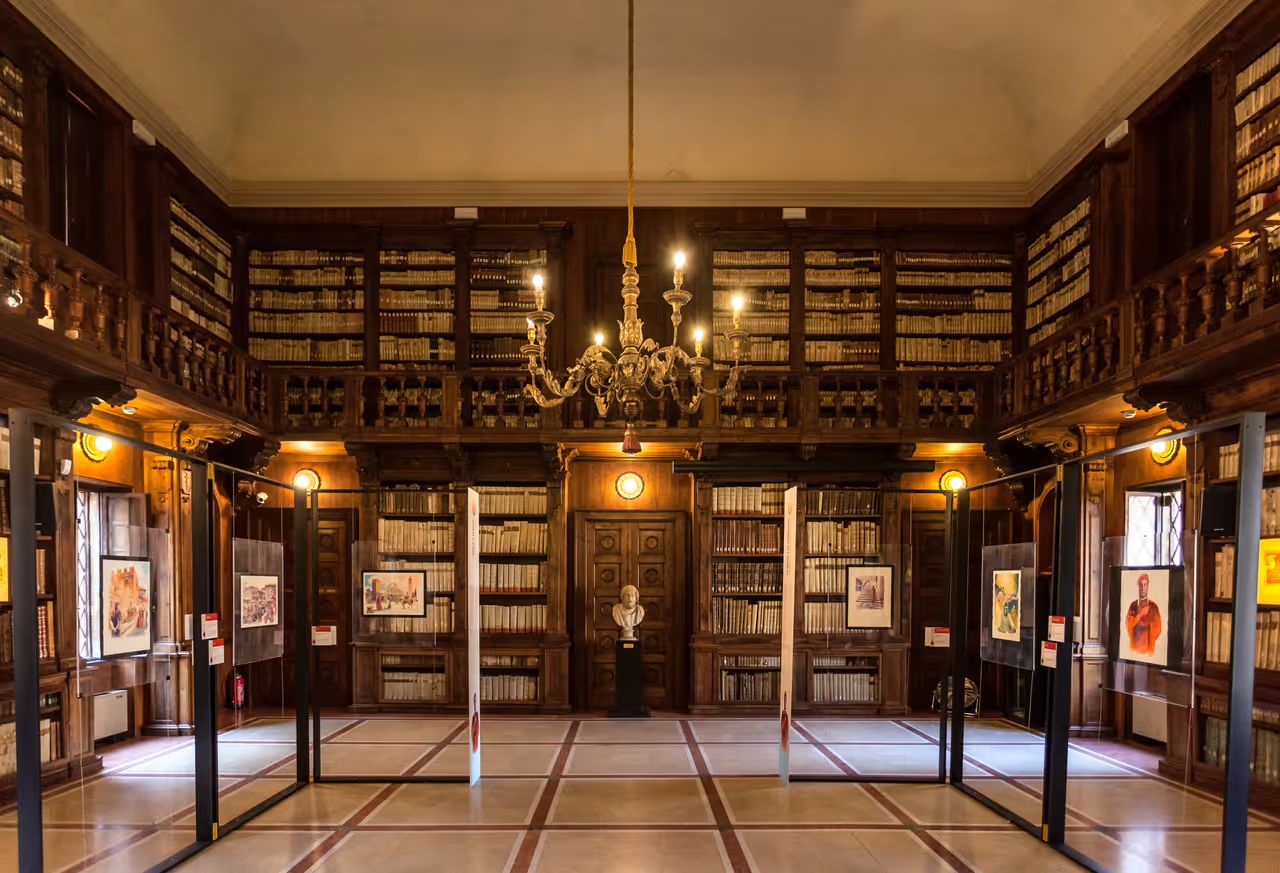
53mCapitol Library
Tucked away near the cathedral, this unassuming institution is revered by scholars as the oldest continuously functioning library in the world. Its hushed, wood panelled reading rooms hold priceless illuminated manuscripts, ancient legal texts, and documents detailing the earliest forms of the Italian language. Walking through its halls, you are surrounded by the profound weight of fifteen centuries of preserved human knowledge. Despite its monumental importance, it remains blissfully quiet and largely ignored by the crowds outside. It is a sanctuary of profound historical intimacy.
hidden gem view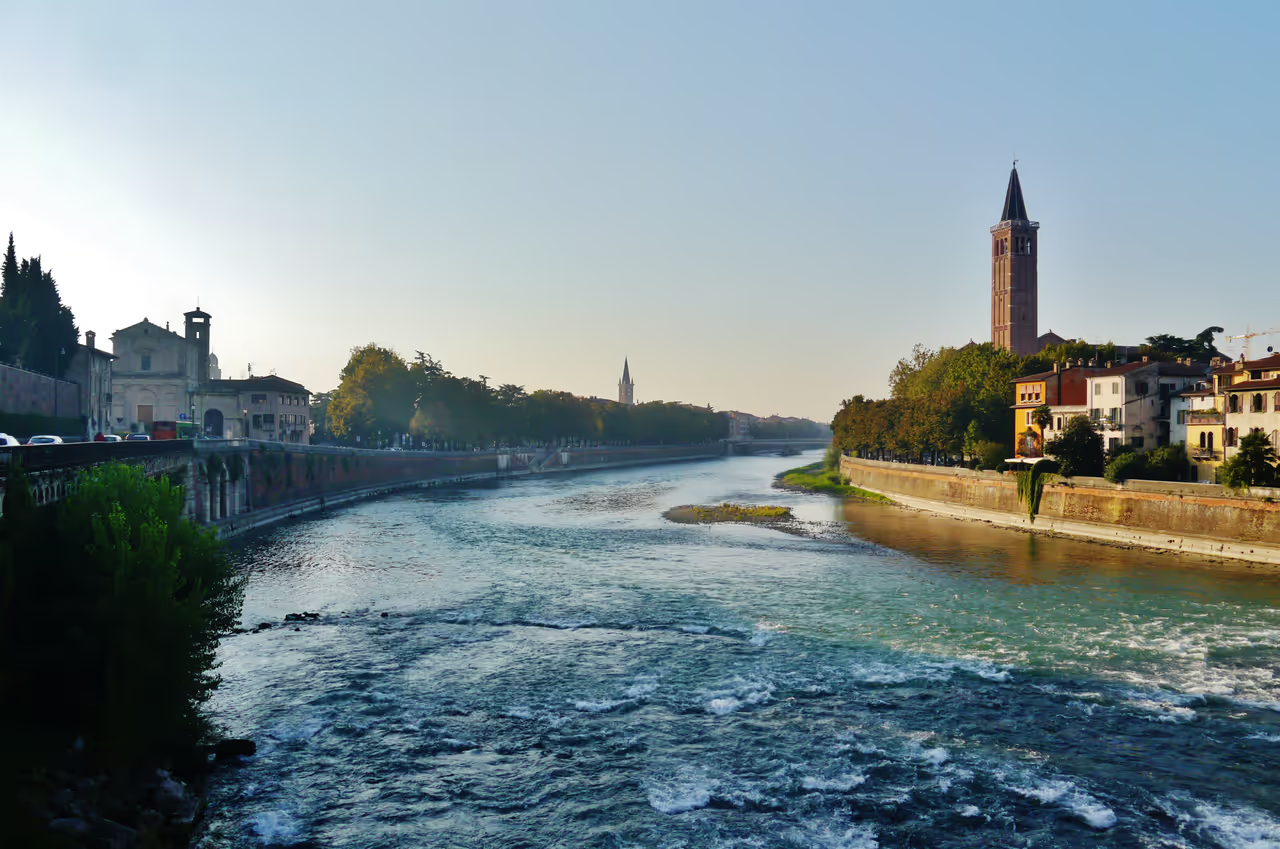 215m
215mStone Bridge Vistas
Standing at the midpoint of this ancient Roman bridge provides a dynamic, almost cinematic view of the city interacting with the rushing water. Looking upstream, the view encompasses the lush, green hillside and the archaeological remains of the Roman Theatre. Looking downstream, the eye is drawn along the colourful, terraced houses leaning over the high brick embankments. The sound of the river rushing through the arches adds a powerful sensory element to the stunning visual scenery.
viewpoint view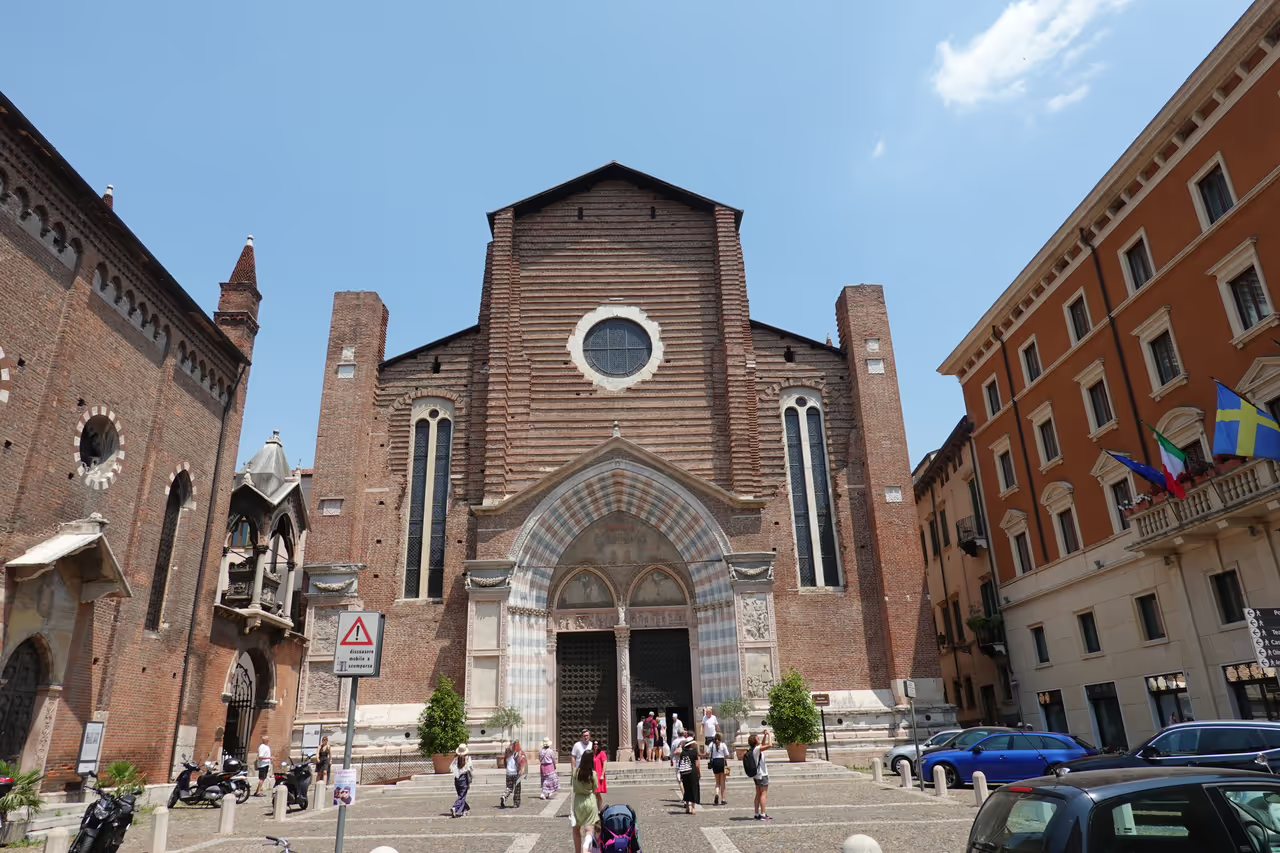 320m
320mChurch of Saint Peter Martyr
Located immediately next to the vast, imposing Basilica of Santa Anastasia, this tiny chapel is astonishingly easy to walk past without a second glance. Stepping inside, however, reveals a stunning, intimate space completely covered in vibrant early Renaissance frescoes. The walls depict scenes of knights, walled gardens, and vivid religious imagery, offering a masterclass in 14th century local art. The space is incredibly quiet and peaceful, providing a sudden, intense burst of colour away from the busy square. It serves as a perfect, bite sized piece of magnificent medieval art.
hidden gem view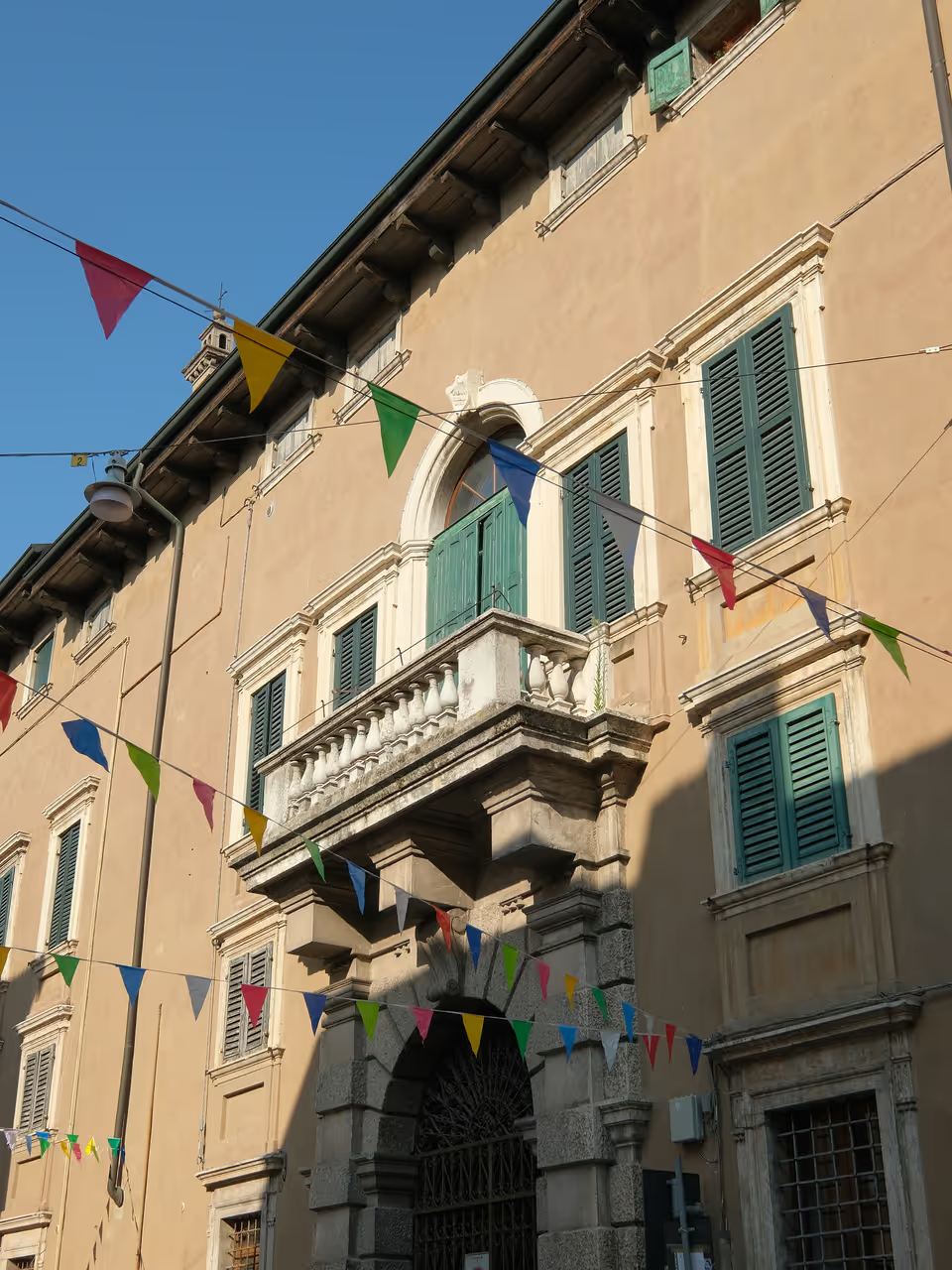 374m
374mCarega District
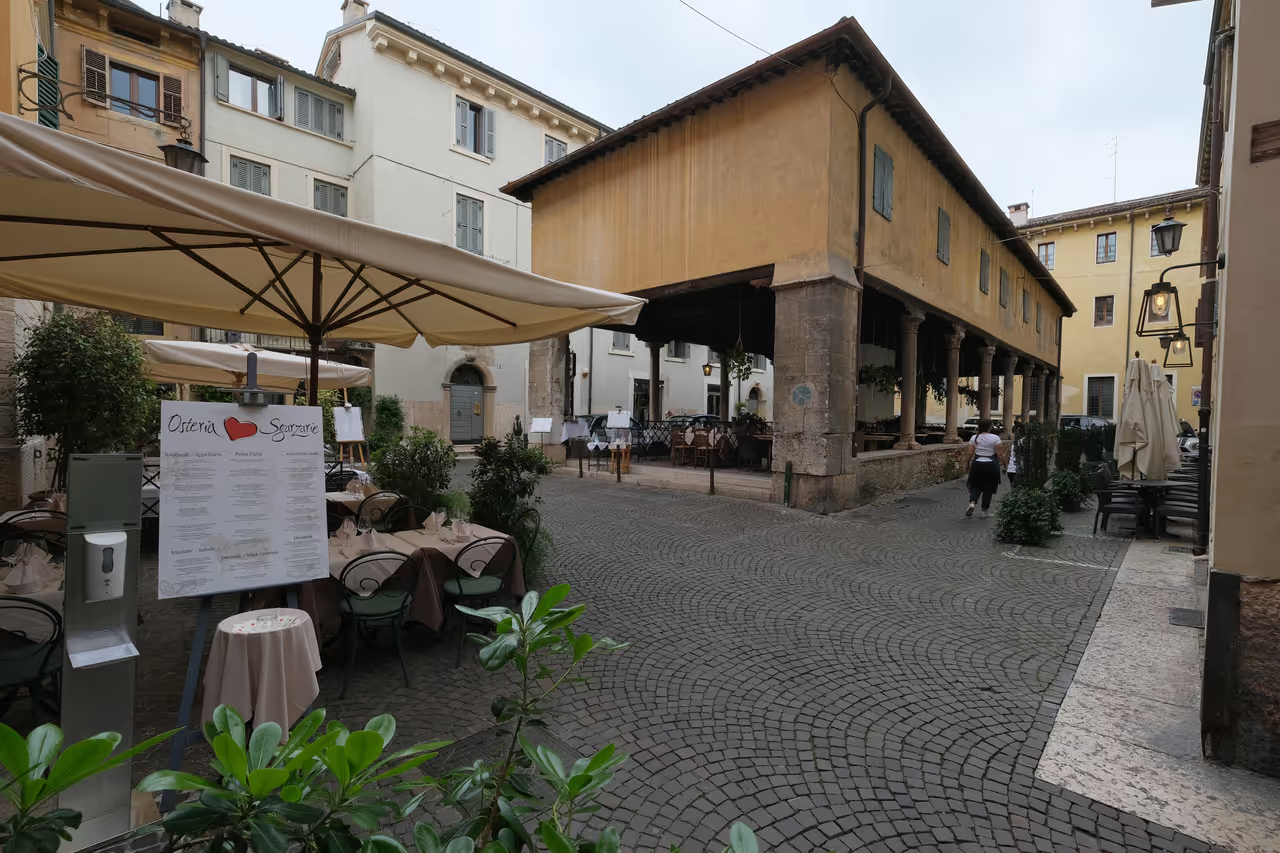
Tucked away in the narrow, cobblestone streets near the river, this compact neighbourhood offers a distinctly authentic and intimate nightlife experience. It is the heartland of the traditional Veronese 'osteria', where the focus is firmly on excellent local wine and hearty conversation. The crowds here are often a mix of professionals and artists who spill out of tiny, warmly lit bars onto the streets. It provides a welcoming, unpretentious atmosphere far removed from the polished tourist trails.
nightlife view
Explore Similar Places in This Collection
Featured on These Itineraries and Routes
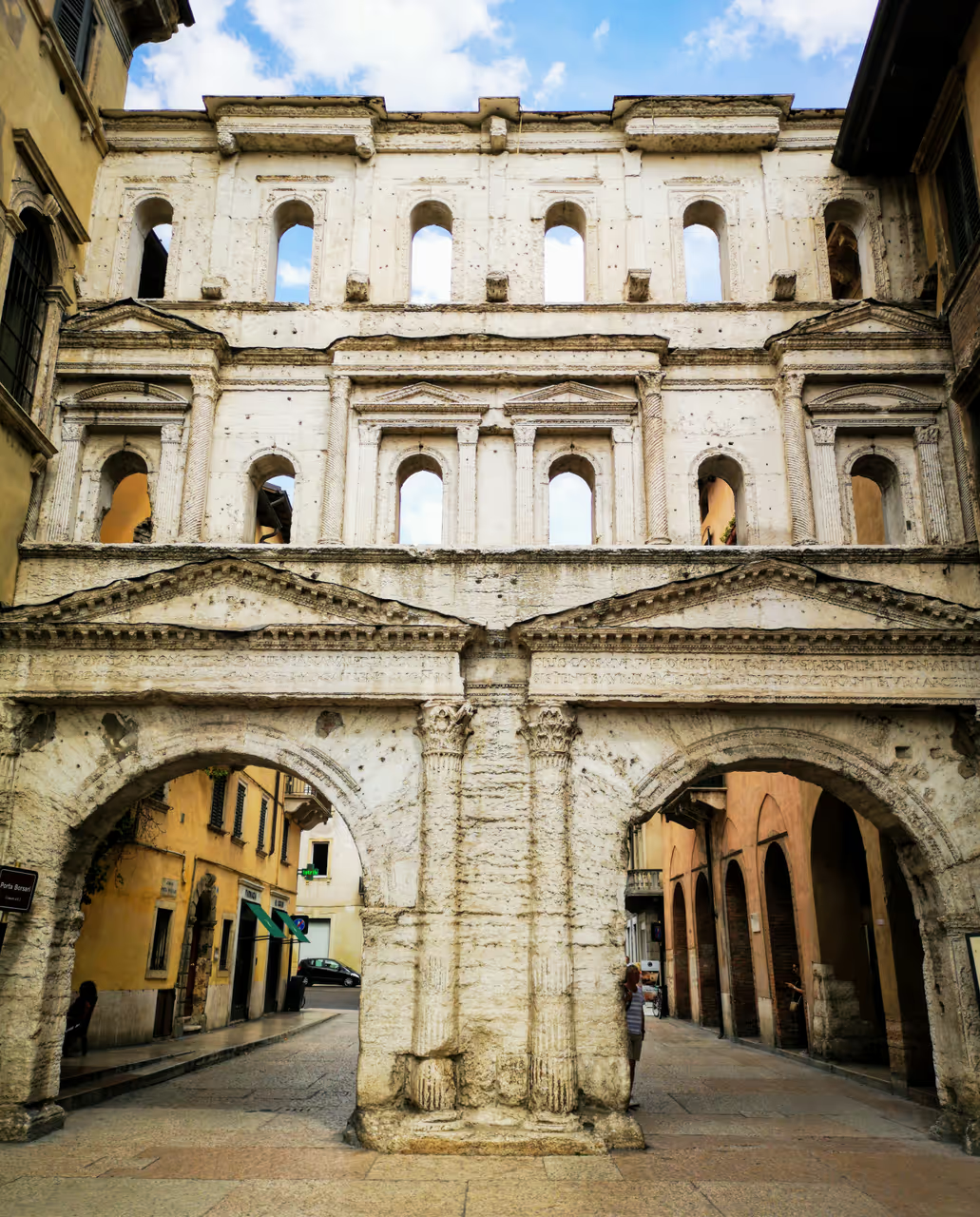
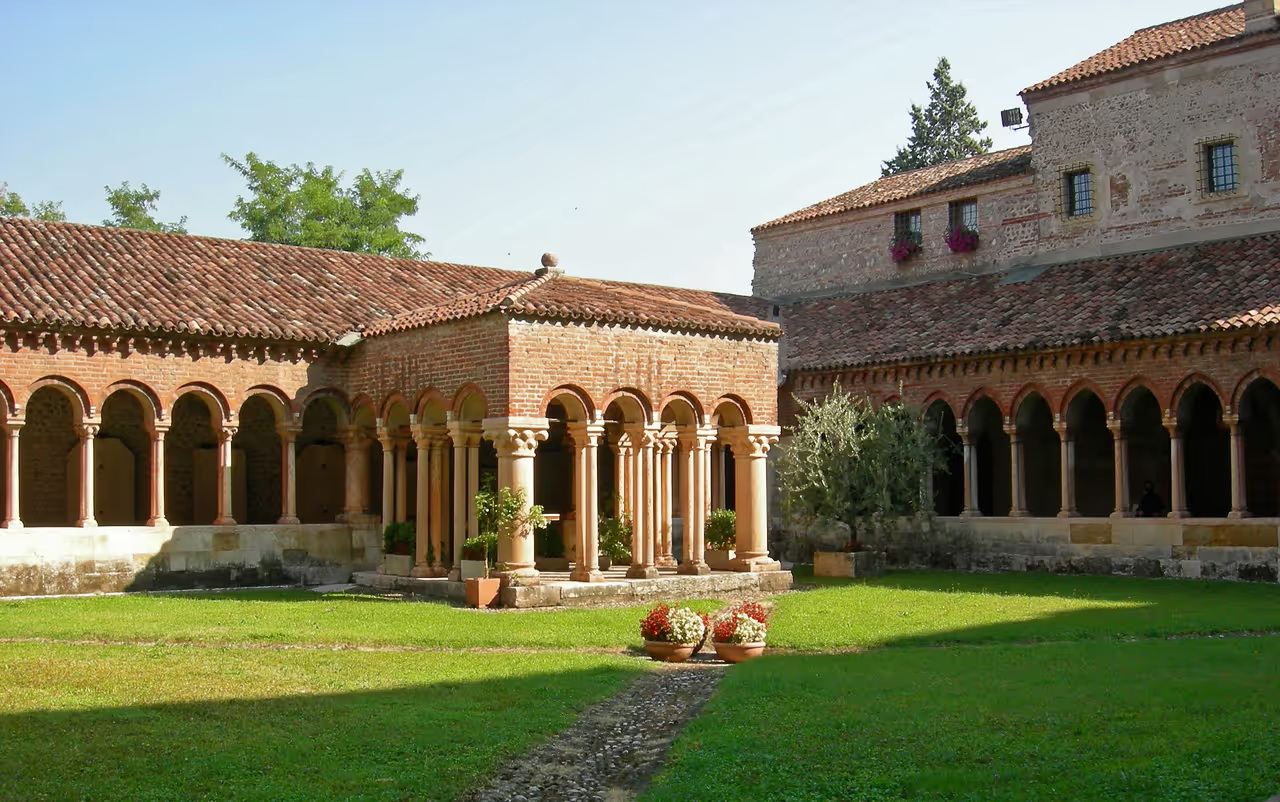
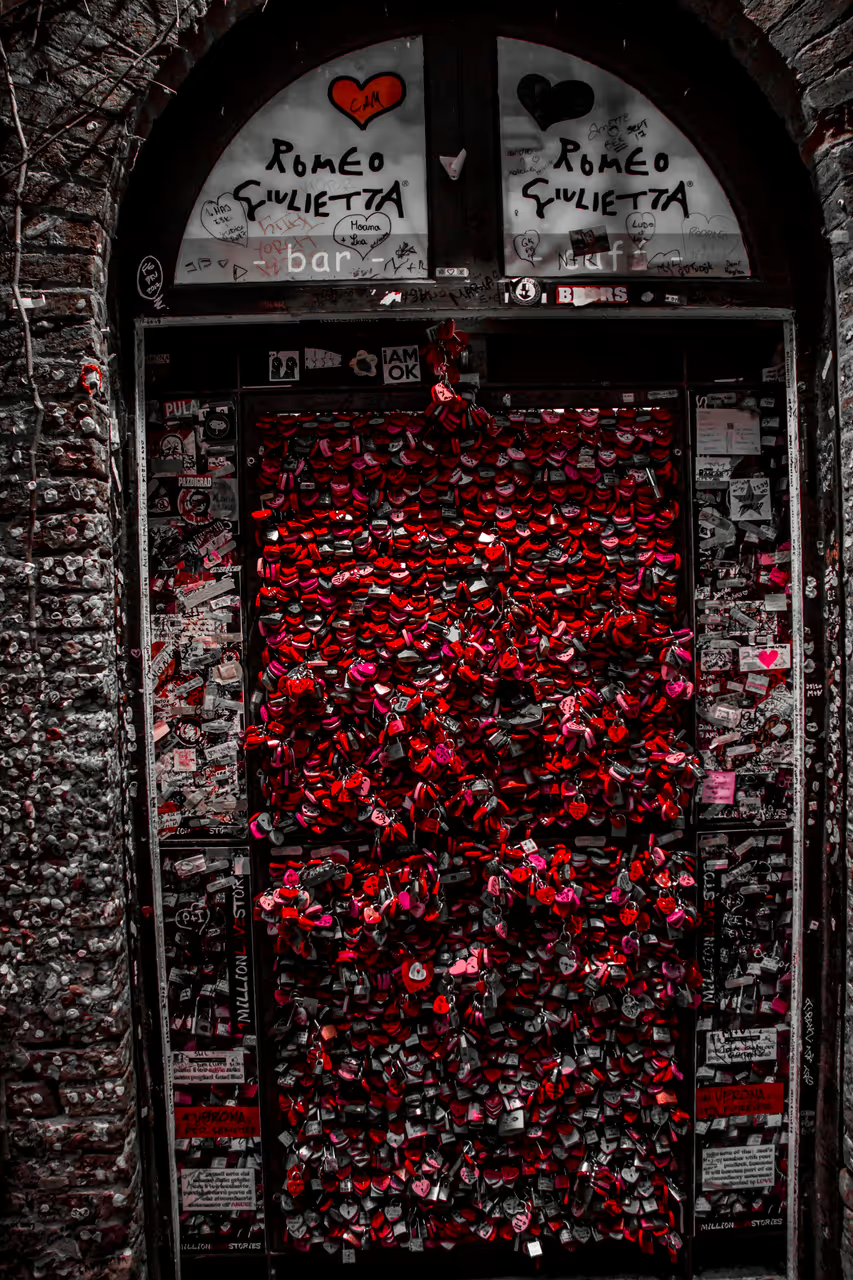
3 Days in Verona: History, Art, and Hills Itinerary
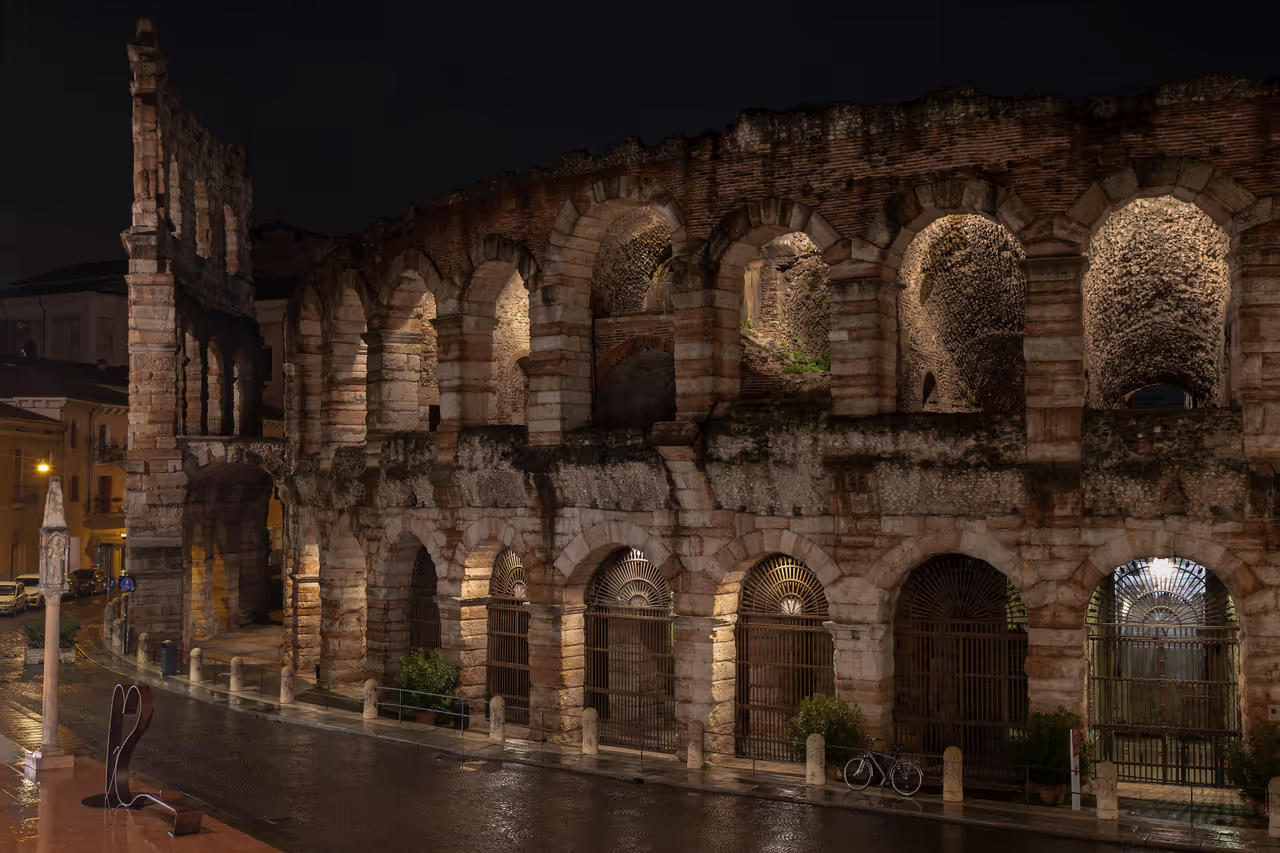
A perfect, comfortable pace to truly absorb the city's profound depth without rushing. This plan allows you to explore the major monuments, dedicate time to the city's incredible churches, and venture up into the scenic hills. You will have time to linger in cafes, cross the historic bridges, and appreciate the brilliant art galleries. It balances the heavy hitters with deeply atmospheric, quieter corners.
view itinerary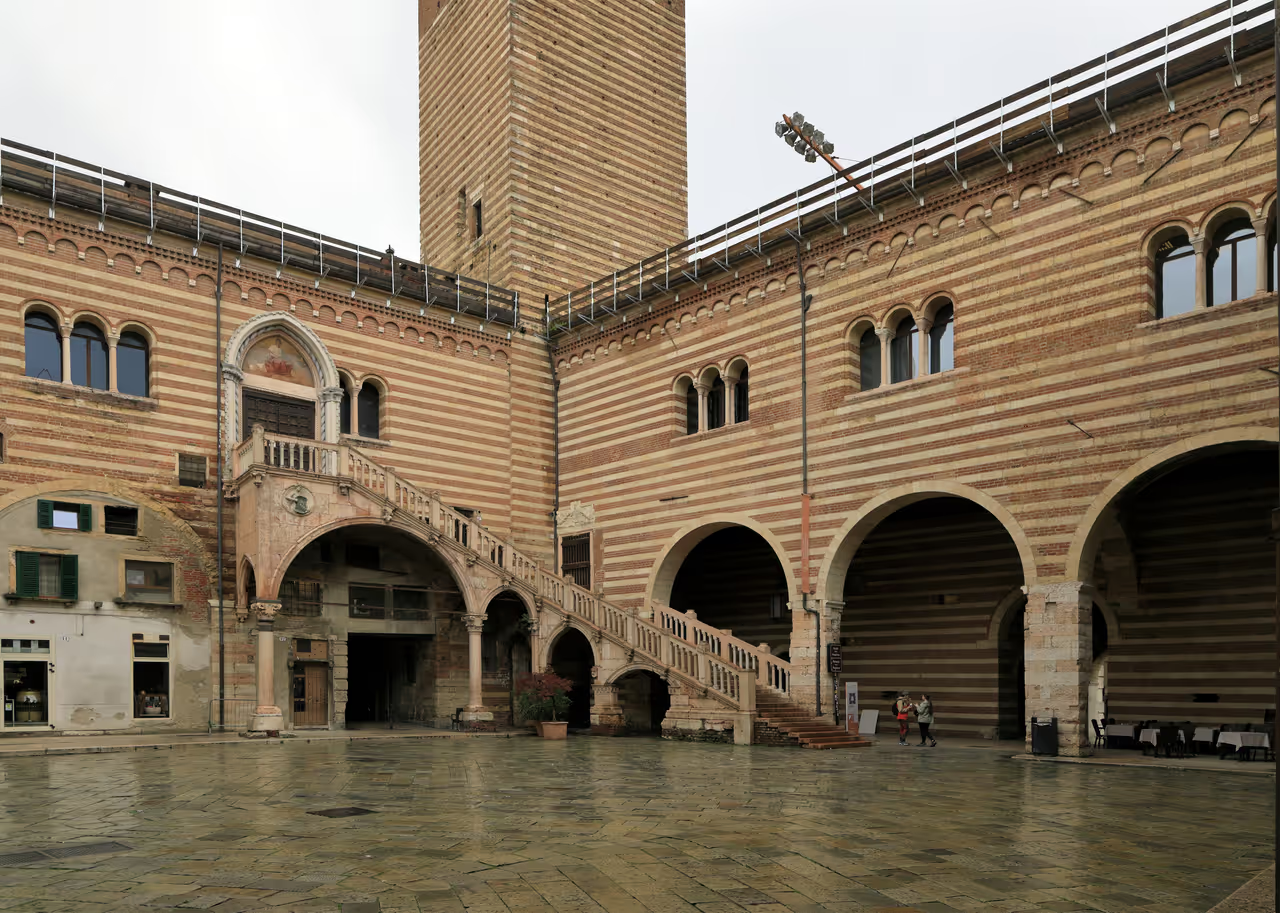
5 Days in Verona: Deep Dive and Hidden Secrets Itinerary
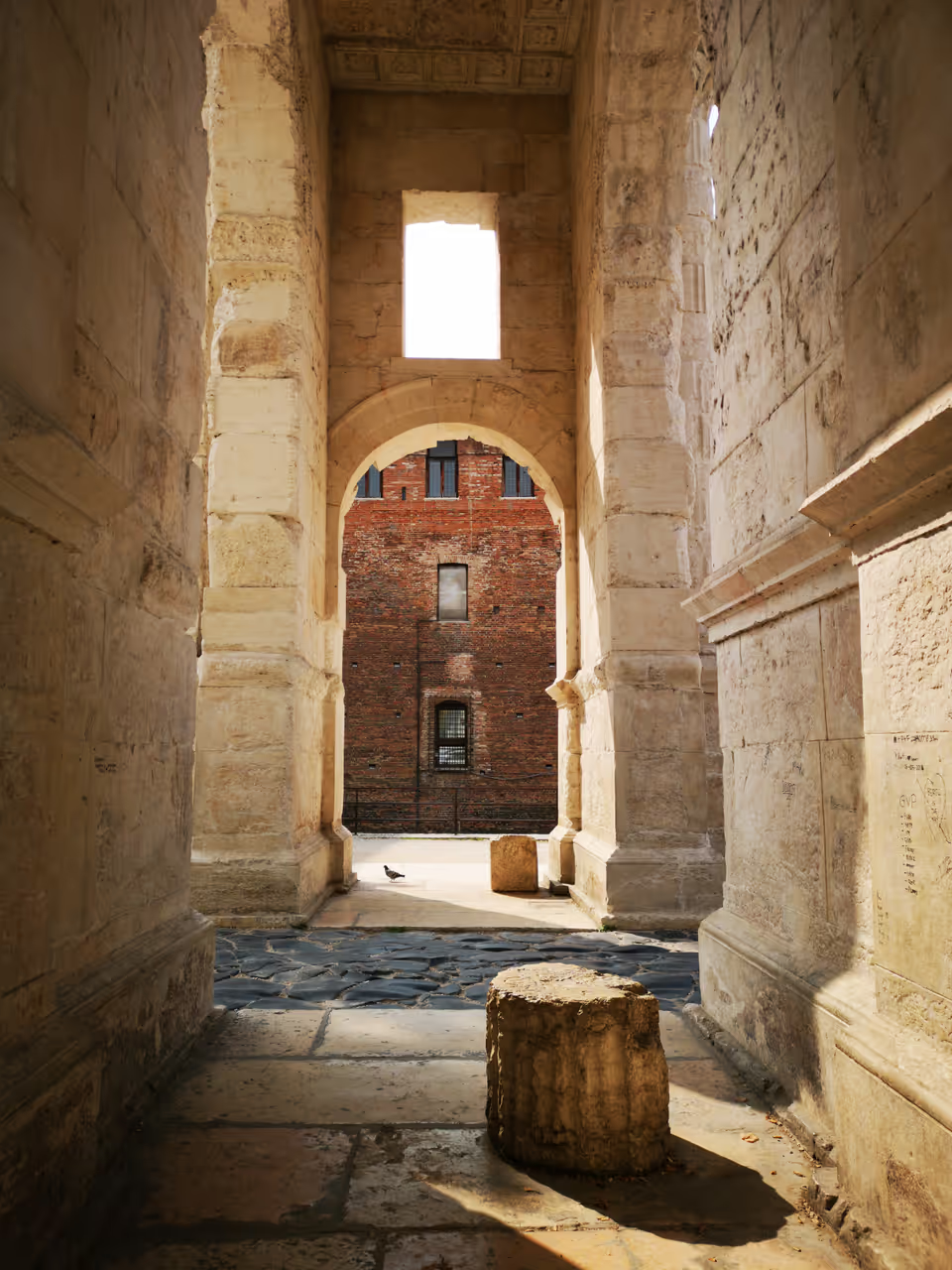
For those who want to experience the city like a local and uncover its deepest historical layers. This expansive itinerary covers everything in the three day plan but adds vital explorations into the underground Roman ruins, hidden medieval chapels, and grand civic palaces. It offers a comprehensive understanding of how the city evolved from a Roman outpost to an Austrian fortress. You will leave with an intimate knowledge of the city's complex, beautiful character.
view itinerary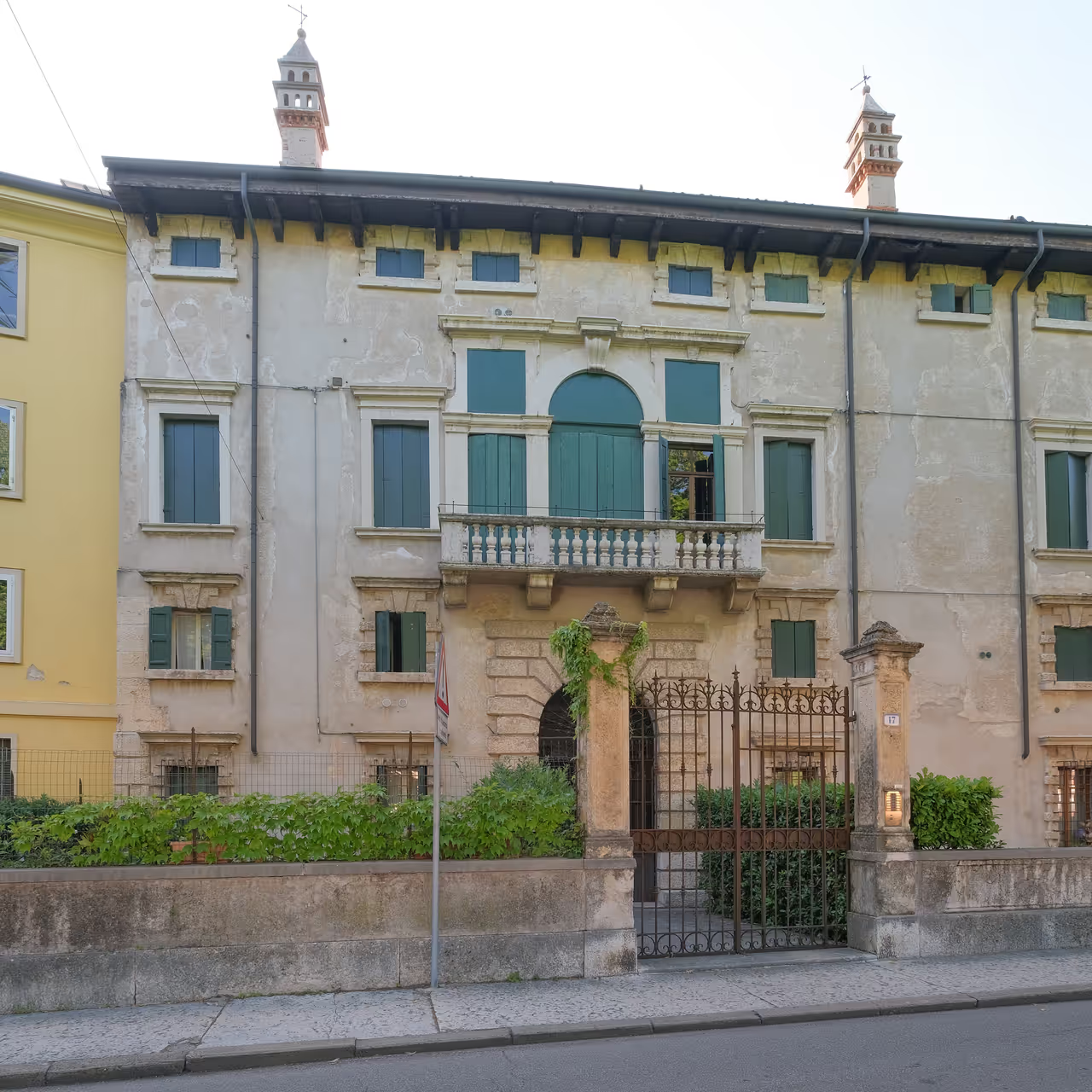
Medieval Alleys of Carega
Dive deep into the oldest, most authentic residential quarter of the historic centre. This labyrinth of narrow, winding cobblestone streets is largely untouched by mass tourism, offering a glimpse into the quiet, daily life of the locals. The facades here are faded, dotted with small artisan workshops, hidden courtyards, and tiny neighborhood chapels.
view walking route
See all attractions in Verona
Basilica of San Zeno, Castelvecchio Museum, Juliet's House, Lamberti Tower, Roman Theatre of Verona, Verona Arena...