Roman Theatre of Verona
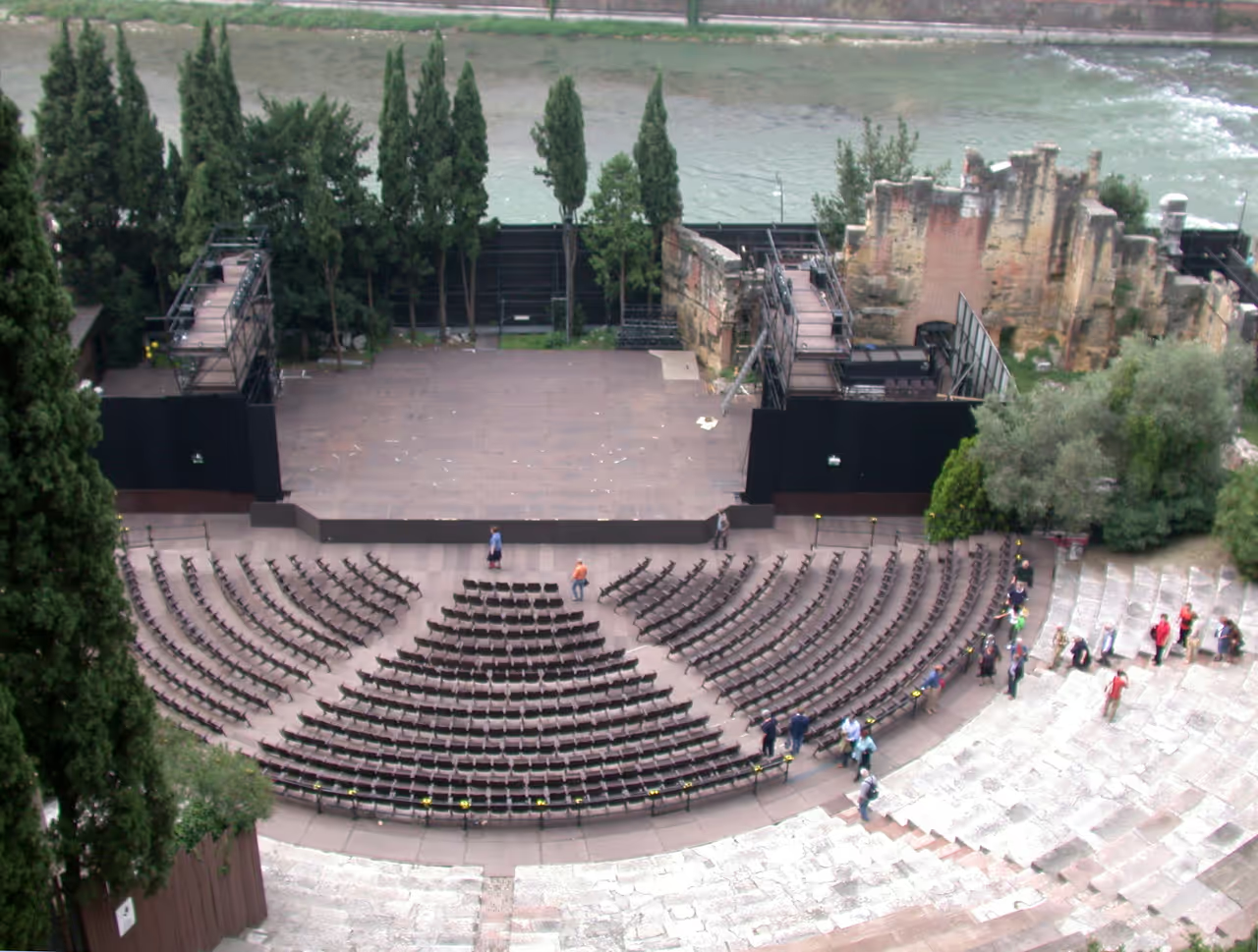
Perched at the foot of the verdant Colle San Pietro, the Roman Theatre offers a mesmerising glimpse into the grandeur of ancient Verona. Visitors can wander through the tiered stone seating that has witnessed two millennia of history and enjoy panoramic views stretching across the Adige River. It acts as a living space rather than merely a collection of ruins, with summer performances bringing a classical atmosphere to life under the night sky. The site integrates seamlessly with the Archaeological Museum, allowing you to explore precious artefacts alongside the very stones where citizens once gathered. Whether you are a history enthusiast or a traveller seeking a scenic escape, this location provides a profound connection to the city's deepest roots.
Videos
History of Roman Theatre of Verona
Born in the first century BC, this theatre was a masterclass in Roman engineering. It served as both a place for plays and a carefully sculpted piece of urban design. The architects integrated the structure into the natural slopes of Colle San Pietro and fortified the riverbanks of the Adige to ensure this project withstood the passage of time. The grand design was crowned by a temple at the summit, creating a visual link between the river and the heavens that dominated the early Roman city. The passage of centuries eventually saw the theatre retreat from public memory, transforming into the foundation for a dense maze of medieval houses. It became a hidden residential district, with families living directly within the ancient walls. For generations, the magnificent stone tiers served as mundane foundations for homes, and the slope was used for agriculture. The theatre remained a silent, buried witness to the city's transformation until the nineteenth century, when a visionary merchant named Andrea Monga took it upon himself to peel back the layers of history. Today, the site has reclaimed its original purpose. Following meticulous excavations and restoration work throughout the twentieth century, it once again serves as a beacon of culture. It functions as a vibrant venue for the Estate Teatrale Veronese, continuing a tradition of performance that spans millennia. As you sit on the ancient stone seats, you become part of an unbroken cycle of storytelling that links the modern city to its classical past.
Events spanning 2020 years
Fun Facts
- • A subterranean gallery, hidden beneath the stage area, was only revealed during the final phases of excavation in the 1970s.
- • Andrea Monga is credited with saving the site from permanent obscurity by funding the demolition of over thirty houses that obscured the ruins.
- • During the Middle Ages, the theatre was repurposed as a neighbourhood, with residential homes built directly onto the ancient stone tiers.
- • Renowned architects such as Andrea Palladio visited the site in the sixteenth century to create sketches, though some details were imprecise due to the ruins being heavily covered at the time.
- • The construction required massive engineering feats, including the building of sturdy walls to protect the theatre from the potential flooding of the Adige River.
- • The seating area, or cavea, was skilfully carved into the natural rock of the hillside to create a stable and acoustics-friendly foundation.
- • The site is linked to the Archaeological Museum, which houses many of the statues and inscriptions unearthed within the theatre grounds.
- • The site was originally part of a larger, terraced complex that featured a temple crowning the top of the hill, where Castel San Pietro now stands.
- • The theatre features a sophisticated, ancient drainage system designed to channel rainwater away from the stone structure and towards the river.
- • The theatre's exterior was once decorated with columns in the Tuscan, Ionic, and Corinthian orders, reflecting the high aesthetic standards of Roman civic architecture.
Roman Theatre of Verona FAQ
While we strive to keep this information accurate and up to date, we recommend verifying any details independently before making decisions based on them.
Roman Theatre of Verona Map & Neighborhood Explorer
This interactive map is centered on Roman Theatre of Verona. Zoom in and move the map around to automatically discover Wikipedia photos and summaries of other nearby sights, monuments, and historical points of interest and stories in real-time!
Places near Roman Theatre of Verona
Make the most of your trip. Check out these top-rated spots located nearby.
 162m
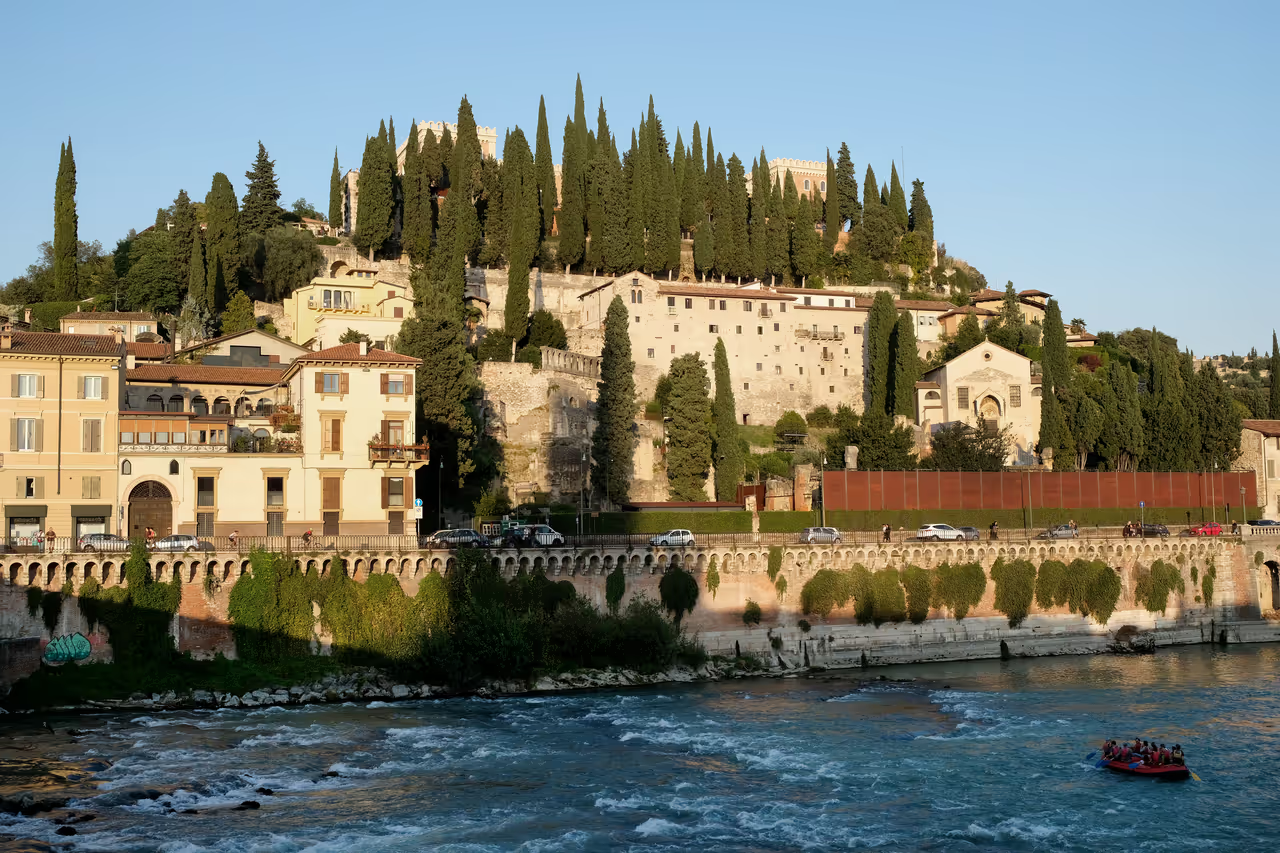
162mSt Peter's Castle
Perched high on the strategic hill that hosted the original prehistoric settlement, this site offers unparalleled views over the entire cityscape. The current structure is a massive, austere 19th century military barracks built by the Austrians, which replaced a fortress destroyed by Napoleon. While the building itself is currently undergoing restoration, the wide terrace at its base is the true attraction. Lined with cypress trees, it provides a sweeping, panoramic perspective of the river's dramatic loop embracing the historic centre. It is the absolute best location to watch the sunset turn the city's rooftops to gold.
highlight view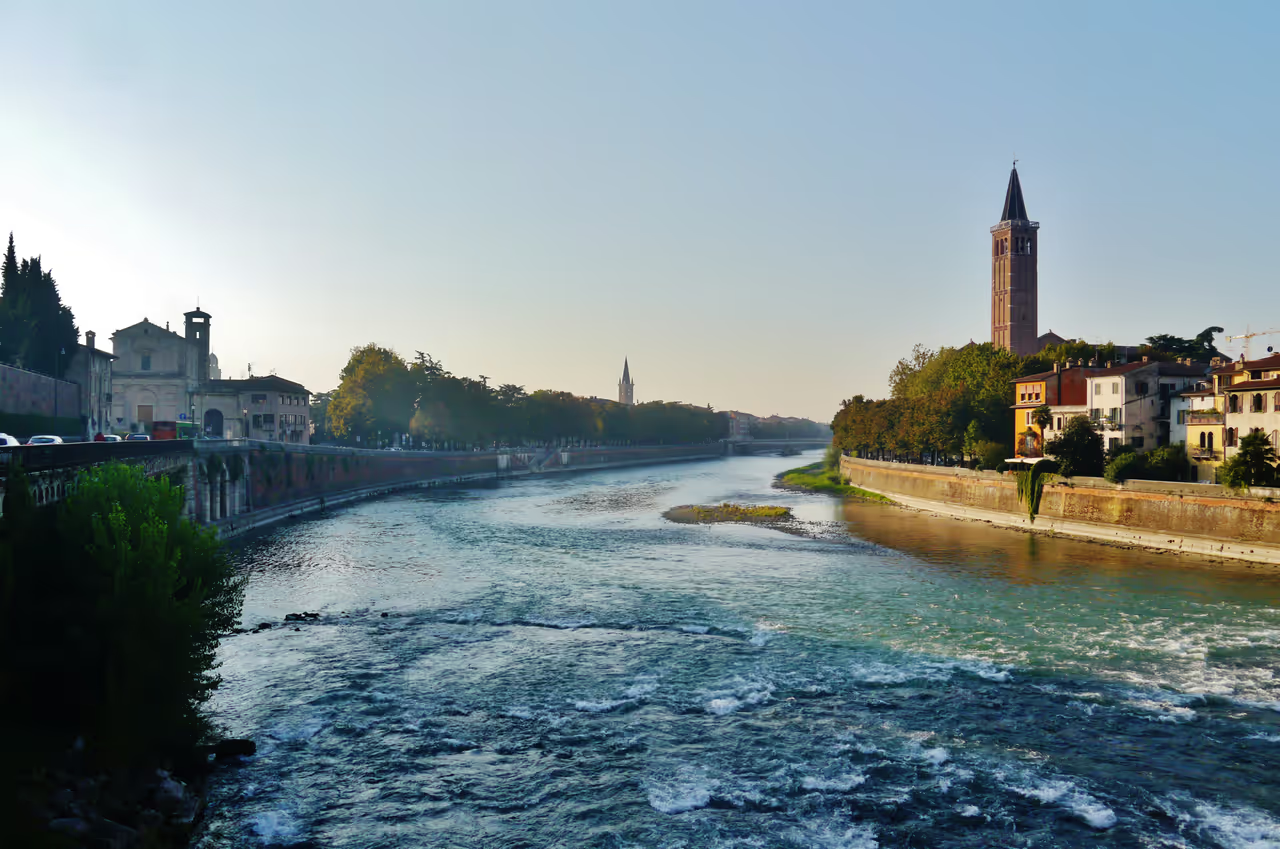 175m
175mStone Bridge Vistas
Standing at the midpoint of this ancient Roman bridge provides a dynamic, almost cinematic view of the city interacting with the rushing water. Looking upstream, the view encompasses the lush, green hillside and the archaeological remains of the Roman Theatre. Looking downstream, the eye is drawn along the colourful, terraced houses leaning over the high brick embankments. The sound of the river rushing through the arches adds a powerful sensory element to the stunning visual scenery.
viewpoint view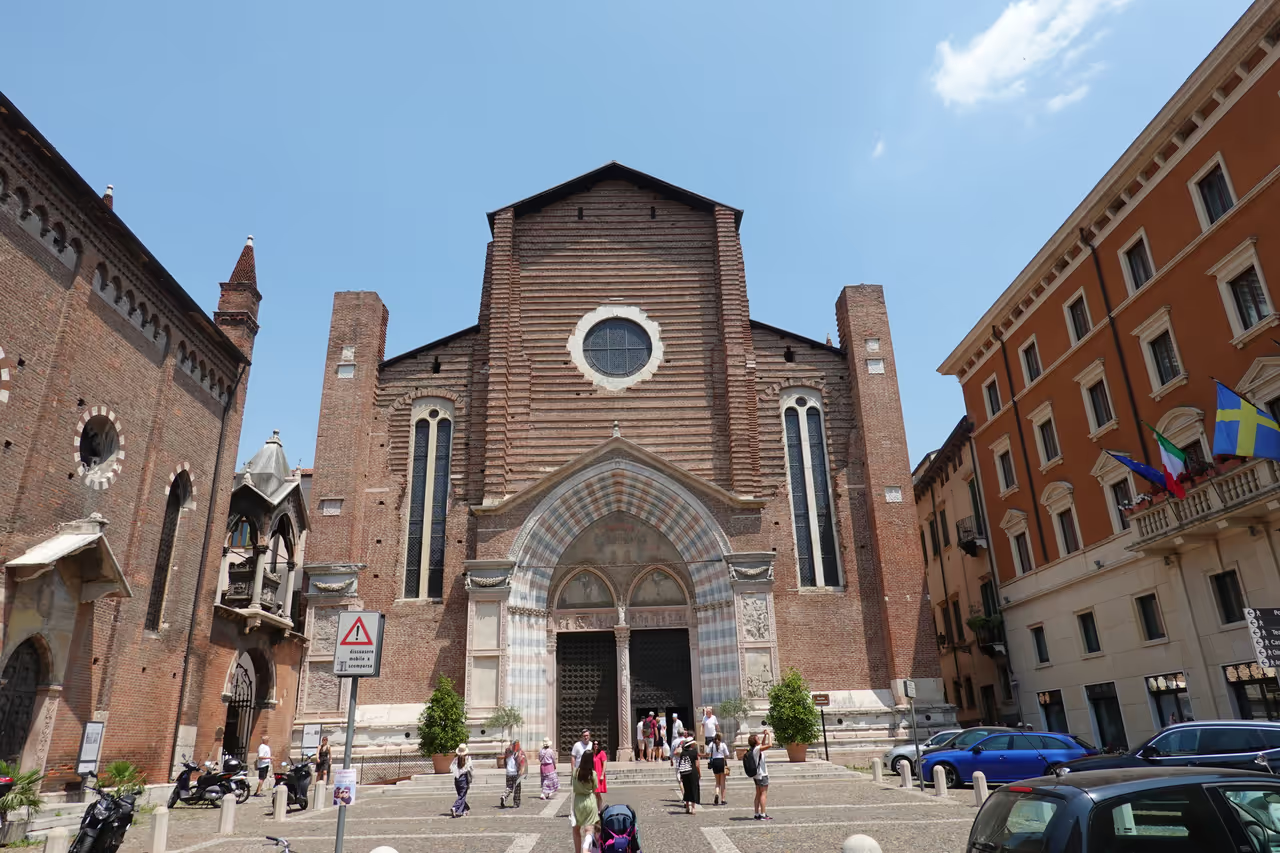 282m
282mChurch of Saint Peter Martyr
Located immediately next to the vast, imposing Basilica of Santa Anastasia, this tiny chapel is astonishingly easy to walk past without a second glance. Stepping inside, however, reveals a stunning, intimate space completely covered in vibrant early Renaissance frescoes. The walls depict scenes of knights, walled gardens, and vivid religious imagery, offering a masterclass in 14th century local art. The space is incredibly quiet and peaceful, providing a sudden, intense burst of colour away from the busy square. It serves as a perfect, bite sized piece of magnificent medieval art.
hidden gem view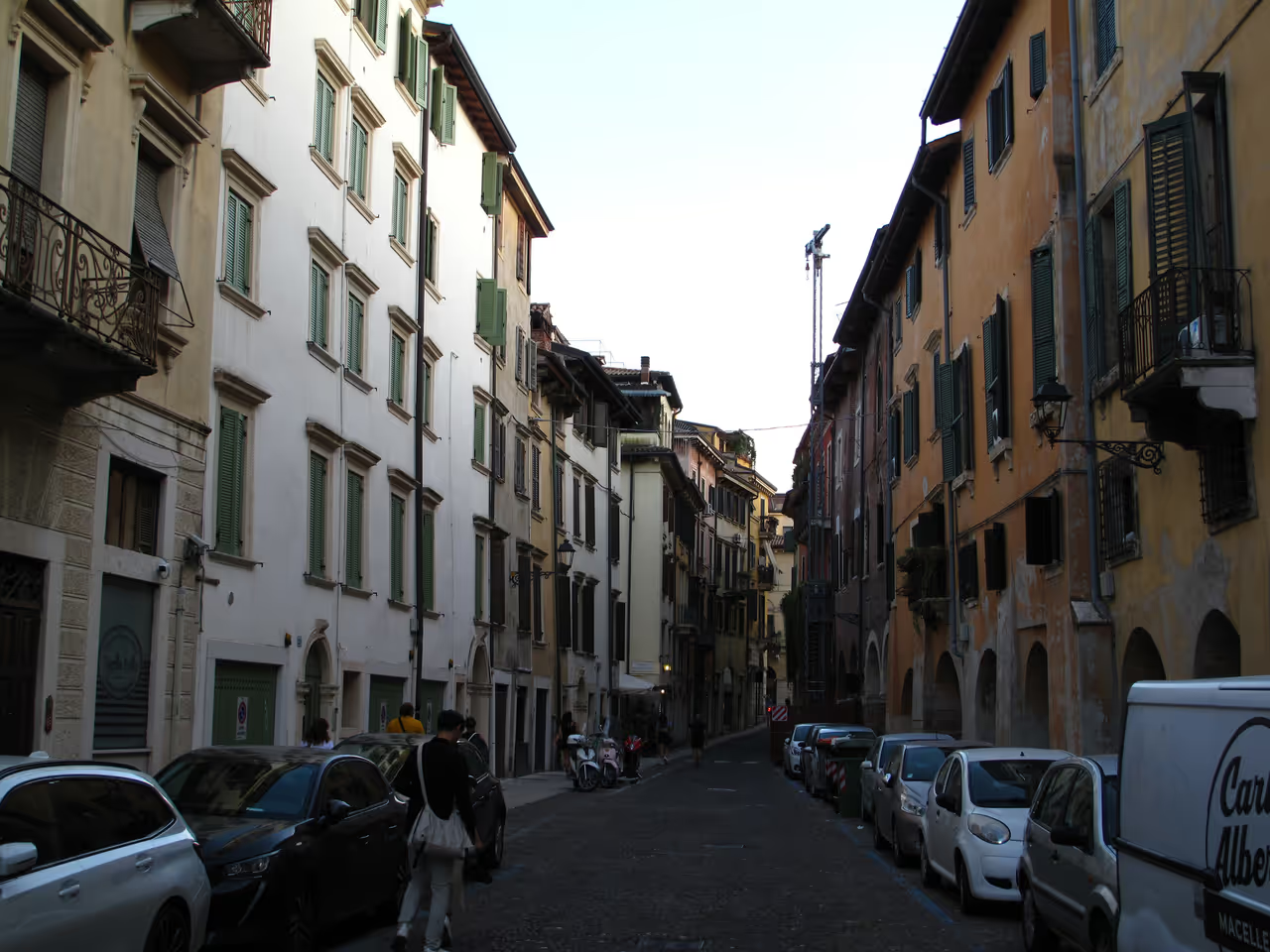 369m
369mSottoriva Arcades
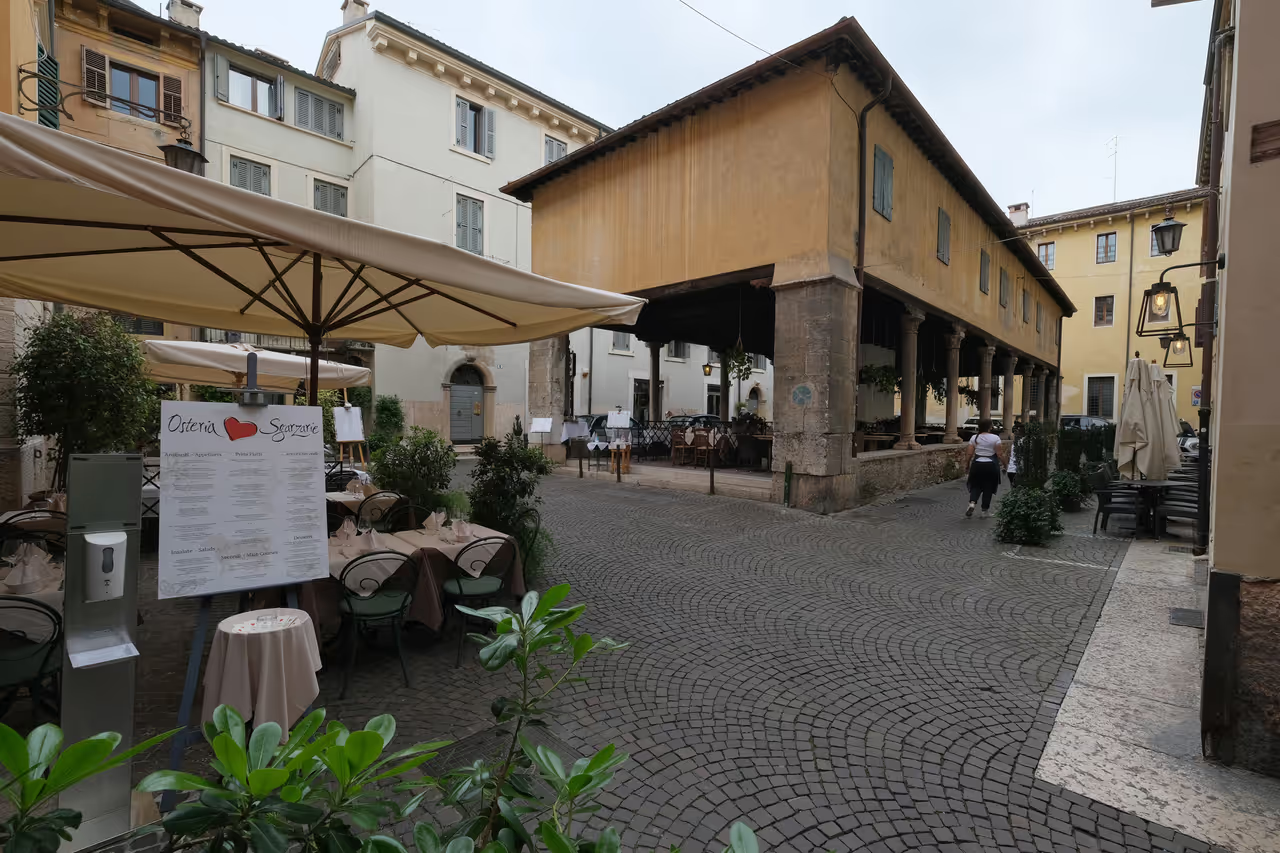
This curving, medieval street is defined by its continuous, low vaulted porticoes and worn cobblestones. The repetitive arches create a brilliant framing effect, drawing the eye down the deeply atmospheric, shadowed street toward the bright facade of the Basilica of Santa Anastasia in the distance. Capturing this spot in the early evening, as the warm, yellow lamps begin to glow under the arcades, yields incredibly moody, historic photographs.
photo spot view
Explore Similar Places in This Collection
Featured on These Itineraries and Routes
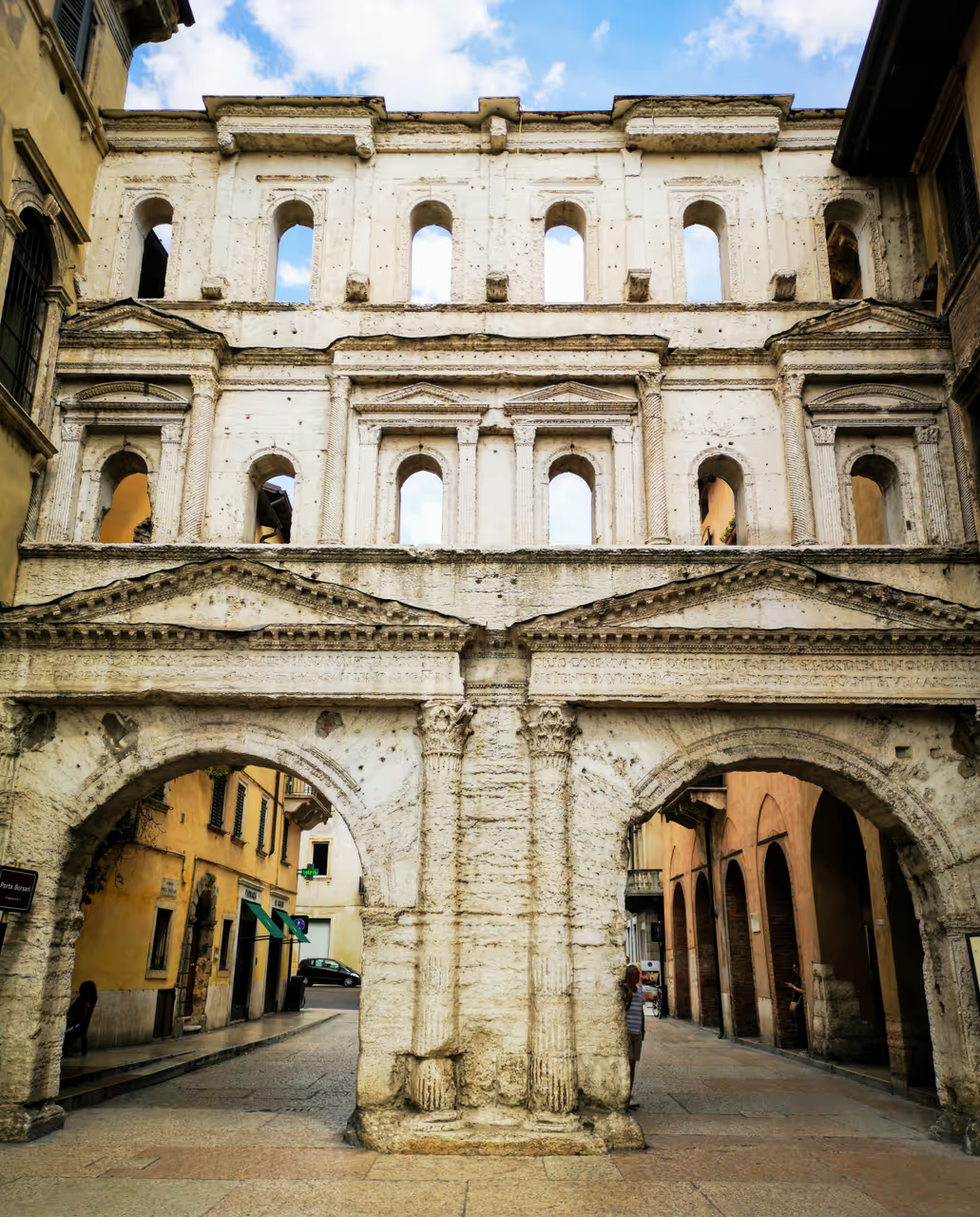
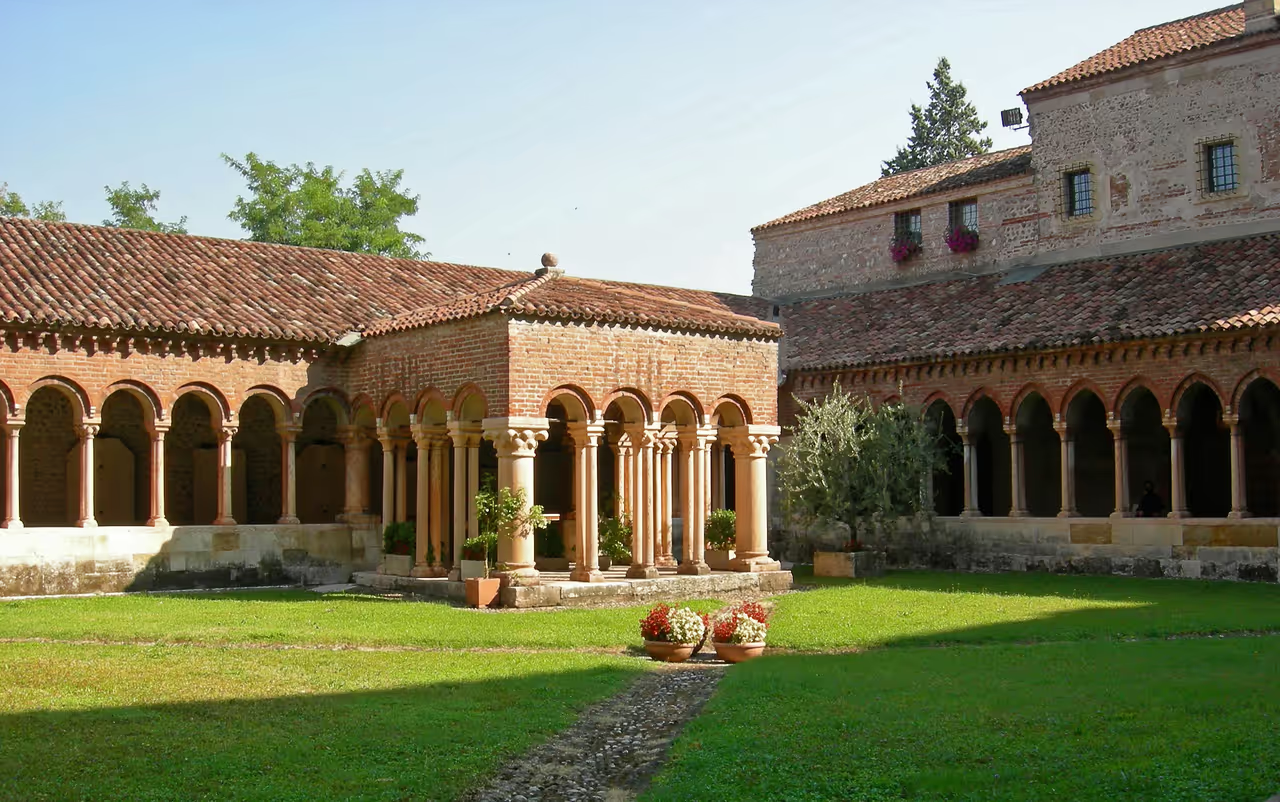
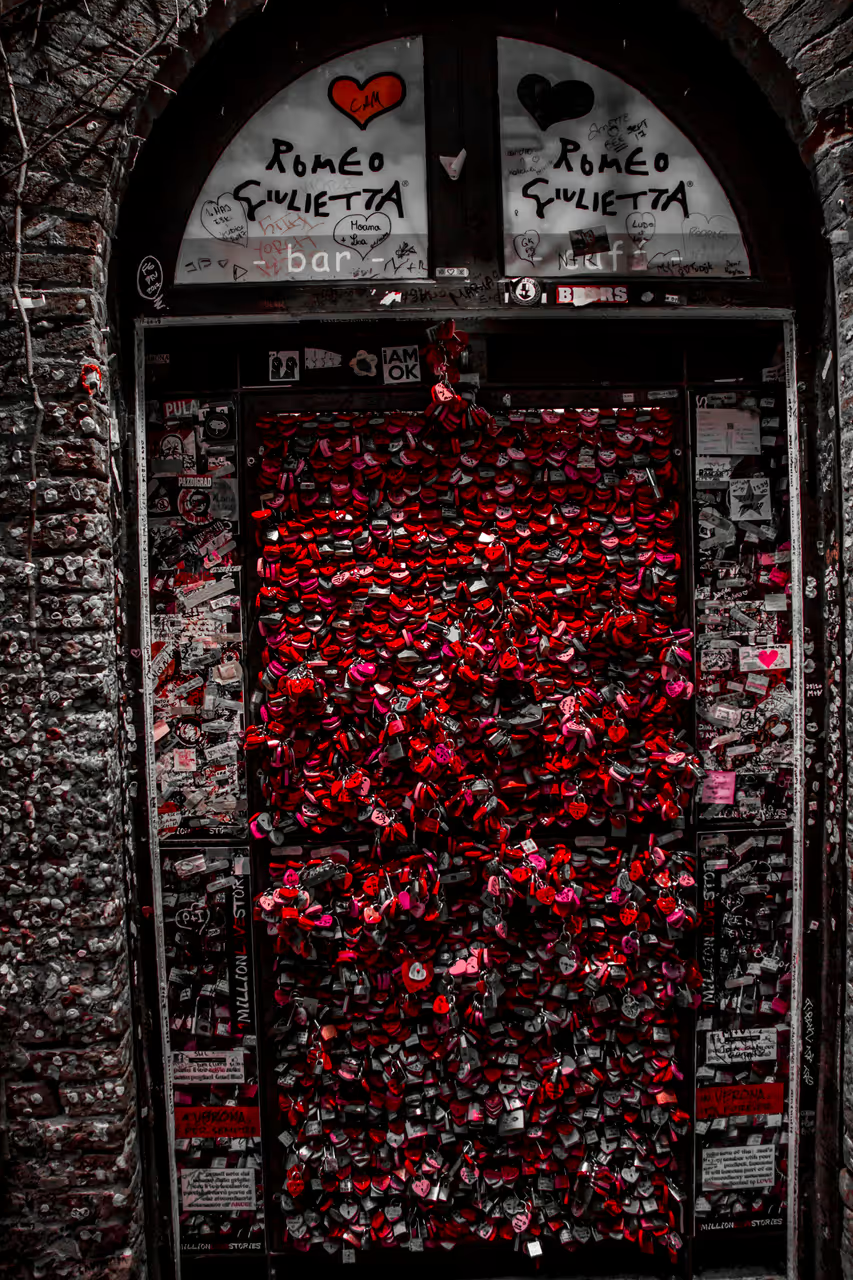
3 Days in Verona: History, Art, and Hills Itinerary
A perfect, comfortable pace to truly absorb the city's profound depth without rushing. This plan allows you to explore the major monuments, dedicate time to the city's incredible churches, and venture up into the scenic hills. You will have time to linger in cafes, cross the historic bridges, and appreciate the brilliant art galleries. It balances the heavy hitters with deeply atmospheric, quieter corners.
view itinerary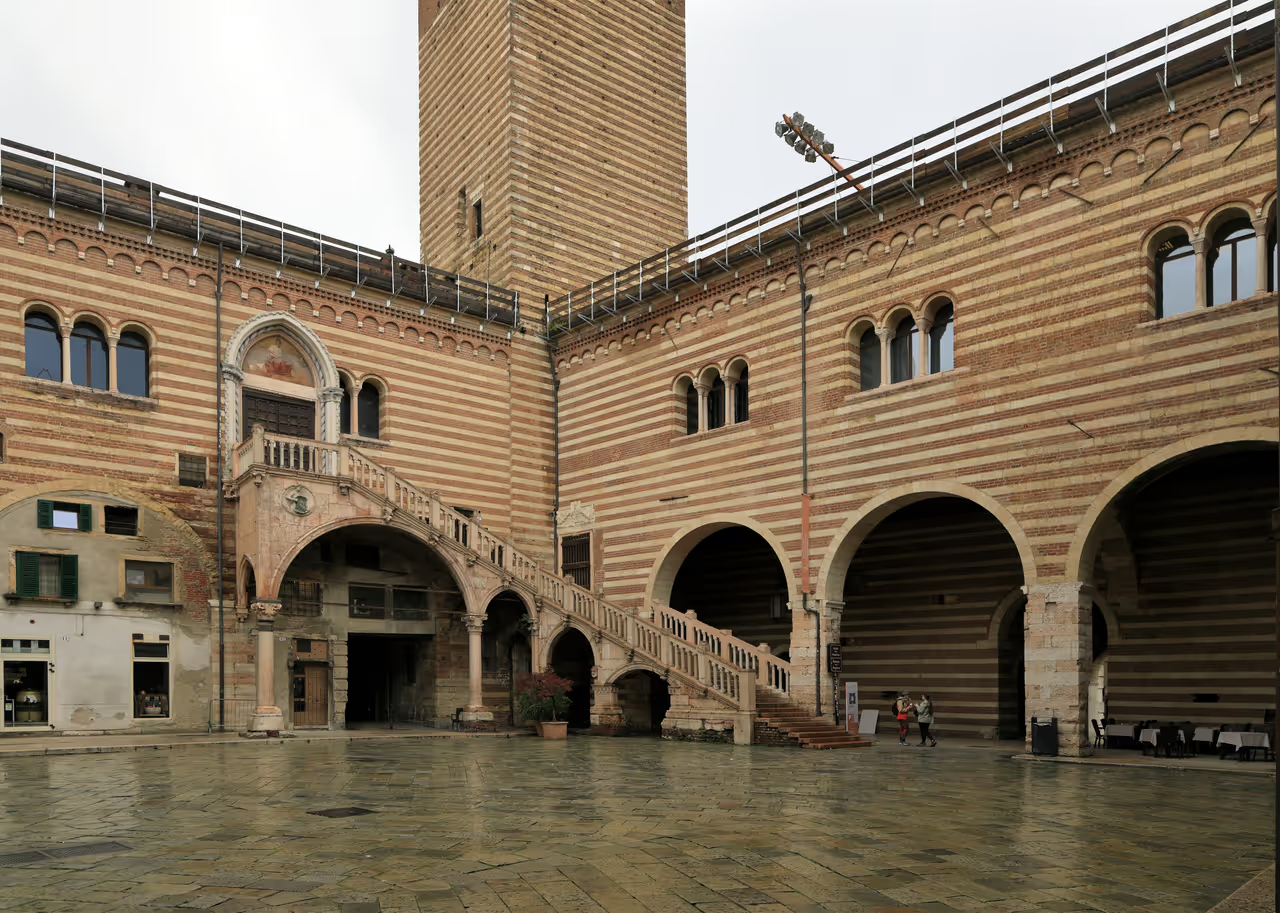
5 Days in Verona: Deep Dive and Hidden Secrets Itinerary
For those who want to experience the city like a local and uncover its deepest historical layers. This expansive itinerary covers everything in the three day plan but adds vital explorations into the underground Roman ruins, hidden medieval chapels, and grand civic palaces. It offers a comprehensive understanding of how the city evolved from a Roman outpost to an Austrian fortress. You will leave with an intimate knowledge of the city's complex, beautiful character.
view itinerary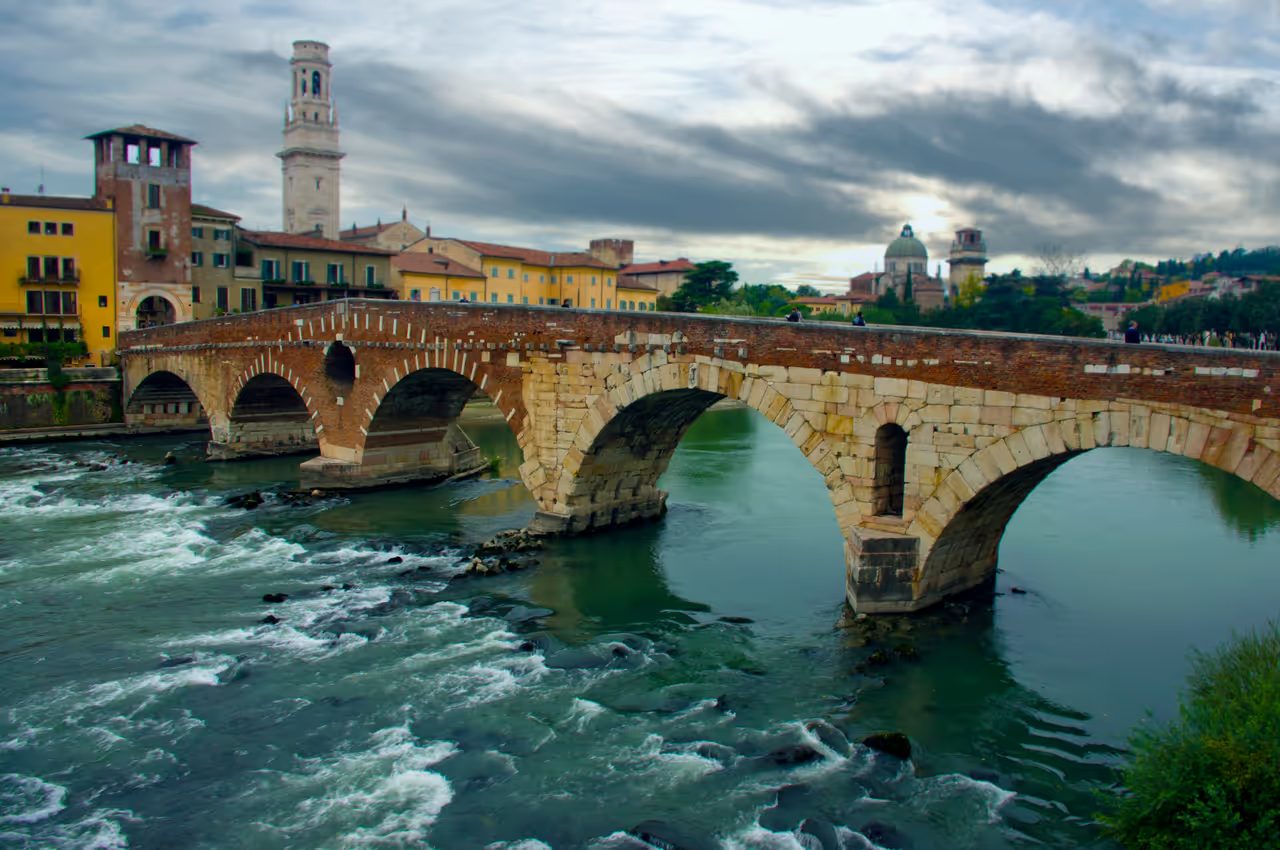
Hills of San Pietro
This route takes you away from the flat historic centre and up into the cypress studded hills that watch over the city. A series of ancient stone staircases winds through quiet residential areas, offering increasingly spectacular glimpses of the rooftops below. The climb is rewarded with arguably the most famous and breathtaking panoramic view of the river's distinctive loop.
view walking route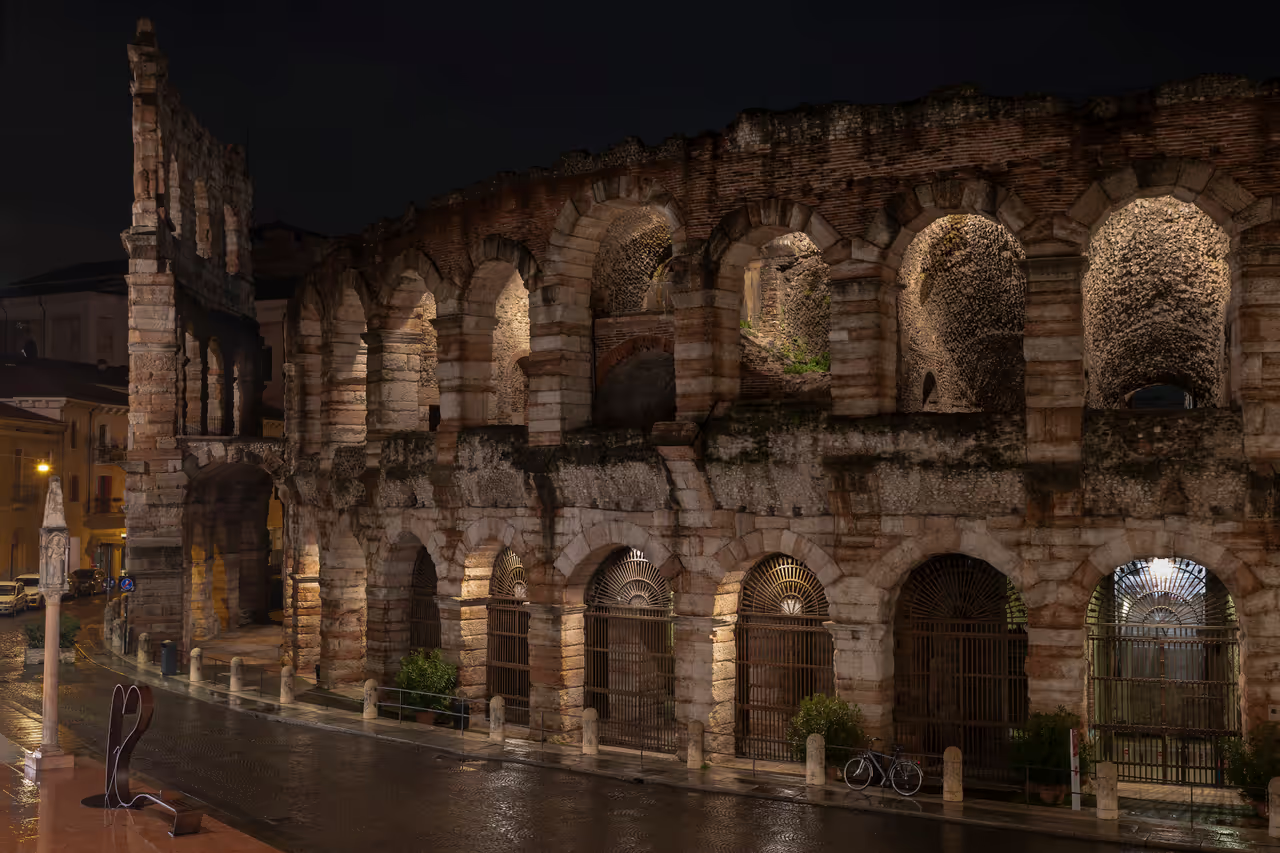
Verona's Roman Footsteps
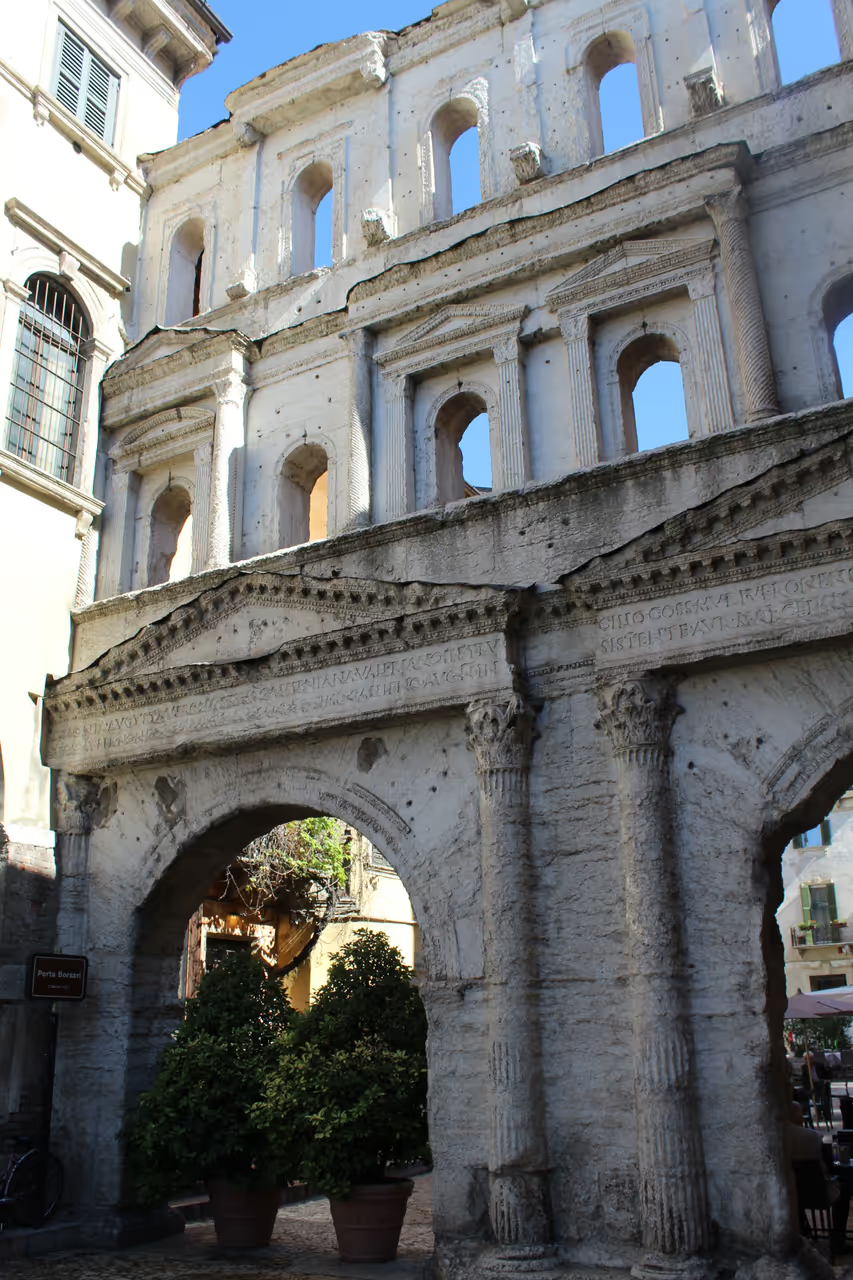
Step back two thousand years to explore one of the most important Roman settlements in Northern Italy. This journey traces the ancient street grid, taking you past colossal entertainment venues, monumental city gates, and hidden underground ruins. It reveals how the structural bones of the classical city continue to support and define the modern urban environment.
view self-guided tour
See all attractions in Verona
Basilica of San Zeno, Castelvecchio Museum, Juliet's House, Lamberti Tower, Verona Arena, Verona Cathedral...