Rialto Bridge
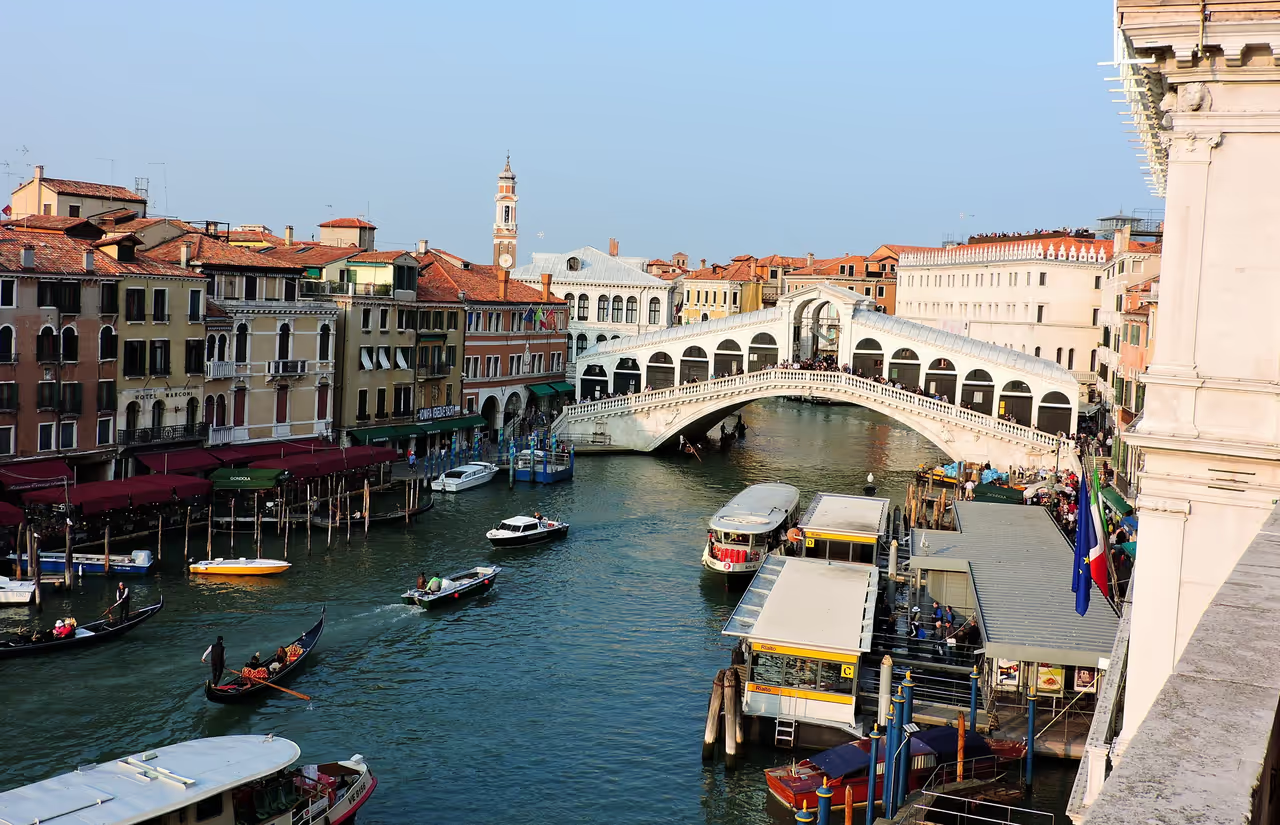
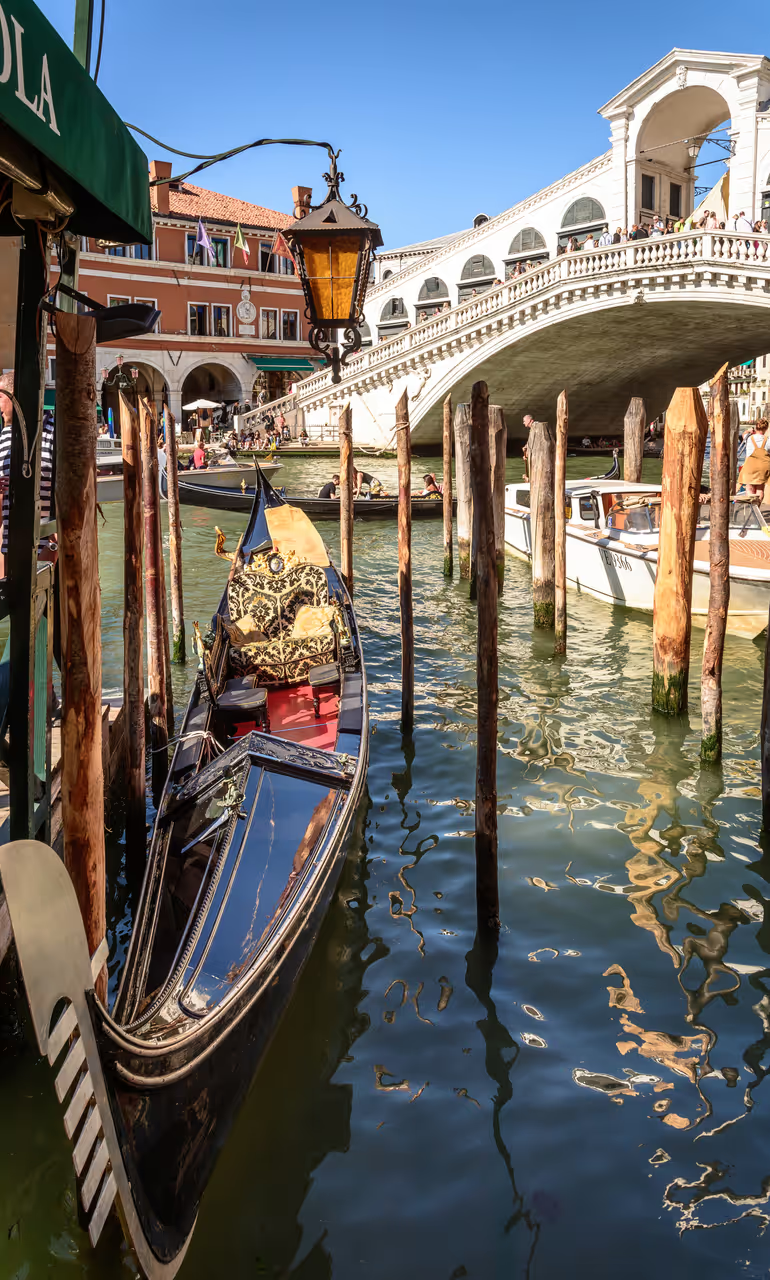
The Rialto Bridge serves as the grand stone heartbeat of Venice, connecting the historic districts of San Marco and San Polo across the shimmering waters of the Grand Canal. This iconic structure is far more than a simple river crossing, as it stands as a testament to Venetian engineering and artistic ambition. Visitors flock here to experience the timeless allure of the city, capturing the perfect view of gondolas and vaporettos navigating the waterway below. With its elegant single arch and charming shops nestled into its sides, the bridge invites you to pause and soak in the atmosphere of a place that has fascinated travellers for centuries. Whether you visit at sunrise to watch the city wake up or by night when the lights reflect off the canal, the bridge provides an unforgettable experience.
Videos
History of Rialto Bridge
The story of the Rialto Bridge is a tale of architectural ambition and civic pride that mirrors the resilience of Venice itself. Long before the elegant stone arch appeared, the crossing was a series of wooden structures, each more fragile than the last. The most notorious of these early versions collapsed under the weight of a crowd watching a royal wedding procession in the fifteenth century, turning a celebration into a tragedy. This failure spurred the Venetian authorities to demand something permanent, something that could withstand the passage of time and the demands of the city’s trade. The search for a design became the talk of the Republic. Famous masters such as Palladio proposed complex, multi-arched designs that were eventually rejected because they did not provide enough clearance for the tall masts of the trading ships that needed to pass beneath. In a stroke of genius, Antonio da Ponte proposed a single, daring arch that spanned the entire canal, offering both strength and unobstructed passage. His design was bold, and many critics laughed, predicting certain collapse. The authorities, however, took a gamble on his vision. Today, the legacy of that choice is etched into the landscape of the city. The bridge became the lifeline of the Venetian economy, housing the shops that funded its own upkeep for centuries. It remains a silent witness to the evolution of the city, from the bustling markets of the Renaissance to the modern era of global tourism. It stands not merely as a piece of infrastructure, but as an emblem of the Venetian spirit that refused to be limited by the constraints of the water, choosing instead to master it.
Events spanning 849 years
Fun Facts
- • During the early construction phases, the bridge was so integral to the city that it survived even the retreat of the rebellious Bajamonte Tiepolo in 1310.
- • During the early days of its wooden iteration, the bridge was known as the Ponte della Moneta because the city's mint was located nearby.
- • For over two centuries, until the Accademia Bridge was constructed in 1854, the Rialto Bridge remained the only permanent way to cross the Grand Canal on foot.
- • The bridge design was the result of a fierce competition that saw renowned architects like Andrea Palladio and Jacopo Sansovino submit proposals, yet the project ultimately went to Antonio da Ponte.
- • The bridge features a beautiful relief of the Annunciation on its south side, demonstrating the city's deep devotion to the Virgin Mary.
- • The bridge's single arch design was considered a daring architectural marvel at the time of its completion in the late sixteenth century.
- • The shops built onto the sides of the bridge were not just for commerce, as the state treasury collected the rent to pay for the maintenance of the structure.
- • To support the immense weight of the stone arch, the entire bridge rests upon a foundation of twelve thousand elm piles driven deep into the soft Venetian soil.
- • When critics claimed a stone bridge would never stand, the local government had two sculptures carved into the nearby Palazzo dei Camerlenghi to immortalise the mockery of those skeptics.
Rialto Bridge FAQ
While we strive to keep this information accurate and up to date, we recommend verifying any details independently before making decisions based on them.
Rialto Bridge Map & Neighborhood Explorer
This interactive map is centered on Rialto Bridge. Zoom in and move the map around to automatically discover Wikipedia photos and summaries of other nearby sights, monuments, and historical points of interest and stories in real-time!
Places near Rialto Bridge
Make the most of your trip. Check out these top-rated spots located nearby.
 69m
69mRialto Erbaria
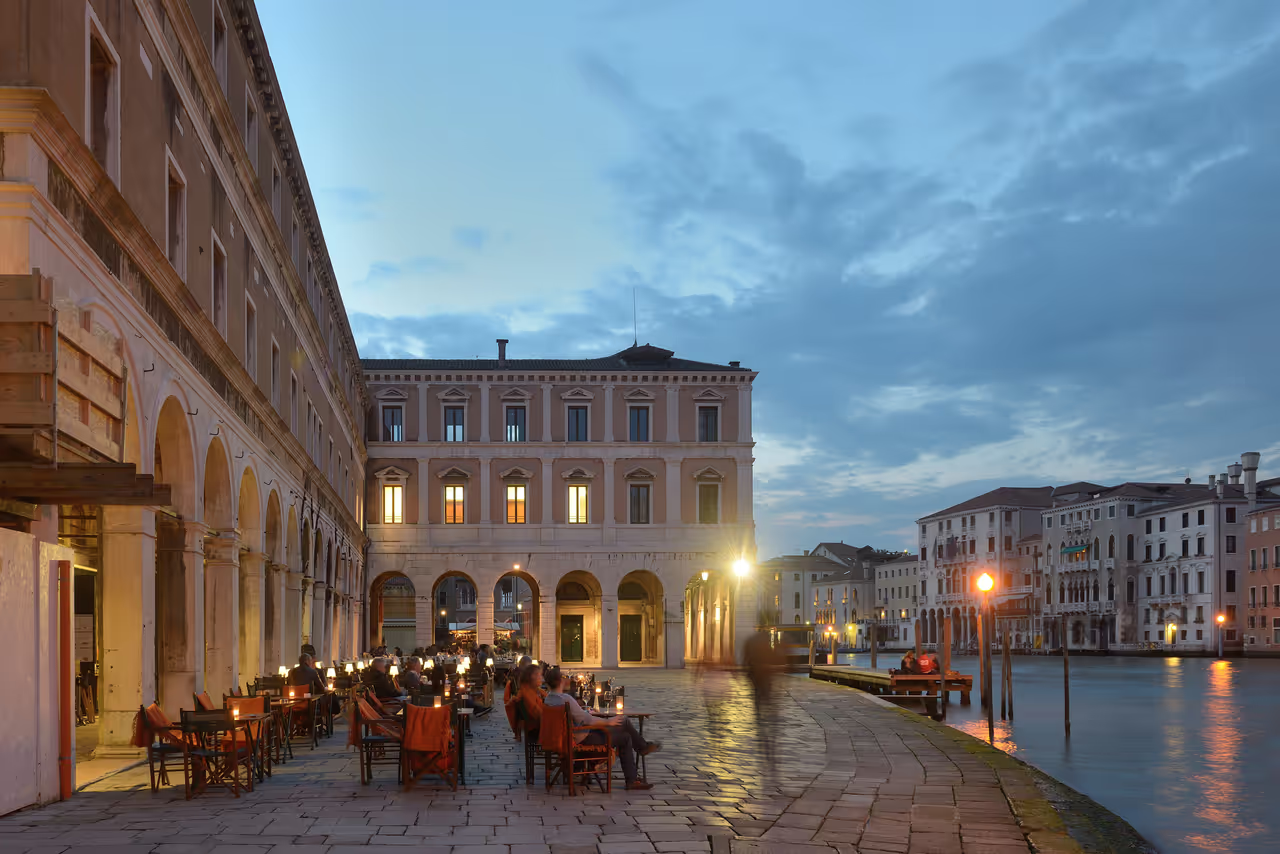
By day, this area serves as the bustling vegetable market near the famous bridge, but by night it transforms into a sophisticated social scene. The historic waterfront spaces fill up with professionals and stylish locals enjoying high quality wines and inventive cocktails. People spill out from the small bars to stand right by the edge of the Grand Canal, holding their glasses and chatting under the moonlight. It strikes a beautiful balance between historic charm and modern upscale socialising. The sight of the illuminated bridge reflecting on the dark water makes it incredibly romantic.
nightlife view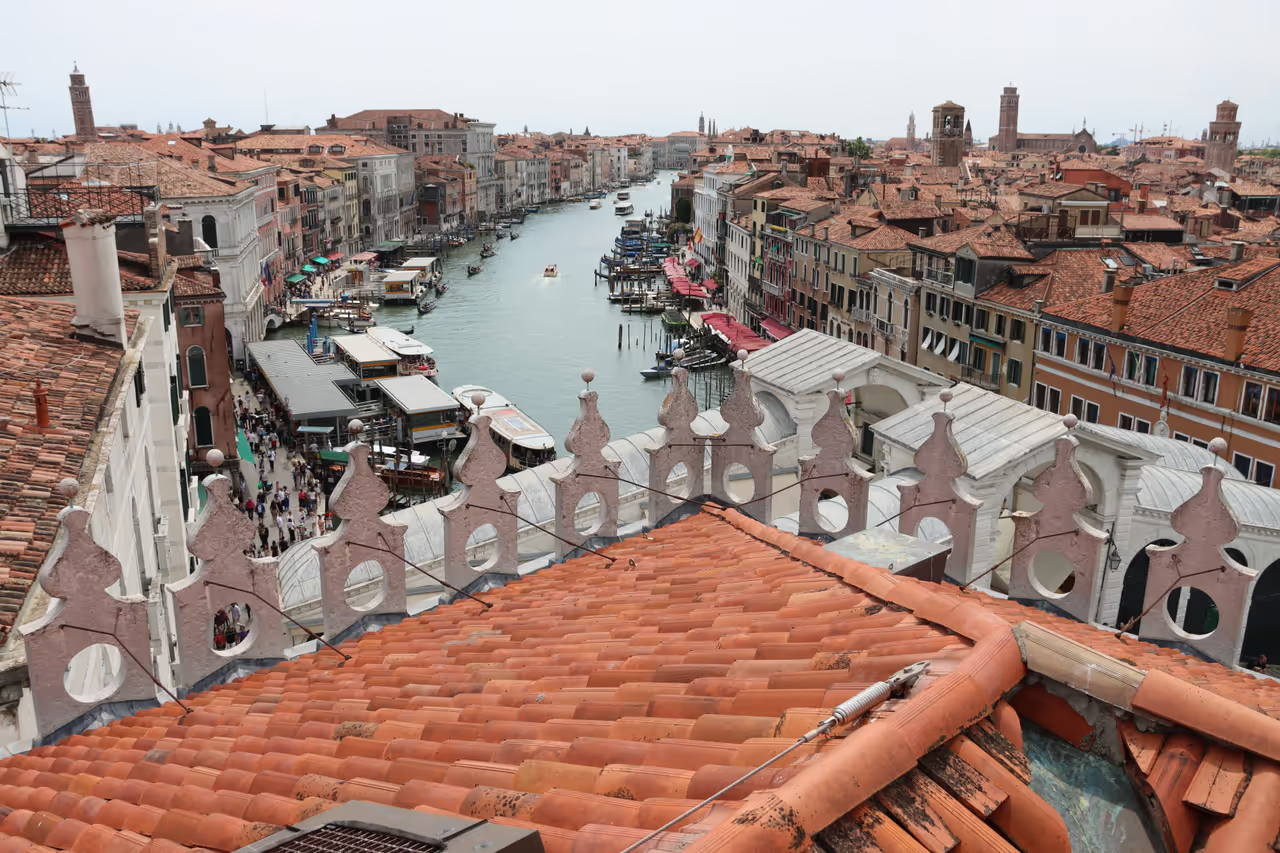 98m
98mGerman Depot Rooftop
Sitting atop a beautifully renovated historic trading house right next to the Rialto Bridge, this wooden terrace offers breathtaking perspectives. The view sweeps directly down the curving Grand Canal, capturing the bustling market areas and countless passing gondolas. It is completely free to enter, though you must book a strictly timed slot online well in advance due to high demand. The modern, luxurious department store below provides a striking contrast to the ancient views from the roof. It is particularly stunning during the golden hour just before sunset.
viewpoint view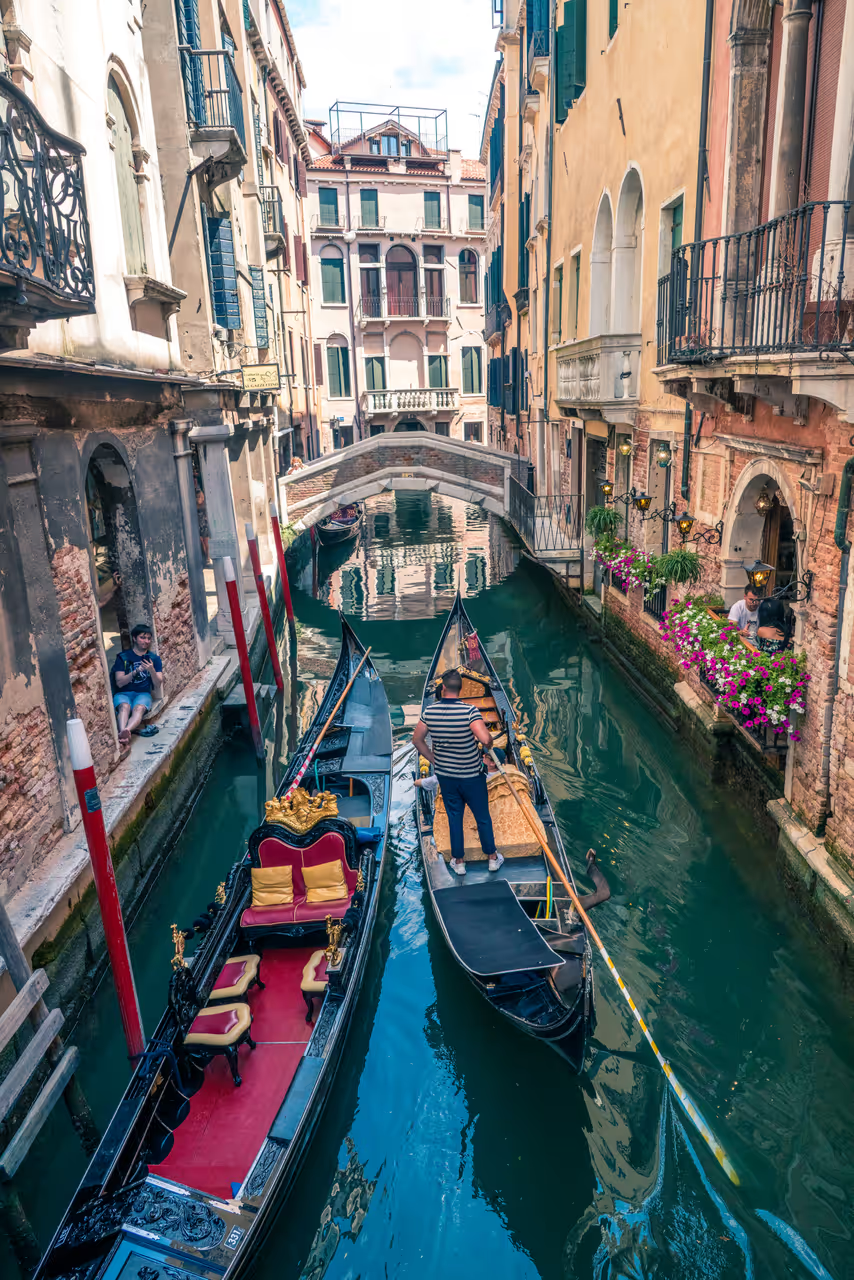 121m
121mTraditional Gondola Ride
There is nothing quite as romantic or iconic as drifting through the narrow, silent back canals in a sleek, black wooden boat. A professional gondolier expertly navigates tight corners and low bridges using a single oar, a technique unchanged for centuries. The perspective from the waterline reveals hidden architectural details, moss covered steps, and the quiet, melancholic beauty of the inner districts. While it is certainly a premium experience, the atmosphere and history involved make it unforgettable. It is the quintessential way to experience the magical silence of the waterways.
highlight view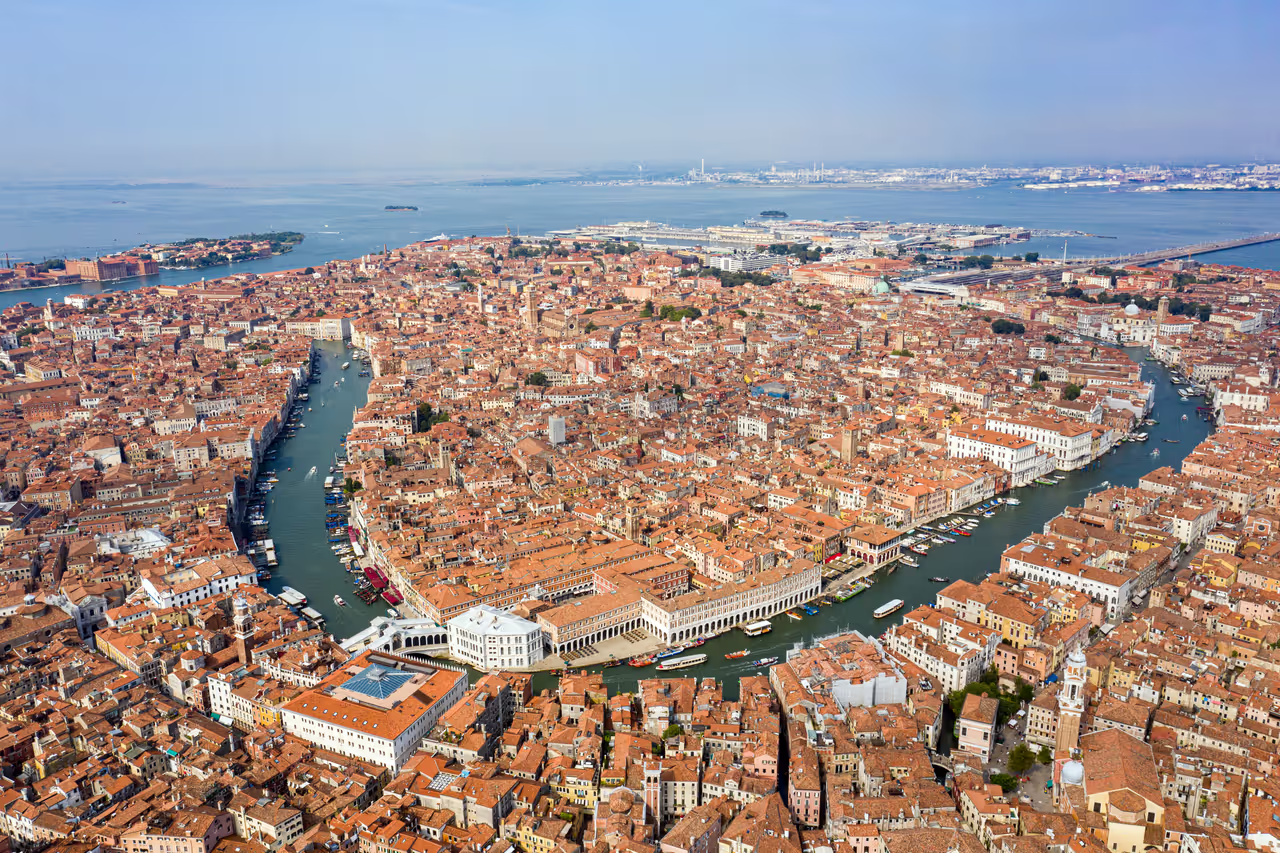 187m
187mCicchetti and Ombra Crawl
Embark on a culinary adventure by hopping between traditional, wood panelled wine bars scattered throughout the narrow alleys. You stand at the counter, order a small glass of house wine known as an ombra, and select from a mouth watering array of bite sized snacks called cicchetti. These tapas style treats range from creamy cod on toast to spicy fried meatballs and marinated seafood. It is an incredibly social, authentic way to dine, rubbing shoulders with locals wrapping up their workday. Moving from tavern to tavern turns dinner into a wonderful, unstructured exploration.
highlight view
Explore Similar Places in This Collection
Featured on These Itineraries and Routes
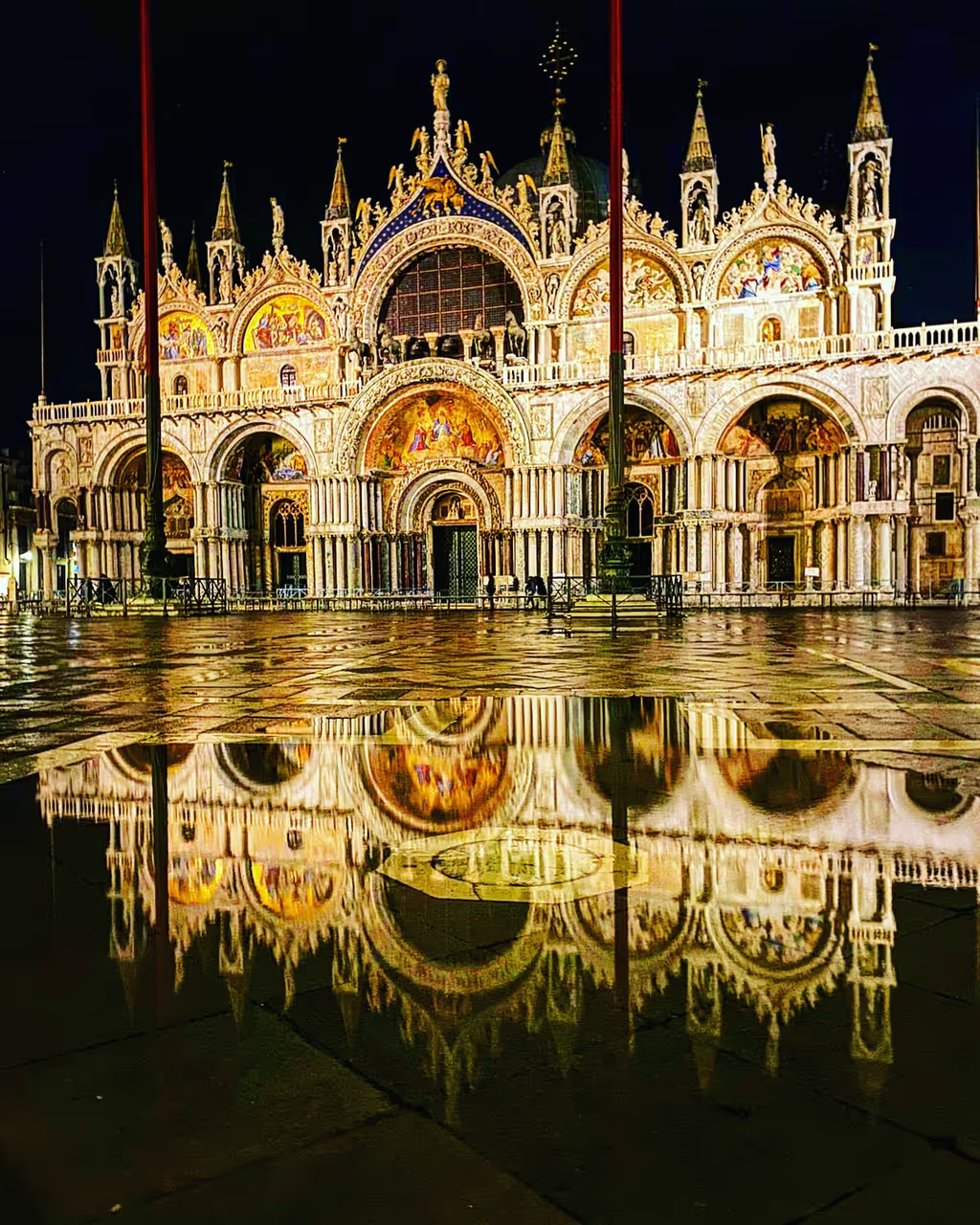
1 Day in Venice Itinerary
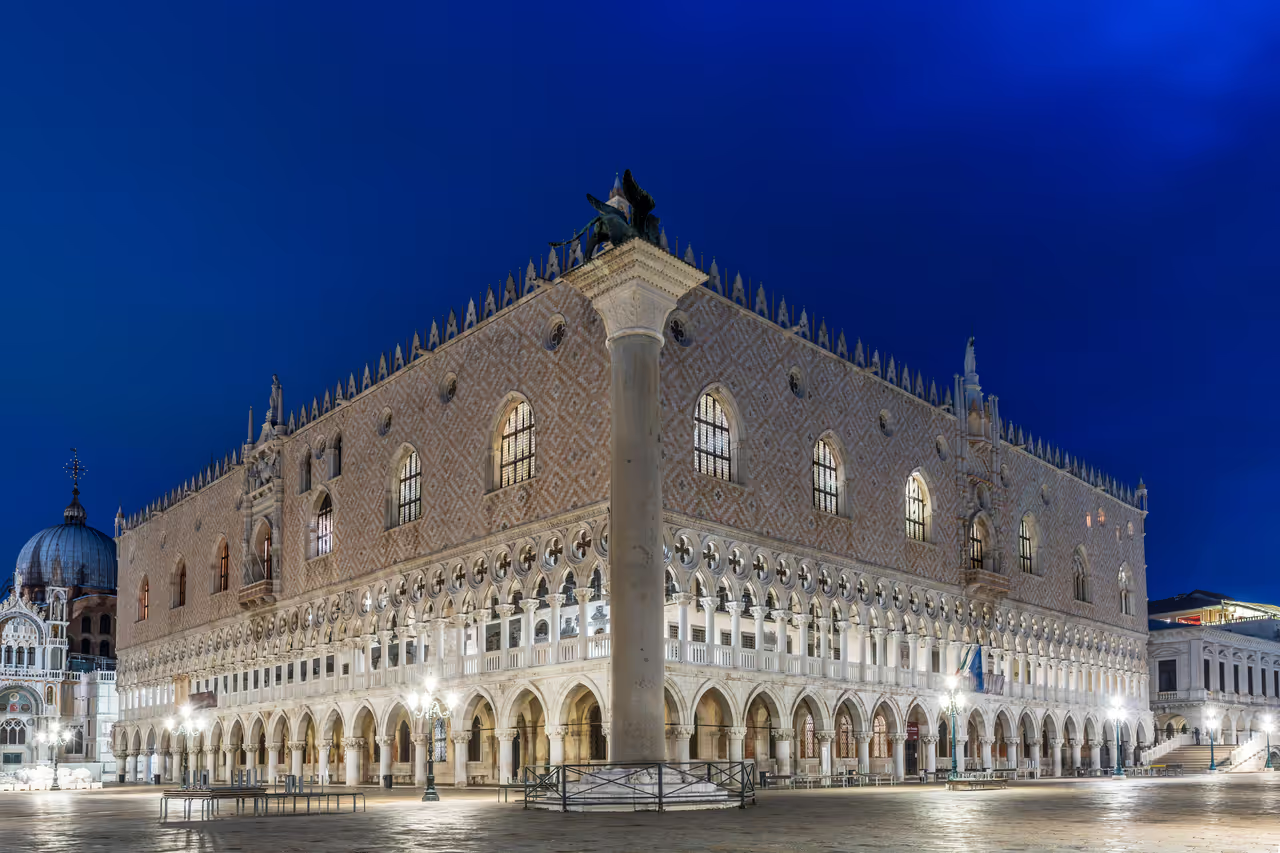
If you only have one day, this fast paced itinerary covers the absolute highlights of the historic republic. You will experience the sheer majesty of the central squares, marvel at the incredible Byzantine and Gothic architecture, and witness the bustling energy of the ancient markets. By utilizing the public water buses, you will also grasp the breathtaking scale of the palaces lining the main waterway. It is designed to deliver maximum visual impact and historical understanding in a short timeframe. Expect a thrilling, unforgettable introduction to the lagoon city.
view itinerary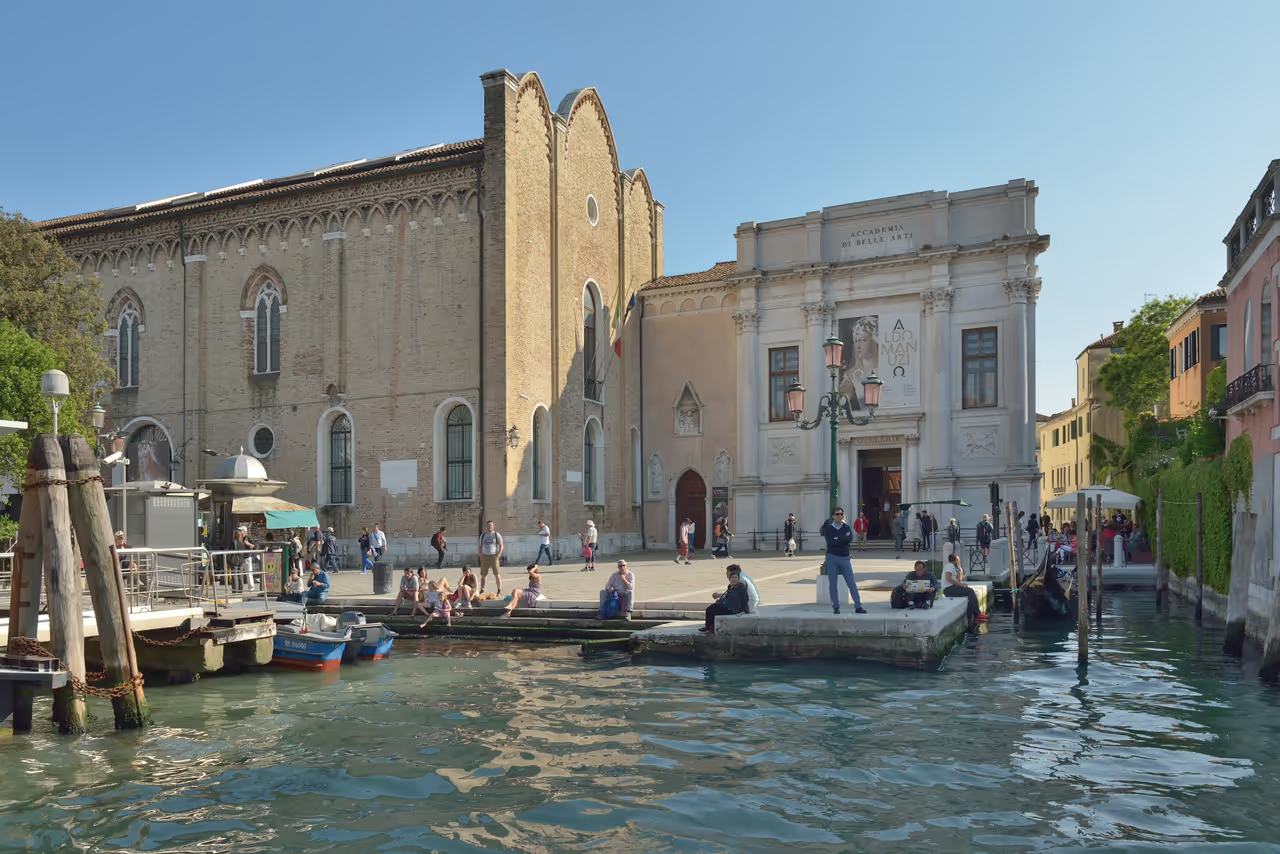
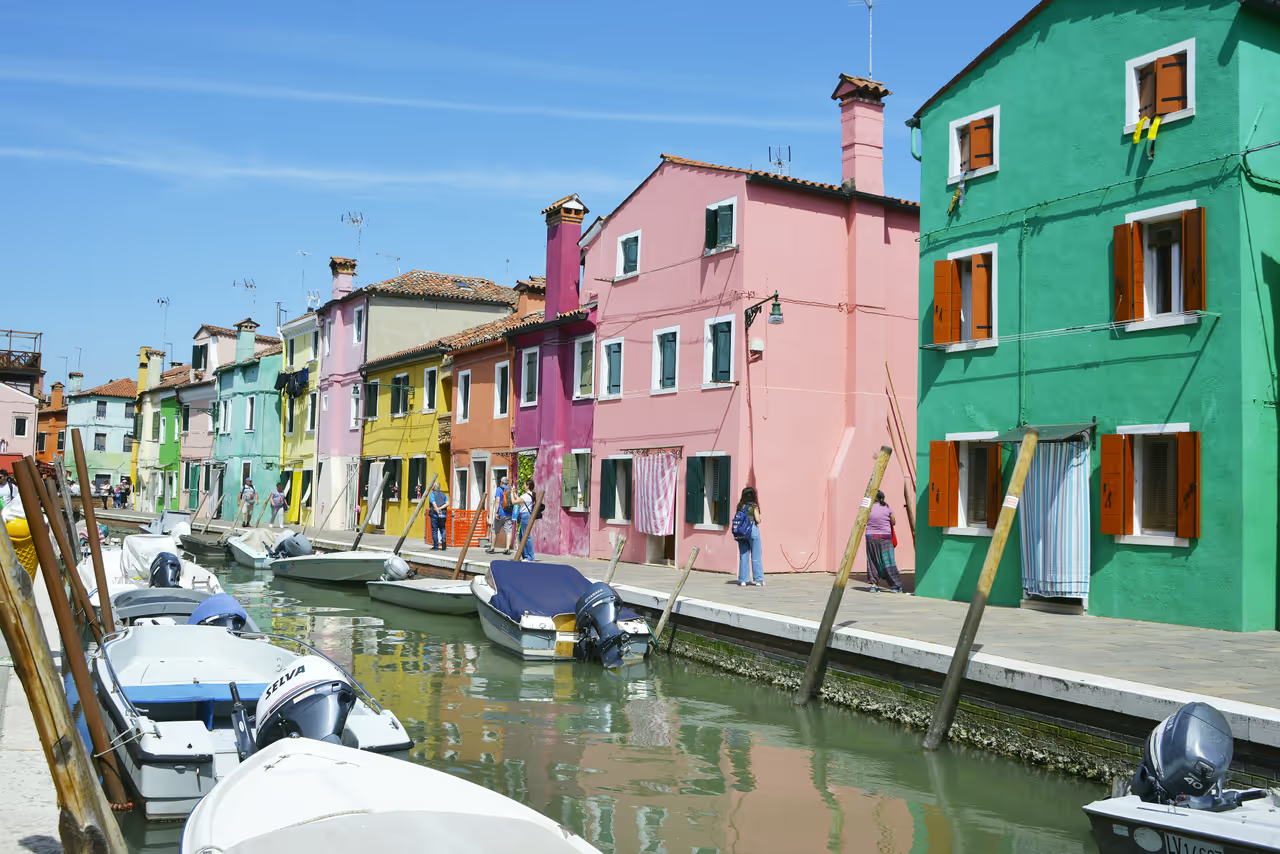
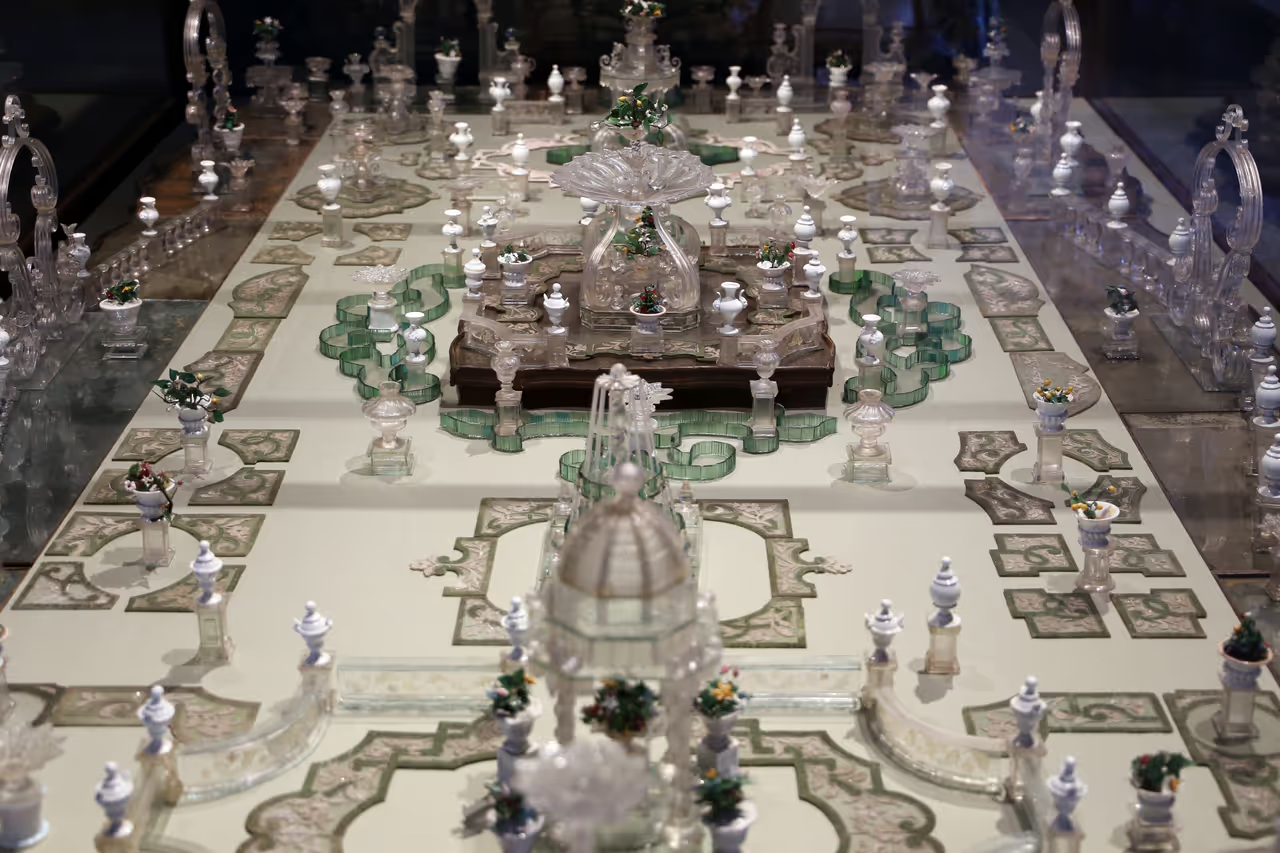
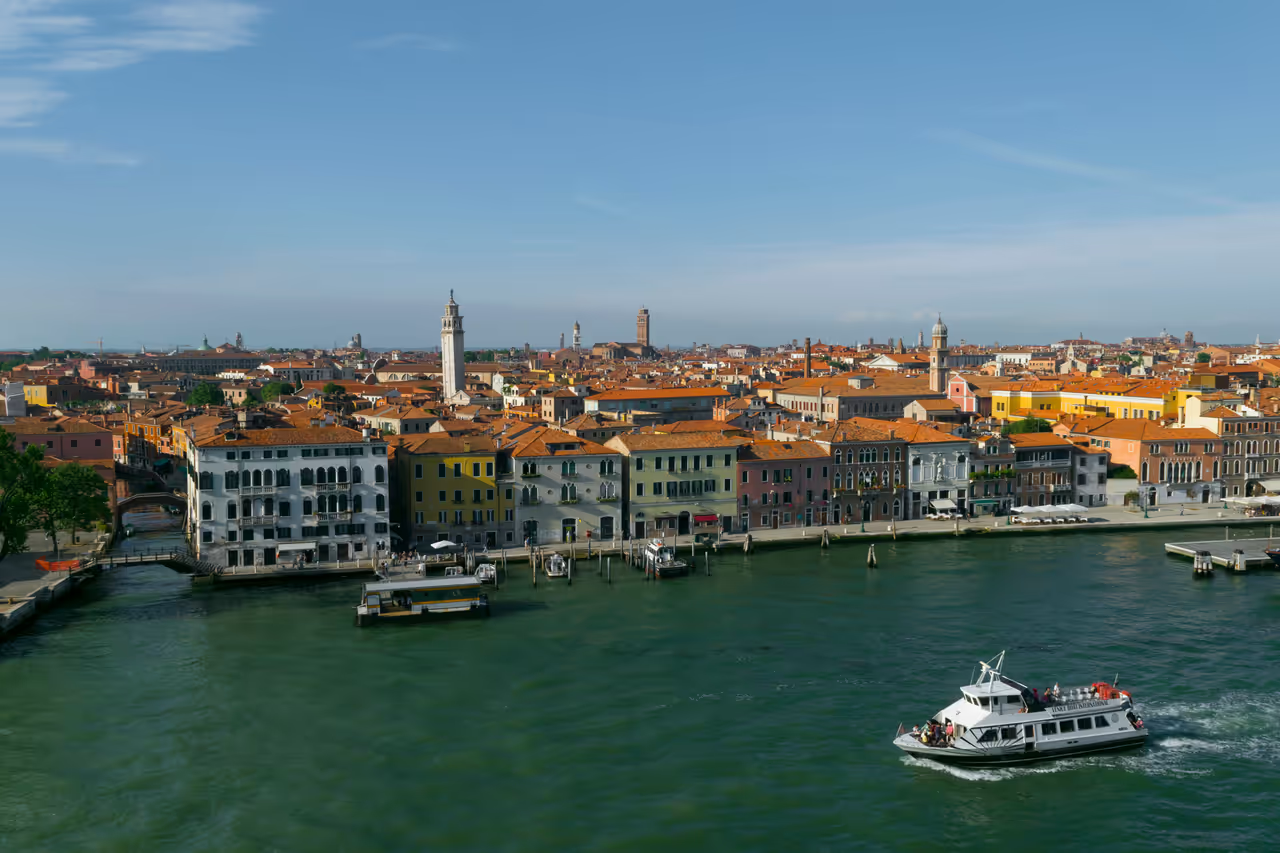
3 Days in Venice: Art and Water Itinerary
This balanced three day journey allows you to look beyond the immediate centre and explore the incredible artistic legacy of the surrounding districts. You will conquer the grand monuments on the first day, followed by a deep dive into world class art galleries and the bohemian atmosphere of the southern waterfront. The final day takes you off the main islands to discover the vibrant colours and historic crafts of the wider lagoon. It strikes the perfect balance between hitting the major sights and enjoying relaxed, authentic local experiences. You will leave with a profound appreciation for the city's diverse character.
view itinerary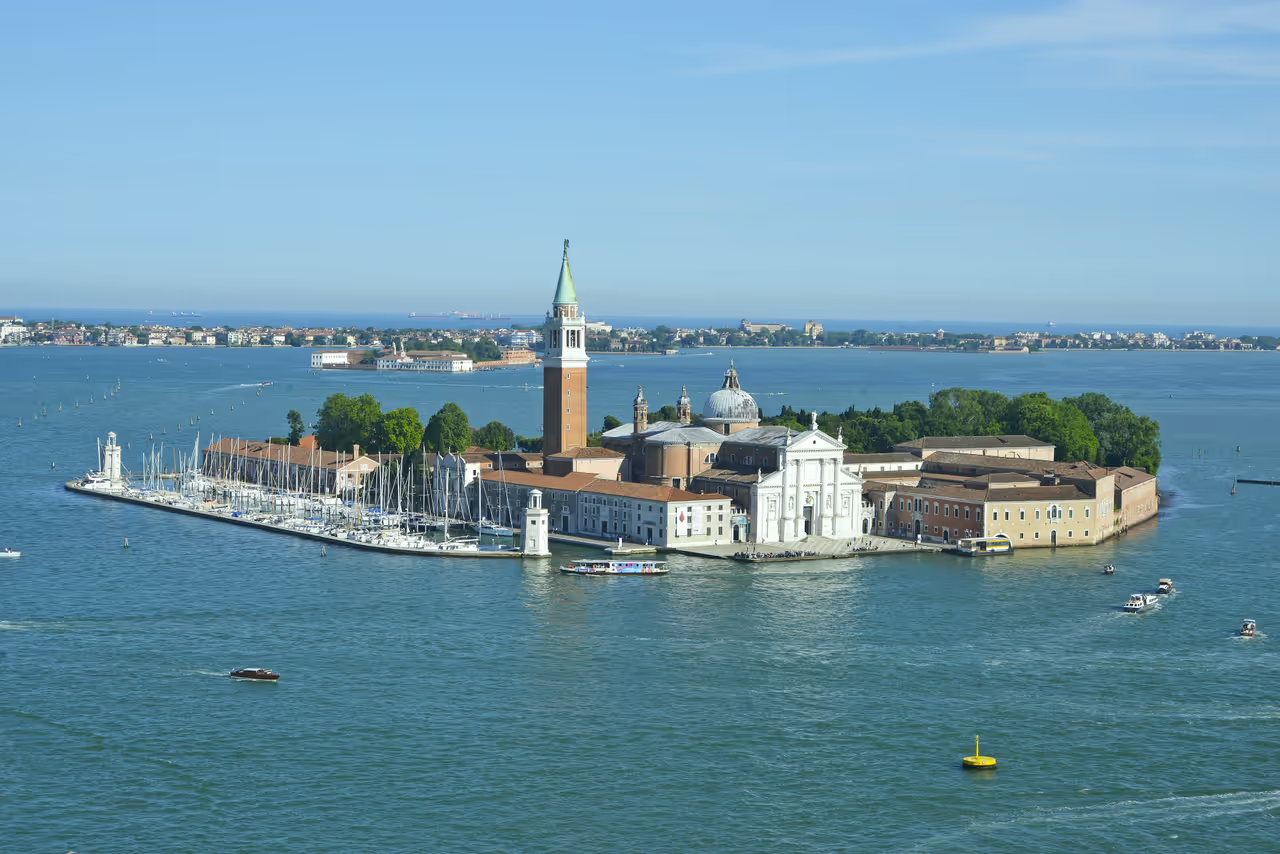
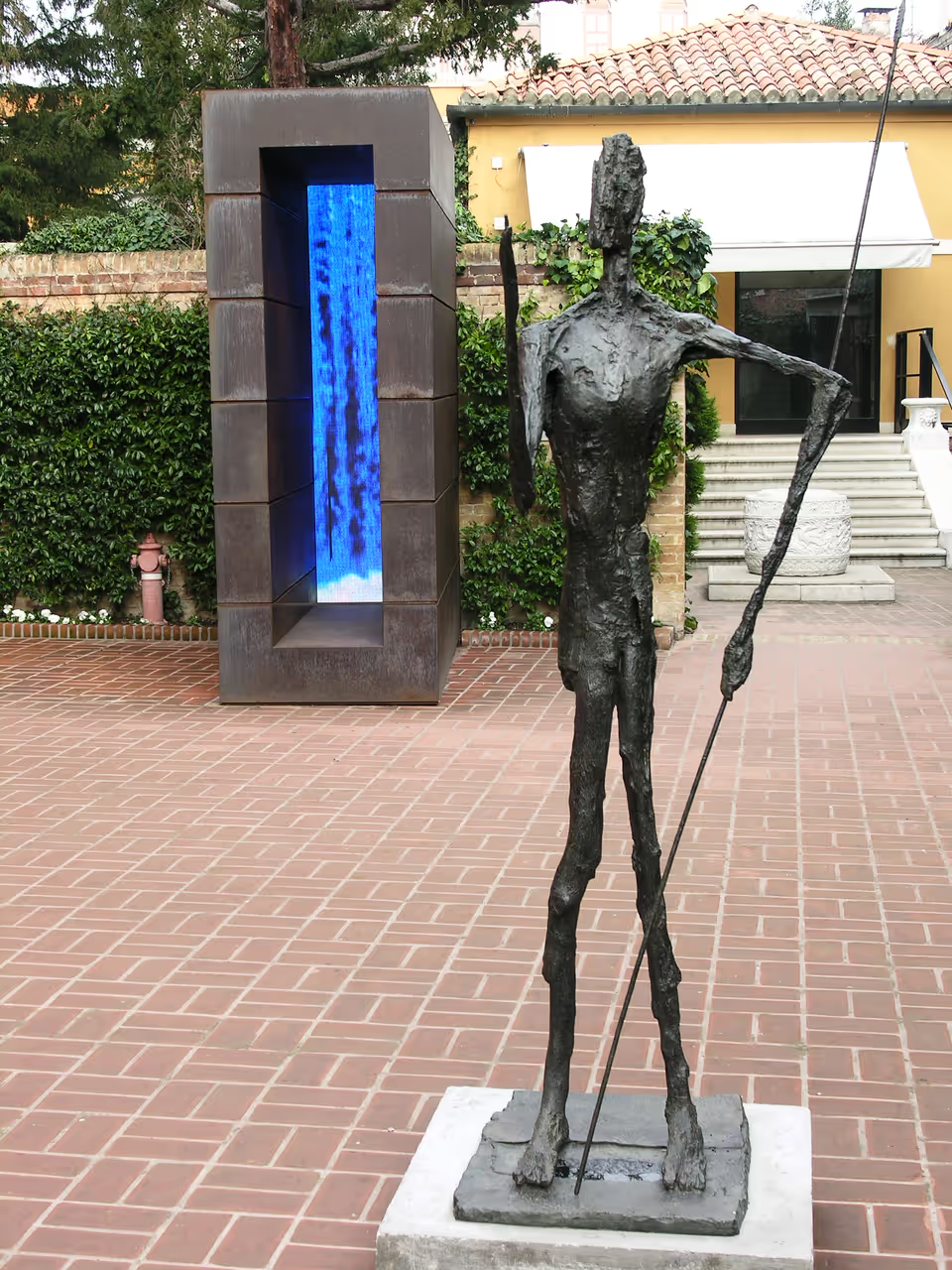
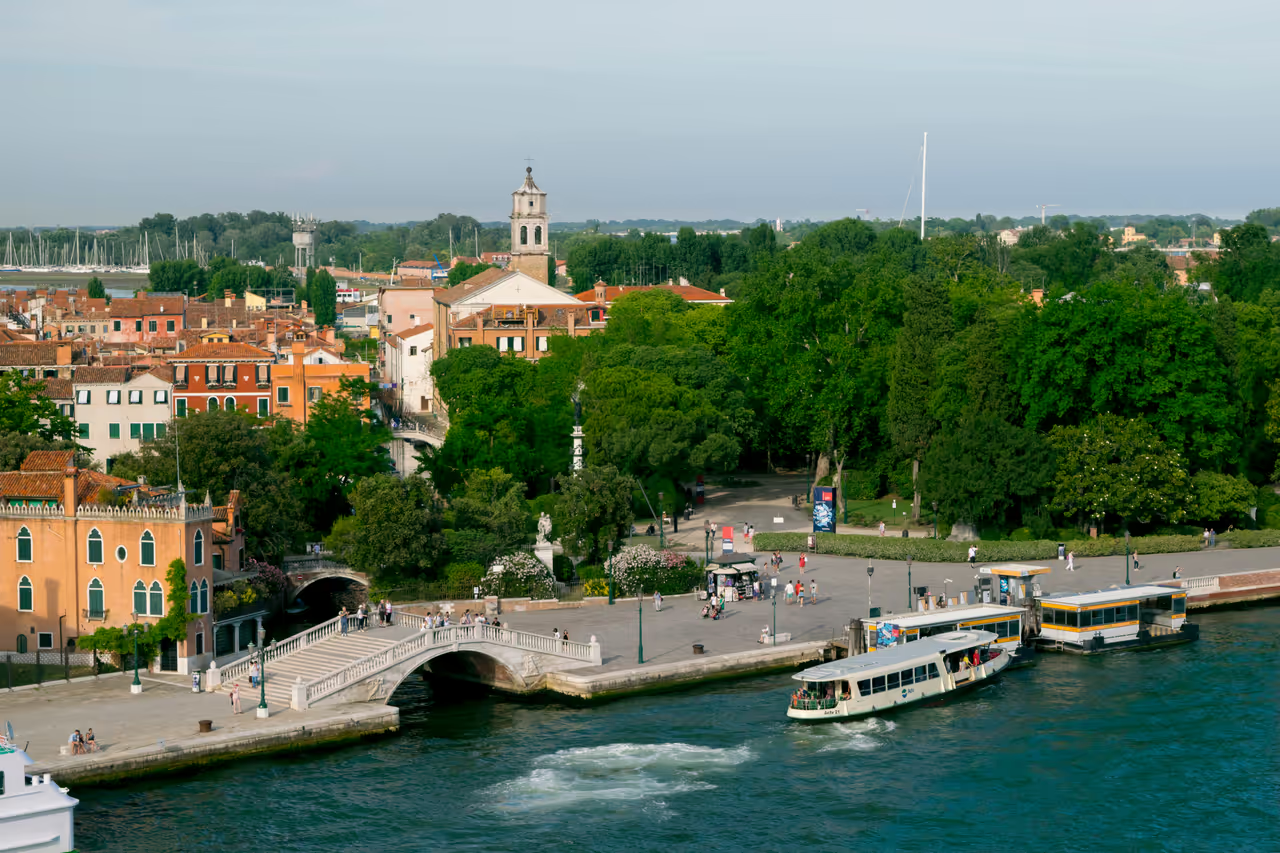
5 Days in Venice Itinerary
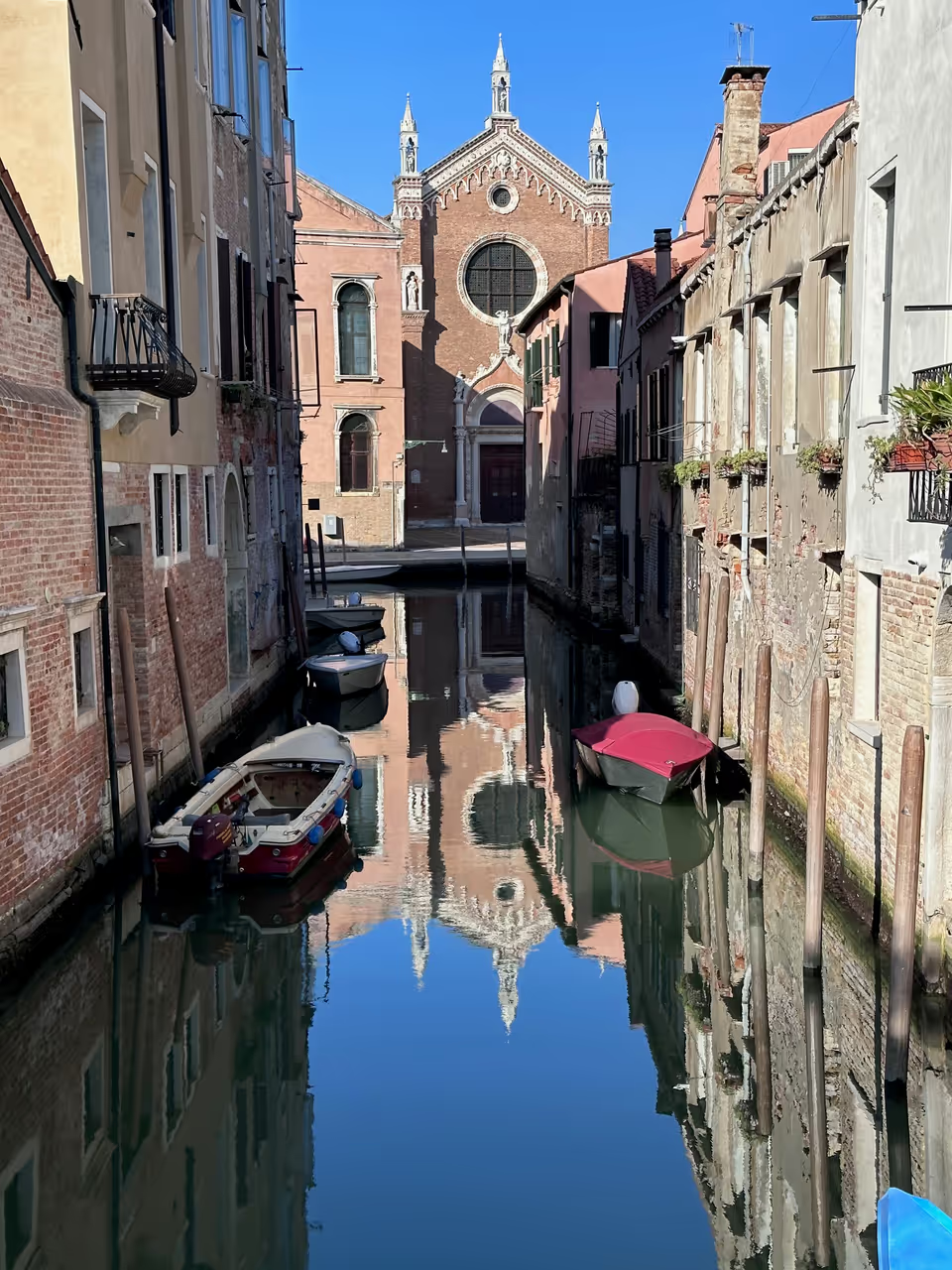
A comprehensive five day immersion allows you to truly sync with the slow, watery rhythm of the old republic. Beyond the essential monuments and famous outer islands, you will have time to discover incredibly peaceful hidden courtyards, historic ghettos, and majestic baroque palaces. This extended time frame permits leisurely evenings enjoying the local wine bar culture and quiet mornings appreciating panoramic waterfront views before the crowds arrive. It transforms a standard tourist visit into a deep, cultural exploration of residential life and artistic mastery. This is the ultimate way to understand the complex soul of the city.
view itinerary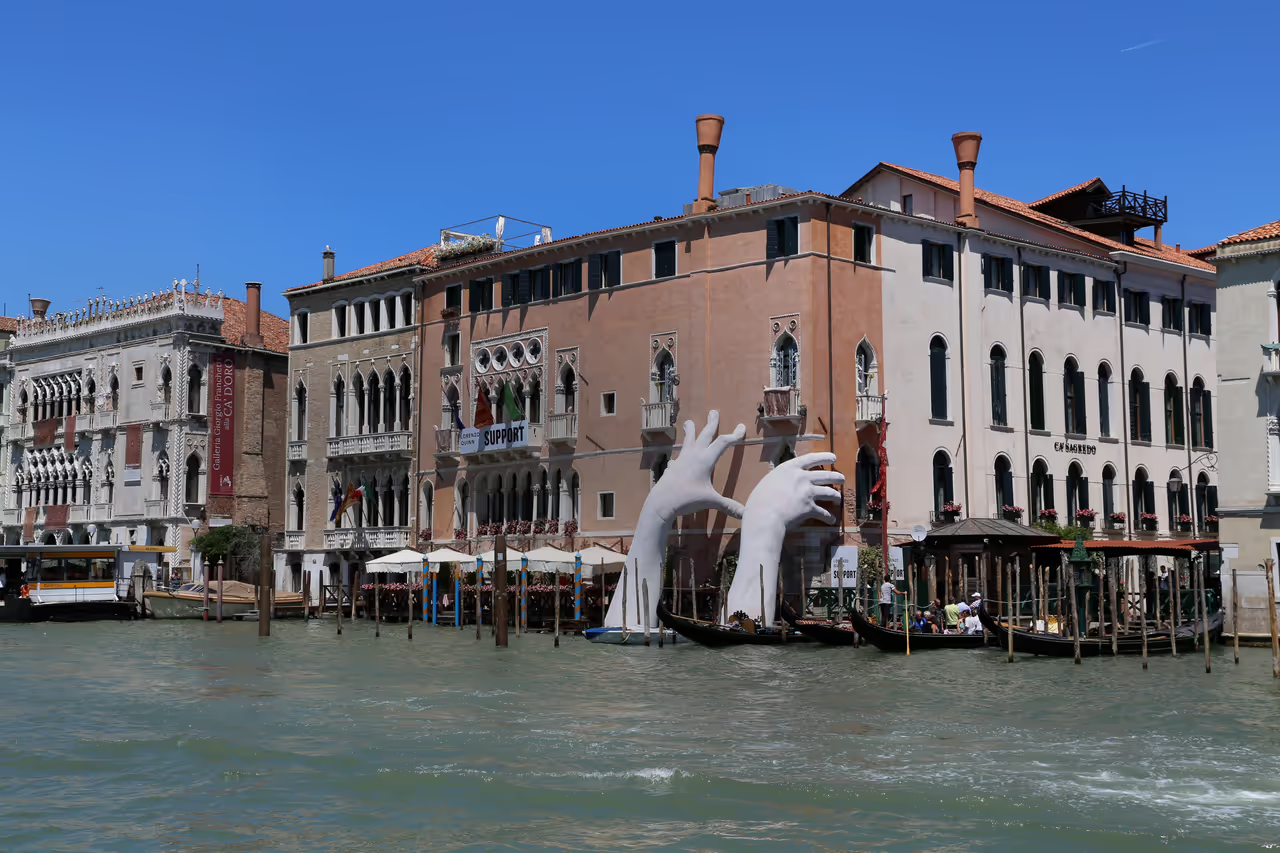
Grand Canal Architecture Tour
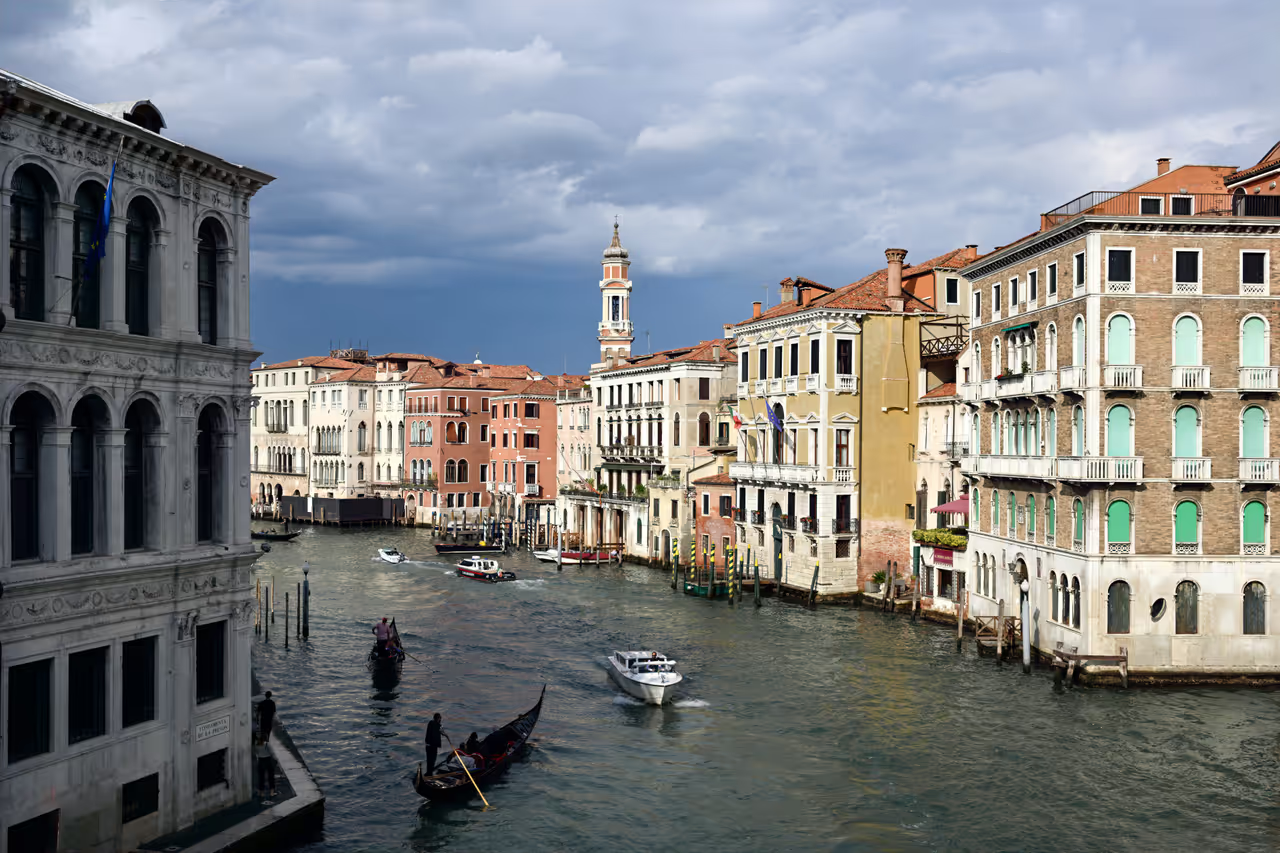
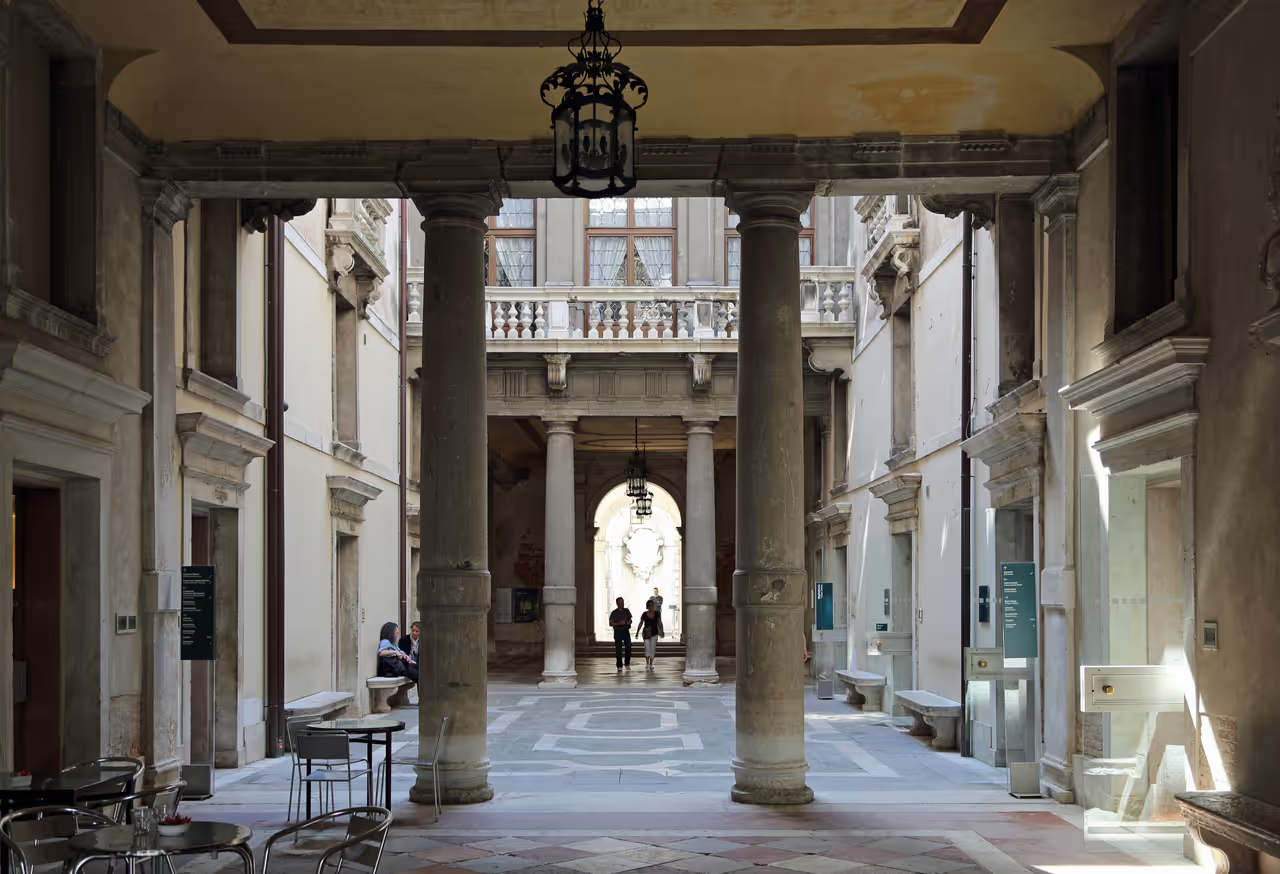
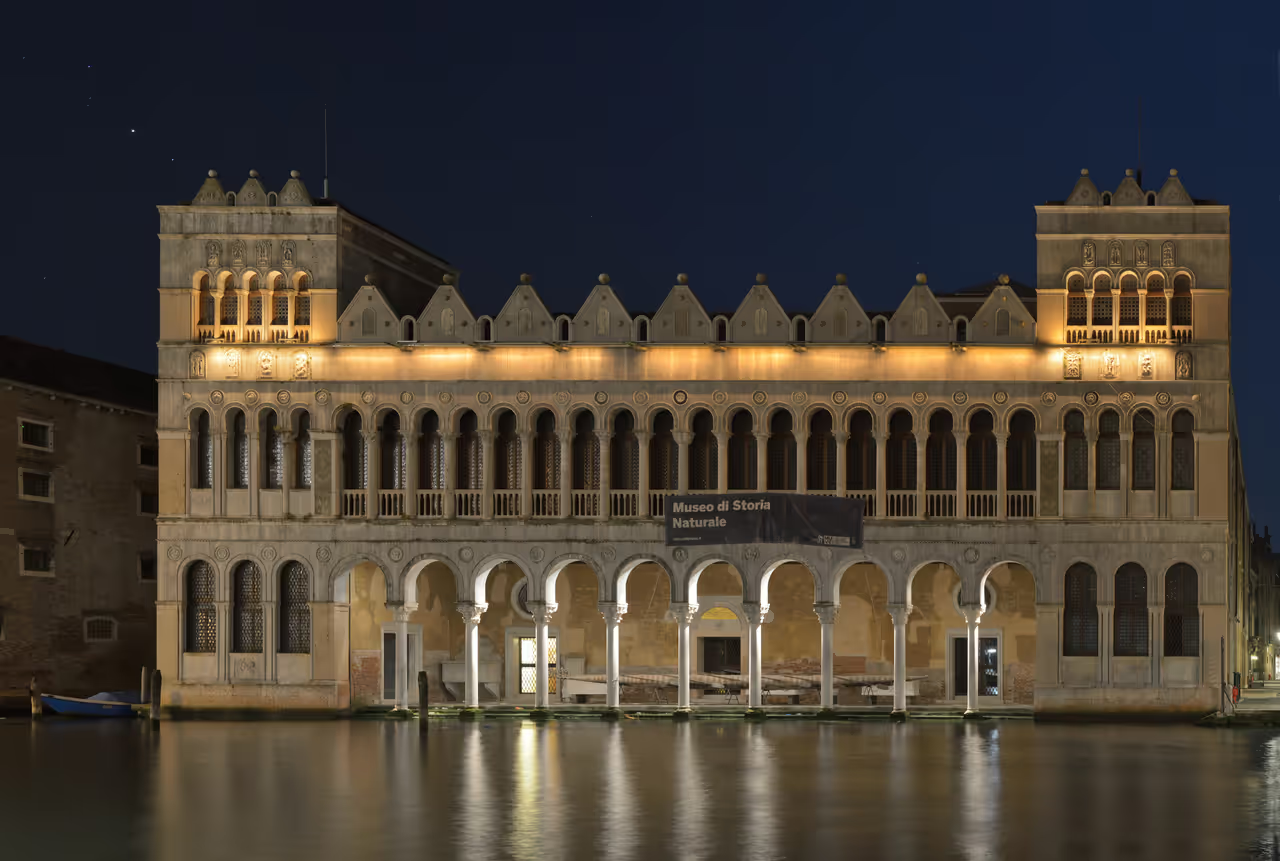
The main waterway curves through the city like a grand, inverted letter S, flanked on both sides by the most spectacular aristocratic palaces ever built. This self guided journey is best experienced by hopping on and off the slow moving public water bus, treating it as a moving viewing platform. You will trace the evolution of architectural styles from early Byzantine arches to elaborate Baroque facades. Every building tells a story of the wealthy merchant families who competed fiercely for the most prestigious waterfront real estate. It is a stunning visual history lesson that reveals the immense wealth of the old republic.
view self-guided tour
See all attractions in Venice
Doge's Palace, Gallerie dell'Accademia, Gran Teatro La Fenice, Peggy Guggenheim Collection, St Mark's Basilica...