Roman Theatre of Trieste
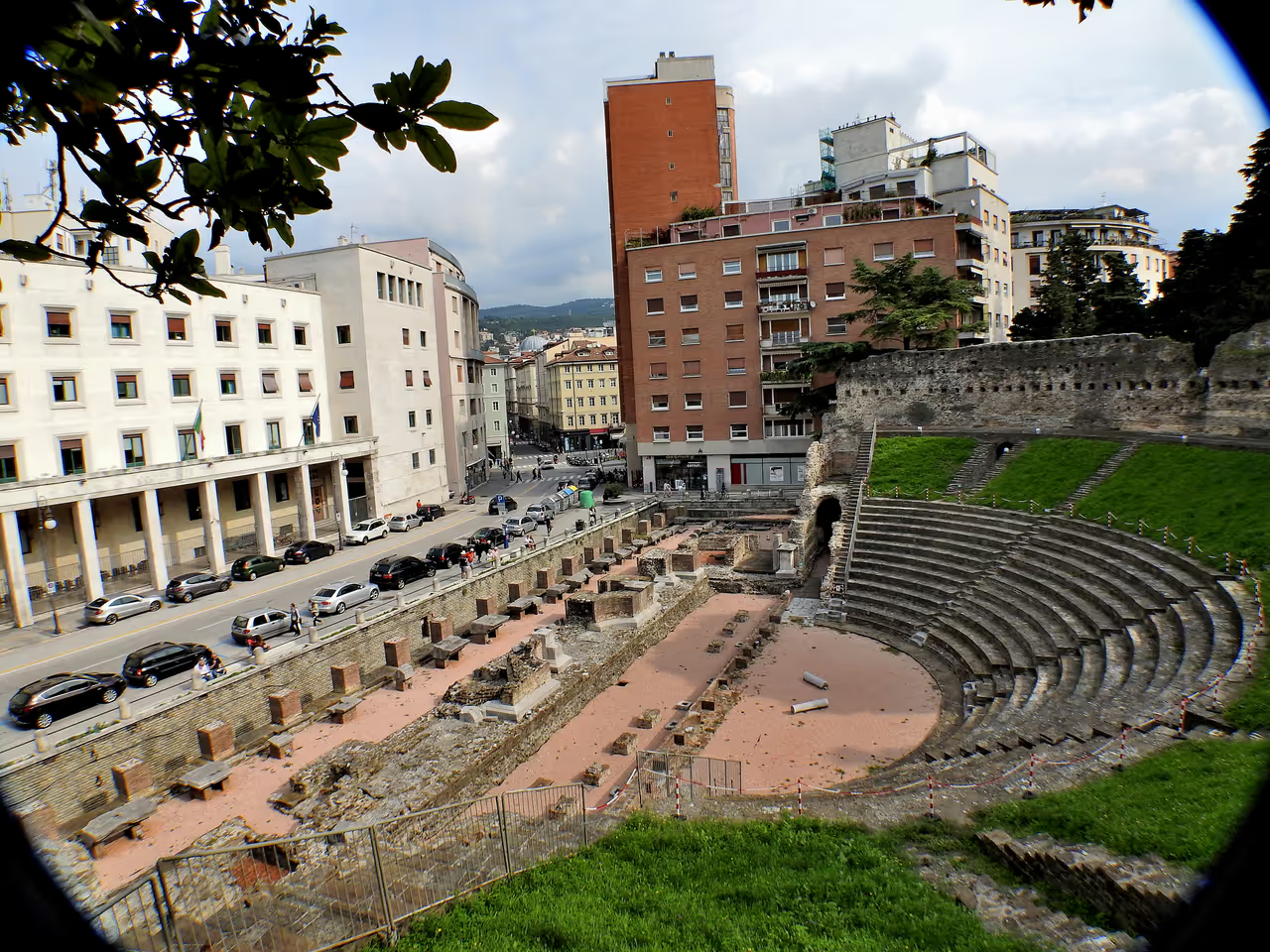
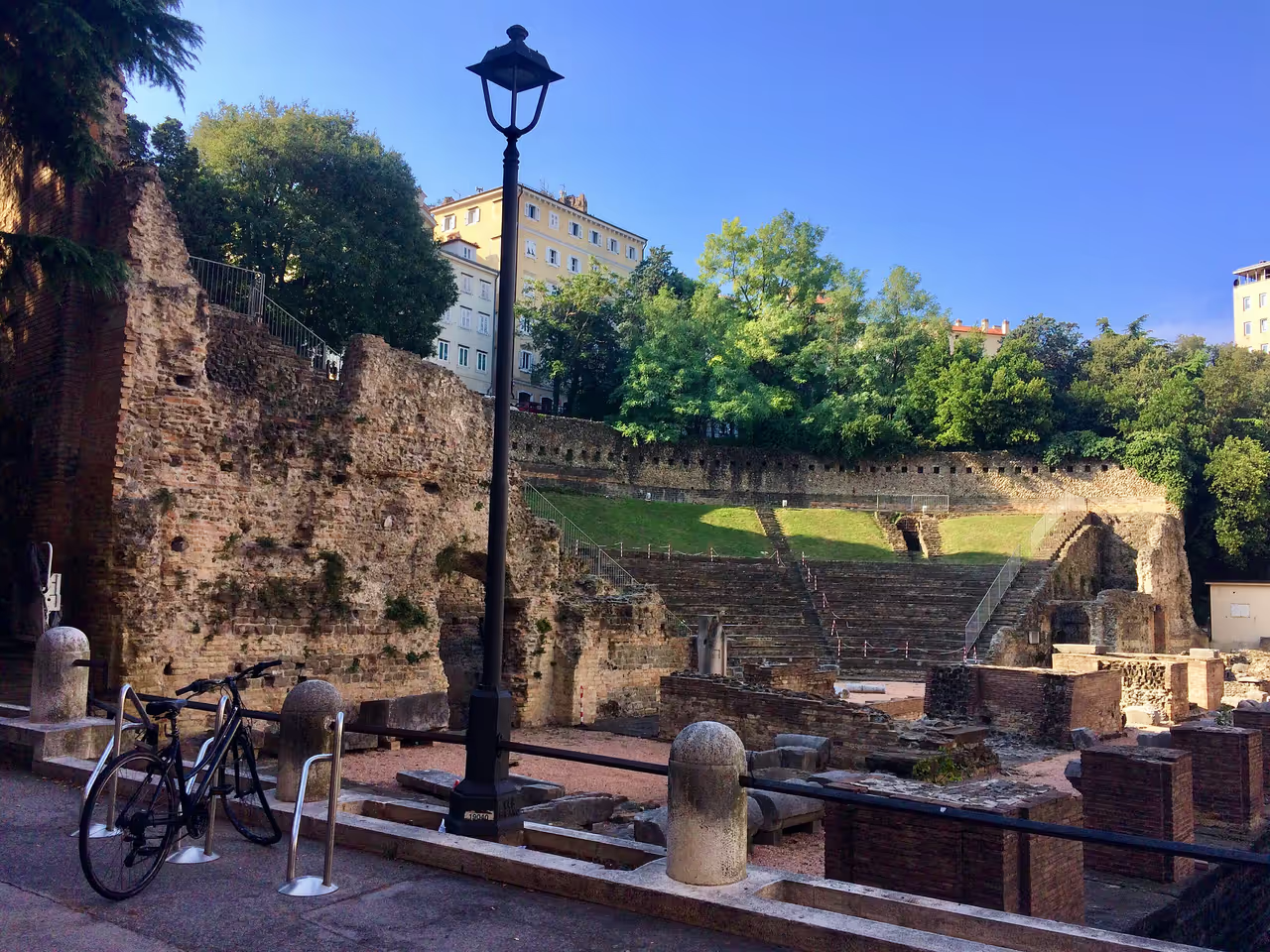
Step into the heart of Trieste and find yourself transported back two thousand years. Nestled at the foot of the San Giusto hill, the Roman Theatre sits beautifully preserved right in the middle of the modern urban fabric. Once facing directly onto the Adriatic Sea, it offers a fascinating glimpse into the lives of ancient residents who gathered here for entertainment. Today, it serves as a captivating open-air monument, allowing visitors to walk past its ancient stones and imagine the dramatic performances that once echoed against the limestone slopes. It stands as a striking reminder of the city's deep-rooted past, blending seamlessly with the surrounding streets.
Videos
History of Roman Theatre of Trieste
Long ago, the Roman Theatre of Trieste stood as a beacon of culture, overlooking the Adriatic Sea. Constructed between the end of the 1st century BC and the beginning of the 2nd century AD, it served as a grand venue for performances and public life. It reflected the prosperity of ancient Tergeste, showing off the architectural prowess of the Roman Empire, likely under the influence of the local figure Quintus Petronius Modestus. As the centuries rolled on, the theatre's prominence faded, and it was swallowed by the expanding city. Medieval homes were built directly over the structure, effectively burying the history beneath layers of residential life. For a very long time, the existence of this magnificent site was forgotten, becoming little more than a faint memory among the local populace. The tide finally turned in 1814 when architect Pietro Nobile caught a glimpse of the past beneath the city's surface. However, it was not until 1938 that the site was fully liberated from the urban sprawl during a wave of demolitions. Today, it stands as a testament to the resilience of history, allowing the present day to interact directly with the ancient foundations of the city.
Events spanning 1988 years
Fun Facts
- • Ancient builders ingeniously utilised the natural slope of the San Giusto hill to create the auditorium seating, a classic technique of the period.
- • Archaeologists estimate the venue could accommodate anywhere between 3,500 and 6,000 spectators at its peak.
- • During the middle ages, the entire structure was concealed beneath houses, rendering it invisible to the world for hundreds of years.
- • It served as a central hub for entertainment, reflecting the social importance of Roman Trieste as a strategic port.
- • Modern excavations in 1938 were only made possible by the demolition of several buildings in the old city centre, highlighting the complex layers of human settlement in Trieste.
- • Much of the decorative stonework and statues found during the 1938 dig are now preserved and on display at the Castello di San Giusto Lapidary.
- • The architectural layout followed traditional principles, featuring a semicircular seating area designed for optimal acoustics.
- • The rediscovery of the theatre in 1814 remains one of the most exciting architectural finds in the history of the region.
- • The theatre once stood on the very shoreline of the Adriatic, which is a drastically different landscape compared to the modern-day city where the water has receded significantly.
- • The theatre's proscenium was once adorned with elaborate statues and niches, creating a dramatic backdrop against the sea.
RESOURCES
Official WebsiteRoman Theatre of Trieste FAQ
While we strive to keep this information accurate and up to date, we recommend verifying any details independently before making decisions based on them.
Roman Theatre of Trieste Map & Neighborhood Explorer
This interactive map is centered on Roman Theatre of Trieste. Zoom in and move the map around to automatically discover Wikipedia photos and summaries of other nearby sights, monuments, and historical points of interest and stories in real-time!
Places near Roman Theatre of Trieste
Make the most of your trip. Check out these top-rated spots located nearby.
 236m
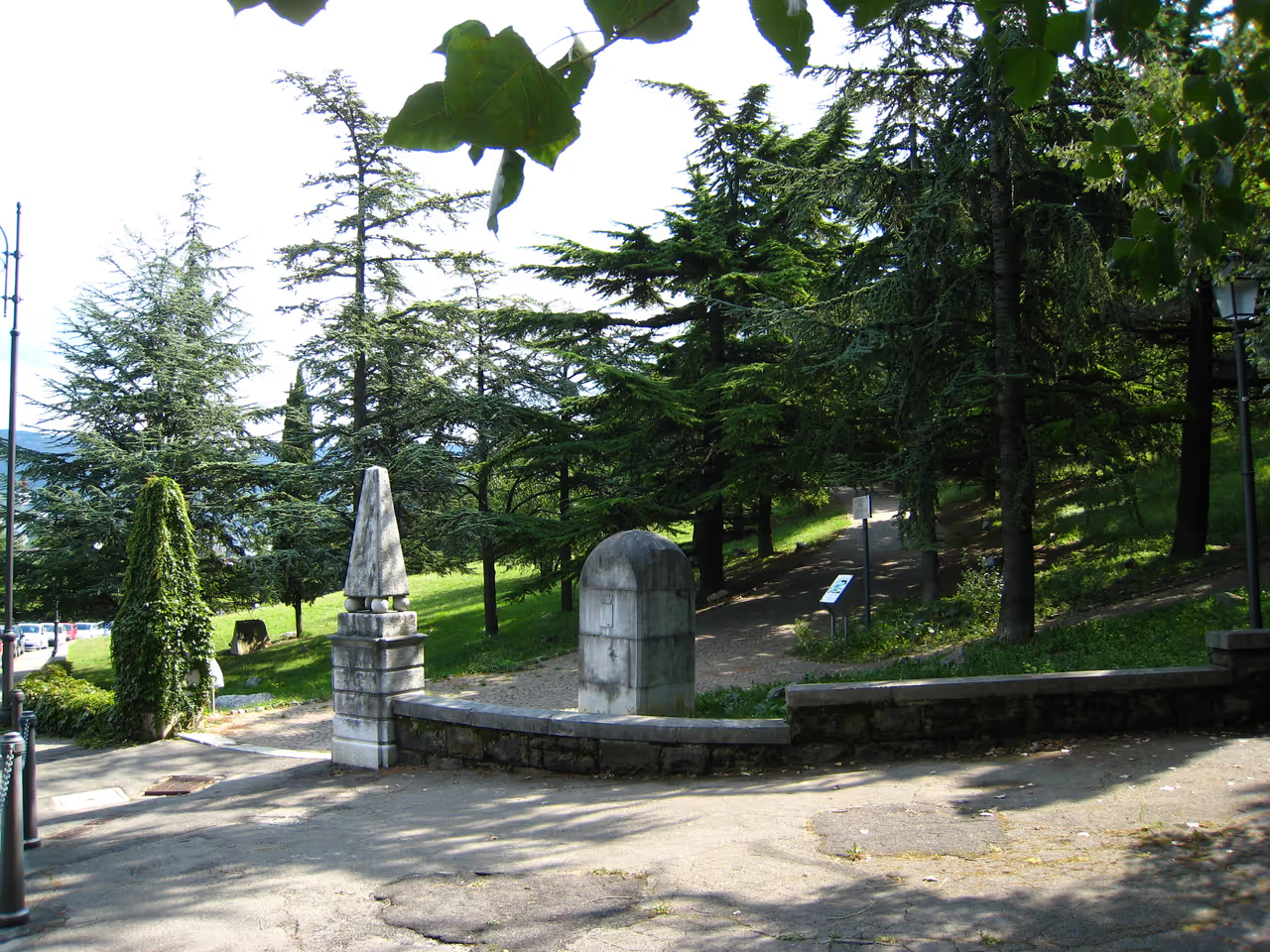
236mPark of Remembrance
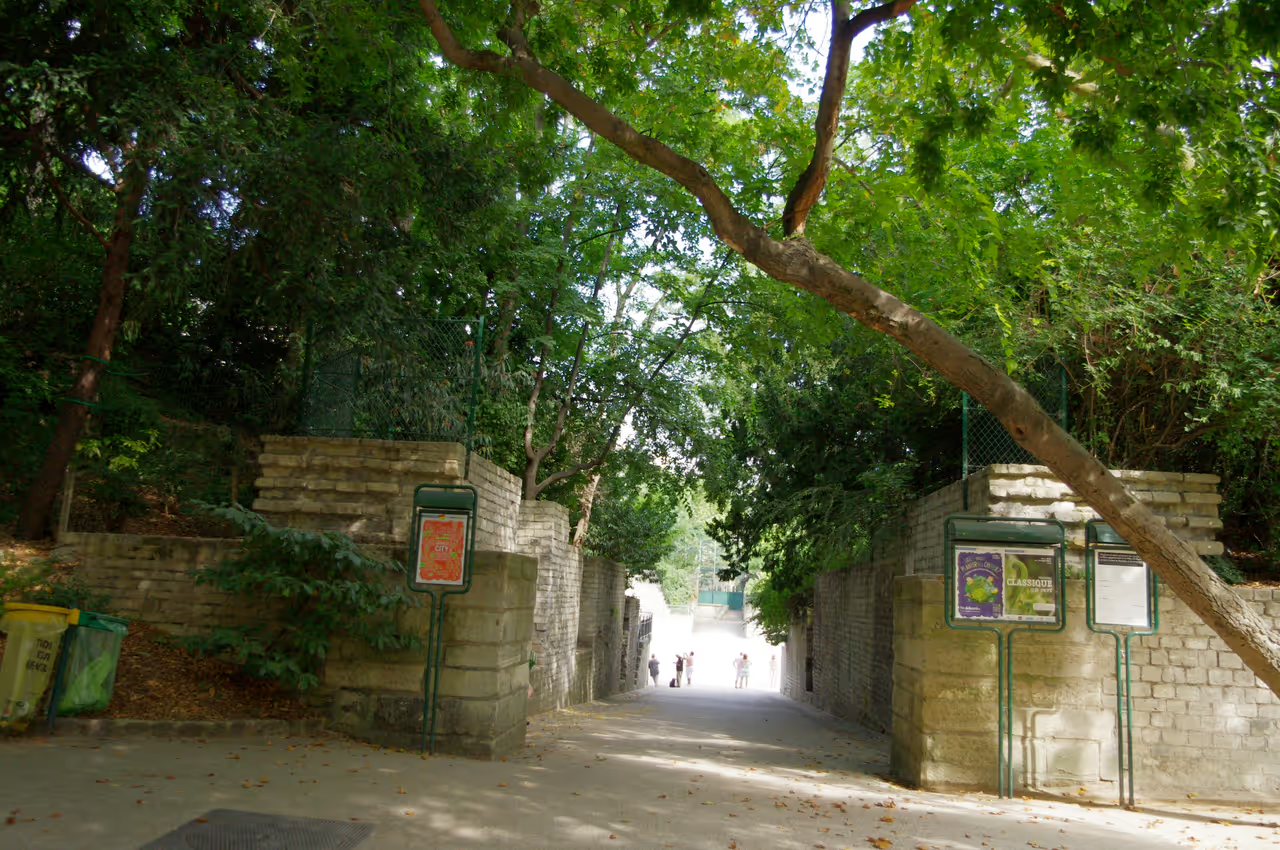
Located on the gentle slopes of the San Giusto hill, this poignant park serves as a sweeping memorial to the fallen soldiers of local conflicts. The pathways are lined with rugged Karst stones, each engraved with the names of known and unknown combatants. It was carefully landscaped during the 1930s to provide a sweeping, monumental approach to the ancient cathedral at the summit. Walking among the shaded trees offers both a solemn historical reflection and fantastic glimpses of the city below. It provides a highly atmospheric and peaceful prelude to visiting the nearby castle.
highlight view- 258m
Ghetto Antique Market
Tucked away in the narrow streets behind the grand main squares, this charming market area offers a treasure trove of historical artifacts. Stalls and small shops overflow with Biedermeier furniture, Bohemian glassware and fascinating remnants of the Austro Hungarian empire. Browsing through the collections feels like uncovering the physical layers of the city's complex cosmopolitan past. It is incredibly popular with serious collectors and casual browsers alike looking for a unique souvenir. The setting in the old Jewish Ghetto adds a layer of quiet historical ambience to the shopping experience.
market view 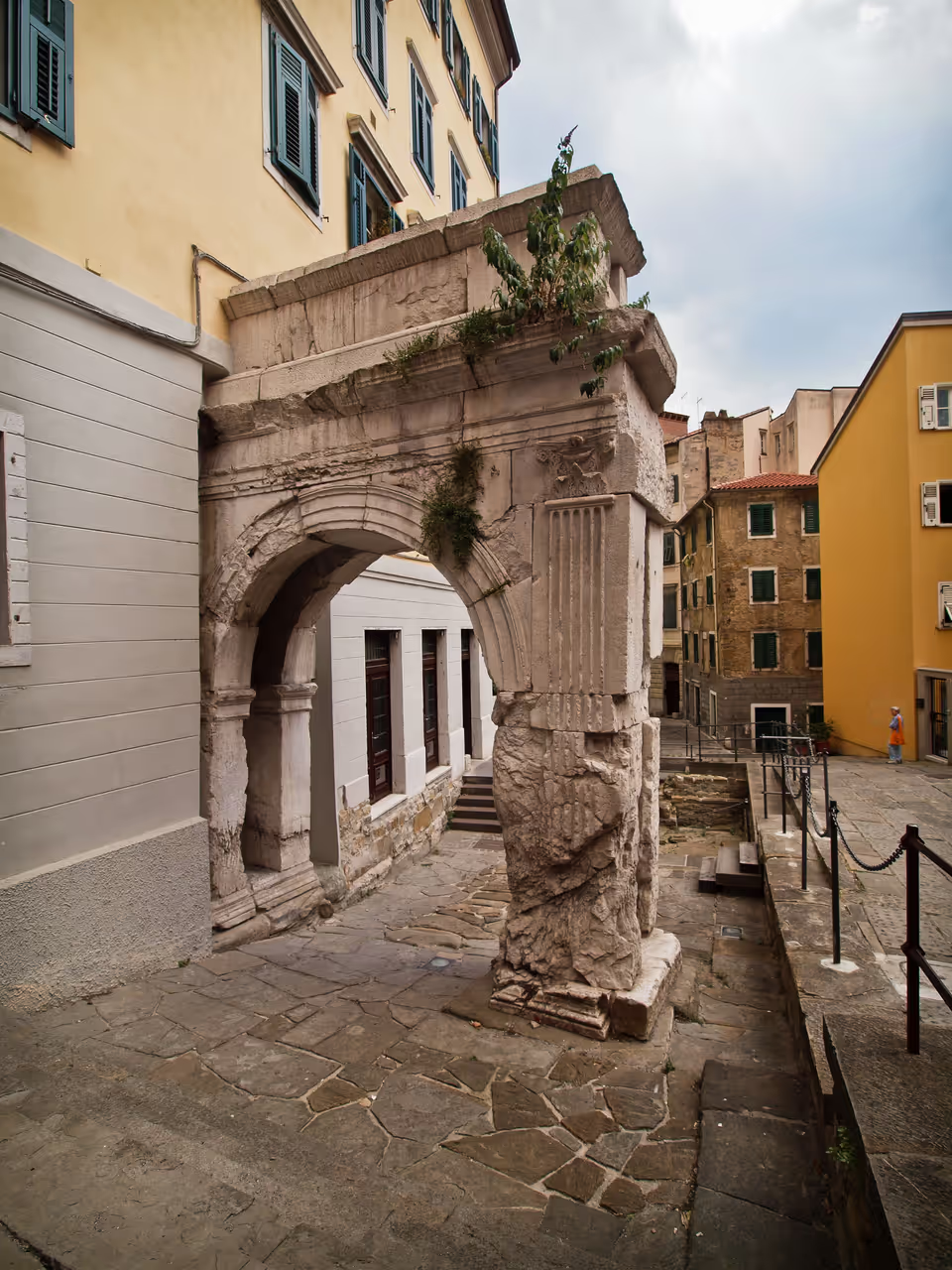 266m
266mRichard's Arch
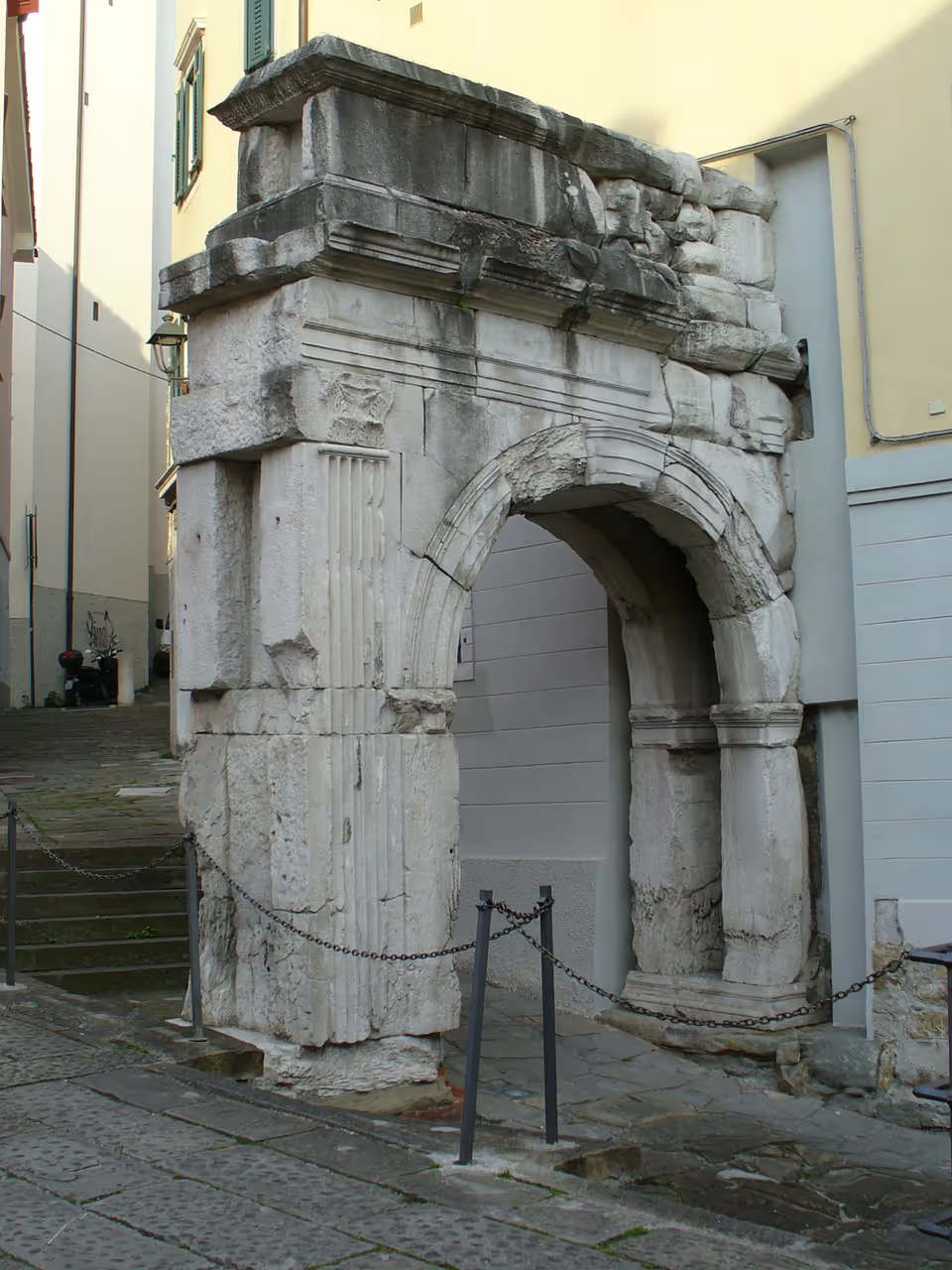
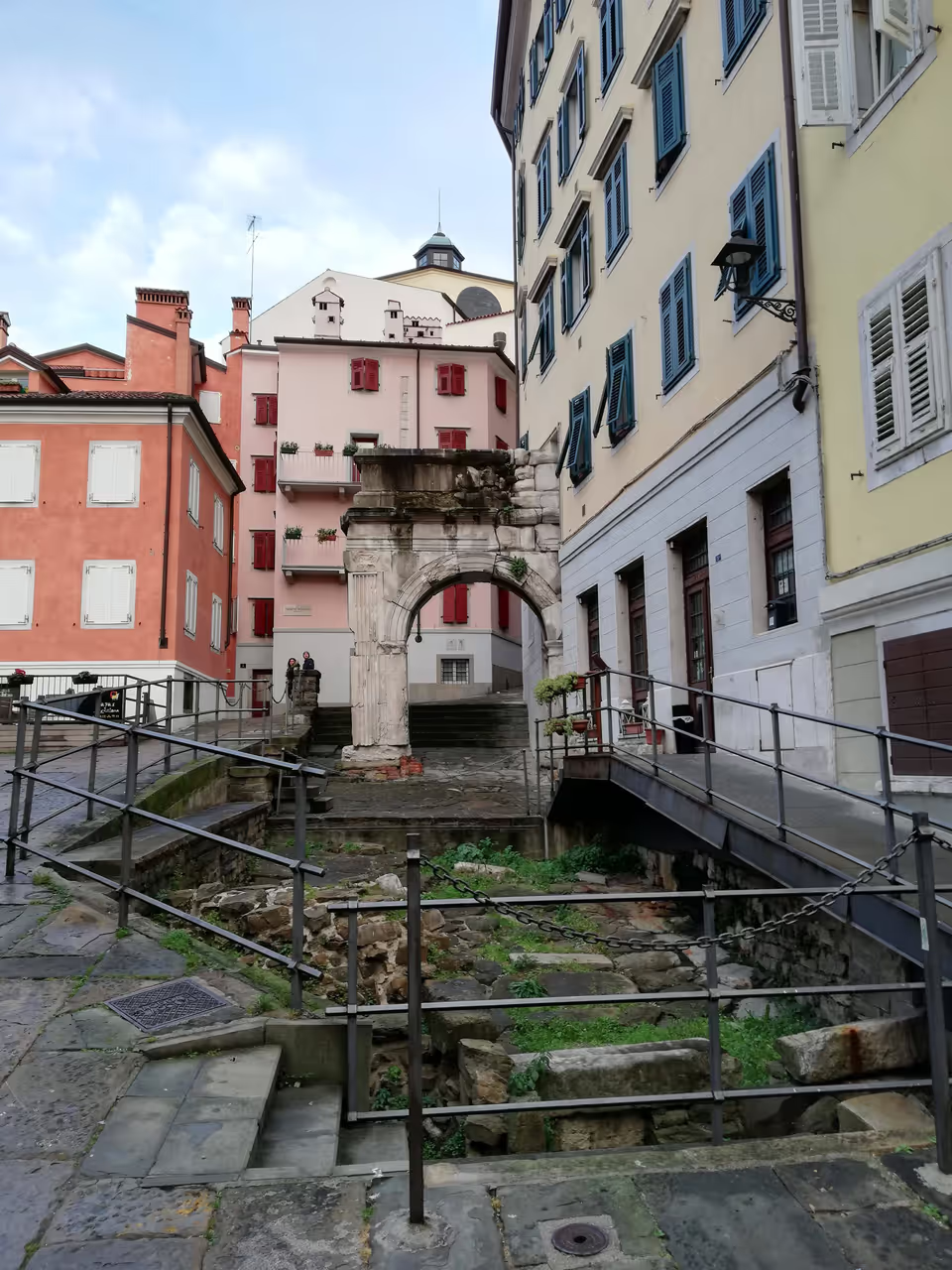
This remarkably preserved ancient Roman gate stands quietly in a small, unassuming square deep in the old town. Dating back to the first century BC, it was originally built into the defensive walls ordered by Emperor Augustus. What makes it truly fascinating is how the surrounding medieval houses were built directly into and around the ancient stone, swallowing half the arch completely. It is incredibly easy to miss if you stick to the main tourist avenues, making it a wonderful reward for those willing to wander. Grabbing a coffee at the tiny cafe opposite the arch offers a brilliant, quiet moment of historical contemplation.
hidden gem view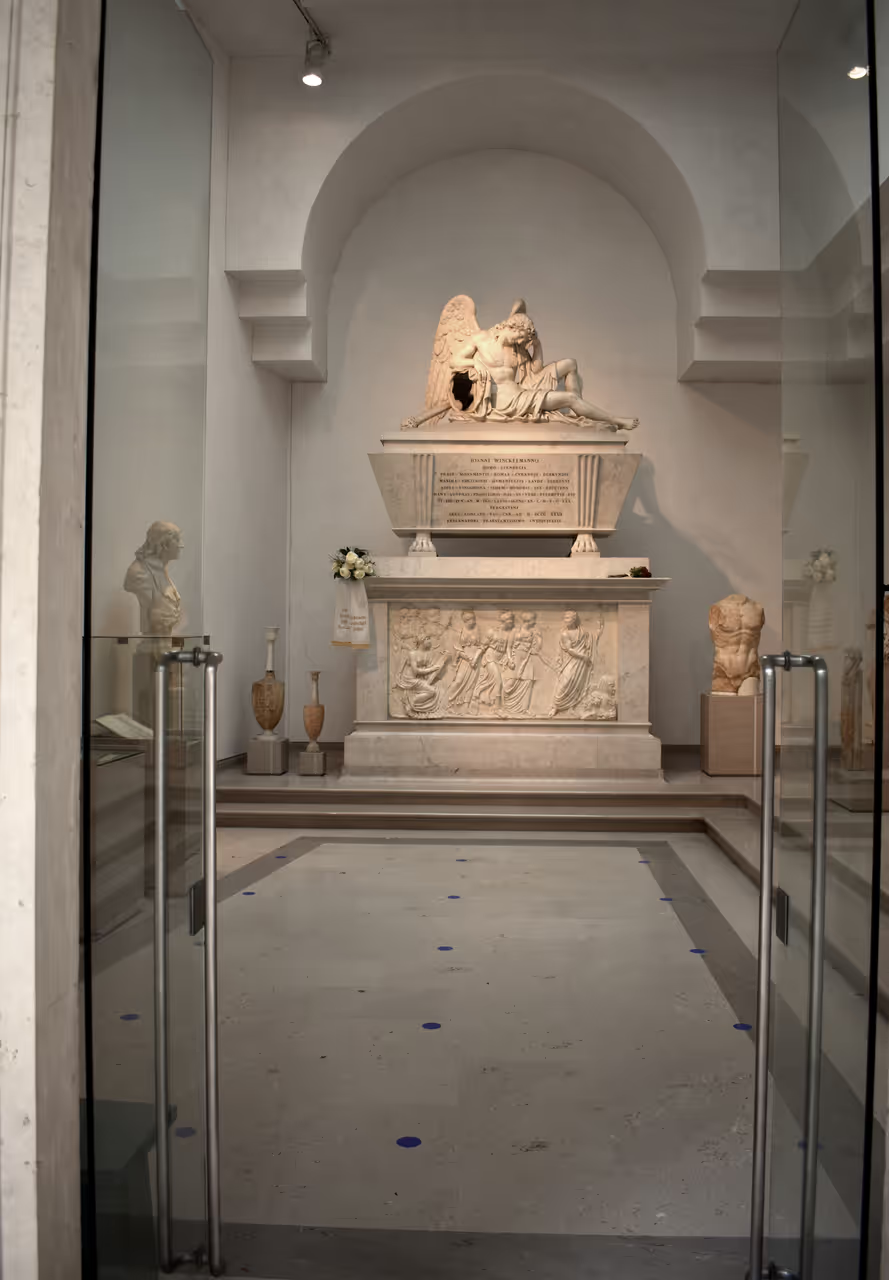 267m
267mMuseum of History and Art
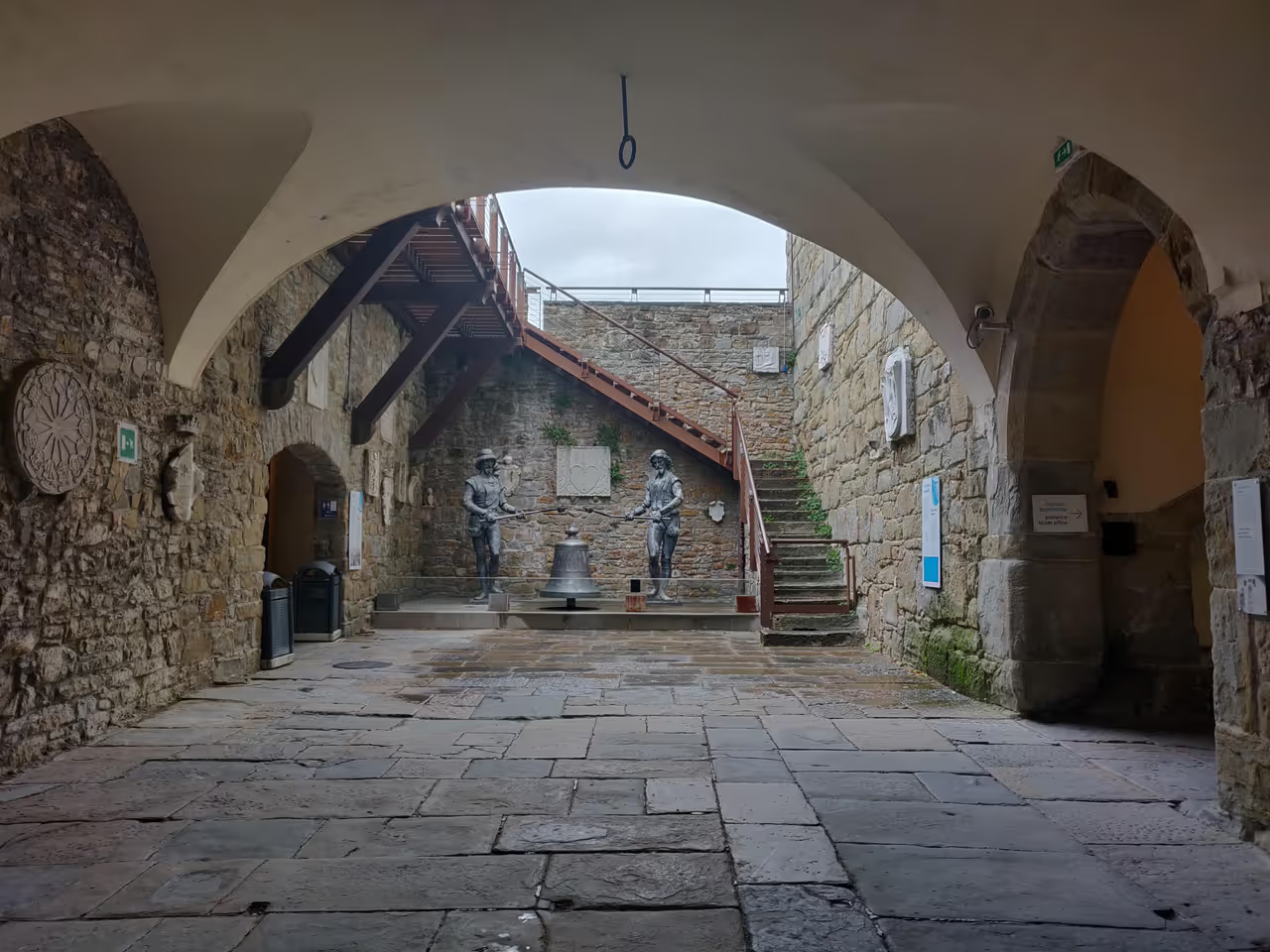
Located near the top of the central hill, this fascinating institution houses the city's most important archaeological treasures. The collections span from local prehistoric findings to significant Egyptian, Greek and Roman antiquities. Perhaps the most evocative section is the adjoining Lapidary Garden, where ancient Roman sculptures and medieval inscriptions are displayed amidst quiet greenery. The garden also contains a cenotaph dedicated to Johann Winckelmann, the famous father of modern archaeology who met a tragic end in this very city. It provides a quiet, scholarly retreat with a deeply romantic atmosphere.
highlight view
Explore Similar Places in These Collections
Featured on These Itineraries and Routes
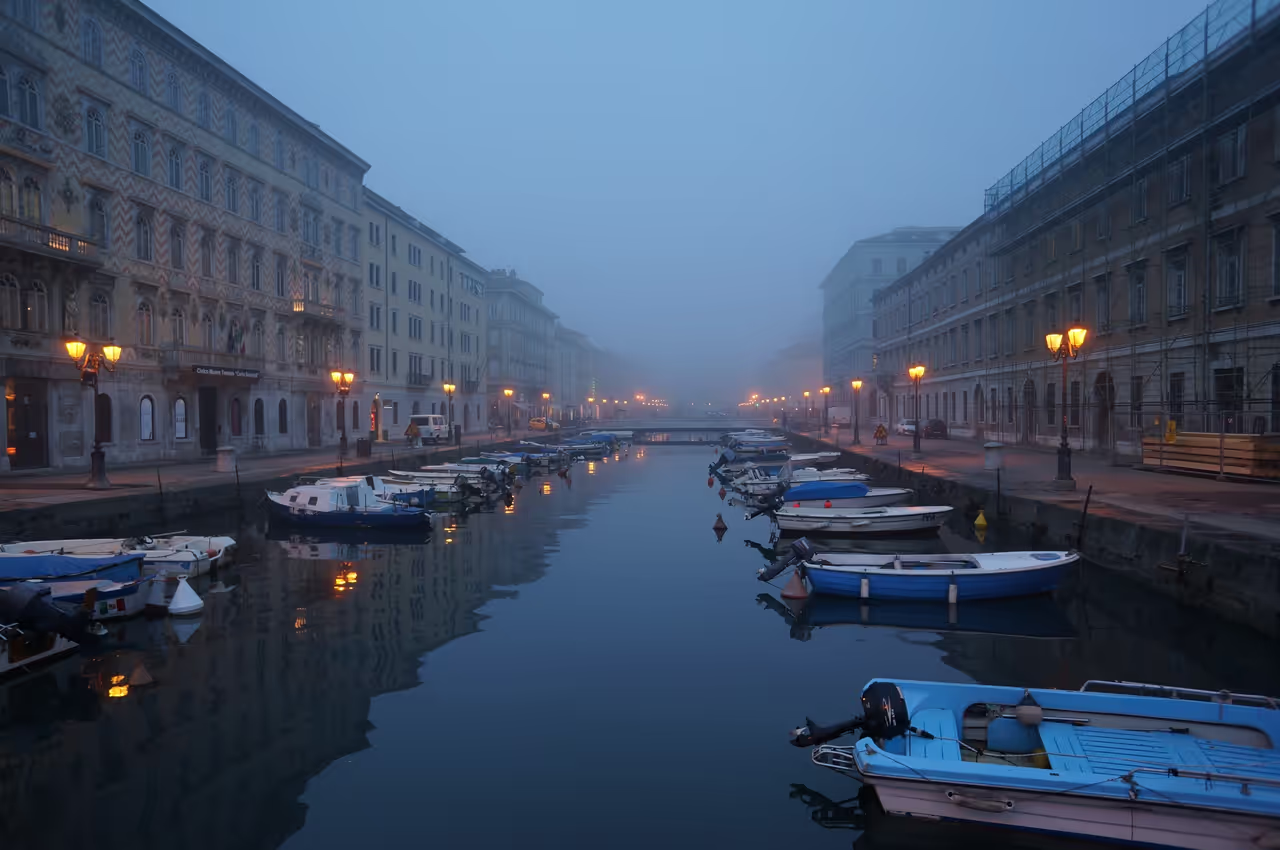
1 Day in Trieste Itinerary
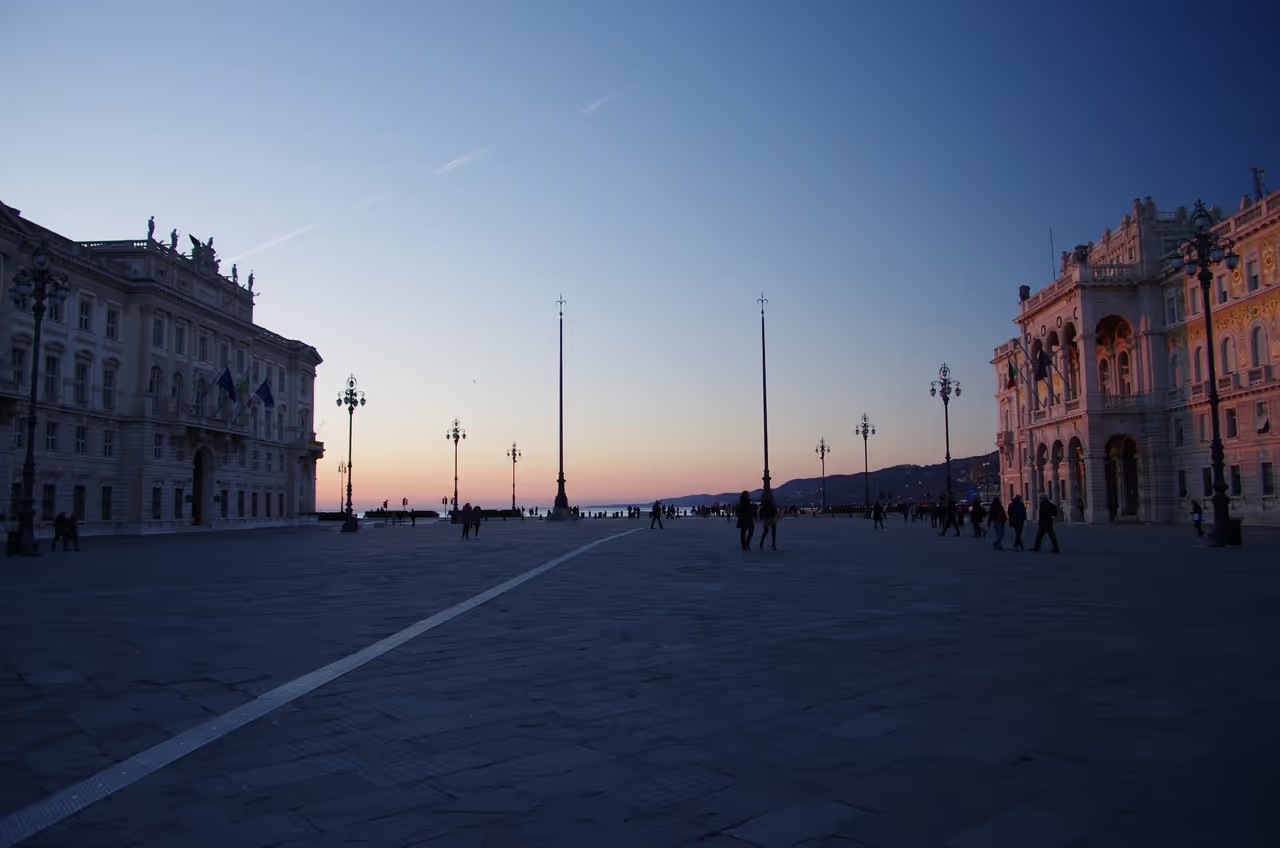
This highly focused itinerary captures the absolute essence of the city's unique blend of imperial grandeur and ancient history. It is designed for those with limited time who want to experience the most iconic waterfront sights and the deep historical layers of the central hill. You will wander through magnificent squares, sip coffee in literary institutions and explore remarkably preserved Roman ruins. It perfectly balances elegant nineteenth century architecture with the rugged charm of the old town.
view itinerary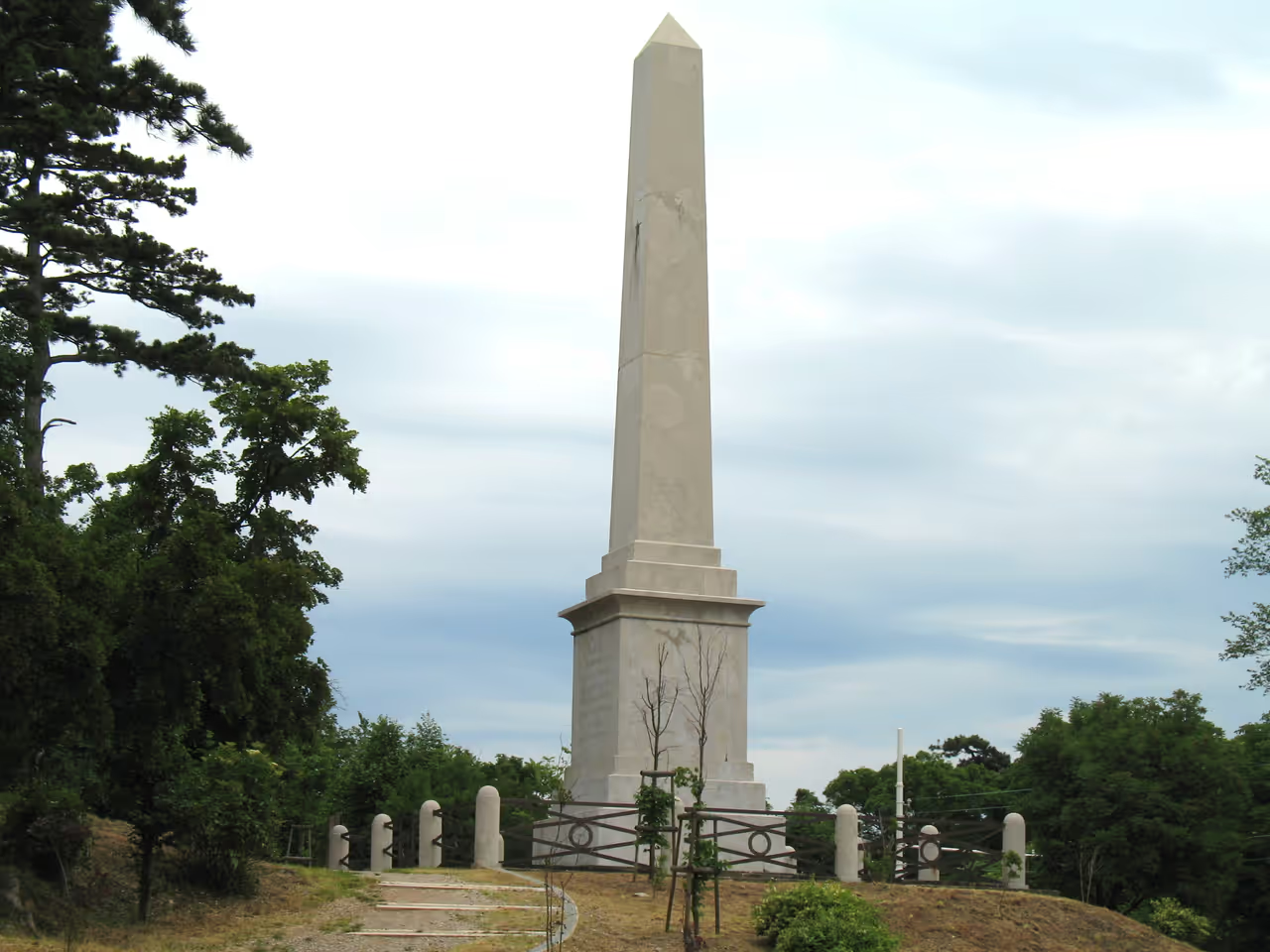
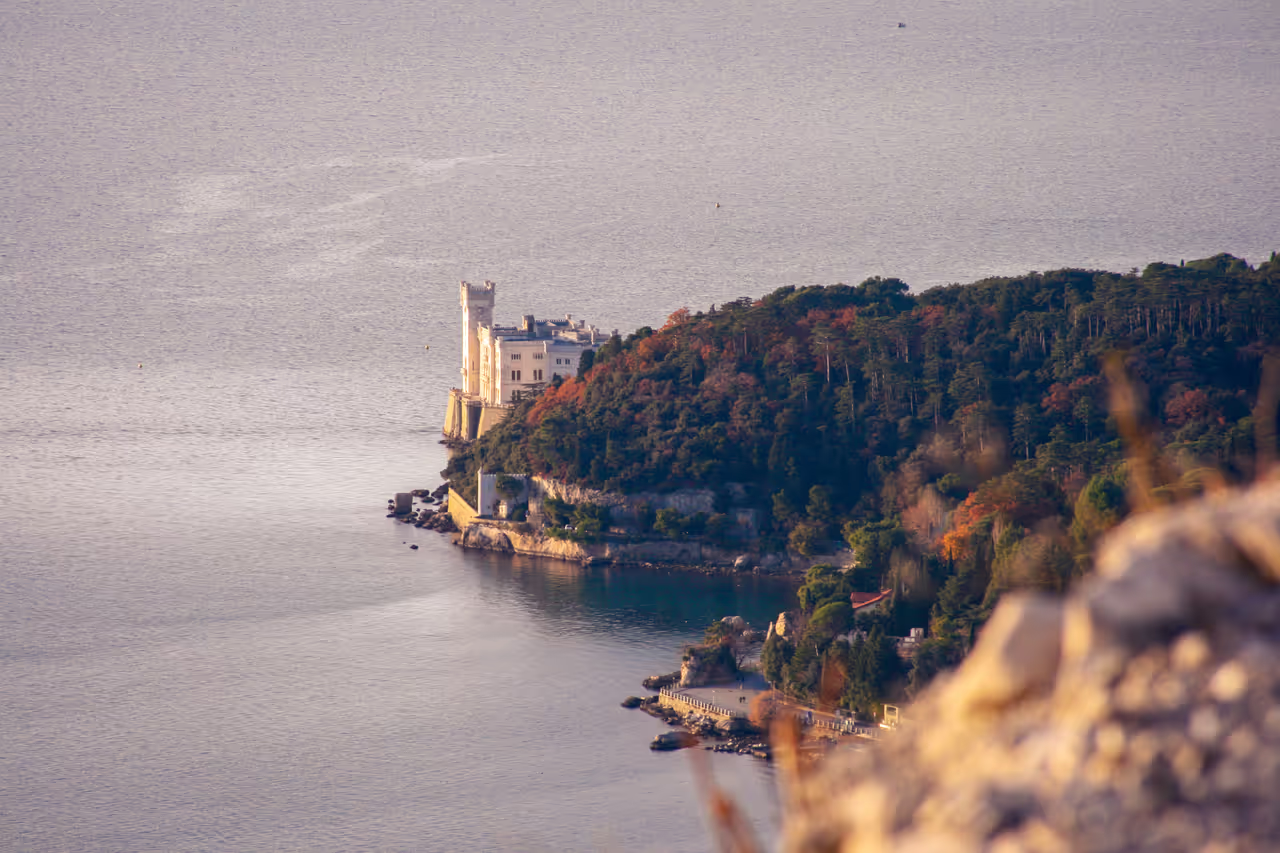
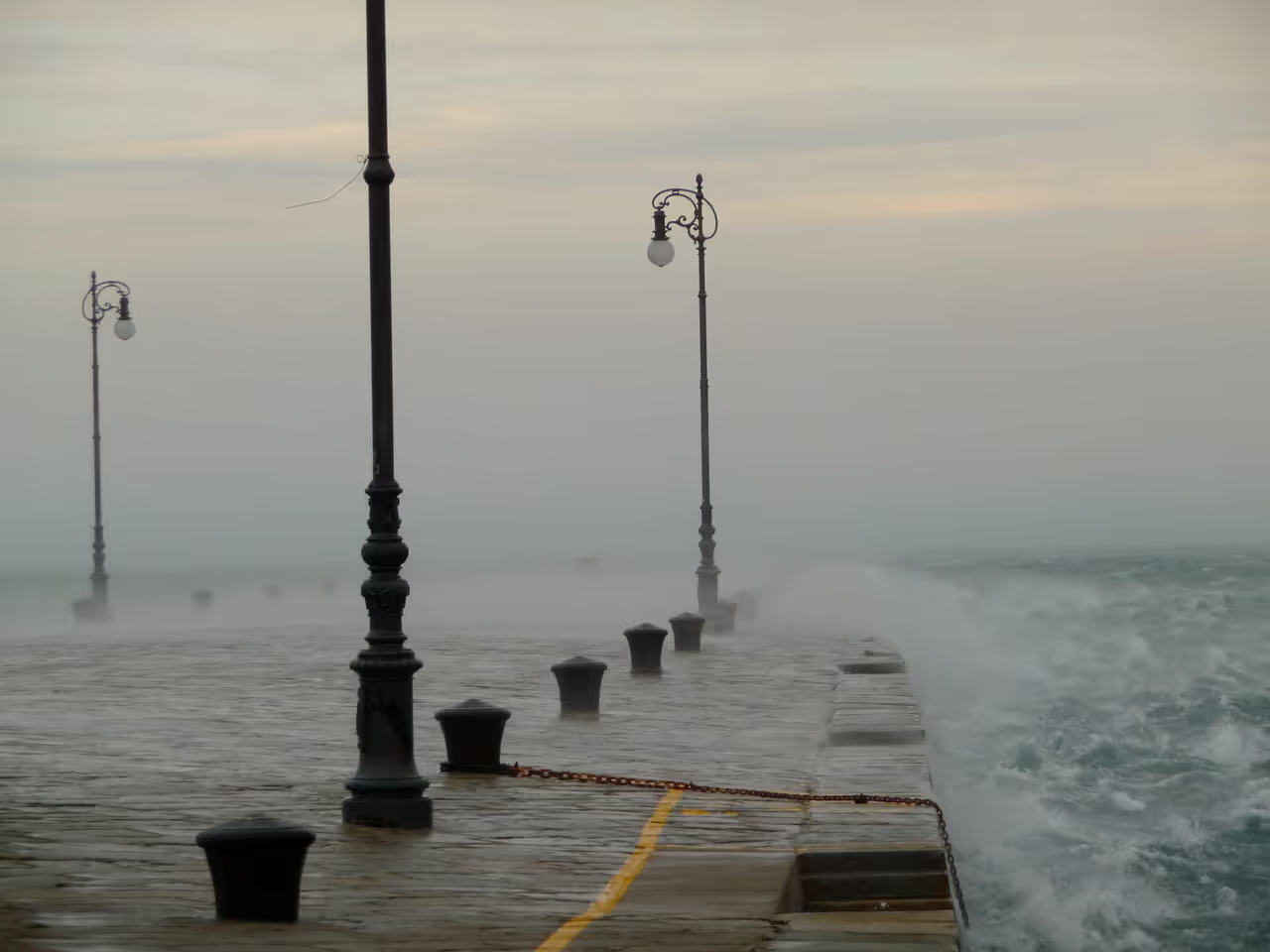
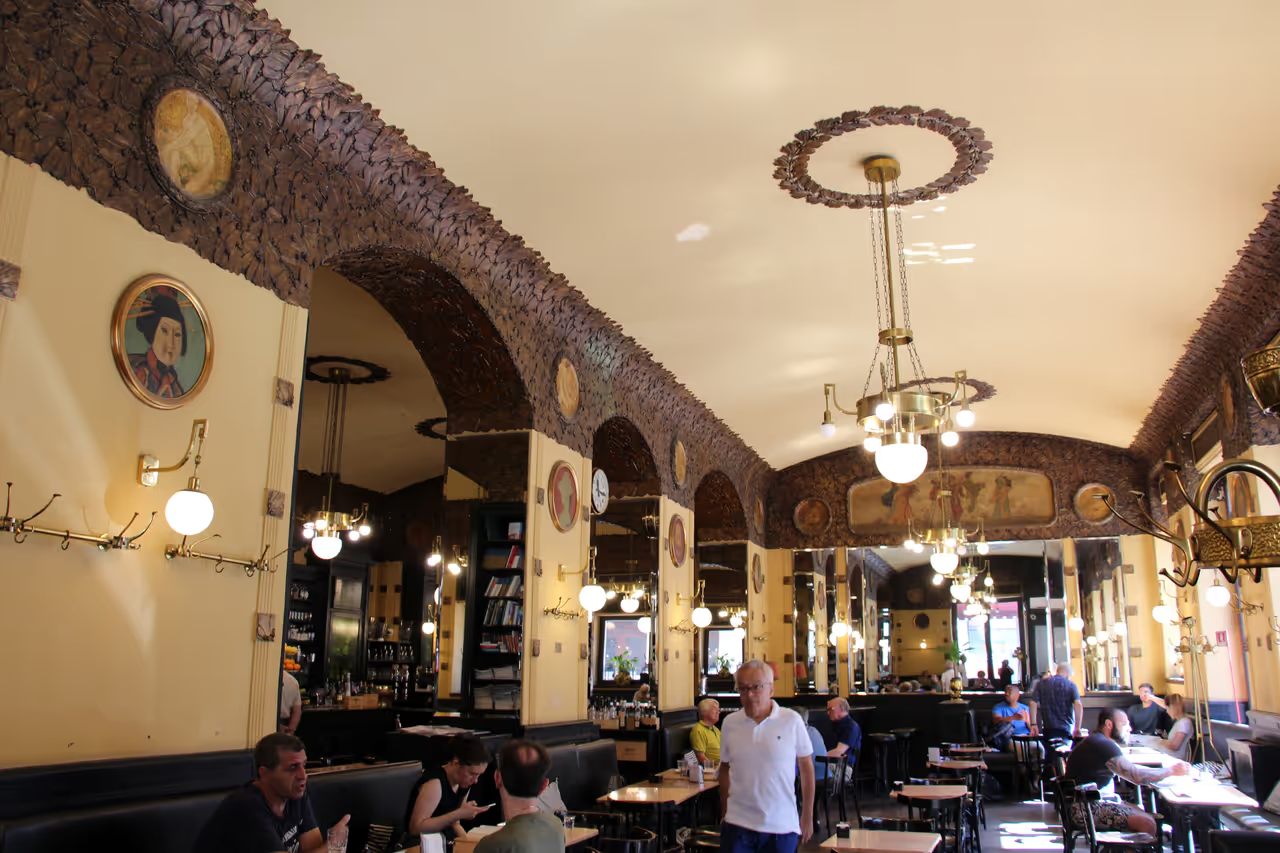
3 Days in Trieste: Imperial Echoes & Karst Landscapes Itinerary
This expanded journey allows you to fully appreciate the dramatic contrast between the elegant urban centre and the wild surrounding nature. After exploring the central highlights, you will venture along the coastline to marvel at a royal castle perched on a cliff. The final day takes you high up onto the rugged Karst plateau to discover colossal underground caves and sweeping panoramic trails. It provides a deeply comprehensive overview of the region's geographical and historical diversity.
view itinerary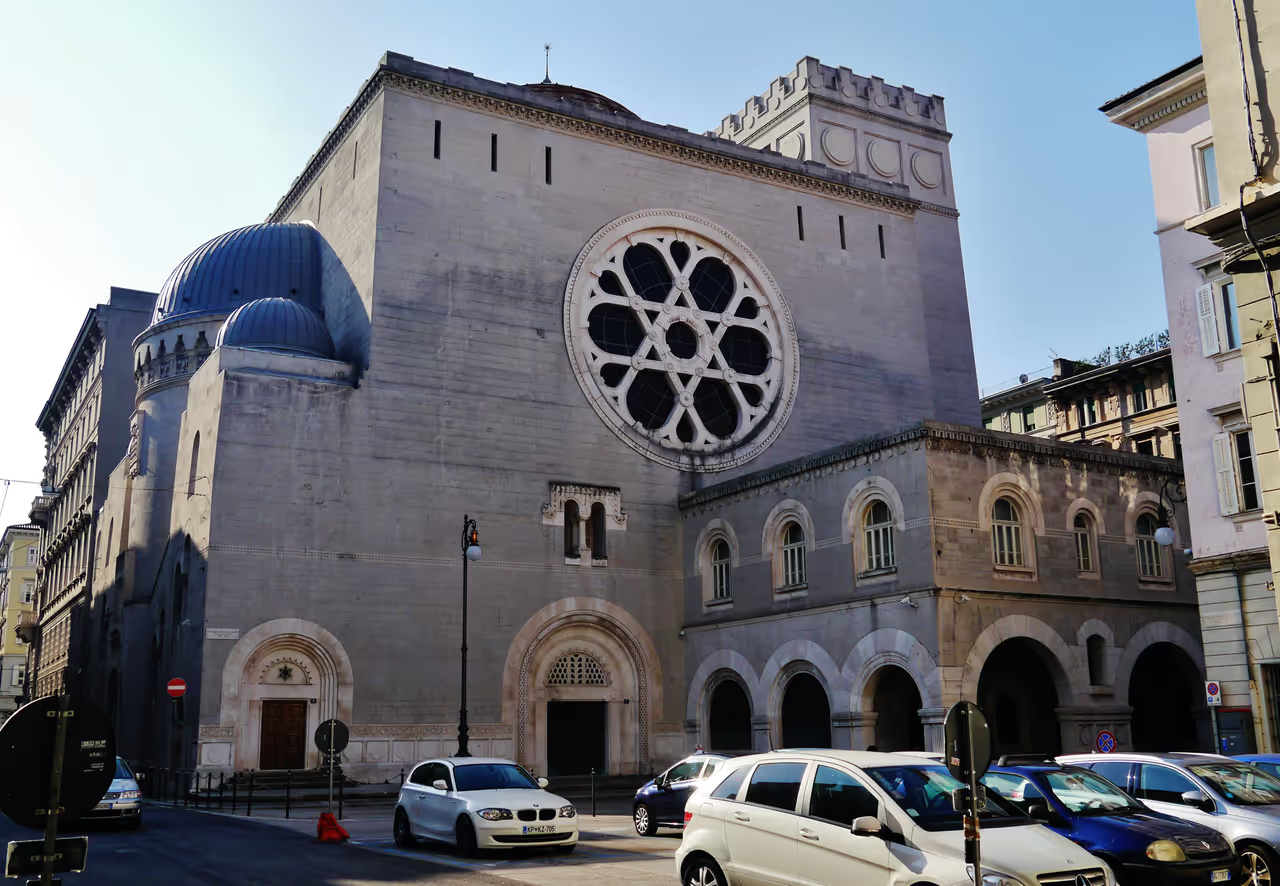
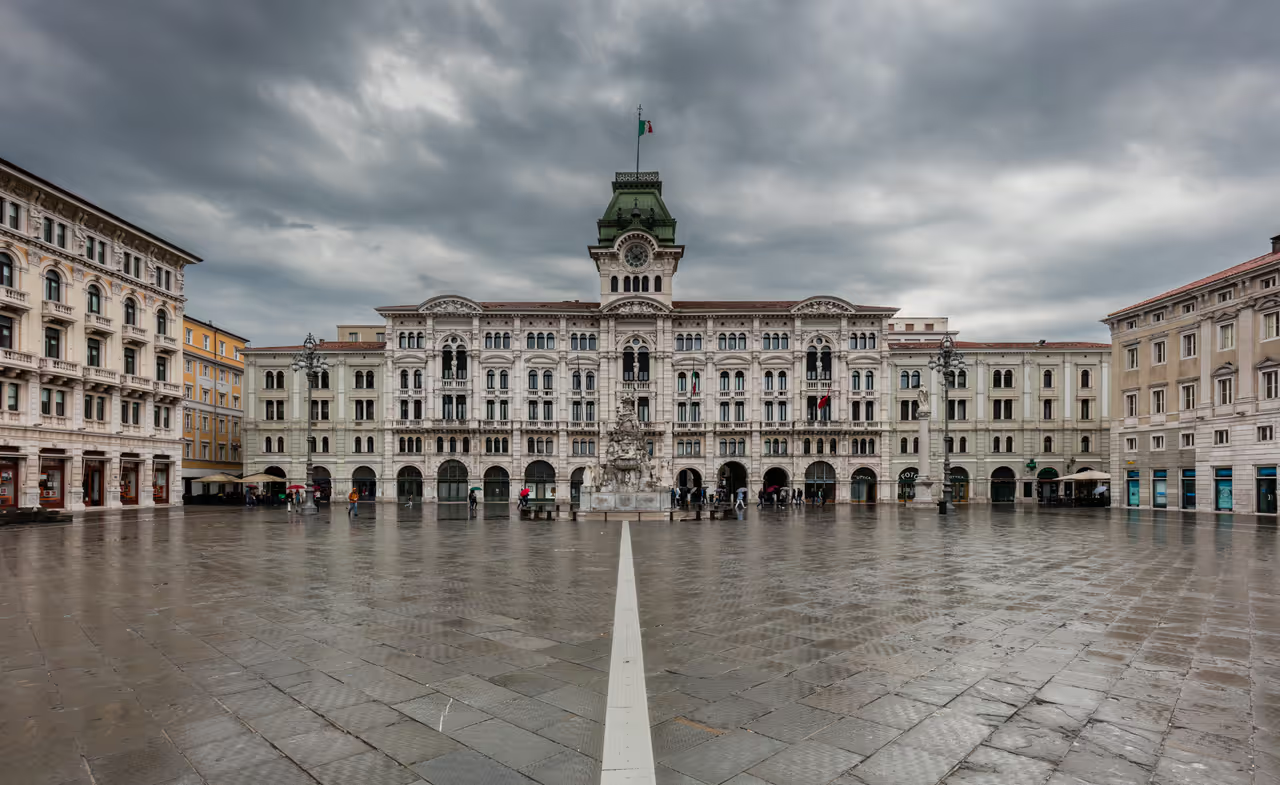
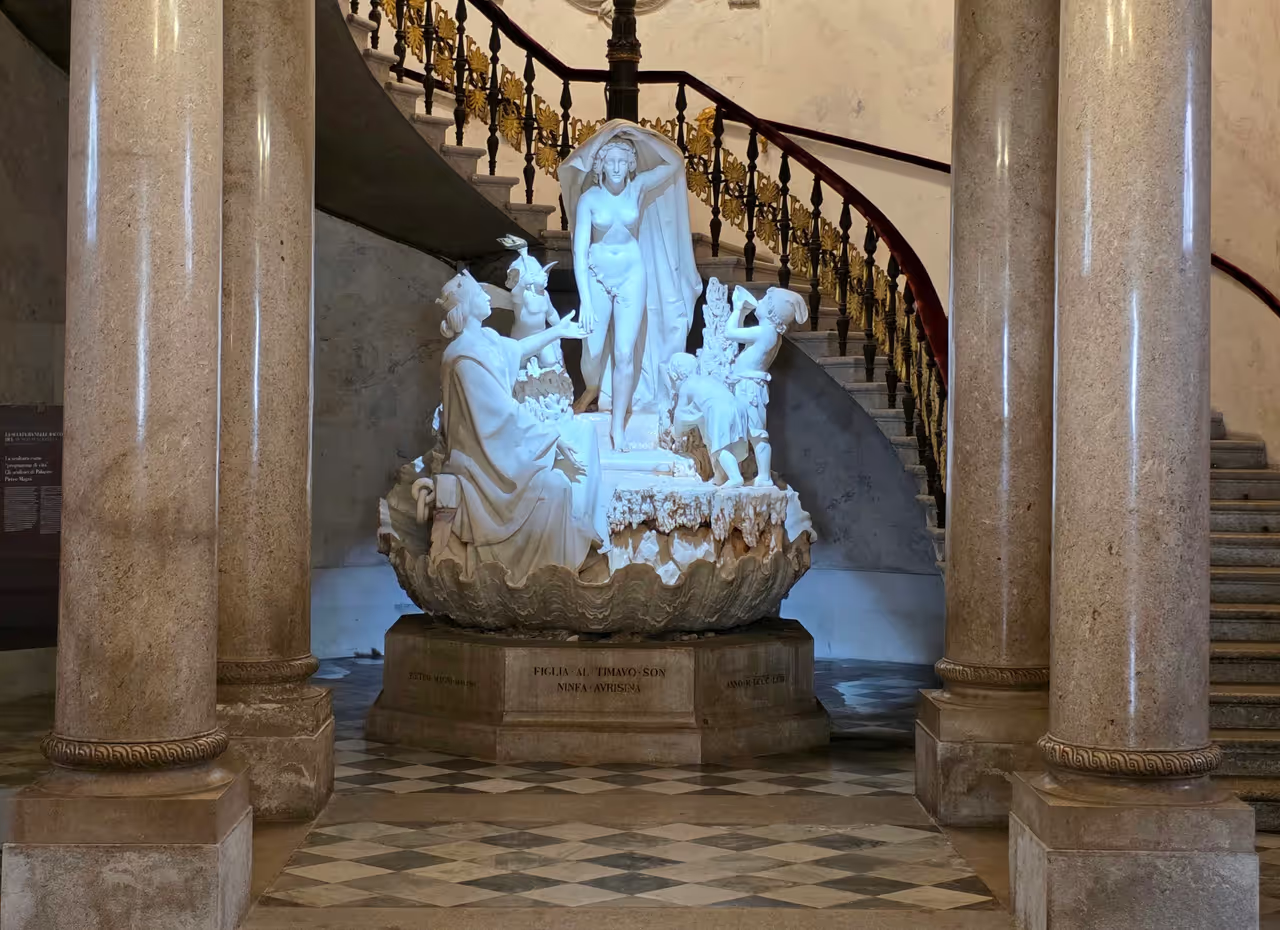
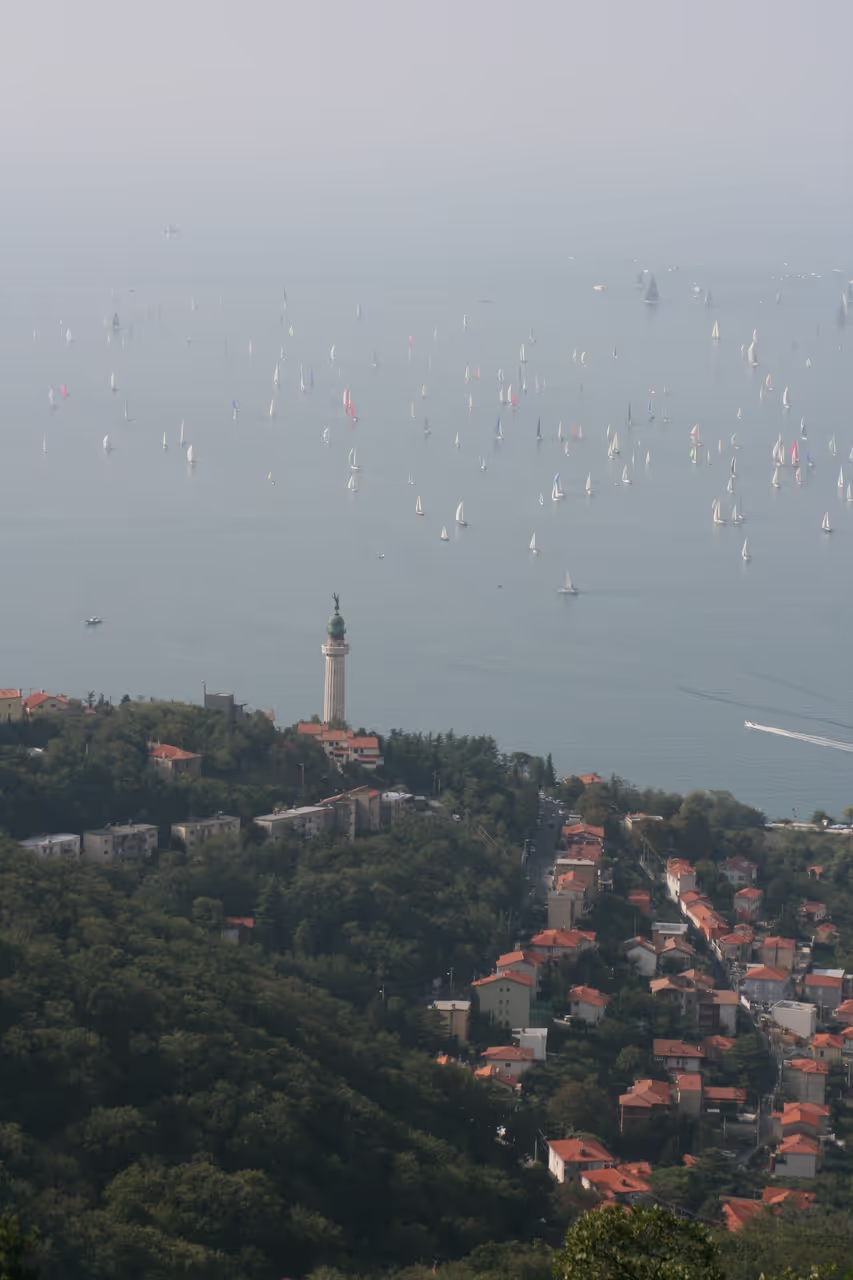
5 Days in Trieste: Complete Immersion Itinerary
This generous itinerary allows you to absorb the slow, contemplative pace of the city while uncovering its more complex layers. You will visit essential art galleries, explore the deeply moving historical sites of the twentieth century and wander the quiet, bohemian alleys of the old town. The extra time permits a deep dive into the local cafe culture and a thorough appreciation of the diverse religious architecture. It is the ultimate way to connect with the city's profound intellectual and multicultural heritage.
view itinerary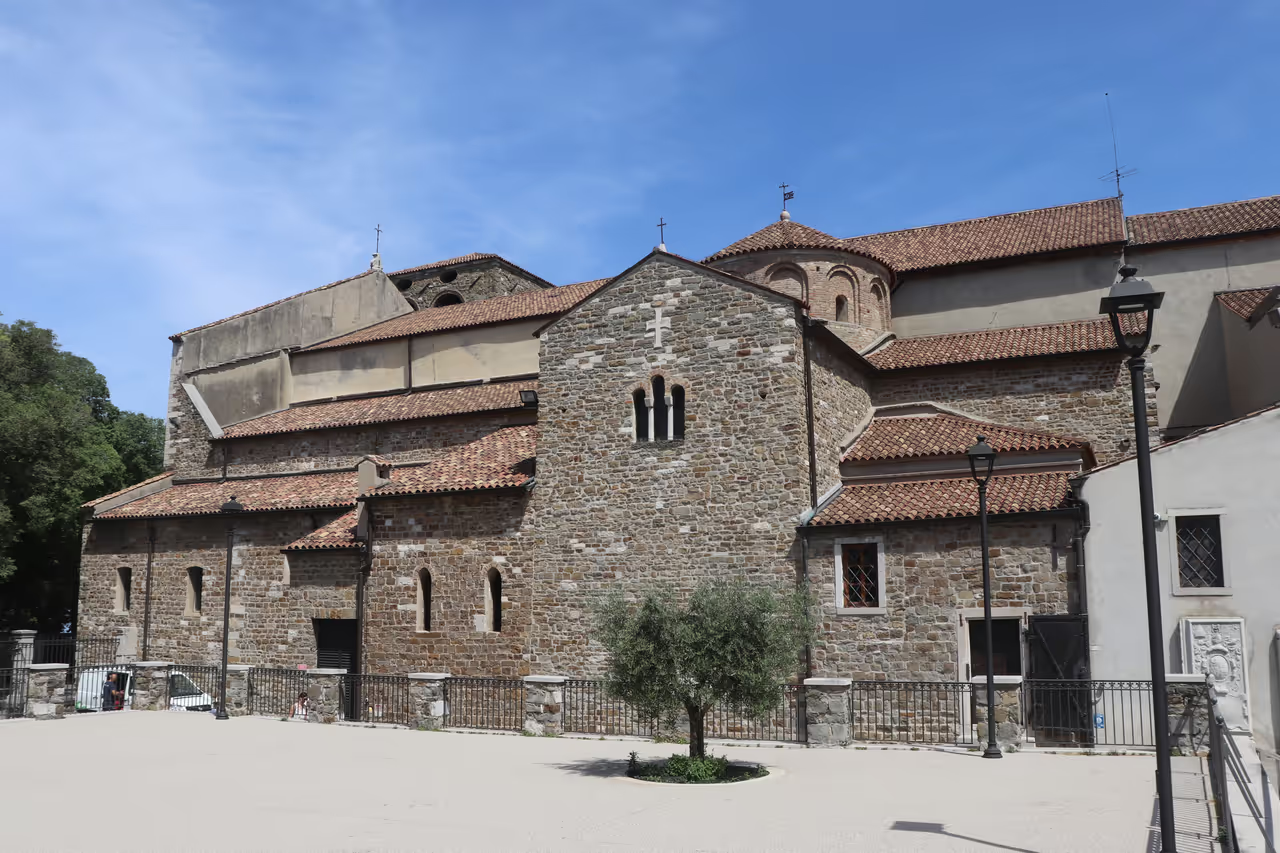
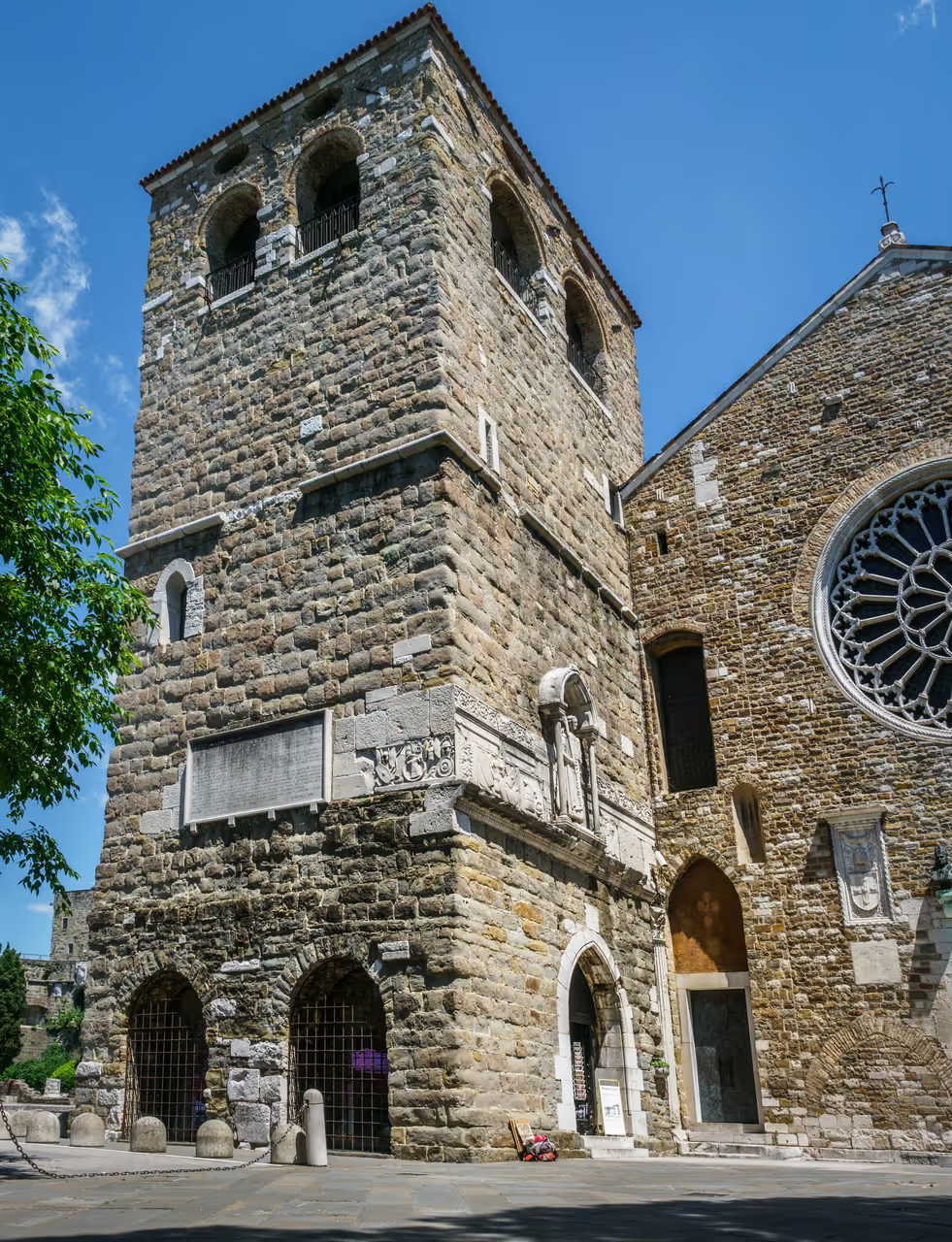
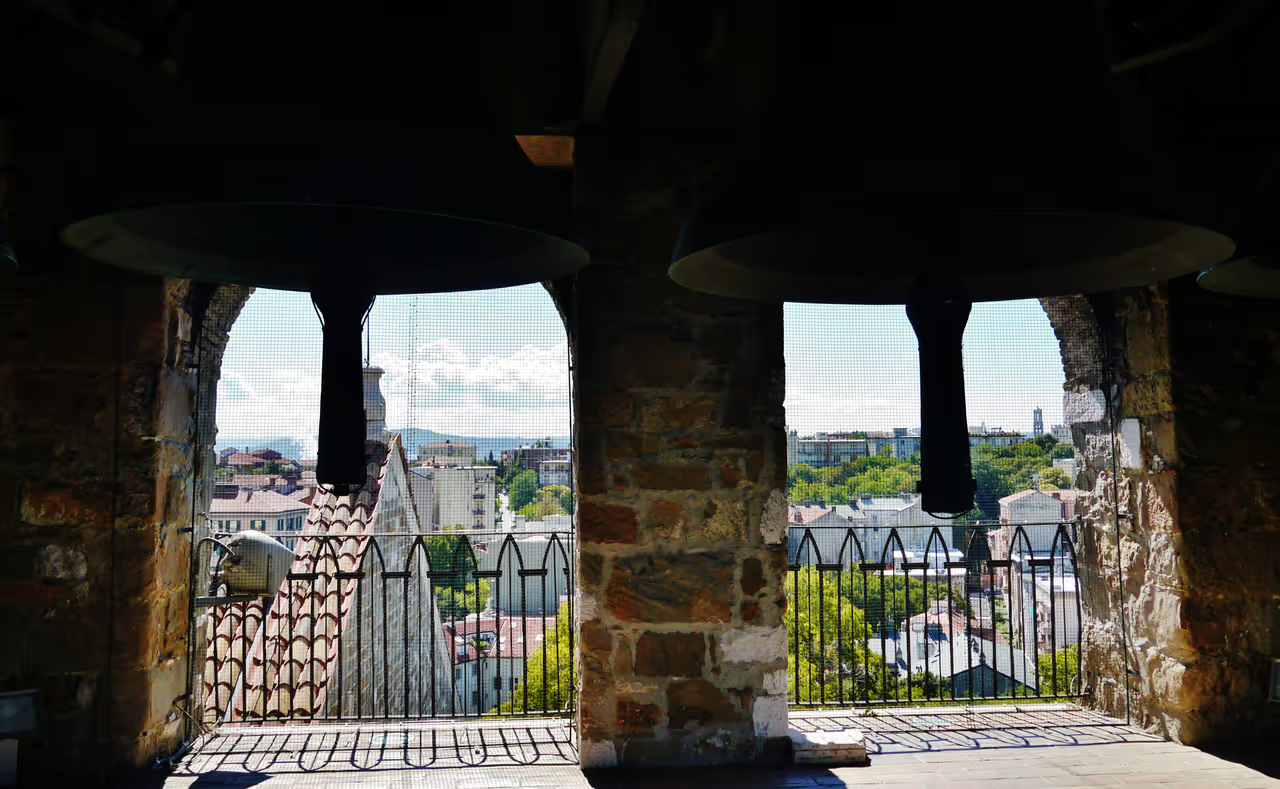
Historic Centre Wander
Navigating the labyrinthine alleys of the old town reveals the layers of history predating the grand Austrian avenues. The narrow, winding streets are wonderfully quiet and atmospheric, hiding ancient ruins and medieval churches among the residential buildings. This stroll requires ascending the central hill, rewarding the effort with intimate squares and unexpected historical discoveries. It feels like stepping back into a much older, more secretive version of the city.
view walking route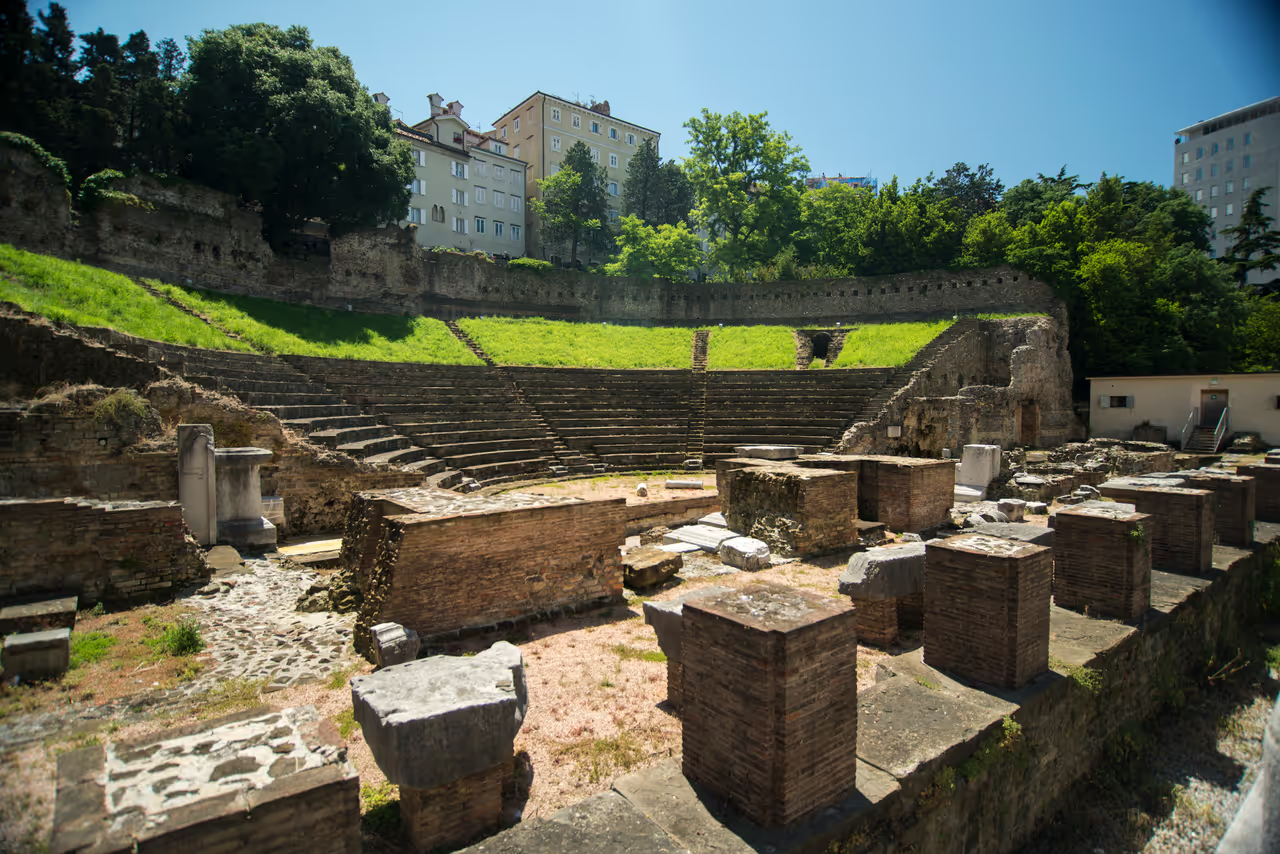
Ancient Roman Remnants
Uncover the formidable ancient colony of Tergeste that lies hidden beneath the modern streets. This journey requires a bit of imagination to strip away the grand neoclassical facades and see the fortified hilltop and bustling ancient port below. The surviving structures are remarkably well preserved and integrated directly into the later medieval and modern developments. It highlights the incredible longevity and strategic importance of this specific geographical location.
view self-guided tour
See all attractions in Trieste
Grotta Gigante, Miramare Castle, Piazza Unità d'Italia, Risiera di San Sabba Concentration Camp Museum, San Giusto Castle, Vittoria Light, Grand Canal of Trieste...