Vittoria Light
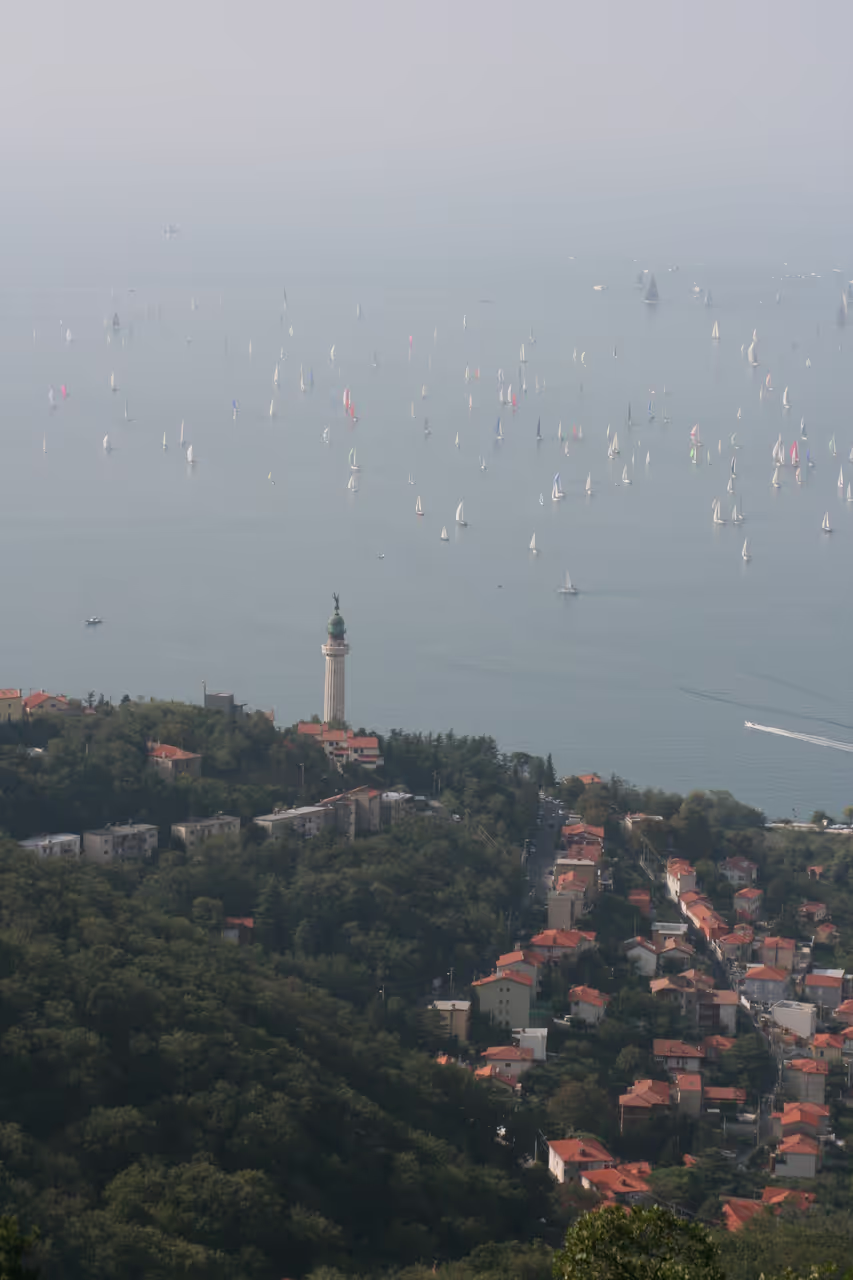
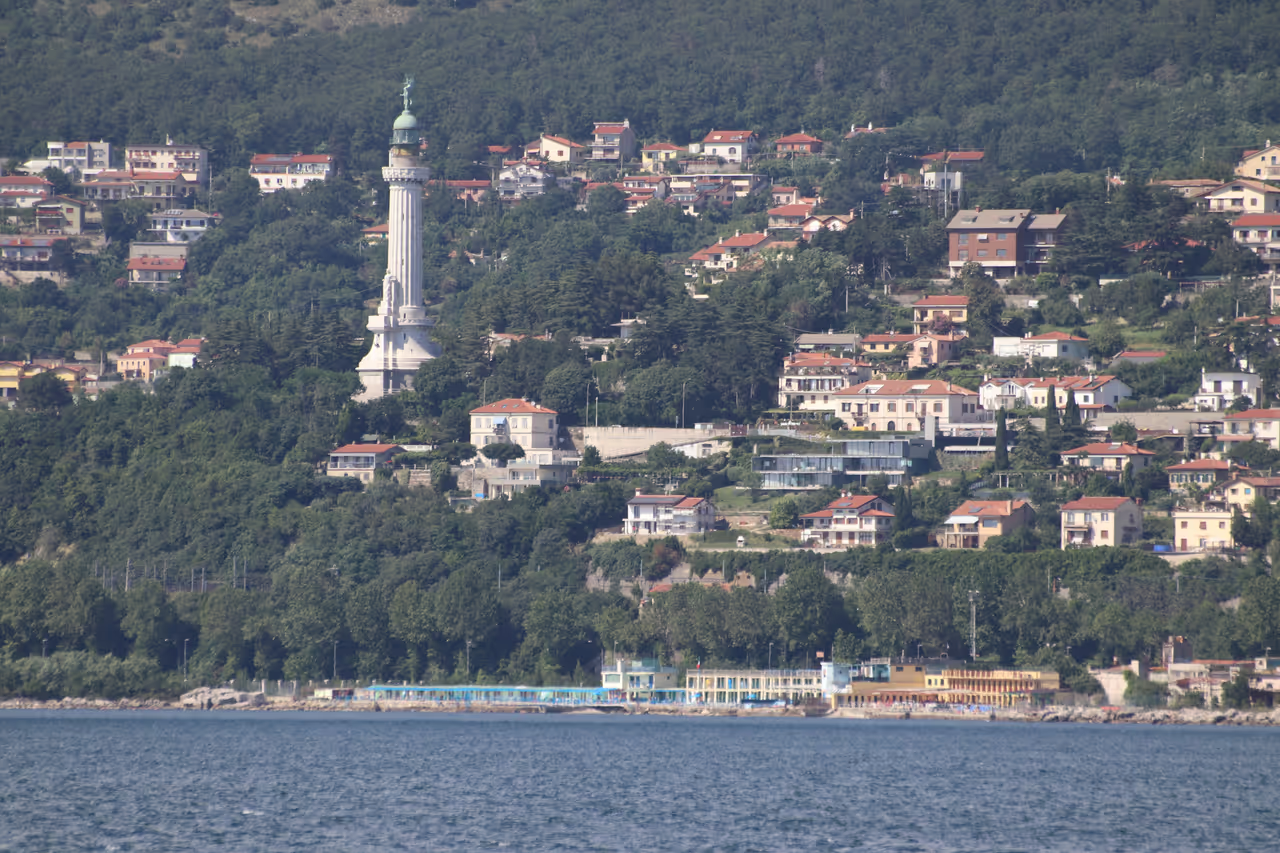
Perched high on the Hill of Gretta, the Vittoria Light serves as both a powerful navigational beacon and a poignant monument to history. Standing nearly 68 metres tall, it commands an impressive view of the Gulf of Trieste and ranks as one of the tallest lighthouses in the world. Visitors are drawn by its striking architectural design, which incorporates stone from local quarries, and the solemnity surrounding its role as a memorial to fallen sailors. Climbing the tower offers a unique vantage point over the city and sea, providing a moment of calm reflection amidst the beauty of the Italian coastline. It is a place where engineering meets memory, creating an unforgettable landmark that defines the Trieste skyline. Whether you are an architecture enthusiast or simply looking for the best panoramic views, this lighthouse is an essential stop.
Videos
History of Vittoria Light
The story of the Vittoria Light begins in the aftermath of the First World War, an era defined by shifting borders and competing national identities. Trieste found itself at the centre of this transformation, having transitioned from the Austro-Hungarian Empire to Italy. The construction of a grand lighthouse was a navigational necessity and a deliberate act of political significance. Architect Arduino Berlam envisioned a structure that would rise above the surrounding landscape, providing a beacon of hope and remembrance for those lost at sea during the conflict. The location chosen for this monument was highly symbolic. Engineers utilised the solid foundations of Fort Kressich, an old Austro-Hungarian military fortification, as the base for the new lighthouse. This repurposing of former imperial defences into a monument of Italian victory created a complex physical metaphor, layering the history of the region directly into the stone and concrete of the tower. During its construction, there was a palpable sense of competition in the air, as planners were determined that the lighthouse should surpass the height of the Berlin Victory Column, establishing it as a towering achievement on the Adriatic coast. Today, the Vittoria Light stands as a silent sentinel over the Gulf of Trieste, blending its past as a war memorial with its ongoing duty as a navigational aid. The inclusion of an anchor from the Italian destroyer Audace and the bronze statue of Victory crowning the summit reflect the deep connection between the city and its maritime struggle. As visitors ascend the steps, they are walking through a structure that encapsulates a pivotal chapter in European history, reminding all who look up at its illuminated form that every landmark carries the weight of the stories that created it.
Events spanning 63 years
Fun Facts
- • At the entrance, visitors can see an anchor that belonged to the Italian destroyer Audace, which was the first ship to enter the port of Trieste in 1918.
- • Engineers designed the lighthouse to be taller than the Berlin Victory Column to establish it as a dominant symbol of national pride.
- • For safety reasons, the interior capacity is strictly limited to 15 people at any given time.
- • The light itself has been electric since its inception and currently uses a 1,000 watt halogen bulb that is visible up to 22 nautical miles away.
- • The lighthouse incorporates stone sourced from the Carso region and the Istrian peninsula, highlighting local geological materials.
- • The lighthouse is constructed atop the remains of the Austro-Hungarian fort Kressich, which served the Austrian Empire between 1854 and 1857.
- • The lighthouse weighs approximately 8,000 tonnes and required roughly 2,000 cubic metres of concrete during its construction.
- • The shape of the tower is intentionally designed to resemble an upside-down fasces, a historical symbol of power.
- • The structure features a seven-tonne bronze statue of Victory at its peak, crafted by the sculptor Giovanni Mayer.
- • Two large shells from the Austro-Hungarian battleship Viribus Unitis are displayed on either side of the entrance as historical artefacts.
- • Visitors who climb to the top must navigate 285 steps to reach the higher sections of the monument.
RESOURCES
Official WebsiteVittoria Light FAQ
While we strive to keep this information accurate and up to date, we recommend verifying any details independently before making decisions based on them.
Vittoria Light Map & Neighborhood Explorer
This interactive map is centered on Vittoria Light. Zoom in and move the map around to automatically discover Wikipedia photos and summaries of other nearby sights, monuments, and historical points of interest and stories in real-time!
Places near Vittoria Light
Make the most of your trip. Check out these top-rated spots located nearby.
 465m
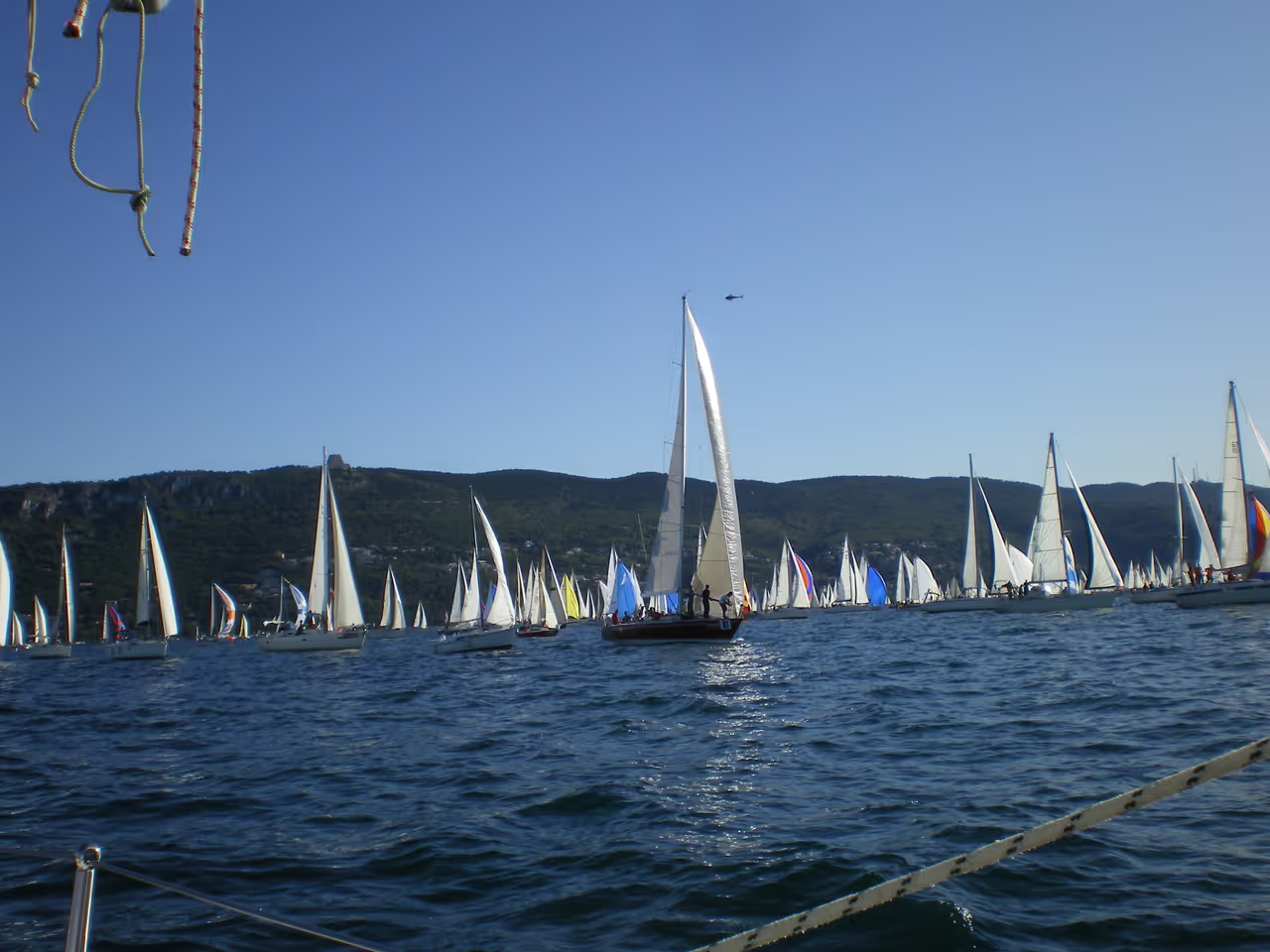
465mBarcolana Regatta
This spectacular maritime event completely transforms the gulf as thousands of sailing boats gather for the largest regatta in the world. Professionals and enthusiastic amateurs race alongside each other, creating a breathtaking visual display on the water. The entire waterfront turns into a massive festival village offering food, music and sailing gear. The electric atmosphere brings the whole community out to celebrate their profound connection to the sea. Securing a good viewpoint early in the morning is essential to fully appreciate the sheer scale of the fleet. It is an unforgettable celebration of maritime culture and sheer competitive joy.
festival view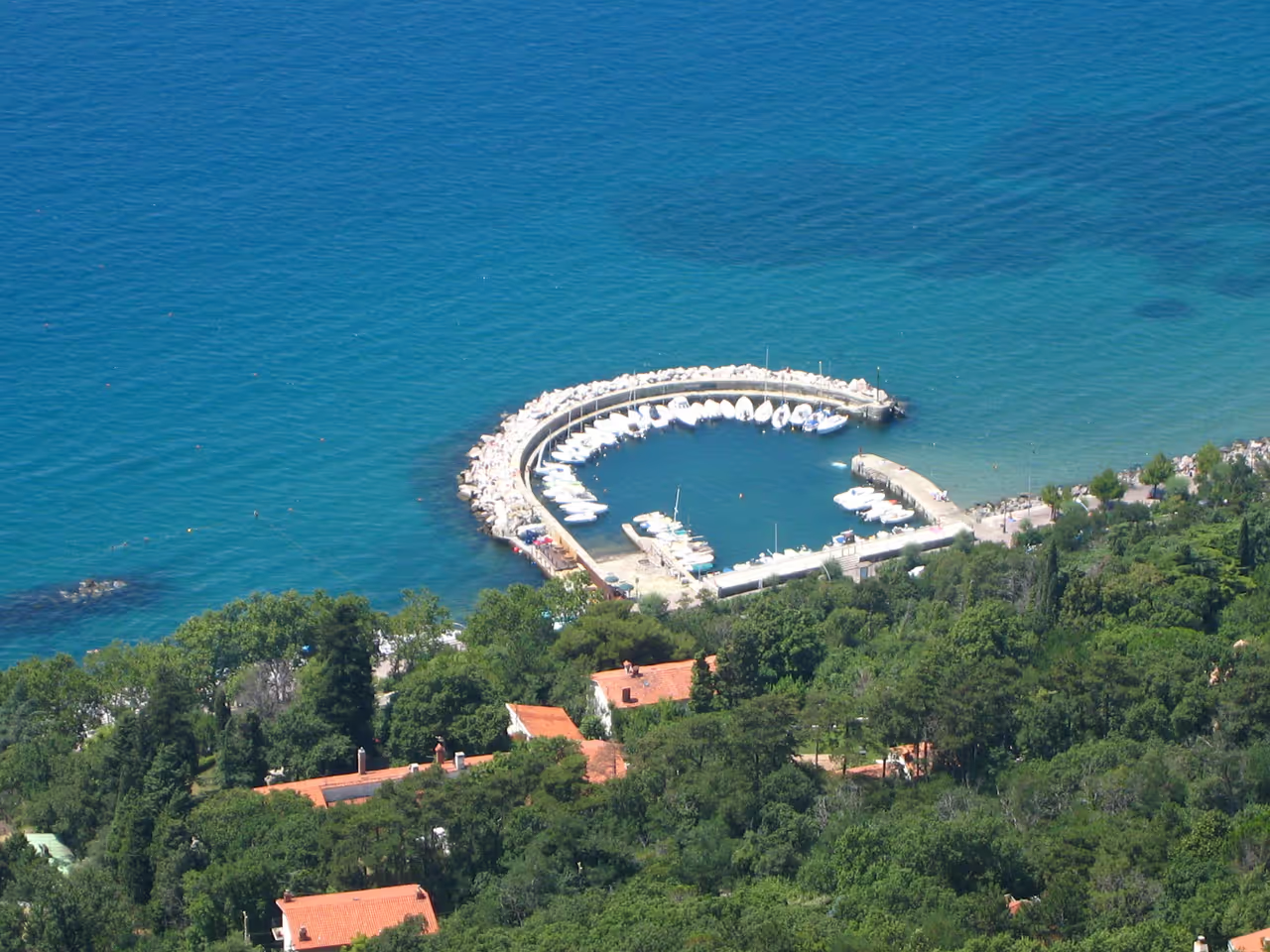 480m
480mSunbathe at Barcola Beach
Join the locals for a completely free and highly authentic seaside experience along this long coastal strip. There is no sand here, only a paved promenade and smooth concrete terraces shaded by maritime pine trees. You can lay down a towel, dive directly into the refreshing Adriatic water and enjoy the relaxed, communal atmosphere. It is the absolute core of the city's summer lifestyle and an excellent place for people watching. The views looking out towards the distant castle are entirely complimentary.
free thing to do view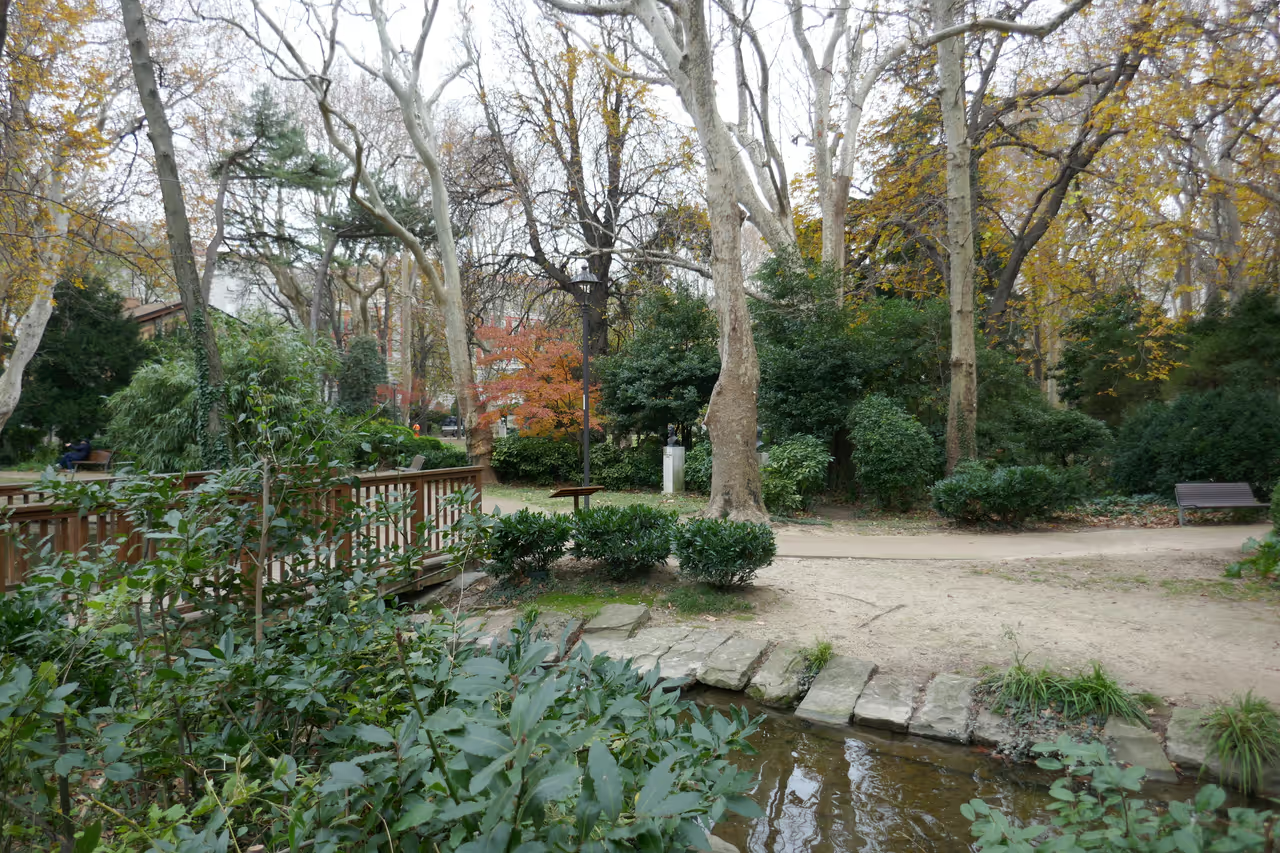 1342m
1342mTommasini Public Garden
This historic nineteenth century garden is a beloved green oasis hidden amid the busy urban grid. Featuring winding paths, elegant statues and a small pond, it reflects the romantic landscaping ideals of the era. It is the perfect spot to observe local life, from elderly residents reading on benches to children playing under the ancient trees. The garden also features a series of busts honouring famous regional writers and historical figures. It is an incredibly peaceful retreat that remains largely untouched by mainstream tourism.
hidden gem view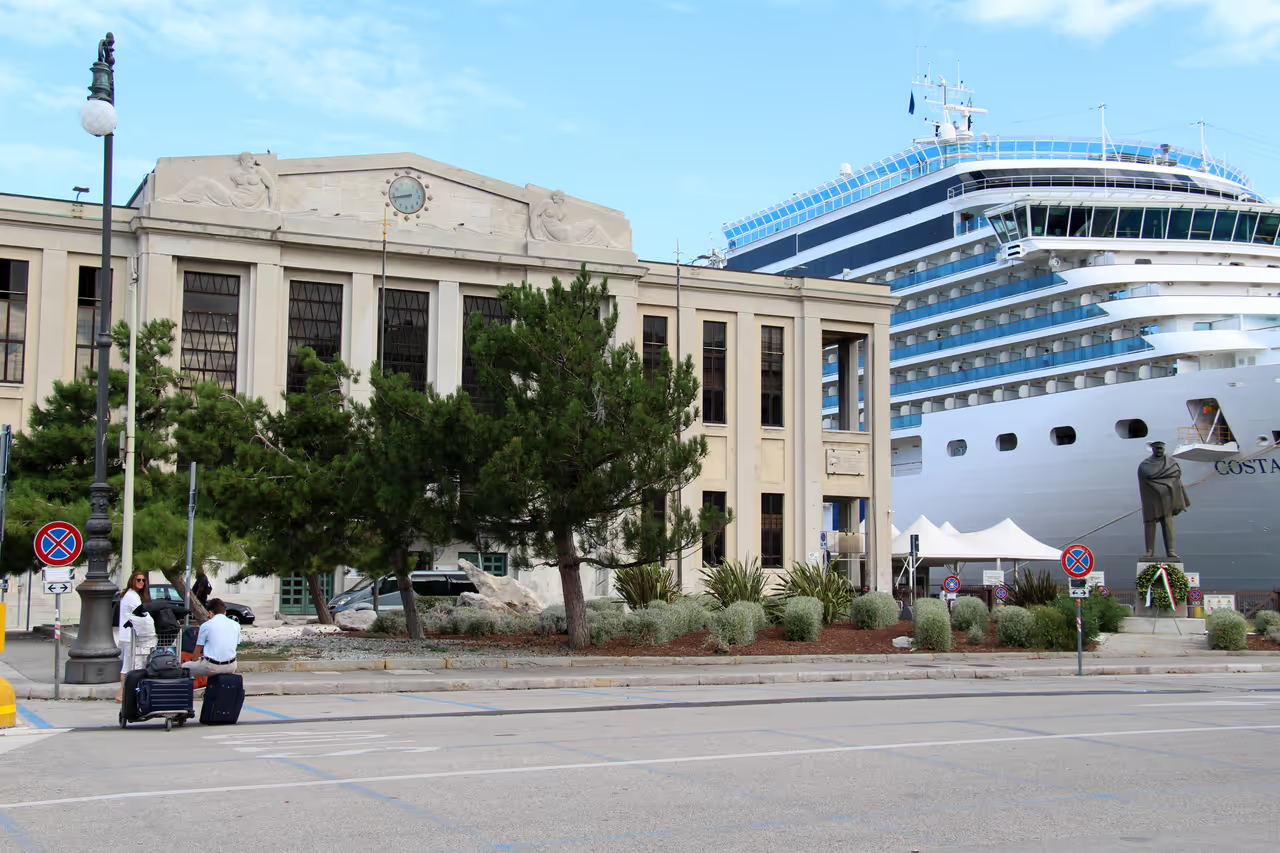 1840m
1840mBersaglieri Pier
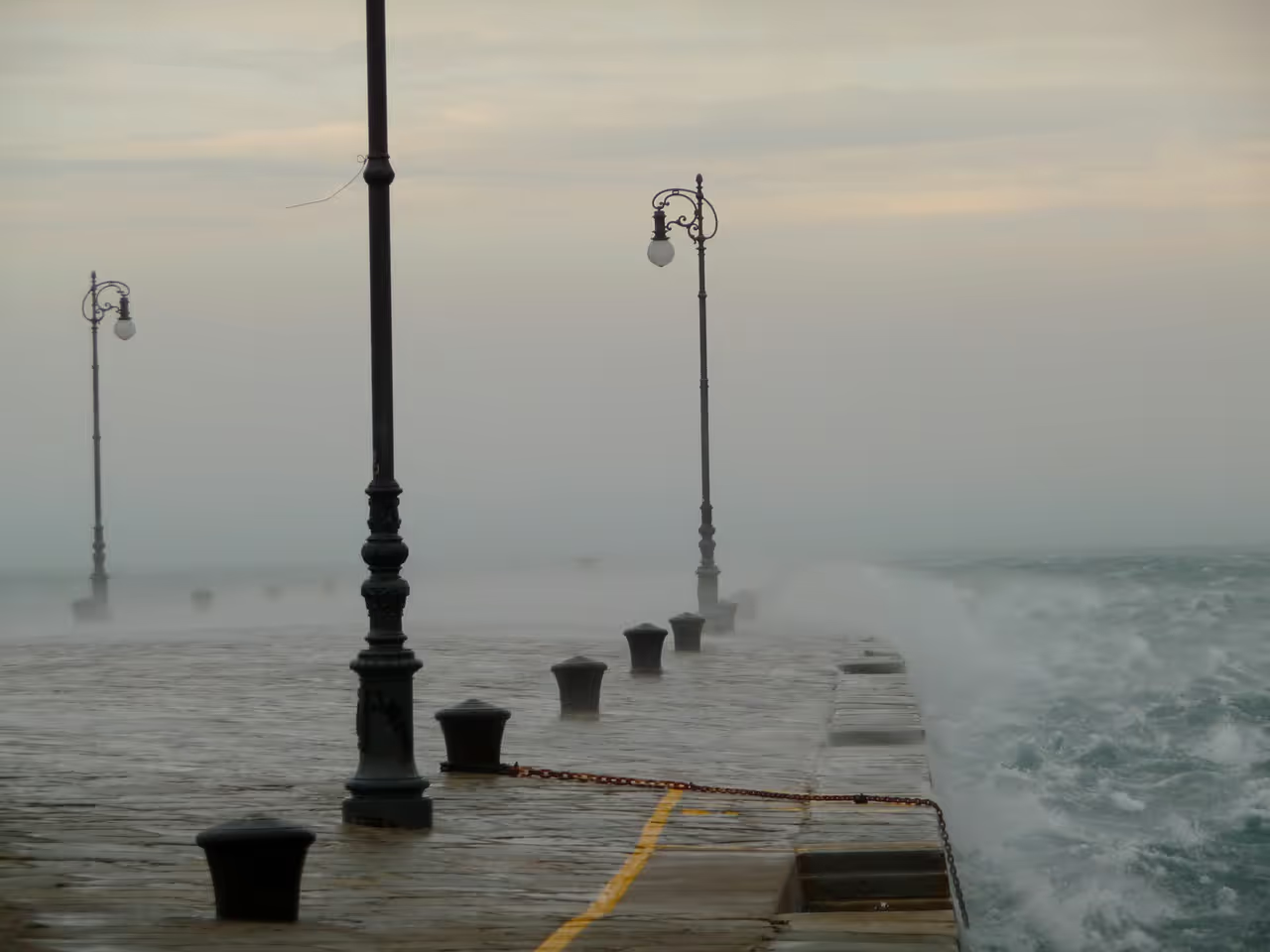
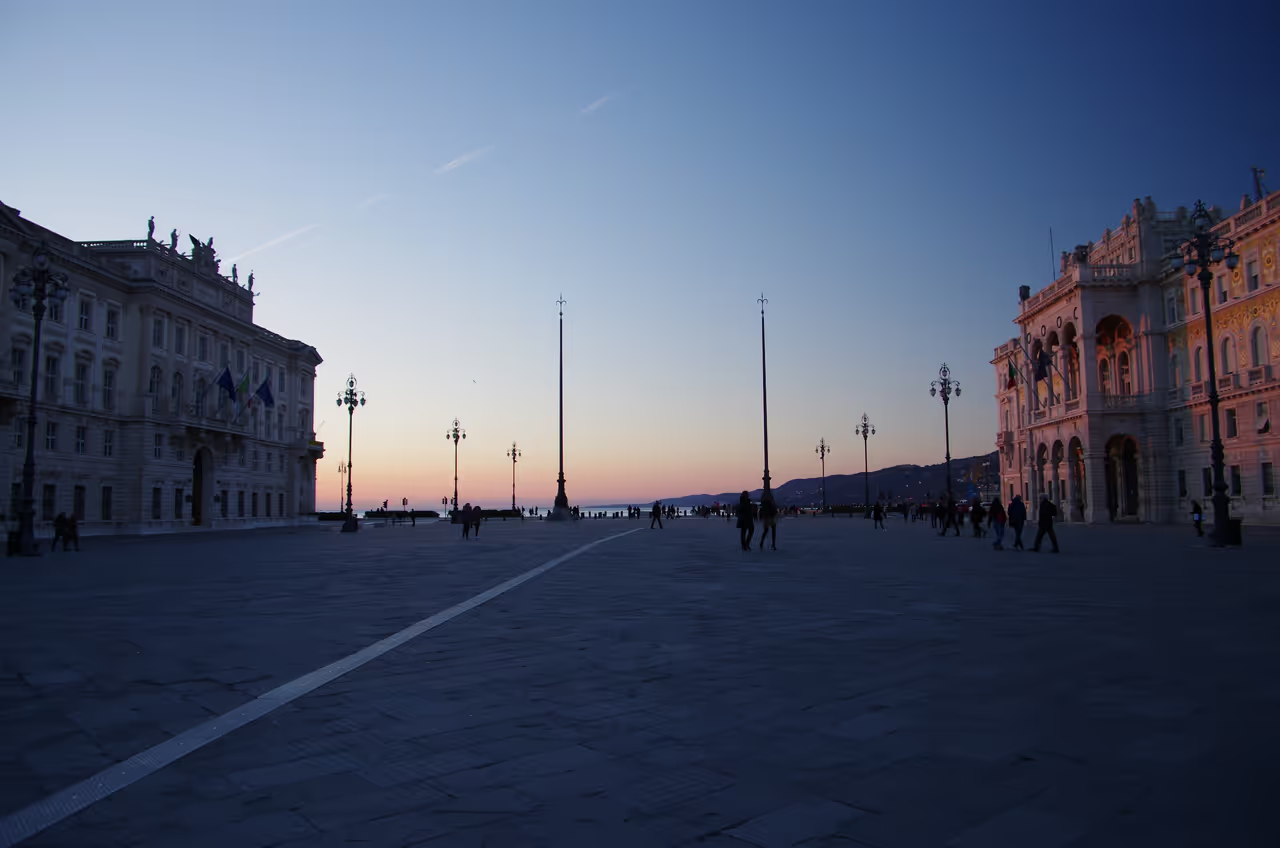
Walking to the very end of this active pier provides a fantastic, low angle view looking back at the monumental heart of the city. While it is home to the active maritime station, the open areas offer an incredible vantage point to appreciate the sheer scale of the palaces lining the main square. You are surrounded by the gentle lapping of the sea, making the grand stone architecture across the water look even more impressive. It is particularly beautiful in the early evening when the streetlights begin to illuminate the elegant facades. It offers the best possible perspective of the city without actually having to get on a boat.
viewpoint view
Explore Similar Places in These Collections
Featured on These Itineraries and Routes
3 Days in Trieste: Imperial Echoes & Karst Landscapes Itinerary
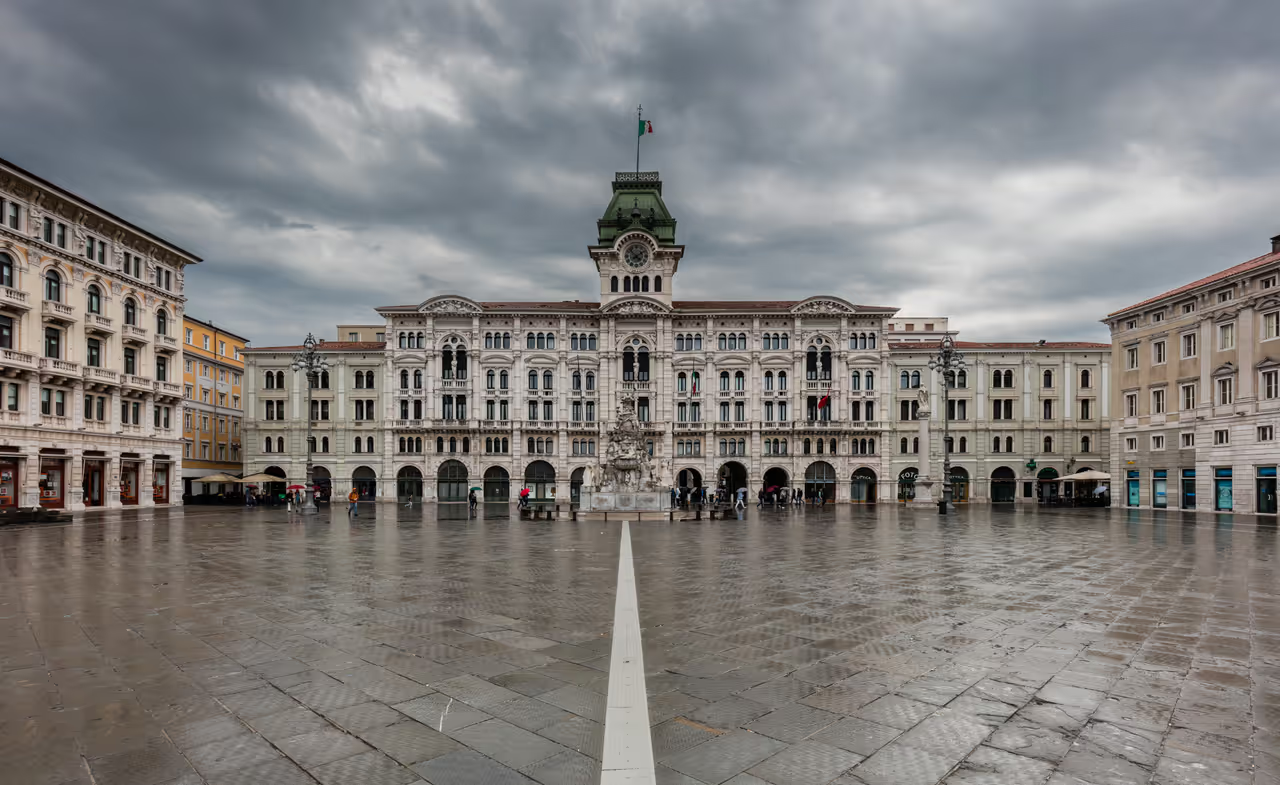
This expanded journey allows you to fully appreciate the dramatic contrast between the elegant urban centre and the wild surrounding nature. After exploring the central highlights, you will venture along the coastline to marvel at a royal castle perched on a cliff. The final day takes you high up onto the rugged Karst plateau to discover colossal underground caves and sweeping panoramic trails. It provides a deeply comprehensive overview of the region's geographical and historical diversity.
view itinerary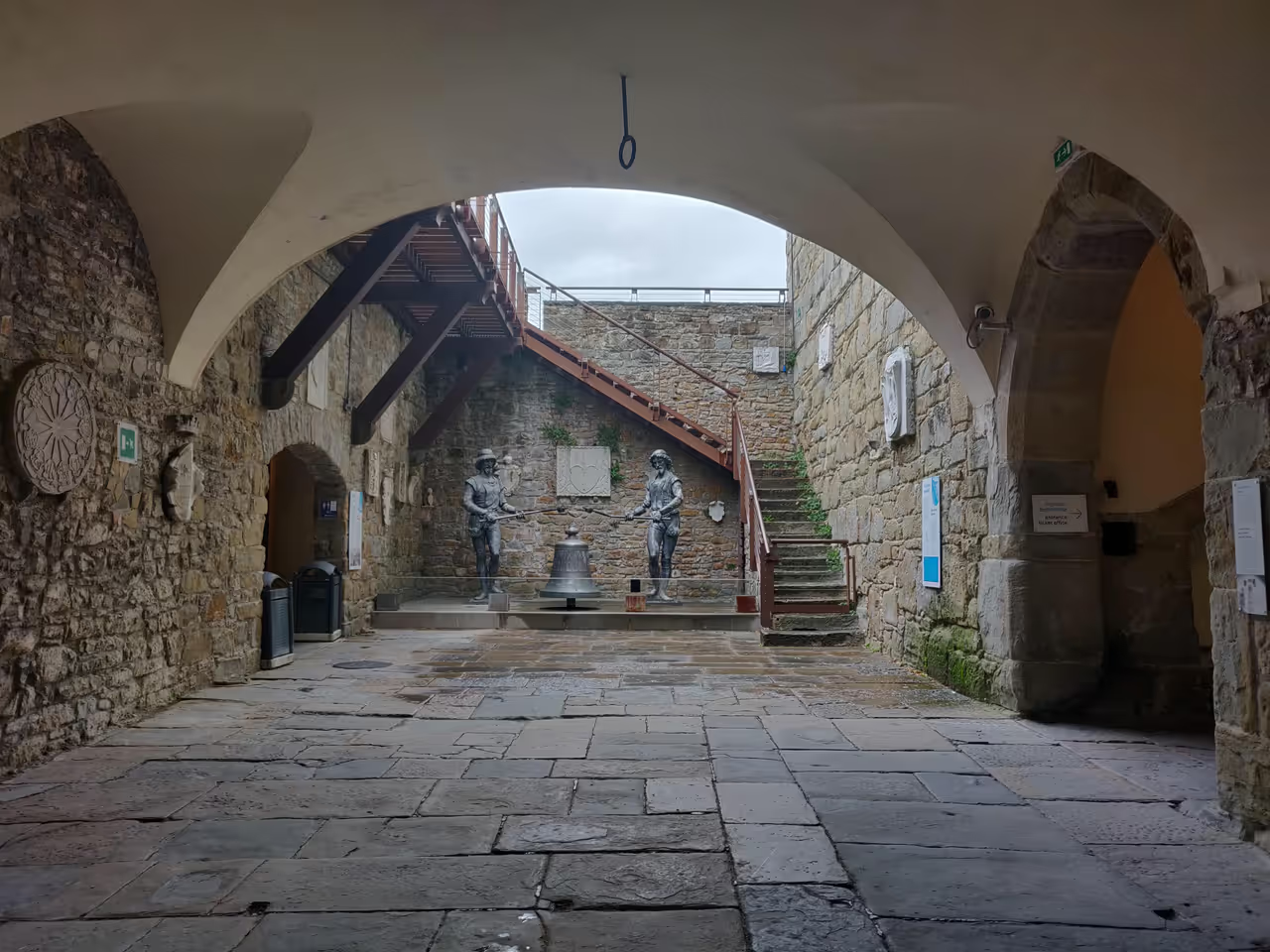
5 Days in Trieste: Complete Immersion Itinerary
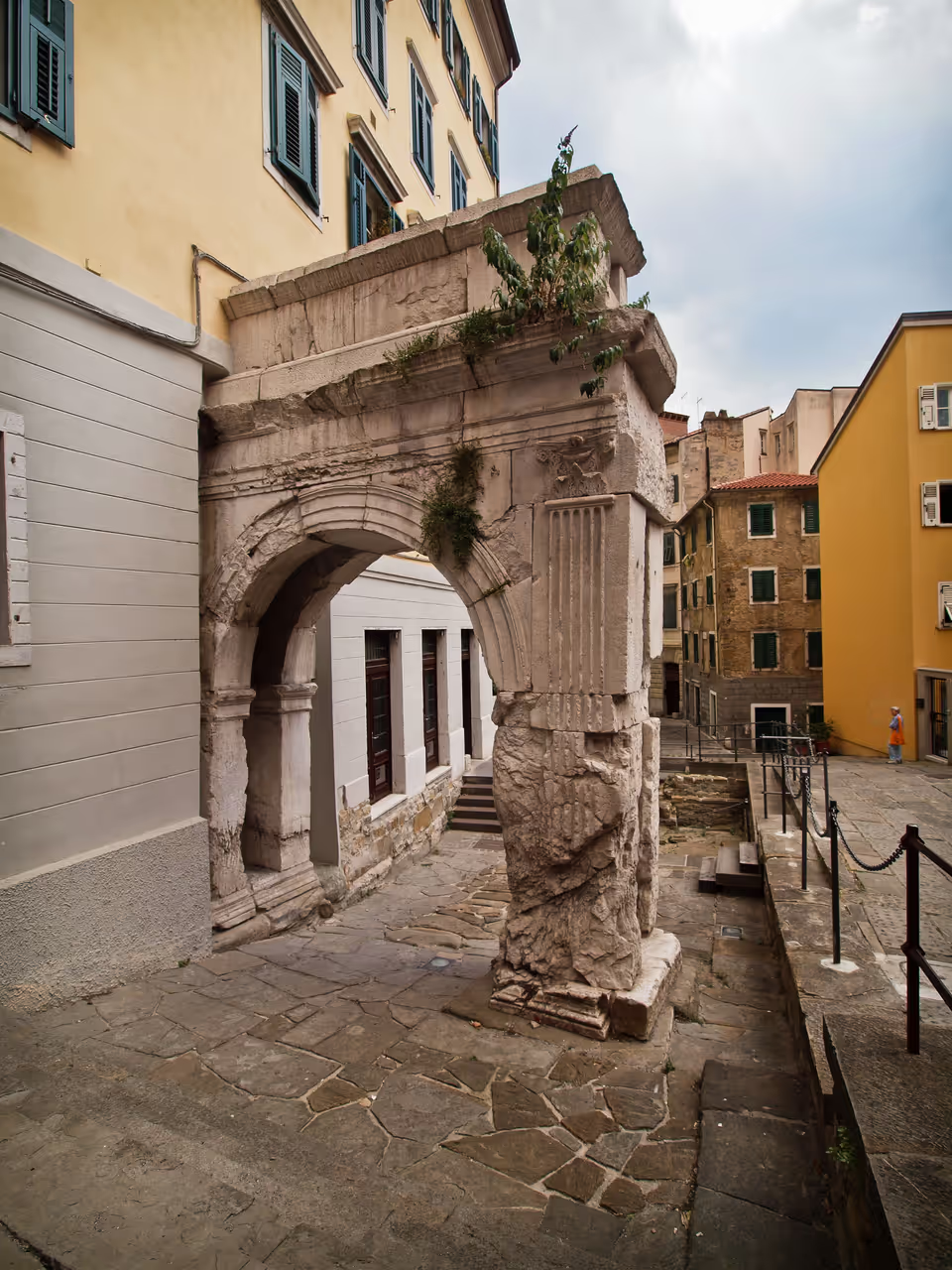
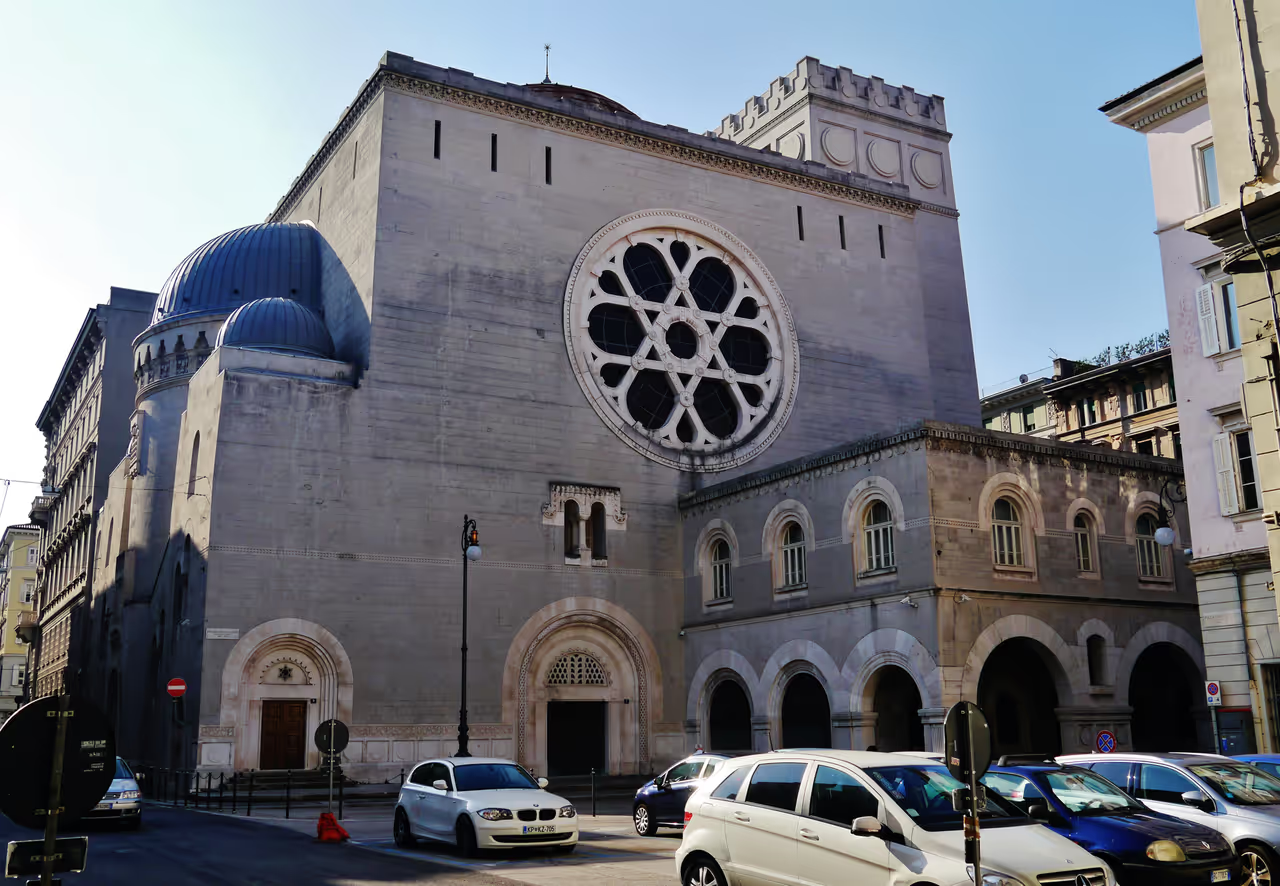
This generous itinerary allows you to absorb the slow, contemplative pace of the city while uncovering its more complex layers. You will visit essential art galleries, explore the deeply moving historical sites of the twentieth century and wander the quiet, bohemian alleys of the old town. The extra time permits a deep dive into the local cafe culture and a thorough appreciation of the diverse religious architecture. It is the ultimate way to connect with the city's profound intellectual and multicultural heritage.
view itinerary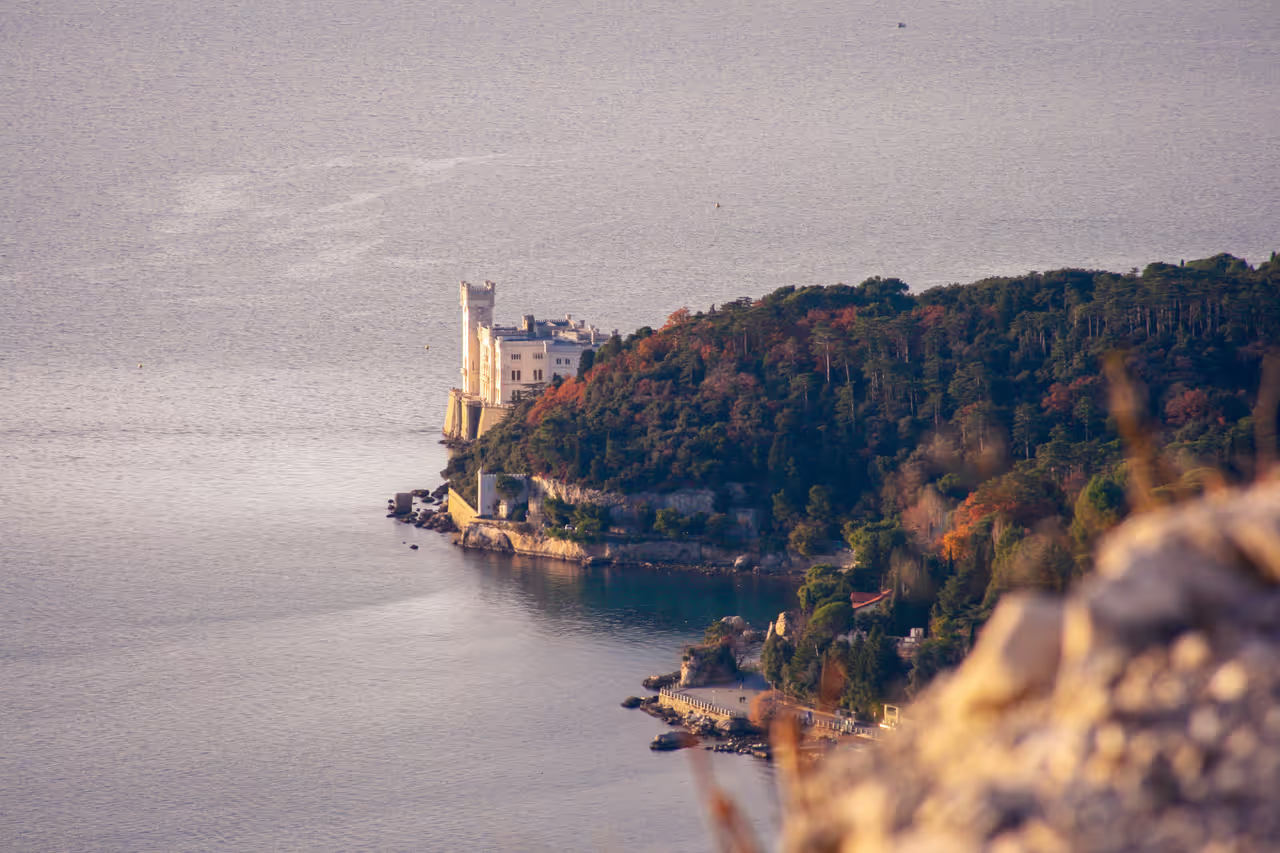
Coastal Ride to Miramare
This stunning flat route follows the coastline, offering uninterrupted views of the sparkling Adriatic Sea on one side and pine trees on the other. It is incredibly popular with locals seeking a refreshing breeze and a touch of exercise along the shore. The pathway guides cyclists past historic swimming spots and impressive monuments standing proud against the horizon. Riding this route provides a wonderful sense of the city's deep maritime connections and relaxed coastal lifestyle.
view cycling route
See all attractions in Trieste
Grotta Gigante, Miramare Castle, Piazza Unità d'Italia, Risiera di San Sabba Concentration Camp Museum, San Giusto Castle, Grand Canal of Trieste, Roman Theatre of Trieste...