Grand Canal of Trieste
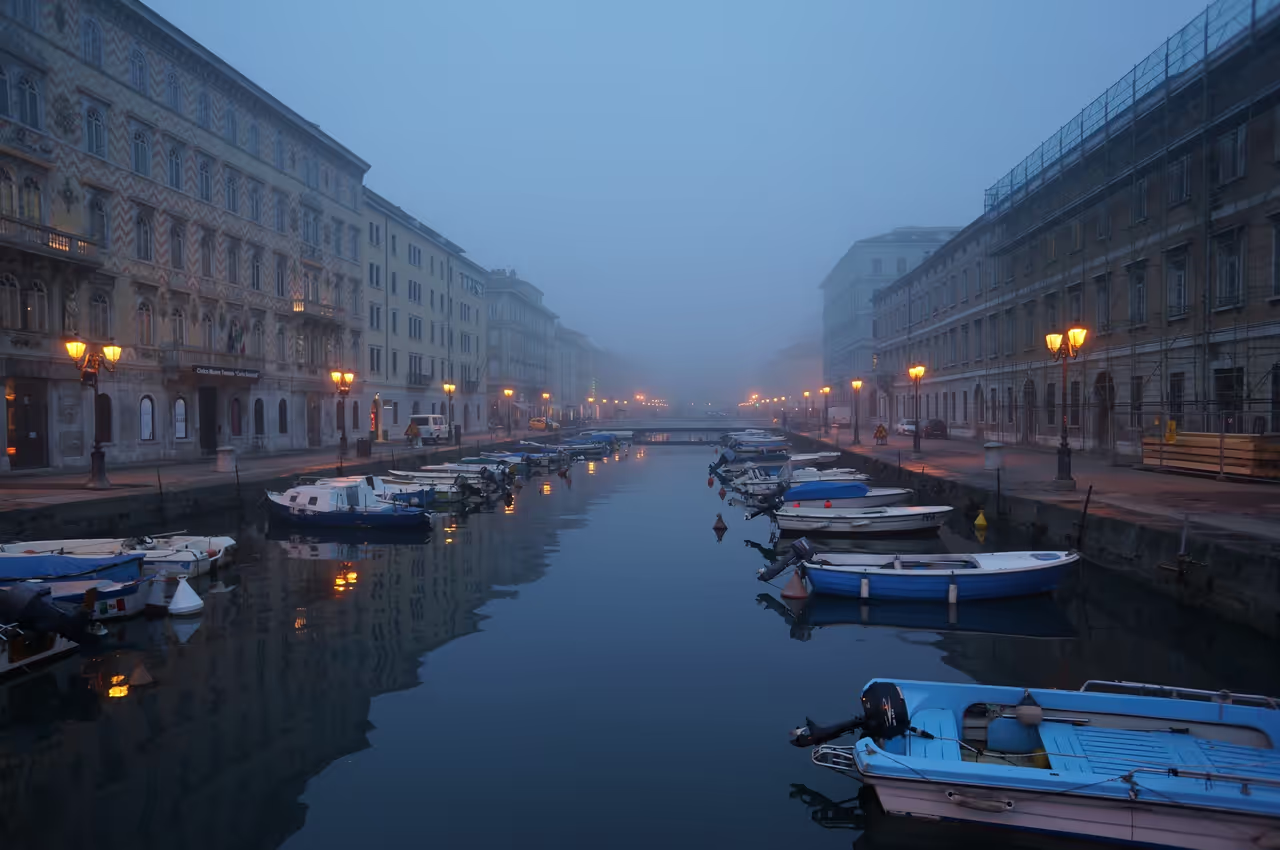
The Grand Canal of Trieste serves as the elegant heart of the historic Borgo Teresiano district, offering a unique Venetian charm right in the centre of this vibrant port city. This picturesque waterway, originally carved out in the eighteenth century, once allowed merchant vessels to navigate directly into the city centre to trade goods. Today, it functions as a peaceful promenade flanked by stunning neoclassical architecture, including the Serbian Orthodox Church with its celestial blue domes and the grand Sant'Antonio Nuovo. It is a fantastic spot for a leisurely afternoon stroll, where you can sip coffee at historic cafes or pose for a photo with the famous bronze statue of James Joyce perched on the red bridge. The canal offers an atmosphere that captures the soul of Trieste, making it an essential stop for anyone wanting to experience the city's maritime history. This area remains a place where the past meets the present, inviting visitors to pause and soak in the refined beauty of the Adriatic coast.
Videos
History of Grand Canal of Trieste
The Grand Canal of Trieste stands as a testament to the city's ambition as a major maritime hub in the eighteenth century. Built between 1754 and 1756, the project was the vision of Venetian architect Matteo Pirona. He was tasked with digging into the salt pans that once occupied this land, creating a vital artery for trade. This allowed merchant vessels to navigate directly into the heart of the urban centre, where they could dock and unload their precious cargos of spices and goods beneath the watchful eyes of merchants. For nearly two centuries, the canal stretched further inland, nearly touching the steps of the Sant'Antonio church. However, the urban fabric of Trieste continued to change as the city grew. In 1934, the city administration made the radical decision to shorten the canal. They infilled the terminal section with rubble salvaged from the demolition of the old town, creating the expansive square that exists today. Local folklore often whispers that a small torpedo boat was left in the mud during this process, remaining hidden beneath the paving stones, though historical records remain silent on the matter. Today, the canal serves a different purpose, having transitioned from a working port into a serene reflection of Trieste's architectural beauty. The waters are now home to smaller leisure craft rather than massive merchant ships. Flanked by grand palaces and historic churches that reflect the legacy of the Austrian Empire, the canal remains a quintessential symbol of Triestine identity. It invites visitors to pause and appreciate a place where history and daily life flow together in one of the most picturesque spots in the city.
Events spanning 259 years
Fun Facts
- • A popular local legend suggests that a torpedo boat was buried in the mud when the end of the canal was filled in, though there is no photographic evidence to support this claim.
- • James Joyce, the renowned Irish writer, is immortalised with a bronze statue on the Ponte Rosso, marking his long and fruitful residency in Trieste.
- • Palazzo Gopcevich, known for its vibrant red and yellow geometric patterns on the facade, now houses the Carlo Schmidl Theatrical Museum, one of the oldest in Italy.
- • The Ponte Rosso, or Red Bridge, derives its name from the colour its structure was originally painted when first constructed.
- • The Serbian Orthodox Church of San Spiridione, completed in 1869, is famous for its distinctive blue domes and ornate facade that reflect the city's multicultural heritage.
- • The cafe Stella Polare, located along the canal, remains one of the historic coffee houses of Trieste, offering a glimpse into the literary culture of the early twentieth century.
- • The canal features surviving remnants of old stone bollards where merchant sailing ships were once moored for unloading cargos of coffee, sugar, and spices.
- • The canal was originally much longer and extended all the way to the steps of the Sant'Antonio church before being shortened in the 1930s.
- • The statue of the little boy in the Piazza Ponterosso fountain is affectionately known as Giovannin de Ponterosso because the water supply originally came from the San Giovanni district.
Grand Canal of Trieste FAQ
While we strive to keep this information accurate and up to date, we recommend verifying any details independently before making decisions based on them.
Grand Canal of Trieste Map & Neighborhood Explorer
This interactive map is centered on Grand Canal of Trieste. Zoom in and move the map around to automatically discover Wikipedia photos and summaries of other nearby sights, monuments, and historical points of interest and stories in real-time!
Places near Grand Canal of Trieste
Make the most of your trip. Check out these top-rated spots located nearby.
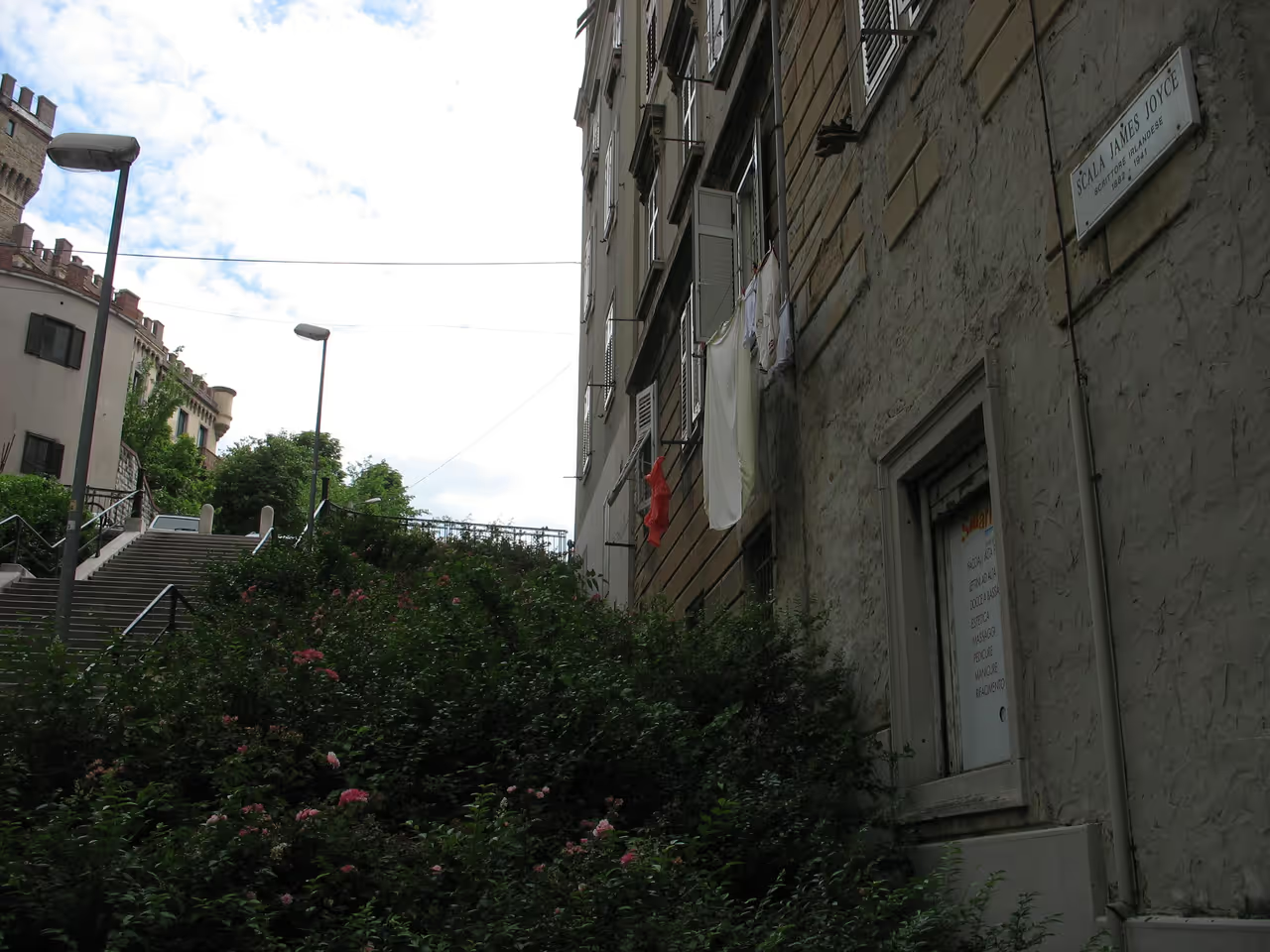 74m
74mBloomsday Celebration
This joyful literary festival honours the Irish writer James Joyce and his enduring connection to his adopted Italian home. Enthusiasts dress in Edwardian clothing and gather to read excerpts from Ulysses in various public squares and historic cafes. The celebration includes guided walking tours, musical performances and academic talks that dissect his complex works. The city truly embraces its role as a crucial backdrop to modern literature during these festivities. It offers a wonderfully quirky and intellectual atmosphere that perfectly suits the local character.
festival view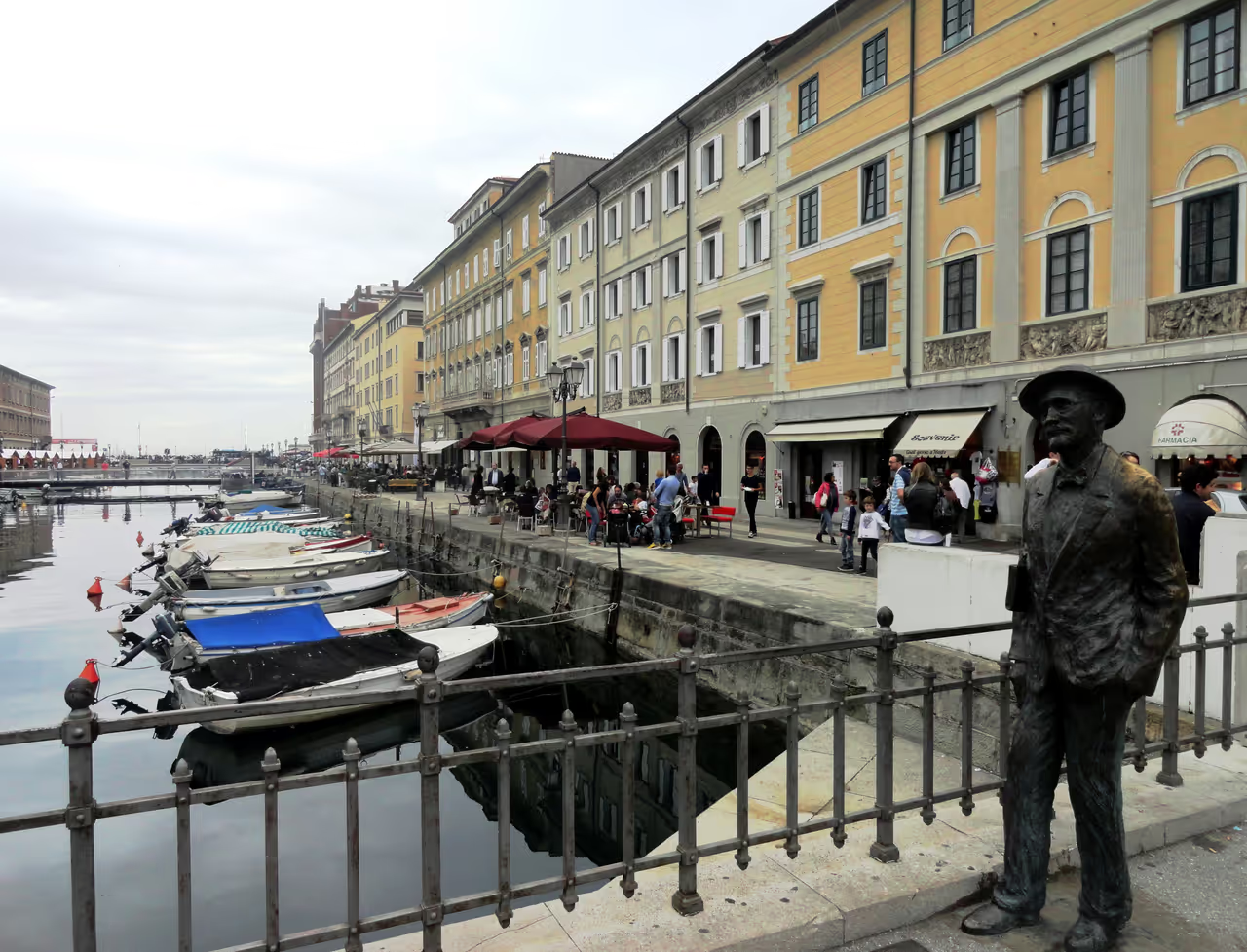 75m
75mJames Joyce Statue on Ponte Rosso
This is arguably the most popular and quirky photo opportunity in the entire city. A life sized bronze statue of the famous Irish author is depicted mid stride as if casually crossing the small pedestrian bridge over the canal. Standing next to him provides a wonderful, slightly humorous image that perfectly captures the city's deep literary heritage. The elegant historical buildings lining the waterway in the background provide an excellent, classic context for the shot. It is a mandatory stop for any literature lover visiting the region.
photo spot view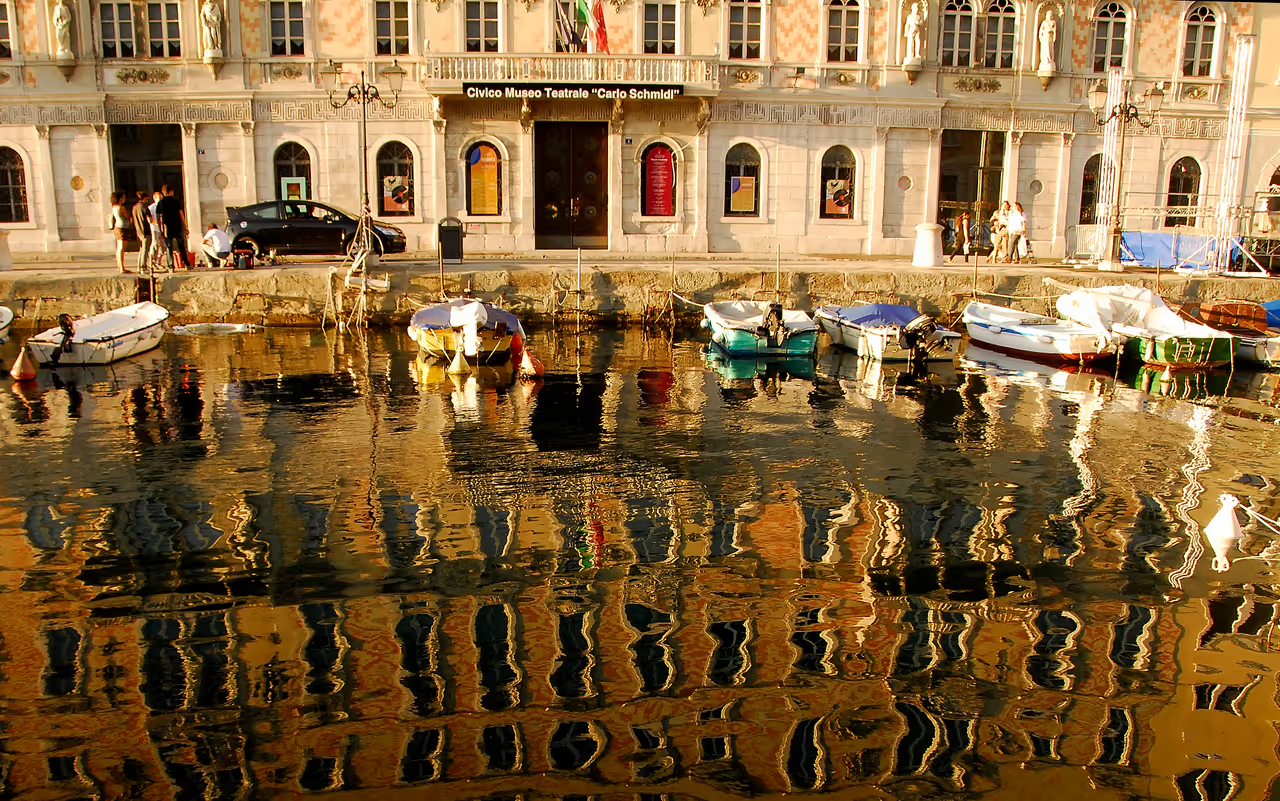 80m
80mGopcevich Palace
This striking building sitting on the edge of the Grand Canal was constructed for a wealthy Serbian shipowner in 1850. The facade is utterly unique, featuring a vibrant, geometric pattern of red and yellow plaster that immediately draws the eye. The exterior is further adorned with elaborate statues, friezes and medallions depicting heroes from the historic Battle of Kosovo. The interior matches the exterior's ambition, boasting highly refined inlaid wooden floors and beautifully decorated ceilings. It currently serves as an excellent museum dedicated to the city's theatrical and musical history.
architecture view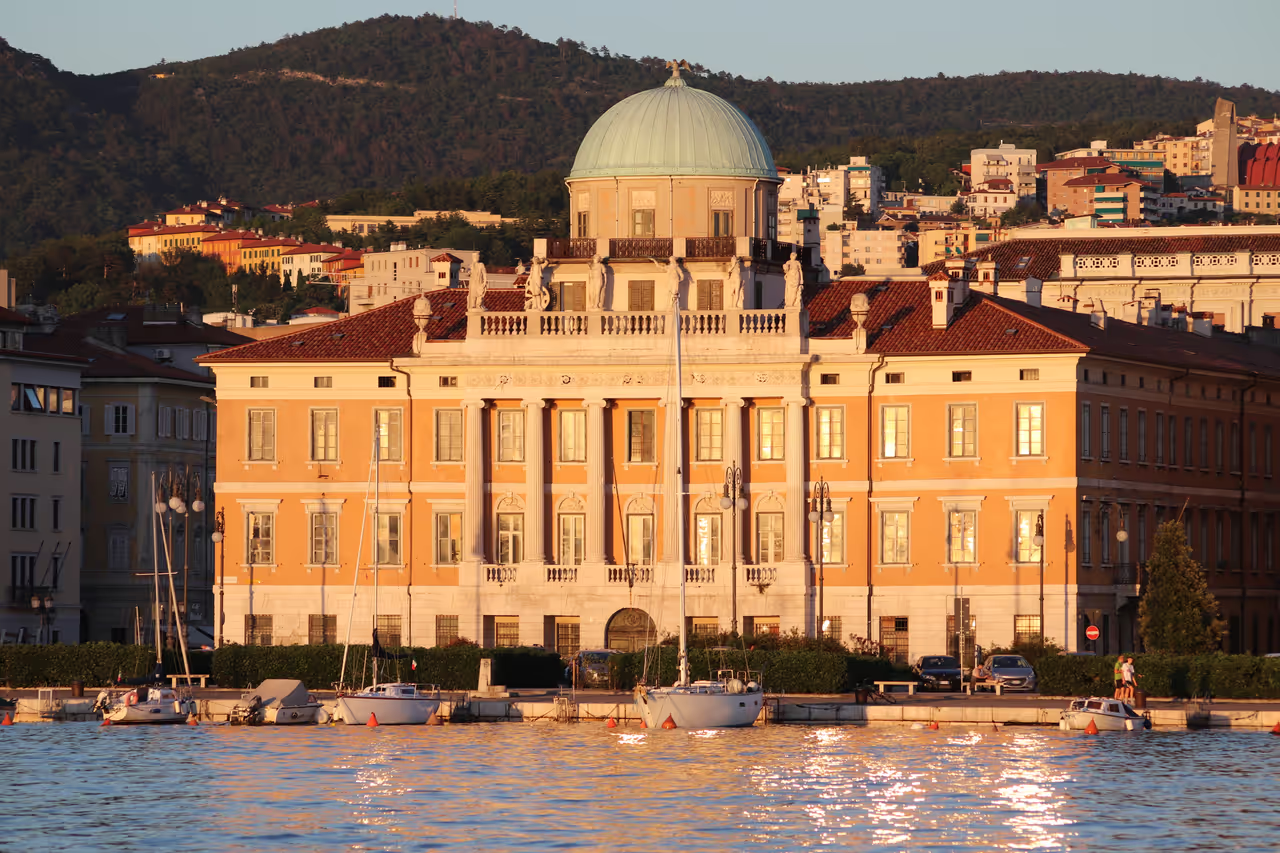 92m
92mCarciotti Palace
Located at the entrance to the Grand Canal, this elegant building was commissioned by a wealthy Greek merchant at the turn of the nineteenth century. The design features a perfectly proportioned neoclassical facade topped by an impressive green copper dome. Six prominent stone columns support the main entrance, creating a dignified and commanding presence on the waterfront. It originally served as both a luxurious private residence and a vast commercial warehouse for imported goods. It stands as a prime example of how merchant wealth directly shaped the city's monumental aesthetic.
architecture view
Explore Similar Places in This Collection
Featured on These Itineraries and Routes
1 Day in Trieste Itinerary
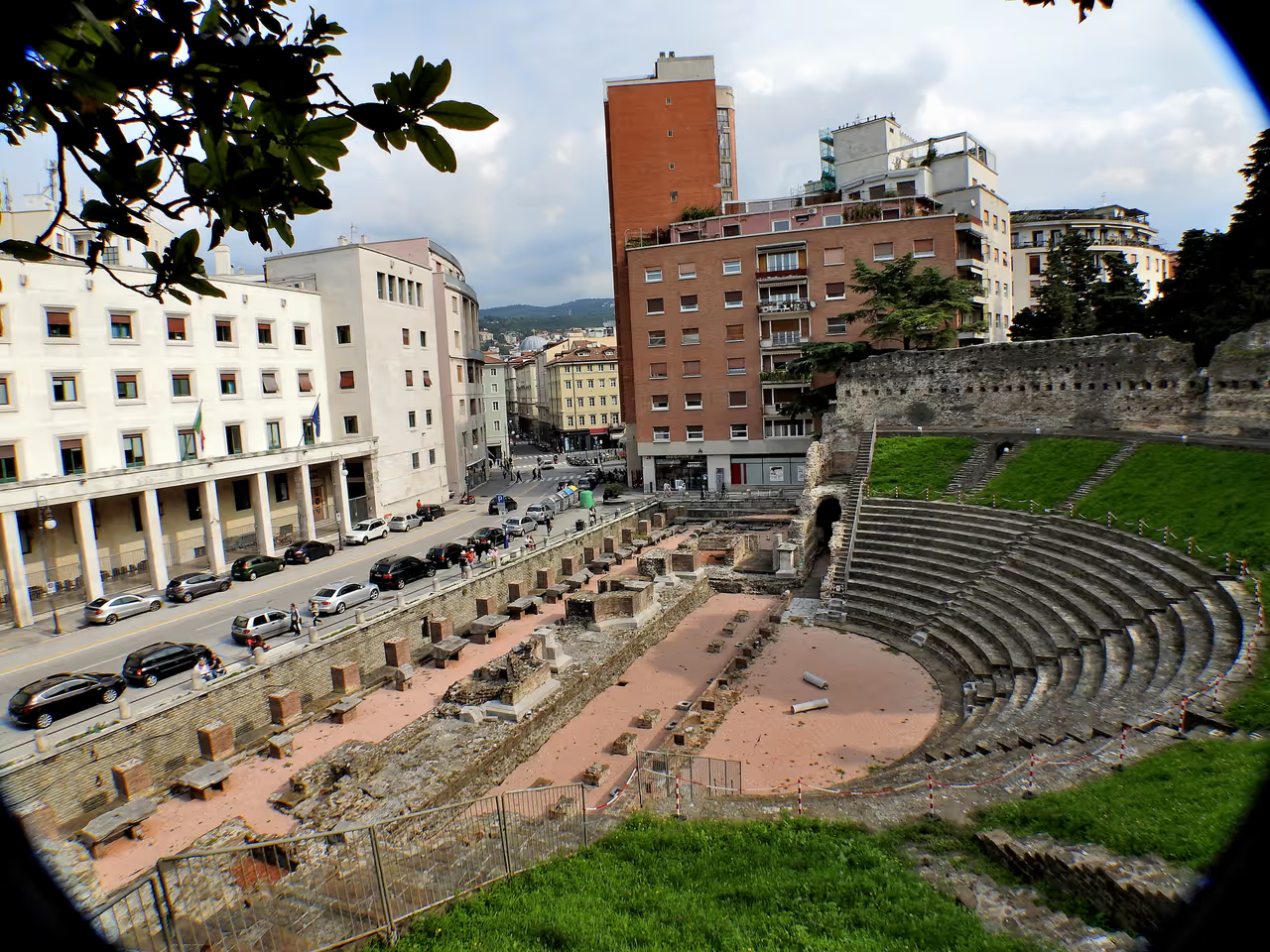
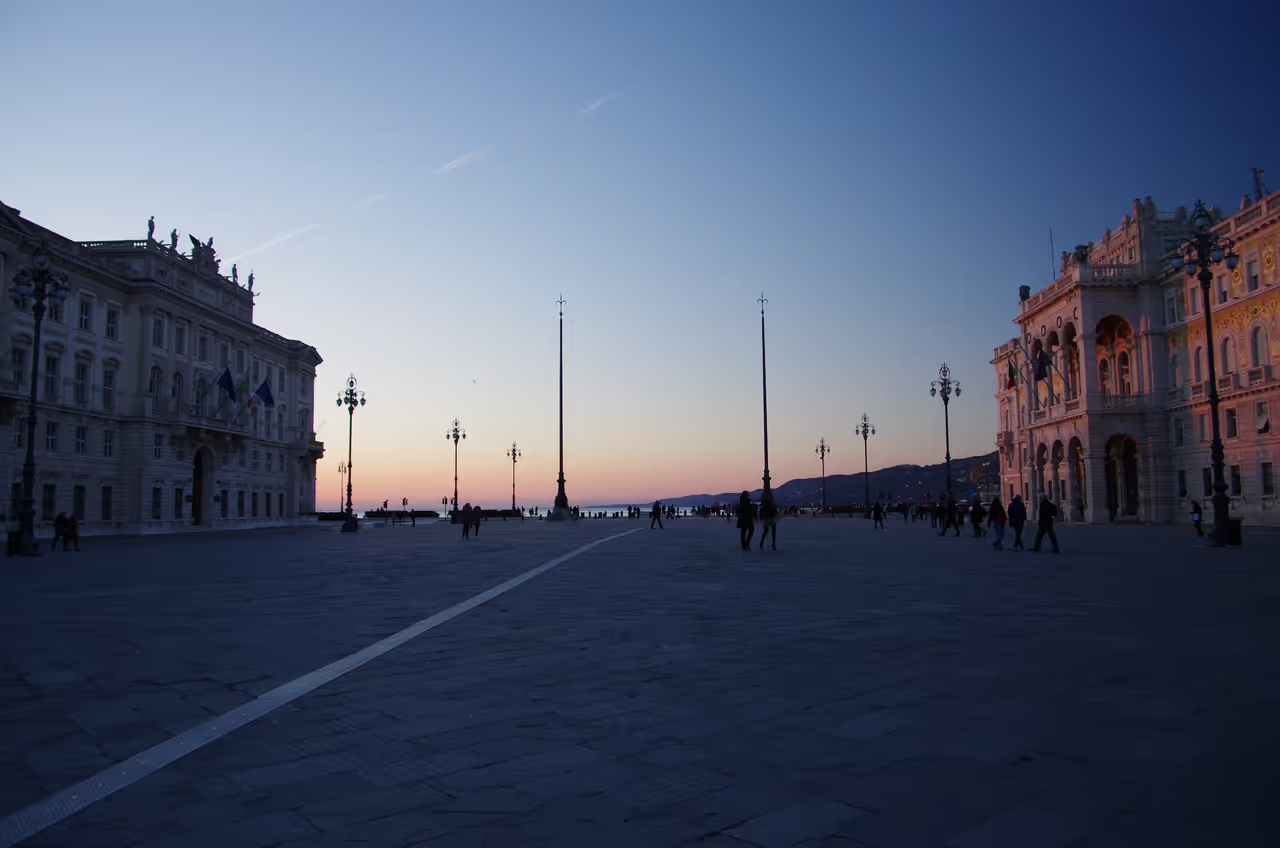
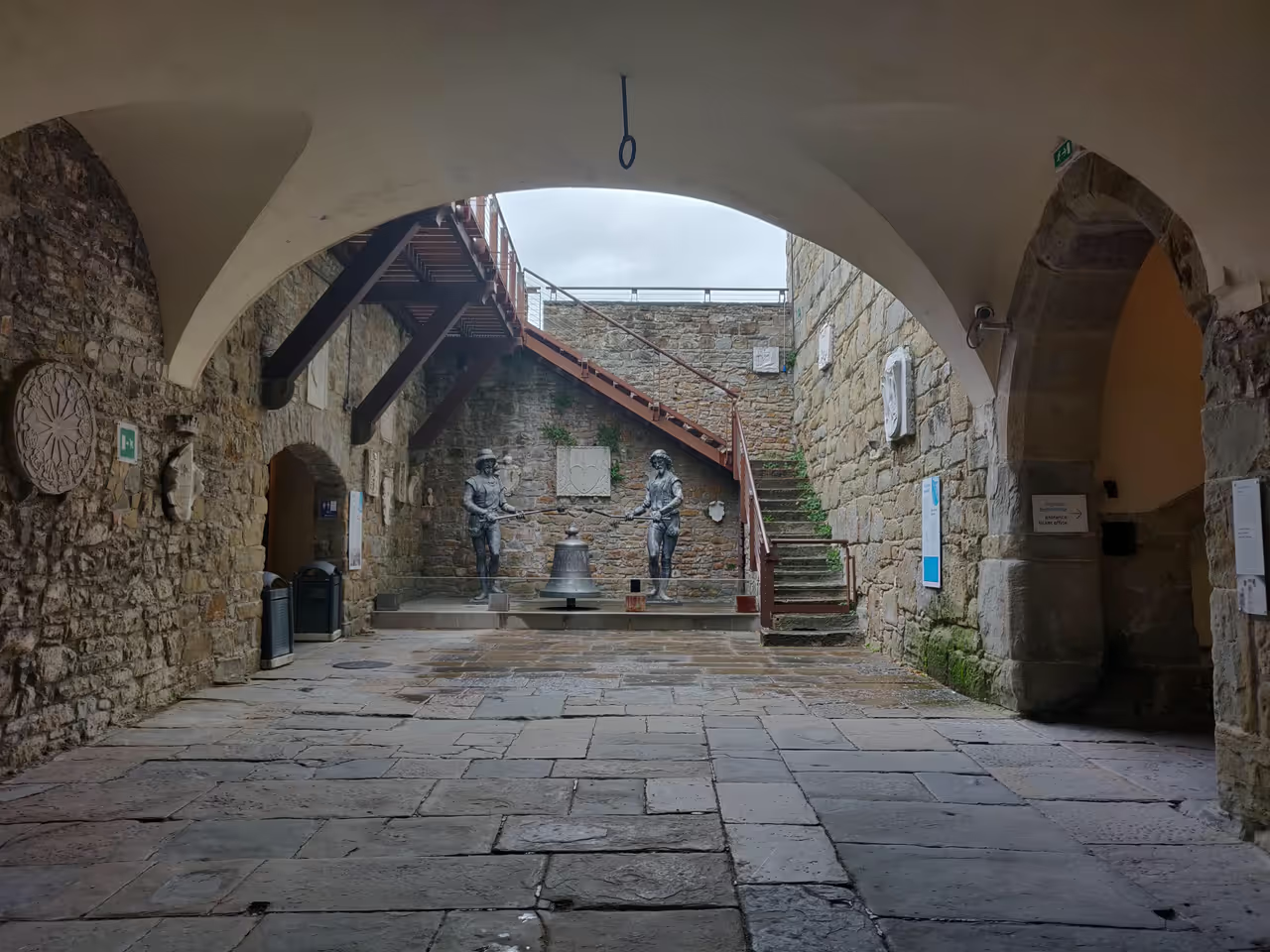
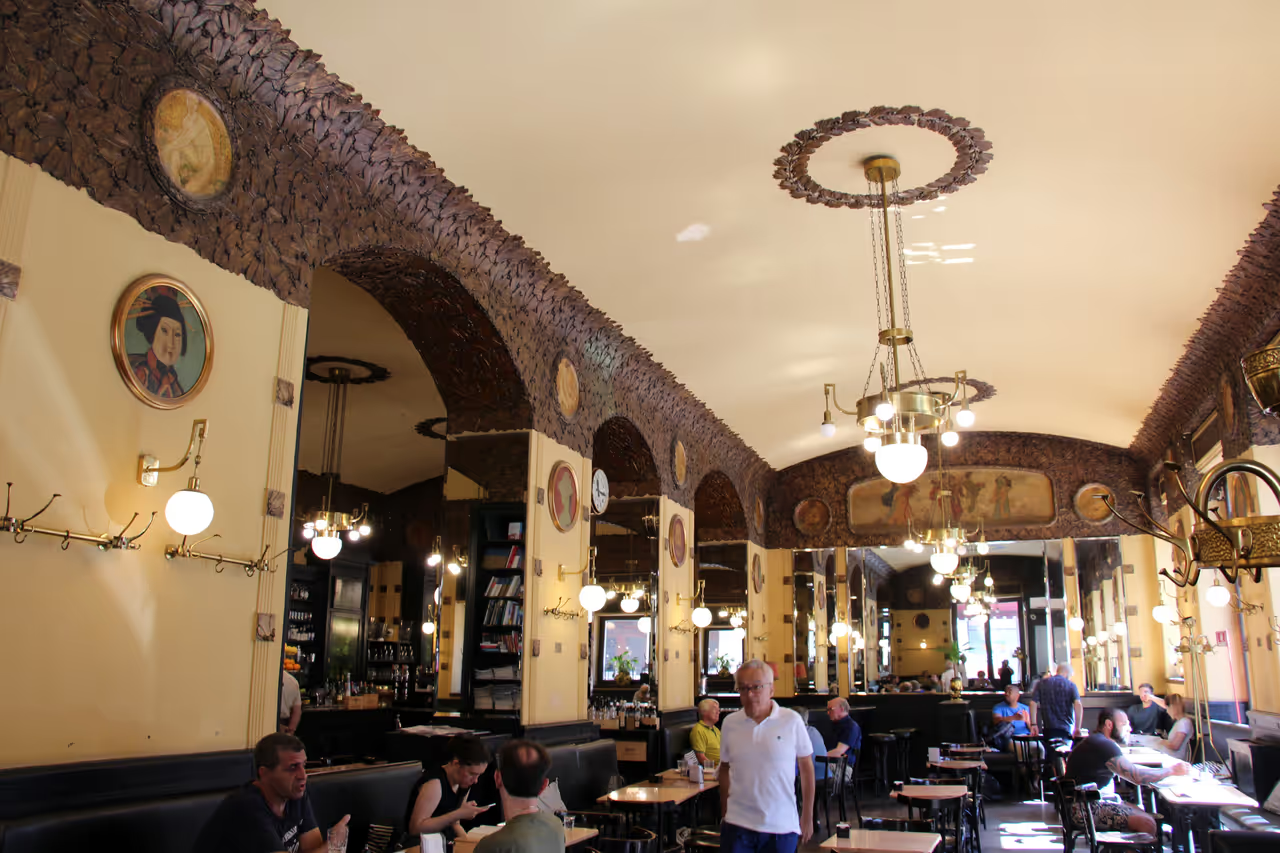
This highly focused itinerary captures the absolute essence of the city's unique blend of imperial grandeur and ancient history. It is designed for those with limited time who want to experience the most iconic waterfront sights and the deep historical layers of the central hill. You will wander through magnificent squares, sip coffee in literary institutions and explore remarkably preserved Roman ruins. It perfectly balances elegant nineteenth century architecture with the rugged charm of the old town.
view itinerary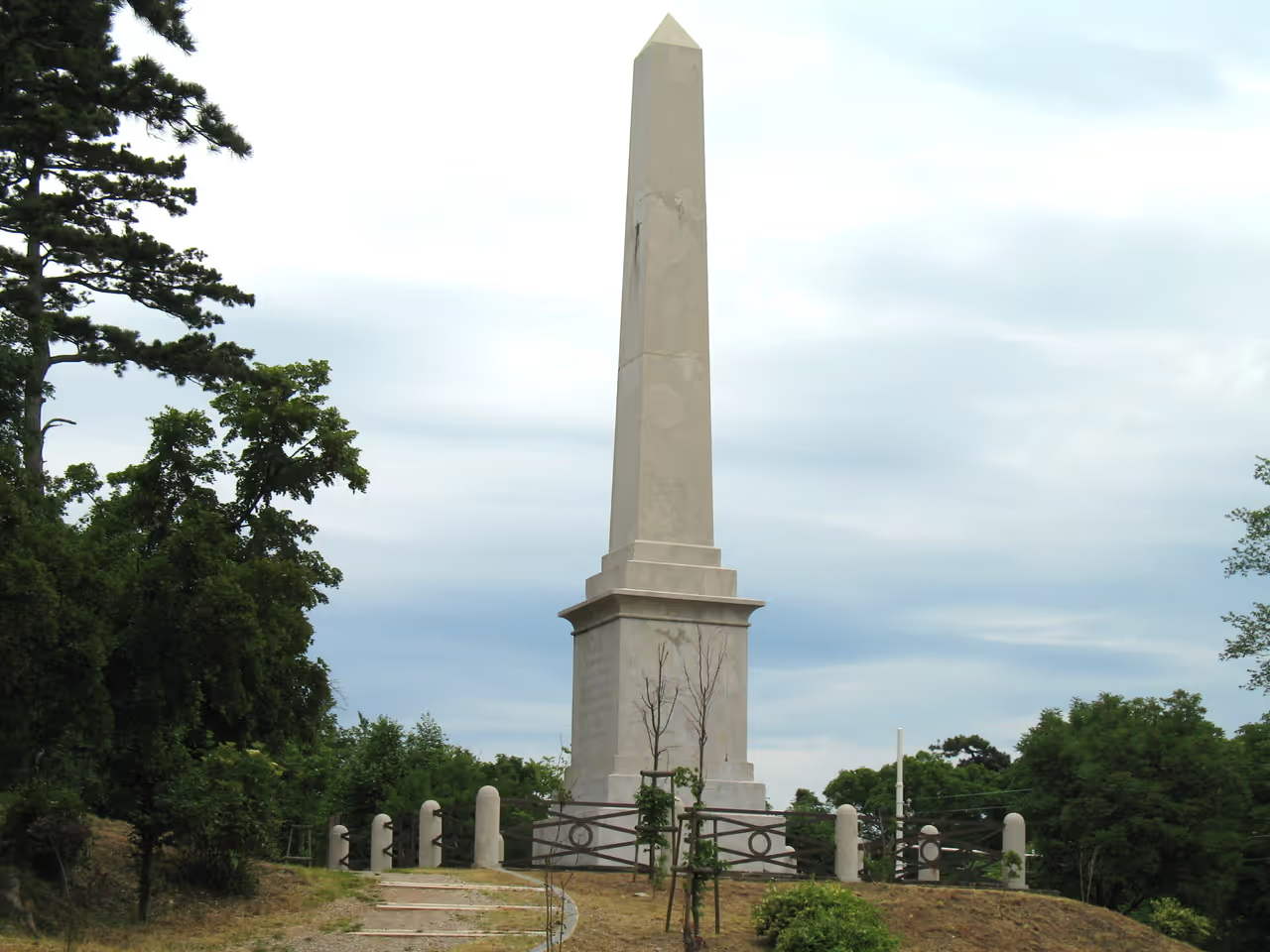
3 Days in Trieste: Imperial Echoes & Karst Landscapes Itinerary
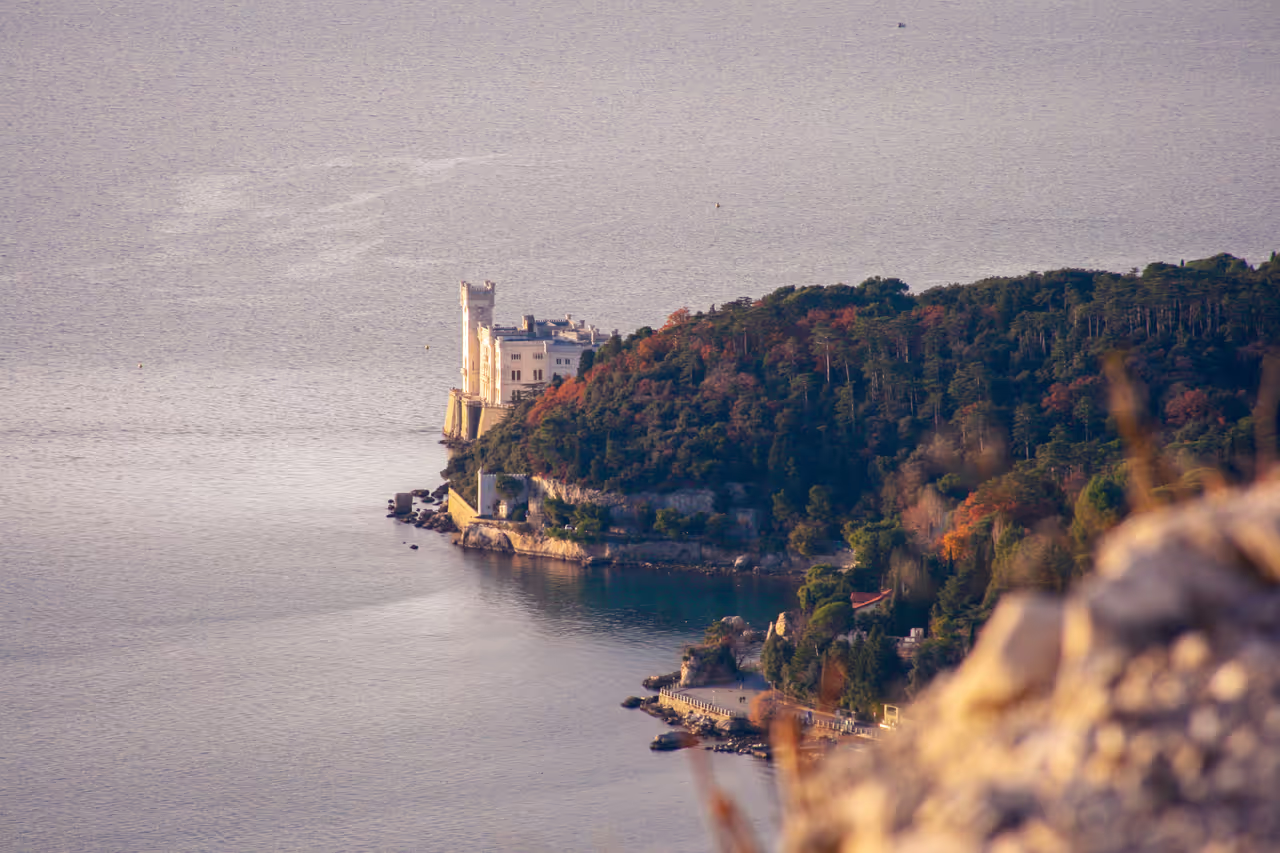
This expanded journey allows you to fully appreciate the dramatic contrast between the elegant urban centre and the wild surrounding nature. After exploring the central highlights, you will venture along the coastline to marvel at a royal castle perched on a cliff. The final day takes you high up onto the rugged Karst plateau to discover colossal underground caves and sweeping panoramic trails. It provides a deeply comprehensive overview of the region's geographical and historical diversity.
view itinerary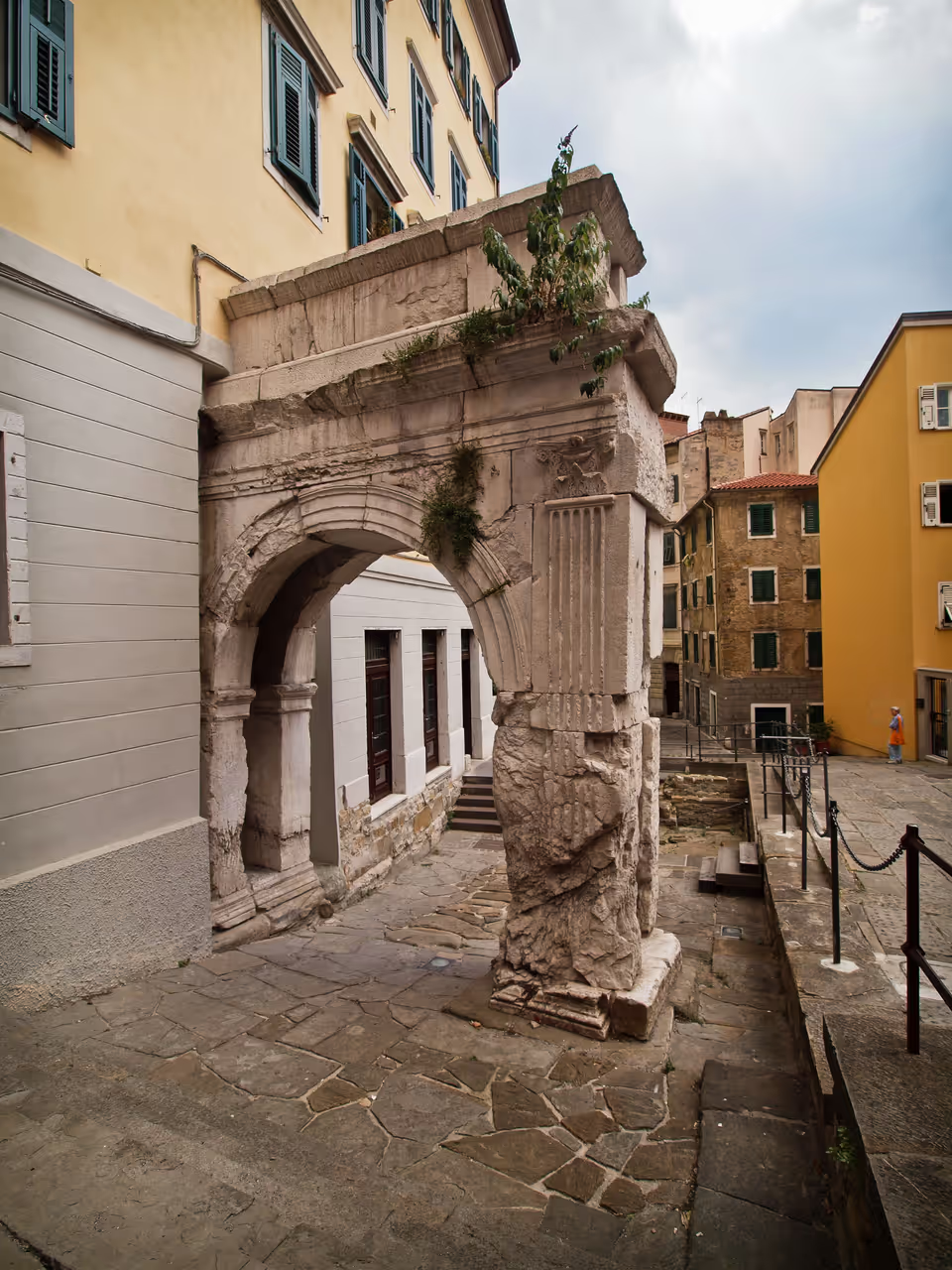
5 Days in Trieste: Complete Immersion Itinerary
This generous itinerary allows you to absorb the slow, contemplative pace of the city while uncovering its more complex layers. You will visit essential art galleries, explore the deeply moving historical sites of the twentieth century and wander the quiet, bohemian alleys of the old town. The extra time permits a deep dive into the local cafe culture and a thorough appreciation of the diverse religious architecture. It is the ultimate way to connect with the city's profound intellectual and multicultural heritage.
view itinerary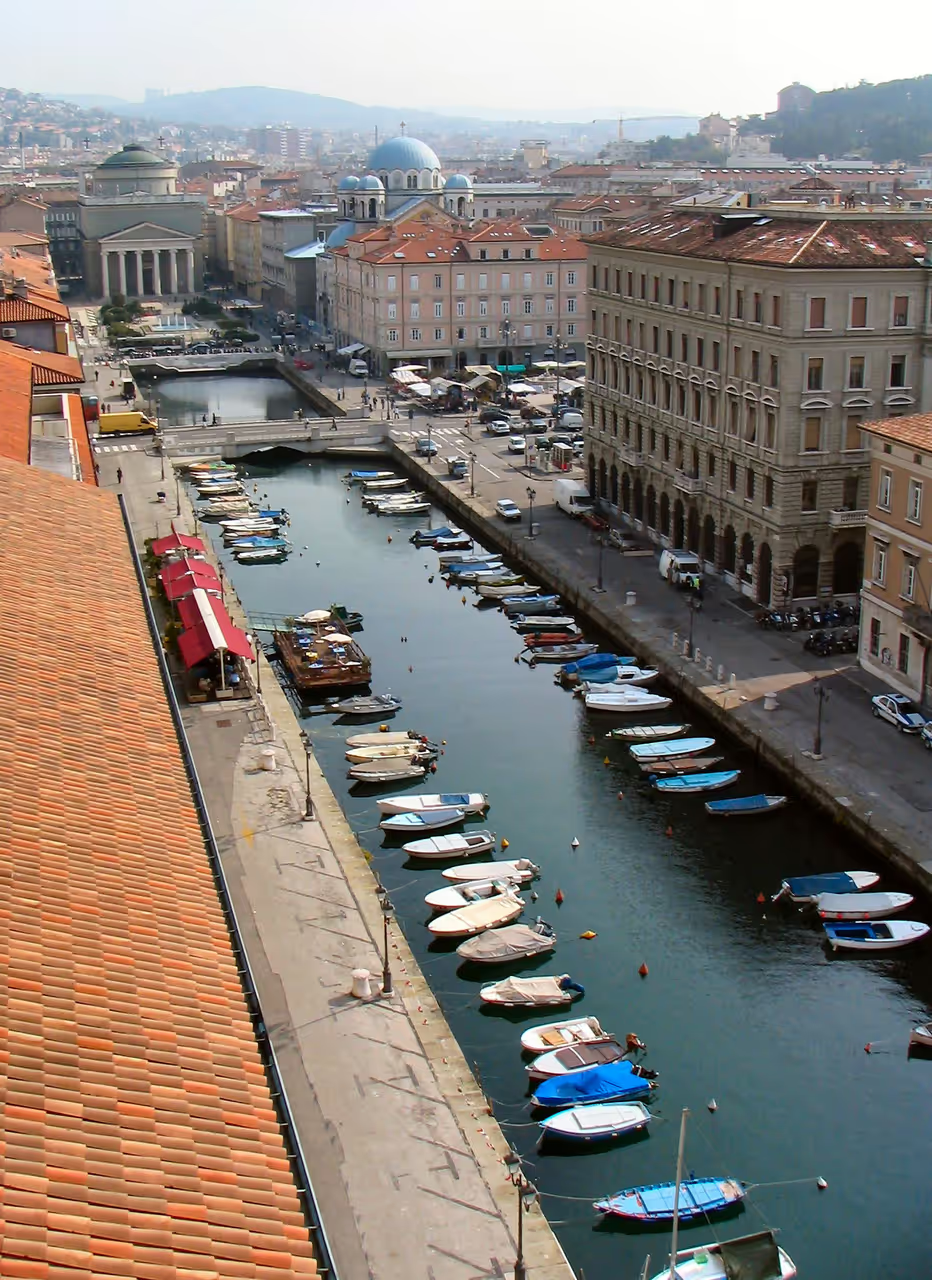
City Waterfront Path
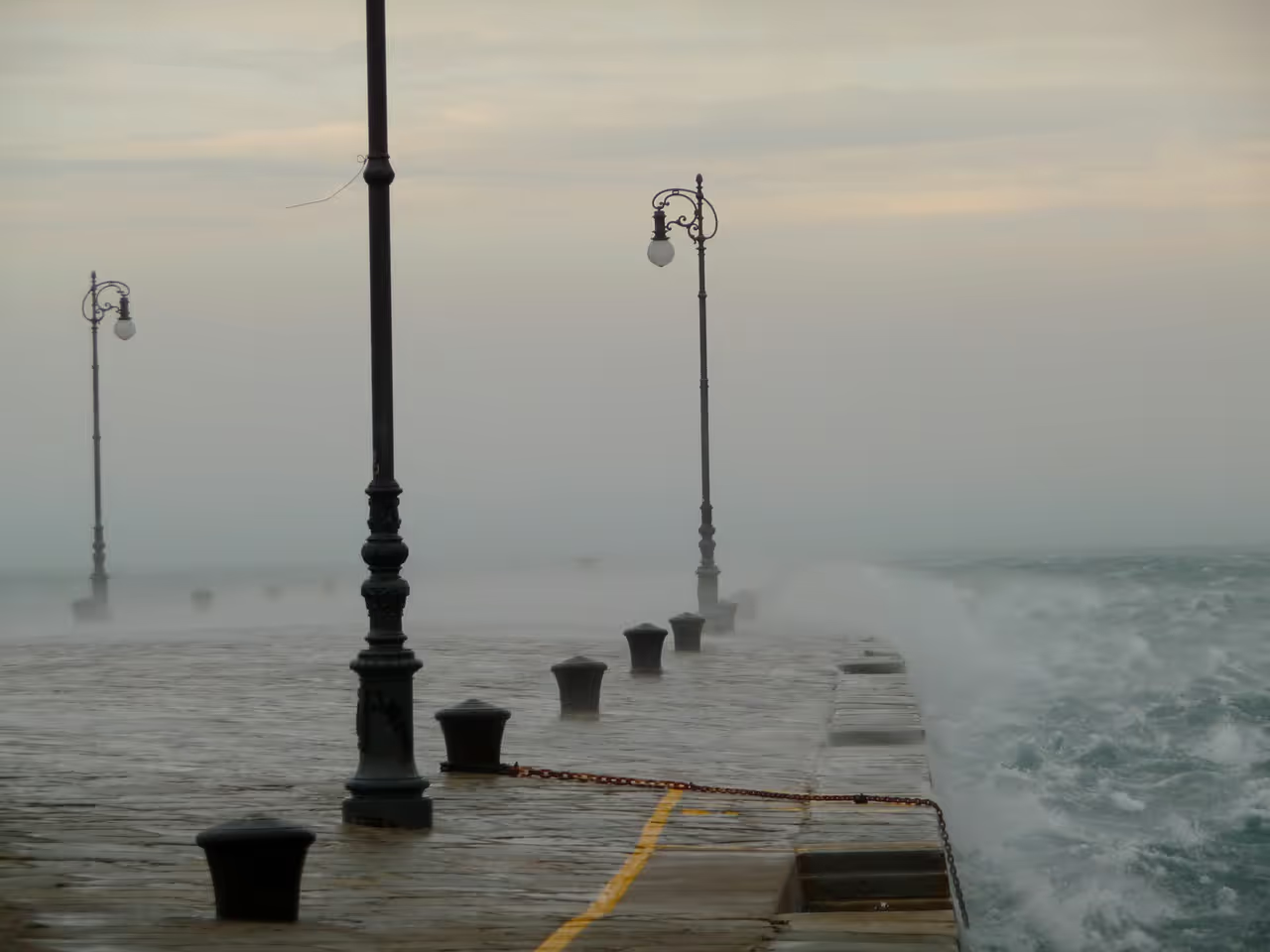
This leisurely urban ride glides past the most majestic and historically significant maritime facades the city has to offer. The route allows you to appreciate the grand scale of the imperial architecture that defines the main port area. Cycling alongside docked sailboats and massive cruise ships emphasizes the ongoing vitality of the maritime economy. It is an effortless and highly visual way to orient yourself within the historic centre.
view cycling route
See all attractions in Trieste
Grotta Gigante, Miramare Castle, Piazza Unità d'Italia, Risiera di San Sabba Concentration Camp Museum, San Giusto Castle, Vittoria Light, Roman Theatre of Trieste...