Ear of Dionysius
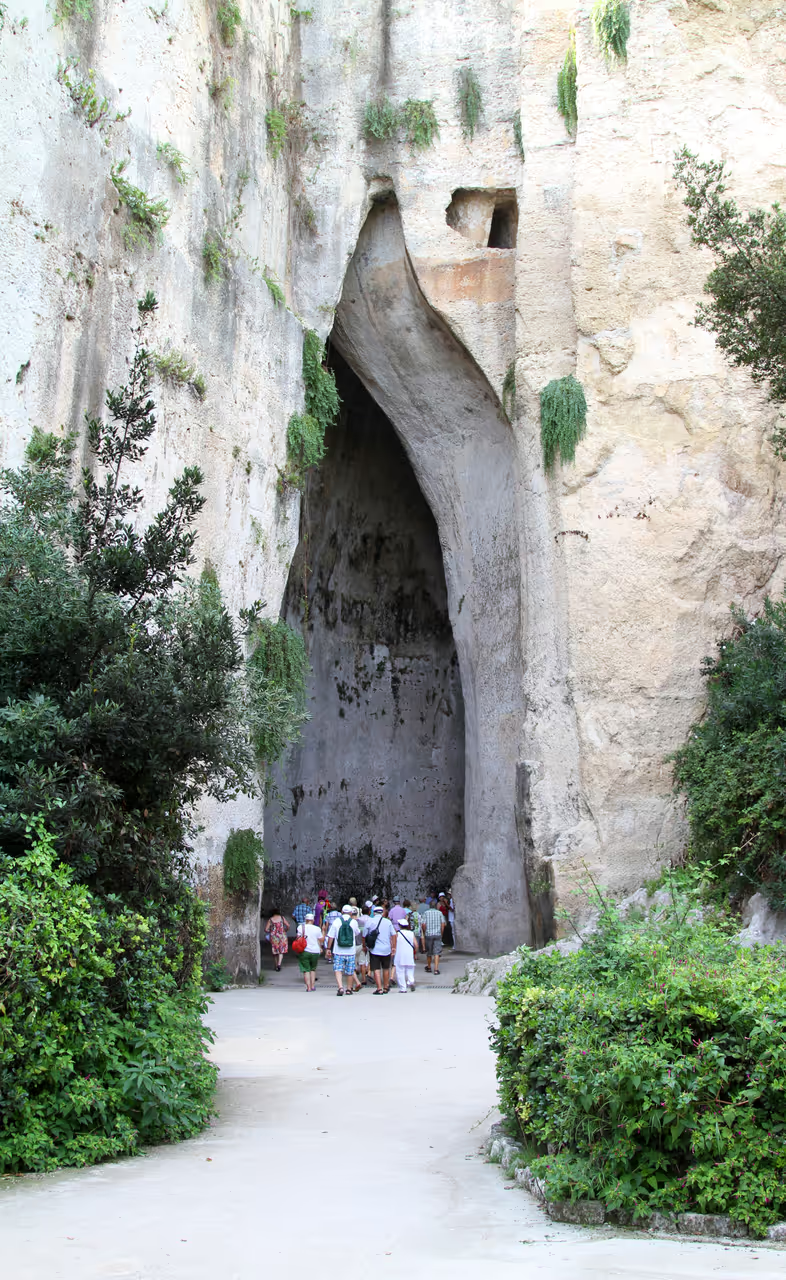
Step into the Ear of Dionysius, a remarkable artificial cave carved into the limestone of the Latomia del Paradiso in Syracuse. This cavern is celebrated for its extraordinary acoustic properties and a distinct S-shape that amplifies even the smallest whispers into resounding echoes. Legend has it that the tyrant Dionysius I used this space to eavesdrop on his prisoners, though others suggest it served as an acoustic chamber for the nearby Greek theatre. Today, visitors are left in awe by the towering height of the rock walls and the sheer scale of the engineering. It provides a hauntingly beautiful atmosphere that has inspired writers and artists for generations. Walking through this limestone corridor is a highlight for anyone exploring the archaeological park.
Videos
History of Ear of Dionysius
The history of the Ear of Dionysius is a curious blend of industrial utility and dramatic myth. Originally, this cavern was not conceived as a prison or a spy chamber but as a stone quarry. The inhabitants of ancient Syracuse extracted limestone here to build their great city and iconic theatre. The distinct S-shape of the walls traces the path of an ancient aqueduct, carved by workers who followed the water line downwards, unintentionally creating a masterpiece of sound amplification. Over the centuries, the site shed its industrial skin and donned the cloak of legend. The name itself arrived in the seventeenth century, thanks to the painter Caravaggio, who famously compared the cave's shape to a human ear. This association sparked tales of the tyrant Dionysius I, who allegedly used the cave to spy on captives, using the natural resonance to listen to their secrets from an opening above. Whether the tyrant truly used the cave in such a Machiavellian way remains a subject of historical debate, but the story solidified the site as a place of intrigue. Today, the Ear of Dionysius stands as a testament to the intersection of nature and human intervention. It has transcended its origins to become a landmark of the Grand Tour and a setting for modern cinema, including appearances in the Indiana Jones franchise. Visitors are drawn here by the history and the physical experience of sound within the limestone walls. It remains a place where the echoes of ancient Syracusan life still linger, inviting travellers to listen closely to the whispers of the past.
Events spanning 2423 years
Fun Facts
- • Caravaggio is credited with giving the cave its famous name in 1608 due to its resemblance to a human ear.
- • Famous writers like Guy de Maupassant and Jules Verne have documented the cave in their works, cementing its place in global literary history.
- • Local legends claim Dionysius I locked his prisoners in the cave to overhear their conversations, which is how the myths about its use originated.
- • Nearby, you will find the Grotta dei Cordari, which was used for centuries by traditional rope makers who favoured the cave's high humidity.
- • Pietro Della Valle wrote about his visit in 1625, mistakenly attributing the construction of this acoustic marvel to the engineer Archimedes.
- • The acoustics are so powerful that they can amplify sounds up to sixteen times, turning a soft whisper into a booming noise.
- • The cave is part of the Latomia del Paradiso, a site that was historically used as a prison for defeated armies and later as a massive stone quarry.
- • The cave stands twenty-three metres tall and stretches sixty-five metres into the rock, creating a dramatic sense of scale for all who enter.
- • The distinctive S-shape of the cave was dictated by an ancient aqueduct channel that guided the original excavation work from the top down.
- • Vivant Denon, a participant in the Grand Tour, famously climbed to the top chamber to test if the acoustics really allowed for eavesdropping, only to find the sounds jumbled and indistinguishable.
Ear of Dionysius FAQ
While we strive to keep this information accurate and up to date, we recommend verifying any details independently before making decisions based on them.
Ear of Dionysius Map & Neighborhood Explorer
This interactive map is centered on Ear of Dionysius. Zoom in and move the map around to automatically discover Wikipedia photos and summaries of other nearby sights, monuments, and historical points of interest and stories in real-time!
Places near Ear of Dionysius
Make the most of your trip. Check out these top-rated spots located nearby.
 166m
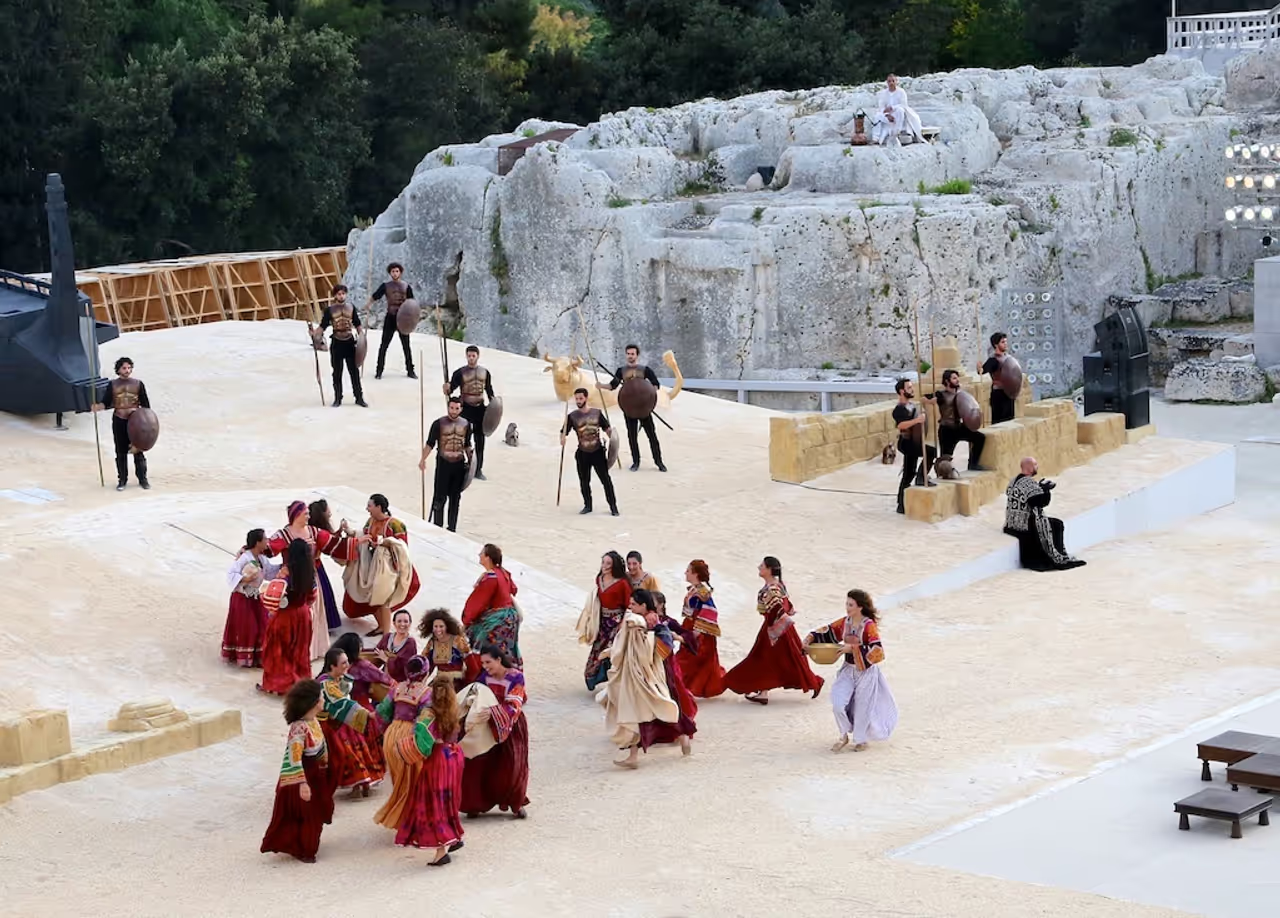
166mClassical Greek Theatre Festival
Organised by the National Institute of Ancient Drama, this prestigious festival brings ancient Greek tragedies and comedies back to life on the very stage where many were first performed millennia ago. World class actors and directors gather to create spellbinding performances under the open sky as the sun sets over the ruins. Sitting on the ancient stone steps to watch plays by Aeschylus or Euripides is a deeply profound cultural experience. The season usually runs from late spring into early summer.
festival view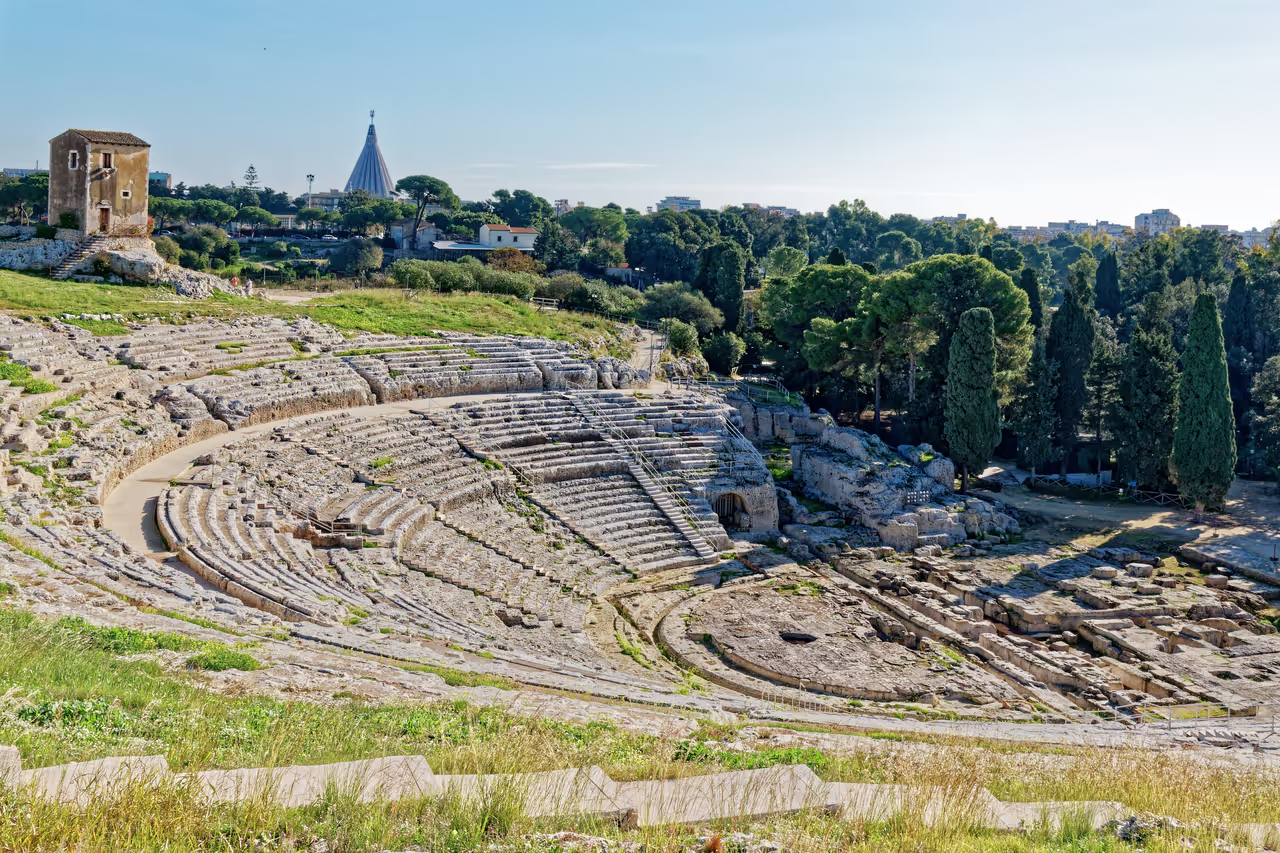 167m
167mGreek Theatre of Syracuse
Carved directly into the limestone slopes of Temenite Hill, the Greek Theatre of Syracuse stands as a monumental testament to classical ingenuity and artistic ambition. This ancient masterpiece remains the largest of its kind in Sicily, offering breathtaking views that stretch across the harbour to the island of Ortygia. Visitors can walk the very stone steps where citizens once gathered for democratic assemblies and where great tragedies were first unveiled centuries ago. Beyond its architectural grandeur, the site continues to breathe with life by hosting annual classical dramas that maintain a connection to its storied past. Exploring this landmark offers a chance to stand within a living historical record, feeling the weight and scale of a world that helped shape modern performance. It is an unforgettable highlight of any journey to Syracuse.
attraction view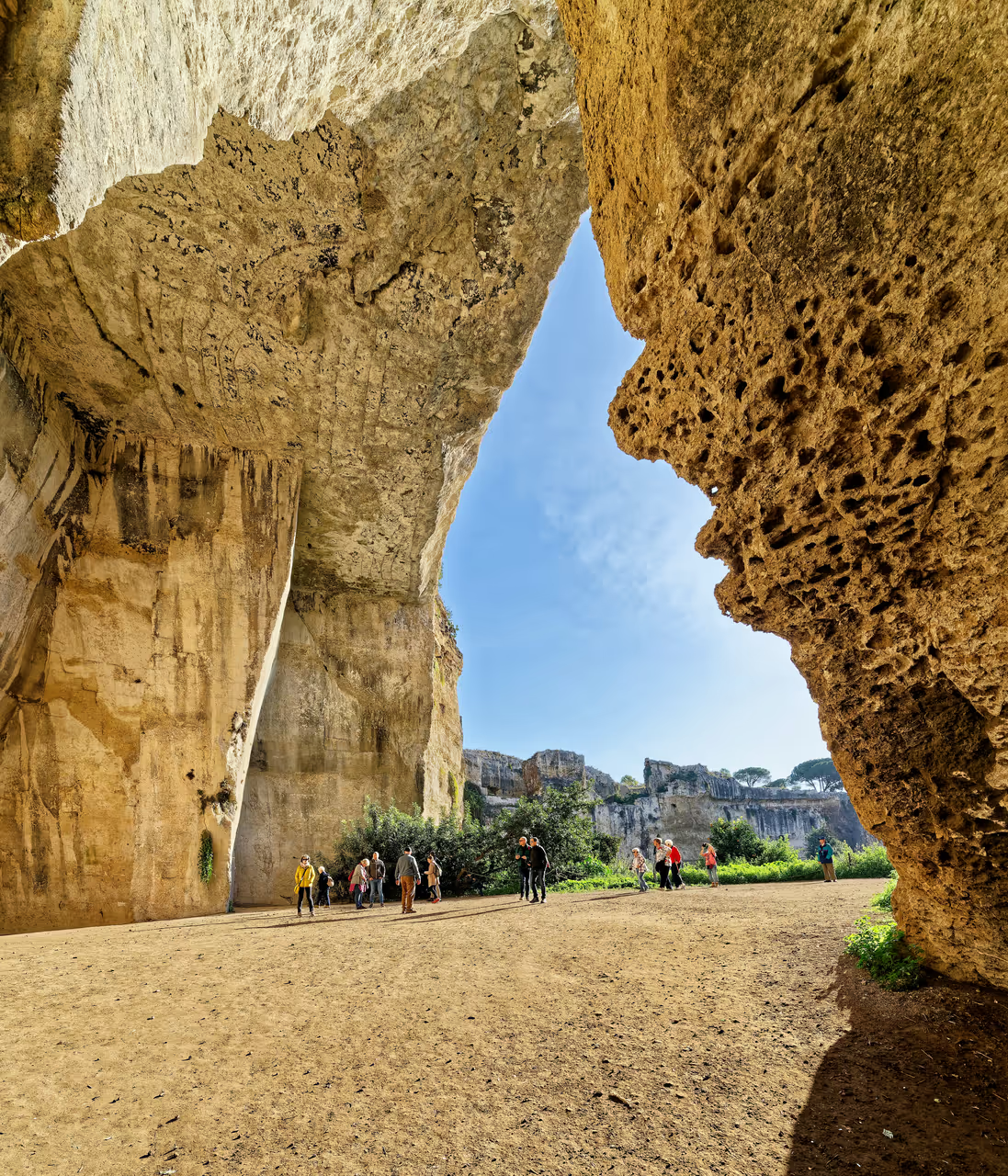 169m
169mNeapolis Archaeological Park
This sprawling complex contains the most staggering concentration of ancient ruins in the region. It acts as an incredible open air museum, showcasing the immense power and wealth of classical Syracuse. Here, you can wander among the colossal seats of the Greek Theatre and marvel at the sheer size of the Roman Amphitheatre. The park is also home to cavernous, vegetation filled quarries where ancient prisoners once toiled. It is an absolutely essential experience for understanding the sheer scale of the ancient metropolis.
highlight view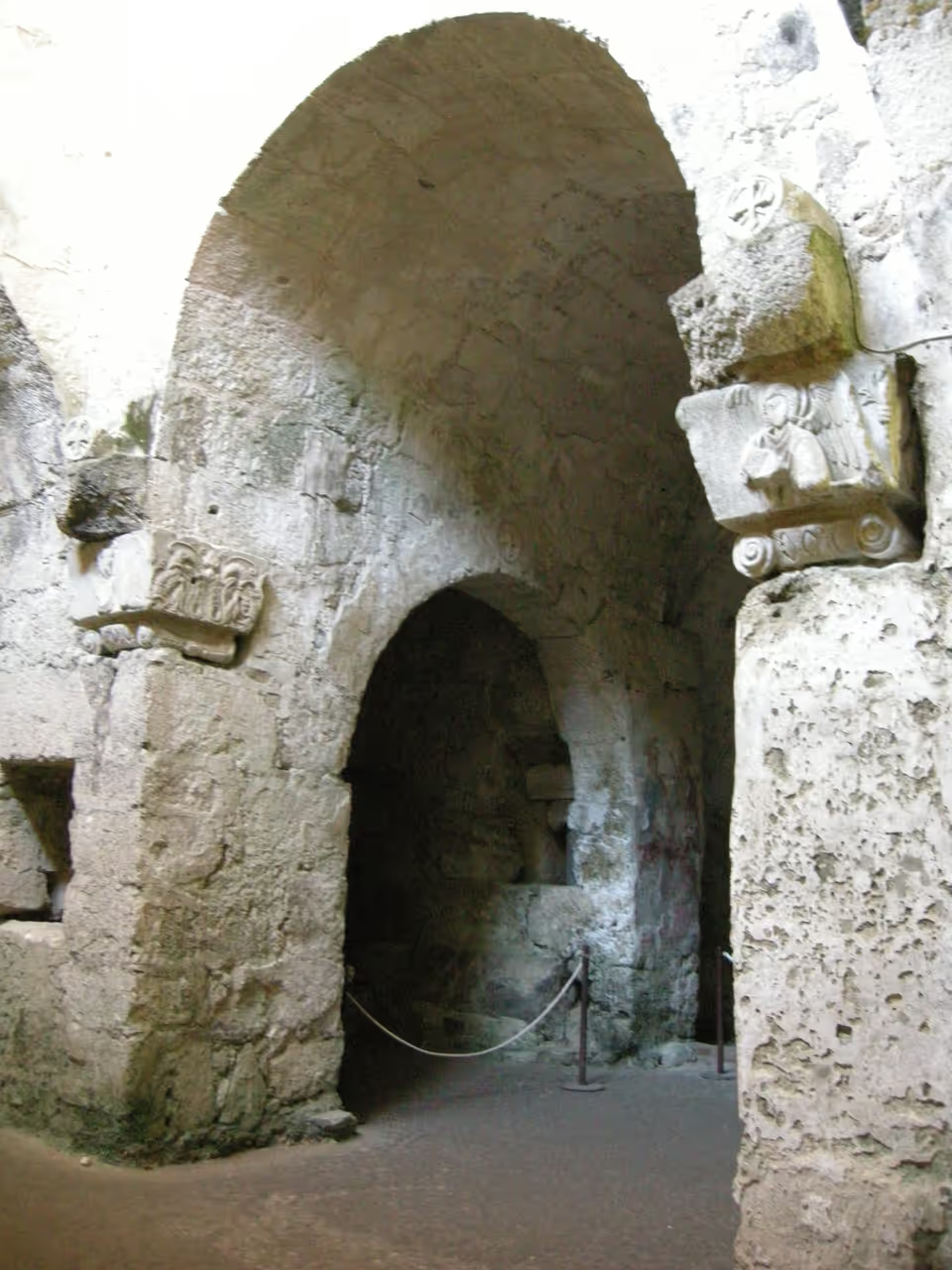 673m
673mCrypt of San Marciano
Located beneath the ruined, roofless church of San Giovanni, this ancient crypt is deeply significant to the early spread of Christianity. Tradition holds that the very first bishop of the city, sent by the Apostle Peter, preached and was ultimately martyred in this exact subterranean cavern. The walls are beautifully adorned with faded Byzantine frescoes and ancient Christian symbols carved into the rock. The atmosphere is incredibly solemn and spiritual, untouched by the noise of the modern world above. It provides a fascinating, deeply atmospheric glimpse into the clandestine beginnings of the local faith.
hidden gem view
Explore Similar Places in This Collection
Featured on This Route
See all attractions in Syracuse
Castello Maniace, Greek Theatre of Syracuse, Syracuse Cathedral, Temple of Apollo...