Santa Maria della Spina
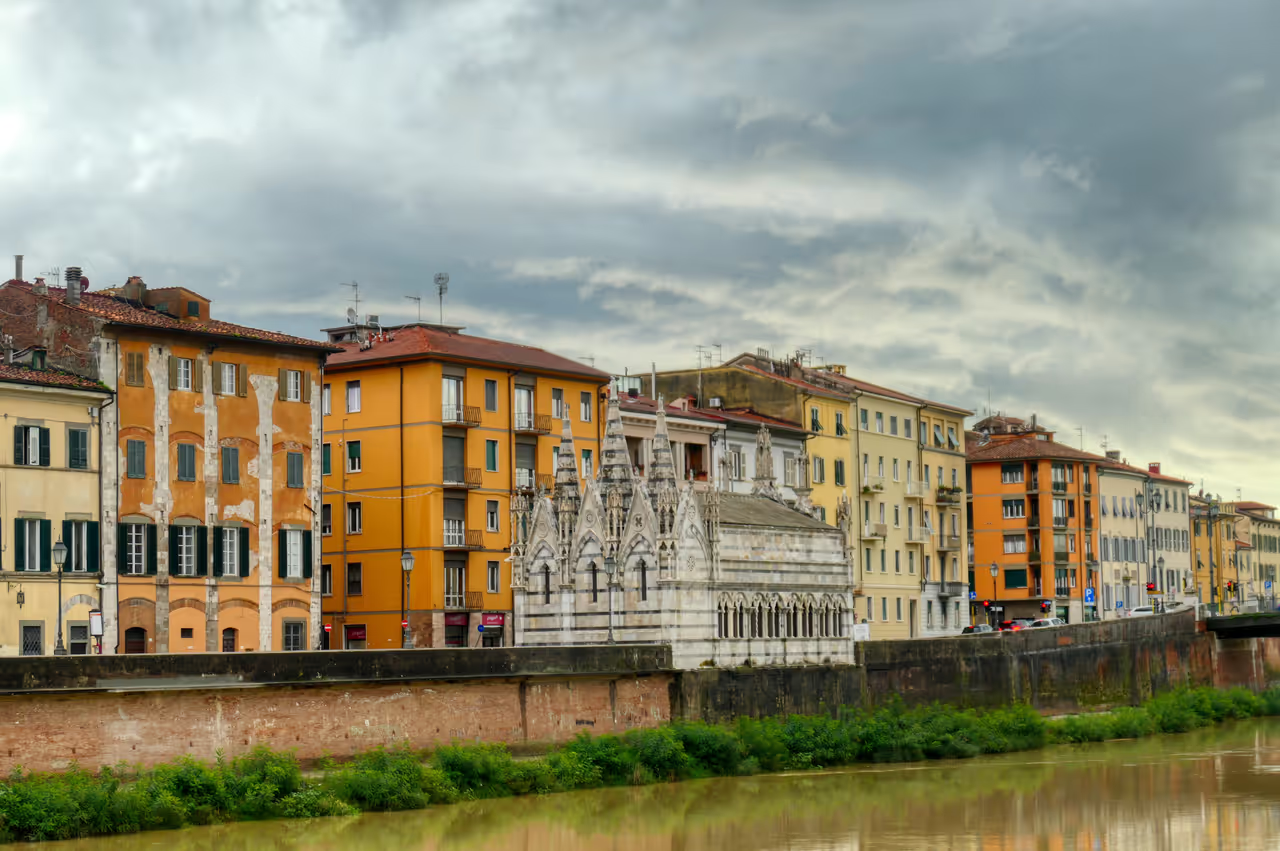
Perched gracefully on the bank of the Arno, this exquisite Gothic jewel box looks more like a crafted reliquary than a church. Santa Maria della Spina is renowned for its intricate marble façade, adorned with countless statues, tabernacles, and ornate spires that reflect the artistic mastery of the Pisano family. Originally a modest chapel known as Santa Maria di Pontenovo, it earned its famous name after housing a fragment of the crown of thorns. Today, the church serves as an atmospheric venue for contemporary art exhibitions, allowing visitors to appreciate the dialogue between medieval heritage and modern creativity. A walk along the river provides the perfect vantage point to admire this tiny, ornate masterpiece that remains one of Pisa's most distinctive landmarks.
Videos
History of Santa Maria della Spina
When the church was founded in 1230 by the Gualandi family, it stood as a simple, open loggia on the banks of the Arno. It was a place intimately connected to the river and the bridge that once linked the local streets. As the centuries passed, the structure grew, evolving into the complex Gothic masterpiece one sees today. The Pisano family, masters of their craft, turned the exterior into a gallery of stone saints and intricate tracery, reflecting the immense wealth and artistic ambition of medieval Pisa. The 19th century brought a dramatic shift for the chapel. With the river threatening to erode the very ground beneath its foundations, authorities made the bold decision to dismantle the entire church stone by stone. Between 1871 and 1875, the structure was moved, raised, and rebuilt on safer ground. The reconstruction was far from perfect, drawing intense criticism from figures like John Ruskin for its alterations and perceived losses of authenticity. Yet, this upheaval ensured its survival for future generations. Today, Santa Maria della Spina stands as a testament to both medieval devotion and modern preservation. While it no longer holds the famous relic that gave it its name, it remains a serene focal point along the Arno. Stripped of its original religious function, the space now serves as a gallery for contemporary art, inviting visitors to experience history within a stunning, silent shell.
Events spanning 766 years
Fun Facts
- • It is one of the few churches in Italy that was traditionally administered by the local municipality rather than the church hierarchy.
- • Originally known as Santa Maria di Pontenovo, the building was constructed in 1230 near a bridge that collapsed in the 15th century.
- • The architectural design showcases the unique Pisan Gothic style, blending intricate stonework with polychrome marble accents.
- • The building underwent a major and highly controversial relocation between 1871 and 1875, where it was dismantled and rebuilt to save it from the eroding riverbank.
- • The church earned its evocative name, Spina, in 1333 when it began housing a relic believed to be a thorn from the crown worn by Jesus during his crucifixion.
- • The famous Victorian art critic John Ruskin was reportedly outraged by the restoration work performed in the late 19th century.
- • The interior is surprisingly minimalist compared to the elaborate exterior, featuring a wooden ceiling that replaced the original stone vaulting during the 19th century reconstruction.
- • The original 14th century sculptures are preserved in the National Museum of San Matteo to protect them from weather damage.
- • The relic of the Holy Thorn was moved to the nearby church of Santa Chiara during the 19th century.
- • While the church appears covered in original sculptures, the ornate statues on the exterior are faithful replicas installed to protect the originals.
Santa Maria della Spina FAQ
While we strive to keep this information accurate and up to date, we recommend verifying any details independently before making decisions based on them.
Santa Maria della Spina Map & Neighborhood Explorer
This interactive map is centered on Santa Maria della Spina. Zoom in and move the map around to automatically discover Wikipedia photos and summaries of other nearby sights, monuments, and historical points of interest and stories in real-time!
Places near Santa Maria della Spina
Make the most of your trip. Check out these top-rated spots located nearby.
 124m
124mBlue Palace
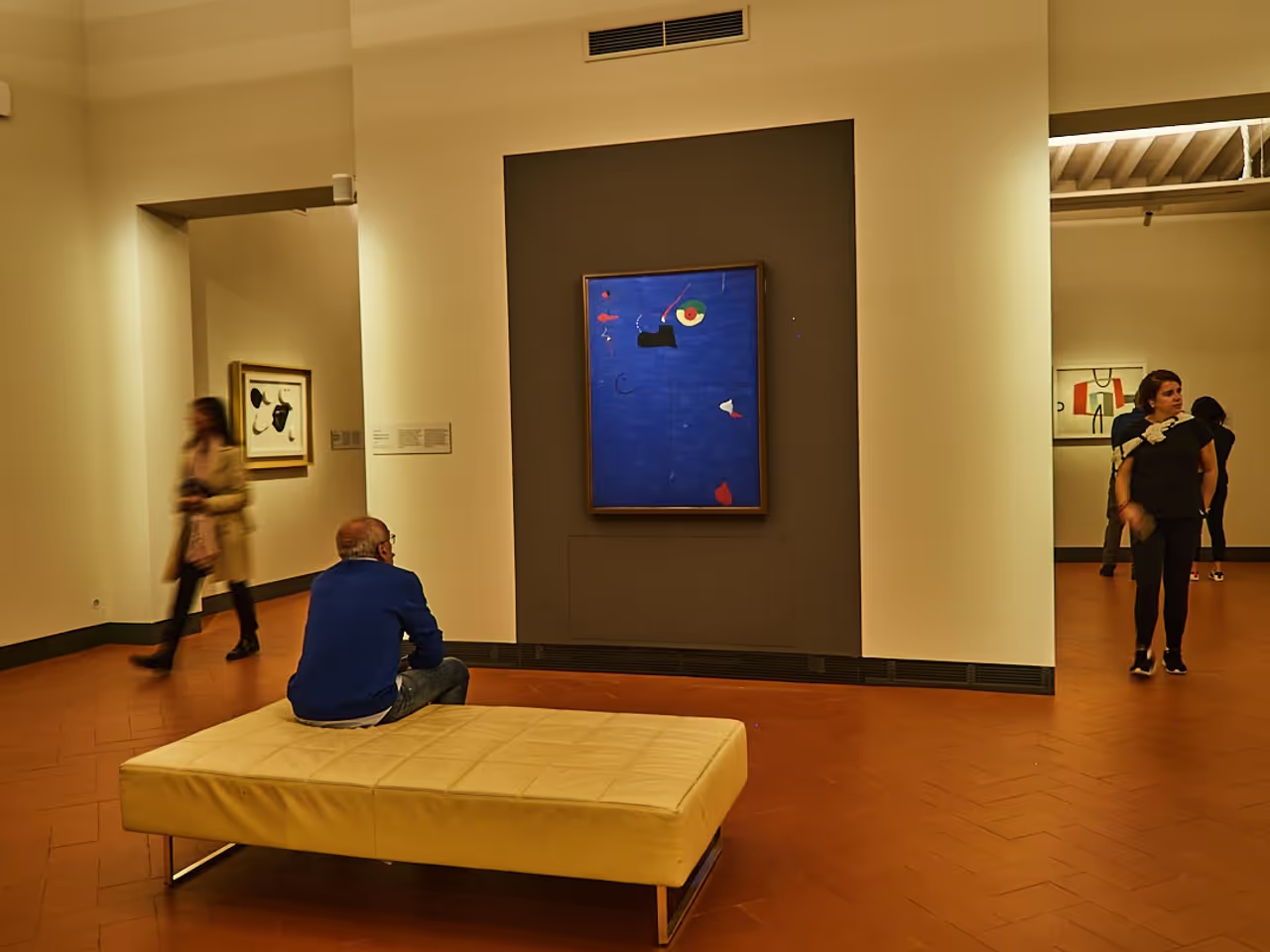
Instantly recognizable by its unusually vibrant facade, this beautifully restored aristocratic mansion is the premier venue for cultural exhibitions. Inside, the permanent collection showcases exquisite historical furnishings, ancient coinage, and a stellar gallery of paintings, including works by Artemisia Gentileschi. Beyond its permanent holdings, the institution is famous for hosting highly acclaimed, blockbuster temporary exhibitions featuring international modern artists. The elegant rooms provide a refined and sophisticated atmosphere, making it a joy to wander through. It represents the successful modern revitalization of the historic riverfront district.
highlight view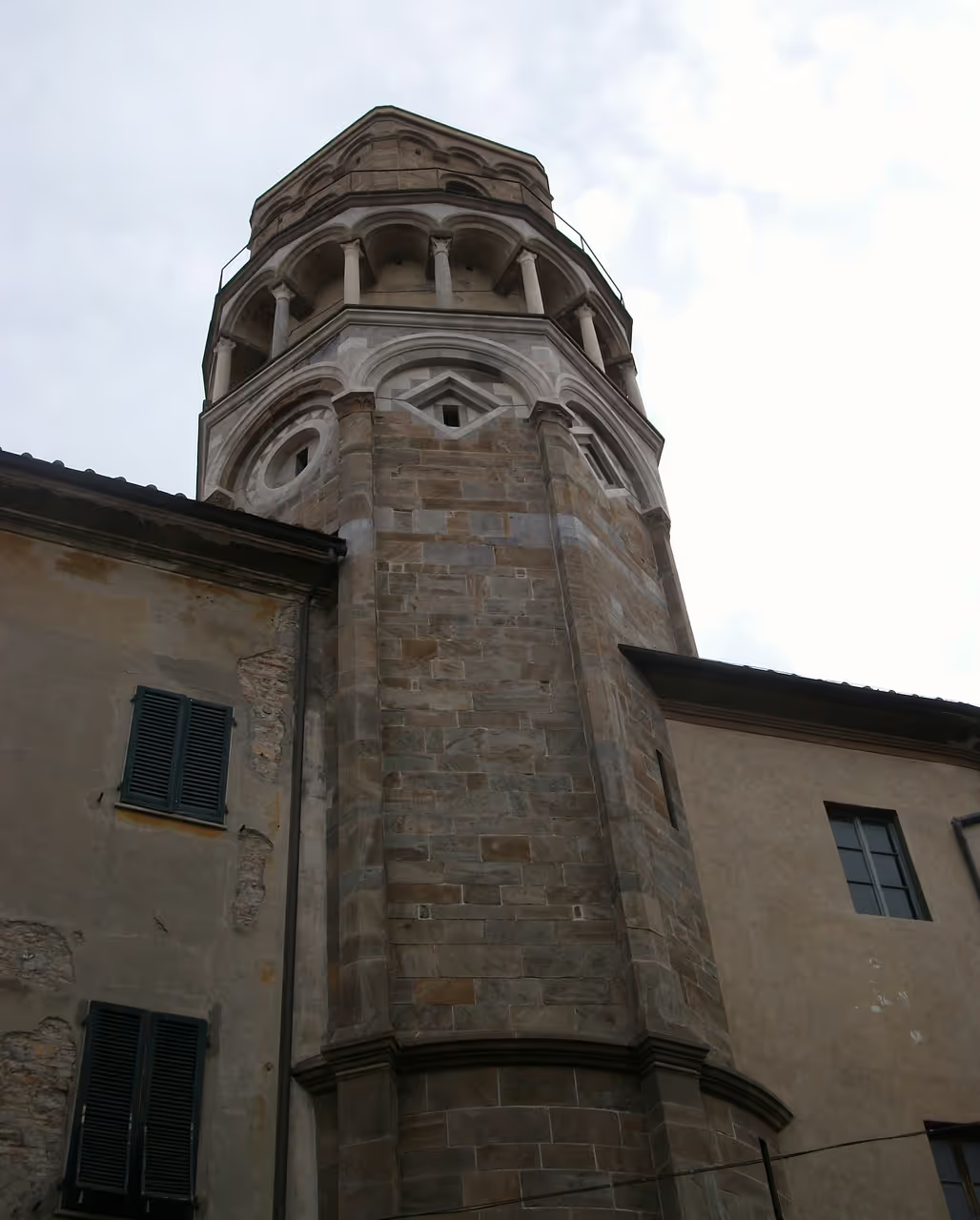 188m
188mSan Nicola Bell Tower
Tucked tightly into a narrow, bustling street behind the river, this incredibly unique octagonal bell tower is another brilliant victim of the local soil. The structure features a fascinating internal spiral staircase designed by the legendary architect Nicola Pisano, and it leans noticeably into the surrounding buildings. The base is heavily buried beneath the modern street level, visually demonstrating how the city has risen over the centuries. It is an architectural gem that requires a keen eye to spot amidst the dense urban fabric. Discovering its severe tilt while walking the narrow alleyways is a delightful surprise.
hidden gem view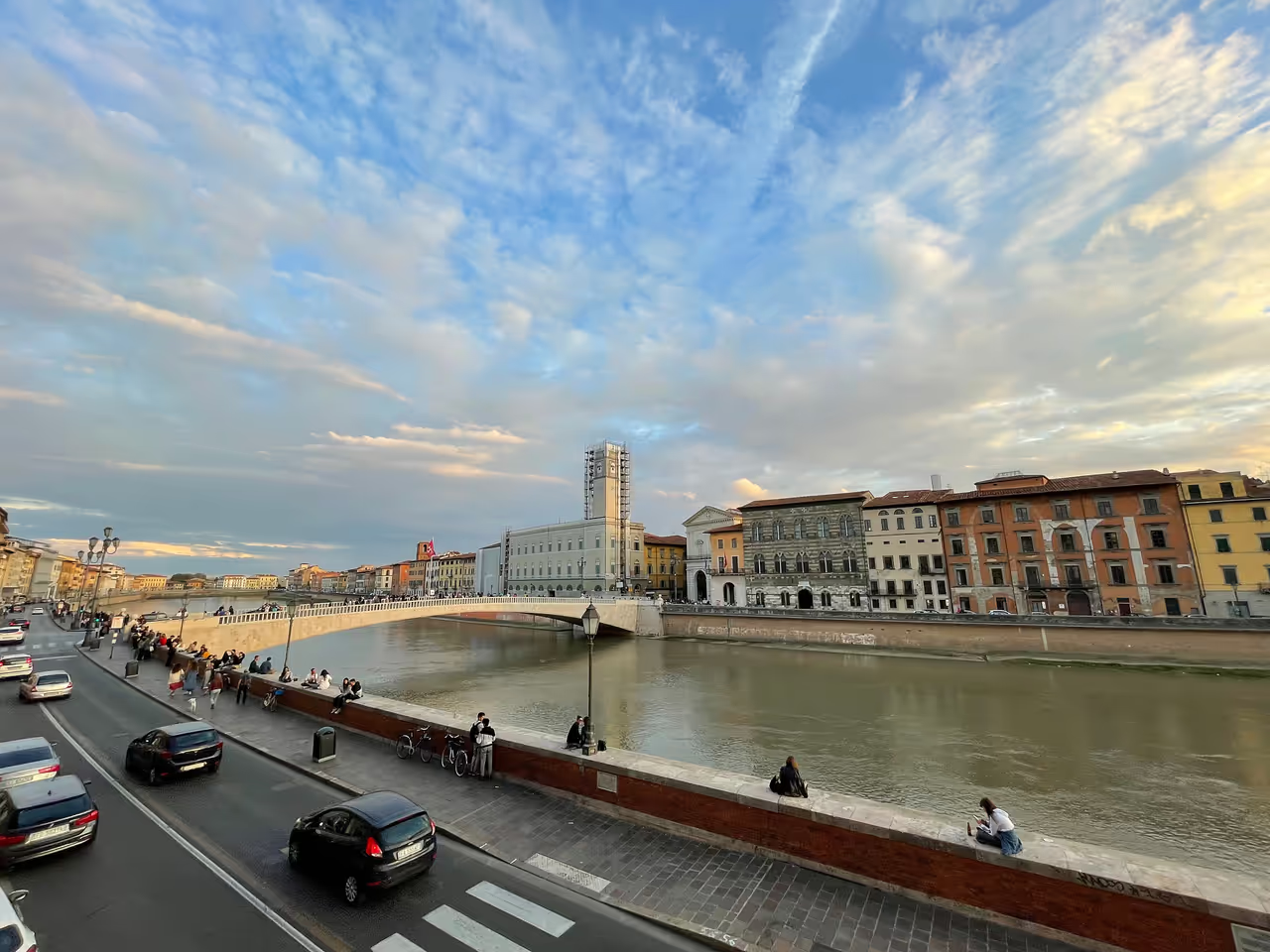 223m
223mRiver Promenades
During the warmer months, the sweeping roads running alongside the river become a massive, informal gathering space. Locals purchase drinks from nearby establishments and sit casually along the low brick walls lining the water. The gentle breeze and the reflections of the streetlights on the river create a beautifully calm yet social environment. It is the quintessential local way to spend a summer night.
nightlife view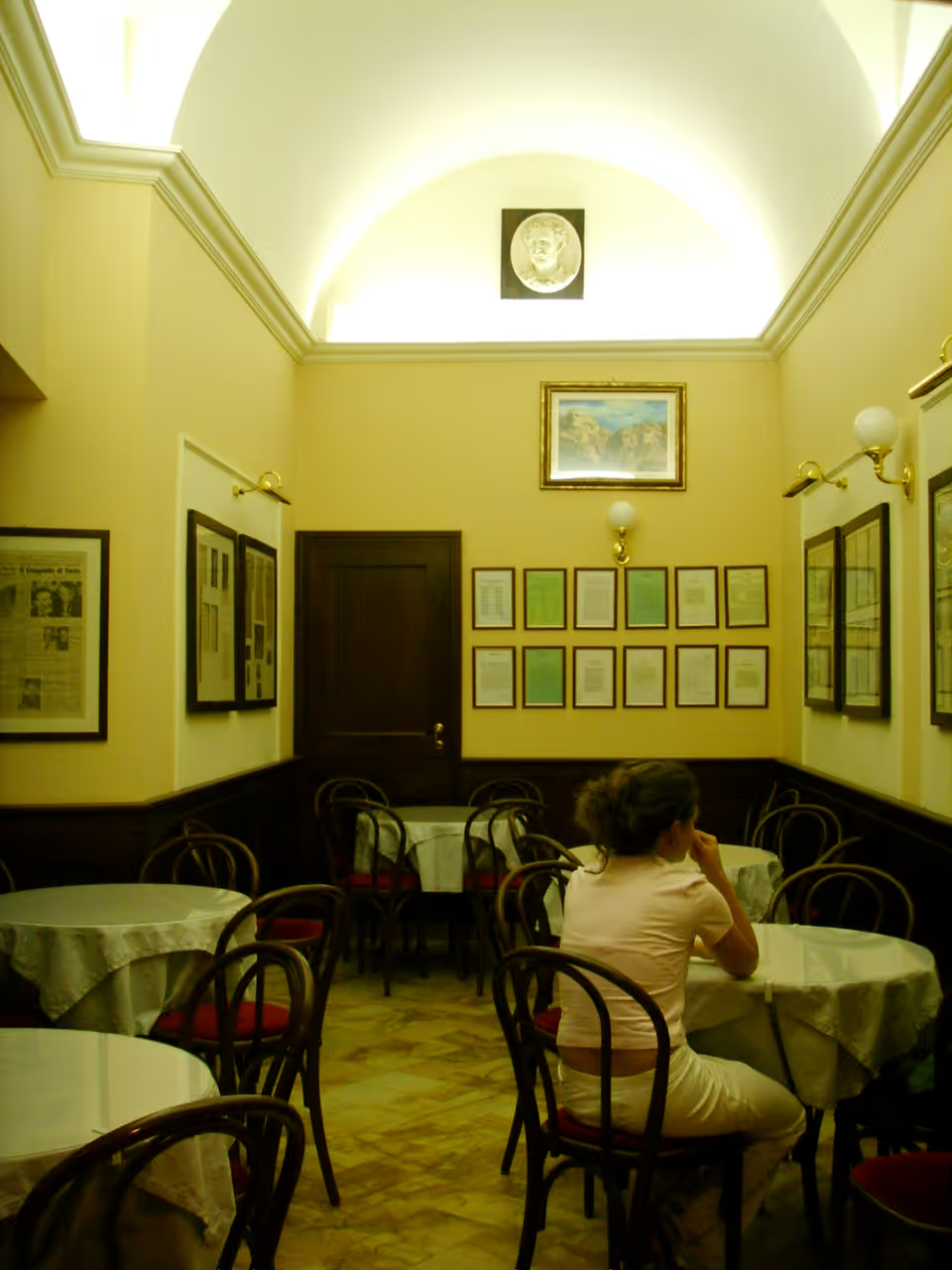 322m
322mUssero Cafe
Located on the ground floor of a stunning fifteenth century riverside palace, this deeply historic cafe is a monument to intellectual heritage. Since its founding in 1775, it has served as the premier meeting place for brilliant scientists, fiery poets, and revolutionary thinkers. The walls are proudly covered with memorabilia and portraits of the famous historical figures who debated politics and science over strong coffee. Despite its incredible pedigree, it retains a comfortable, authentic atmosphere perfect for a quiet afternoon break. Sipping an espresso here feels like participating in a centuries old local tradition.
hidden gem view
Explore Similar Places in These Collections

Featured on These Itineraries and Routes
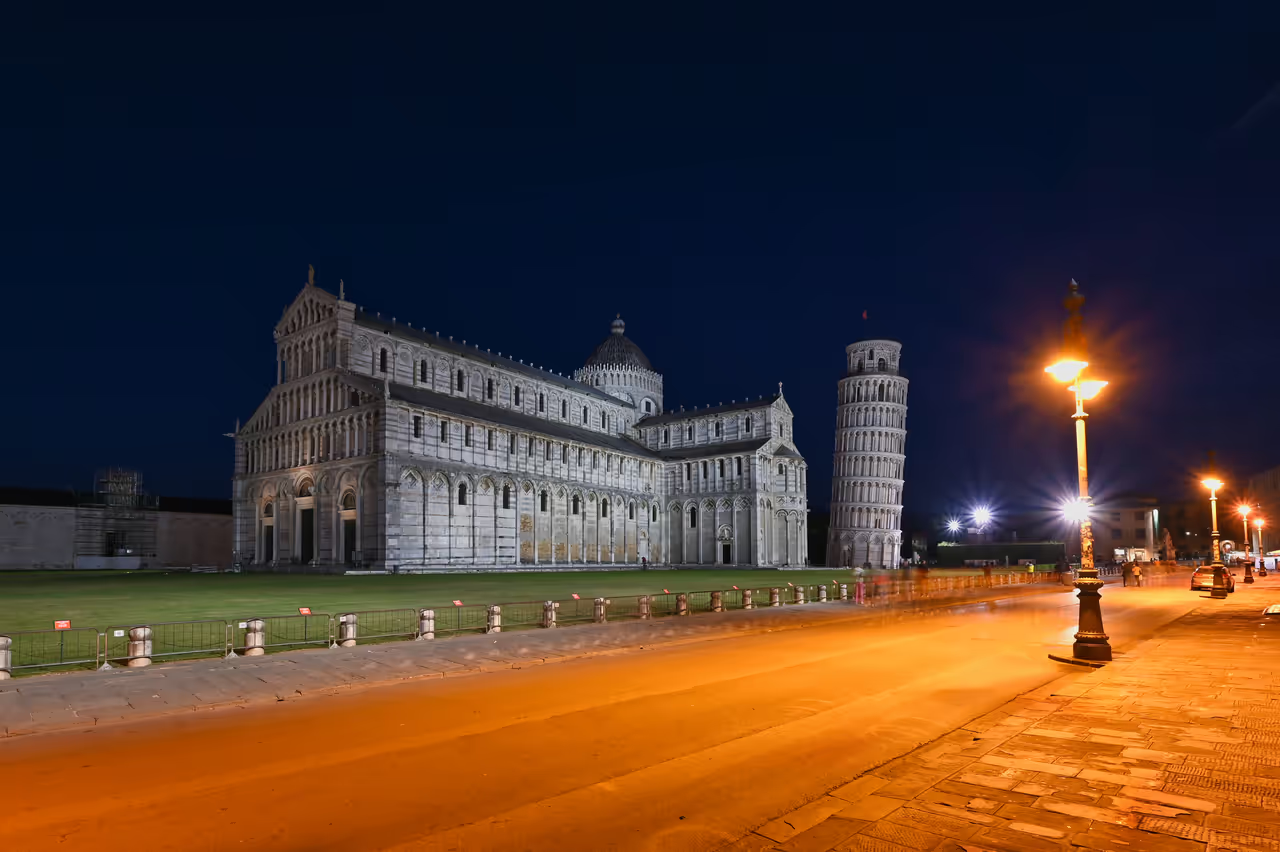
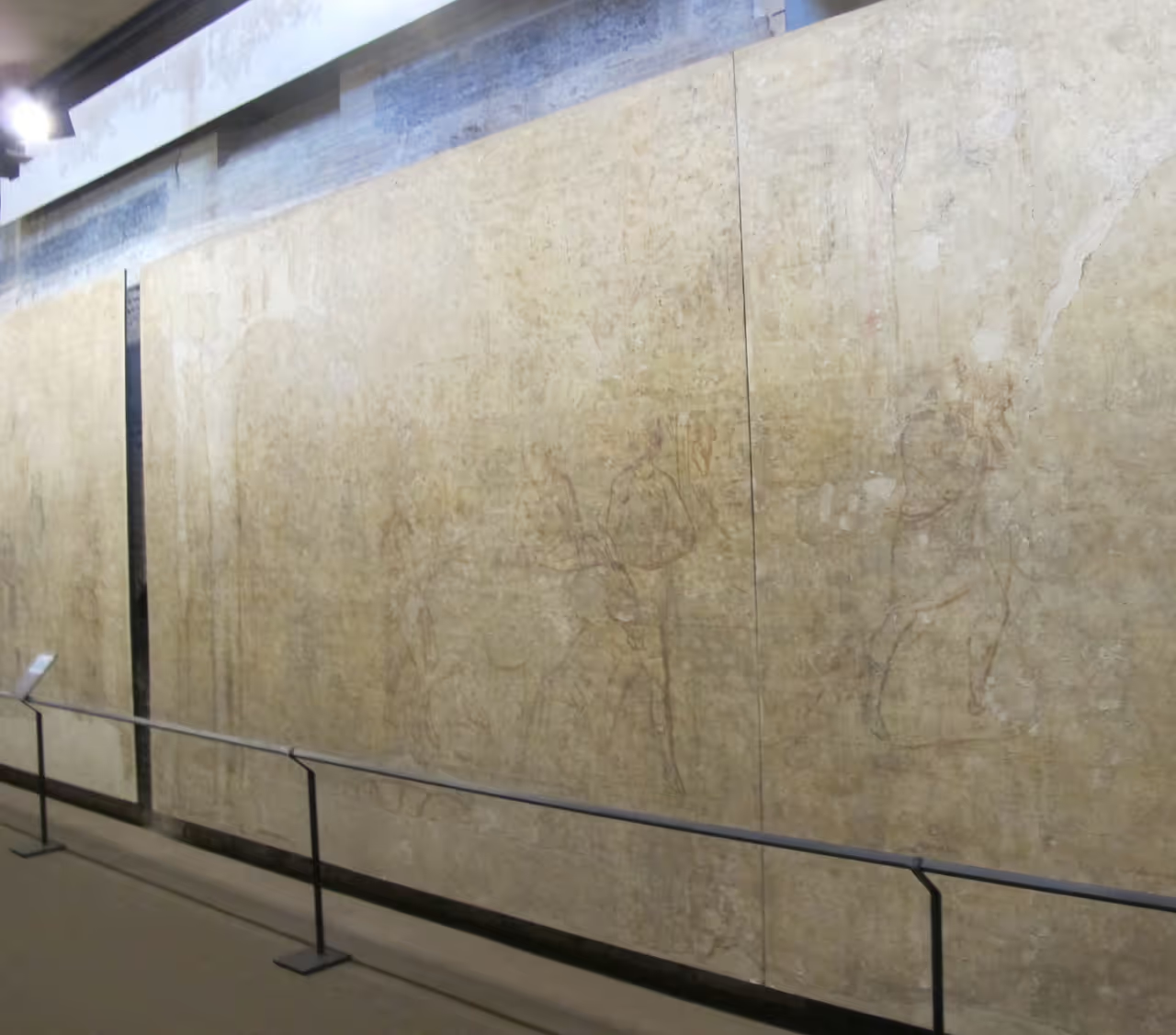
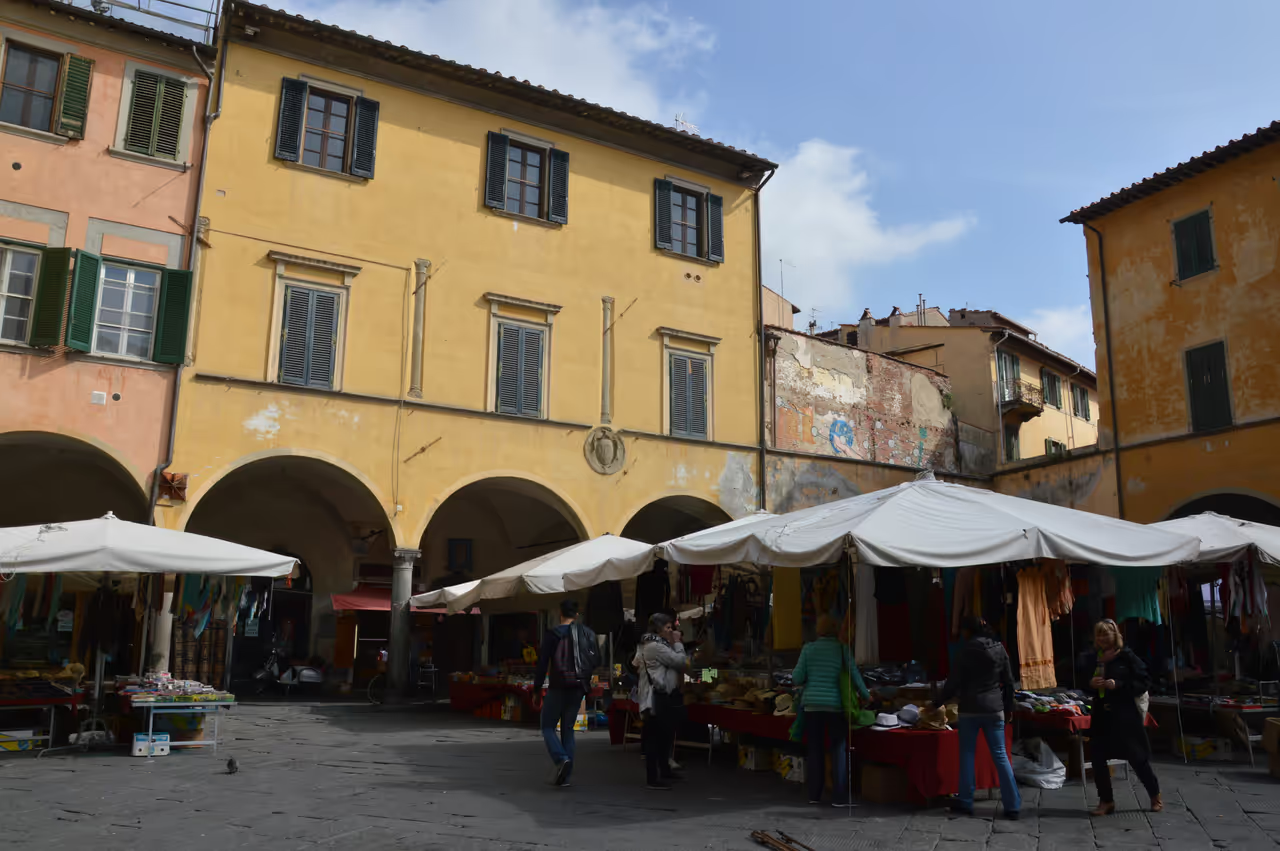
3 Days in Pisa: Days of Discovery Itinerary
This balanced route allows you to look far beyond the famous leaning tower and truly understand the rich history of the maritime republic. It provides ample time to explore the phenomenal, hidden art museums, the quiet botanical gardens, and the heavily fortified old citadel. You will experience the vibrant student nightlife and discover quirky architectural oddities scattered throughout the ancient alleyways.
view itinerary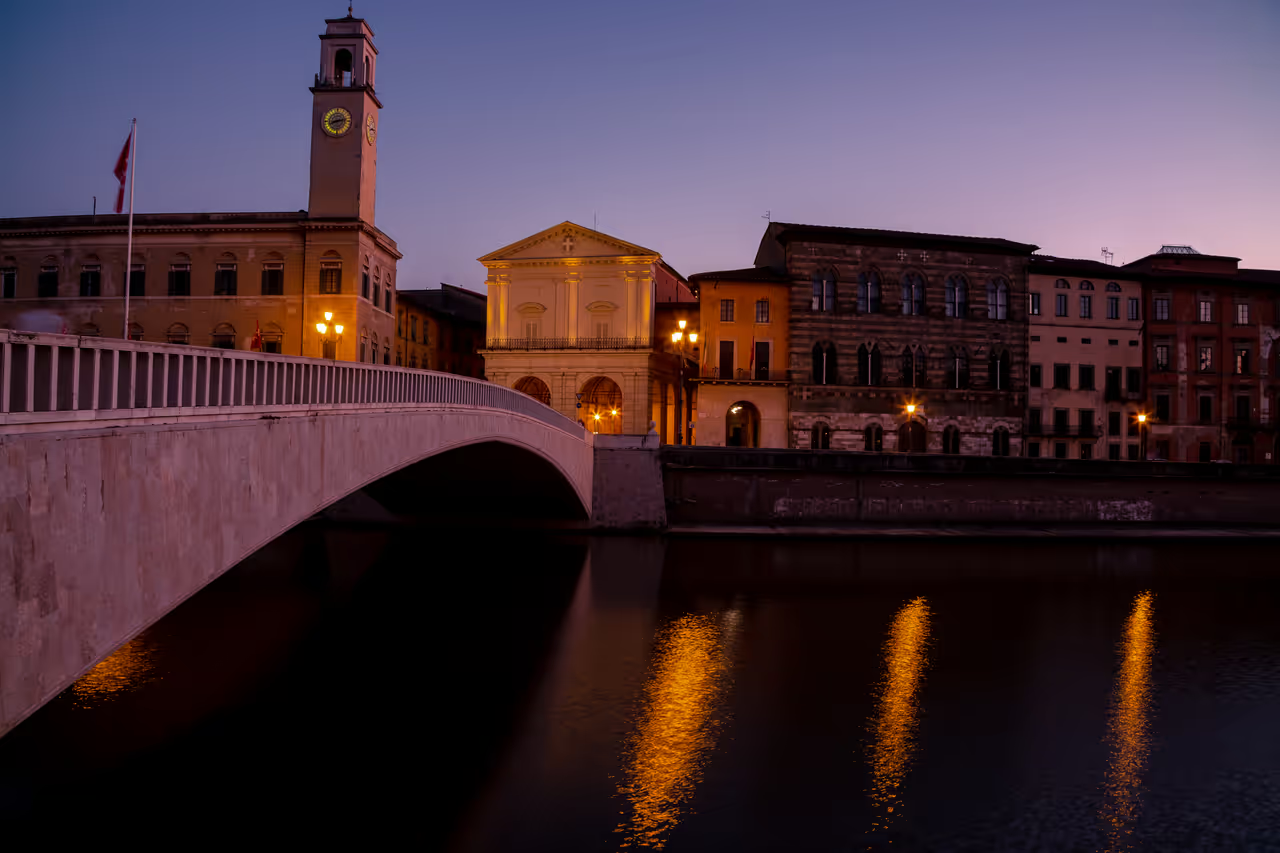
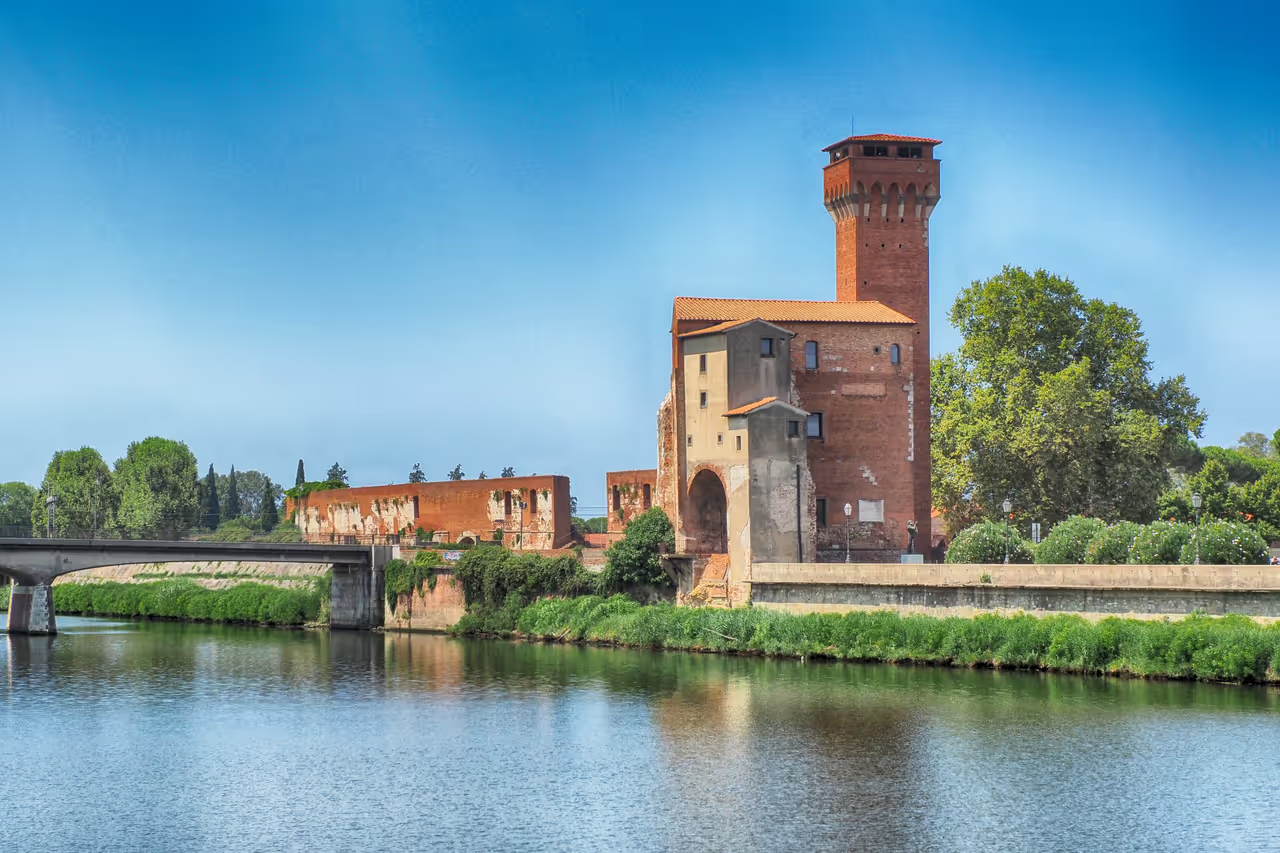
Grand River Loop
This walk traces the elegant, sweeping curves of the river, framed on both sides by stunning historical palaces. The gentle sound of the water and the absence of dense crowds create a highly romantic and reflective atmosphere. The route crosses multiple historic bridges, offering shifting perspectives of the pastel coloured architecture.
view walking route
See all attractions in Pisa
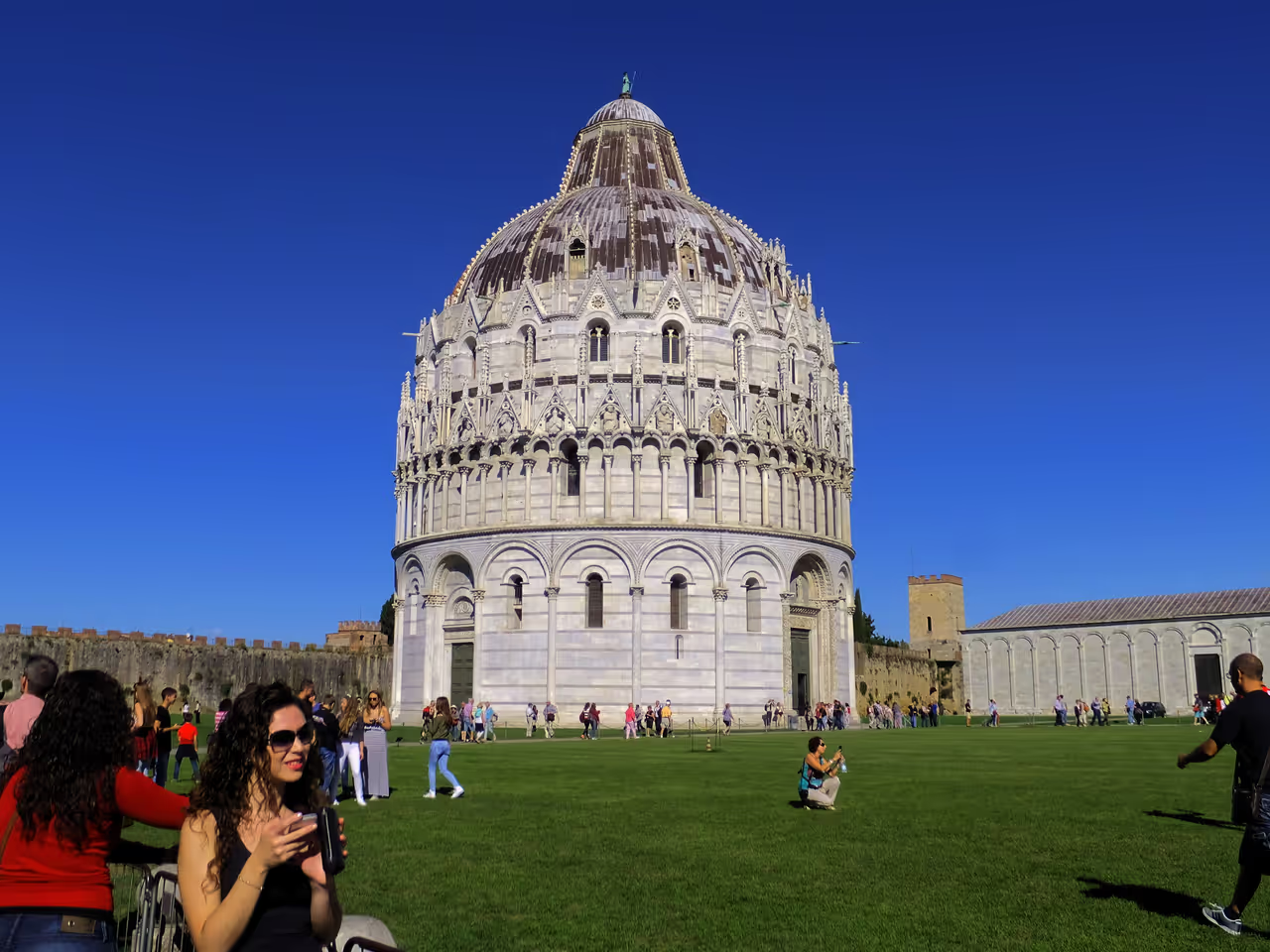
Baptistery of St. John in Pisa, Leaning Tower of Pisa, Pisa Cathedral, Monumental Cemetery of Pisa...