Palazzo del Bo
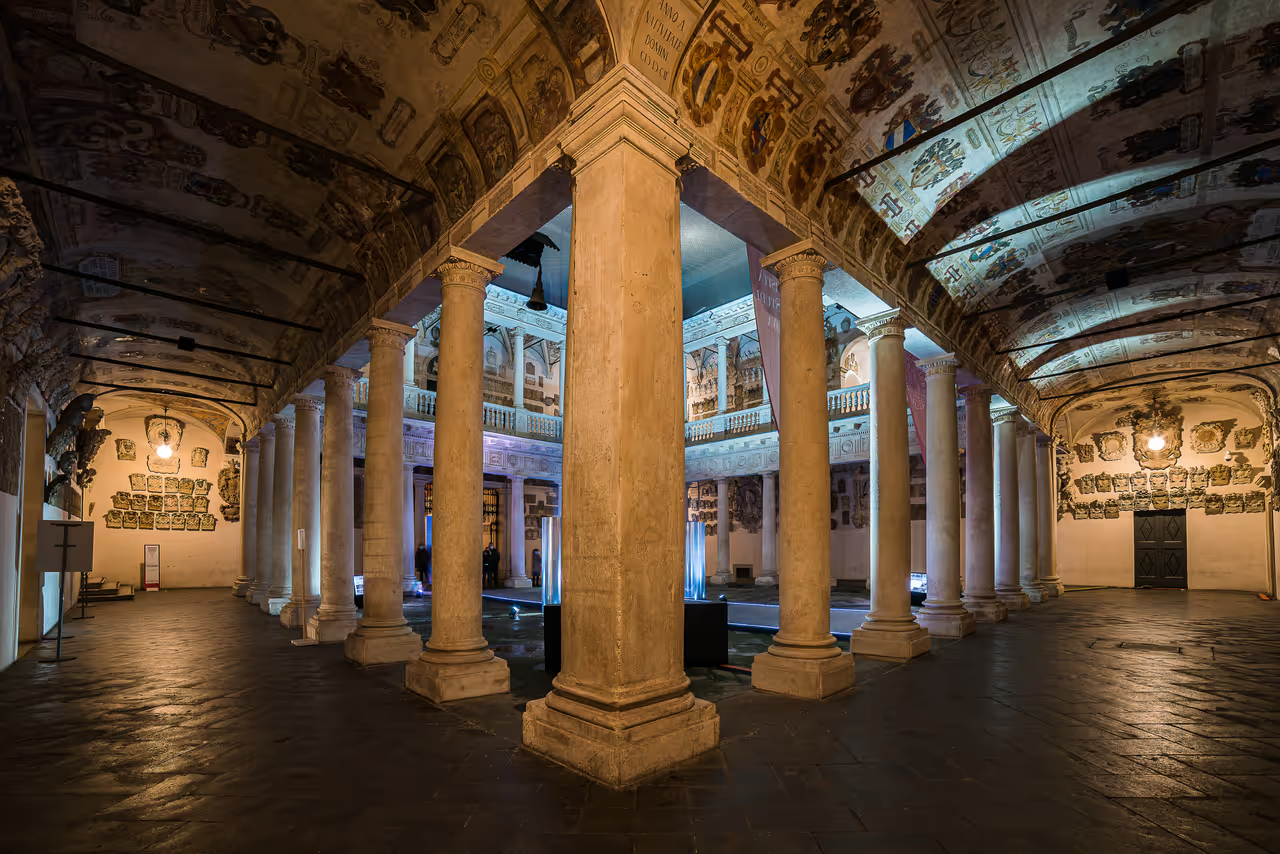
Step into the intellectual heart of Padua at Palazzo del Bo, the historic centre of one of the world's oldest universities. As you wander through the Cortile Antico, you are surrounded by centuries of academic heritage, marked by thousands of vibrant coats of arms that pay tribute to the brilliant scholars who once walked these halls. This is the place where Galileo Galilei held his chair and where the world first woman to earn a university degree began her path to history. You can explore the fascinating Anatomical Theatre, which remains the oldest permanent one in the world, and admire the masterful combination of Renaissance architecture and twentieth century rationalist design. It is a place that feels deeply alive, where the past and present converge to inspire the next generation of thinkers.
Videos
History of Palazzo del Bo
The history of Palazzo del Bo is a captivating tale of transformation. It began as the Hospitium Bovis, a modest inn whose sign featured the skull of an ox. In 1493, the university purchased this property, unknowingly laying the foundation for an institution that would shape the intellectual landscape of Europe. The very name of the building and the university symbol, the bucranium, serve as enduring links to these humble beginnings. As the centuries passed, the palace grew into a beacon of enlightenment. It became a sanctuary for free thought, famously attracting figures like Galileo Galilei, who taught here for eighteen years. During this period, the palace became the epicentre of medical innovation, housing the first permanent anatomical theatre in the world. This wooden marvel allowed students to observe dissections in a way that was revolutionary for the time. The walls of the palace were soon covered with the coats of arms of students from across the continent, creating a vibrant record of the diverse and international community that defined the university. In the early twentieth century, the building underwent a significant evolution. Under the leadership of Rector Carlo Anti, architect Gio Ponti was commissioned to update the palace, adding a new rationalist wing that respected the old while embracing the aesthetic trends of the time. This period of renewal ensured that Palazzo del Bo would remain a functional, living space. Today, the palace stands as a testament to centuries of curiosity and academic excellence, where the weight of history is balanced by the continued pursuit of knowledge.
Events spanning 710 years
Fun Facts
- • Elena Lucrezia Cornaro, the first woman in recorded history to earn a university degree, completed her studies in philosophy at this institution in 1678.
- • In the 1930s, the architect Gio Ponti was commissioned to renovate the palace, successfully blending Renaissance architecture with twentieth century rationalist style.
- • Palazzo del Bo is home to the world oldest permanent anatomical theatre, a marvel of medical history where dissections were once observed by students in a wooden tiered structure.
- • The Cortile Antico is adorned with approximately 3,000 coats of arms belonging to past students and professors, creating a dense and colourful tapestry of academic ancestry.
- • The Scala del Sapere or Staircase of Knowledge features wall paintings that depict the intellectual journey of a student under the guidance of a master.
- • The legendary scientist Galileo Galilei held his teaching chair at the University of Padua between 1592 and 1610, and his original wooden chair is proudly displayed within the building.
- • The main entrance of the palace features a massive bronze door created from cannons captured during the First World War.
- • The name Bo comes from the Hospitium Bovis, an old inn that occupied the site and used an ox skull as its signboard.
- • The university emblem is still a bucranium, or ox skull, serving as a reminder of the building origins as a tavern.
- • The university was founded in 1222 after a student and teacher exodus from the University of Bologna seeking greater academic freedom.
RESOURCES
Official WebsitePalazzo del Bo FAQ
While we strive to keep this information accurate and up to date, we recommend verifying any details independently before making decisions based on them.
Palazzo del Bo Map & Neighborhood Explorer
This interactive map is centered on Palazzo del Bo. Zoom in and move the map around to automatically discover Wikipedia photos and summaries of other nearby sights, monuments, and historical points of interest and stories in real-time!
Places near Palazzo del Bo
Make the most of your trip. Check out these top-rated spots located nearby.
- 81m
Underground Bridge of San Lorenzo
This is an incredibly rare opportunity to walk across a remarkably well preserved, massive ancient Roman bridge that is now completely buried underground. As the city evolved over centuries and the river was diverted, the street level rose drastically, entirely swallowing this three arched stone structure. Descending into the subterranean passageway under the modern streets feels like an exciting archaeological adventure. The sheer scale of the stone blocks provides a highly tangible connection to the monumental engineering of the Roman Empire. It is a thrilling, secretive historical site hidden right under the feet of passing pedestrians.
hidden gem view 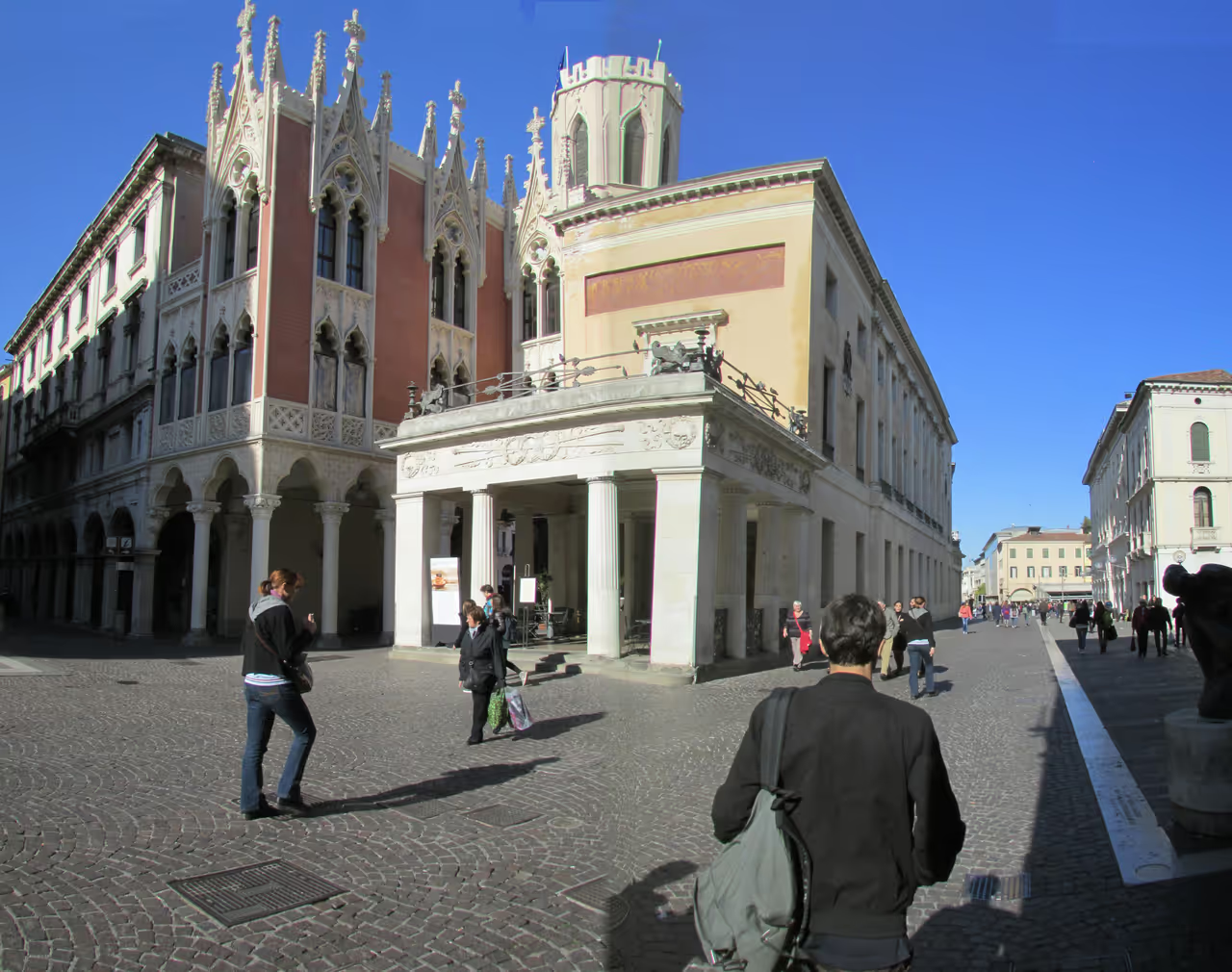 108m
108mPedrocchi Cafe
This iconic nineteenth century neoclassical establishment is far more than just a place to grab a drink; it is a profound symbol of the city's intellectual history. Historically famous for remaining open twenty four hours a day, it served as a crucial meeting point for academics, artists, and political revolutionaries. The lavishly decorated interior rooms, each styled after a different historical epoch, are absolutely breathtaking. Visitors can sit on the plush velvet chairs and enjoy the signature mint cream espresso while absorbing the grandeur. It remains a deeply elegant and atmospheric spot right in the heart of the pedestrian centre.
highlight view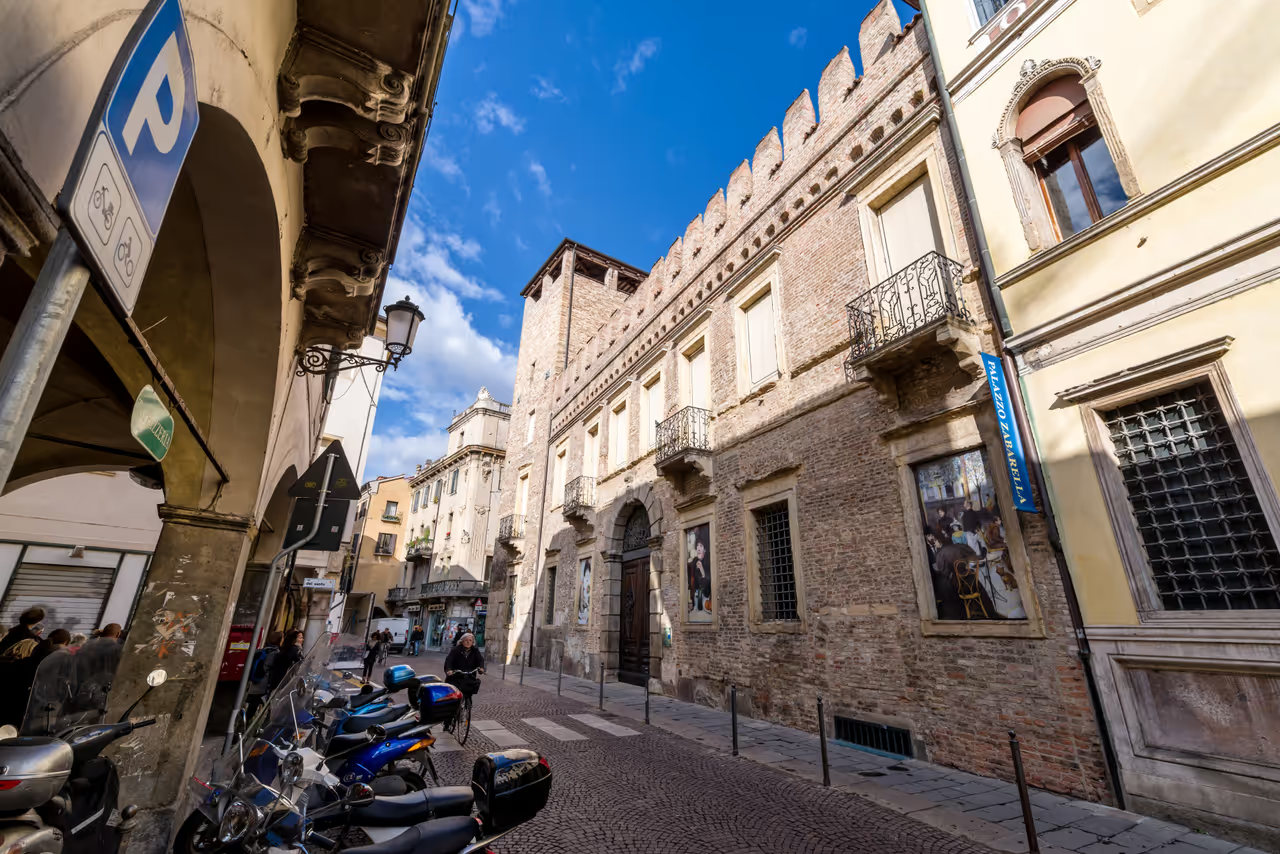 155m
155mZabarella Palace
This imposing aristocratic residence is one of the very few surviving examples of medieval fortified palaces within the urban centre. The robust brick facade and the remaining defensive tower highlight a violent era when noble families required heavily fortified urban strongholds. Beautifully preserved, the building now functions as one of the premier cultural foundations in the city, hosting world class art exhibitions. The transition from a grim defensive structure to a modern, well lit gallery space is executed brilliantly. It provides a highly tangible link to the tumultuous civic history of the middle ages.
architecture view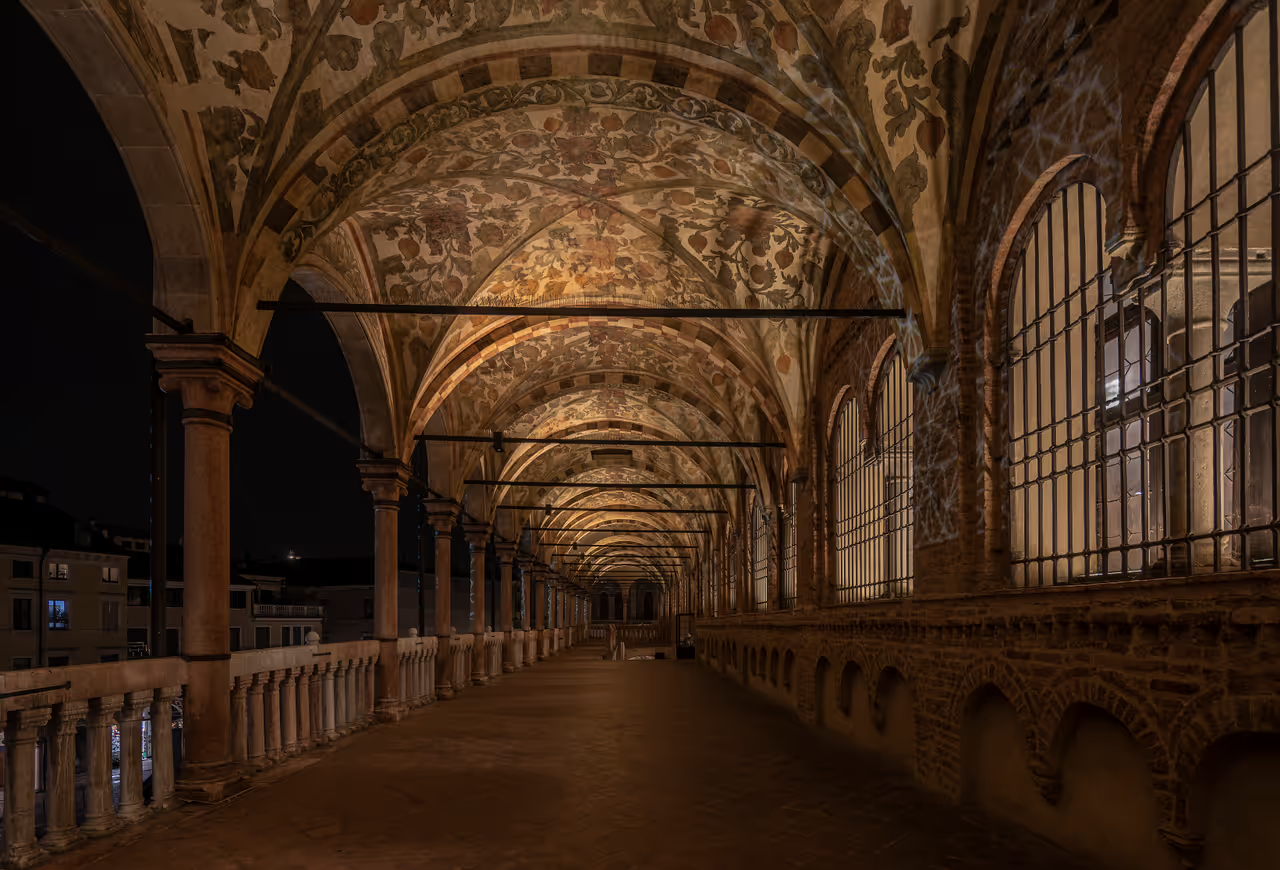 176m
176mPalazzo della Ragione
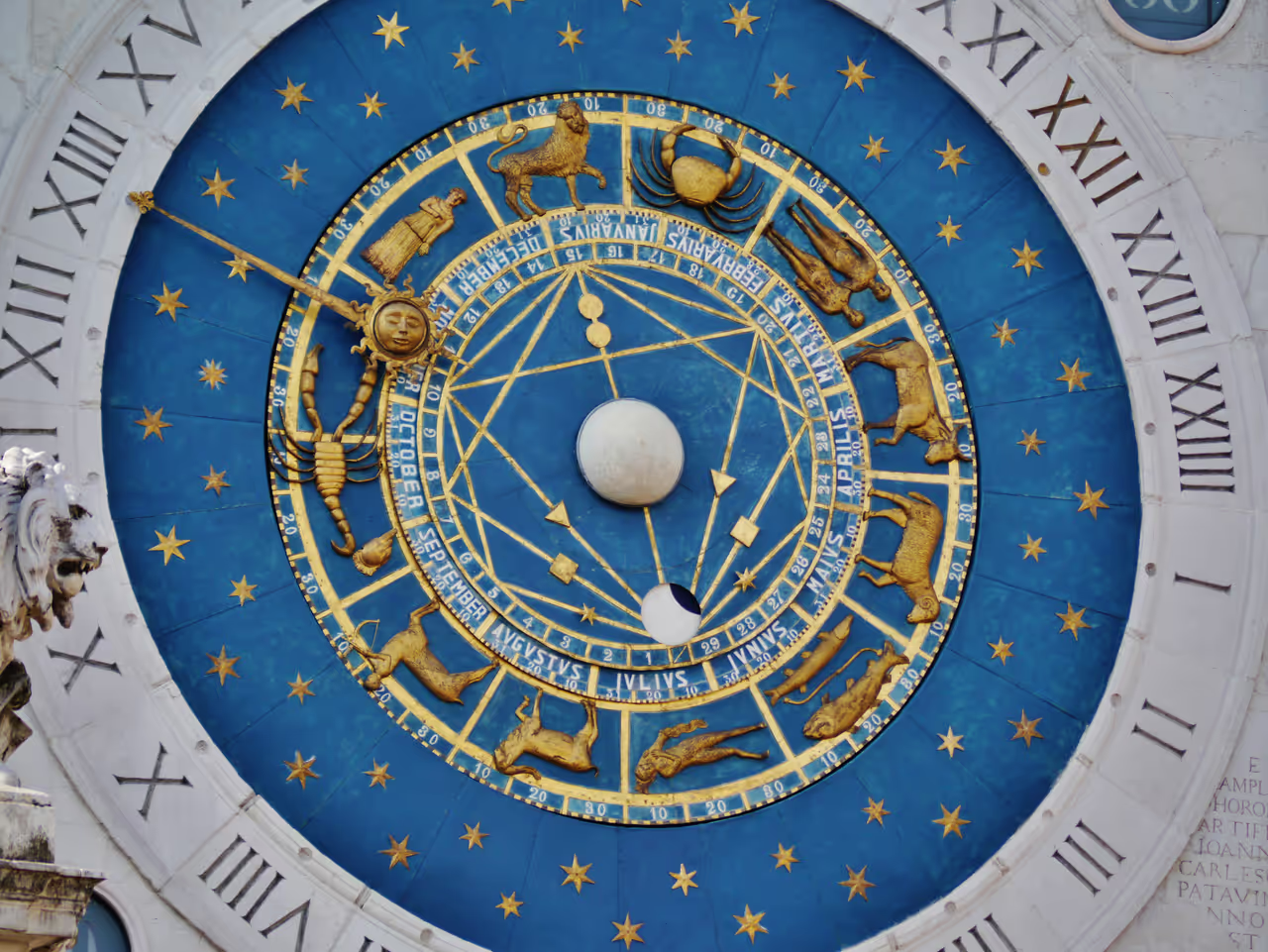
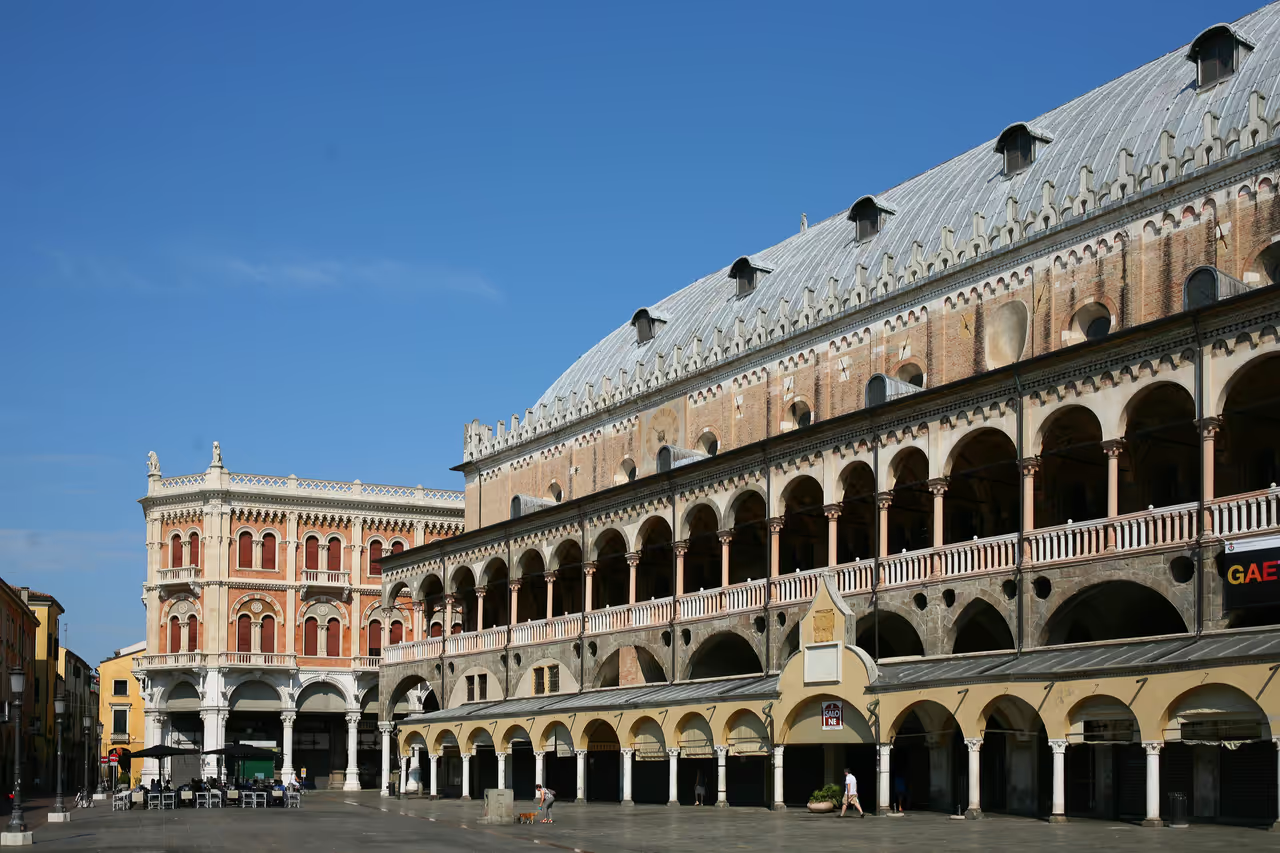
Step into the Palazzo della Ragione and experience the beating heart of Padua, a place where medieval justice and vibrant local commerce have intertwined for centuries. Renowned for its extraordinary ship-hull roof, this architectural marvel shelters the Salone, one of the largest hanging halls in the world, filled with magnificent fourteenth-century astrological frescoes. Beneath this grand expanse lies Sotto il Salone, an ancient covered market that remains a beloved hub for locals seeking high-quality food and wine. Walking through its loggias, you can almost hear the echoes of past trials, public proclamations, and the chatter of traders who have gathered here since the city's dawn. It is an essential visit, offering a unique blend of high art, civic history, and authentic Paduan lifestyle.
attraction view
Explore Similar Places in These Collections
Featured on These Itineraries and Routes
1 Day in Padua Itinerary
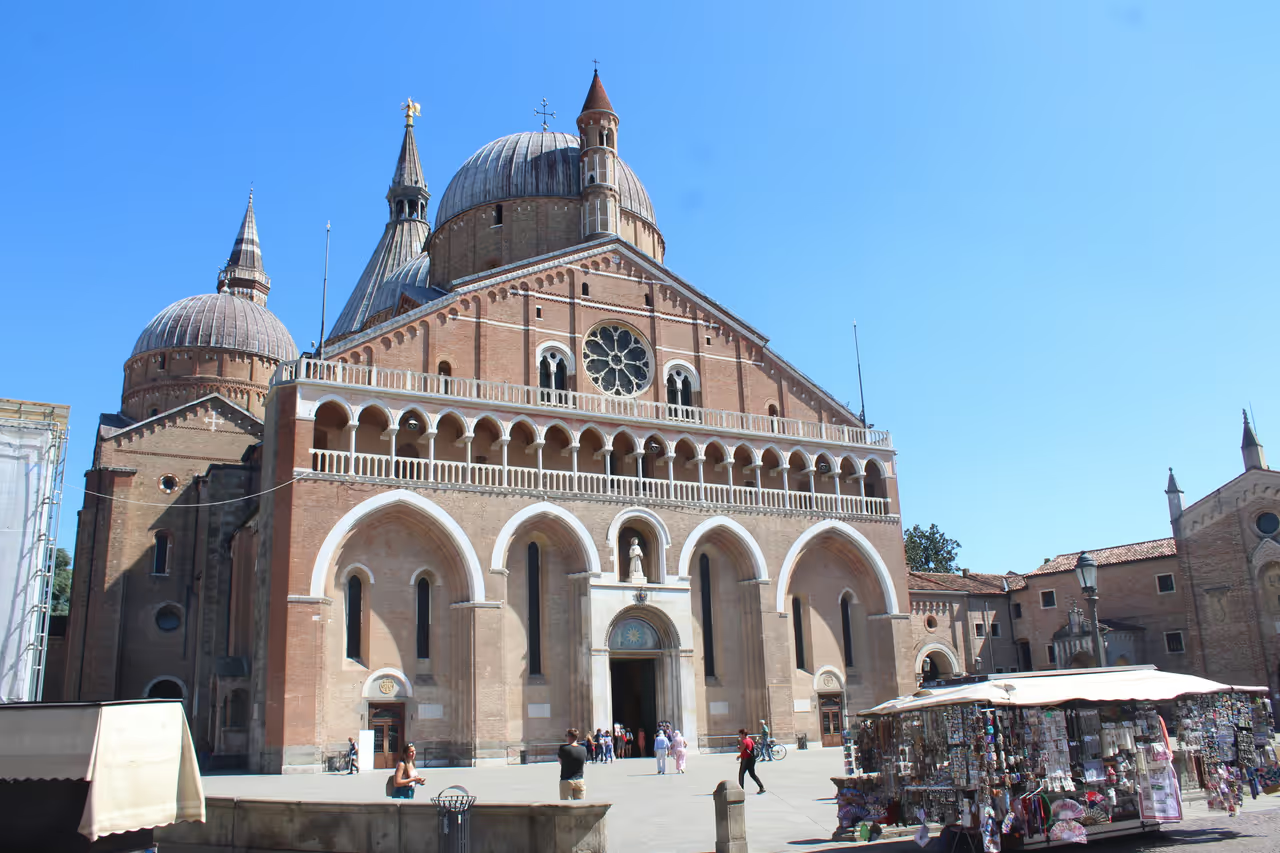
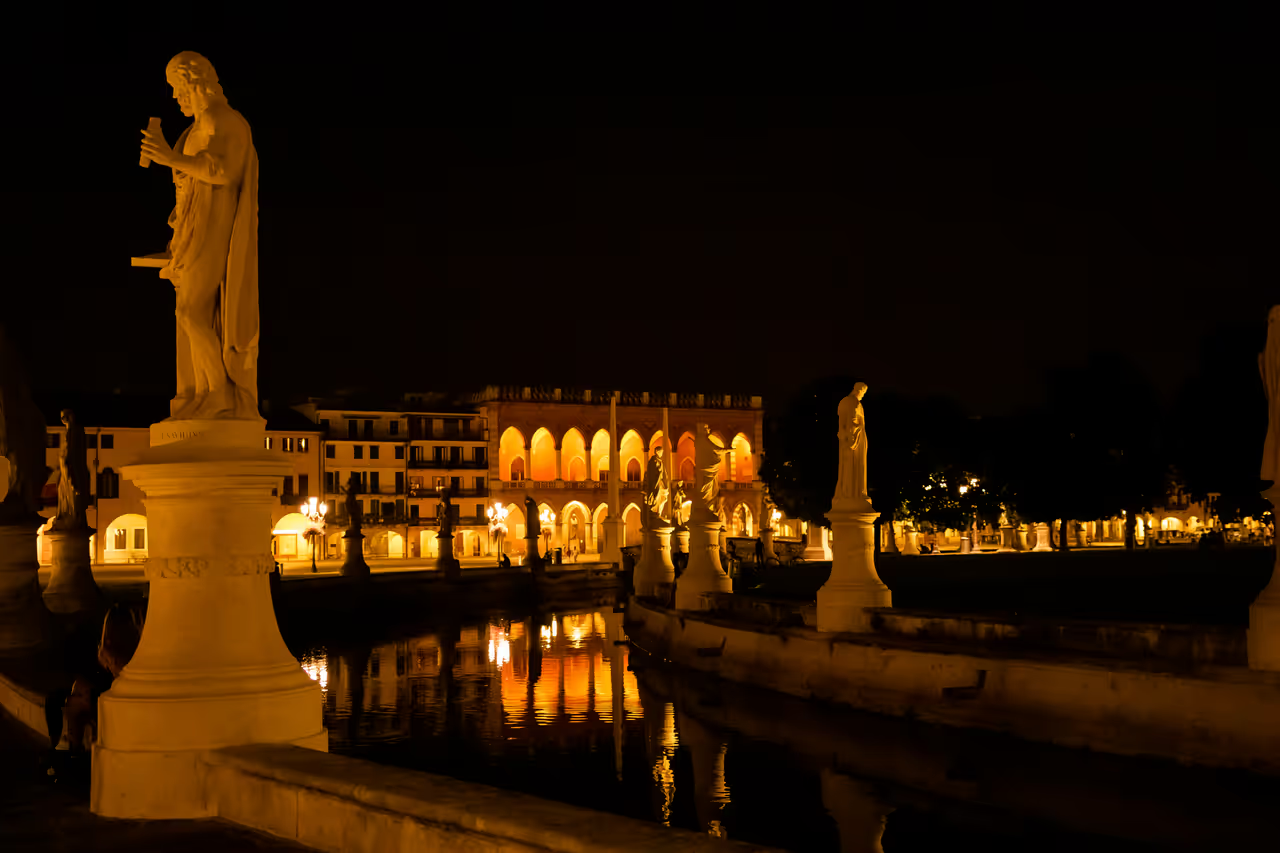
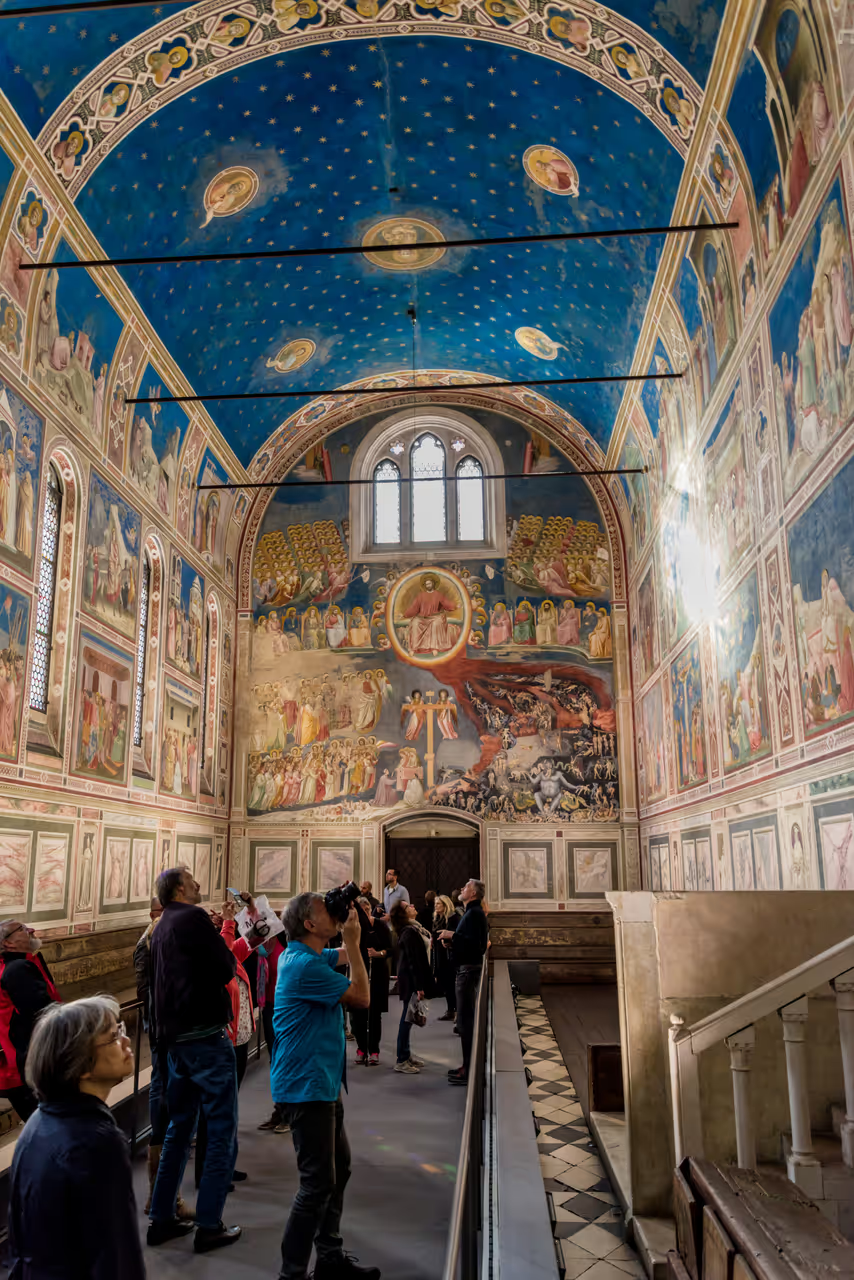
This highly intensive itinerary is designed specifically for travellers who have a very limited amount of time but wish to experience the absolute core masterpieces of the city. It prioritises the breathtaking visual impact of the famous UNESCO frescoes and the profound spiritual gravity of the grand basilica. You will also experience the monumental scale of the historic plazas and the prestigious legacy of the ancient university. It provides a tightly curated, highly rewarding whirlwind tour of the essential artistic and historical highlights.
view itinerary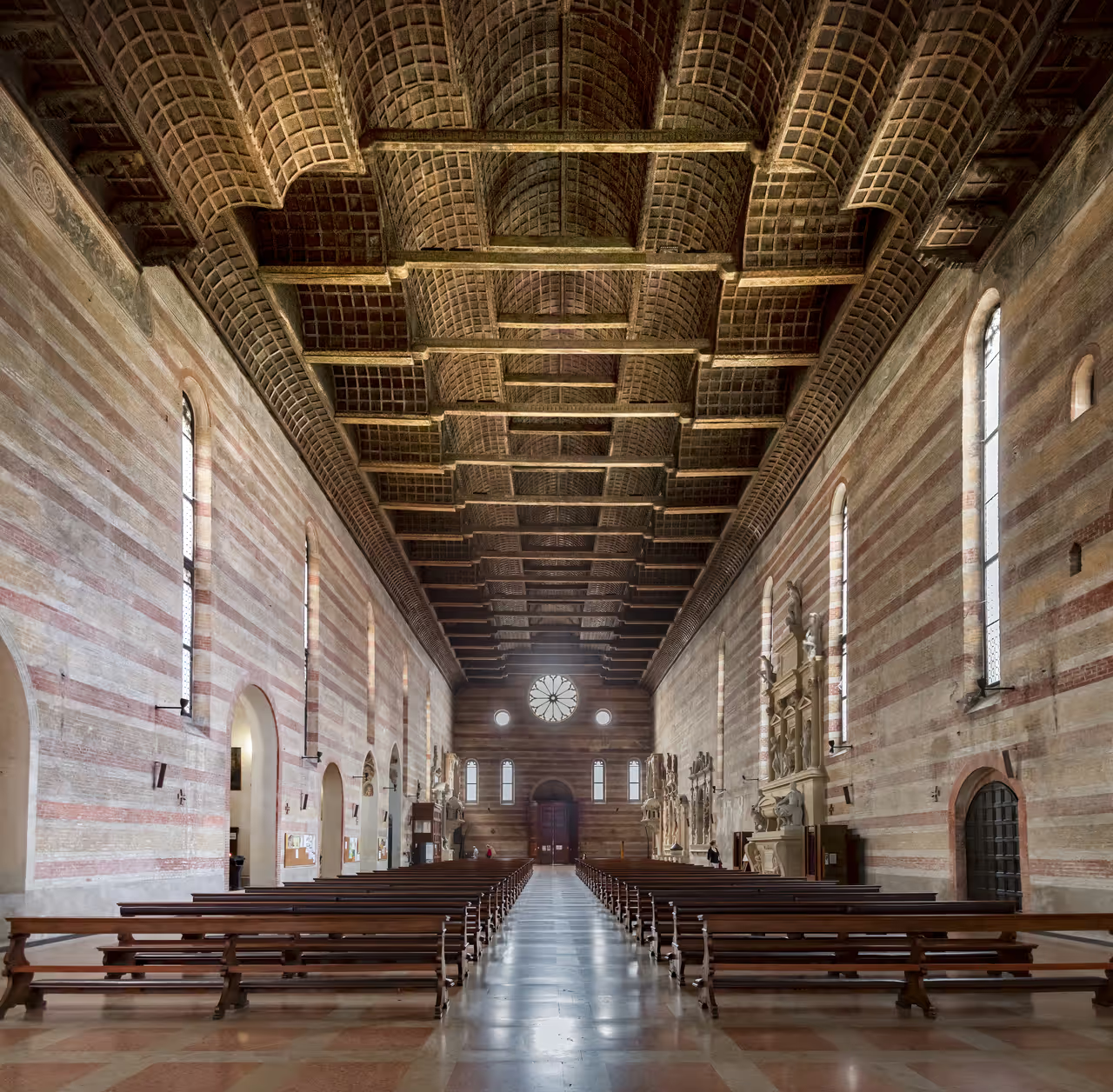
3 Days in Padua Itinerary
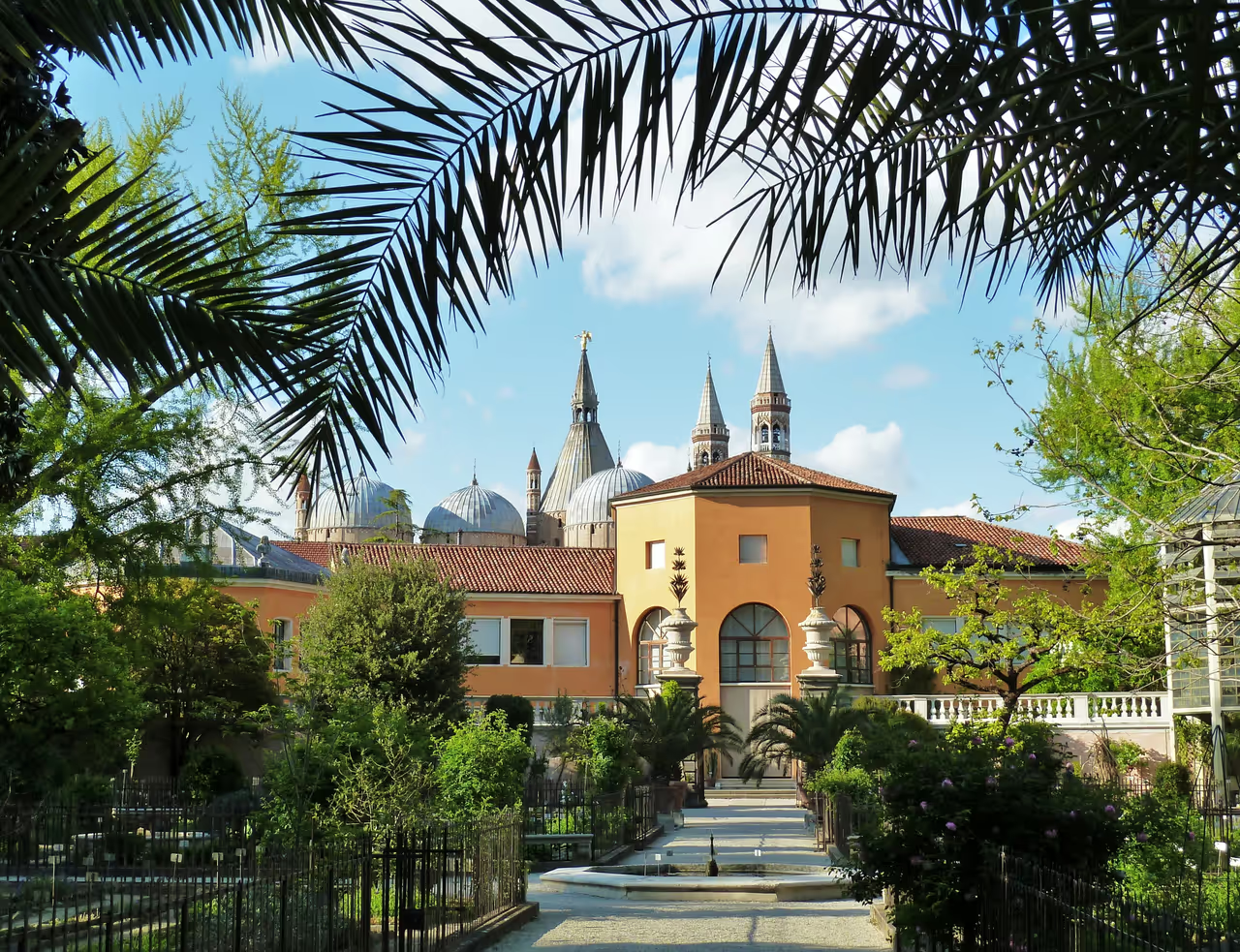
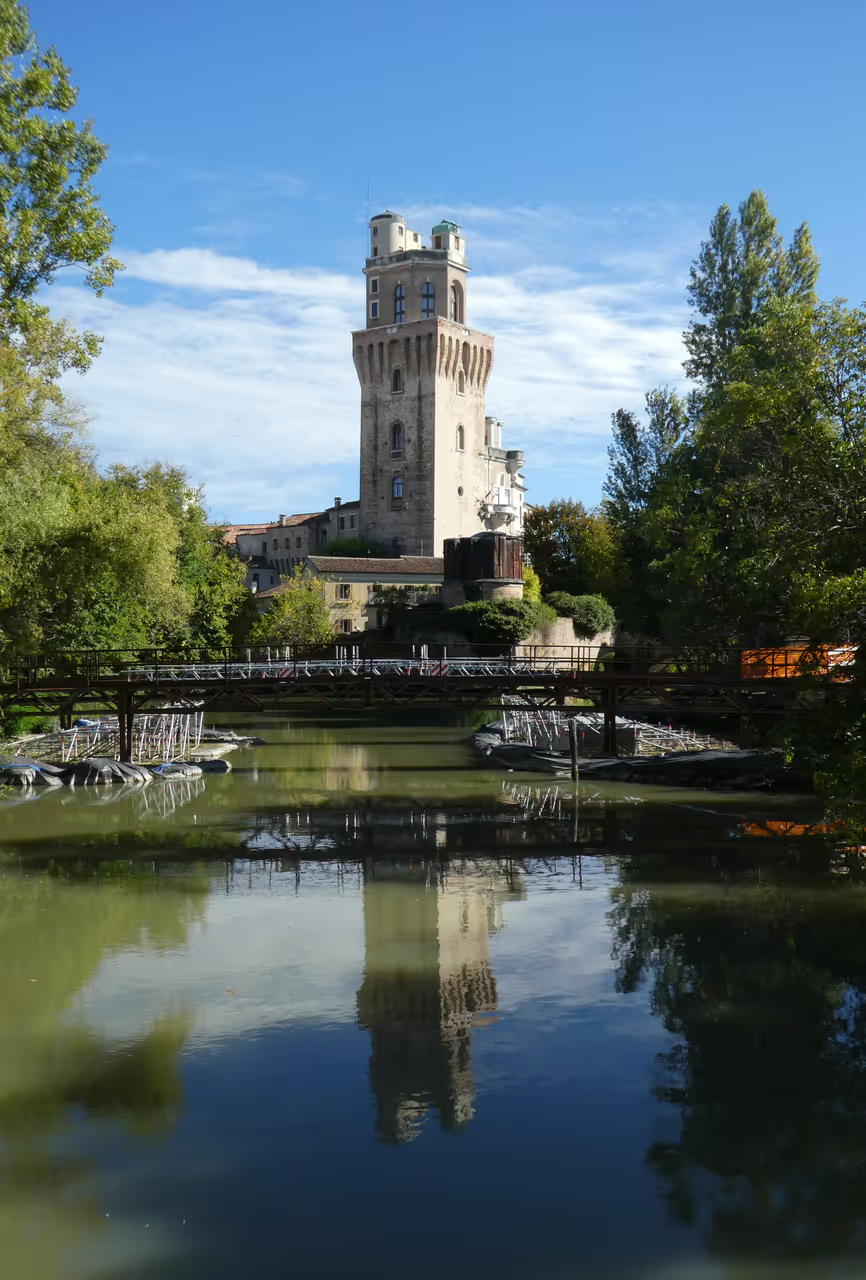
This perfectly balanced three day journey allows visitors to deeply immerse themselves in the complex, layered history of the city without feeling rushed. It expands beyond the primary monuments to include the vibrant, authentic daily life found in the bustling historic markets and narrow medieval streets. You will have ample time to explore the revolutionary scientific heritage of the botanical gardens and the ancient observatory. This itinerary perfectly captures the unique blend of high Renaissance art, profound academic history, and relaxed local lifestyle.
view itinerary
5 Days in Padua Itinerary
Designed for the truly curious traveller, this extensive five day exploration leaves no cobblestone unturned. It covers all the world famous artistic and religious sites while dedicating significant time to highly rewarding, obscure hidden gems and unusual scientific museums. You will experience the city exactly as the locals do, wandering through diverse neighbourhoods, sampling regional cuisine in the historic markets, and enjoying the relaxed evening atmosphere in the elegant plazas. It provides a profoundly complete, deeply satisfying immersion into the cultural and historical soul of the city.
view itinerary
University Heritage Trail
This fascinating journey explores the profound legacy of one of the world's oldest and most prestigious academic institutions. The route visits the magnificent historical seats of learning, where revolutionary scientific discoveries challenged traditional worldviews. You will walk the exact same halls as Galileo and early medical pioneers, absorbing the deep intellectual atmosphere that has defined the city for eight centuries. It is an inspiring exploration of human curiosity, science, and the relentless pursuit of knowledge.
view self-guided tour
See all attractions in Padua
Basilica of Saint Anthony of Padua, Basilica of Santa Giustina, Padua Baptistery, Palazzo della Ragione, Scrovegni Chapel...