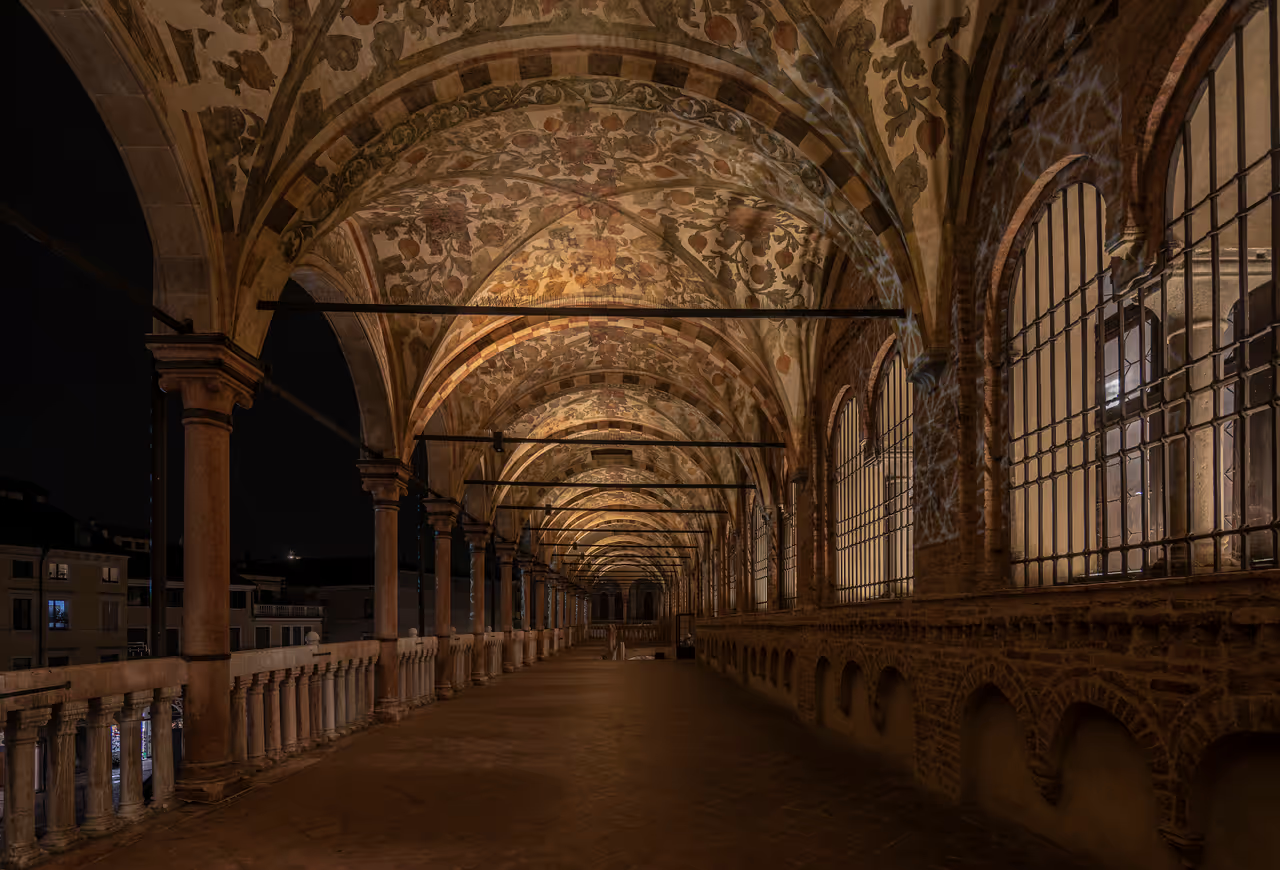
Palazzo della Ragione
Step into the Palazzo della Ragione and experience the beating heart of Padua, a place where medieval justice and vibrant local commerce have intertwined for centuries. Renowned for its extraordinary ship-hull roof, this architectural marvel shelters the Salone, one of the largest hanging halls in the world, filled with magnificent fourteenth-century astrological frescoes. Beneath this grand expanse lies Sotto il Salone, an ancient covered market that remains a beloved hub for locals seeking high-quality food and wine. Walking through its loggias, you can almost hear the echoes of past trials, public proclamations, and the chatter of traders who have gathered here since the city's dawn. It is an essential visit, offering a unique blend of high art, civic history, and authentic Paduan lifestyle.
Videos
History of Palazzo della Ragione
The origins of the Palazzo della Ragione stretch back to the twelfth century, when the building first emerged as a nexus for Paduan legal and commercial life. While its foundation stones date to 1218, its current imposing silhouette was shaped in the early fourteenth century by the visionary Giovanni degli Eremitani. He transformed the structure into a monumental civic palace, crowned by a distinctive wooden roof shaped like an inverted ship hull, an engineering triumph of the medieval period. This architectural choice was not merely aesthetic, but a testament to the city's connection with the water and its ambitions to create a grand, column-free interior that would define its status across Europe. Throughout the centuries, the building has endured trials by fire and time. A devastating blaze in 1420 threatened to erase its artistic soul, consuming the original frescoes. Yet, like the city itself, the palace showed resilience. The subsequent reconstruction saw the birth of the current, breathtaking astrological cycle, inspired by the theories of the philosopher Pietro d'Abano, turning the walls into a vast celestial map. Today, the palace remains a vital symbol of Padua. From the historic Volto della Corda, where justice was once served, to the enduring Sotto il Salone market, the building continues to serve the city exactly as it was intended eight centuries ago. Its inclusion in the UNESCO World Heritage list as part of the fourteenth-century fresco cycles cements its position not just as a relic of the past, but as a living monument that bridges the gap between medieval ingenuity and modern Paduan identity.
Events spanning 803 years
Fun Facts
- • A Foucault pendulum hangs in the hall to demonstrate the rotation of the Earth, adding a scientific layer to the historical atmosphere of the palace.
- • The 12th meridian line is marked on the floor of the Salone, acting as a solar clock that was essential for citizens in the past.
- • The Canton delle Busie or Corner of Lies was a historic meeting spot for merchants, located right near the Volto della Corda, where deals were struck and rumours spread.
- • The Pietra del Vituperio or Stone of Shame was where insolvents were forced to sit in their underwear, a practice that gave rise to the local dialect expression for being broke.
- • The Volto della Corda archway served as a site of public humiliation, where debtors and bankrupt merchants were punished by being dropped onto a stone floor while tied with a rope.
- • The building has a trapezoidal floor plan, a quirk arising from the fact that it was originally constructed alongside pre-existing canals that ran through the area.
- • The enormous roof, which resembles the hull of a ship, was constructed without any central columns, showcasing exceptional medieval engineering capabilities.
- • The extensive cycle of astrological frescoes was created between 1425 and 1440, based on the theories of the Paduan scholar Pietro d'Abano, who was a student of the philosophy of Averroes.
- • The famous Sotto il Salone market located on the ground floor is one of the oldest covered markets in Europe, and it is still operational today.
- • The vast upper hall, or Salone, once housed court sessions, but today it is home to a magnificent wooden horse sculpture, a Renaissance copy of Donatello's famous Gattamelata monument.
Palazzo della Ragione FAQ
While we strive to keep this information accurate and up to date, we recommend verifying any details independently before making decisions based on them.
Palazzo della Ragione Map & Neighborhood Explorer
This interactive map is centered on Palazzo della Ragione. Zoom in and move the map around to automatically discover Wikipedia photos and summaries of other nearby sights, monuments, and historical points of interest and stories in real-time!
Places near Palazzo della Ragione
Make the most of your trip. Check out these top-rated spots located nearby.
 0m
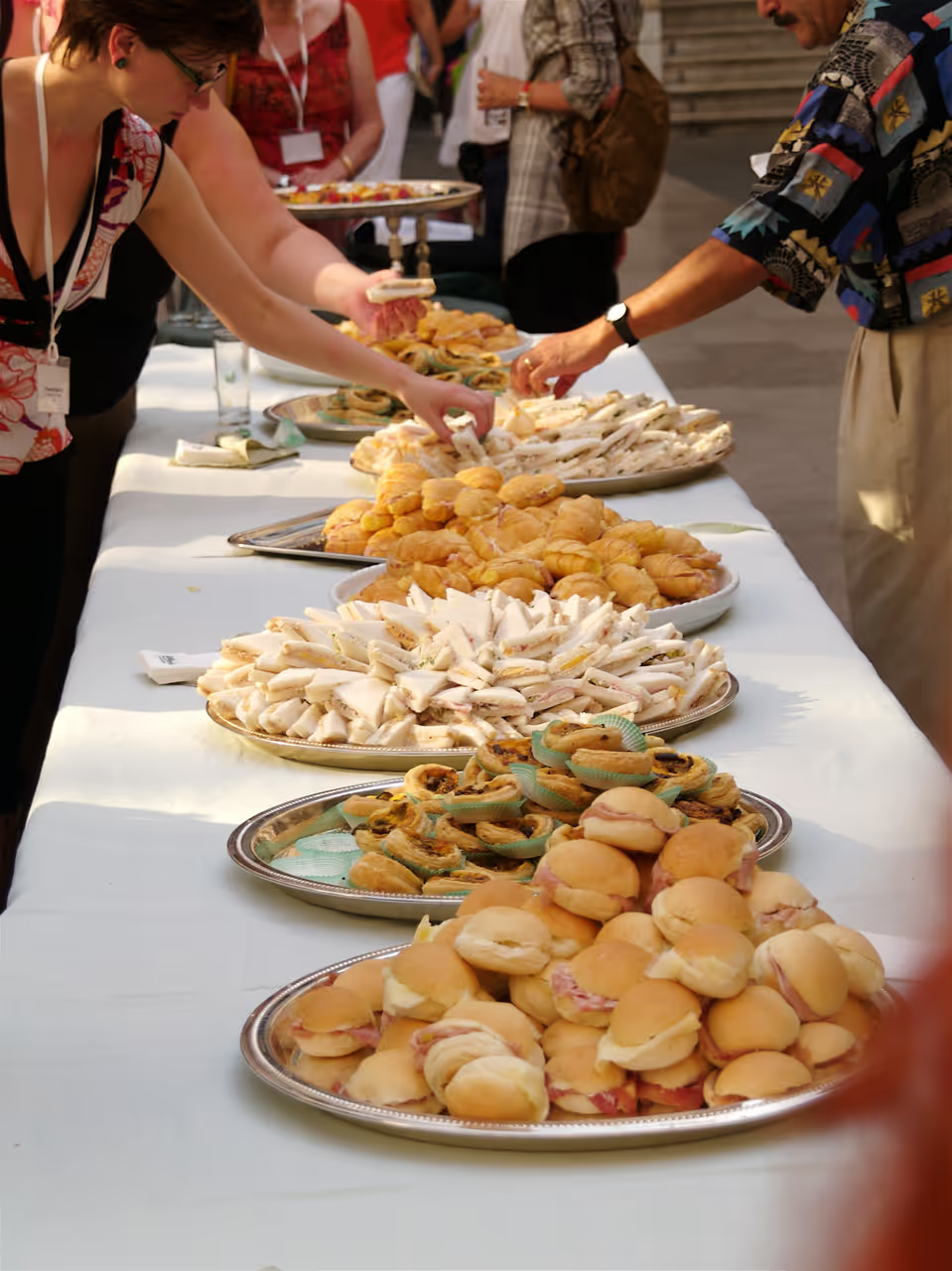
0mUnder the Hall Covered Market
Nestled directly beneath the towering medieval arches of the Palazzo della Ragione, this is one of the oldest covered markets in Europe. Two parallel galleries are packed tightly with historic artisan food shops, butchers, cheese mongers, and fresh pasta makers. The aromas of cured meats, aged cheeses, and fresh truffles fill the cool, shaded corridors. It is an absolute paradise for food enthusiasts looking to purchase high quality, traditional regional ingredients. Many small stalls also serve delightful glasses of local wine and small bites for a quick, authentic lunch.
market view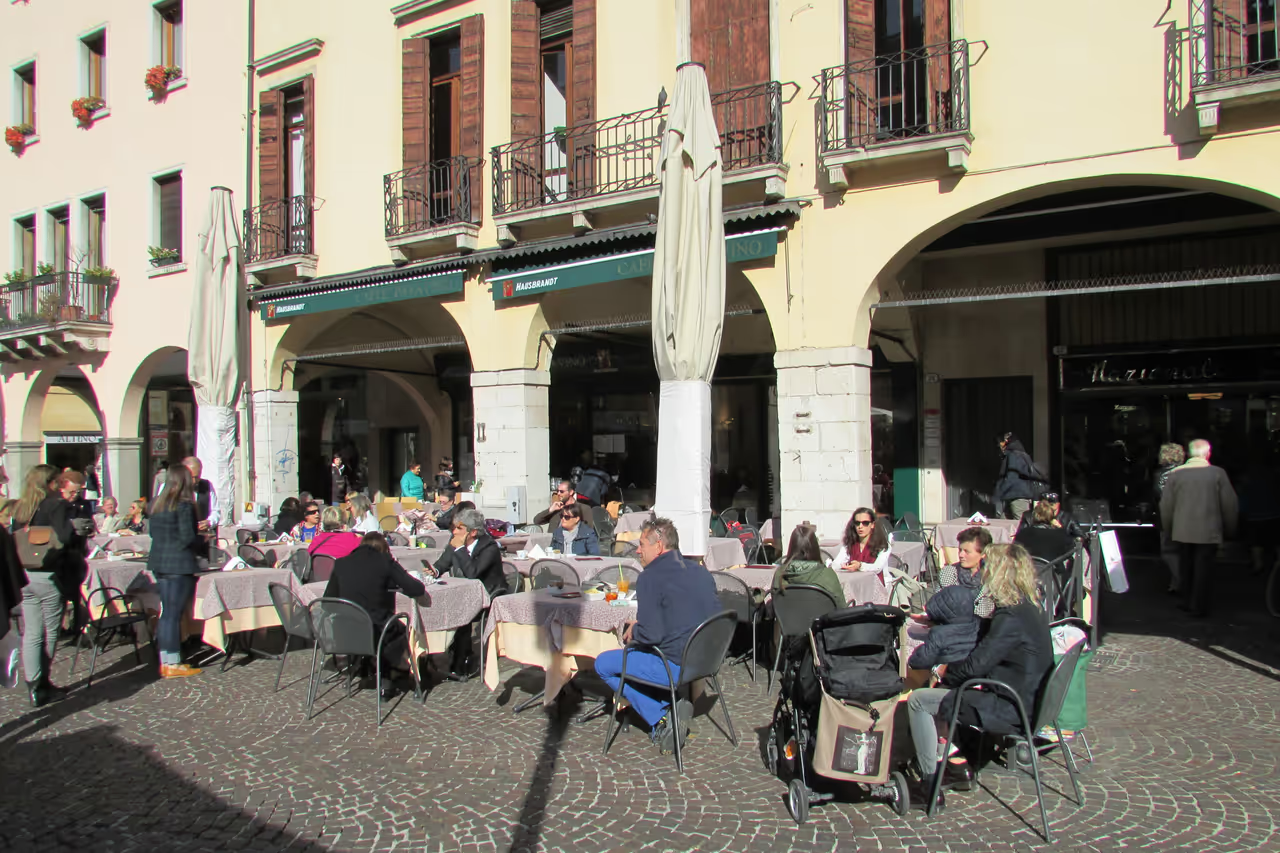 30m
30mSquare of Fruits
Situated immediately opposite the Square of Herbs and separated only by the massive medieval law court, this plaza offers an equally vibrant but slightly distinct atmosphere. Historically focused on selling fruits and clothing, it remains a bustling, colourful marketplace during the daylight hours. The architecture surrounding the square features beautiful medieval details, including a striking column topped with a winged lion. It serves as a fantastic place to grab a quick, authentic street food snack while admiring the intricate facades. The constant flow of bicycles and pedestrians makes it a prime location for people watching.
highlight view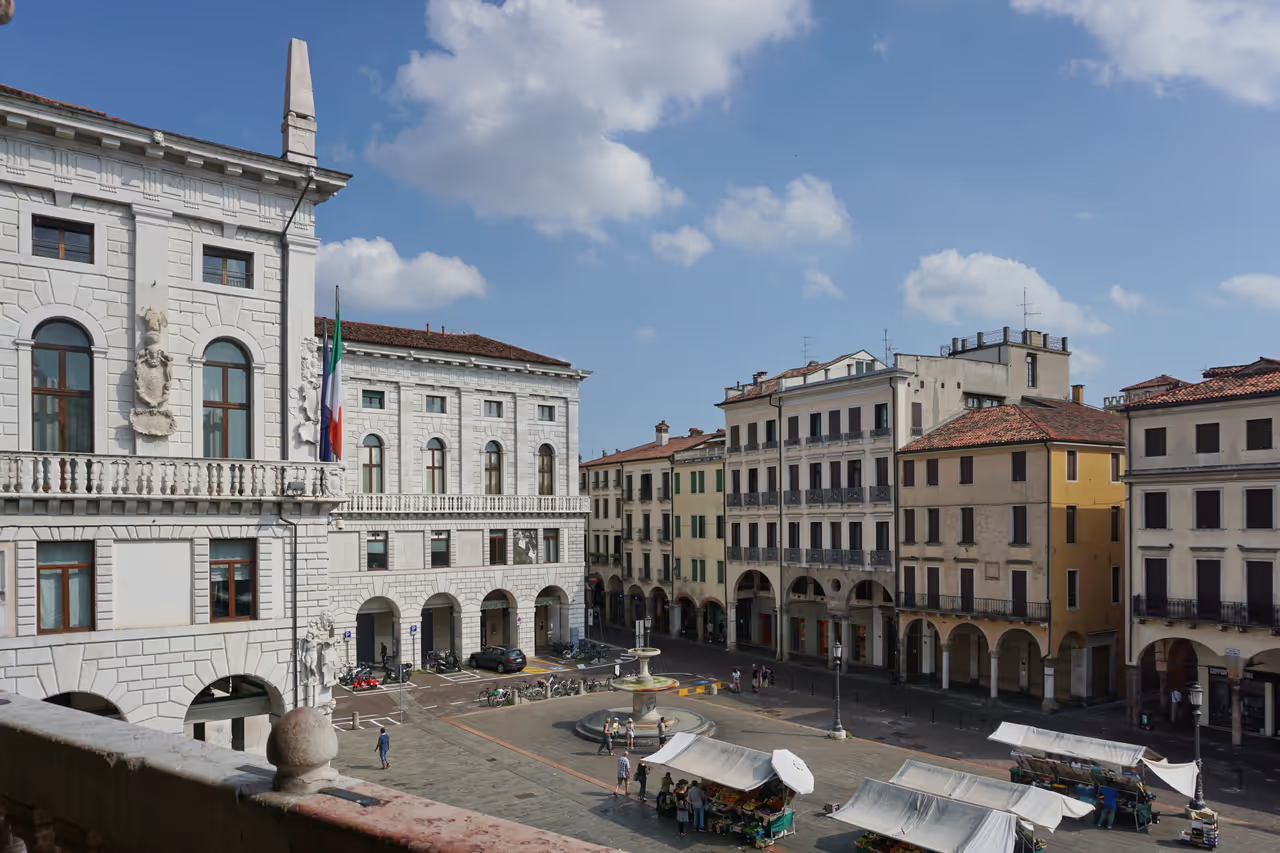 53m
53mPiazza delle Erbe Market
This historic open air market has been the commercial heart of the city for centuries, spreading its colourful stalls across a magnificent medieval square. Vendors primarily offer a stunning array of fresh, seasonal vegetables and fruits sourced directly from the surrounding agricultural lands. The lively banter of the stallholders and the vivid colours of the produce create a highly photogenic and energetic atmosphere. Surrounded by elegant palaces, it is the perfect place to observe authentic daily life. Grabbing a fresh snack here before exploring the nearby monuments is a beloved local ritual.
market view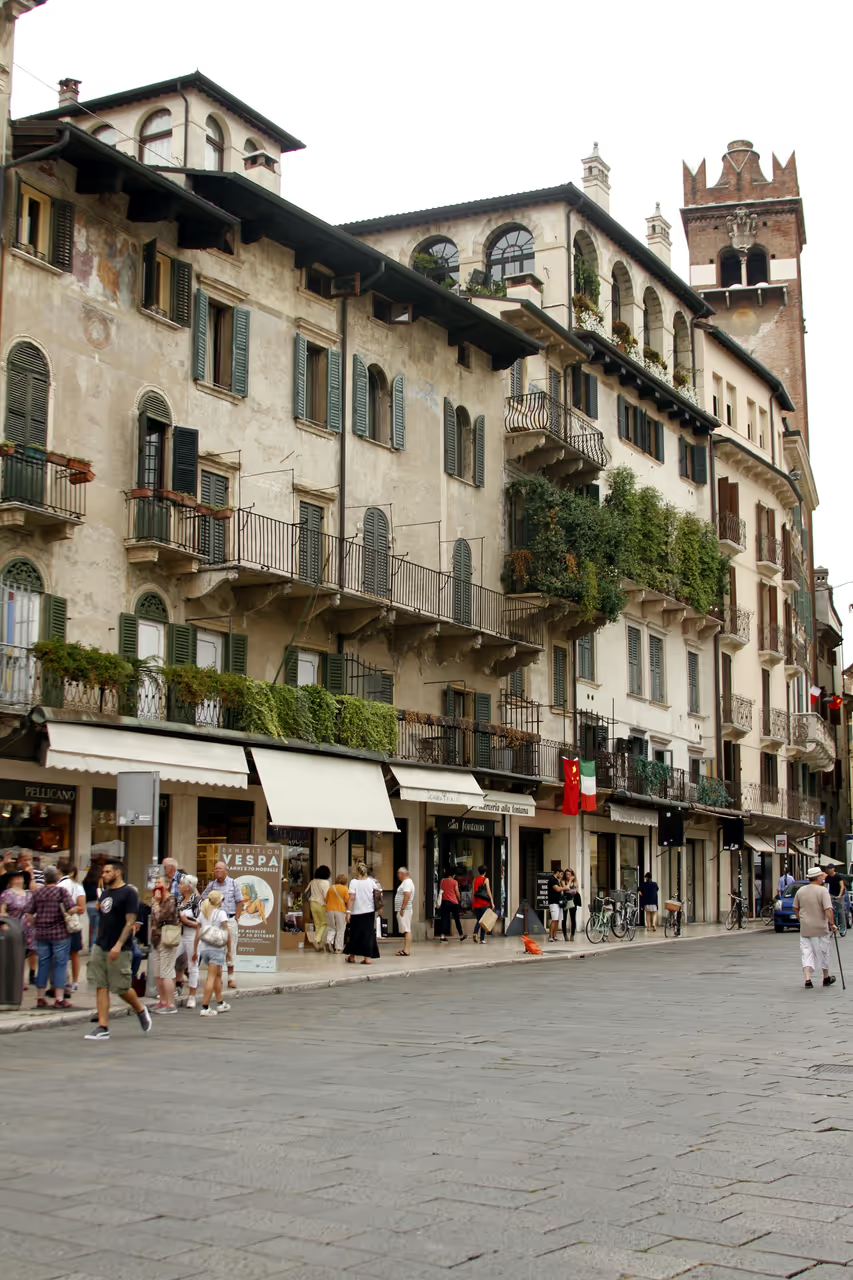 53m
53mSquare of Herbs
This sprawling, dynamic square has served as the commercial and social beating heart of the city for centuries. Dominated by the colossal, ship like structure of the Palazzo della Ragione, the plaza hosts a vibrant daily market overflowing with fresh produce and loud, friendly vendors. The perimeter is entirely lined with elegant arcades sheltering a multitude of cafes and small shops. By late afternoon, the market stalls disappear, and the space is completely taken over by thousands of locals enjoying their evening aperitifs. It is a highly energetic environment that perfectly captures the daily rhythm of the city.
highlight view
Explore Similar Places in This Collection
Featured on These Itineraries and Routes
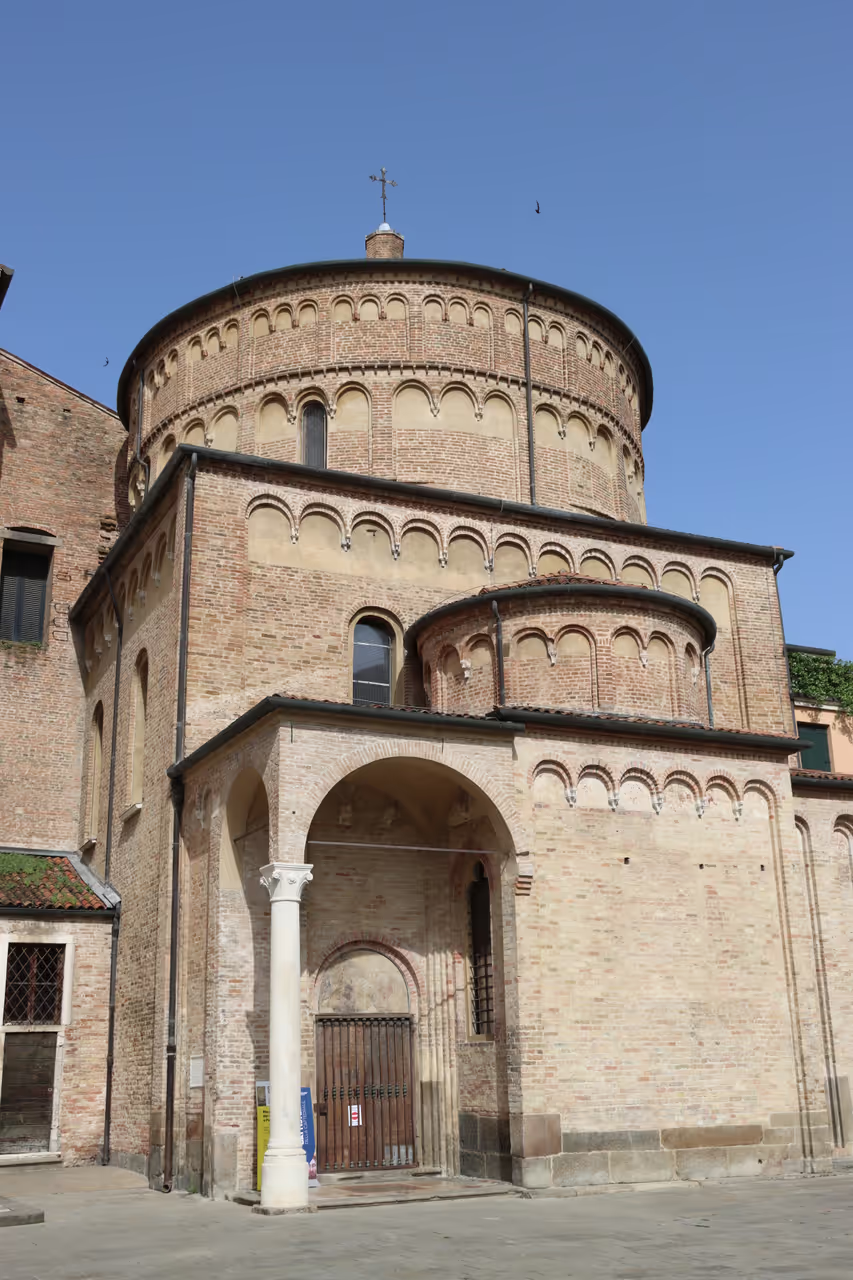
3 Days in Padua Itinerary
This perfectly balanced three day journey allows visitors to deeply immerse themselves in the complex, layered history of the city without feeling rushed. It expands beyond the primary monuments to include the vibrant, authentic daily life found in the bustling historic markets and narrow medieval streets. You will have ample time to explore the revolutionary scientific heritage of the botanical gardens and the ancient observatory. This itinerary perfectly captures the unique blend of high Renaissance art, profound academic history, and relaxed local lifestyle.
view itinerary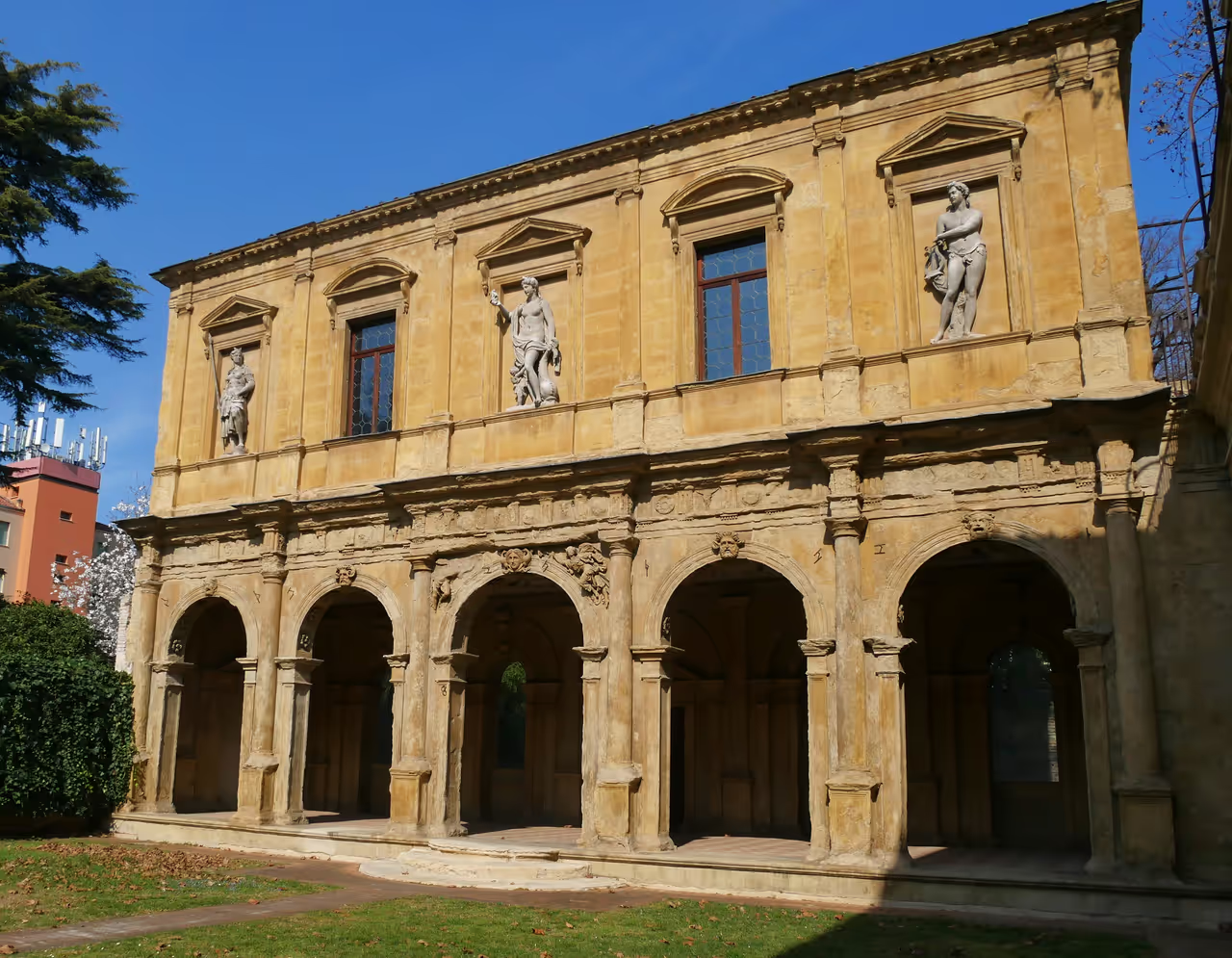
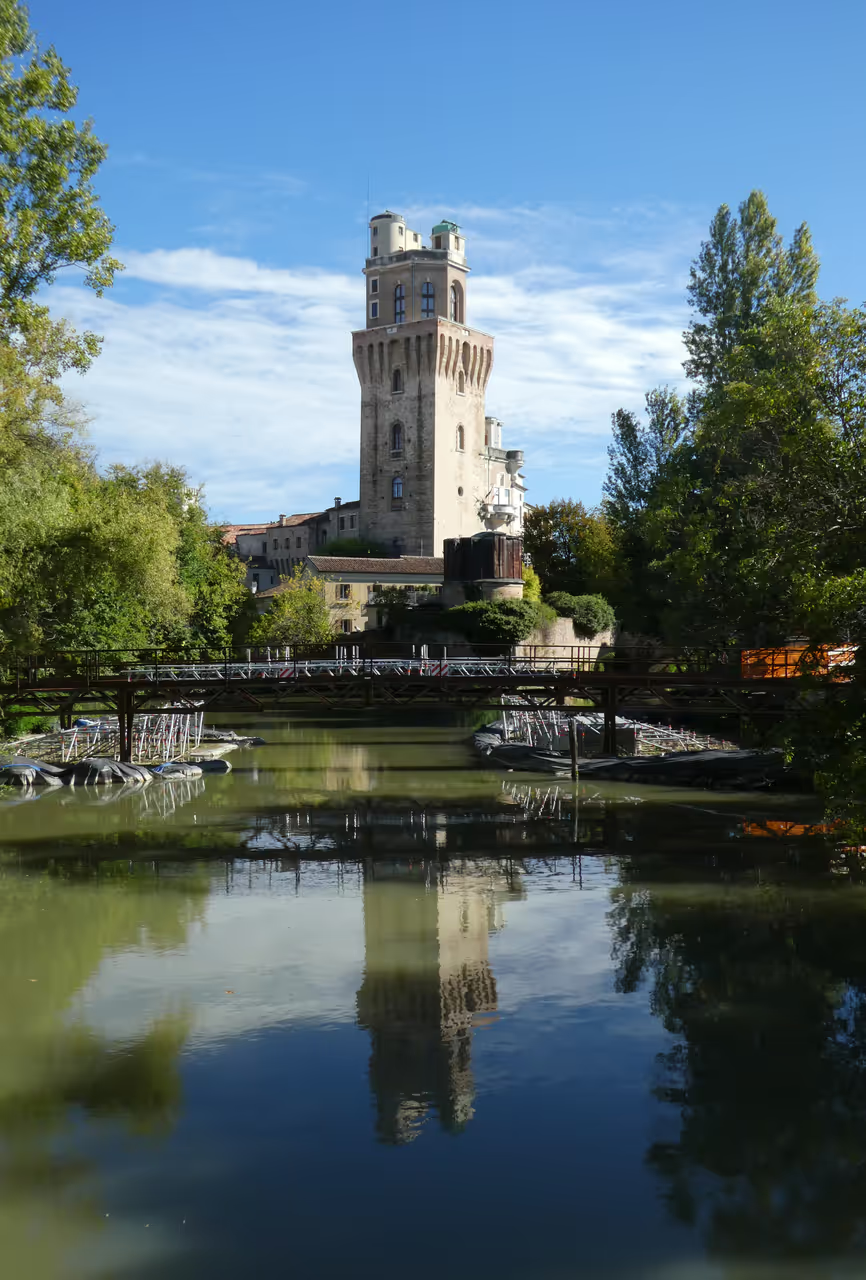
5 Days in Padua Itinerary
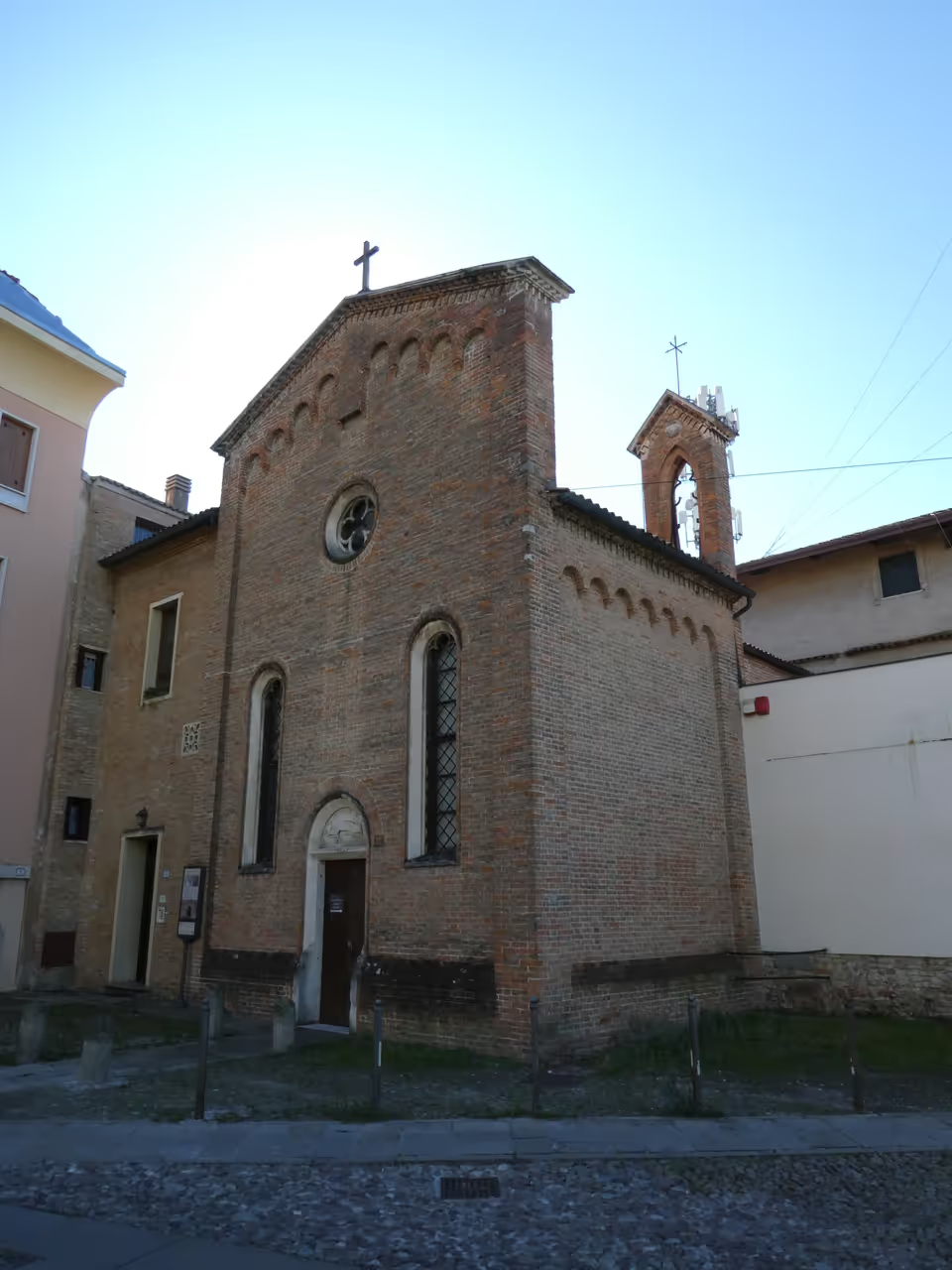
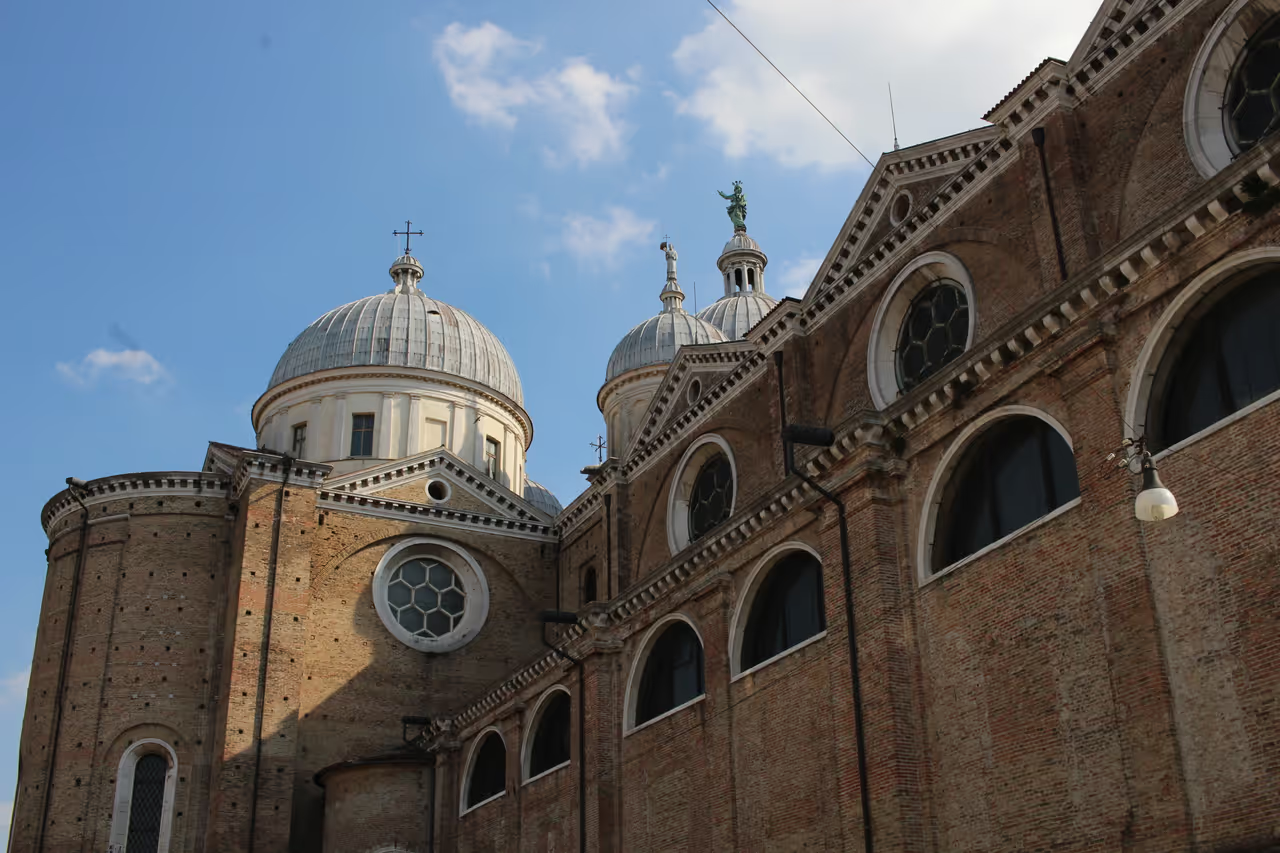
Designed for the truly curious traveller, this extensive five day exploration leaves no cobblestone unturned. It covers all the world famous artistic and religious sites while dedicating significant time to highly rewarding, obscure hidden gems and unusual scientific museums. You will experience the city exactly as the locals do, wandering through diverse neighbourhoods, sampling regional cuisine in the historic markets, and enjoying the relaxed evening atmosphere in the elegant plazas. It provides a profoundly complete, deeply satisfying immersion into the cultural and historical soul of the city.
view itinerary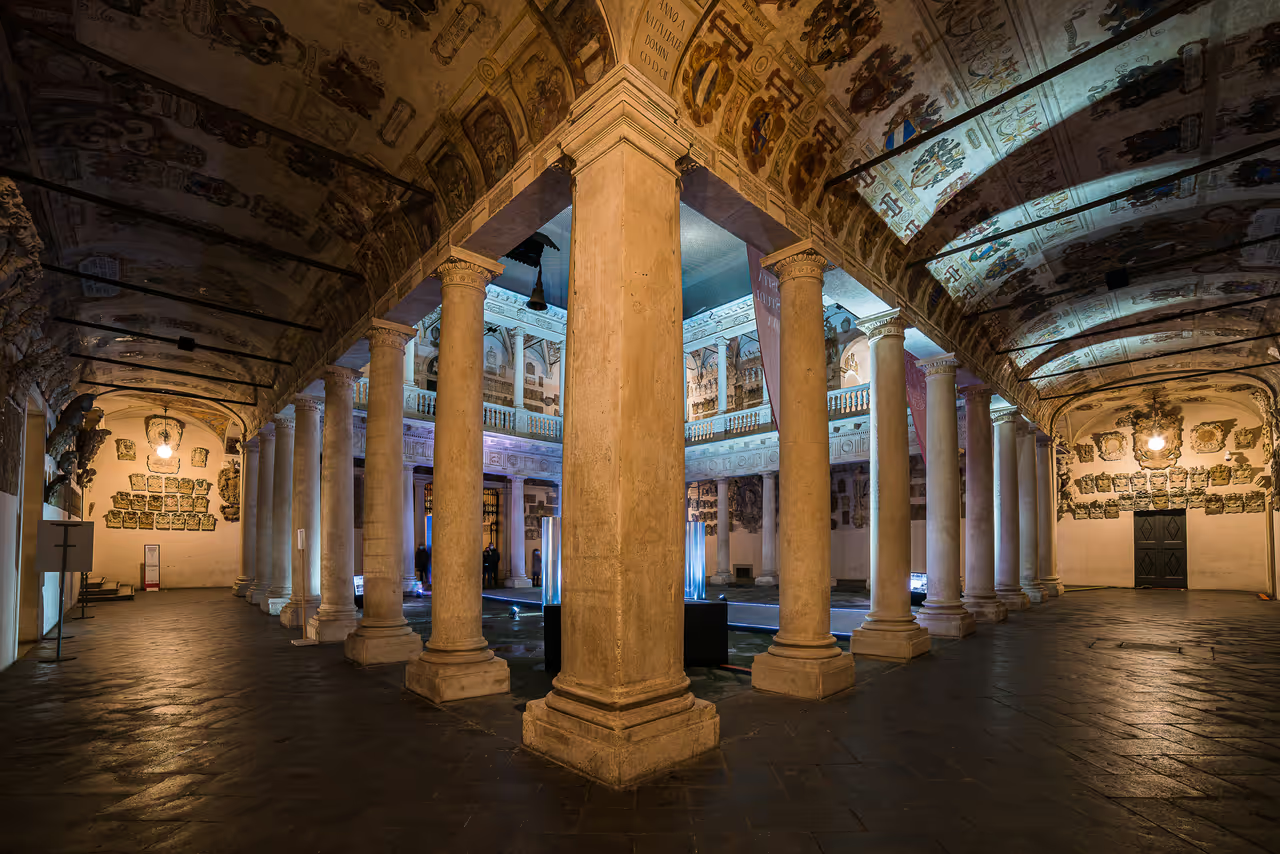
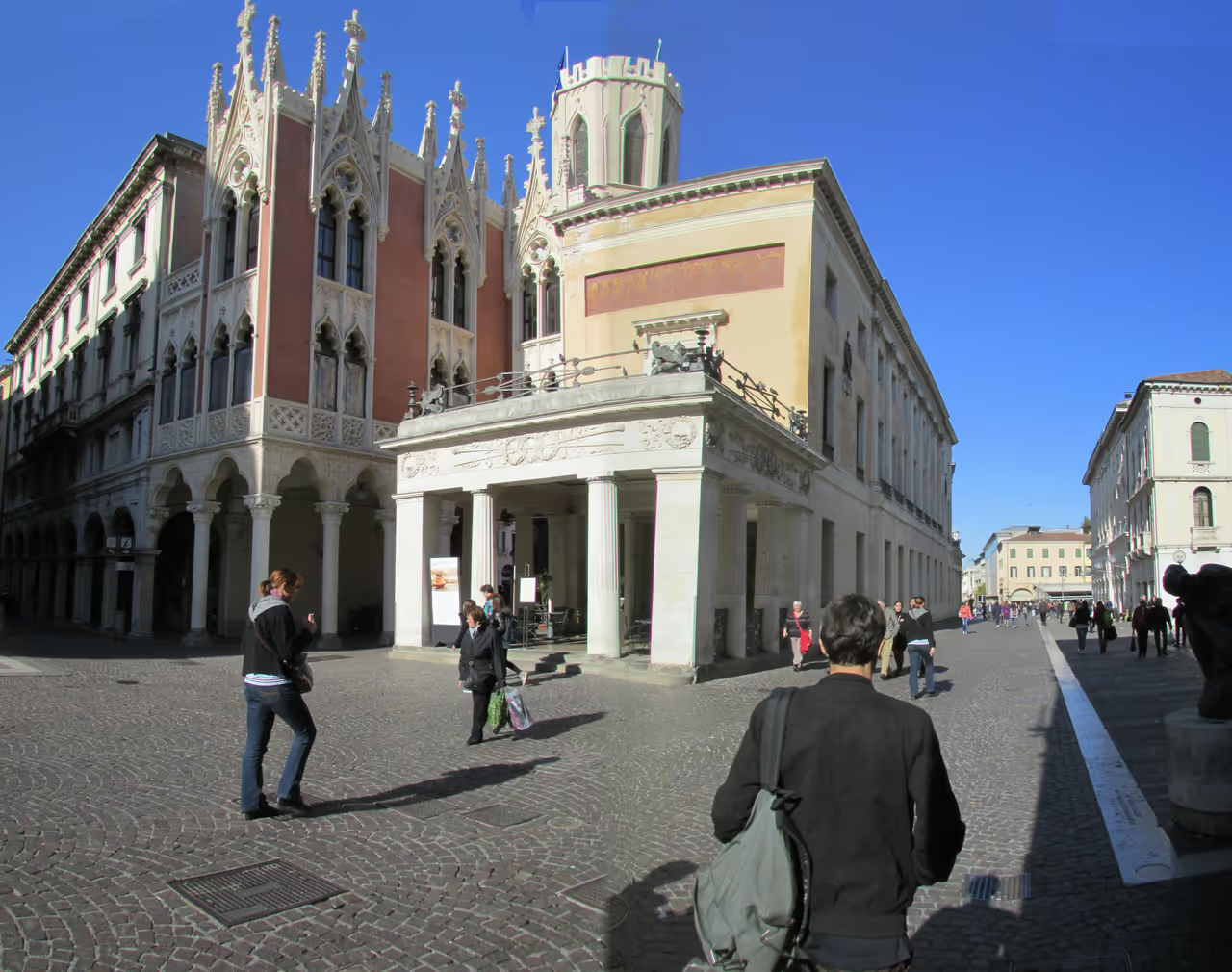
University Heritage Trail
This fascinating journey explores the profound legacy of one of the world's oldest and most prestigious academic institutions. The route visits the magnificent historical seats of learning, where revolutionary scientific discoveries challenged traditional worldviews. You will walk the exact same halls as Galileo and early medical pioneers, absorbing the deep intellectual atmosphere that has defined the city for eight centuries. It is an inspiring exploration of human curiosity, science, and the relentless pursuit of knowledge.
view self-guided tour
See all attractions in Padua
Basilica of Saint Anthony of Padua, Basilica of Santa Giustina, Padua Baptistery, Palazzo del Bo, Scrovegni Chapel...