North Milan Park
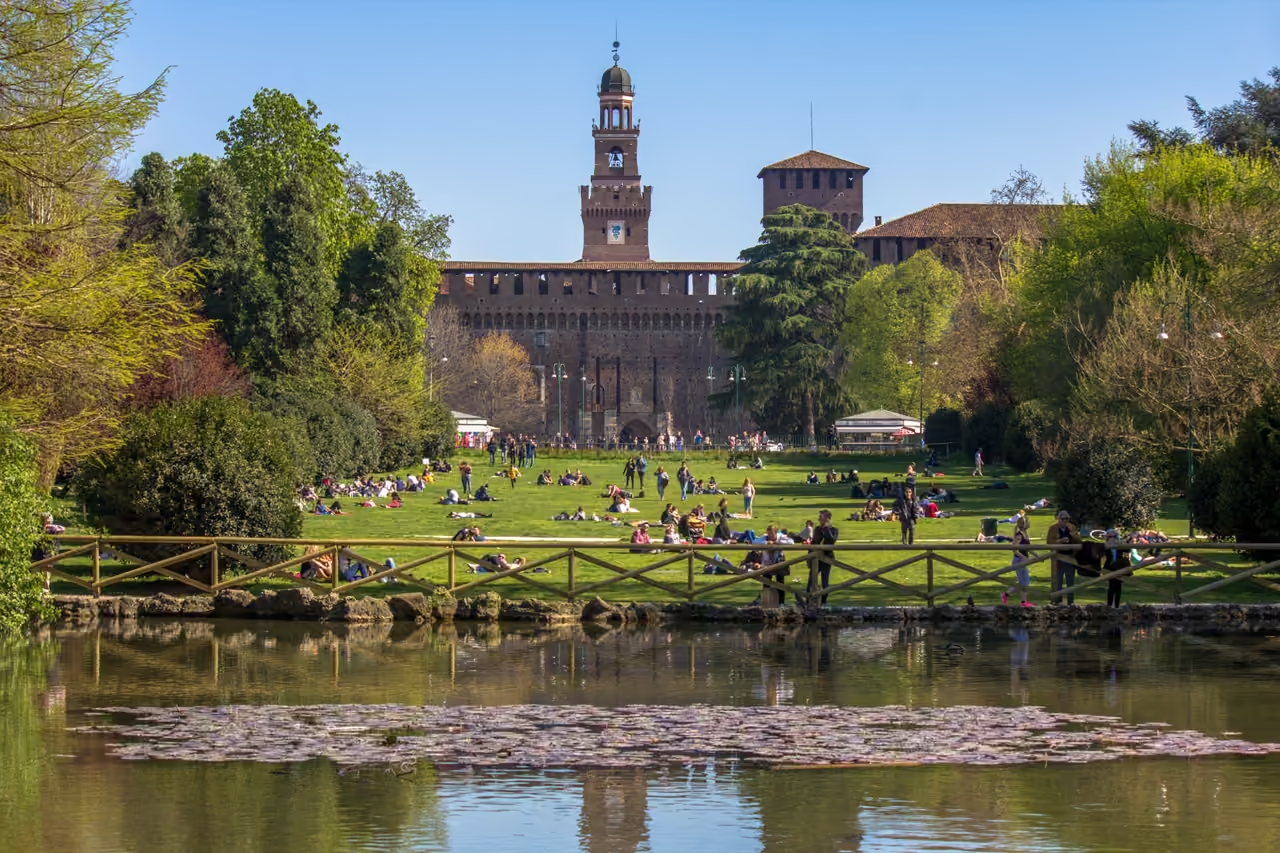
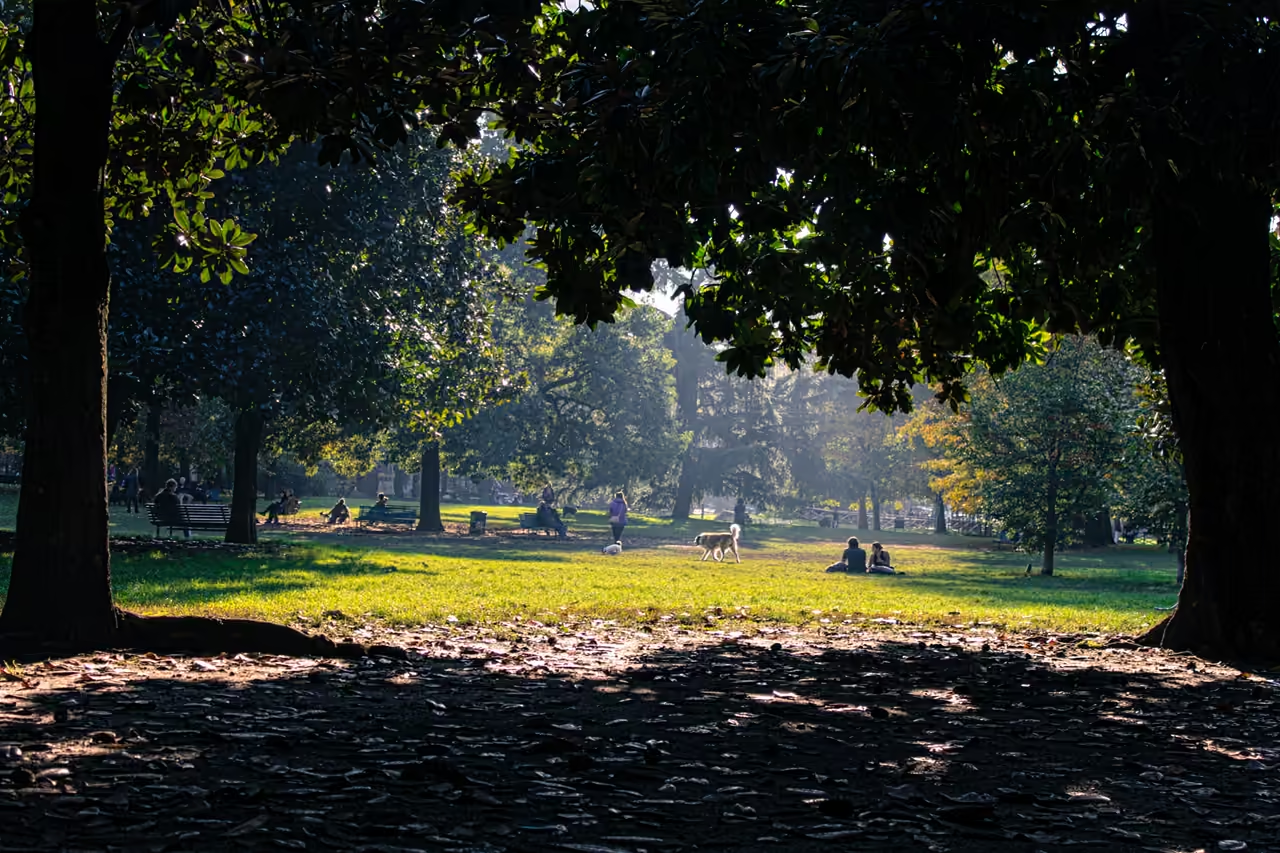
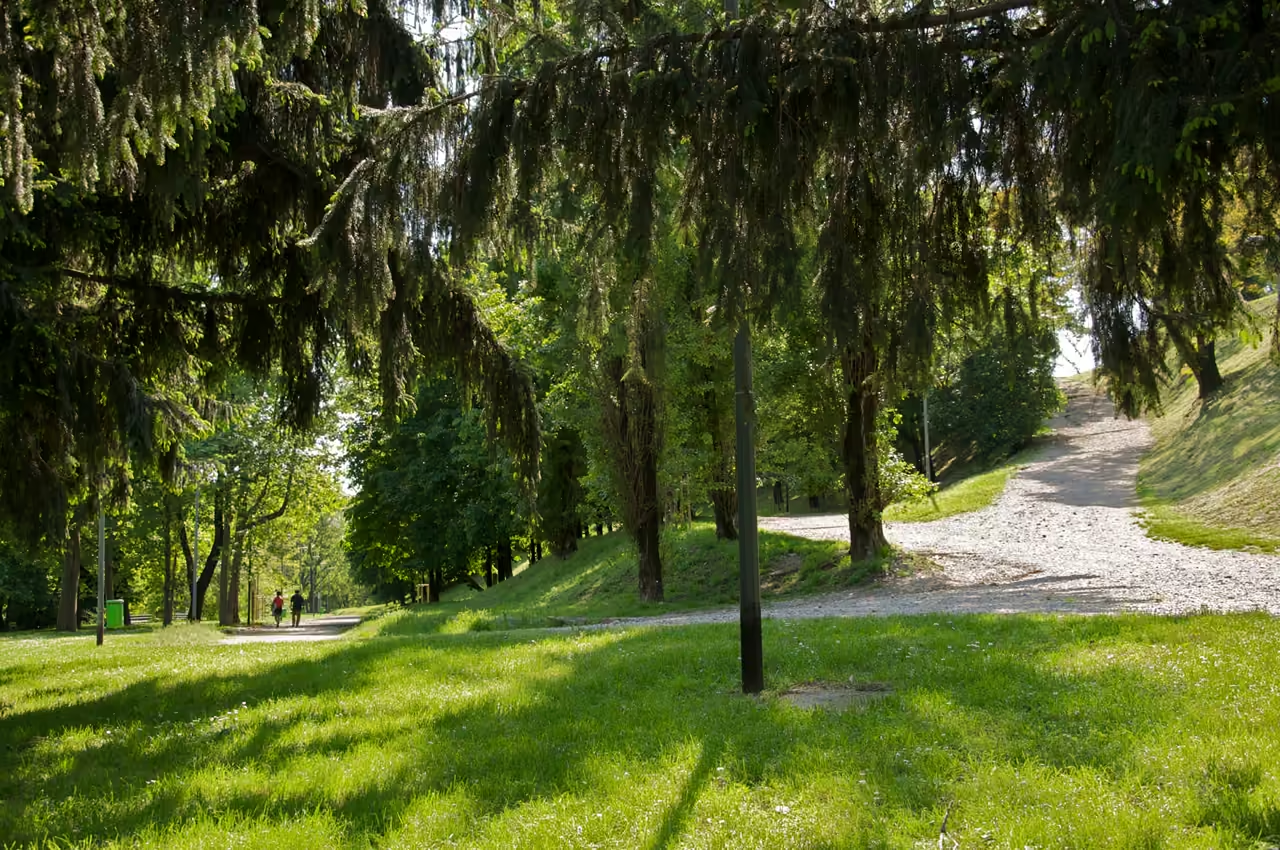
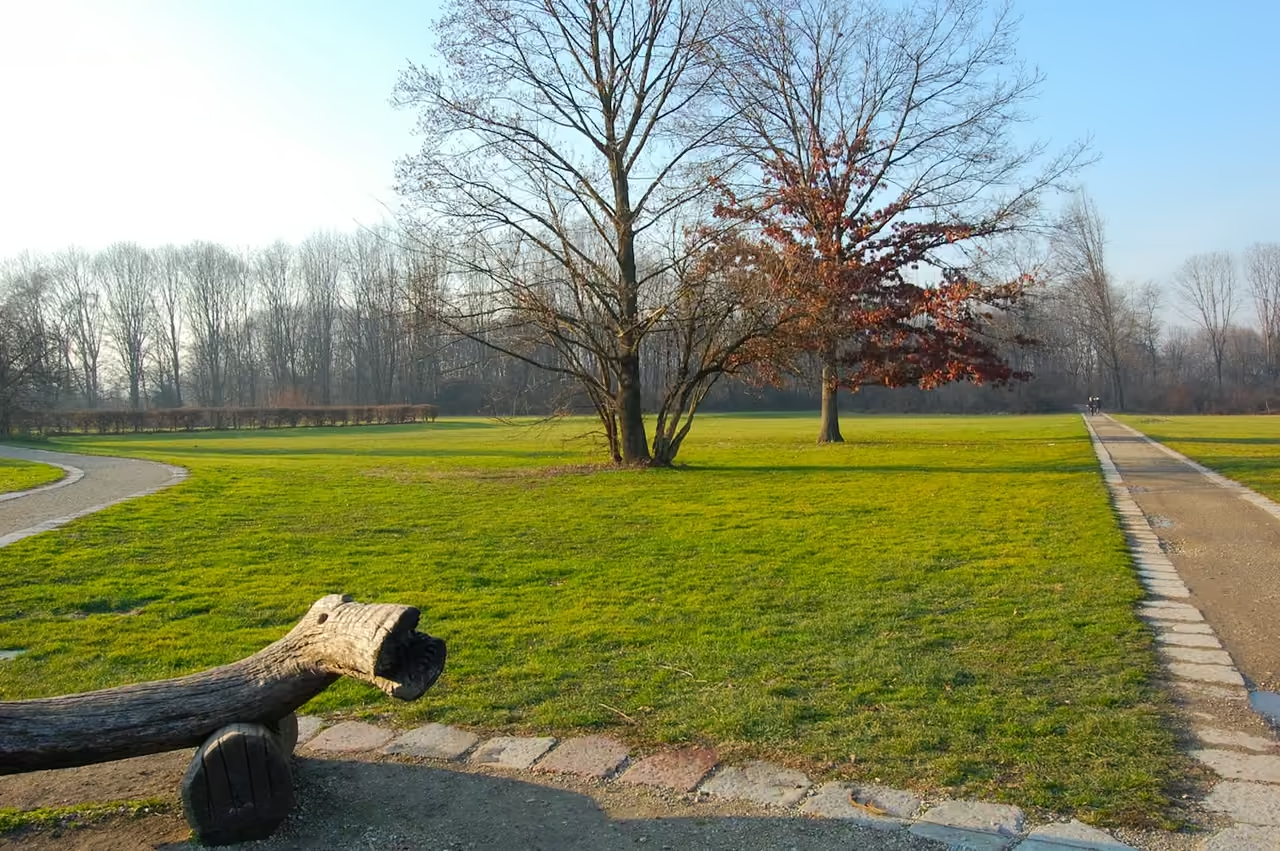
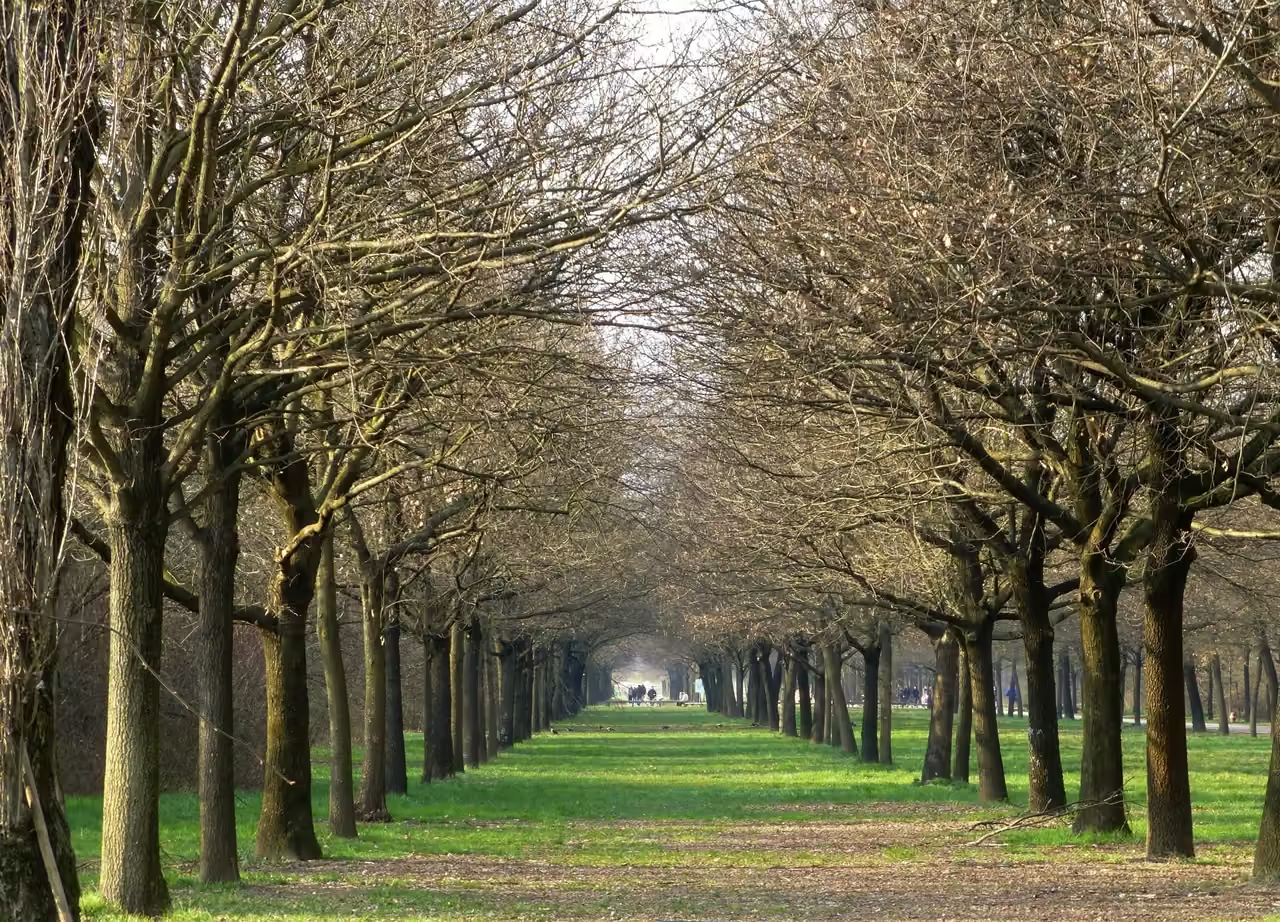
The distant hum of propeller planes taking off from the Bresso airfield provides a curious soundtrack to the rustling poplars in this massive green expanse. North Milan Park stretches across 640 hectares of former industrial land, having completely swallowed up the old Breda Aeronautica factories to create a dense canopy of over a hundred tree species. Walk along the pathways near the Seveso river, and you might spot a long-eared owl retreating into the branches or native red squirrels darting past the hawthorn bushes. It feels remarkably expansive for a city park, with the artificial Niguarda Lake drawing crested newts and grey herons to its rewilded banks. You occasionally have to step aside for a peloton of serious cyclists training on the outdoor velodrome ring near via XX Settembre. The sheer scale of the reclaimed landscape, complete with an old steel slag heap turned into a wooded hill, makes it a fascinating place to lose an afternoon.
History of North Milan Park
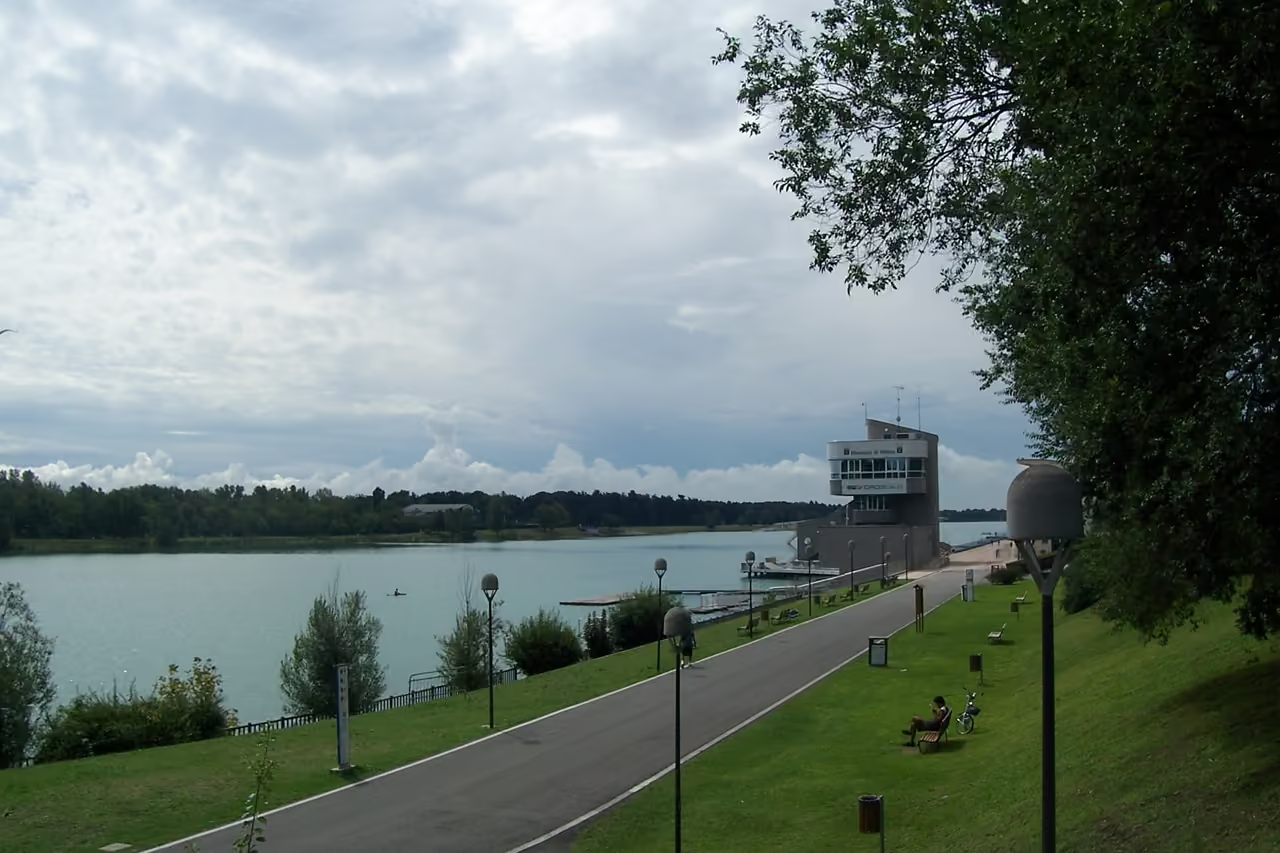
The land that now forms this enormous green lung was once a sprawling complex of heavy industry. During the mid-twentieth century, the Breda Aeronautica factories churned out machinery and aircraft parts across these northern fringes of Milan. As the post-war industrial boom eventually cooled, the factories fell silent, leaving behind a scarred landscape of abandoned hangars, concrete foundations, and industrial waste. The urban sprawl of Milan and its satellite towns threatened to pave over whatever open space remained. In the late 1960s, a campaign began to save these fragmented parcels of land from total cementification. It took until 1983 for actual reforestation to begin, requiring a massive agricultural and engineering effort to plant tens of thousands of saplings over the old factory grounds. The project even incorporated a large pile of leftover slag from nearby steelworks, capping the toxic residue with soil and planting it to create the prominent montagnetta hill that stands near Sesto San Giovanni today. By the turn of the millennium, the saplings had grown into a genuine forest with trees reaching twenty-five metres high, presenting a completely new challenge for the city. Managing a dense woodland in an urban setting required innovation, leading the park management to map the health and growth of individual trees along the avenues using satellite tracking in 2000. This technological approach allowed the forest to mature safely. The most recent transformation arrived in 2015 with the flooding of Lake Niguarda, fed directly by the Villoresi canal. Instead of designing a manicured ornamental pond, engineers deliberately sculpted inaccessible naturalistic banks to encourage wildlife to return. Today, crested newts and grey herons have claimed the water, proving that heavy industry can be successfully erased and replaced by a thriving ecosystem.
events spanning 45 years
Fun Facts
9- 01
Deep within the park's eastern section, near via XX Settembre, there is a dedicated outdoor velodrome. On weekends, amateur track cyclists bring their fixed-gear bikes to race around the concrete speed ring surrounded by dense forest.
- 02
That same hill, locally known as the montagnetta, is entirely artificial. It was originally a dumping ground for toxic slag and waste materials produced by the massive steelworks of Sesto San Giovanni, which was later capped, decontaminated, and planted with trees to form a scenic lookout.
- 03
The aggressive reforestation effort inadvertently brought back several native wildflowers that had been entirely wiped out by Milan's urban sprawl. Botanists were surprised to find woodland anemones and wild strawberries springing up on their own beneath the newly planted hazelnut trees.
- 04
The green space wraps around the Bresso Airfield, a working civilian airport used by the Aero Club Milano. Visitors walking the trails frequently watch propeller planes taking off and landing just beyond the tree line, a nod to the area's history of aviation manufacturing.
- 05
The large hill near the via Giancarlo Clerici entrance is crowned by a stark monument designed by Lodovico Barbiano di Belgiojoso. The architect survived confinement in a Nazi camp and designed the structure to honour local factory workers who were deported after launching a massive anti-fascist strike in March 1944.
- 06
The park brushes right up against the historic Brusuglio estate, the former country villa of Alessandro Manzoni, one of Italy's most famous novelists. Manzoni used to conduct his own botanical experiments in the nearby gardens long before the heavy industry arrived and departed.
- 07
To prevent the rapidly growing 25-metre-tall trees from collapsing onto pedestrian paths, the park became one of the first in Europe to use GPS tracking on an individual plant basis. Every tree lining the avenues is digitally monitored for its health, growth rate, and structural integrity.
- 08
When Lake Niguarda was filled in 2015, planners deliberately made the majority of its shoreline completely inaccessible to humans. This hands-off approach immediately paid off, allowing the highly sensitive crested newt to spontaneously recolonise the muddy banks.
- 09
While the park successfully acts as a sanctuary for the native Eurasian red squirrel, it is currently locked in an ecological battle against the North American grey squirrel. The larger, invasive greys frequently outcompete the reds for the abundant acorns dropped by the park's oak trees.
FULL PLACE DETAILS
Updated
FULL PLACE DETAILS
UpdatedOVERVIEW & STATS
- Established
- In 1975, making it 51 years old
WEB & AMENITIES
North Milan Park Map & Neighborhood Explorer
This interactive map is centered on North Milan Park. Zoom in and move the map around to automatically discover Wikipedia photos and summaries of other nearby sights, monuments, and historical points of interest and stories in real-time!
North Milan Park FAQ
The park is not fenced in and remains open 24 hours a day, but because it is a densely wooded area with minimal artificial lighting in the deeper sections, it is best to visit during daylight hours. Stick to the main paved avenues if crossing through in the evening.
No, neither swimming nor fishing is permitted in the lake. The water and banks were specifically designed as a protected wildlife habitat to encourage the breeding of local amphibians and birds like the grey heron.
The Monument to the Deported is easily reached by entering the park near via Giancarlo Clerici on the border of Bresso and Sesto San Giovanni. A short, winding path leads up the side of the artificial hill, locally called the montagnetta, directly to the sculpture.
The park is highly accommodating to cyclists, featuring miles of flat, paved paths and a bridge system that crosses over major roads. There is even a public outdoor velodrome track located in the eastern section near via XX Settembre.
The banks of Lake Niguarda in the northern sector are excellent for bird watching, especially for waterfowl and herons. For spotting red squirrels, head to the older, denser woodland sections planted in the 1980s, keeping a close eye on the hazelnut and oak trees.
The closest place to visit near North Milan Park is Isola Nights, around 5.1 km away. Other things to do near North Milan Park include Bosco Verticale (5.3 km), Milano Centrale Station (5.3 km) and Pirelli Tower (5.3 km). All of these are within roughly 5.3 km of North Milan Park.
It dates back to 1975, making it 51 years old.
While we strive to keep this information accurate and up to date, we recommend verifying any details independently before making decisions based on them.
Places near North Milan Park
Make the most of your trip. Check out these top-rated spots located nearby.
 5055m
Isola Nights
Once cut off from the centre by the railway, the Isola district beside Porta Garibaldi is now full of small bars, independent restaurants and live music spaces.
nightlife view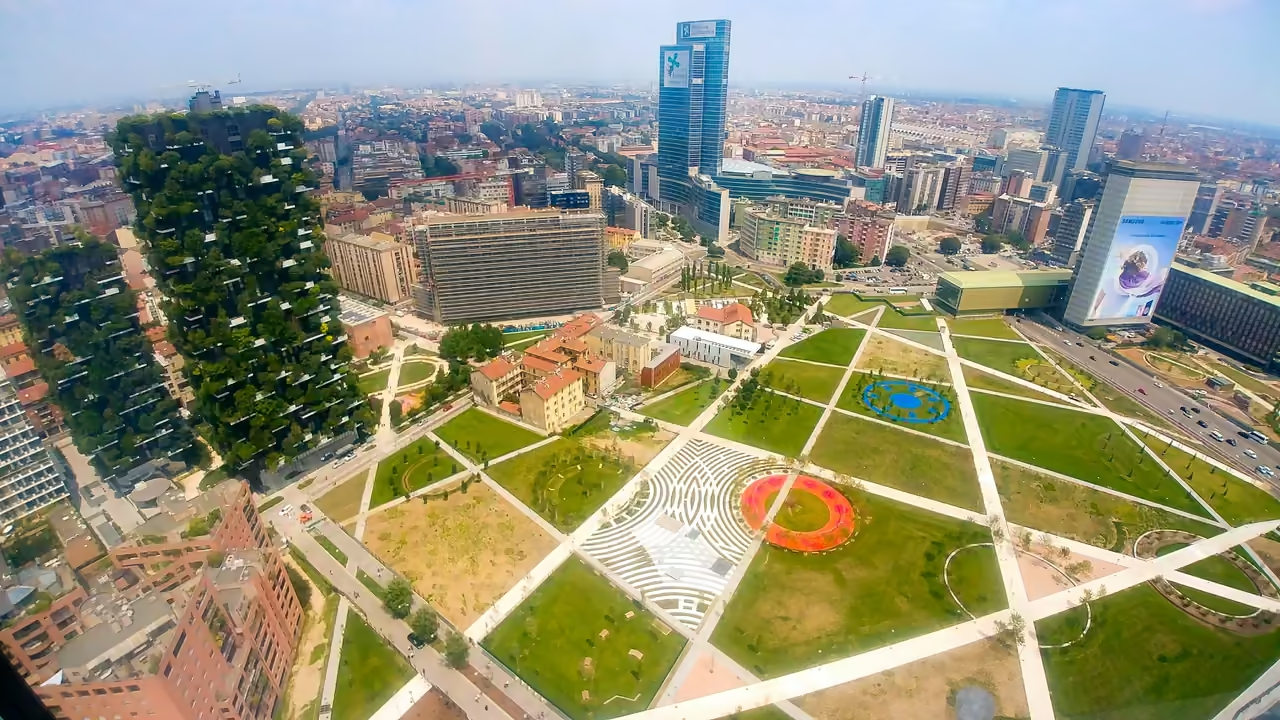 5287m
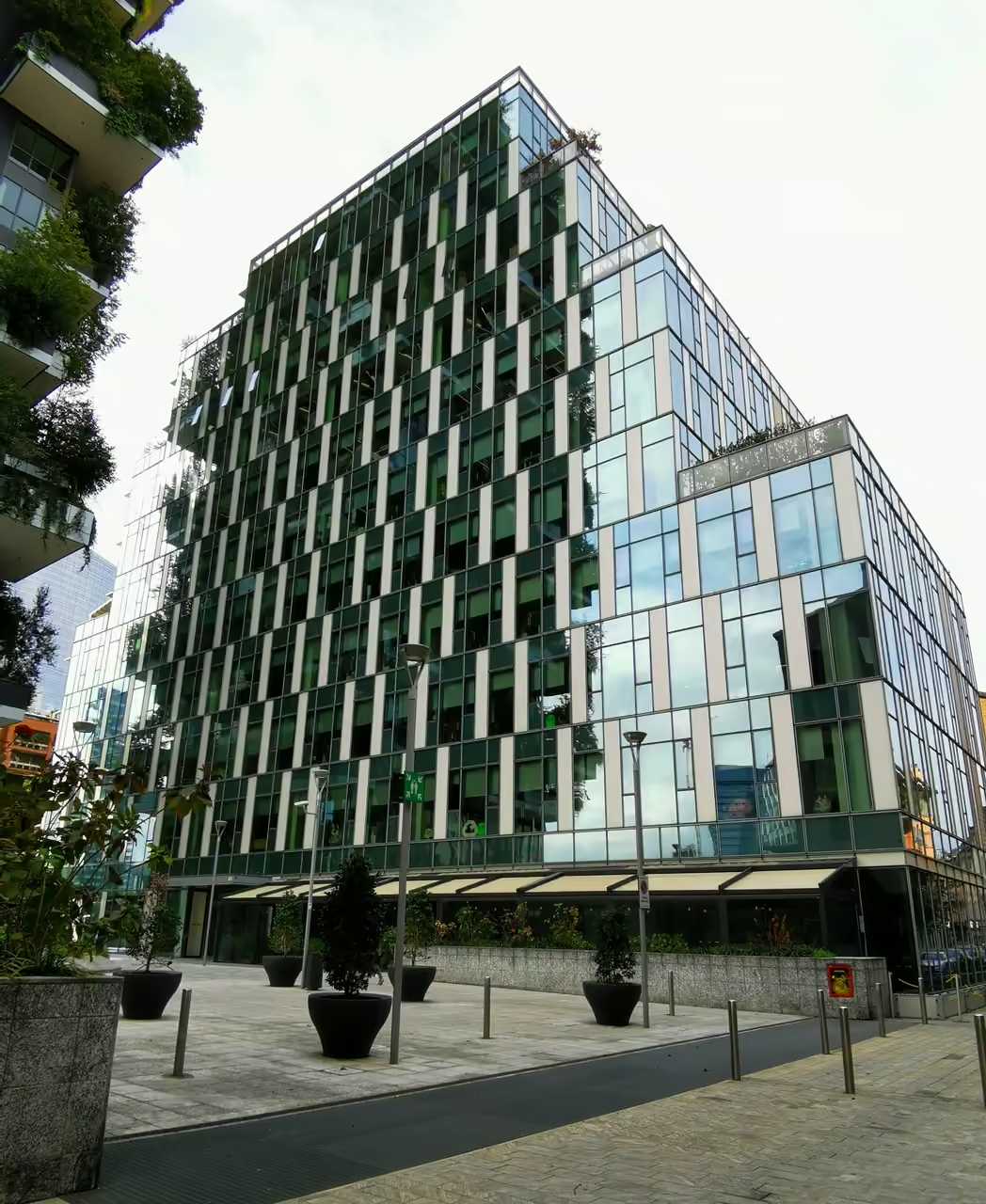
Bosco Verticale
Two residential towers in Porta Nuova whose balconies carry hundreds of trees and thousands of shrubs and plants, designed by Stefano Boeri. In spring and summer the facades turn green, and in autumn they change colour. It has become one of the most recognisable images of contemporary Milan.
architecture view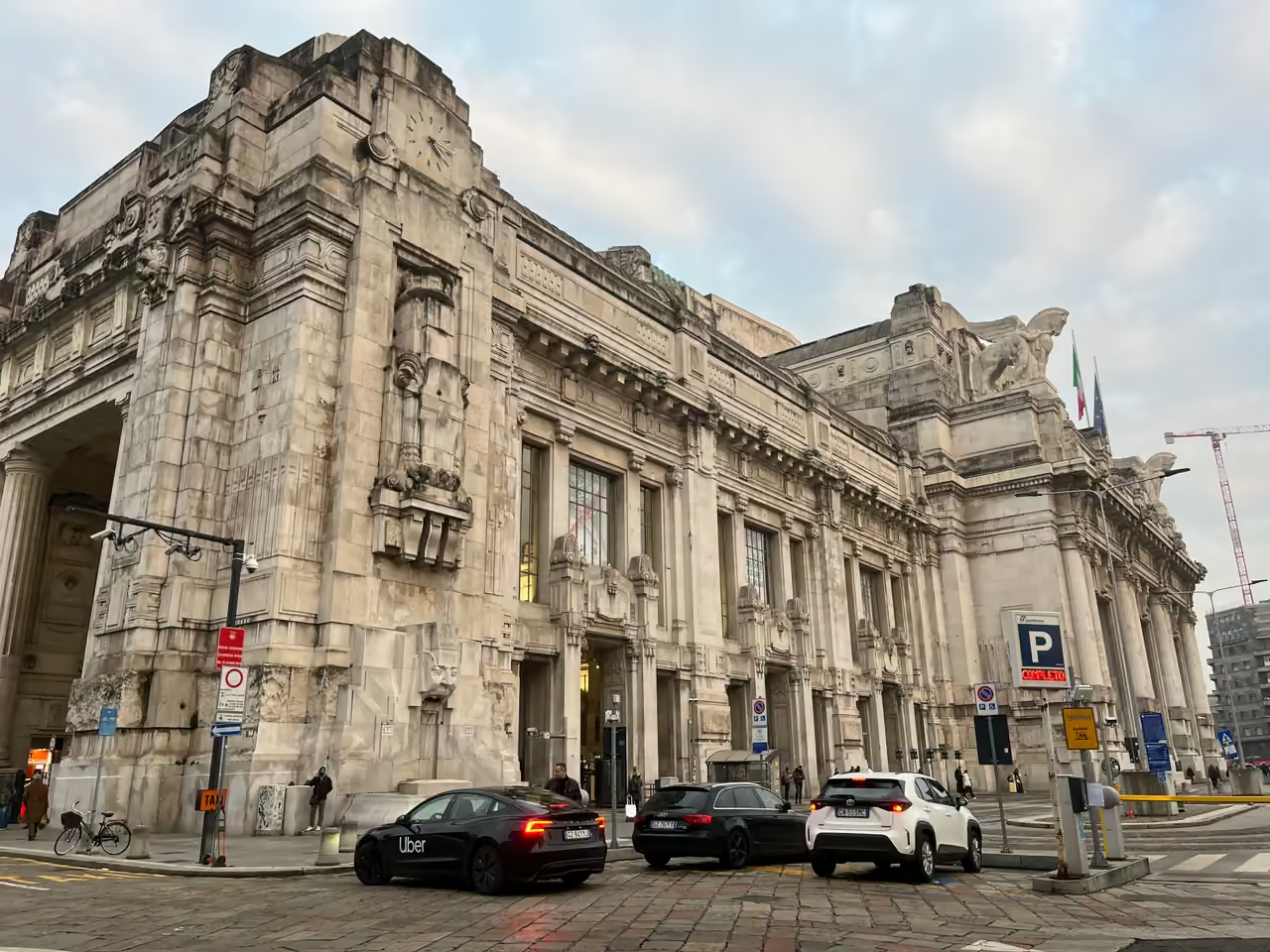 5295m
Milano Centrale Station
A monumental station of the 1930s with giant stone arches, winged horses and a train shed of iron and glass. The heavy fascist-era architecture is softened by Liberty-style decoration. It is the second busiest station in Italy, with some 320,000 passengers a day.
architecture view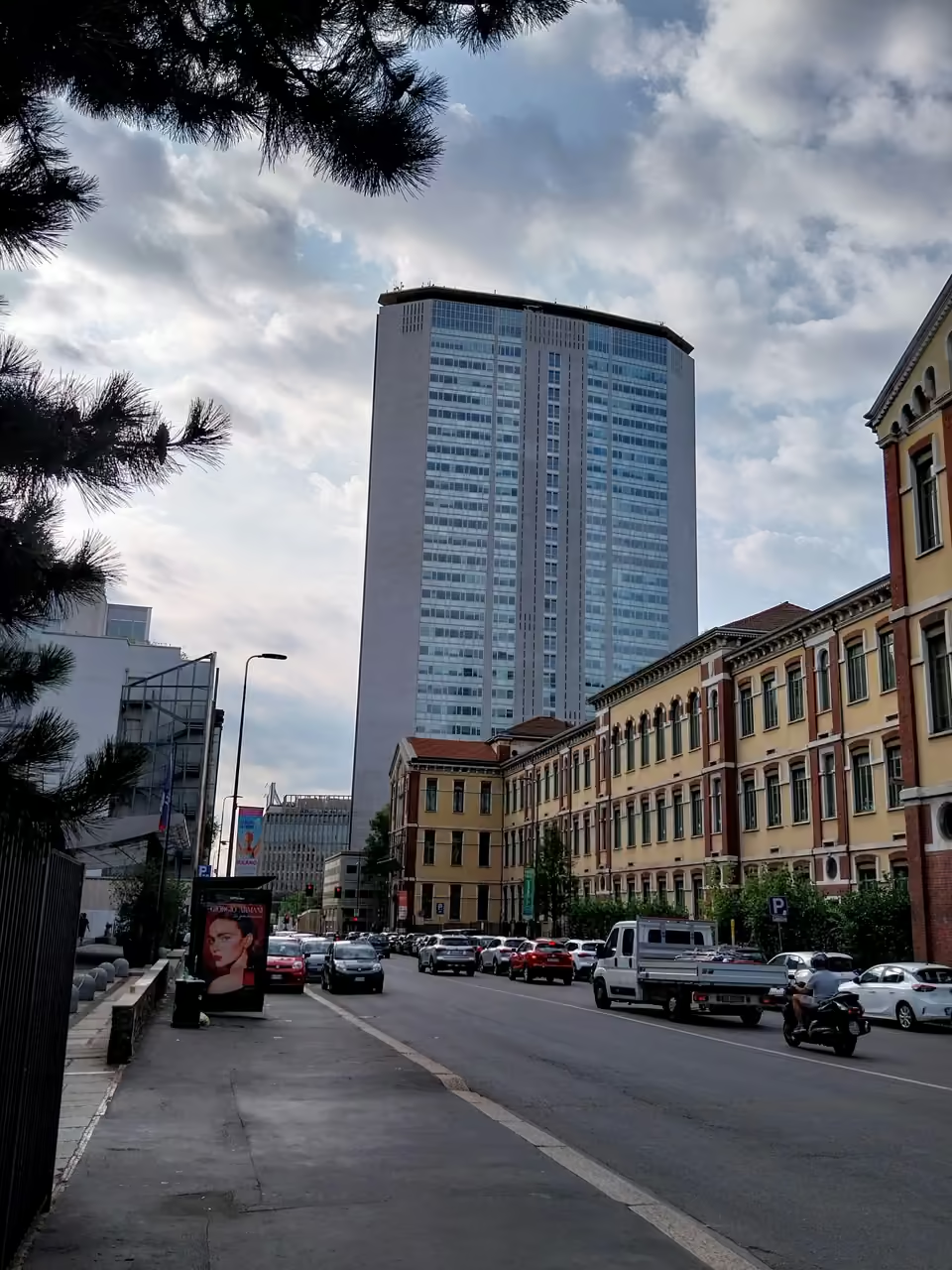 5350m
Pirelli Tower
Giò Ponti's slim, faceted skyscraper of 1958 became a symbol of Italy's economic boom. Its pointed ends cut the silhouette against the sky, and a replica of the Madonnina crowns its roof. The tower stands opposite Milano Centrale and now houses regional government offices.
architecture view
See all parks & nature in Milan
Including Sempione Park, South Milan Agricultural Park, Idroscalo, and more