Monte Stella Park
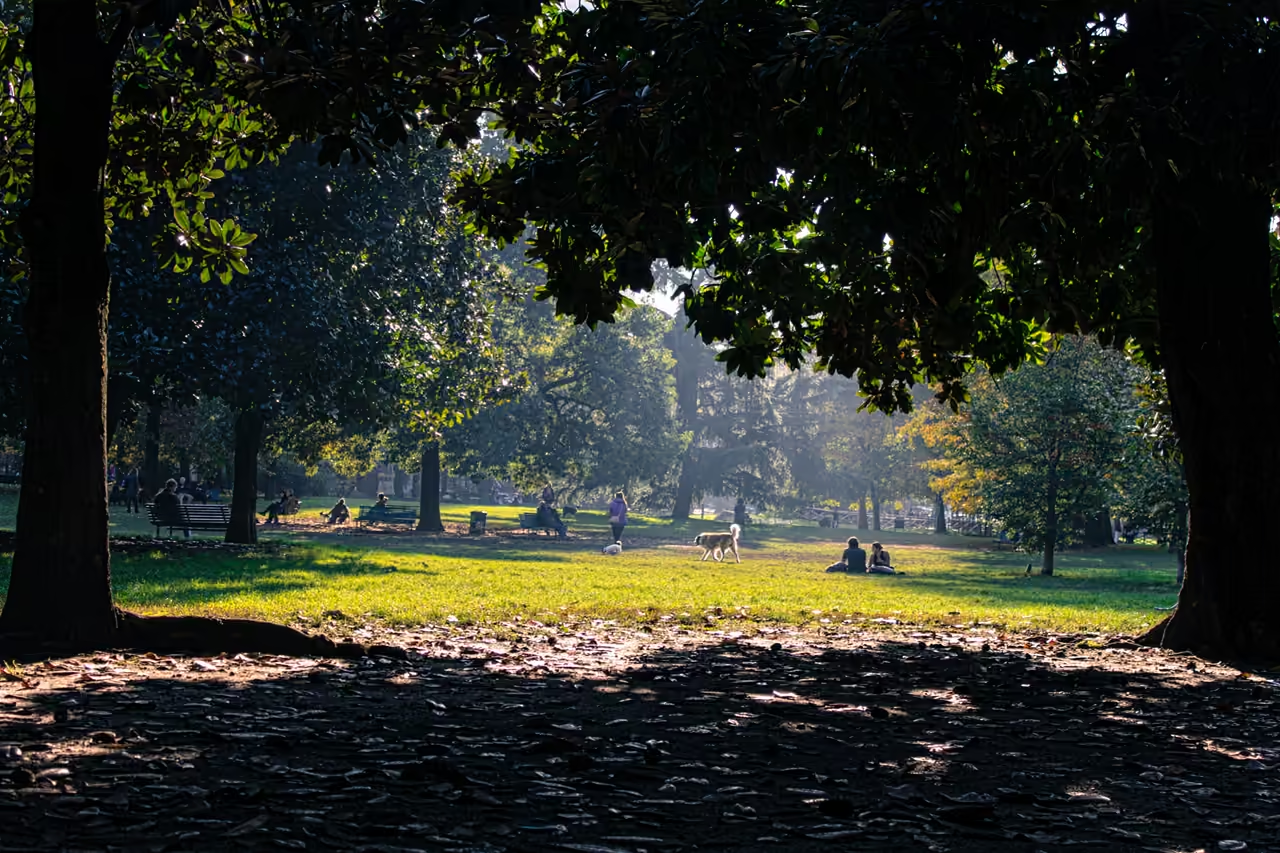
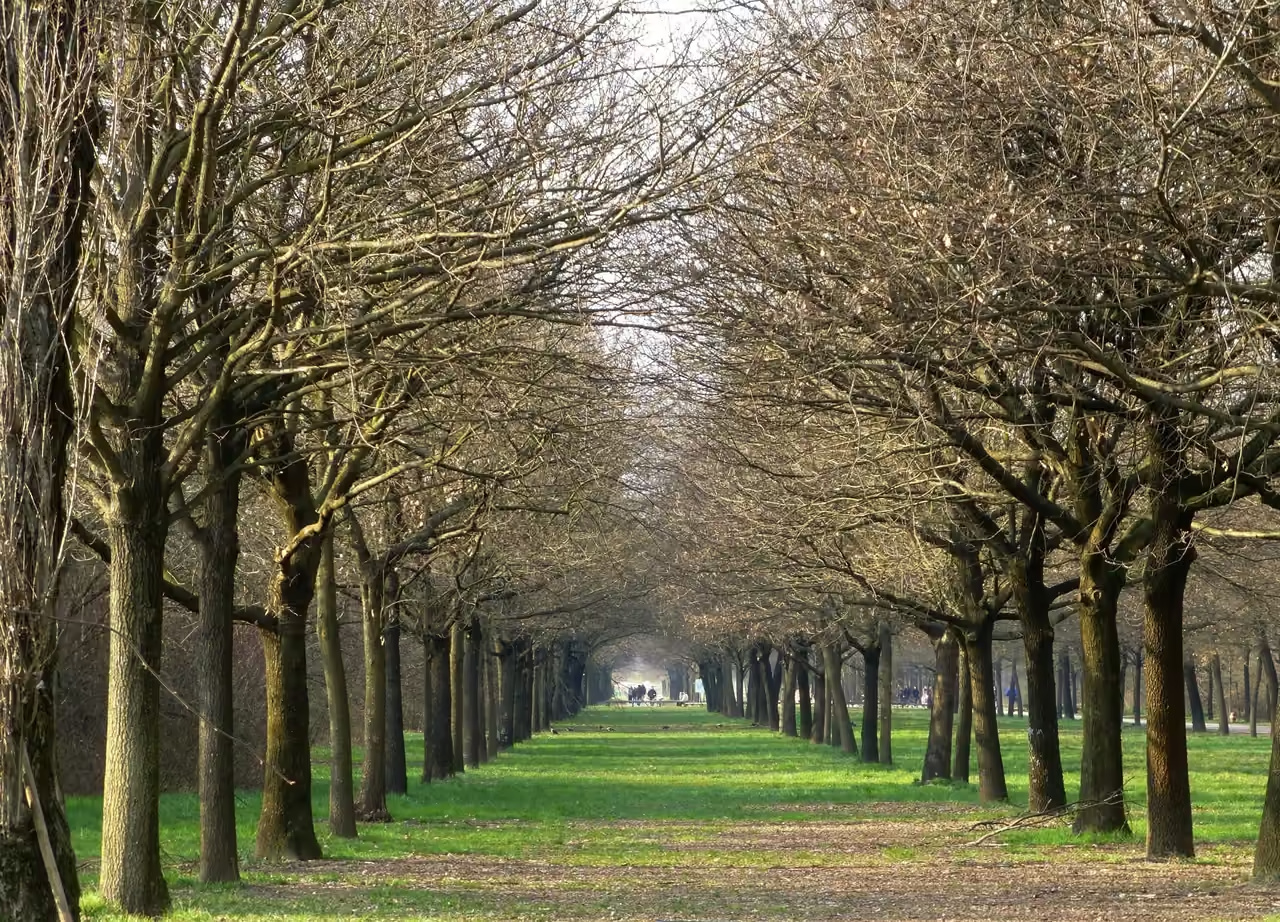
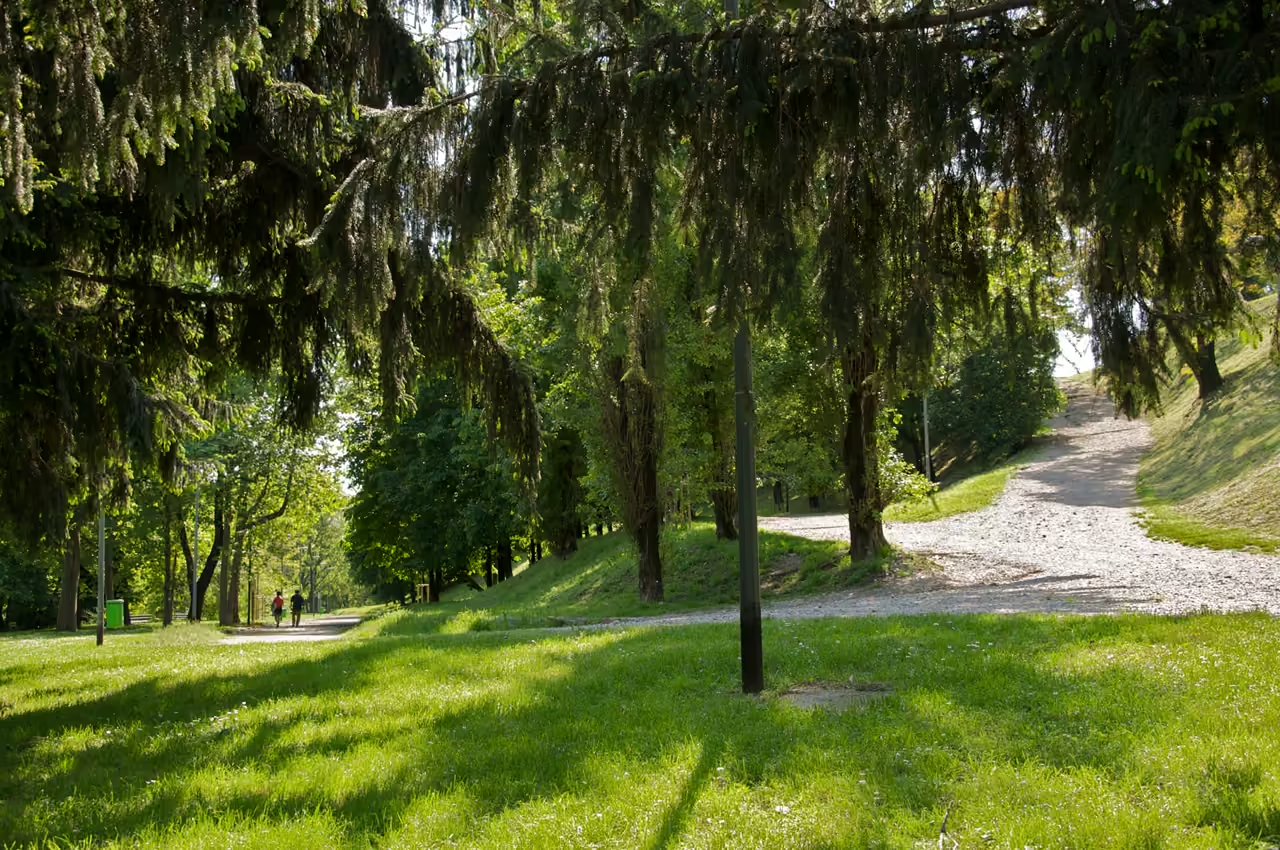
The locals in the QT8 district call it La Montagnetta di San Siro, a playful nod to a hill built entirely by human hands. You walk up the winding panoramic road here knowing that beneath the roots of the red oaks and white birches lies the physical debris of the Second World War. Today, the terraced slopes provide an elevated escape from the flat Lombardy plains. Walk to the 50-metre summit on a clear afternoon to trace the jagged line of the Alps on the horizon, or look southeast towards the Emilian Apennines. Down in the lower sections, the Garden of the Righteous quietly memorialises those who stood against historical atrocities among the planted trees. Catch your breath near the edge of the woods and listen to the crunch of gravel as local runners tackle the steep inclines.
Videos
History of Monte Stella Park
When Allied bombs shattered Milan during the Second World War, the city faced the monumental task of clearing over two million cubic metres of collapsed brick, stone, and mortar. Agostino Giambelli spearheaded a sweeping cleanup plan in 1945, deciding that the ruined masonry, supplemented by the demolished remains of the old Spanish Walls, should be piled up rather than hauled away. He handed the project to architect Piero Bottoni. Bottoni envisioned a green mountain rising from the otherwise flat urban grid and named the project Monte Stella, a lasting tribute to his wife, Elsa Stella. The original blueprints called for a hill twice the size of the one that stands today. As the bulldozers piled the wreckage higher, engineers noticed the immense lateral pressure of the soil beginning to threaten the structural integrity of the residential buildings along Via Isernia. Bottoni had to cap his artificial mountain at 50 metres above the city streets. Instead of a towering peak, Milan received a wide, terraced landscape crisscrossed by panoramic trails. Dirt and topsoil were laid over the concrete and rubble, allowing vegetation to slowly colonise the slopes. In the decades following its creation, the hill evolved into a peculiar recreational hub for the city. During the 1980s, organisers actually trucked in artificial snow to host World Cup parallel slalom ski races right on the slopes, turning a mound of wartime debris into a surreal alpine resort for a few days. Later, Roberto Vecchioni immortalised the nocturnal atmosphere in his famous song 'Luci a San Siro', inspired by the glow of the streetlights viewed from the summit. In 2003, the lower terraces took on a more solemn role with the inauguration of Italy's first Garden of the Righteous, planting trees dedicated to figures like Andrei Sakharov who resisted totalitarianism. The roots of these new memorials now reach down into the fragments of Milan's own hardest chapter.
events spanning 65 years
Fun Facts
8- 01
Ambitious early designs intended for the hill to reach nearly 100 metres high. Engineers had to abruptly halt construction and cap the height at 50 metres when the sheer weight of the accumulated debris began pushing laterally, risking the collapse of residential apartment blocks on Via Isernia.
- 02
Architect Piero Bottoni deliberately designed this massive public works project as an enduring love letter. He named the towering new hill after his wife, Elsa Stella, ensuring her name would literally become part of the Milanese landscape.
- 03
Besides the wartime ruins, the hill contains the last demolished fragments of the Bastioni. These were the old Spanish walls that once encircled Milan, torn down in the post-war reconstruction frenzy to make way for modern roads and public transport.
- 04
Despite being built entirely from concrete chunks and brick dust, the hill now sustains a wildly diverse array of imported and native flora. Hikers walk past everything from American red oaks and Japanese sophora trees to Atlas cedars and wild lindens.
- 05
In a bizarre sporting experiment during the 1980s, the park briefly became a ski resort. Planners sprayed the grassy inclines with artificial snow and successfully hosted World Cup parallel slalom ski races right in the middle of the flat Lombardy capital.
- 06
The park contains Italy's very first Garden of the Righteous, a concept inspired by the memorial in Jerusalem. Since 2003, specific trees have been planted here to honour figures like Moshe Bejski and Svetlana Broz, who individually stood up against totalitarianism and genocide.
- 07
The sweeping night views from the summit heavily influenced Italian pop culture in the late twentieth century. Cantautore Roberto Vecchioni wrote his highly successful song 'Luci a San Siro' based on the romantic, glowing cityscape visible from the top of the hill during the 1960s.
- 08
The very ground visitors walk on at Parco Monte Stella is made of the destroyed remnants of mid-century Milan. After the heavy bombings of the Second World War, the city decided to pile the shattered masonry of its own buildings into a new topographic feature rather than transport the rubble far away.
Monte Stella Park Map & Neighborhood Explorer
This interactive map is centered on Monte Stella Park. Zoom in and move the map around to automatically discover Wikipedia photos and summaries of other nearby sights, monuments, and historical points of interest and stories in real-time!
Monte Stella Park FAQ
No, the entire elevation is completely artificial. It was constructed in the aftermath of the Second World War using the debris from bombed buildings and the demolished remains of the city's old Spanish walls.
A walk from the base to the summit takes about fifteen to twenty minutes at a leisurely pace. A wide, panoramic road winds gently around the slopes, though there are steeper dirt trails for those who want a quicker, more challenging ascent.
On a clear day, the 50-metre vantage point provides a wide view across the flat Milanese urban sprawl. You can easily spot the distant peaks of the Alps to the north and, if the visibility is particularly good, the Emilian Apennines to the southeast.
Situated on the lower terraces, it is a memorial space inaugurated in 2003 to honour individuals who fought against crimes against humanity. Each dedicated tree in this section commemorates a specific person who took a stand against genocide or totalitarianism.
Yes, the main paths winding up the hill are wide and well-graded, making them highly popular with local runners and cyclists. The park even hosted a 24-hour mountain bike relay race in 2010 due to its varied, challenging terrain.
The closest place to visit near Monte Stella Park is Garegnano Charterhouse, around 1.4 km away. Other things to do near Monte Stella Park include Feel the Derby della Madonnina at San Siro (1.5 km), CityLife Towers (2.2 km) and Boscoincitta Park (3.3 km). All of these are within roughly 3.3 km of Monte Stella Park.
While we strive to keep this information accurate and up to date, we recommend verifying any details independently before making decisions based on them.
Places near Monte Stella Park
Make the most of your trip. Check out these top-rated spots located nearby.
 1449m
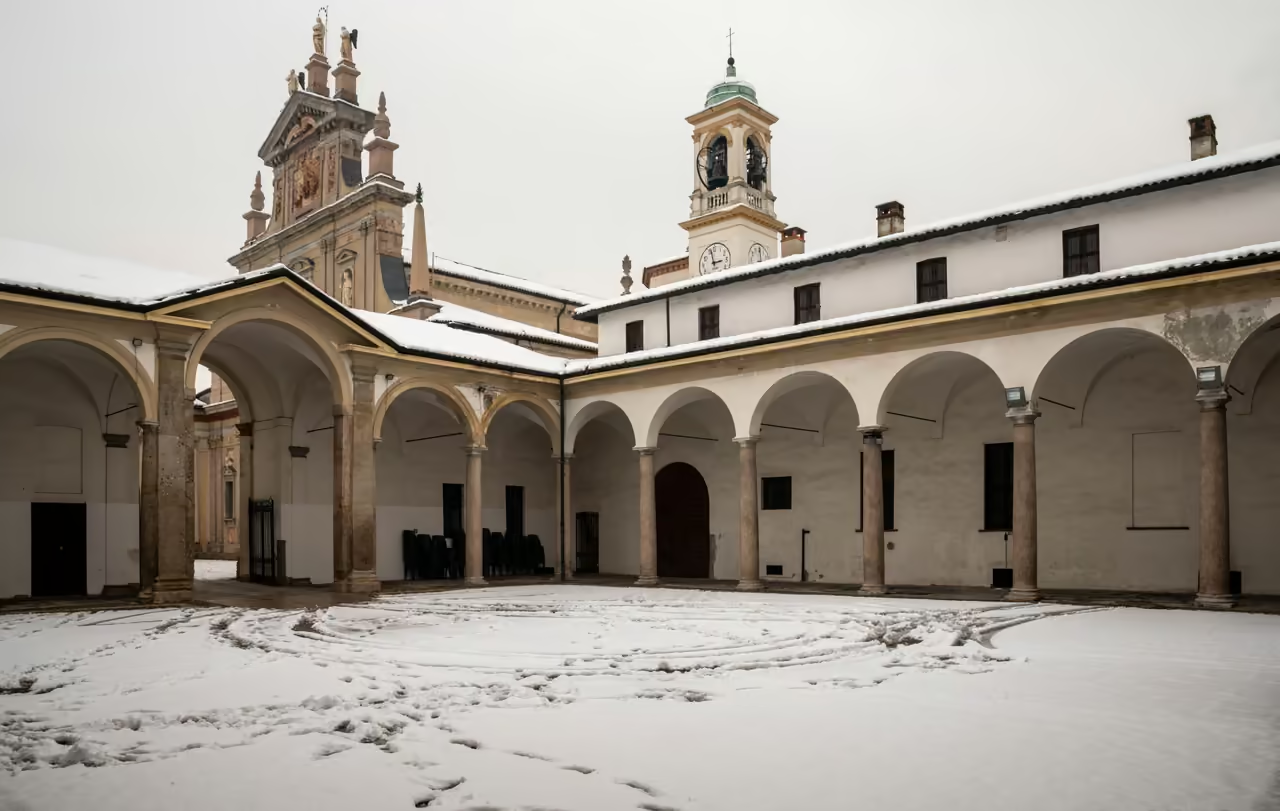
Garegnano Charterhouse
A Carthusian monastery on the northern edge of the city, with a church frescoed from floor to ceiling. The paintings by Simone Peterzano and Daniel Crespi make it one of the best church interiors in Milan. Tram 14 runs almost to the door.
hidden gem view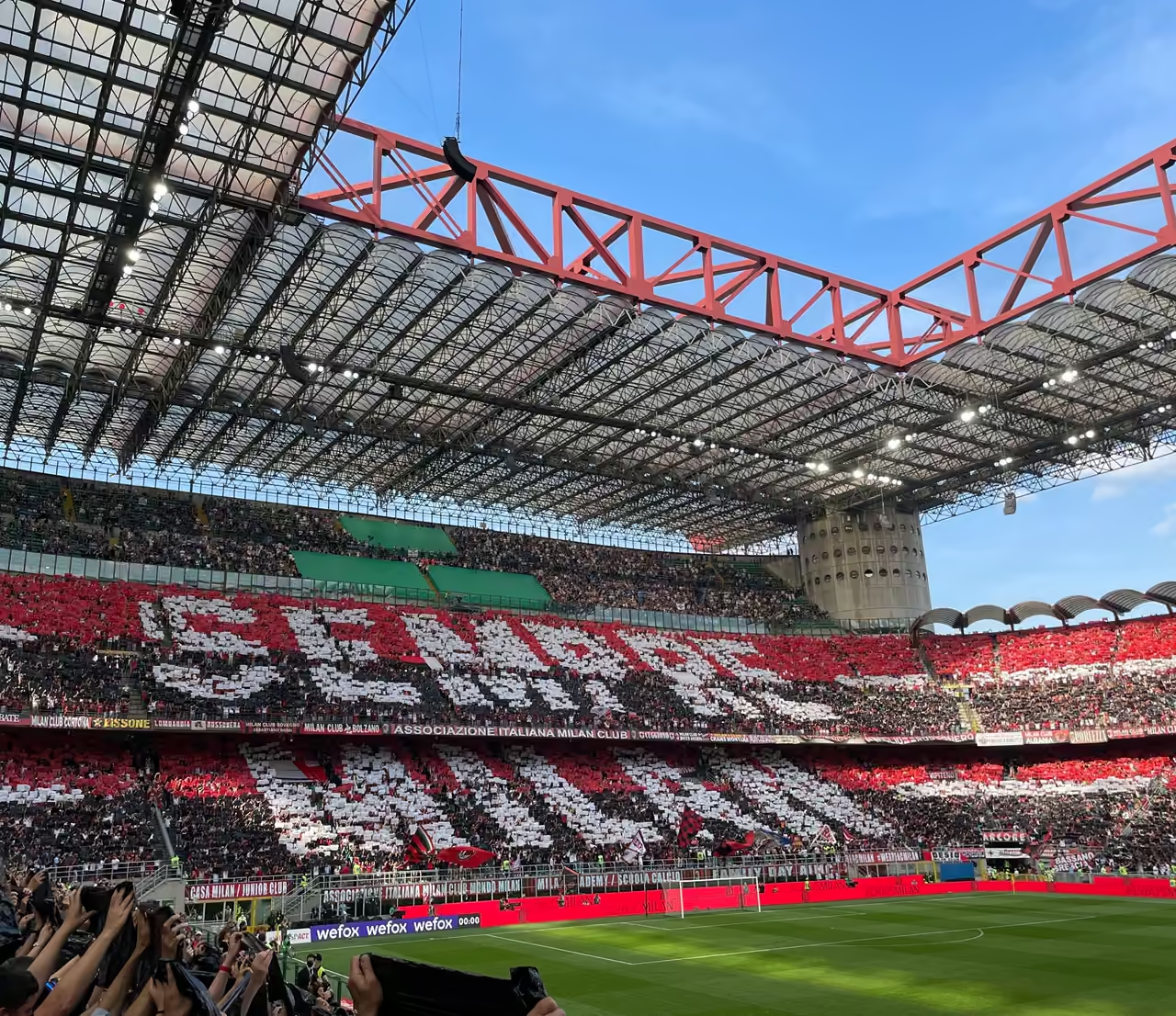 1508m
Feel the Derby della Madonnina at San Siro
AC Milan and Inter share the Stadio Giuseppe Meazza, and a match day fills the surrounding streets with scarves, flags and grilled sausages. The Derby della Madonnina between the two clubs is the fiercest fixture in the city.
highlight view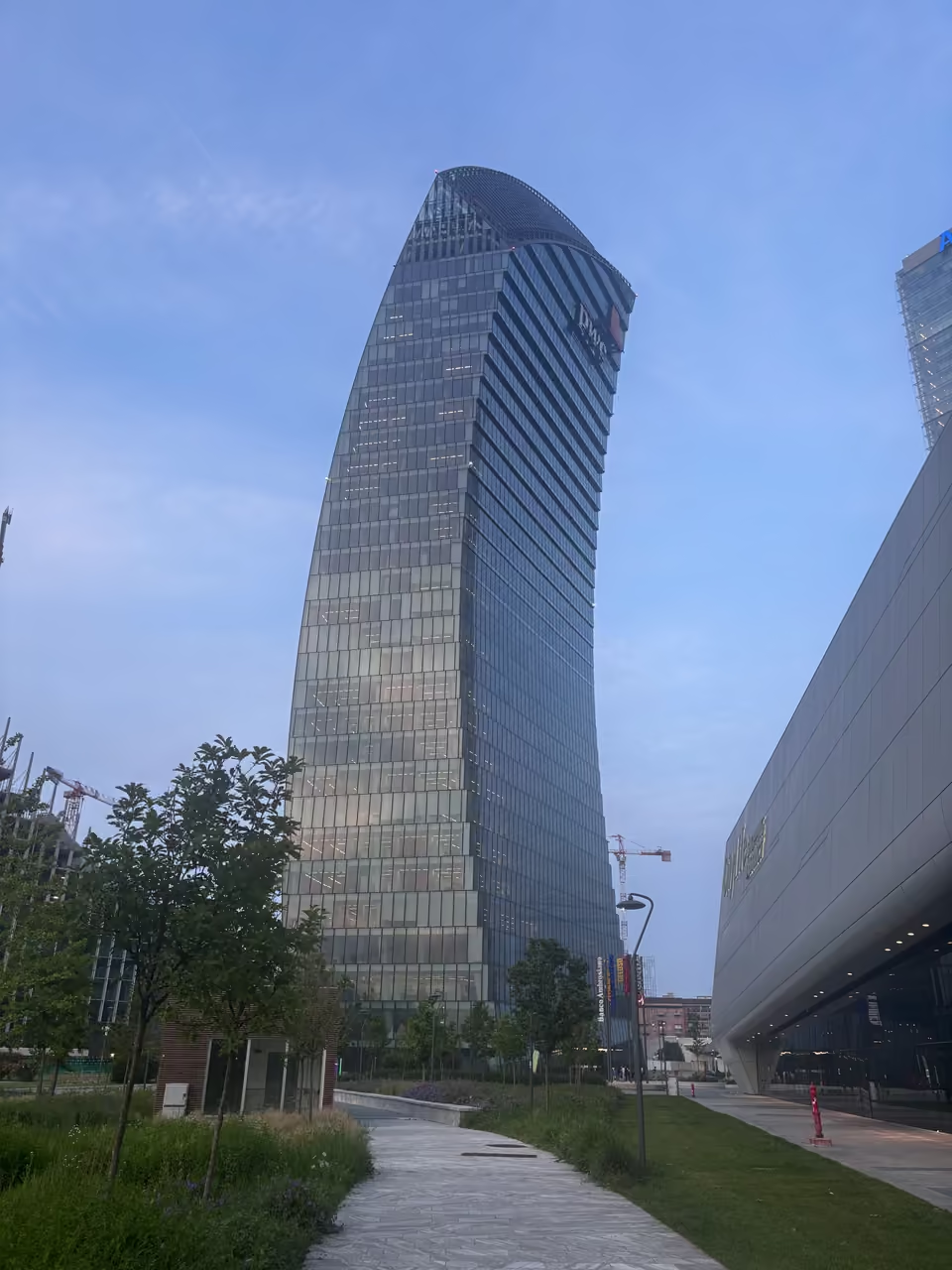 2168m
CityLife Towers
Three towers on the former fairground site, designed by Arata Isozaki, Zaha Hadid and Daniel Libeskind. They have nicknames among locals for their shapes, and a large public park runs between them. The district stands as the best-known example of Milan's twenty-first-century redevelopment.
architecture view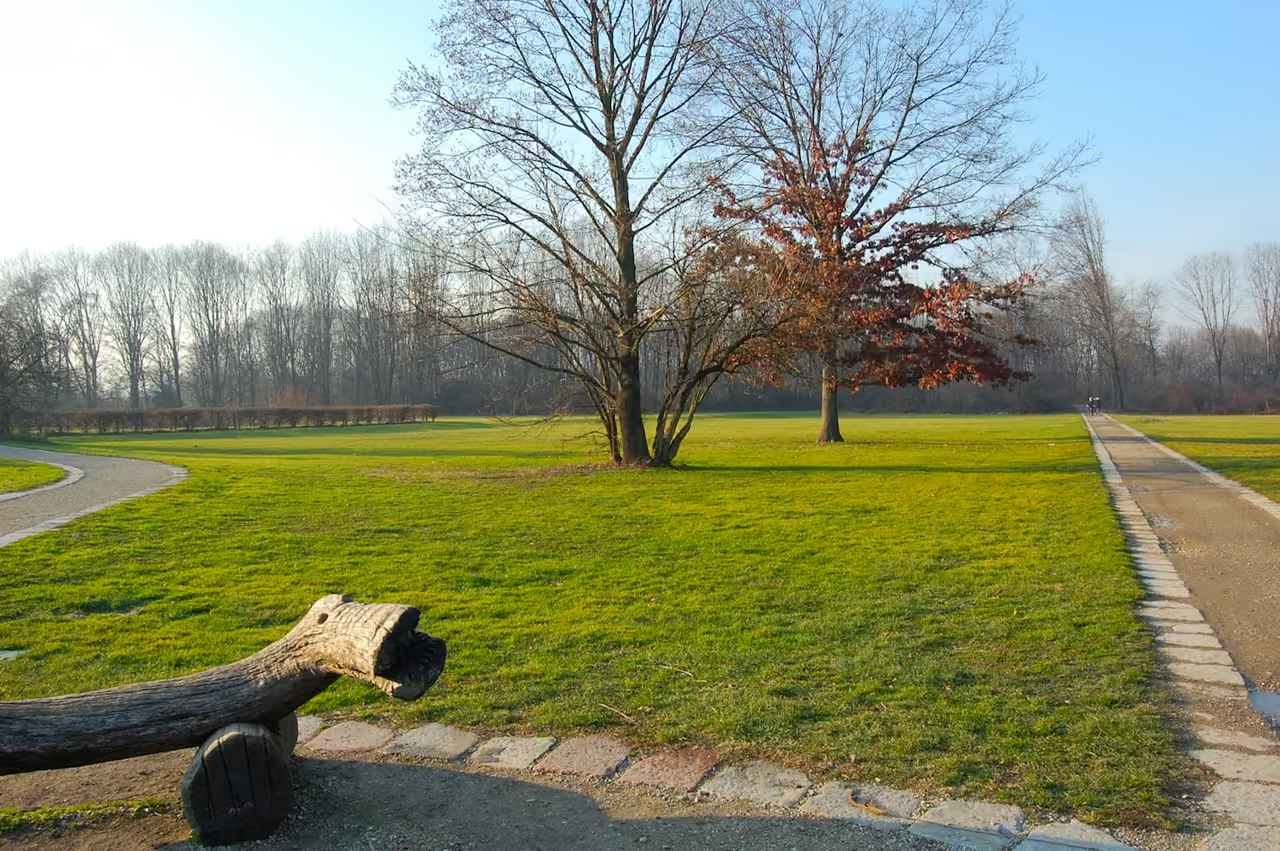 3296m
Boscoincitta Park
Step off the pavement of Via Novara and the concrete quickly gives way to a dense canopy of field maple and black locust trees. This 110-hectare woodland is the direct result of citizens picking up shovels to plant a forest on the western edge of Milan. At its centre sits the restored 15th-century Cascina San Romano, an old agricultural farmhouse that now houses a highly specialised library dedicated to green spaces. You can often hear the distinct clatter of spades hitting dirt as local lottery winners tend to the 150 highly coveted urban allotments on the perimeter. Out on the water, a suspended wooden pier offers a quiet spot to watch amphibians navigate the reedy edges of the lake. Walk past the greenhouses and you will catch the sharp smell of freshly turned soil as residents haul watering cans toward their rows of tomatoes.
park & nature view
See all parks & nature in Milan
Including Sempione Park, South Milan Agricultural Park, Idroscalo, and more