Murgia Materana Park
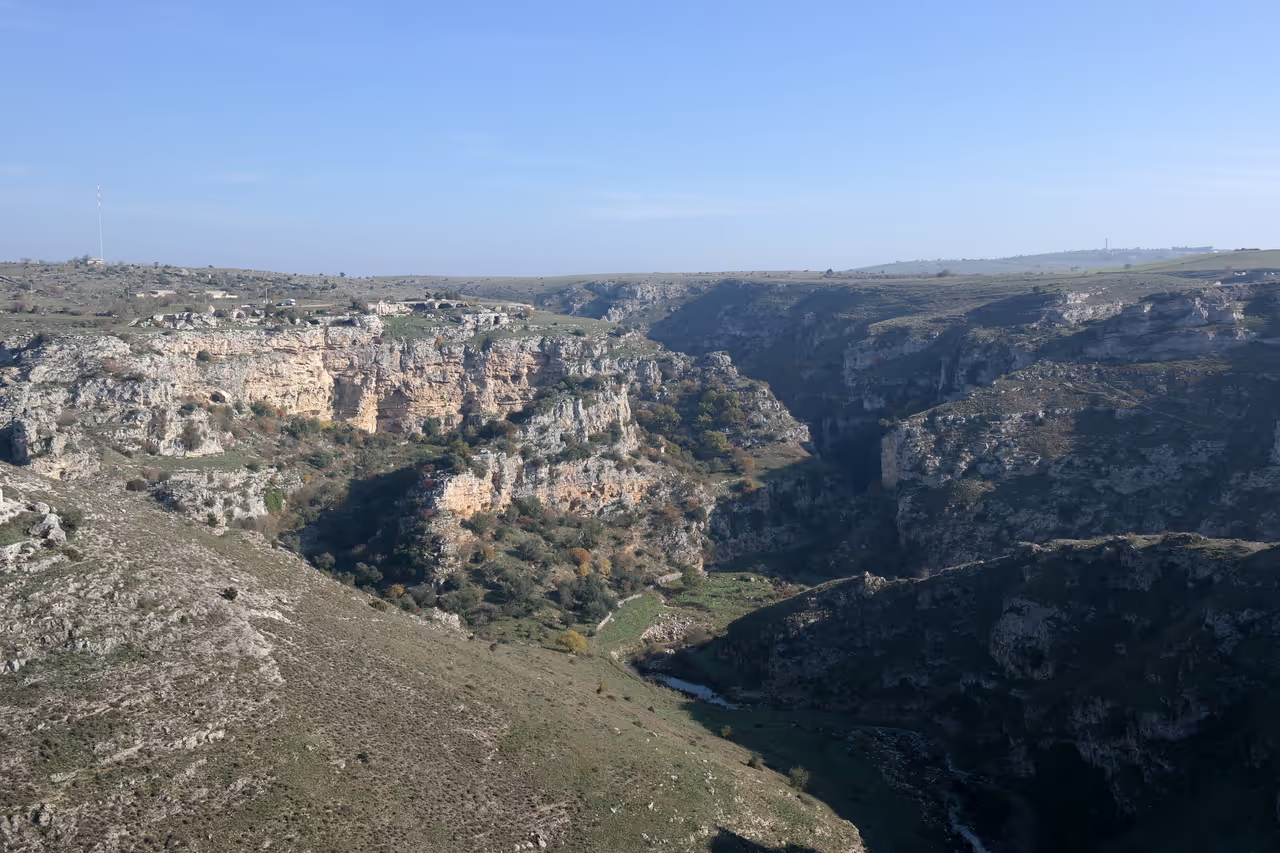
Step across the Tibetan bridge into a prehistoric landscape where time seems to stand still. The Parco della Murgia Materana offers a stunning contrast to the city, featuring deep limestone canyons and a plateau dotted with over 150 ancient cave churches carved into the rock. It is a place for discovery, where you can hike through Mediterranean scrubland and explore Neolithic villages that predate the Sassi. Whether you are an amateur archaeologist or a lover of raw, natural beauty, this protected area provides an unforgettable perspective on the resilience of human civilization. Experience the silence and spiritual weight of these rupestrian sanctuaries while enjoying some of the most dramatic views in all of Italy.
Videos
History of Murgia Materana Park
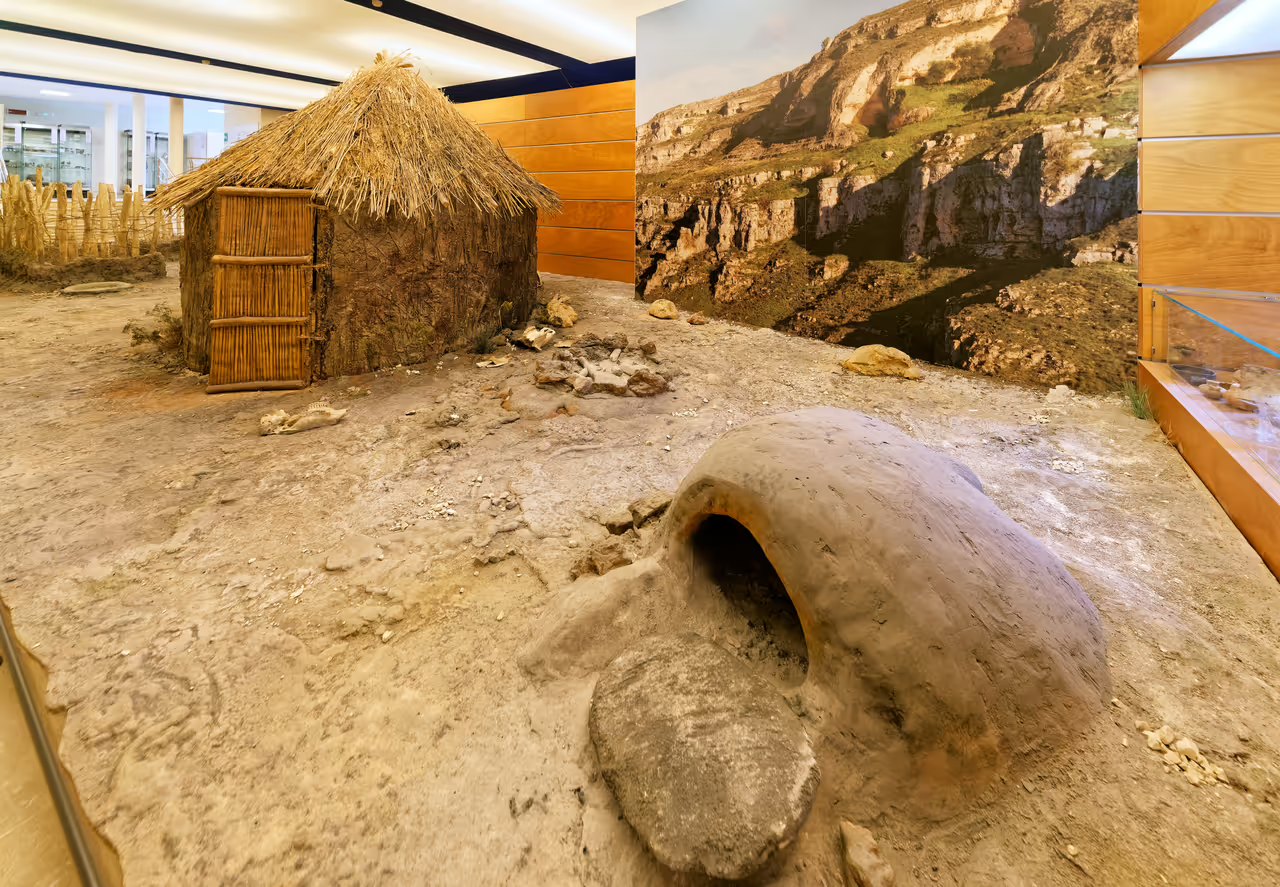
The story of the Murgia Materana is one of geology and endurance. Carved by the torrent that flows through the Gravina canyon, this vast limestone plateau provided a harsh yet protective sanctuary for human life long before the city of Matera took its current form. During the Paleolithic and Neolithic periods, cave dwellers found shelter within these natural ravines, leaving behind traces of villages that offer a rare window into the dawn of Mediterranean civilisation. It was a landscape defined by what the earth offered, compelling early inhabitants to dig into the rock to carve out a living. During the Middle Ages, the Murgia became a refuge for monks, both Benedictine and Byzantine, who sought solitude away from the political turmoil of the lowlands. They transformed the existing caves and dug entirely new sanctuaries into the limestone, adorning them with frescoes that still whisper the prayers of the past. These rupestrian churches were places of worship and symbols of spiritual resistance. Life here was inextricably linked to the land, as generations of farmers and shepherds worked the plateau, building fortified masserie to guard their resources and their families against various invaders. Today, the park stands as a testament to the resilience of this rugged terrain. Designated as a vital component of the UNESCO World Heritage site, it serves as a bridge between the deep history of Matera and the wild, untamed nature of Basilicata. The transition from the crowded stone dwellings of the Sassi to the silent, wind-swept plateau of the Murgia is a journey through time itself. Protecting this area ensures that the legacy of the monks, the ancient farmers, and the very first inhabitants remains an integral part of the region's identity, preserving a fragile ecosystem that continues to thrive in the heart of the Mediterranean.
Events spanning 17 years
Fun Facts
- • It holds evidence of Neolithic settlements, specifically trenched villages, which reveal how early inhabitants defended their communities.
- • It is a crucial habitat for the Lesser Kestrel, a small falcon that nests on the roofs of the Sassi and throughout the park.
- • Many cave churches feature sophisticated frescoes painted by monks seeking isolation, offering a glimpse into the ascetic spiritual life of centuries past.
- • The Rupestrian Churches were often carved into the rock face to mimic the layout of traditional basilicas, complete with apses and aisles.
- • The area hosts the Grotta dei Pipistrelli, an ancient site used by humans since the Paleolithic era.
- • The park contains fortified farms known as masserie, which served as vital agricultural hubs for the region's long-standing rural traditions.
- • The park contains over 150 rock-hewn churches, some dating back to the Middle Ages, often featuring Byzantine or Benedictine influences.
- • The park is the only place in Basilicata where the majestic Vallonea Oak grows, marking the westernmost point of its natural range.
- • The park's biodiversity is immense, boasting over 900 plant species, including rare orchids and Mediterranean shrubs that thrive in the karst landscape.
- • Visitors can cross the Gravina via a Tibetan bridge, creating a dramatic link between the city and the wild Murgia plateau.
RESOURCES
Official WebsiteMurgia Materana Park FAQ
While we strive to keep this information accurate and up to date, we recommend verifying any details independently before making decisions based on them.
Murgia Materana Park Map & Neighborhood Explorer
This interactive map is centered on Murgia Materana Park. Zoom in and move the map around to automatically discover Wikipedia photos and summaries of other nearby sights, monuments, and historical points of interest and stories in real-time!
Places near Murgia Materana Park
Make the most of your trip. Check out these top-rated spots located nearby.
 4496m
4496mMurgia Timone Belvedere
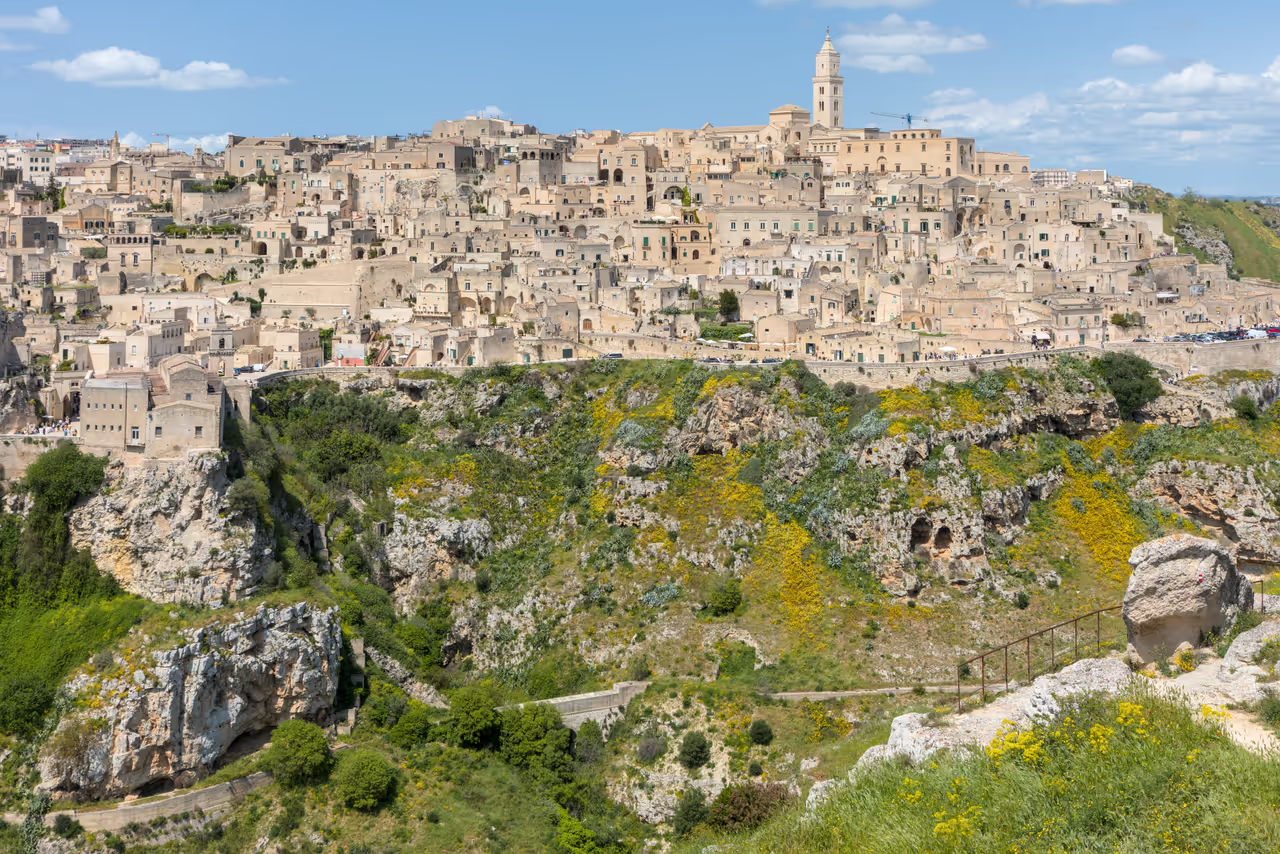
To truly appreciate the dramatic setting of the city, you must view it from across the deep ravine. Located within the natural park on the opposite plateau, this viewpoint provides a monumental, wide angle look at the entire urban expanse clinging to the cliffside. The sheer scale of the gorge and the precarious positioning of the houses are laid bare from this angle. It is particularly revered at sunset, when the golden limestone of the city reflects the fading light. Reaching it requires a drive or a hike, but the cinematic reward is incomparable.
viewpoint view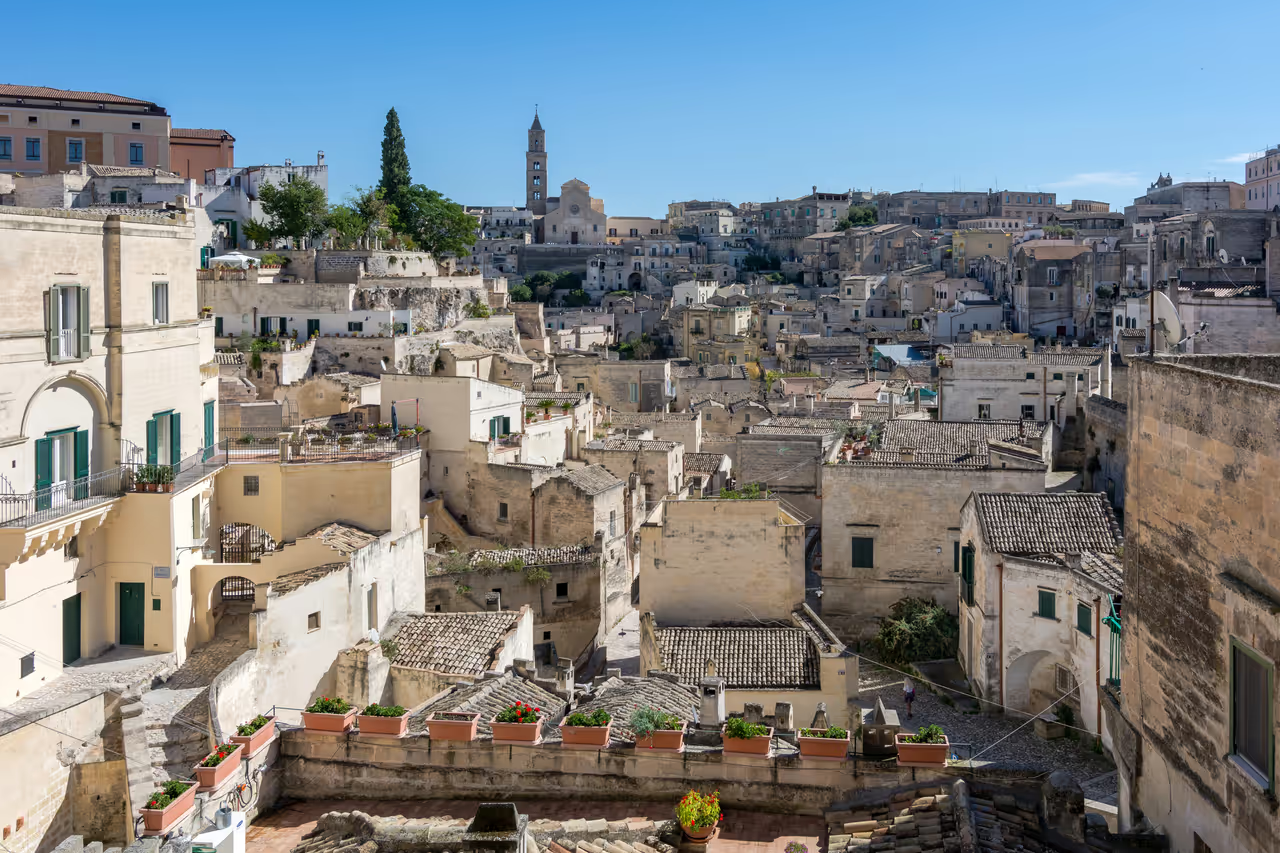 4498m
4498mVisit the Belvedere Viewpoints
The city is blessed with numerous designated viewing balconies that offer spectacular panoramas entirely for free. Spending an evening hopping between the Giovanni Pascoli viewpoint, the Guerricchio balcony, and the Cathedral plaza allows you to appreciate the vast scale of the architecture from multiple angles. It is particularly rewarding to revisit these spots at different times of the day to watch how the shifting sunlight dramatically alters the shadows and colours of the ancient stone.
free thing to do view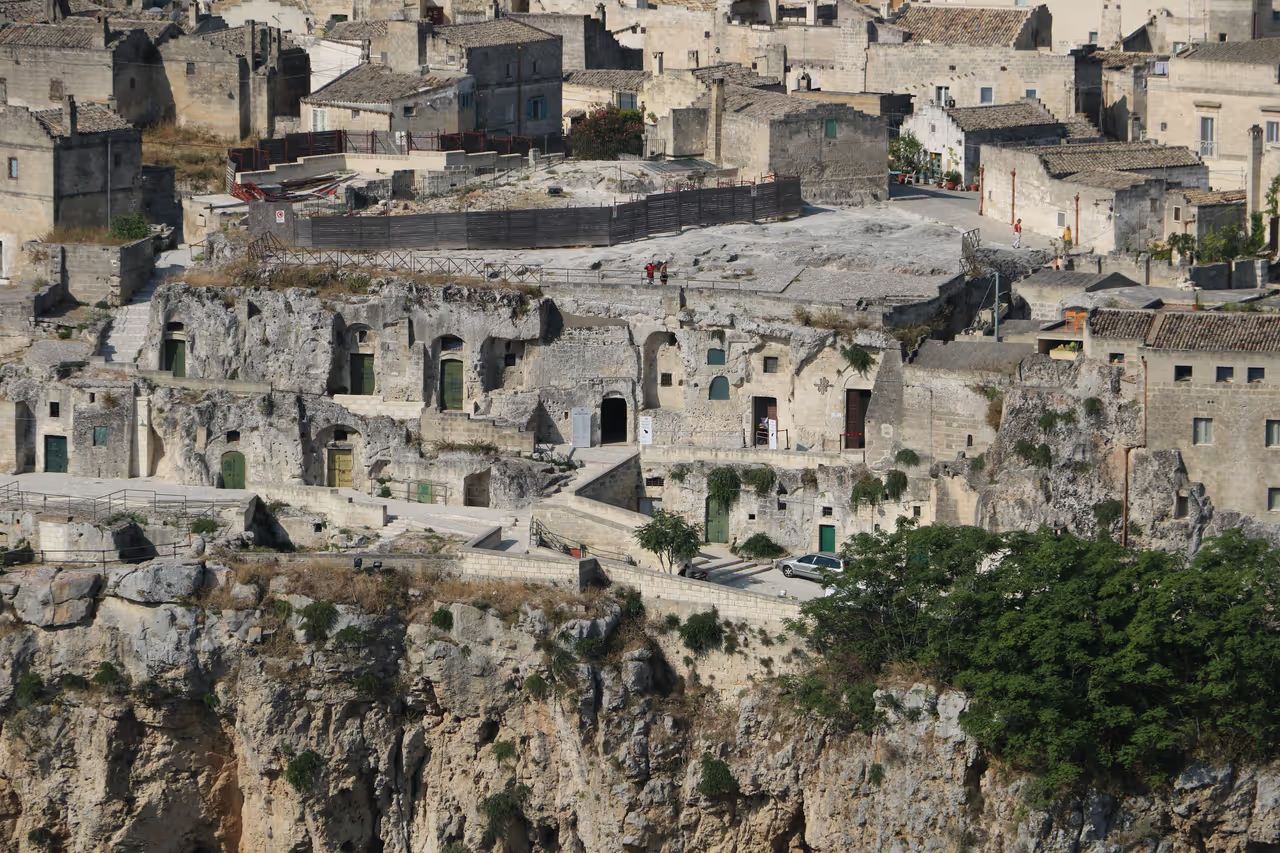 4735m
4735mChurch of Santa Lucia alle Malve
While many visitors flock to the most famous churches, this former monastic complex offers a slightly quieter, deeply impressive experience. It was the first female monastic settlement of the Benedictine order in the city, established in the eighth century. The expansive interior features multiple naves carved entirely from the rock, adorned with some of the most vibrant and beautifully preserved twelfth century frescoes in the region. The depictions of saints are incredibly haunting and expressive. Above the church, the rocky roof is dotted with ancient, mysterious graves carved into the stone.
hidden gem view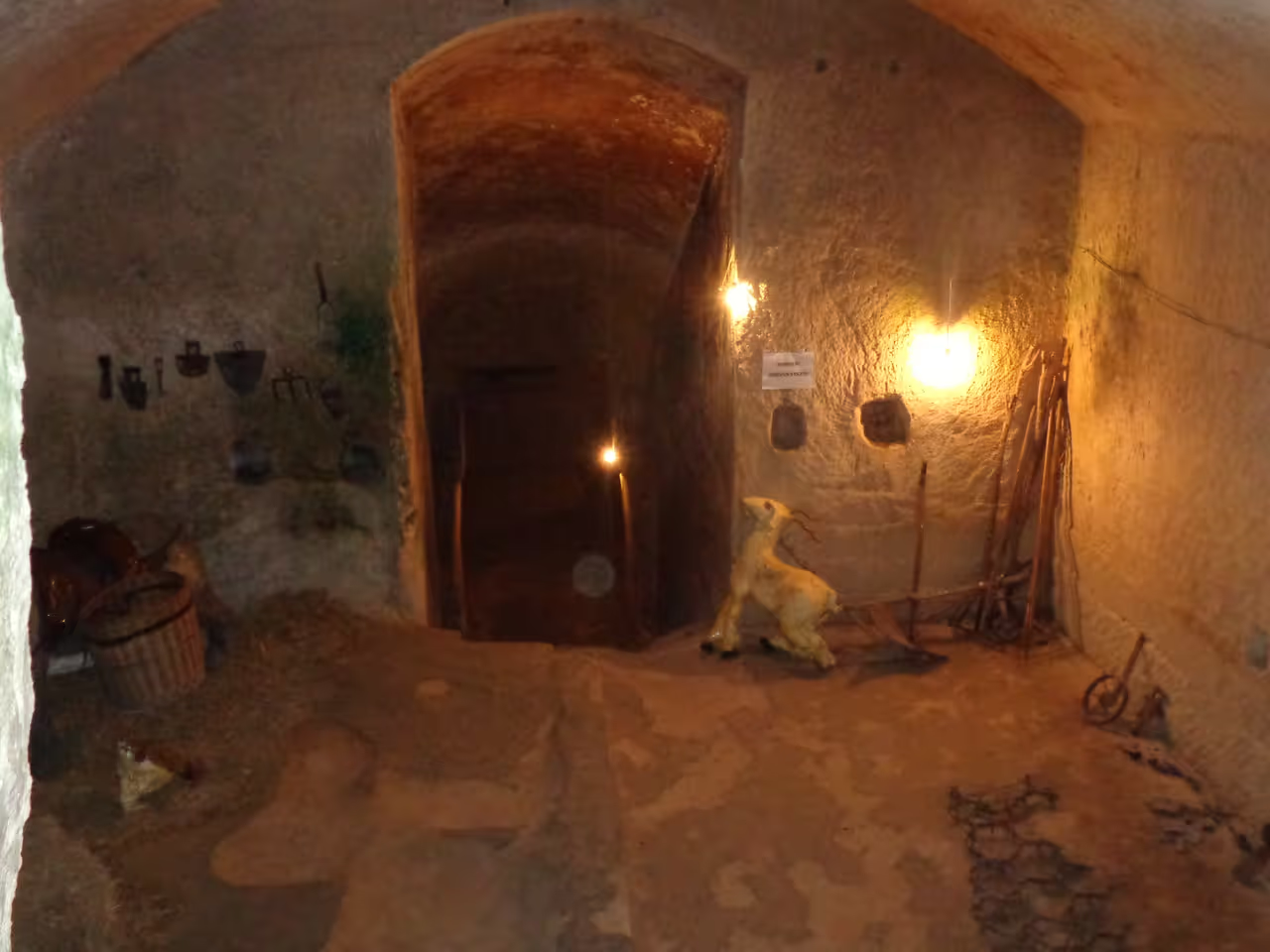 4800m
4800mVico Solitario Cave Dwelling
This impeccably preserved cave dwelling offers a poignant window into the daily lives of peasant families before the mass evacuations of the nineteen fifties. The interior is authentically furnished with original period pieces, including a high marital bed, a traditional loom, and an integrated stable area where animals were kept alongside the family for warmth. An engaging audio guide details the harsh but communal realities of subterranean survival. The sheer ingenuity required to carve an entire functional household out of solid rock is astonishing. It serves as an essential educational stop for anyone trying to understand the human story behind the city's ancient architecture.
highlight view
Featured on This Itinerary
See all nature & parks in Matera
San Giuliano Regional Reserve...