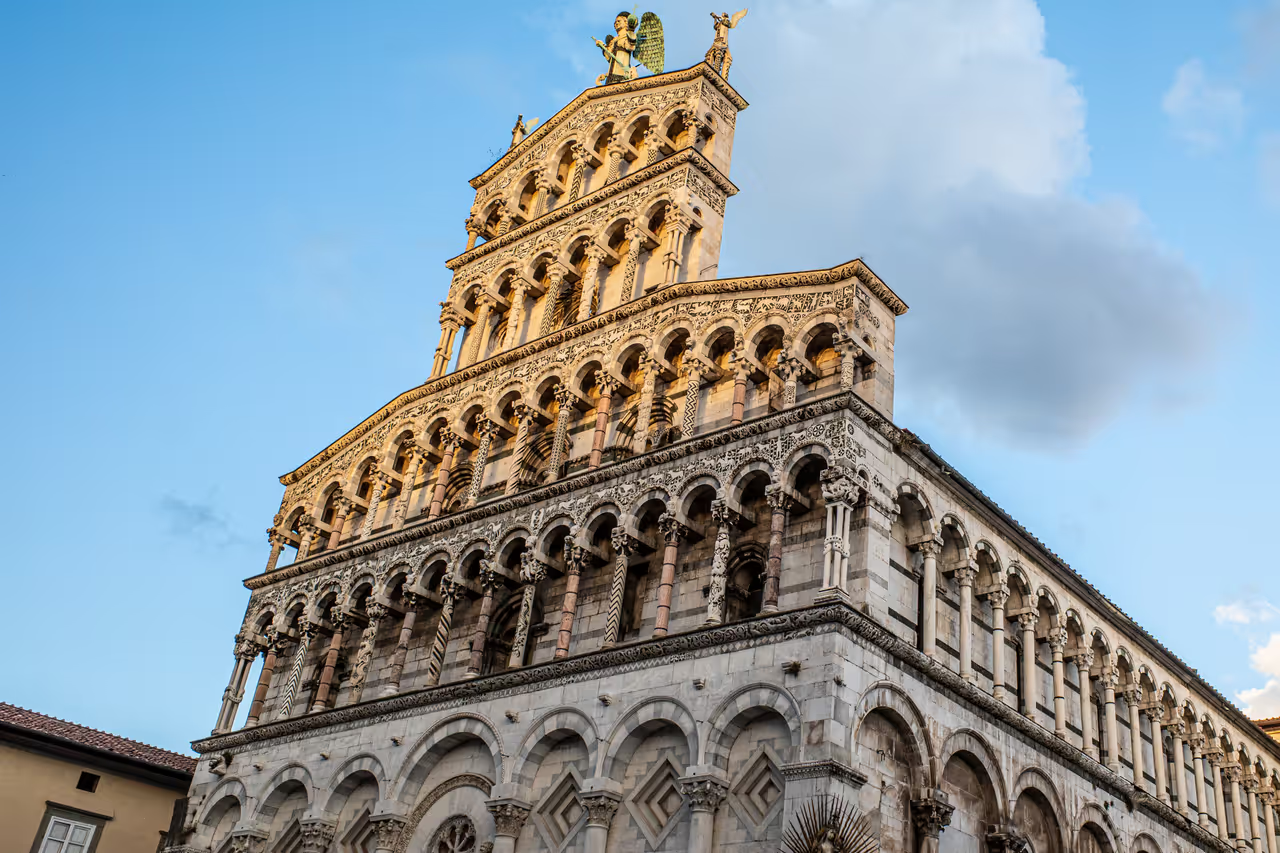
Church of Saint Michael in the Forum
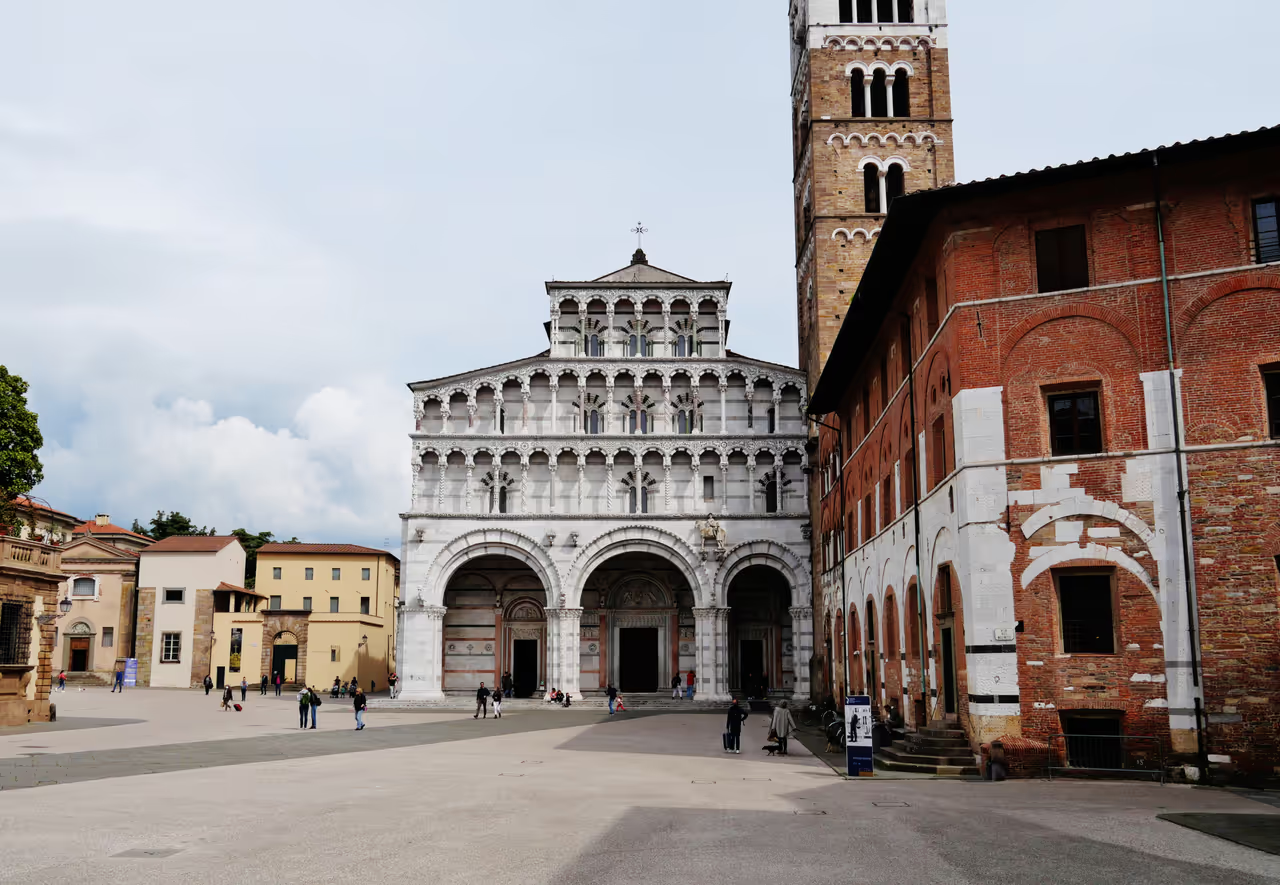
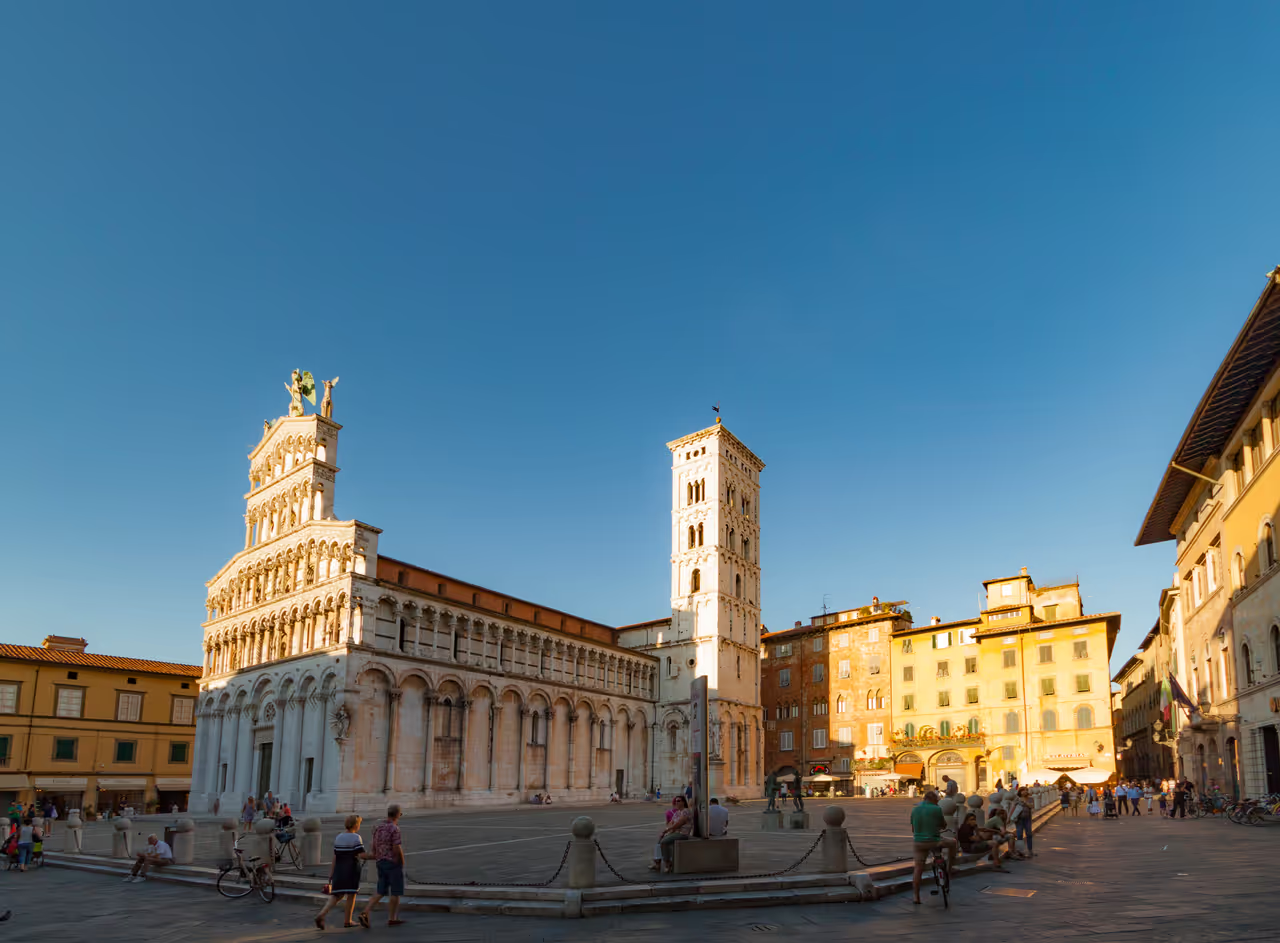
Standing proudly in the heart of the ancient Roman forum of Lucca, this architectural masterpiece captivates visitors with its stunning white marble facade and intricate carvings. You will be drawn to the soaring statue of Archangel Michael perched atop the roof, wings shimmering, as if ready to take flight over the city. Inside, discover a treasure trove of art, including a rare terracotta work by Luca della Robbia and frescoes that whisper stories of the past. It is more than just a place of worship; it serves as a historic anchor for the city, inviting you to pause, admire the craftsmanship, and soak in the atmosphere of medieval Tuscany. Whether you are an art lover or simply wandering through the charming streets, this site offers a peaceful yet profound encounter with history.
Videos
History of Church of Saint Michael in the Forum
The history of San Michele in Foro is woven into the very fabric of Lucca itself. Originally established in the eighth century upon the site of the ancient Roman forum, the church rose to prominence as a place of spiritual refuge for the Lombards who revered Saint Michael. By the eleventh century, the site underwent a grand transformation under the direction of Pope Alexander II, laying the foundations for the magnificent Romanesque structure that greets visitors today. Over the following centuries, master builders and artists poured their creative spirit into the facade, adding layers of intricate detail, loggias, and symbolic carvings that define the building's identity. The church once stood as a symbol of power, its bell tower famously silenced by the Pisan captain Giovanni dell'Agnello in the fourteenth century because its pealing could be heard all the way to Pisa. This act was not just an attempt to quiet the bells, but a symbolic move to assert dominance over Lucca. Despite such trials, the church persisted, evolving through the Renaissance and beyond. It remains a testament to the endurance of the community, standing firm as it transitions from the medieval era into the modern day. Today, it remains a vital landmark, continuing to watch over the lively square that bears its name, preserving centuries of artistic and spiritual devotion within its walls. The church is more than just a historical relic; it is a living part of the city, inviting travellers to connect with the deep layers of history that define this beautiful Tuscan destination.
Events spanning 1054 years
Fun Facts
- • A faded fresco on the interior counterfacade remains as the only surviving evidence of the painted decoration that once adorned the entire church walls.
- • During the Middle Ages, visitors could only access the church by crossing a wooden bridge that spanned a canal running through the middle of the piazza.
- • It houses a beautiful glazed terracotta work by the renowned master Luca della Robbia, representing his sole contribution to the art scene of Lucca.
- • Local legend claims that a hidden emerald is set into the statue of the Archangel Michael atop the facade, occasionally catching the light to reveal a green sparkle.
- • Some of the columns on the facade display carved faces representing historic figures, including a dedicated depiction of Ettruda, a powerful abbess from the Lombard era.
- • The church stands directly upon the location of the ancient Roman forum, which served as the primary hub of public life in the city during antiquity.
- • The facade showcases a stunning series of loggias that exemplify the distinct Pisan Romanesque style, which many historians attribute to the influence of the famous architect Diotisalvi.
- • The interior preserves the mortal remains of Saint Davino, an Armenian pilgrim who passed away in Lucca during the eleventh century.
- • The sculptor Matteo Civitali crafted a Madonna and Child for the exterior corner in the late fifteenth century, which has weathered the elements for over five hundred years.
- • The site acts as a major waypoint on the Saint Michael Line, a mythical ley line that connects sacred sites dedicated to the Archangel across Europe.
Church of Saint Michael in the Forum FAQ
While we strive to keep this information accurate and up to date, we recommend verifying any details independently before making decisions based on them.
Church of Saint Michael in the Forum Map & Neighborhood Explorer
This interactive map is centered on Church of Saint Michael in the Forum. Zoom in and move the map around to automatically discover Wikipedia photos and summaries of other nearby sights, monuments, and historical points of interest and stories in real-time!
Places near Church of Saint Michael in the Forum
Make the most of your trip. Check out these top-rated spots located nearby.
 55m
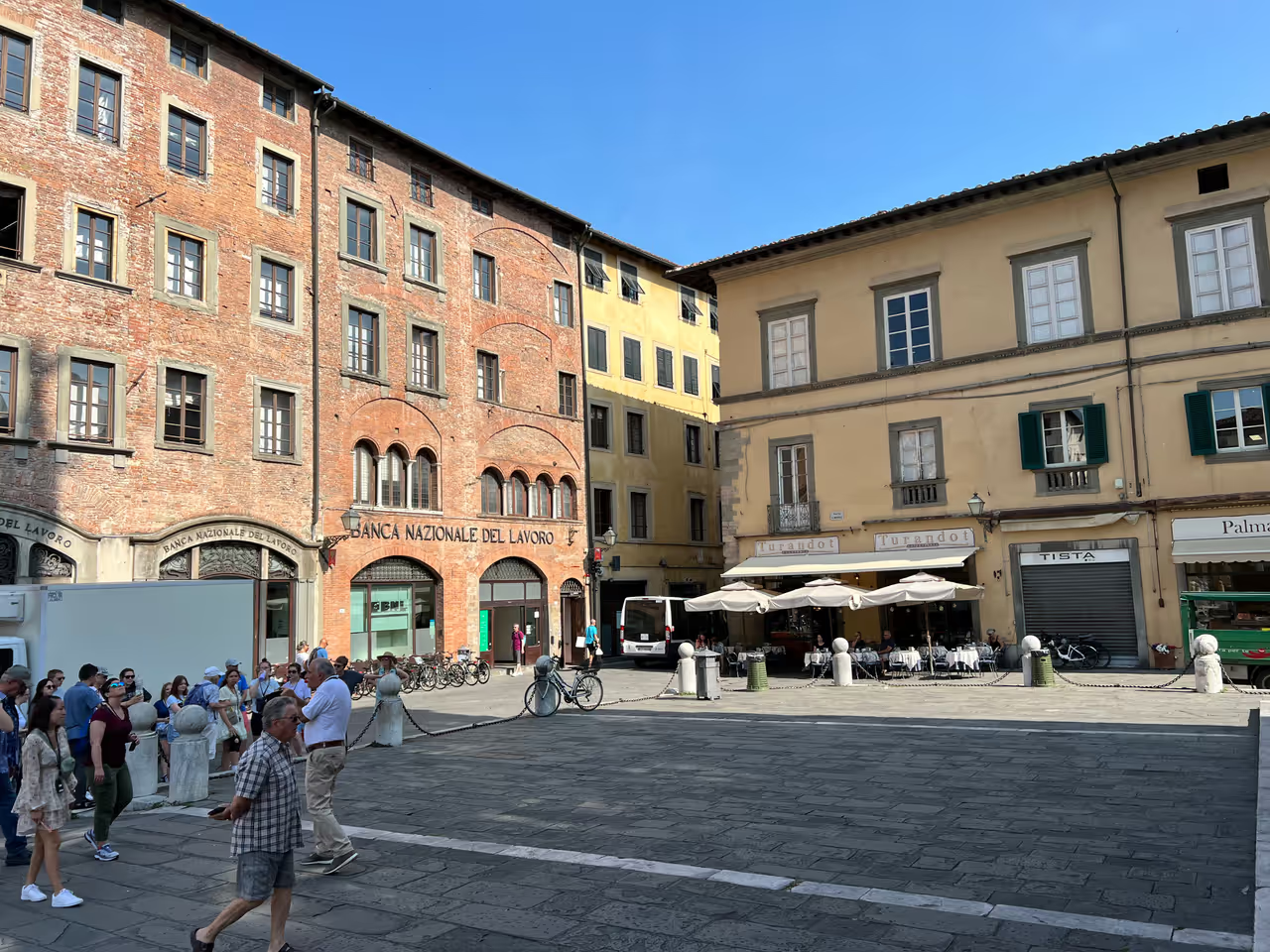
55mPiazza San Michele Environs
The area immediately surrounding the ancient Roman forum serves as the bustling heart of the city's evening social life. Locals gather here as the sun sets to enjoy relaxed aperitivos at outdoor tables facing the stunningly illuminated church facade. The side streets are dotted with intimate wine bars pouring excellent Tuscan vintages and serving generous platters of local meats and cheeses. It is sophisticated, convivial, and perfectly captures the essence of a slow-paced Italian evening.
nightlife view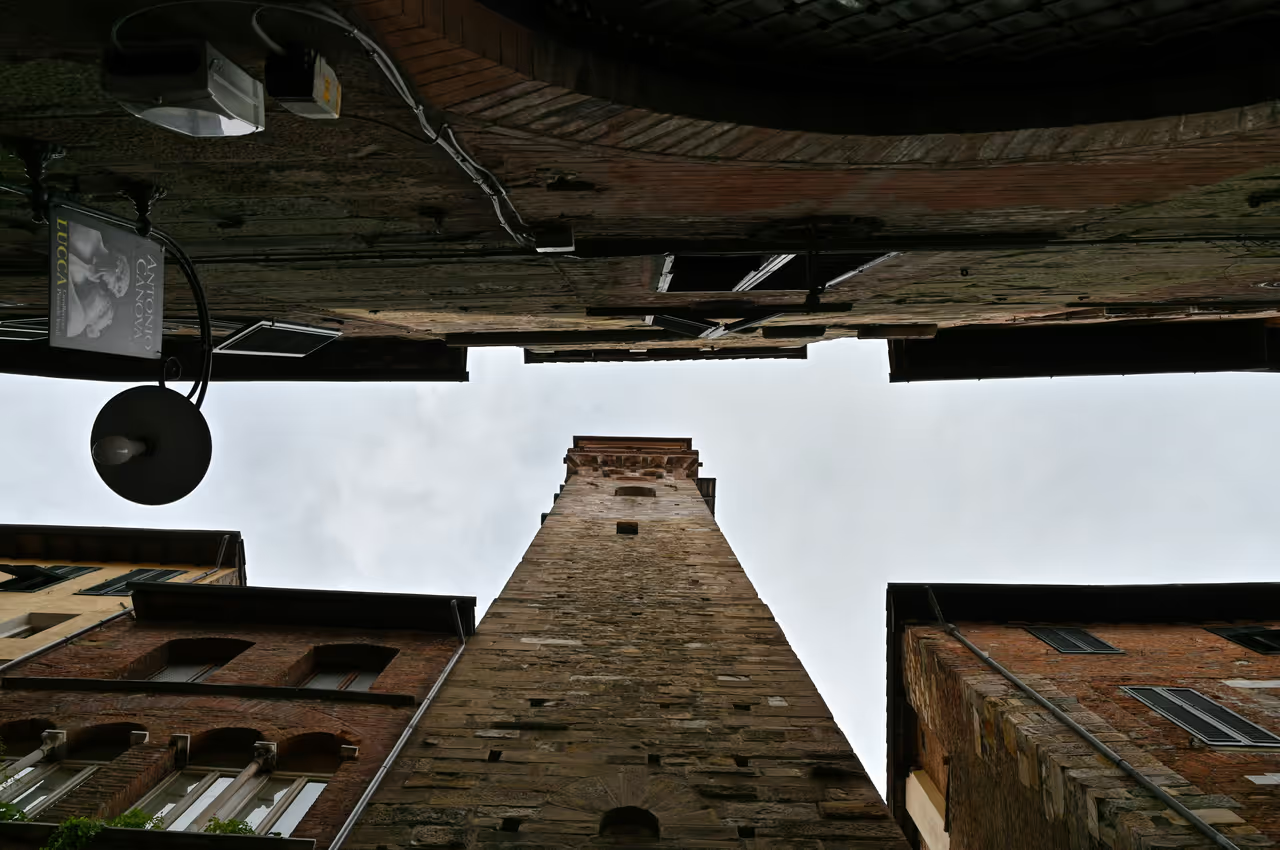 96m
96mClock Tower
Standing proudly as the highest tower in the city, this slender structure has been keeping time for the citizens since the 14th century. Visitors can climb the 207 wooden steps to the very top, where the fascinating, original hand-wound clock mechanism from 1754 is still fully operational and visible. The effort of the climb is massively rewarded by breathtaking, sweeping views across the terracotta rooftops toward the surrounding Apennine mountains. It offers a quieter, yet equally spectacular, alternative to the more famous tree-topped tower nearby.
highlight view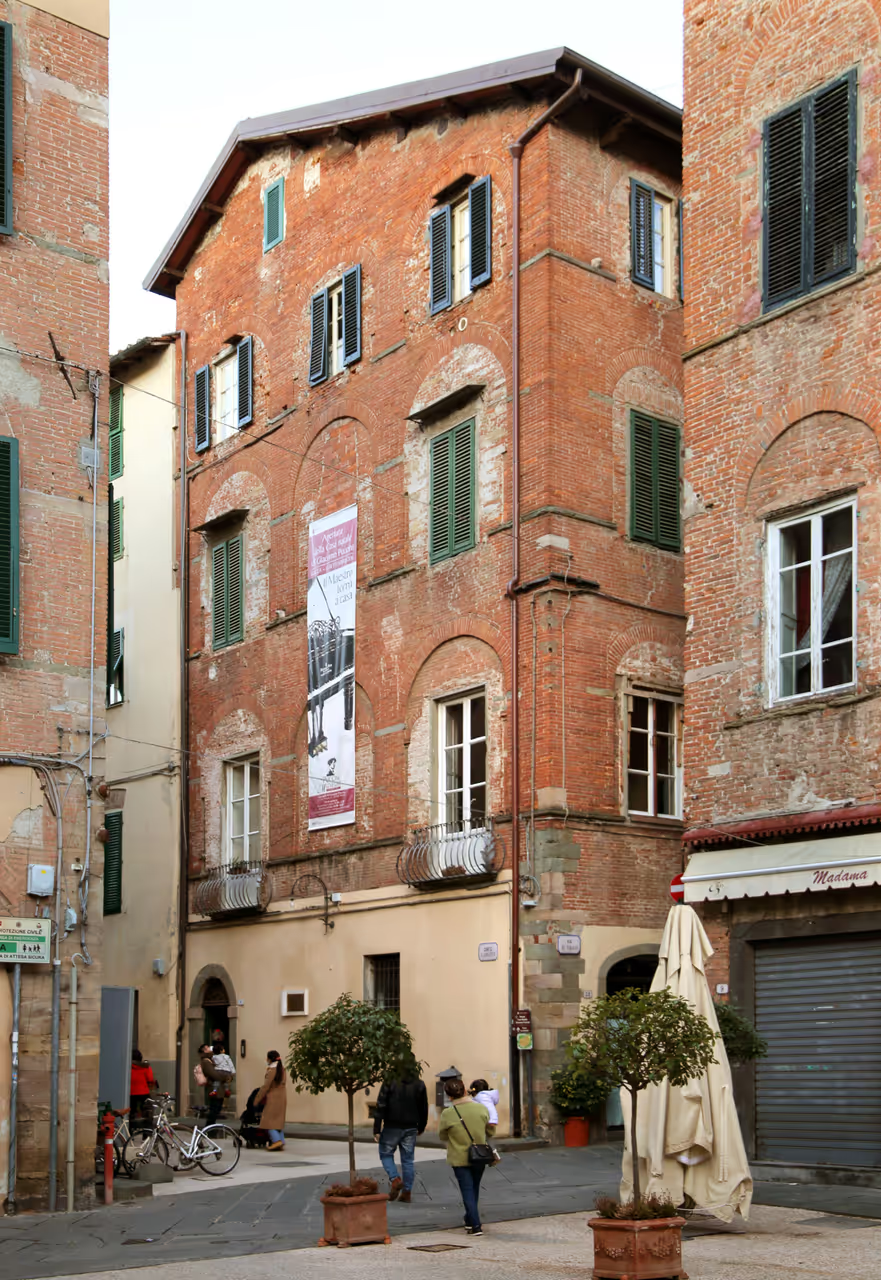 129m
129mPuccini Birthplace Museum
Located in the very apartment where the great composer Giacomo Puccini was born in 1858, this museum is a touching homage to his musical genius. The rooms have been carefully restored to reflect the environment of his youth, filled with original furniture, personal letters, early drafts of scores, and the beloved Steinway piano upon which he composed Turandot. Exploring the intimate space gives you a profound sense of the man behind the monumental operas. It is an absolutely essential pilgrimage site for any classical music enthusiast visiting the city.
highlight view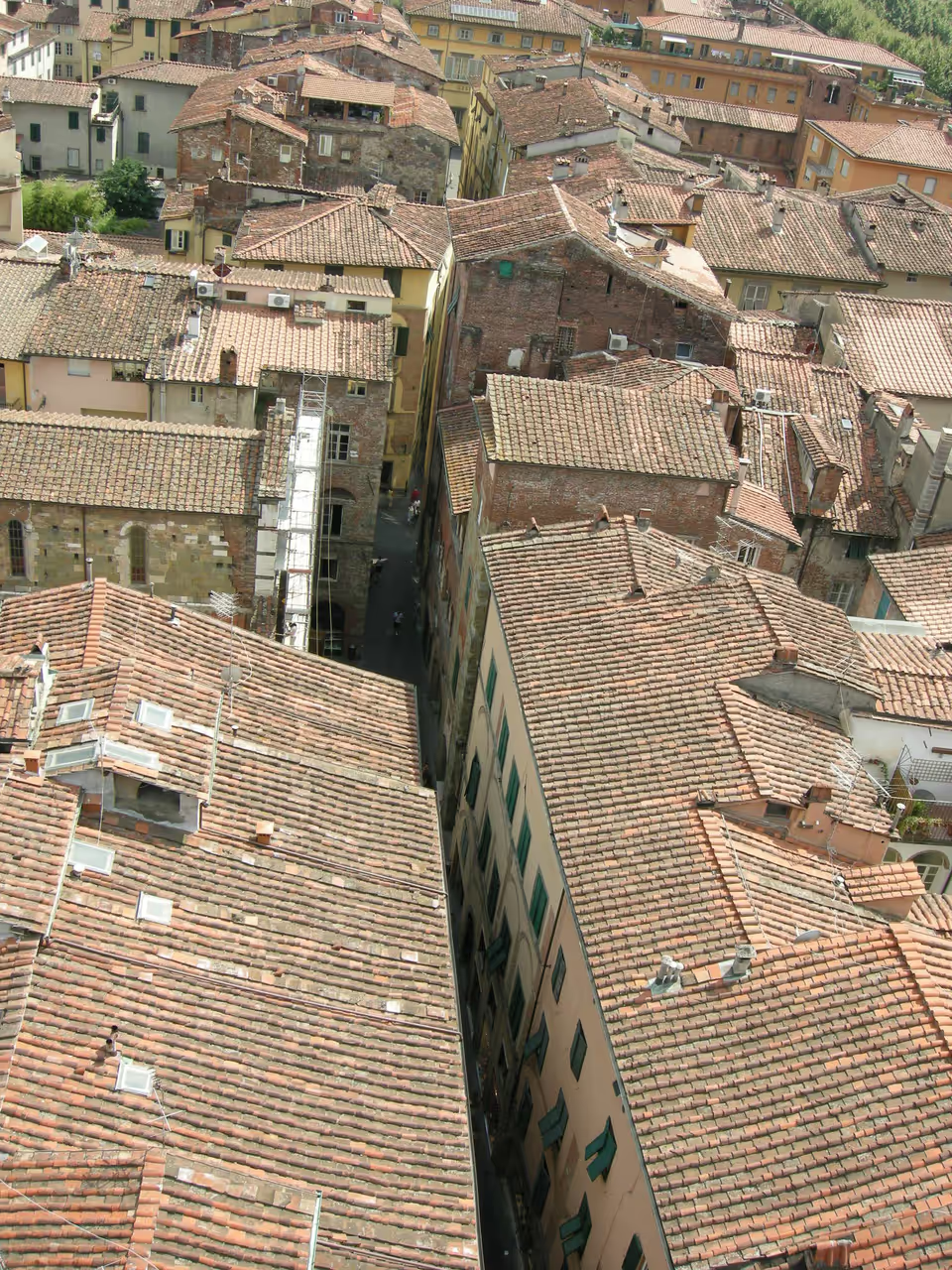 131m
131mVia Fillungo & Side Streets
The main pedestrian artery of the city transforms from a busy shopping street by day to a lively corridor of pubs and small bars by night. Tucked into the medieval alleyways branching off the main street, you will find excellent craft beer pubs and casual spots drawing a younger, energetic crowd. It is the perfect area for a leisurely bar crawl, hopping from a sleek modern wine bar to a traditional pub serving local snacks. The narrow streets amplify the hum of conversation, creating a highly engaging street scene.
nightlife view
Explore Similar Places in This Collection
Featured on These Itineraries and Routes
1 Day in Lucca Itinerary
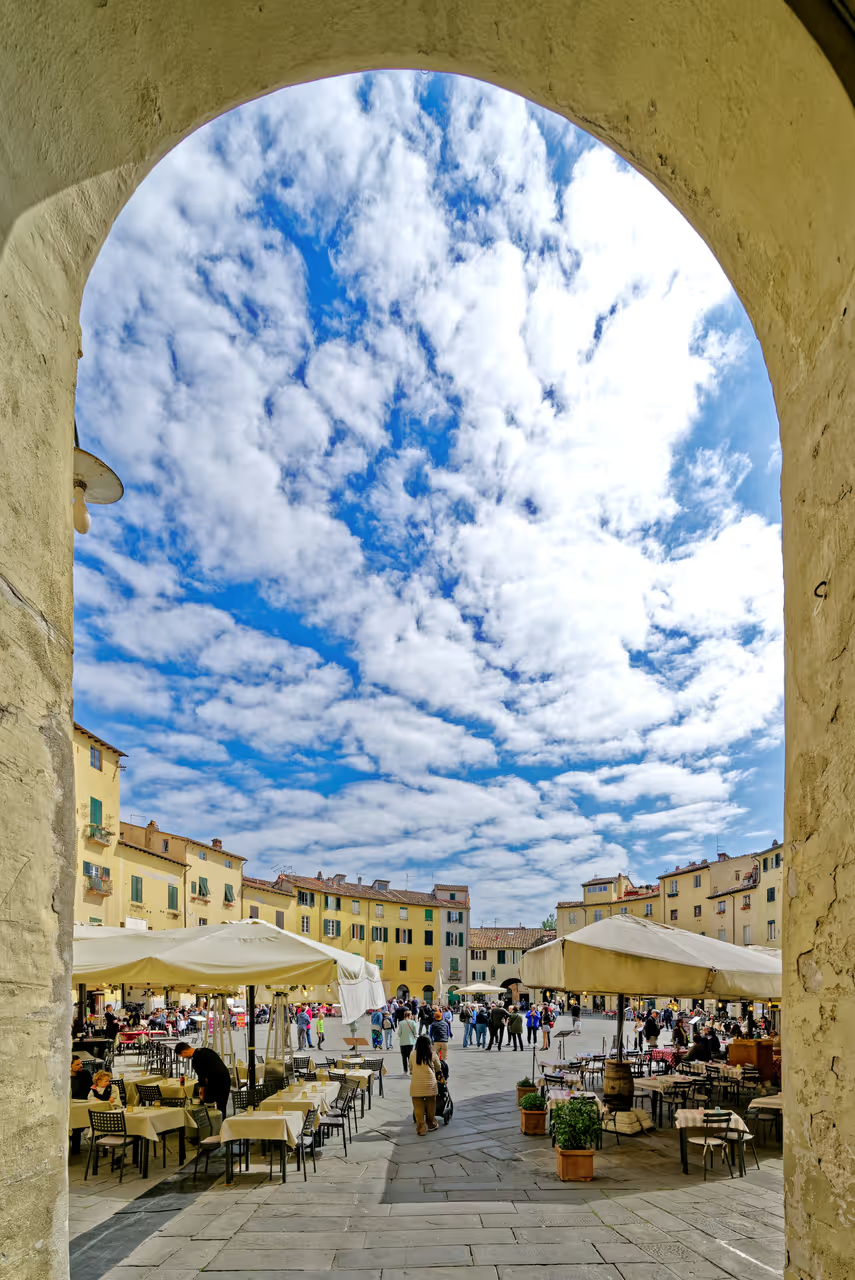
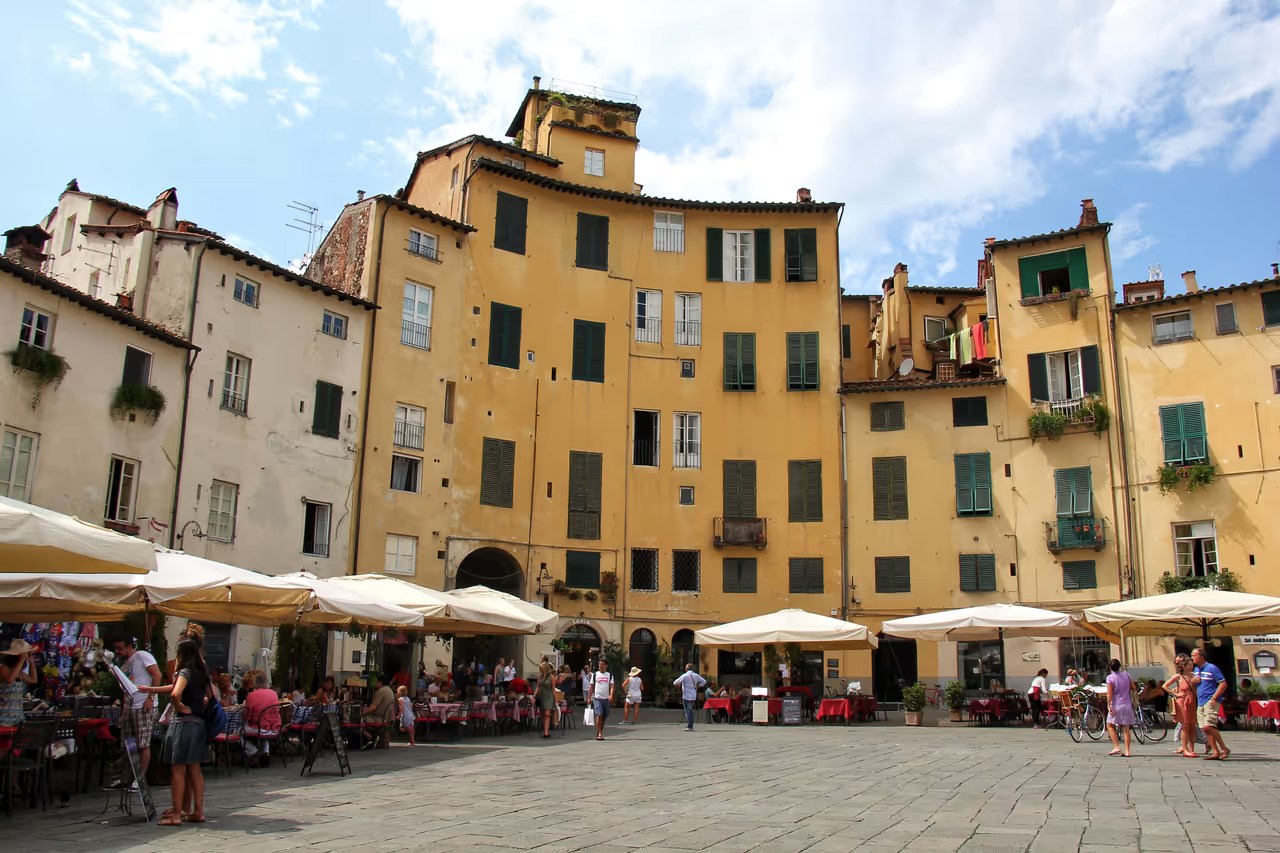
If you only have a single day to experience the magic of this walled city, this highly focused plan ensures you see the absolute must-visit highlights. You will explore the stunning Romanesque churches, navigate the narrow medieval commercial streets, and take in the unique oval beauty of the ancient amphitheatre footprint. The day balances awe-inspiring architecture with relaxed walking, culminating in a highly scenic sunset ride above the city.
view itinerary
3 Days in Lucca: Palaces, Music, and Panoramas Itinerary
With three days, you can slow down and truly embrace the unhurried lifestyle that makes this city so beloved. After covering the iconic churches and squares, you will dive into the opulent history of the wealthy silk merchants by visiting their lavishly decorated palaces and hidden gardens. You will also have ample time to trace the footsteps of the legendary composer Giacomo Puccini, before venturing just outside the walls to admire the monumental civil engineering of the aqueduct.
view itinerary
5 Days in Lucca: Complete Cultural Immersion Itinerary
Five days allows you to completely sink into the rhythm of the city, exploring its most famous monuments as well as its fascinating, lesser-known hidden gems. You will discover ancient Roman mosaics buried in basements, quirky local museums, and the beautiful nature reserves that sit just beyond the fortifications. This extended itinerary gives you the luxury of taking long, leisurely lunches, engaging deeply with the city's complex history, and enjoying the vibrant evening bar scene like a true local.
view itinerary
In the Footsteps of Puccini
This culturally rich route winds through the elegant piazzas and imposing religious buildings that heavily influenced the city's famous musical sons. It connects the birthplaces and primary performance venues of world-renowned composers, steeping the walker in a deeply refined, artistic atmosphere. As you wander, it is not uncommon to hear faint strains of classical music drifting from open conservatory windows or churches. The stroll showcases the grandiose, theatrical side of the city's architecture.
view walking route
Hundred Churches Pilgrimage
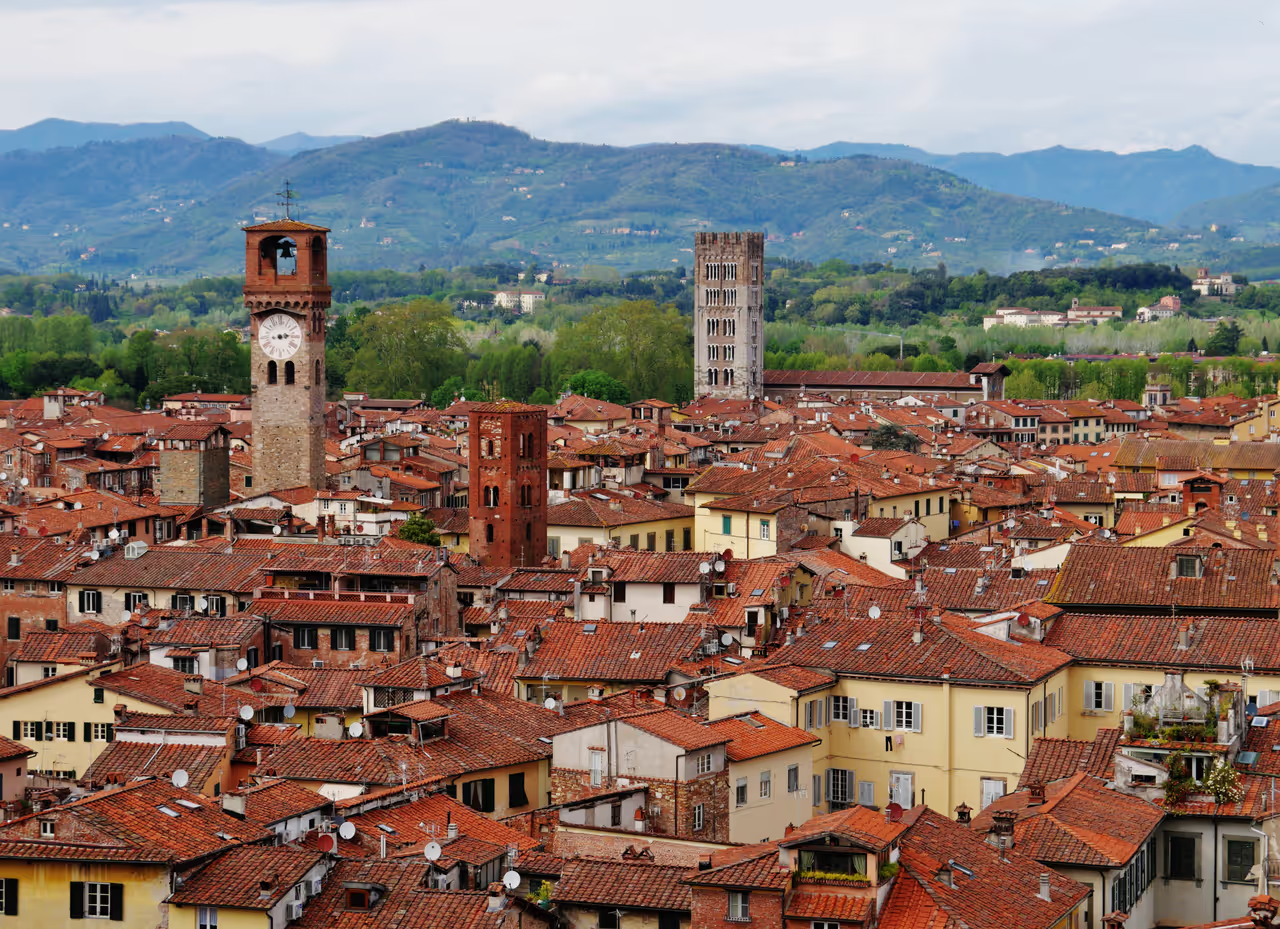
This thematic walk explores the stunning density of religious architecture that earned the city its famous nickname. Focusing on the monumental Romanesque facades that dominate the piazzas, the route deciphers the rich, symbolic carvings of mythical beasts, saints, and hunting scenes etched into the marble. It also visits quieter, hidden chapels that offer a stark contrast to the grandeur of the main basilicas. The tour highlights the immense spiritual importance the city held as a primary stop on the medieval Via Francigena.
view self-guided tour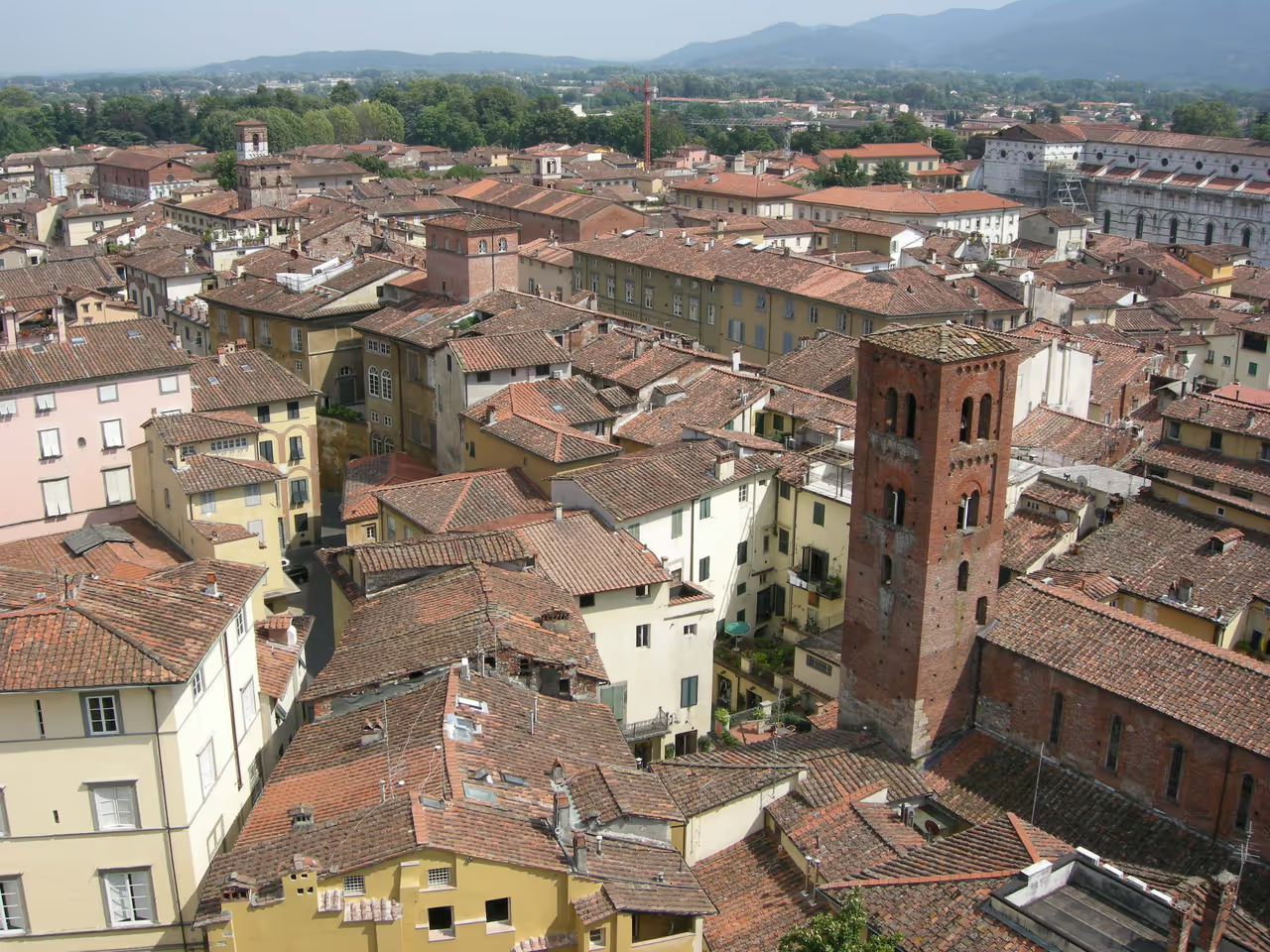
Unearthing the Roman Footprints
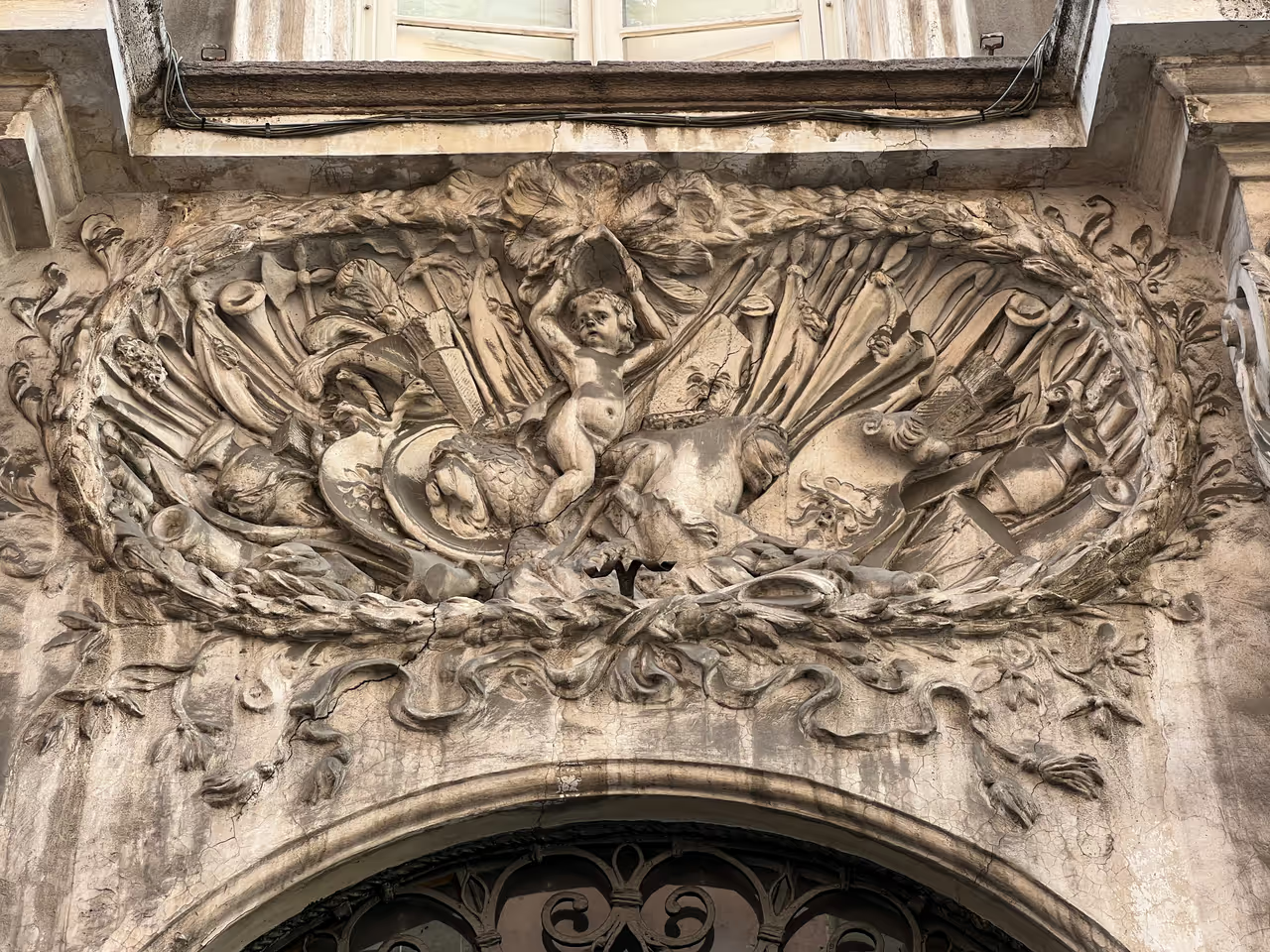
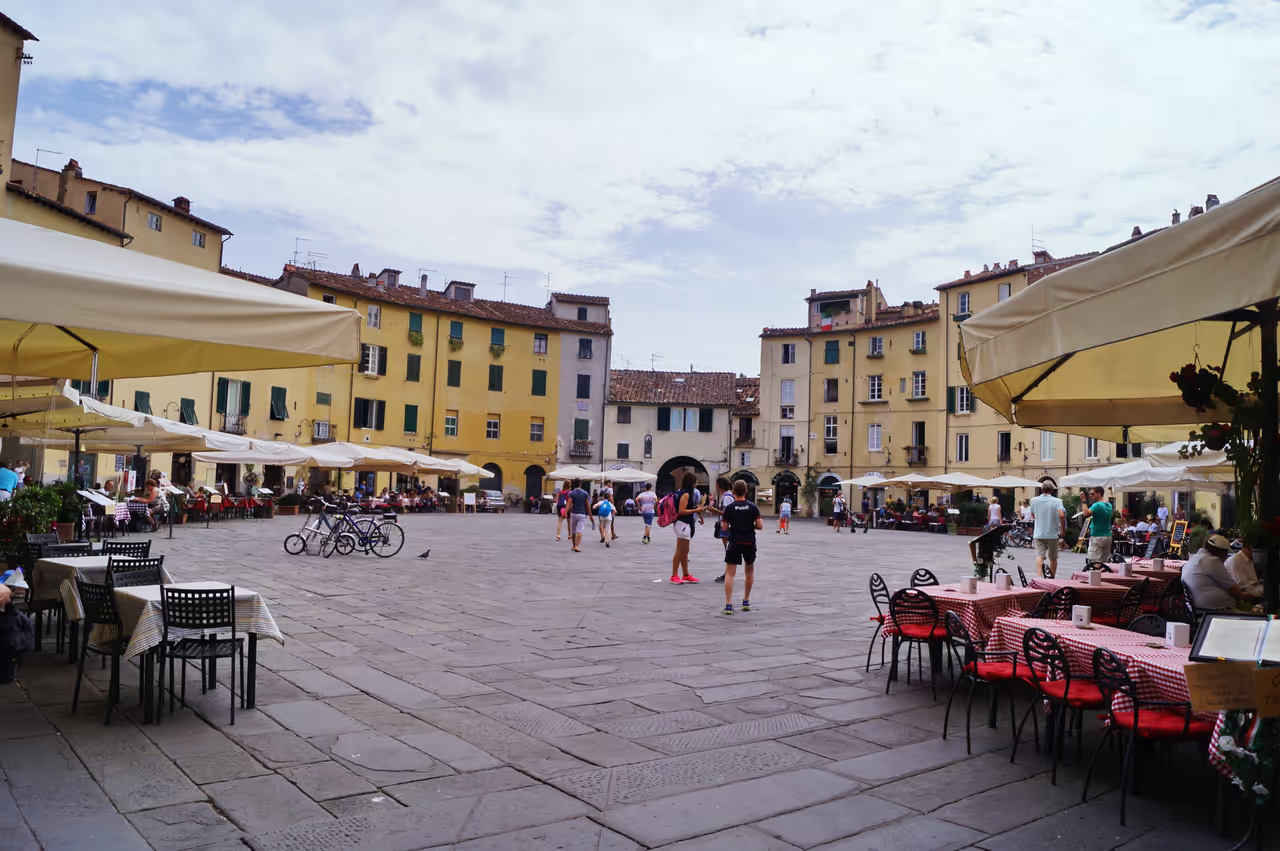
Peeling back the layers of Renaissance and medieval brickwork, this fascinating route reveals the stubborn persistence of the original Roman colony founded in 180 BC. It traces the ancient grid system where the primary thoroughfares, the cardo and decumanus, still dictate the flow of modern traffic. The journey explores how colossal imperial structures were ingeniously recycled into domestic housing and religious foundations. It is an archaeological treasure hunt right in the middle of a bustling, living city.
view self-guided tour
See all attractions in Lucca
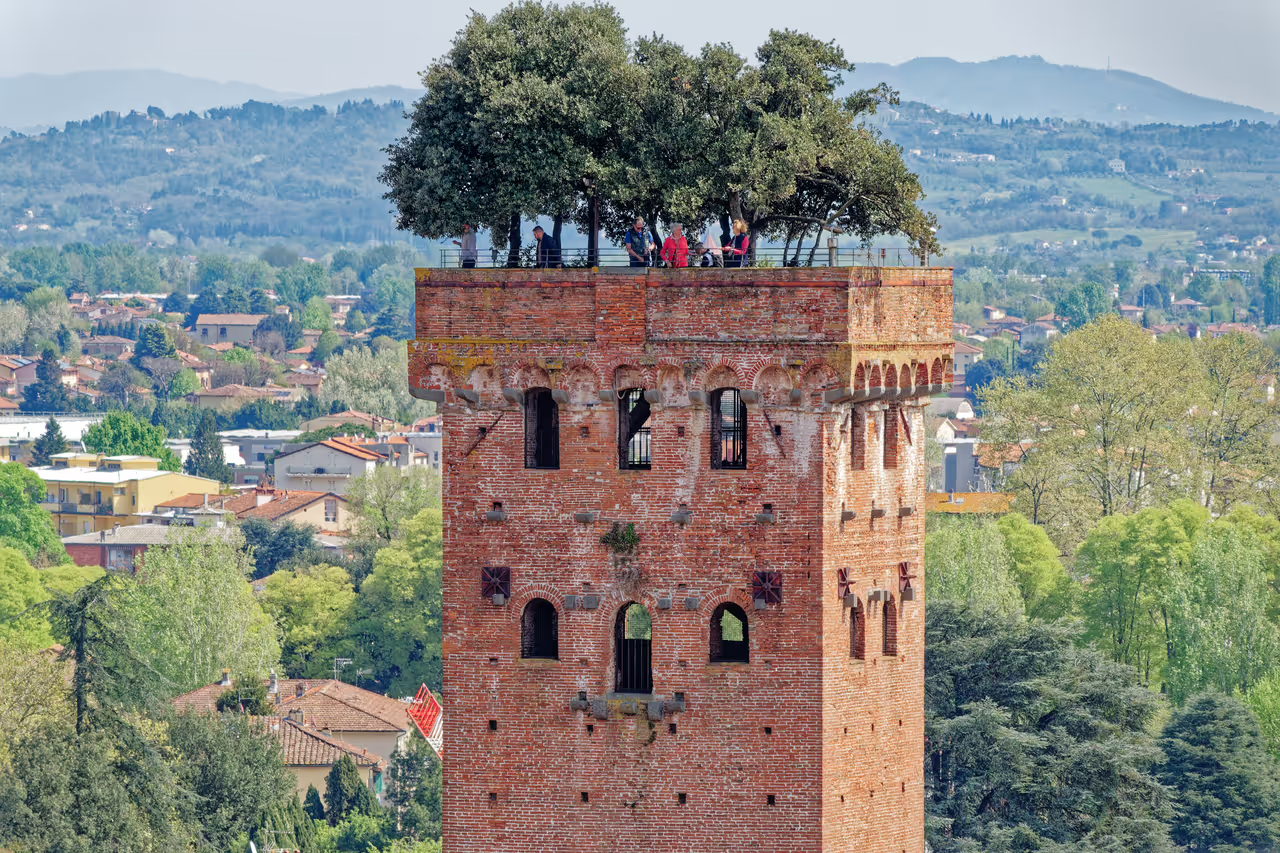
Basilica of San Frediano, Guinigi Tower, Lucca Cathedral, Piazza dell'Anfiteatro...