Como Cathedral
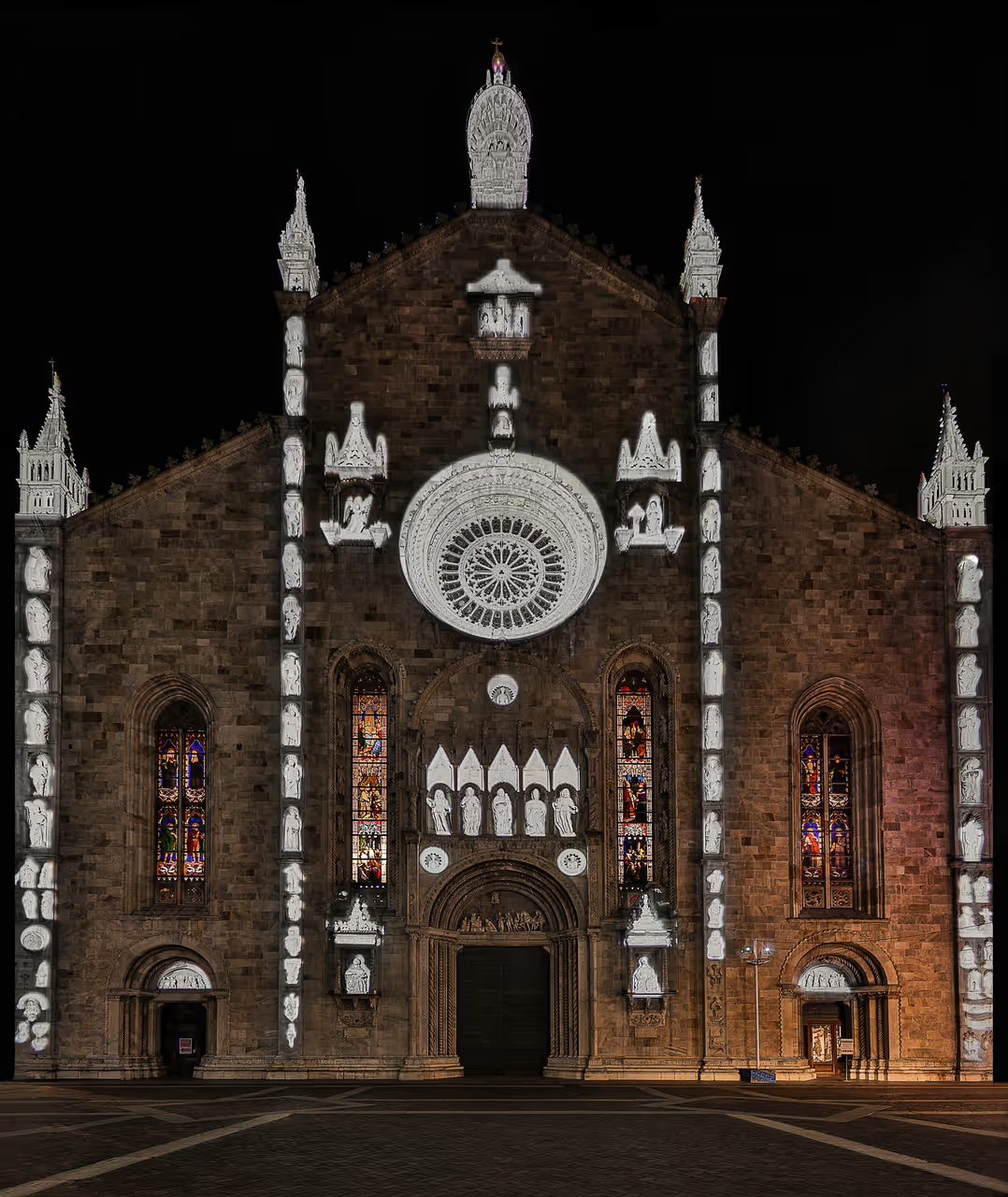
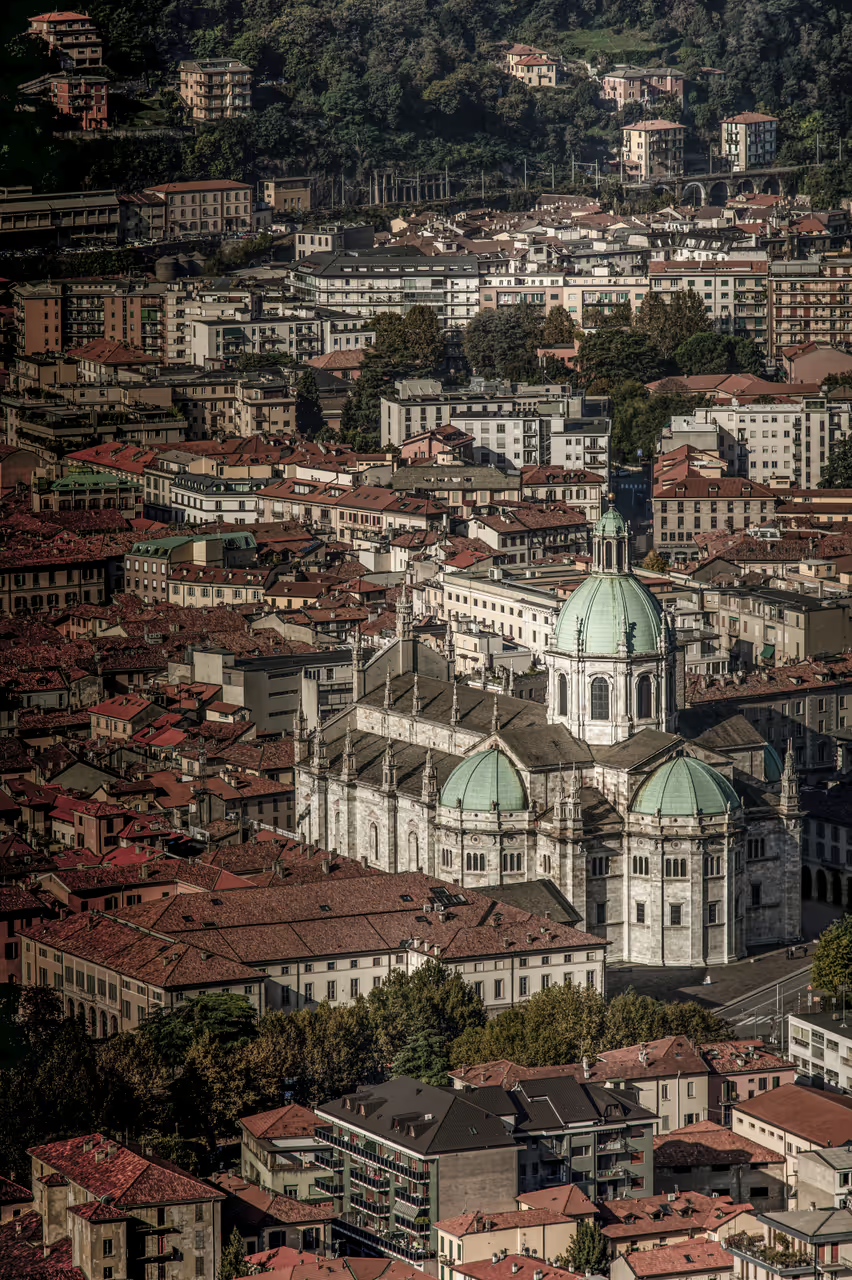
Standing proudly just steps from the shimmering Lake Como, this cathedral is the city's architectural crown jewel. It represents a fascinating journey through time, as its construction spanned nearly four hundred years, blending Gothic, Renaissance, and Baroque styles into one harmonious masterpiece. You will find a treasure house filled with intricate tapestries, grand paintings, and delicate stone carvings inside its vast walls. One of the most striking features is the facade, where you can spot statues of ancient Roman scholars instead of the usual saints. The atmosphere inside is one of quiet majesty, with light filtering through centuries-old stained glass to illuminate the elegant nave. It is an essential stop for anyone wanting to truly understand the spirit and historical significance of Como.
Videos
History of Como Cathedral
The story of Como Cathedral began in 1396, a year defined by high ambition as the city sought to build a mother church that would rival the great cathedrals of Europe. Built over the site of the earlier Romanesque church of Santa Maria Maggiore, the new structure was designed to reflect the growing wealth and prestige of the local merchant class. For decades, skilled masons worked meticulously to craft the late Gothic facade, which remains one of the most elegant and balanced examples of the style in Northern Italy. This exceptionally long building process meant that as architectural tastes shifted across the continent, the cathedral evolved with them, seamlessly integrating new artistic philosophies into its massive frame. During the 15th and 16th centuries, the Rodari family of sculptors and architects left an indelible mark on the building, successfully guiding the project into the Renaissance era. They were responsible for the exquisite side doors and much of the intricate statuary that defines the exterior today. Later, Cristoforo Solari introduced the sprawling, rounded apses that give the cathedral its distinctive footprint. The interior became a living gallery for the masters of the day, including Bernardino Luini and Gaudenzio Ferrari, whose paintings brought vibrant colour and human emotion to the sacred space. Grand tapestries from Brussels and Ferrara added a layer of soft, woven luxury to the solid stone walls, further enriching the sensory experience of the building. The final piece of this architectural puzzle arrived in the 18th century with the addition of the soaring dome designed by Filippo Juvarra. This Rococo crowning glory completed a project that had occupied the city for nearly four centuries, marking the end of a grand era of continuous construction. In the 20th century, the cathedral faced significant challenges, including a dangerous lean in the facade that required the stone to be dismantled and reassembled, yet careful preservation has kept the structure standing tall. Today, it remains the spiritual and cultural heart of Como, a place where the history of the city is literally carved into every block of white marble.
Events spanning 539 years
Fun Facts
- • Local citizens successfully defended the statues of the Pliny family during the Counter Reformation when religious visitors wanted them removed for being pagans.
- • Master painter Bernardino Luini was a student of Leonardo da Vinci and created several of the most prized altarpieces found within the nave.
- • The brilliant white finish of the exterior comes from Musso marble, which was transported across the lake specifically for this project.
- • The cathedral houses a rare reliquary containing a fragment believed to be from the True Cross, which was rescued from a destroyed nearby church.
- • The facade uniquely features statues of Pliny the Elder and Pliny the Younger, who were pagan Roman writers born in the city.
- • The historic civic bell cast in 1448 remains one of the largest and oldest functional bells in the entire Lombardy region.
- • The interior contains a series of massive 16th century tapestries, and some of the designs are attributed to the eccentric artist Giuseppe Arcimboldo.
- • The north door is famously known as the Frog Door because of a tiny stone frog that according to local legend climbed up during a flood.
- • This building is widely considered the last Gothic cathedral ever built in Italy, representing the final flourish of the style in the country.
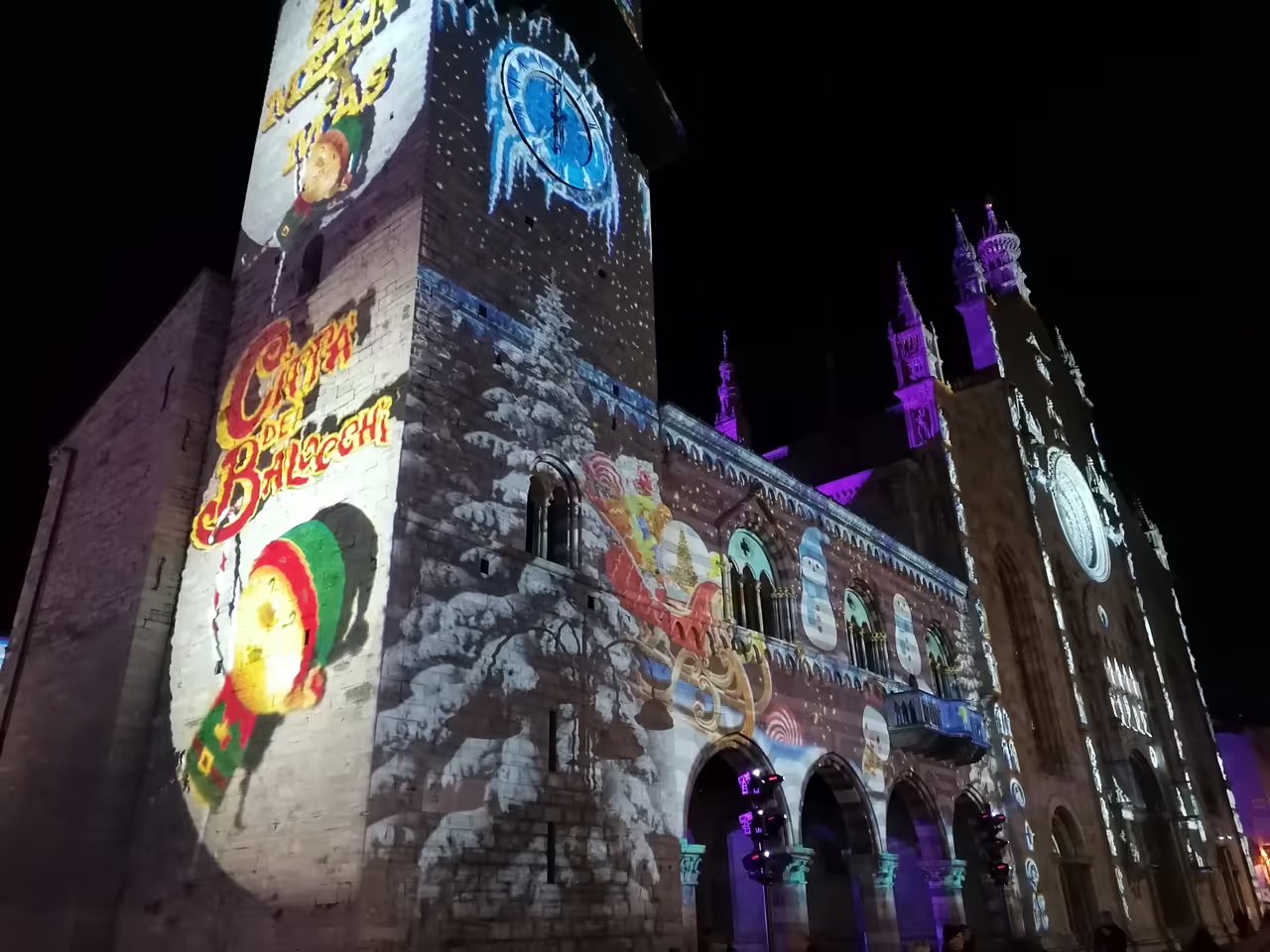
- • Unlike many European cathedrals, it does not have its own bell tower, as its bells are installed on the adjacent civic tower of the Broletto.
RESOURCES
Official WebsiteComo Cathedral FAQ
While we strive to keep this information accurate and up to date, we recommend verifying any details independently before making decisions based on them.
Como Cathedral Map & Neighborhood Explorer
This interactive map is centered on Como Cathedral. Zoom in and move the map around to automatically discover Wikipedia photos and summaries of other nearby sights, monuments, and historical points of interest and stories in real-time!
Places near Como Cathedral
Make the most of your trip. Check out these top-rated spots located nearby.
 50m
50mBroletto
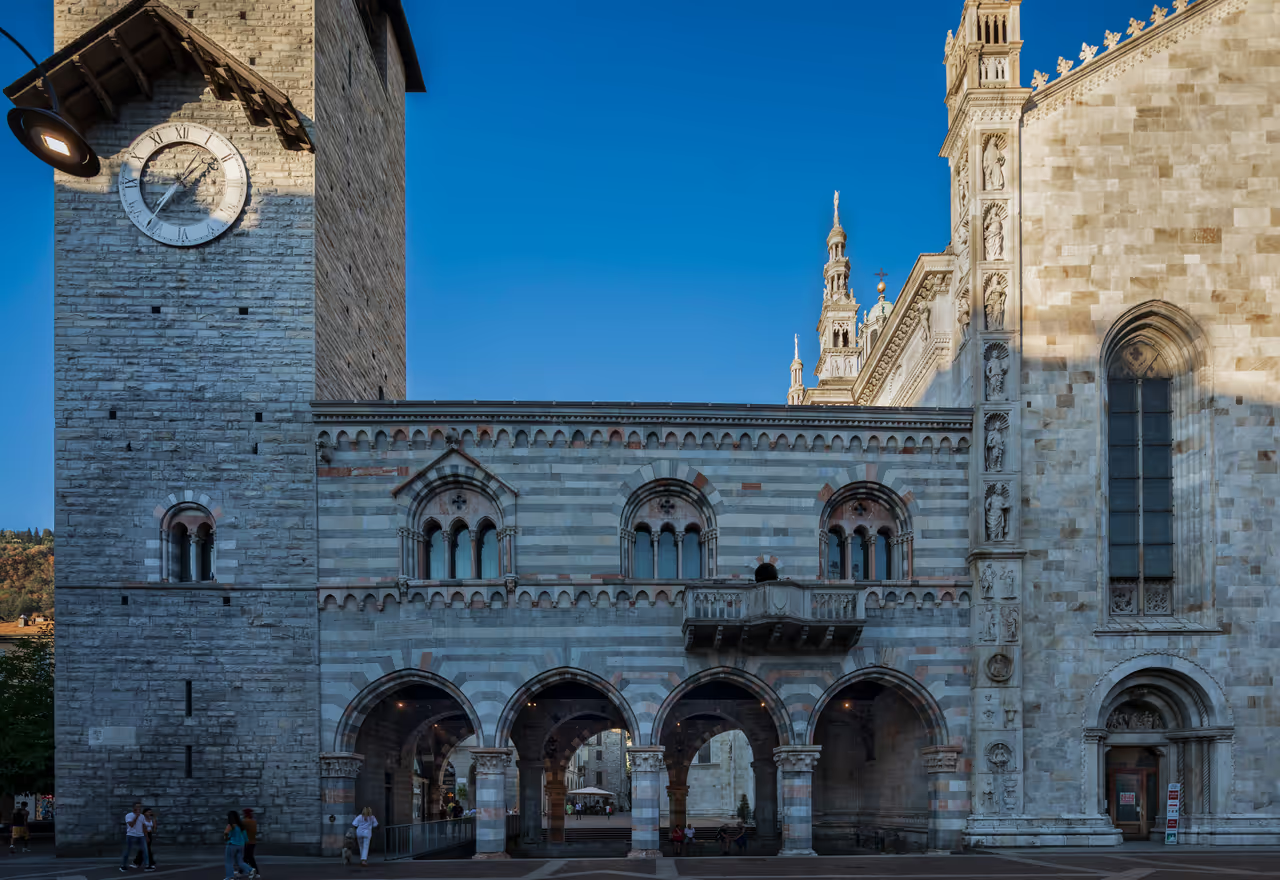
This medieval gem stands as a testament to Como’s civic history, perfectly preserved beside the magnificent Cathedral. Originally constructed in 1215 to serve as the seat of local government, its striking multi-coloured marble façade reflects a blend of Romanesque and Gothic influences. Walking through its open portico offers a rare glimpse into the city's past, where public assemblies once decided the fate of the commune. Today, the space serves as an elegant backdrop for art exhibitions and civic celebrations. Visiting this site is essential for anyone wishing to understand the layered narrative of Como’s urban evolution.
attraction view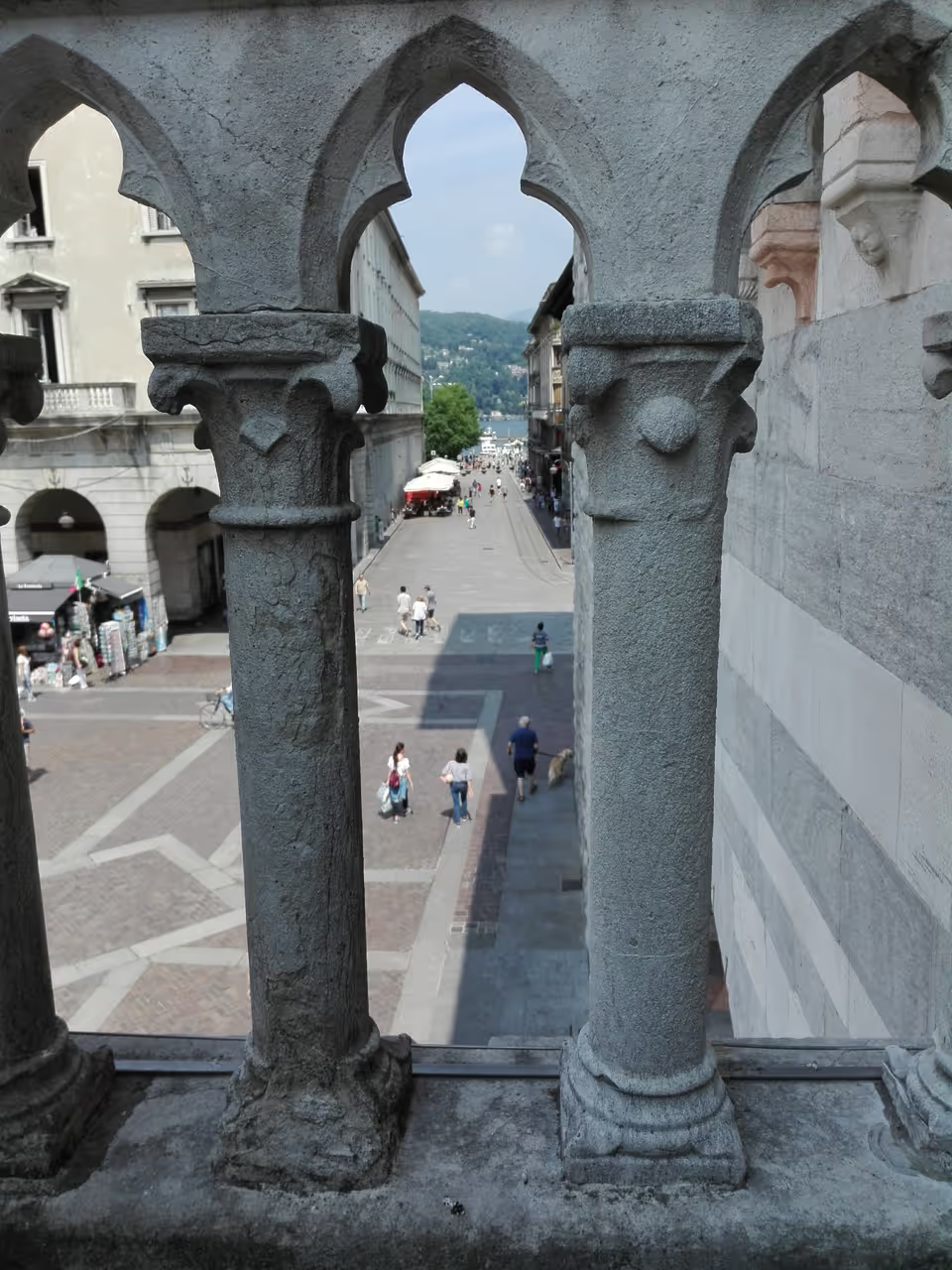 55m
55mCathedral Square
This central square provides the perfect angle to capture the incredible detail of the city's most important religious building. Standing near the Broletto, photographers can frame both the Gothic cathedral and the banded marble of the medieval town hall in a single, historically rich shot. The intricate statues flanking the main doors, depicting the pagan Pliny writers, add unique character to the image. The lighting is particularly stunning in the late afternoon when the intricate carvings catch the sun.
photo spot view- 63m
Baradello Historical Joust
This vibrant historical re-enactment transports the city back to the twelfth century to celebrate Emperor Frederick Barbarossa's victorious visit. The historic neighbourhoods compete in traditional games, including a thrilling joust, tug-of-war, and a unique wheelbarrow race. Locals dress in elaborate medieval costumes, bringing the streets alive with colourful parades and music. It is a fantastic display of civic pride and history that culminates in a grand boat regatta. Experiencing this festival offers a deep dive into the resilient medieval spirit of the region.
festival view - 63m
City of Music Festival
Throughout the warmest weeks of the year, this enchanting festival brings world-class musical performances to the city's most evocative outdoor spaces. Audiences can enjoy everything from classical symphonies to contemporary acts staged in historic cloister gardens, grand villa parks, and even beneath the ancient defensive towers. The atmosphere is magical as the sun sets over the lake and the music begins. It perfectly marries the area's architectural beauty with high-quality artistic expression. Securing a ticket to one of these starlit concerts is highly recommended.
festival view
Explore Similar Places in This Collection
Featured on These Itineraries and Routes
1 Day in Como: The Essential Trip Itinerary
If you only have one day, this fast-paced but highly rewarding itinerary covers the absolute highlights of the city. It focuses on the magnificent historic centre before taking you to the heights of the surrounding mountains for an unforgettable panorama. You will experience the architectural grandeur, the scientific heritage, and the stunning natural beauty that defines the region. It is designed to maximise your time while keeping the walking distances highly manageable.
view itinerary
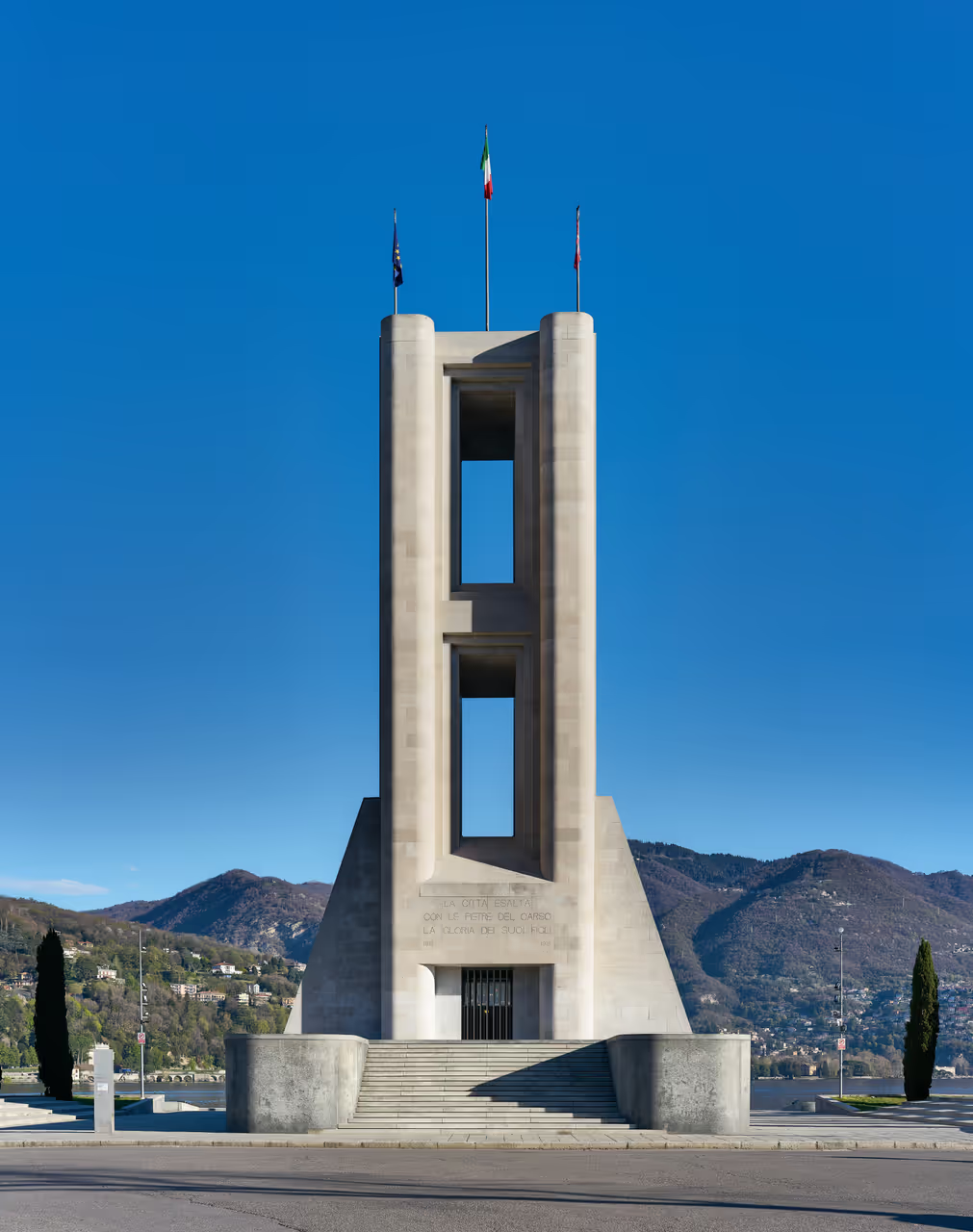
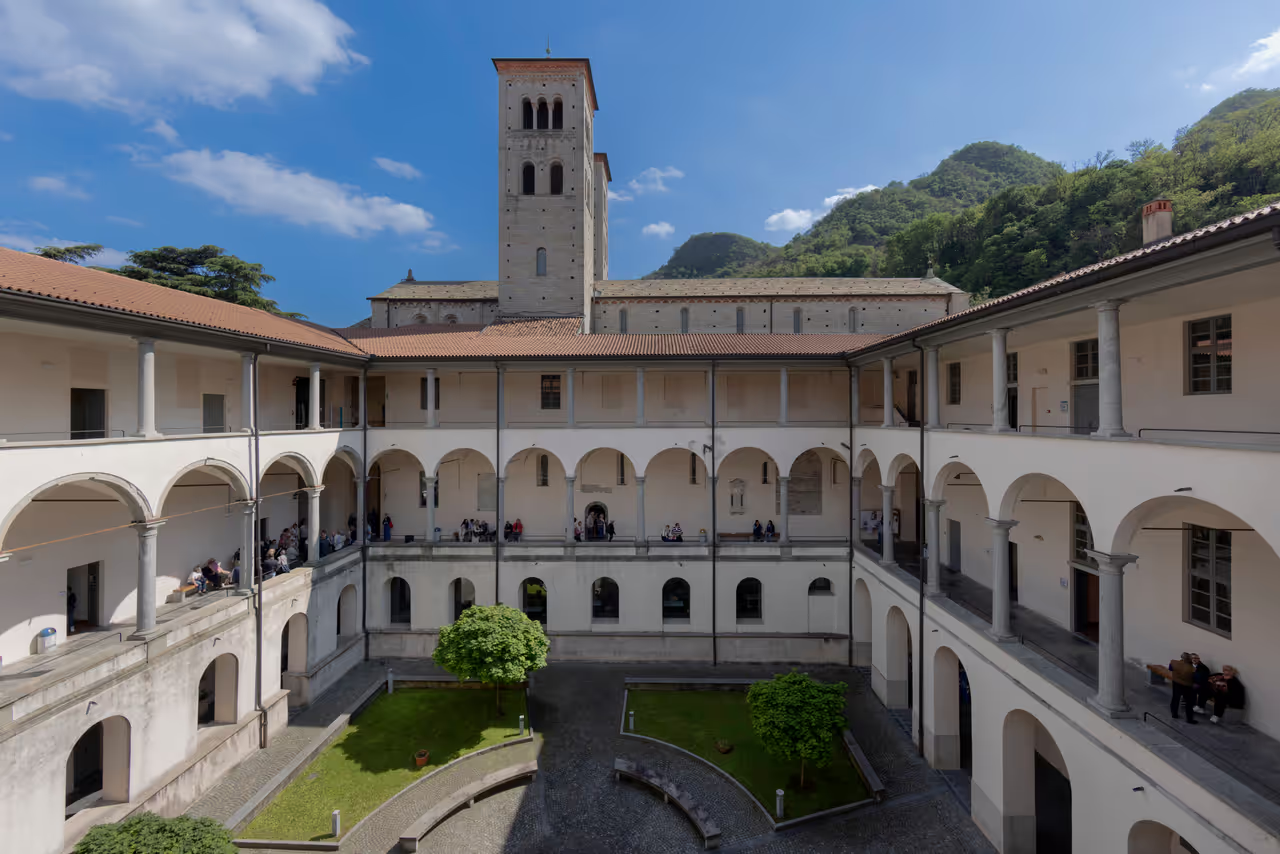
3 Days in Como: Classic Weekend Escape Itinerary
Three days allow you to slow down and truly absorb the elegant atmosphere of the city. This itinerary expands upon the essential sights, adding deep dives into the aristocratic villa culture and the rugged nature surrounding the town. You will have time to explore the rationalist architecture, hike for incredible views, and enjoy the waterfront at a leisurely pace. It provides a perfectly balanced mix of history, art, and outdoor activity.
view itinerary
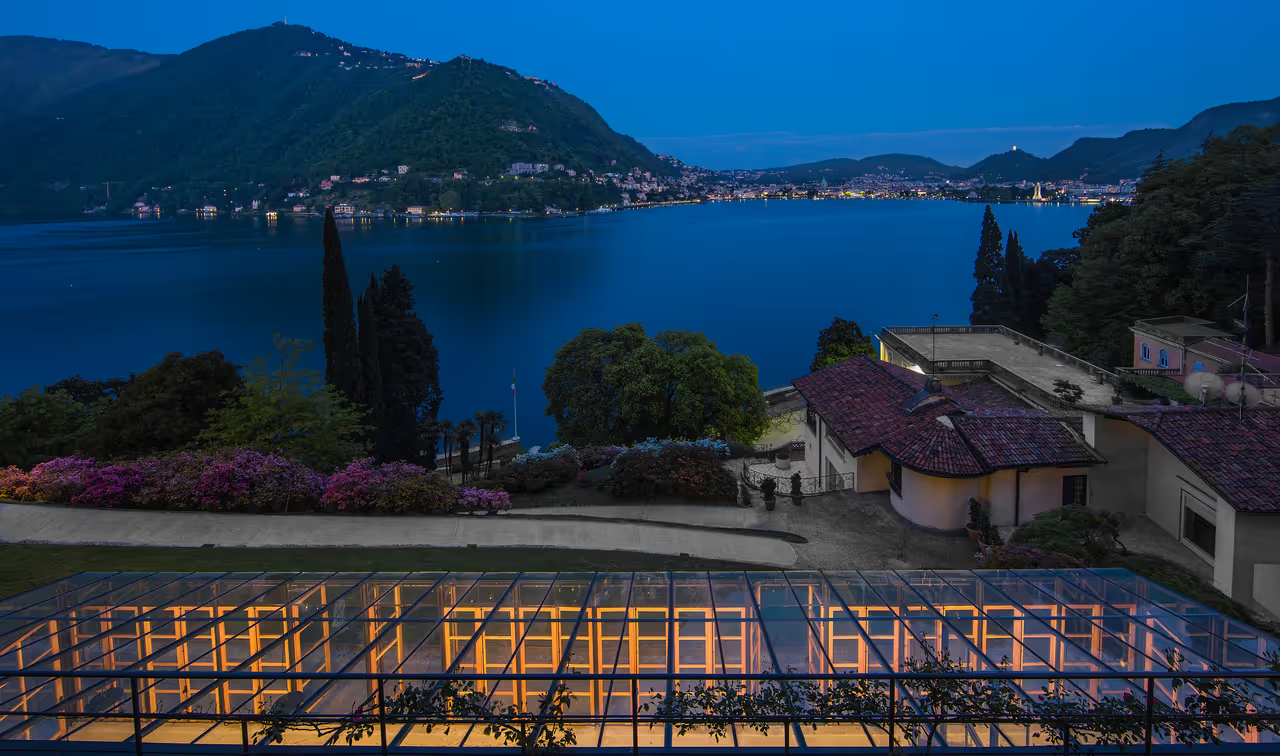
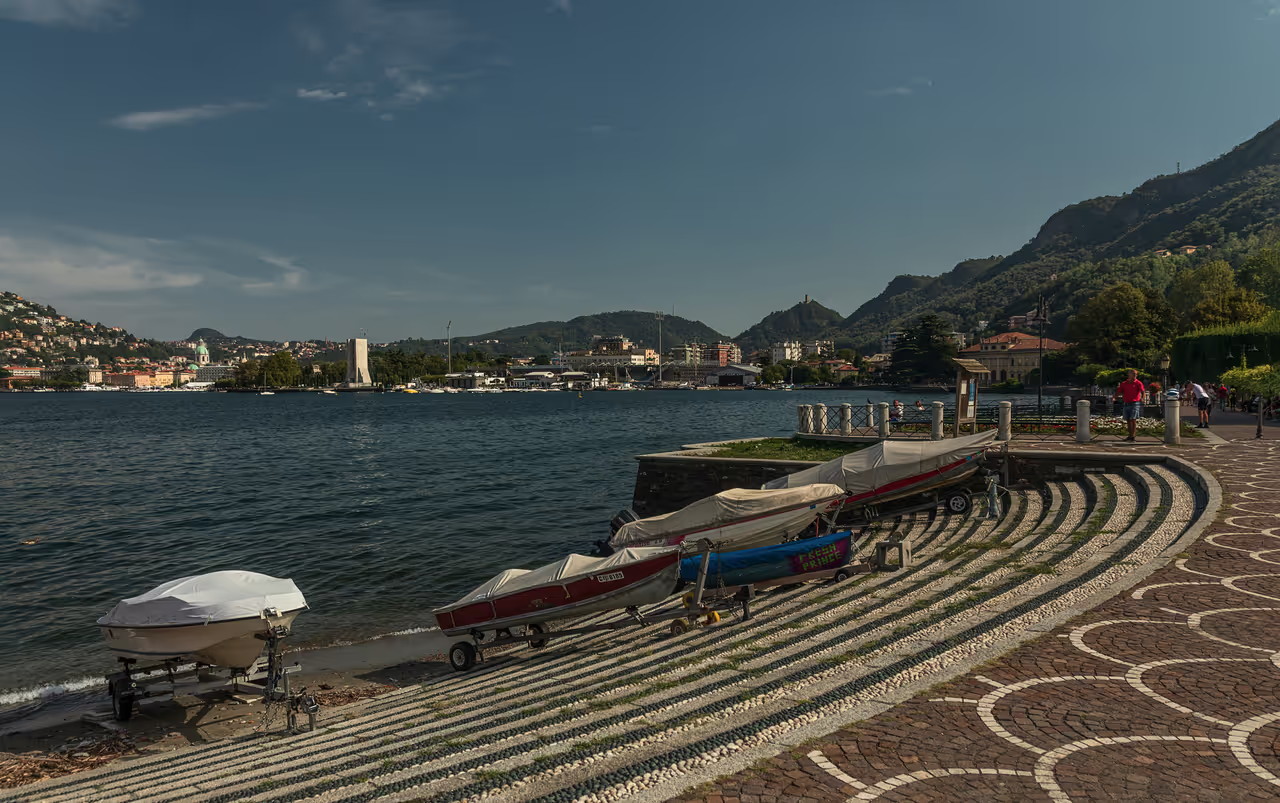
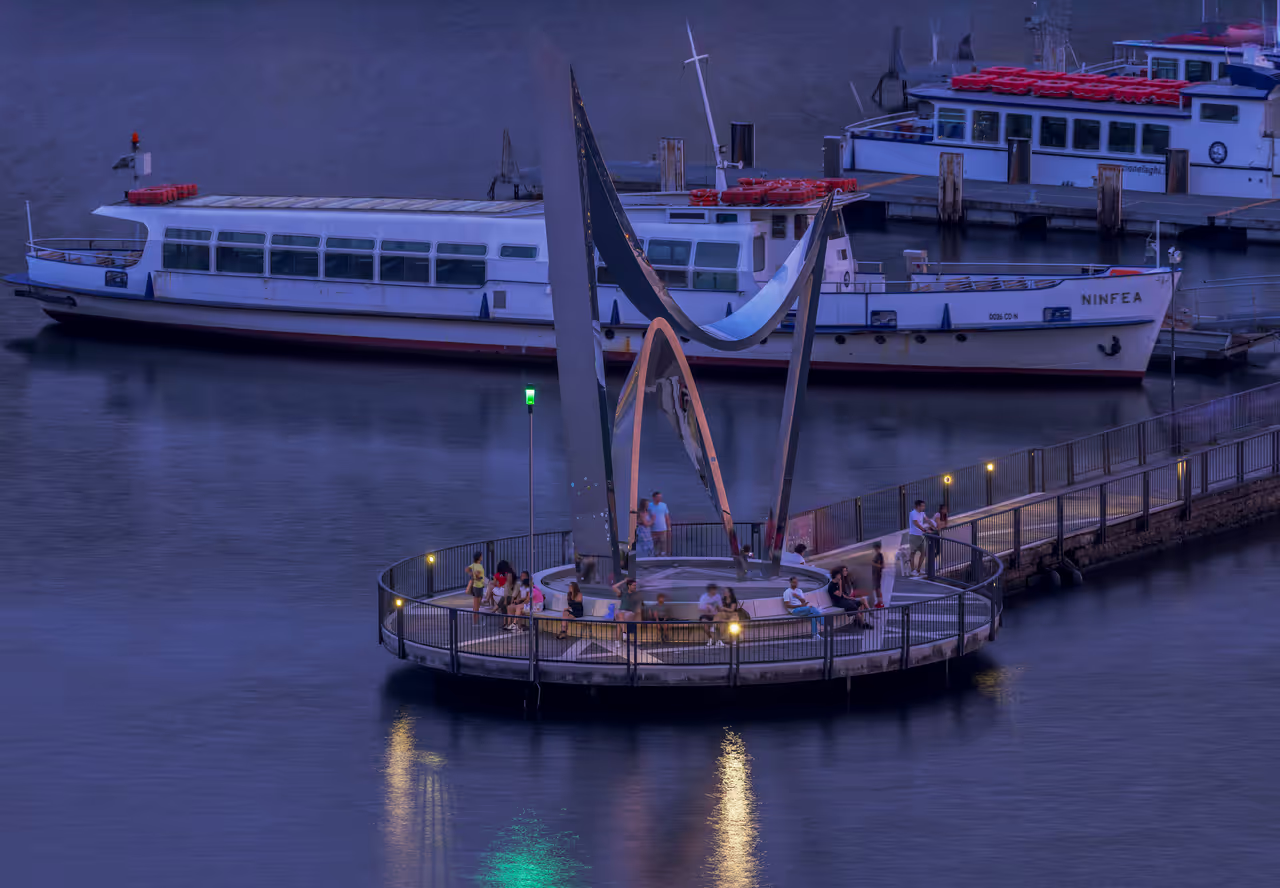
5 Days in Como: The Deep Immersion Itinerary
With five days, you can uncover the city's hidden gems and truly live like a local. This expansive plan includes everything from the historic monuments to the fascinating industrial silk heritage. You will have the time to explore the wilder regional parks, discover secret sanctuaries, and perhaps even take to the air or water. It is the ultimate itinerary for those who want a complete, unhurried, and profound understanding of the region.
view itinerary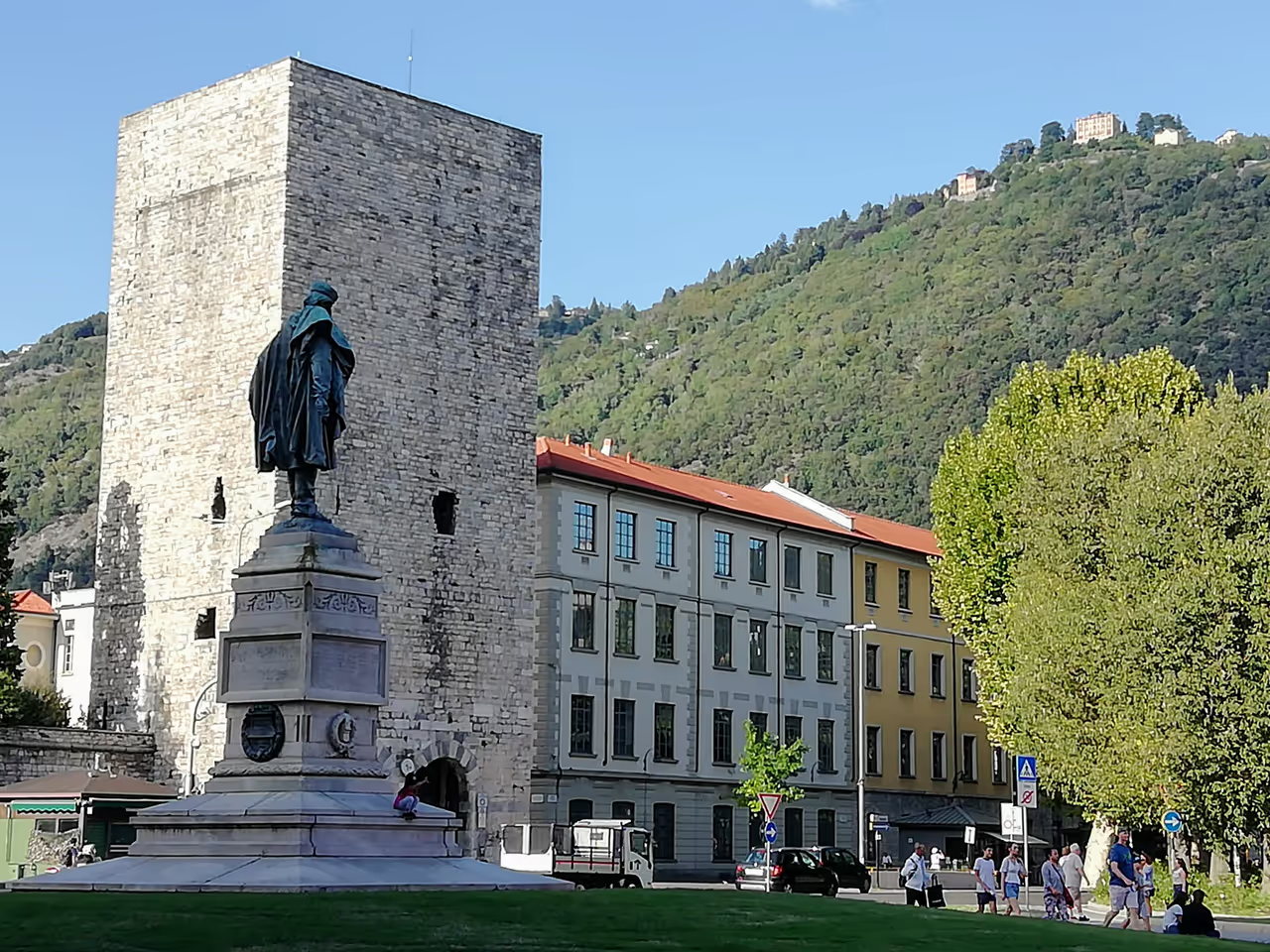
Walled City Stroll
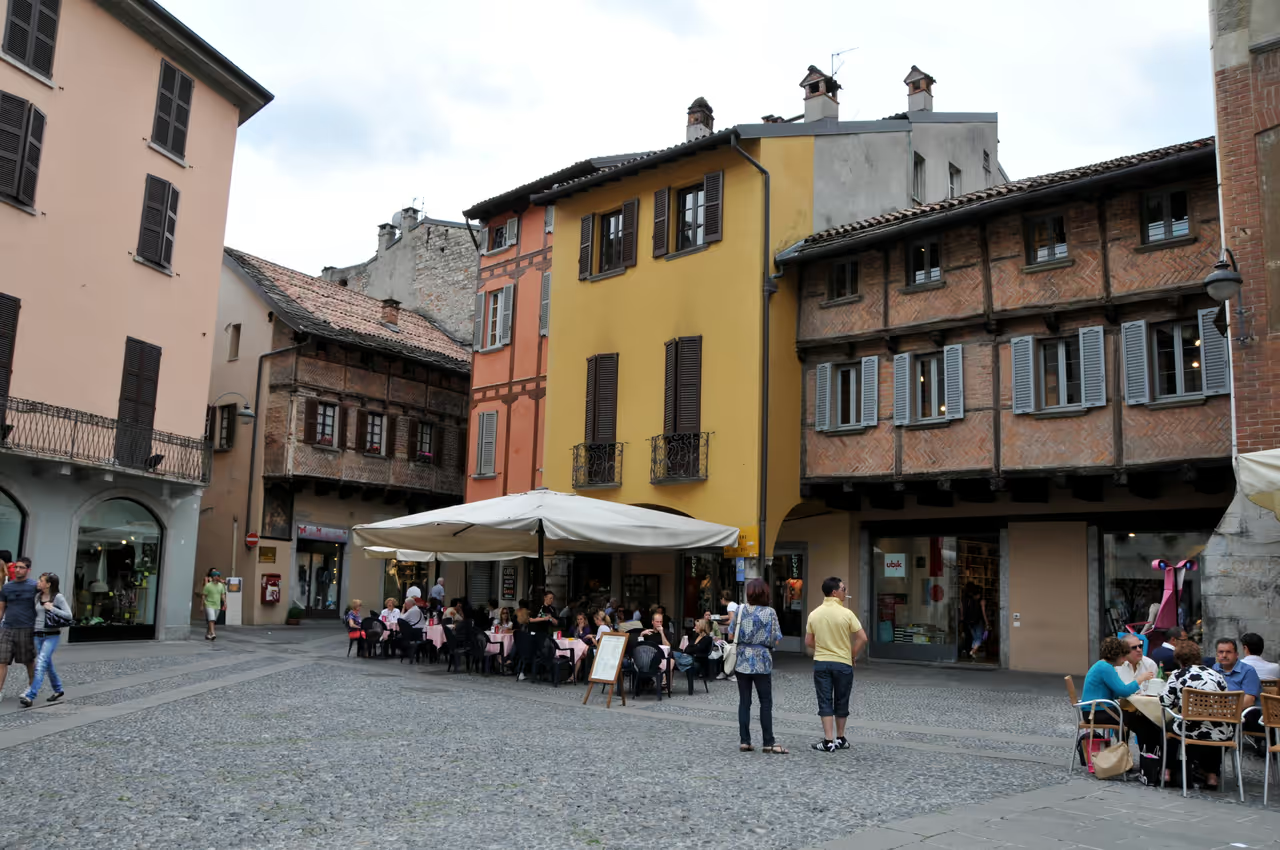
Meandering through the historic heart of the city reveals a captivating labyrinth of cobblestone streets and ancient architecture. The stroll allows you to trace the footprint of the original Roman camp, evident in the straight, intersecting alleys that remain today. Flanked by tall, pastel-coloured buildings with shuttered windows, the route is rich in charming details, hidden courtyards, and small artisan boutiques. The absence of heavy traffic makes it a remarkably peaceful urban experience. It feels like stepping into a living museum where every corner holds a piece of history.
view walking route
See all attractions in Como
Como Brunate Funicular, Volta Temple, Basilica of Sant'Abbondio, Broletto...