Broletto
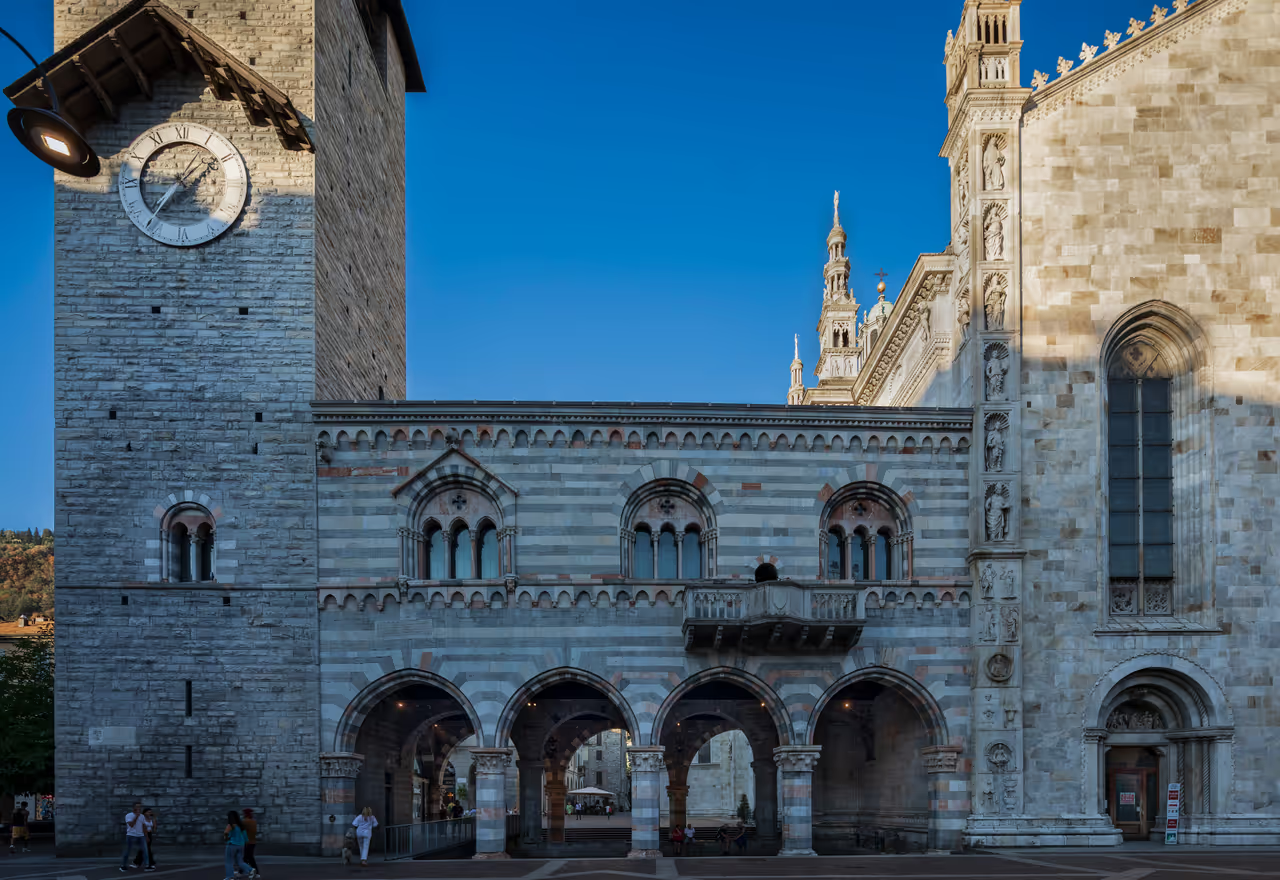
This medieval gem stands as a testament to Como’s civic history, perfectly preserved beside the magnificent Cathedral. Originally constructed in 1215 to serve as the seat of local government, its striking multi-coloured marble façade reflects a blend of Romanesque and Gothic influences. Walking through its open portico offers a rare glimpse into the city's past, where public assemblies once decided the fate of the commune. Today, the space serves as an elegant backdrop for art exhibitions and civic celebrations. Visiting this site is essential for anyone wishing to understand the layered narrative of Como’s urban evolution.
Videos
History of Broletto
The Broletto of Como was born in 1215 under the order of the podestà Bonardo da Codazzo. Built directly upon the 'broleto cumano,' a legendary grassy space historically dedicated to city assemblies, this building was conceived as the heart of civic power. Its location, sitting shoulder to shoulder with the cathedral, was a bold architectural declaration of the unbreakable link between the commune and the Church. For centuries, this was where the city’s pulse was felt, housing the archives, the merchant guild, and the chambers where justice was dispensed. As Como grew, the medieval structure struggled to contain the city's ambitions. A new Pretorio was built nearby, yet the Broletto remained the symbol of local identity. Its stone walls tell tales of turbulence, including the fire of 1408 sparked by the bitter feud between the powerful Rusca and Vittani families. In later centuries, the structure underwent significant transformations as the neighbouring Duomo expanded, slicing into the original Broletto and redefining the piazza's level. Perhaps most intriguingly, the Broletto eventually shed its political skin to embrace the arts. By the 18th century, the great hall was transformed into a theatre, complete with hundreds of private boxes and elaborate stages for the city’s elite. After its theatrical era concluded in the early 19th century, the building became a quiet home for notary archives, before finally settling into its current role as a dignified hall for congresses and art exhibitions. Every arch and pillar here remains a silent witness to Como’s long journey from a medieval commune to a modern cultural hub.
Events spanning 684 years
Fun Facts
- • Before the 15th-century balcony known as the 'parlera' was built, public officials had to use one of the large trifora windows to shout important proclamations to the crowds.
- • During the restoration efforts of 1899, builders removed an entire upper floor that had been added during the theatre era, finally revealing the building's authentic medieval profile.
- • In the 18th century, the internal hall was completely reimagined as a grand theatre, effectively becoming the cultural and social heart of the city for the aristocracy.
- • Its location adjacent to the cathedral was a strategic architectural choice meant to symbolise the deep-rooted alliance between the commune's civil authority and the church.
- • One of the support capitals located under the portico is a genuine relic from late Roman antiquity, which was salvaged and reused during the building's construction.
- • The Broletto stands directly on the site of the ancient 'broleto cumano,' a historical meadow where citizens once gathered for public assemblies.
- • The building survived a major fire in 1408 caused by a political dispute between the Rusca and Vittani families, an event that reshaped the building's interior architecture.
- • The distinctive facade features alternating horizontal bands of white marble from Musso, grey limestone from Moltrasio, and red stone, showcasing local geological wealth.
- • The ground level of the structure was significantly lower in the past; centuries of city planning and changes to the piazza elevation buried the base of the original pillars.
- • Valuable frescoes that once decorated the interior walls, including a depiction of the Madonna and Child, were carefully removed and are now preserved at the Musei Civici of Como.
Broletto FAQ
While we strive to keep this information accurate and up to date, we recommend verifying any details independently before making decisions based on them.
Broletto Map & Neighborhood Explorer
This interactive map is centered on Broletto. Zoom in and move the map around to automatically discover Wikipedia photos and summaries of other nearby sights, monuments, and historical points of interest and stories in real-time!
Places near Broletto
Make the most of your trip. Check out these top-rated spots located nearby.
 19m
19mCathedral Square
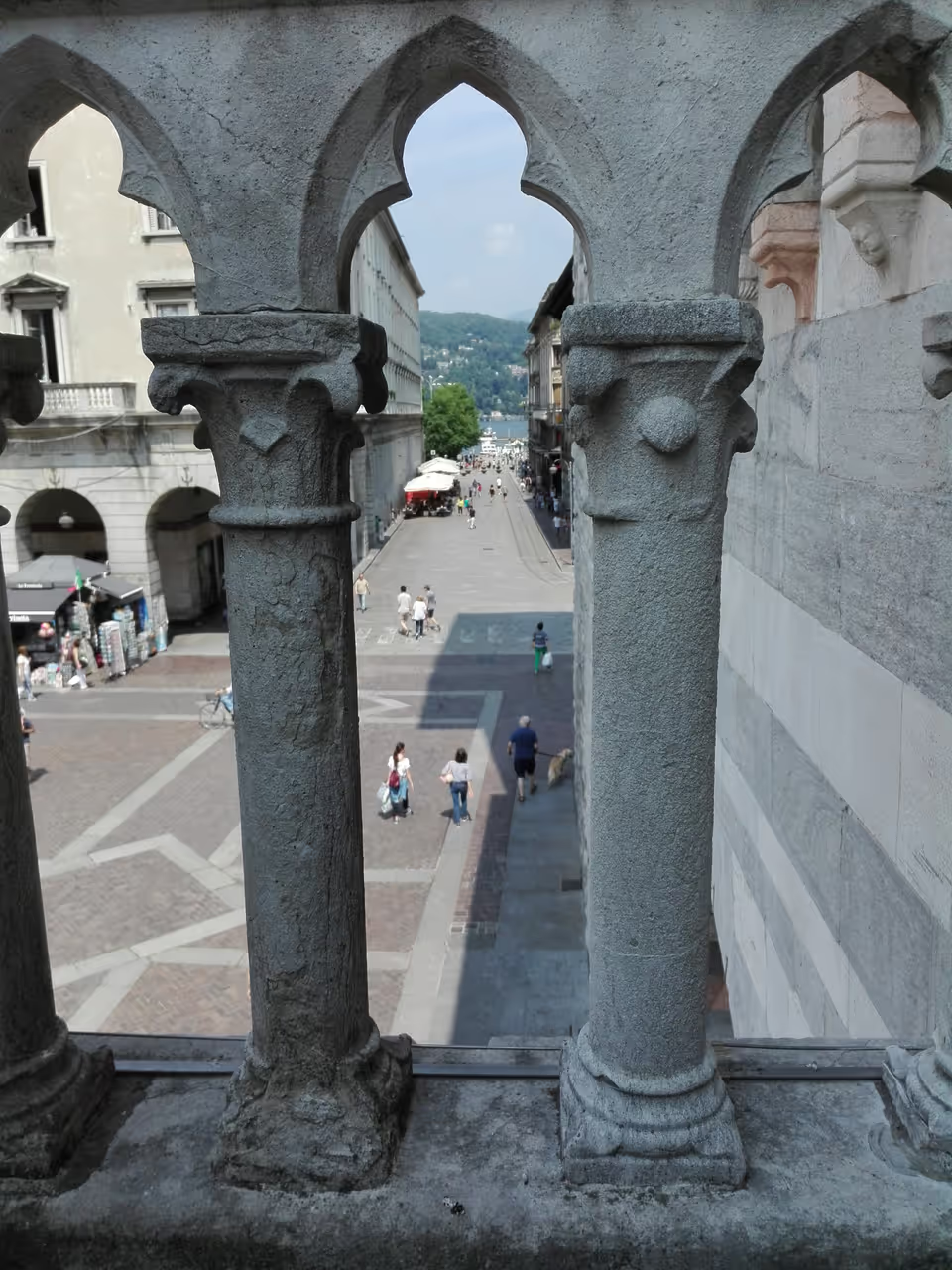
This central square provides the perfect angle to capture the incredible detail of the city's most important religious building. Standing near the Broletto, photographers can frame both the Gothic cathedral and the banded marble of the medieval town hall in a single, historically rich shot. The intricate statues flanking the main doors, depicting the pagan Pliny writers, add unique character to the image. The lighting is particularly stunning in the late afternoon when the intricate carvings catch the sun.
photo spot view- 30m
Baradello Historical Joust
This vibrant historical re-enactment transports the city back to the twelfth century to celebrate Emperor Frederick Barbarossa's victorious visit. The historic neighbourhoods compete in traditional games, including a thrilling joust, tug-of-war, and a unique wheelbarrow race. Locals dress in elaborate medieval costumes, bringing the streets alive with colourful parades and music. It is a fantastic display of civic pride and history that culminates in a grand boat regatta. Experiencing this festival offers a deep dive into the resilient medieval spirit of the region.
festival view - 30m
City of Music Festival
Throughout the warmest weeks of the year, this enchanting festival brings world-class musical performances to the city's most evocative outdoor spaces. Audiences can enjoy everything from classical symphonies to contemporary acts staged in historic cloister gardens, grand villa parks, and even beneath the ancient defensive towers. The atmosphere is magical as the sun sets over the lake and the music begins. It perfectly marries the area's architectural beauty with high-quality artistic expression. Securing a ticket to one of these starlit concerts is highly recommended.
festival view 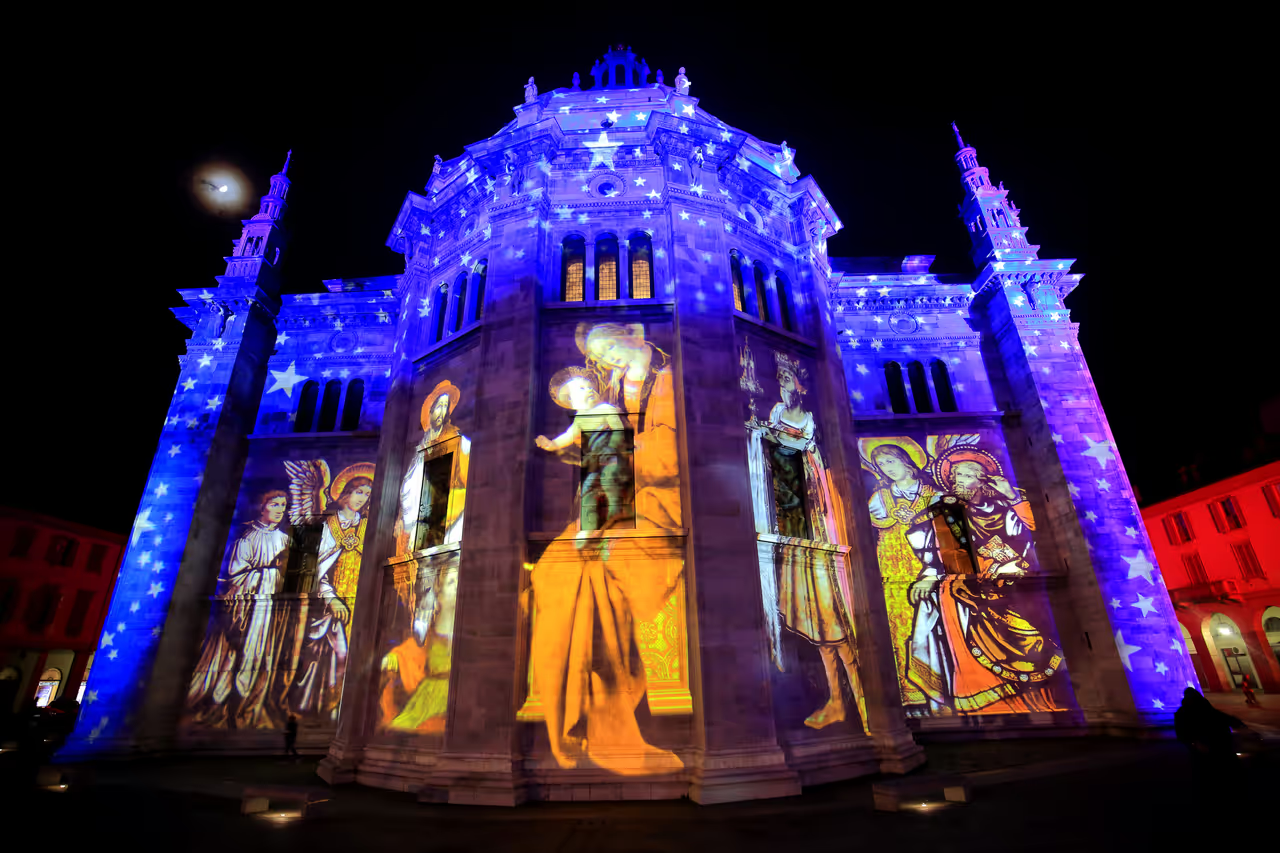 30m
30mCity of Toys Winter Festival
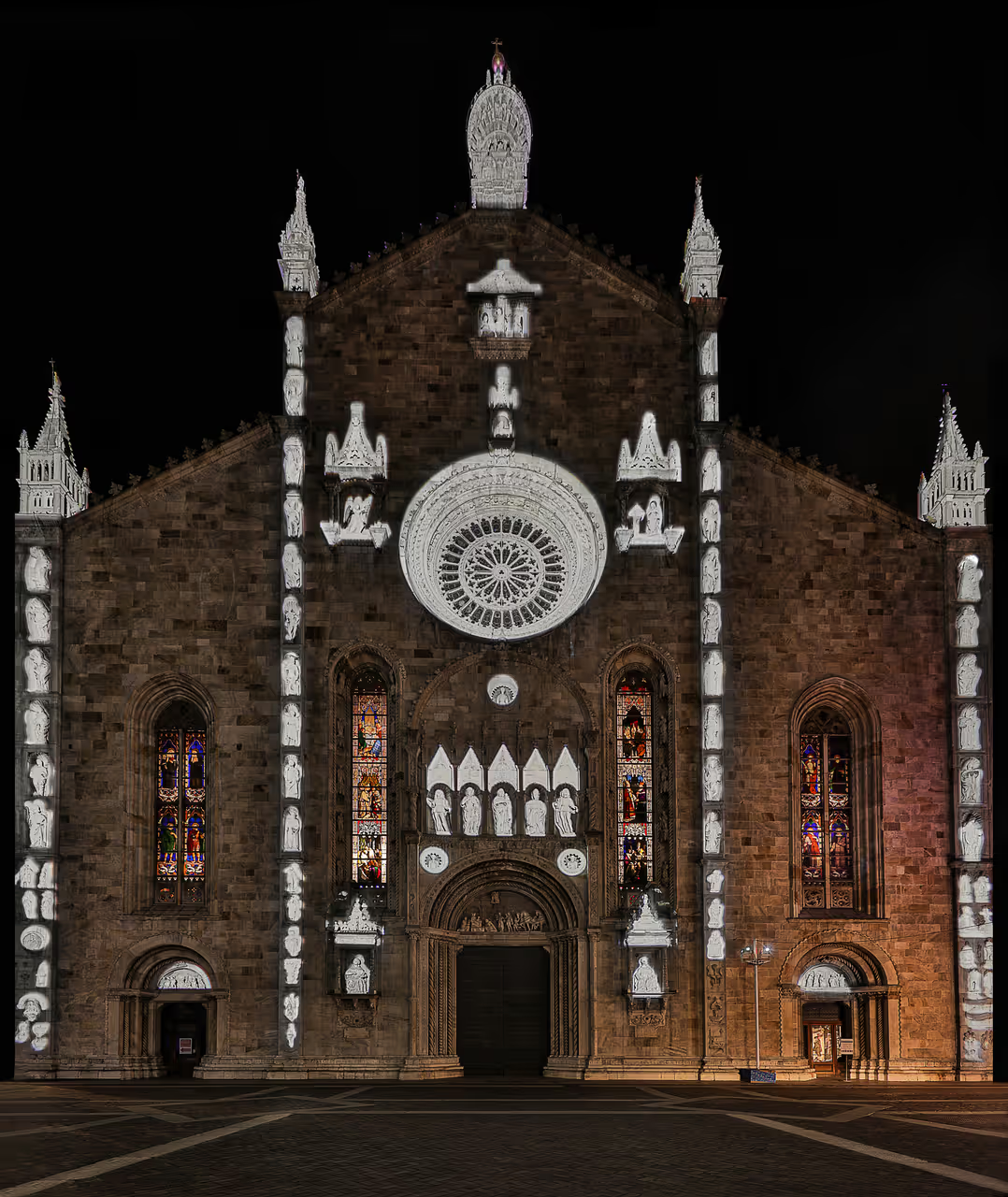
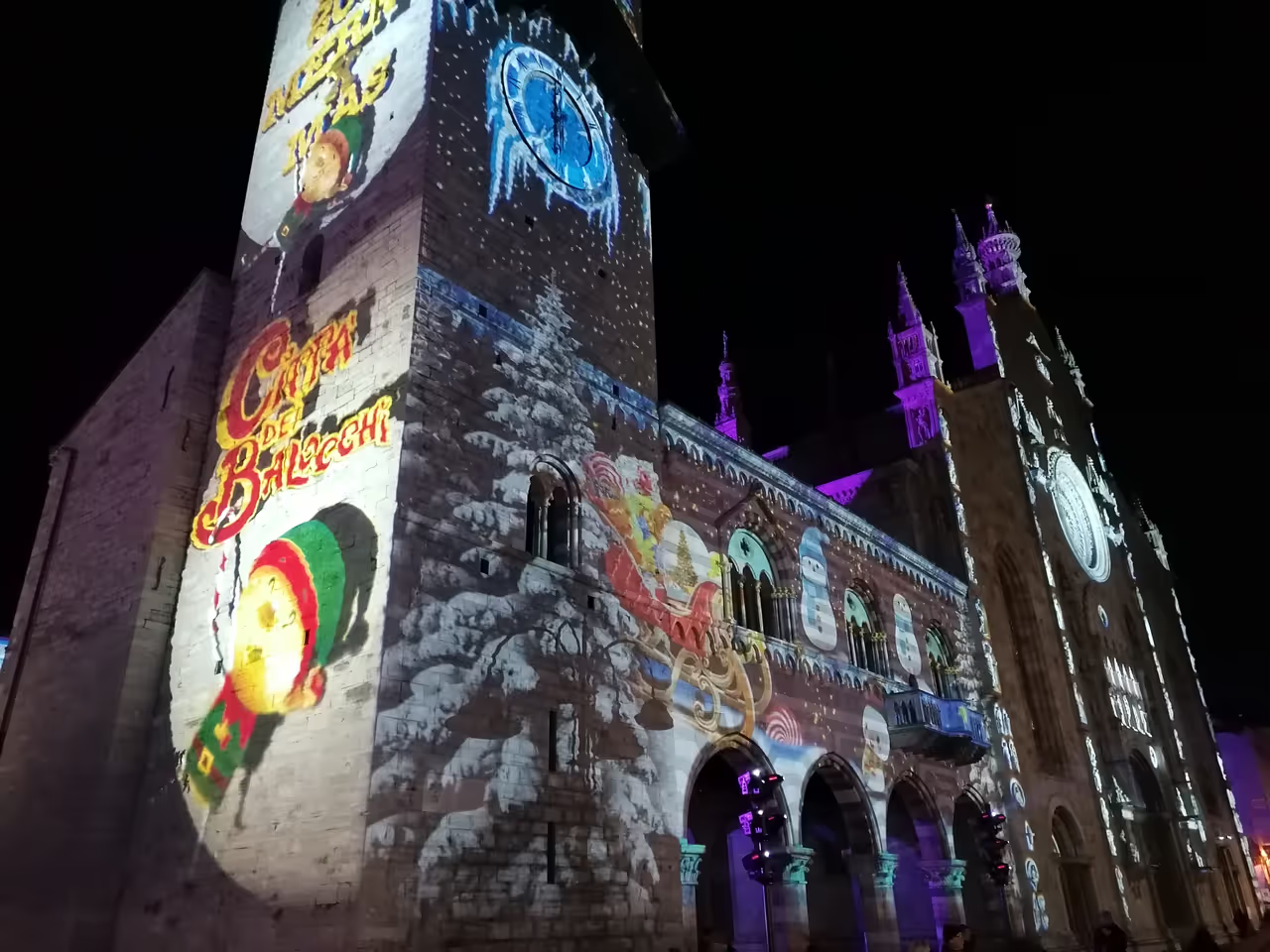
This festive winter celebration transforms the city centre into a magical wonderland, initially aimed at children but beloved by visitors of all ages. The highlight is the Magic Light Festival, which projects stunning, colourful moving images onto the facades of the main squares and the cathedral. The streets are filled with Christmas markets, an ice-skating rink, and the joyful aroma of roasted chestnuts and mulled wine. It runs for over a month and provides a genuinely heartwarming atmosphere. It turns the typically quiet winter months into a lively and visually spectacular season.
festival view
Explore Similar Places in This Collection
Featured on These Itineraries and Routes
1 Day in Como: The Essential Trip Itinerary
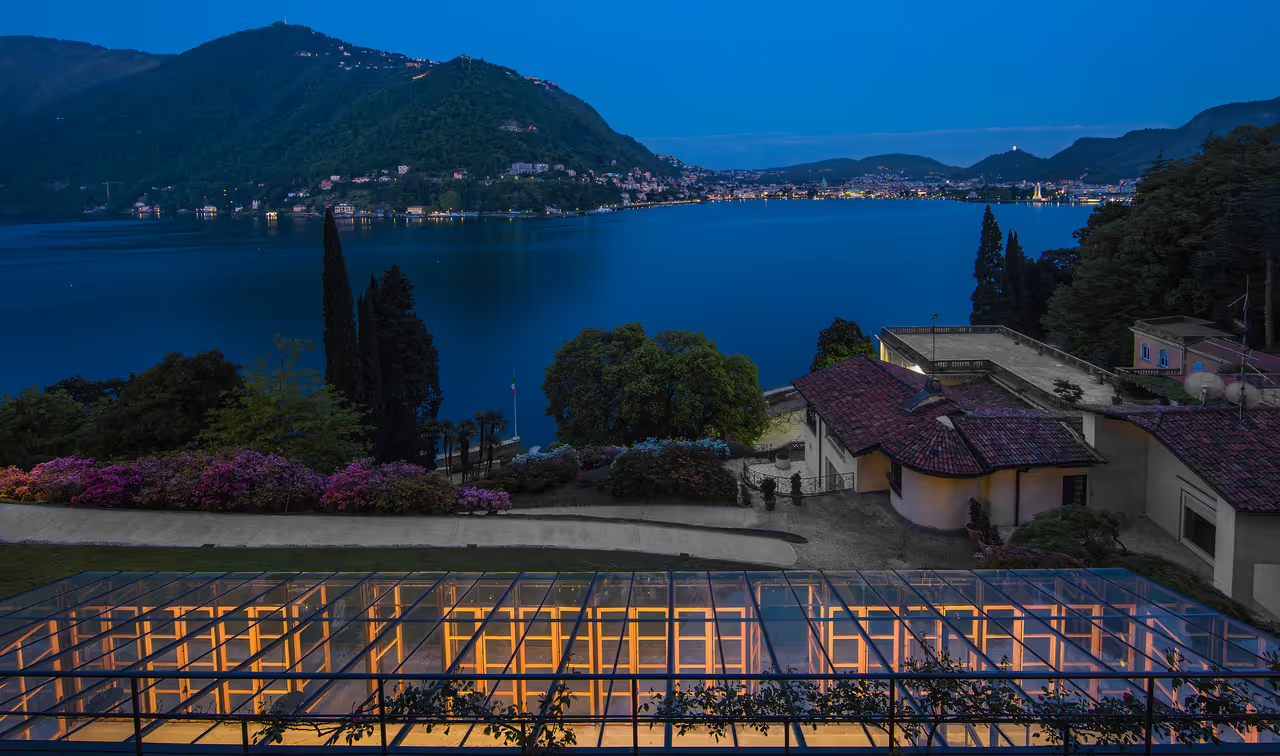
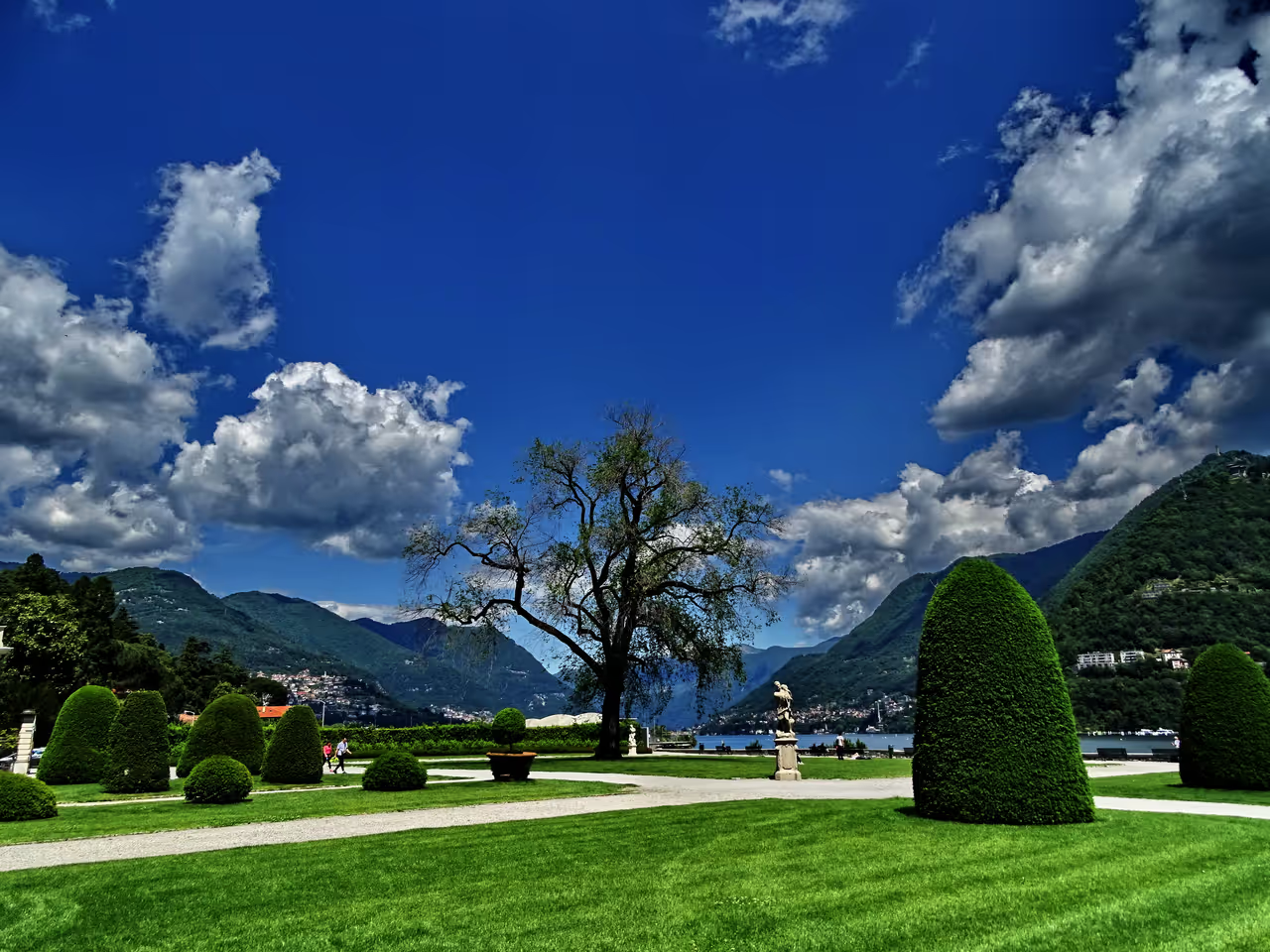
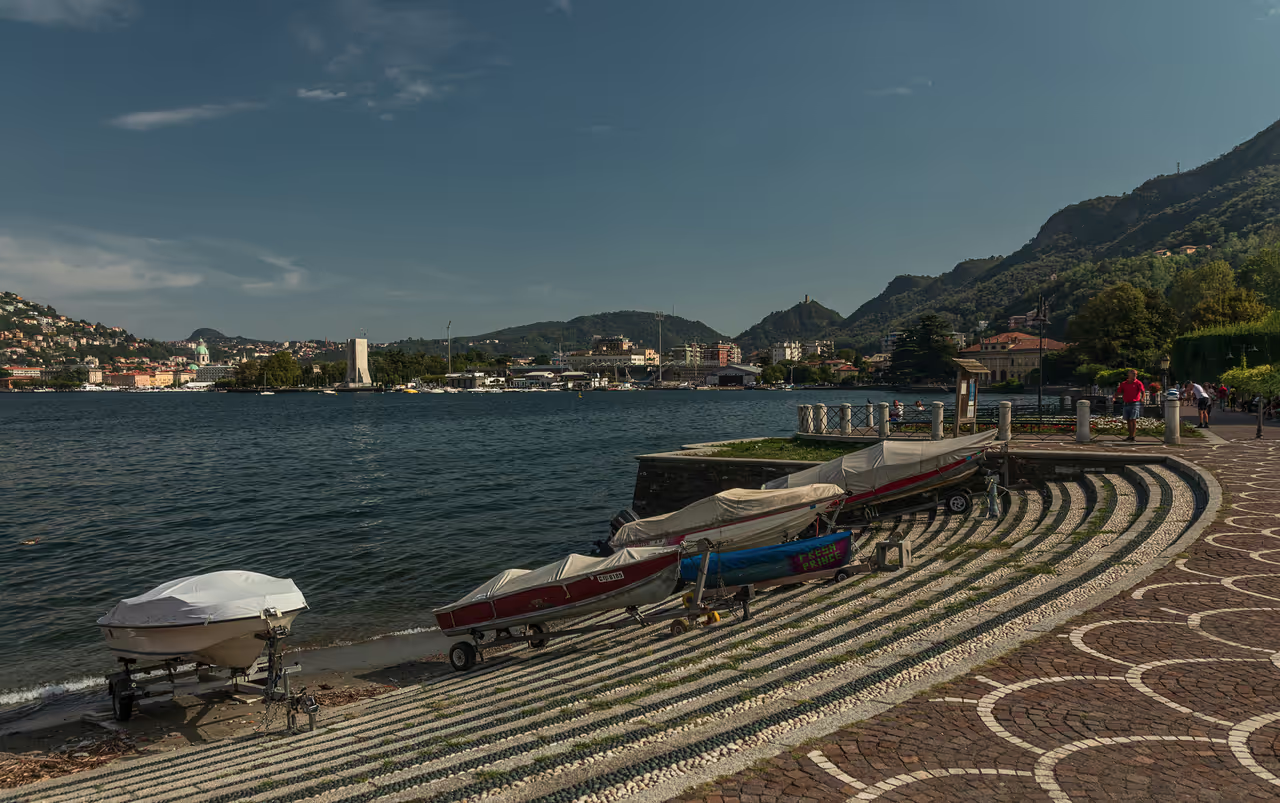
If you only have one day, this fast-paced but highly rewarding itinerary covers the absolute highlights of the city. It focuses on the magnificent historic centre before taking you to the heights of the surrounding mountains for an unforgettable panorama. You will experience the architectural grandeur, the scientific heritage, and the stunning natural beauty that defines the region. It is designed to maximise your time while keeping the walking distances highly manageable.
view itinerary
5 Days in Como: The Deep Immersion Itinerary
With five days, you can uncover the city's hidden gems and truly live like a local. This expansive plan includes everything from the historic monuments to the fascinating industrial silk heritage. You will have the time to explore the wilder regional parks, discover secret sanctuaries, and perhaps even take to the air or water. It is the ultimate itinerary for those who want a complete, unhurried, and profound understanding of the region.
view itinerary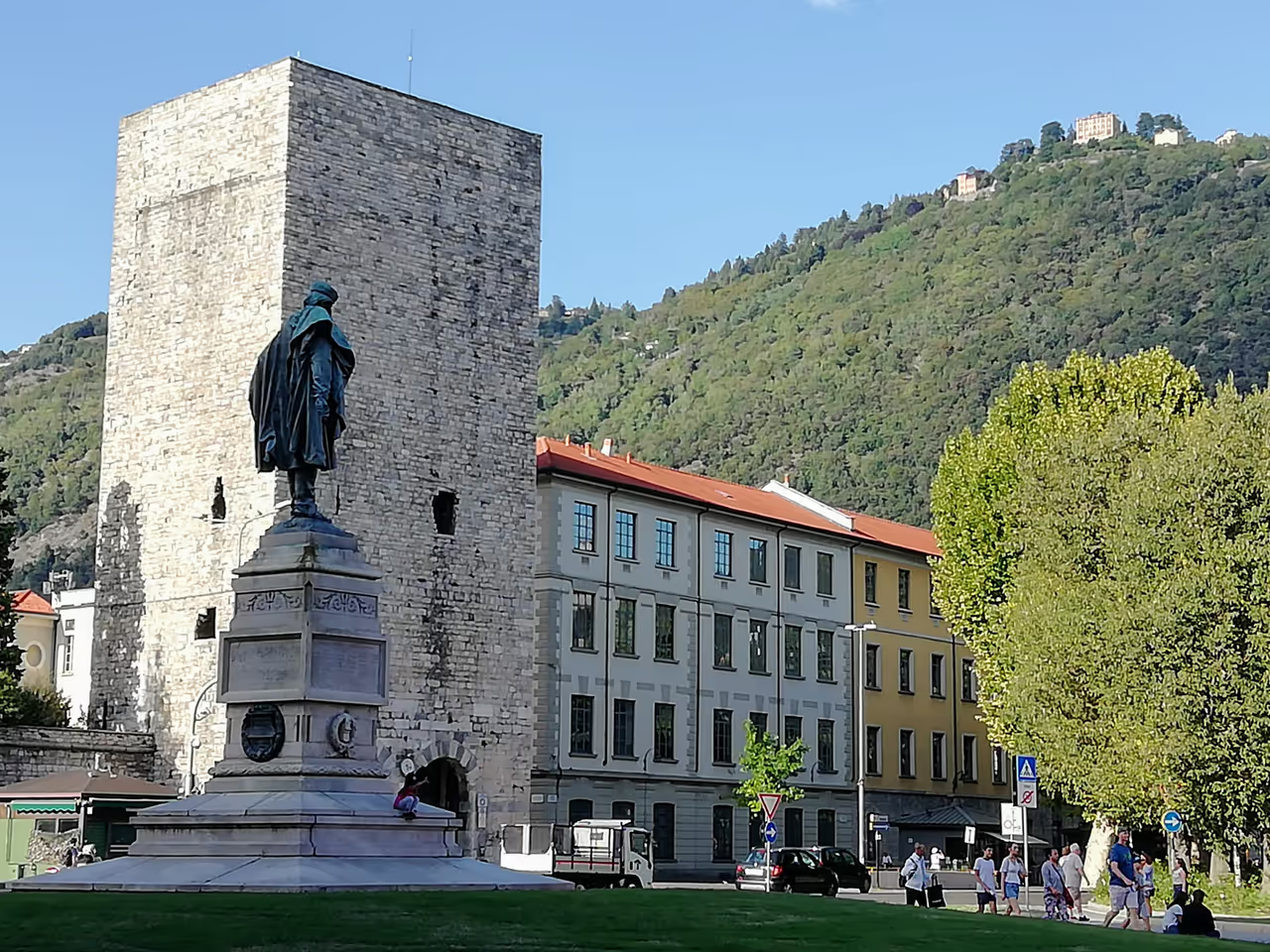
Walled City Stroll
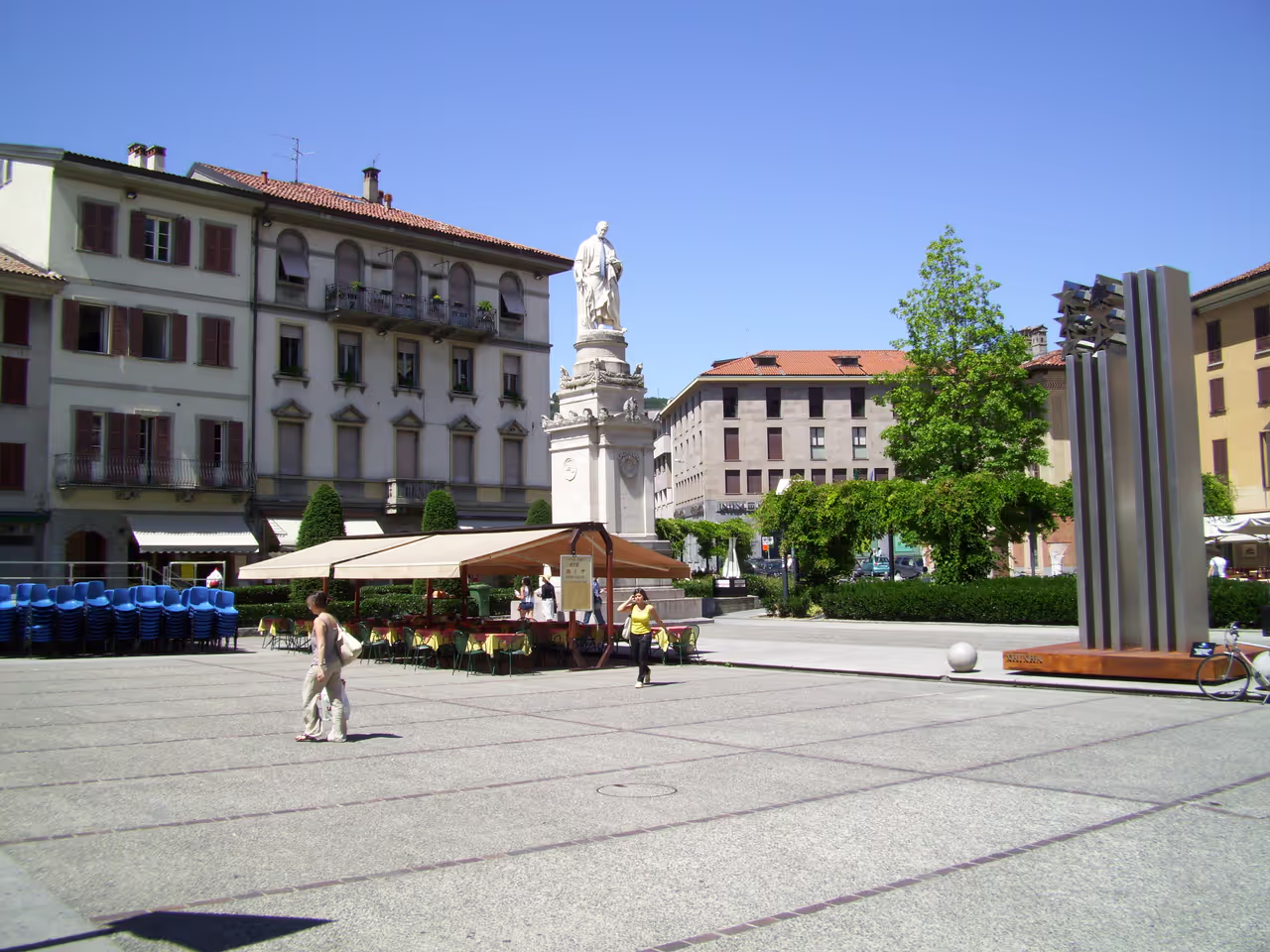
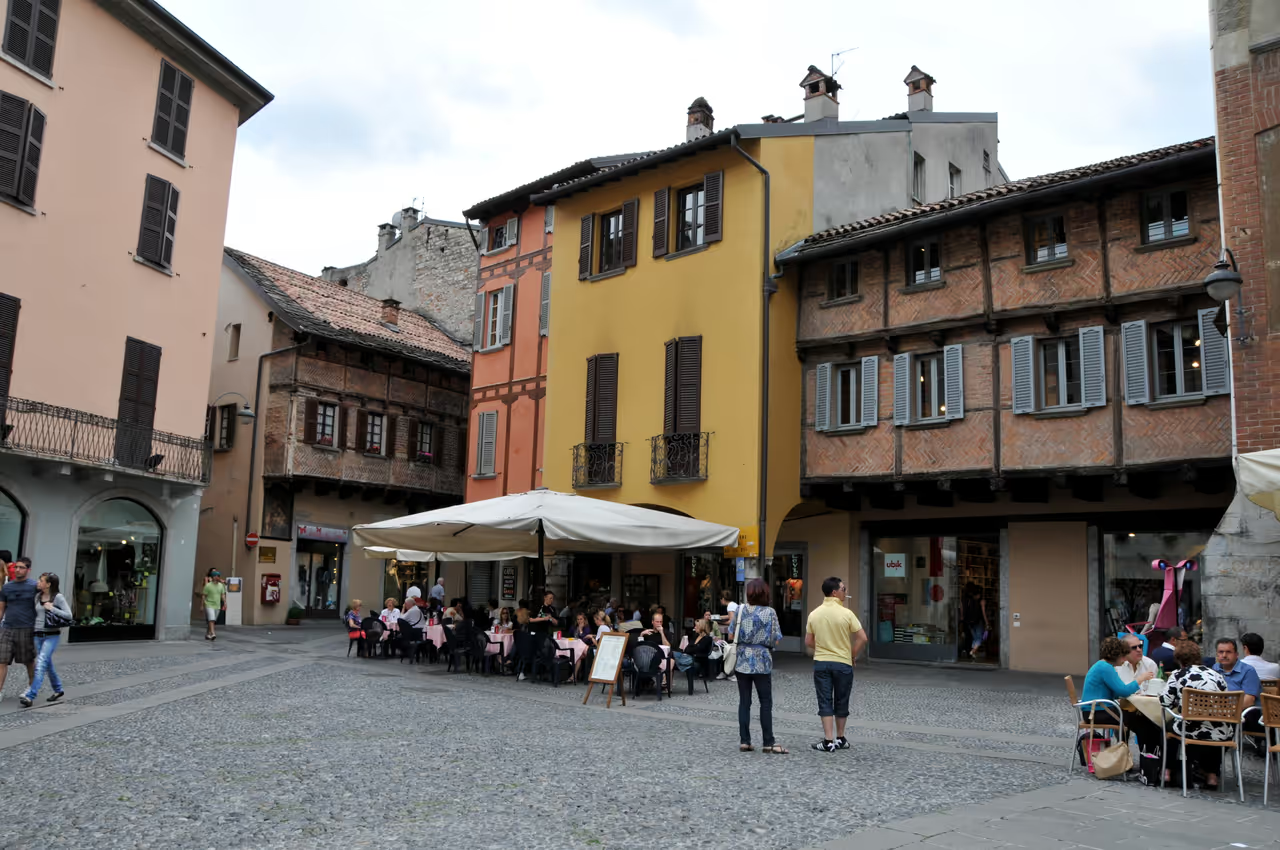
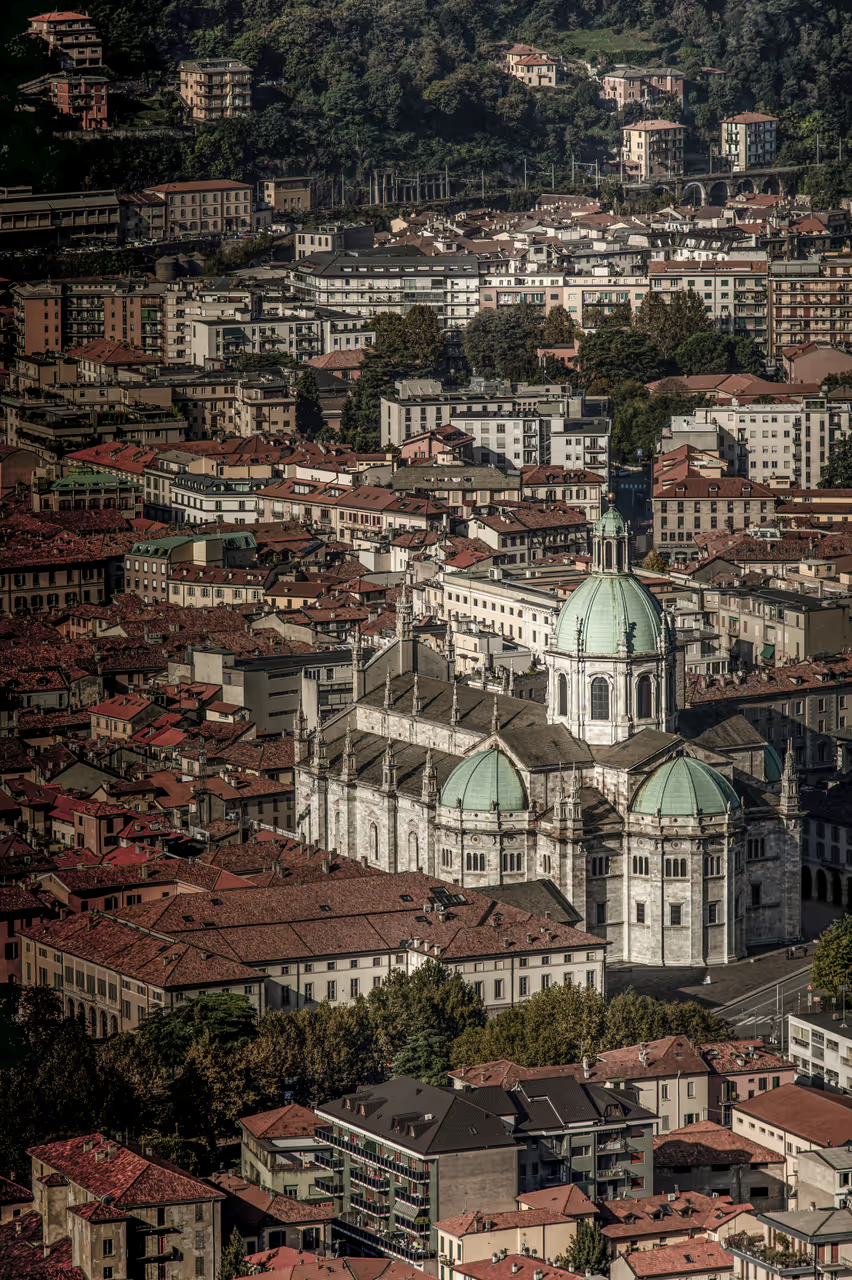
Meandering through the historic heart of the city reveals a captivating labyrinth of cobblestone streets and ancient architecture. The stroll allows you to trace the footprint of the original Roman camp, evident in the straight, intersecting alleys that remain today. Flanked by tall, pastel-coloured buildings with shuttered windows, the route is rich in charming details, hidden courtyards, and small artisan boutiques. The absence of heavy traffic makes it a remarkably peaceful urban experience. It feels like stepping into a living museum where every corner holds a piece of history.
view walking route
See all attractions in Como
Como Brunate Funicular, Como Cathedral, Volta Temple, Basilica of Sant'Abbondio...