Park of Montagnola
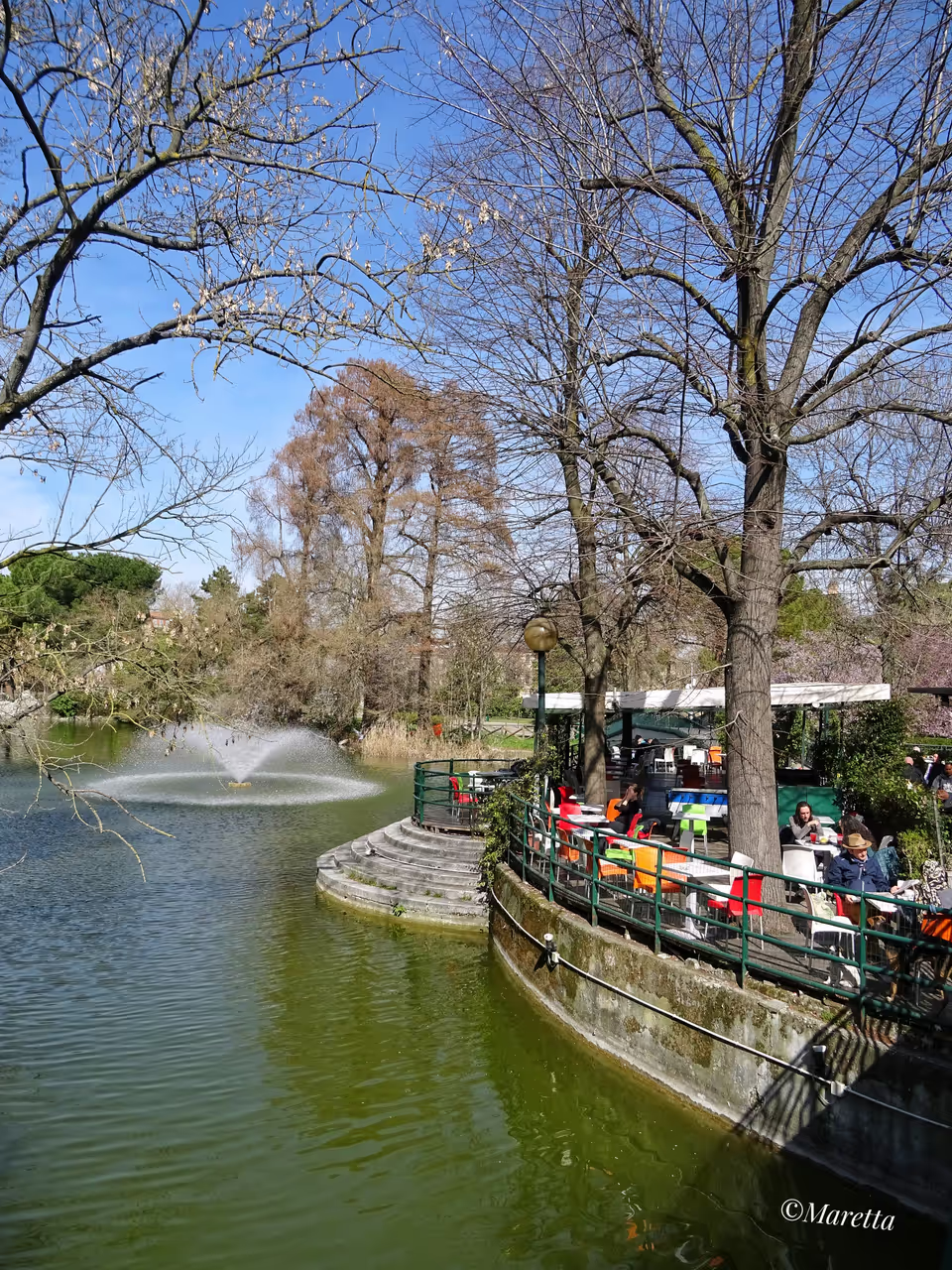
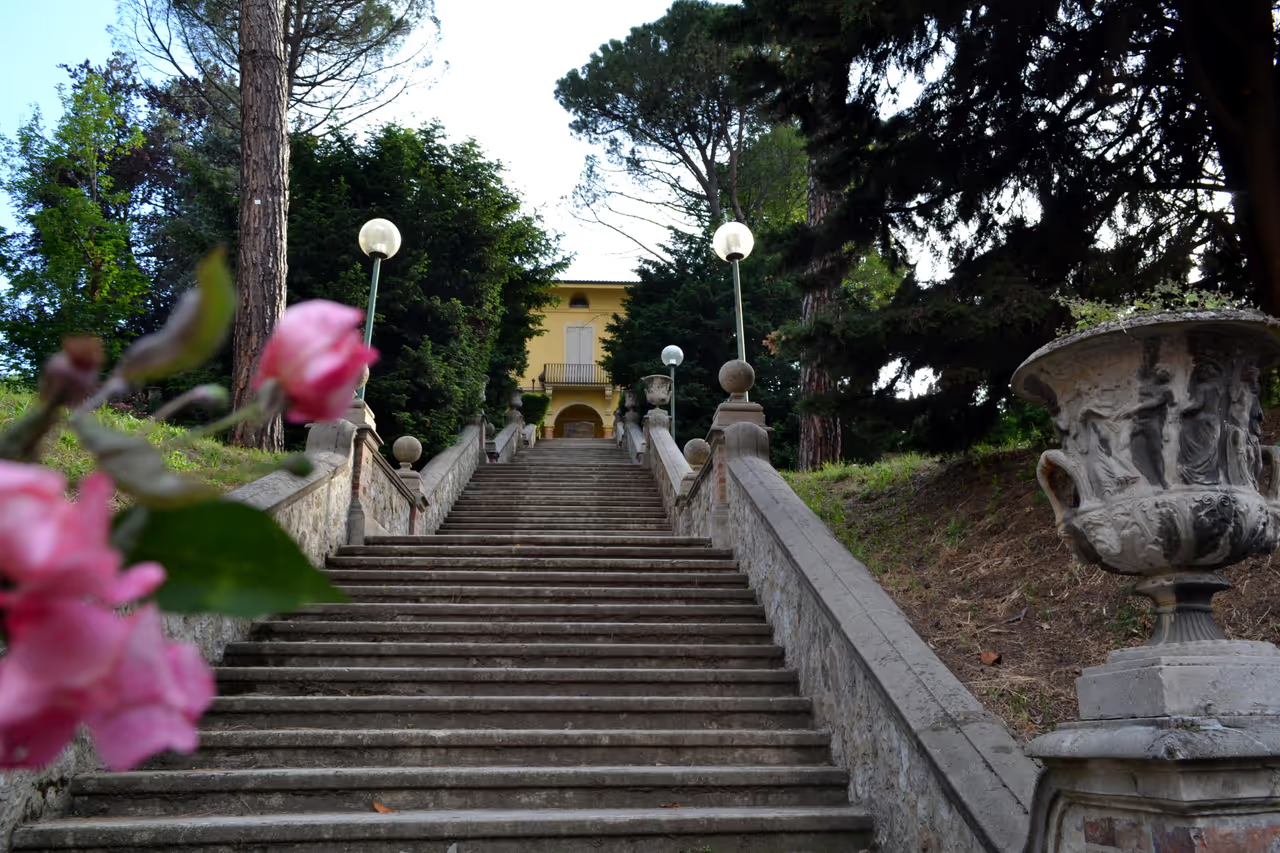
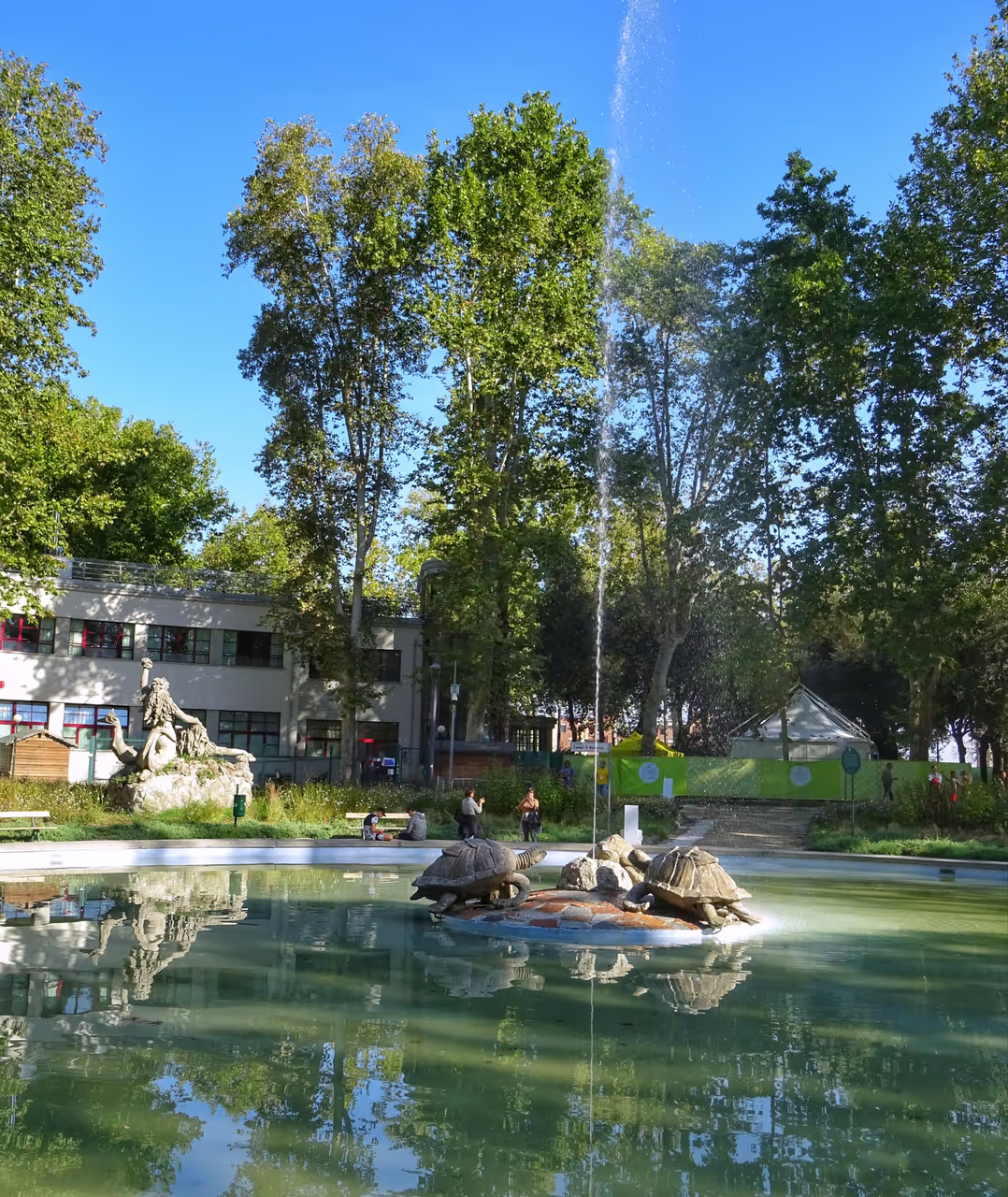
The Park of Montagnola offers a serene green escape nestled in the heart of Bologna, serving as a peaceful sanctuary steeped in centuries of history. Visitors are greeted by the impressive Pincio staircase, a stunning nineteenth-century structure that leads up to an elevated plateau offering lovely views of the city. Once an area defined by the ruins of a medieval castle, the park evolved under Napoleonic influence into the beautiful garden we see today. It serves as a living monument to local courage, notably commemorating the citizens who stood up to Austrian forces during the uprising of 1848. Whether you are strolling beneath ancient, towering plane trees or admiring the artistic sculptures surrounding the central pool, the atmosphere here is undeniably charming. It acts as a perfect spot to unwind, reflect on the past, or enjoy the lively local life nearby.
Videos
History of Park of Montagnola
The origins of the Park of Montagnola are as dramatic as the events that later unfolded upon its grounds. Long before it was a public garden, the site was the location of the Galliera Castle, a fortress built in the 14th century by Bertrando del Poggetto to house the Pope and his court. The locals, far from welcoming this assertion of power, viewed the castle with disdain. Eventually, they rose up and razed the structure to the ground. The debris from this destruction was left in a massive mound, creating the artificial plateau that gives the park its name today, derived from the Italian word for little mountain. This unusual origin story set the stage for centuries of transformation. By the late 17th century, the area had begun to transition into a public space, but it was the Napoleonic influence in the early 19th century that truly shaped the park into a formal garden. Architects designed a circular layout that turned the mound into a peaceful retreat. It became a site of great political significance, where the burial of revolutionary figures under Napoleon’s orders underscored the city's complex relationship with foreign rule and its own desire for autonomy. The park’s identity was forever solidified on 8 August 1848. During the intense struggles of the Risorgimento, the Montagnola became the theatre of a fierce battle between local revolutionaries and Austrian troops. The victory of the Bolognese forces transformed the park from a simple garden into a symbol of civic pride and resistance. Today, walking through these grounds, one can still feel the weight of this history, from the ancient plane trees planted in the Napoleonic era to the grand Pincio staircase that serves as a monument to the city’s enduring spirit.
Events spanning 232 years
Fun Facts
- • A central circular pool, added in 1888 for the provincial exposition, serves as a serene focal point surrounded by artistic animal sculptures.
- • It is closely linked to Piazza VIII Agosto, which hosts the legendary La Piazzola market, one of the city's most vibrant shopping destinations on Fridays and Saturdays.
- • The 1848 War Memorial at the entrance was crafted by Pasquale Rizzoli, serving as a poignant reminder of the sacrifices made for independence.
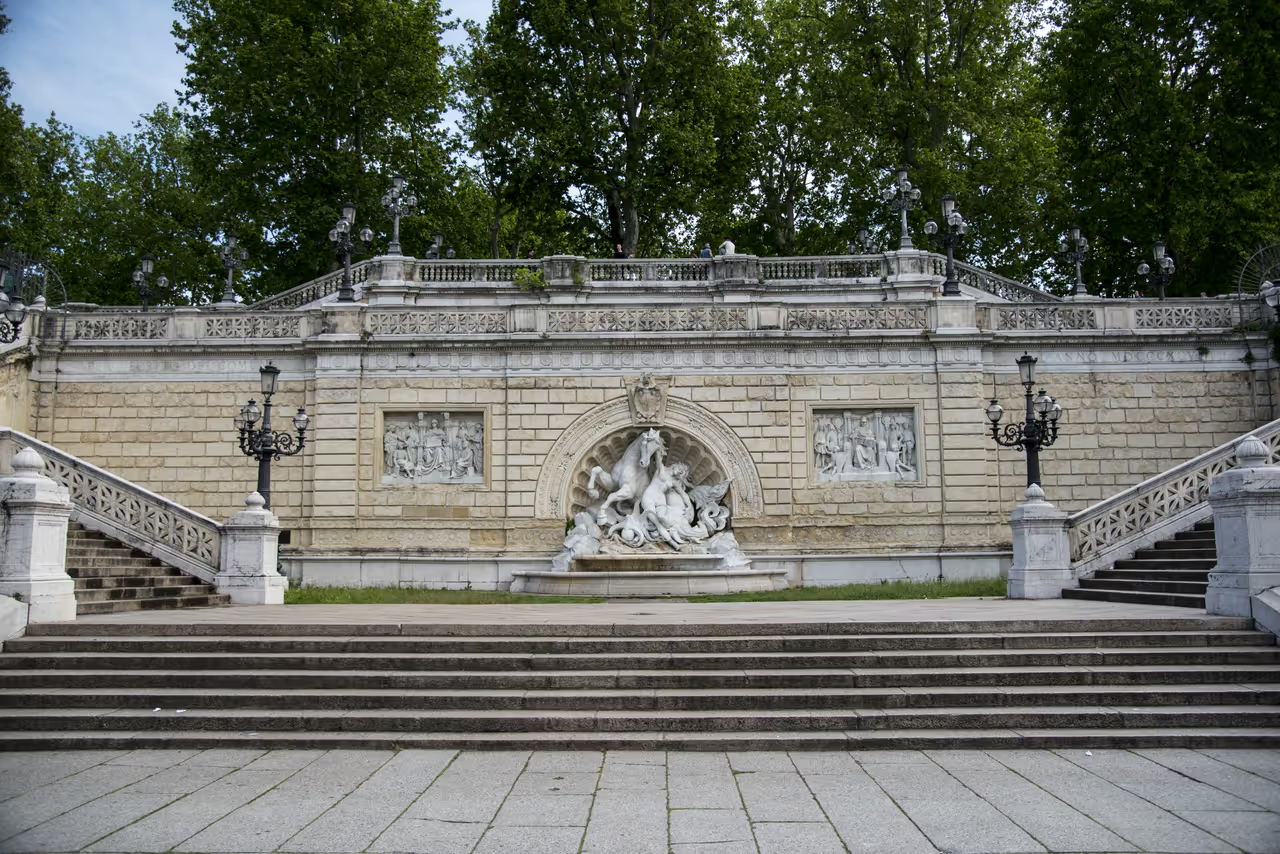
- • The Pincio staircase, designed by Tito Azzolini and Attilio Muggia, features intricate sculptural reliefs that narrate the storied history of Bologna.
- • The area served as a residence for the Pope and his court during the 14th century when the Galliera Castle still dominated the site.
- • The famous sculptor Diego Sarti created the striking animal statues found around the park's central fountain.
- • The historic plane trees lining the park are survivors from the Napoleonic era, having stood watch for over two centuries.
- • The park holds the memory of the Battle of Montagnola, a pivotal moment in 1848 where locals successfully defended their city against Austrian troops.
- • The park is literally built upon the debris of the 14th-century Galliera Castle, which was torn down by angry citizens.
- • The site has been a witness to political turmoil for centuries, from being a papal stronghold to a Napoleonic garden and a revolutionary battlefield.
RESOURCES
Official WebsitePark of Montagnola FAQ
While we strive to keep this information accurate and up to date, we recommend verifying any details independently before making decisions based on them.
Park of Montagnola Map & Neighborhood Explorer
This interactive map is centered on Park of Montagnola. Zoom in and move the map around to automatically discover Wikipedia photos and summaries of other nearby sights, monuments, and historical points of interest and stories in real-time!
Places near Park of Montagnola
Make the most of your trip. Check out these top-rated spots located nearby.
 118m
118mPincio Staircase
Located at the entrance to Montagnola Park, this monumental, late nineteenth century staircase is a dramatic architectural set piece. It features sweeping, curved steps adorned with beautiful statues, elegant streetlamps, and intricate bas reliefs. Shooting from the bottom looking up captures the grandeur of the sweeping curves against the sky. Conversely, shooting from the top offers a fantastic, elevated view looking back down over the busy city streets. It is an incredibly elegant and somewhat unexpected piece of monumental architecture.
photo spot view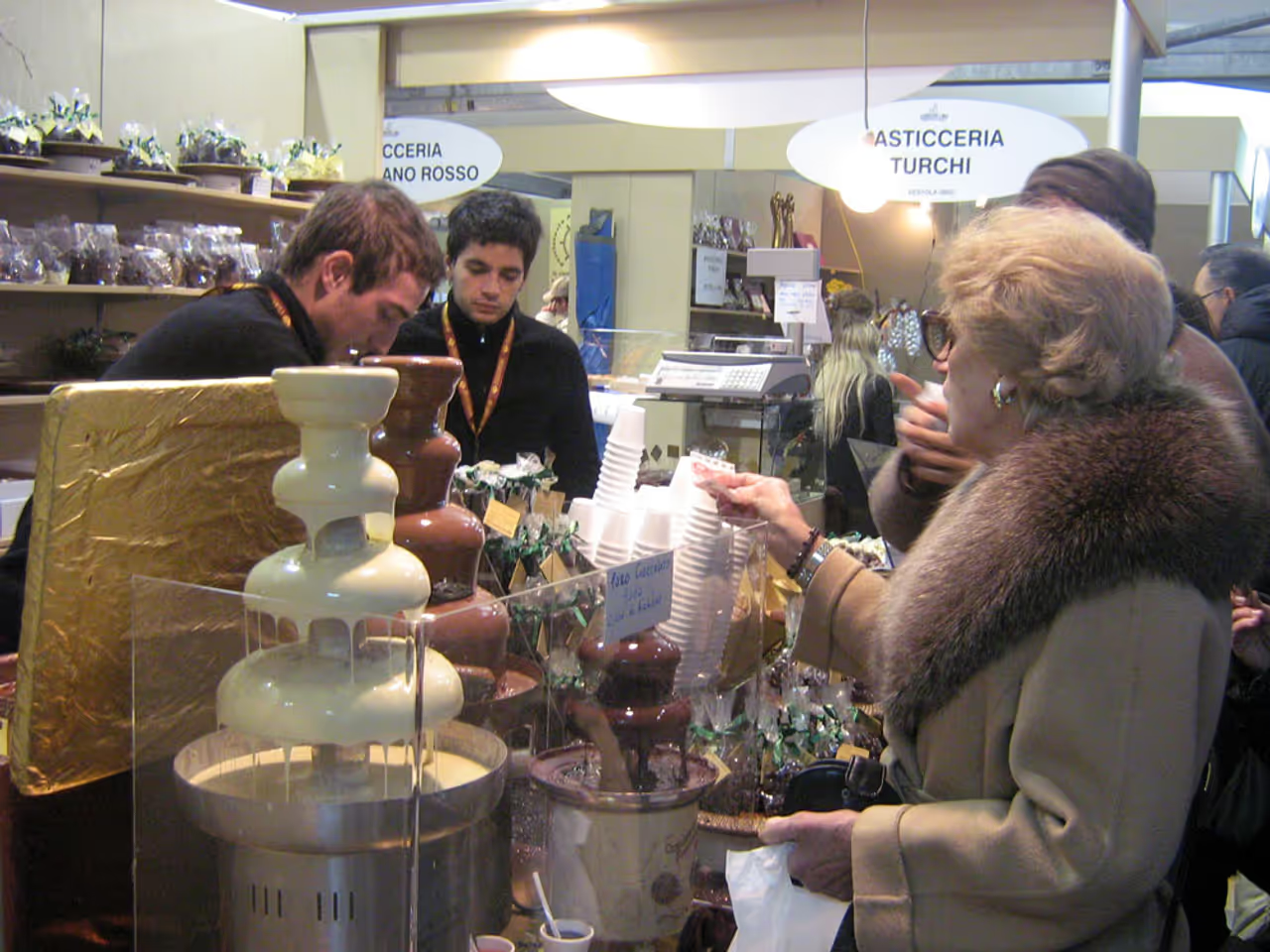 186m
186mCioccoshow Chocolate Festival
An absolute paradise for sweet tooths, this massive chocolate festival takes over the main squares with irresistible aromas. Master chocolatiers from across Italy set up stalls showcasing artisanal pralines, hot chocolate, and inventive cocoa creations. Visitors can participate in tasting sessions, watch live sculpting of massive chocolate blocks, and attend sweet making workshops. The festive atmosphere is highly addictive, drawing huge crowds eager to sample the finest confections. It is a brilliant way to warm up during the crisp autumn days.
festival view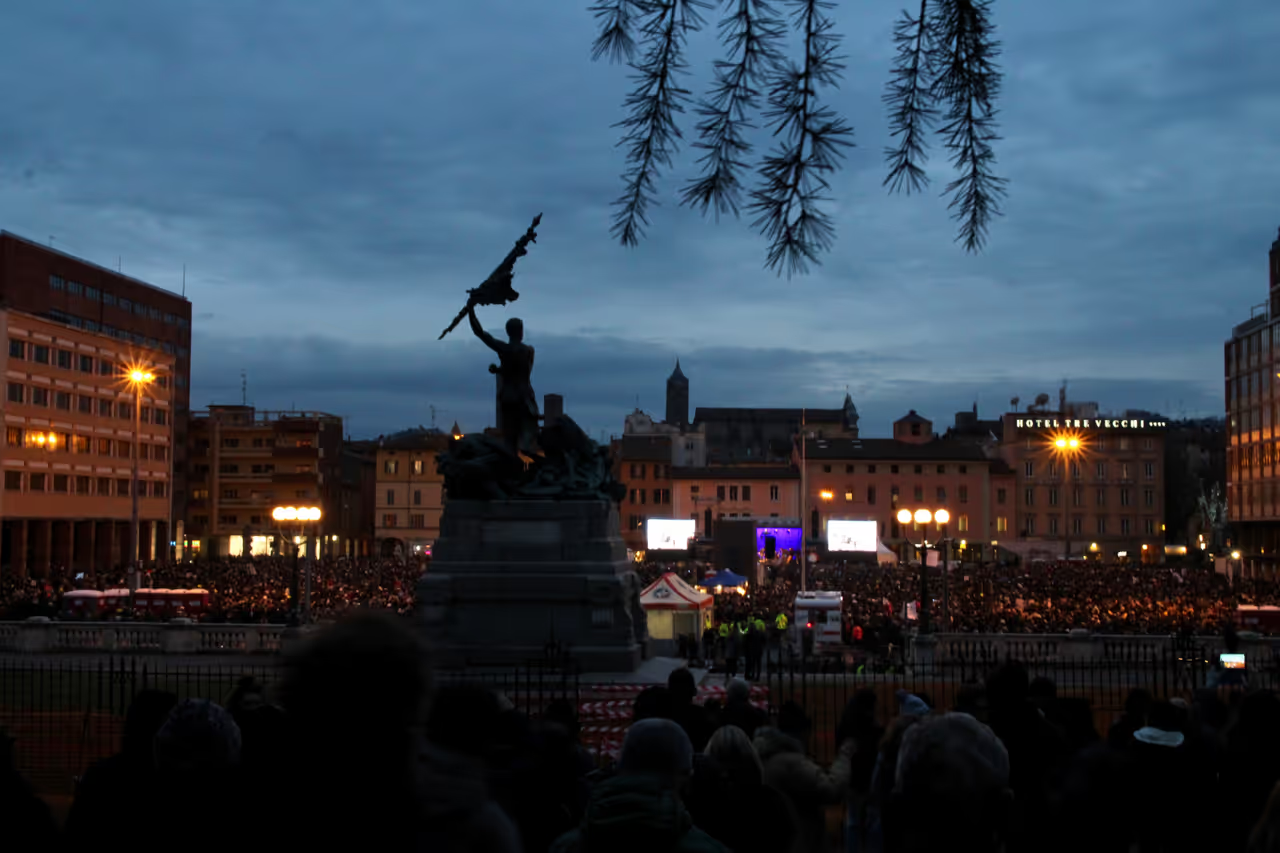 264m
264mLa Piazzola Market
A massive, sprawling outdoor market that has been held in the same public square since the year 1251. With over four hundred stalls, it offers a chaotic and colourful treasure hunt for vintage clothing, antiques, crafts, and quirky collectables. The energy is vibrant and raw, completely different from the refined boutiques in other parts of the city. Bargain hunters and fashion students flock here to uncover unique items at fantastic prices. It is a quintessential local experience that shows a more eclectic side of the city.
market view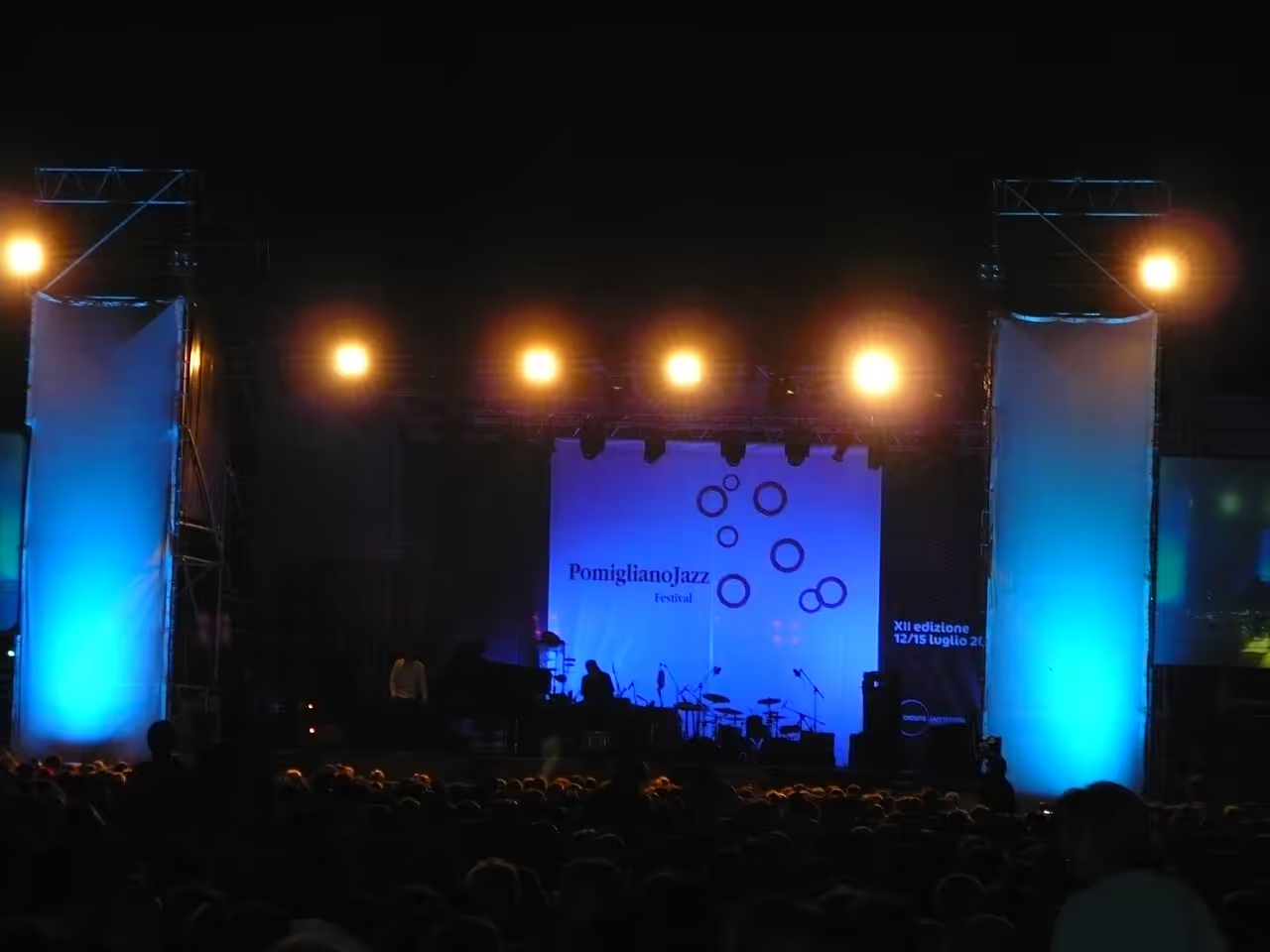 432m
432mBologna Jazz Festival
A premier musical event that transforms the city into a swinging hub for jazz aficionados. World renowned musicians and emerging talents perform in historic theatres, intimate jazz clubs, and even impromptu street corners. The festival honours the city's rich musical legacy and its prestigious status as a UNESCO Creative City of Music. The eclectic mix of traditional and avant garde performances ensures there is something for every musical palate. The energy is infectious, making the cool autumn evenings incredibly lively.
festival view
Featured on This Itinerary
See all nature & parks in Bologna
Orto Botanico di Bologna, Giardini Margherita, Villa delle Rose, Villa Spada...