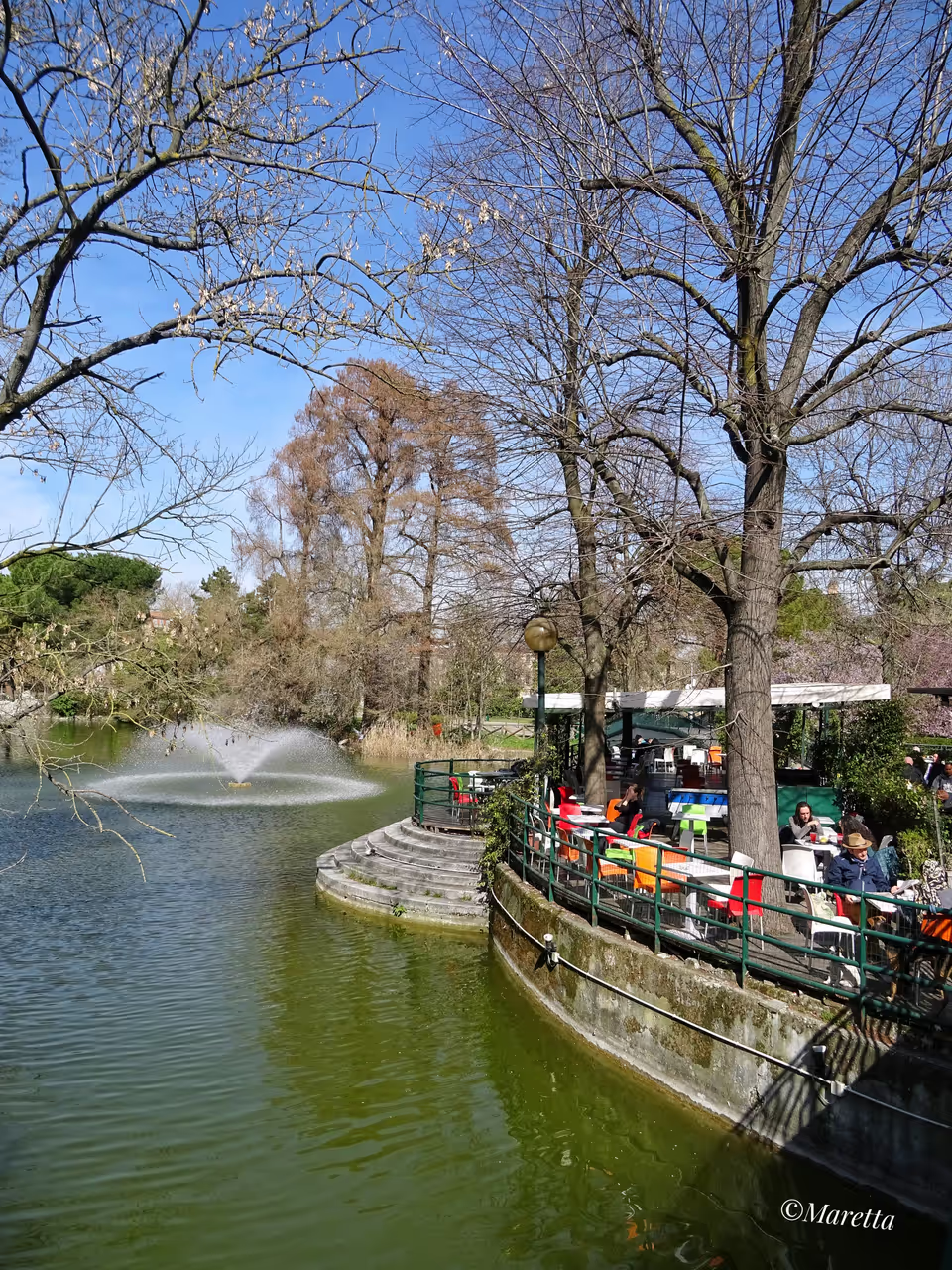
Giardini Margherita
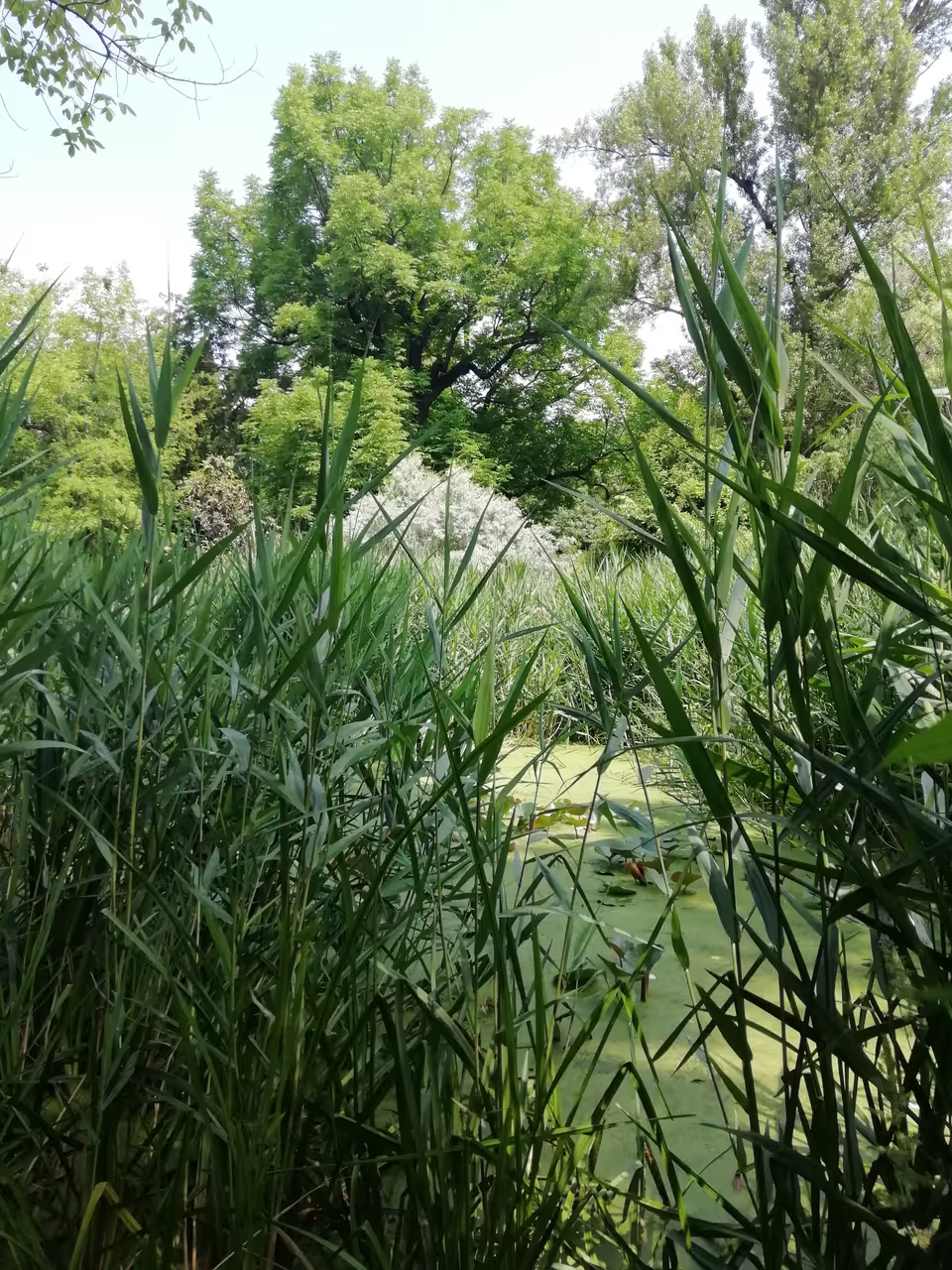
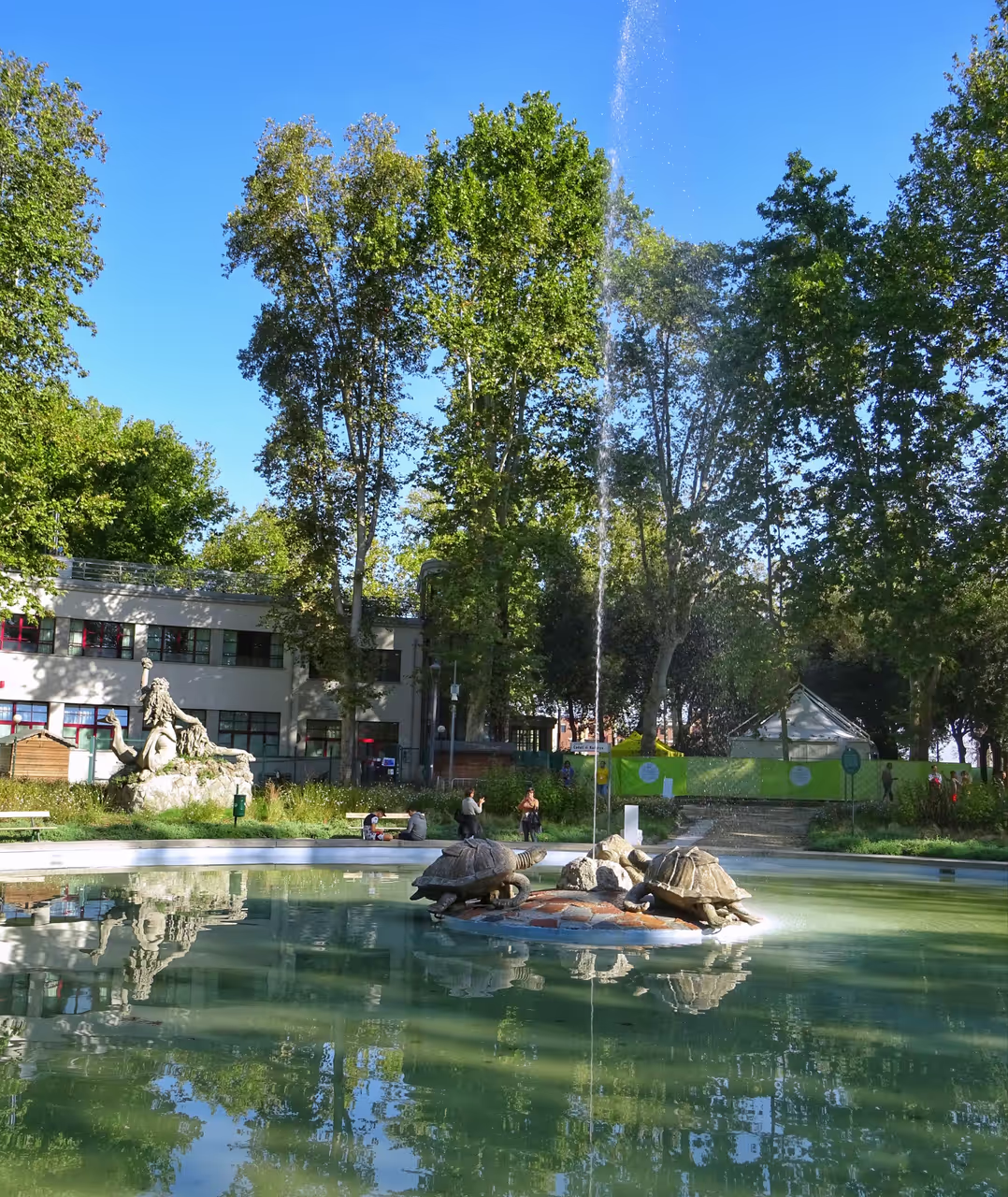
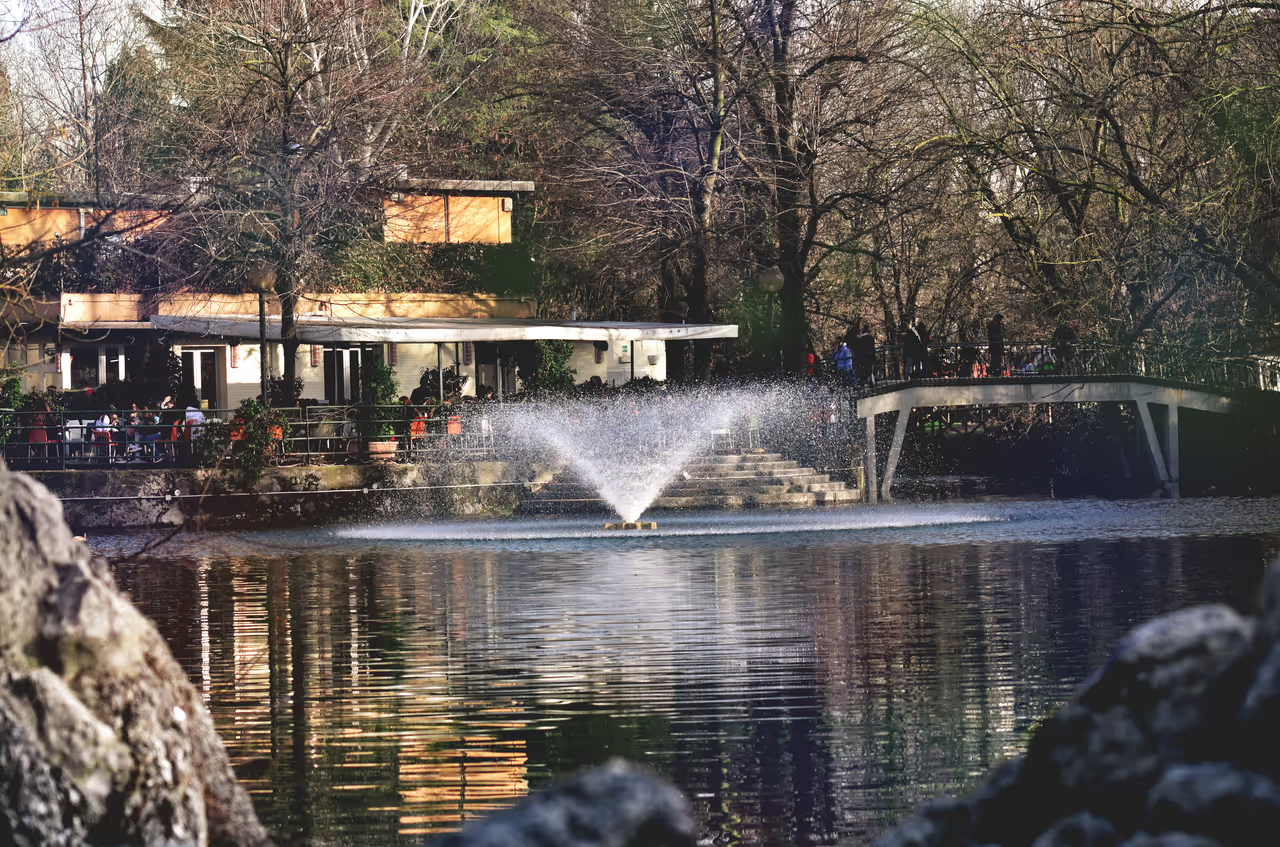
Giardini Margherita is Bologna's beloved green escape, sprawling just south of the medieval city walls. Designed in the late nineteenth century as a sprawling English landscape garden, it offers winding paths, a picturesque lake, and ample shade for those looking to unwind. You will find locals jogging along the gravel trails or picnicking on the lawns, making it the perfect spot to experience the authentic rhythm of Bolognese life. Beyond its lush greenery, the park is a historical treasure, housing an old astronomical observatory and bordering the elegant Santa Maria della Misericordia church. Whether you want a morning stroll or an afternoon of relaxation, this park provides a serene sanctuary from the vibrant city energy.
Videos
History of Giardini Margherita
The creation of Giardini Margherita was a bold move by the city of Bologna at the end of the nineteenth century. As the city expanded beyond its ancient medieval footprint, municipal leaders recognised the need for a grand, democratic green space that could serve all citizens. By purchasing land once occupied by a religious order, they reclaimed a large plot of land situated just outside the city walls. They enlisted the expertise of Count Ernesto Balbo Bertone di Sambuy, a designer known for his keen eye for romantic, naturalistic landscapes. His task was to transform what had been relatively flat agricultural land into an English style garden, a style that was becoming incredibly fashionable across Europe as an antidote to the rigid geometry of earlier French garden designs. When the gates first opened in 1879, the park was an immediate sensation among the local population. It was not merely a collection of trees and paths, but a carefully curated theatre of nature featuring a man made lake, winding brooks, and carriage paths designed for the city's social elite to parade in their finest attire. The park quickly became the beating heart of Bologna's social life, with the elegant Liberty style structures added in the following years serving as the setting for concerts, intellectual debates, and leisure. It was a space designed to impress, providing a grand backdrop against which the city's modernisation could unfold. Today, the legacy of this nineteenth century vision remains remarkably intact. Despite the encroachment of the modern city and the impact of light pollution on its historic observatory, the park has maintained its status as the green lungs of Bologna. It survives not as a static museum piece, but as a living, breathing landscape that adapts to the needs of the contemporary city. Whether it is the shade of the grand century old trees or the gentle ripple of the lake, the park serves as a reminder of a time when the city invested in beauty as a public right. It is a place where history and modern urban life coexist seamlessly, offering a quiet, constant comfort for those who wander through its gates.
Events spanning 126 years
Fun Facts
- • Archaeological excavations performed during the initial construction phases revealed ancient artefacts, hinting at Roman settlements that once occupied this fertile land south of the city centre.
- • Before the park was transformed into a public garden, the area served as part of a significant convent, with traces of its ecclesiastical history still lingering in the surrounding architecture.
- • Count Ernesto Balbo Bertone di Sambuy, the visionary behind the design, drew direct inspiration from international trends, opting for the naturalistic, irregular layout characteristic of English landscape design.
- • During the 19th century, the park became a social hub for the local aristocracy, who would visit to parade along the carriage roads that were originally designed for horse drawn vehicles.
- • Nestled within the park lies an old astronomical observatory, an elegant Liberty style building that once allowed skywatchers a clear view of the heavens before urban growth increased light pollution.
- • The lake at the centre of the gardens acts as a vital ecosystem for various bird species, offering a peaceful reflection of the weeping willows and surrounding greenery that defines the layout.
- • The land was purchased by the city municipality specifically to provide a lung for the rapidly developing urban area, a visionary decision that remains essential for city residents today.
- • The park was named in honour of Queen Margherita of Savoy, the first queen of Italy, reflecting the prestige attached to the site at its inception.
- • Visitors can find the Santa Maria della Misericordia church located right on the edge of the park, a building with roots stretching back to the 15th century that adds a layer of spiritual depth to the area.
RESOURCES
Official WebsiteGiardini Margherita FAQ
While we strive to keep this information accurate and up to date, we recommend verifying any details independently before making decisions based on them.
Giardini Margherita Map & Neighborhood Explorer
This interactive map is centered on Giardini Margherita. Zoom in and move the map around to automatically discover Wikipedia photos and summaries of other nearby sights, monuments, and historical points of interest and stories in real-time!
Places near Giardini Margherita
Make the most of your trip. Check out these top-rated spots located nearby.
 867m
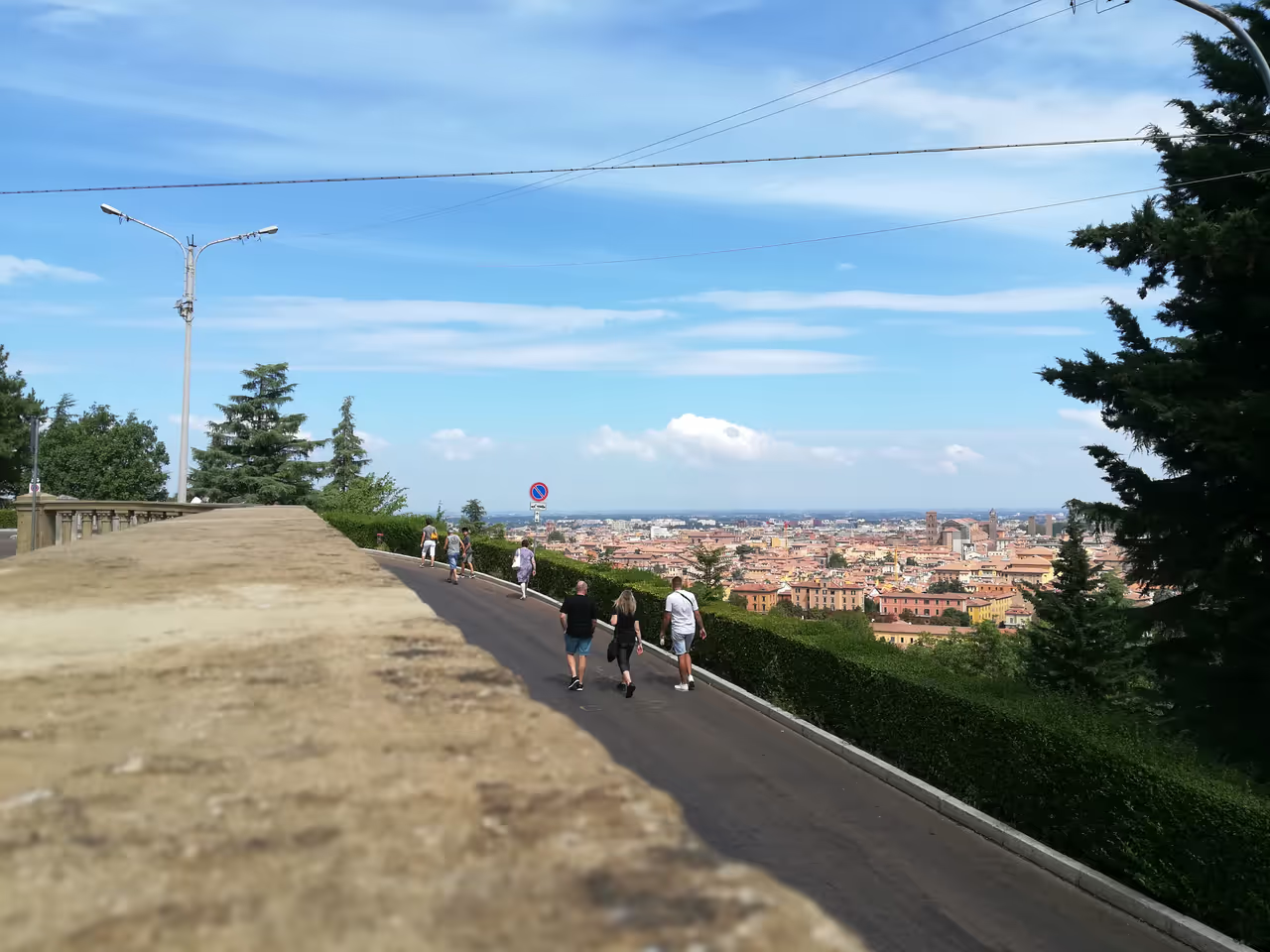
867mSan Michele in Bosco Panorama
Located on a hill just south of the historic centre, this expansive terrace offers a sweeping, picture perfect view of the entire city. It is particularly magical at sunset, when the fading light makes the terracotta buildings glow intensely before the city lights begin to twinkle. The prominent mediaeval towers and the massive bulk of the main basilica stand out clearly against the skyline. It is a favourite romantic spot for locals and requires a pleasant, albeit steep, walk or a quick bus ride to reach. The peaceful atmosphere makes the stunning view even more enjoyable.
viewpoint view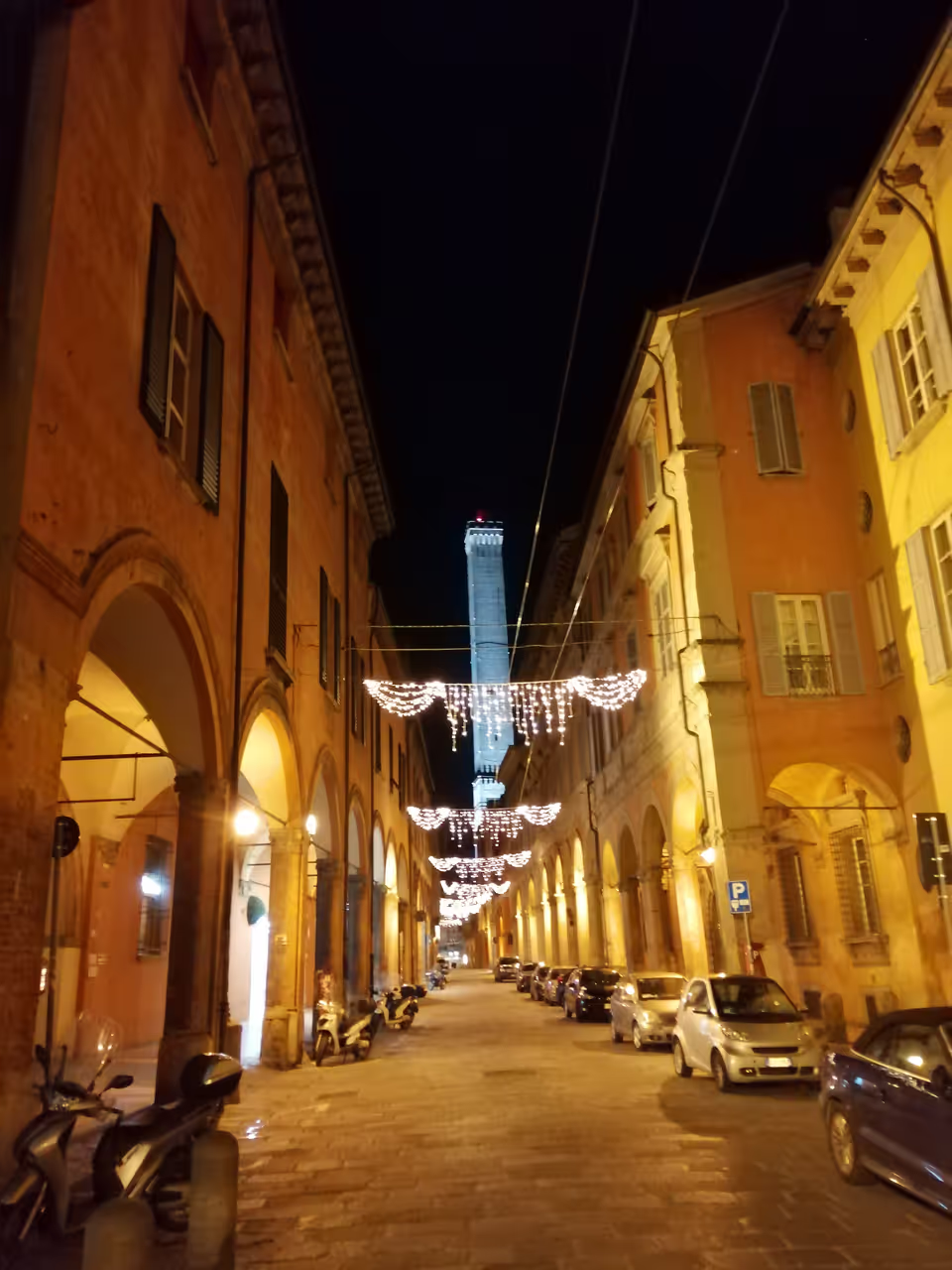 1000m
1000mSaint Lucy's Fair
The oldest and most cherished Christmas market in the region, bringing festive cheer to the historic porticoes of the Strada Maggiore. Stalls are packed with handcrafted nativity scene figurines, brilliant ornaments, and traditional seasonal sweets like torrone. The scent of roasted chestnuts and mulled wine fills the crisp winter air, creating a wonderfully cosy atmosphere. It is a beloved local tradition where families come to purchase new pieces for their nativity displays. Browsing the stalls is the perfect way to experience Italian holiday magic.
festival view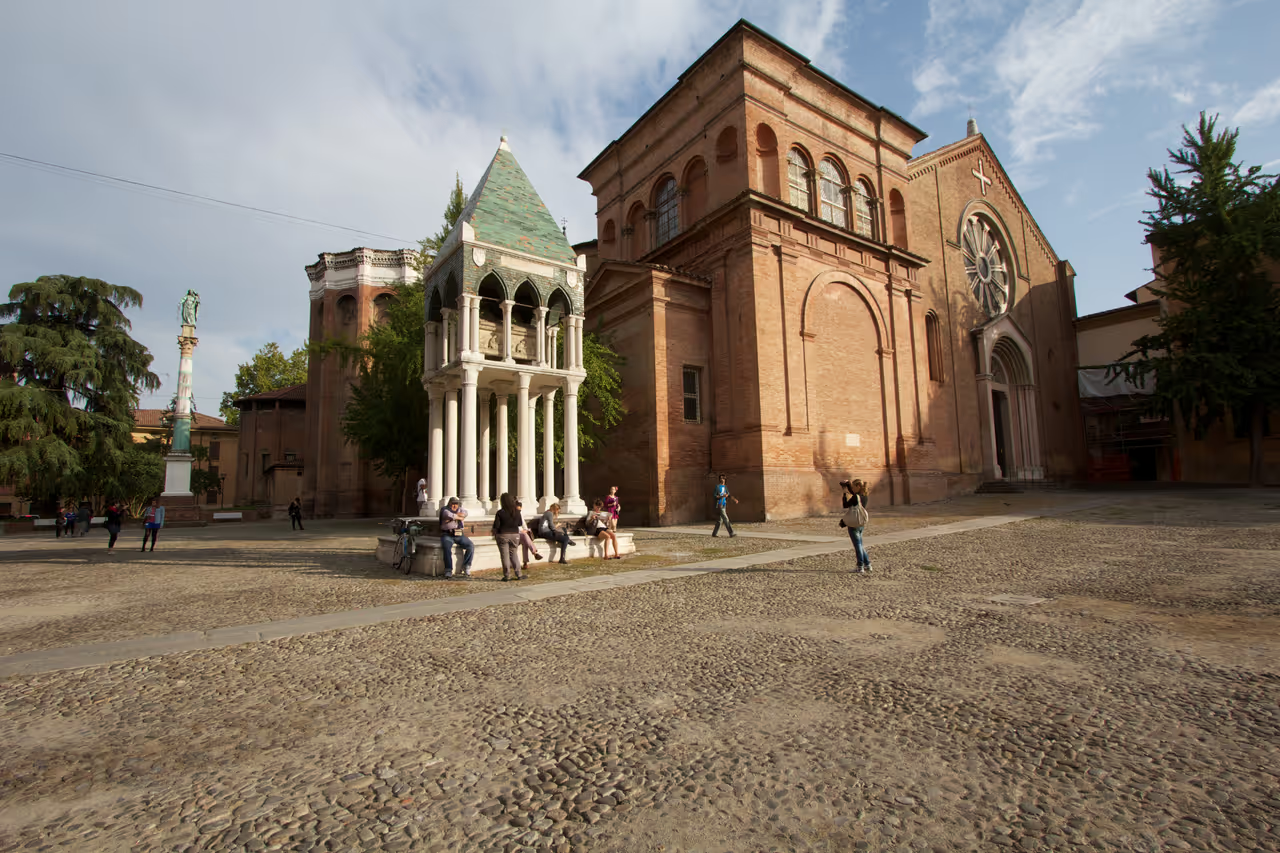 1078m
1078mBasilica of Saint Dominic
This highly significant church houses the remains of Saint Dominic, the founder of the Dominican order. While the exterior displays a solemn Romanesque style, the interior is a treasure trove of artistic and architectural brilliance. The absolute centrepiece is the magnificent marble shrine holding the saint's remains, featuring masterful early sculptures by a young Michelangelo. The surrounding chapels boast incredible frescoes and intricate wood marquetry. It offers a profound blend of religious history and breathtaking Renaissance craftsmanship.
architecture view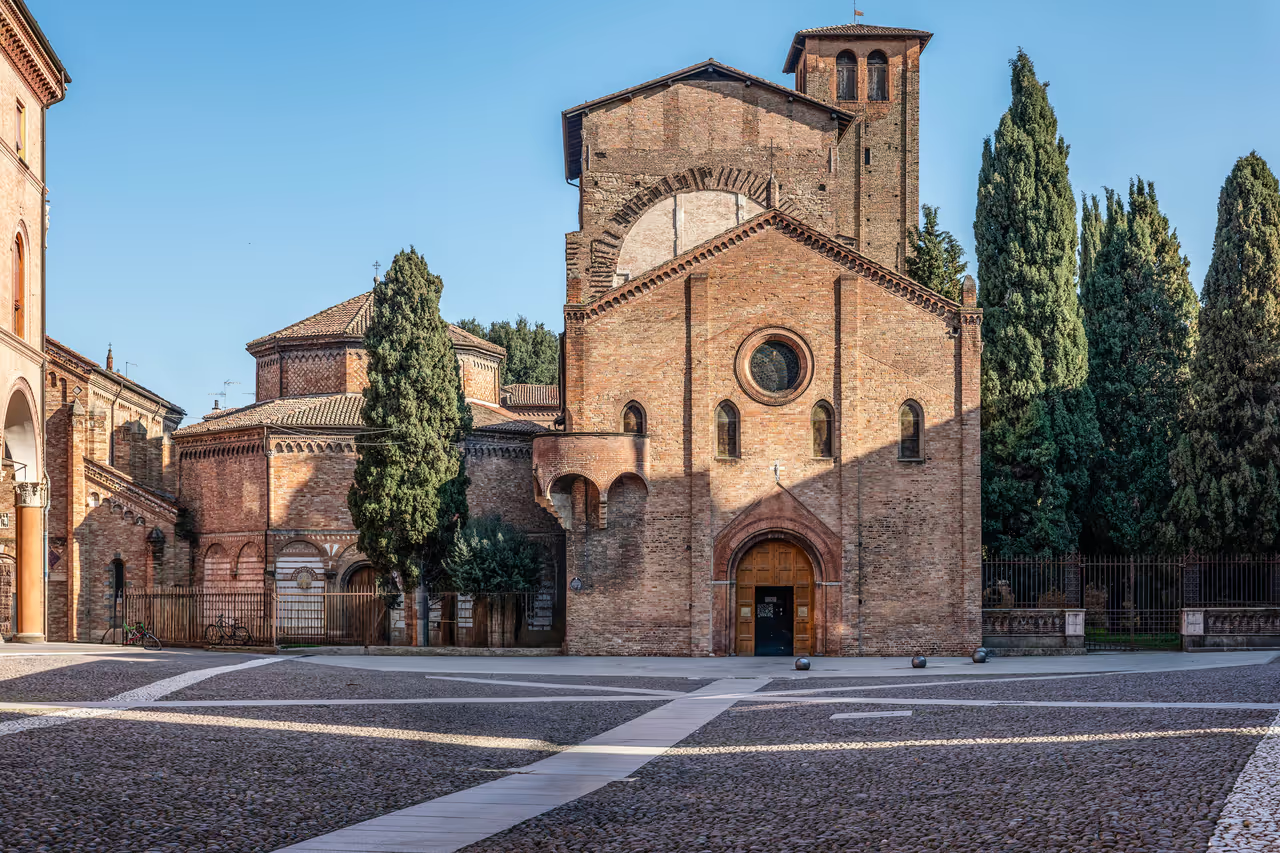 1135m
1135mVisit the Basilica of Santo Stefano
Exploring this extraordinary complex of interconnected ancient churches is completely free and deeply fascinating. Often called the 'Seven Churches', it is a labyrinthine architectural puzzle featuring tranquil cloisters, ancient crypts, and hidden courtyards dating back centuries. Wandering through the different eras of religious architecture is incredibly peaceful and historically enriching. It is widely considered the most spiritually moving and uniquely constructed site in the city. You can easily spend an hour losing yourself in its quiet, ancient beauty.
free thing to do view
Featured on This Route
See all nature & parks in Bologna
Orto Botanico di Bologna, Park of Montagnola, Villa delle Rose, Villa Spada...