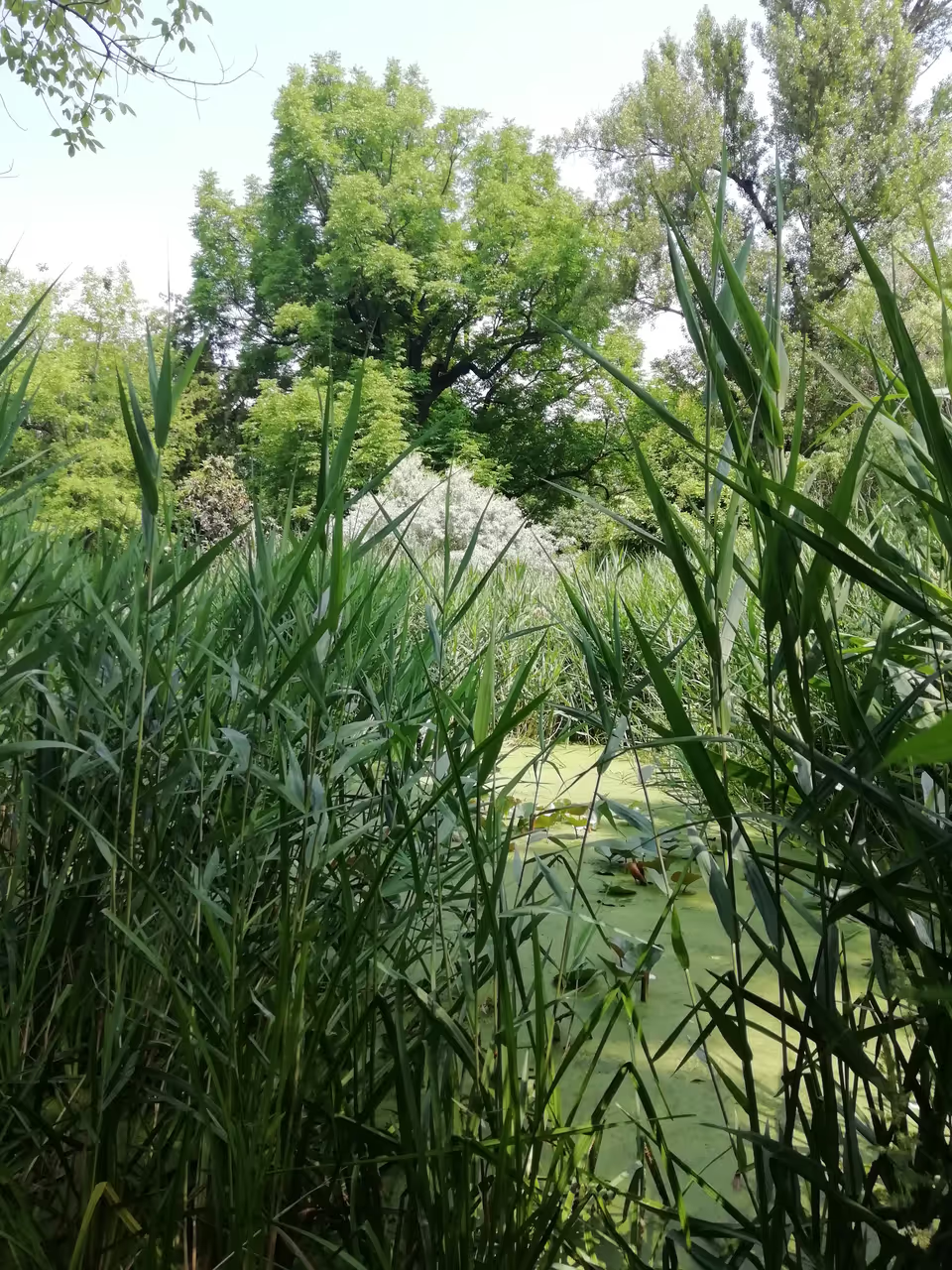
Orto Botanico di Bologna
Step into one of Europe’s oldest botanical havens, a peaceful sanctuary of scientific discovery nestled right in the heart of Bologna. Since its founding in 1568, this garden has bridged the gap between Renaissance academia and modern environmental appreciation. Wander past the ancient towering trees in the front garden before discovering the fascinating diversity within the specialised greenhouses, which range from tropical orchids to exotic carnivorous plants. It offers a unique window into the plant world, beautifully arranged to demonstrate everything from medicinal herbs to hardy alpine species. Whether you are seeking a moment of quiet reflection or a deeper understanding of nature’s complexity, this two hectare living museum provides an unmatched experience. It is a testament to centuries of botanical curiosity that invites every visitor to slow down and reconnect with the natural world.
History of Orto Botanico di Bologna
The history of the Orto Botanico dell'Università di Bologna is a testament to the persistent human desire to classify and understand the natural world. Long before the garden had a fixed address, the city of Bologna was steeped in a tradition of herbal medicine. When Luca Ghini and Ulisse Aldrovandi turned their sights toward formalising this study in the 16th century, they were doing more than simply planting seeds. They were establishing a Renaissance intellectual centre that would serve as a library of living specimens, where the chaotic diversity of nature could be ordered, studied, and preserved for the benefit of medicine and science. Over the centuries, the garden became a nomadic entity, moving across the city as the needs of the university and the city grew. Each relocation brought architectural and scientific advancements, such as the construction of the hybernaculum in 1745, which solved the perennial struggle of keeping delicate exotic species alive during the chilly Italian winters. The addition of Neoclassical greenhouses in 1765 introduced a touch of elegance to the utilitarian space, creating a visual harmony that blended the rigour of science with the aesthetic ideals of the period. The garden has survived significant challenges, including a period of abandonment in the early 20th century where it nearly succumbed to the wild, and the devastating bombings of 1944 that claimed its historic Napoleonic era orangerie. Yet, the resilience of the institution shines through in its post-war restoration. Today, the garden stands as a vibrant research hub and a public sanctuary. It effectively bridges the gap between the ancient medicinal gardens of the past and the modern necessity for environmental preservation, ensuring that the legacy of those original Renaissance botanists remains alive and growing for future generations.
Events spanning 376 years
Fun Facts
- • By the middle of the 17th century, the collection had grown impressively, with a catalogue listing approximately 1500 distinct species.
- • During the early 20th century, the garden suffered a period of severe neglect, with large sections effectively reverting into a dense, wild forest.
- • Early records hint that the passion for local medicinal herbs in Bologna dates back to at least 1365, long before the formal garden was established.
- • In its earliest days, the garden was situated in a small courtyard in the Palazzo Pubblico near the famous Sala Borsa.
- • Modern visitors can explore a dedicated carnivorous plant greenhouse, which hosts fascinating genera like Drosera, Pinguicula, and Utricularia.
- • The Orto dei Semplici serves as a living history lesson, arranged specifically to showcase how plants were historically utilised for medicinal purposes.
- • The garden is home to roughly 5000 specimens representing 1200 different taxa, carefully maintained to preserve biodiversity.
- • The garden maintains a specialised collection of succulent plants with around 5000 specimens sourced from exotic locations including Madagascar, Africa, and the Canary Islands.
- • The institution predates many famous global landmarks, as it stands as one of the oldest botanical gardens in Europe, following only those in Pisa, Padua, and Florence.
- • The site features beautiful Neoclassical greenhouses designed by the renowned Francesco Tadolini in 1765, which remain standing today on Via San Giuliano.
RESOURCES
Official WebsiteOrto Botanico di Bologna FAQ
While we strive to keep this information accurate and up to date, we recommend verifying any details independently before making decisions based on them.
Orto Botanico di Bologna Map & Neighborhood Explorer
This interactive map is centered on Orto Botanico di Bologna. Zoom in and move the map around to automatically discover Wikipedia photos and summaries of other nearby sights, monuments, and historical points of interest and stories in real-time!
Places near Orto Botanico di Bologna
Make the most of your trip. Check out these top-rated spots located nearby.
 173m
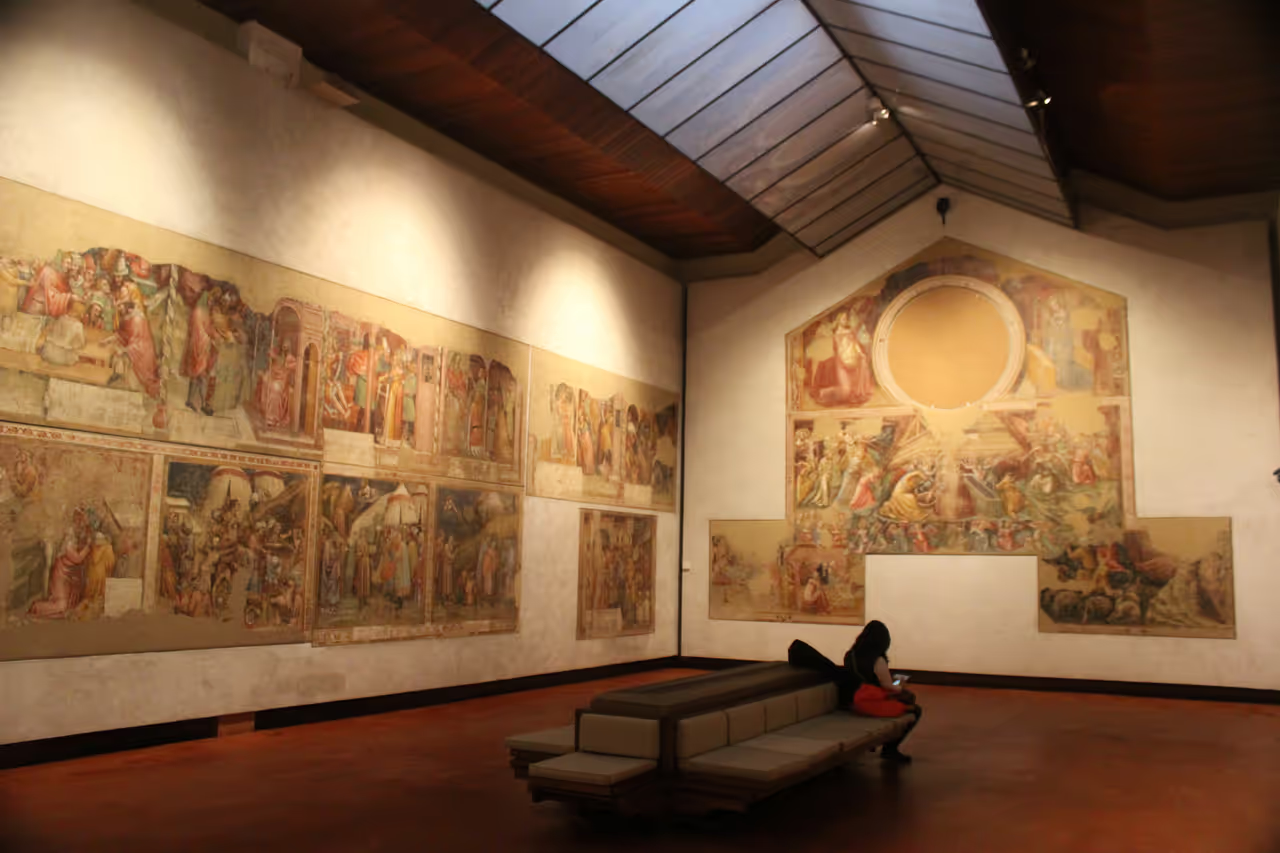
173mNational Picture Gallery
This prestigious gallery houses one of the most important collections of art in the entire region, spanning from the thirteenth to the eighteenth century. Visitors can marvel at masterpieces by renowned artists such as Giotto, Raphael, Titian, and Parmigianino. The collection provides a comprehensive overview of Emilian and Venetian painting, offering deep insights into the evolution of Italian art. It is a quiet, contemplative space that allows for an intimate viewing experience away from massive crowds. Art lovers will find the richly detailed religious and portrait works absolutely mesmerising.
highlight view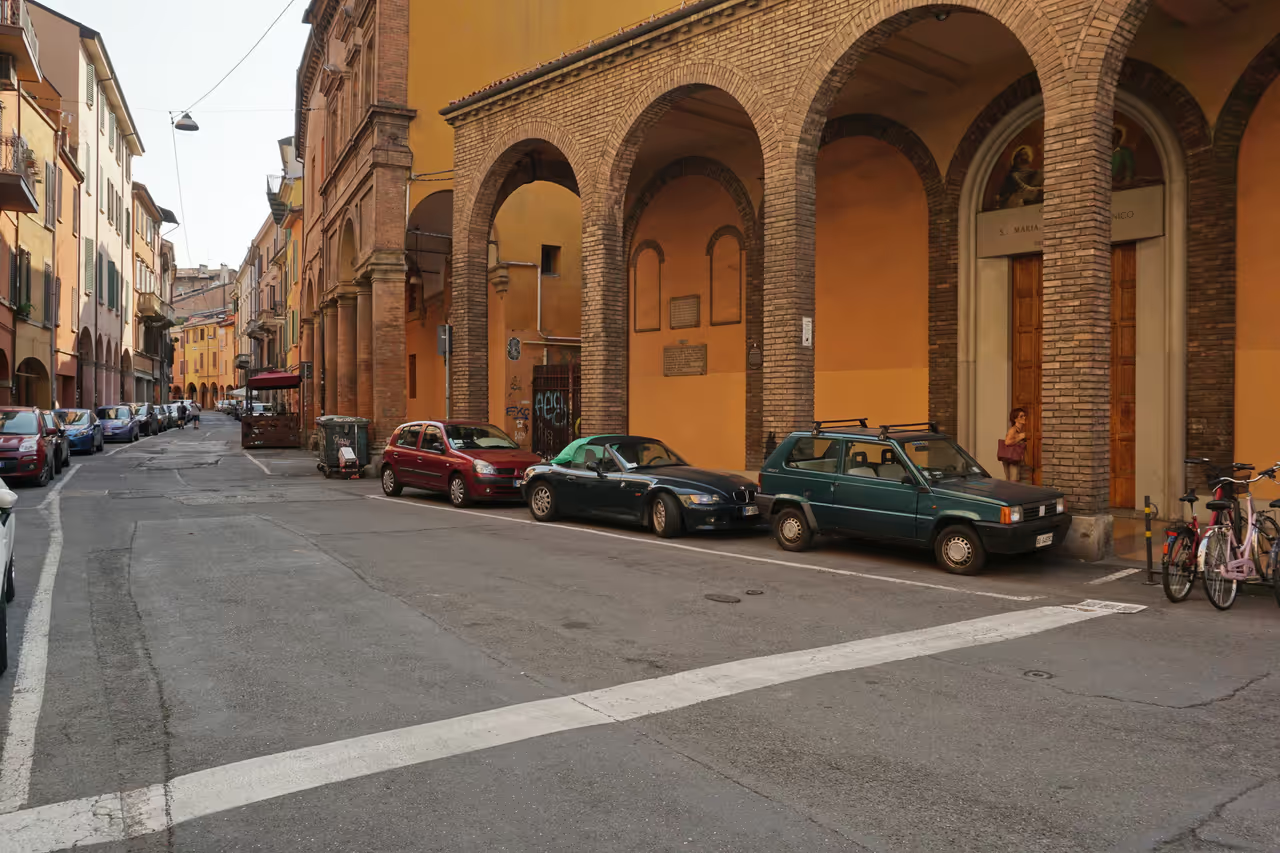 232m
232mMascarella Street
Renowned as the jazz hub of the city, this street offers a more sophisticated yet incredibly lively evening out. It boasts several historic live music venues where you can enjoy excellent food while listening to top tier local and international jazz bands. The crowd here is slightly older and deeply appreciative of good music and fine wine. The street retains a cool, artistic vibe without the chaotic frenzy found in the main student areas. It perfectly encapsulates the city's prestigious UNESCO City of Music designation.
nightlife view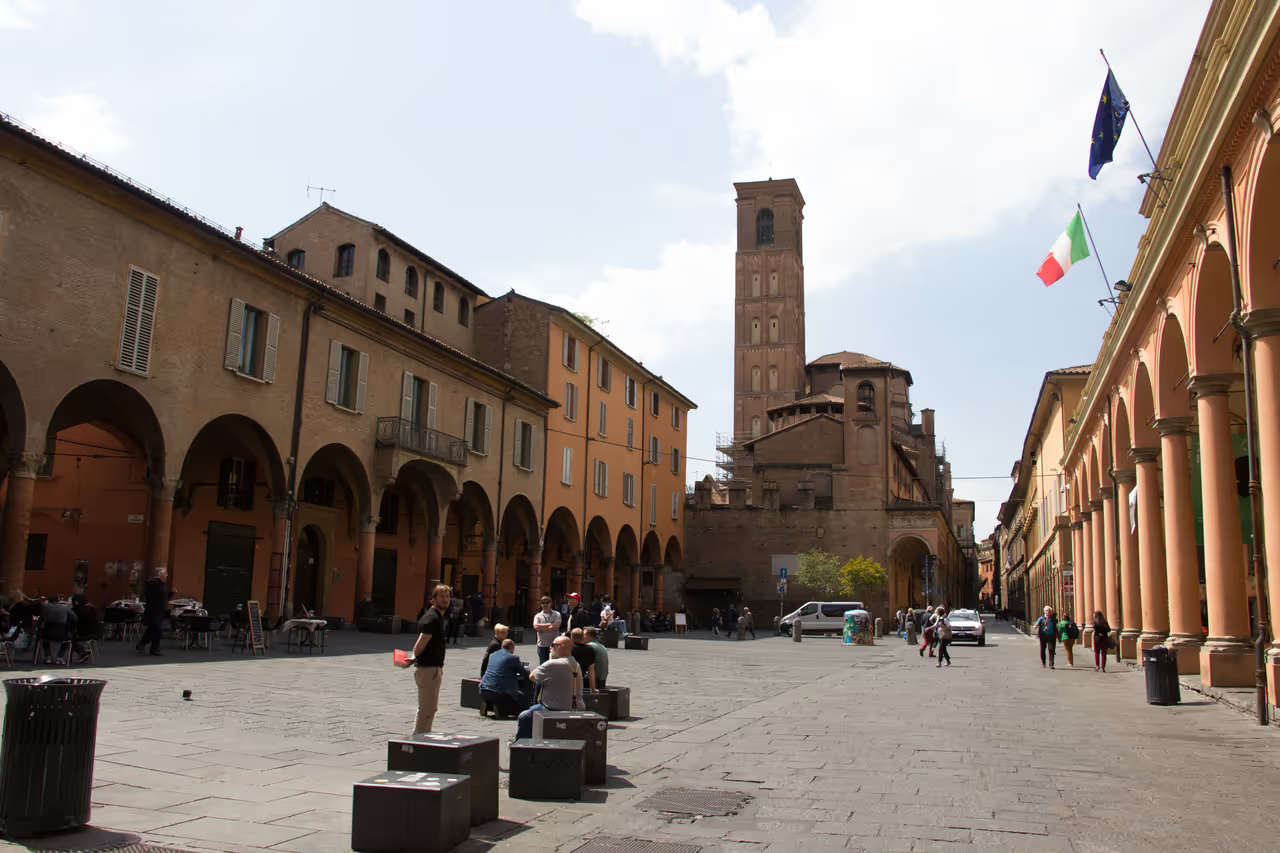 395m
395mVerdi Square
Situated at the heart of the university zone, this square is the undisputed focal point for open air student nightlife. During the warmer months, the piazza itself becomes an enormous, impromptu party where hundreds gather to drink, play guitars, and socialise. The surrounding bars pump music out into the night, blurring the lines between indoor club and outdoor festival. It is raw, incredibly cheap, and pulses with a relentless youthful spirit. While it can get quite loud, it is an essential slice of local academic life.
nightlife view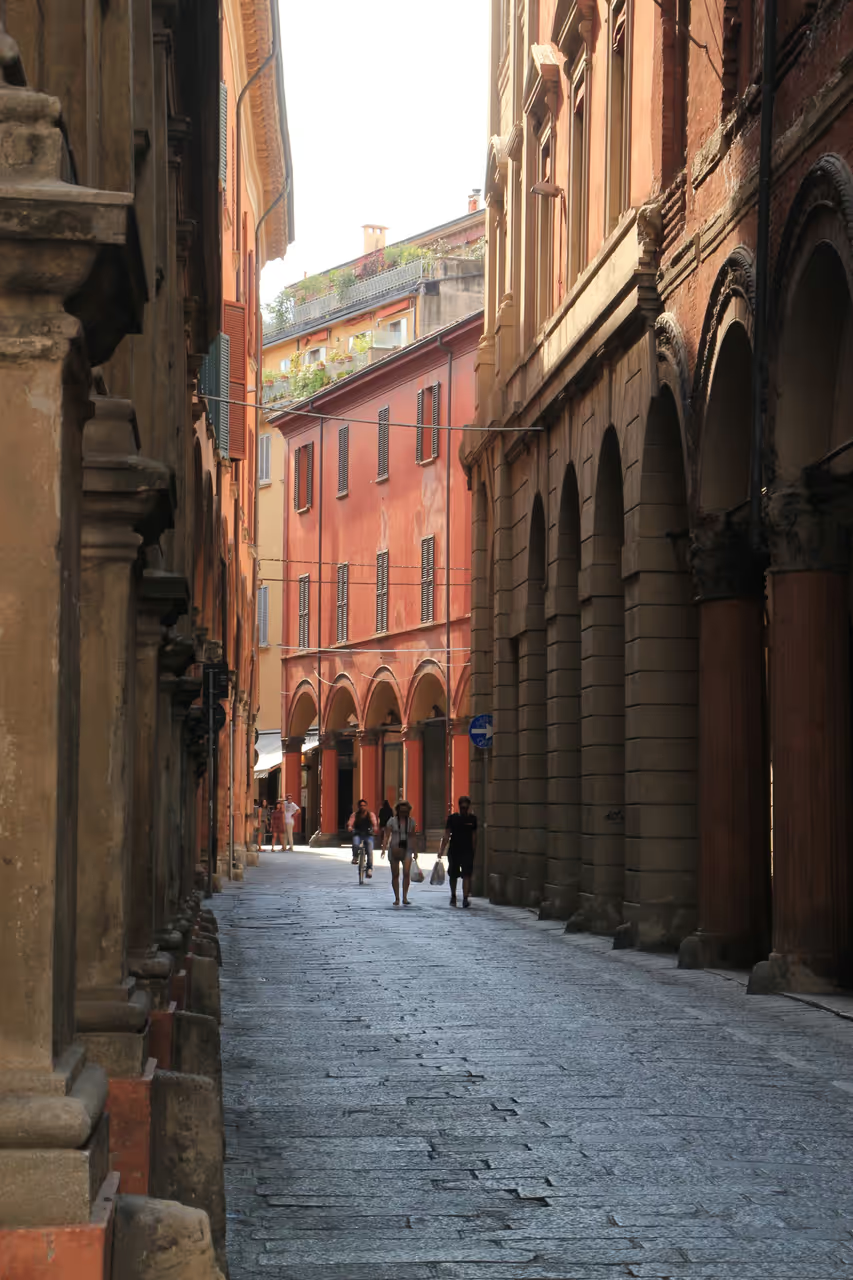 531m
531mZamboni Street
As the main artery of the university district, this street guarantees a youthful, electric, and highly budget friendly nightlife experience. The area is dominated by an enormous student population, which keeps the prices low and the energy levels exceptionally high. You will find Irish pubs, techno venues, and small bars offering incredible drink deals. The walls are covered in colourful graffiti and political posters, reflecting the strong activist history of the students. It is unapologetically gritty but absolutely brilliant for a wild night out.
nightlife view
See all nature & parks in Bologna
Giardini Margherita, Park of Montagnola, Villa delle Rose, Villa Spada...