Two Towers
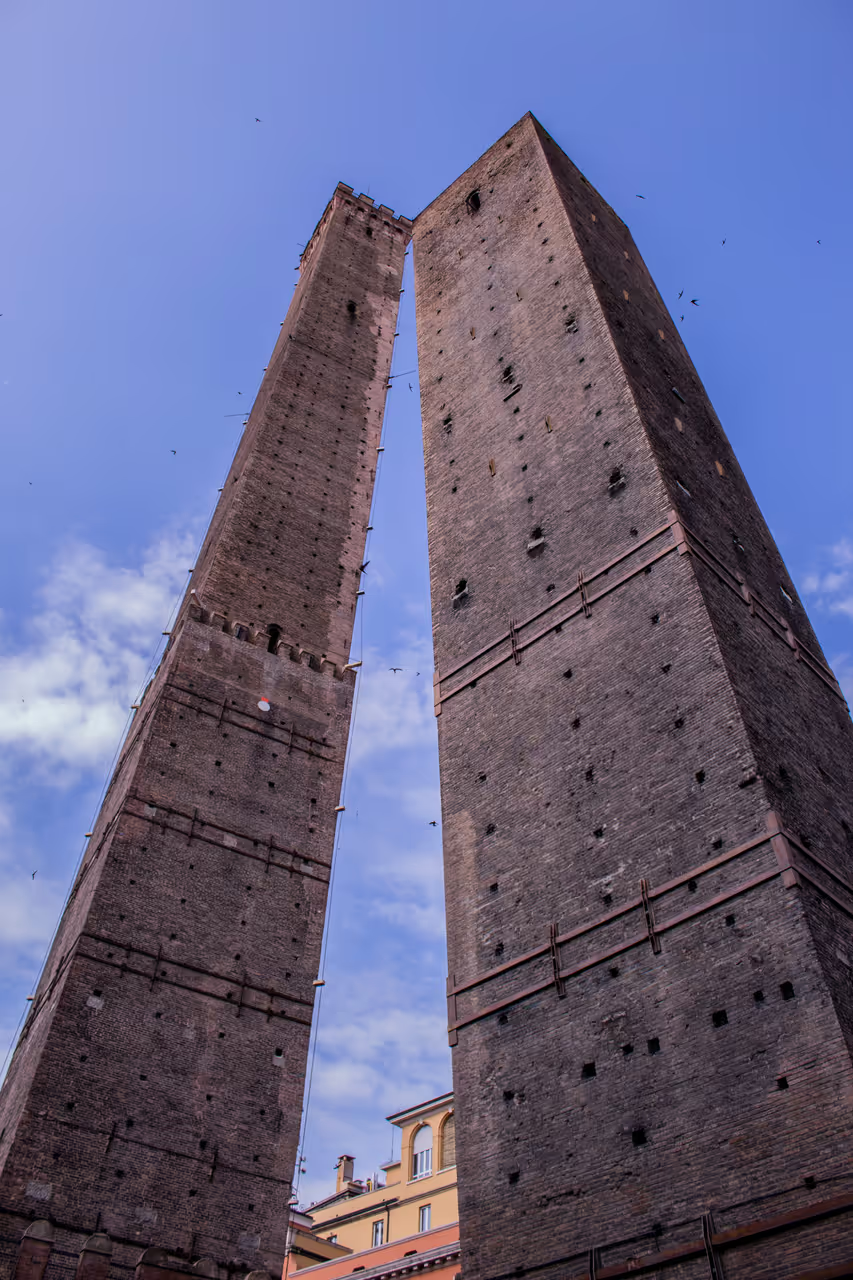
Rising majestically from the heart of Bologna, the Two Towers, Asinelli and Garisenda, are iconic medieval skyscrapers that tell tales of ancient rivalry and civic pride. While the taller Asinelli offers the thrilling ascent to panoramic city views, the shorter, more dramatically leaning Garisenda captivates with its precarious beauty and storied past. These leaning marvels embody Bologna's unique architectural heritage, inviting visitors to step back in time and experience a tangible link to a bygone era. They have inspired poets, writers, and scientists alike, making a visit an immersive journey through history, literature, and even scientific discovery. They are not merely buildings but living monuments, inviting you to witness their enduring charm and significance.
Videos
History of Two Towers
The story of Bologna's Two Towers begins in the 12th century, a vibrant period when medieval Bologna was a city of soaring ambition and burgeoning wealth. Wealthy families, eager to display their status and power, embarked on a competitive race to build the tallest and most magnificent private towers. This era transformed Bologna's skyline into a forest of hundreds of these brick giants, a testament to a unique architectural phenomenon born of both defence and fierce civic pride. Among this multitude, the Asinelli and Garisenda towers rose to become the most prominent, their very existence a silent echo of the rivalries that shaped the city. The Asinelli Tower, initially believed to be around 70 metres, was later extended to its current impressive height of 97.2 metres. It endured fires, lightning strikes, and even served practical purposes, morphing from a family symbol into a civic prison, a scientific observatory for notable scholars like Giovanni Battista Riccioli, and a crucial lookout during World War II. Its companion, the Garisenda Tower, faced a more dramatic fate. Originally taller, its increasingly precarious lean due to unstable ground necessitated its drastic reduction in the 14th century, leaving it at its current 48 metres with a striking, pronounced tilt. A wooden bridge once connected the two, a strategic link believed to have been installed by the unpopular Duke of Milan, Giovanni Visconti, to exert control over the city below. Today, these leaning siblings stand as enduring icons, not only of Bologna but of Italy's rich historical tapestry. They have captivated the imagination of countless artists and writers, from Dante Alighieri who immortalised the Garisenda in his 'Divine Comedy', to Charles Dickens and Goethe. Their presence continually reminds us of Bologna's unique past, where ambition and engineering defied gravity. The recent challenges facing the Garisenda Tower, with its critical risk of collapse, have sparked a profound citywide effort to preserve this invaluable heritage, ensuring these magnificent structures continue to inspire awe and wonder for generations to come.
10 Events spanning 914 years
Fun Facts
- • As of late 2023, the Garisenda Tower is in critical condition and at risk of collapse, prompting the city of Bologna to initiate an extensive and costly stabilisation and restoration project expected to take at least 10 years and cost €20 million.
- • Both towers have captivated foreign visitors, with luminaries such as Charles Dickens chronicling them in his 'Pictures from Italy' and Johann Wolfgang von Goethe mentioning them in his 'Italian Journey'.
- • Despite surviving multiple severe lightning strikes and at least two documented large fires, the Asinelli Tower has stood for over nine centuries and even served as a sight post during World War II.
- • During the 14th century, a wooden construction at roughly 30 metres high, connected by an aerial footbridge to the Garisenda Tower, was added to the Asinelli Tower, allegedly by Giovanni Visconti, Duke of Milan, to control the central street 'Mercato di Mezzo'.
- • In the 17th and 18th centuries, the Asinelli Tower became a hub for scientific inquiry, used by prominent scientists Giovanni Battista Riccioli and Giovanni Battista Guglielmini for experiments on gravity and the Earth's rotation.
- • The Asinelli Tower was originally believed to be around 70 metres tall and was later extended to its current height of 97.2 metres, featuring an overhanging battlement of 2.2 metres.
- • The Garisenda Tower was bought by the 'Arte dei Drappieri' (Drapers' Guild) in the early 15th century, remaining its sole owner for centuries until it became municipal property in the late 19th century.
- • The Garisenda Tower was referenced multiple times by the renowned poet Dante Alighieri in his 'Divine Comedy' and 'The Rhymes,' cementing its place in literary history and confirming his stay in Bologna.
- • The Garisenda Tower, now 48 metres high with a lean of 3.2 metres, was originally much taller, approximately 60 metres, but had to be significantly lowered in the 14th century due to its increasing tilt and dangerous instability.
- • The Two Towers are named after the Asinelli and Garisenda families, who are traditionally credited with their construction between 1109 and 1119, possibly as a status symbol in a rivalry for power.
Two Towers FAQ
While we strive to keep this information accurate and up to date, we recommend verifying any details independently before making decisions based on them.
Two Towers Map & Neighborhood Explorer
This interactive map is centered on Two Towers. Zoom in and move the map around to automatically discover Wikipedia photos and summaries of other nearby sights, monuments, and historical points of interest and stories in real-time!
Places near Two Towers
Make the most of your trip. Check out these top-rated spots located nearby.
 78m
78mPalace of Merchandise
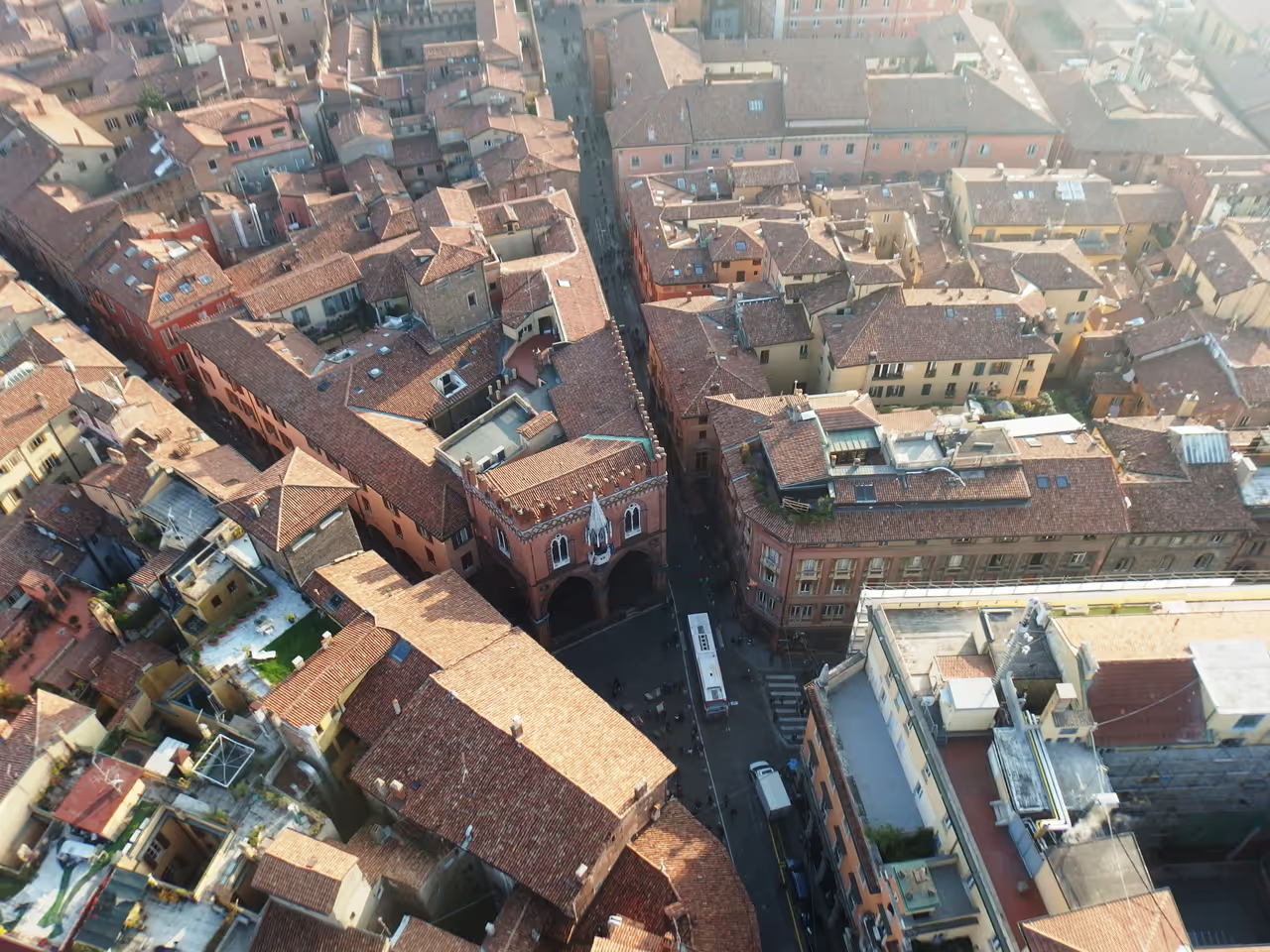
Situated near the famous leaning towers, this stunning Gothic building has overseen the city's trade and commerce for centuries. It features a highly ornate brick and terracotta facade, complete with a beautiful balcony with a marble canopy where merchant tribunal rulings were once announced. The delicate arches and intricate detailing make it one of the most photogenic buildings in the historic core. It continues its original legacy today by serving as the seat of the Chamber of Commerce. It is a gorgeous reminder of the wealth generated by the city's historical trade guilds.
architecture view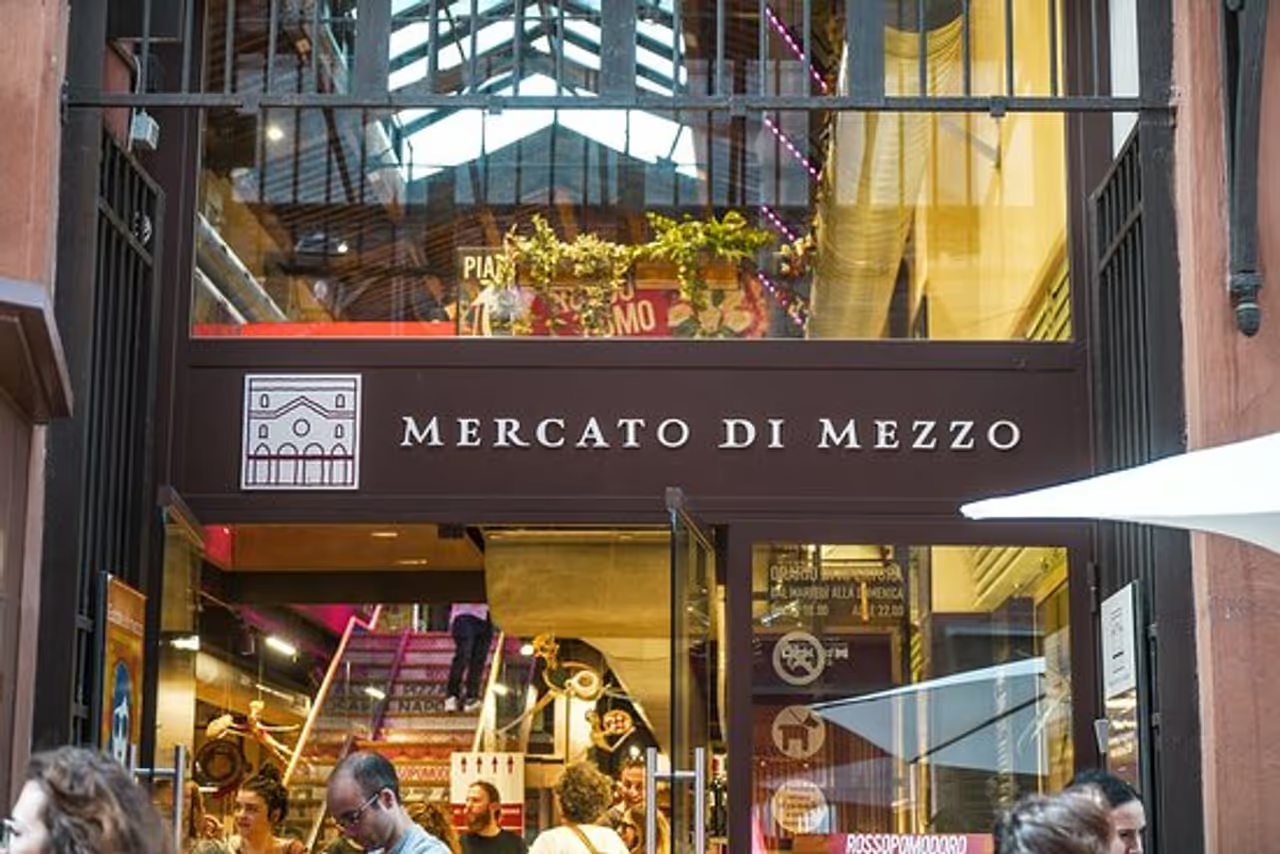 124m
124mMiddle Market
This historic indoor food hall is the pulsing gastronomic heart of the city, located just steps from Piazza Maggiore. It is a lively, multi level space where you can sample exquisite local delicacies, from fresh tortellini to premium cold cuts and regional wines. The atmosphere is highly convivial, with locals and visitors sharing tables and clinking glasses of Pignoletto. It is the perfect spot for a casual lunch or a spirited evening aperitivo. Originally a medieval market, it was beautifully restored to preserve the city's culinary heritage.
market view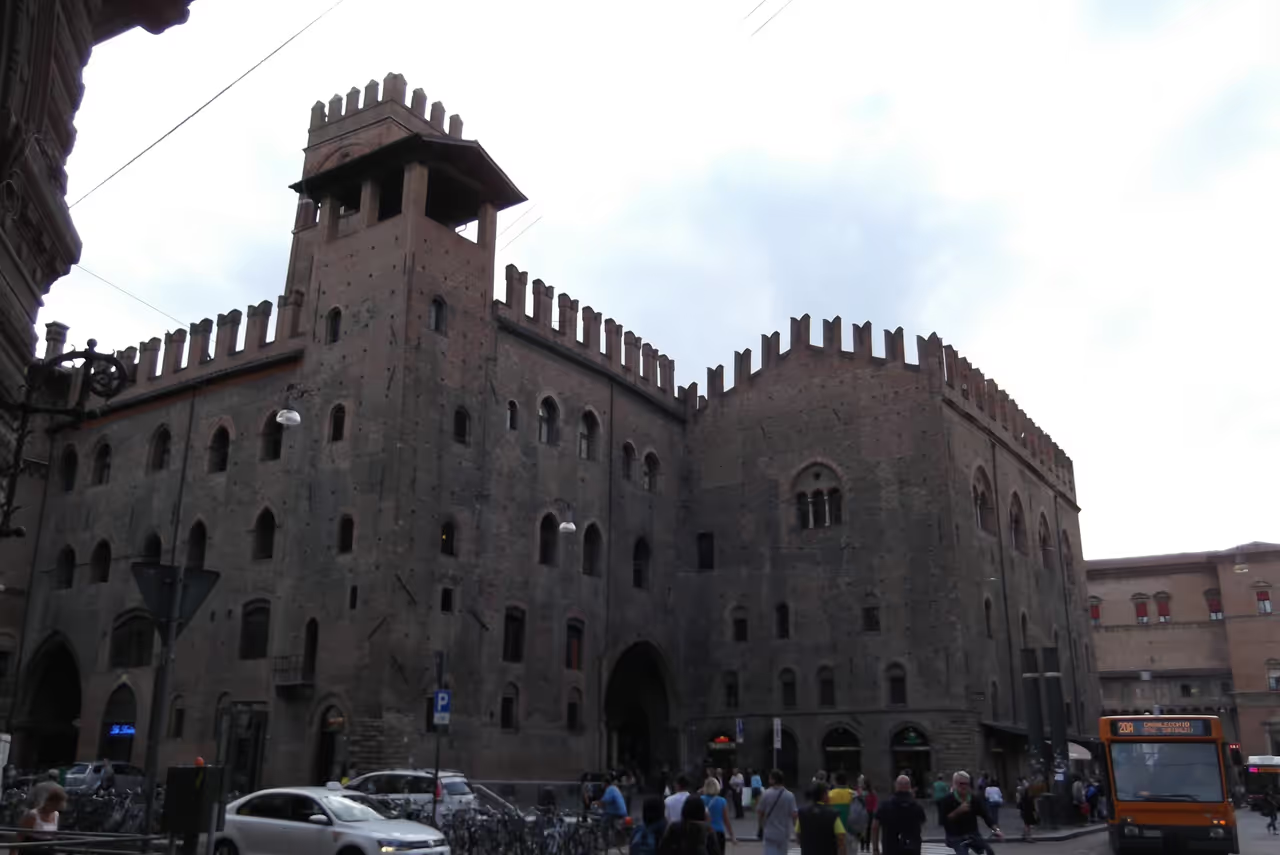 160m
160mWander the Quadrilatero Market
Simply walking through this dense, historic maze of narrow streets is an incredible sensory experience. The vibrant displays of massive cheeses, hanging cured meats, and fresh produce provide endless visual entertainment and fantastic photo opportunities. You can absorb the lively, chaotic atmosphere of locals haggling and merchants shouting, completely immersing yourself in the city's culinary culture. It is the beating heart of the city and requires absolutely no money to enjoy its energetic vibe. Window shopping here is arguably better than in high end fashion districts.
free thing to do view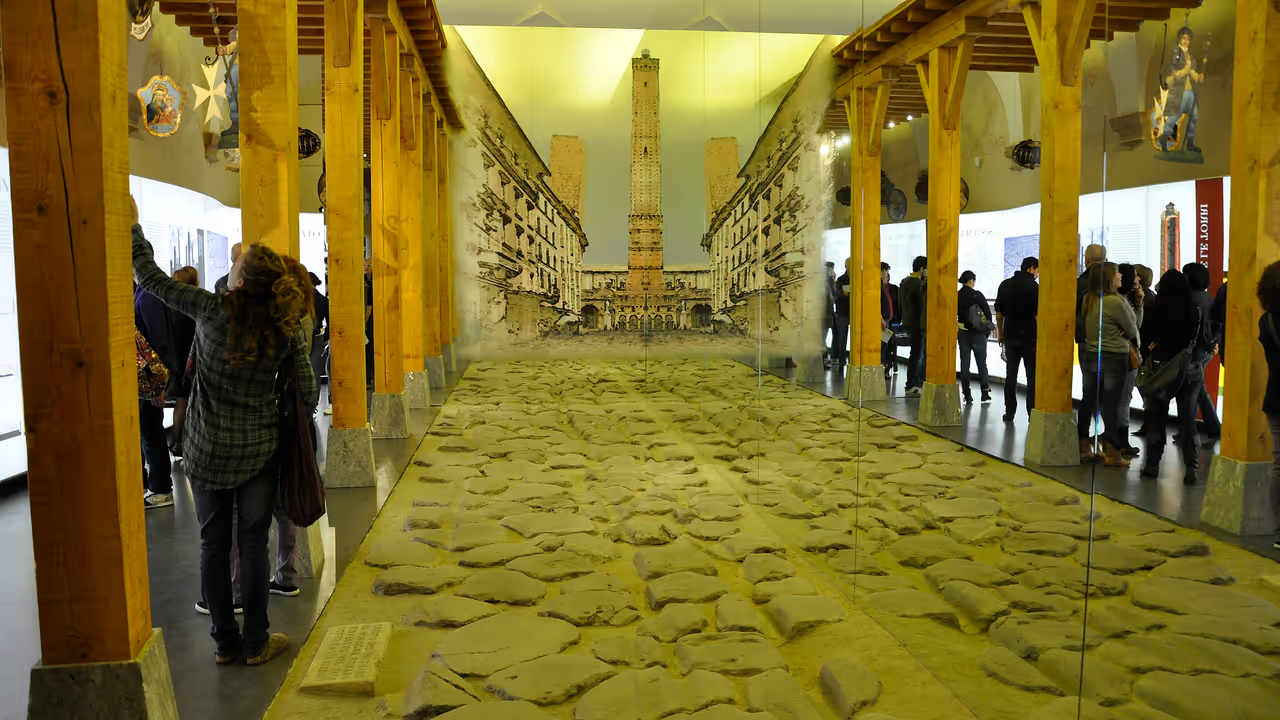 185m
185mMuseum of the History of Bologna
Located inside the magnificent Palazzo Pepoli, this highly interactive museum brilliantly chronicles the city's evolution from Etruscan times to the present day. It uses innovative multimedia displays, 3D animations, and immersive soundscapes to bring history to life, avoiding dry, dusty exhibits. You will learn about the founding of the university, the building of the porticoes, and the city's rich musical heritage. It is incredibly engaging for all ages and provides perfect context for everything else you will see. It is highly recommended as a starting point for your visit.
highlight view
Explore Similar Places in This Collection
Featured on These Itineraries and Routes
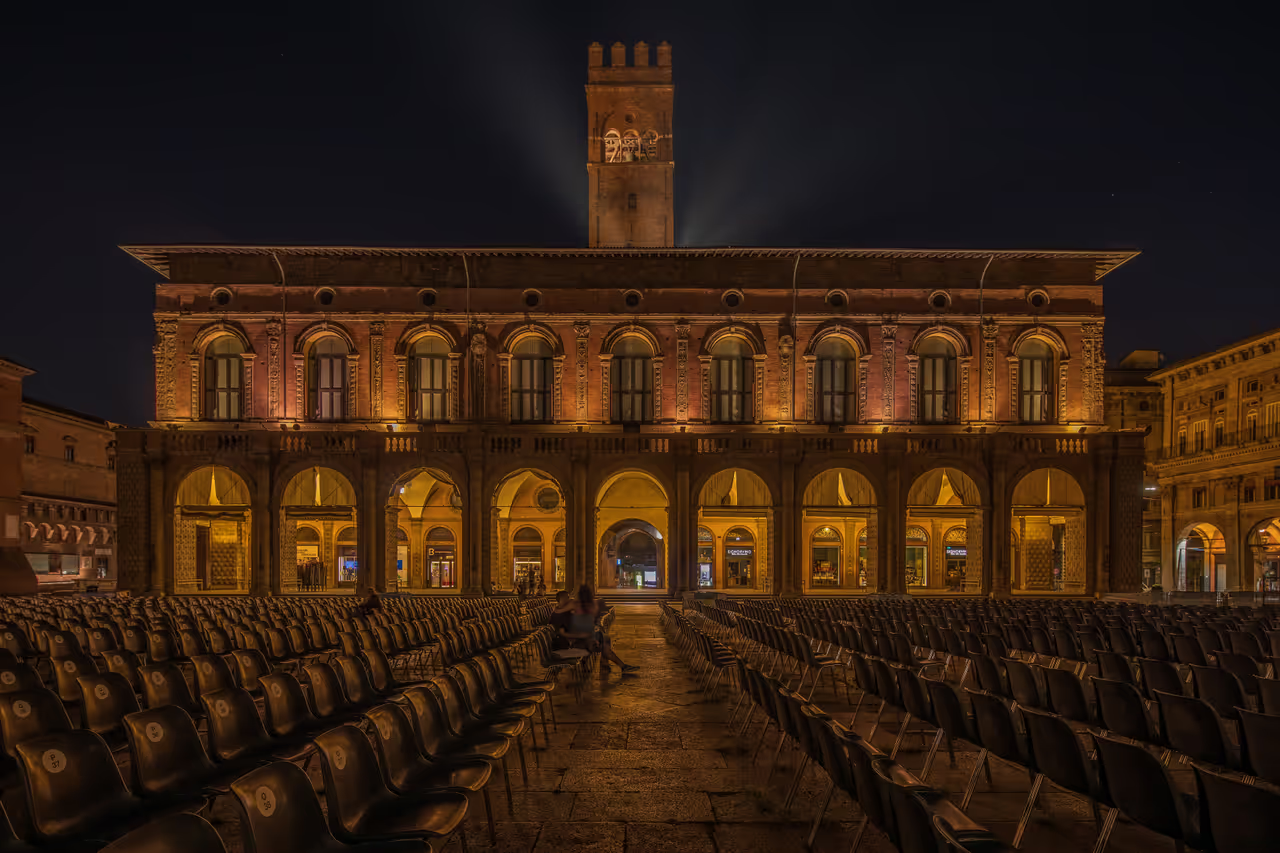
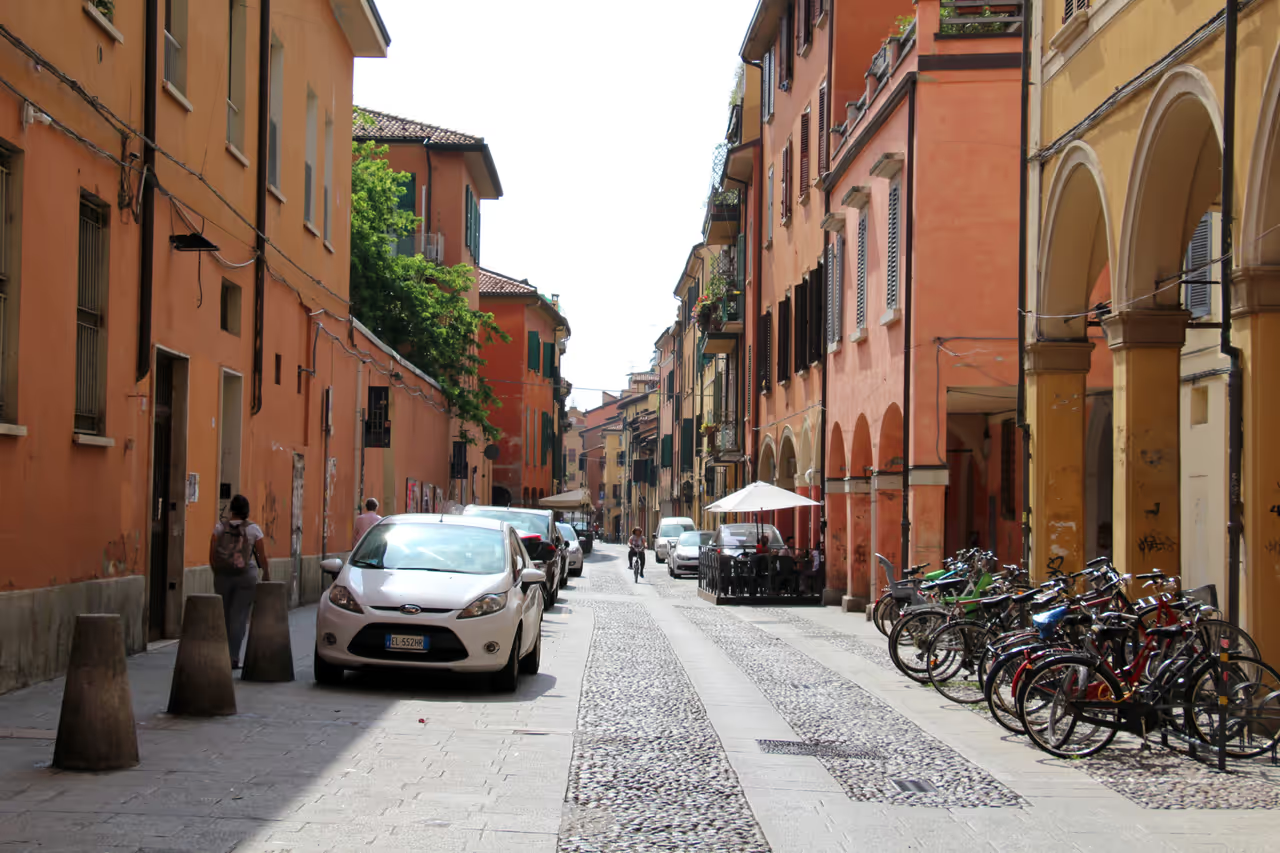
1 Day in Bologna: The Culinary and Historic Core Itinerary
If you only have a single day, this fast paced itinerary hits the absolute essential highlights of the historic centre. You will experience the monumental civic squares, gaze up at the iconic leaning towers, and dive headfirst into the city's famous culinary scene. It is designed to maximize your time, keeping walking distances short while delivering a huge dose of atmosphere. By the time evening falls, you will have a perfect taste of what makes this city so special.
view itinerary
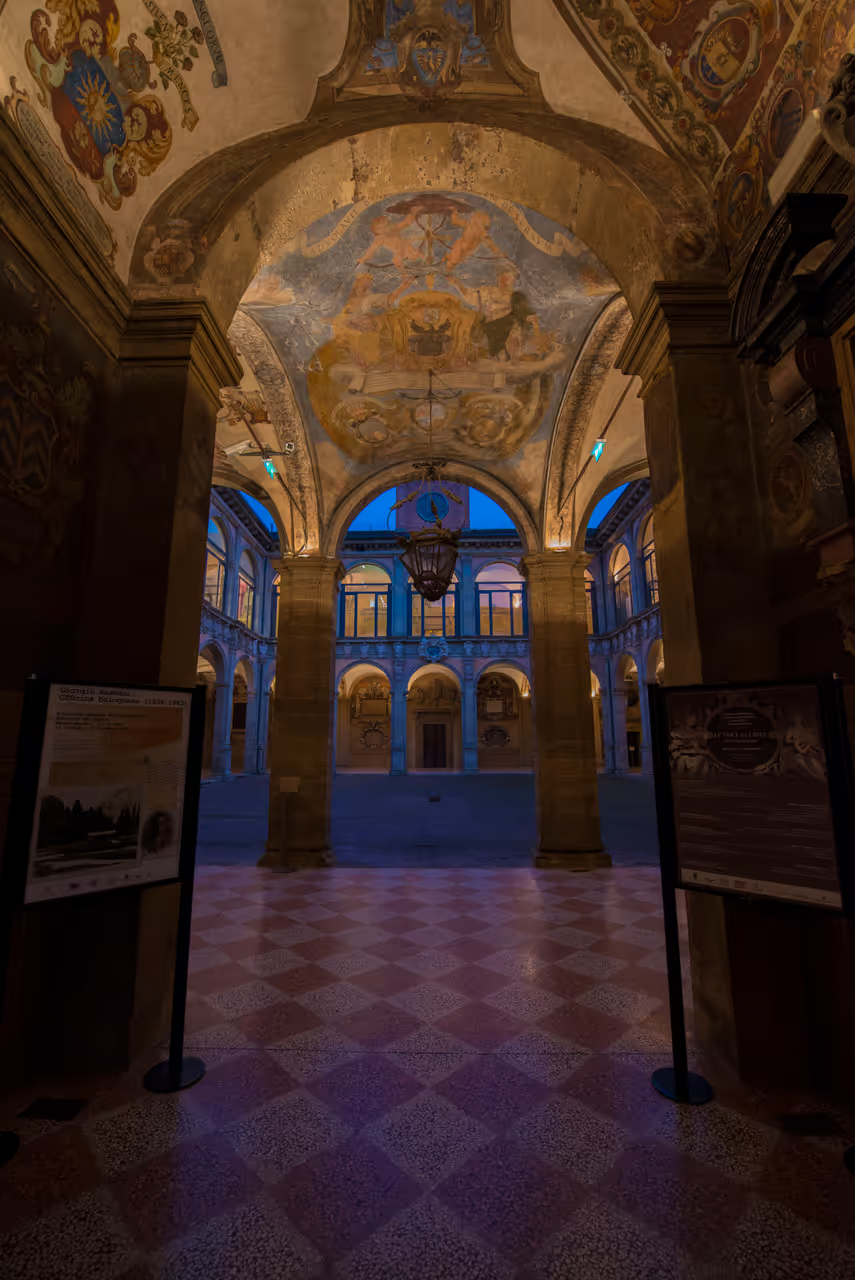

3 Days in Bologna: Porticoes, Piazzas and Panoramas Itinerary
Three days allows for a wonderfully balanced exploration of the city's diverse character. You will have time to thoroughly explore the university's academic legacy, tackle the famous portico walk to the hilltop sanctuary, and indulge in extended food and wine sessions. It mixes the essential historic sights with highly authentic local experiences and lively nightlife. This itinerary perfectly captures the city's blend of intellectual history and joyous culinary indulgence without rushing.
view itinerary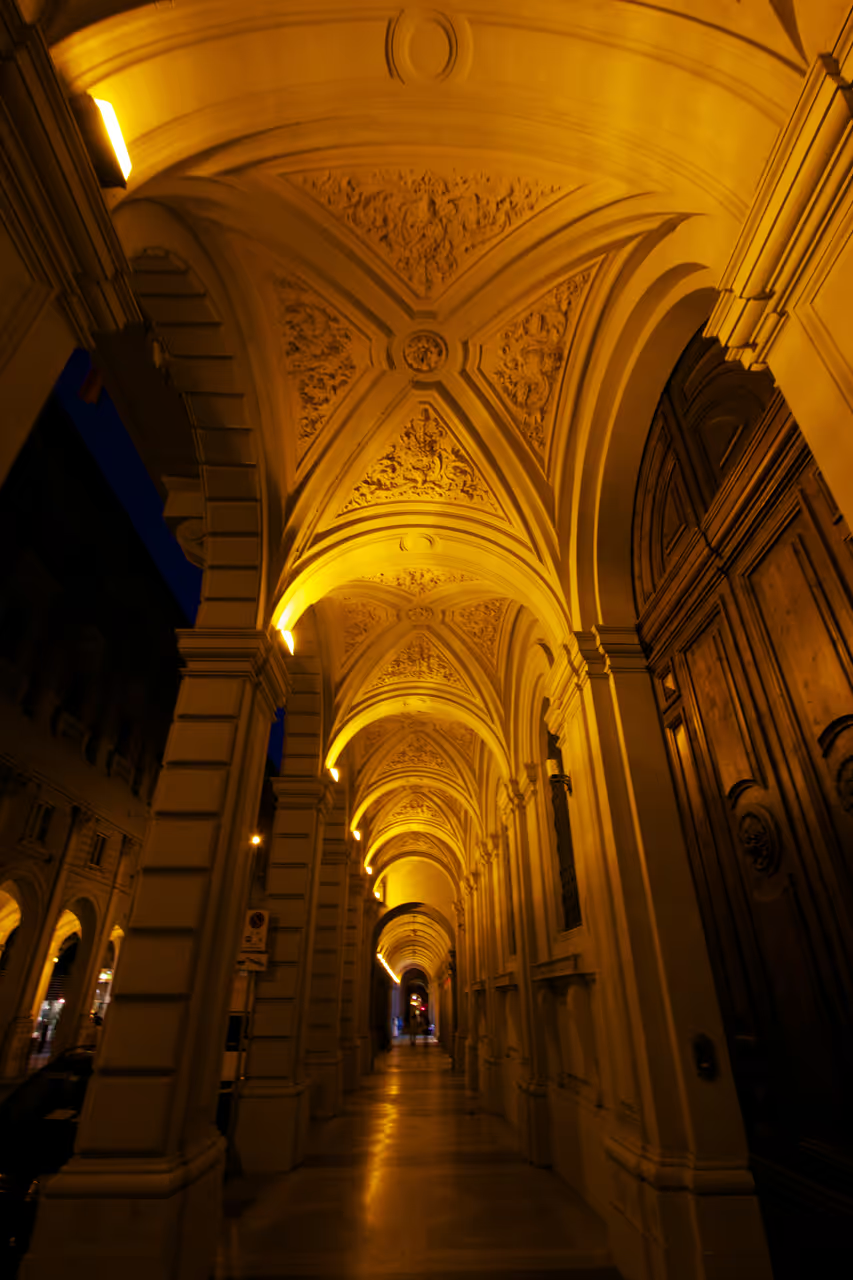
5 Days in Bologna: The Complete Emilian Experience Itinerary
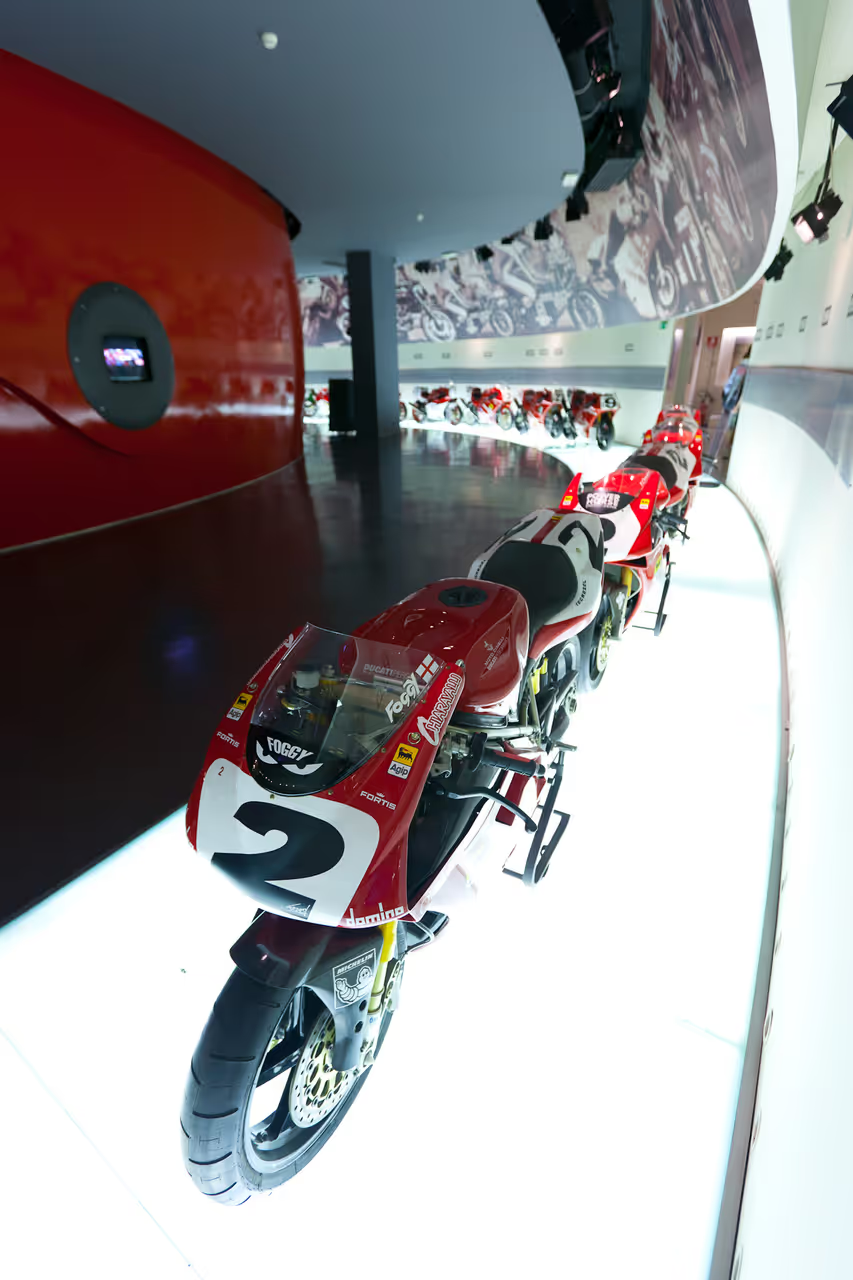
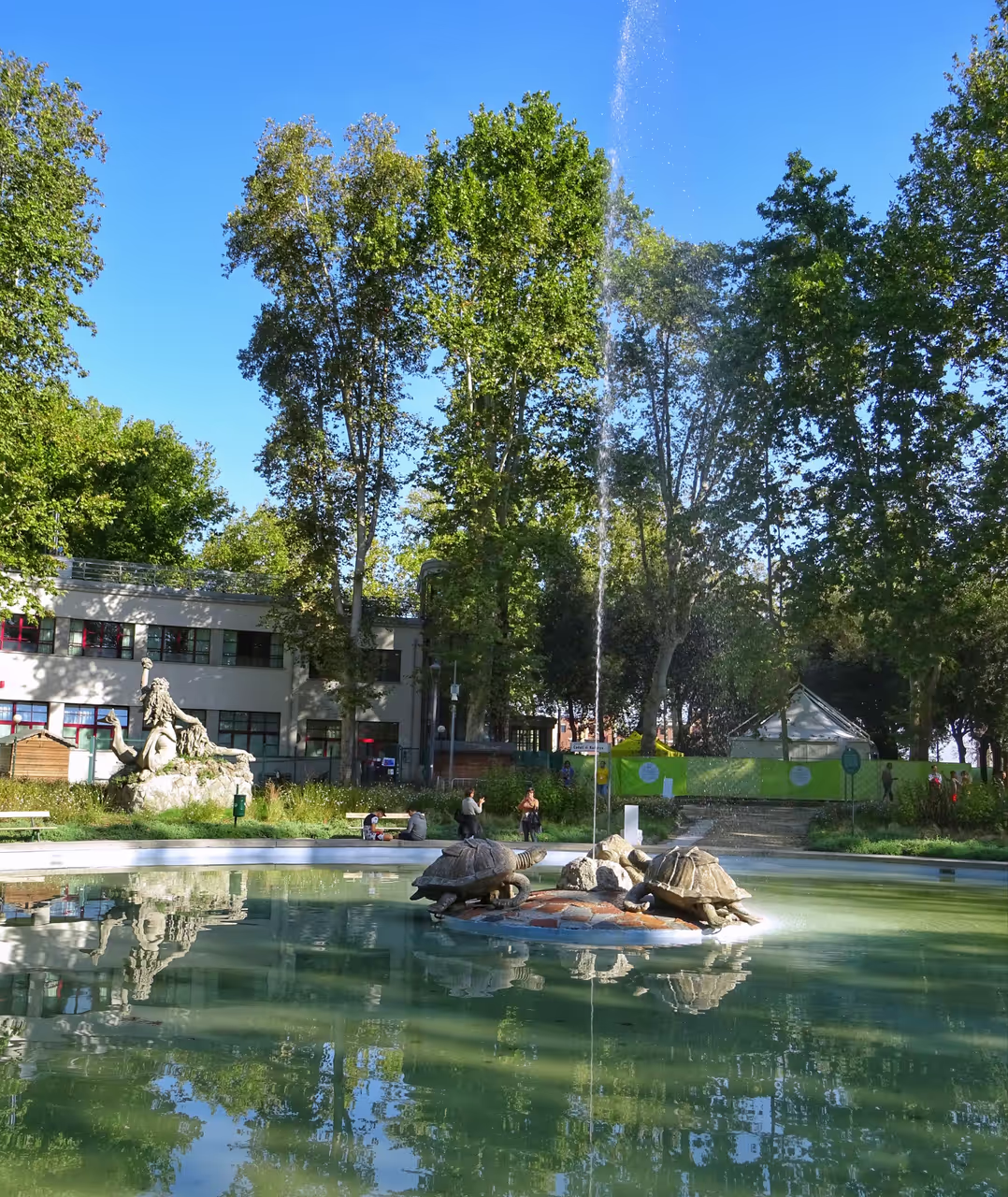
A five day stay transforms a simple visit into a deep immersion into the local lifestyle and regional heritage. You will have ample time to uncover hidden historical gems, explore the surrounding Motor Valley, and enjoy relaxed, extensive gastronomic tours. It allows you to step off the main tourist trails and spend time in tranquil parks and vibrant alternative neighbourhoods. This is the ultimate itinerary for those who want to truly understand and savour everything this remarkable city has to offer.
view itinerary
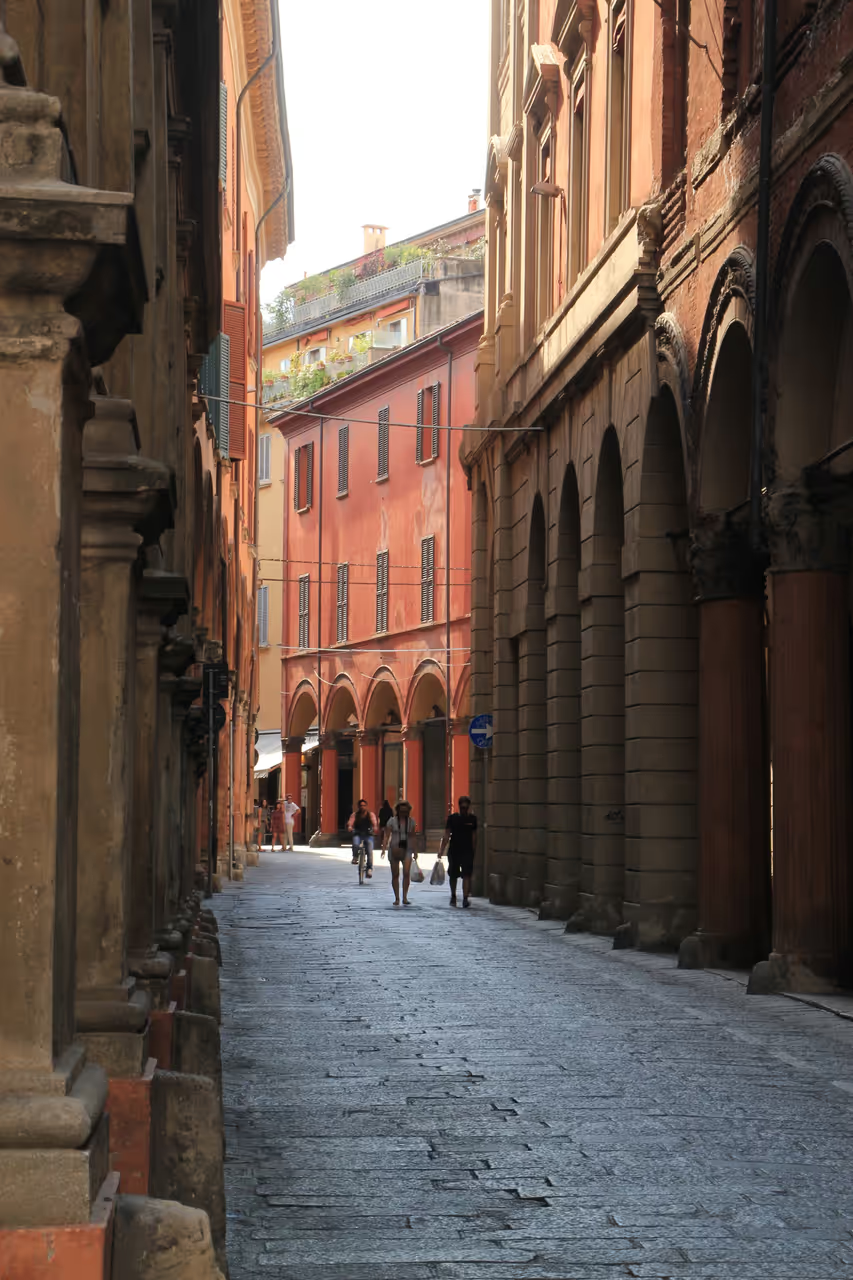
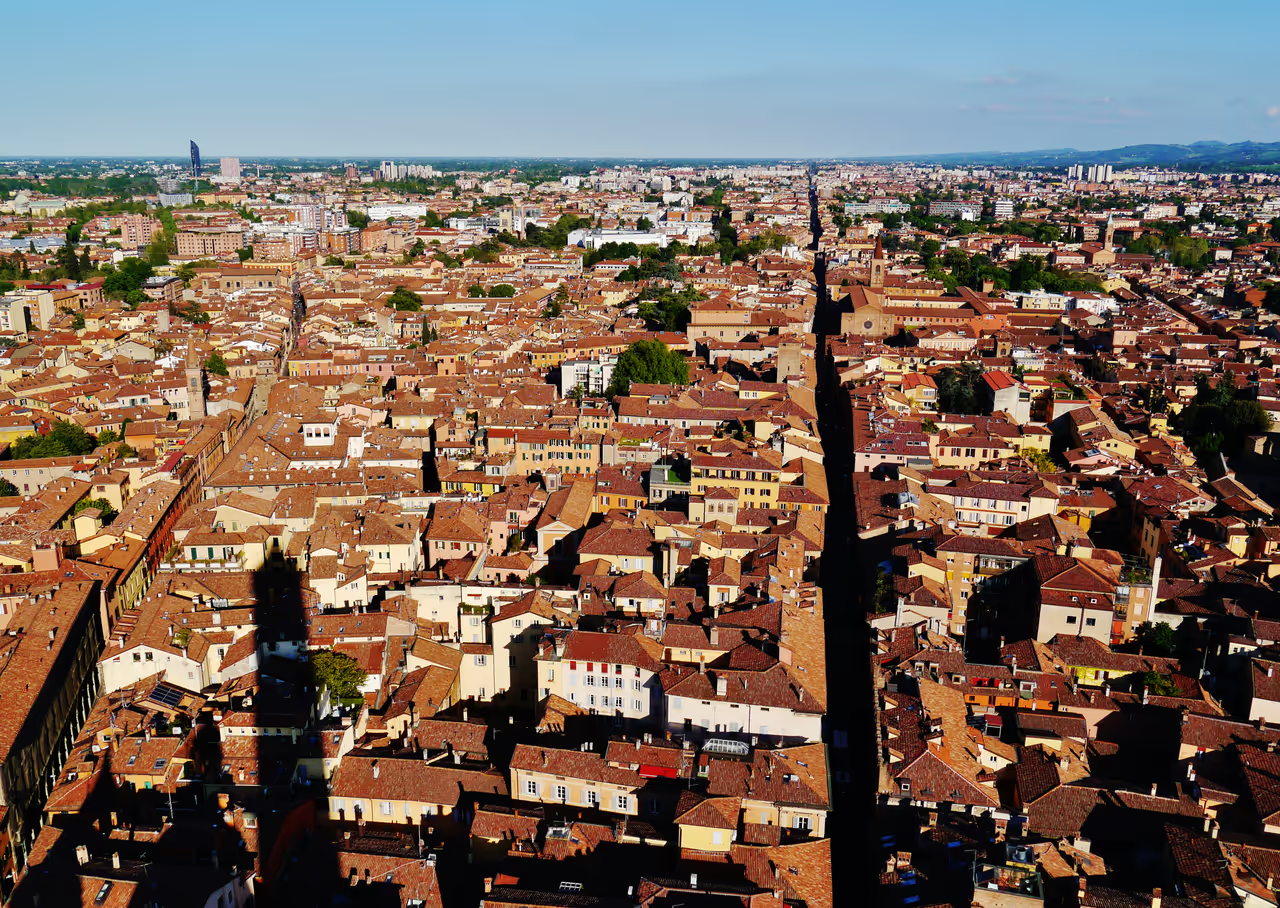
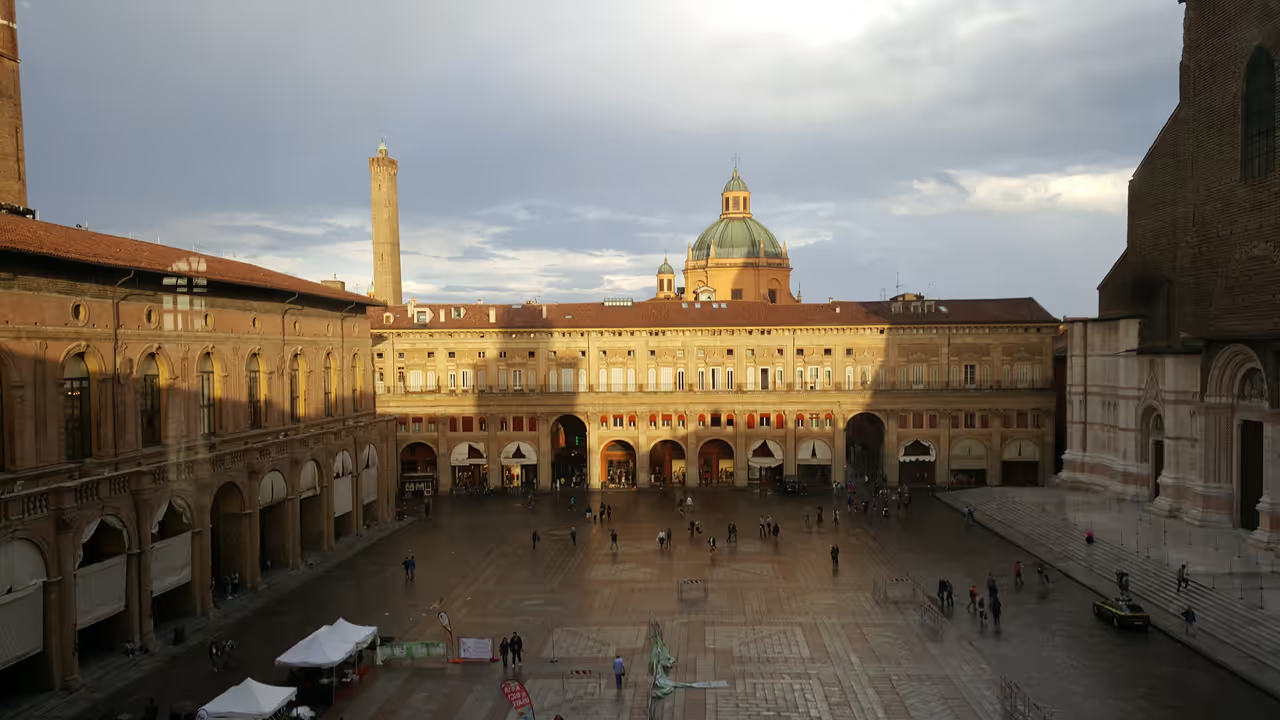
Historic Portico Glide
This urban ride takes advantage of the city's smooth, pedestrianised streets and wide avenues to explore the architectural wonders of the centre. You will glide past magnificent basilicas, towering medieval structures, and elegant palazzos. While you cannot cycle directly under most porticoes, riding alongside them offers an incredible perspective of their unending arches. The route captures the vibrant, bustling heart of the city while remaining relatively safe from heavy traffic. It is an exhilarating way to see the major monuments quickly.
view cycling route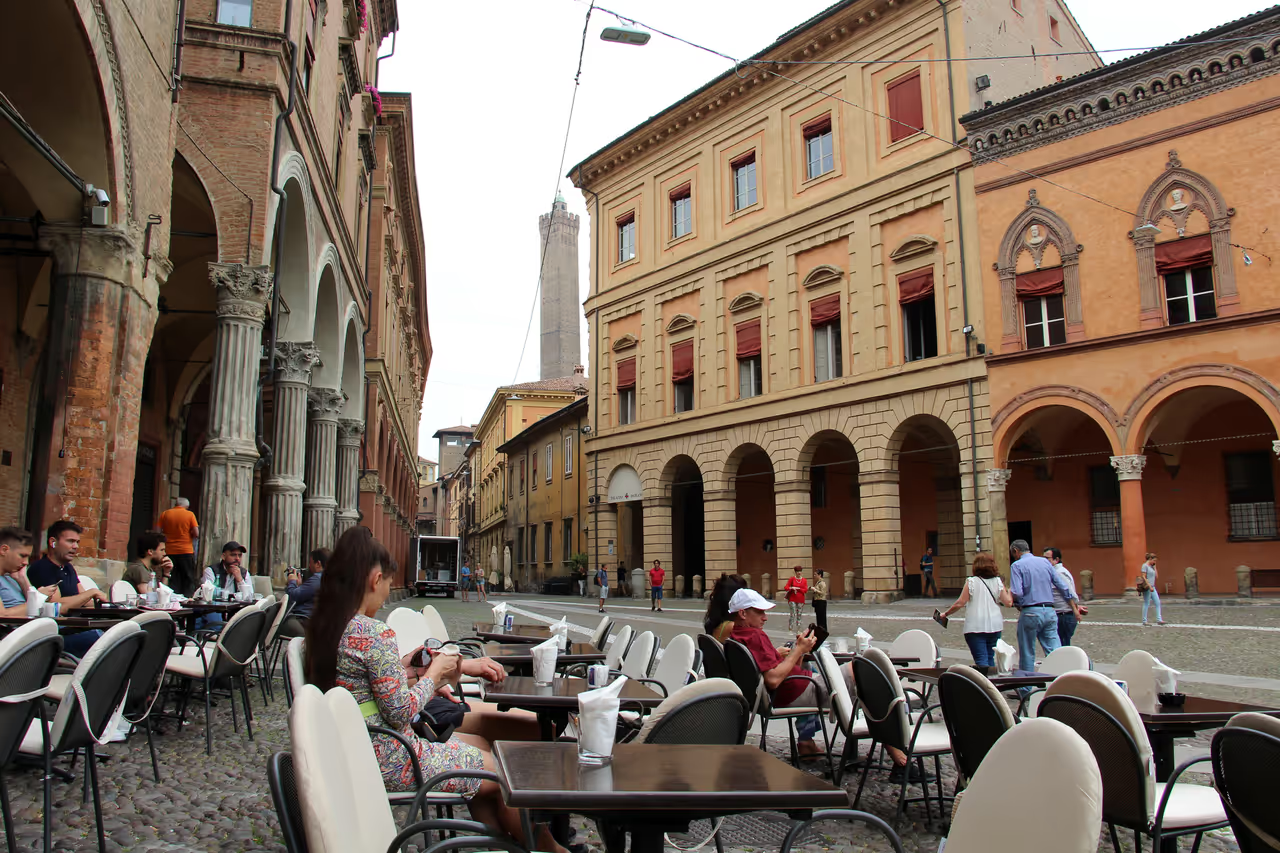
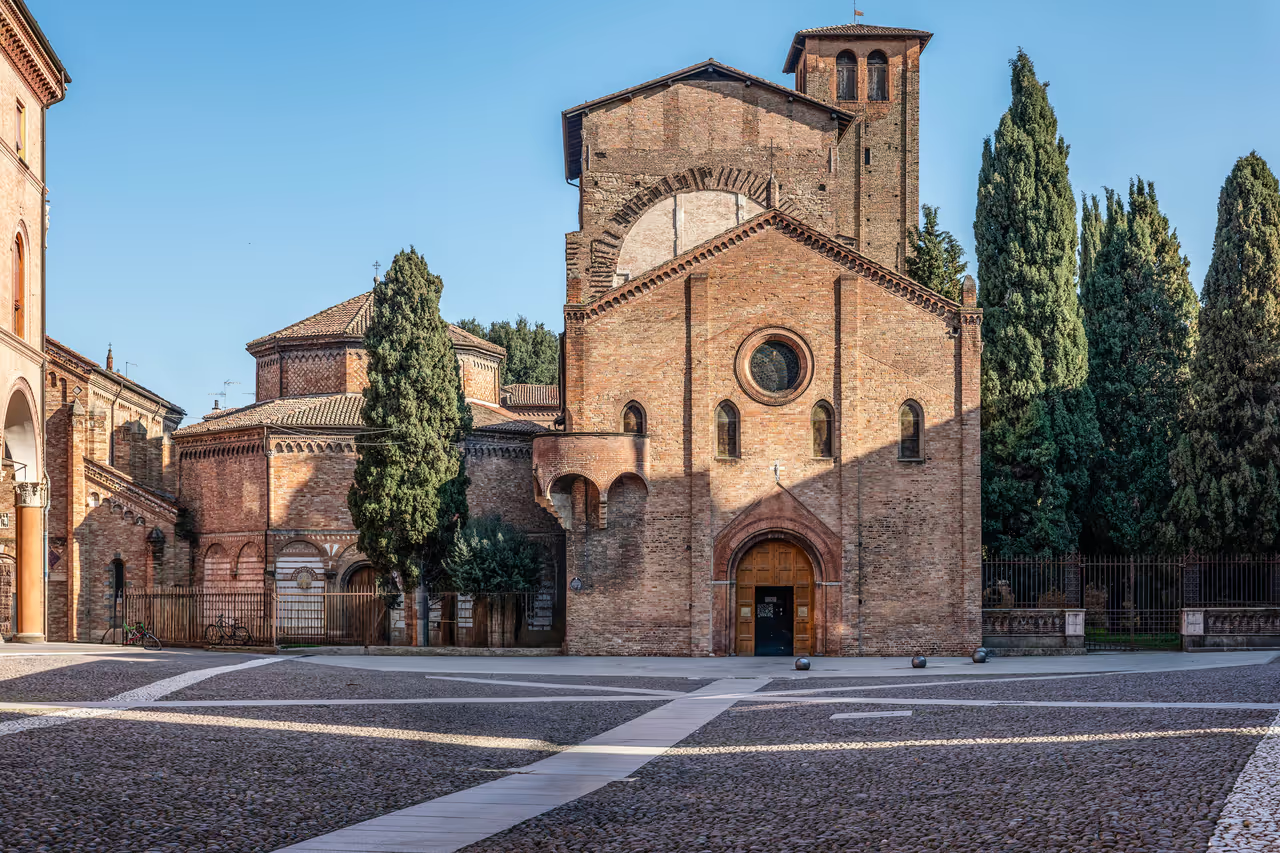
Seven Churches Piazza Stroll
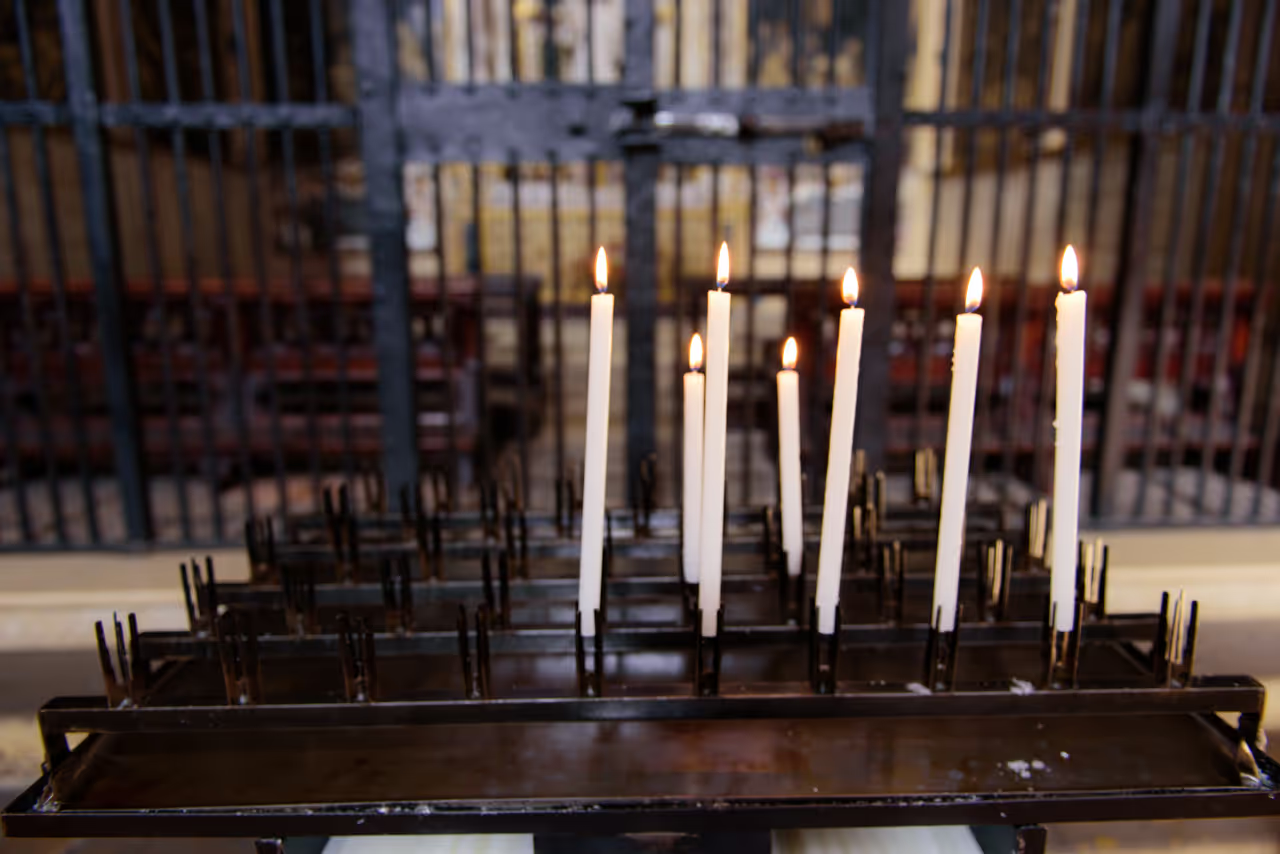
This walk focuses on the arguably most beautiful and uniquely shaped square in the entire city. The triangular piazza is paved with river stones and surrounded by magnificent palaces with intricately detailed porticoes. The undisputed highlight is the incredible religious complex at the end, a labyrinthine cluster of ancient chapels built over centuries. The atmosphere here is serene, elegant, and deeply historical, often filled with students quietly chatting or playing soft music. It offers a perfectly picturesque and deeply peaceful urban escape.
view walking route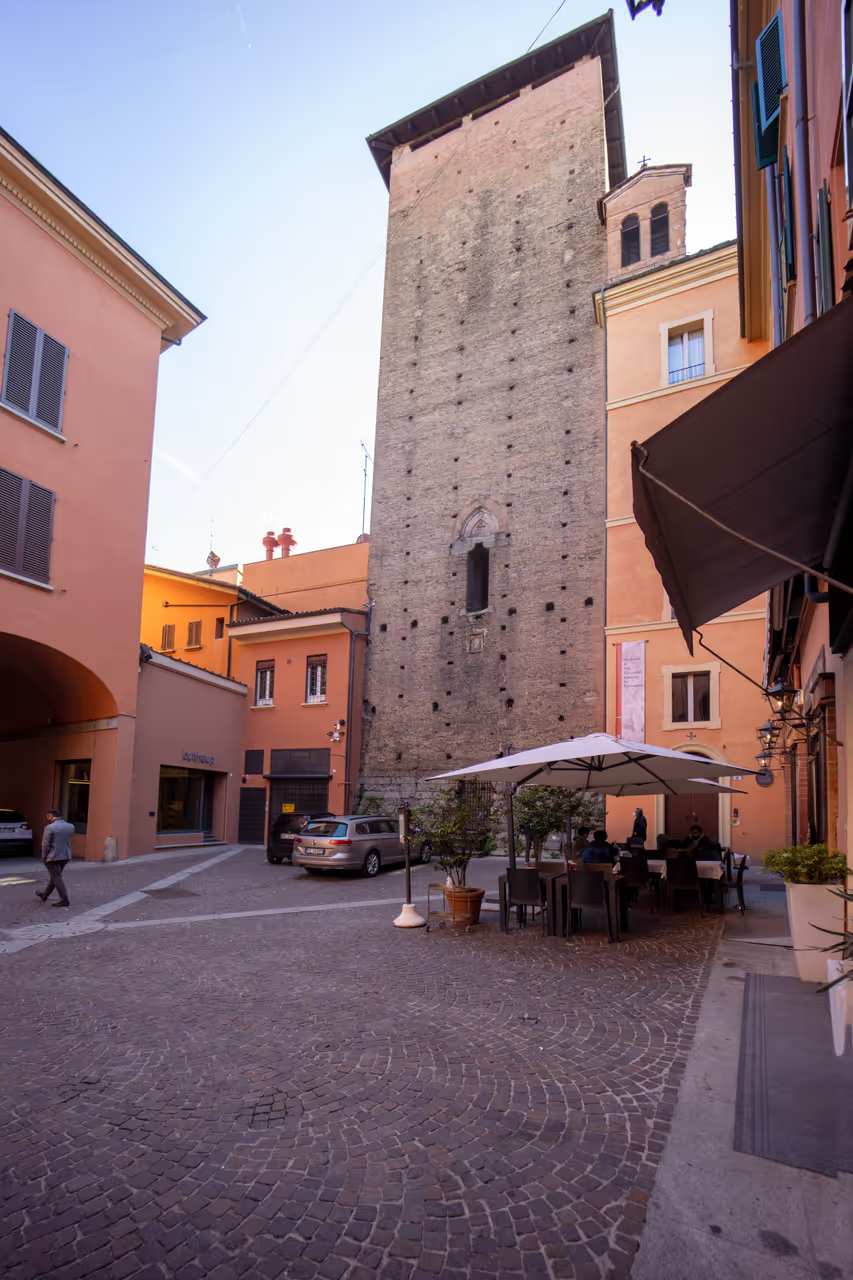
Mediaeval Towers Trail
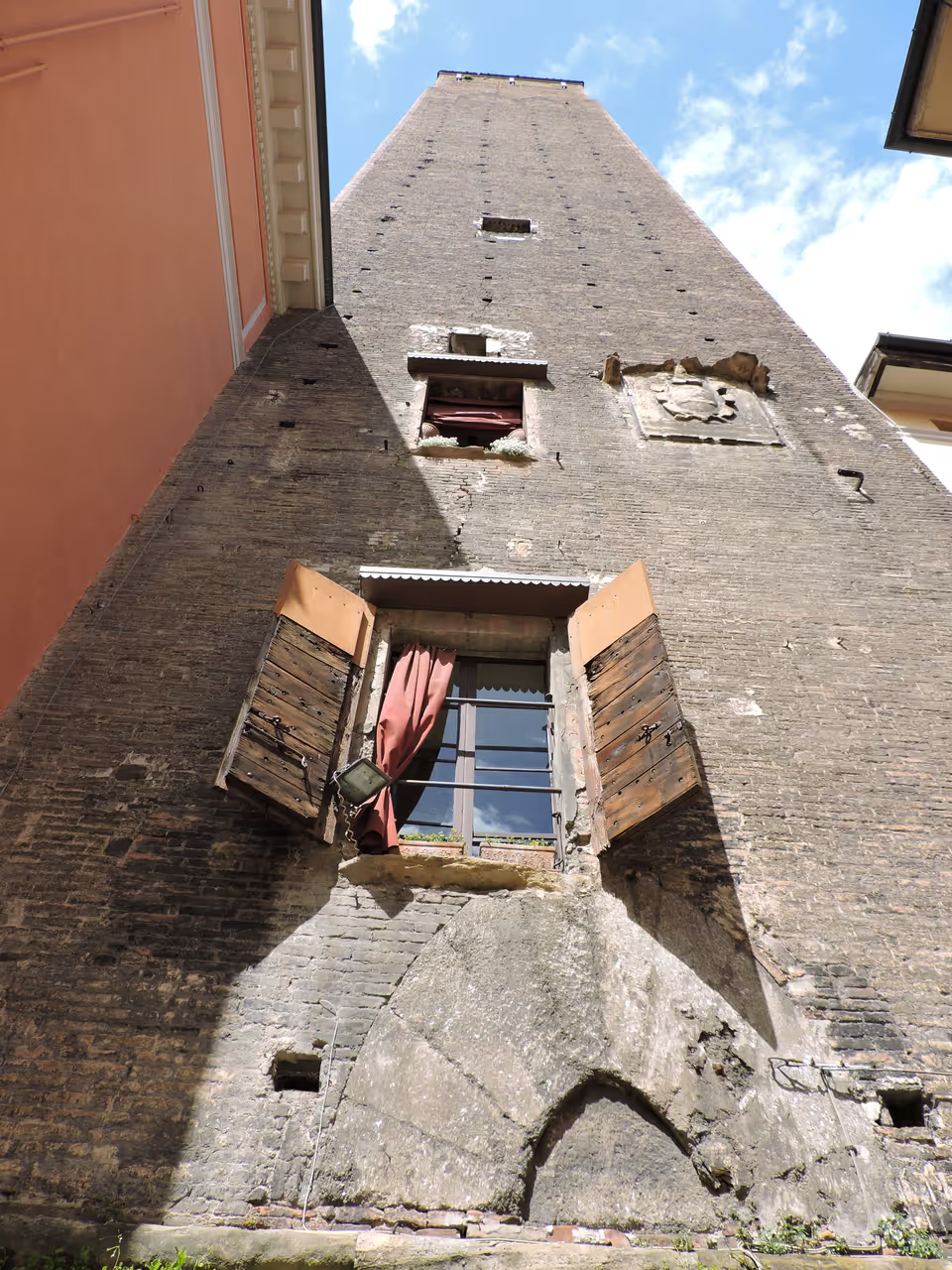
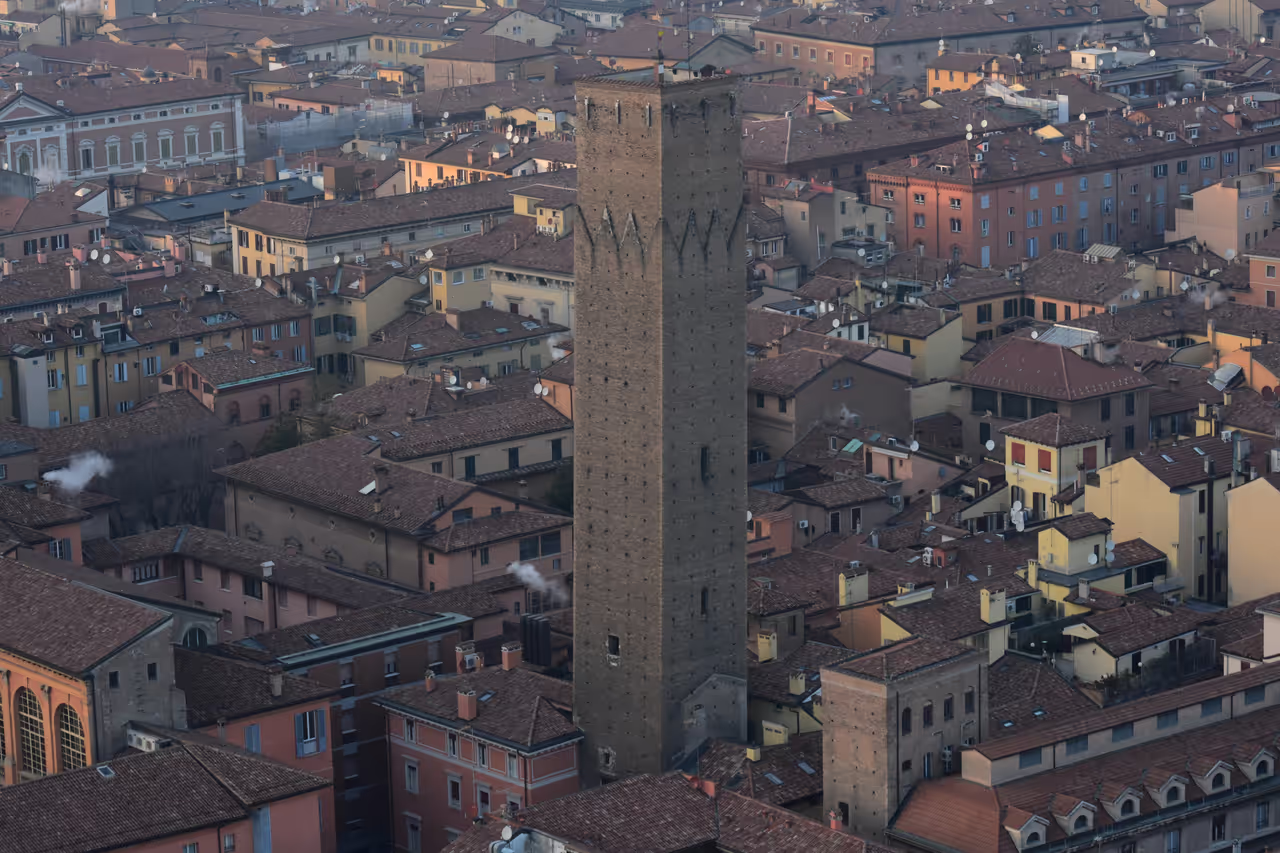
Centuries ago, the city skyline looked like a medieval Manhattan, bristling with up to one hundred and eighty towering skyscrapers. This tour traces the remnants of that incredible era, taking you past the surviving towers that still loom over the modern streets. You will discover how these structures were built by rival noble families as ultimate displays of wealth and military might. The path weaves through narrow alleys and grand piazzas, highlighting both famous leaning giants and hidden, integrated towers. It is a fascinating deep dive into the fierce, competitive history of the city's nobility.
view self-guided tour
See all attractions in Bologna
Archiginnasio of Bologna, Basilica of San Petronio, Fountain of Neptune, Palazzo d'Accursio, Piazza Maggiore, Sanctuary of the Madonna of San Luca...