National Museum of Ghana
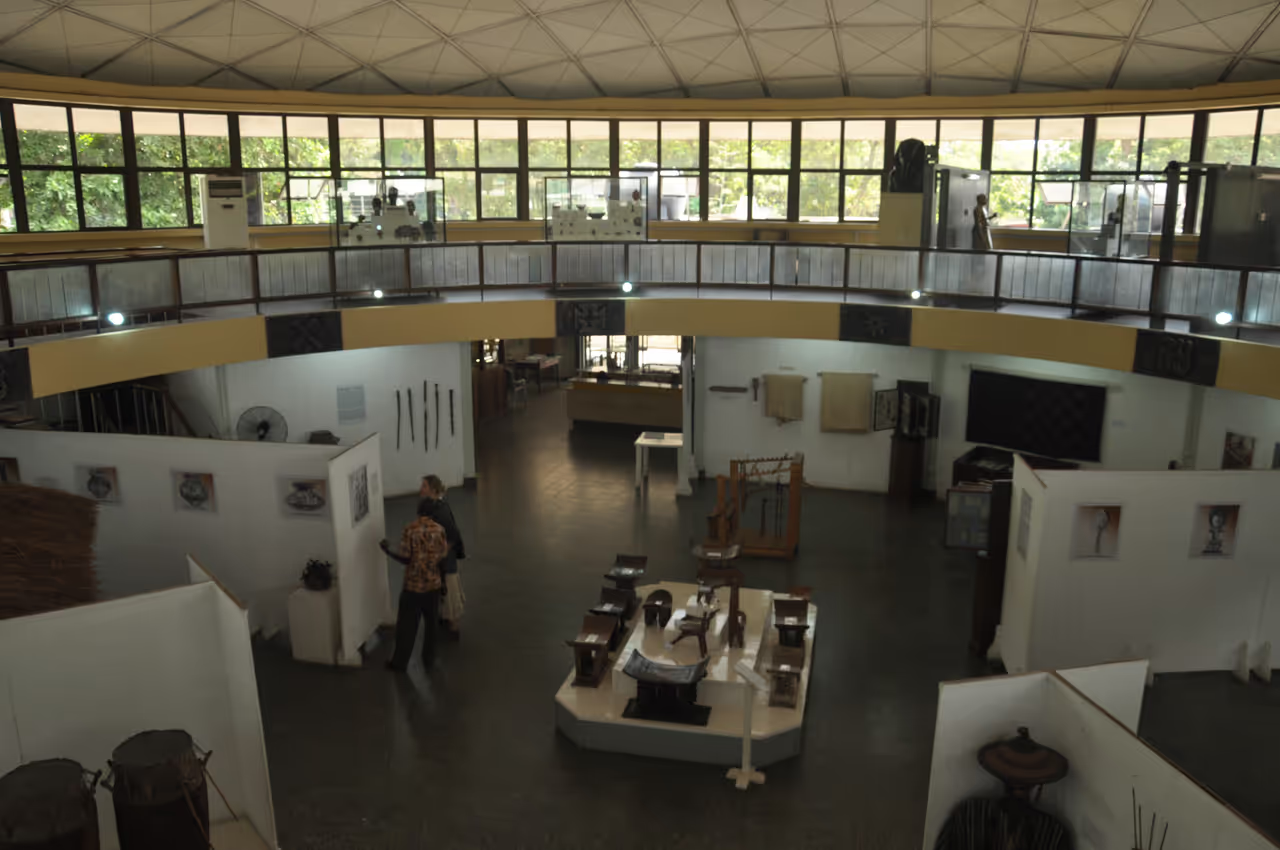
Nestled in the heart of Accra, the National Museum is a treasure trove that offers a profound window into Ghana's vibrant heritage. As the country's oldest and largest museum, it serves as a proud custodian of history, housing over 10,000 objects ranging from ancient archaeological finds to contemporary fine art. Visitors can wander through galleries that celebrate the diversity of Ghanaian culture, from intricate Akan gold weights to traditional regalia that tells stories of kings and queens. The recent comprehensive renovation has breathed fresh life into the building, making it a must-see for anyone wanting to grasp the narrative of this West African nation. It is a place where every artefact acts as a tangible link to the past, grounding modern Ghana in the rich tapestry of its ancestors. Whether you are a history enthusiast or simply curious about local traditions, this institution promises a deeply rewarding experience.
Videos
History of National Museum of Ghana
The story of the National Museum is inextricably linked to the birth of the nation itself. Its origins trace back to the intellectual atmosphere of Achimota College, where archaeologist Charles Thurstan Shaw first gathered the collections that would eventually form the nucleus of this institution. When Kwame Nkrumah championed the movement for independence, he viewed the creation of a national museum as an essential pillar of the new state's identity. He sought to create an institution that would educate citizens and celebrate a unified national consciousness. This ambition resulted in a striking piece of architecture, designed by the notable Denys Lasdun and Lindsay Drake, which stands as a testament to the modernist aspirations of the era. The museum was inaugurated just before the independence celebrations in 1957, serving as a beacon of cultural preservation for the newly sovereign state. Over the decades, the museum has evolved, shifting from an initial focus on prehistory and colonial narratives to a more inclusive exploration of Ghana's complex past. The addition of exhibits regarding the transatlantic slave trade in the 1990s marked a pivotal moment, allowing the institution to confront and share more challenging chapters of history. After a significant period of closure and a meticulous restoration effort that concluded in 2022, the museum has reclaimed its place as a vital guardian of Ghanaian heritage. It remains a place where the physical remnants of the past help visitors understand the spirit of the present.
Events spanning 82 years
Fun Facts
- • A significant portion of the collection includes Akan art, much of which was sourced from commercial mining territories.
- • It is the oldest of six museums under the administration of the Ghana Museums and Monuments Board.
- • The architectural design features distinct saw toothed windows placed at ninety degree angles to the outer walls.
- • The building showcases a unique low saucer shaped aluminium dome over an ambulatory area.
- • The building was a collaborative project between the Gold Coast Public Works Department and British architects Denys Lasdun and Lindsay Drake.
- • The initial collection traces its roots back to Achimota College rather than starting from scratch at the current site.
- • The museum includes a dedicated library and a conservation laboratory for ongoing historical research.
- • The museum was established during the birth of Ghana as a nation, designed specifically to foster national pride and awareness among citizens.
- • The museum's collection boasts over 10,000 objects including rare ethnographical pieces and fine art.
RESOURCES
Official WebsiteNational Museum of Ghana FAQ
While we strive to keep this information accurate and up to date, we recommend verifying any details independently before making decisions based on them.
National Museum of Ghana Map & Neighborhood Explorer
This interactive map is centered on National Museum of Ghana. Zoom in and move the map around to automatically discover Wikipedia photos and summaries of other nearby sights, monuments, and historical points of interest and stories in real-time!
Places near National Museum of Ghana
Make the most of your trip. Check out these top-rated spots located nearby.
 641m
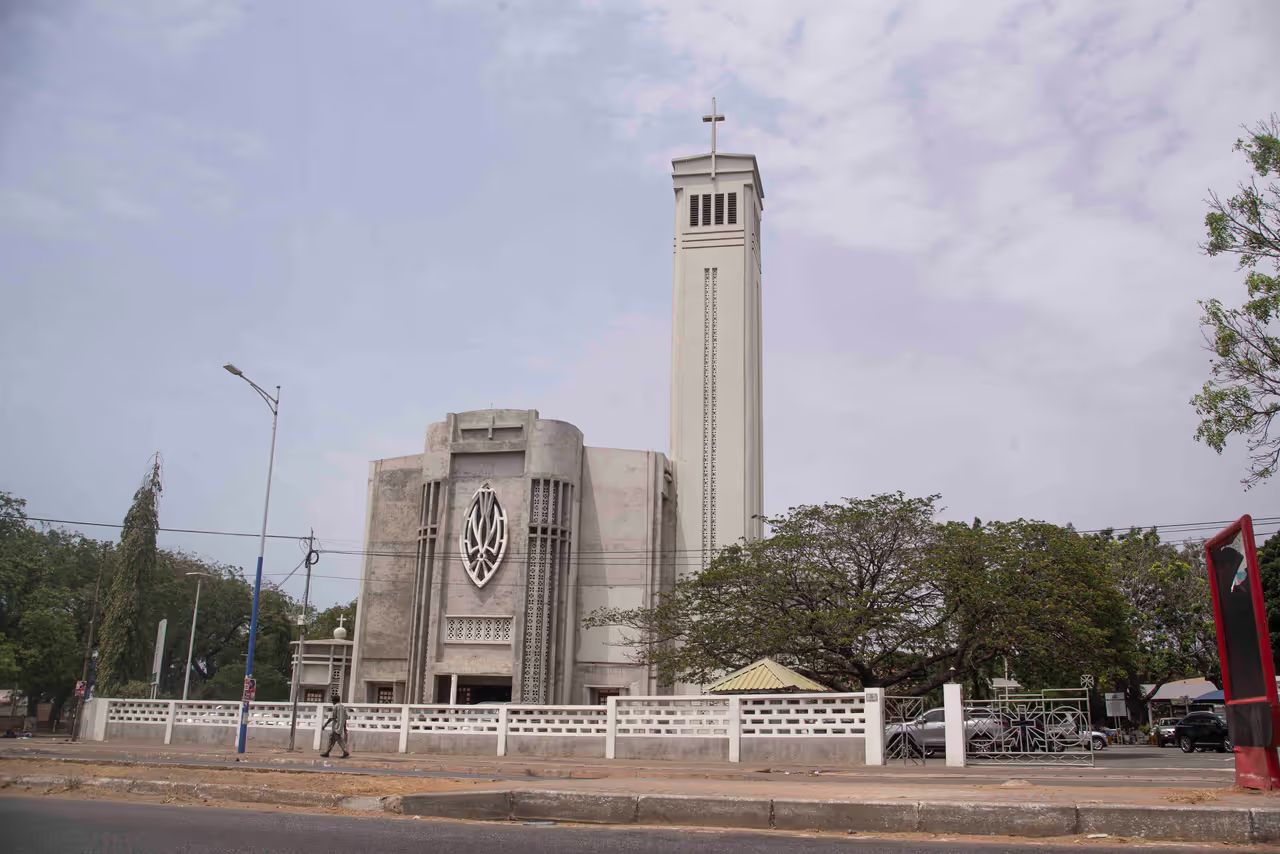
641mHoly Spirit Cathedral
Completed right around the time of national independence in 1957, this serves as the main church of the Roman Catholic Archdiocese. The architecture is distinctly mid century, featuring clean lines, a prominent bell tower, and a spacious, airy interior designed to naturally manage the tropical heat. It sits proudly in the Adabraka district, forming a quiet, spiritual anchor amidst the chaotic urban sprawl. The simplicity of its design allows the beautiful, colourful stained glass elements inside to truly shine. It stands as a modest yet highly important piece of the city's religious infrastructure.
architecture view 689m
689mSabolai Radio Music Festival
This alternative music festival is the premier showcase for independent and underground artists from across the region. Unlike the mainstream pop concerts, this event focuses on experimental sounds, indie rock, electronic beats, and conscious hip hop. It attracts a youthful, bohemian crowd looking to discover the next big thing in African music. The atmosphere is intimate, creative, and highly collaborative, often featuring impromptu jam sessions and artistic collaborations. It is an absolute must visit for serious music lovers looking beyond the commercial radio hits.
festival view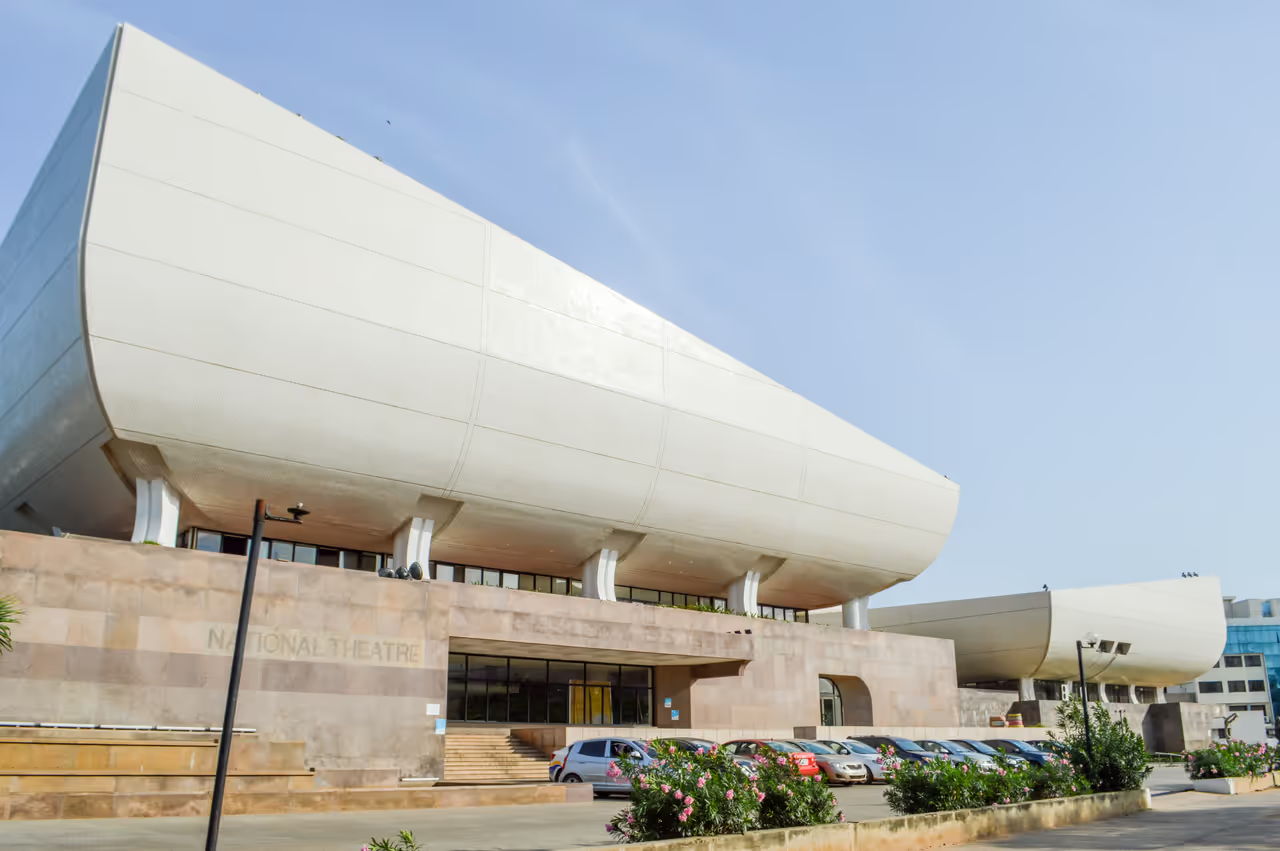 703m
703mNational Theatre
Instantly recognisable by its incredibly distinctive, sweeping roofline, this building is a masterpiece of modern design in the city centre. The swooping, white architectural forms are designed to resemble an enormous ship in full sail or a majestic bird taking flight. Built in the early 1990s through Chinese investment, it represents a bold, futuristic departure from the typical colonial or concrete block styles. Inside, it houses a massive auditorium that serves as the premier venue for the national symphony orchestra and major theatrical productions. It is one of the most photographed and iconic modern structures in the capital.
architecture view 1107m
1107mMakola Market
Located in the heart of the central business district, this is the city's most famous and overwhelming commercial hub. It is a sprawling, colourful labyrinth where you can find absolutely everything from fresh produce and auto parts to beautiful wax print fabrics and traditional beads. The market is famously dominated by powerful female traders who manage the complex supply chains and vibrant stalls. The noise, the heat, and the sheer volume of humanity create an intense but unforgettable sensory experience. Navigating the narrow alleys is a thrilling adventure into authentic local commerce.
market view
Explore Similar Places in This Collection
Featured on These Itineraries and Routes
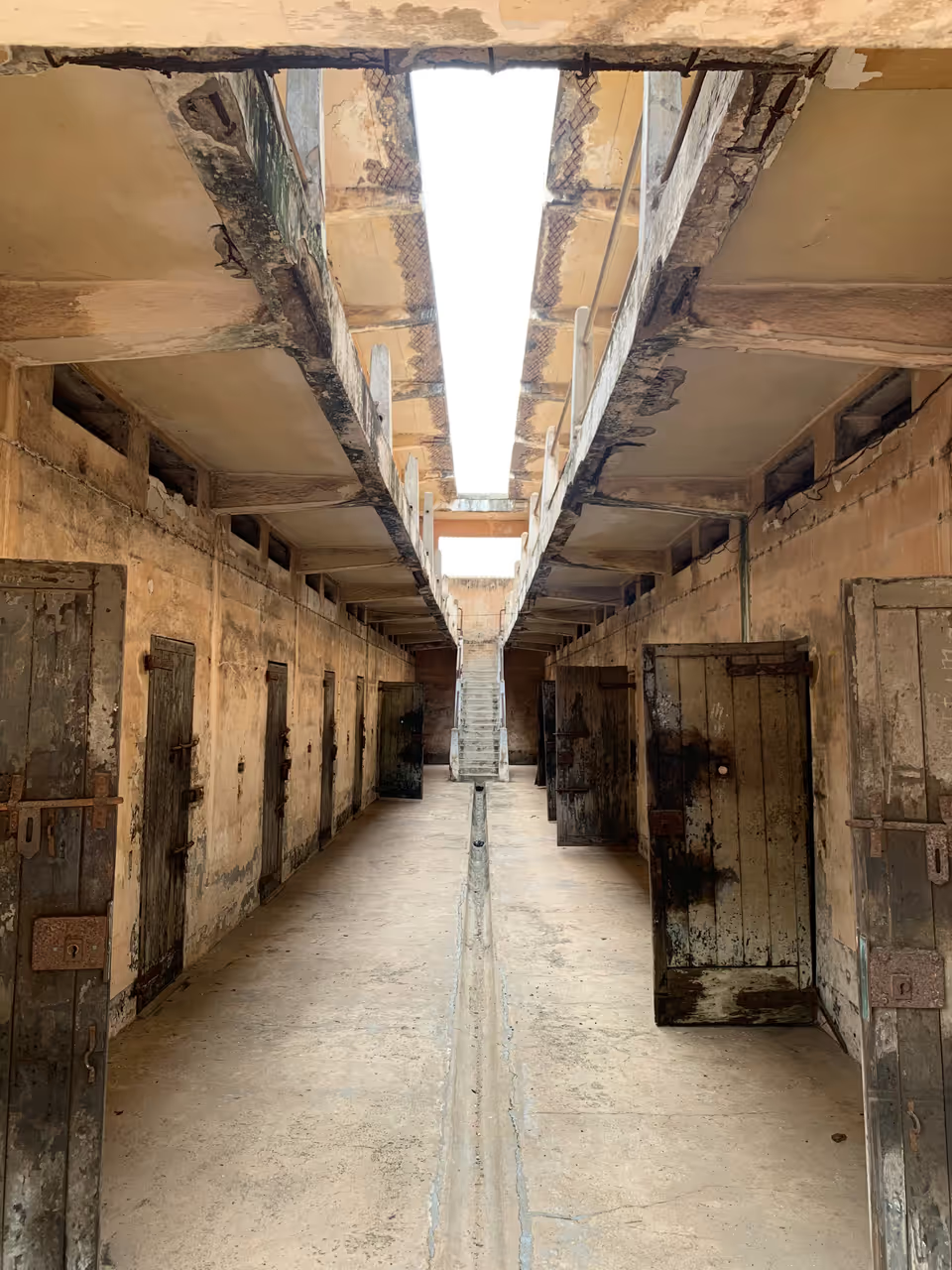
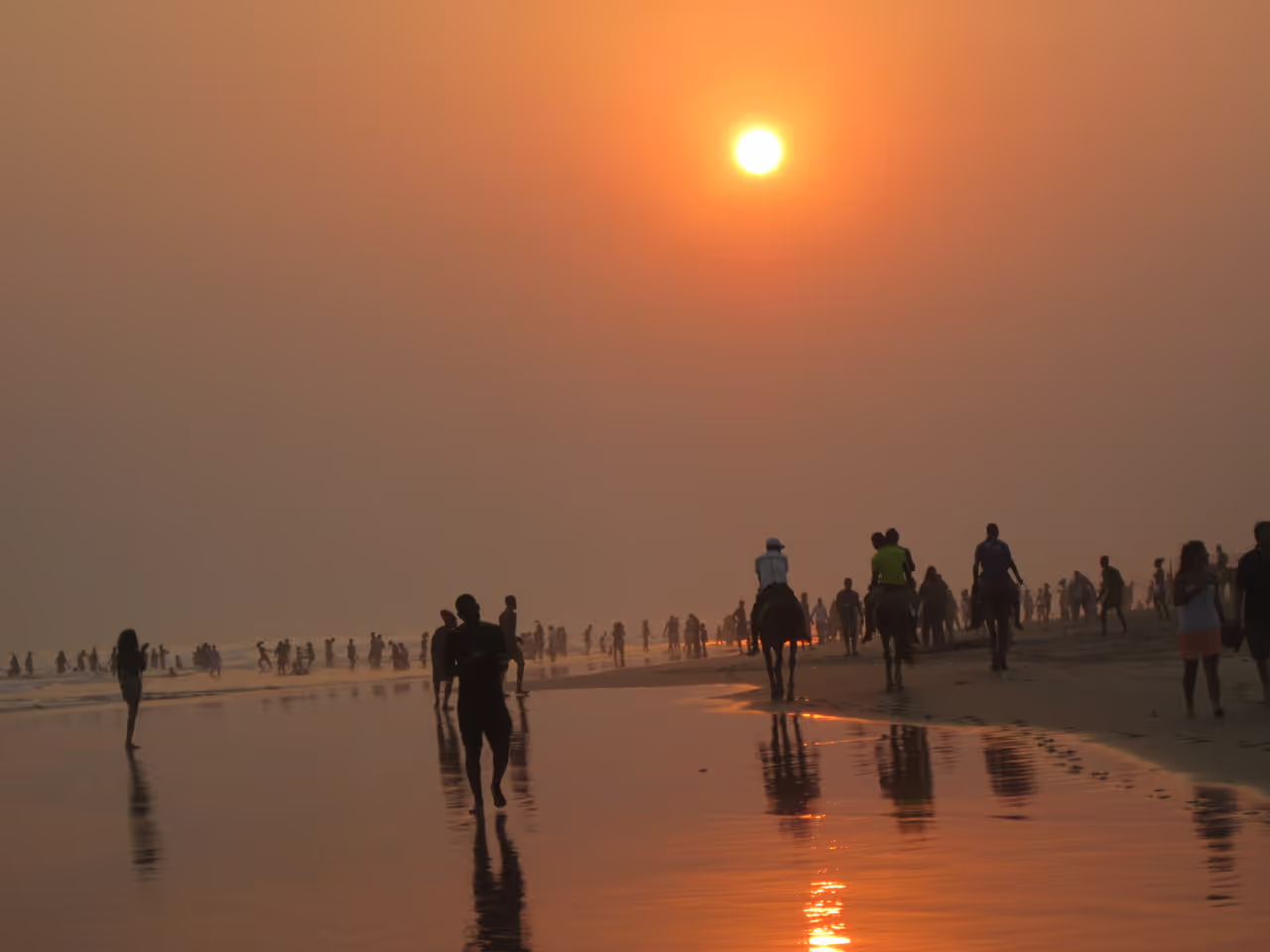
3 Days in Accra: Culture and Coast Itinerary
This balanced three day plan allows you to dig much deeper into the city's complex colonial history, its vibrant artistic movements, and its relaxing coastal offerings. You will explore the historic fishing districts, view incredible contemporary art, and have time to unwind on the sand. It provides a perfect mix of intense urban exploration and essential tropical relaxation.
view itinerary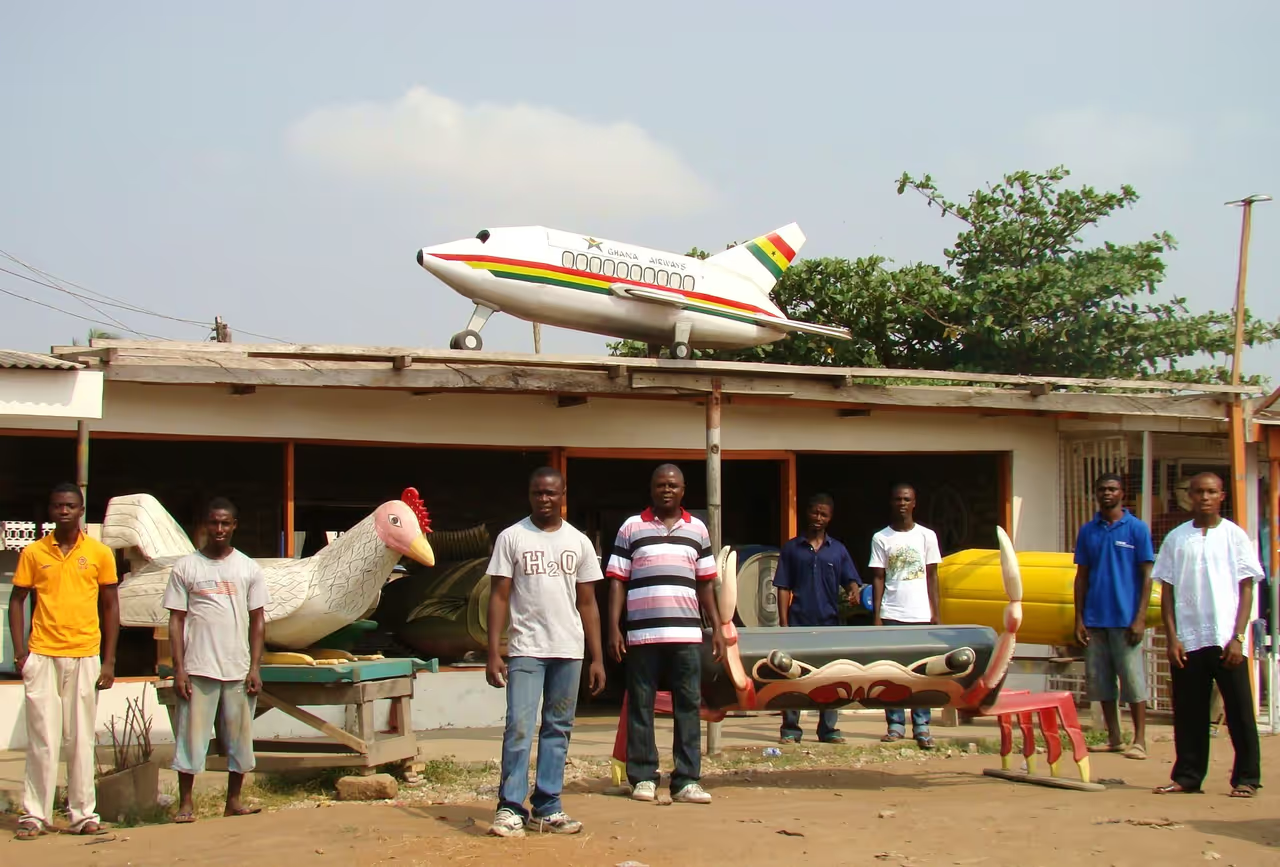
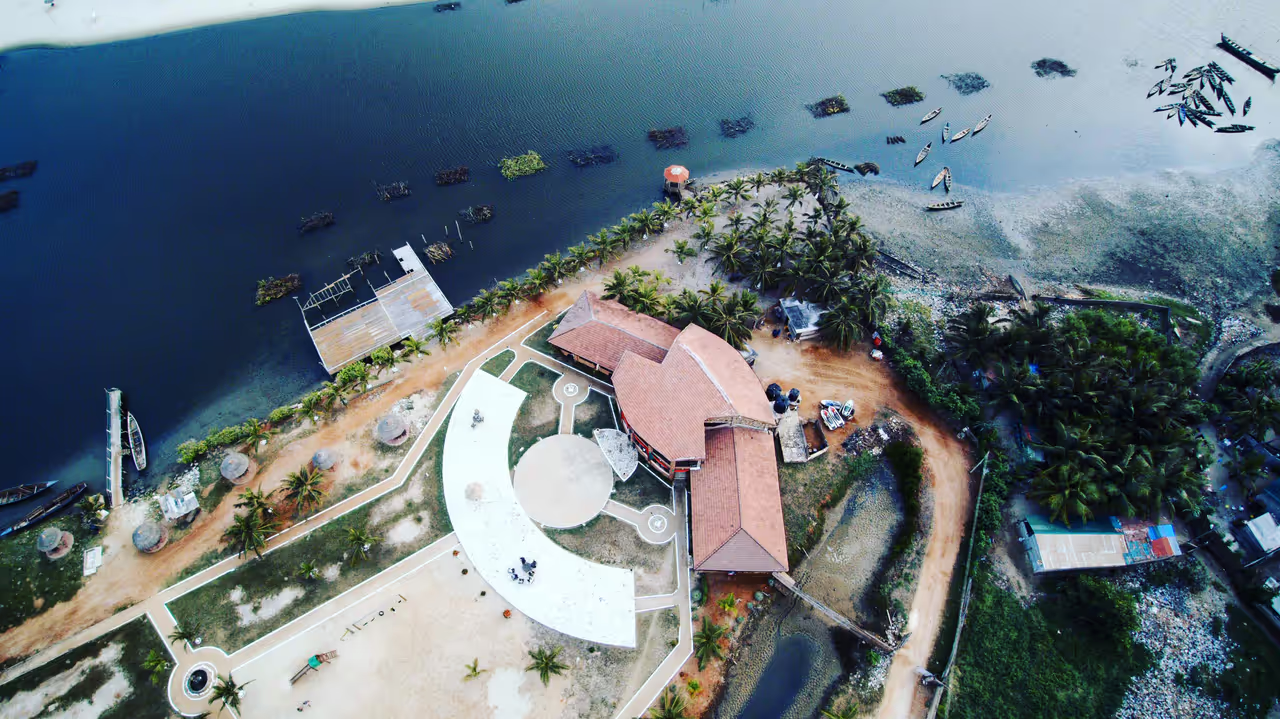
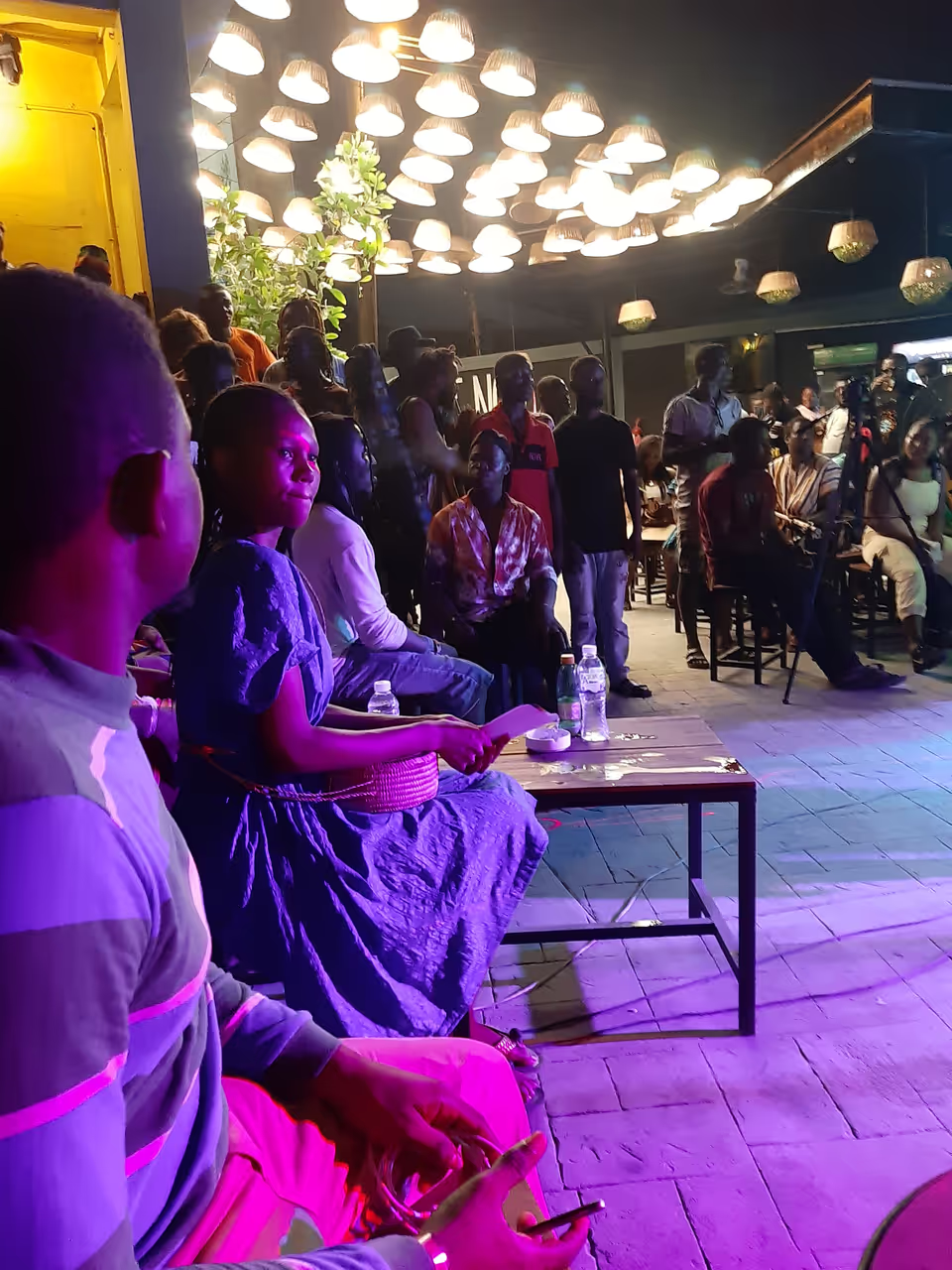
5 Days in Accra: Complete Capital Experience Itinerary
A comprehensive five day journey allows you to truly sync with the city's rhythm, exploring its bustling centre and escaping to its scenic outskirts. You will cover all the essential historical and cultural sites, while also making time for a mini safari and discovering hidden culinary gems. This itinerary ensures you leave with a profound, well rounded understanding of the capital and its surrounding environment.
view itinerary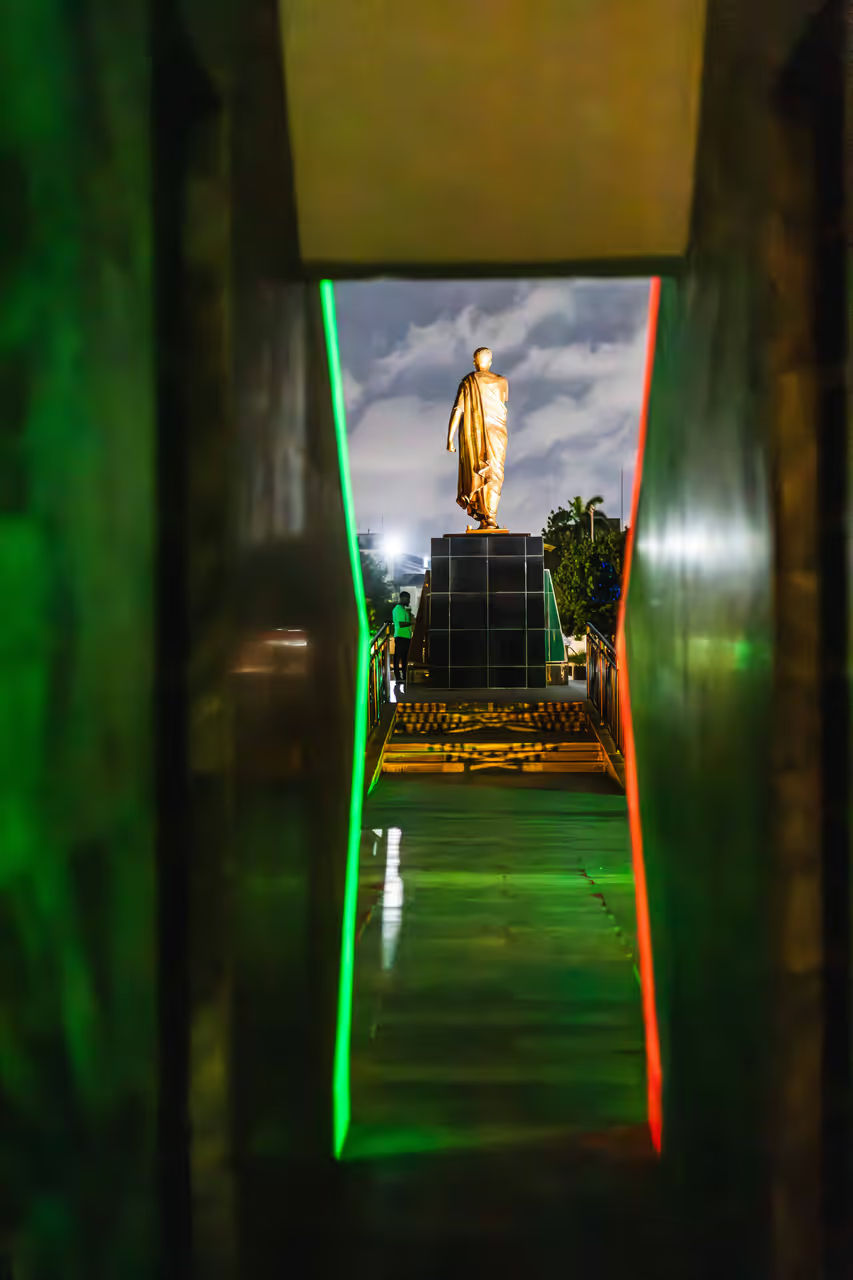
Pan-African Legacy Tour
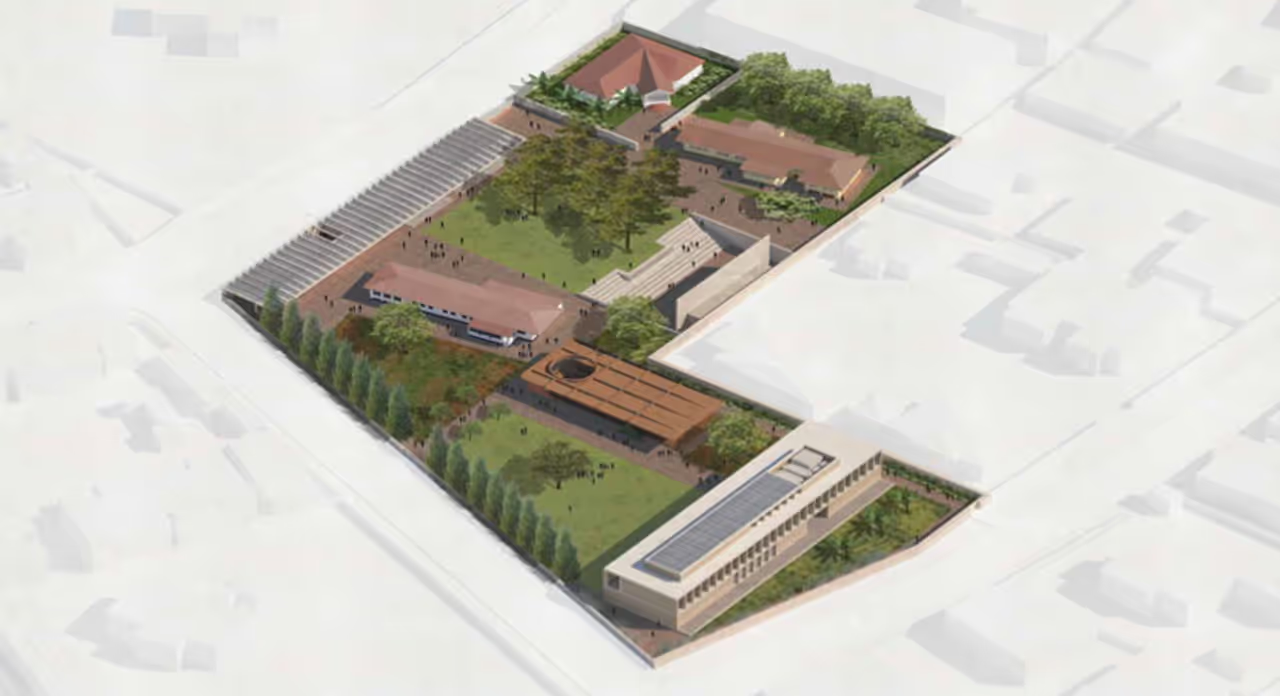
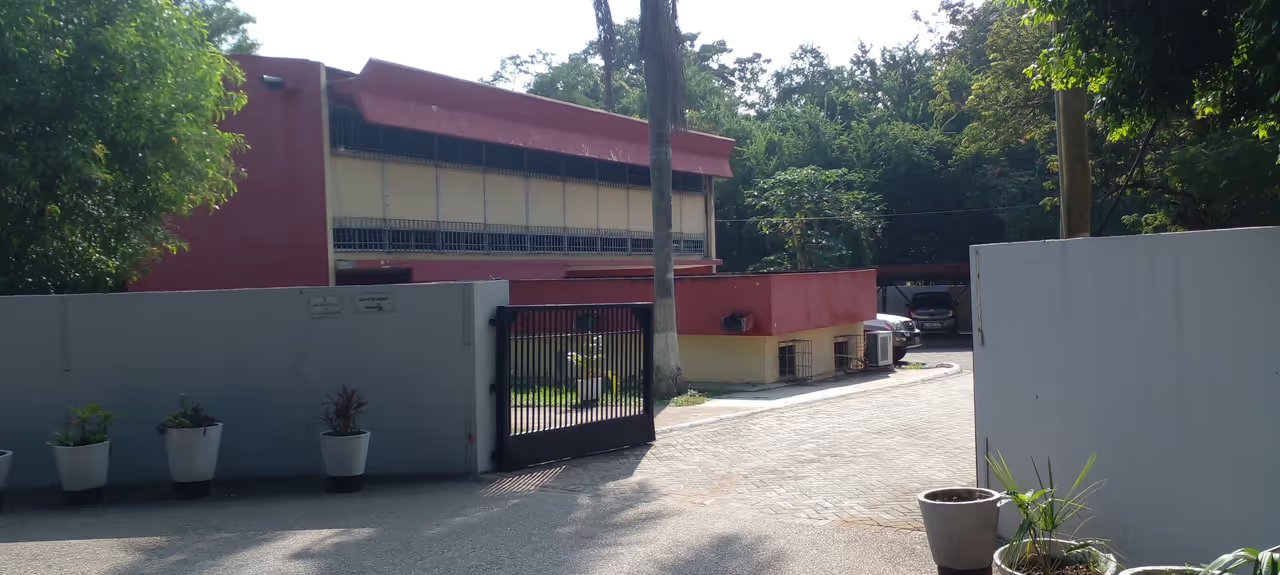
This thoughtful journey traces the footsteps of the visionary leaders and intellectuals who turned the city into the spiritual home of global black liberation. You will explore institutions and former residences dedicated to the fierce advocates of a united continent. The tour highlights how the city became a magnet for prominent figures from the diaspora during the mid twentieth century. It is a deeply educational experience that connects local history with global civil rights struggles. The narrative weaves together politics, literature, and the ongoing dream of unity.
view self-guided tour
See all attractions in Accra
Kwame Nkrumah Memorial Park and Mausoleum, Monumental Black Star Square, W. E. B. Du Bois Memorial Centre, Jamestown Lighthouse...