Stade Vélodrome
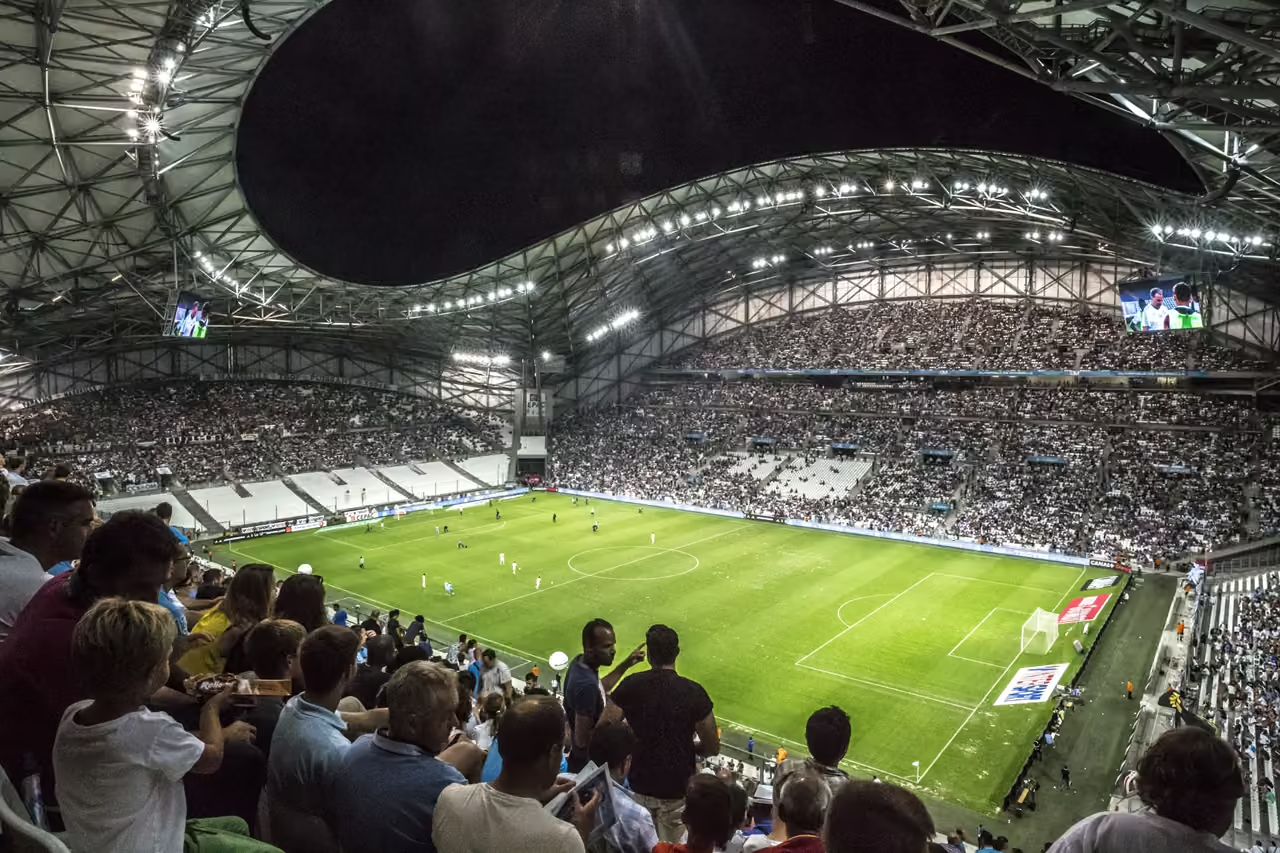
Four kilometres south of the Old Port along Boulevard Michelet, a colossal white canopy swoops over the Saint-Giniez rooftops like a docked ship built for 67,394 people. Locals simply call it Le Vél'. Sponsors on the façade shifted from Orange to CEPAC in 2026, yet the roar under that canopy stays unmistakable whenever Olympique de Marseille play, Toulon bring rugby up the coast, or Marseille rap star Soprano fills the pitch. On quiet weekdays, guided tours still get you down into the Jean Bouin dressing rooms. You step straight out to the touchline before wandering past the club museum's cement footprints left by Jean-Pierre Papin, Chris Waddle, and Basile Boli. Catch Metro Line 2 carefully, since the four stands never connect inside: getting off at Rond-Point du Prado instead of Sainte-Marguerite Dromel for the Ganay side means a long detour round the outer forecourt past the bronze statues of Jean Bouin and Gustave Ganay.
Videos
History of Stade Vélodrome
Marseille's civic leaders first floated the idea of a grand municipal arena in 1928, mainly because the city's flagship club, Olympique de Marseille, owned its own ground at the Stade de l'Huveaune and left the municipality without a major venue of its own. Councillors killed off the initial blueprint in 1930 as far too costly, only for France's selection to host the 1938 FIFA World Cup to jolt the project back into life. Construction began in April 1935 atop the cleared ruins of an old automobile plant, requiring 26 months of excavation and 240 deep concrete piles before opening day arrived on 13 June 1937. Nearly 30,000 spectators turned out for a festival of athletics, cycling, and a friendly football win over Italian club Torino. Even so, local affection refused to follow on command. Supporters fiercely loyal to the Huveaune, whose grandstands fans had literally paid to build in the 1920s, looked down their noses at the newcomer and dismissed it as the town hall's stadium. Politics and wartime upheaval quickly tested the young venue. During the 1938 World Cup, Benito Mussolini's reigning Italian champions played both their round of sixteen tie against Norway and their match against Brazil here, winning both in front of furious crowds of Italian antifascist exiles and Marseille railway workers who jeered the visiting squad and sang The Internationale from the tiers. Once the Second World War erupted, French, German, and later American forces requisitioned the ground, leaving parts of the structure battered even as local sporting events kept going against the odds. Peace ushered in an extraordinary multisport golden age. Crowds of up to 30,000 packed the concrete tiers for French rugby league internationals and local club Marseille XIII, alongside Tour de France stage finishes, Harlem Globetrotters basketball showcases, a 1953 Formula One exhibition, and boxing cards featuring world champion French fighter Marcel Cerdan. Relations between Olympique de Marseille and City Hall nonetheless hit rock bottom in 1965, when flamboyant club owner Marcel Leclerc walked out altogether over municipal rent and taxes, firing off an infamous letter telling longtime mayor Gaston Defferre that Marseille politics belonged in Chicago. An empty ground forced the city to compromise when the team climbed back into the top flight in 1966, bringing club headquarters inside the stadium for good. That reconciliation sparked decades of structural change that gradually erased the velodrome inside the Stade Vélodrome. Four floodlight towers rising sixty metres into the sky arrived in 1970, removable seating crept across the running track a year later, and ahead of the 1984 European Championship builders demolished the banked cycling track permanently to pack fans closer to the grass. Marseille rewarded that sacrifice with one of French football's defining nights on 23 June 1984, as French captain Michel Platini struck in the 119th minute of an unforgettable clash against Portugal to seal a 3 to 2 victory before 54,848 people. Yet the next grand makeover ahead of the 1998 FIFA World Cup misfired badly. Almost the entire 1937 structure came down to create 60,000 seats in four disconnected, flaring stands, leaving only the main Jean Bouin grandstand covered. Local supporters unfurled protest banners before the tournament even kicked off, and Olympique de Marseille manager Rolland Courbis coined an enduring nickname for the windswept, acoustically flat bowl by dubbing it the cold catcher. Memorable chapters still piled up despite the biting mistral winds, from Dutch star Dennis Bergkamp's dramatic knockout winner against Argentina to French rugby union's debut in November 2000, when the French national side shocked New Zealand 42 to 33. France's selection to host Euro 2016 finally gave Marseille the catalyst to tame the mistral. Between 2011 and 2014, architects encased the four stands under a sweeping continuous canopy, pushing capacity to 67,394 and trapping matchday noise inside like an amplifier. The shift was immediate. Visiting football clubs and rugby giants alike began treating the ground as one of Europe's fiercest away trips, with the stadium hosting two 2016 European Championship knockout ties, France's first Six Nations fixture moved outside the Paris region in 2018, and the 2023 Rugby World Cup knockout rounds. Even after city leaders briefly weighed selling the costly property in 2021, Olympique de Marseille kept sole daily control under an operating deal signed in December 2018. From Paris 2024 Olympic football fixtures to Top 14 rugby finals, the municipal venue locals once doubted now roars beneath a pleated white roof that blocks out the mistral for good.
14 events spanning 91 years
Fun Facts
15- 01
Added ahead of Euro 2016, the stadium's undulating steel roof structure weighs 5,500 tonnes, roughly 80 per cent of the entire metal framework of Paris's Eiffel Tower.
- 02
After temporary seating covered the stadium's running track in 1971, crews briefly unbolted the movable stands the following summer so the 1972 UCI Track Cycling World Championships could race on the remaining banked circuit.
- 03
Directly underneath the pitch and the Tribune Ganay esplanade sits Géolide, the largest underground wastewater treatment plant in the world, locally nicknamed a 'water cathedral' because of its cavernous subterranean scale.
- 04
Even American soldiers left their mark on the stadium's varied early schedule, staging a baseball game on the turf during the Liberation of France alongside mid-century grass tennis, field hockey, and greyhound racing.
- 05
Hollywood actor Matt Damon filmed scenes for the thriller Stillwater during a live Olympique de Marseille match against Lyon in 2019, adding to a screen career spanning Taxi 4 and music videos by Mano Negra and the Marseille rap collective behind Bande organisée.
- 06
Long before Olympique de Marseille began averaging roughly 63,500 fans per match in Ligue 1, a grim second-division tie against US Forbach on 23 April 1965 attracted just 434 paying spectators, dipping even lower than the 584 who attended against the same club four years earlier.
- 07
Marseille's mild Mediterranean winters make undersoil heating unnecessary; groundskeepers instead wage their toughest battle against August sunshine, relying since 2014 on reinforced AirFibr hybrid turf built to handle both football and rugby scrums.
- 08
Rugby union and local hip-hop, rather than football, hold the stadium's all-time attendance records: 66,831 watched RC Toulon play Stade Toulousain in May 2026 for the top sporting crowd, while Marseille rapper Jul drew an overall venue record of 73,158 fans on 24 May 2025.
- 09
Scarred by the sheer volume of the crowd during their 2022 defeat in Marseille, South Africa's Springboks rugby squad piped crowd noise through loudspeakers at training before facing France again in the 2023 Rugby World Cup quarter-finals.
- 10
Two years after operating as a mass Covid-19 vaccination centre in spring 2021, the arena welcomed Pope Francis for mass before 62,000 worshippers on 23 September 2023, marked by a huge South Winners banner pairing the pontiff with Marseille's hilltop Notre-Dame de la Garde basilica.
- 11
When Olympique de Marseille bade farewell to the pre-World Cup stadium in February 1996, club shops bagged up broken chunks of concrete from the demolished terraces and sold them directly to supporters.
- 12
When the Tour de France staged both the start and finish of its penultimate time trial inside the arena on 22 July 2017, city officials made entry free of charge, yet attendance proved sparse because residents preferred cheering riders along Marseille's streets.
- 13
While three stands honour Olympic track runner Jean Bouin, cycling champion Gustave Ganay, and late supporter pioneer Patrice de Peretti, the Virage Sud bears the name of Chevalier Roze, an 18th-century nobleman who organised food relief and built a hospital during Marseille's 1720 plague.
- 14
Worried that 60,000 seats would look too vast for routine domestic games, planners in 1998 originally intended to close off the upper tiers and cap league crowds at 40,000, a plan rapidly shelved when supporters consistently topped 50,000.
- 15
Years before builders broke ground in 1935, rival Marseille club Stade Helvétique planned to construct its own football stadium on this exact site, only for the project to collapse when an organiser vanished with the proceeds from a fundraising raffle.
FULL PLACE DETAILS
Updated
FULL PLACE DETAILS
UpdatedOVERVIEW & STATS
- Established
- In 1935, making it 91 years old
ARCHITECTURE & HERITAGE
- Architectural Styles
- Contemporary
- Architects
- Jean-pierre Buffi
WEB & AMENITIES
Stade Vélodrome Map & Neighborhood Explorer
This interactive map is centered on Stade Vélodrome. Zoom in and move the map around to automatically discover Wikipedia photos and summaries of other nearby sights, monuments, and historical points of interest and stories in real-time!
Stade Vélodrome FAQ
Yes, guided stadium tours run on days when no match or major event is scheduled. Entering near Tribune Jean Bouin, visitors walk through the home dressing rooms, players' tunnel, and pitchside dugout before finishing in the club museum and shop, where historic OM shirts, trophies, and cement footprints of former stars are displayed.
Marseille Metro Line 2 serves the stadium via two separate stops, and choosing the right one matters because the four stands do not connect inside the concourse. Exit at Rond-Point du Prado for Tribune Jean Bouin and Virage Nord, or ride one stop further to Sainte-Marguerite Dromel for Tribune Gustave Ganay and Virage Sud. Tramway Line 3 and extra evening Metro trains from Marseille-Saint-Charles also run on matchdays.
Opened in 1937 with a banked cycle track around the pitch, the arena earned the name Stade Vélodrome even though the cycling oval was demolished in the 1980s. Naming-rights sponsorships saw it branded Orange Vélodrome from 2016 to 2026 before regional bank Caisse d'Épargne CEPAC began a seven-year deal as CEPAC Vélodrome in July 2026. Locals still call it Stade Vélodrome or Le Vél', and international tournaments suspend sponsor titles.
Pick according to the atmosphere you want. Virage Nord and Virage Sud house Olympique de Marseille's ultra supporter groups, filling the bowl with continuous chanting, flags, and choreographed tifos from kick-off to full-time. Visitors seeking seated, wide views of the entire pitch usually choose the vast eastern Tribune Gustave Ganay, which includes step-free accessible areas on its lower tier, or the main western Tribune Jean Bouin.
Alongside OM's Ligue 1 and European campaigns, the stadium hosts blockbuster Top 14 rugby union fixtures featuring RC Toulon against Stade Toulousain, French national team games in football and rugby, and major summer stadium concerts. International headliners from the Rolling Stones and Beyoncé to Ed Sheeran and Bruce Springsteen have played here, alongside celebrated Marseille rap artists including Jul, Soprano, and IAM.
Located roughly four kilometres south of the Old Port in the Saint-Giniez neighbourhood along Boulevard Michelet, the ground is a straightforward Metro Line 2 trip from Marseille-Saint-Charles station or Castellane. Drivers connect via the A55 city centre exit or exit 36 off the A7, with an RTM park-and-ride nearby and Le vélo shared bicycles docked along Boulevard Michelet. Marseille Provence Airport lies around 30 kilometres north in Marignane.
A typical visit takes about 2 hours. We recommend planning your schedule accordingly to make the most of your time there.
The closest place to visit near Stade Vélodrome is Open 13 Provence Tennis Tournament, around 397 m away. Other things to do near Stade Vélodrome include Unité d'habitation (937 m), Marsatac Music Festival (1.6 km) and Mondial la Marseillaise à Pétanque (1.6 km). All of these are within roughly 1.6 km of Stade Vélodrome.
It dates back to 1935, making it 91 years old.
Stade Vélodrome was designed by Jean-Pierre Buffi in the contemporary style.
While we strive to keep this information accurate and up to date, we recommend verifying any details independently before making decisions based on them.
Places near Stade Vélodrome
Make the most of your trip. Check out these top-rated spots located nearby.
 397m
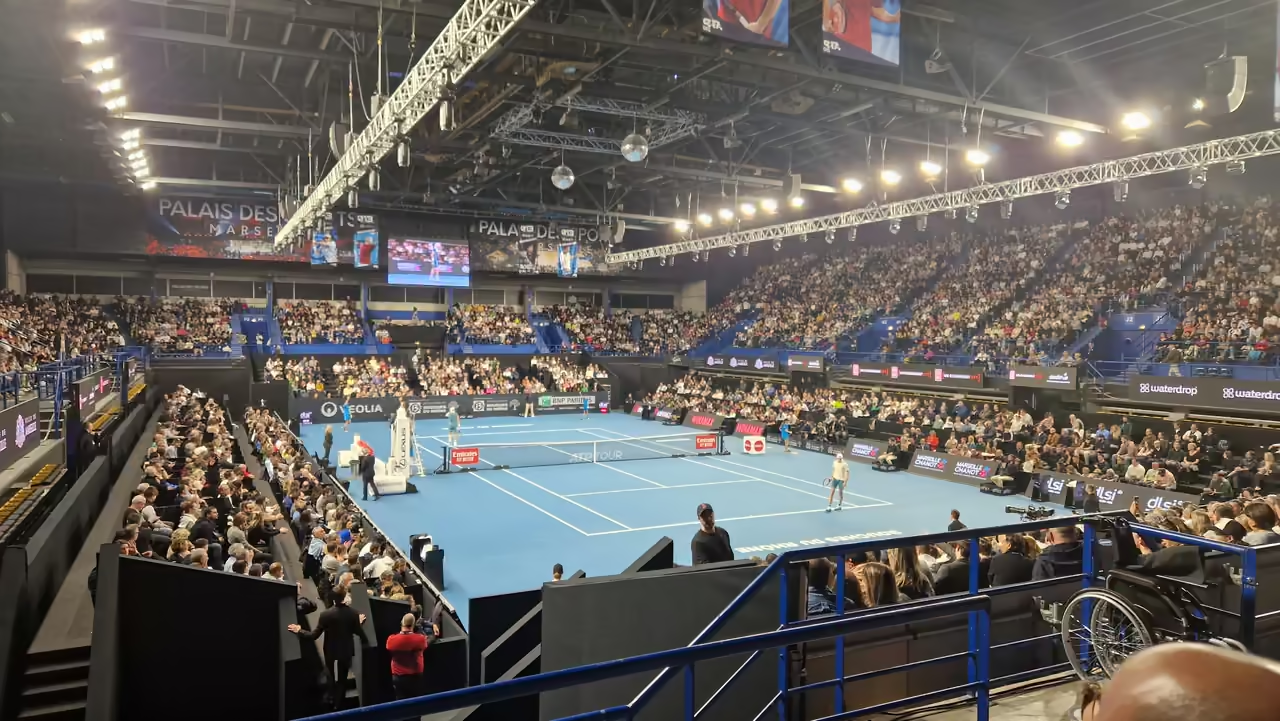
Open 13 Provence Tennis Tournament
Every February, 32 top international singles players descend on Marseille's 7,400-seat Palais des Sports for an indoor ATP Tour hardcourt tournament. Fast indoor rallies draw vocal southern tennis crowds escaping brisk winter Mistral gusts outside.
festival view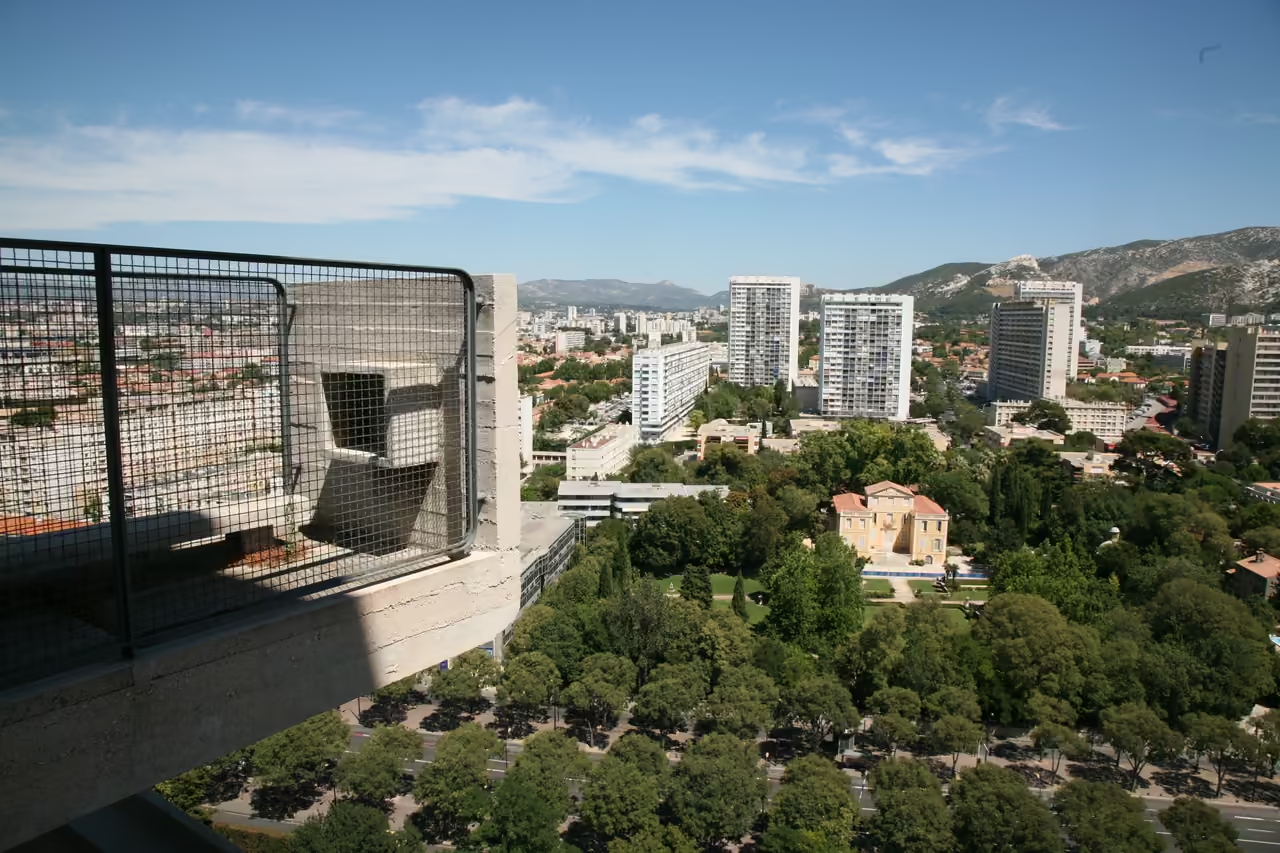 937m
Unité d'habitation
Standing on Boulevard Michelet today, it is easy to see why baffled 1950s locals nicknamed this towering concrete slab La Maison du Fada, Provençal slang for the madman's house. Massive tapered stilts hoist eighteen storeys clean above a wooded park. Deep balcony recesses flash red, yellow, blue, and green against the Mediterranean glare. Ride the lift to the third floor and step onto the indoor street called la troisième rue, running the full length of the building past an architecture bookshop, creative studios, and the Hôtel Le Corbusier. Because around a thousand residents still call these flats home, visitors simply sign in at the ground floor desk and keep voices quiet along the residential halls. Up on the open rooftop terrace, sculptural ventilation chimneys rise beside a paddling pool, a running track, and the MAMO contemporary art centre inside the old gym, with the white limestone peaks of Marseilleveyre and the sea unfolding before you.
unesco heritage site view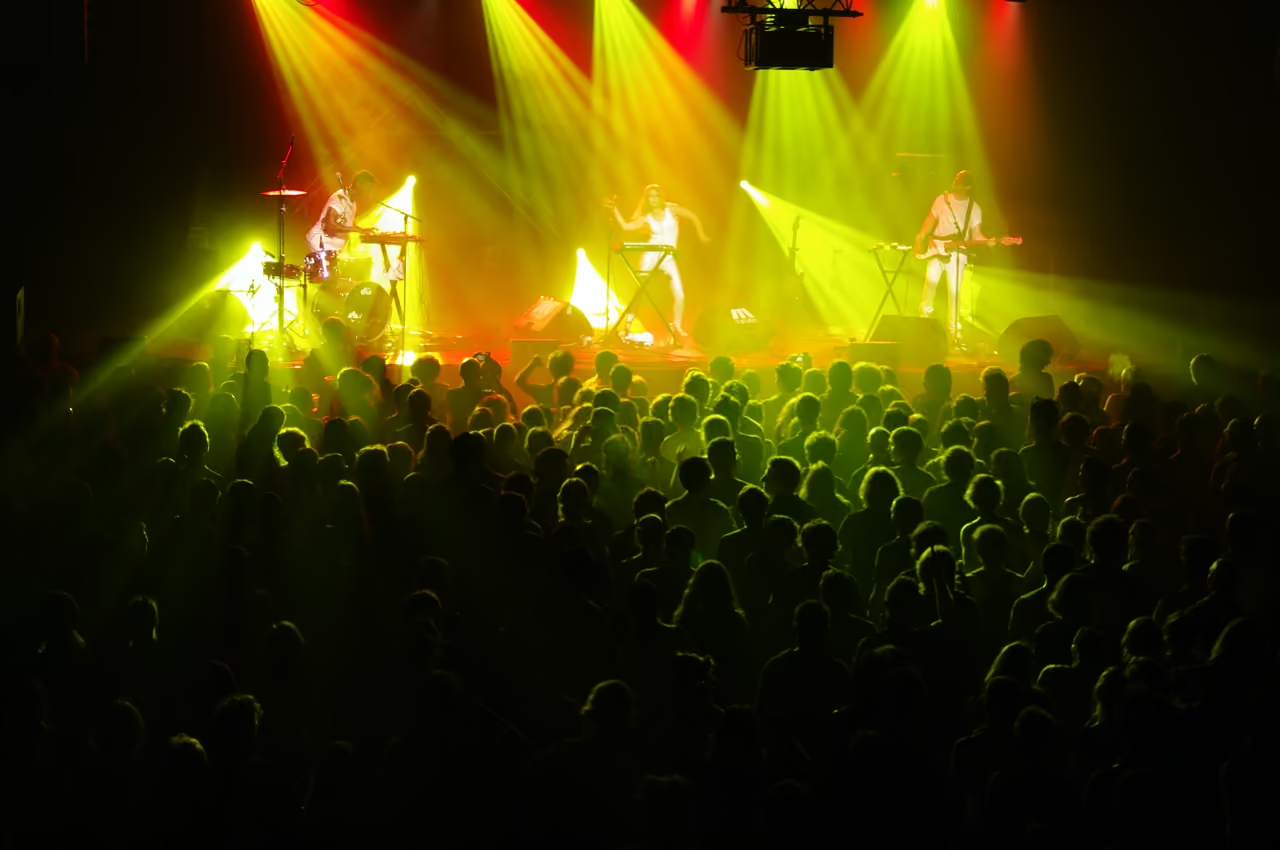 1551m
Marsatac Music Festival
Born in Marseille in the late 1990s as a hip-hop showcase, Marsatac has evolved into southern France's heavyweight electronic, rap, and indie-rock weekender. International headliners share billing with hometown Marseille MCs who shaped French urban music for decades. Expect thunderous basslines and laser-lit outdoor stages.
festival view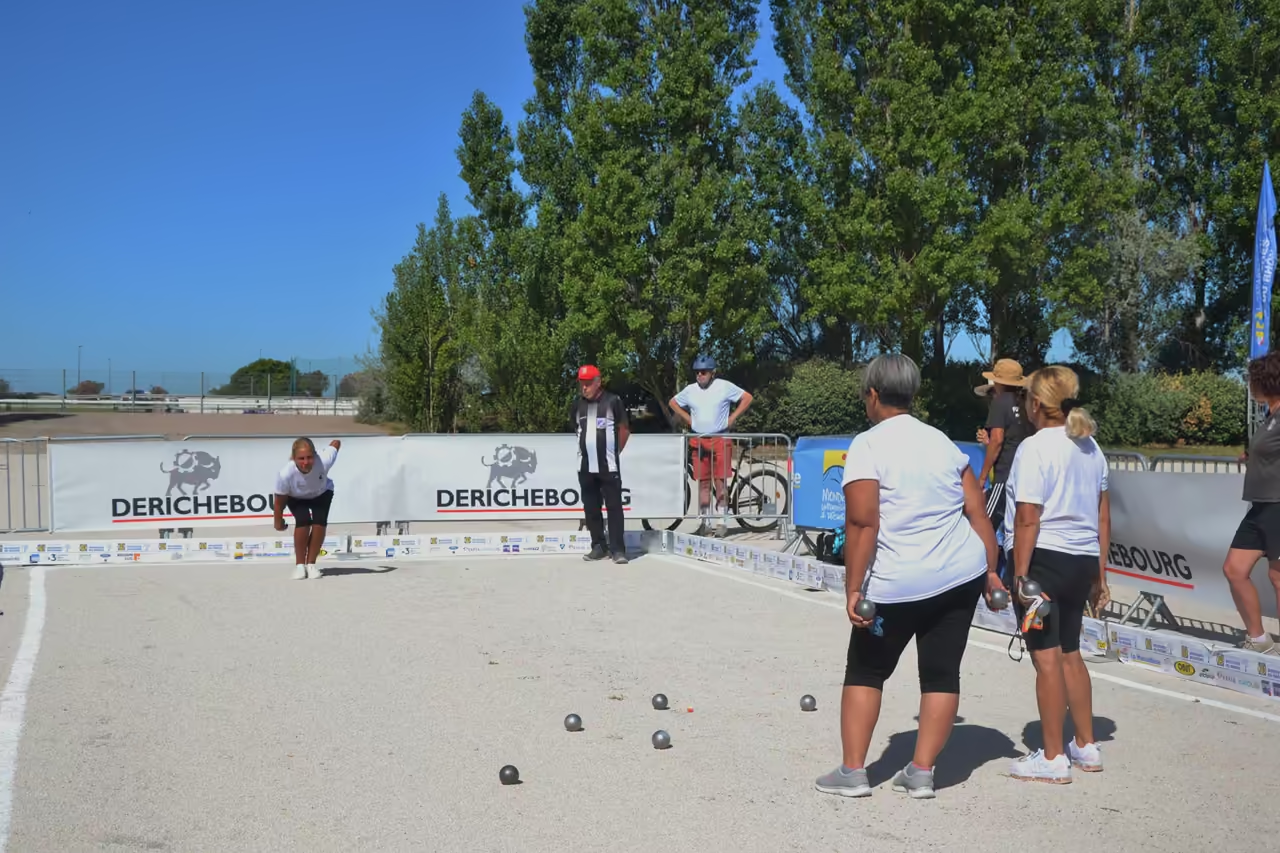 1551m
Mondial la Marseillaise à Pétanque
Launched in 1962 by Paul Ricard, this July spectacle draws more than 10,000 amateur and champion boules players onto gravel courts under Parc Borély's plane trees and across neighbourhood squares. Watching seasoned elders and young competitors measure millimetres with string while spectators cheer from folding chairs feels unmistakably Provençal. Watching costs nothing and builds to lively open-air finals.
festival view
Explore Similar Places in These Collections
Featured on This Itinerary
See all attractions in Marseille
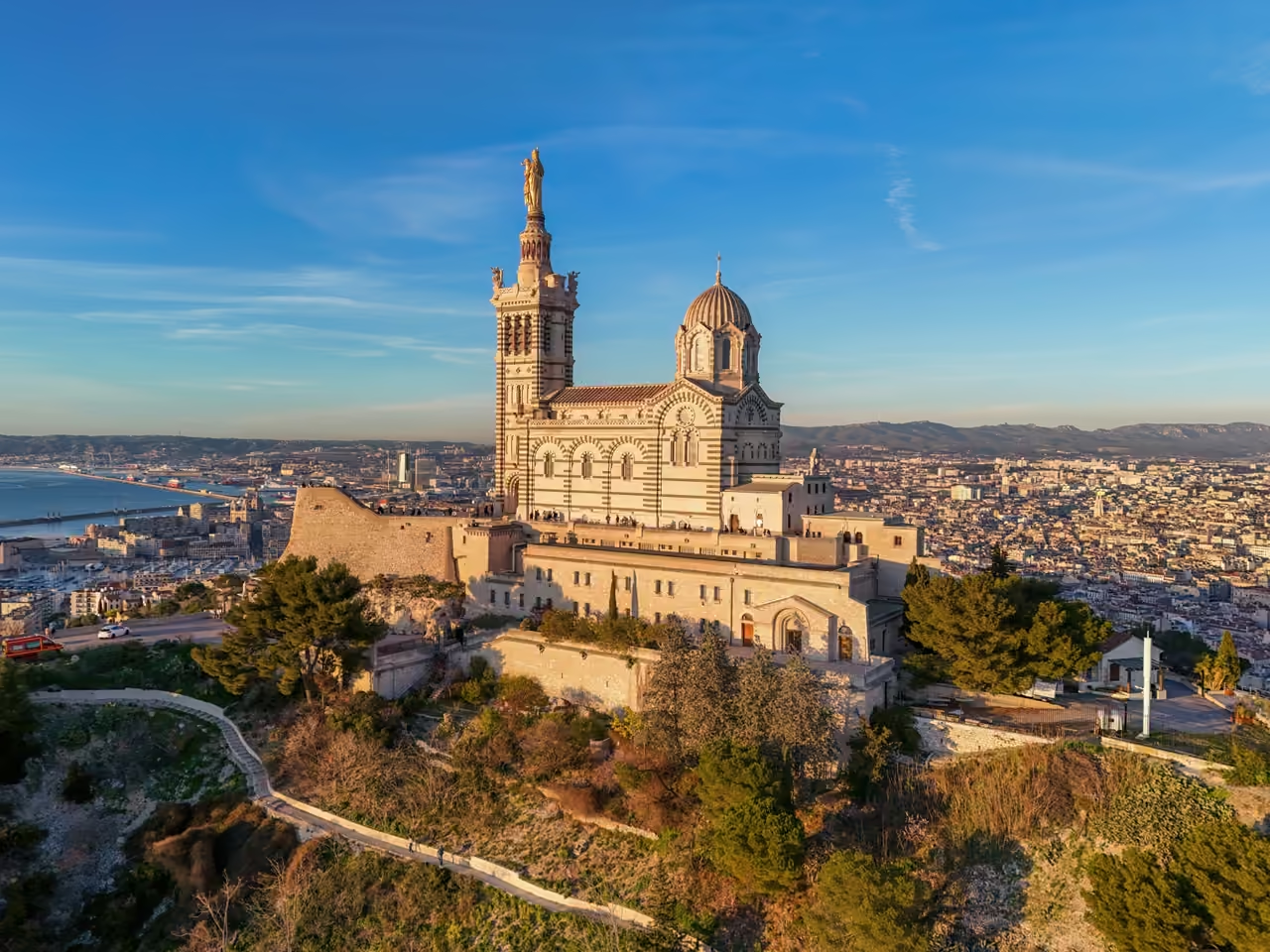
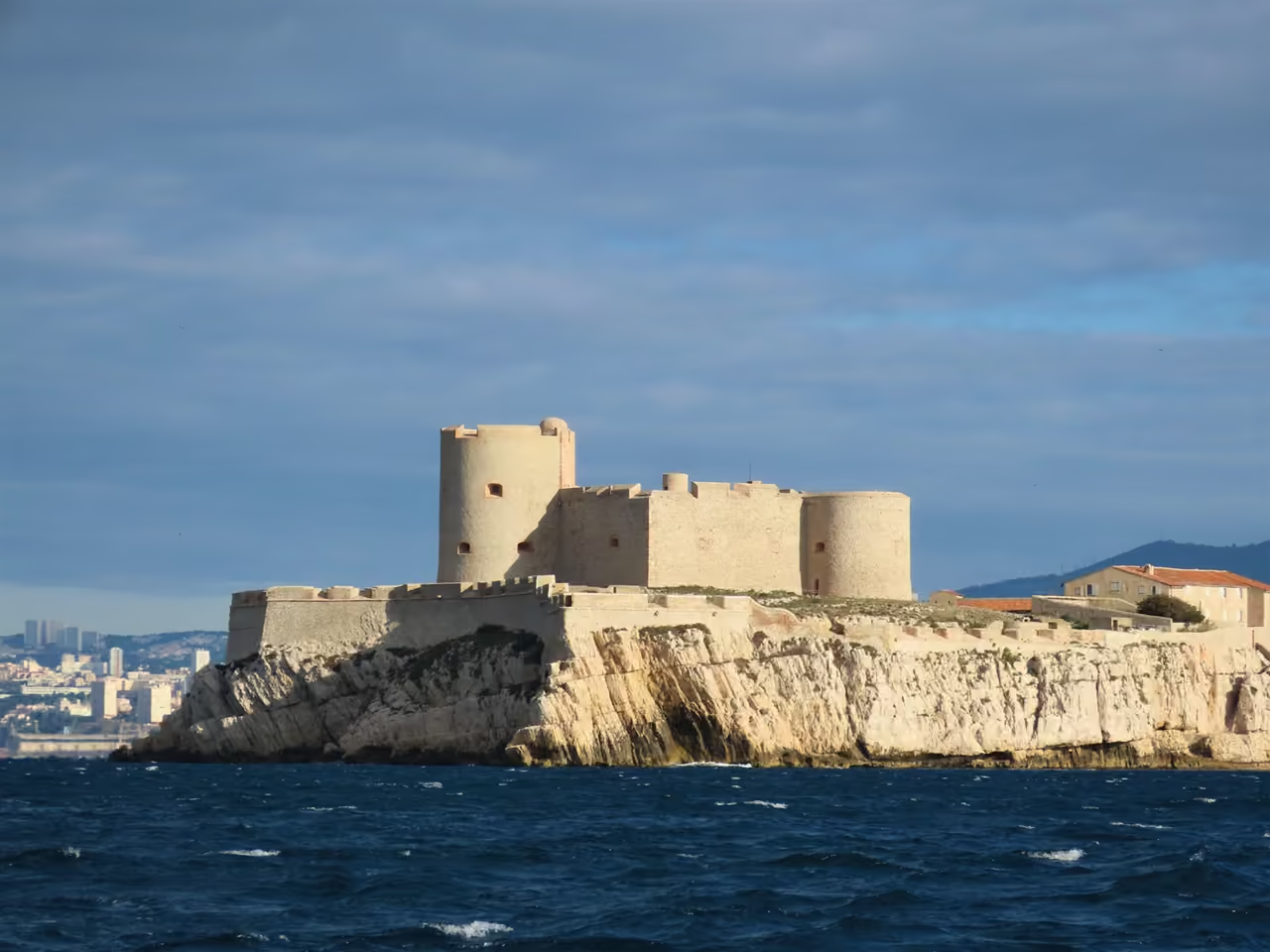
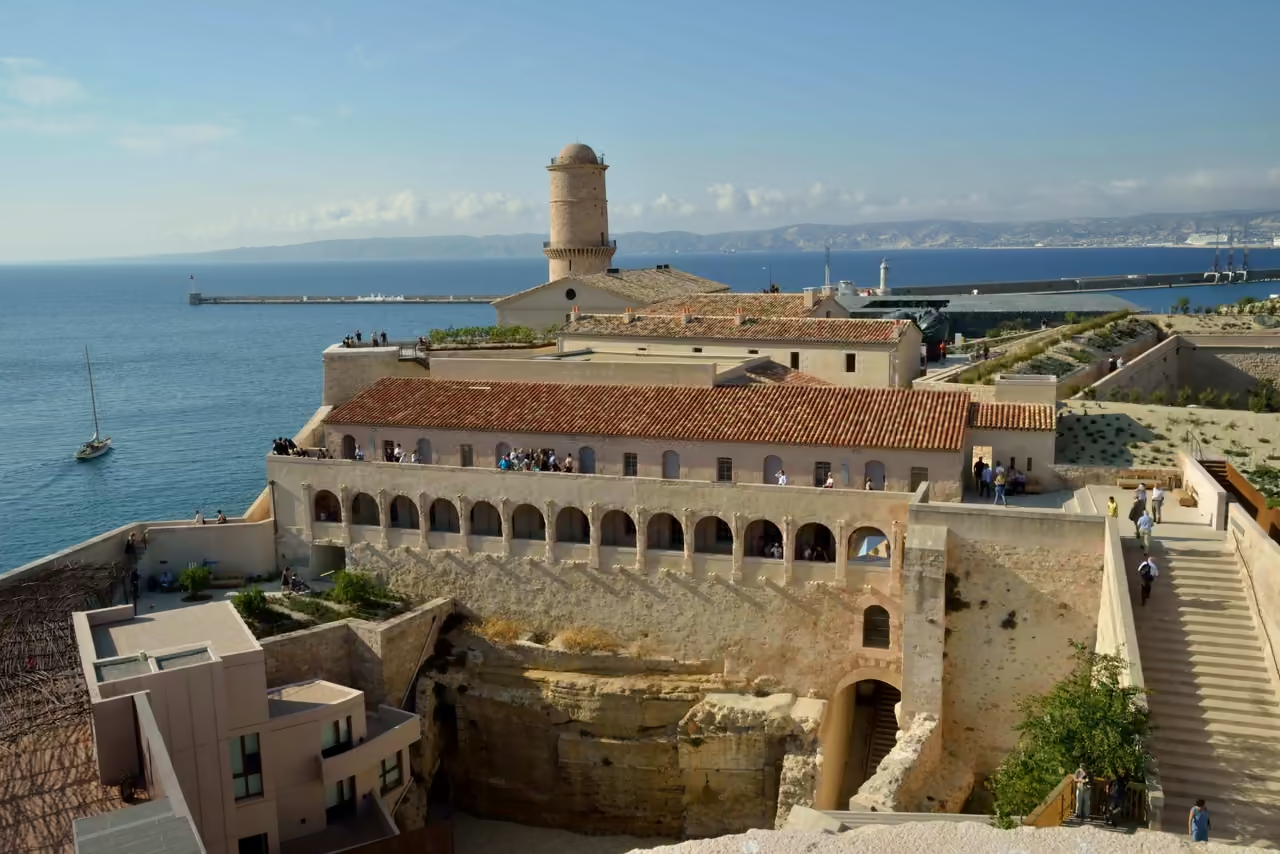
Including Basilica of Notre-Dame de la Garde, Château d'If, Fort Saint-Jean, and more