Nose Hill Park
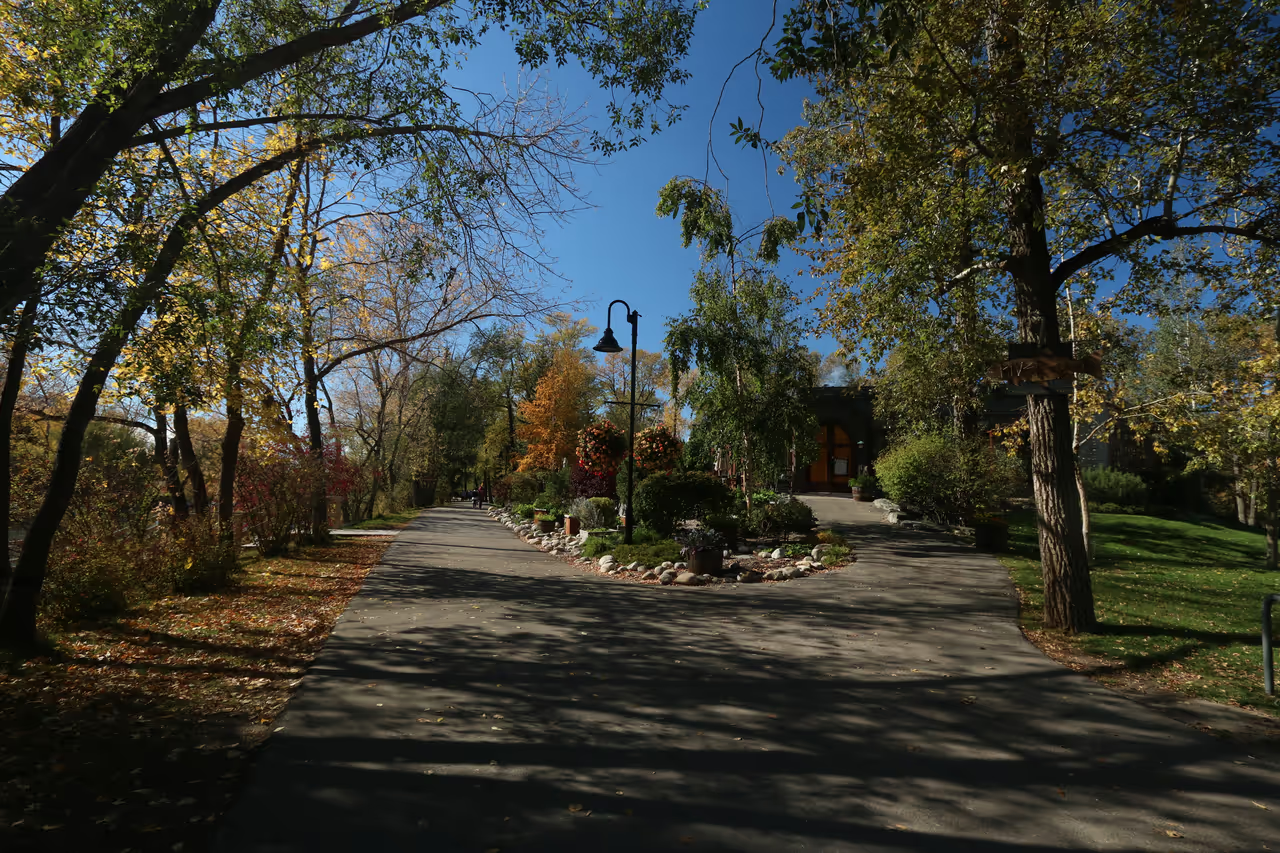
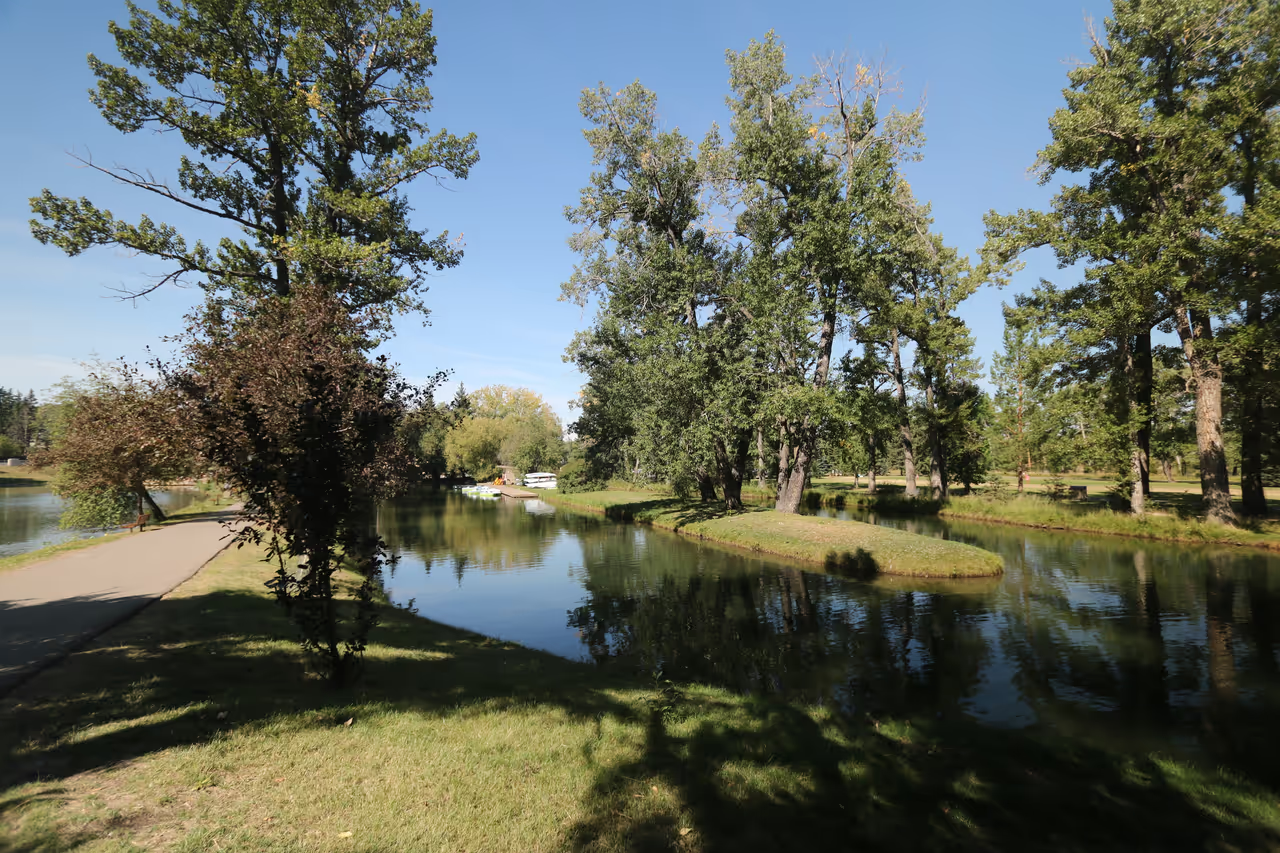
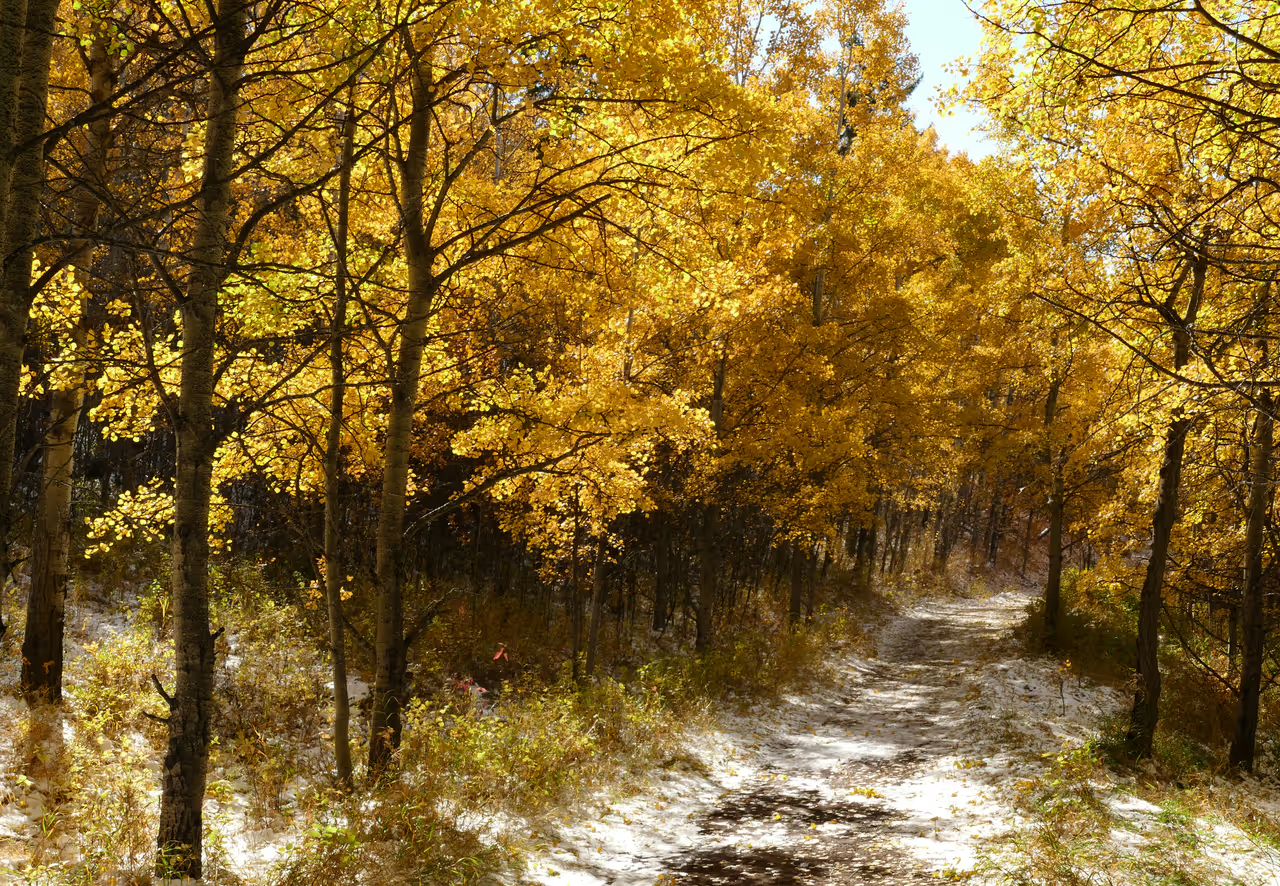
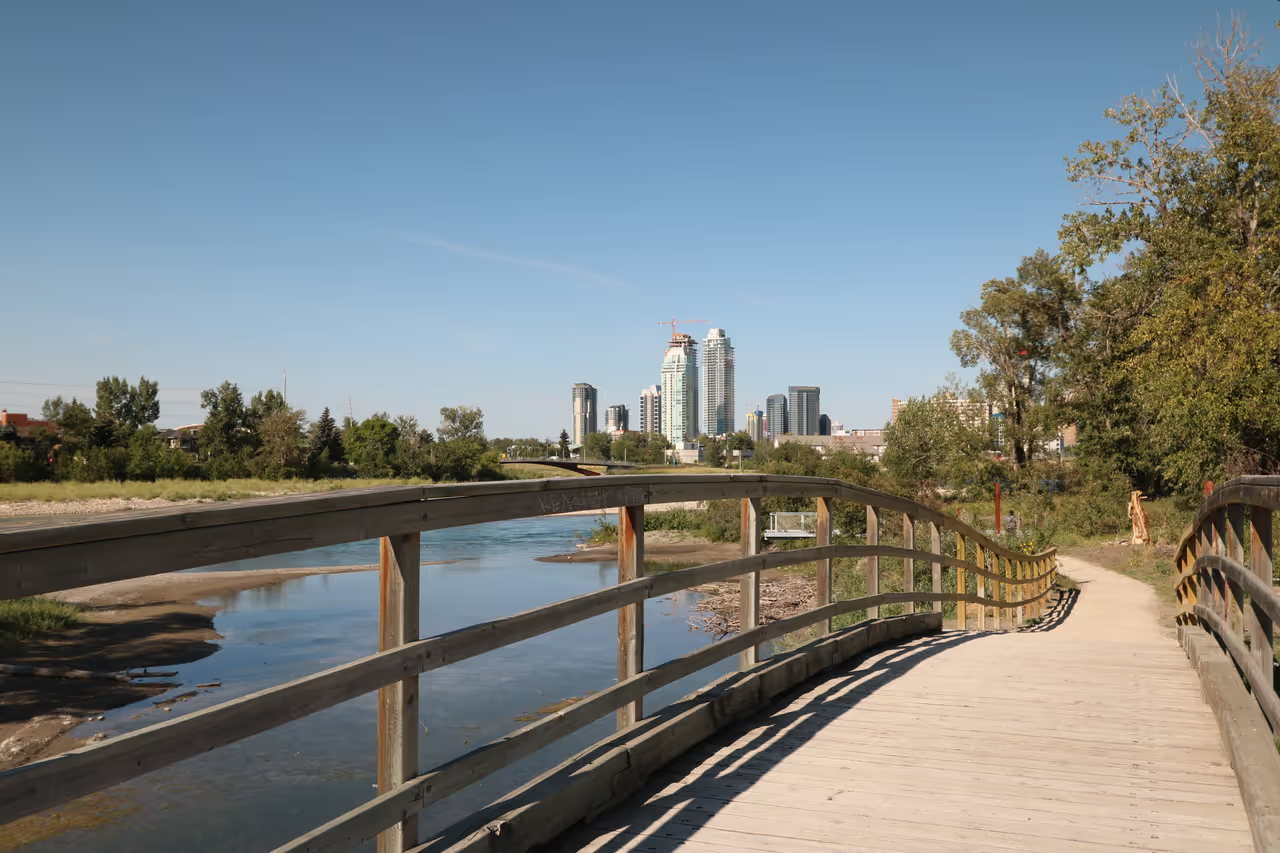
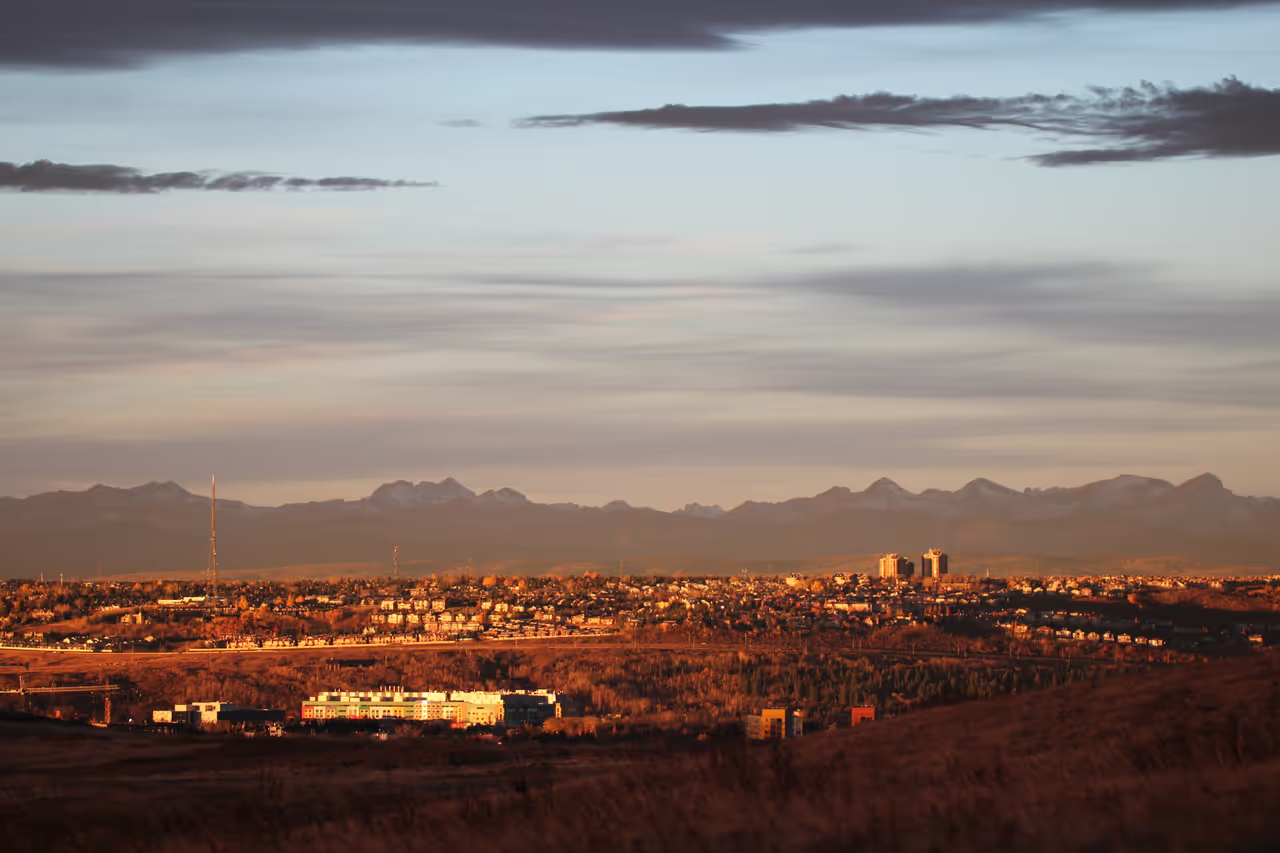
Nose Hill Park is a vast, natural urban sanctuary that offers a refreshing escape from the city without ever leaving its borders. Covering over 11 square kilometres, it stands as one of the largest urban parks in North America, acting as a massive green lung for Calgary. Visitors can wander through endangered rough fescue grasslands, explore coulees filled with aspen groves, and observe local wildlife like deer and coyotes in their natural habitat. The summit provides some of the most spectacular, panoramic views of the downtown skyline, making it a perfect spot for sunset watching or photography. This is a place where history meets nature, featuring ancient archaeological sites that remind us of the land's deep, cultural significance. Whether you are a dedicated hiker, a casual walker, or someone just looking for a moment of peace, this expansive park offers an unparalleled experience of the wild prairie landscape.
Videos
History of Nose Hill Park
The story of Nose Hill is deeply tied to the land and the people who roamed these grassy slopes long before the city was born. For the Peigan and other indigenous groups, this high ground served as a vital lookout for weather, buffalo herds, and danger. The warm Chinook winds that swept across the hill created a microclimate, making it an ideal wintering ground for bison and, consequently, a focal point for hunting parties. Ancient stone cairns and tipi rings scattered across the landscape provide a silent, enduring testament to the ceremonial and survival significance of this hill over countless generations. As Calgary began to emerge as a city, the hill found itself at the centre of a different kind of industry. The sandstone quarried from its flanks built some of the earliest and most iconic public buildings in the city, literally forming the foundation of early Calgary. However, the nearby Nose Creek also developed a darker reputation, gaining notoriety as a place for illicit trades and gambling in the rough and tumble years of the early frontier. This juxtaposition of sacred ground and rugged pioneer exploitation highlights the complex, dual nature of the landscape's early history. The modern identity of the park was forged in the 1970s, when intense pressure from developers threatened to pave over this unique ecosystem. A grassroots movement of local communities and naturalists fought to protect the hill, leading to a landmark Supreme Court case that eventually secured the land for public use. Today, the park stands as a triumph of community preservation, ensuring that this massive remnant of the native prairie remains wild and accessible. It is a preserved slice of time, offering residents and visitors a place to connect with the very environment that defined this region long before skyscrapers touched the horizon.
Events spanning 236 years
Fun Facts
- • Archaeological evidence includes ancient stone cairns and circles, suggesting the area was a key location for ceremonies and vision quests.
- • During the late 19th century, the sandstone quarried from Nose Creek was essential for constructing prominent Calgary landmarks like the old courthouse and several school buildings.
- • In the early 1900s, the area near Nose Creek gained a notorious reputation for hosting illicit brothels and gambling dens, contrasting sharply with its natural beauty.
- • It ranks as the fourth largest urban park in Canada and remains one of the largest in North America.
- • Legend suggests the name Nose Hill originated when an Indigenous guide told an explorer the hill resembled the nose of their chief.
- • Running Weasel, a young Blackfoot man, was buried near the hill in 1896, fulfilling his final wish to watch the city grow from a high vantage point.
- • The hill was the subject of a major 1984 Supreme Court of Canada legal battle involving Hartel Holdings and the City of Calgary over land development rights.
- • The park is a vital habitat for over 198 species of wildlife, including white tailed deer, porcupines, and various hawks.
- • The park preserves significant native rough fescue grassland, a rare ecosystem that has largely vanished elsewhere due to agricultural cultivation.
- • The park's unique microclimate, influenced by Chinook winds, has historically allowed temperatures to fluctuate dramatically even in the depths of winter.
RESOURCES
Official WebsiteNose Hill Park FAQ
While we strive to keep this information accurate and up to date, we recommend verifying any details independently before making decisions based on them.
Nose Hill Park Map & Neighborhood Explorer
This interactive map is centered on Nose Hill Park. Zoom in and move the map around to automatically discover Wikipedia photos and summaries of other nearby sights, monuments, and historical points of interest and stories in real-time!
Places near Nose Hill Park
Make the most of your trip. Check out these top-rated spots located nearby.
 4665m
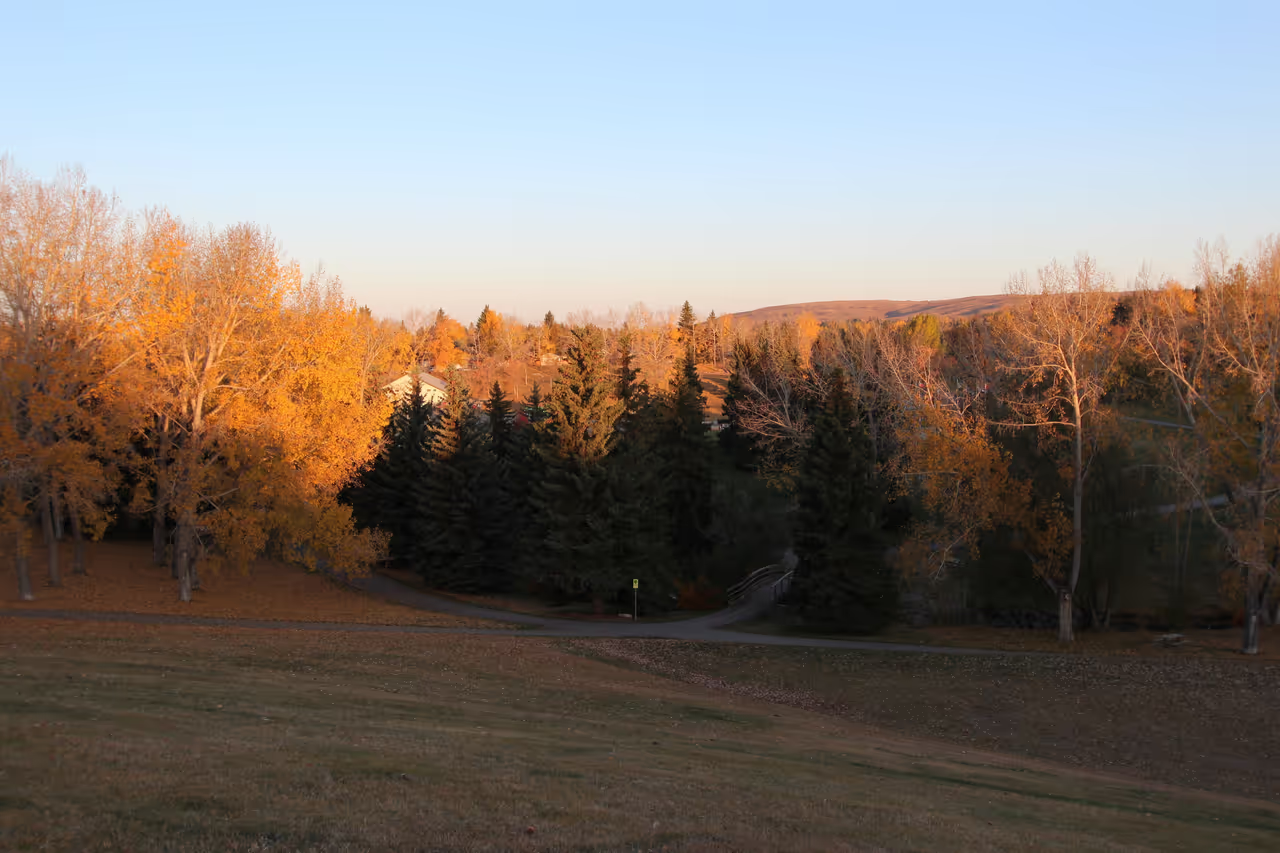
4665mConfederation Park
Confederation Park is a 400 acre sanctuary in northwest Calgary that offers a peaceful escape for locals and visitors alike. Winding through the North Hill Coulee, this green space transforms with the seasons, from a lush riparian corridor in summer to a glowing winter wonderland. It serves as a community hub where you can enjoy a leisurely picnic, explore scenic paths, or watch migratory waterfowl. The park holds a special place in the city heart as a testament to local conservation efforts. Whether you are looking for outdoor exercise or a quiet moment in nature, this park provides the perfect backdrop for creating memories.
park & nature view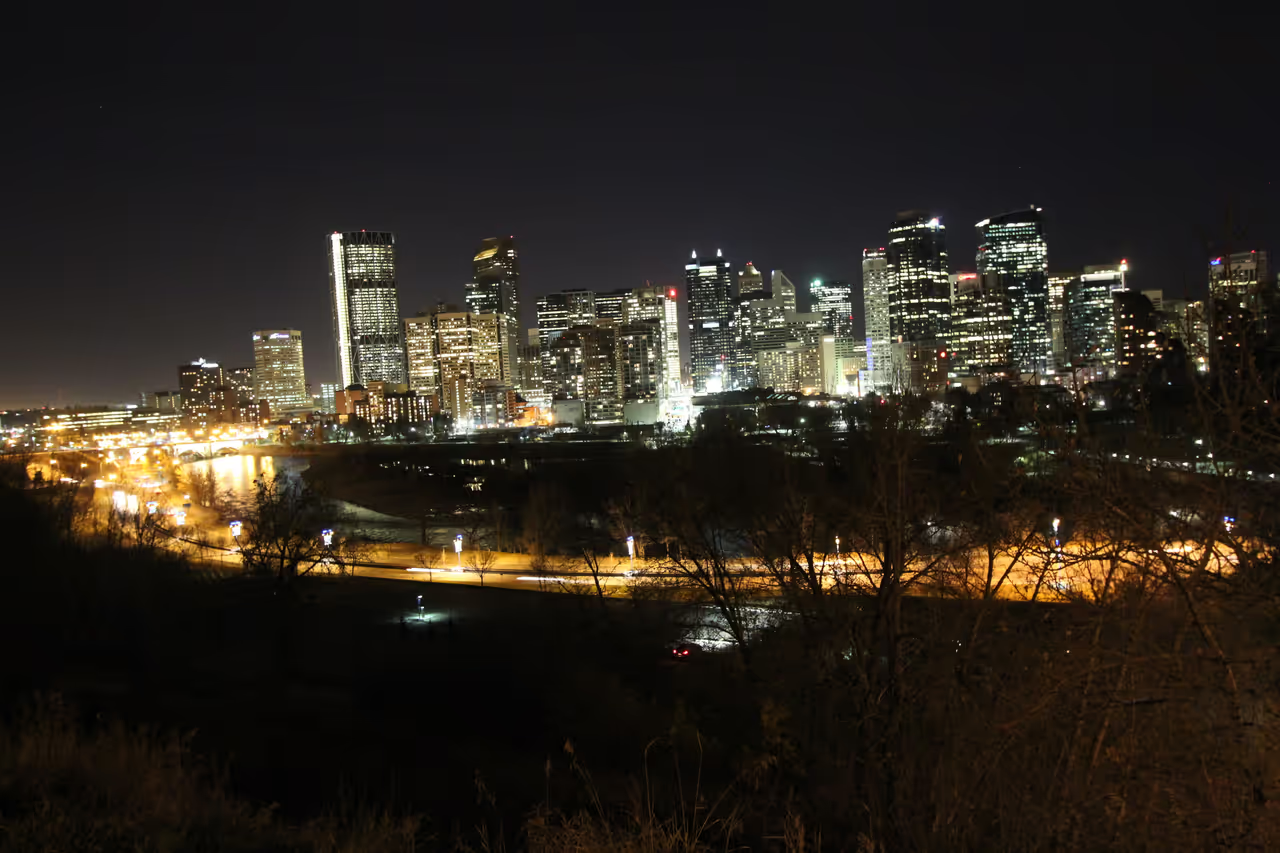 6600m
6600mCrescent Road Viewpoint
Perched on a high bluff just north of the river, this location provides a sweeping, uninterrupted look directly across the river valley into the downtown core. The view perfectly captures the meandering green parks of the riverbanks contrasting against the towering glass facades of the financial district. A long, paved promenade allows for a leisurely walk while admiring the scenery from multiple angles. It is particularly magical at dusk when the setting sun reflects off the office towers.
viewpoint view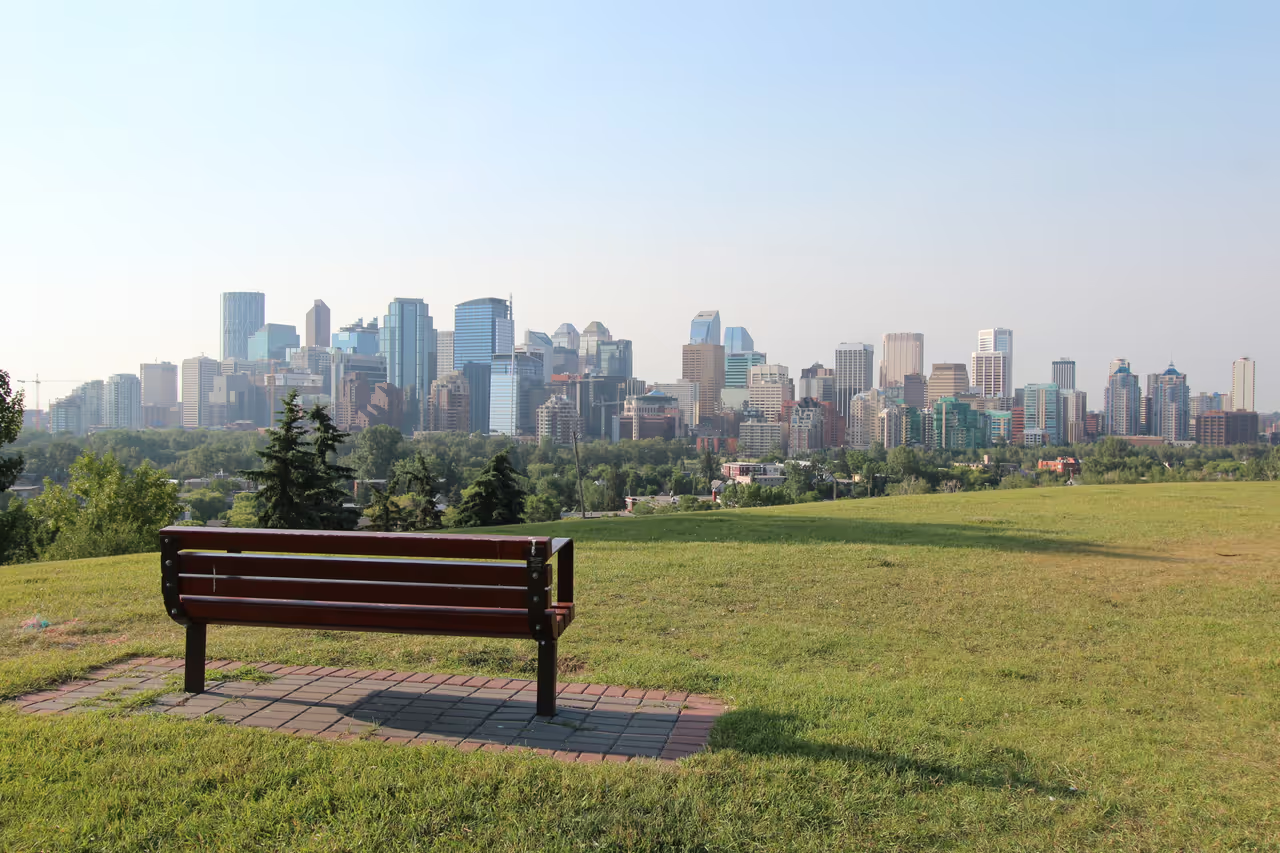 6933m
6933mMcHugh Bluff
A steep, grassy escarpment that separates the northern residential communities from the river valley below. Climbing the long set of wooden stairs provides a phenomenal, elevated perspective of the entire downtown core. The view here is slightly more intimate than other major lookouts, perfectly framing the towering skyscrapers behind a foreground of dense, green riverbank trees. It is absolutely breathtaking during the golden hours of sunrise and sunset.
photo spot view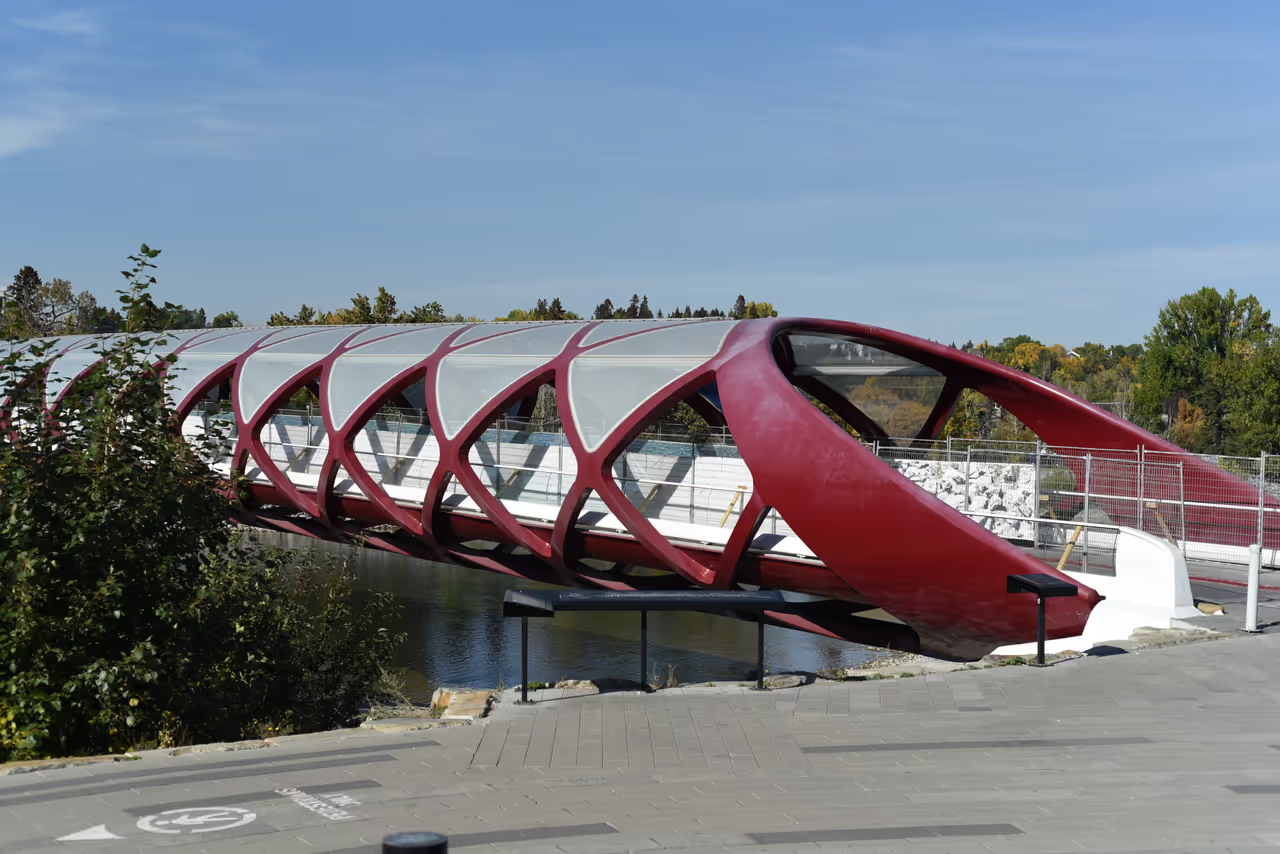 6979m
6979mPeace Bridge
A brilliantly bold, bright red pedestrian crossing designed by renowned Spanish architect Santiago Calatrava. Unlike traditional suspension bridges, it is an intricate, tubular steel helix that stretches entirely across the wide river without a single supporting pier in the water. The glass roof protects pedestrians and cyclists from the harsh winter elements while allowing light to cast mesmerising geometric shadows inside. It has rapidly become one of the most photographed and beloved architectural icons in the city.
architecture view
See all nature & parks in Calgary
Prince's Island Park, Bowness Park, Confederation Park, Fish Creek Provincial Park, Inglewood Bird Sanctuary, St. Patrick's Island...