Calgary
Full City Guide, Map & 121 Things To Do
1,306,784 people live here.
That's 3.39% of the entire population of Canada.
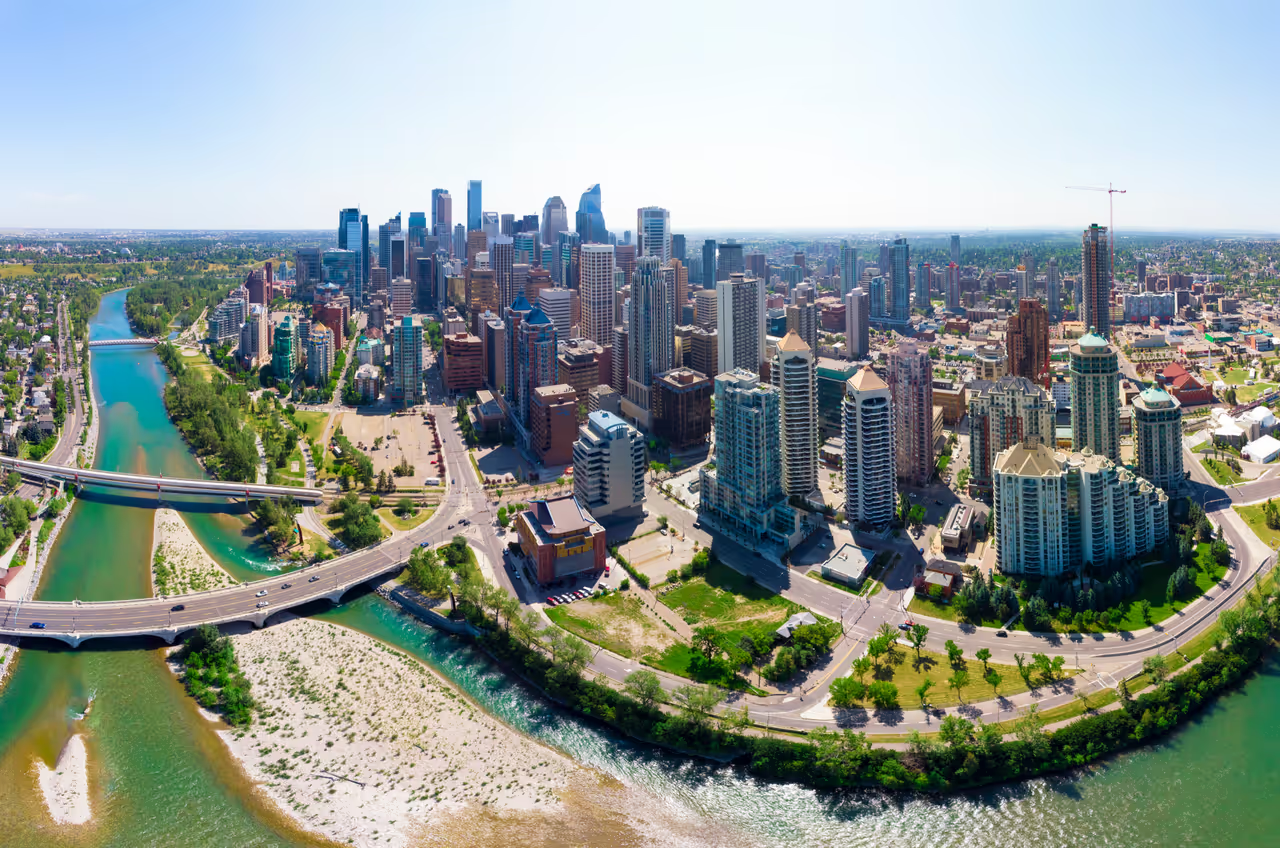
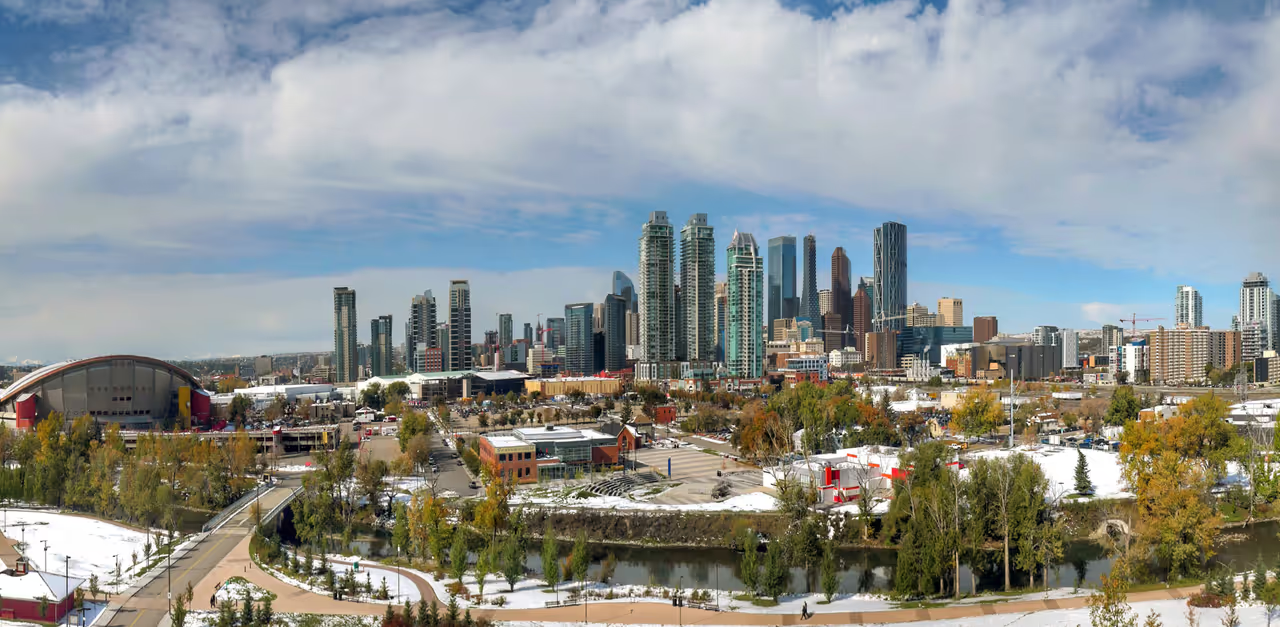
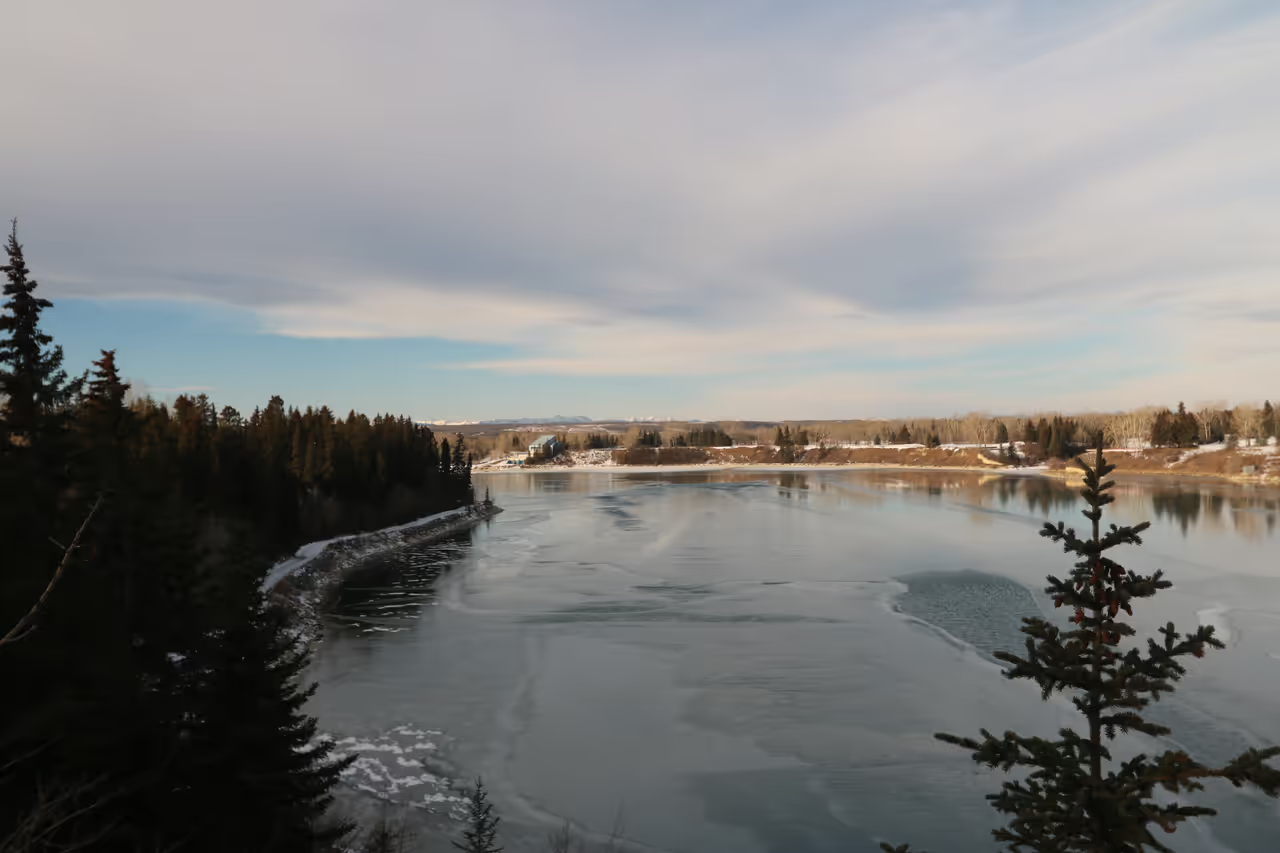
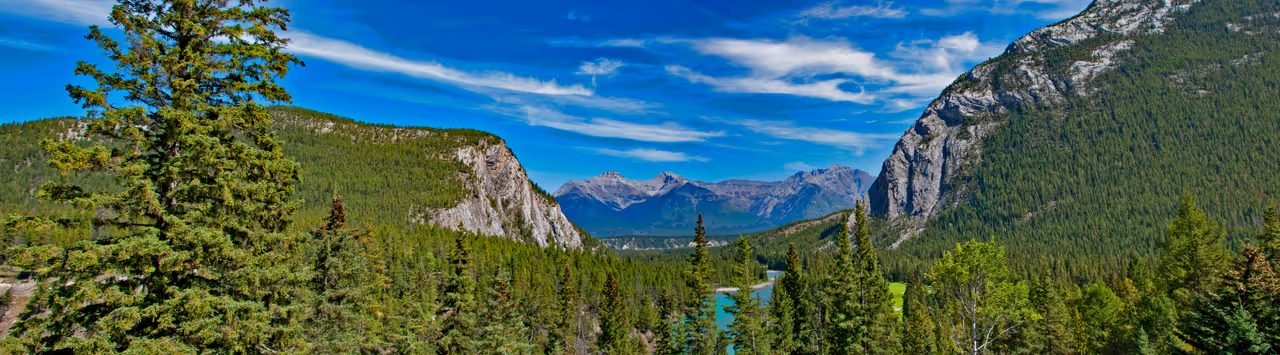
Calgary sits where the Prairies flatten out and the Rockies begin, close enough that on a clear day the peaks are visible past the downtown towers built during decades of oil and gas booms. The city gets whipped by chinook winds, warm gusts that can push temperatures up by 15 degrees Celsius in a matter of hours during the depths of winter, sometimes melting snow overnight in January. Heritage Park Historical Village, one of the largest living history museums in Canada, recreates a working pre-1950s town along the Glenmore Reservoir, right down to a steam train and operating streetcars. Every July, the Calgary Stampede takes over the city with chuckwagon races and rodeo events that draw over a million visitors, a tradition rooted in the ranching culture that still shapes the surrounding foothills. The Bow River cuts through downtown and is crossed by Santiago Calatrava's Peace Bridge, a red lattice tube that's become one of the city's most photographed structures despite some early local grumbling over its cost. North of downtown, Nose Hill Park preserves nearly 11 square kilometres of native prairie grassland inside city limits, close enough to reach by bus, with coyotes and hawks living alongside the hiking trails.
Calgary DNA
History of Calgary
The sharp bend where the Bow River meets the Elbow River provided shelter and resources for thousands of years. The Blackfoot called this place Mohkínstsis, meaning elbow, gathering reeds along the banks to fashion bows. When the North West Mounted Police arrived in 1875 to establish a post, Inspector Éphrem Brisebois decided to name the new log fort after himself. This ego trip infuriated his superiors in Ottawa. Major Acheson Irvine swiftly cancelled the order and instead accepted a suggestion from Colonel James Macleod to name the outpost after a Scottish castle on the Isle of Mull. Fort Calgary officially took its title in the spring of 1876. The arrival of the Canadian Pacific Railway in 1883 physically dragged the settlement west. Railway officials built their new station on Section 15, a plot of land they owned across the river from the established townsite. Residents initially refused to abandon their original homes. The stalemate broke when someone secretly unbolted the town post office in the middle of the night and hauled it across the frozen ice to the railway's preferred side. Commercial activity naturally followed the mail. Pioneer Felix McHugh constructed the first private building on the new site shortly after. Frontier politics produced genuine chaos over the next few years. Stipendiary Magistrate Jeremiah Travis arrived in 1885 and immediately began jailing local officials, including newspaper editor Hugh Cayley, for failing to enforce strict liquor laws. Travis disqualified Mayor George Murdoch from running for office, leading to a farcical situation where two different men claimed to be the lawful mayor at the exact same time. The federal government eventually suspended Travis to restore order. Just weeks after a proper election finally took place in November 1886, a massive fire destroyed fourteen downtown buildings. The newly organised Calgary Fire Department had to break into a railway storage yard to retrieve their chemical engine because the town had failed to pay the delivery bill. City leaders responded by passing a strict bylaw requiring large downtown structures to be built with local Paskapoo sandstone, giving rise to landmarks like the Imperial Bank Building and earning Calgary the nickname of the Sandstone City. Agricultural exhibitions had been a local staple for decades before an American trick roper named Guy Weadick arrived with a more ambitious plan. Weadick convinced four wealthy cattlemen to put up twenty thousand dollars to fund a massive cowboy championship. The inaugural 1912 Calgary Stampede drew over one hundred thousand spectators to watch riders from Mexico, the United States, and Western Canada compete for cash prizes. The wealthy backers viewed the event as a final celebration of the open range cattle days, unaware they had just funded a permanent civic tradition. Calgarians still wear western gear for ten days every July while eating pancake breakfasts on Stephen Avenue. Beneath the soil, a different kind of wealth fundamentally altered the regional economy. The Turner Valley Discovery Well blew in May 1914, sparking an absolute frenzy among residents. An estimated five hundred new oil companies sprang into existence within a three week period. People poured their life savings into hastily formed exploration ventures, many of which collapsed almost immediately when the First World War broke out and diverted men and capital to Europe. Drilling booms returned in 1924 and 1936, establishing energy extraction as the definitive local industry. Wealth generation often masked a surprisingly eccentric political streak. While the city produced conservative Canadian Prime Minister R. B. Bennett in 1930, voters also used a proportional representation system to elect Communist Party member Pat Lenihan to the city council in 1939. This economic and political volatility peaked again during the early 1980s oil glut, when unemployment hit fourteen percent and thousands of homes went into foreclosure. Civic leaders fought the recession by hosting the 1988 Winter Olympics. They poured millions into purpose built facilities like the Olympic Oval on the University of Calgary campus, which quickly earned a reputation for having the fastest ice on Earth. That same habit of building through adversity appeared again after the devastating 2013 flood forced seventy five thousand residents to evacuate. Instead of retreating from the water, the city rebuilt the damaged infrastructure and eventually opened the striking, elliptical new Central Library right on the edge of the formerly flooded East Village. Today, empty downtown office towers from the latest energy downturn are actively being gutted and converted into residential apartments. Locals still spend their summer weekends fly fishing in the Bow River right beside the red tubular steel of the Peace Bridge.
15 Events spanning 138 years
Map of Calgary
Interactive Destination & Itinerary Map
This map blends our curated city guides—featuring best photo spots, scenic walks, viewpoints, hidden gems and much more—with a live Wikipedia explorer. Click on our numbered pins to plan your routes, or zoom in on the surrounding neighborhoods to discover verified local landmarks, museums, and stories with dynamic Wikipedia summaries and photos!
Fun Facts
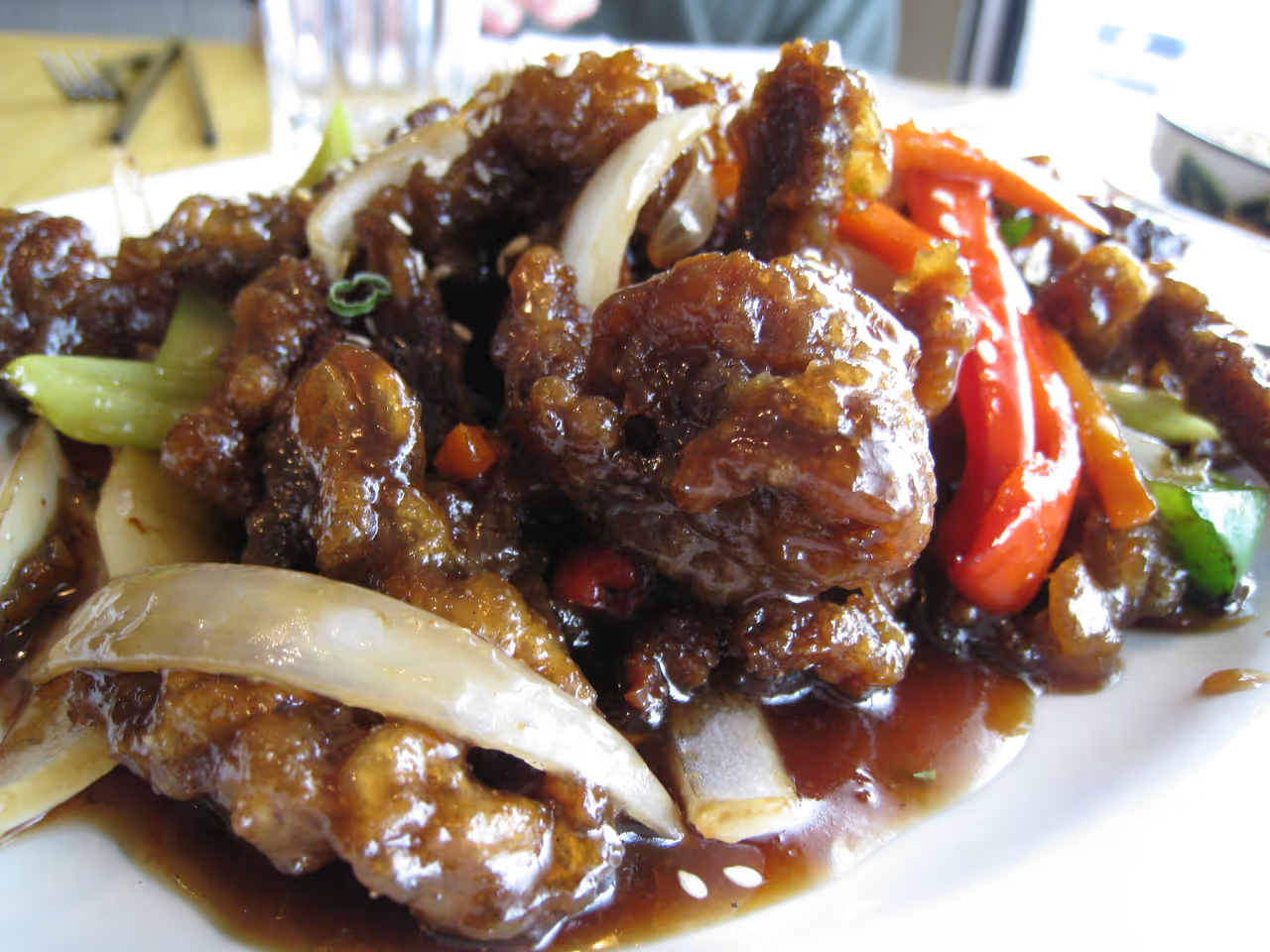
- • The beloved ginger beef dish, a staple of Chinese Canadian cuisine, was first invented at the Silver Inn in the 1970s.
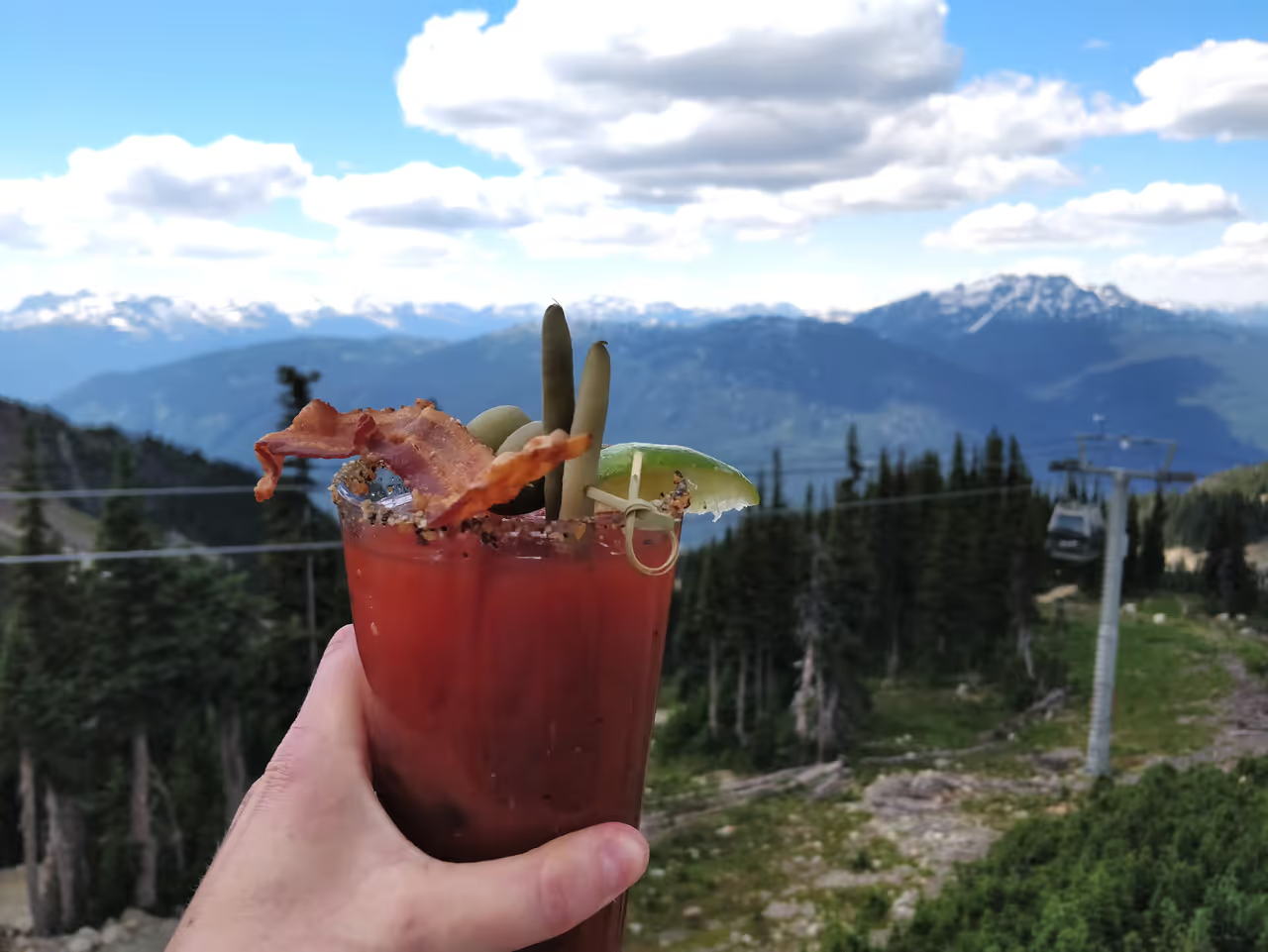
- • The Caesar cocktail was created here in 1969 by a local bartender seeking to capture the flavours of spaghetti alle vongole in a glass.
- • The city holds the title of Canada's sunniest major urban centre, basking in an impressive average of 333 sunny days every single year.
- • To combat the bitter winter temperatures, engineers constructed the Plus 15 network, the world's most extensive elevated pedestrian skywalk system stretching over 18 kilometres.
- • The city's name originates from a castle on the Isle of Mull in Scotland, a Gaelic term translating to 'clear pasture' or 'bay of the meadow'.
Did You Know?
- • The local C-Train light rail system made global headlines by becoming the first in North America to run entirely on renewable wind generated electricity.
- • The 1988 Winter Olympics left an extraordinary economic legacy, injecting over a billion dollars into the Canadian economy and leaving behind world class athletic facilities still actively used for international training.
- • Fish Creek Provincial Park is one of the largest urban parks in North America, covering over 13 square kilometres entirely within the municipal limits.
- • The city serves as the corporate headquarters for a staggering 87 percent of Canada's oil and natural gas producers, solidifying its position as the undisputed energy capital of the country.
- • Sitting at an elevation of 1,045 metres above sea level, the region experiences frequent Chinooks, powerful winter winds that can miraculously raise the ambient temperature by 15 degrees Celsius in mere hours.
Videos of Calgary
Seasons
Spring
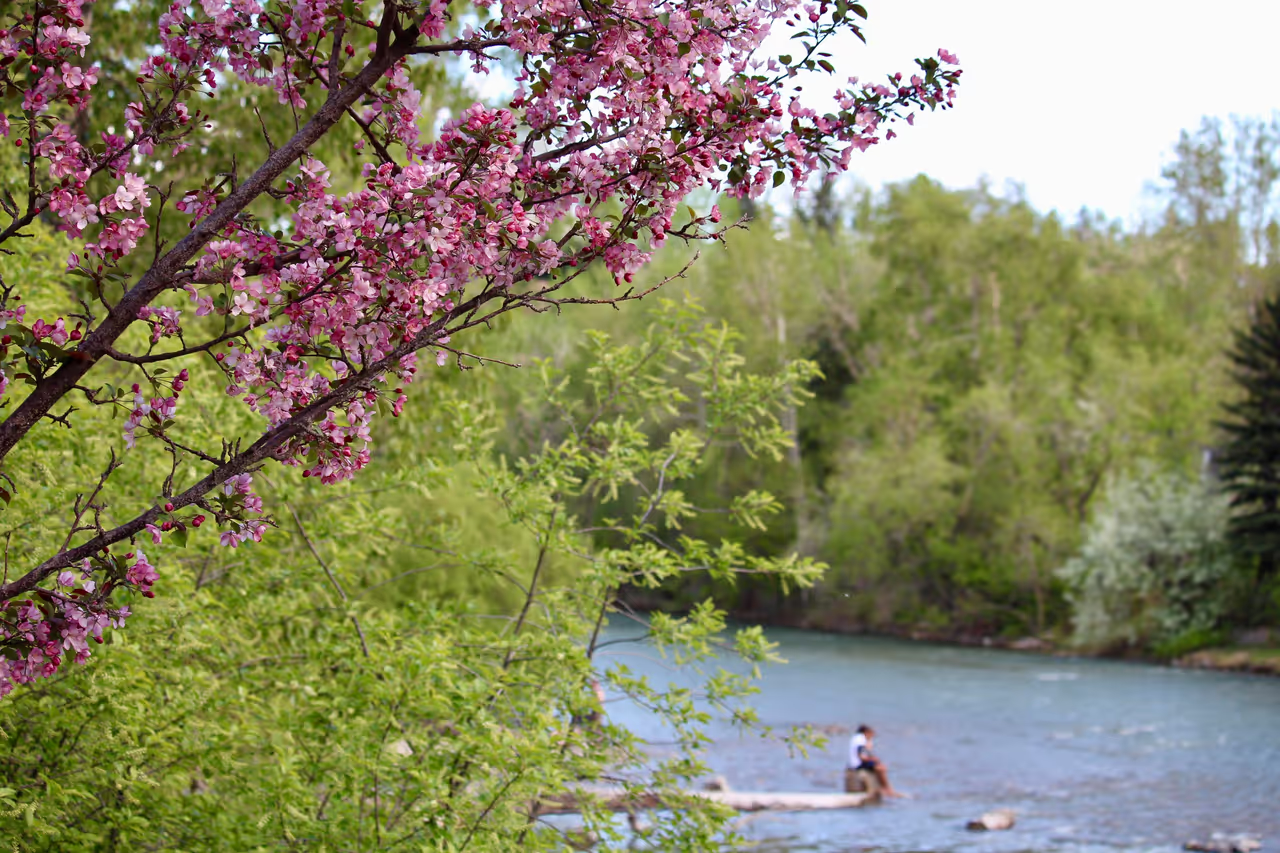
A season of dramatic transitions, where sudden snowfalls can rapidly melt away under the brilliant, returning sunshine. The...
Summer
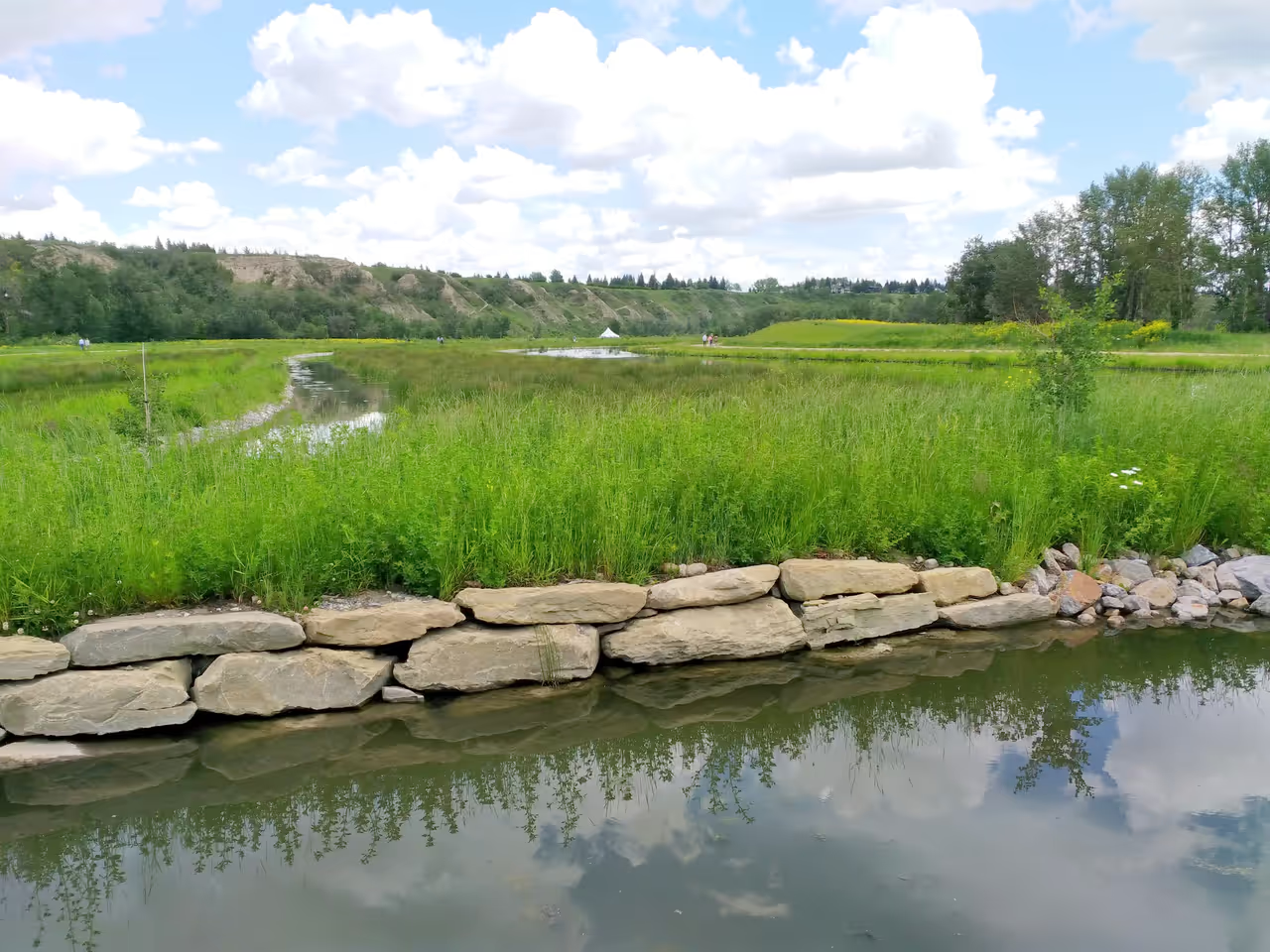
The city truly explodes into life, driven by endless days of brilliant sunshine and pleasantly warm temperatures. The festival...
Autumn
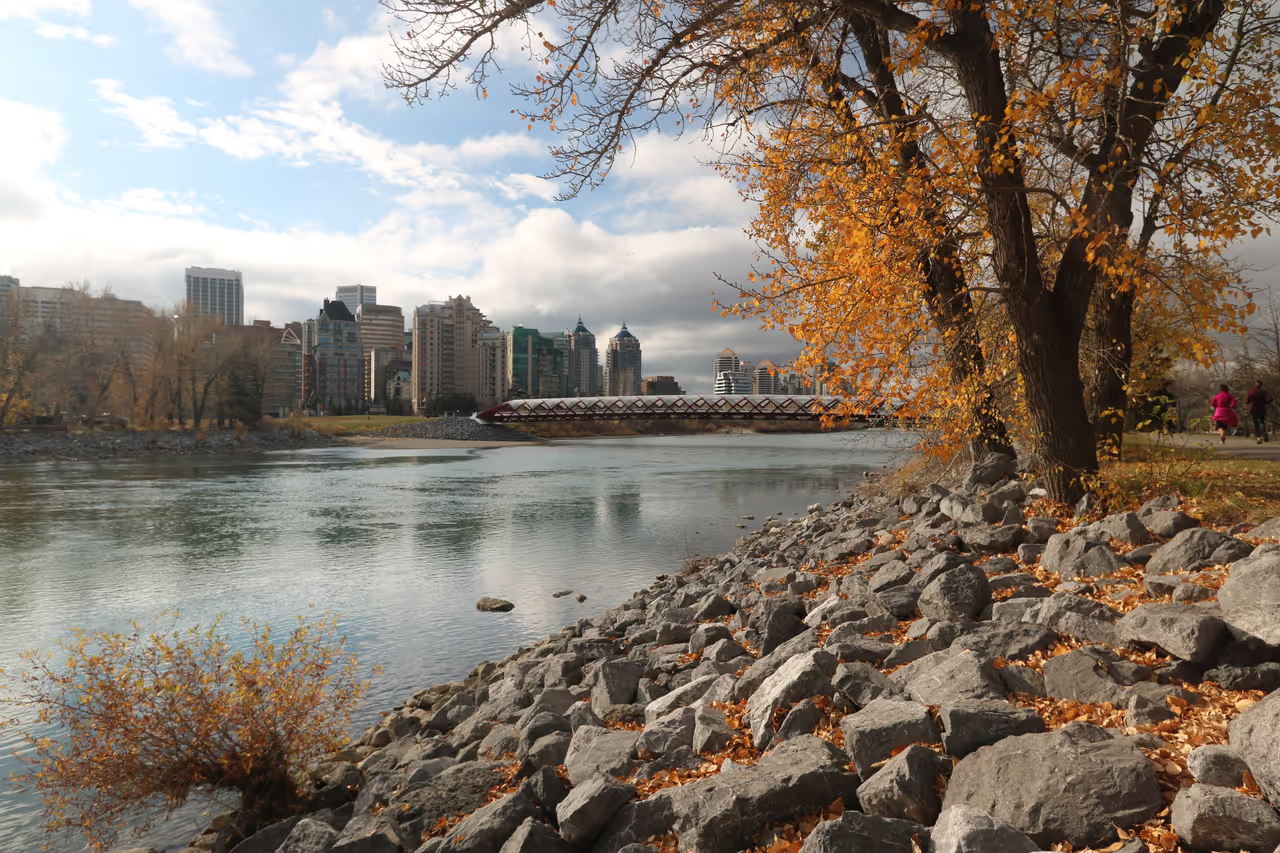
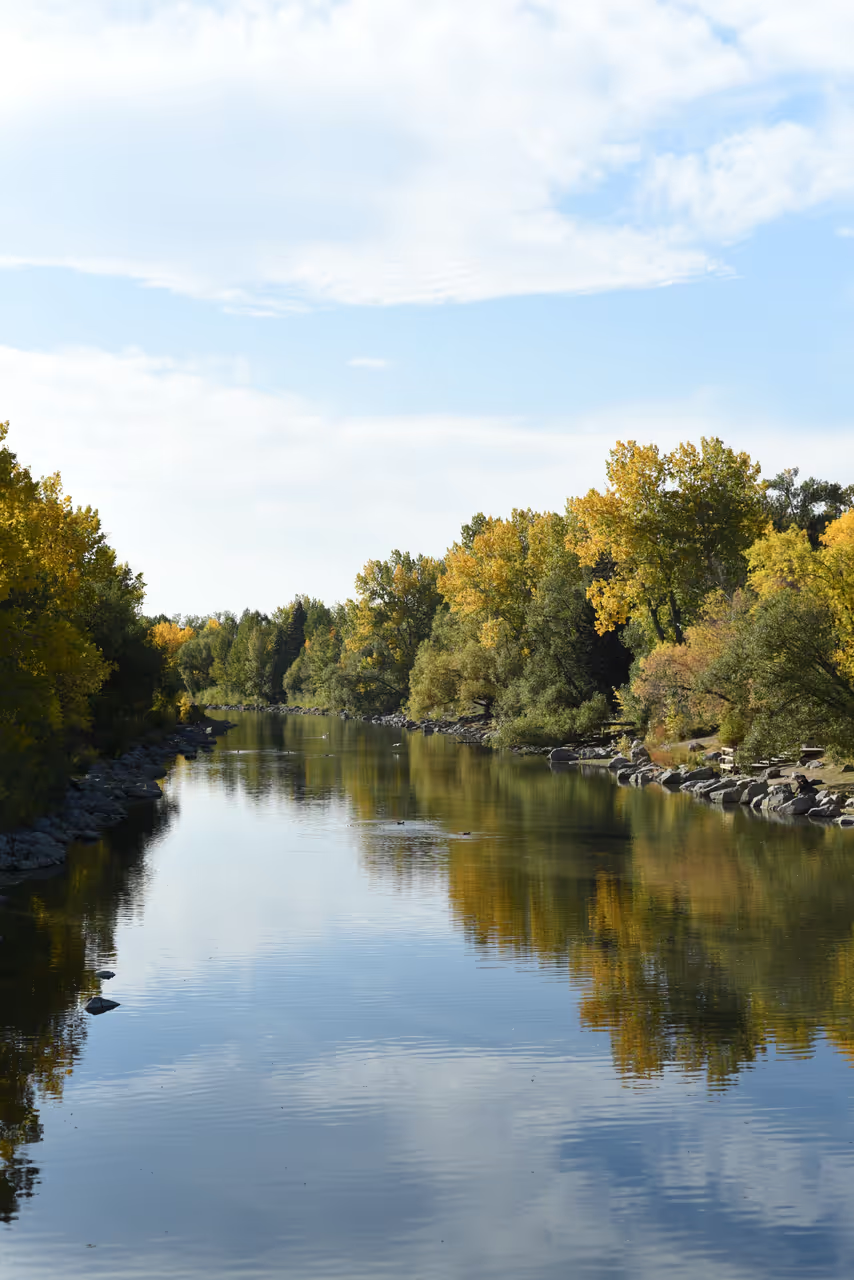
Characterised by incredibly crisp, clear air and a stunning, albeit brief, display of turning foliage across the urban canopy...
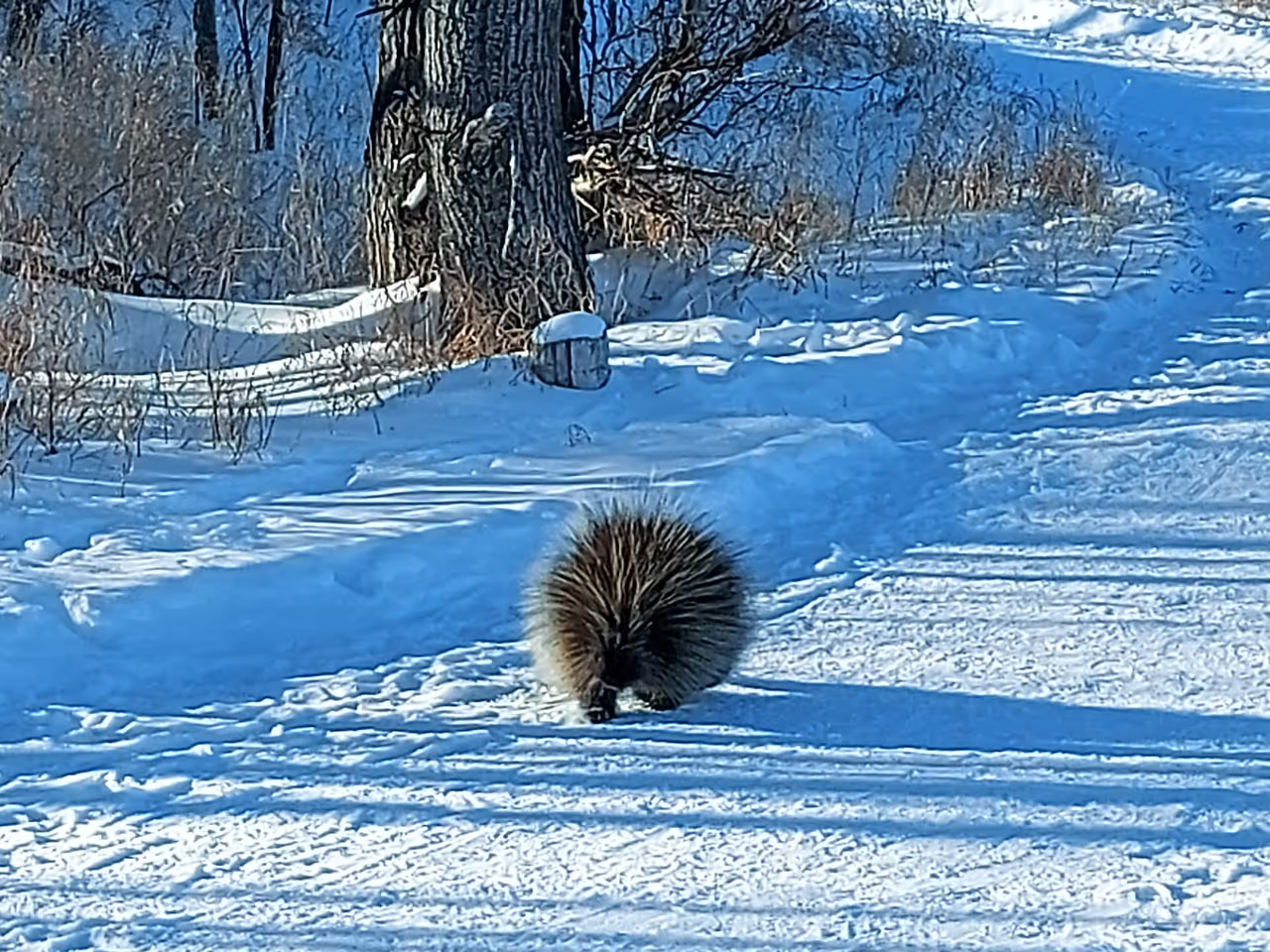
Winter
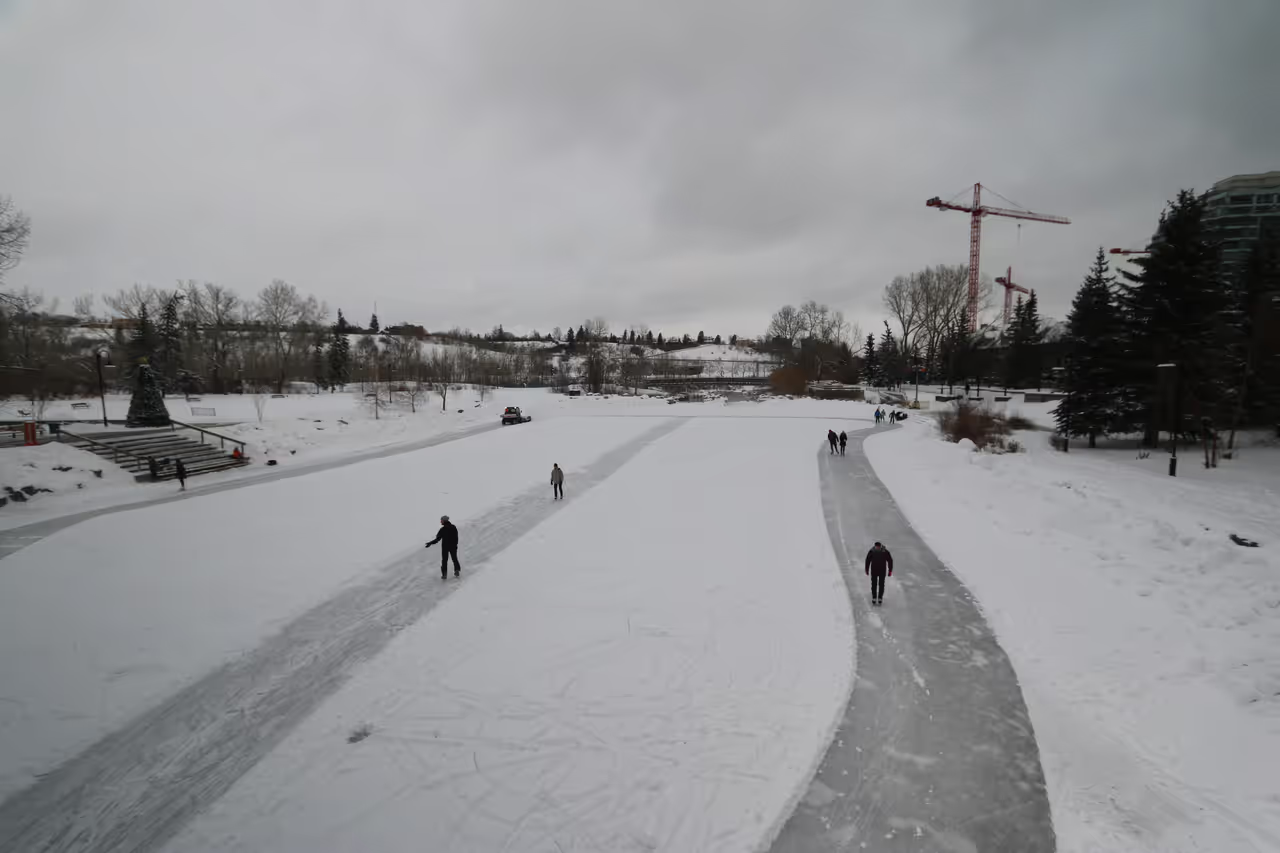
While temperatures frequently drop significantly, the season is remarkably bright and sunny, making the cold highly tolerable...
Top Attractions in Calgary
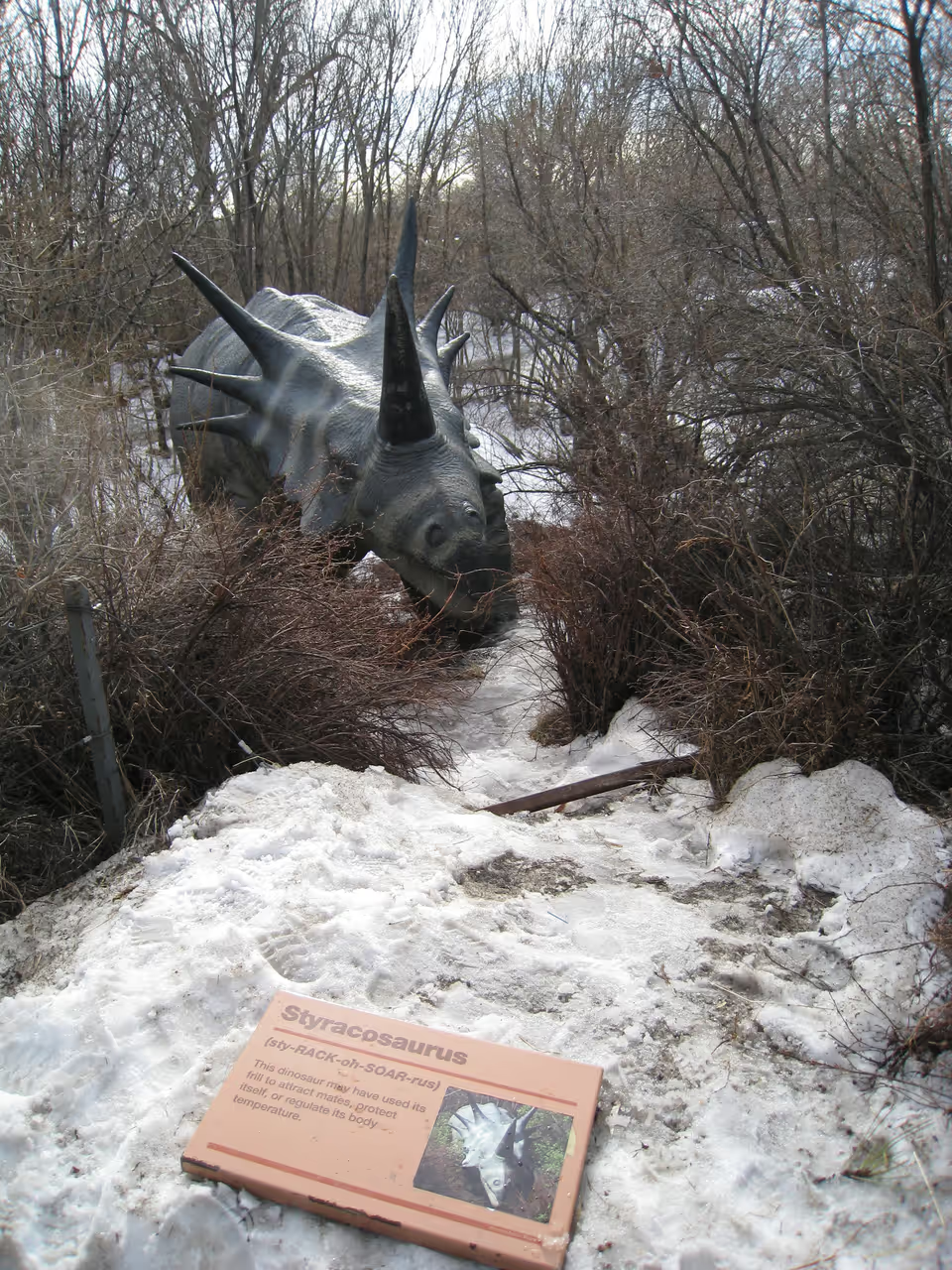
Calgary Zoo
Discover Canada's most visited zoo, an oasis of biodiversity set against the backdrop of the Bow River. From the icy charm of...
view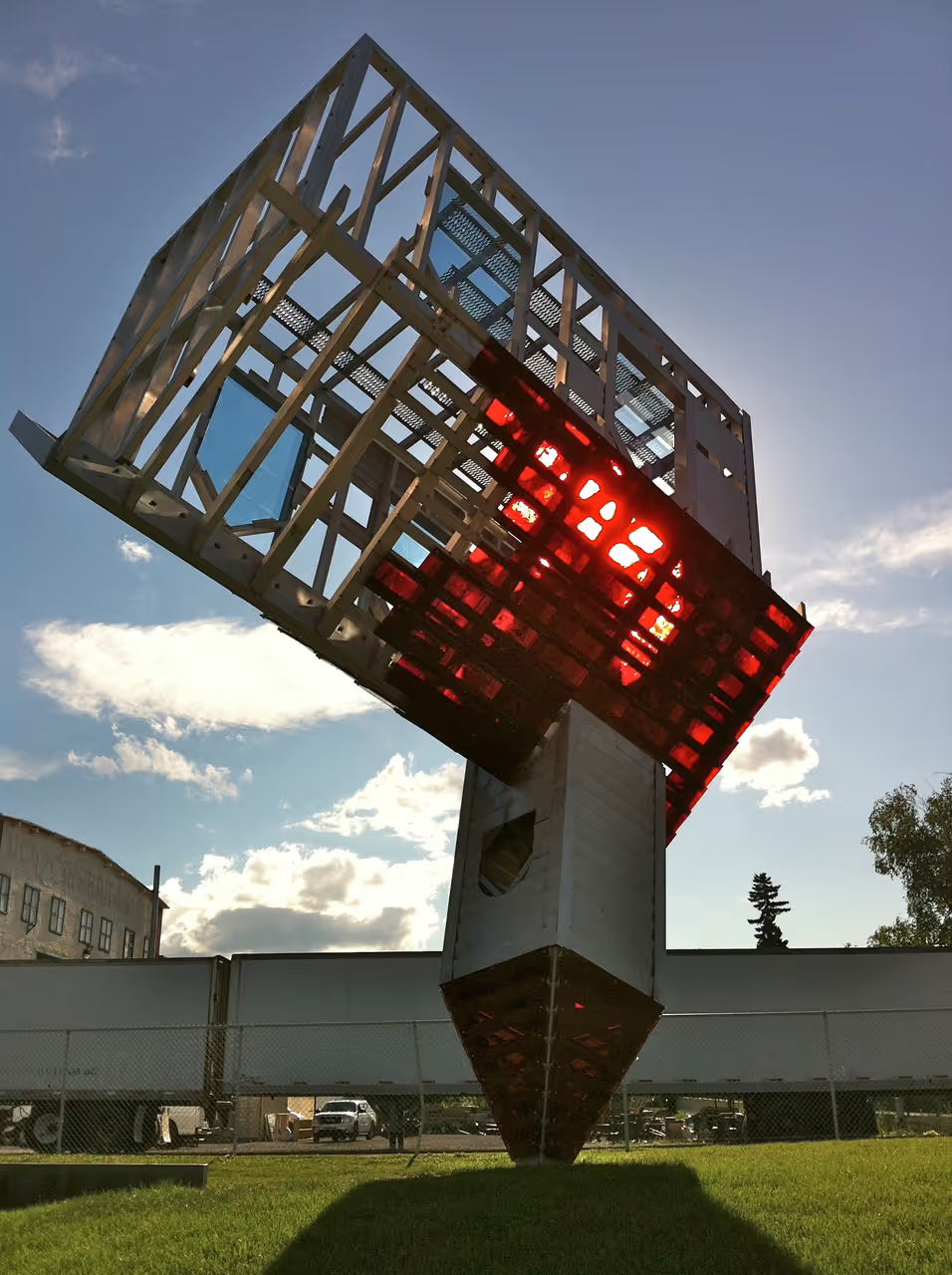
Glenbow Museum
Step into the heart of Western Canadian culture and history at this remarkable institution. The museum offers an immersive...
view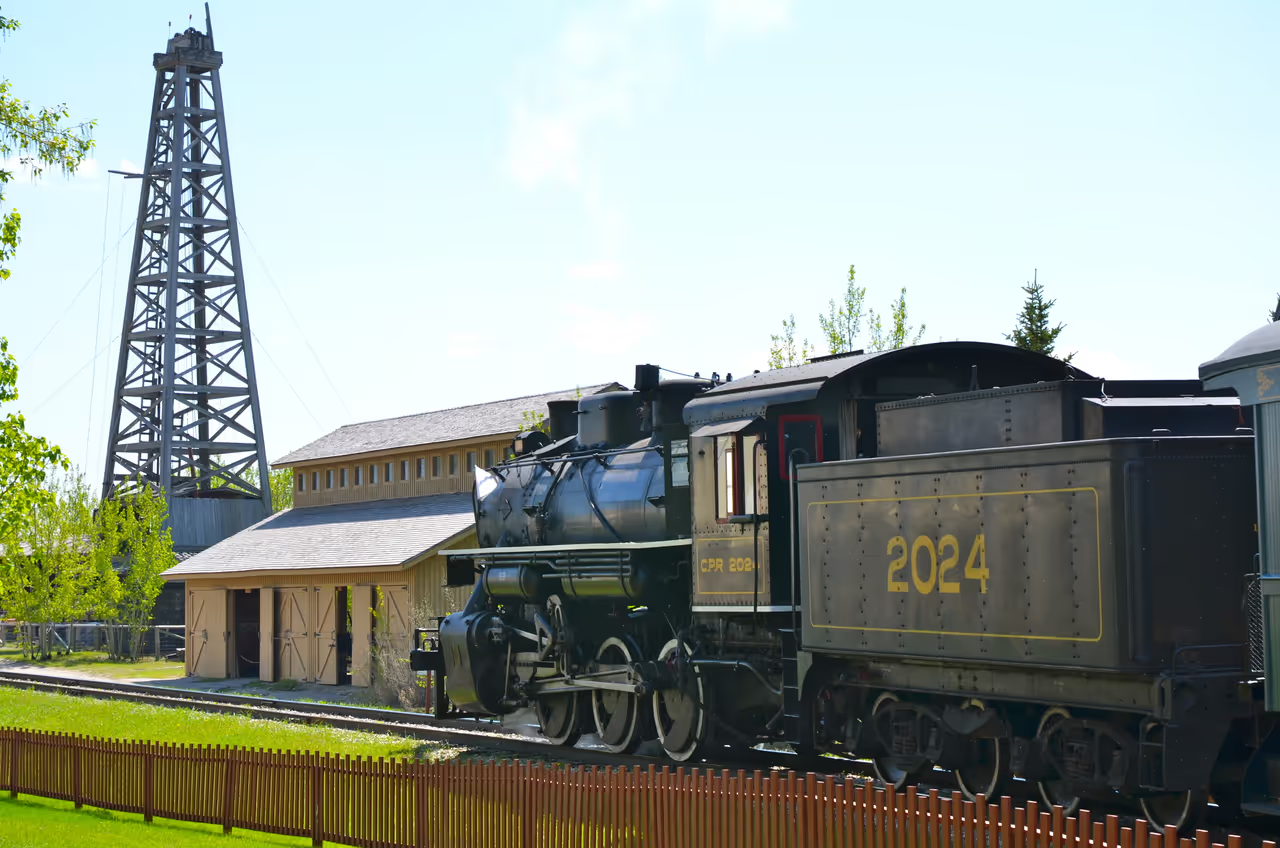
Heritage Park Historical Village
Step back in time at Heritage Park Historical Village, where the rugged spirit of Western Canada truly comes to life. Spanning...
view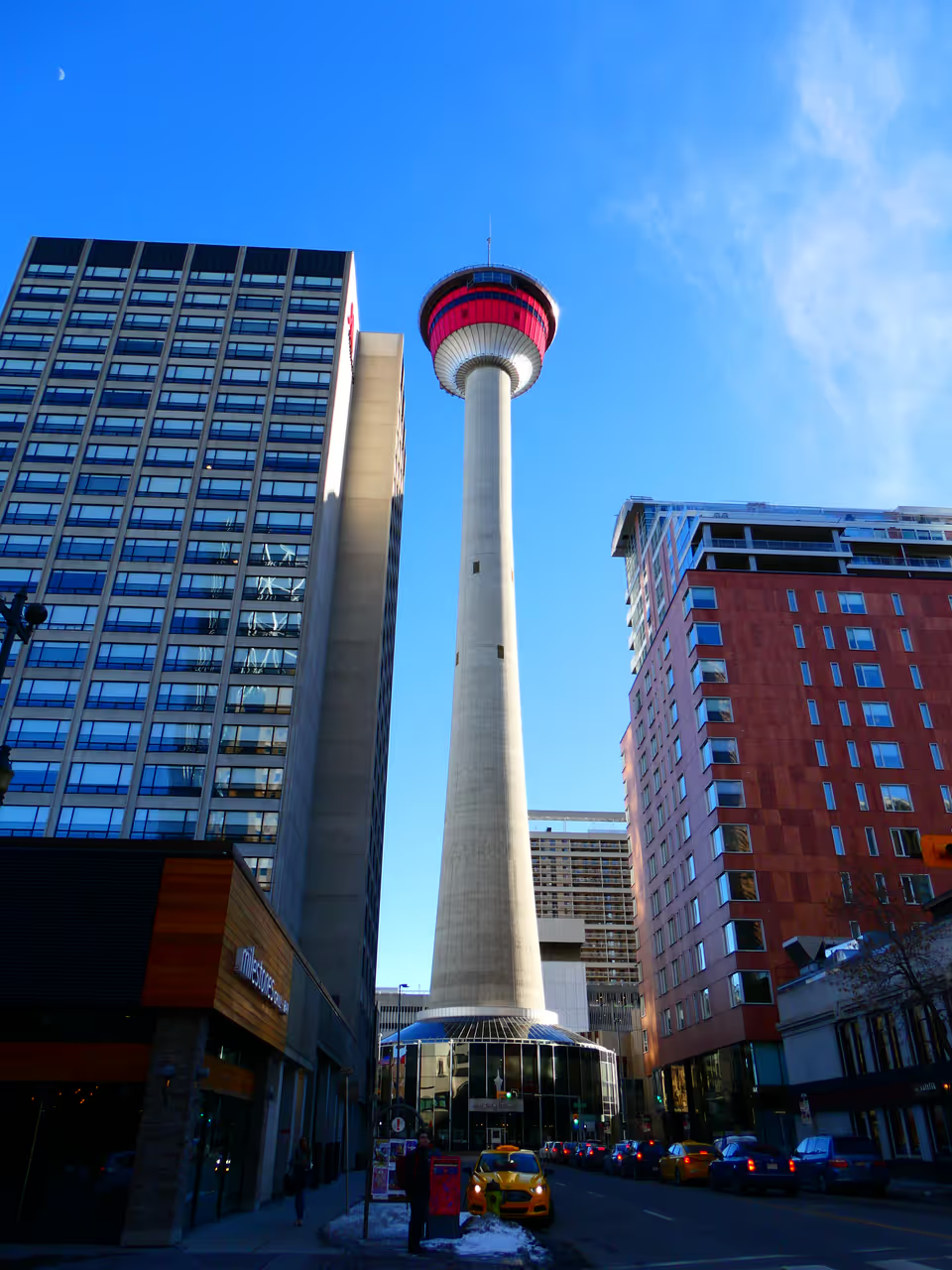
Calgary Tower
Standing tall above the downtown core, the Calgary Tower serves as an iconic symbol of the city’s spirit and ambition. Visitors...
view
Best Views
Calgary Itineraries
TRIP PLANNER
3 Days Recommended
Three days provides ample time to explore the dynamic downtown core, visit major cultural institutions, and spend a full day enjoying the extensive park system or nearby foothills. It offers a comfortable pace to sample the local culinary scene and nightlife without feeling rushed.
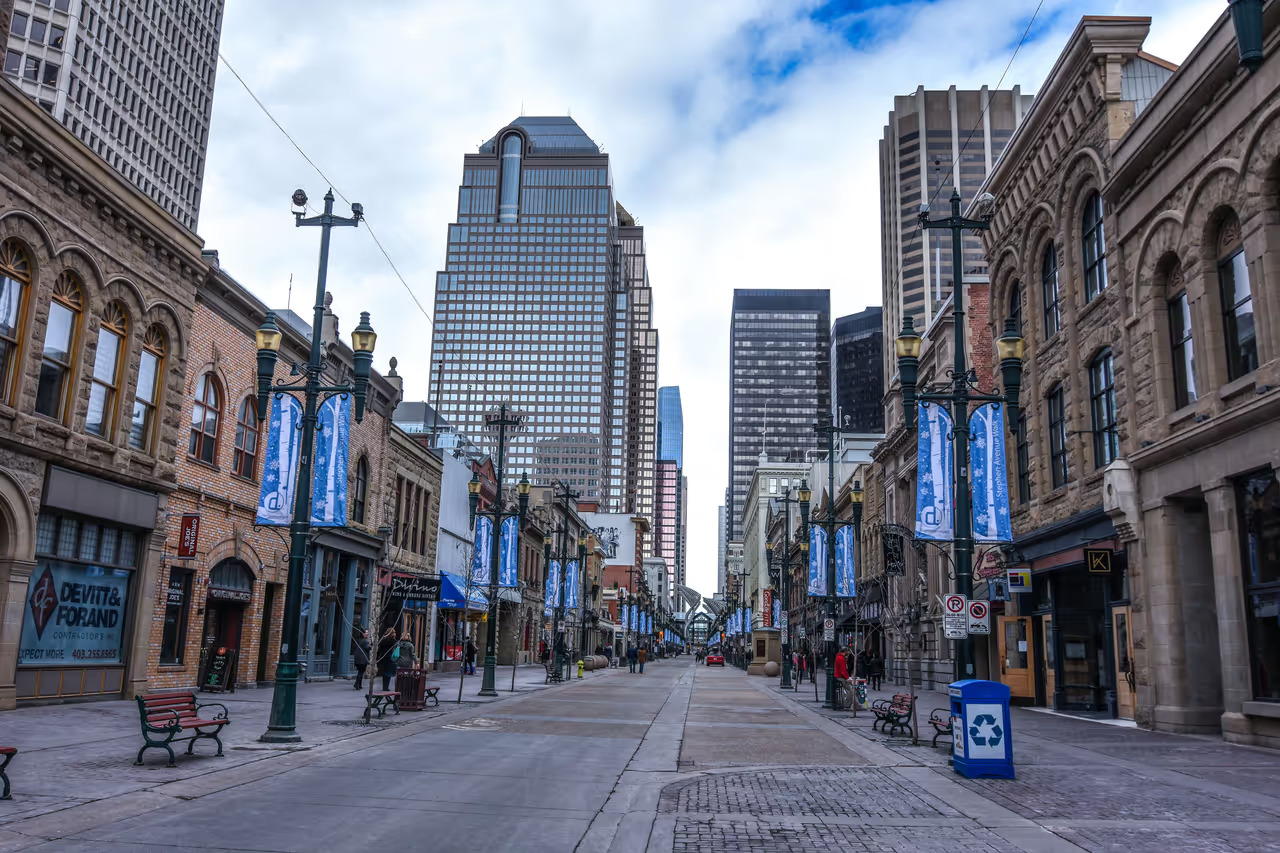
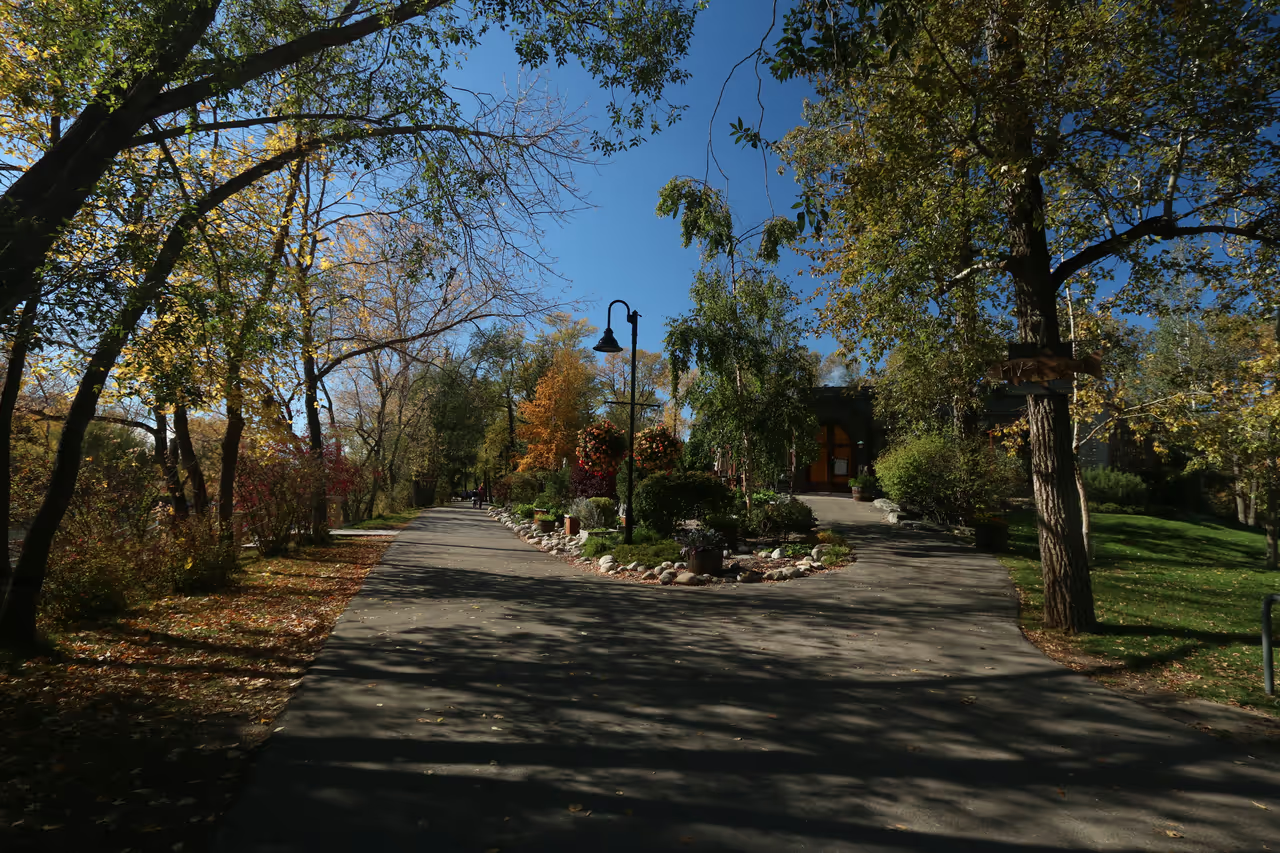
1 Day in Calgary: Downtown Architecture & Views Itinerary
A highly concentrated itinerary perfect for travellers on a brief stopover. This plan focuses entirely on the stunning architectural evolution and central green spaces of the dense downtown core. You will experience world-class civic design, panoramic tower views, and a relaxing island stroll without needing any vehicular transport. It offers a perfect, bite-sized taste of the city's cosmopolitan atmosphere.
view itinerary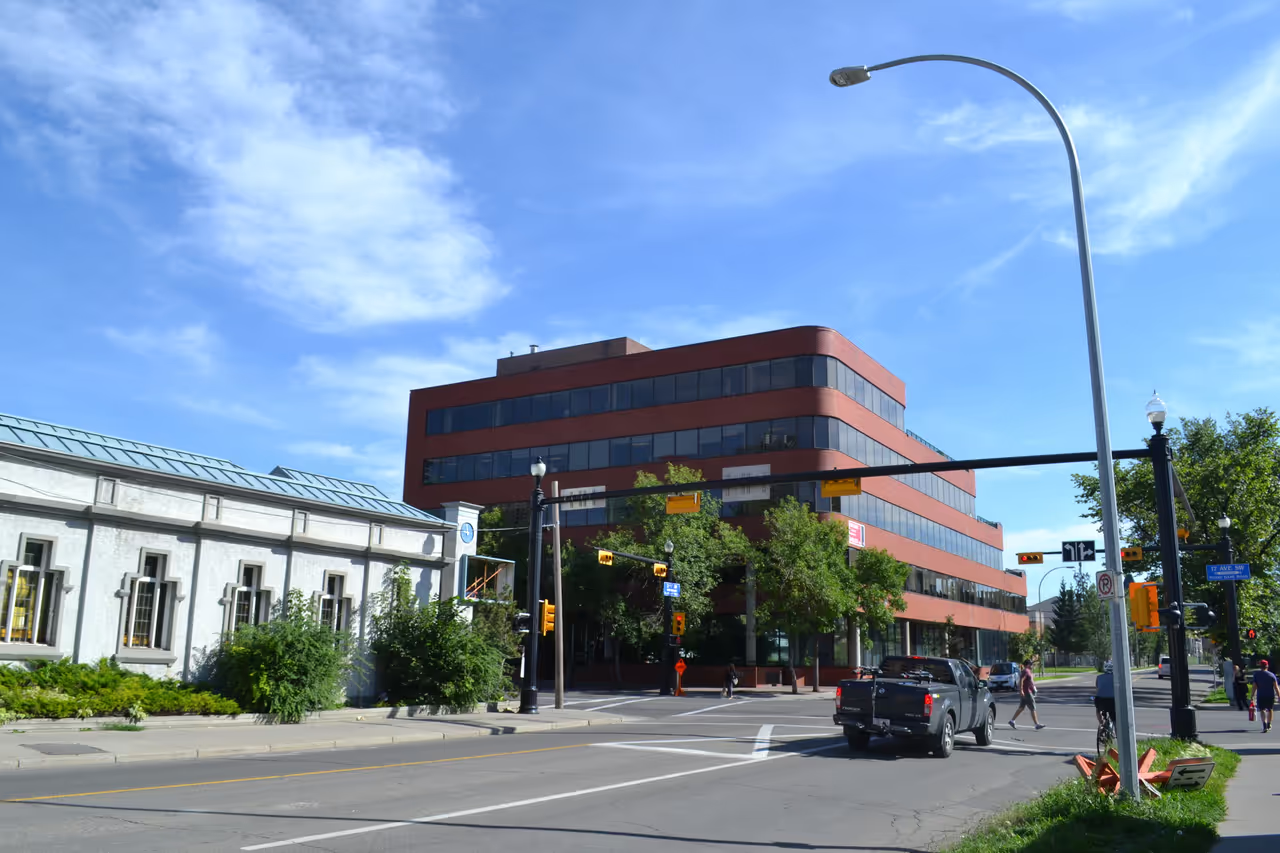
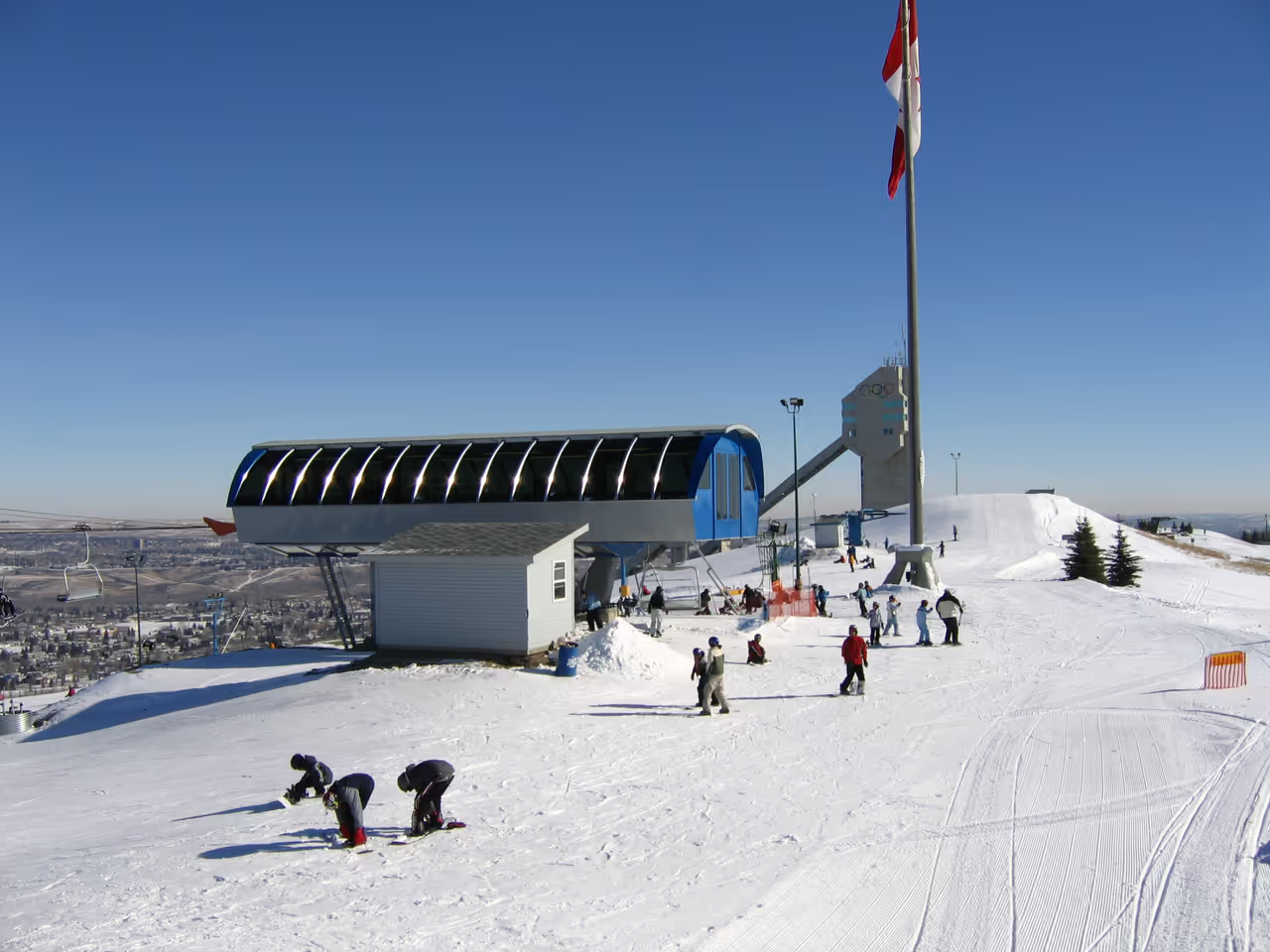
3 Days in Calgary: Heritage and Heights Itinerary
A balanced itinerary that expands upon the downtown core to include massive historical parks and vibrant nightlife districts. You will step back in time at a living historical village, encounter global wildlife, and experience the famous energy of the local entertainment strips. This plan requires some use of the light rail system or a vehicle to comfortably reach the slightly further attractions. It provides a highly well-rounded view of the city's past and present.
view itinerary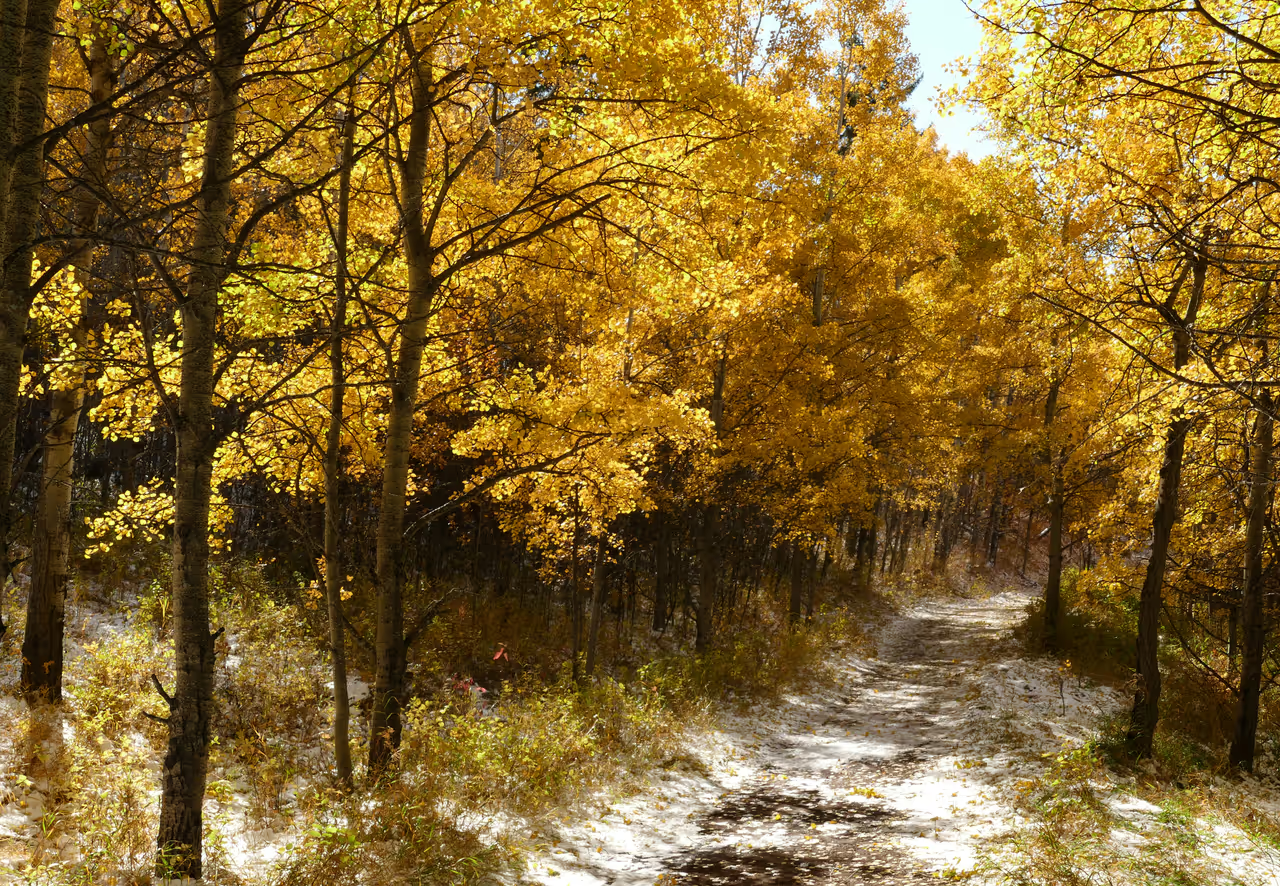
5 Days in Calgary: Complete Exploration Itinerary
An extensive, immersive journey that uncovers every facet of the city's diverse character. Beyond the major sights, this itinerary delves deep into the city's musical culture, scientific innovation, and the exact geographical origins of the original frontier settlement. You will have ample time to soak in the atmosphere of different neighbourhoods and massive natural reserves. It is the definitive guide for a traveller wanting to truly understand the spirit of the city.
view itinerary
Food in Calgary

Free Things to do in Calgary
Parks & Nature
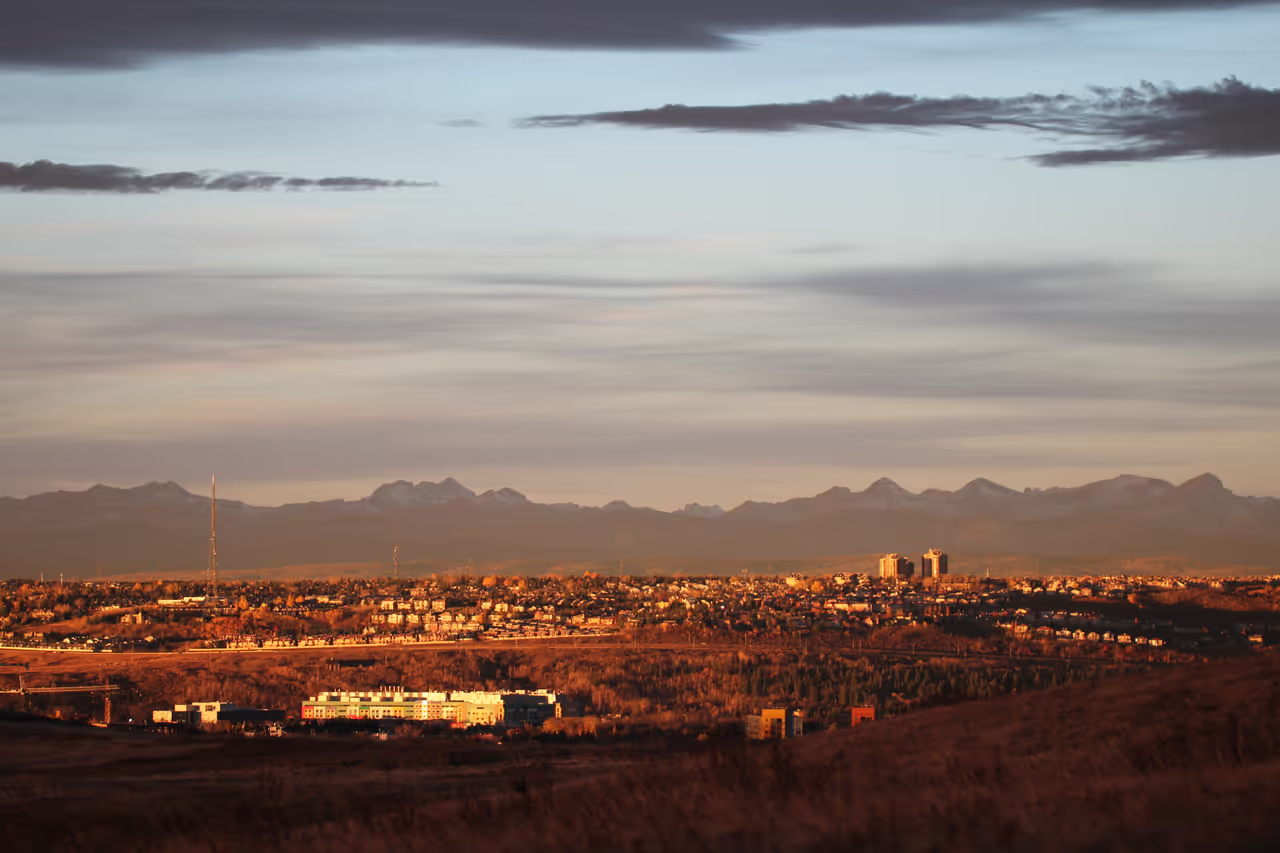
Nose Hill Park
Nose Hill Park is a vast, natural urban sanctuary that offers a refreshing escape from the city without ever leaving its...
viewPrince's Island Park
Prince's Island Park is a verdant sanctuary nestled in the heart of Calgary, offering a peaceful escape from the downtown pace...
view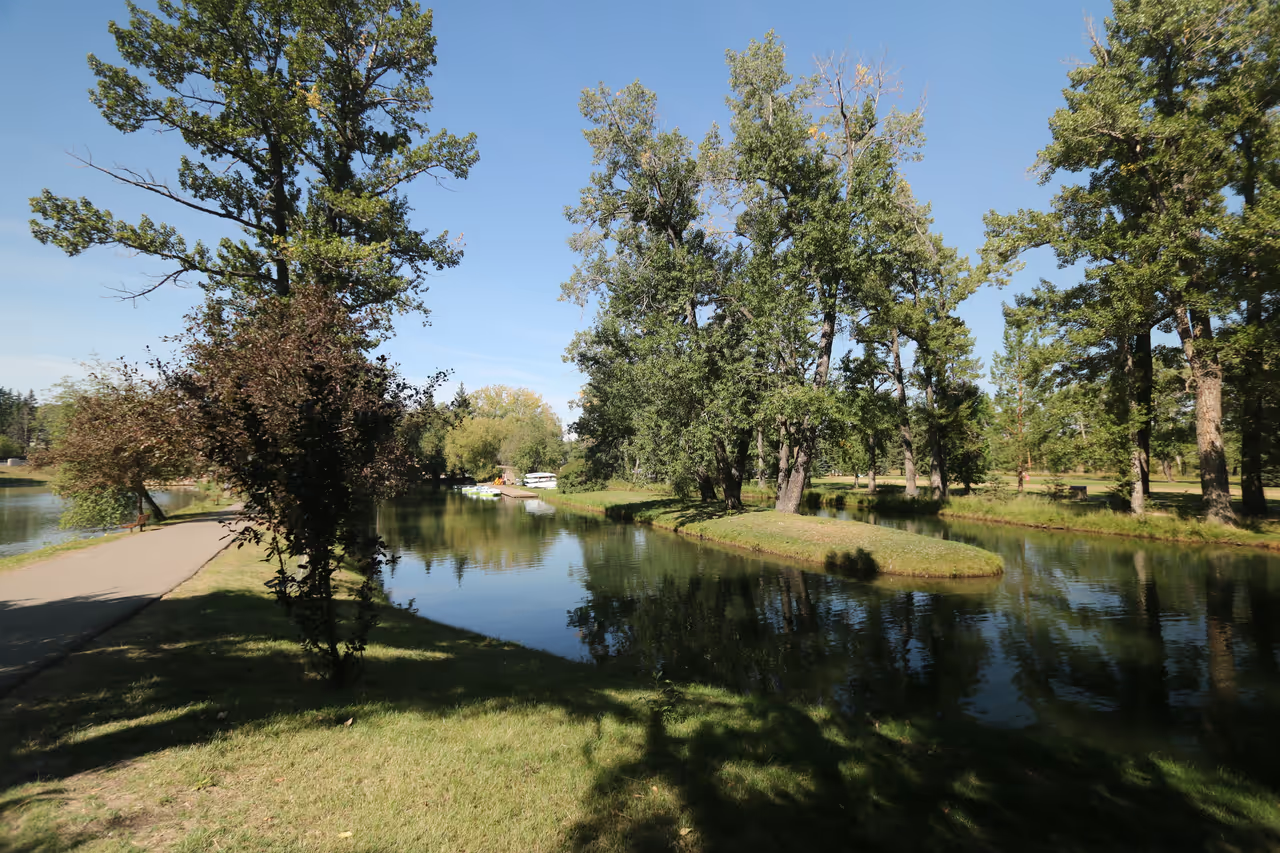
Bowness Park
Bowness Park is a cherished recreational sanctuary that sits comfortably along the Bow River, offering a perfect escape from the...
view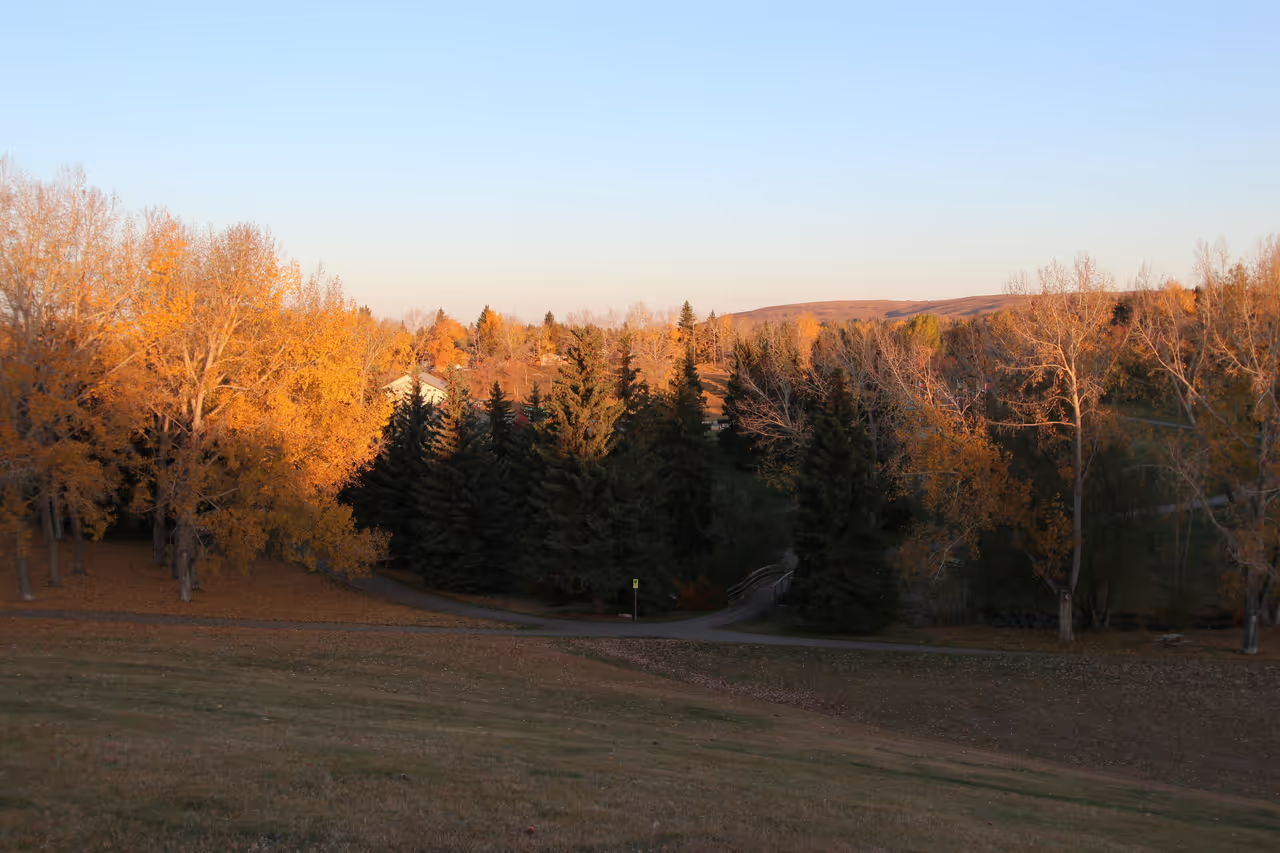
Confederation Park
Confederation Park is a 400 acre sanctuary in northwest Calgary that offers a peaceful escape for locals and visitors alike...
view
Highlights & Must-Sees
17th Avenue SW
Widely known as the city's premier entertainment and lifestyle strip, this long avenue pulses with energy from morning until...
viewCalgary Central Library
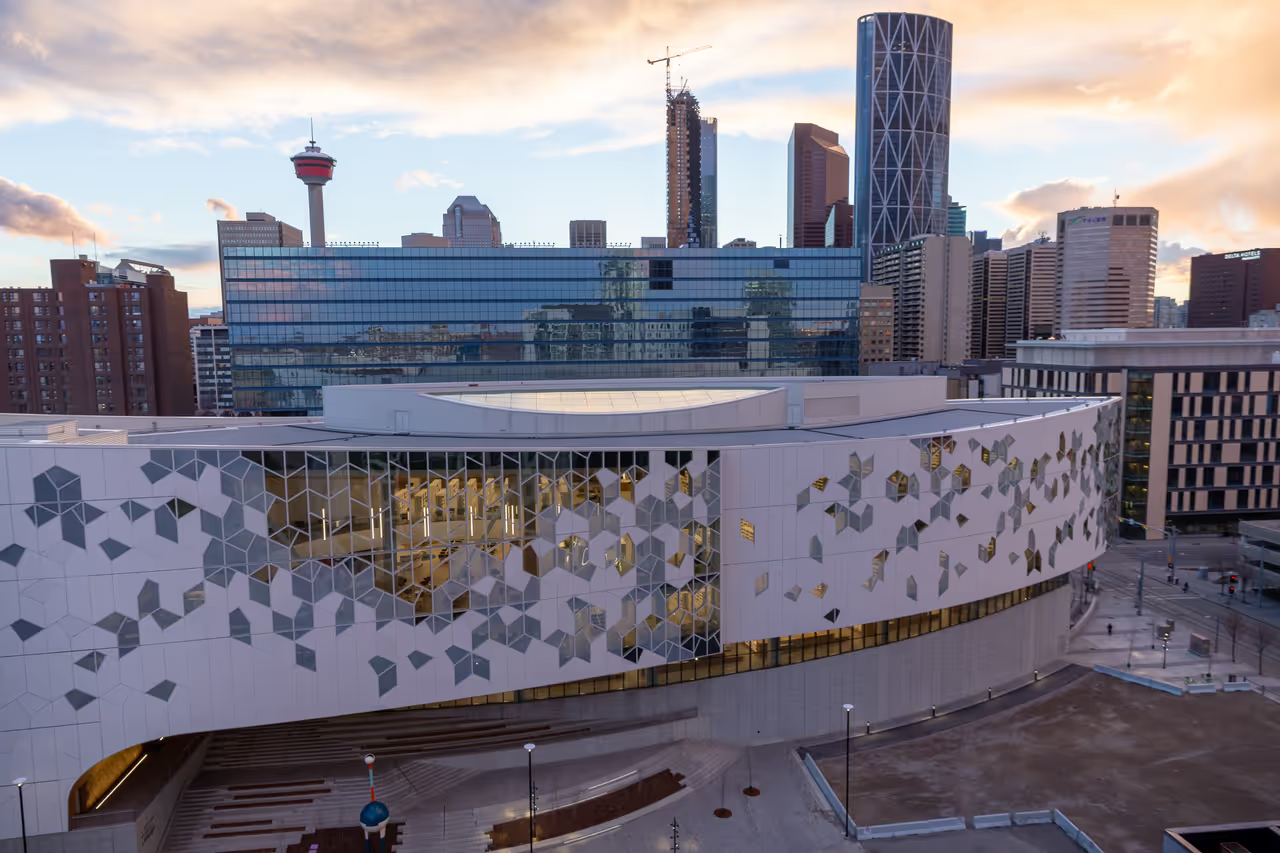
An architectural triumph that has garnered international acclaim for its breathtaking design and innovative public spaces. The...
viewStephen Avenue Walk
A historic, pedestrianised avenue that cuts right through the dense financial district. Flanked by meticulously preserved...
view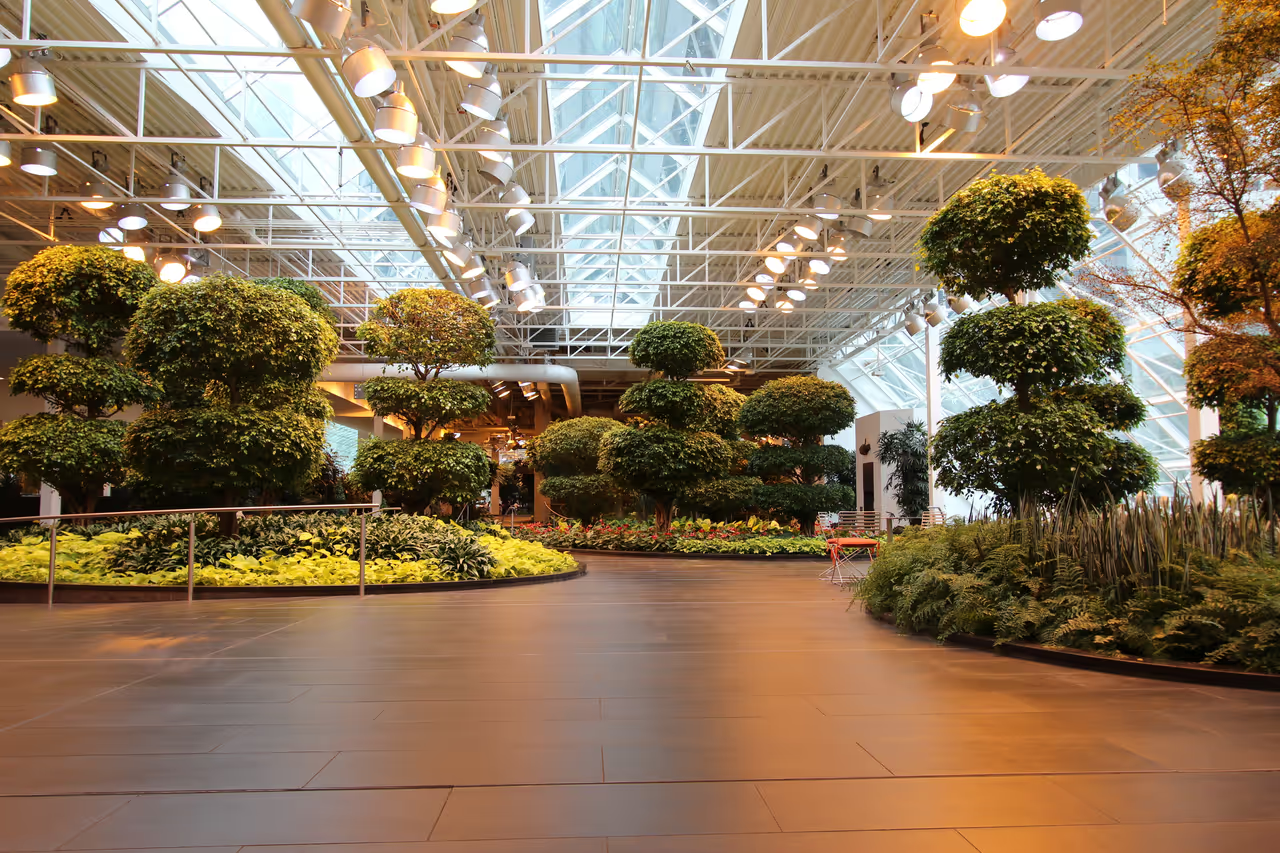
Devonian Gardens
An unexpected, massive indoor botanical garden situated entirely within the upper levels of a downtown shopping centre. It spans...
view
Best Walks in Calgary
 HIGHLY RECOMMENDED
Prince's Island to Eau Claire
This idyllic walk showcases the absolute best of the city's inner core natural spaces. You wander across footbridges onto a lush, manicured island park surrounded by the rushing waters of the Bow River. The path then gently leads into an adjacent plaza area known for its vibrant community feel and market spaces. It is a highly popular route that provides a brilliant escape from the concrete environment of the nearby office towers.
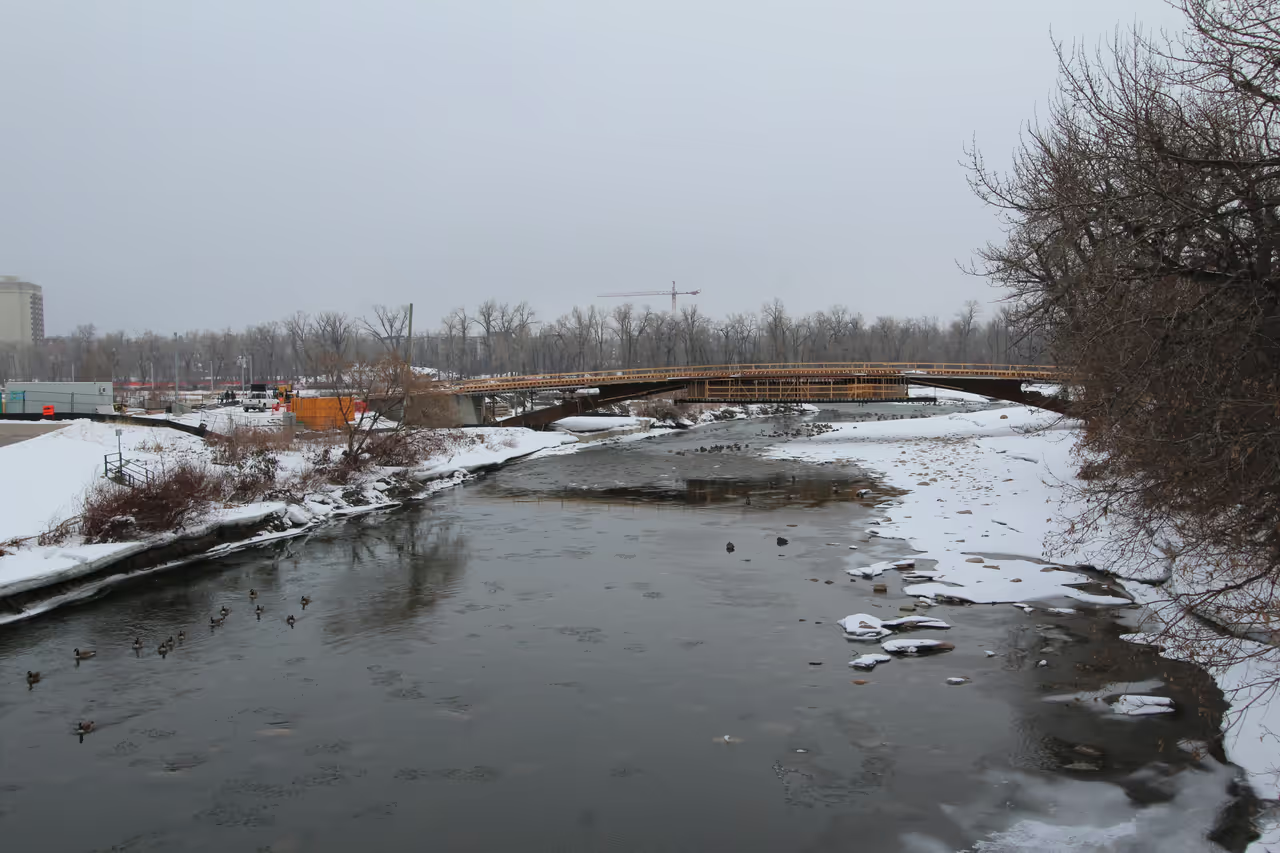
Inglewood Bird Sanctuary Walk
A deeply serene stroll through a protected wildlife reserve located just east of the downtown core. The trails wind through thick riverine forests, open grasslands, and quiet lagoons. It is heavily populated by diverse bird species and occasional deer, offering a remarkable slice of wilderness. The strict protection of the area ensures a quiet, contemplative atmosphere far removed from urban noise.
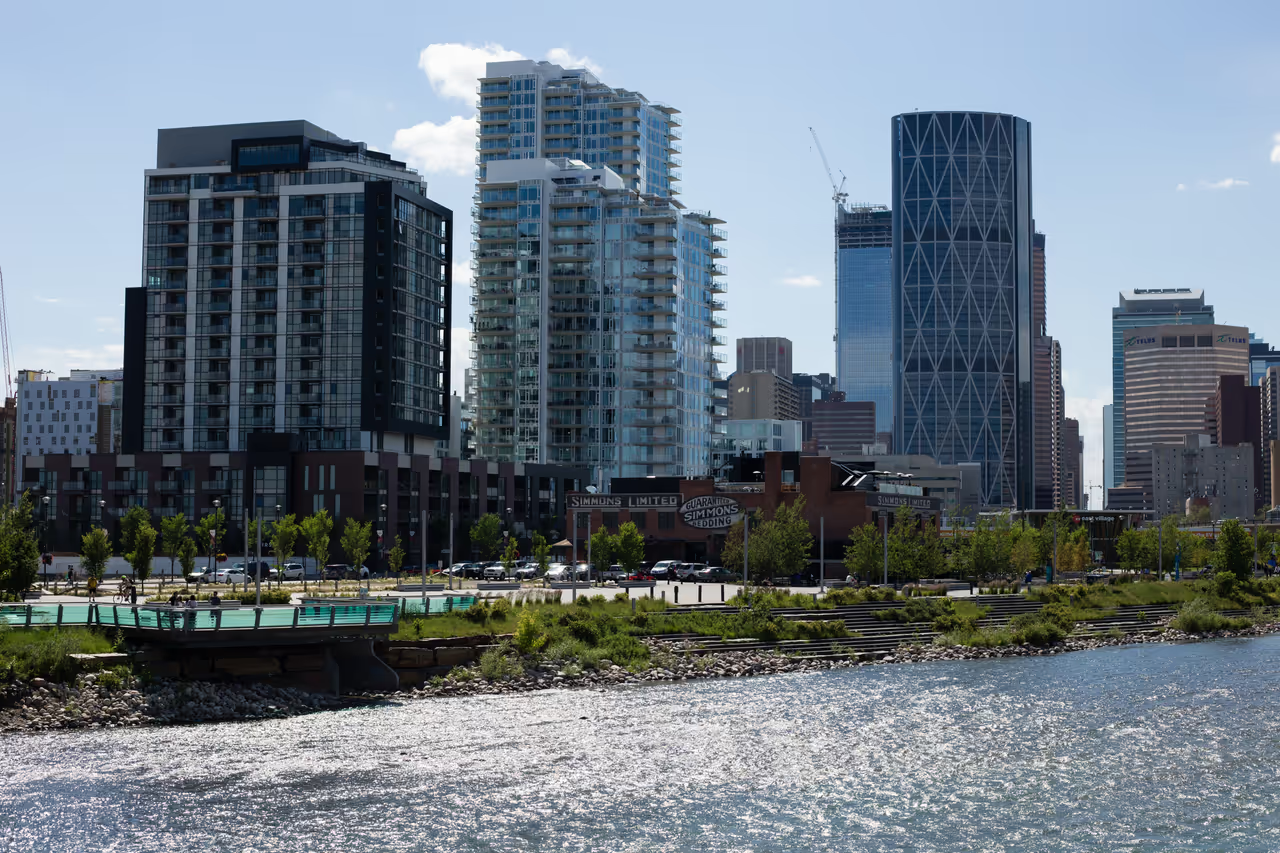
St. Patrick's Island Walk
Following a massive revitalisation, this island has been transformed into a brilliantly designed natural playground. The stroll takes you through restored river channels, elevated viewing mounds, and beautifully landscaped public spaces. The architecture of the pathways and bridges seamlessly blends modern design with ecological restoration. It is a highly visually engaging walk that connects several vibrant eastern neighbourhoods.
Architecture & Landmarks
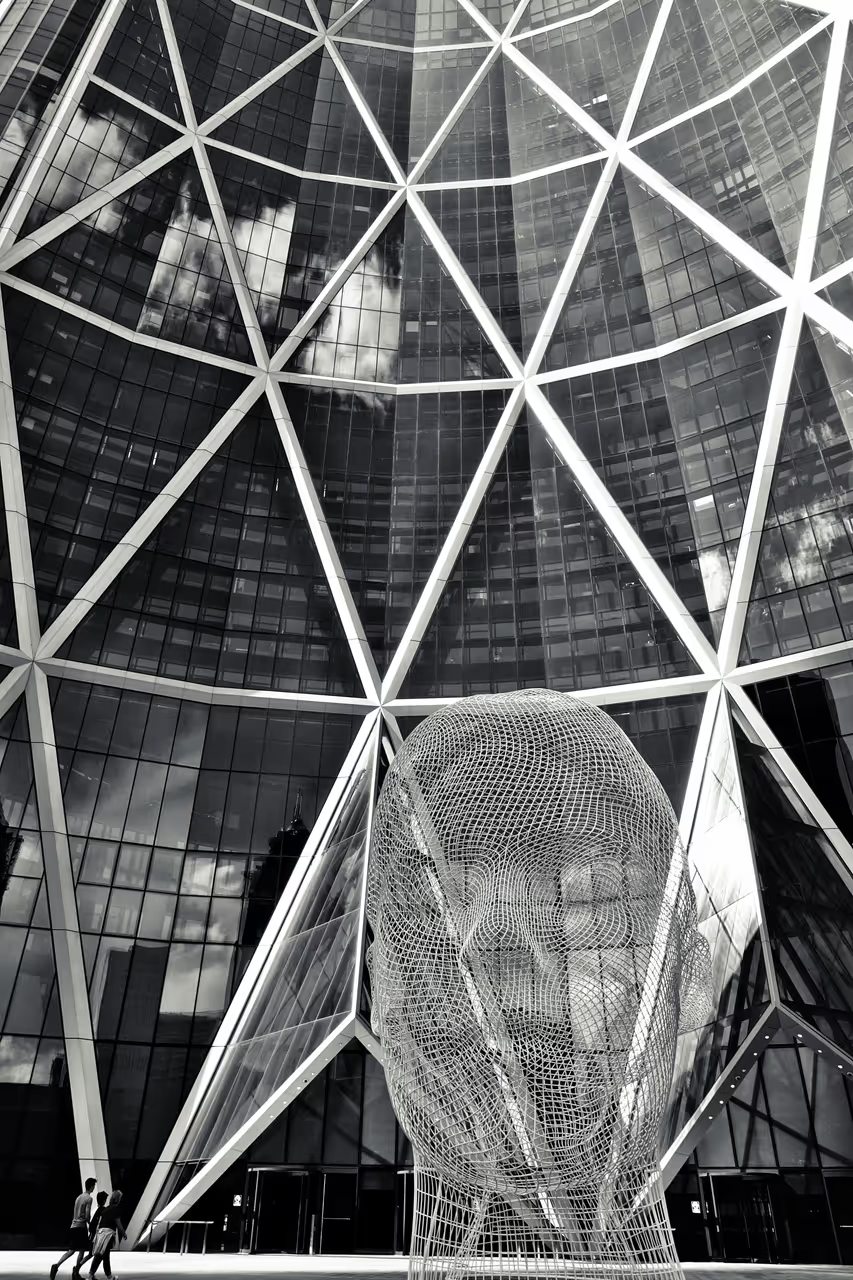
Bow
An unmistakable, massive crescent-shaped skyscraper that completely redefined the city's skyline upon its completion. It...
viewCalgary Central Library
An architectural triumph that has garnered international acclaim for its breathtaking design and innovative public spaces. The...
view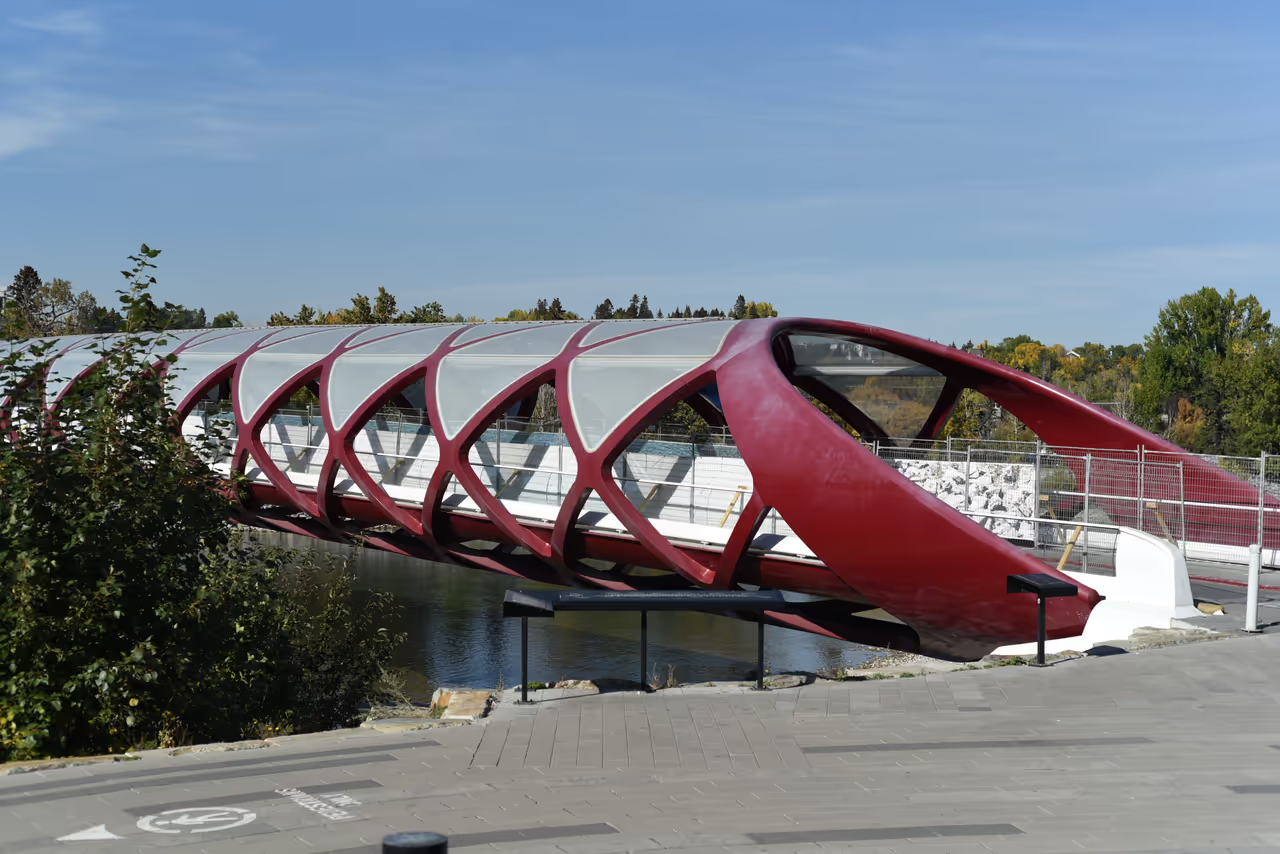
Peace Bridge
A brilliantly bold, bright red pedestrian crossing designed by renowned Spanish architect Santiago Calatrava. Unlike traditional...
view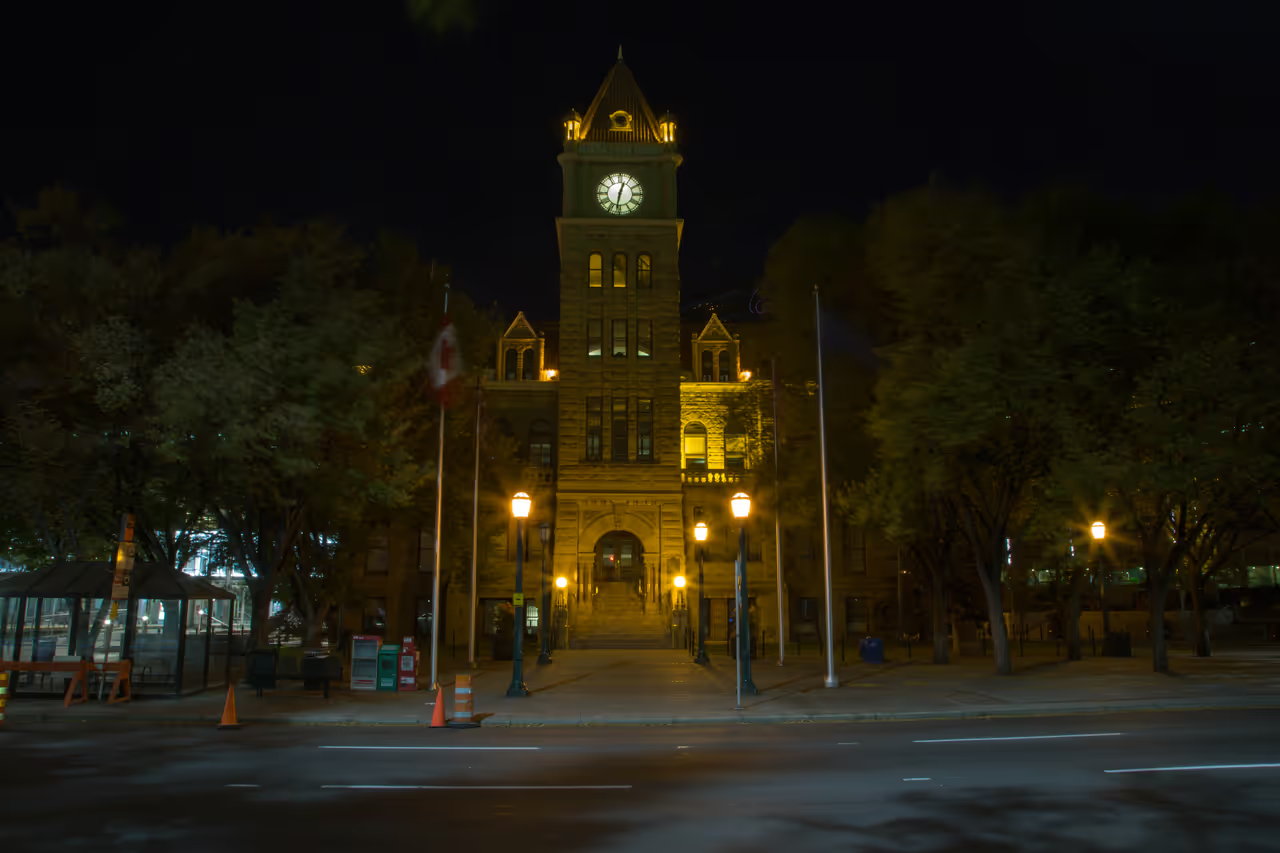
Calgary City Hall
A remarkably stately municipal building constructed in 1911, representing the pinnacle of the city's "Sandstone City" era...
view
Markets & Shopping
Calgary Nightlife
Photo Spots
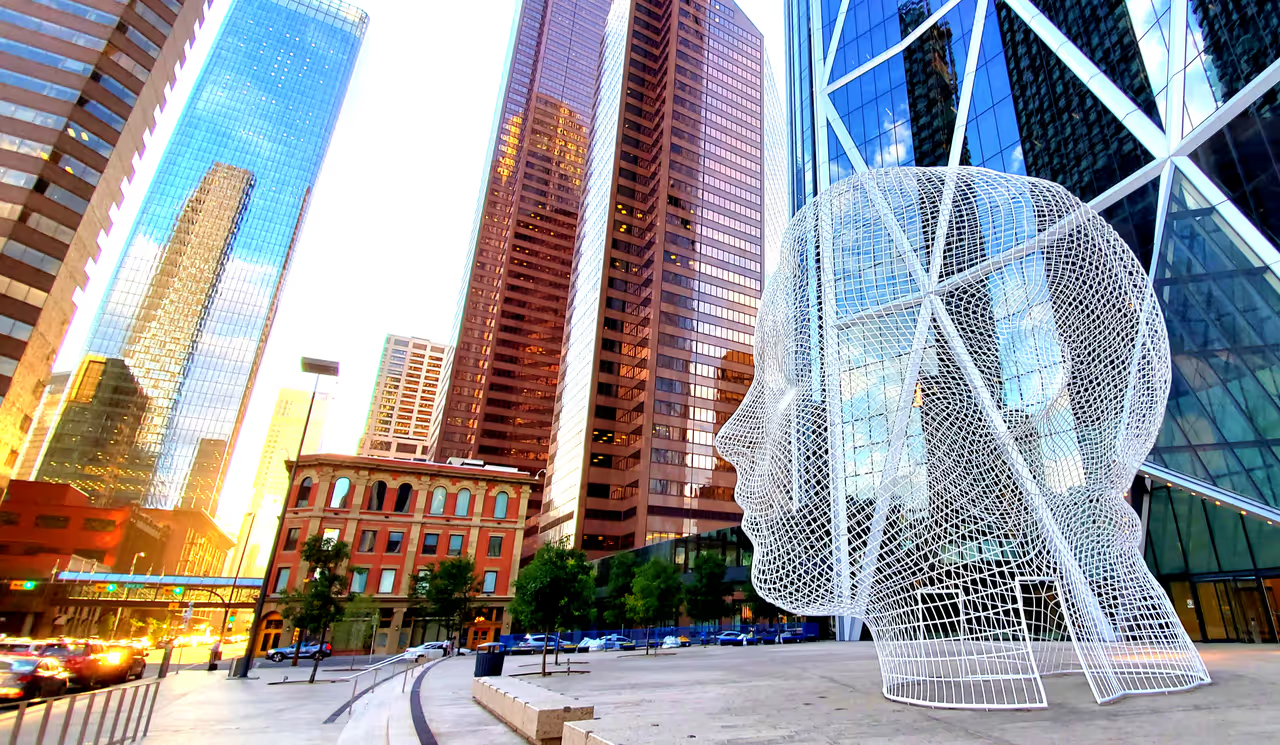
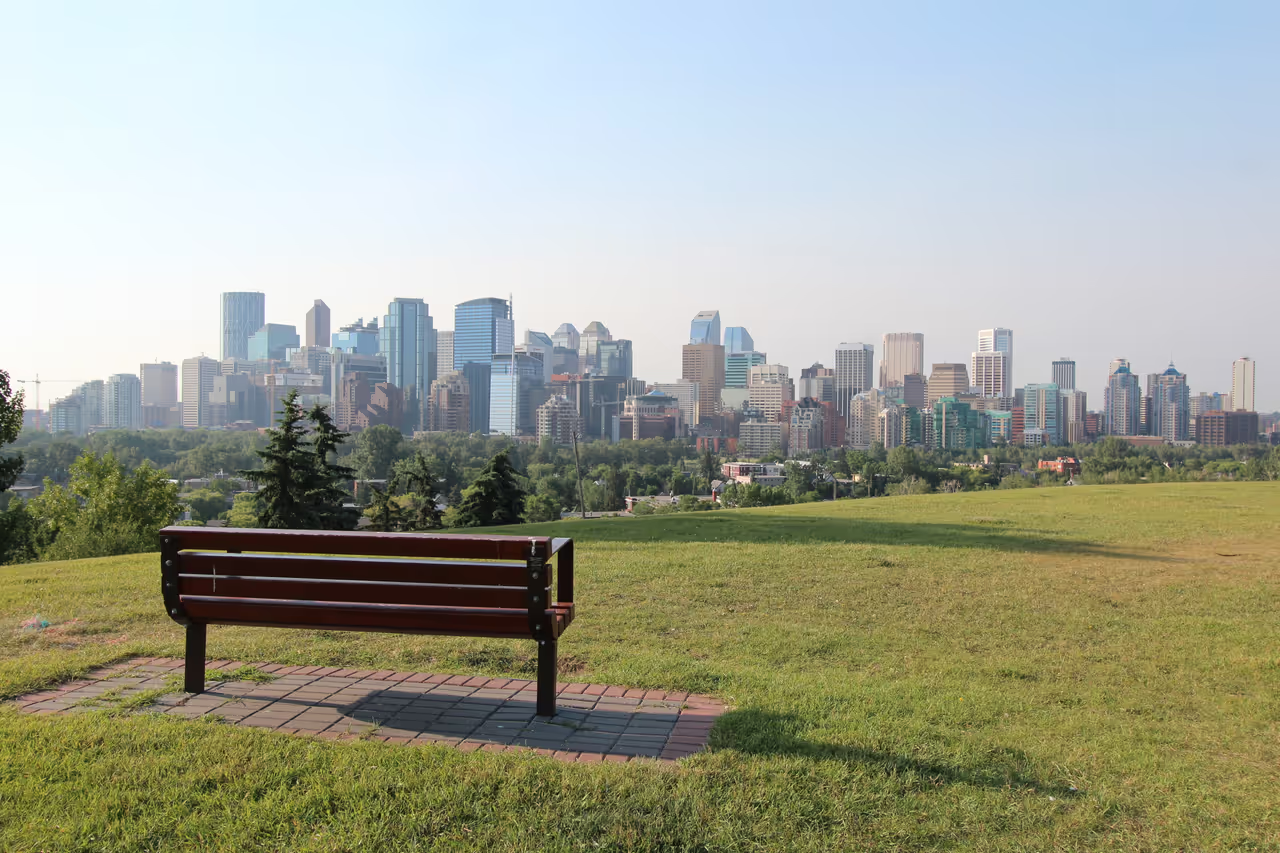
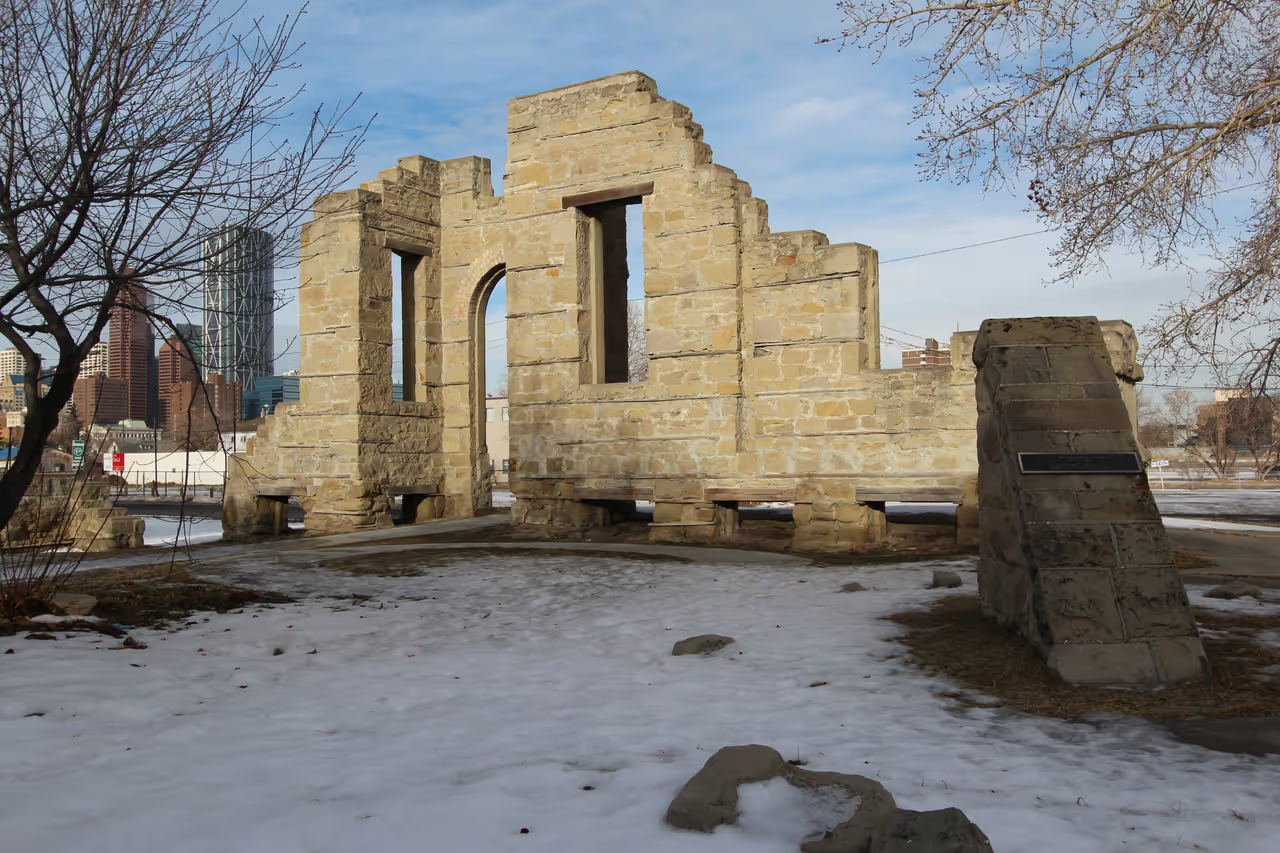
Activities & Experiences
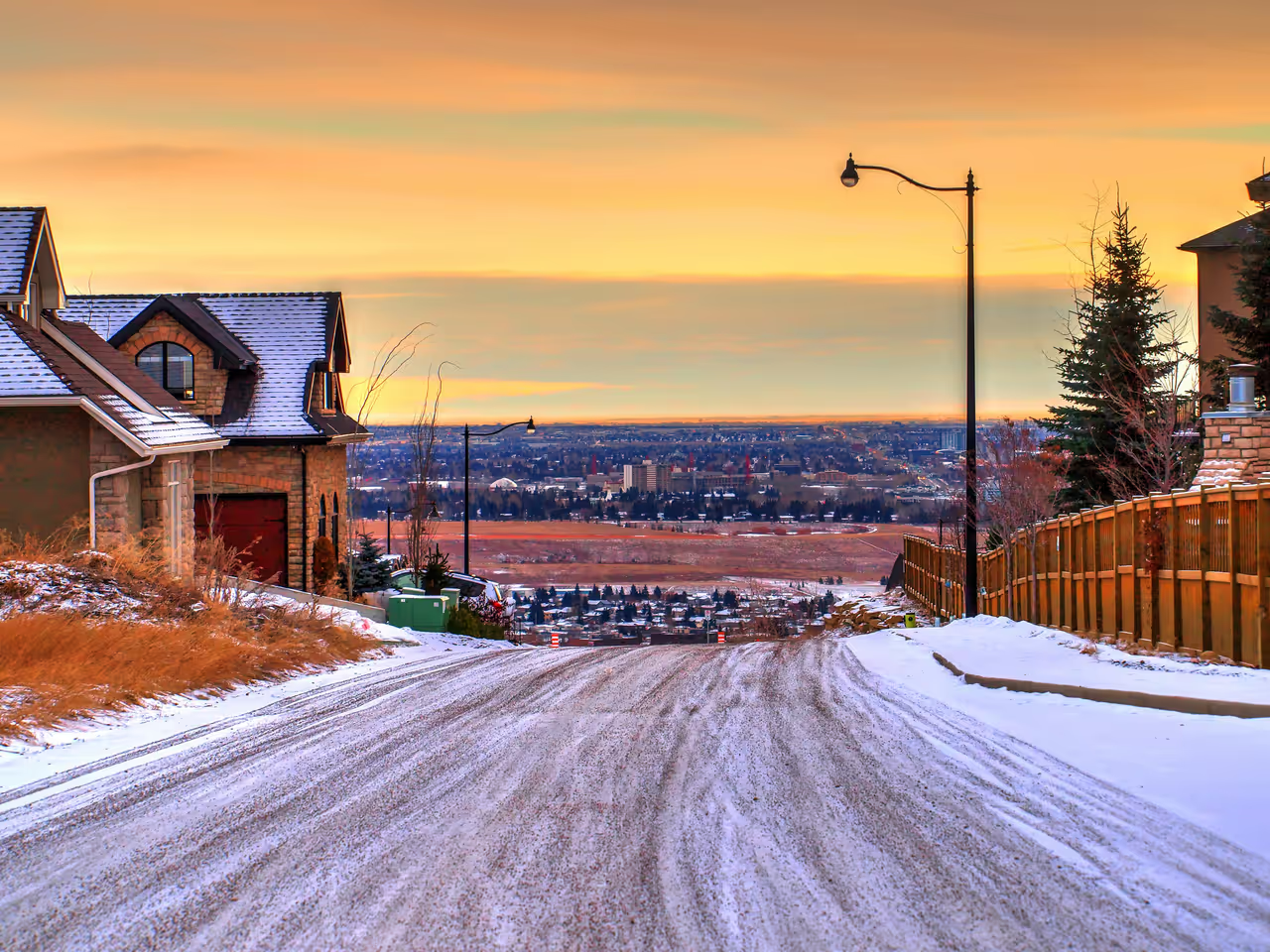
Cycling Routes
 HIGHLY RECOMMENDED
Bow River Pathway Ride
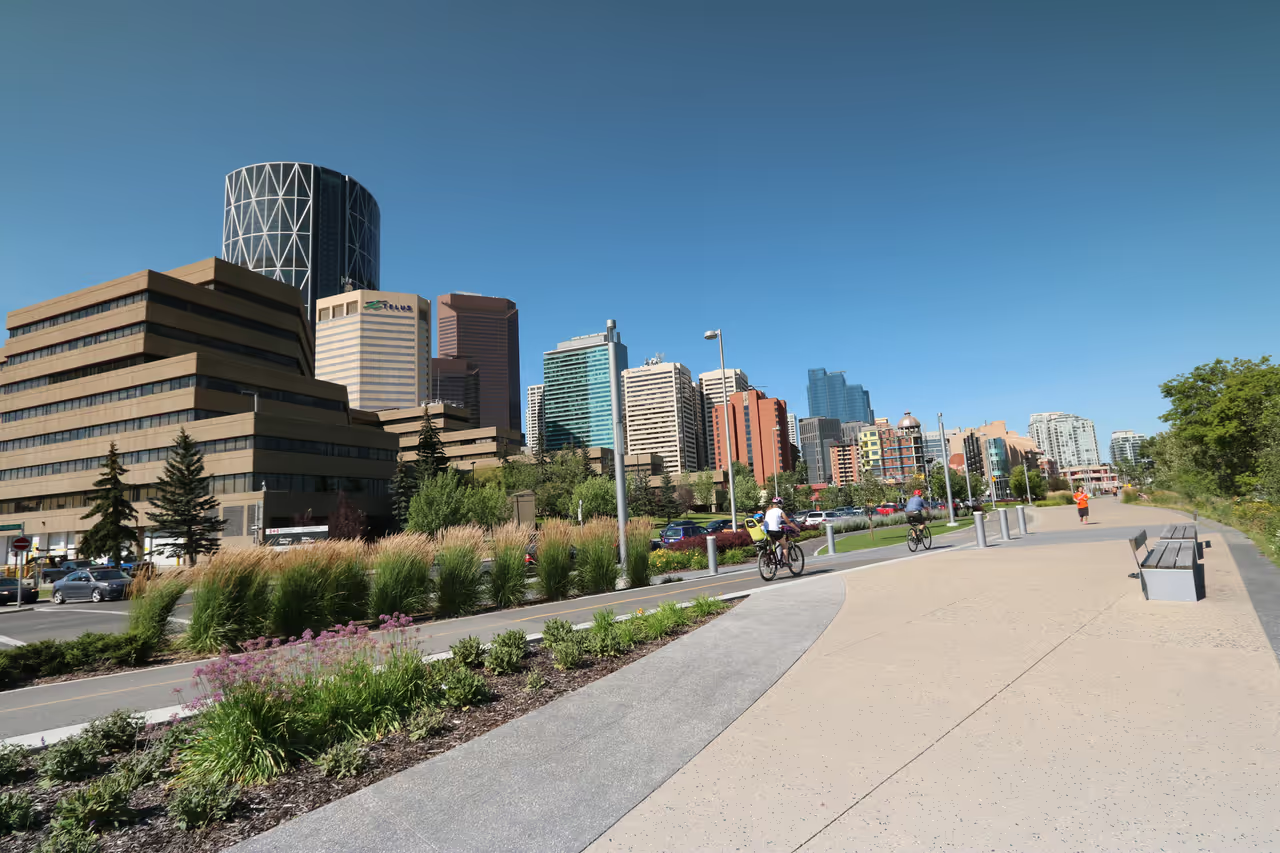
This magnificent route follows the curving banks of the primary river, offering an uninterrupted journey through the heart of the city. You will glide past vibrant urban parks, cross stunning pedestrian bridges, and enjoy constant views of the water juxtaposed against the modern skyline. The pathway is well maintained and largely flat, ensuring a comfortable experience for cyclists of all abilities. It perfectly highlights the seamless integration of nature and urban development.
Glenmore Reservoir Loop
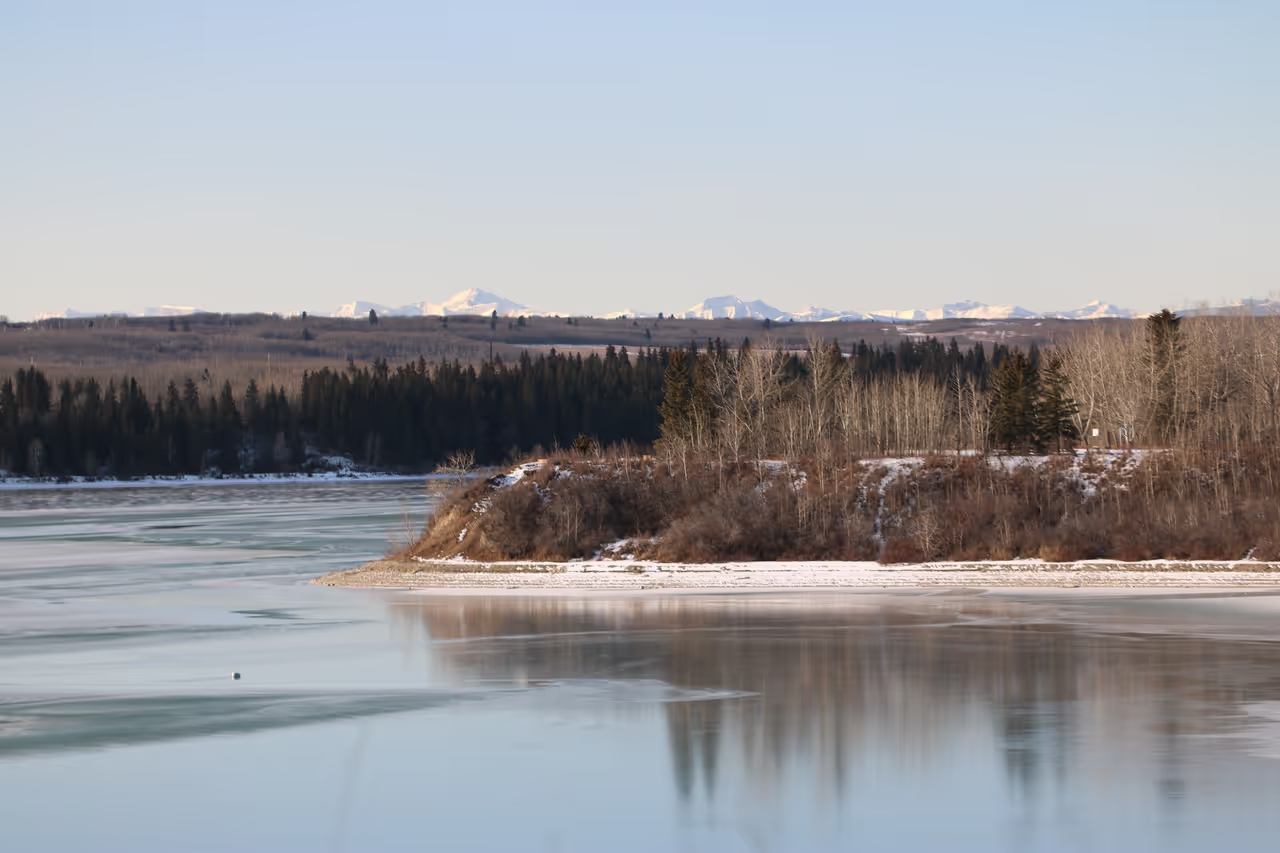
A highly scenic, fully paved loop that completely encircles a massive man-made body of water in the city's southwest quadrant. The route offers sweeping vistas over the water, framed by distant views of the Rocky Mountains on clear days. You will pass through several distinct parks, including beautiful forested areas and open grassy slopes. It is a favourite weekend route for locals seeking fresh air and water views.
Nose Creek Valley Trail
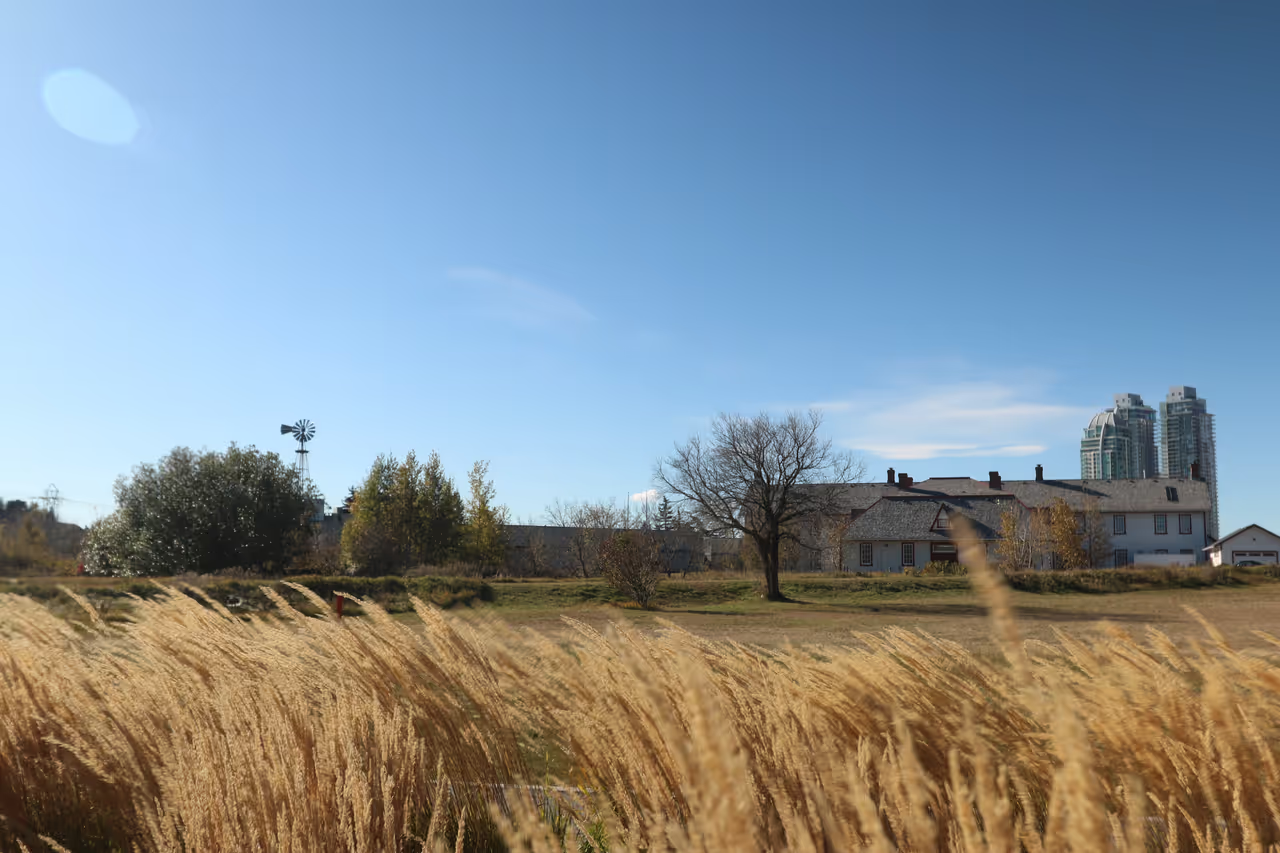
This route provides a fascinating journey through a prominent valley in the northern half of the city. Following a small creek, the path cuts through green spaces that beautifully contrast with the adjacent industrial and suburban developments. It features well-designed overpasses that safely carry cyclists over major freeways. It is an excellent way to see a different, slightly quieter side of the city's geography.
Self-Guided Tours
- HIGHLY RECOMMENDED
Downtown Architecture and Skywalks
A fascinating architectural journey through the very core of the city, highlighting its transition from sandstone heritage to modern glass monoliths. The route navigates both street-level promenades and the elevated, indoor Plus 15 skywalk network. You will encounter striking examples of contemporary engineering juxtaposed with beautifully preserved historical facades. It is an immersive way to understand the economic and cultural forces that physically shaped the skyline.
Heritage and History of Inglewood
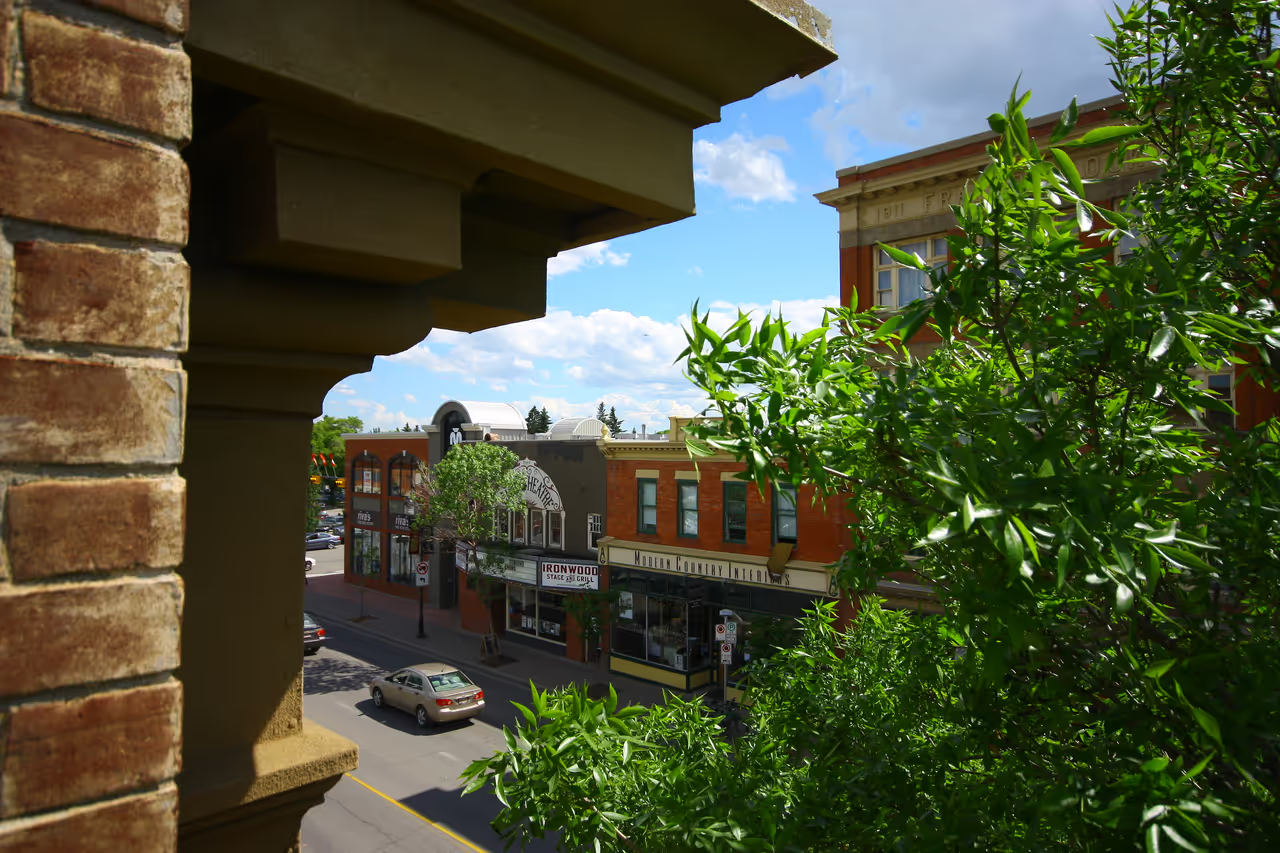
An exploration of the city's oldest and most historically significant neighbourhood, where the original urban settlement first took root. The walk passes by early 20th-century brick commercial blocks, old railway hotels, and the very site where the pioneer fort was constructed. The area has managed to retain its gritty, historical charm while adapting to house modern artisan boutiques and eateries. It provides a tangible connection to the rugged, frontier days of the western prairies.
Olympic Legacy Tour
A comprehensive journey highlighting the monumental facilities and public spaces constructed for the 1988 Winter Games. This event permanently altered the city's physical landscape and cemented its identity as a global hub for winter sports. You will observe impressive stadiums, celebratory public plazas, and active training facilities that continue to produce world-class athletes. It is a testament to how a single international event can forge an enduring civic legacy.
Annual Festivals & Events
 HIGHLY RECOMMENDED
Calgary Stampede
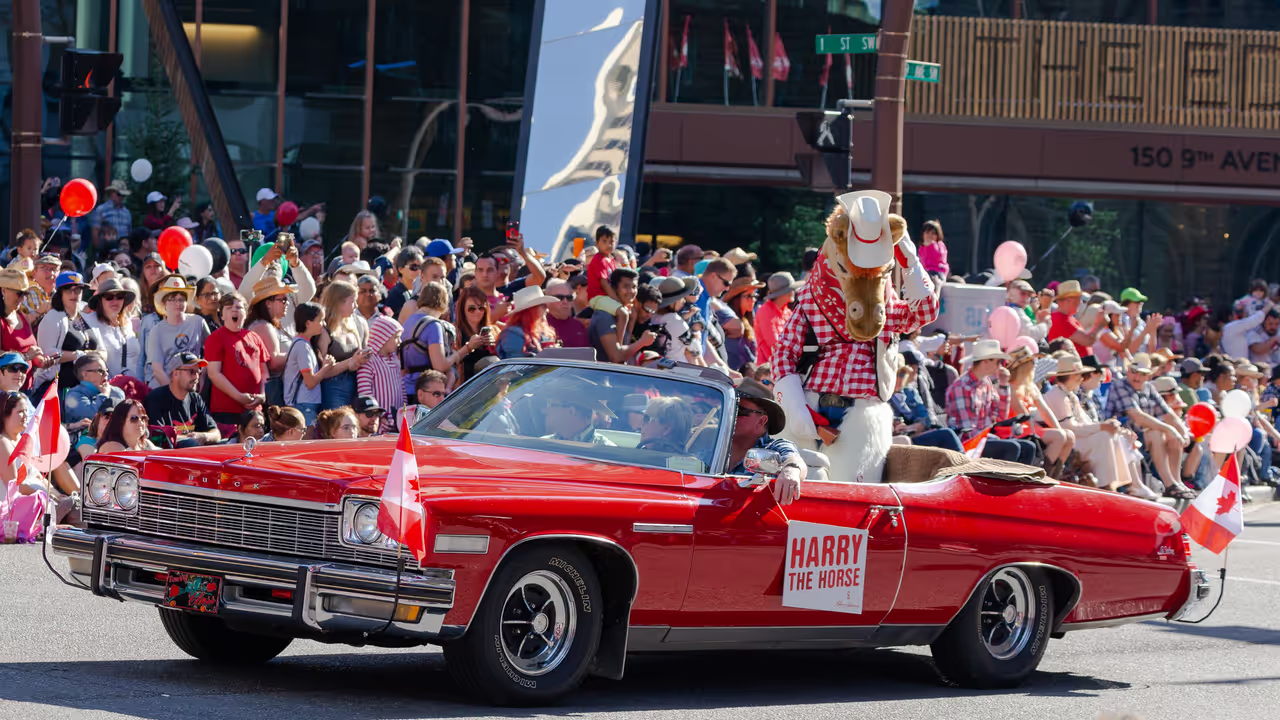
Known as the Greatest Outdoor Show on Earth, this massive ten day festival celebrates western heritage and culture. The entire city embraces a cowboy theme, with locals donning hats and boots while attending pancake breakfasts across town. Highlights include one of the world's largest rodeos, thrilling chuckwagon races, and a sprawling midway filled with rides and unique food. It is an unmissable cultural phenomenon that defines the city's global reputation.
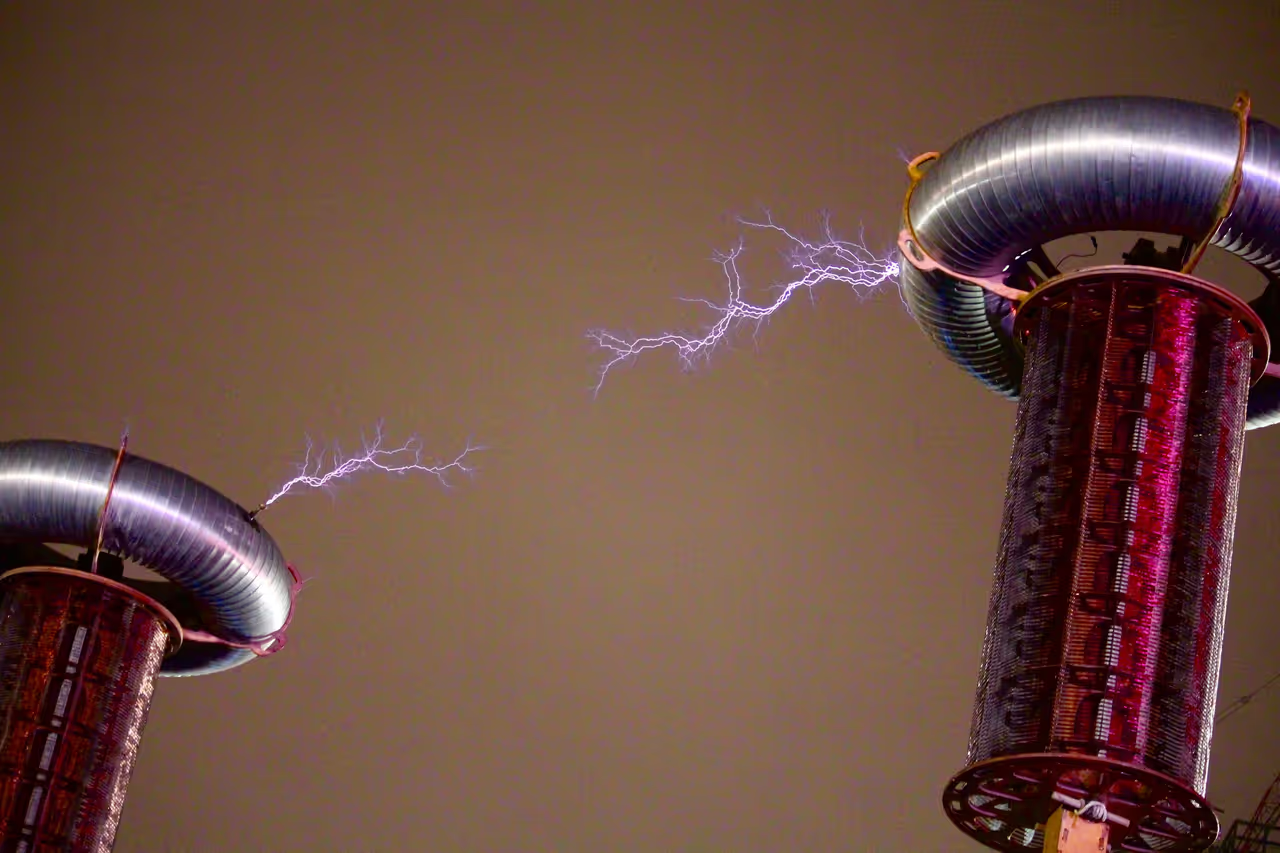
Beakerhead
A completely unique festival that brilliantly smashes together science, technology, and engineering with the arts and culture sectors. The streets and public spaces are filled with massive interactive art installations, engineered contraptions, and fascinating workshops. It is a highly engaging, family friendly event designed to spark curiosity and celebrate human innovation in wildly creative ways.
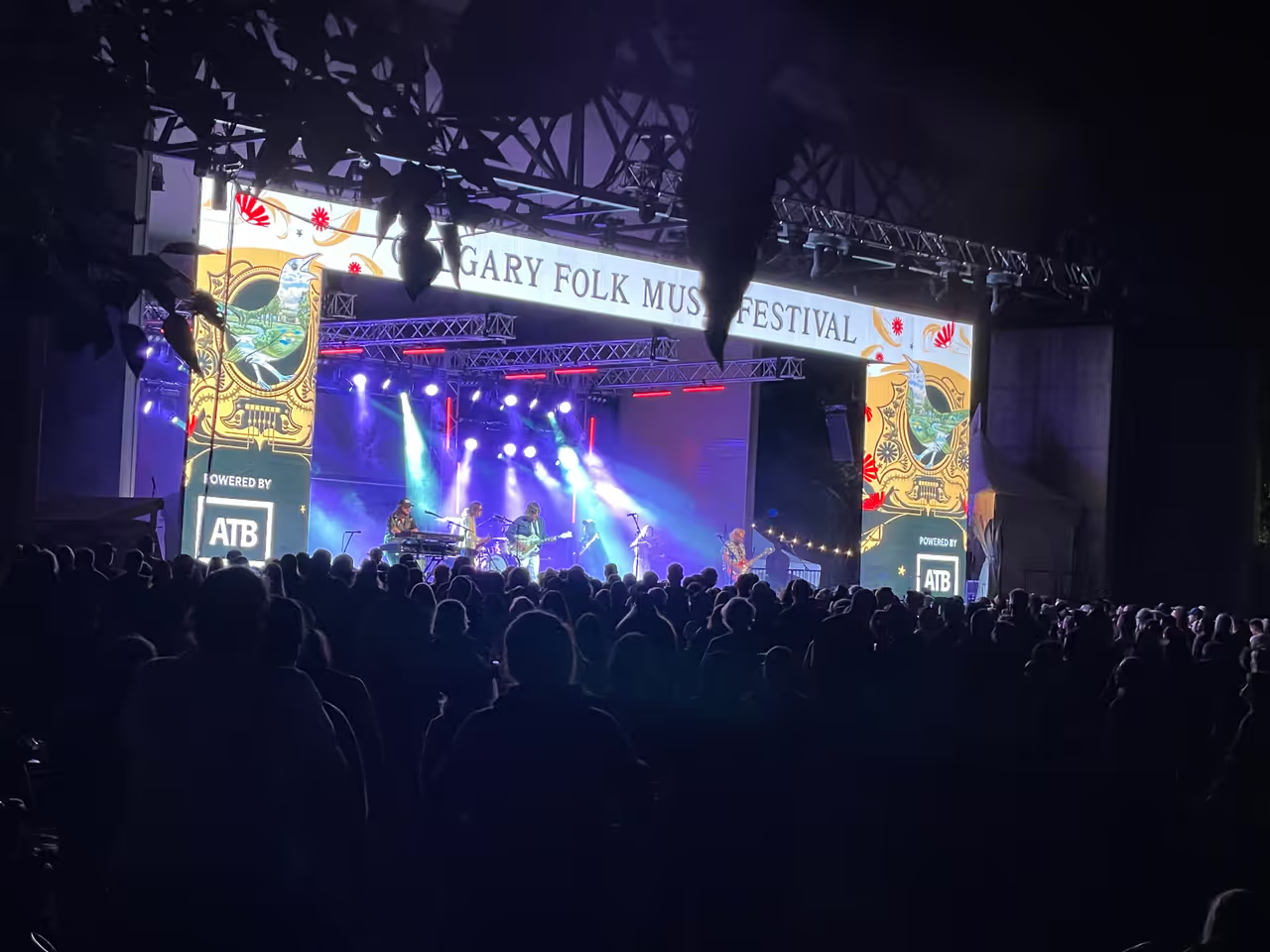
Calgary Folk Music Festival
A beloved outdoor music event held annually on a lush island park in the middle of the Bow River. It features dozens of international and local performers playing across multiple stages in a relaxed, family friendly environment. Visitors bring tarps and low chairs to enjoy genres far beyond traditional folk, including indie, funk, and world music. The laid back atmosphere and scenic setting make it a perfect summer weekend.
Insider Tips
Take full advantage of the free fare zone on the C-Train, which allows you to ride without a ticket between City Hall and the Downtown West/Kerby stations.
Familiarise yourself with the Plus 15 skywalk system during winter months, as it connects major downtown buildings and shopping centres without you ever having to step out into the freezing cold.
Always dress in layers regardless of the season, as the weather can change dramatically in a matter of hours due to the unpredictable Chinook winds.
Pedestrians have the absolute right of way at marked crosswalks, and local drivers are notoriously polite about stopping, so be mindful of local traffic etiquette.
If driving in winter, beware of black ice on elevated bridge decks and ramps, especially in the days immediately following a major snowfall.
Skip the generic chain restaurants and seek out a local spot to try authentic ginger beef, a culturally significant dish that originated right here in the city.
PERFECT FOR
Perfect for outdoor enthusiasts eager to explore extensive urban pathways or tackle the nearby Rocky Mountains. It strongly appeals to road trippers, families looking for large open spaces, and anyone captivated by authentic western heritage paired with modern culinary sophistication.
VIBE
The atmosphere blends an infectious entrepreneurial energy with a relaxed, outdoorsy charm. It feels like a place where residents work hard amidst gleaming modern skyscrapers, only to swap their business attire for hiking boots the moment the weekend arrives.
Frequently Asked Questions about Calgary
While we strive to keep this information accurate and up to date, we recommend verifying any details independently before making decisions based on them.