Prater
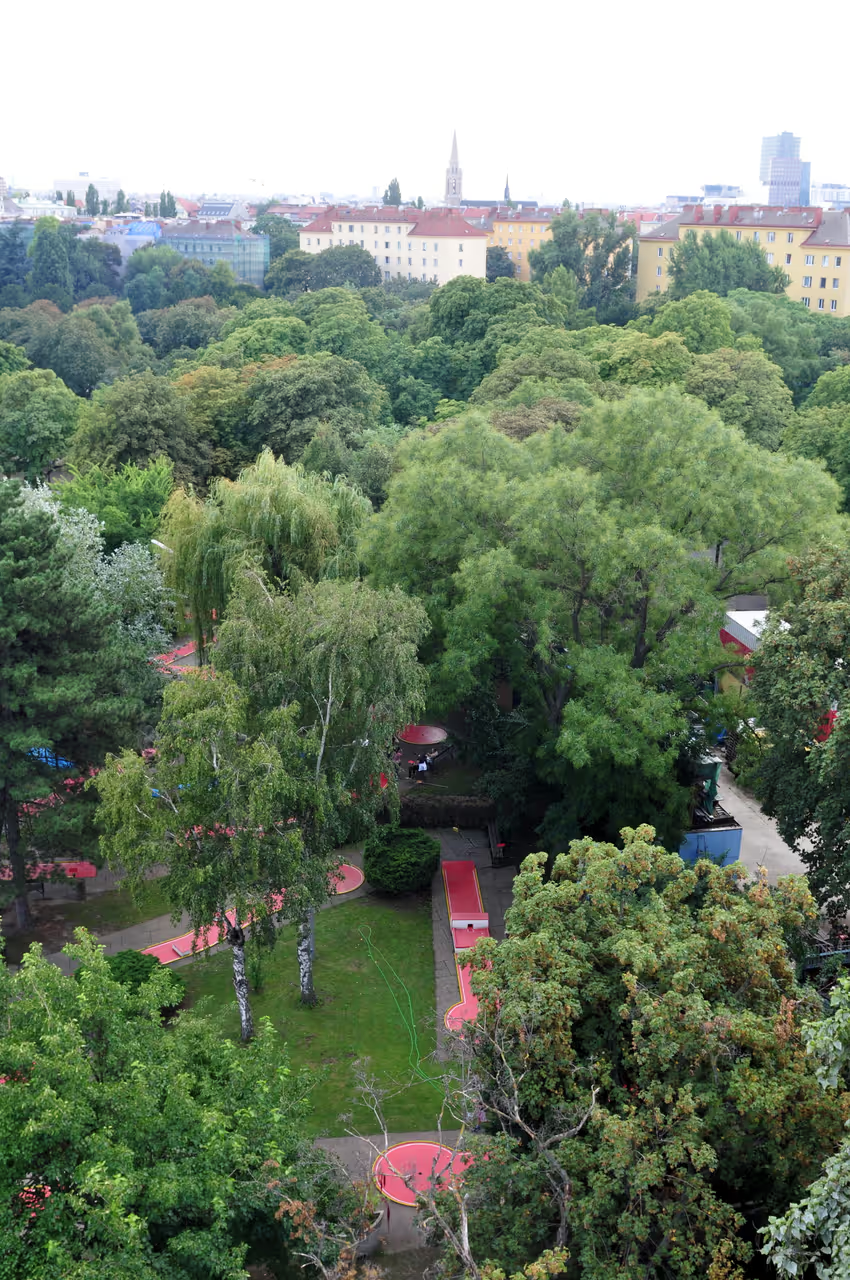
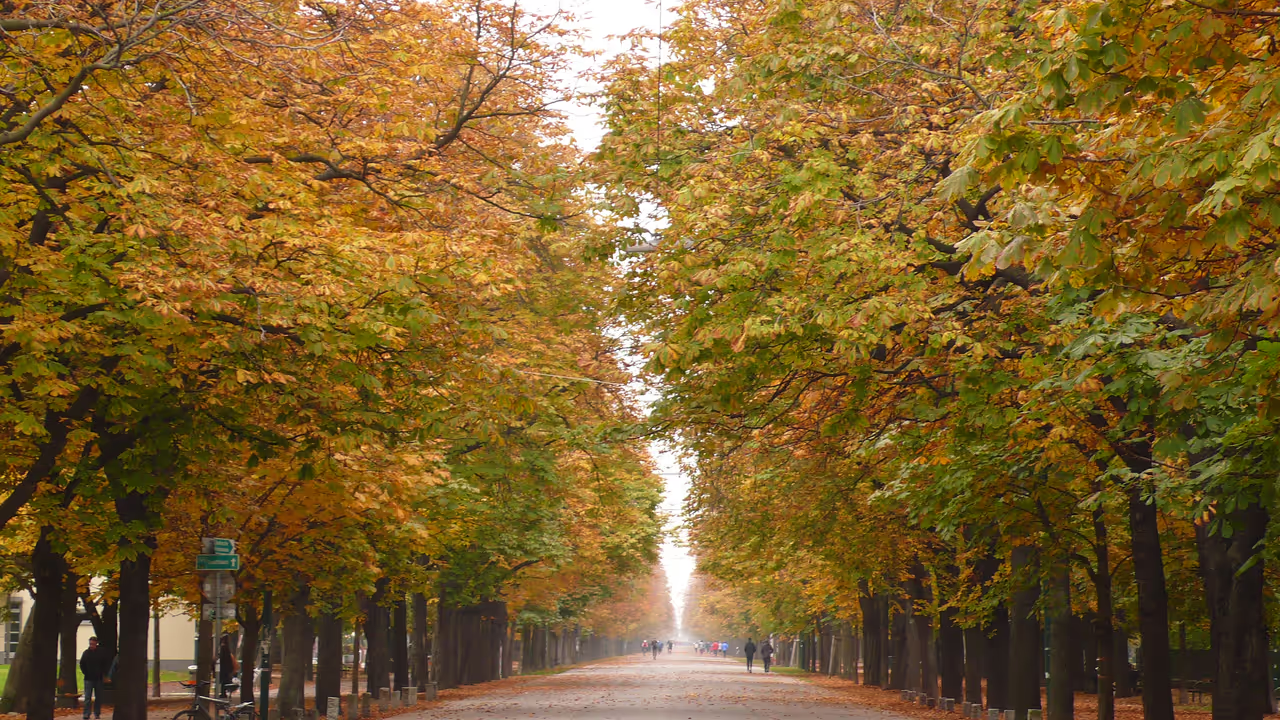
Once an exclusive hunting ground reserved solely for the imperial gaze, the Prater has transformed into the beating green heart of Vienna. Whether you are looking for the nostalgic thrill of century-old rides or a quiet escape into the hardwood forests of the Danube floodplains, this sprawling expanse offers a unique duality. It is a place where history meets modern recreation, stretching over six square kilometres of meadows, avenues, and amusement areas. Visitors can walk the iconic four-kilometre Hauptallee, cycle through nature, or experience the world-class sporting facilities that define the city's active lifestyle. This is a space that belongs to the people, preserving a regal legacy while inviting everyone to enjoy its charm.
Videos
History of Prater
The history of the Prater is the story of Vienna slowly opening its arms to the world. For centuries, this expansive forest served as the private domain of emperors. It was a place of exclusivity where royalty chased game through dense woods and the common citizen was strictly forbidden from entering. The landscape was shaped by the needs of the court, with long, straight avenues carved through the trees to provide clear lines of sight for the hunt. The forest stood as a symbol of imperial power, a silent backdrop to the affairs of the Holy Roman Empire. The turning point came in 1766, a year that forever altered the park's identity. Emperor Joseph II, in a move that championed the Enlightenment, opened the gates to all. This decision transformed the imperial hunting ground into a public garden. Coffee houses sprang up, street performers gathered, and the area began its evolution into a site of communal joy. By the 19th century, the park hosted the World Exposition, cementing its status as an international stage. The massive Rotunde dome, built for the exhibition, became a symbol of industrial ambition, marking the park's role as a place for grand civic milestones. Today, the Prater remains a sanctuary that defies the typical concrete constraints of a capital city. It has survived wars, floods, and the encroaching development of urban life, yet it remains a vibrant, breathing ecosystem. It is where you find the lingering echoes of the empire in the architecture of the Lusthaus, the playful energy of the amusement park, and the quiet serenity of the meadows. The spirit of the Prater is one of continuity, a place where history is not merely preserved in books but is experienced daily by the people walking beneath the ancient poplars.
Events spanning 616 years
Fun Facts
- • During the revolutionary year of 1848, the park became a flashpoint for social unrest, hosting the Praterschlacht where the Vienna National Guard clashed with workers.
- • Eliud Kipchoge made history on the Hauptallee in 2019 when he became the first human to run a full marathon in under two hours, specifically chosen for the route's flat and straight terrain.
- • Following the massive Danube regulation project of the late 19th century, the park's ecosystem changed as flowing river branches transformed into stagnant bodies of water, creating unique habitats.
- • Joseph II's decision to open the park was a radical move for the era, prioritising the accessibility of leisure for common citizens over the privacy of the nobility.
- • Nature thrives within the city limits here, where observant visitors can spot wild beavers, Aesculapian snakes, and rare birds inhabiting the remnants of old Danube river branches.
- • The 1873 World Exposition saw the construction of the Rotunde, a massive building with a dome that measured 108 metres in diameter, dwarfing all other structures in the world at that time.
- • The Hauptallee is lined with grand chestnut trees, a feature established centuries ago when the path was cleared to connect the Augarten directly to the imperial hunting grounds.
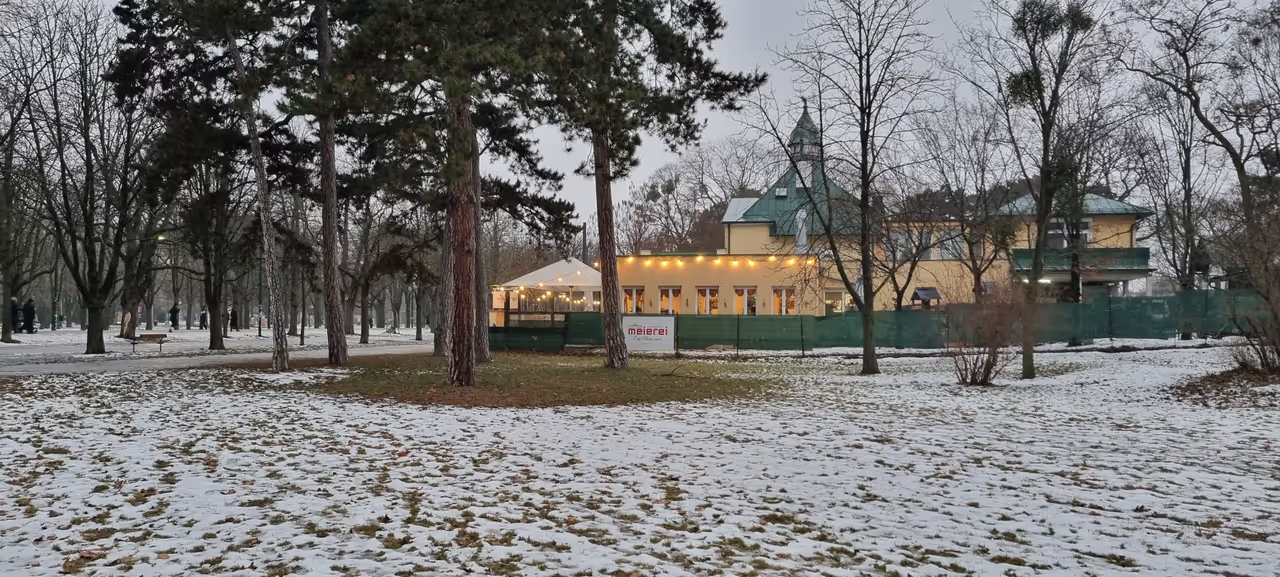
- • The Lusthaus, now a refined café, originated in 1538 as a hunting lodge, illustrating how structures in the park have evolved alongside the changing needs of Viennese society.
- • The name Wurstelprater, referring to the amusement area, derives from the Hanswurst character, a beloved figure in traditional folk comedy.
- • The park features over 127,000 square metres of dedicated playgrounds and sports fields, making it a cornerstone of Viennese health and recreation.
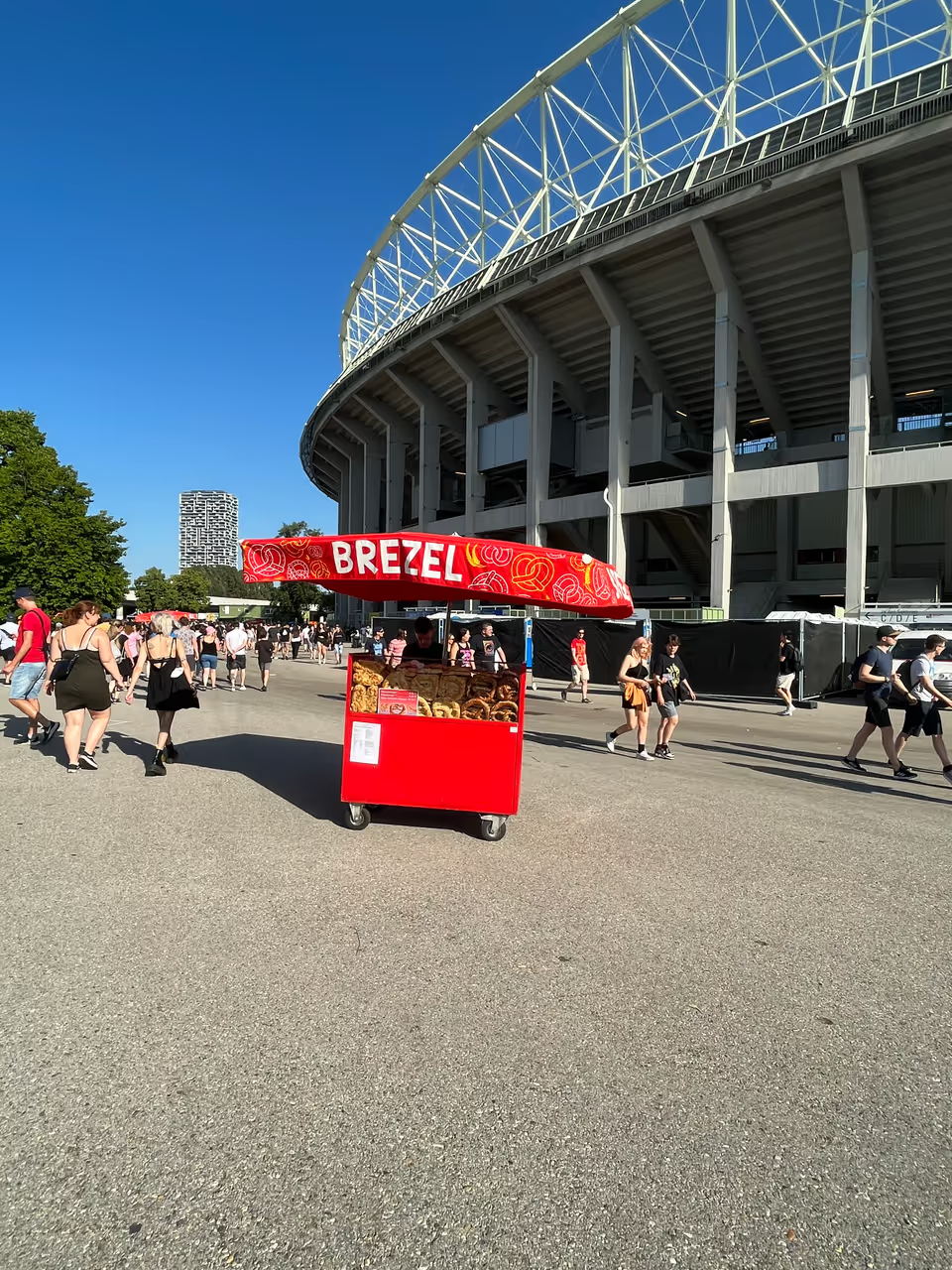
- • The stadium located within the park grounds was once considered the most modern in Europe, featuring a drainage system capable of drying the field in mere minutes during the 1930s.
RESOURCES
Official WebsitePrater FAQ
While we strive to keep this information accurate and up to date, we recommend verifying any details independently before making decisions based on them.
Prater Map & Neighborhood Explorer
This interactive map is centered on Prater. Zoom in and move the map around to automatically discover Wikipedia photos and summaries of other nearby sights, monuments, and historical points of interest and stories in real-time!
Places near Prater
Make the most of your trip. Check out these top-rated spots located nearby.
 35m
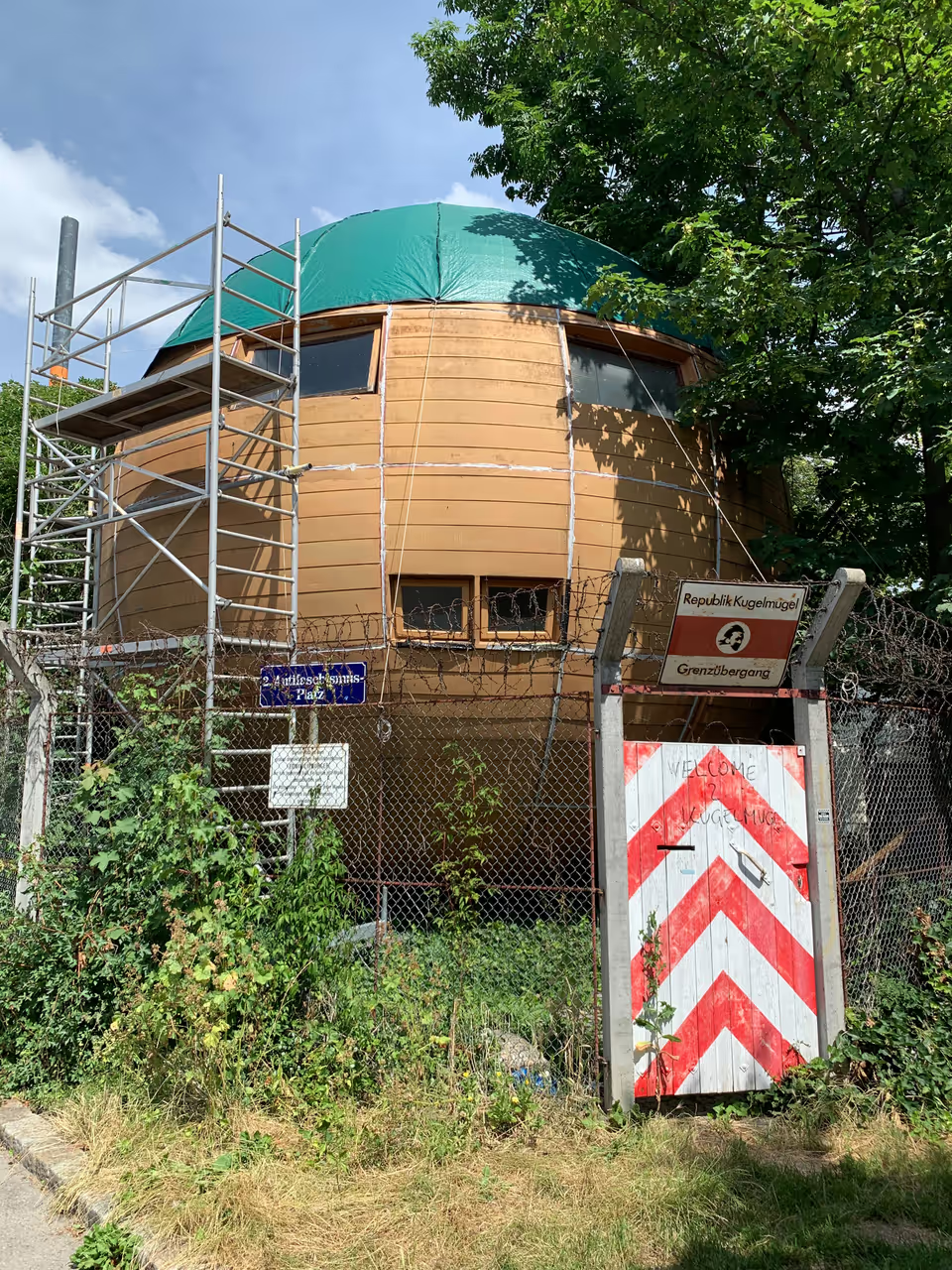
35mRepublic of Kugelmugel
Located in a quiet corner of the Prater park, this bizarre, spherical wooden house declared itself an independent micro-nation in 1984. It was created by an eccentric artist after disputes with the city over building permits for his unusual round structure. Surrounded by a barbed wire fence and official looking border signs, it is a hilarious monument to artistic rebellion. Though you cannot normally enter, observing the strange orb and reading its declarations of independence is highly entertaining.
hidden gem view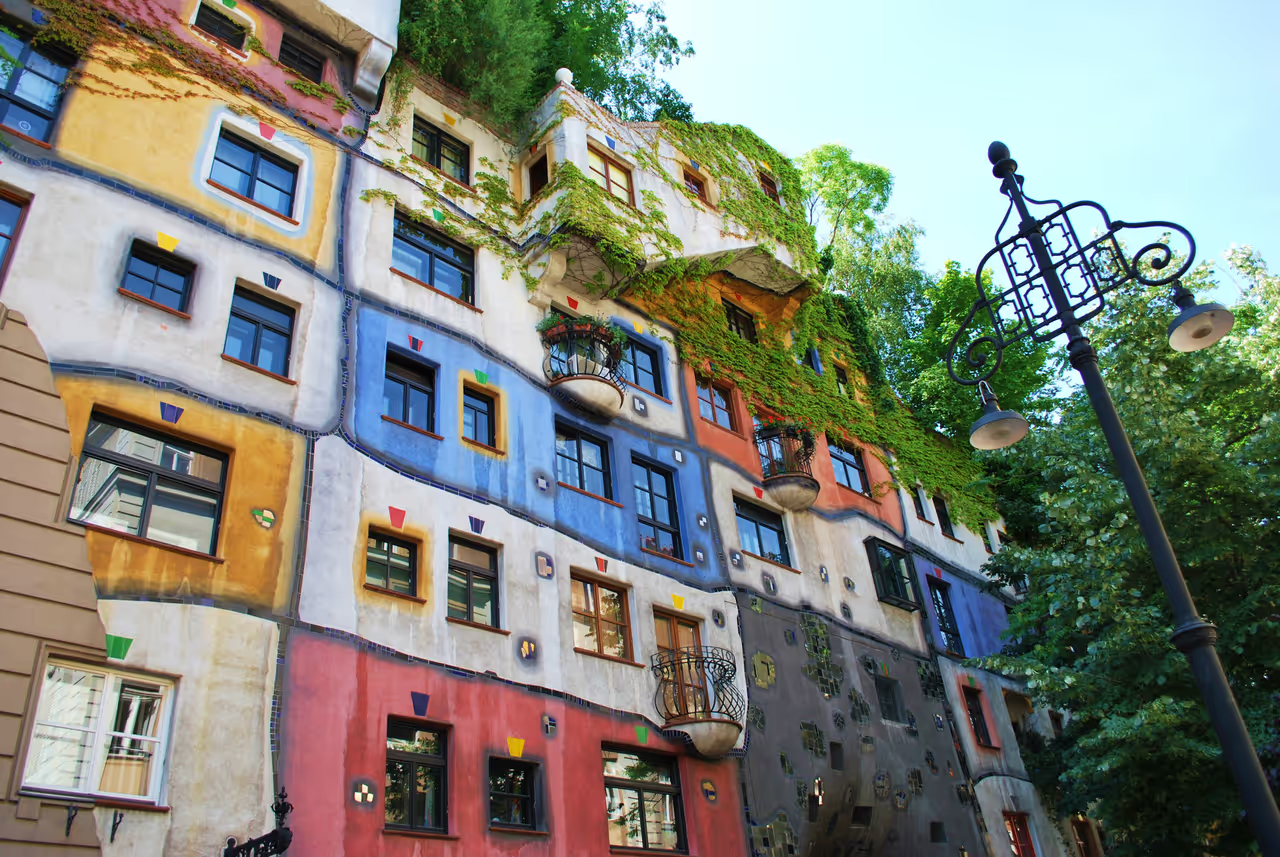 934m
934mHundertwasser Village
Located directly opposite the famous apartment block, this small commercial centre was designed by the same eccentric artist in his signature, wavy style. The interior features undulating tile floors, tree trunks growing through the middle of the room, and wildly colourful mosaics. It offers a dense, psychedelic background that makes for incredibly vibrant and unusual photographs.
photo spot view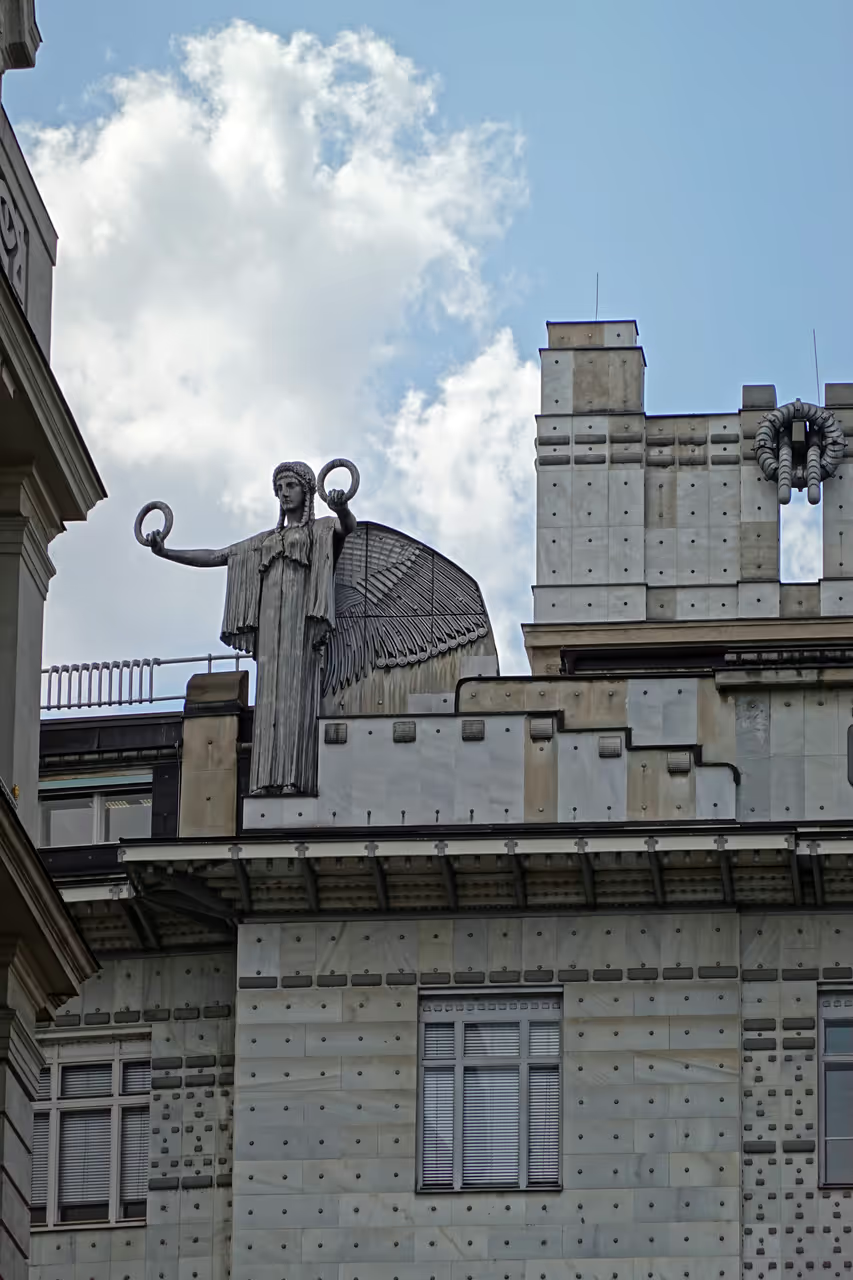 1295m
1295mAustrian Postal Savings Bank
Designed by Otto Wagner, this is one of the most important early modern buildings in the world. It completely discarded the ornate decorative styles of the era, opting instead for a facade clad in marble plates secured by exposed aluminium bolts. The interior banking hall is a marvel of functionalism, utilising a glass block floor to allow natural light to penetrate the spaces below. It marked a radical shift towards viewing architecture as a practical, technological art form.
architecture view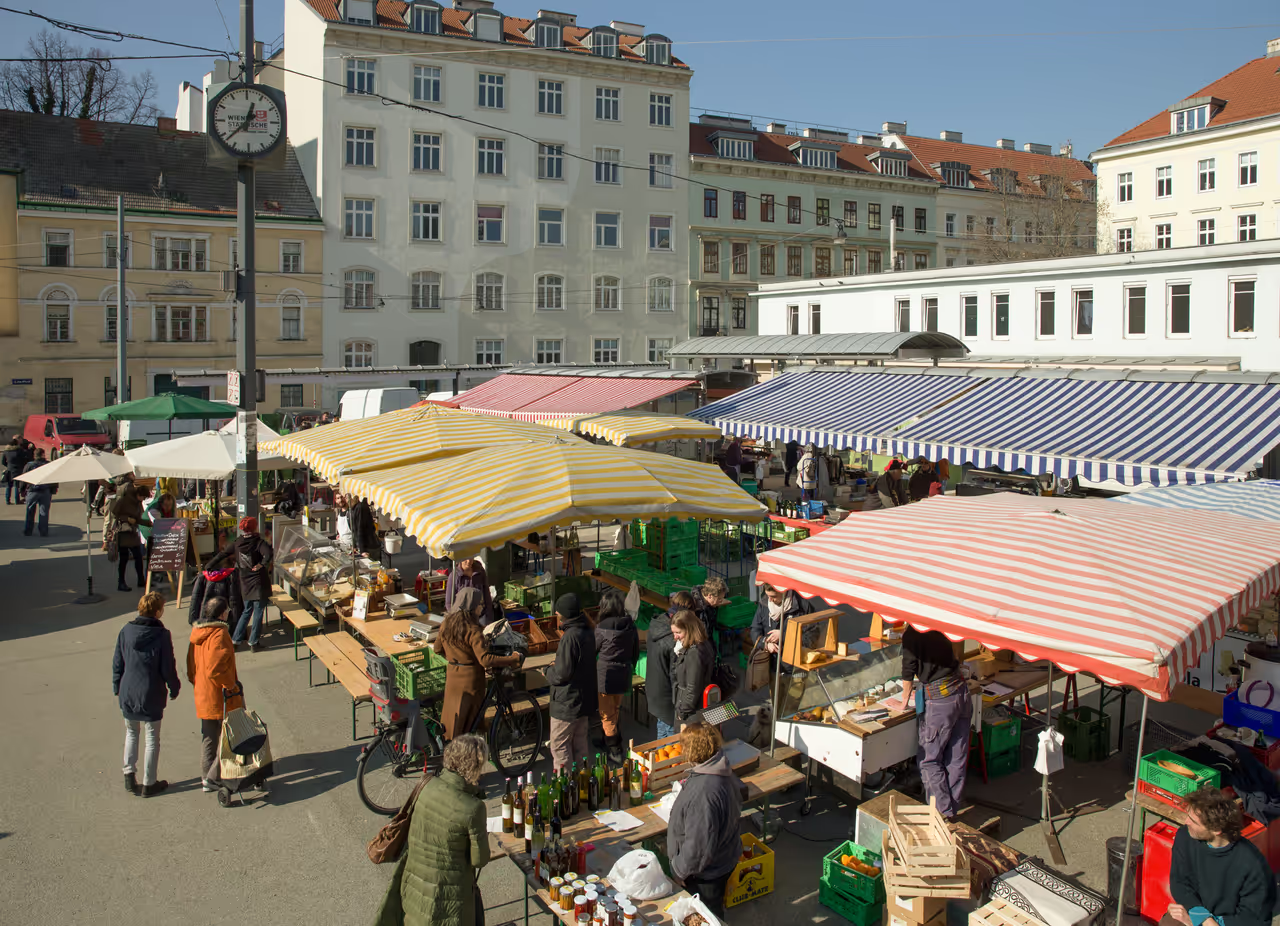 1407m
1407mKarmeliter Quarter
Situated just across the canal from the first district, this formerly quiet residential area has blossomed into a trendy evening destination. The nightlife here revolves tightly around the neighbourhood's excellent culinary scene, with many restaurants operating as lively bars late into the night. You will find superb wine bars serving natural Austrian vintages and cosy pubs offering local craft beers. It remains relatively free of large tourist crowds.
nightlife view
Featured on These Itineraries and Routes
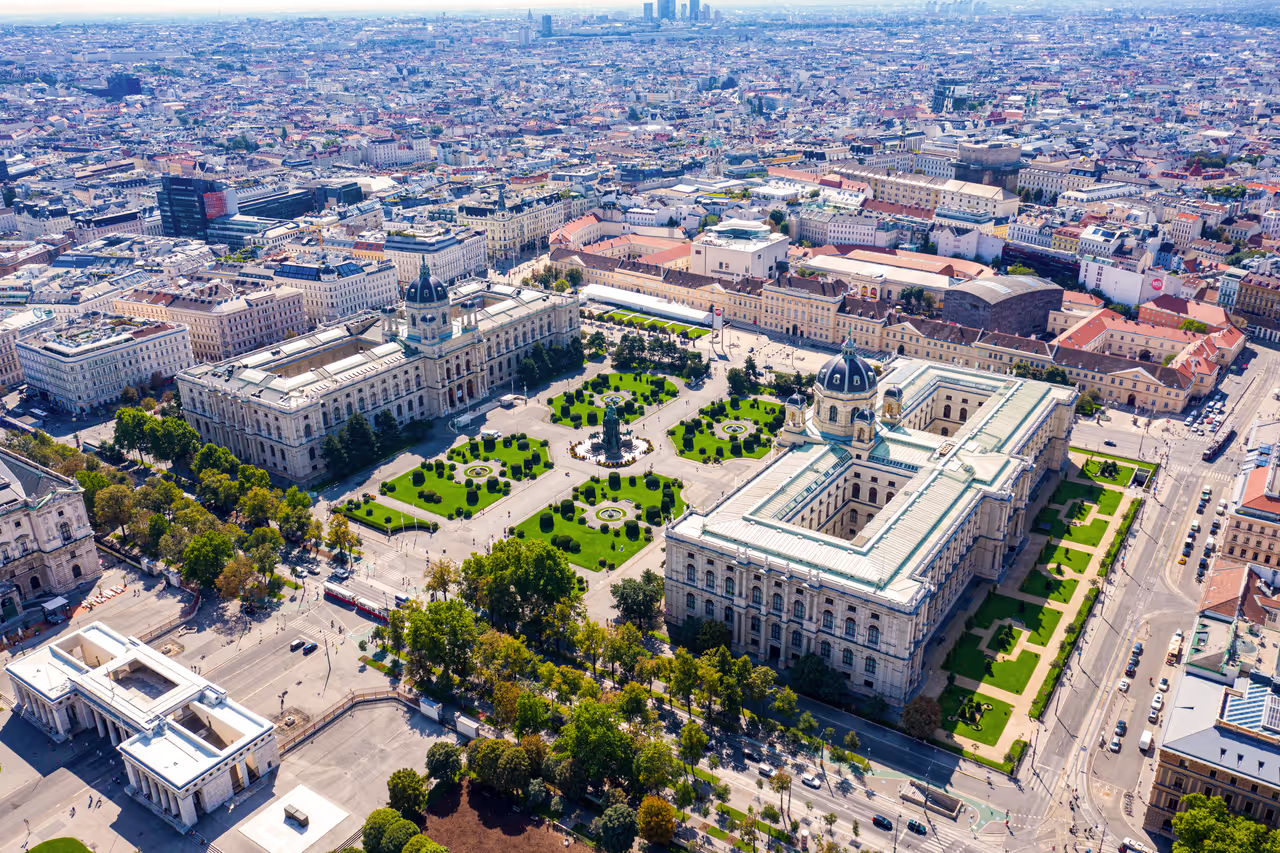
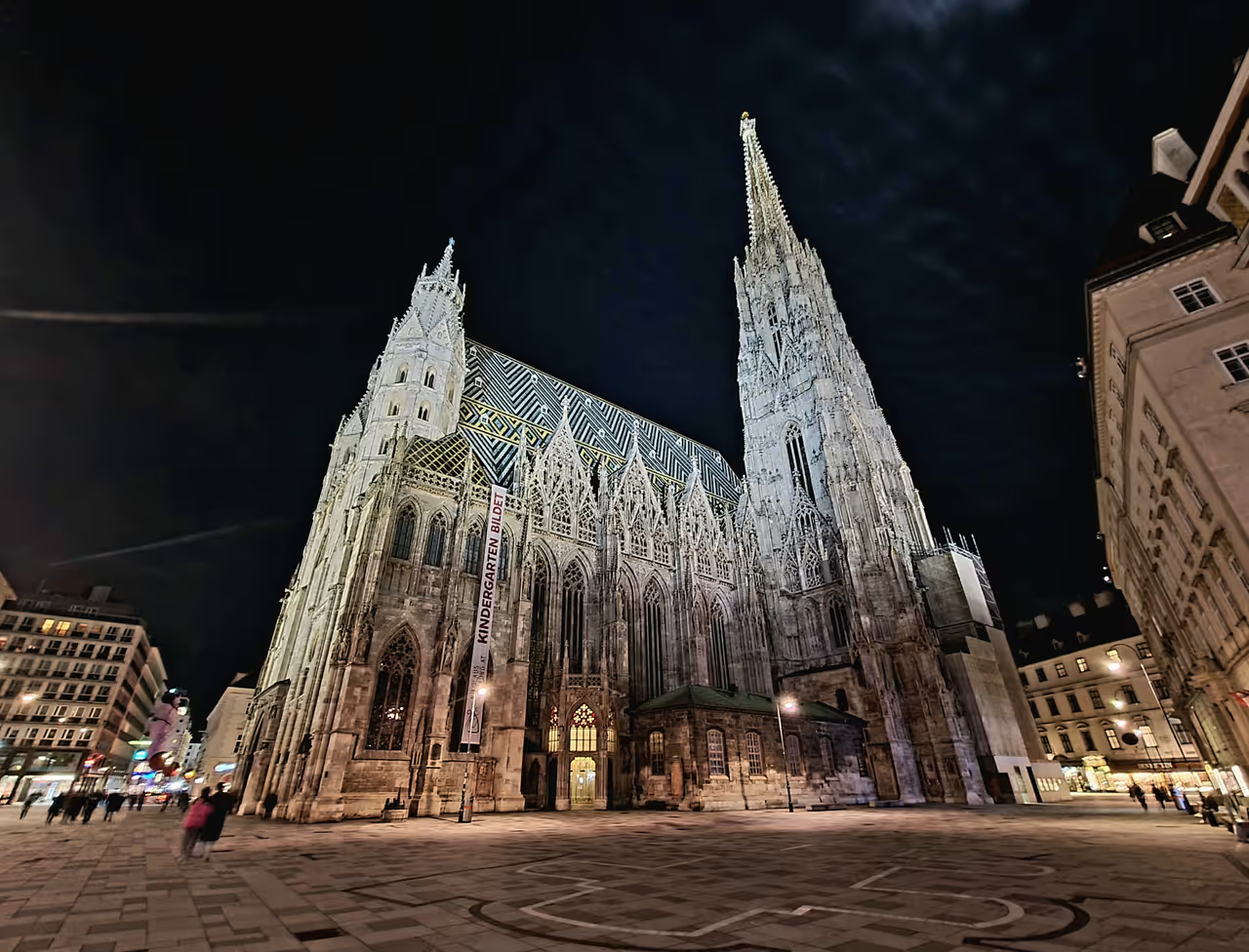
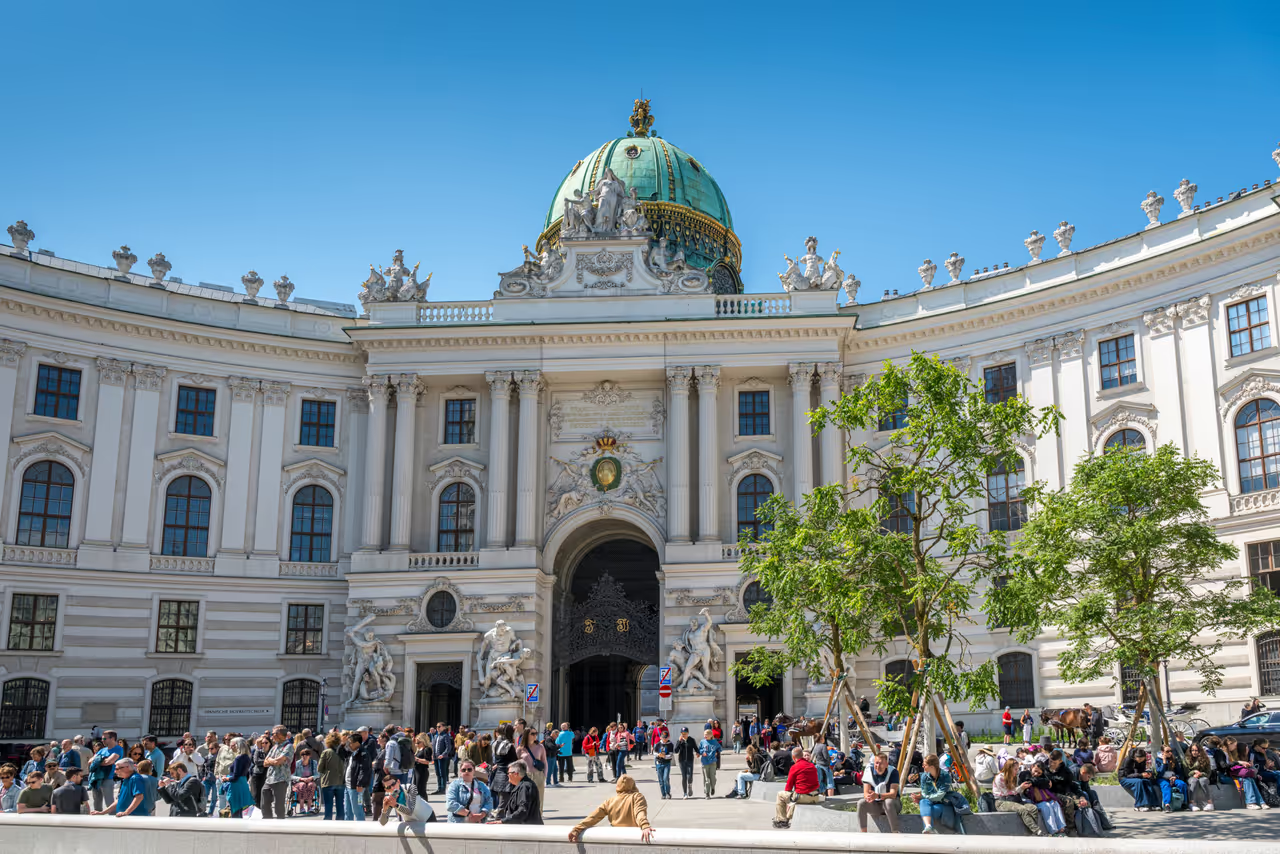
3 Days in Vienna: Culture and History Itinerary
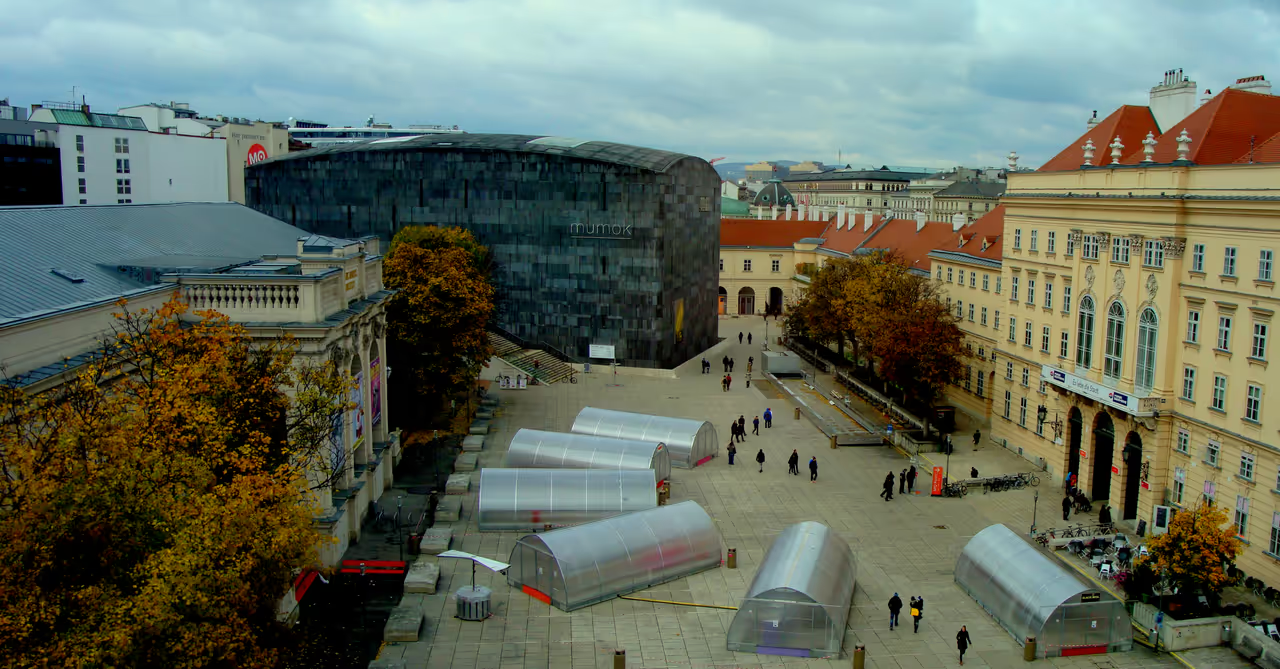
This balanced itinerary allows you to explore the dense inner city, the sprawling summer palaces, and the renowned art collections. You will experience the city's unique culinary scene and view its iconic skyline from multiple perspectives. It offers a well rounded view of the classical and the quirky sides of the capital.
view itinerary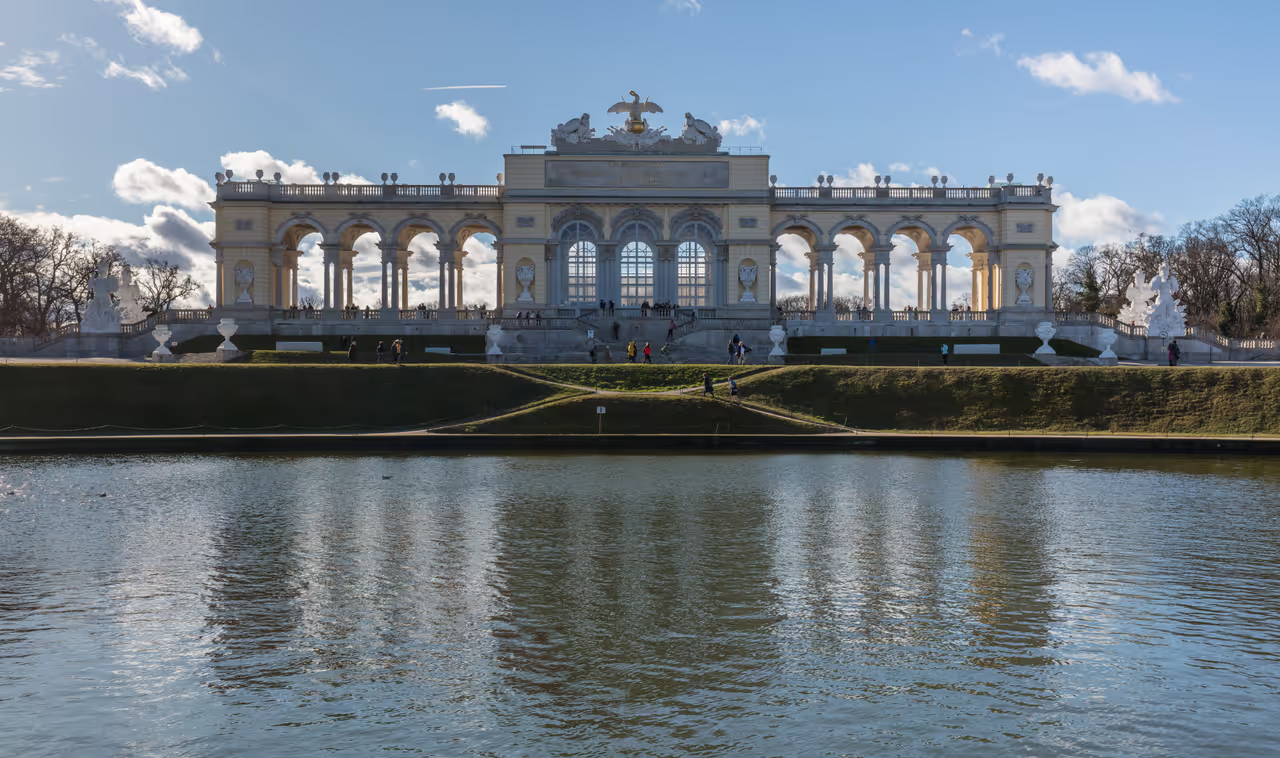
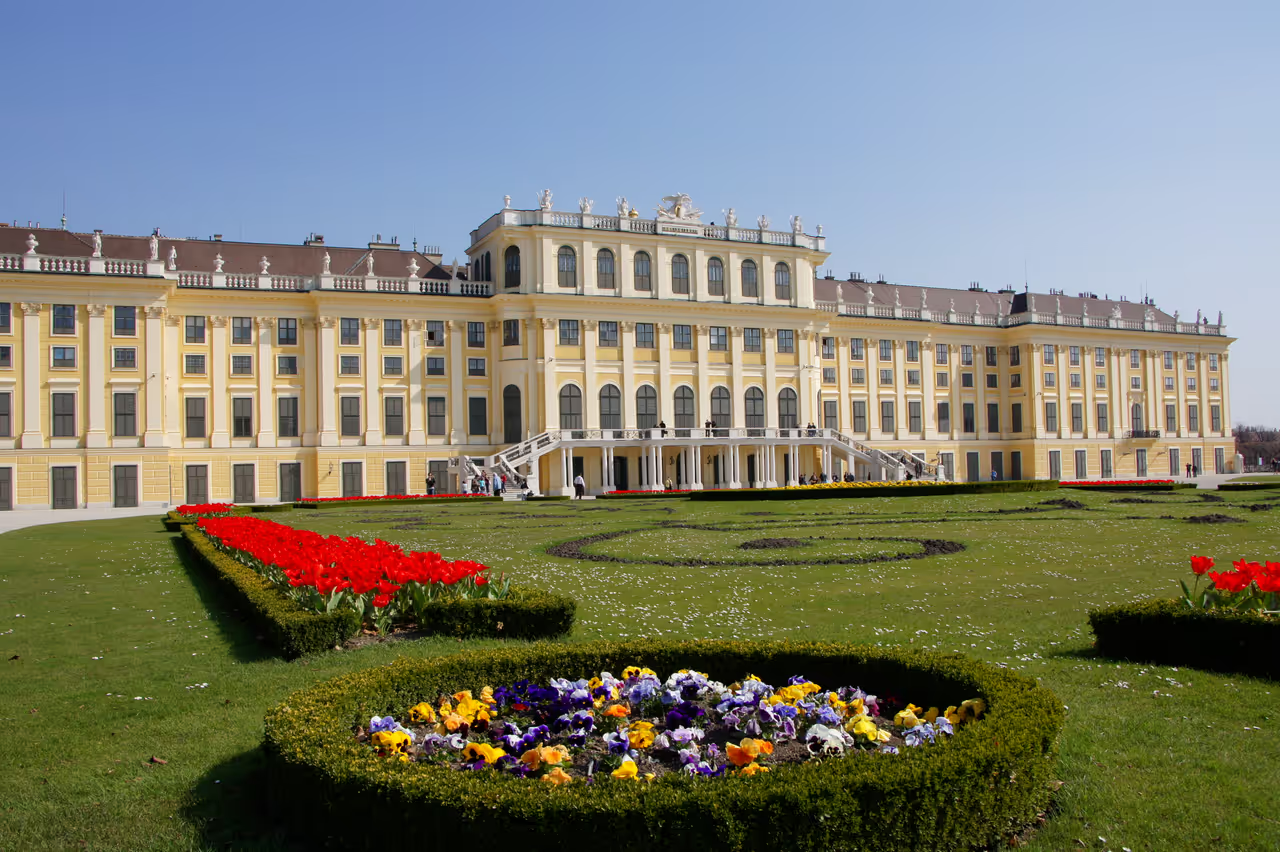
5 Days in Vienna: In-Depth Experience Itinerary
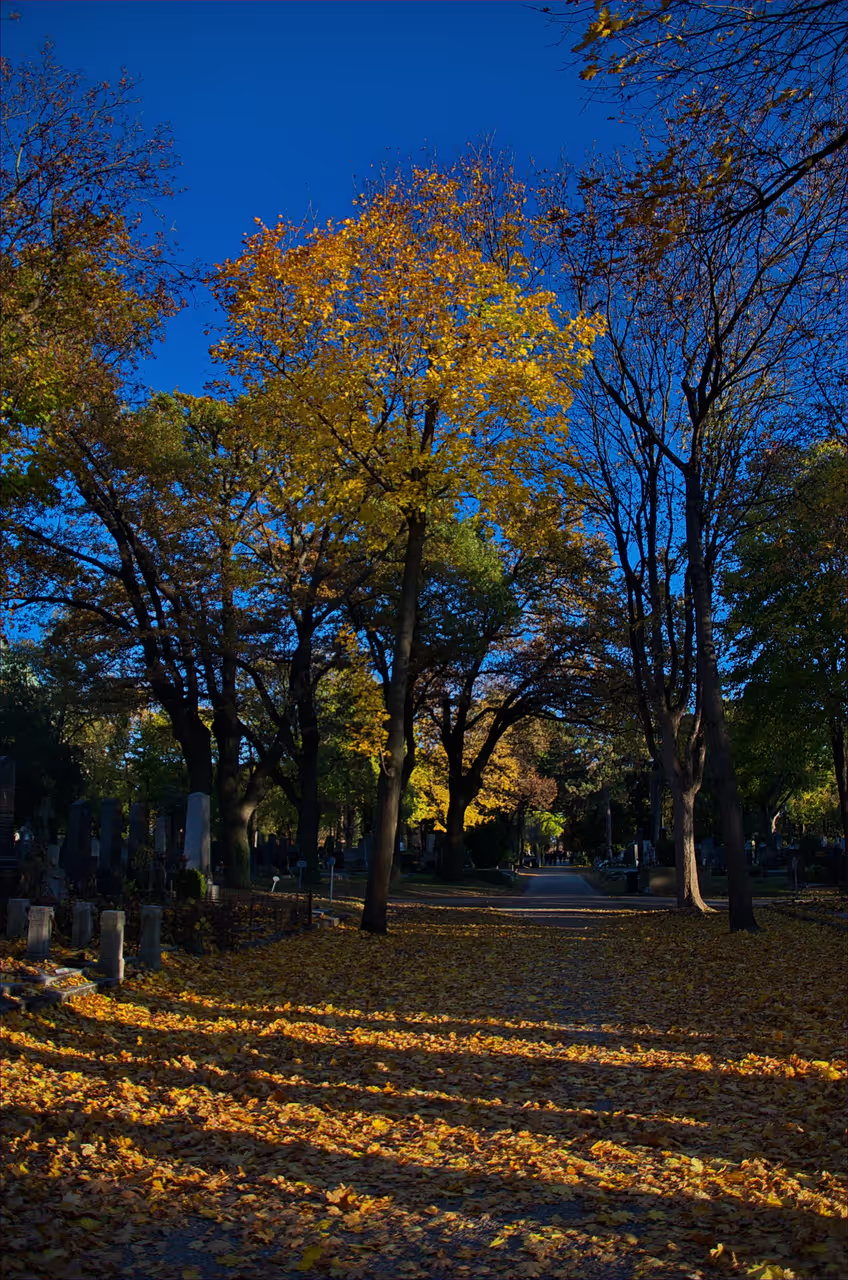
A comprehensive journey that moves beyond the typical tourist sights to include modernist architecture, natural escapes, and contemporary culture. This plan gives you time to appreciate the city's green spaces, relax in its historic cemeteries, and explore the riverfront. It is the ultimate way to understand how the capital functions today.
view itinerary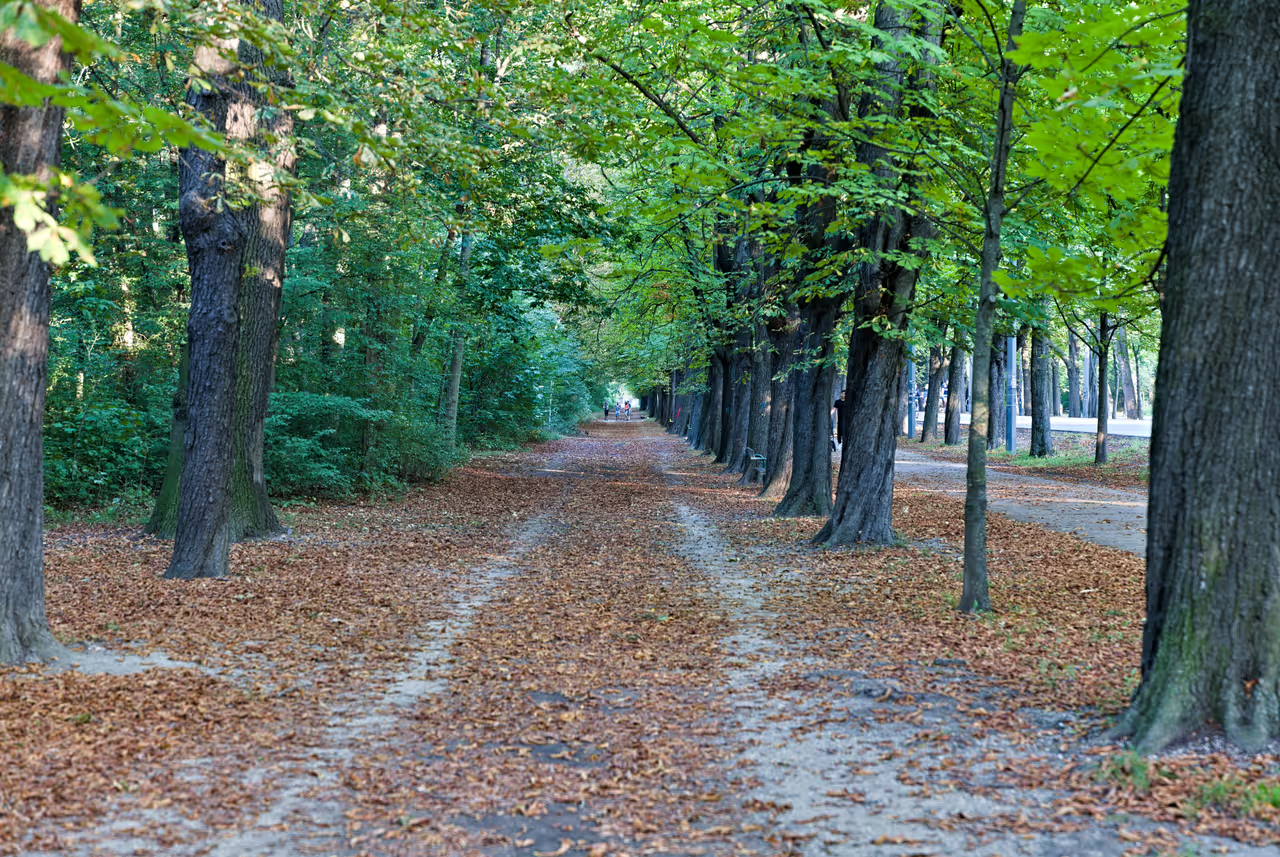
Prater Park Greenway
Ride down the famously straight, tree lined avenue that cuts through the heart of the city's largest public park. Surrounded by dense woodland, this historic path was once reserved for imperial carriage rides. It provides a flat, shaded journey that blends nature with iconic entertainment landmarks.
view cycling route
See all attractions in Vienna
Albertina, Belvedere, Hofburg, Kunsthistorisches Museum, St. Stephen's Cathedral...