Ancient Citadel of Erebuni
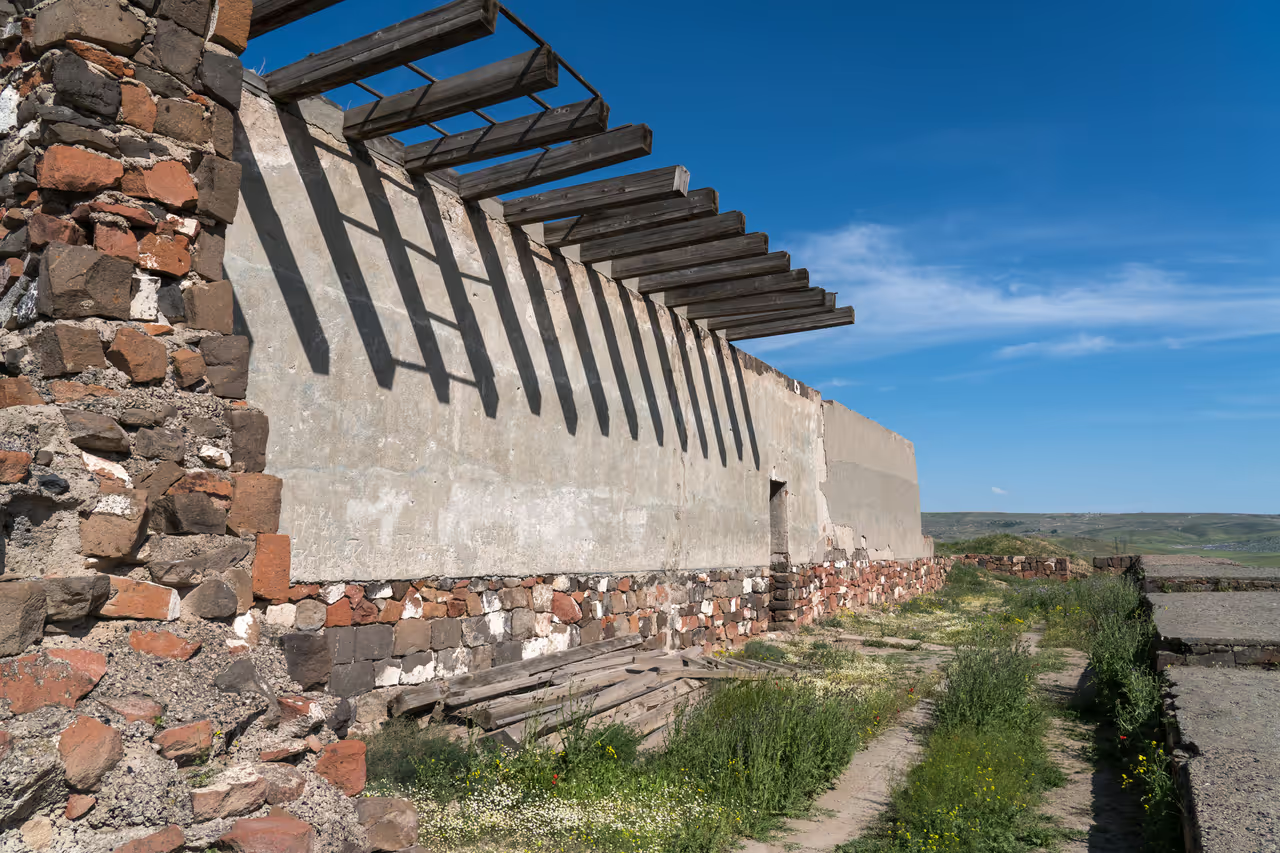
Step back in time to the very birthplace of Yerevan at Erebuni Fortress, an ancient site that predates even the grandeur of Rome. Perched atop Arin Berd hill, these ruins offer a fascinating glimpse into the Urartian Kingdom, where you can walk the same ground as kings who commanded vast empires nearly three millennia ago. The site serves as a vital historical anchor, connecting the modern capital to its deep, storied past. Visitors are often struck by the sense of mystery clinging to the ancient stone foundations and the remarkably preserved wall paintings that once adorned royal chambers. Exploring this citadel allows you to wander through remnants of palaces, temples, and storage rooms, imagining the vibrant life that filled these corridors. It is a must visit for anyone eager to understand the architectural ingenuity and cultural complexity of ancient Armenia.
Videos
History of Ancient Citadel of Erebuni
King Argishti I, a ruler of immense ambition, looked upon the Aras River Valley in 782 BC and saw not a desert, but a blank slate for his legacy. He ordered the construction of Erebuni, a fortress designed to impose order and project power across the wild, newly conquered northern territories. It was built with the sweat of thousands of captives, featuring massive defensive walls that stood as a testament to the might of the Urartian Kingdom. The citadel grew into a sophisticated capital, where royal guards kept watch from the hill of Arin Berd and the god Khaldi was honoured with elaborate rituals in a temple decorated with vibrant frescoes. As the centuries passed and empires rose and fell, the fortress adapted. When the Urartian state crumbled under the weight of relentless foreign invasions, the strategic value of Erebuni remained unquestioned. It seamlessly transitioned into a crucial satrapy for the Achaemenid Empire, continuing its life as a beacon of administration and control. The residents did not abandon this place; instead, they integrated it into their own evolving world. The fortress transformed from a symbol of conquest into the very heart from which the city of Yerevan would eventually emerge and expand. Today, the legacy of Erebuni is celebrated not as a dead ruin, but as a living bridge to the past. The rediscovery of its foundational inscriptions in the mid twentieth century provided tangible proof of Yerevan's ancient roots, sparking a sense of national pride and historical continuity. As you walk through the reconstructed courtyards or stand near the remnants of the ancient granaries, you are touching the literal foundations of the Armenian capital. It remains a powerful reminder of how a single decision by an ancient monarch can resonate for millennia, shaping the identity of a nation long after the kingdom that built it has vanished.
Events spanning 2790 years
Fun Facts
- • Archaeologists unearthed massive ceramic vessels, some still partially buried in the soil, which were used to keep wine and oil cool during the scorching Armenian summers.
- • Argishti I utilized forced labour to build his new city, moving thousands of prisoners of war from regions like Khate and Tsupani to construct the massive ramparts.
- • Erebuni's name is linguistically linked to the Urartian verb to take or to capture, serving as a permanent record of King Argishti I's military prowess.
- • Inscriptions found at the site confirm that the fortress served as a central storage facility, with one record detailing a capacity of over 24,000 Kapis of grain.
- • Several cuneiform inscriptions carved into basalt blocks remain visible on the site today, allowing visitors to stand exactly where ancient royal decrees were once posted for all to see.
- • The fortress was designed as a royal capital, complete with grand palaces and a specialized temple dedicated to the god Khaldi.
- • The site is a rare example of a continuously occupied location, transitioning from an Urartian military bastion to an Achaemenid administrative centre, eventually evolving into the city of Yerevan.
- • The temple floors were uniquely constructed from wooden planks, a luxurious contrast to the standard stone slabbed floors found elsewhere in the complex.
- • The walls of the citadel functioned as artistic canvases, featuring elaborate frescoes that depicted religious processions, sacred animals, and the iconic Tree of Life.
Ancient Citadel of Erebuni FAQ
While we strive to keep this information accurate and up to date, we recommend verifying any details independently before making decisions based on them.
Ancient Citadel of Erebuni Map & Neighborhood Explorer
This interactive map is centered on Ancient Citadel of Erebuni. Zoom in and move the map around to automatically discover Wikipedia photos and summaries of other nearby sights, monuments, and historical points of interest and stories in real-time!
Places near Ancient Citadel of Erebuni
Make the most of your trip. Check out these top-rated spots located nearby.
 1781m
1781mLyon Park
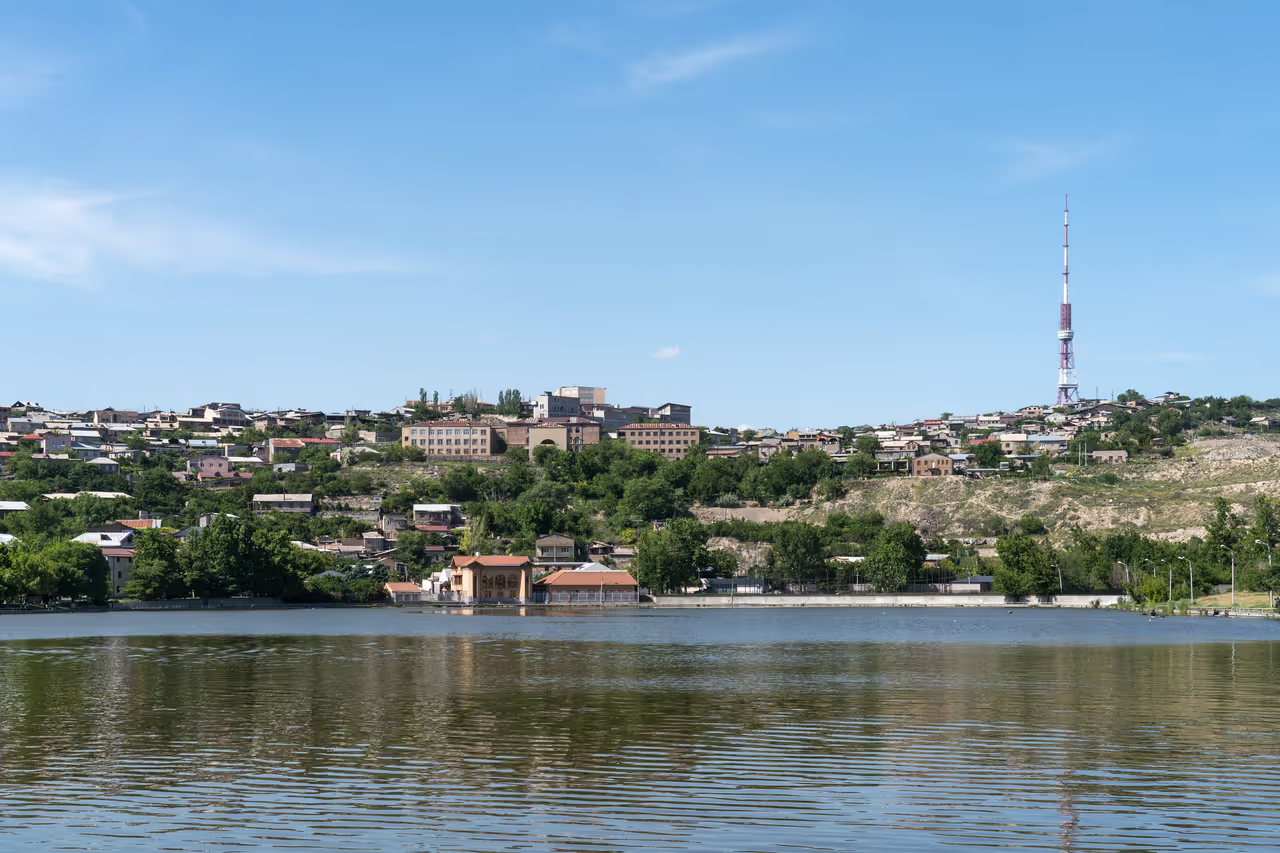
Lyon Park offers a serene escape within the Erebuni district and serves as a beautiful testament to the friendship between Yerevan and its sister city, Lyon. At its heart lies the expansive Vardavar Lake, a massive body of water that provides a refreshing backdrop for a leisurely afternoon stroll or more active pursuits like windsurfing. The park blends ancient history and modern renewal, having been revitalised to offer lush green spaces for locals and visitors to unwind. It remains a tranquil spot where you can enjoy the cool breeze coming off the water while watching the sun set over the city. Whether you are looking for a quiet place to read or a scenic setting for outdoor recreation, this park provides an ideal environment to reconnect with nature right in the city.
park & nature view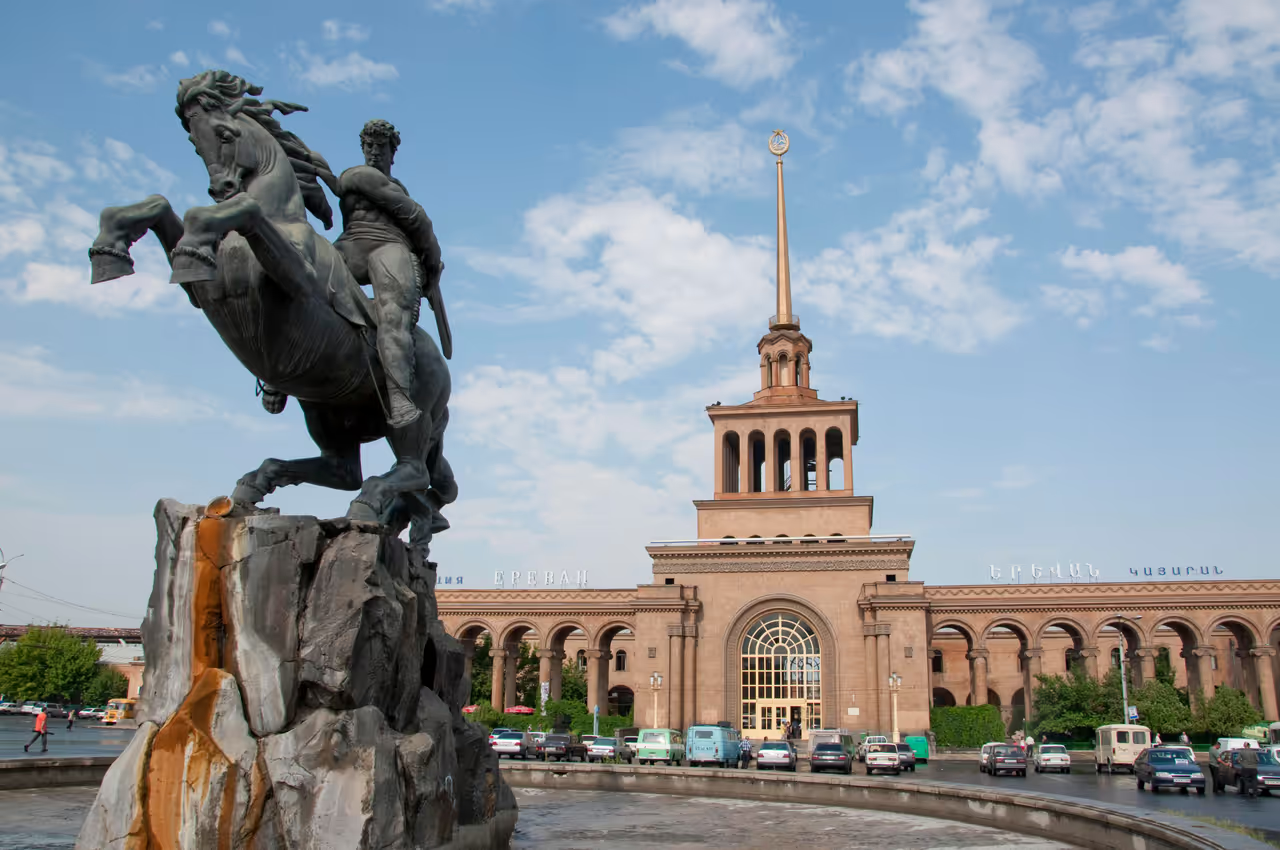 2905m
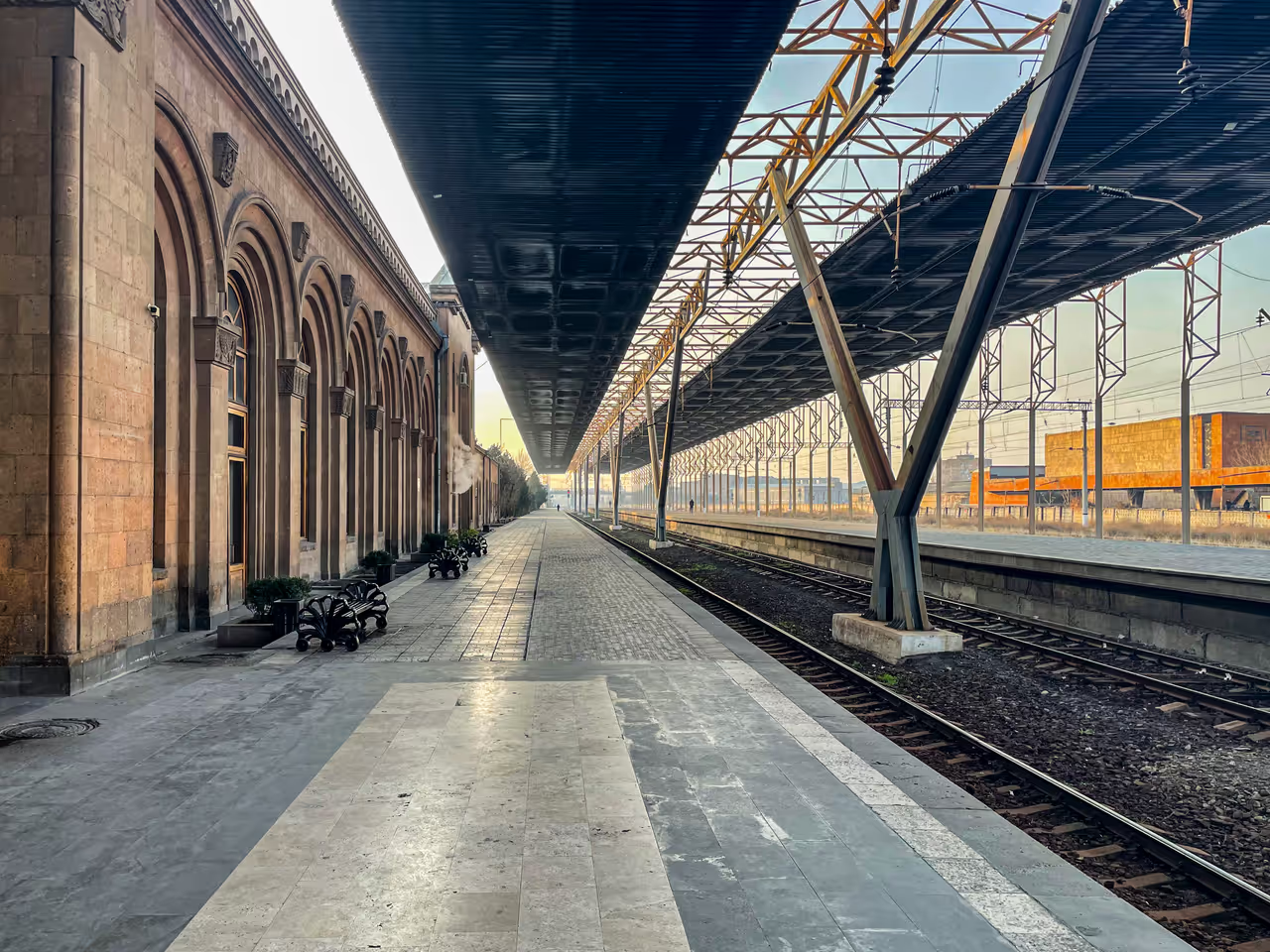
2905mYerevan Central Railway Station
This majestic transport hub is a prime example of grand Soviet neoclassical architecture. The building features a towering central spire topped with a red star, resembling the famous monumental structures of Moscow. The sweeping plaza in front is dominated by the dynamic, copper equestrian statue of the legendary epic hero David of Sasun. Inside, the station is eerily quiet due to limited train services, giving it a fascinating, frozen in time atmosphere. It also houses a small, charming museum dedicated to the history of the local railway.
highlight view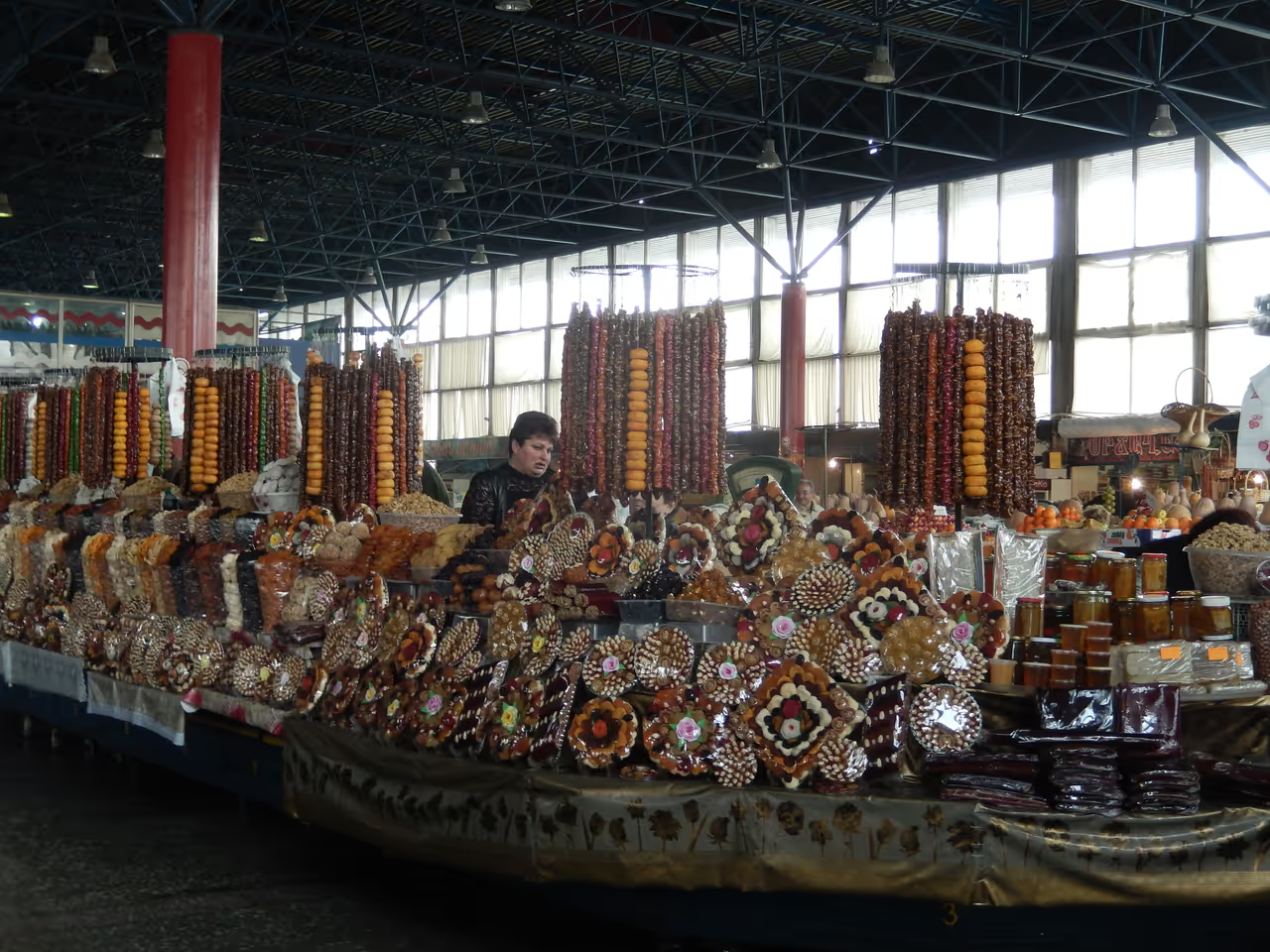 3425m
3425mGUM Market
Stepping into this lively covered bazaar is a feast for the senses. Colourful displays of candied fruits, massive sheets of fresh lavash bread, and aromatic spices line the busy aisles. Vendors are incredibly hospitable, frequently offering generous samples of their cured meats, cheeses, and sweet treats. It offers a highly authentic slice of daily local life away from the polished tourist avenues. The visual appeal of the meticulously arranged dried fruit stalls makes for spectacular photography.
market view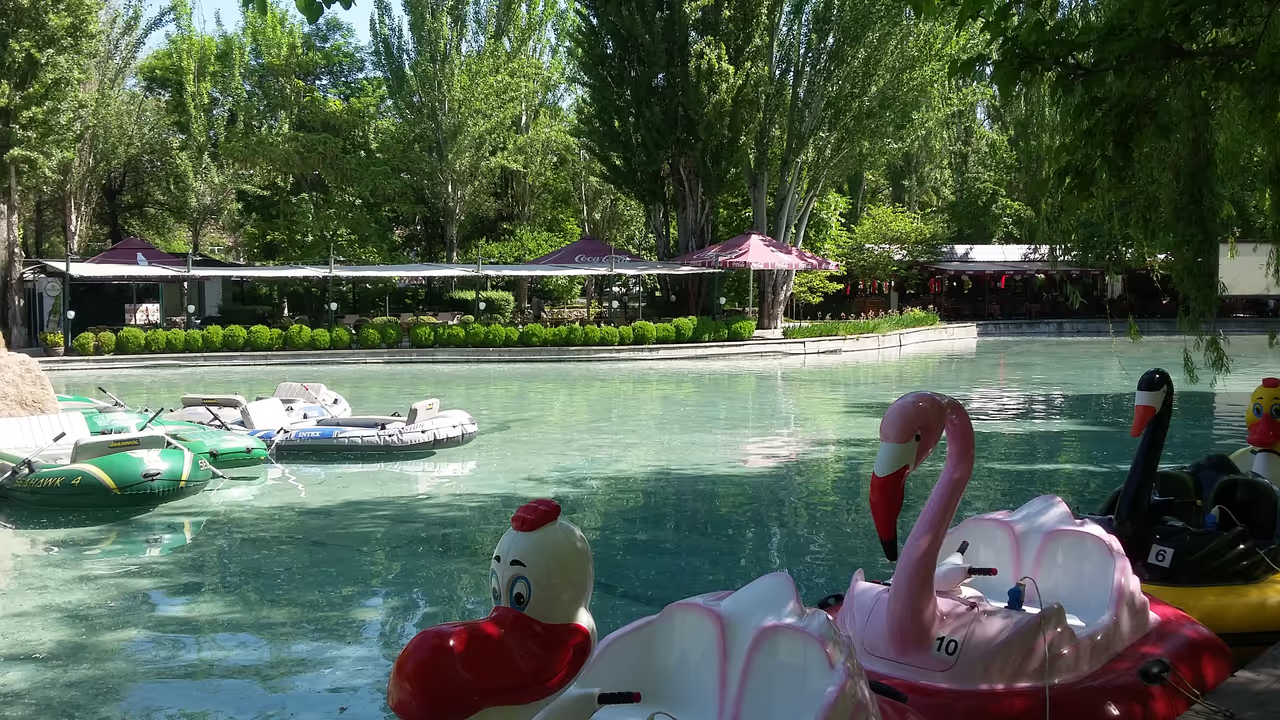 4040m
4040mCircular Park
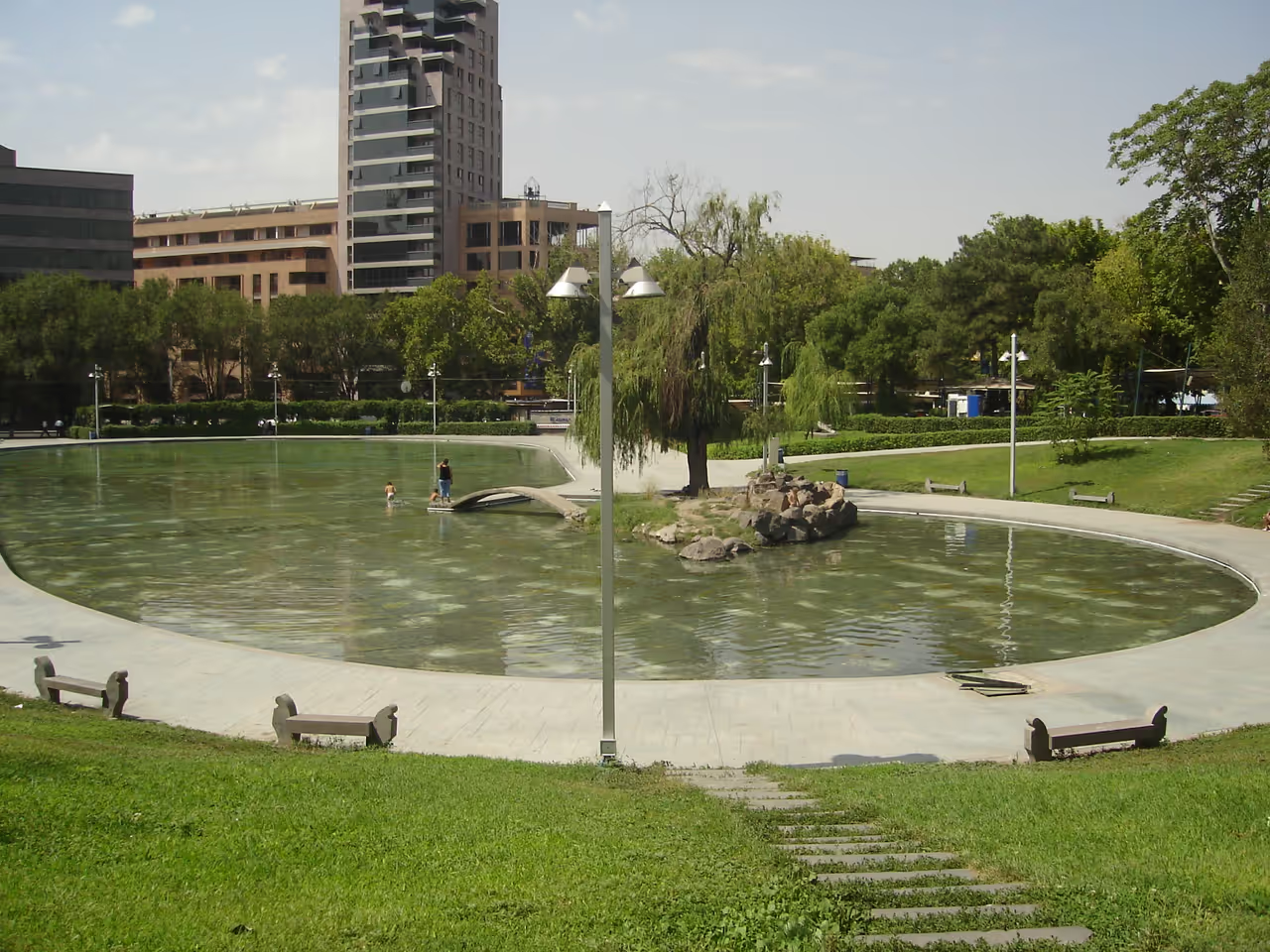
Circular Park serves as the green heart of Yerevan, offering a long, inviting promenade that stretches through the city centre. As you stroll along this beautiful path, you will encounter a remarkable open air gallery filled with monuments honouring poets, national heroes, and famous chess champions. The park creates a seamless bridge between the solemn beauty of the Saint Gregory the Illuminator Cathedral and the vibrant atmosphere of riverside cafes and skate parks. It is a space where residents gather to enjoy the fresh air, engage in intellectual conversations, or simply unwind under the shade of mature trees. Visiting this park is essential for understanding the local lifestyle, as it reflects the unique blend of historic reverence and contemporary energy that defines the capital.
park & nature view
Explore Similar Places in This Collection
Featured on These Itineraries and Routes
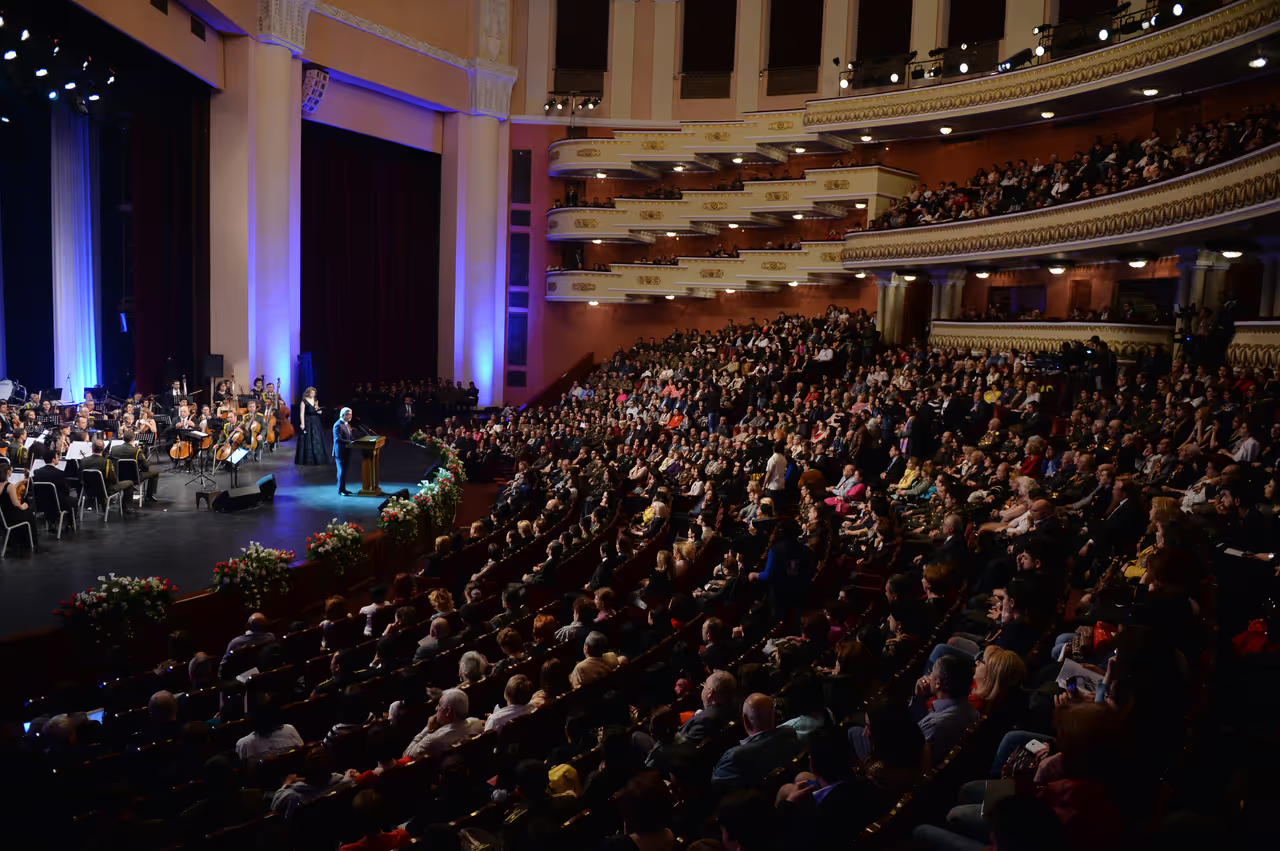
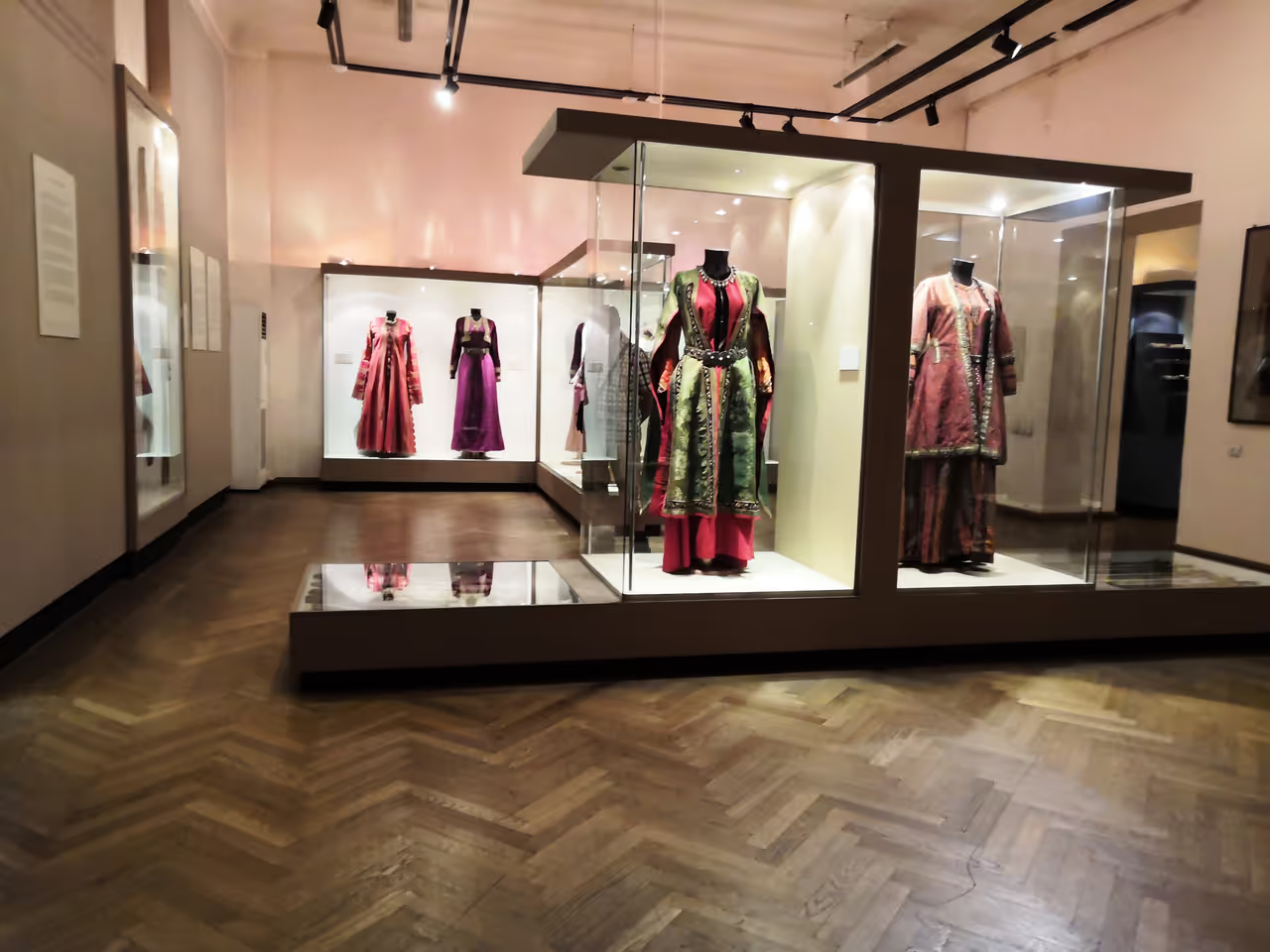
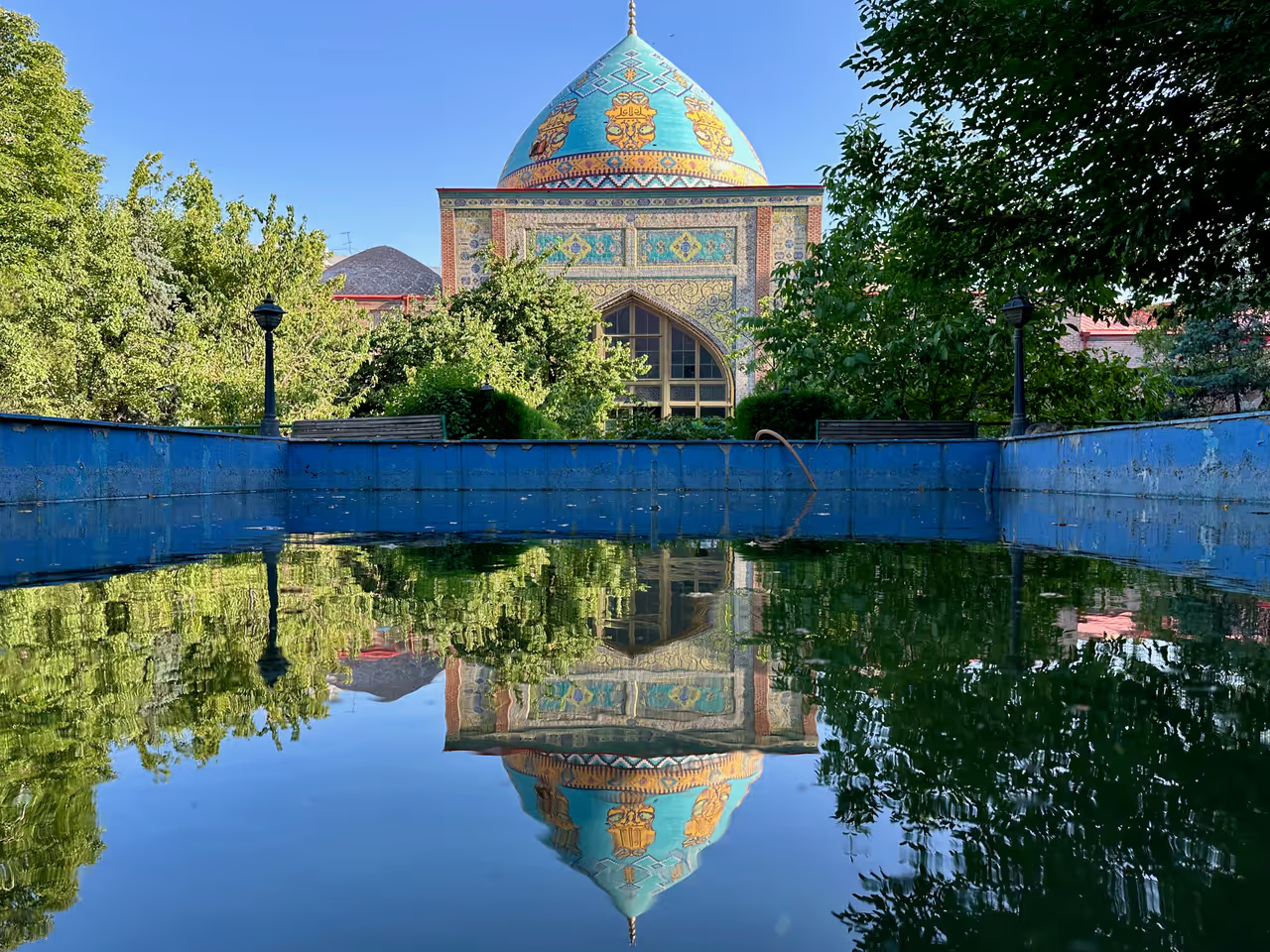
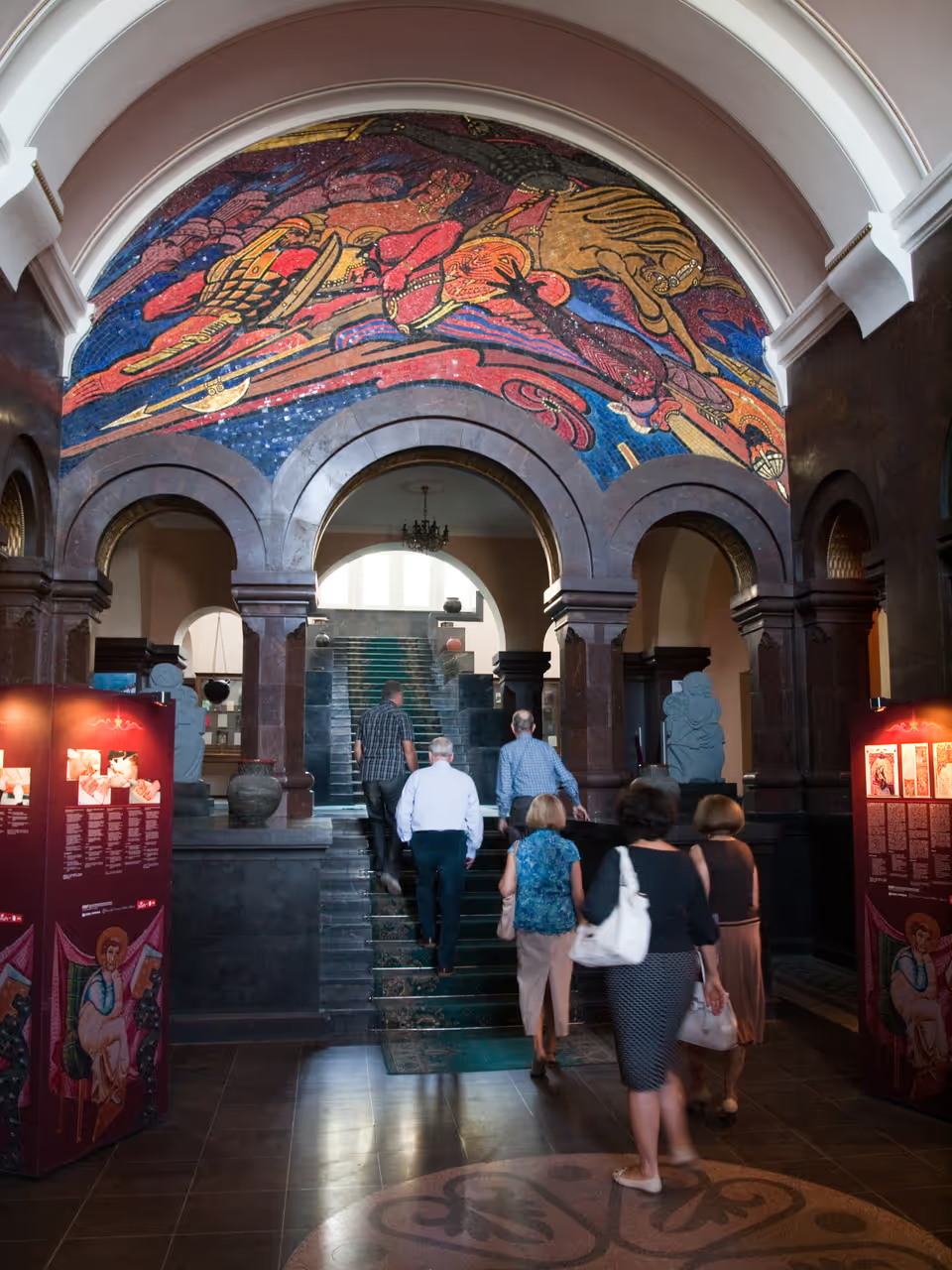
3 Days in Yerevan: Culture and History Itinerary
This balanced itinerary allows you to dig much deeper into the historical and artistic foundations of the city. Beyond the central squares, you will explore world class museums, ancient manuscripts, and vibrant local markets. It offers a steady pace that leaves plenty of time to enjoy long lunches and the famous evening wine culture. You will gain a profound understanding of the national heritage and the profound resilience of its people.
view itinerary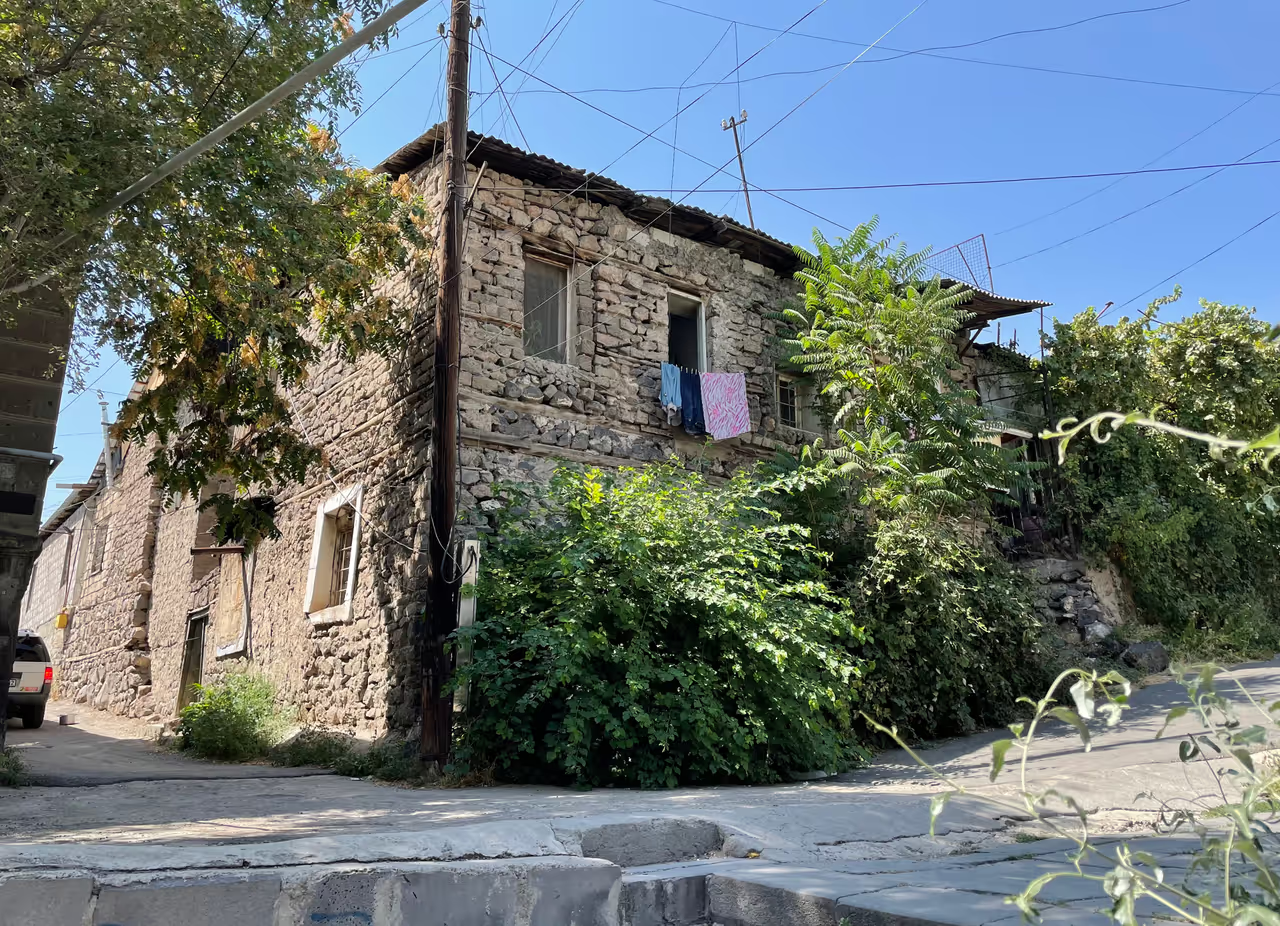
5 Days in Yerevan: In-Depth Exploration Itinerary
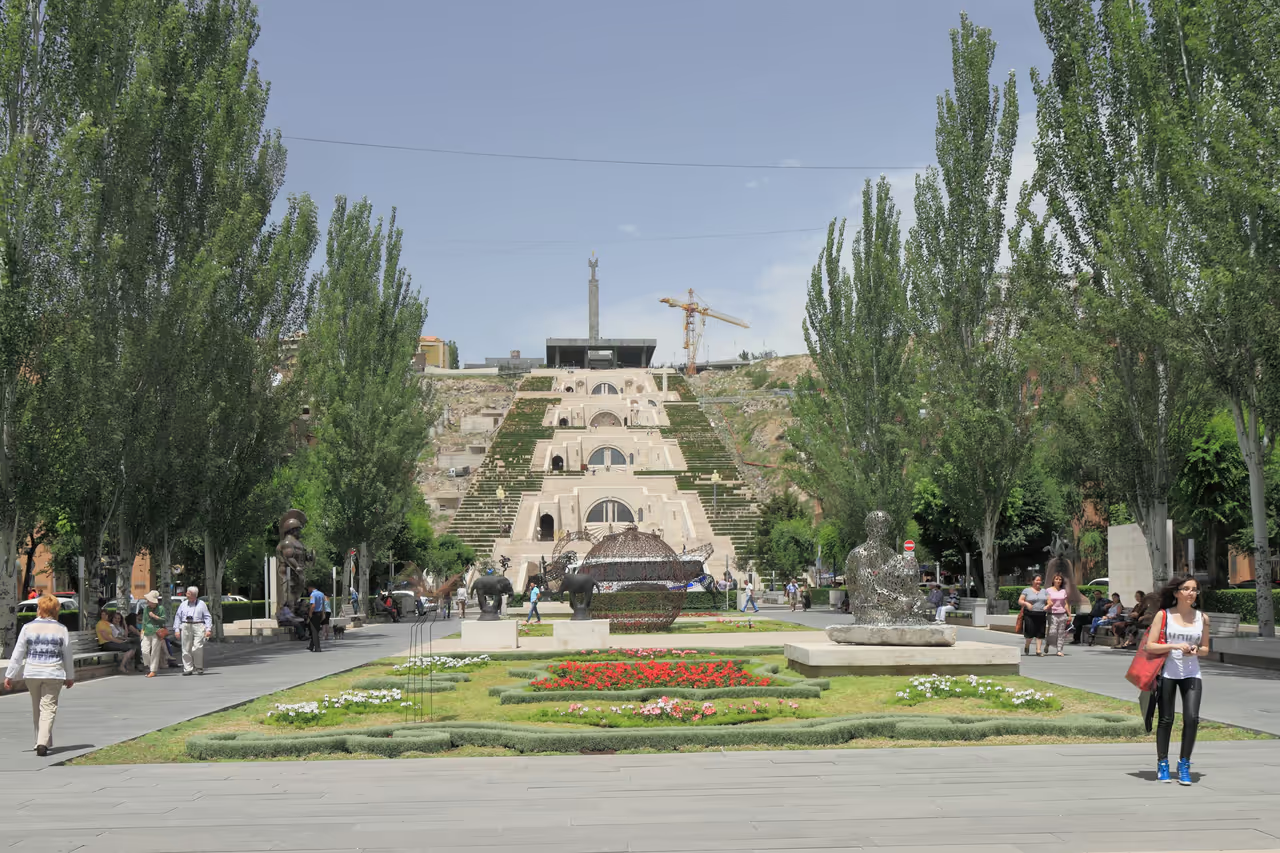
An extensive, unhurried journey that covers the iconic sights alongside hidden neighbourhoods and obscure museums. This itinerary is for the traveller who wants to truly feel the rhythm of local life, from bustling bazaars to quiet, rustic alleys. It includes time for solemn historical reflection as well as joyous engagement with the thriving nightlife. By the end, you will have experienced the many complex, beautiful layers of this ancient capital.
view itinerary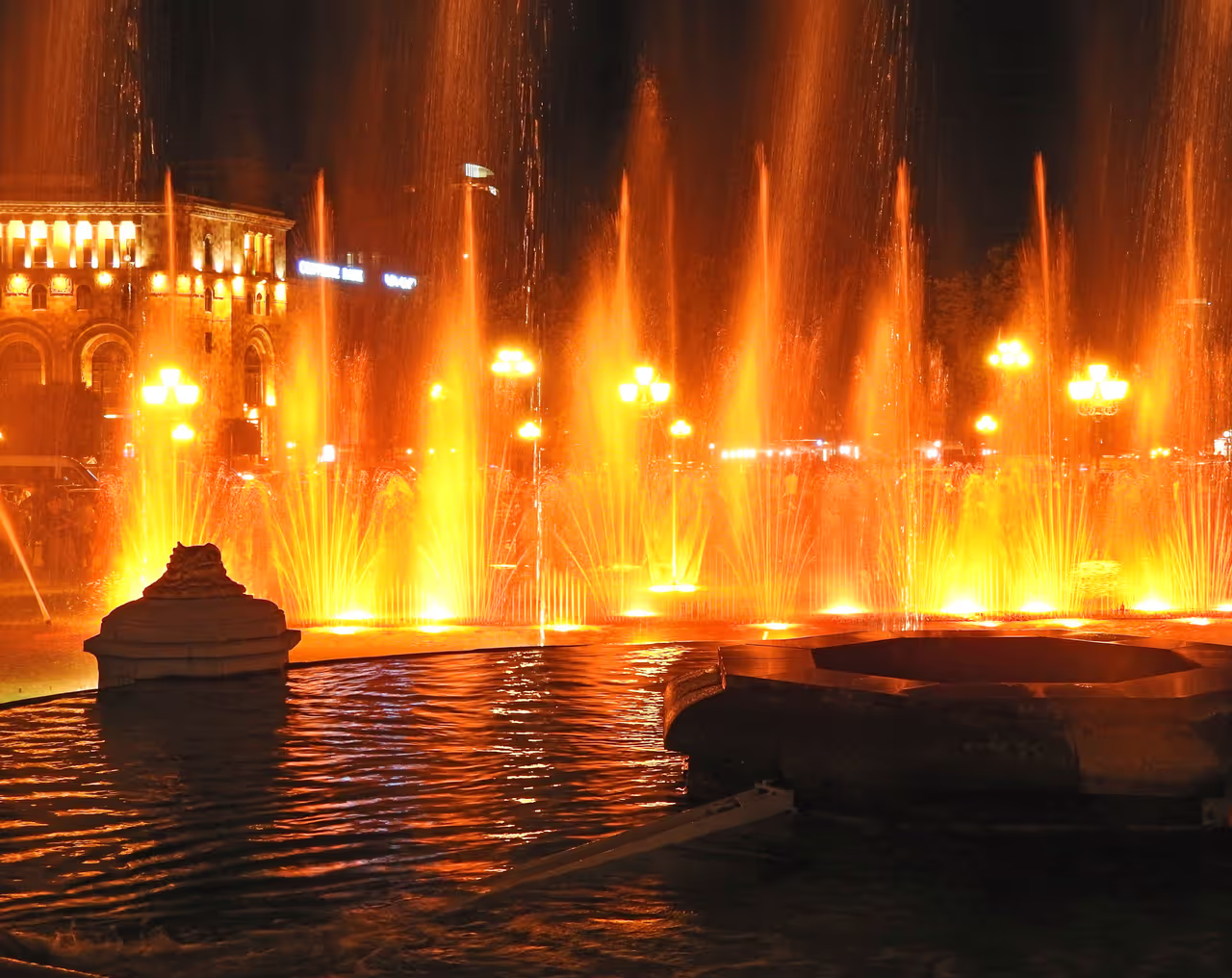
Ancient Fortress Route
This ride connects the modern city centre to the ancient, foundational roots of the capital. Cyclists navigate southwards from the grand plazas towards the quieter, residential districts. The journey culminates at the foot of the hill where the ruins of the original Urartian citadel stand. It is a fantastic way to grasp the immense historical timeline of the region while seeing diverse neighbourhoods.
view cycling route
See all attractions in Yerevan
Armenian Genocide Memorial complex (Tsitsernakaberd), Matenadaran, Mother Armenia, National Academic Opera and Ballet Theatre, Republic Square, Yerevan Cascade, Blue Mosque...