Caminito
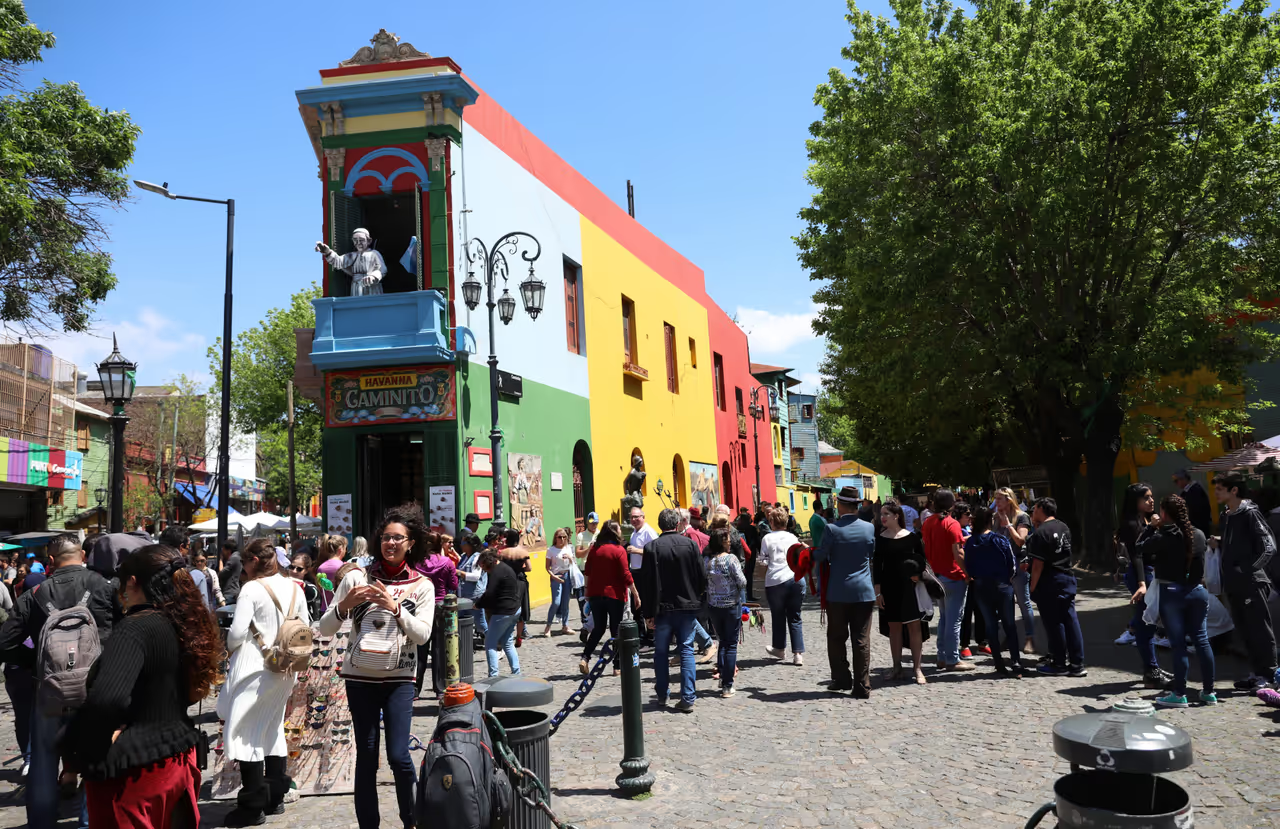
Stepping onto Caminito feels like walking straight into a living canvas of vivid colour and history. This iconic pedestrian street in La Boca serves as an open-air museum, where bright, painted buildings celebrate the neighbourhood’s immigrant roots. You will find yourself surrounded by the soul of Argentine tango, which resonates through the air and connects to the famous song of the same name. It is a place where art, music, and local spirit merge, offering a snapshot of Buenos Aires that remains etched in the memory of every visitor. Whether you are strolling past the facades or pausing to watch an impromptu dance performance, the unique character of this alley is truly infectious.
Videos
History of Caminito
The story of Caminito is one of transformation, evolving from a natural waterway into an industrial scar, and finally, a canvas of cultural pride. In the nineteenth century, the area was defined by a stream known as the Puntin. This little bridge crossed a waterway that flowed into the Riachuelo, providing a vital connection for the Genoese immigrants who settled in La Boca. These settlers, often lacking resources, built their homes from salvaged materials and painted them with the leftover colours from the shipyard. This humble practicality defined the aesthetic that survives today. As the city modernised, the stream dried up and was replaced by the clatter of the Buenos Aires and Ensenada Port Railway. For decades, the path served the needs of industry rather than the community. When the railway finally closed in the mid twentieth century, the space fell into disrepair. It became a dumping ground, a forgotten corridor that served as an eyesore for the local residents who had once thrived there. The spirit of the place seemed to fade as the tracks sat rusting into the earth. Hope arrived in the form of Benito Quinquela Martín. A local artist with deep roots in the neighbourhood, he could not bear to see his home abandoned. Starting in the late fifties, he spearheaded a project to reclaim the space. He envisioned an open-air museum that would honour the history of the immigrant community. By painting the walls in the vibrant, signature hues of the local houses and establishing a stage for performers, he effectively resurrected the spirit of the area. What was once a landfill became a living monument, ensuring that the legacy of the people who built La Boca would never be forgotten.
Events spanning 122 years
Fun Facts
- • It stands as a symbol of the Genoese immigrant community that shaped the identity of this part of Buenos Aires.
- • Local artist Benito Quinquela Martín was the visionary who turned this neglected landfill into the colourful cultural attraction seen today.
- • The area is an open-air museum, celebrating the unique heritage of the La Boca neighbourhood.
- • The name is derived from the famous 1926 tango song composed by Juan de Dios Filiberto, which tells a tale of nostalgia.
- • The street sits on the former path of a stream that once fed into the Riachuelo River.
- • The vibrant colours of the houses are a tribute to the immigrants who originally used leftover ship paint to protect their corrugated metal homes.
- • You can still find old, disused railway tracks tucked away at the end of the street near Garibaldi Street.
Caminito FAQ
While we strive to keep this information accurate and up to date, we recommend verifying any details independently before making decisions based on them.
Caminito Map & Neighborhood Explorer
This interactive map is centered on Caminito. Zoom in and move the map around to automatically discover Wikipedia photos and summaries of other nearby sights, monuments, and historical points of interest and stories in real-time!
Places near Caminito
Make the most of your trip. Check out these top-rated spots located nearby.
 426m
426mWatch a Football Match
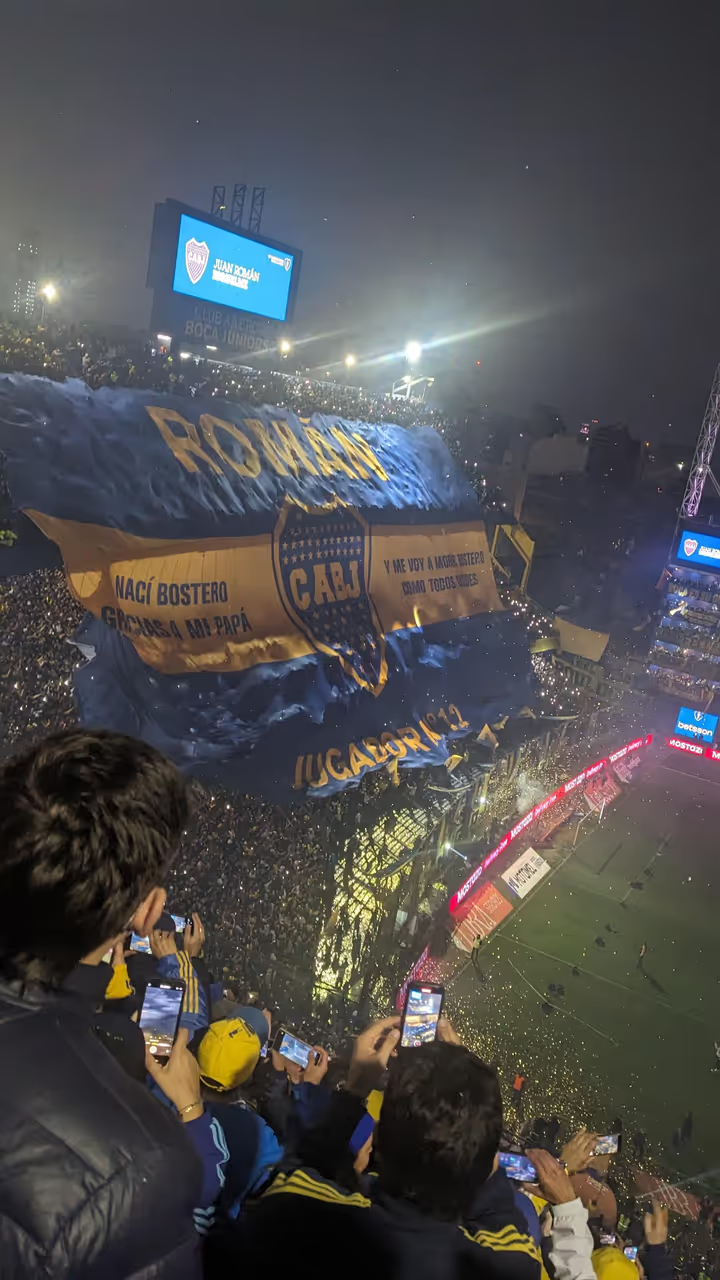
Football is treated as an absolute religion here, and attending a live match is a visceral, unforgettable experience. The stadiums literally shake under the weight of thousands of fans jumping, singing, and waving massive banners. A match between fierce rivals like Boca Juniors and River Plate, known as the Superclásico, is widely considered one of the most intense sporting events on earth. Even if you do not care for the sport, the sheer passion and chaotic energy of the crowd are mesmerizing. It is highly recommended to join an organised group or tour to navigate the complex ticketing system and ensure safety. You will leave with ringing ears and a deep understanding of local devotion.
highlight view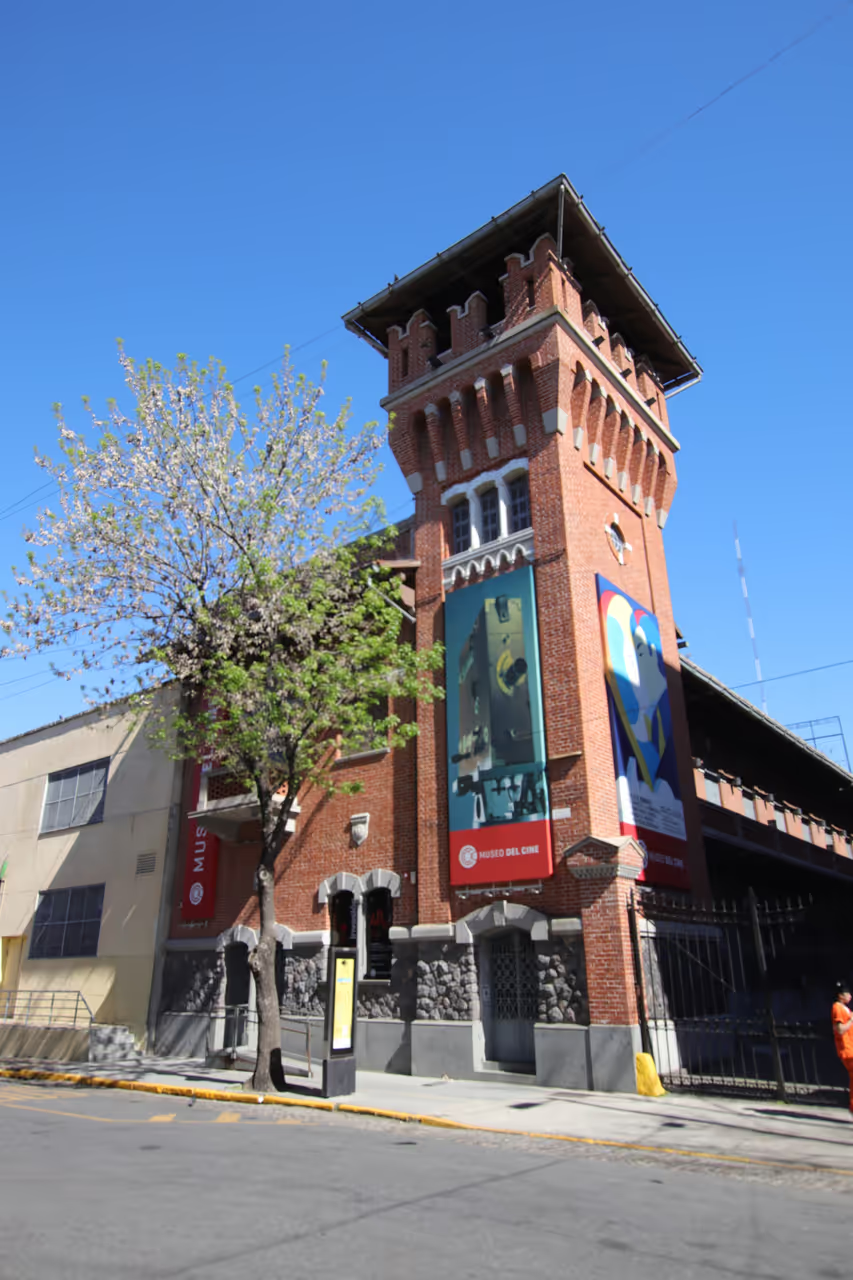 1261m
1261mTango Buenos Aires Festival and World Cup
This magnificent event transforms the capital into a massive dance floor, celebrating the soul of Argentine culture. Thousands of dancers, from enthusiastic amateurs to seasoned professionals, converge to compete in the prestigious world championship. Visitors can enjoy free concerts, exhibitions, and open air milongas spread across various neighbourhoods. The atmosphere is intoxicating, filled with the melancholic sounds of the bandoneon and the sharp clicking of heels. It is the ultimate immersion into the art form that defines the city.
festival view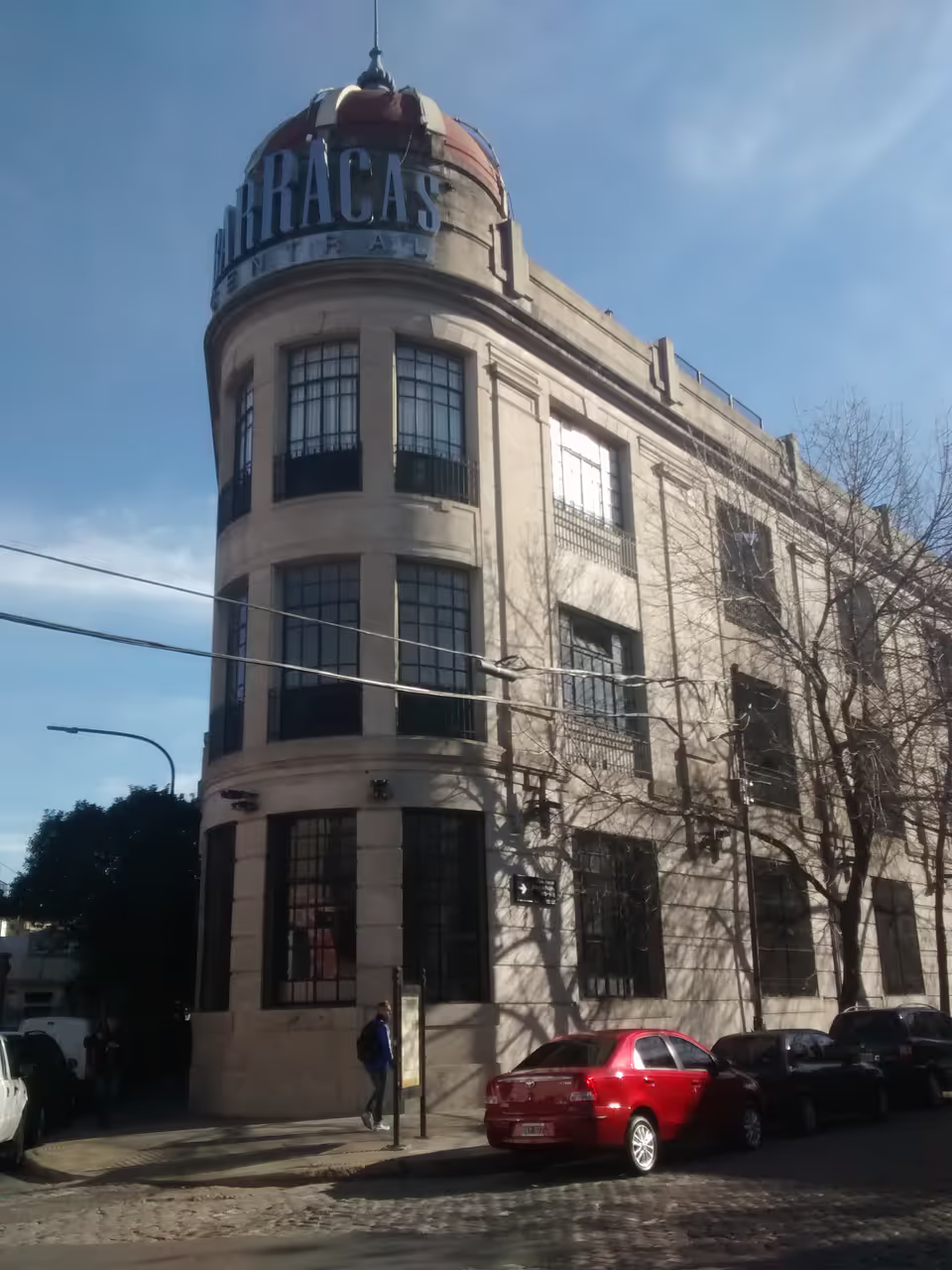 1564m
1564mLanin Passage
Hidden deep within the gritty southern neighbourhood of Barracas, this quiet residential street is an unexpected explosion of vibrant street art. Local artist Marino Santa María began covering the facades of the homes, including his own, with elaborate, brightly coloured tile mosaics. Today, nearly forty houses along the curved alleyway are completely adorned in sweeping, abstract patterns. It is an incredibly peaceful, photogenic detour that feels completely disconnected from the noise of the surrounding industrial area. It offers a beautiful, grassroots example of how art can revitalise an entire community.
hidden gem view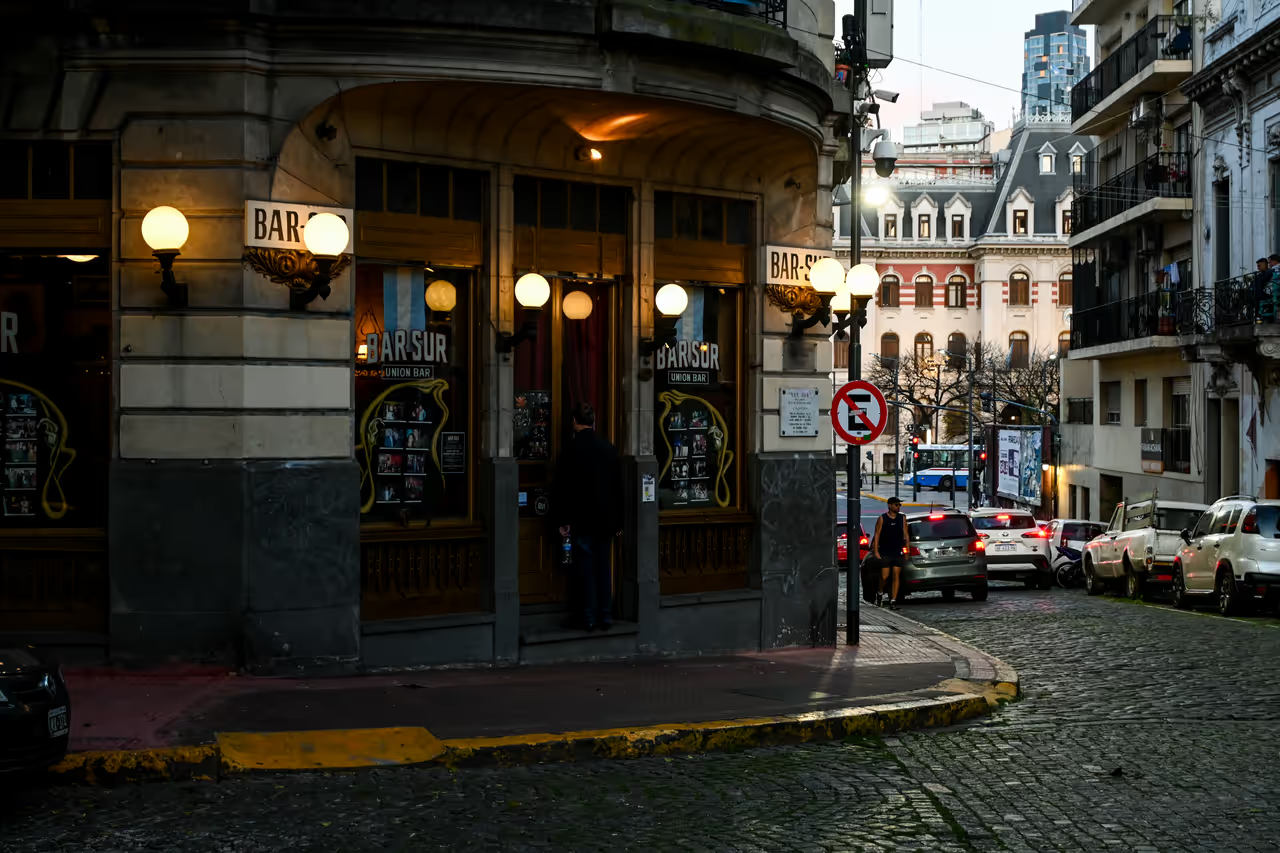 2230m
2230mSan Telmo
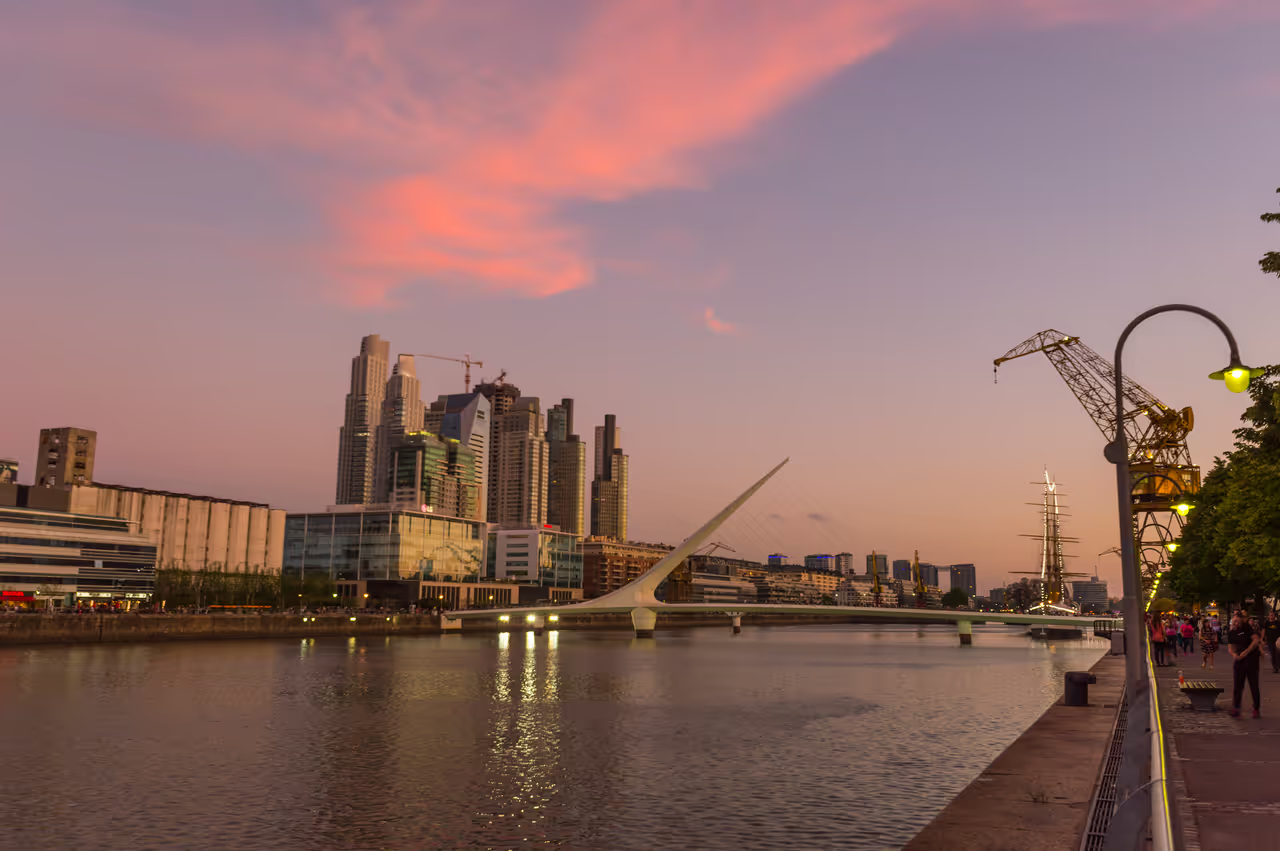
Steeped in history, this district offers a brilliantly gritty and authentic alternative to the polished venues of the north. Its narrow, dimly lit streets hide historic cafes, underground indie rock venues, and sweaty, passionate tango halls. The nightlife here feels raw, bohemian, and intensely local, attracting artists, musicians, and curious backpackers. Drinking cheap beer on the pavement outside a dive bar is just as common as sipping red wine in a beautifully decaying colonial courtyard. It is the perfect destination for those seeking an unpretentious, culturally rich night out.
nightlife view
Featured on These Itineraries and Routes
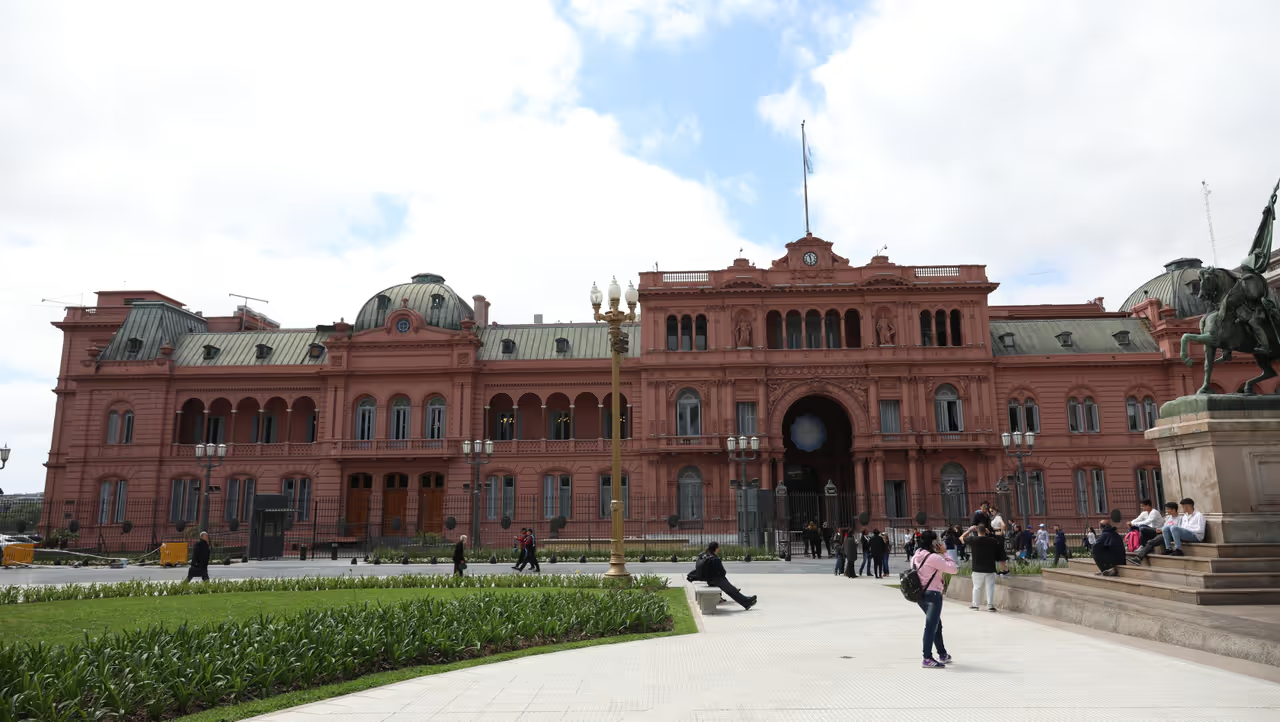
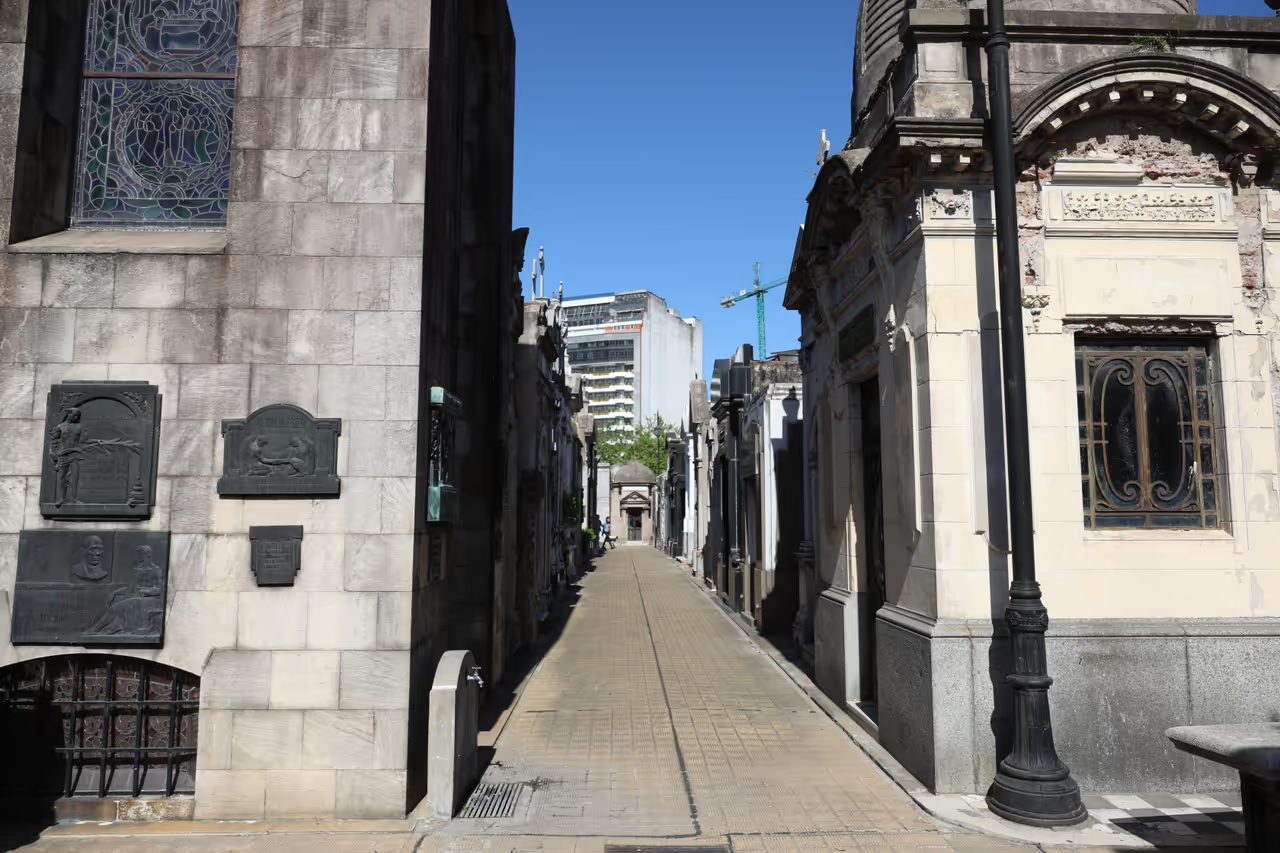
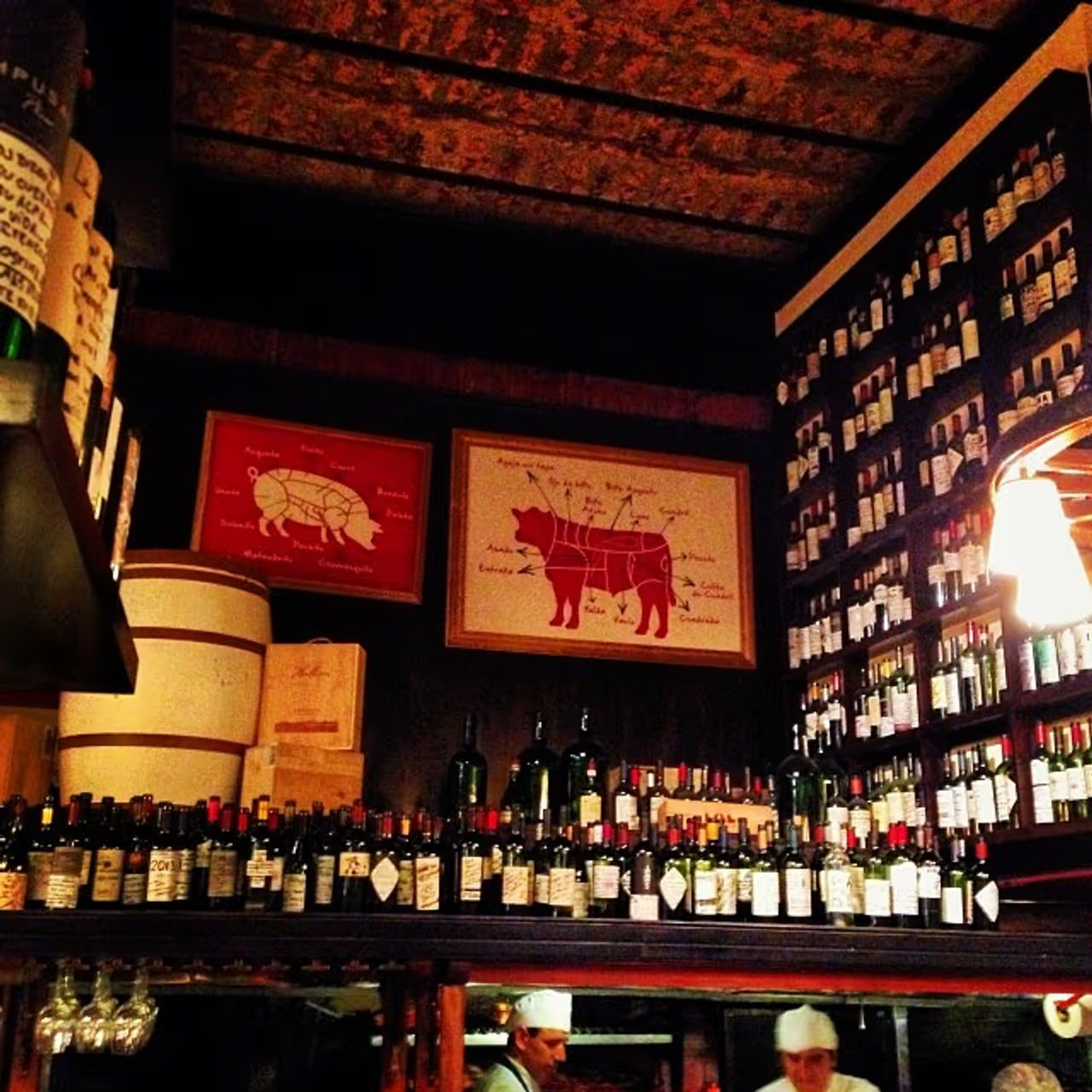
3 Days in Buenos Aires: Classic Experience Itinerary
Over three days, you can comfortably explore the stark contrasts that define the metropolis, from its gritty ports to its aristocratic palaces. You will have time to delve into the elegant northern neighbourhoods, discovering grand cemeteries and sprawling green parks. The itinerary ensures you experience the vibrant street art and modern docklands, alongside the historic, cobblestone streets of the south. It strikes a perfect balance between checking off major monuments and soaking in the trendy, local nightlife. This provides a comprehensive, highly satisfying overview of the capital.
view itinerary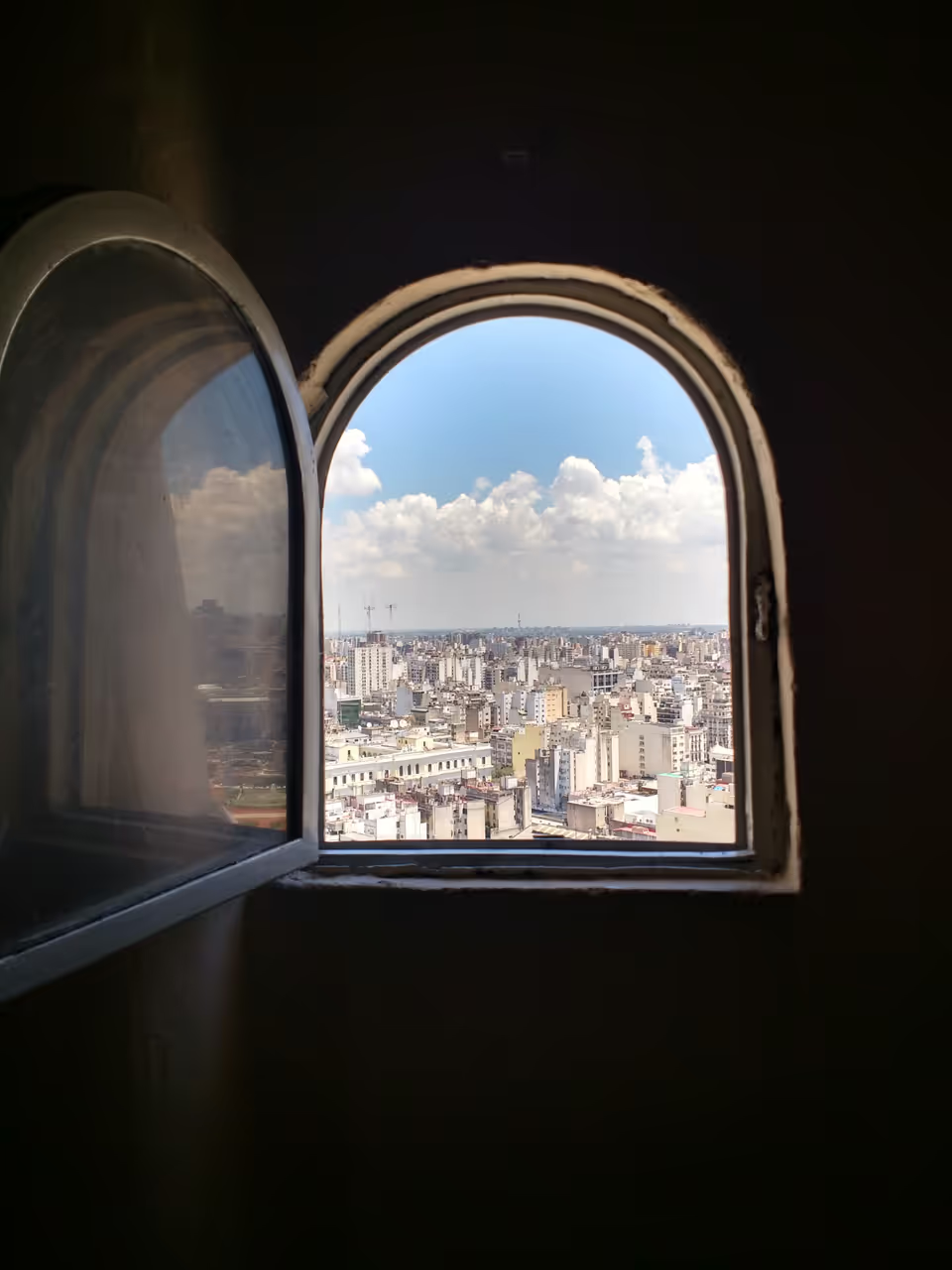
5 Days in Buenos Aires: The Deep Dive Itinerary
This generous five day itinerary allows you to completely sync with the late night, culturally rich rhythm of the city. Beyond the essential sights, you will have time to explore hidden architectural gems, massive ecological reserves, and venture outside the city limits. It provides the opportunity to engage in local activities, from learning polo to discovering the vibrant street art scene in detail. You can afford to linger in historic cafes and enjoy exceptionally long, relaxed dinners without feeling rushed. It is the definitive way to truly understand and absorb the complex soul of the capital.
view itinerary
Tango Trail
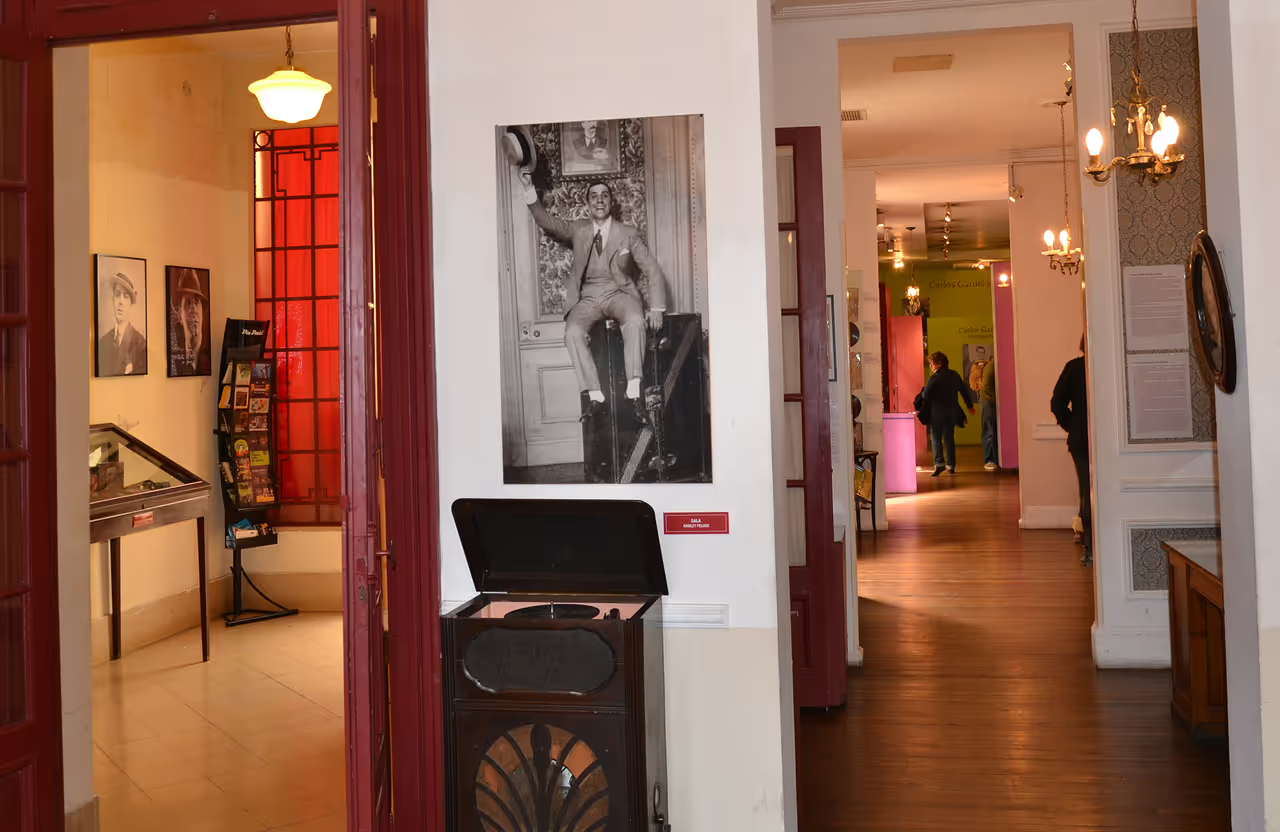
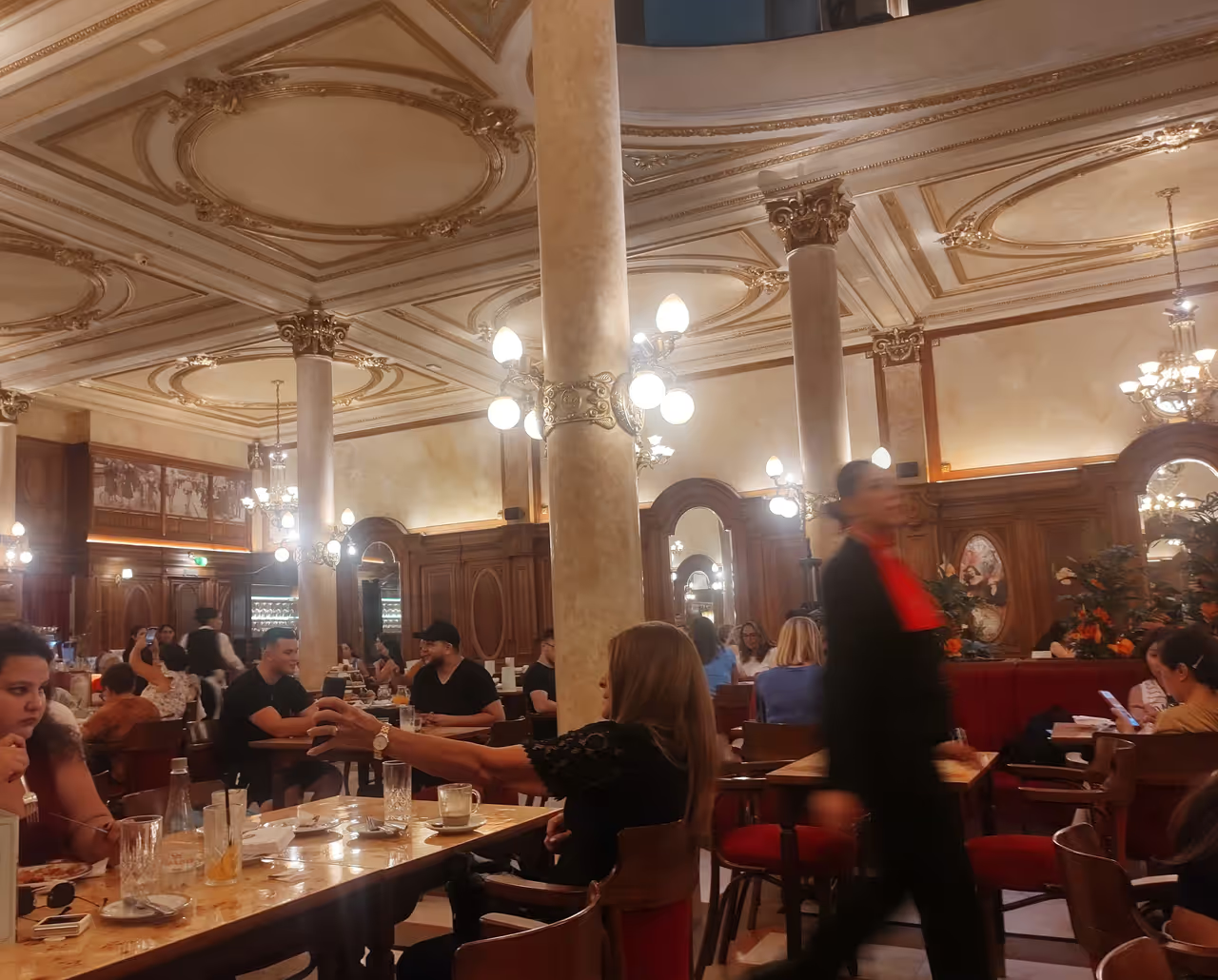
Trace the melancholic, passionate history of the world's most dramatic dance through the neighbourhoods where it was born. This thematic journey explores the working class roots of tango, taking you from brightly painted tenement houses to hidden, atmospheric dance halls. You will discover the legendary figures who popularised the genre, exploring museums and historic cafes where iconic lyrics were penned. The route highlights how a dance once shunned by high society became the ultimate symbol of the nation. It is a deeply romantic and culturally immersive experience that brings the city's music to life.
view self-guided tour
See all attractions in Buenos Aires
Casa Rosada, El Ateneo Grand Splendid, La Recoleta Cemetery, Metropolitan Cathedral of Buenos Aires, Obelisk of Buenos Aires, Teatro Colón...