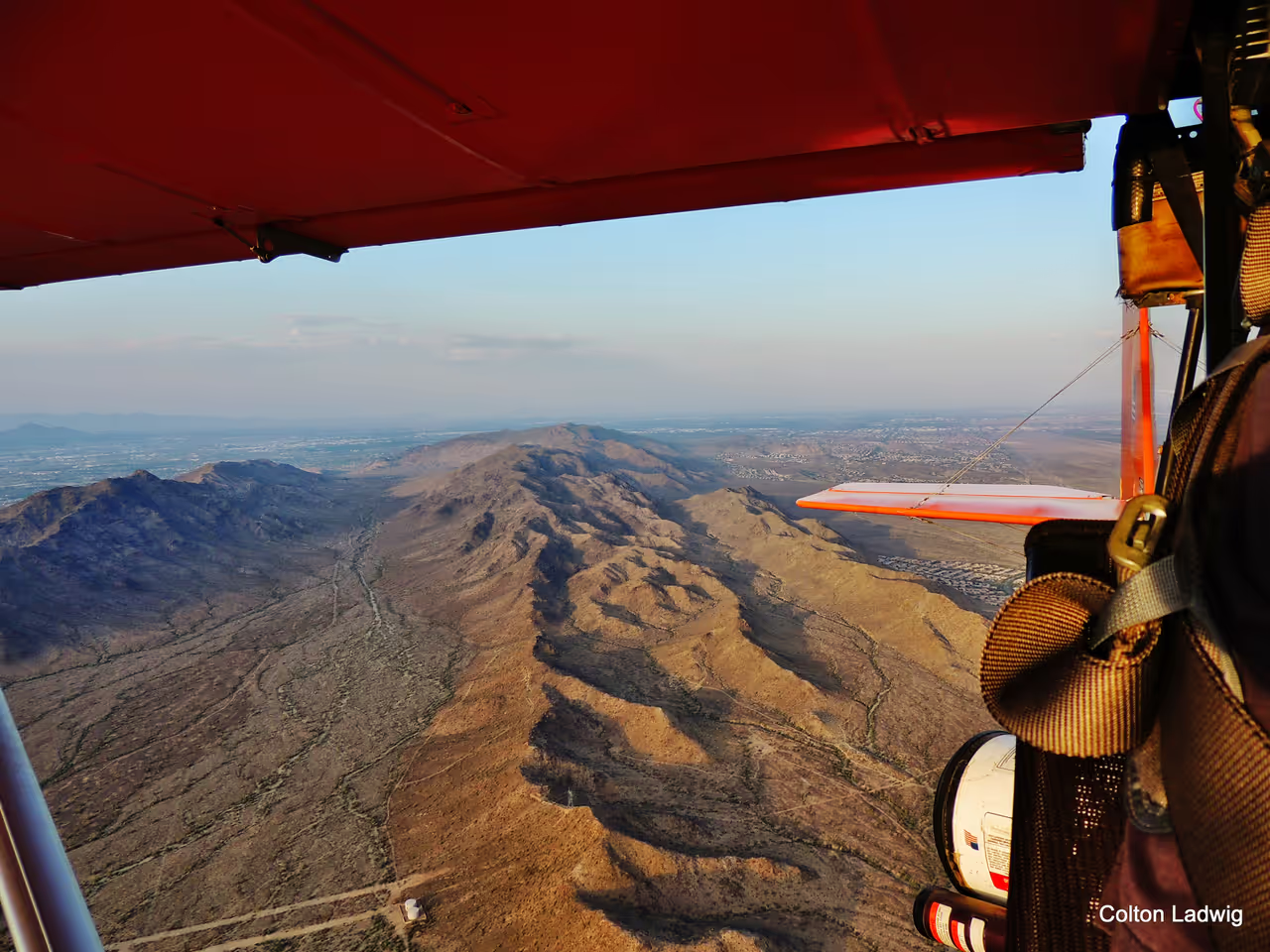
South Mountain Park
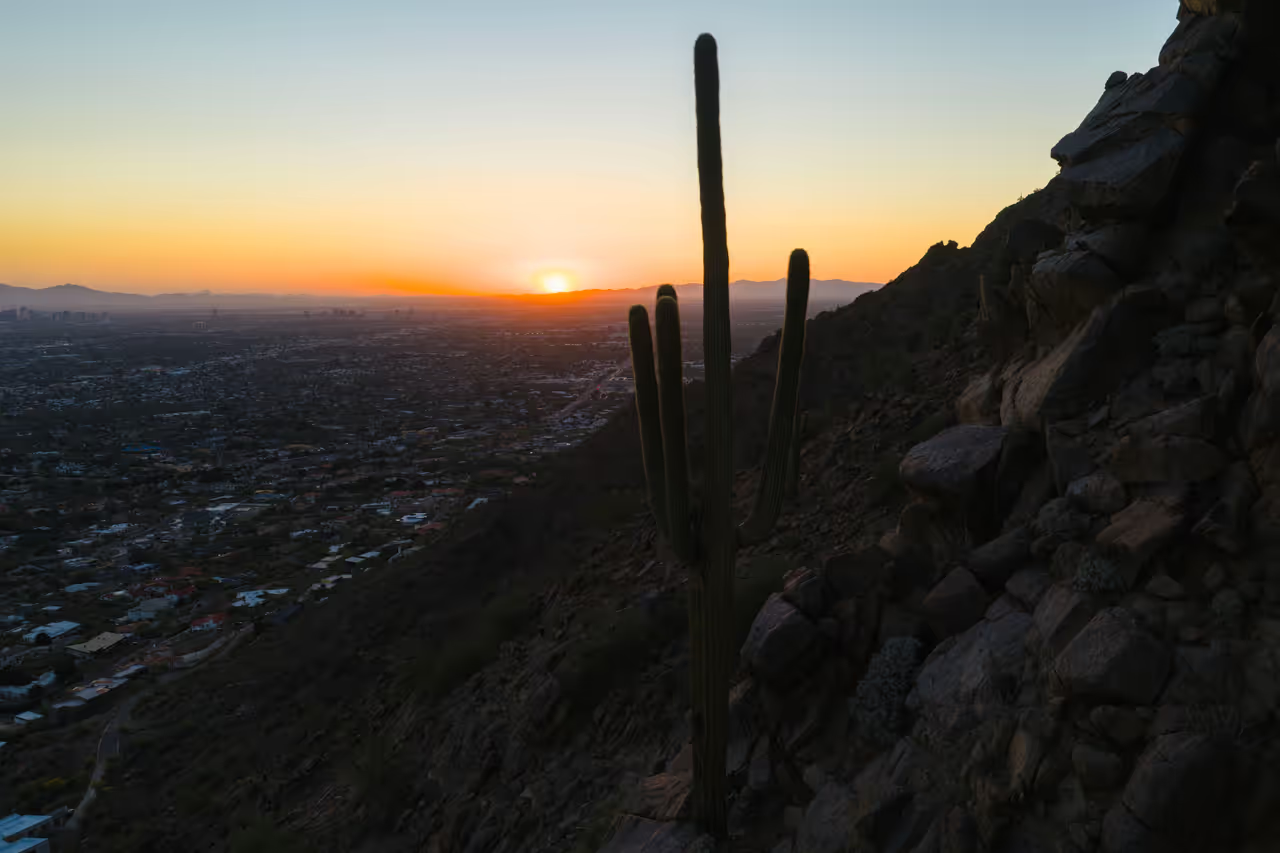
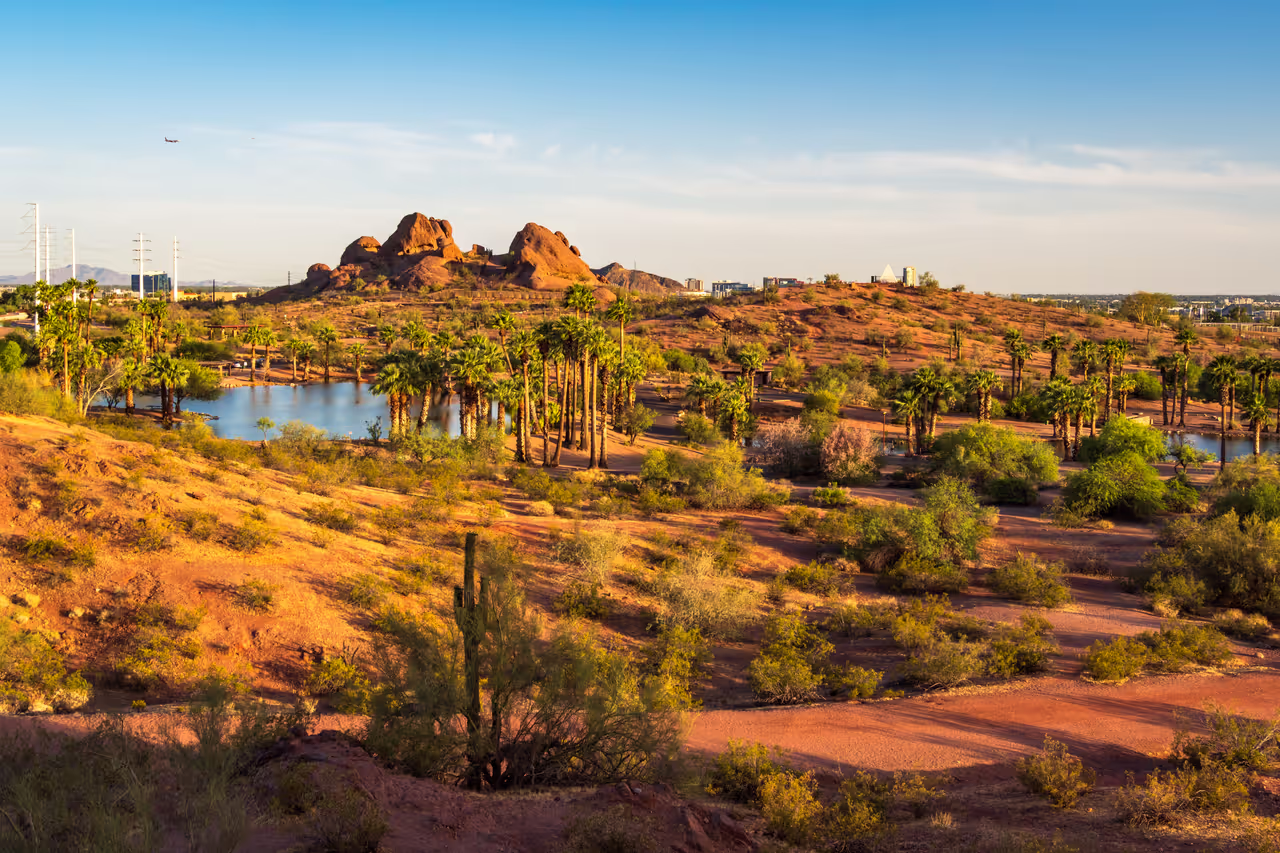
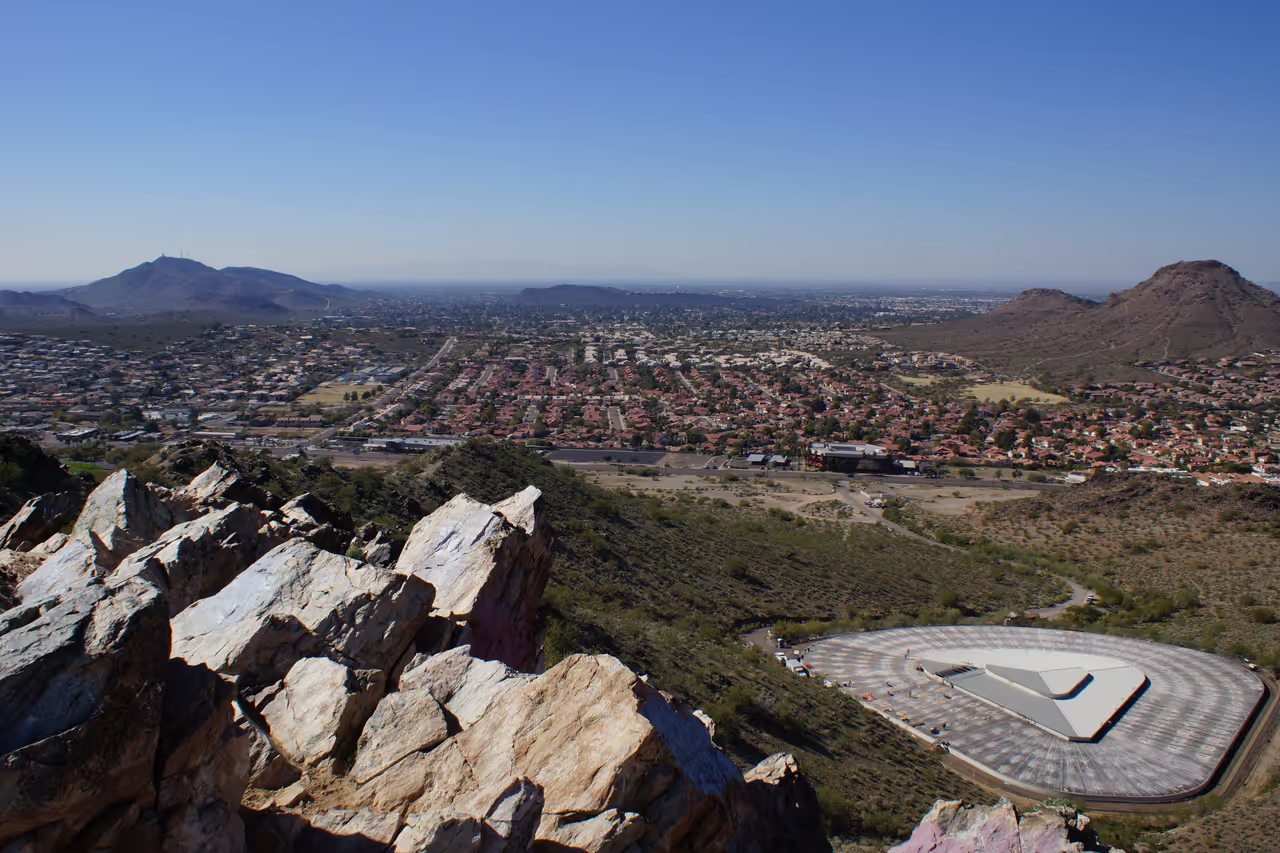
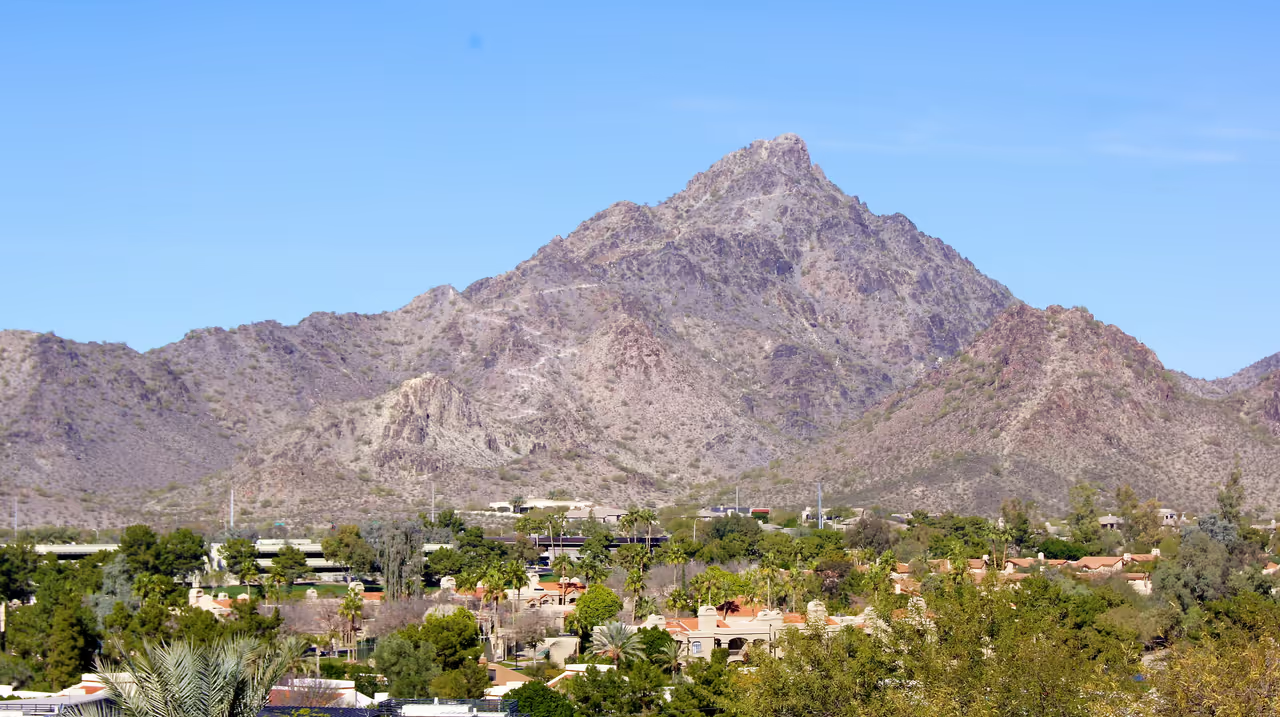
This is the jewel of the desert, a massive expanse that holds the title of the largest municipal park in the United States. Spanning over 16,000 acres, it offers a slice of genuine Sonoran Desert right on the doorstep of modern Phoenix. Whether you are seeking panoramic views from the summit or want to get lost on nearly 60 miles of trails, this place has a special rugged magic that feels worlds away from the city pavement. It is a natural sanctuary where you can encounter unique wildlife like the famous carrot tailed chuckwalla. A visit here is essential for anyone wanting to experience the true, wild heart of Arizona.
Videos
History of South Mountain Park
The story of South Mountain Park begins with a vision that predates the modern sprawl of Phoenix. In 1924, when the city was still finding its footing, civic leaders recognised the need to preserve the dramatic mountainous landscape to the south. With the blessing of President Calvin Coolidge, the city acquired thousands of acres for a remarkably low price. This decision saved one of the most beautiful tracts of Sonoran Desert from potential development, ensuring that generations of Arizonans would have a wild, untamed backyard. During the Great Depression, the park gained its character through the sweat and grit of the Civilian Conservation Corps. These workers were sculpting a landscape. They carved trails and constructed stone structures that blend so seamlessly with the mountainside that they seem like natural extensions of the rock itself. Their work transformed a rugged expanse into a functional recreation space, providing a legacy of public access that remains the envy of major cities across the globe. Today, the park stands as a testament to the relationship between urban growth and nature. While the city of Phoenix has expanded to wrap its arms around the park boundaries, the interior remains a pristine desert ecosystem. It serves as a living laboratory for biologists studying the unique chuckwalla populations and a sanctuary for hikers seeking silence. By stepping into South Mountain, visitors are stepping back into the ancient rhythm of the desert, preserved forever by the foresight of those early planners.
Events spanning 46 years
Fun Facts
- • It serves as a critical junction for major regional trekking routes, including the Sun Circle Trail and the extensive Maricopa Trail.
- • Male chuckwallas living within the park boundaries display a unique carrot coloured tail phenotype that researchers have not observed in other populations.
- • Many of the winding trails and stone ramadas you see today were constructed by the Civilian Conservation Corps during the 1930s, preserving a piece of Depression era history.
- • Mystery Castle, an eccentric and legendary architectural landmark built entirely by hand over decades, sits right within the park foothills.
- • South Mountain Park officially holds the title of the largest municipal park in the United States, covering roughly 16,000 acres of rugged desert terrain.
- • The land was originally known by locals as the Salt River Mountains before being designated as a protected park area.
- • The park is a biological hotspot for the chuckwalla, a desert lizard, with a population density here that is among the highest ever recorded by scientists.
- • The park is home to the rare and fascinating Elephant tree, a plant species known for its strangely contorted and thick trunk architecture.
- • The summit lookout point offers a breathtaking vantage point rising over 1,000 feet above the desert floor, providing a perfect view of the sprawling Phoenix valley.
South Mountain Park FAQ
While we strive to keep this information accurate and up to date, we recommend verifying any details independently before making decisions based on them.
South Mountain Park Map & Neighborhood Explorer
This interactive map is centered on South Mountain Park. Zoom in and move the map around to automatically discover Wikipedia photos and summaries of other nearby sights, monuments, and historical points of interest and stories in real-time!
Places near South Mountain Park
Make the most of your trip. Check out these top-rated spots located nearby.
 1620m
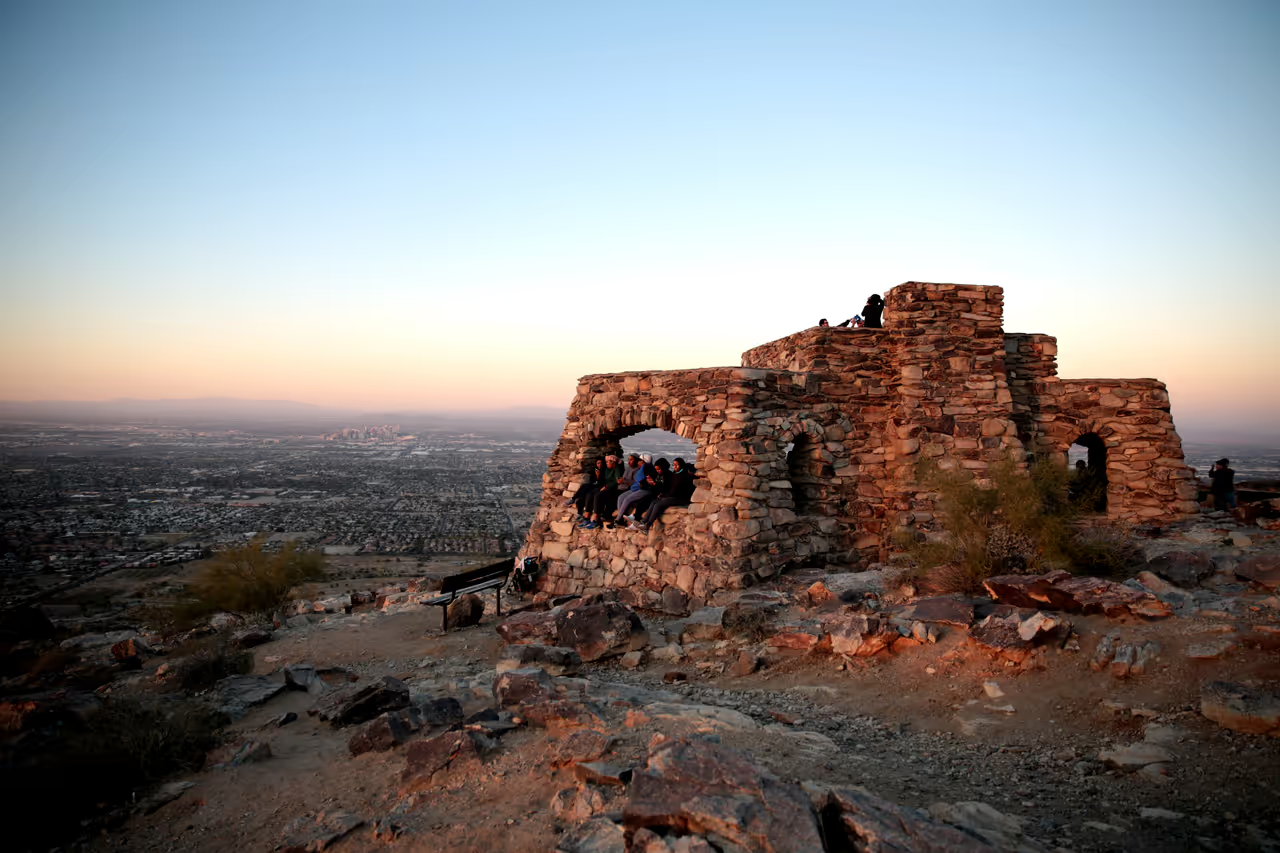
1620mDobbins Lookout
Located high in the southern mountains, this historic stone structure offers the most expansive and accessible views of the valley. Visitors can easily drive up the winding summit road to reach the phenomenal observation point. The sprawling city grid stretches out brilliantly below, bordered by distant mountain ranges. Watching the sunset from this elevation is a highly popular and incredibly romantic local tradition. It provides an astonishing perspective on the immense scale of the metropolitan area.
viewpoint view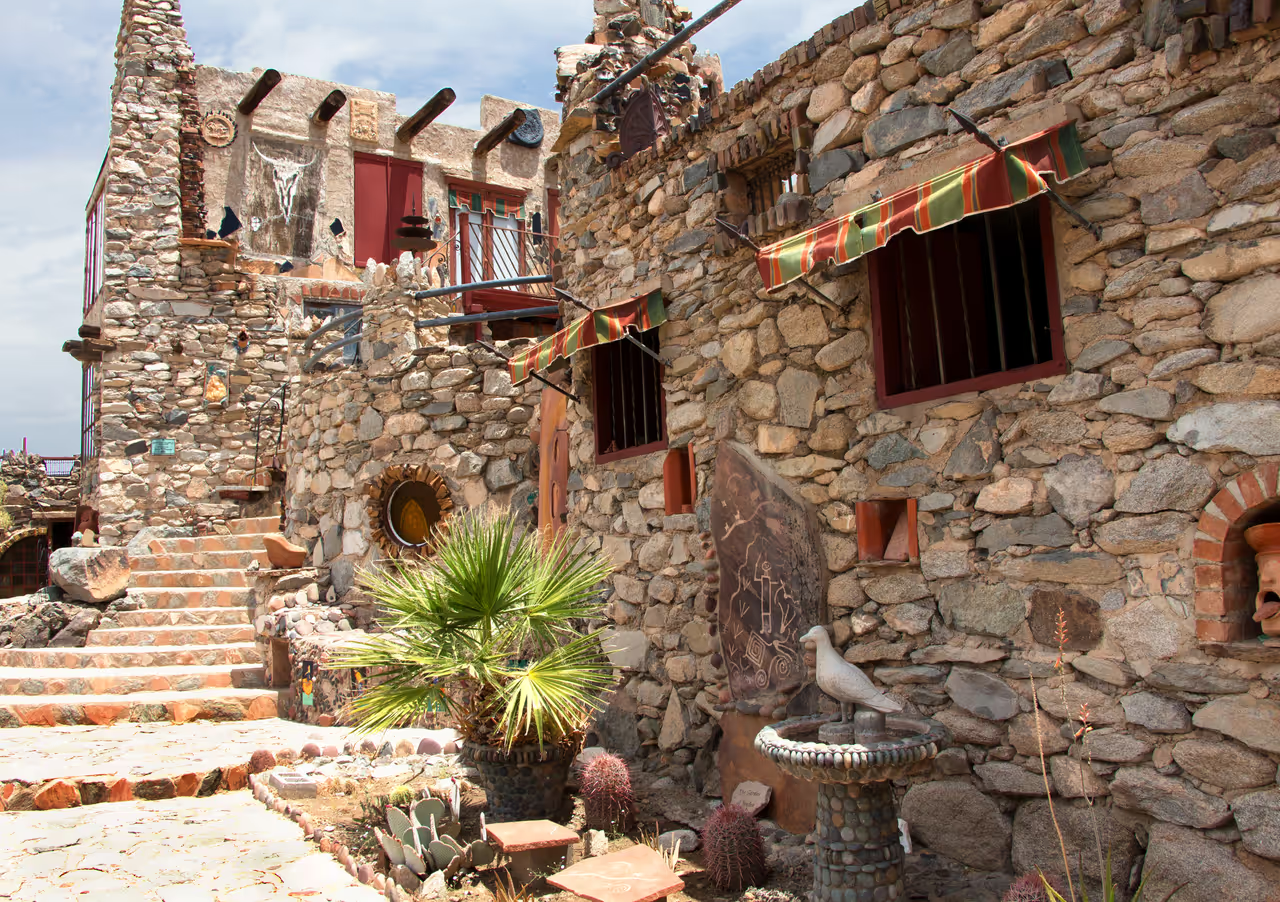 2553m
2553mMystery Castle
This highly eccentric architectural oddity was built by hand over several decades using native stone, salvaged automobile parts, and recycled telephone poles. The sprawling, asymmetrical structure features quirky features like a trap door and a cantilevered stairway. It was constructed by a devoted father as a whimsical desert palace for his young daughter. The site remains wonderfully strange and offers a profoundly touching personal backstory. It stands as an incredible testament to outsider art and resourcefulness.
hidden gem view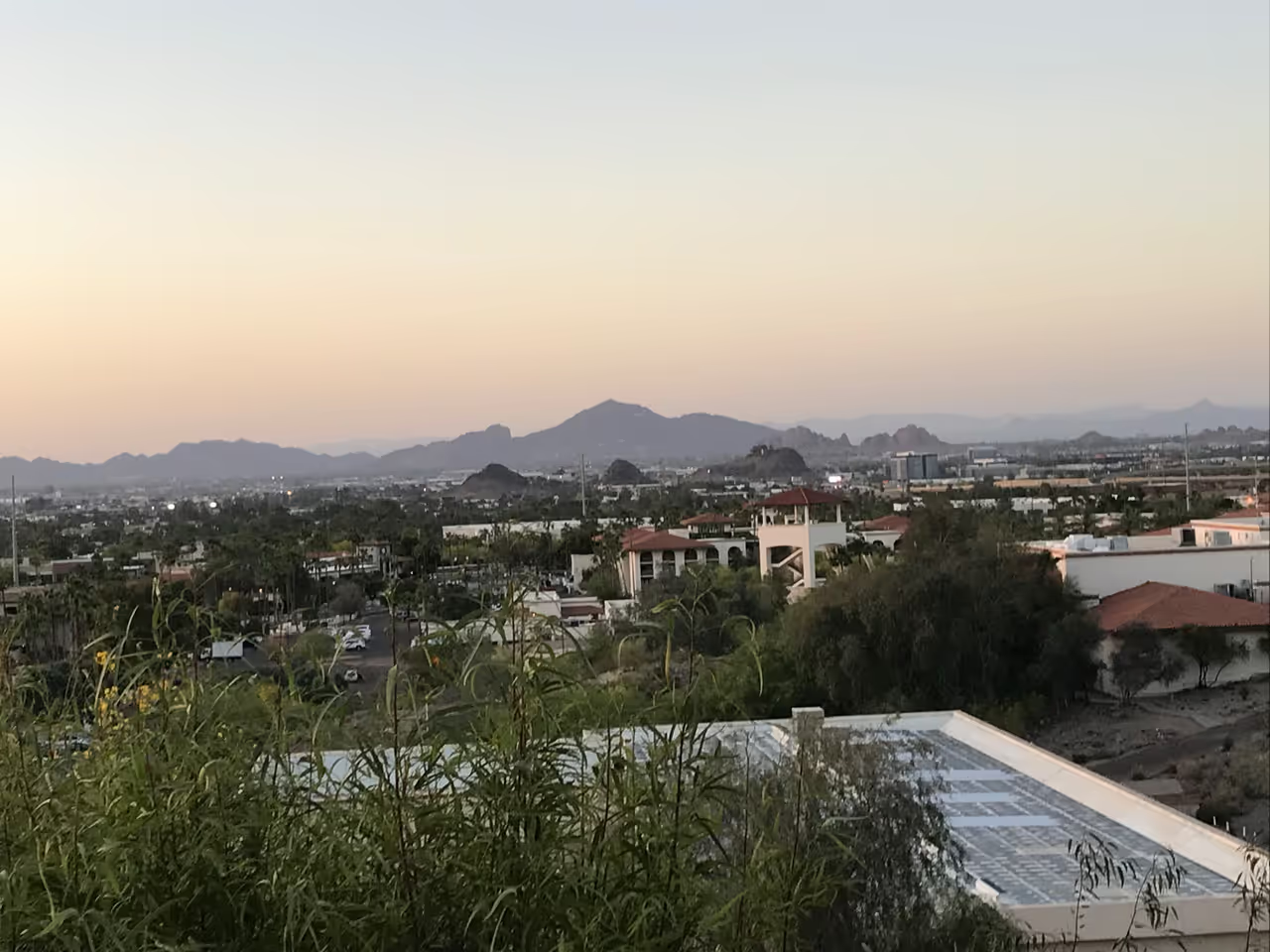 9863m
9863mRustler's Rooste Viewpoint
This wildly entertaining, cowboy themed steakhouse sits elevated on the foothills of South Mountain. The massive outdoor patios offer an incredibly expansive view of the entire valley floor spreading out to the north. Visitors can enjoy live country music and casual dining while taking in the phenomenal evening scenery. The combination of quirky Western atmosphere and sweeping vistas makes it highly popular with families. It provides a fantastic, relaxed environment for observing the immense desert metropolis.
viewpoint view 11951m
Duce
This massive vintage warehouse in the warehouse district offers an incredibly unique hybrid entertainment experience. The venue brilliantly combines an old school boxing ring, a vintage clothing store, and a retro soda fountain. Delicious comfort food is served directly out of a 1960s streamline trailer parked inside. The atmosphere is wildly energetic, highly nostalgic, and wonderfully unpredictable. It serves as a fantastic, quirky hangout spot heavily favoured by locals in the know.
hidden gem view
Featured on These Itineraries and Routes
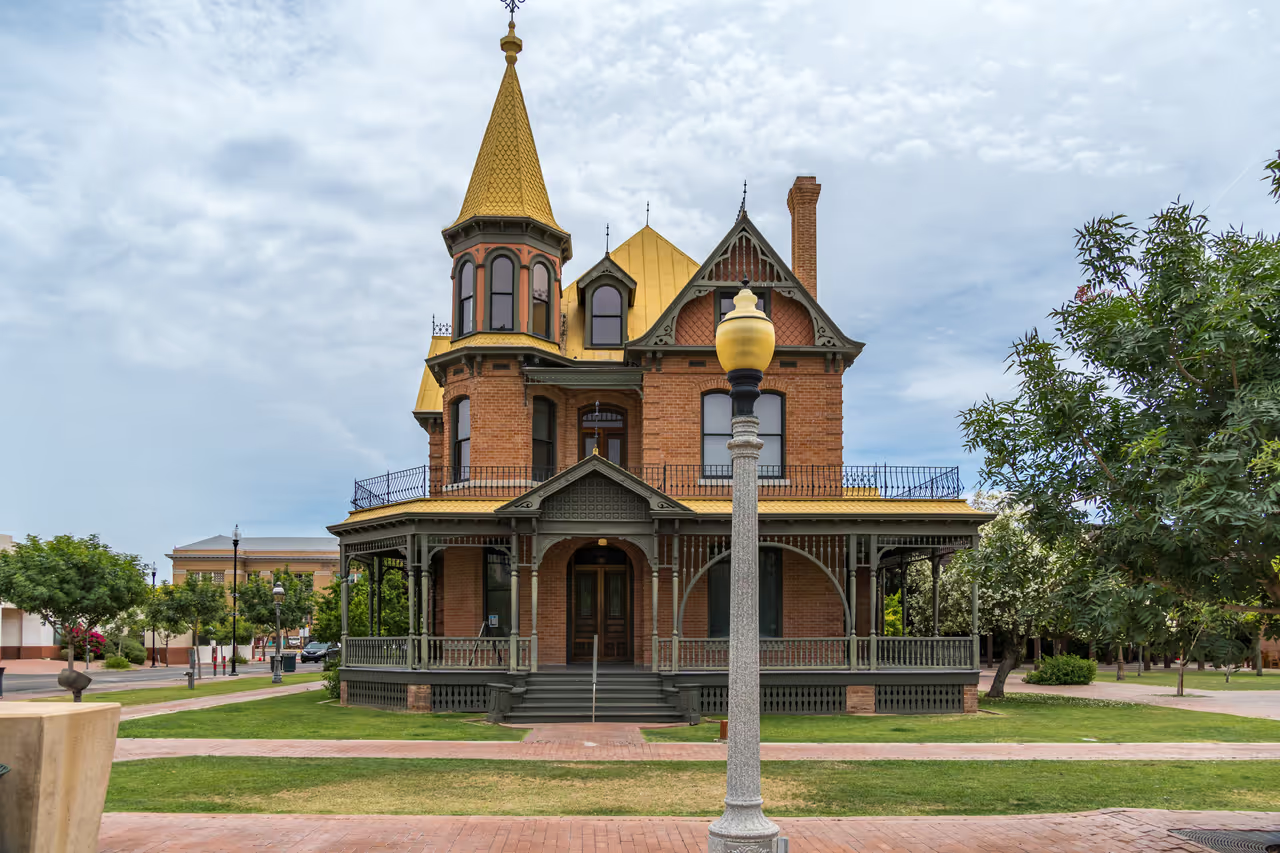
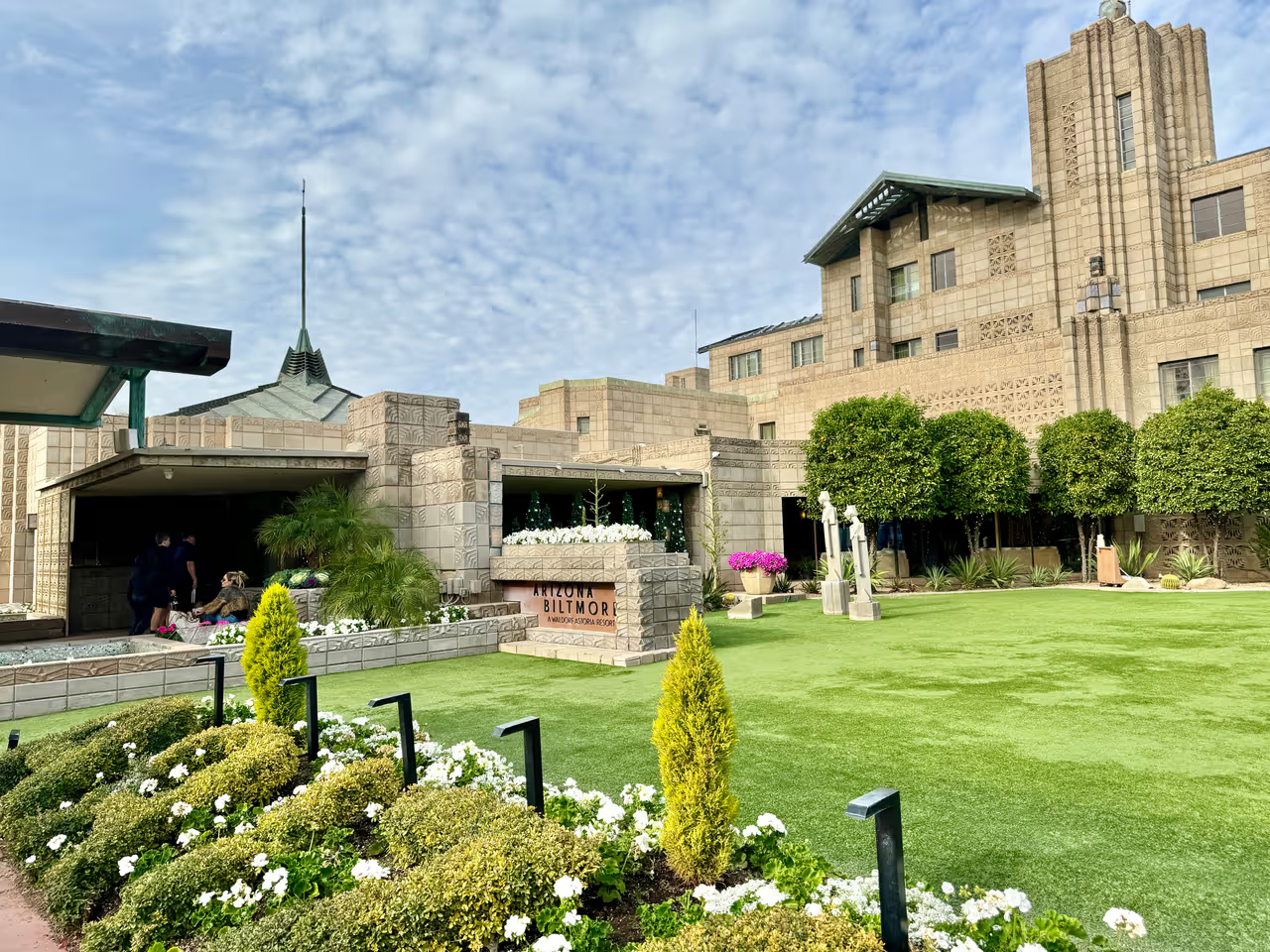

5 Days in Phoenix Itinerary
This extensive five day plan ensures visitors experience absolutely everything the magnificent valley has to offer. It dives heavily into specific architectural tours, profound scientific exploration, and deeply authentic local culinary traditions. The extended timeframe allows for incredibly immersive outdoor adventures without ever feeling rushed. It serves as the ultimate, highly rewarding guide for a complete Southwestern holiday.
view itinerary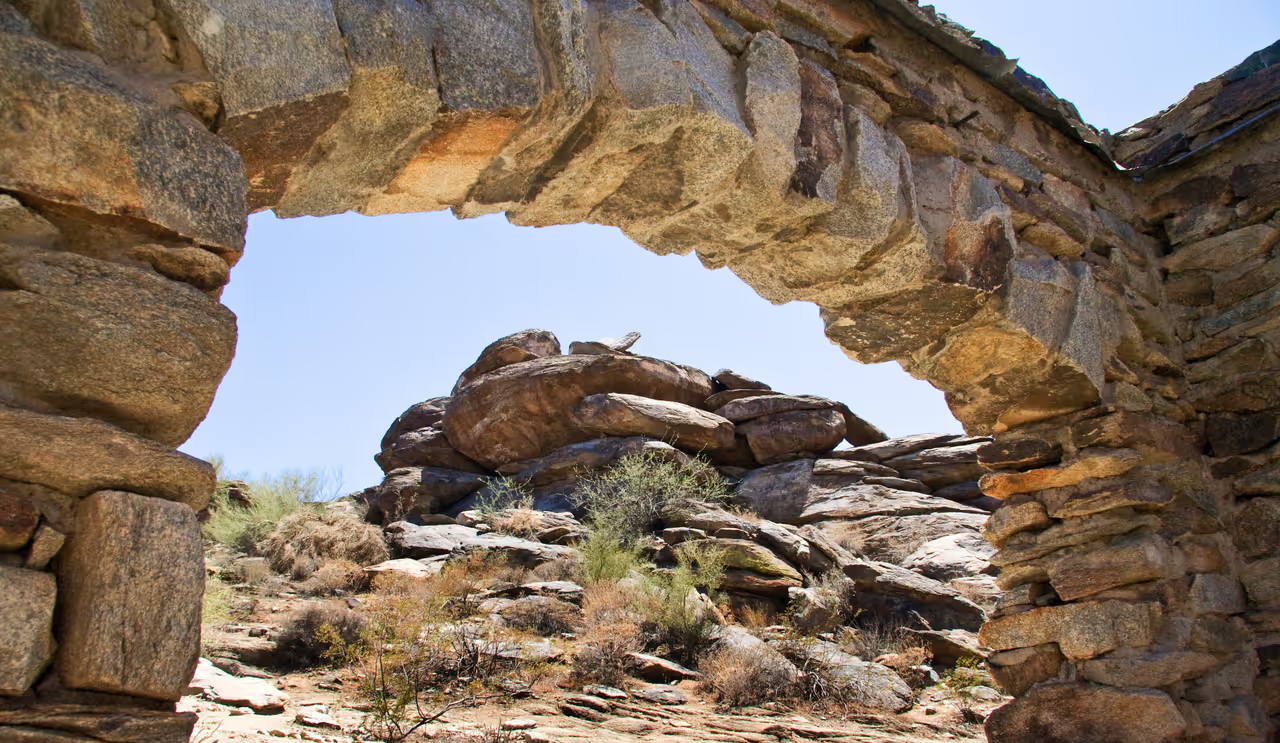
Desert Nature Exploration
This spectacular tour dives deep into the rugged beauty and local lore of the city's massive southern mountain range. The route explores incredibly vast municipal parklands that preserve the pristine Sonoran Desert environment. Visitors will uncover eccentric local architecture, stunning panoramic viewpoints, and highly authentic regional cuisine. It provides a phenomenal contrast to the polished downtown, highlighting the wilder side of the city. The journey serves as a perfect introduction to the natural elements that define the region.
view self-guided tour
See all nature & parks in Phoenix
Camelback Mountain, Papago Park, Phoenix Mountains Preserve, Encanto Park, Margaret T. Hance Park, Piestewa Peak...