Camelback Mountain
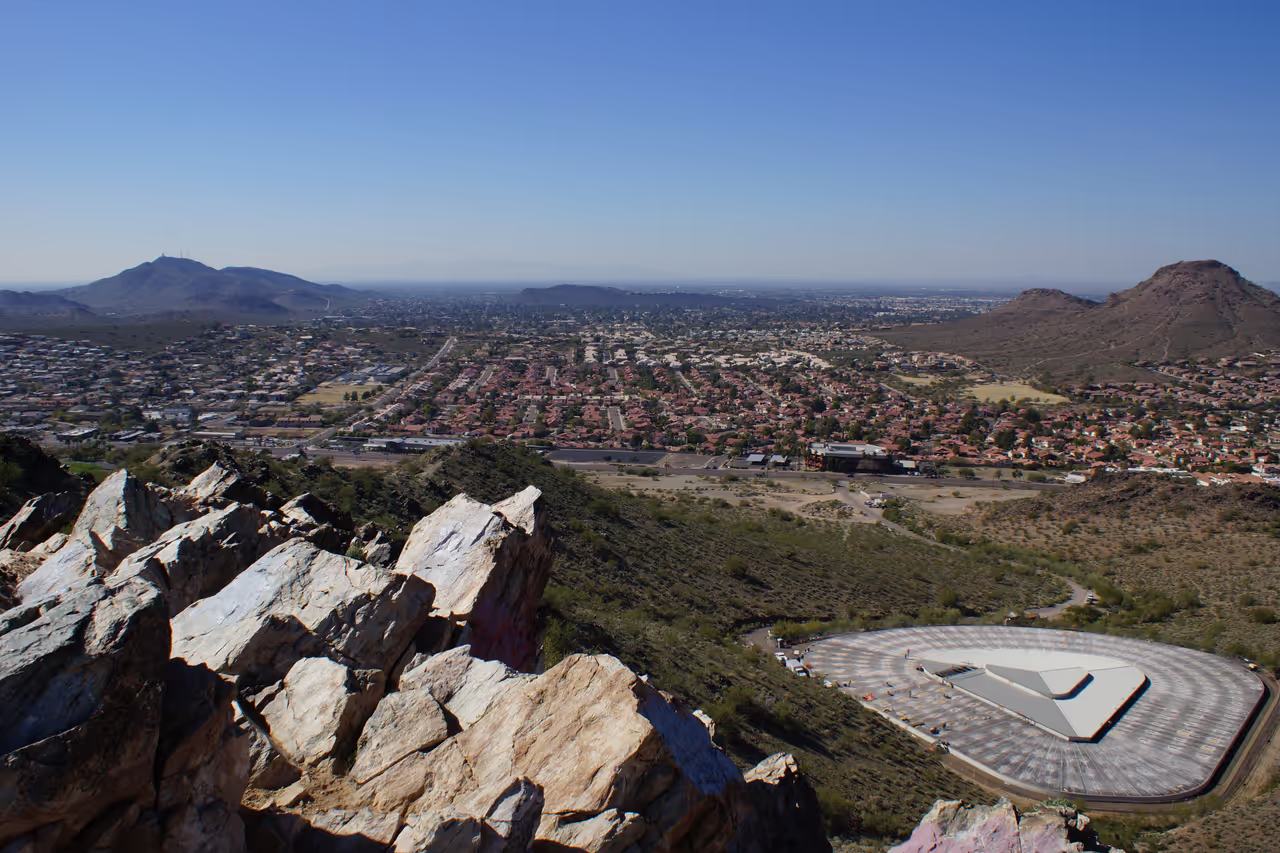
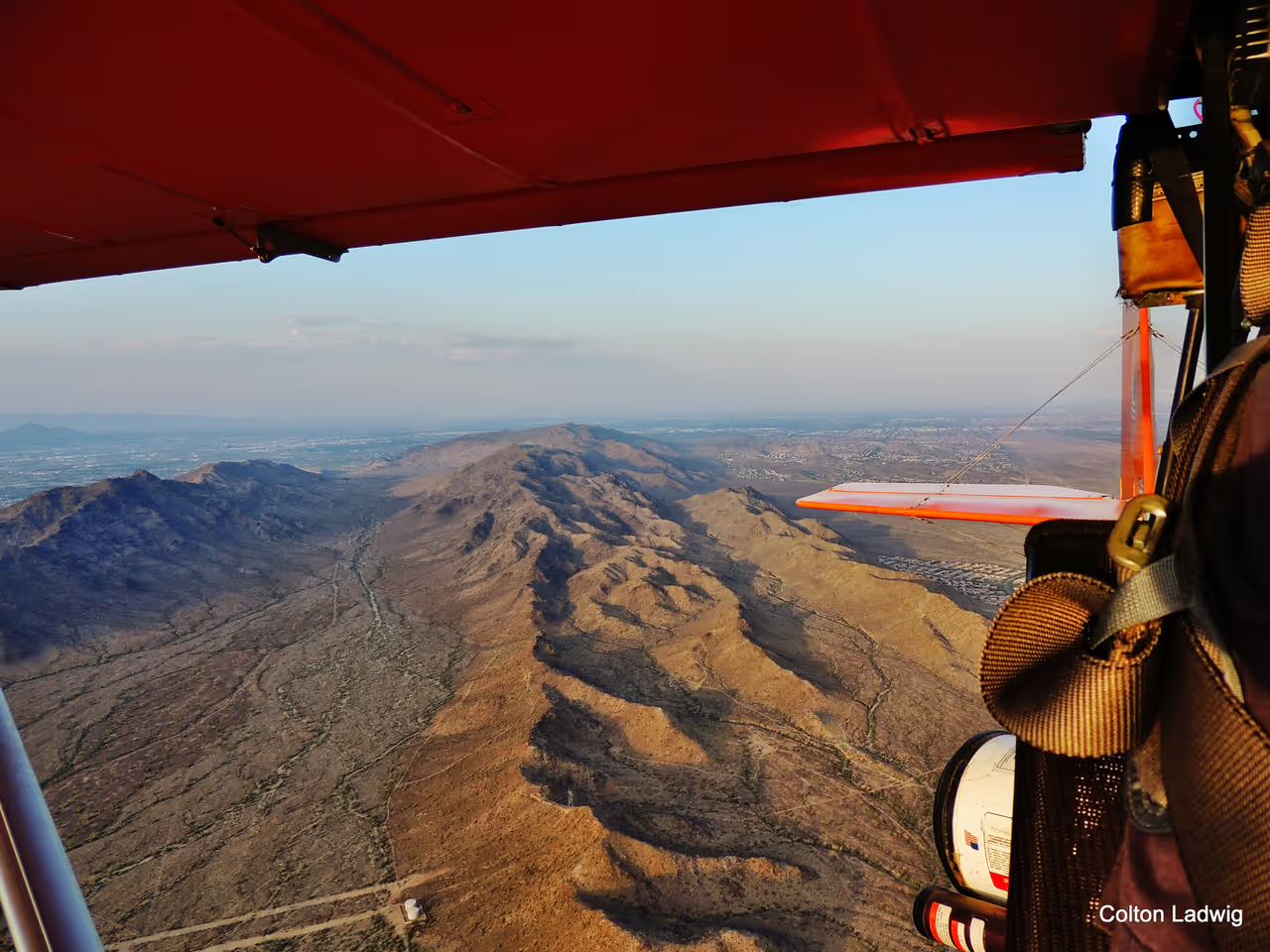
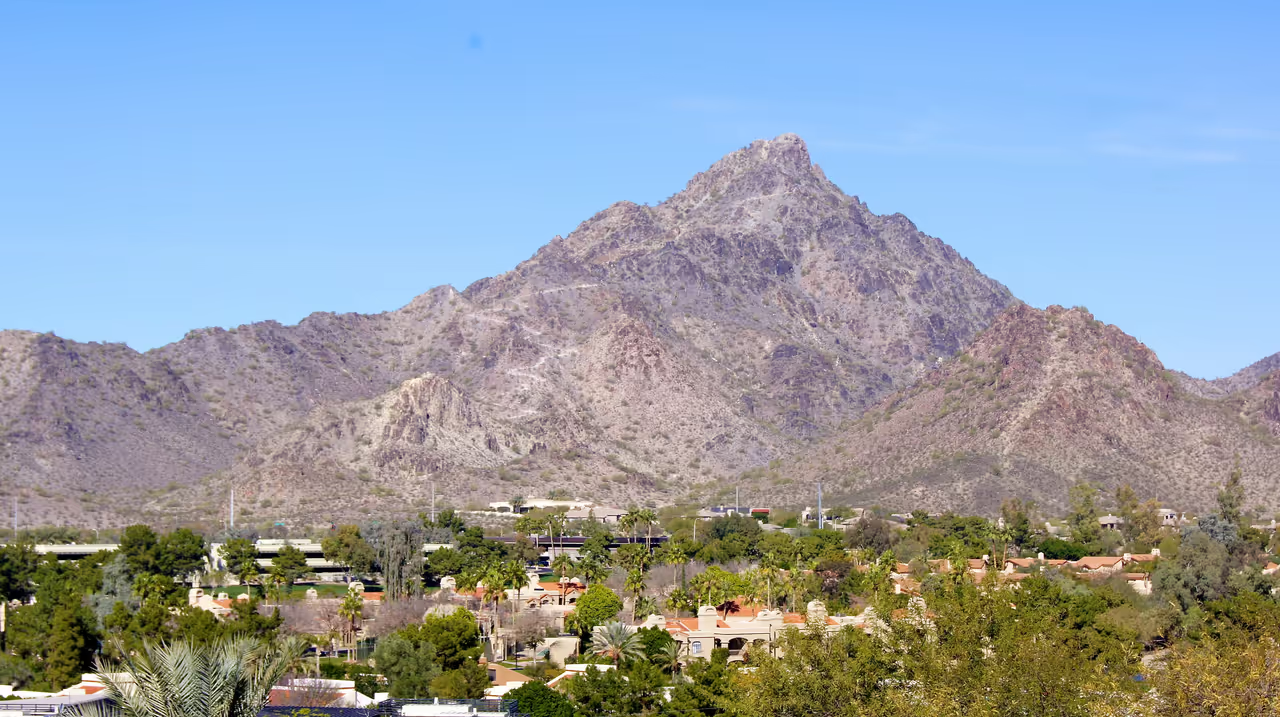
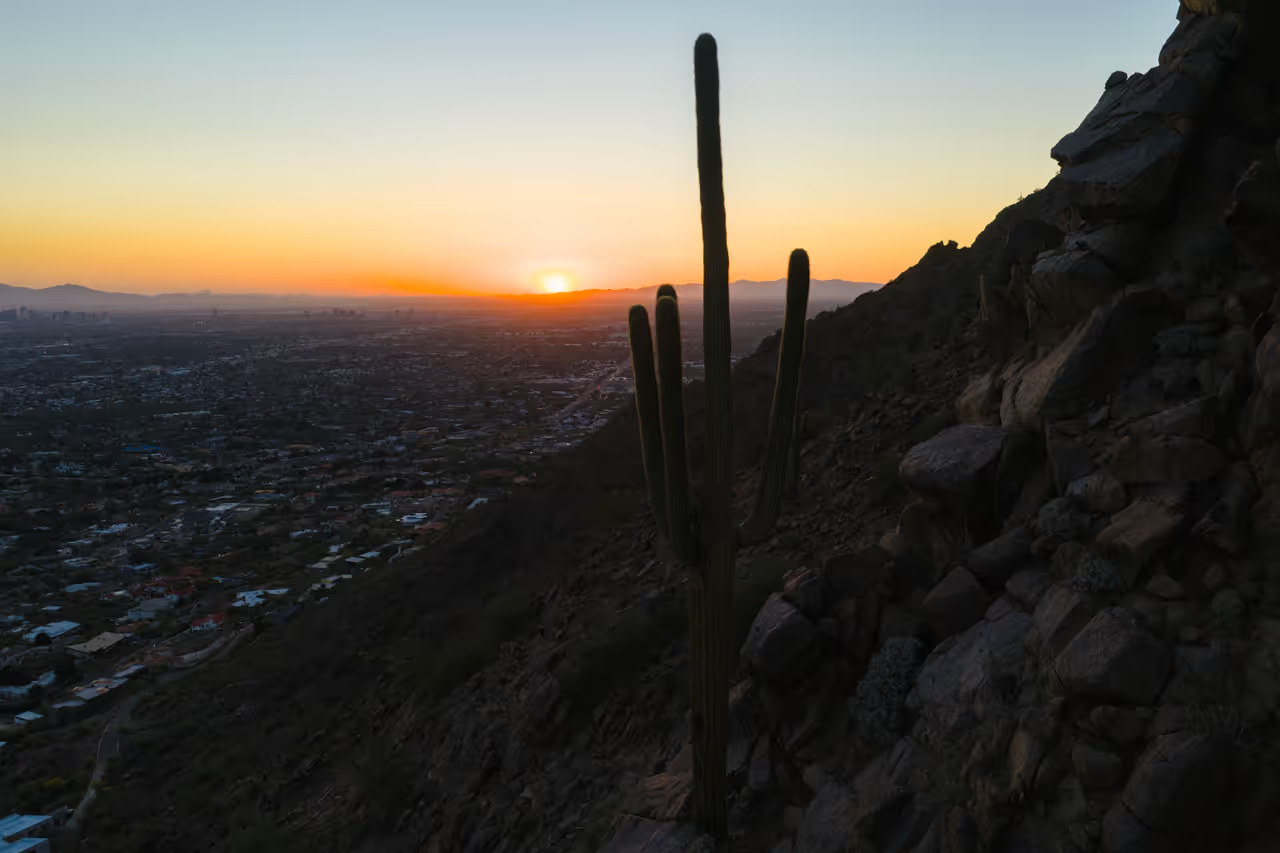
Rising prominently above the desert floor, Camelback Mountain stands as the undisputed crown jewel of the Phoenix landscape. Its distinct silhouette, mirroring a kneeling camel, serves as an unmistakable beacon for locals and visitors eager for a challenge. Whether you are scaling the steep, rugged trails of Echo Canyon or the winding paths of Cholla, the reward is an unparalleled panoramic view of the entire metropolitan valley. This is an immersive experience where ancient geological history meets the raw, captivating beauty of the Sonoran Desert. For those ready to test their mettle against the heat and the heights, it offers an unforgettable adventure that defines the spirit of Arizona.
Videos
History of Camelback Mountain
Long before modern hikers laced up their boots, Camelback Mountain served as a sacred space for the indigenous Hohokam people. Archaeologists have discovered evidence of their presence in caves on the north face, suggesting the mountain held deep significance for those who called this arid landscape home centuries ago. As the city of Phoenix sprawled outward, the mountain became a focal point for both preservationists and developers, sparking decades of debate over the future of its rugged slopes. The fate of this giant hung in the balance throughout the mid-20th century. By the 1960s, private interests had encroached upon the lower levels, threatening to turn the iconic landmark into a residential site. The turning point arrived when legendary Arizona Senator Barry Goldwater championed the cause of conservation. His influence, combined with the tireless efforts of local advocates, secured the higher elevations from further construction. In 1968, the mountain was officially transformed into a city park, ensuring that its steep trails and unique geological treasures remained accessible to the public. Today, the mountain tells a geological story that spans over a billion years. The peak is formed from ancient Precambrian granite, while the head of the camel is composed of much younger red sandstone. This dramatic unconformity serves as a visible reminder of the powerful forces that have shaped the earth over aeons. It stands as a testament to the community dedication to protecting its natural heritage, inviting adventurers from across the globe to traverse paths that blend rich human history with dramatic, sun-drenched geology.
Events spanning 3268 years
Fun Facts
- • Camelback Road, a major artery spanning 34 miles across the valley, is named directly after this towering peak.
- • Hiking trails such as Echo Canyon and Cholla are physically demanding, requiring visitors to be well-prepared with water and proper footwear for steep, rocky terrain.
- • In 1879, President Rutherford B. Hayes briefly designated the mountain as part of a one million-acre reservation for indigenous tribes, a decision that was overturned just six months later.
- • The Praying Monk is a massive, free-standing red sandstone pillar on the north face that remains a famous destination for experienced rock climbers.
- • The city frequently implements trail closures during extreme heat hours to ensure the safety of hikers in the desert climate.
- • The mountain is a designated Phoenix Point of Pride, a prestigious title reserved for the most significant and iconic landmarks in the city.
- • The mountain is named after its distinct shape which resembles the head and hump of a kneeling camel.
- • The peak showcases a dramatic geological unconformity where 1.5 billion-year-old Precambrian granite sits directly beneath 25 million-year-old Oligocene sandstone.
RESOURCES
Official WebsiteCamelback Mountain FAQ
While we strive to keep this information accurate and up to date, we recommend verifying any details independently before making decisions based on them.
Camelback Mountain Map & Neighborhood Explorer
This interactive map is centered on Camelback Mountain. Zoom in and move the map around to automatically discover Wikipedia photos and summaries of other nearby sights, monuments, and historical points of interest and stories in real-time!
Places near Camelback Mountain
Make the most of your trip. Check out these top-rated spots located nearby.
 5661m
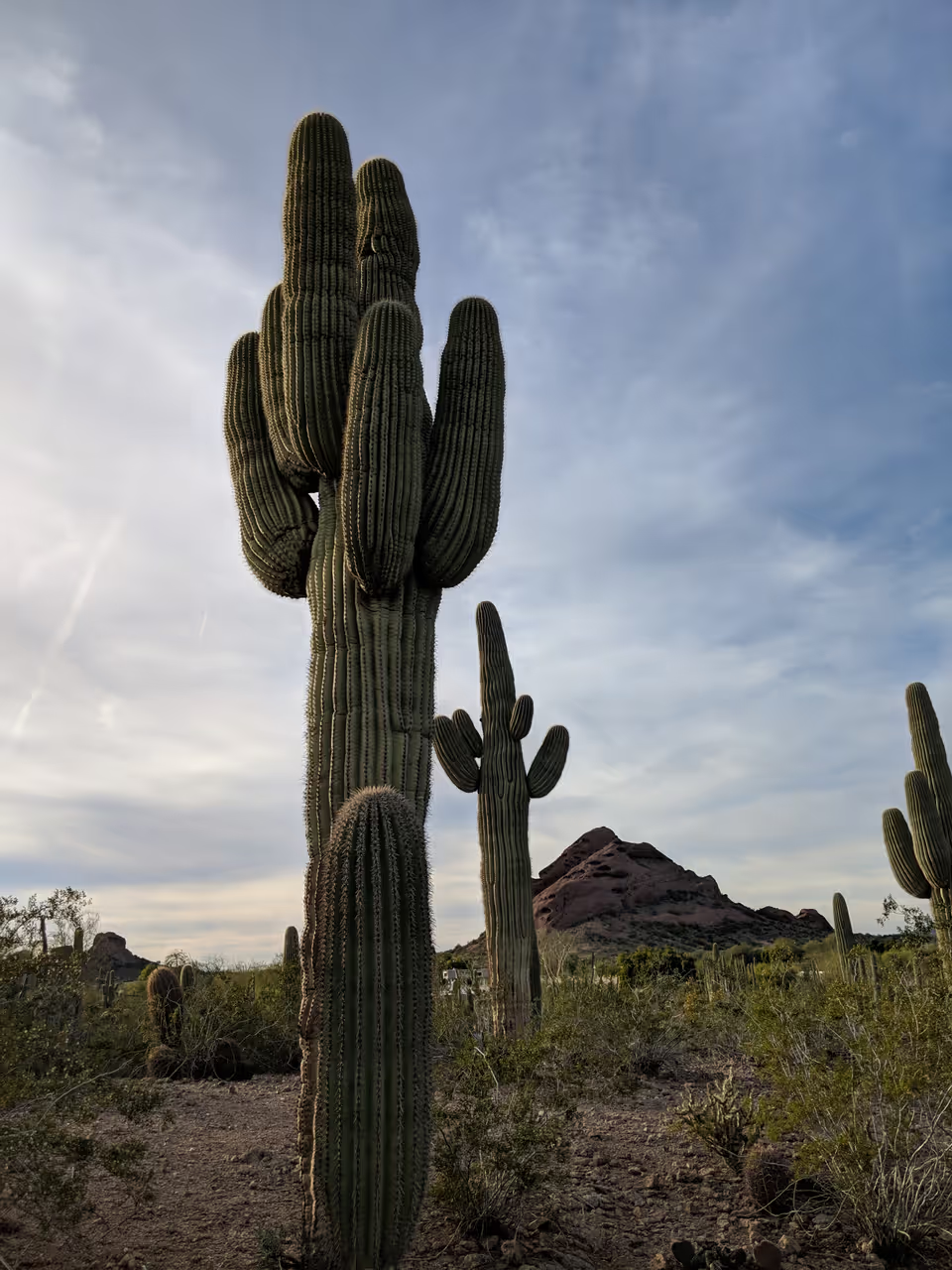
5661mDesert Botanical Garden
The Desert Botanical Garden is a vibrant sanctuary where the harsh beauty of the Sonoran Desert is masterfully curated into a living gallery. Spanning 140 acres, it offers a tranquil escape from the urban landscape, allowing visitors to walk among over 50,000 plants, including rare cacti and succulents from around the globe. Whether you are wandering through the butterfly pavilion or admiring the sculptural forms of giant saguaros, the atmosphere is one of serene wonder. It is a place that celebrates the resilience of desert life and provides an educational window into one of the world's most misunderstood ecosystems. Visiting here is an essential experience for anyone wanting to truly connect with the unique spirit of Arizona.
attraction view 5811m
5811mBiltmore Area
The Biltmore area offers a highly refined and luxurious approach to evening entertainment. This affluent district features elegant restaurants that transition into sophisticated late night lounges. Visitors can enjoy premium wine selections, masterfully crafted cocktails, and upscale ambience. The venues here prioritise impeccable service and beautiful aesthetic design over loud music or crowded dance floors. It provides the perfect setting for a romantic evening or an impressive business gathering.
nightlife view 5892m
5892mArizona Biltmore Hotel
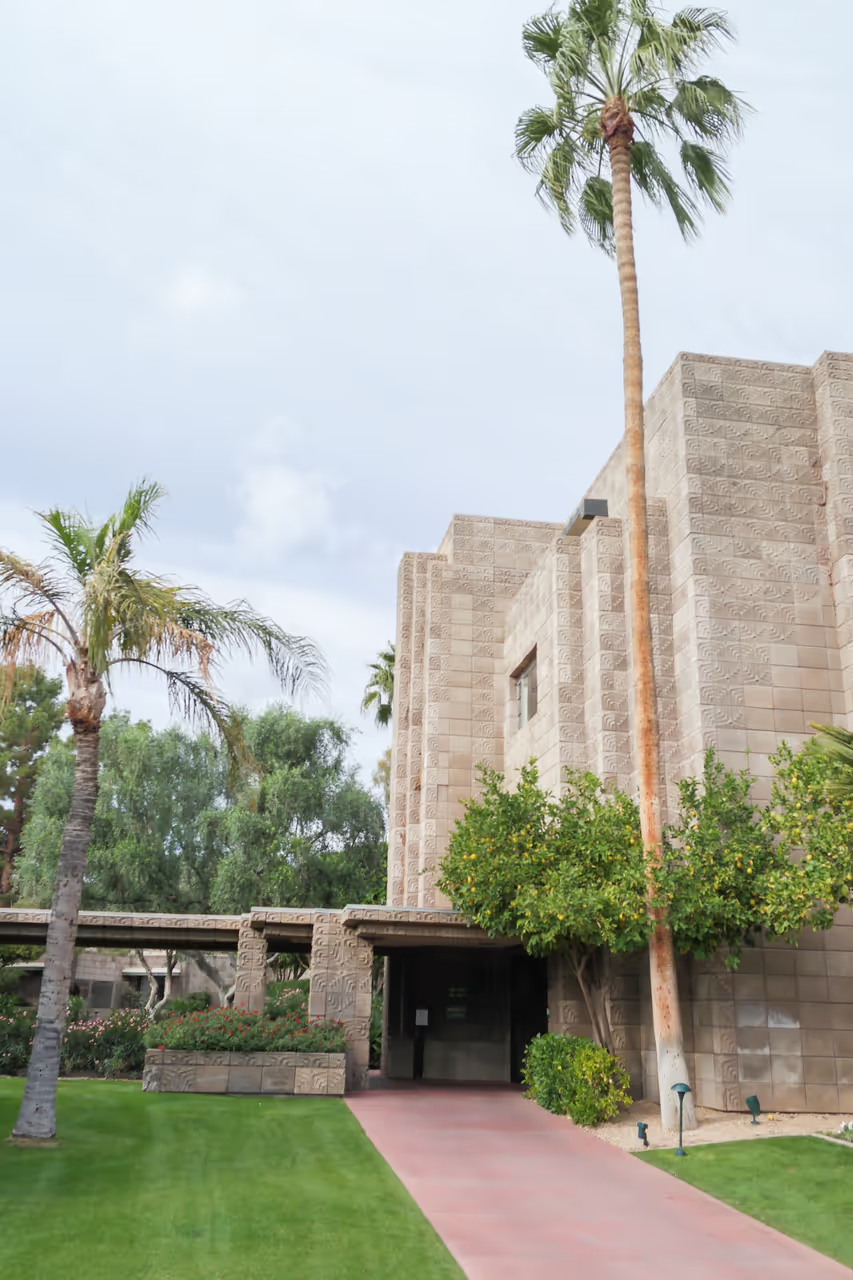
This phenomenal luxury resort is a masterpiece of early twentieth century design. The distinctive geometric concrete blocks used in its construction were heavily influenced by the legendary architect Frank Lloyd Wright. The sprawling grounds and elegant structures exude a highly sophisticated and timeless glamour. It has famously hosted numerous presidents and celebrities throughout its storied history. The building remains a monumental example of how architectural ambition can perfectly complement the desert landscape.
architecture view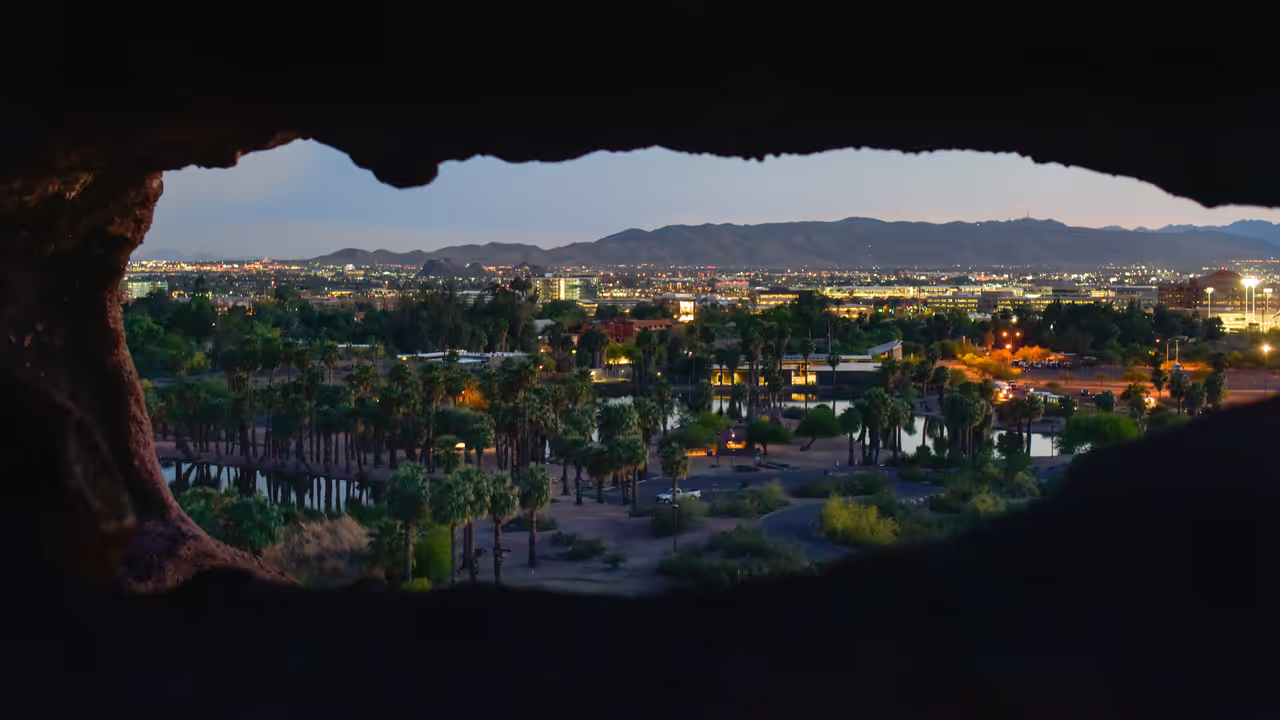 6072m
6072mHole-in-the-Rock
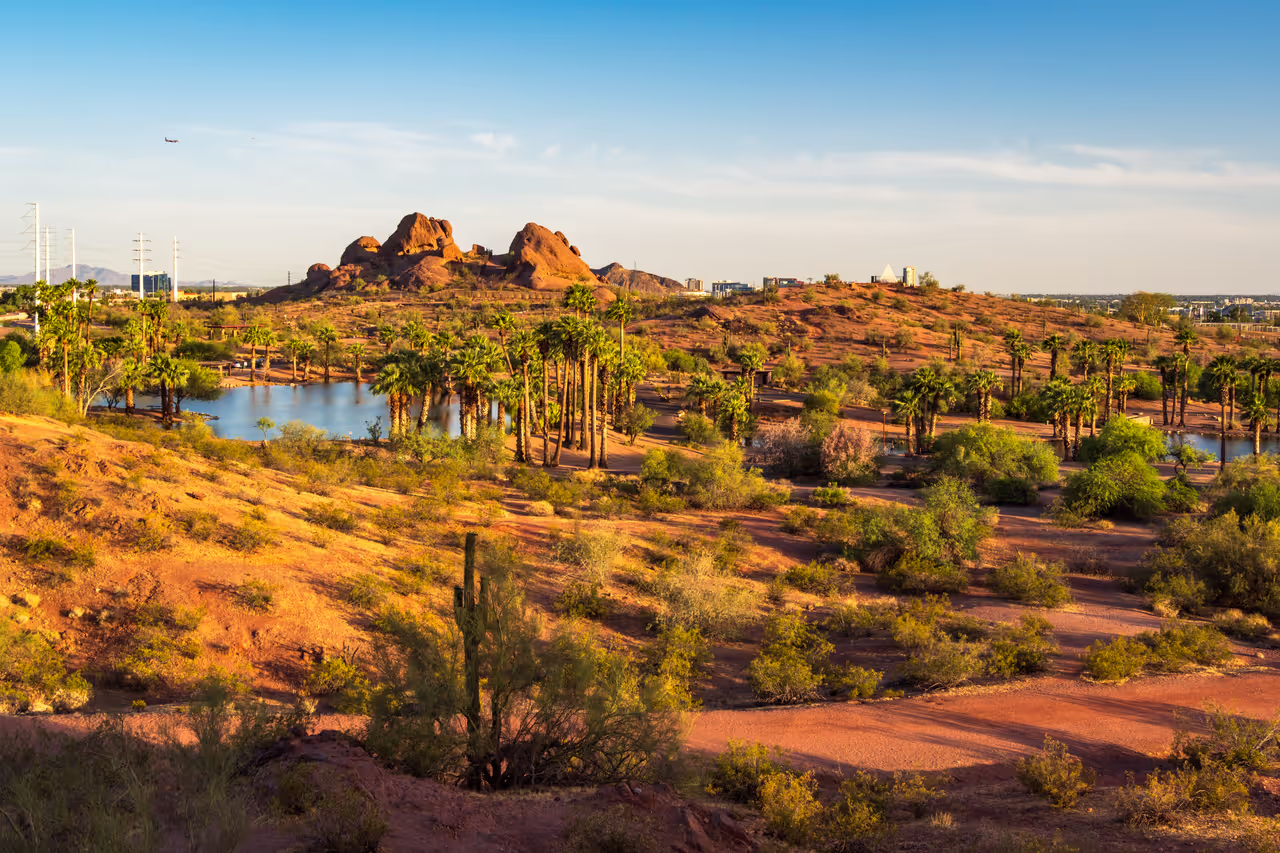
This massive geological formation features a naturally eroded chamber that provides a fantastic framing window over the landscape. A short, highly manageable hike leads visitors directly inside the cool, shadowed archway. The view looks out over peaceful park lagoons and the striking modern skyline in the distance. It serves as a phenomenal spot for photography, especially as the evening light paints the city. The unique red sandstone setting makes the view incredibly memorable.
viewpoint view
Explore Similar Places in This Collection
Featured on These Itineraries and Routes

3 Days in Phoenix Itinerary
This excellent three day journey allows visitors to deeply explore the contrasting elements of the city. It dedicates ample time to discovering the historic civic centre, climbing the dramatic mountain peaks, and uncovering quirky local legends. The pace is incredibly well balanced, mixing energetic outdoor mornings with relaxed, culturally enriching afternoons. It provides a highly comprehensive view of what makes the desert metropolis so profoundly unique.
view itinerary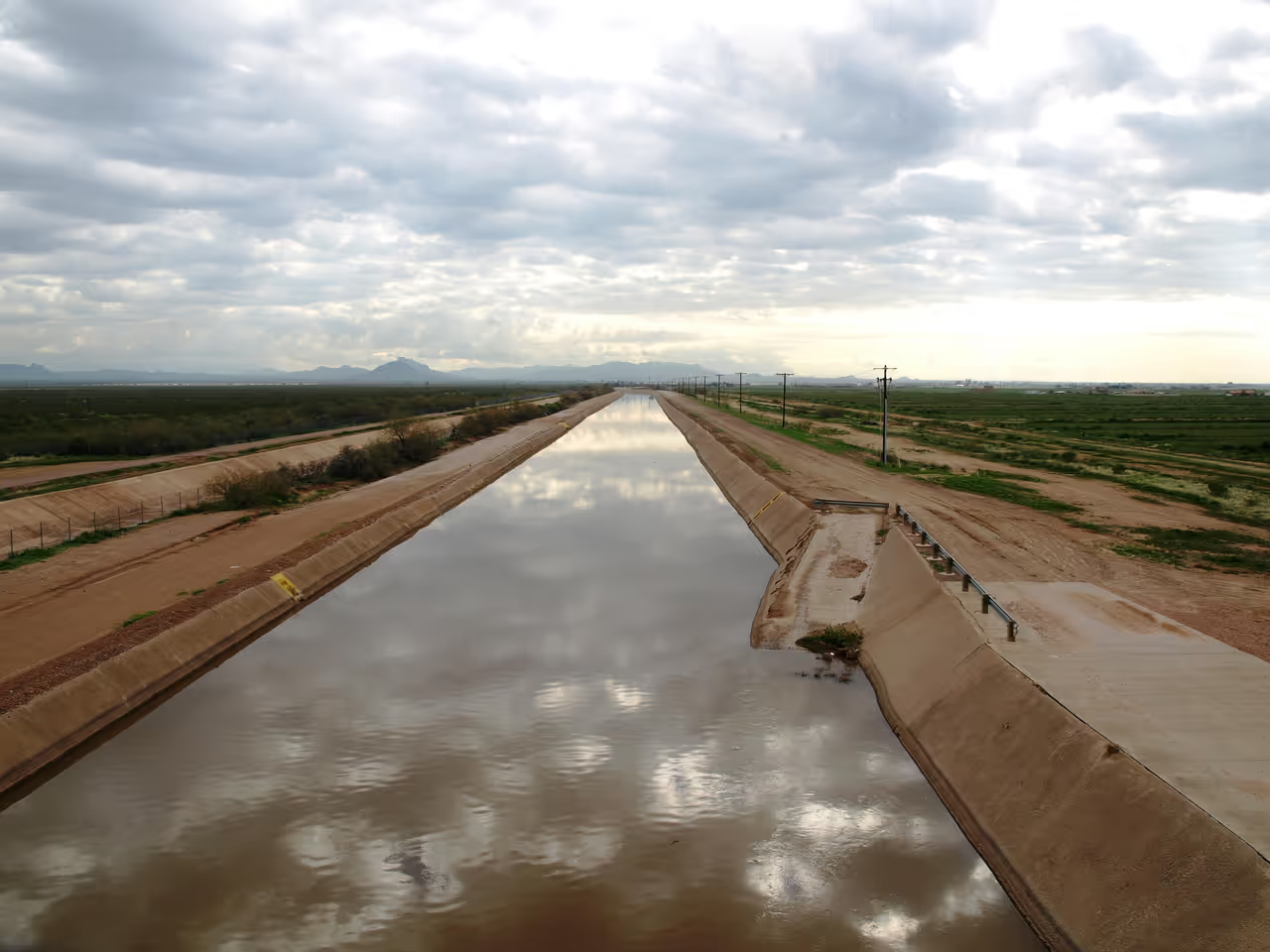
Arizona Canal Trail
This extensive trail follows the historic waterways that originally brought life to the desert city. The flat, uninterrupted paths allow for a highly relaxed and rhythmic cycling experience. Riders glide through upscale residential areas, bustling commercial districts, and serene stretches of water. The route provides a fascinating perspective on the ingenious irrigation system that sustains the valley. It stands as a brilliant way to cover long distances without encountering heavy street traffic.
view cycling route
See all nature & parks in Phoenix
Papago Park, Phoenix Mountains Preserve, South Mountain Park, Encanto Park, Margaret T. Hance Park, Piestewa Peak...